Tag Archives: oceania

Queensland's largest dam begins releasing water

Queensland's largest dam has opened its gates to release thousands of megalitres of water to prevent another flooding emergency.

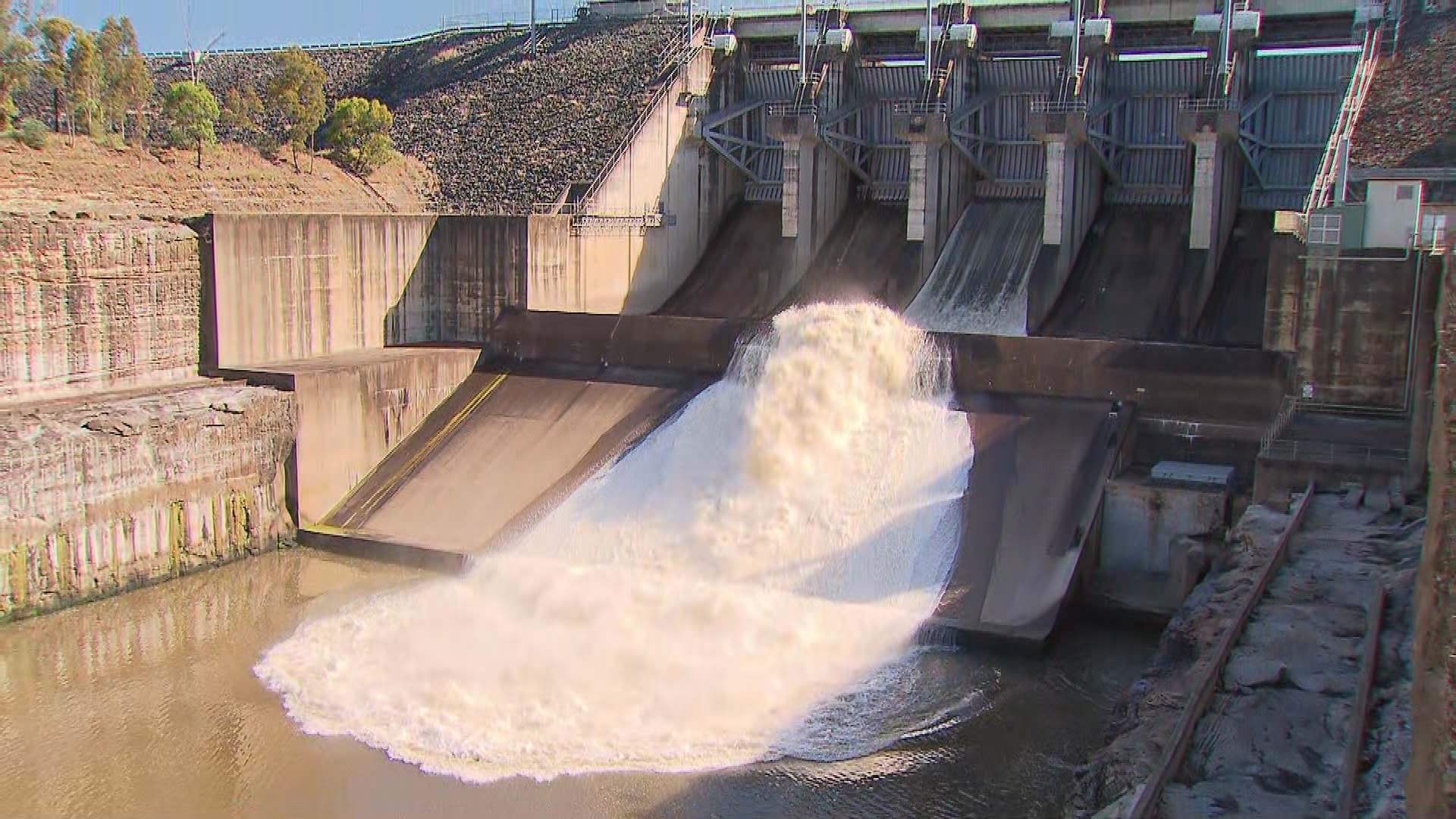
Wivenhoe Dam opened just moments ago after the Queensland government announced 116,000 megalitres of water would be released.

The plan is to reduce the water level from 90 per cent to 80 per cent to prevent a flood crisis this summer.

LIVE UPDATES: Victorian town prepares for worst flooding event in 40 years

Wivenhoe Dam in Queensland begins releasing water.

"Small river rises downstream of Wivenhoe are anticipated during these releases, with river flows remaining well within the riverbanks," SEQWater said in a statement.

"Wivenhoe acts a dual-purpose dam, providing both storage for drinking water, as well as temporary storage to help mitigate flood waters during severe weather."

Residents downstream of the dam are warned to stay away from fast flowing or deep water near waterways and floodplains.

READ MORE: Australia to offer six months paid parental leave by 2026

https://twitter.com/Seqwater/status/1581049140301418496

In February during the devastating floods, the dam filled from 80 per cent to 180 per cent – which is its capacity.

Residents across the south-east have been told to "Gerni away" and use the water to hose their homes, cars and gardens after years of water restrictions.

The government will also knock $55 off household water bills, the full details of which can be read here.

Australia to offer six months paid parental leave by 2026

The Albanese government has announced it add an additional six weeks to the paid parental leave scheme (PPL), allowing Australians who have a child to receive payments for a full six months.

Currently parents are eligible for 18 weeks of paid parental leave and two weeks of secondary carer leave.

Both are paid at the same rate as the national minimum wage.

LIVE UPDATES: Victoria facing record-breaking floods not seen since 1974

Those imminently expecting a child will miss out however, with the government proposing that it will expand the scheme by two weeks every year from 1 July 2024, until paid parental leave hits the full 26 weeks in July 2026.

Prime Minister Anthony Albanese said investing in new parents would provide a long-lasting economic return.

"This is a modern policy to support modern families. We know that investing in parental leave benefits our economy. It is good for productivity and participation, it's good for families and it's good for our country as a whole," he said.

"More generous and more flexible paid parental leave rewards aspiration and provides every parent of a new baby with greater choice and better support."

READ MORE: Actor Robbie Coltrane, Harry Potter's Hagrid, dies at 72

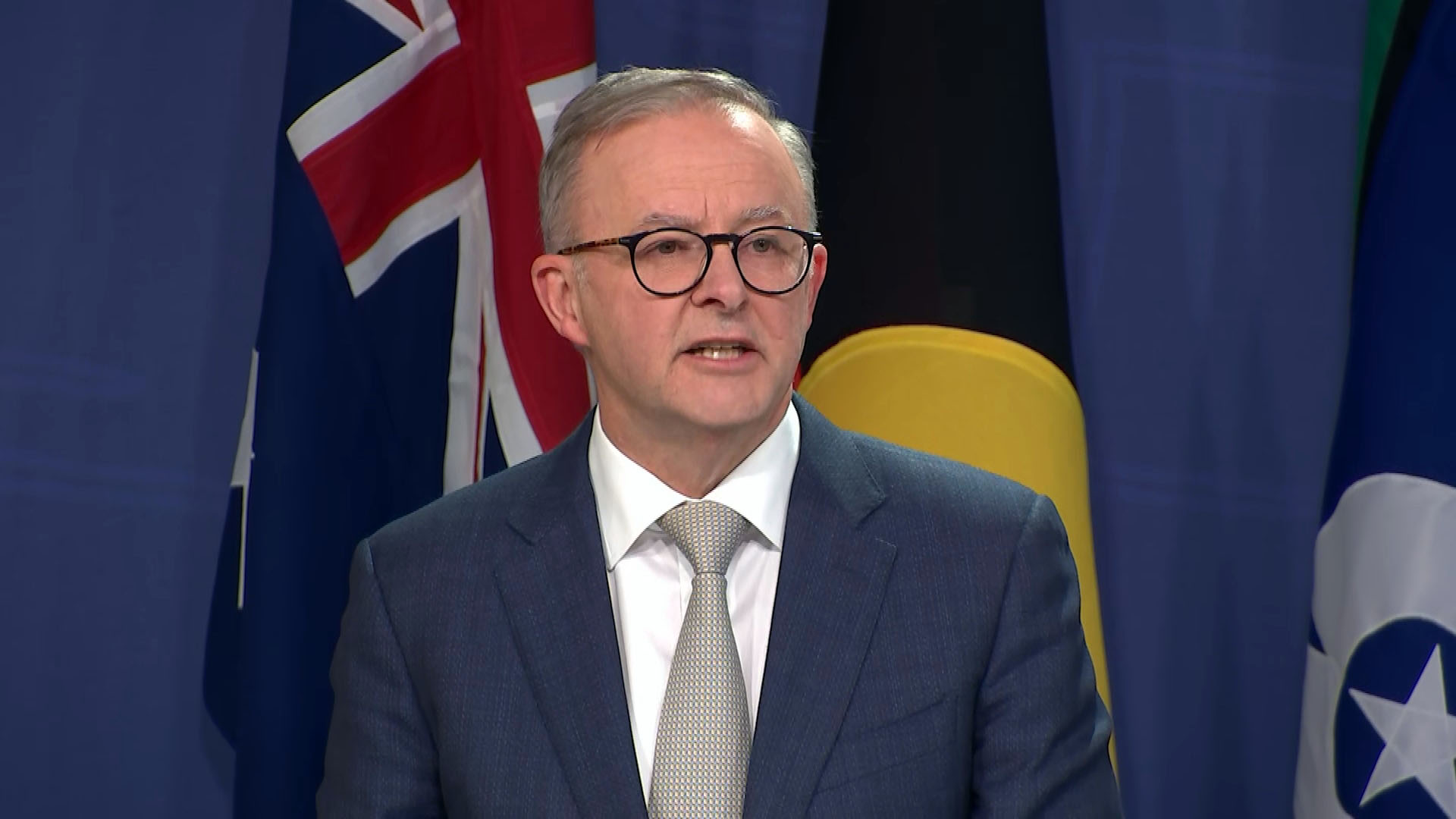
Prime Minister Anthony Albanese

Minister for Social Services Amanda Rishworth said boosting women's workforce participation and encouraging more dads to take parental leave was a priority for the Government.

"This will benefit mums, it will benefit dads, it's good for children, and it will be a huge boost to the economy," Minister Rishworth said.

"We know that treating parenting as an equal partnership helps to improve gender equality.

"It is important that we have a Paid Parental Leave scheme that supports modern Australian families and that complements other parental leave schemes offered by a growing number of employers."

READ MORE: Woolworths say 2.2 million customers exposed in MyDeal data breach

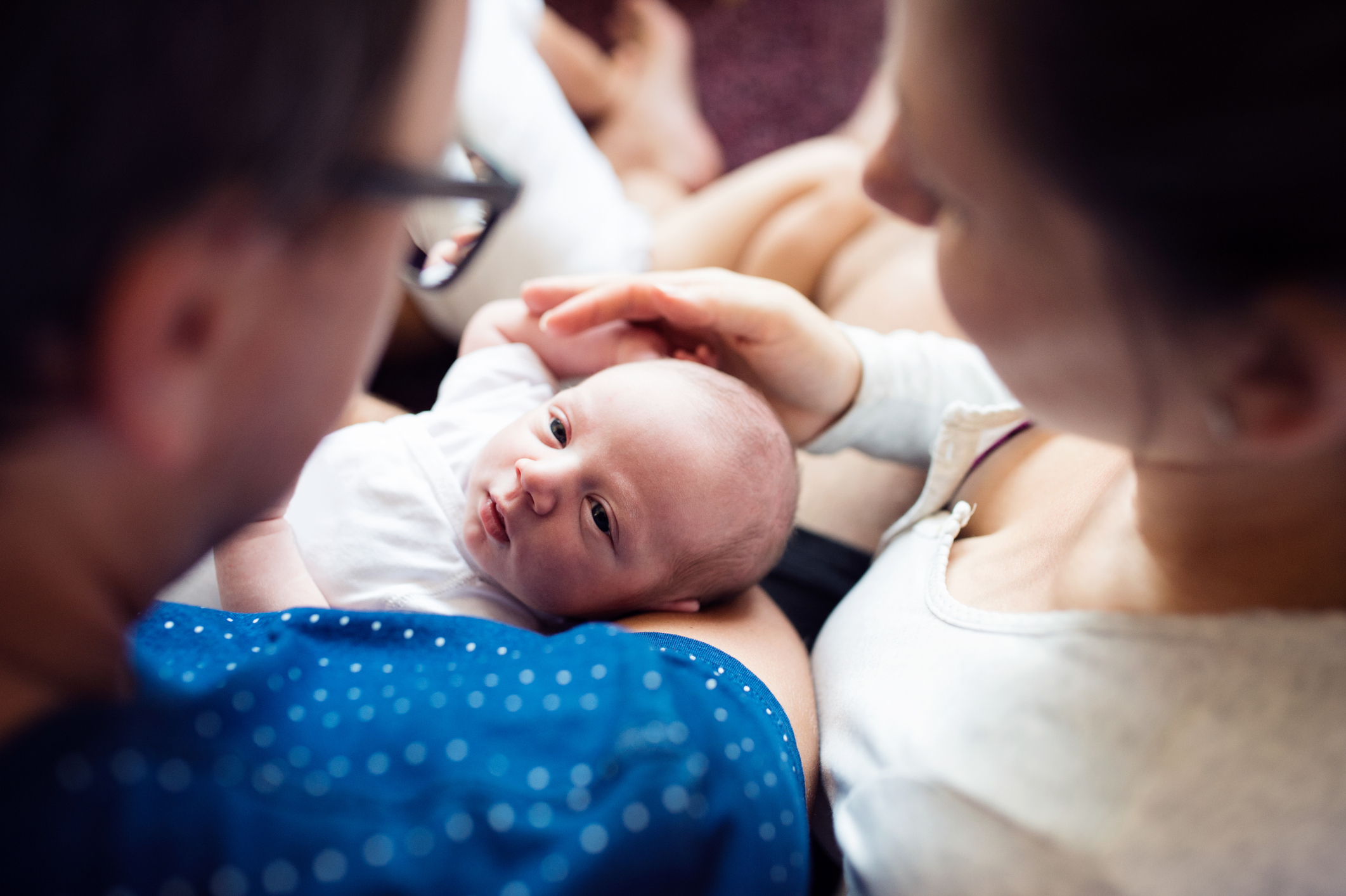
Mum, baby and dog playing in baby nursery.

The government will maintain "use it or lose it" weeks to encourage and facilitate more dads and partners to access PPL, so that both parents can share in those precious early days and share the caring responsibilities more equally.

The 26 weeks leave will be able to be taken in blocks if desired, and single parents will be entitled to the full leave offered to two-person couples.

Further detail of this important measure will be released in the Federal Budget on October 25.

Astronauts returning home from space safely splash down off Florida coast

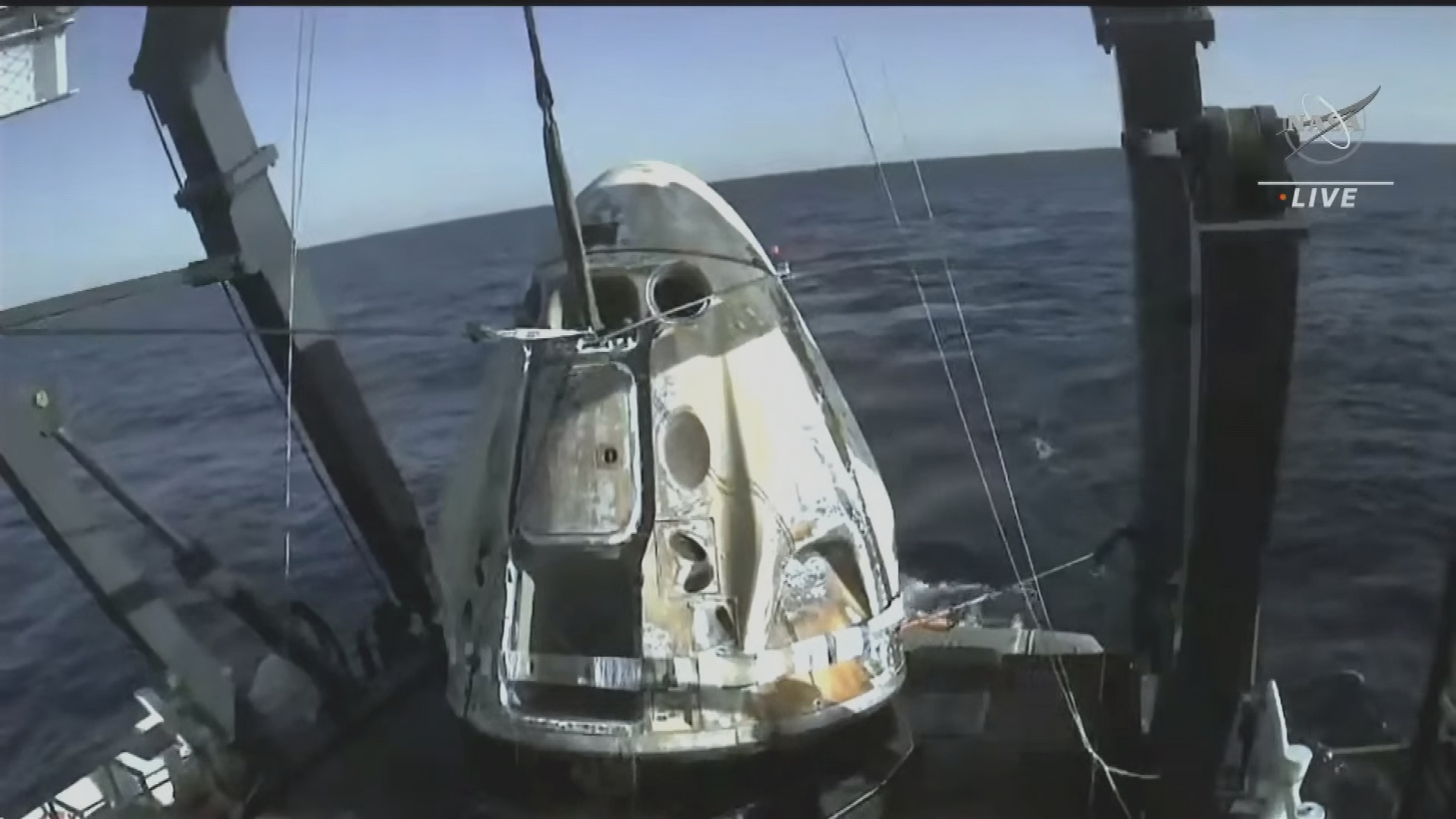
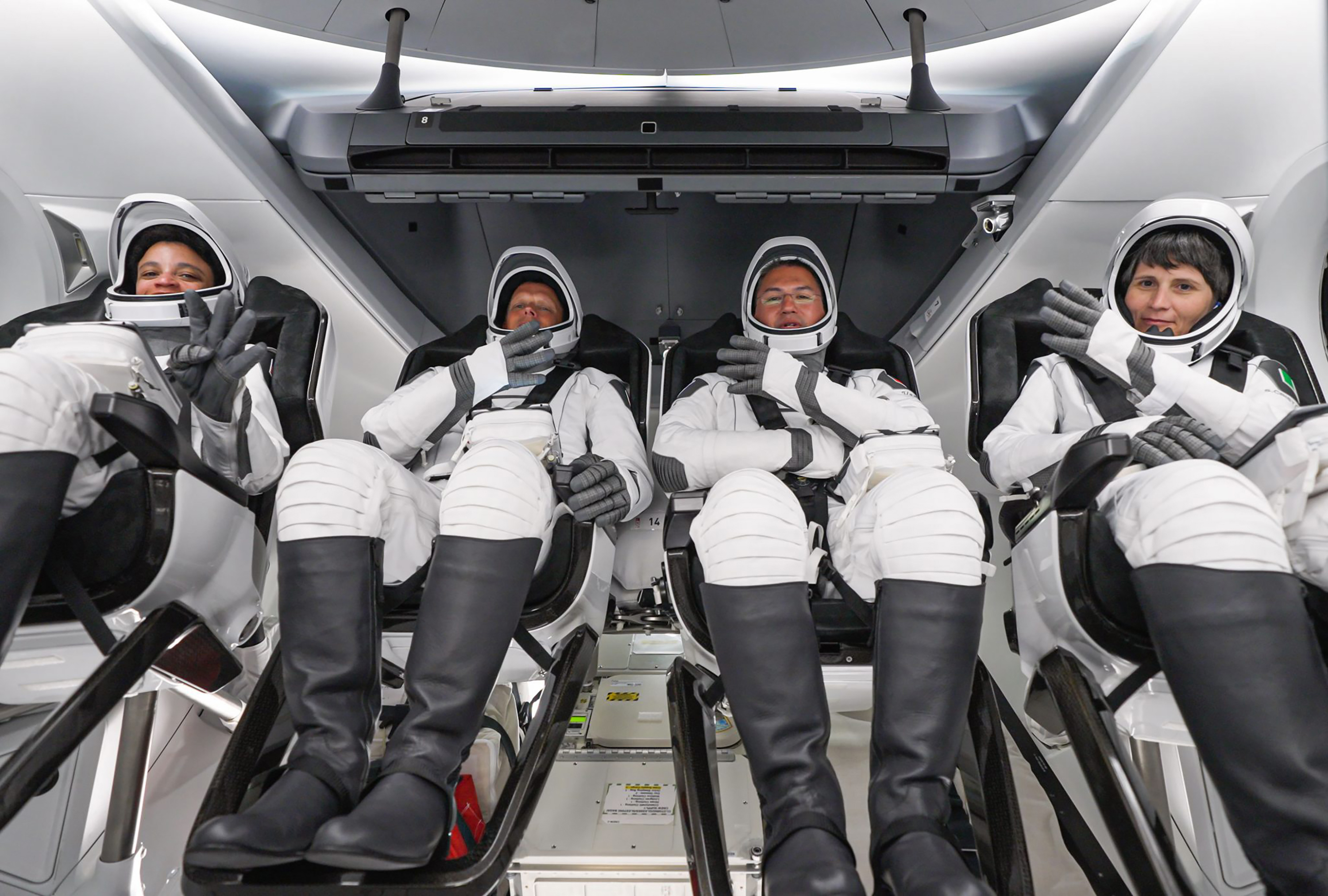
Four astronauts boarded a SpaceX Crew Dragon capsule and returned home from the International Space Station on Friday, bringing an end to their nearly six-month stay aboard the orbiting laboratory.

The astronauts — NASA's Kjell Lindgren, Bob Hines and Jessica Watkins as well as Italian astronaut Samantha Cristoforetti with the European Space Agency or ESA — shared goodbye hugs with other astronauts on the space station and strapped into their spacecraft.

The Crew Dragon spacecraft left its docking port at the ISS and made a gradual trek home toward the edge of Earth's thick inner atmosphere.

LIVE UPDATES: Victoria facing down record-breaking floods not seen in half a century

Then, the capsule lit up its thrusters again to orient itself as it began its reentry.

This step began to slow the spacecraft from its orbital speed of about 28,164km/h.

A heat shield kept the astronauts protected as the fiery swoop back toward Earth heated the spacecraft's exterior to more than 1650 degrees Celsius.

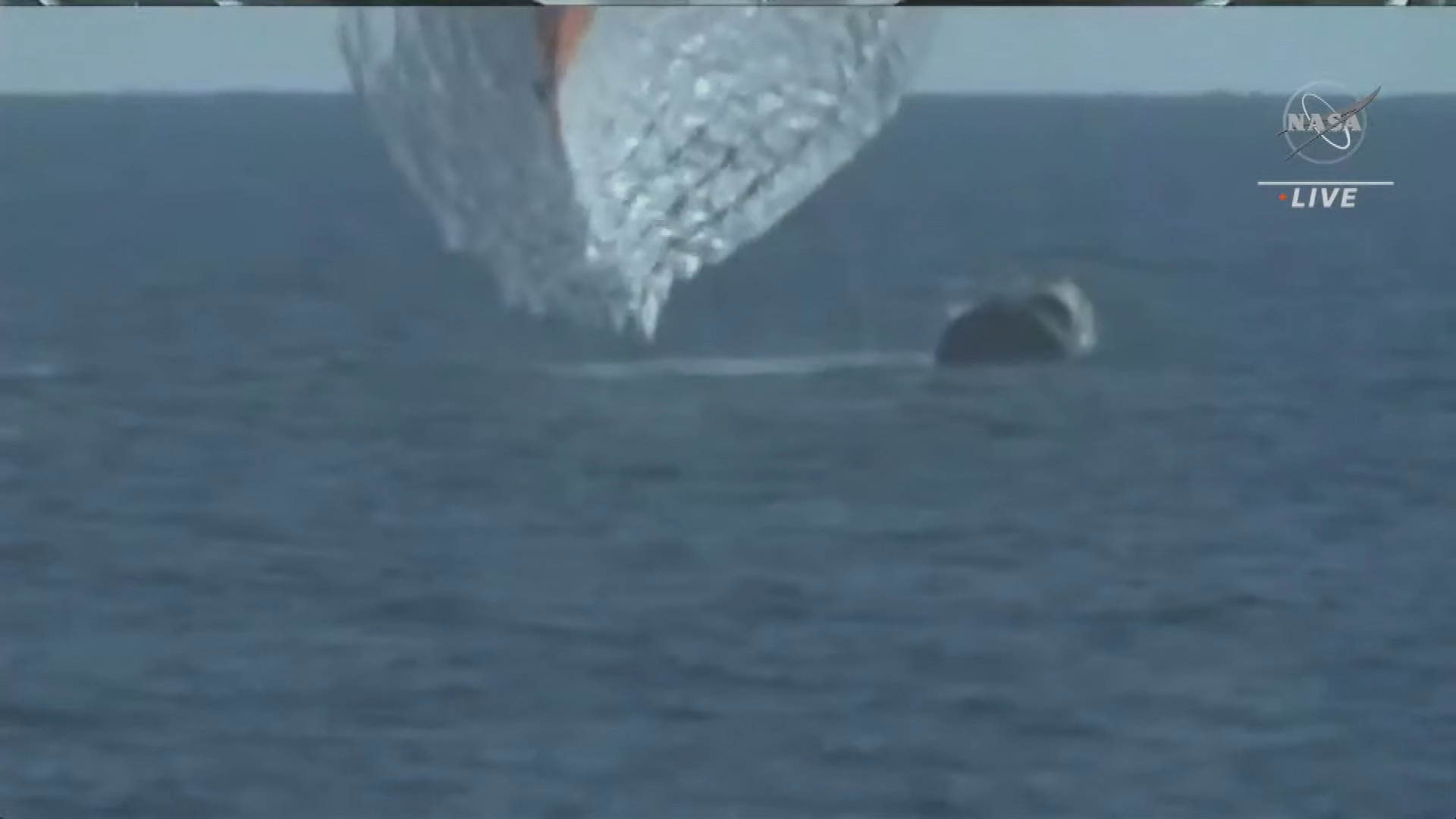
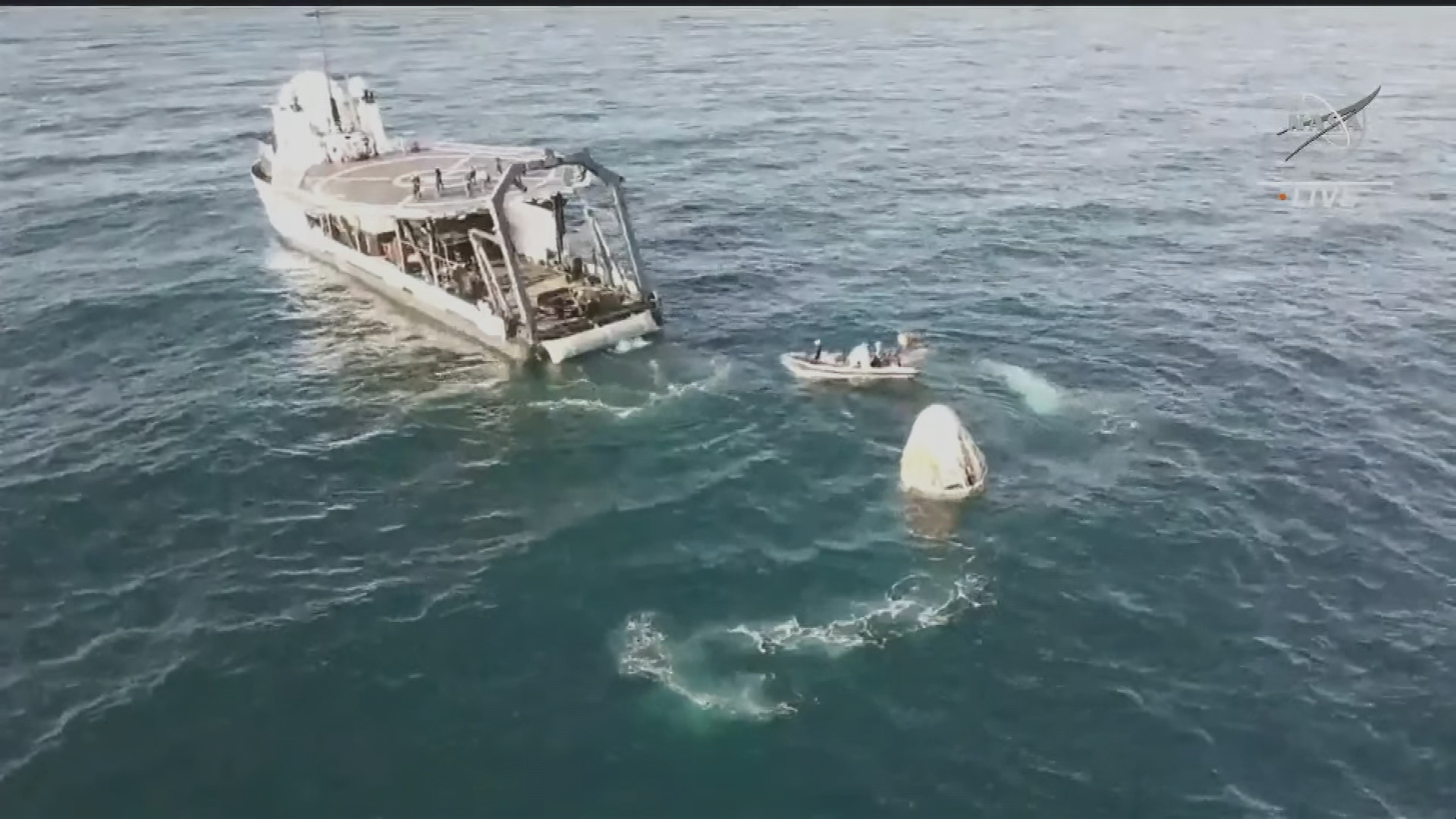
A plume of parachutes then slowed its descent further before it came to a splashdown landing off the coast of Jacksonville, Florida.

The crew was initially scheduled to depart the space station Wednesday evening, but ground crews waved off that attempt due to rough weather.

READ MORE: World-first 'planetary defence' test strike a success, NASA says

Storms also dashed a second attempt at the return Thursday morning.

This mission, called Crew-4, has marked a historic first, with Watkins becoming the first Black woman to join the space station crew for an extended stay.

During their stay, the astronauts conducted science experiments, including research on how to grow vegetables in space without soil and the study of spaceflight effects on the human body.

Those experiments are designed to help astronauts understand how they may one day grow their own food and how their bodies may react on missions deeper into space, such as on NASA's planned Artemis moon missions, Watkins said during a news briefing last week.

READ MORE: UK spy chief says China's tech aims are a 'threat to us all'

"It's been awesome to be able to walk into the Columbus module and smell the smell of leaves growing, of plants growing," Watkins told reporters.

Cristoforetti, who was on one previous mission to the space station in 2014-2015, is the sole woman in ESA's astronaut corps, and she made history of her own on this mission. Last month, she took over as commander of the space station, becoming the first European woman to do so.

Cristoforetti also conducted a spacewalk in July to deploy small satellites and work on the installation of a new robotic arm on the space station's exterior.

Cattle farmer banned from all licensed venues across WA

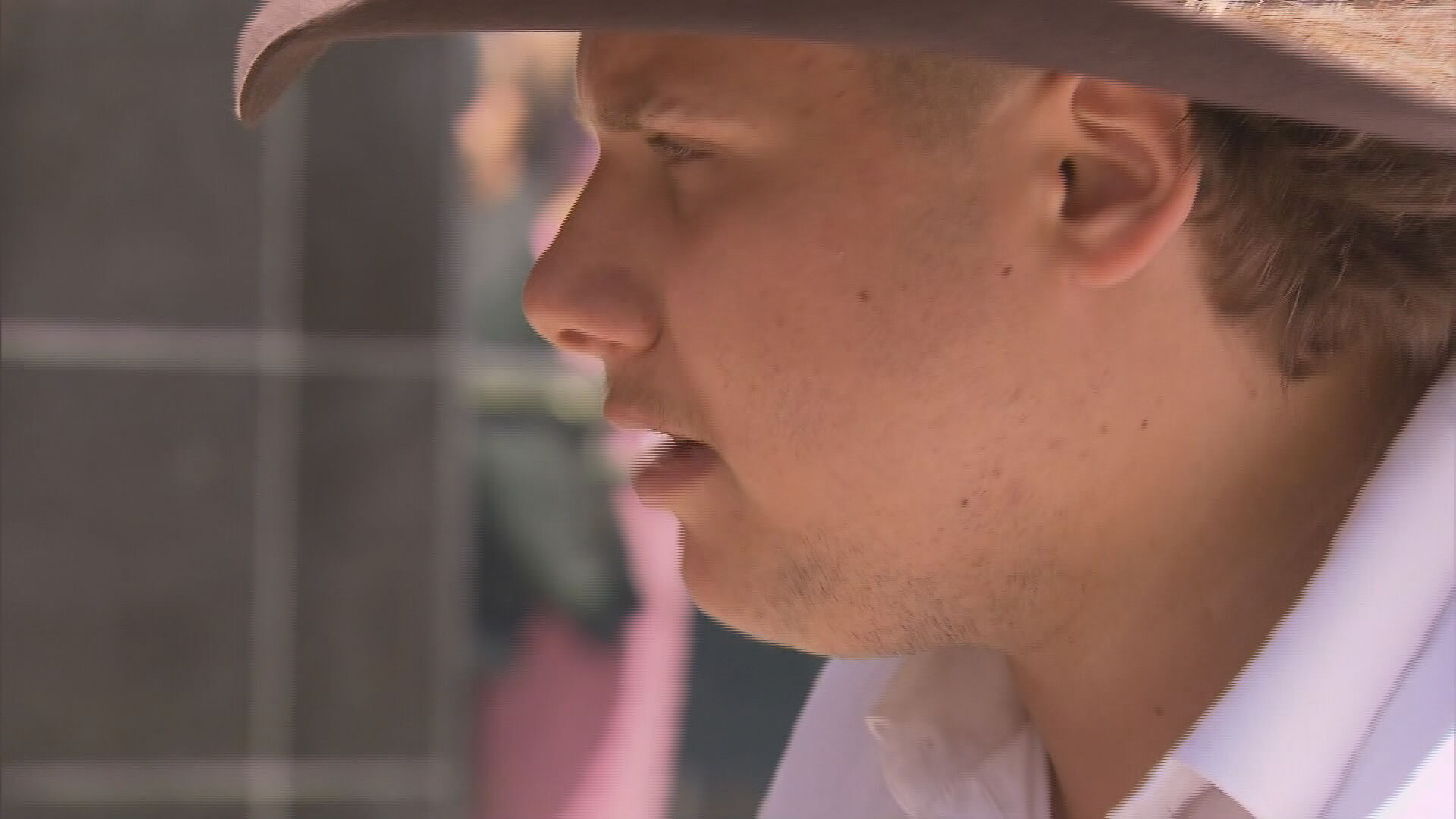
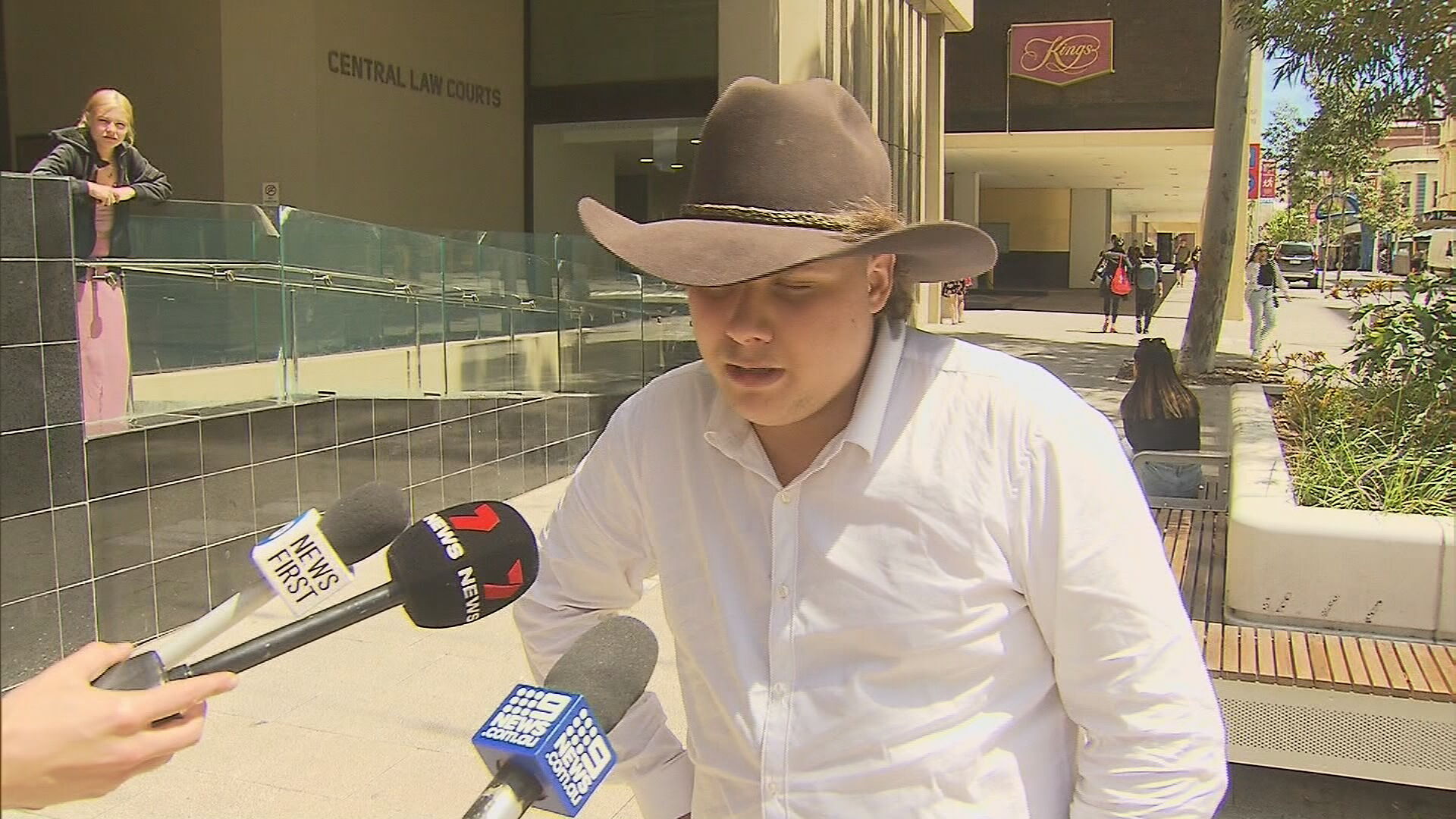
A WA cattle farmer has been slapped with a year-long ban at every licensed venue in the state, after an incident with a nightclub bouncer.

Kyle Ferguson has slammed his punishment as "un-Australian", despite admitting he threw a punch after being refused entry.

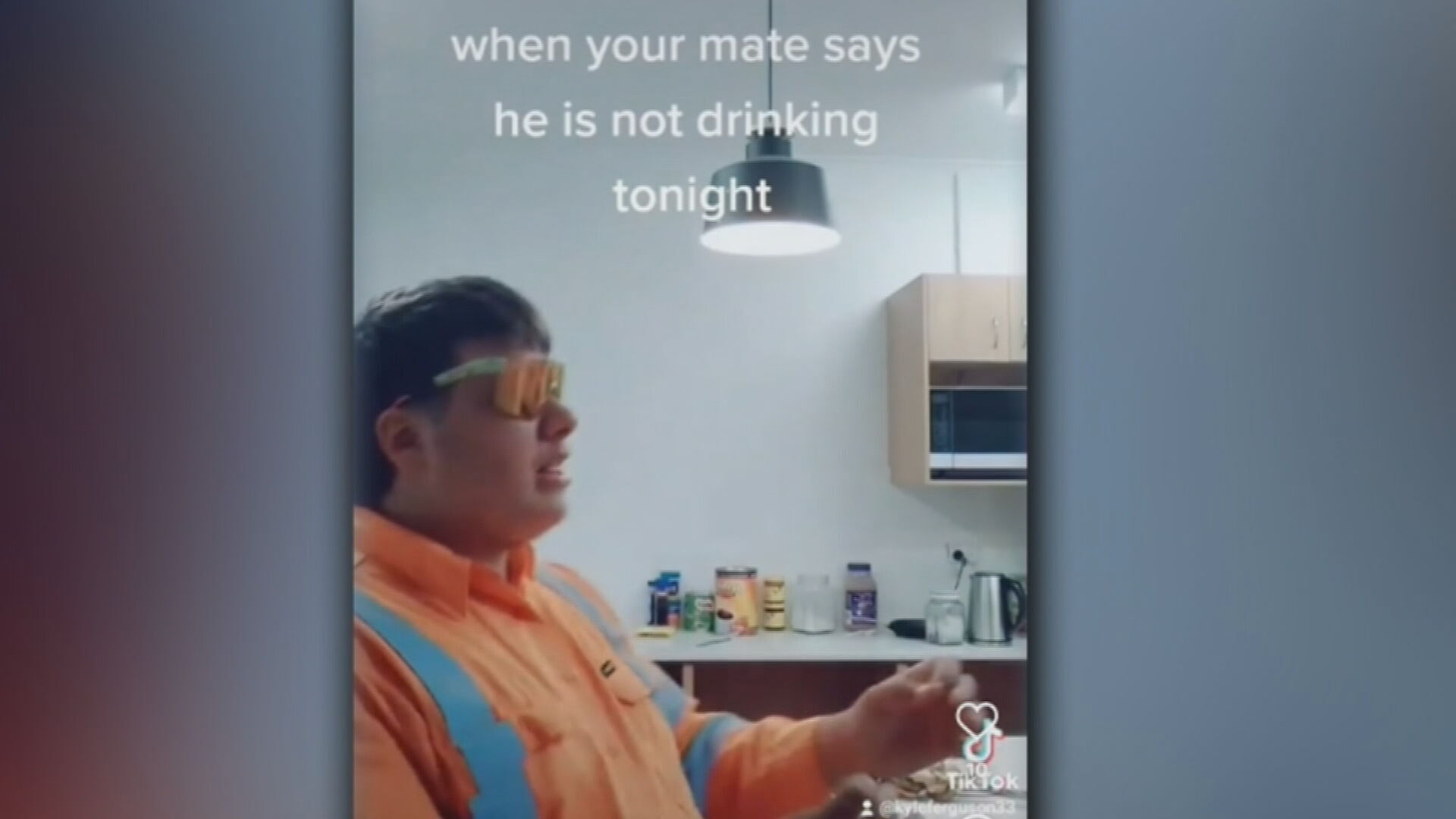
The 20-year-old cattle farmer has become a TikTok sensation who describes himself as a rum drinking, ute driving cowboy.

READ MORE: Rain easing but floodwaters set to rise across weekend

The cattle musterer said he doesn't think he could go a year without booze.

"I do get on the piss a lot, we go out to properties, we shoot s—, we do burnouts, typical 20-year-old stuff," Ferguson told reporters outside court.

The cattle musterer said he doesn't think he could go a year without booze.

"I love the square bear, the old sugar cane champagne a little too much to give that up," he said.

Adding: "There's certainly six other states I can go to to drink."

The 20-year-old claims it was his country attire that sparked a war of words with a Northbridge bouncer last month.

READ MORE: Woolworths say 2.2 million customers exposed in MyDeal data breach

WA cattle farmer Kyle Ferguson has been slapped with a 'year-long ban' at every licensed venue in the state, after a boozy run-in with a nightclub bouncer.The 20-year-old care-fee cattle farmer, turned TikTok sensation describes himself as a rum drinking, ute driving cowboy.

He was out drinking with mates when he tried entering Paramount nightclub.

"This bloke pulled me out of the line onto the street and said look mate you can't come in here just because you're dressed like a f—— redneck," he said.

That's when he says the situation turned violent.

"This is unfair. He goes chucks me wallet and ID across the road and goes what are you going to do about it?" he said.

"[So] I threw the first punch."

Kyle Ferguson has slammed his punishment as "un-Australian", despite admitting he threw a punch after being refused entry

He's been charged with failing to leave a licensed premises when required to do so and fighting in public to cause fear.

Kyle Ferguson is fighting to have his year-long ban overturned. If he is caught at any licenced venues, he'll face a $10,000 fine.

Ferguson says his mum and dad are "disappointed in me" but adds "all me mates say I'm a bloody legend".

How Cuban Missile Crisis brought world to edge of nuclear war

US President Joe Biden said this month threats by Russian President Vladimir Putin to use tactical nuclear weapons in Ukraine put the threat of nuclear conflict at its highest since the Cuban Missile Crisis, which began 60 years ago today.

Events in 2022 and in October 1962 have similar parallels – a belligerent Russia, a US president under pressure to respond to aggression, two nuclear superpowers facing off.

Sixty years ago, the flashpoint was Cuba and the deployment of Russian nuclear missiles to the island – just 180km from the US mainland.

READ MORE: Would Russia really use tactical nuclear weapons in Ukraine war?
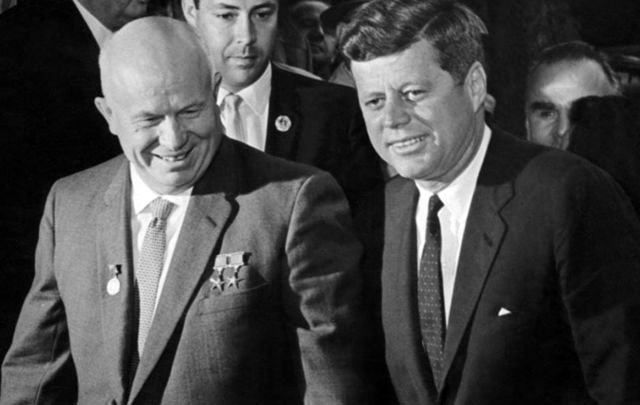
Here is a look at how the dramatic events unfolded over a tense 13 days.

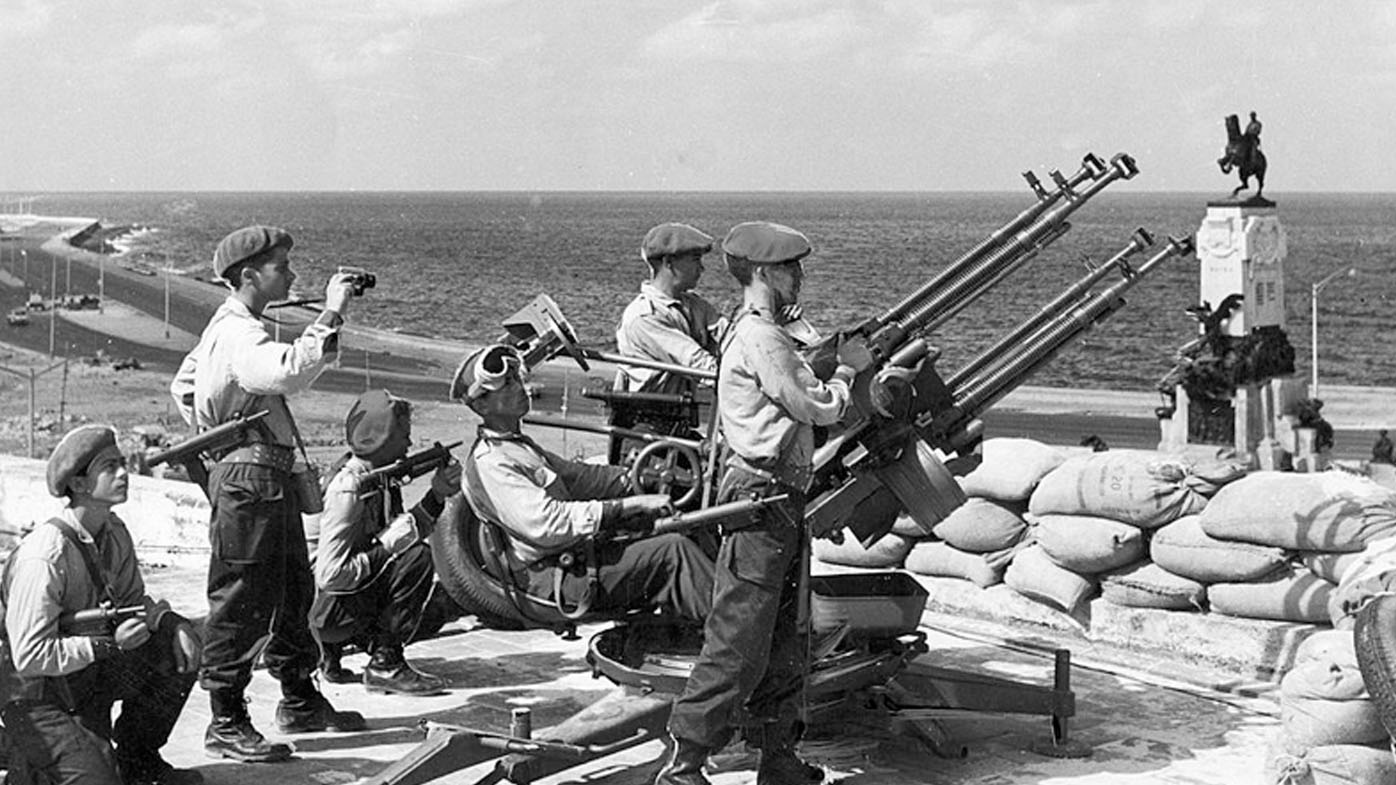
The island of Cuba – close to the American mainland and controlled by Moscow-backed communist Fidel Castro – was a sensitive issue for the US government at the height of the Cold War in the early 1960s.

Weeks before the crisis blew up on October 16, 1962, US President John F. Kennedy had issued statements vowing never to permit the Soviets to put "offensive weapons" less than 200km from Florida.

Kennedy had drawn that red line because he was convinced that Soviet leader Nikita Khrushchev, for all of his characteristic bluster, would never be so foolhardy as to do it.

But then the Soviets did it.

In fact, as the US government was mulling over the possibility of a Soviet missile installation in Cuba, Soviet ships were carrying troops, ballistic missiles, tactical nuclear weapons, nuclear-armed cruise missiles and a force of military planes with nuclear bombs.

READ MORE: North Korea confirms nuclear missiles tests to 'wipe out' enemies
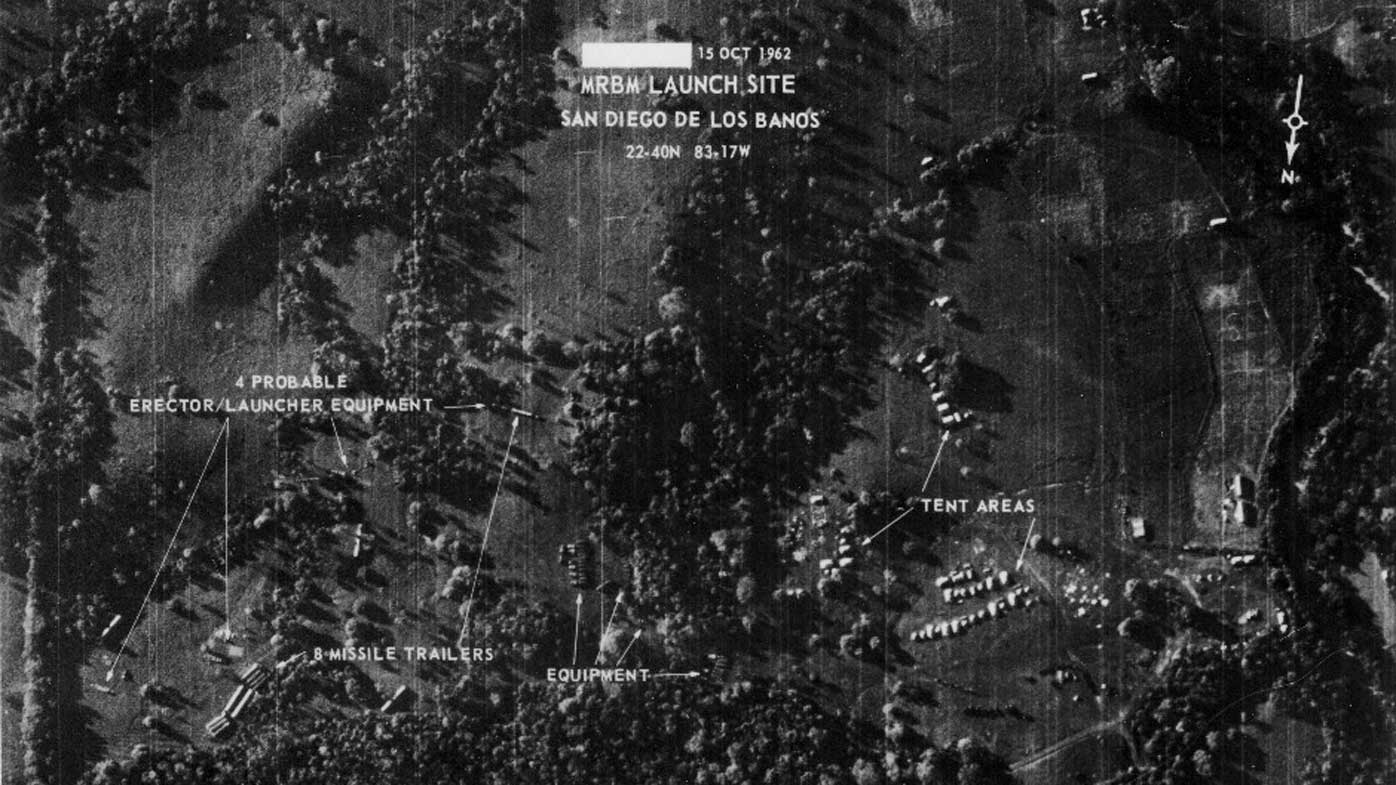
When Kennedy found out, thanks to pictures taken by a U-2 spy plane, he realised, that he had no choice but to act tough.

The US military gave Kennedy three options: a limited air strike; a big air strike; an invasion of Cuba.

Reluctantly, Kennedy endorsed a fourth option designed by his advisors, a group known to history and later Hollywood as "the ExCom".

Kennedy would institute a naval blockade – called a quarantine – and insist that Khrushchev remove all of the offensive weapons already on the island.

But just implementing the blockade, an act that was to delay the approach of war, actually involved the possibility of nuclear confrontation because the US Navy had no idea how the Russians would respond.
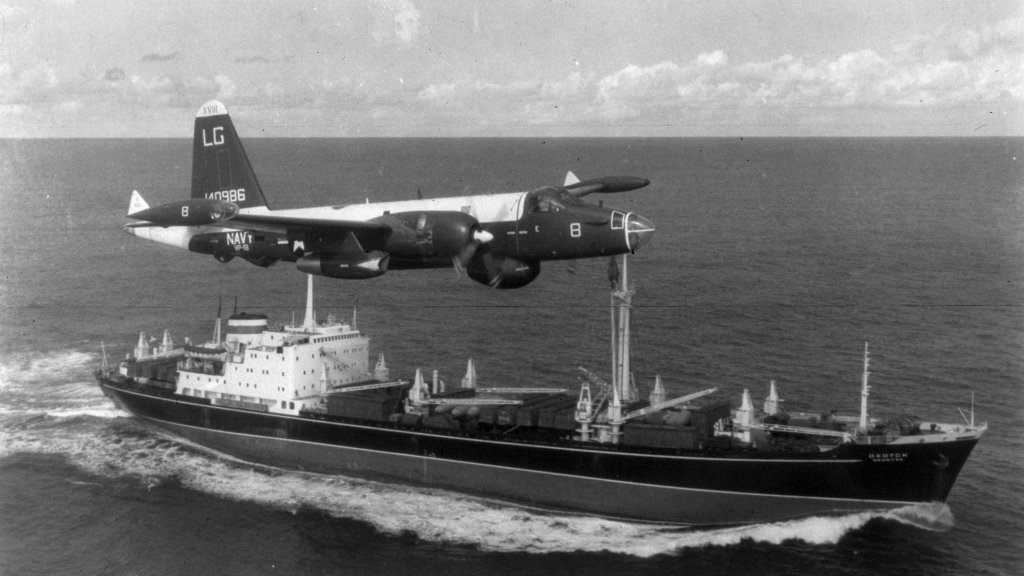
1962: The Cuban Missile Crisis held the world's attention as Washington and Moscow teetered on the edge of nuclear war. The discovery of Soviet missile installations in Cuba lead to the US enforcing a military blockade to prevent Moscow bringing in more warheads. After a tense 13-day standoff, US President John F Kennedy and Soviet leader Nikita Khrushchev. The Soviet missiles were dismantled and the US publicly promised to never invade Cuba again without direct provocation. (Getty)

On Friday, October 26, 1962, fears of a US invasion were so great that Cuban leader Fidel Castro ordered American reconnaissance planes to be shot down.

The end game came in the form of a public US promise the next day not to invade Cuba and a private – long denied – promise to remove US missiles from Turkey in return for a Soviet pledge to pull out their nuclear missiles from Cuba.

How the 1962 Cuban Missile Crisis unfolded

October 16: Photos taken by a US spy plane that show nuclear-armed missiles on Cuba are shown to President John F. Kennedy.

October 18: Kennedy receives an assurance from the Soviet government that his country is providing only defensive aid to Fidel Castro's Cuba.

October 22: In a TV address, Kennedy says the weapons are a "clear and present danger" to the US and its allies.
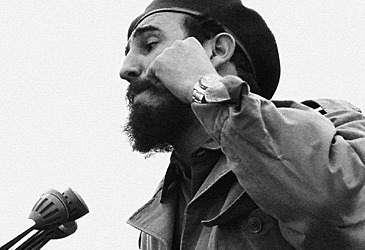
Fidel Castro (Getty)

October 23: US naval forces deploy around Cuba to enforce their blockade

October 25: Russian freighters bound for Cuba turn back.

October 26: Nikita Khrushchev writes to Kennedy offering to remove the missiles if the US lifts the blockade and pledges not to invade Cuba.

October 27: Kennedy receives a second letter from the Soviet government demanding much tougher terms. A US spy plane is shot down over Cuba and its pilot dies.

October 28: Russian state radio announces Khrushchev will withdraw the missiles in exchange for a non-invasion pledge by the US.

– Reported with CNN