Tag Archives: oceania

Higgins 'as drunk as she's ever been' on night of alleged rape, court told

A jury has been told Brittany Higgins describes herself "as drunk as she'd ever been in her life" on the night she alleges she was raped inside Parliament House.

In his opening address, prosecutor Shane Drumgold SC told the jury the level of Higgins' intoxication was important because it was relevant to her ability to consent.

Bruce Lehrmann has pleaded not guilty to sexual intercourse without consent.

READ MORE: Optus confirms more than 2 million customers had data exposed

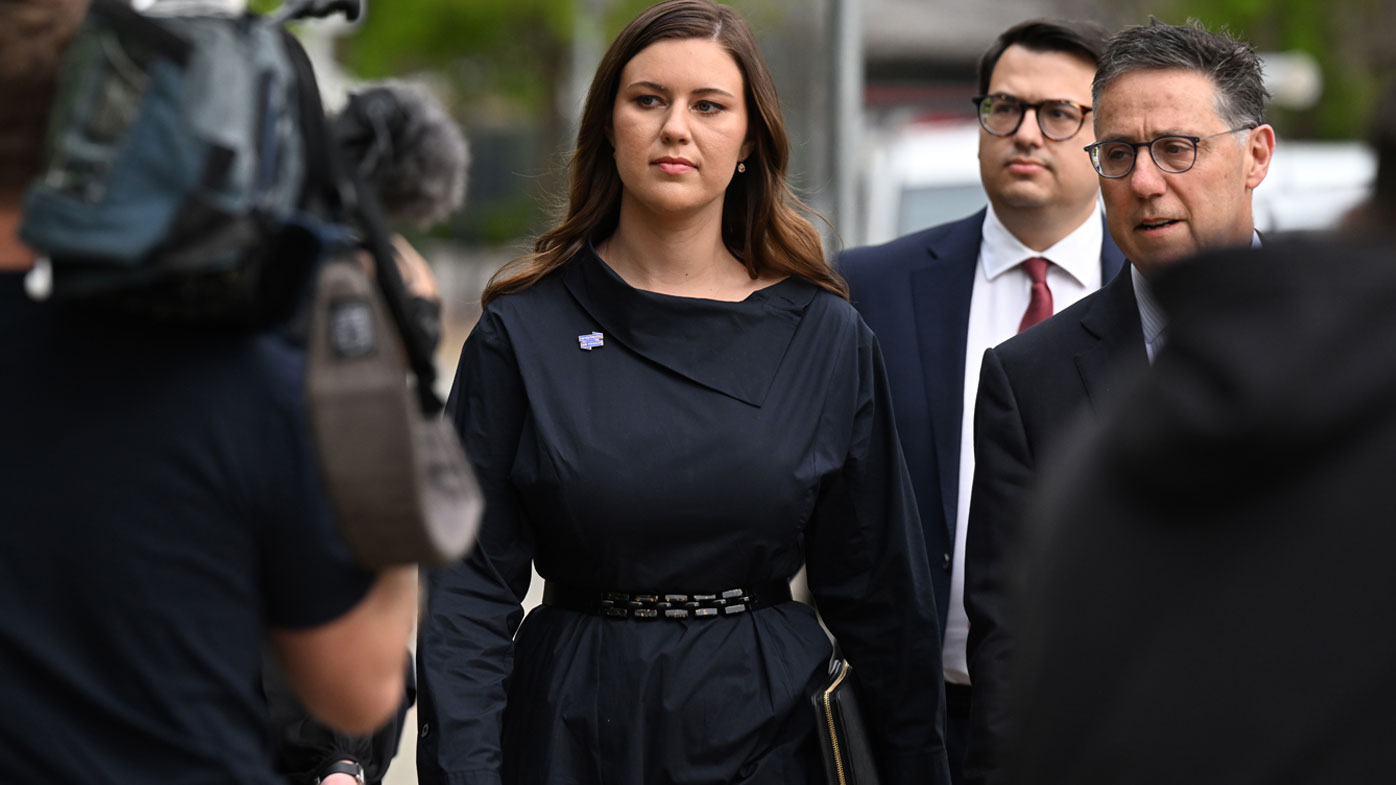
Brittany Higgins arriving at the ACT Supreme Court.

His trial began in the ACT Supreme Court on Tuesday, overseen by Chief Justice Lucy McCallum.

Drumgold outlined the prosecution's version of events and the evidence the jury will hear throughout the case.

He said on Friday, March 22, 2019, Lehrmann and Higgins – who were working as staffers for former Liberal ministers Linda Reynolds and Steven Ciobo respectively – had been out drinking with colleagues at a Canberra bar.

The pair then went to a popular nightclub with some colleagues before leaving in a taxi together in the early hours of Saturday morning.

Higgins thought she was on her way home but Lehrmann said he needed to stop by Parliament House to collect some work, Drumgold said.

The court was told that at the security gate to enter the building, Lehrmann told guards via the intercom he was with Reynolds and they were picking up documents.

Drumgold told the court the security guards who saw the pair into the building observed they were affected by alcohol.

Higgins alleges after the two of them entered Reynolds' office, she fell asleep on a couch and woke up to Lehrmann having sex with her.

After Higgins "said 'no' half a dozen times" Lehrmann left the building in an Uber and she fell back asleep.

Bruce Lehrmann has pleaded not guilty to sexually assaulting Higgins.

Drumgold said she woke up alone in the office later that morning when a security guard checked on her.

In text messages after the alleged incident, Drumgold said Higgins told a friend she had been "barely lucid" at the time of the incident.

"If he (Lehrmann) thought it was OK why would he have just left me there," Higgins said in the message.

Defence lawyer Steven Whybrow said the Mark Twain quote "never let the truth get in the way of a good story" rang true in the case.

He said there were "massive holes" in the version of events Higgins gave to the police.

Whybrow said while violence against women was an "under-reported and under-prosecuted scourge on our society", the story Higgins had told was not true.

"This verdict in no way affects the conversations and the focus that is being turned to these issues. We have all known for some time these things are real," he said.

Before the trial began, the chief justice reminded jurors of the importance of impartiality.

McCallum labelled the trial somewhat of a "cause celebre" due to its high-profile nature.

"It is a fundamental requirement that a person accused of a serious criminal offence be tried by an impartial jury," she said.

Reynolds has been named as a witness in the trial, along with Liberal senator Michaelia Cash and former Liberal MP Ciobo.

Journalists Samantha Maiden and Lisa Wilkinson may also be called as witnesses.

The trial is expected to run for between four and six weeks.

Jupiter is closest it's been to Earth in nearly 60 years

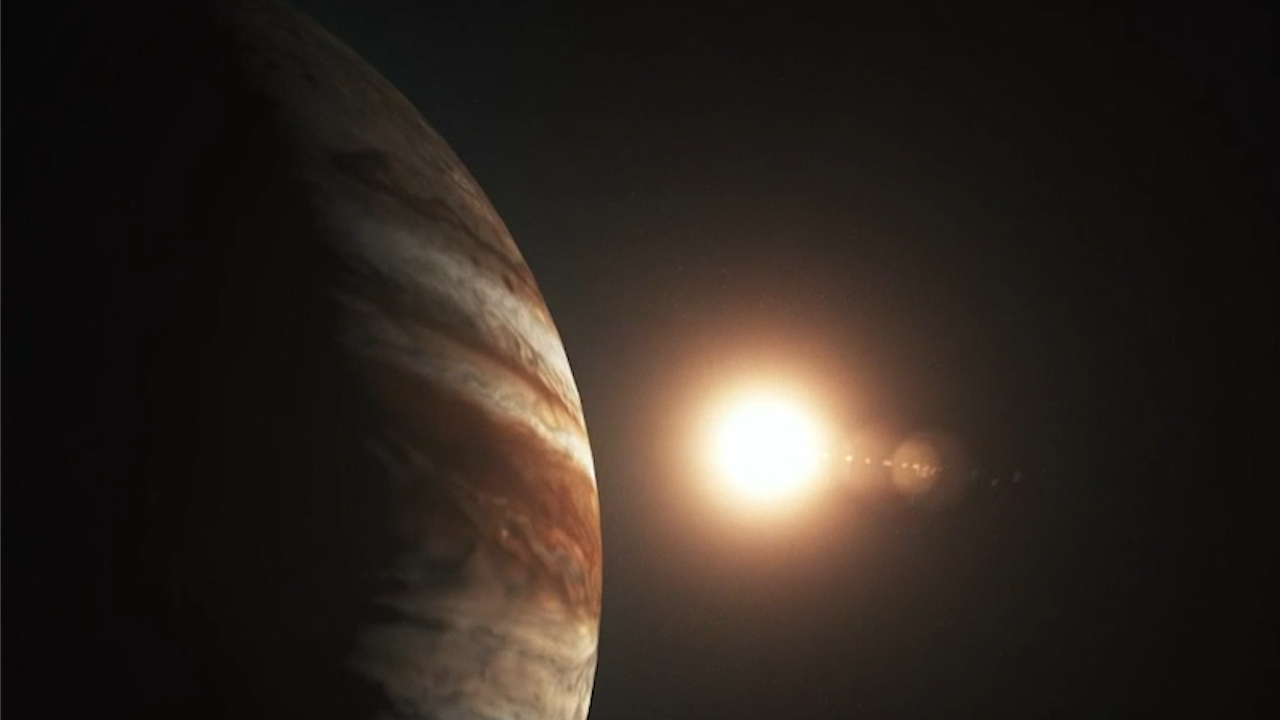
It's an exciting time for novice and experienced astronomers as Jupiter is the closest it's been to Earth since 1963.

South-East Queensland residents have been able to see the planet from different locations across Brisbane, with many taking photos of the spectacular sight.

The fifth planet from the sun in our solar system has been visible for the last two weeks but tonight is the closest it's been to Earth.

EXPLAINED: Why are Australia's interest rates still rising?

Astrophysics professor at the University of Southern Queensland Jonti Horner said the planet looked "like an aircraft with its headlights on" because it was so bright.

"If you can afford a late night, you'll get a better view between 9pm and 3am just because Jupiter will be higher in the sky so you'll get a better view of it."

You will need a telescope to be able to see the details of the planet.

READ MORE: Elon Musk sparks backlash from Ukraine with unsolicited 'peace' plan

This week's wet weather might prevent Aussies from being able to see the planet but it's expected to still be visible for the next three months.

After this, it won't be visible again until 2033.


RBA hikes interest rates for sixth consecutive month

The Reserve Bank of Australia (RBA) has lifted the nation's cash rate target for a sixth consecutive month as the central bank battles to lower spiralling inflation.

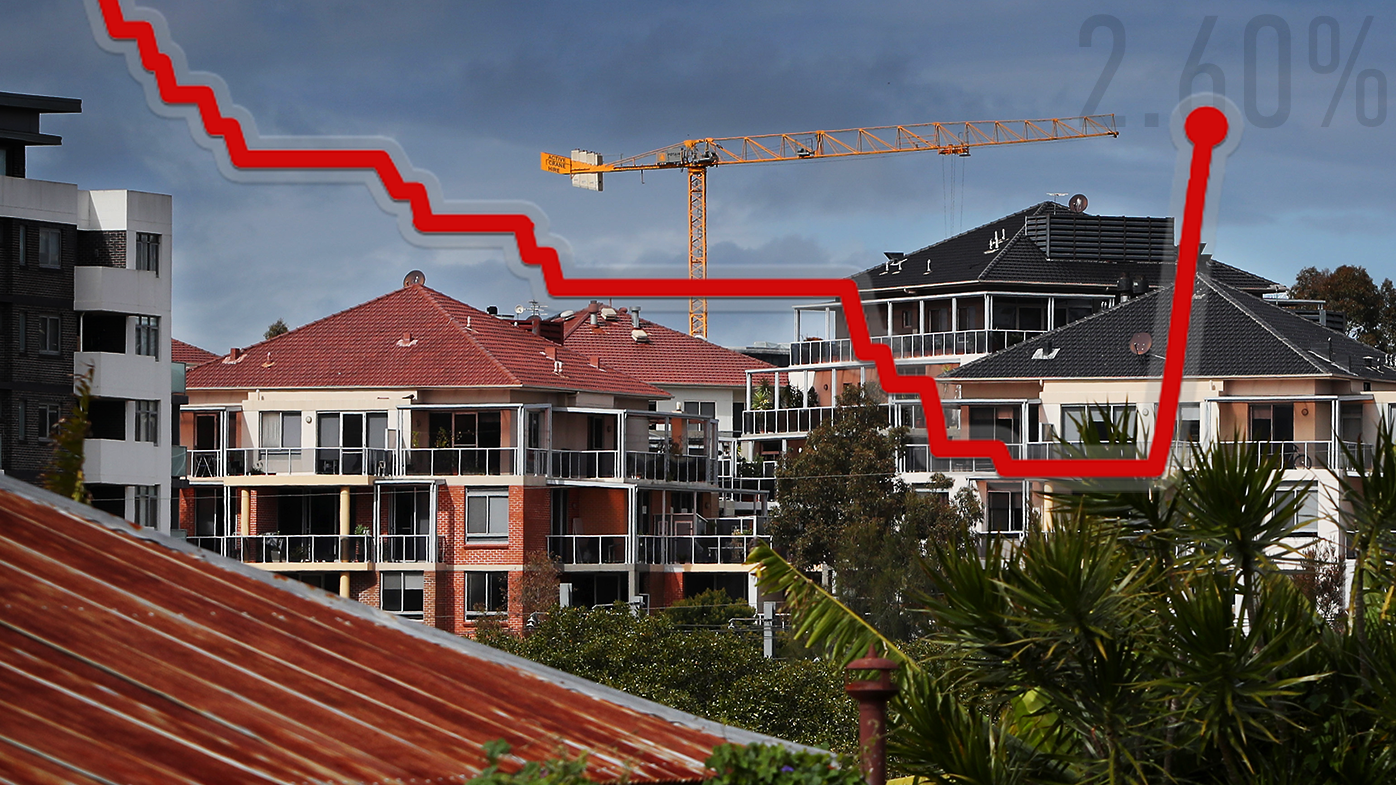
Following a meeting of the RBA board today, Australia's interest rate was lifted by 0.25 per cent or 25 basis points from 2.35 per cent to 2.60 per cent.

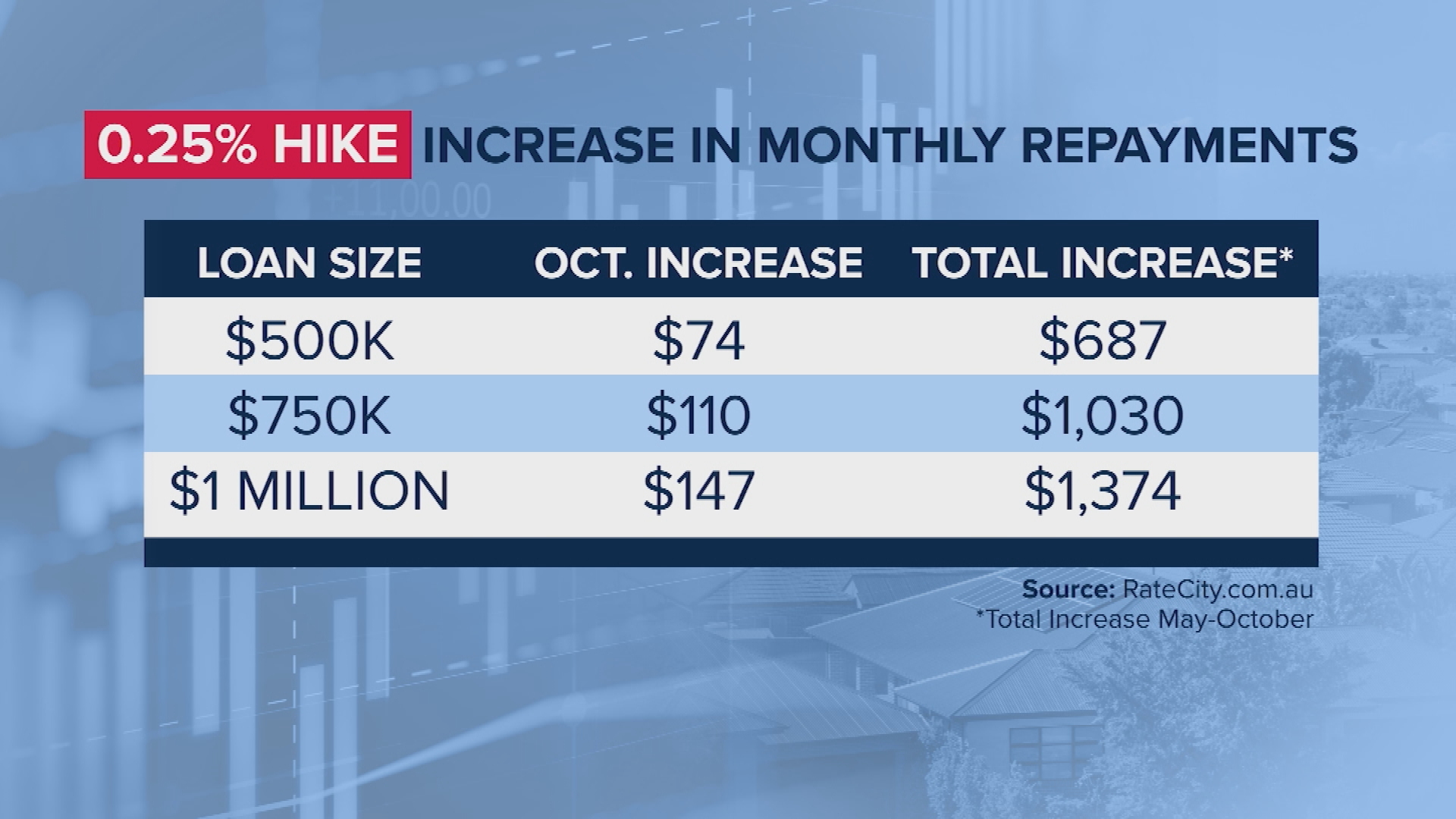
For the average borrower with a $500,000 loan, today's hike represents an extra $74 a month or an eye-watering $687 since rates began increasing in May.

LIVE UPDATES: Why are Australia's interest rates continuing to rise?

Borrowers with bigger loans – for example $1 million – today's decision will mean a monthly increase of $147, or an eye-watering $1,374 extra since May.

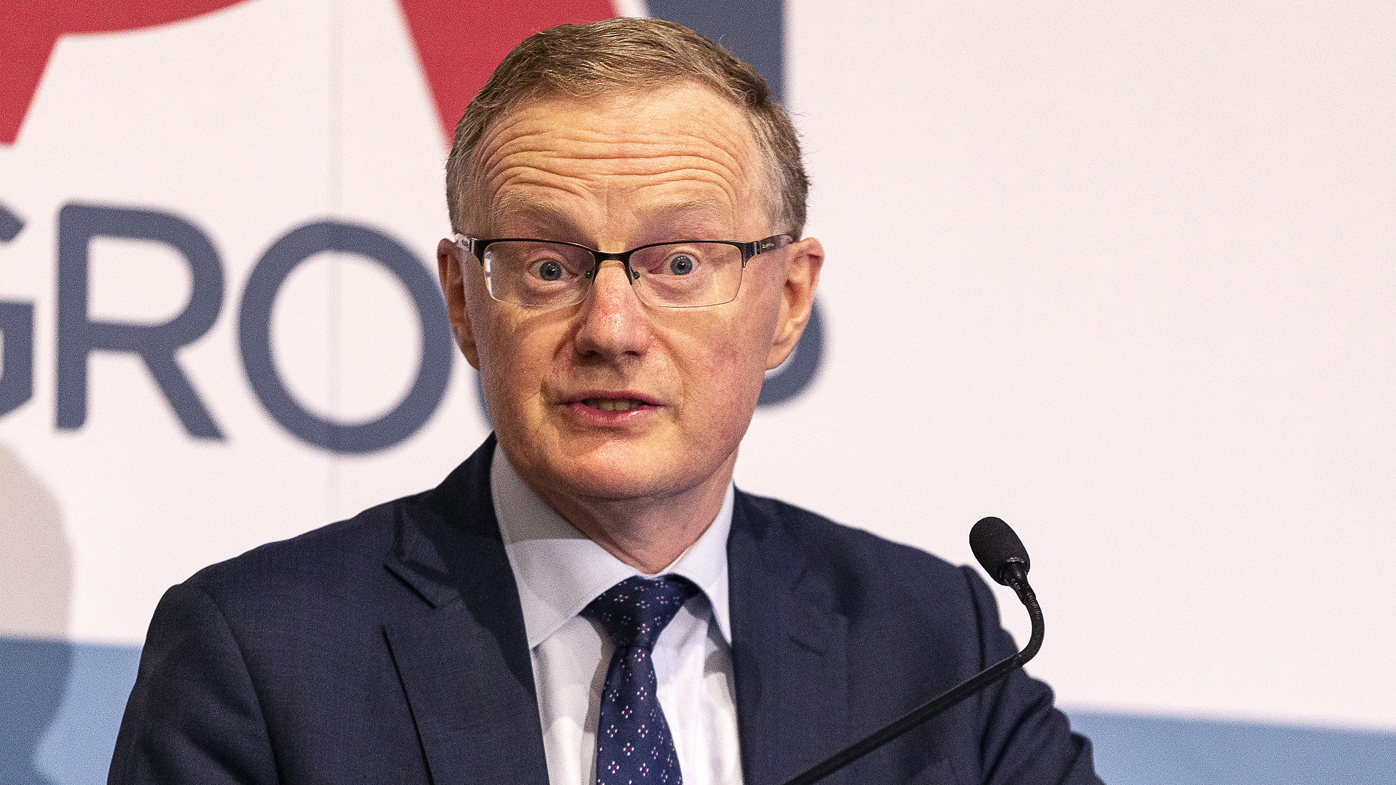
RBA Governor Philip Lowe said the Board decided to increase rates by a smaller-than-expected 25 basis point jump given the rapid increase in the cash rate over the past six months.

"The Board is committed to returning inflation to the 2–3 per cent range over time. Today's increase in interest rates will help achieve this goal and further increases are likely to be required over the period ahead," Lowe said in his monetary statement.

"The cash rate has been increased substantially in a short period of time. Reflecting this, the Board decided to increase the cash rate by 25 basis points this month as it assesses the outlook for inflation and economic growth in Australia."

READ MORE: Nick Kyrgios moves to have assault charge dismissed on mental health grounds

While borrowers were expecting the size of the RBA's rate hikes to slow, experts say there is little relief in sight for already-stretched household budgets.

"ANZ, NAB and Westpac are forecasting the cash rate to climb over 3 per cent by year's end, and Westpac is taking it a step further by tipping the cash rate to peak at 3.60 per cent in February," Canstar finance expert Steve Mickenbecker said.

"This outcome could see the average variable rate skyrocket to 6.48 percent or more than double the rate in April, just before the current rate rising cycle began."

Mickenbecker said the flow-on effect of rapid consecutive rate rises will heap stress on those who recently bought into the market.

READ MORE: Buxton crash driver bailed to seek mental health support before trial

"Higher interest rates are a shock to a whole generation of borrowers, but until the Global Financial Crisis and COVID, the cash rate was at 5 per cent or above for 15 of its 19 years," he said.

"Borrowers will have to get used to dealing with higher interest rates as the norm.

"Even though inflation remains way above the Reserve Bank's target, it may still find a case for a conservative pause in cash rate rises.

"Recession is rearing its ugly head overseas, and with wage inflation way below price inflation and interest rate hikes, recent borrowers in particular are going to be under extreme stress."

READ MORE: Stretched renters close to maxed out, report suggests

Brendan Paul, senior portfolio manager at investment firm Atrium, said Australians are particularly at risk due to the high level of debt held by ordinary households.

"If, as expected, cash rates rise over 4 per cent by May 2023 this will mean mortgage rates of six to seven per cent," he said.

"Although not as high as in 2008, we now have a lot more debt so the cost of servicing this debt as a percentage of disposable income is as high as it's been for 30 years.

"It's also the speed that's important here. The percentage of household income required to service debt is forecast to jump from circa 15 per cent to 20 per cent in just over six months.

"The US is somewhat insulated from this effect due to most of their mortgages being fixed rate.

"Conversely, in Australia the speed of mortgage rate increases and the larger loan amounts have the potential to cause a significant rise in mortgage default rates."

Kids from flood-affected towns express trauma in play

In a new series, NBN News is highlighting the efforts to rebuild the flood-ravaged Northern Rivers community. Here, Josephine Shannon and Olivia Grace-Curran examine the trauma children as young as three are expressing through play.

Preschoolers who experienced one of the worst natural disasters in Australian history are reenacting their families' frantic escapes from floodwaters in the playground as their young brains continue to process the catastrophe. 

Early-learning educators in the Northern Rivers are reporting children between three and five communicating the February and March flooding with one another through art, craft and play. 

Assistant Director at Evans Head-Woodburn Preschool, Kath Gillespie, said the event and subsequent displacement have had a huge impact on the age group. 

READ MORE: Lismore residents want the option to relocate their homes
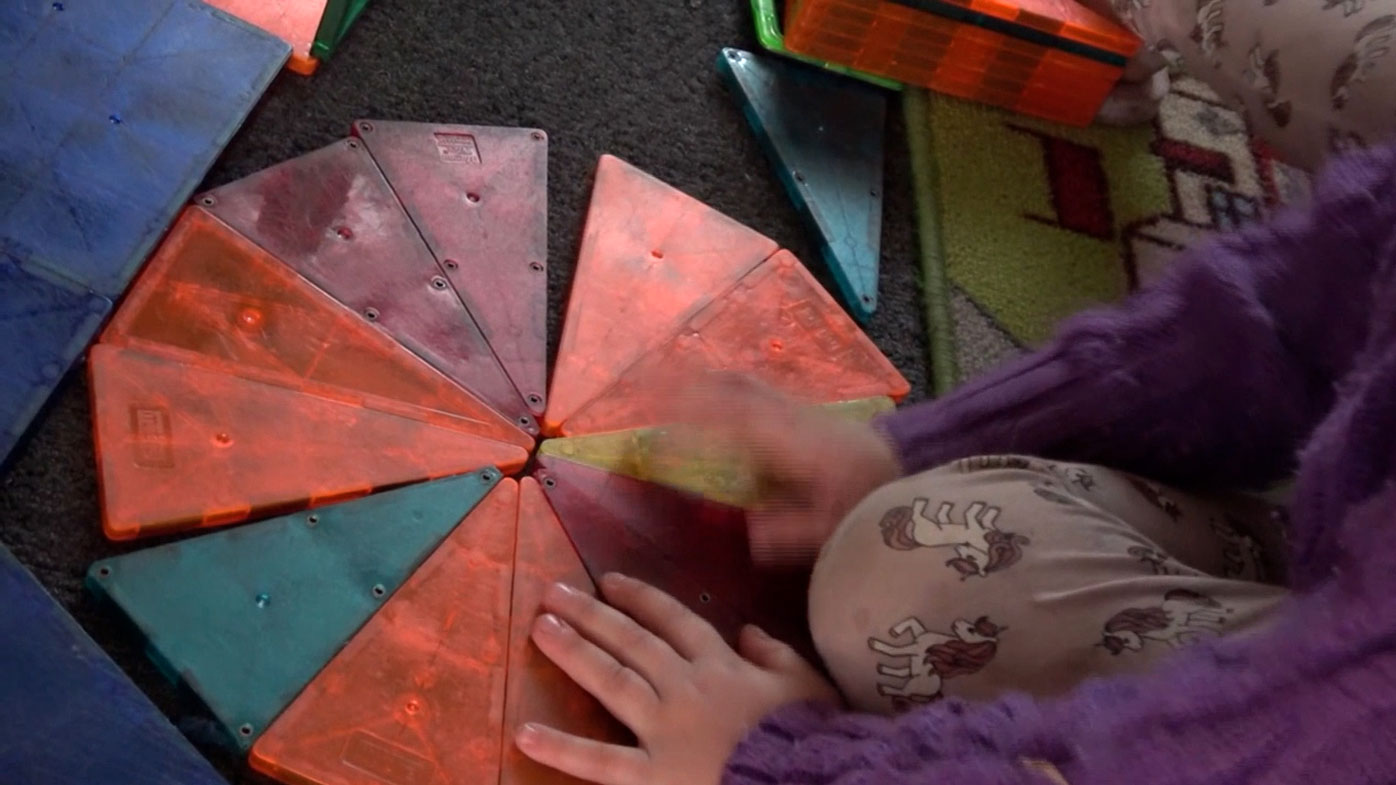
Children in the NSN Northern Rivers are expressing their trauma from the floods through play, educators say.

"If they're not talking about [the flood], they're often enacting it… they'll be knocking buildings over… building up a tower, knock that over because 'my house got knocked over'," Gillespie said. 

"Or if they're playing… 'quick, jump in the boat, quick everyone, jump in the boat! The flood is coming!

"We do see a lot of that coming out in their play and that's how they're processing it, their trauma."

At East Lismore Community Preschool, Director Sonya McPherson says it's a similar story. 
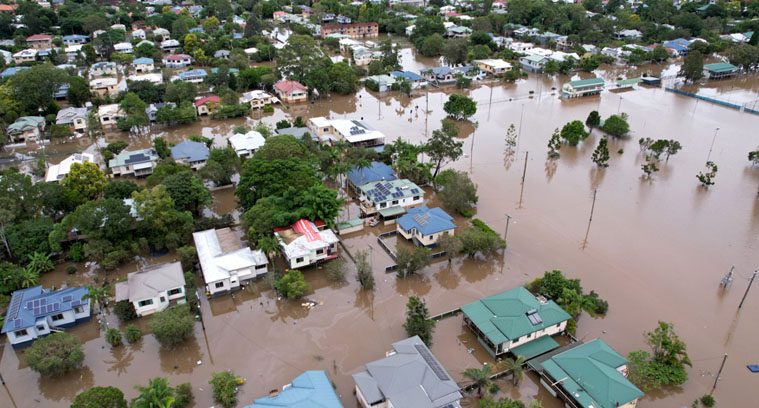
Children are often building "walls" around their pretend towns and taking their friends to safety as they evacuate from the "flood". 

"We see it weekly in drawings, in how they play. They will draw where the river is, where the river came to their nan's house… where their old house was," McPherson said.

"They talk about things that they miss that they've lost… places that they can't go anymore.

"You'll have a child say 'when is my birthday?'… and ask, "Is it going to flood again before my birthday?"

READ MORE: Flood devastated Northern Rivers schools face years before recovery
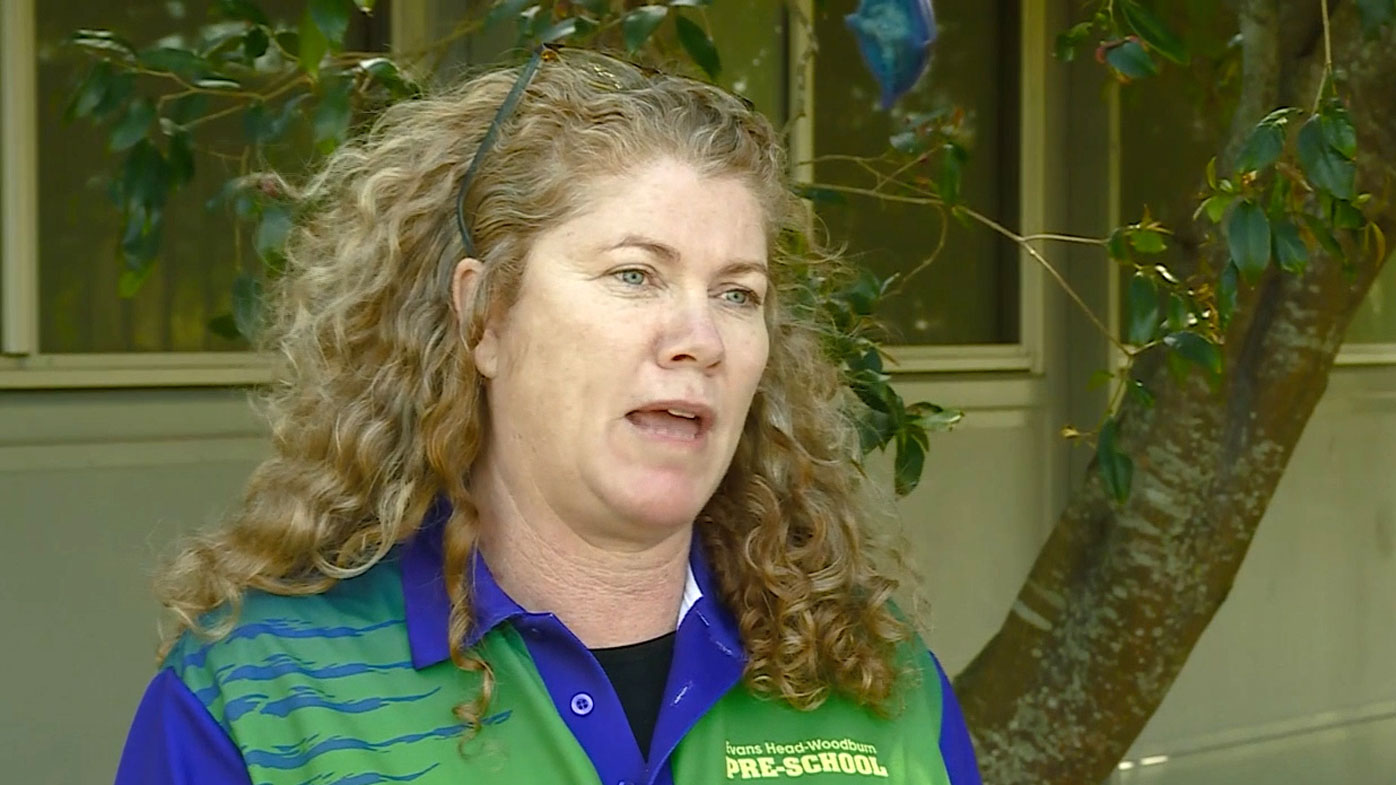
Assistant Director at Evans Head-Woodburn Preschool, Kath Gillespie, said kids as young as three have been impacted.

Half the kids at preschool lost everything in floods

Around 40 children – or half the enrolments – at Evans Head-Woodburn Preschool lost everything in the floods. 

Many of them were rescued from their roofs with just moments to spare and, seven months on, continue to call caravans and temporary accommodation home. 

"This is the world that they know right now and it's made such a big impact on them," Gillespie said. 

"It was hard, really terrifying for little kids, their parents had to leave them on the roof while they went down to a neighbour's house. That's pretty harrowing when you're only three and four.

"There's some really horrible, sad stories."
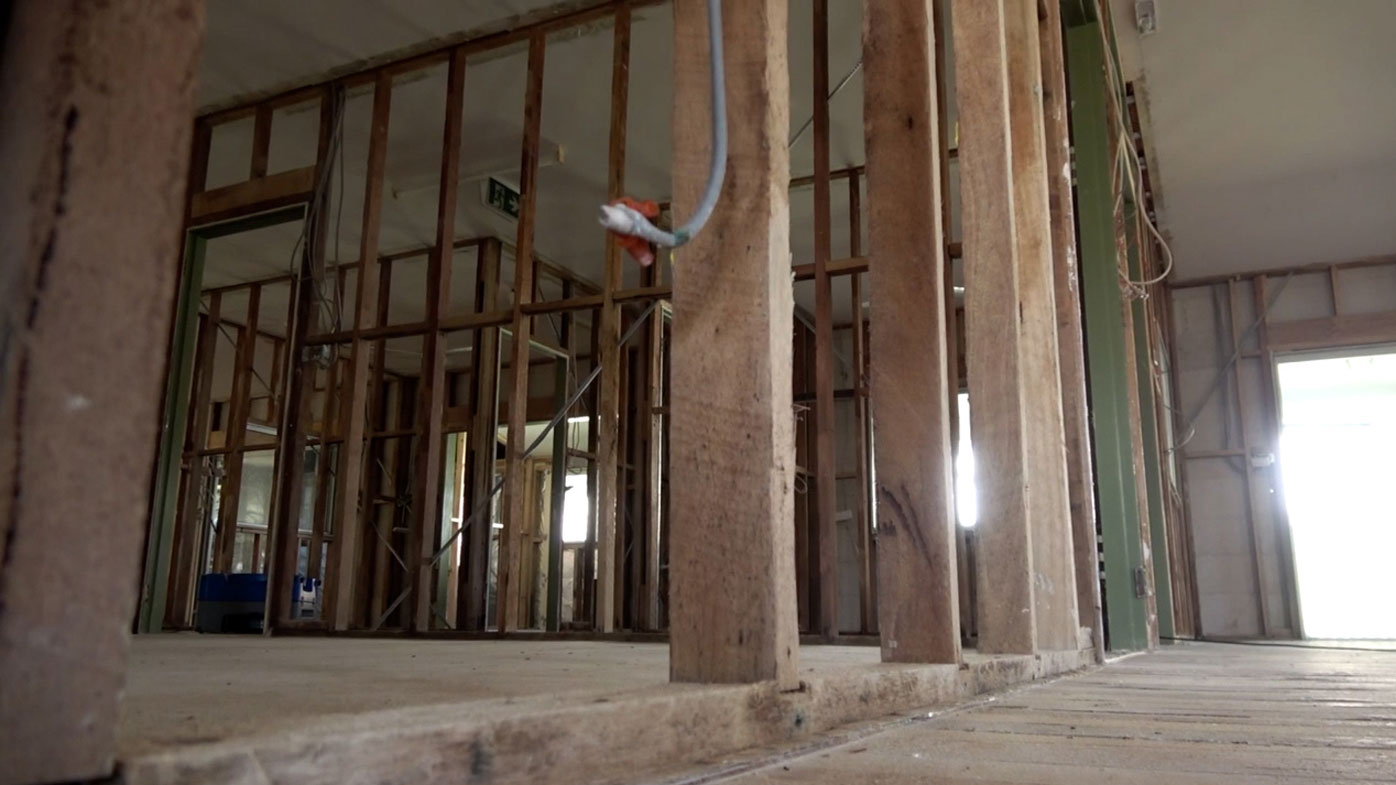
The Northern Rivers Preschool Alliance, a not-for-profit organisation representing state-funded preschools on the Far North Coast, saw eleven of its preschools go under in the disaster.

Play therapy key as young children learn to process flood trauma

Play therapy has become a key tool in helping young children in the Northern Rivers communicate their emotions following the February and March events. 

"Helping them to manage their emotions, helping them to understand it's okay to be anxious or sad or upset, and then how to work through that," Gillespie said.

"We're helping those kids to process through the play that they do."

Parents are reporting behavioural and personality changes in their Northern Rivers children. 

Leanne Clifford says the disaster has changed her once-fearless daughter.

"From a little girl that was so independent, sleeping in her own room wanting to do everything herself, [Evelyn] now has a very hard time leaving Mummy to go to preschool and wants to sleep in our bed every night," Clifford said. 

"My little independent third child… we've now nicknamed her our 'velcro' child – she is stuck to me non-stop." 

Clifford says although their home did not flood, her family housed multiple flood victims and her children were living with people who'd lost everything. 

"We tried to alleviate [the children] seeing as much trauma as possible, especially the traumatised adults that were coming into our home… But they do see so much and [Evelyn] quite literally has been stuck to my leg the entire time." 

READ MORE: NSW residents warned to prepare for flooding as heavy rain hits
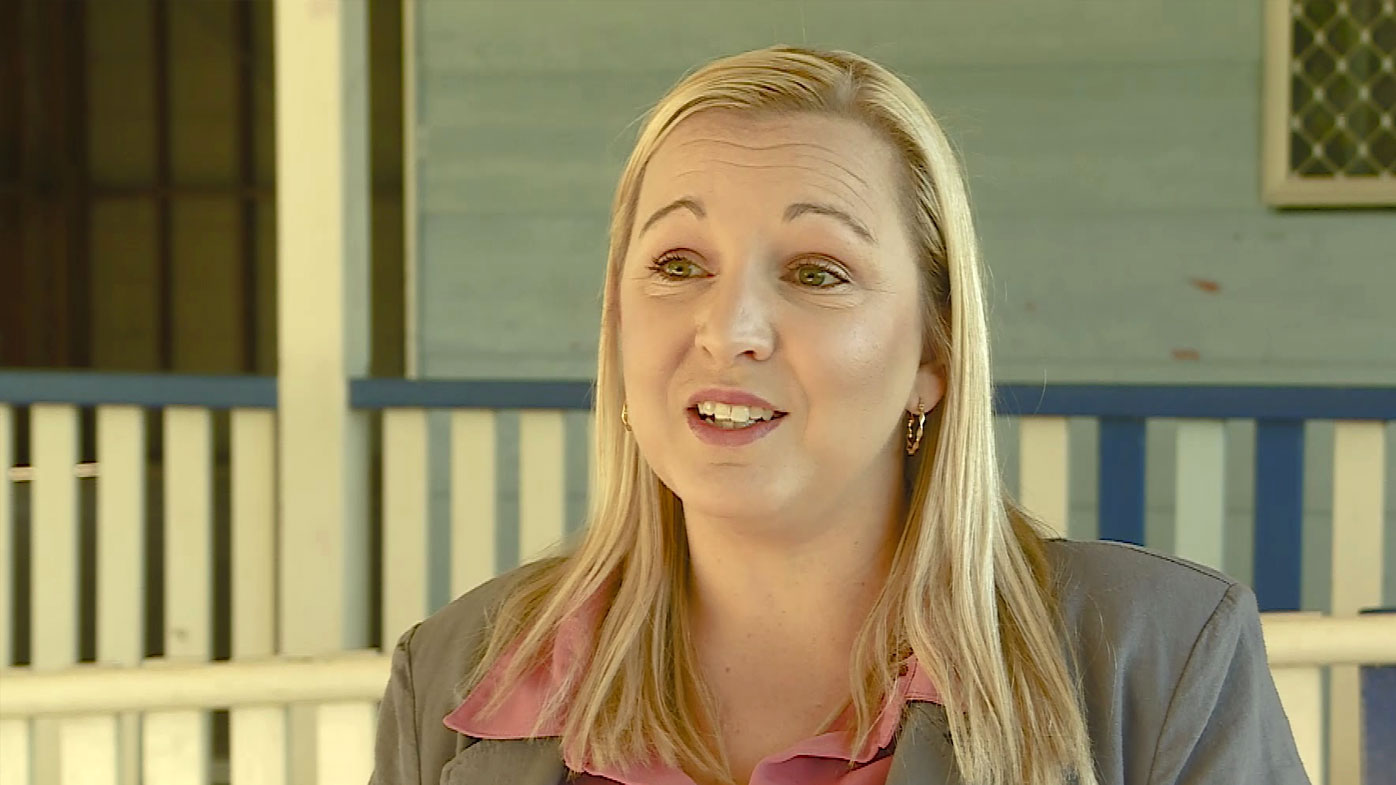
Leanne Clifford says the disaster has changed her once fearless daughter, who now has separation anxiety.

Toys taken to 'safety' as children reenact flood disaster in play 

Clifford says her daughter's priority when playing now includes ensuring her toys are out of harm's way.

"When Evelyn plays with her dolls and her teddies, she does ensure that they are playing on the high bunk bed not the low bunk bed," Clifford said. 

"[My] friend says her child, when it rains, paces from the front door to the back door to the front door… she said that's what she was doing when the floods came up to her home… The children are copying what we did. It's what they saw us do."

The Northern Rivers Preschool Alliance, a not-for-profit organisation representing state-funded preschools on the Far North Coast, saw 11 of its preschools go under in the disaster. 
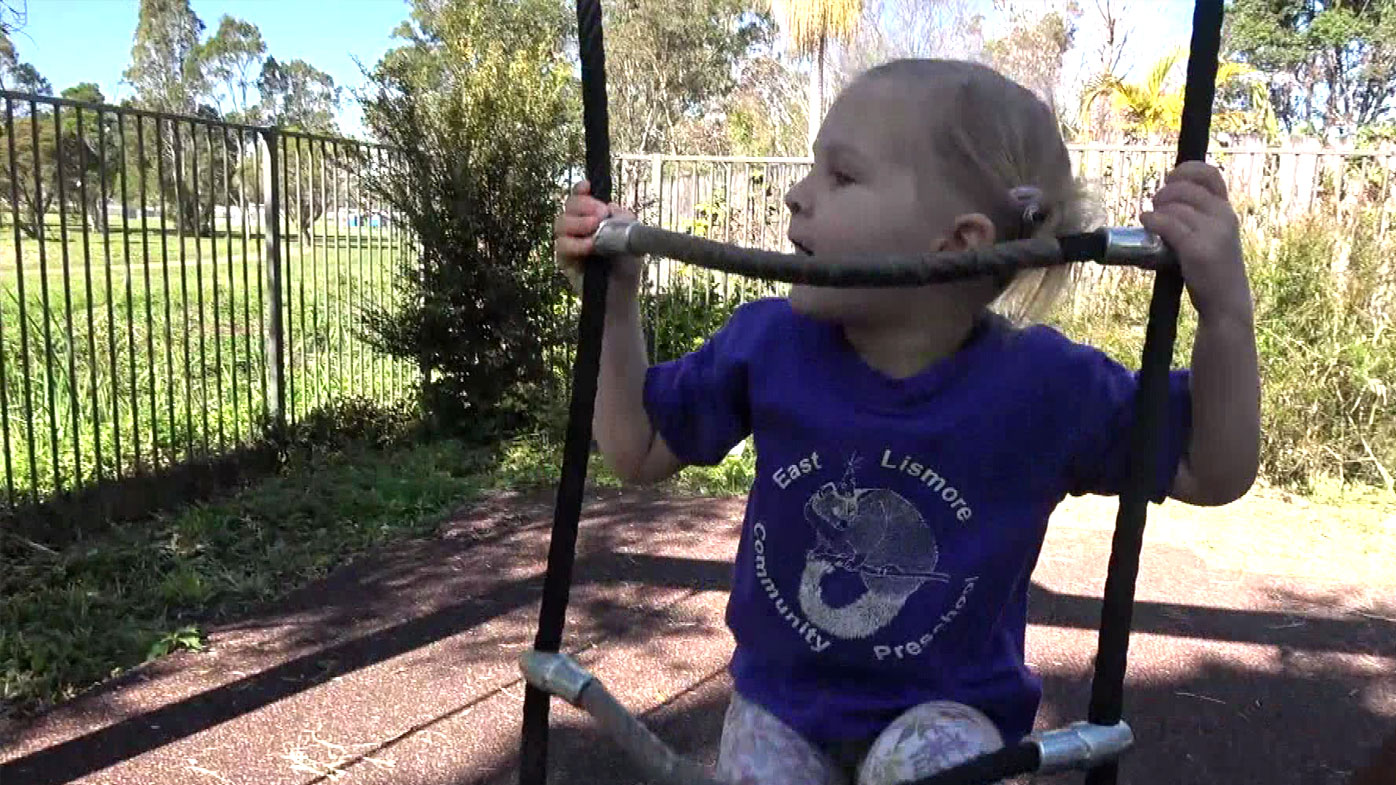
When little Evelyn plays with her toys and Barbies, she makes sure they are on the top bunk, safe from floodwaters.

President Sonya McPherson says buildings suffered varying levels of damage. 

"Some were a complete loss, some were a partial loss but preschools as non-profits… we don't have lots of finances to replace stuff. The funding we make goes straight back into the community." 

McPherson estimates 1000 children between preschool, early learning and long daycare were subsequently displaced by the February and March disaster. 

"They're three to five years old, developing humans soaking up everything… it will shape them forever," she said. 

East Lismore Preschool is temporarily operating out of demountables at Wyrallah Road Primary School.
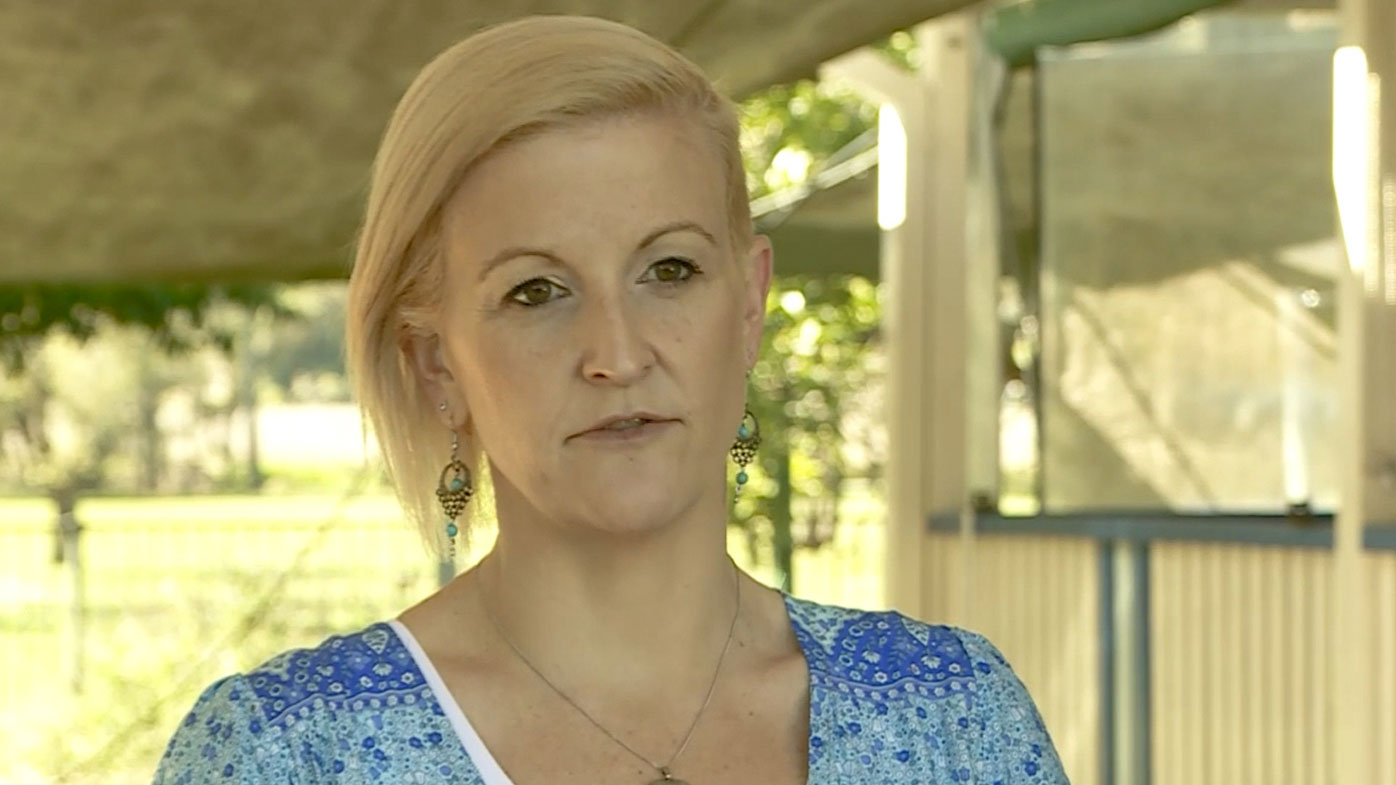
Sonya McPherson, Director of East Lismore Community Preschool, has seen children building "walls" around their pretend towns.

The flooding has seen a 15-20 per cent drop in enrolments, however, even with a fall in numbers, their temporary space is proving a squeeze. 

"We have got 101 [children] and that is really difficult. It is really full and it is really crowded in a demountable," McPherson said.

"It's been incredibly tough because we've got about a third of the space in comparison to [our old preschool]."

McPherson says the preschoolers often compare their old East Lismore site to their temporary site at Wyrallah Road. 

"They speak often about at my old preschool we had X and use to do X."

"You're talking about nearly 40 years of handcrafted wooden resources lost, teaching resources, an entire library," she said. 
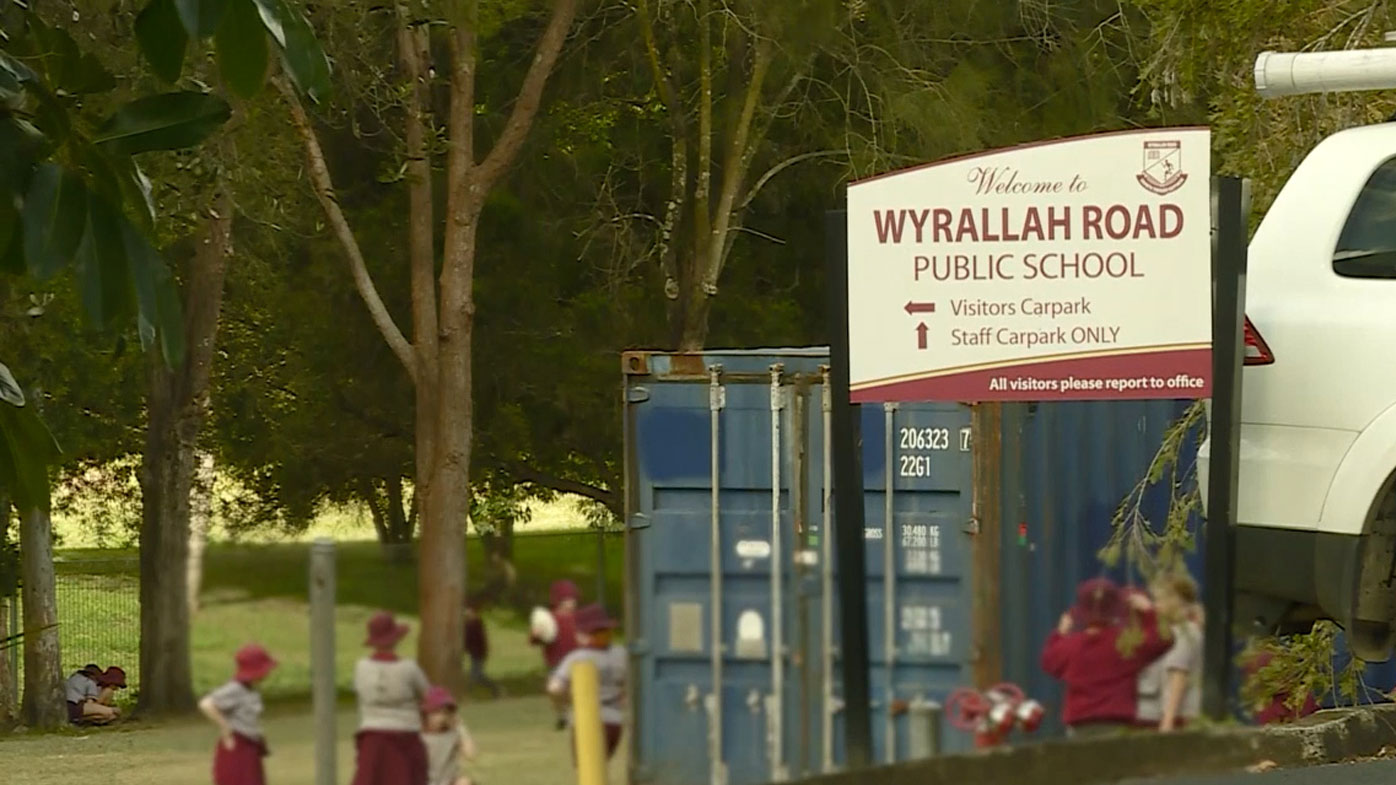
East Lismore Preschool is temporarily operating out of demountables at Wyrallah Road Primary School.

Northern Rivers preschools calling for more assistance 

The state government has offered up to $9 million to preschools in flood-affected LGAs with grants of up to $30,000.

Preschools are grateful for the funding but admit it hasn't gone far in terms of rebuilding and are now calling for more assistance. 

"[It's] been really tough comparatively to the primary schools and the secondary schools," McPherson said. 

"There's still huge gaps of what we're missing in comparison to what we had before." 

But it's not just resources that have gone. 
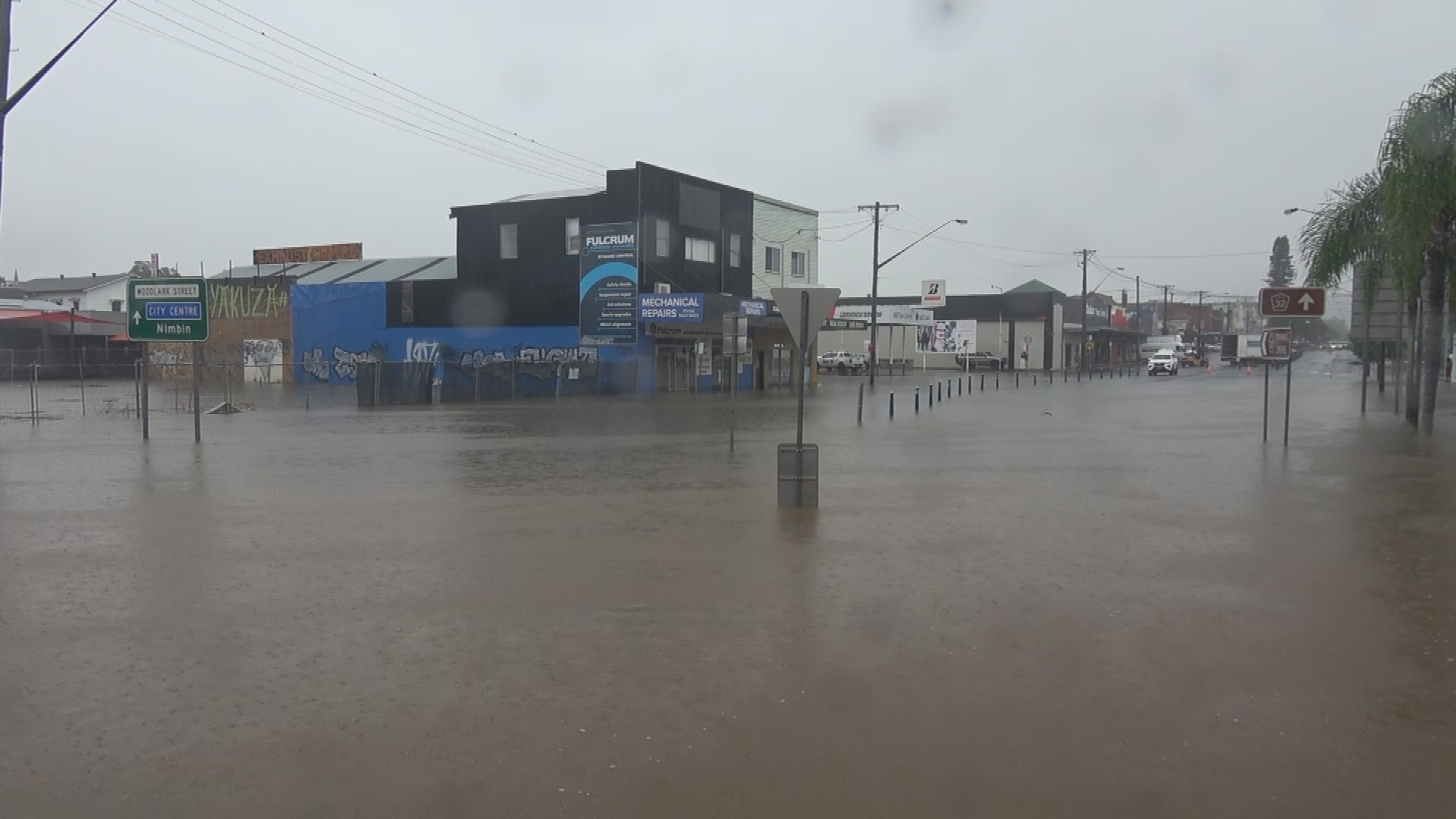
NSW flooding Lismore northern rivers

"We've lost some of our staff, they've needed to leave because they don't want to live in a flooded area anymore."

McPherson says she is regrettably having to turn down local parents who are attempting to return to work post-flood. 

"I get somewhere between 3-5 calls a day requesting preschool for children that I can't fill… parents are desperate to return to work full-time or part-time and are unable to do so because there is nowhere for their children to go," she said. 

It's unclear when East Lismore Preschool will be able to return to its original site. 

"We've only just had a building report, it's about 142 pages long worth of damage. We're estimating the middle of next year," McPherson said. 
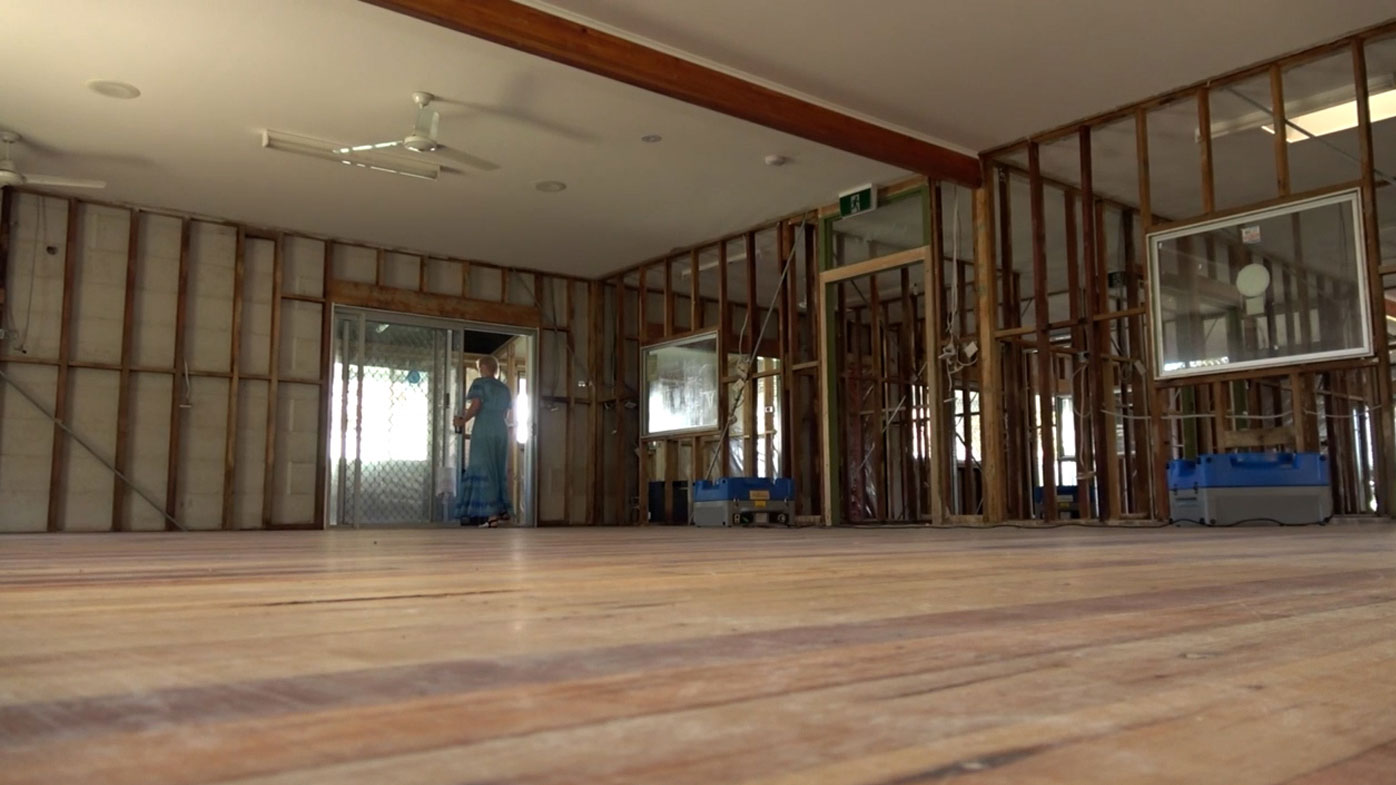
Childcare centres say they are turning away parents from enrolling while they rebuild.

Fears of what a third La Nina will do to flood-fatigued towns 

The threat of the third La Nina is keeping the Northern Rivers in a state of constant anxiety. 

"Every time it rains there's lots of children you have to support," McPherson said.

"One quarter of our team lost their homes, so they're attempting to be strong and [reassure] kids that they're safe and okay while they're also trying to internally reassure themselves.

"They're just as triggered by the rain as the children are. 

"The [town] hasn't come back… the sadness has just saturated the town… the sparkle has not come back.

"The sense of community is still really disconnected and people are sad." 

McPherson says it is a race against time to raise East Lismore Community Preschool and fears what another major flood will do to it. 

"[Water] came in 152cm into a building it had never touched before. If it happens again before we can raise the building, I have no idea what we are going to do."

Why are Australia's interest rates still rising?

The Reserve Bank of Australia has lifted interest rates for the sixth consecutive month, albeit by a smaller-than-expected 25 basis points.

For borrowers this is still bad news – mortgage repayments will go up, leaving less money in the household kitty for other essentials such as groceries and fuel.

Most of us know that interest rates are used by the RBA to control inflation. But things don't seem to be getting any cheaper – so why are interest rates still rising?

READ MORE: Optus confirms more than 2 million customers had data exposed

The RBA this week kept the cash rate at 1.5 per cent hold for a 28th straight month.

What actually are interest rates?

Australia's interest rate – or cash rate target – is decided by the Reserve Bank of Australia (RBA) on the first Tuesday of each month between February and December.

A press release detailing the change or hold in interest rates is sent out at 2.30pm on this day, which is why you may receive a flurry of news alerts around this time.

In extremely general terms, this interest rate determines the cost of unsecured overnight loans between banks.

READ MORE: Aussie dad dies after hospital gives him painkillers, left to wait

If the interest rate is between banks, why should the ordinary Aussie care about it?

Very simply, if it costs more money for a bank to borrow and lend money it is inevitable that some of that cost will be passed on to the customer.

With this in mind, many view the RBA's interest rate decision to be a barometer for how cheap or expensive bank loans will be to repay for Australians.

Home loans are naturally the biggest loan the ordinary Australian will ever take out in their lifetime.

It makes business sense that any change in the official cash rate is likely to have some flow-on effect to those with variable rate mortgages.

Banks don't have to pass on interest rates changes to loan holders, but can and do. They are a money-making business after all.

READ MORE: Ukraine claws back more territory from Russia

How are interest rates used to control inflation?

Interest rates are the RBA's primary tool in controlling inflation in Australia.

On a very conceptual level, a higher interest rate means mortgage repayments are more expensive.

More expensive mortgage repayments mean households will cut back on spending in other areas of their life, for example buying clothes or electronics or cars (among a thousand other things).

If Australians cut back on general spending, the level of inflation should reduce because businesses competing for the dollar of a now-thrifty general public might need to lower their prices.

READ MORE: House prices keep falling as borrowers brace for next rate hike

Every capital city bar Canberra plunged over the last month.

Interest rates have gone up six months in a row. But prices at the shops are still high?

That's not a question. But I see where you're coming from.

On a historical basis Australia's current interest rate is still reasonably low, but that thought doesn't help heat people's homes at night.

The best measure we have for measuring Australia's level of inflation is the Consumer Price Index, or CPI.

That's currently just over 6 per cent. The RBA has flagged that it wants inflation in the 2 to 3 per cent range. Basically inflation is still too high.

That's another kettle of fish which you can read about in this explainer here.

READ MORE: Inside fraudster Melissa Caddick's luxury home

Why are property prices falling?

The science of the property market is an imperfect one, and many debate how much influence the cash rate has on house prices.

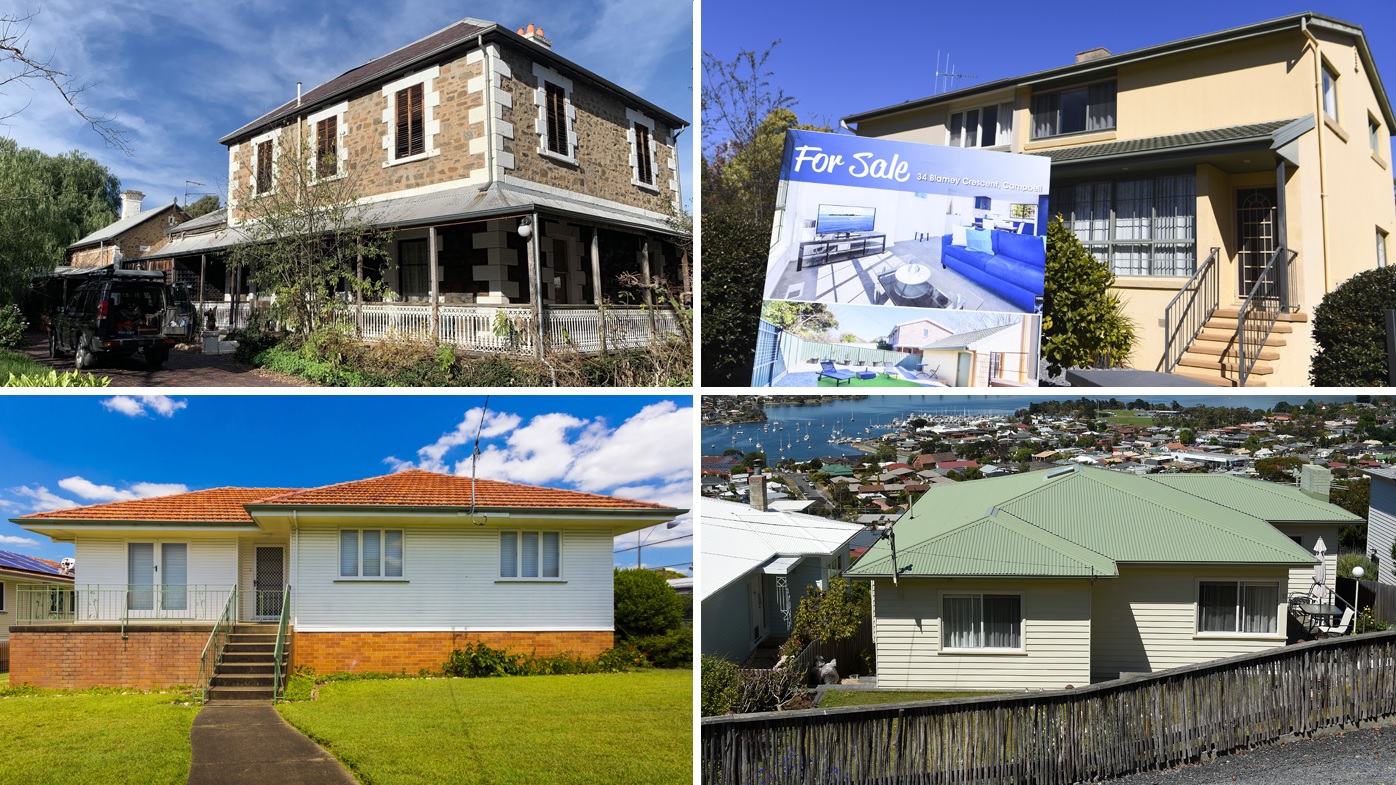
But house prices have unmistakably dropped from their January 2022 peak, in some places by as much as $104,000.

That's after six consecutive rate rises from the RBA since May.

Again, in extremely simple terms which don't account for thousands of variables, the higher interest rates go, the more expensive mortgages become.

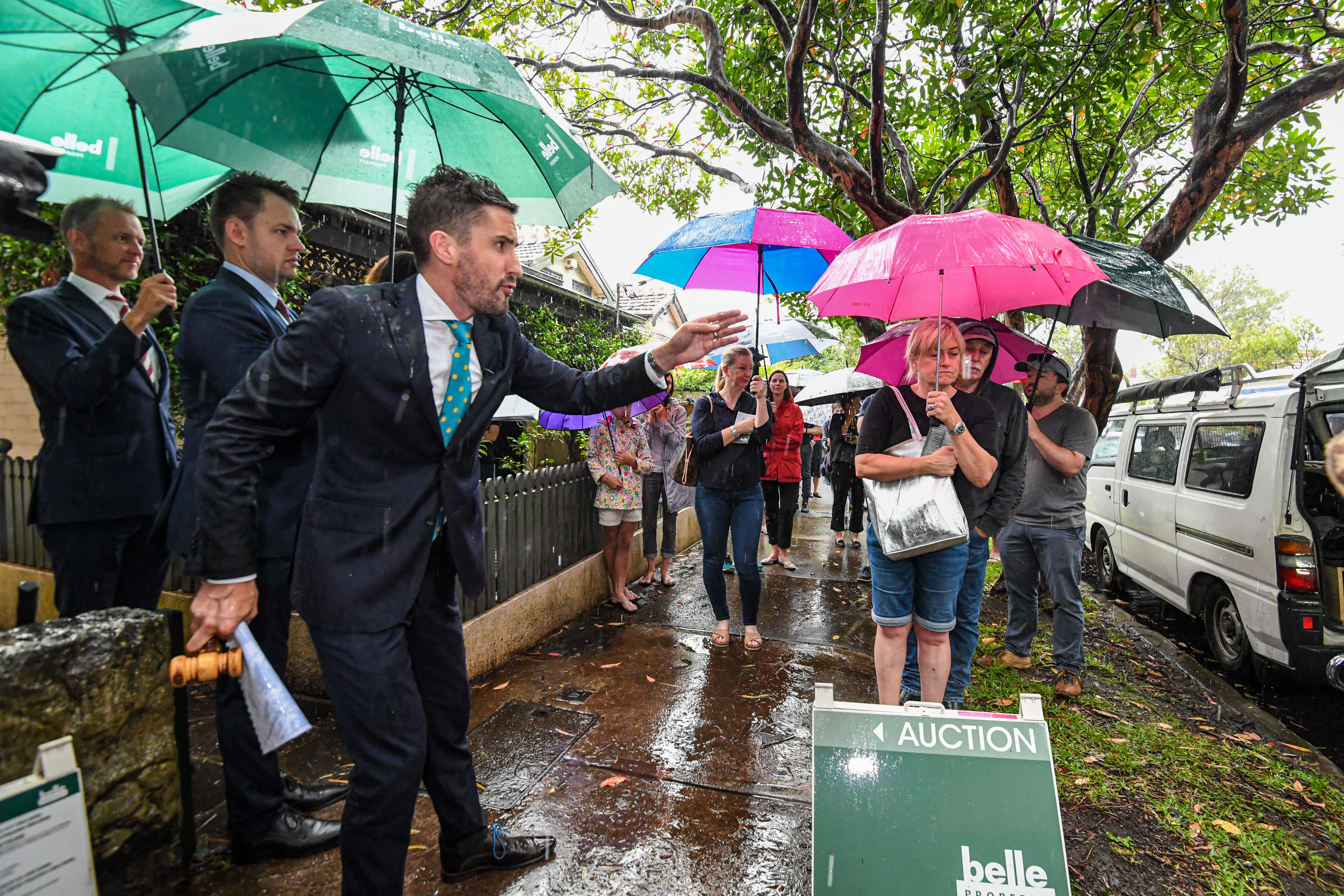
In turn, people will have less of the bank's money to spend at auction and will likely compete for lower-valued homes.