Tag Archives: oceania

Nearly two dozen new Aussie species declared endangered

Nearly two dozen species have been declared vulnerable, endangered, or critically endangered as the Federal Government today released its "Threatened Species Action Plan" in a bold bid to save them.

The action plan comes months after the damning State of the Environment Reportfound Australia has lost more mammal species than any other continent, and 19 ecosystems are showing signs of, or are near, collapse.

Minister for the Environment and Water Tanya Plibersek announced new listing decisions for 20 threatened species and three threatened ecological communities, noting many species were in areas badly affected by the Black Summer bushfires of 2019/2020.

READ MORE: Optus confirms more than 2 million customers had data exposed
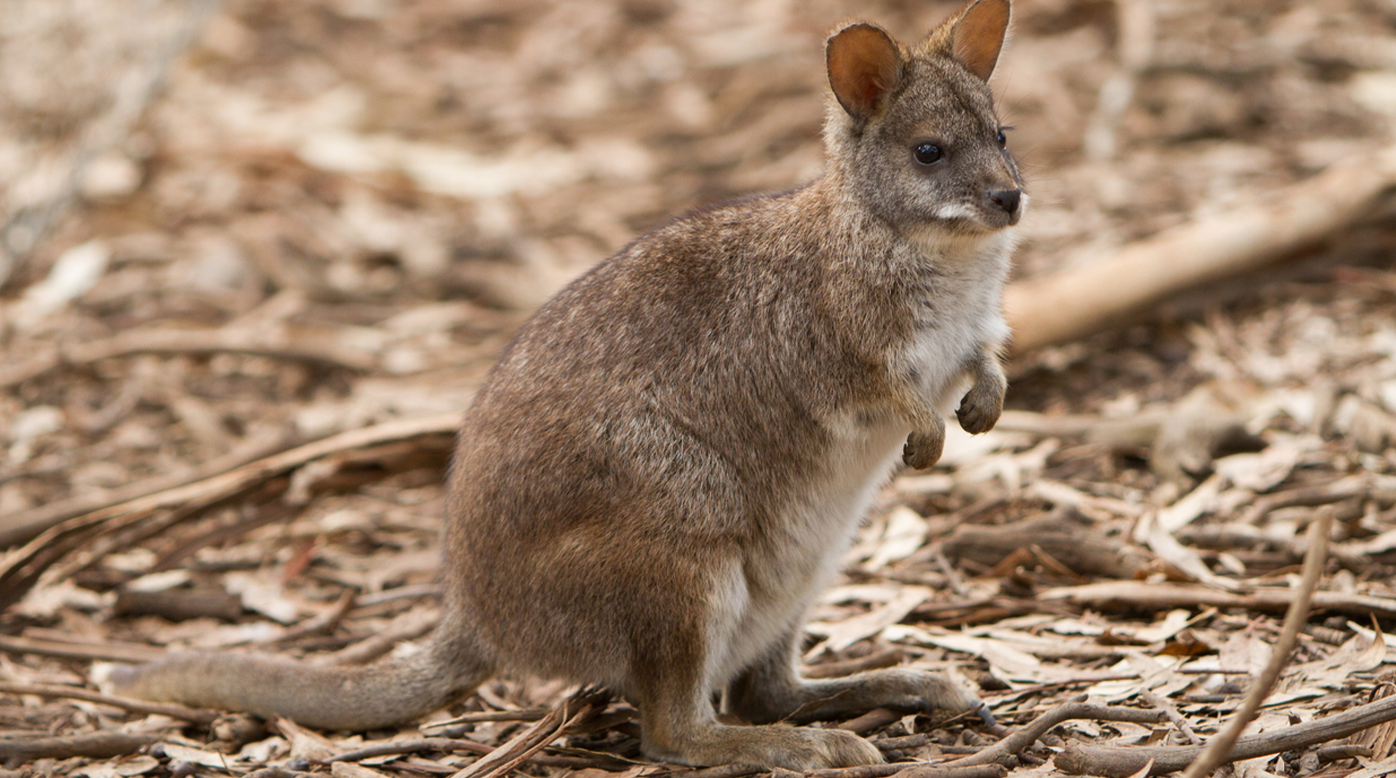
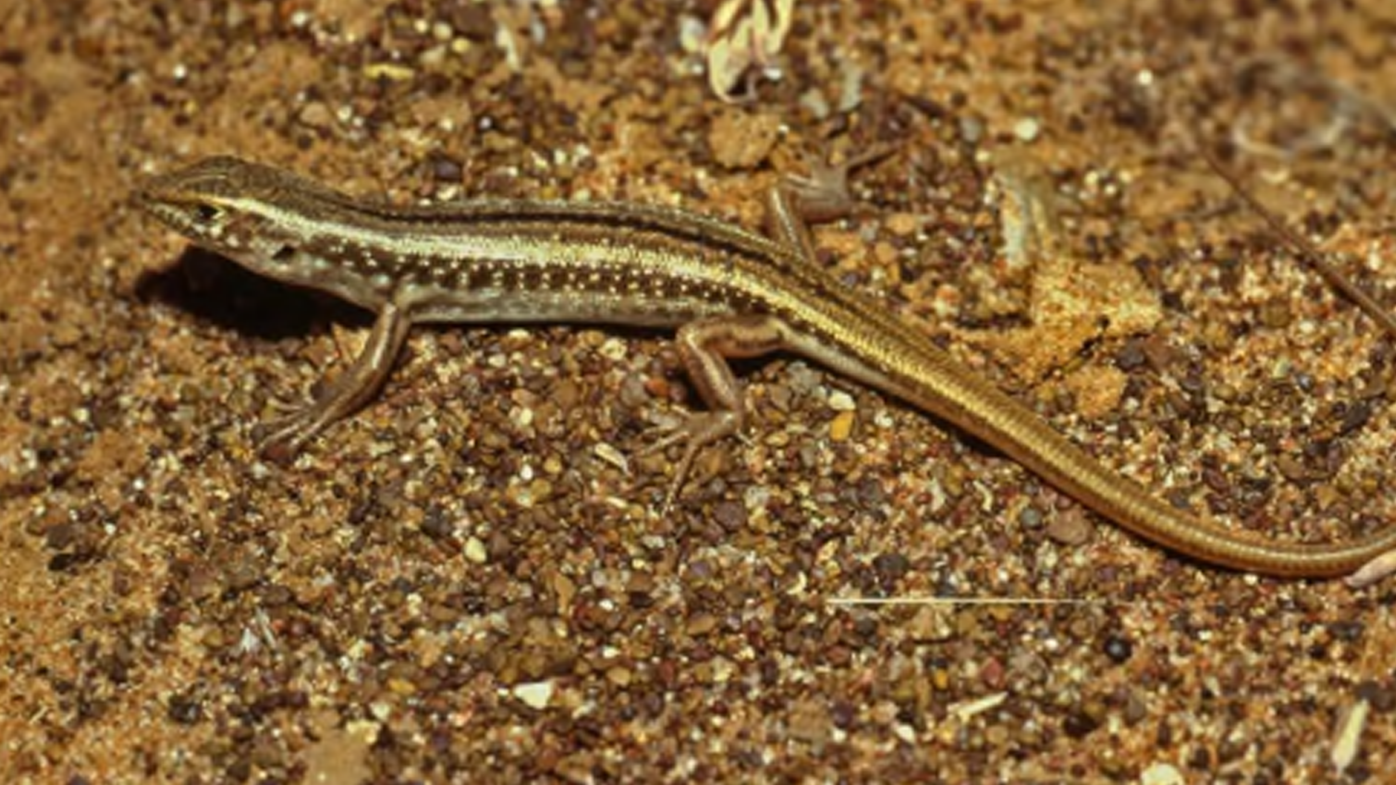
Close up of a Parma WallabyThe Gravel-downs ctenotus is a small lizard found only in the Diamantina Lakes area in QLD. It is now listed as critically-endangered.

The new animal species declared vulnerable to critically endangered include: the Parma Wallaby, Grey Snake, Key's Matchstick Grasshopper, Gravel Downs Ctenotus – a small lizard, Oxleyan Pygmy Perch, Malanda Rainbowfish, and the Western Beautiful Firetail.

More than a dozen plant species have been deemed at risk, including the critically endangered Headland Commersonia.

There's only one population of this trailing shrub in Byfield National Park, northeast of Rockhampton. It's estimated there are less than 250 individuals remaining.

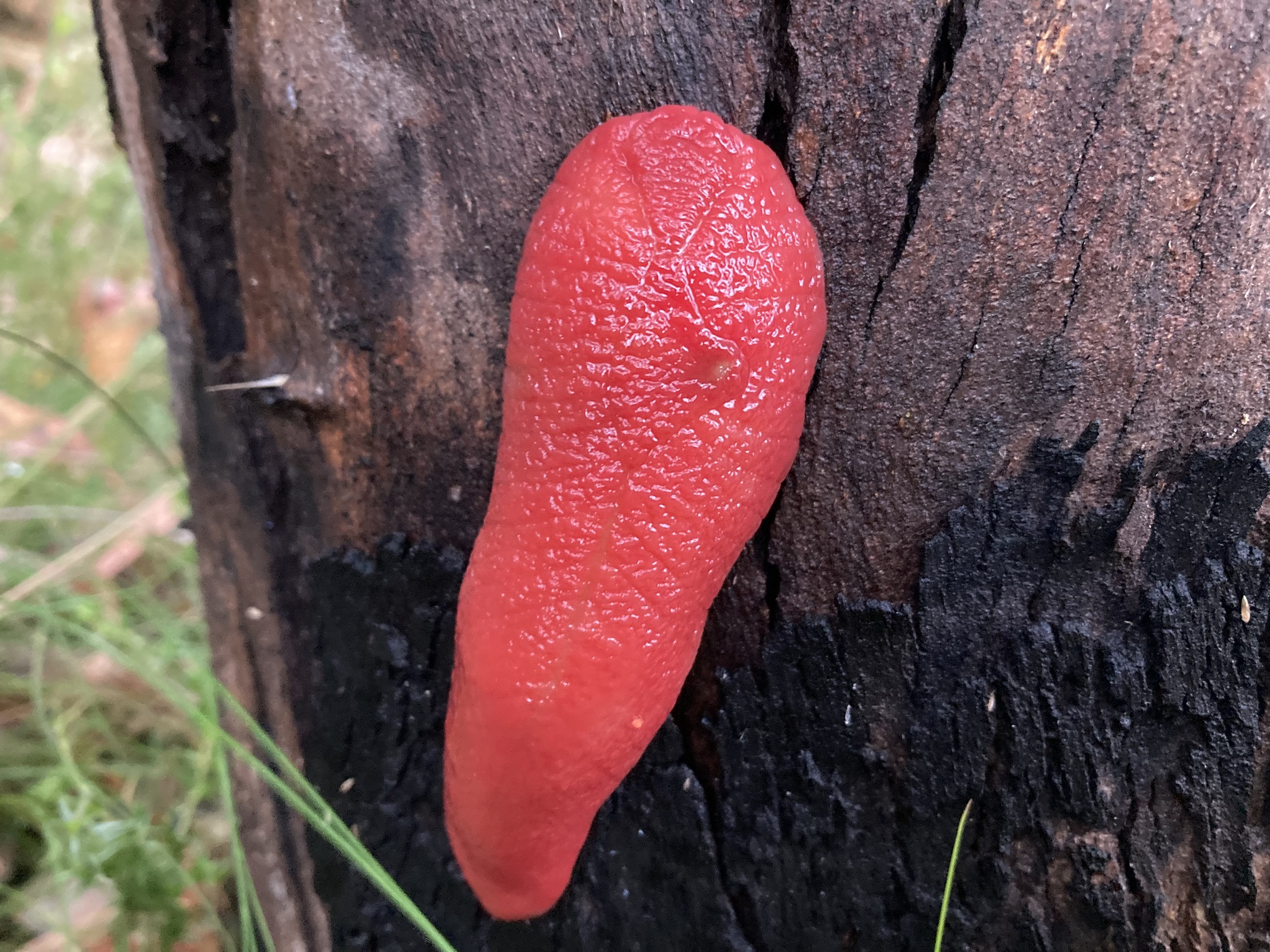
When it comes to ecosystems the Mount Kaputar land snail and slug community in northern NSW has been declared endangered.

This ecosystem is home to the iconic Kaputar giant pink slug.

READ MORE: Aussie dad dies after hospital gives him painkillers, left to wait

A giant neon pink slug is found at Mount Kaputar in northern NSW.

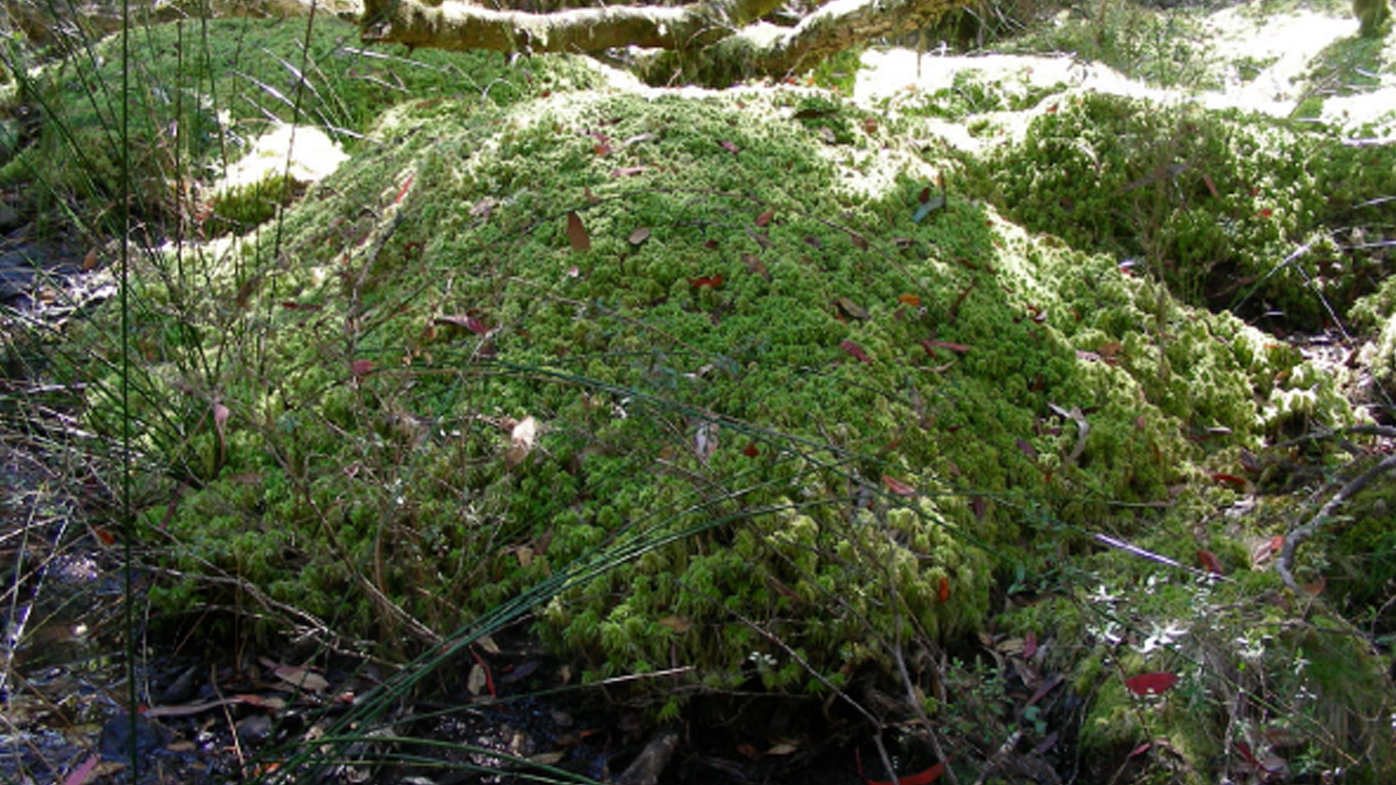
The eucalypt forests and woodlands on the floodplains of the eastern watershed of the Great Dividing Range have also been deemed endangered, while Ben Halls Gap Sphagnum Moss Cool Temperate Rainforest is critically so.

Of the species with new listing descriptions, 15 species and the three ecological communities were added to the the Environment Protection and Biodiversity Conservation Act list of threatened species.

Four species were upgraded to a higher threat listing and one species retained its current category.

READ MORE: Ukraine claws back more territory from Russia

Sphagnum cristatum hummock pictured in the rare Ben Halls Gap Sphagnum Moss Cool Temperate Rainforest in NSW.

In total, the action plan flagged 110 species for prioritisation including the ones listed above.

"While all species and natural environments are important, focusing on a limited number of species can help target effort and resources so that tangible outcomes can be achieved, measured and shared," the Department of Climate Change, Energy, the Environment and Water (DCCEEW) said.

The priority species and places listed above were identified by independent scientists.

A full list of the 110 priority species can be found here.

'Need for action has never been greater'

Plibersek conceded the Action Plan has ambitious targets, which includes preventing any new extinctions of plants and animals as well as a goal to conserve at least 30 per cent of the nation's landmass.

"The Threatened Species Action Plan strengthens our commitment to stopping the extinction of Australia's plants and animals" she said in a statement.

"These are the strongest targets we've ever seen.

"The need for action has never been greater.

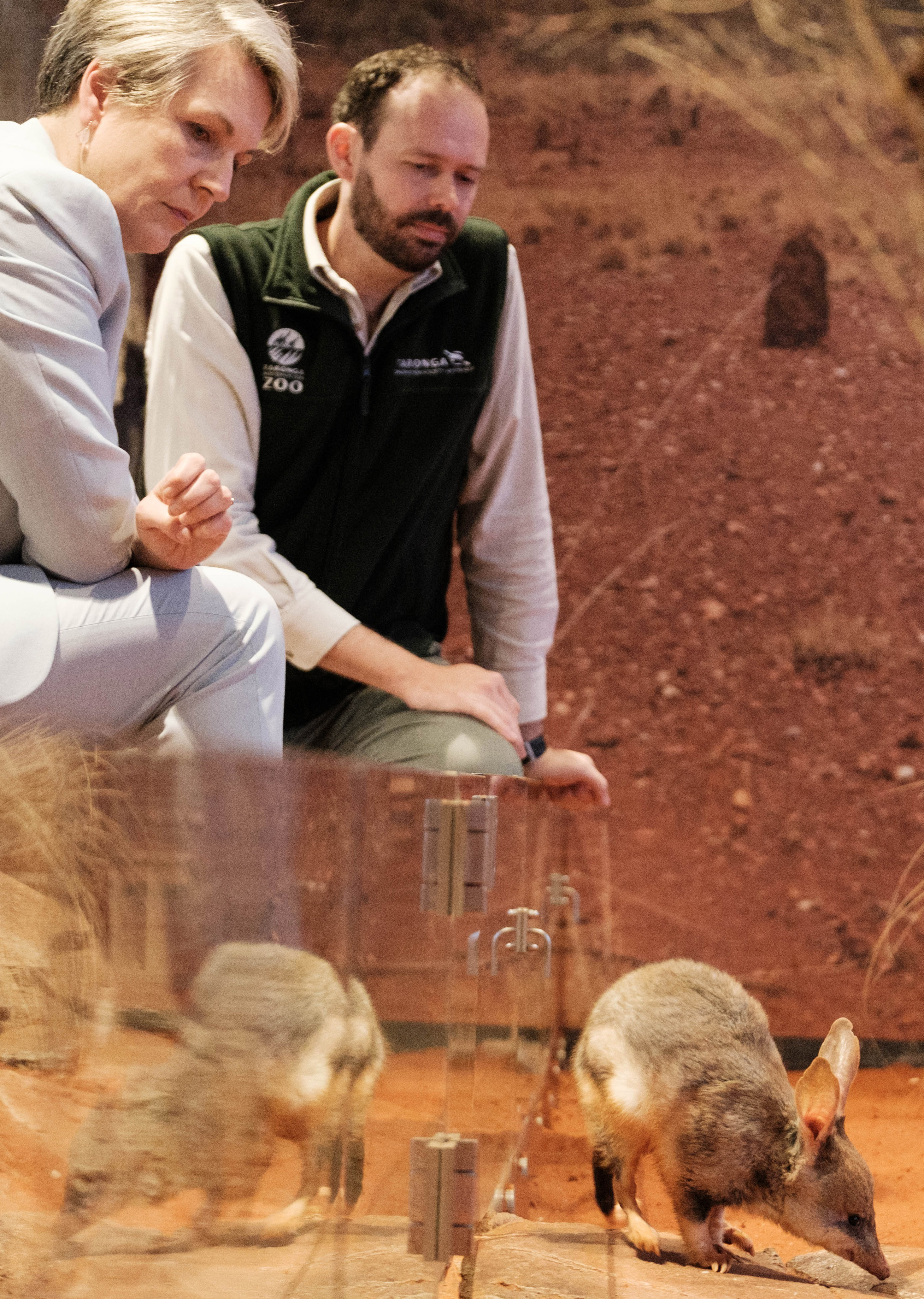
Federal Minister for the Environment Tanya Plibersek visits Taronga Zoo to announce its Threatened Species Action Plan.

"Our current approach has not been working. If we keep doing what we've been doing, we'll keep getting the same results.

"Australia is the mammal extinction capital of the world.

"I will not shy away from difficult problems or accept environmental decline and extinction as inevitable."

The government said $224.5 million would be committed to the Saving Native Species program to boost the outcomes.

However some experts are concerned the action plan does not go far enough.

"It's great this government is taking its international obligations more seriously than the previous one," James Watson, a Professor of Conservation Science at The University of Queensland, said.

"But Australians must understand that securing 30 per cent of land and sea will not secure species unless there is far greater investment in the actual management of these places.

"That this won't achieve much at all if land clearing, logging and inappropriate fishing continue unabated.

"It is also concerning that only 110 species are prioritised. There are over 1700 species on the Federal Endangered List, and the vast majority receive no attention.

"Unless all listed species get funding and attention, there will be extinctions and we will continue to sleepwalk deeper into the extinction crisis."

NSW mum, 22, diagnosed with stage four breast cancer

When Jasmin Kaschan felt a lump in her right breast, she was just a few weeks away from giving birth to her now four-month old daughter.

It never occurred to the 22-year-old mother-of-two from Nelson Bay, New South Wales, that it could be cancer.

"She noticed the lump in the shower, but she just put it down to having already had a baby and being about to have another one," her sister Jayde Kaschan told 9news.com.au.

READ MORE: Mum claims hospital bungle cost her chance of early cancer diagnosis

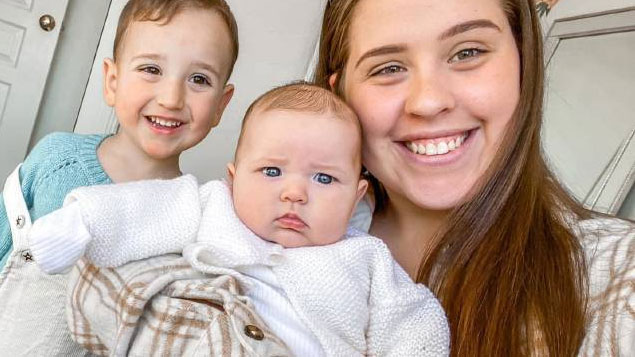
Jasmin Kaschan pictured with her two children, two year old Lincoln and four-month-old Luella.

"She thought it could be a blocked milk duct, or her body getting ready to start breastfeeding, so unfortunately she never mentioned it to anyone."

It was only last month that Jasmin finally went to the doctor, which led to a whirlwind of tests and a devastating diagnosis of stage four breast cancer.

"Three weeks ago, I was playing with my two beautiful kids and everything felt normal.. fast forward 3 weeks to today, I'm sitting in hospital fighting stage 4 breast cancer that has spread throughout my body," Jasmin shared in an emotional post to Facebook.

"Fighting this with so much love and support from people around me. This will be by far the toughest journey I'll ever go through in life but I'm so determined to fight this horrible disease for my babies. This is only the beginning of my journey."

Do you have a story? Contact reporter Emily McPherson at

Jasmin went to see a GP, who ordered a blood test, ultrasound, and a CT scan.

"When the CT scan came back, that's when the doctor said, 'You need to come in and can you please bring a support person,'" Jayde said.

The CT scan showed cancerous lumps in Jasmin's right breast, under her right arm and in her liver.

Further scans revealed the cancer had also spread to both of her hips, her shoulders and her spine.

While doctors have deemed it too late for surgery, Jasmin has already started a gruelling 12 weeks of chemotherapy.

"lt all happened very fast. She saw the GP on the Monday, by Thursday she was diagnosed," Jayde said.

"The following Monday, she was admitted to hospital and chemo was started straight away."

Jayde said the entire family was still in shock.

"She is 22 years old, she never thought it could be cancer," she said, adding that Jasmin was "putting on a brave face".

"I know how sad I am. I know the things that I'm thinking, so I couldn't even imagine what she's sitting in hospital thinking."

One of the most wretched moments came when her sister needed to stop breastfeeding her baby daughter, Luella, Jayde said.

"That was a really sad day in hospital, when she started chemo. She did her last feed and we were all in tears. It was horrible."

Friends have started an online fundraiser for Jasmin, who is currently on maternity leave but will be unable to return to her job at Coles in Salamander Bay.

Most common cancer for young women

Statistics from Cancer Australia show that while the incidence rate of breast cancer is far lower for younger women, it is still the most commonly diagnosed cancer in women aged 20–39.

This year, about 1000 Australian women aged between 20 and 39 years old are expected to be diagnosed with breast cancer.

Jayde said she and Jasmin both hoped that by sharing her story, particularly during Breast Cancer Awareness month this October, that it would help remind young women of the risks.

"Please everyone, check your breasts once a month, every month, no matter what your age," Jayde said.

Jadye said she and Jasmin had lost a cousin to breast cancer just last year.

"It was the same with her. She found a lump when she was breastfeeding her son. She she fought it for seven years," Jayde said.

"I really want to spread the awareness to young mothers that are breastfeeding, always get it checked. If you're not sure, get it checked."

Sarah Powell is the CEO of Pink Hope, an organisation aimed at preventing breast and cervical cancer through awareness.

Powell said it was common to hear stories of women, and sometimes even doctors, dismissing lumps which turned out to be cancerous because they thought it was due to breastfeeding.

'We encourage all women to be checking their breasts from a really young age, when they are in their 20s," she said.

"Although it's very rare to get cancer at that stage, if you're more familiar with your body and you're in this habit of checking your breasts, as soon as something changes, that's when you need to present to your GP."

Suitcases containing children's bodies were moved before discovery

Warning: This story contains details some readers may find disturbing.

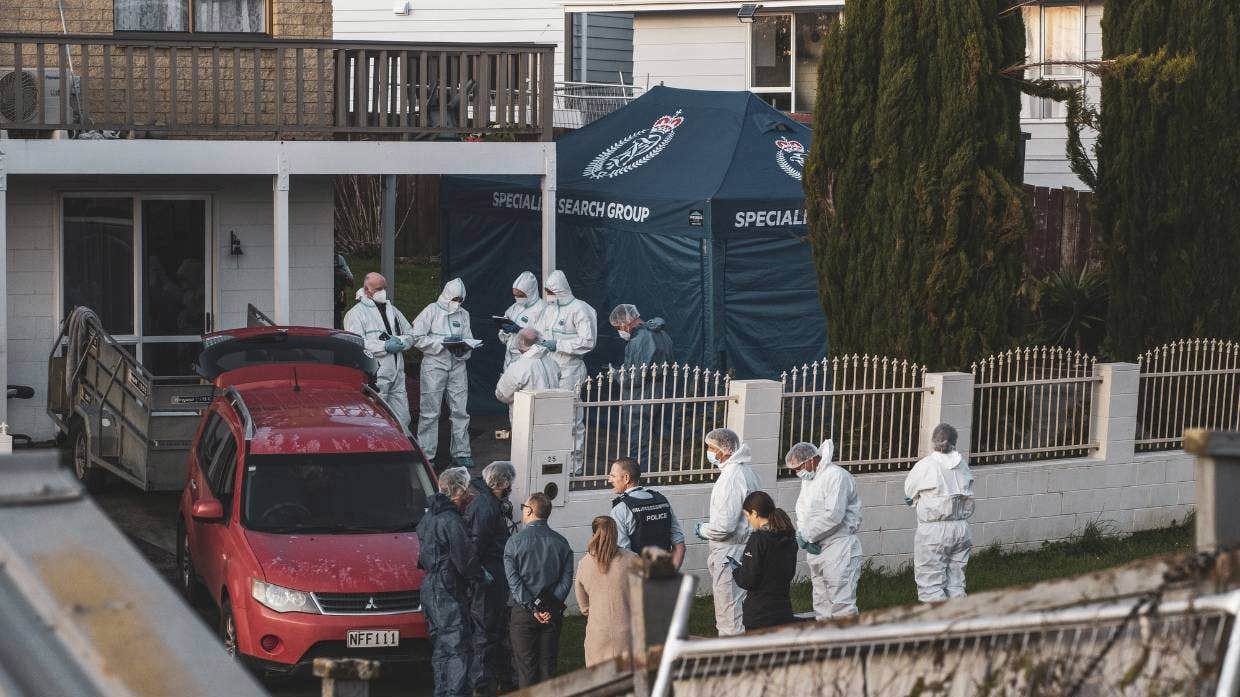
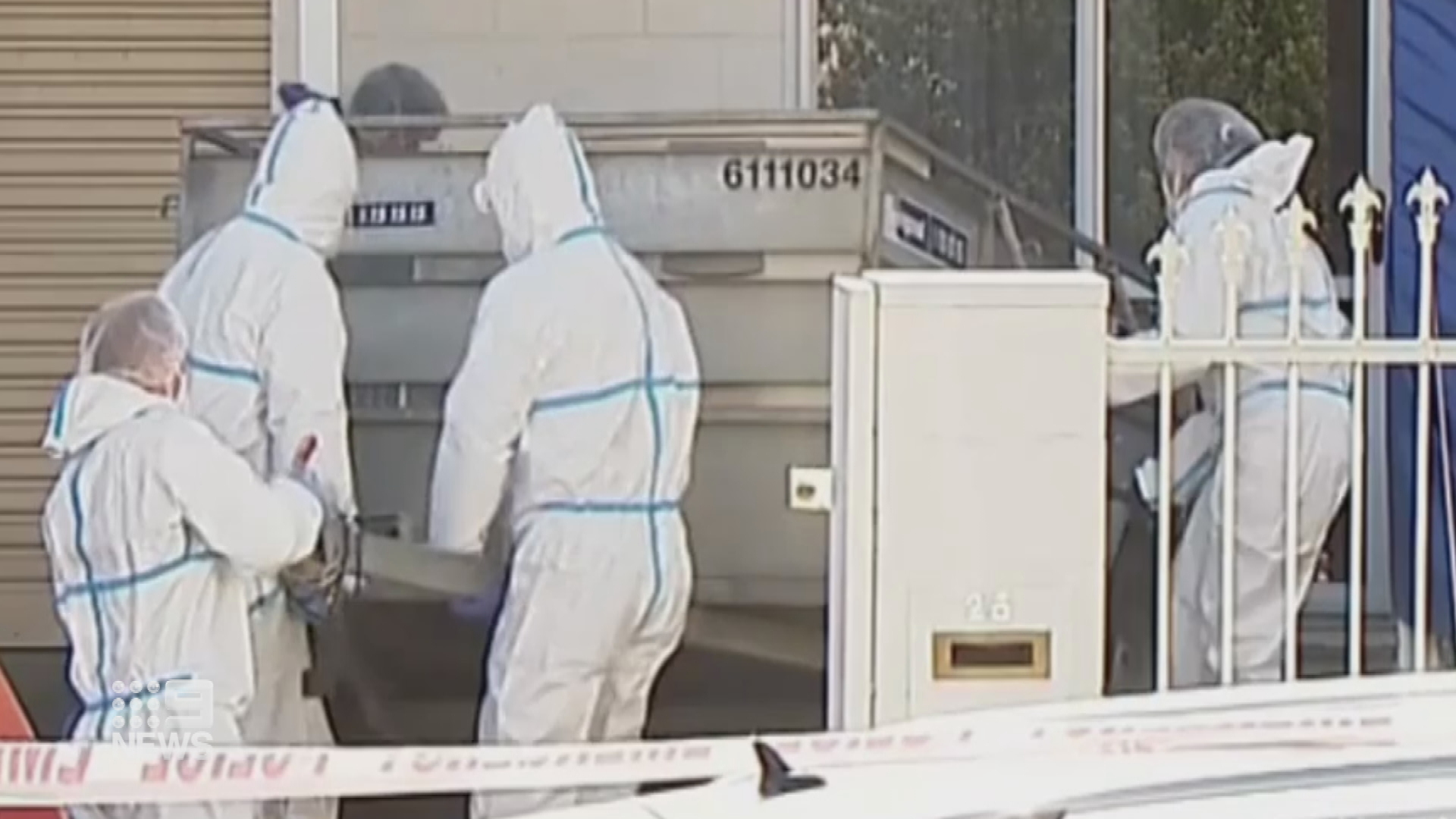
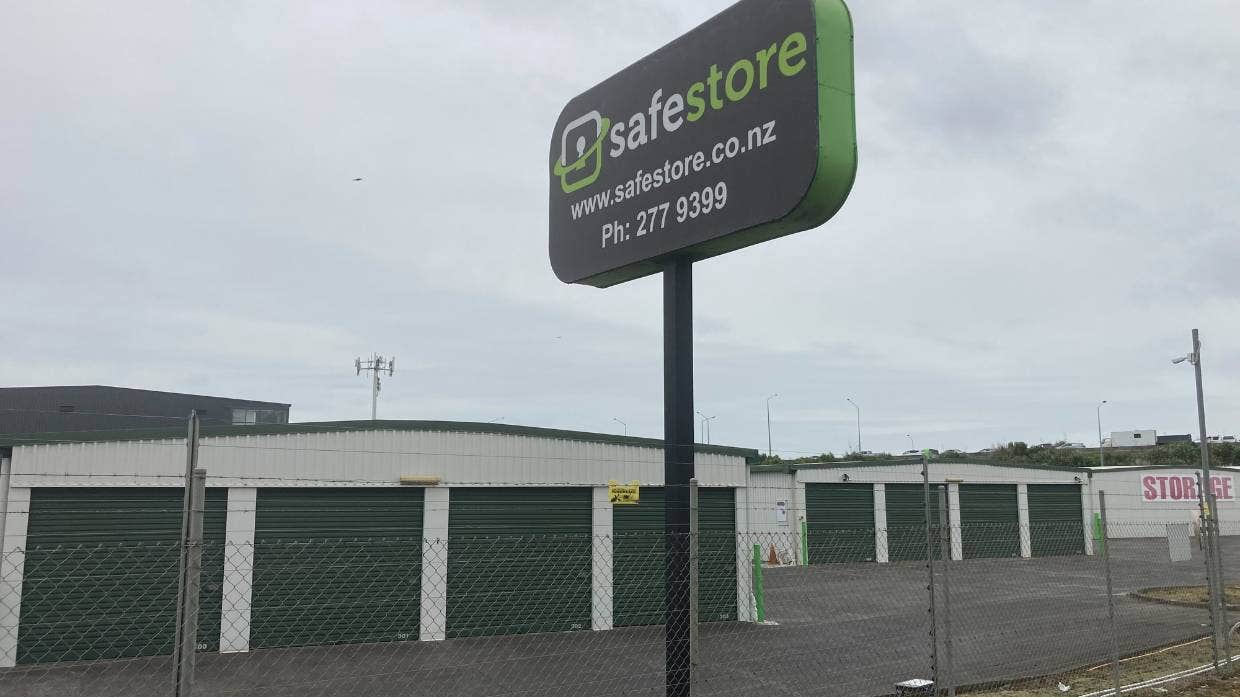
A year before the bodies of two children were found in suitcases, the remains were moved between storage units at the same Auckland facility, Stuff understands.

A person with knowledge of the move said there were dead flies and rats in the unit – but there was no smell or clues to raise the alarm.

At a press conference in August, Detective Inspector Tofilau Faamanuia Vaaelua said the children, a boy and a girl who were primary school-aged, were believed to have been dead for "a number of years", possibly three or four, before they were found.

READ MORE: Man shot dead in front yard of Brisbane home

A 42-year-old woman was subsequently arrested in South Korea on two counts of murder in September. The woman denied responsibility for their deaths, shouting "I didn't do it", to waiting Korean media.

Stuff understands the suitcases were moved in the second half of 2021 between different storage units at the same SafeStore Papatoetoe facility.

A spokesman from SafeStore said the company did not want to comment "as the police have asked so as not to compromise any investigation in progress".

After being moved at the site, the suitcases holding the children's remains were then sold in a storage unit auction with other items, including toys and furniture, and moved to a Clendon Park home in August 2022 before being discovered by the unwitting family who won the auction.

A police spokesperson said they could not comment on questions put to them by Stuff.

Neighbours described seeing members of the family opening a suitcase, then standing back as if in shock.

READ MORE: Auckland woman missing for second time in a week

Police and forensics descended on the home shortly afterward.

A neighbour said the remains were brought back to the property on the trailer before whatever was containing them was opened, releasing what they described as a "wicked smell" which could be detected from next door.

As a former worker at Manukau crematorium, the neighbour recognised the nature of the smell instantly.

"I knew straight away, and I thought, 'Where is that coming from?'" he said.

Police are yet to make a formal application for the woman's extradition, which has to be done before October 30 as per the New Zealand-South Korea extradition treaty.

After that, an extradition review would be conducted at the Seoul High Court, which would decide whether to extradite the woman to New Zealand.

Stuff reported in August that the father of the children had died in 2017, a year before the mother is thought to have arrived in South Korea.

The children were aged 5 and 8 at the time of his death.

This article has been reproduced with permission from Stuff.co.nz.

Hospital breached duty of care resulting in death of father-of-six

A Perth mother was forced to watch on helplessly as her son waited for medical treatment which arrived too late, resulting in his tragic death.

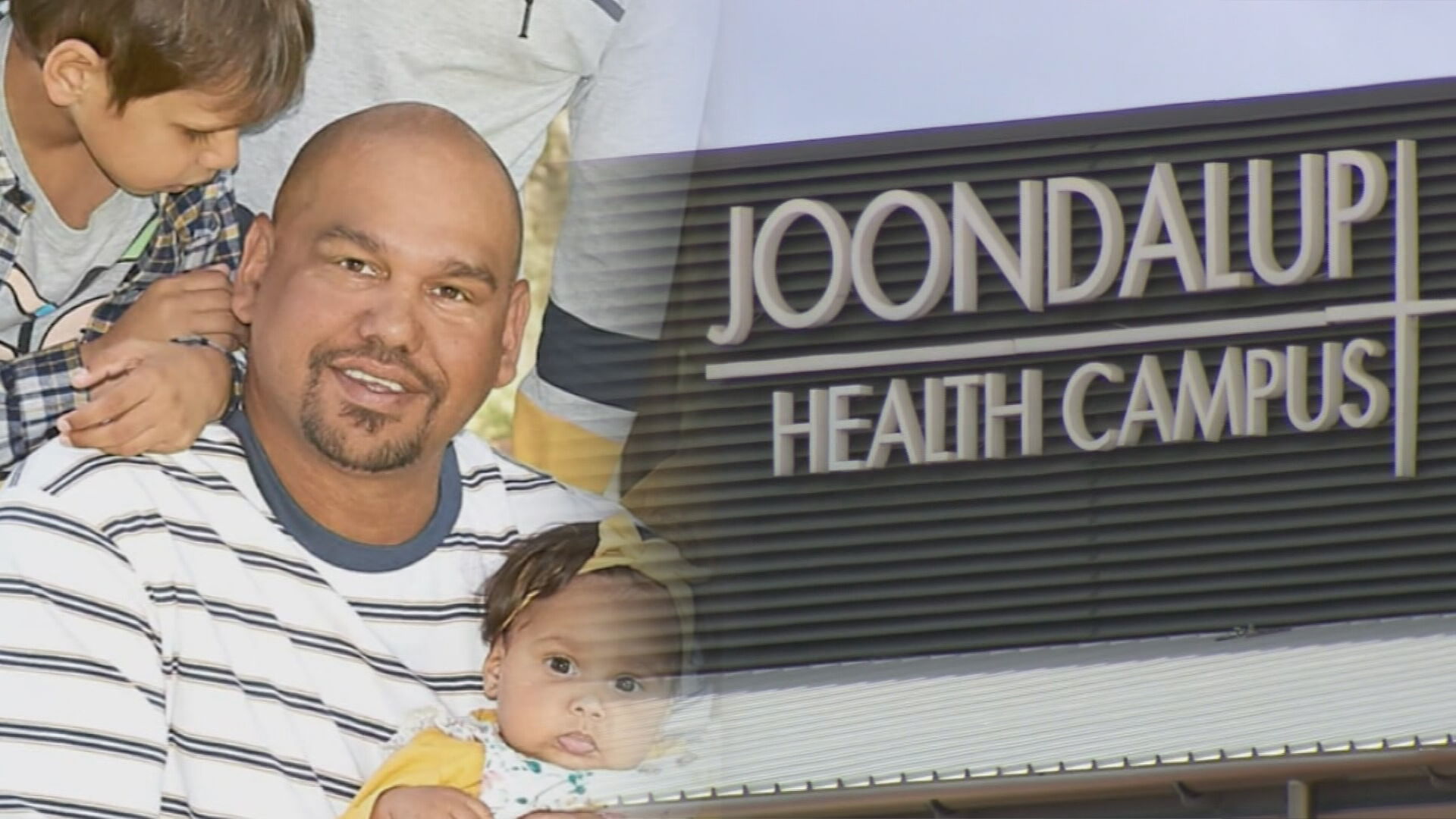
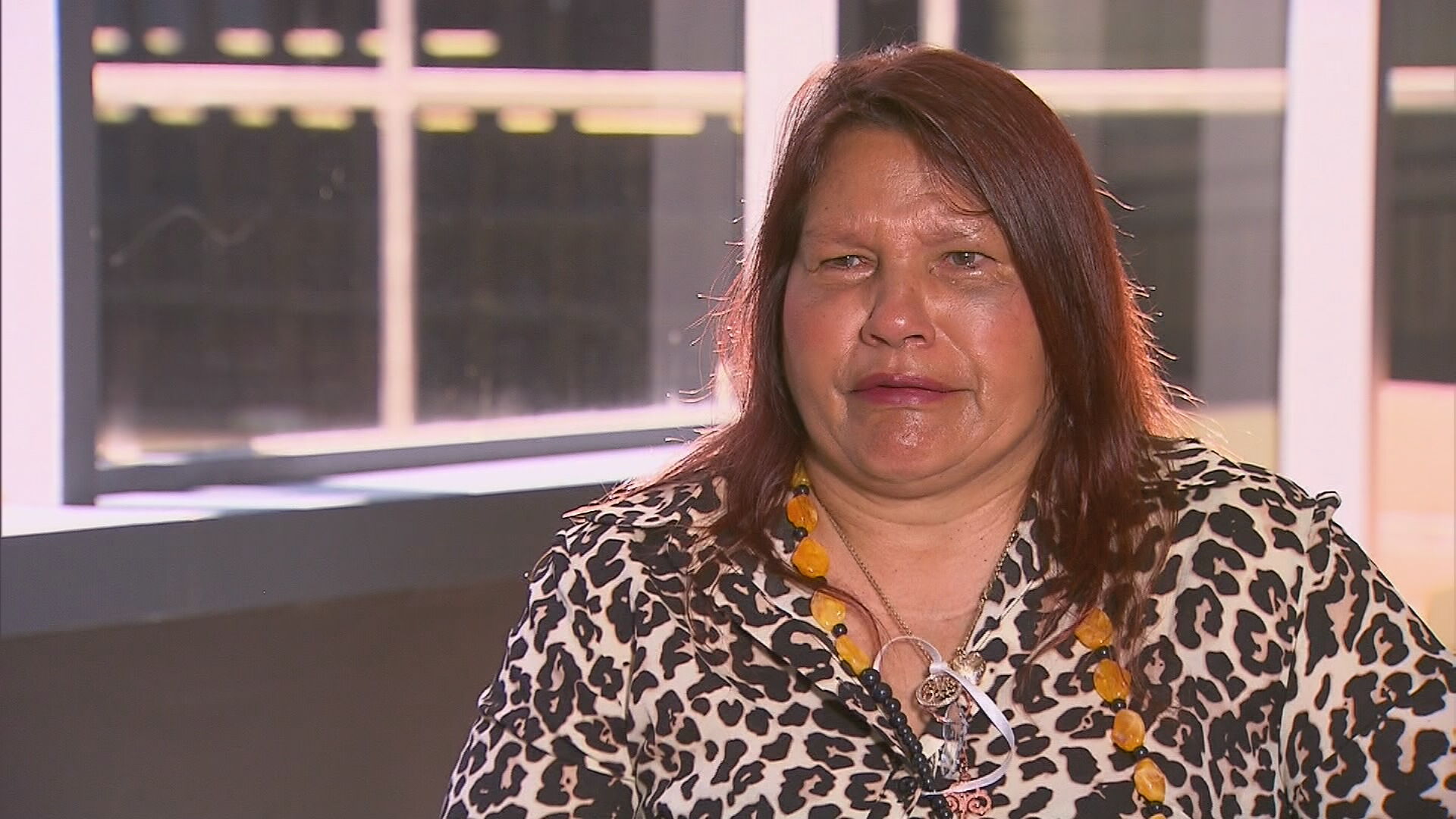
Michelle Nelson-Cox lost her 35-year-old son Barry Nelson to a heart attack in 2018 and claims hospital staff ignored her calls for help.

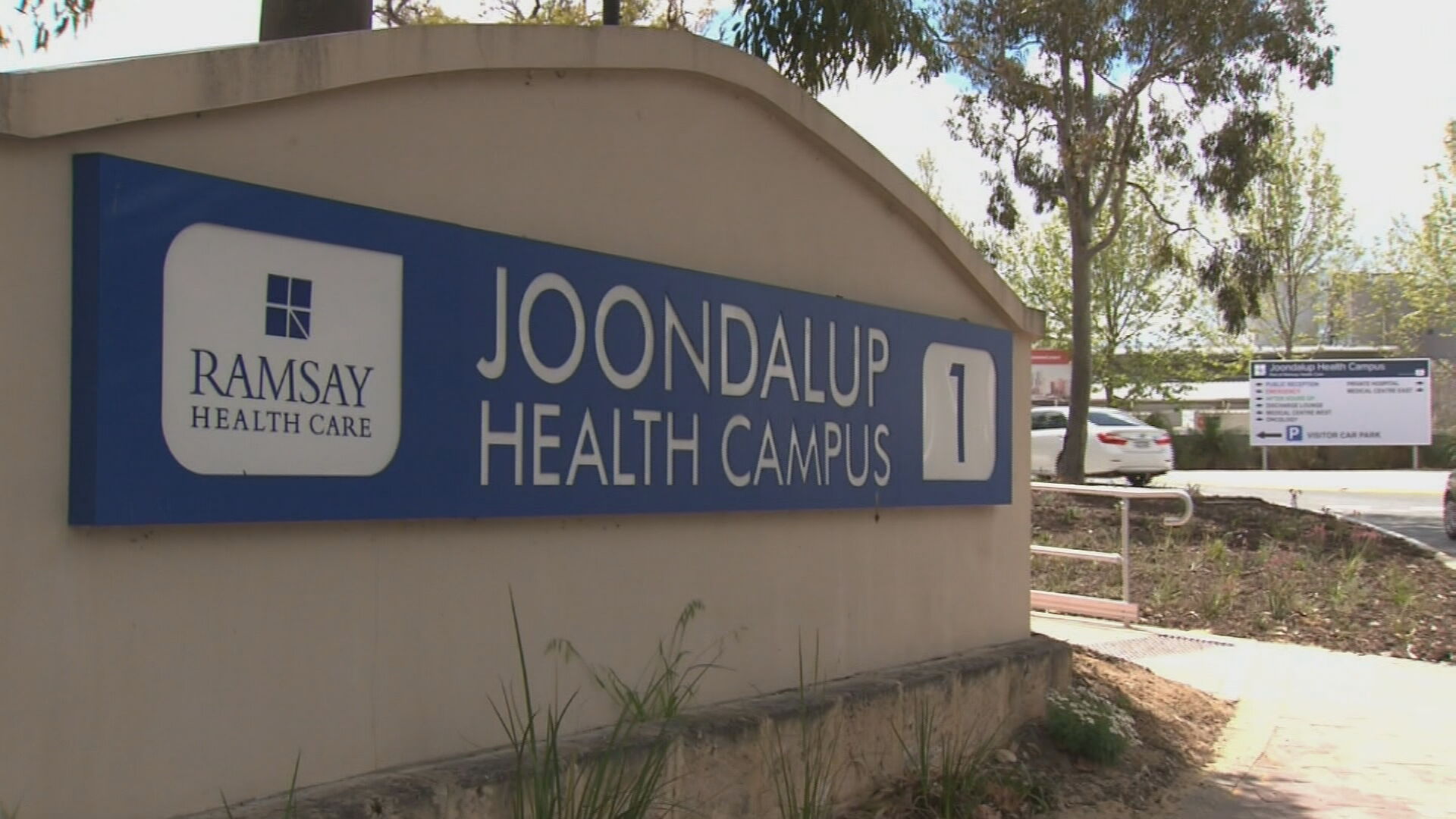
The father-of-six was rushed to Joondalup Health Campus with chest and arm pain.

READ MORE: Optus confirms more than 2 million customers had data exposed
Michelle Nelson-Cox lost her 35-year-old son Barry Nelson to a heart attack in 2018 and claims hospital staff ignored her calls for help.

His mother repeatedly told staff about the family's history of heart attacks, including his younger brother who had survived two.

She asked the staff to test his heart but instead, Barry was given painkillers.

Nelson-Cox said they waited at the hospital for 4.5 hours until Barry was given an ECG.

"I just wanted to get the machines and do the procedure myself," she told 9News.

Staff believed he was having an allergic reaction to a recent cortisone injection in his shoulder but hours later he went into shock.

Barry was rushed to another hospital but couldn't be saved.

"He said, 'we're very sorry we couldn't save him', and I just broke, I just collapsed," Nelson-Cox said.

READ MORE: Ukraine claws back more territory from Russia
Michelle Nelson-Cox lost her 35-year-old son Barry Nelson to a heart attack in 2018 and claims hospital staff ignored her calls for help.

"I think its important to talk about Barry and what happened to him and as Michelle pointed out, that her message is that it hasn't happened to anyone else, and to know people can speak up and try and make a change," Briee Rogers from Slater and Gordon said.

Joondalup Health Campus is run by Ramsay Health under a public-private partnership.

Ramsay Health admitted it breached its duty of care and will eventually pay compensation to Nelson-Cox and her family.

"(Joondalup Health Campus) reiterates its apology to Nelson's family and acknowledges the grief and anguish caused by his loss," Joondalup Health Campus said in a statement to 9News.

WA Health has apologised to the family, calling the outcome catastrophic. 

READ MORE: More floods possible as Australia set for week of heavy rain

Michelle Nelson-Cox lost her 35-year-old son Barry Nelson to a heart attack in 2018 and claims hospital staff ignored her calls for help.

The department found one of the reasons for the delayed diagnosis was that Barry was Aboriginal.

WA Health has recommended the hospital increase staff awareness of Indigenous risk factors.

Nelson-Cox claimed her son was discriminated against during his treatment, saying "I witnessed systemic racism at its rawest".

9News put the claims of racism to Ramsay Health and asked what changes had been made but no comment was provided while legal discussions are underway.

King Charles III in first engagement since Queen's death

King Charles III and his wife Camilla, the Queen Consort, visited Scotland on Monday in their first joint public engagement since the royal mourning period to remember Queen Elizabeth II ended.

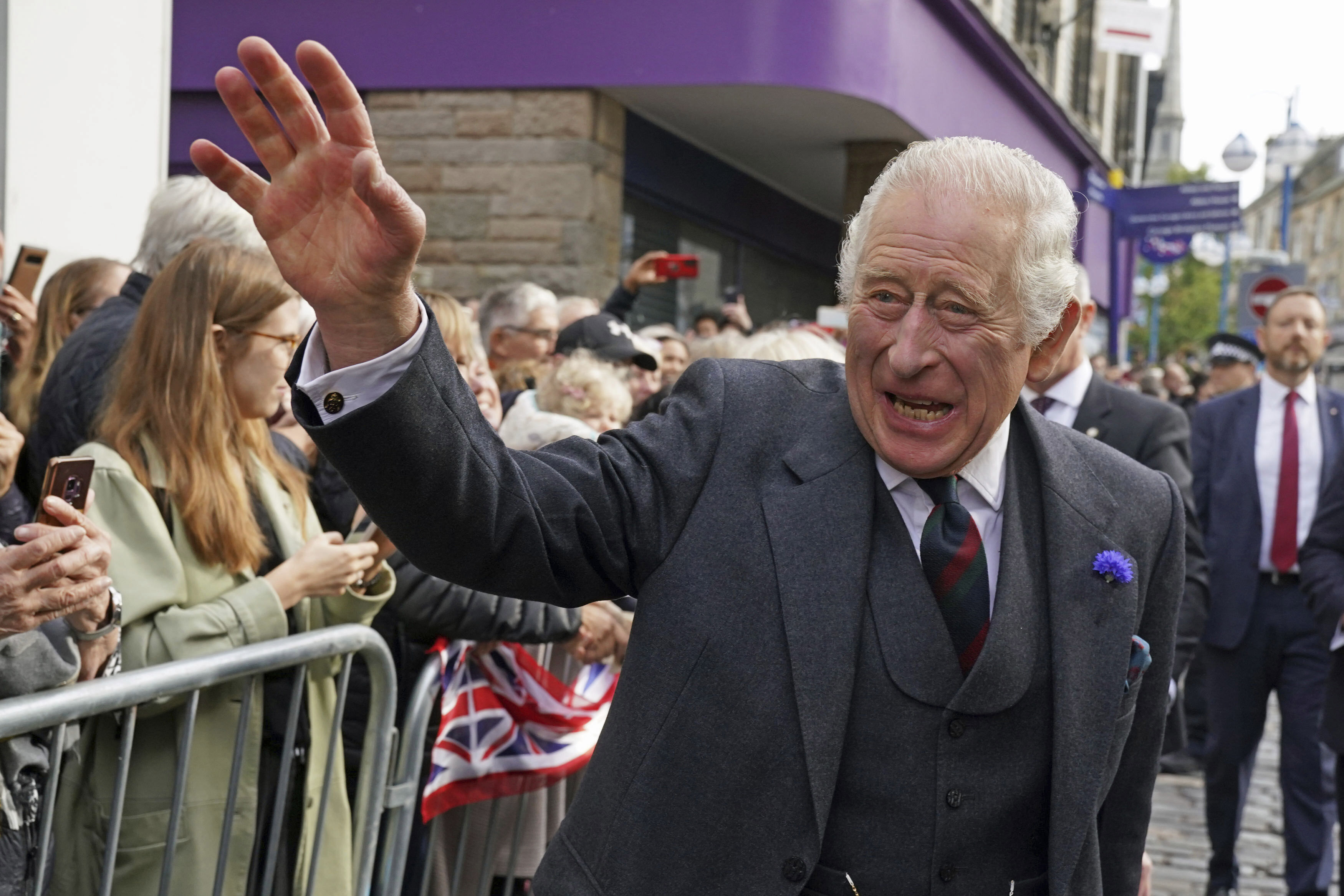
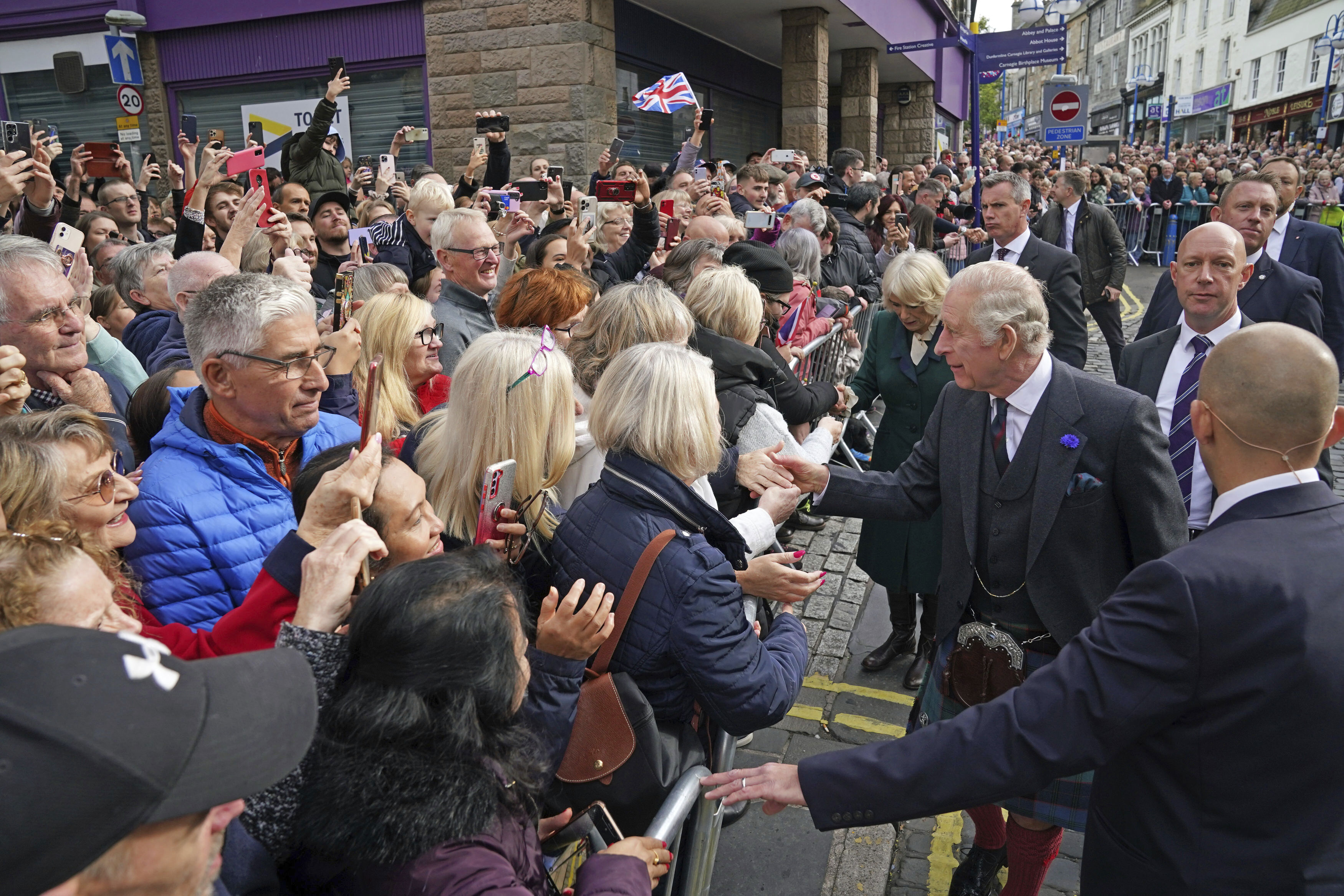
Hundreds turned out on the streets of Dunfermline in Fife, north of Edinburgh, hoping to get a glimpse of the new monarch. Charles, who wore a kilt for the visit and spent time shaking hands with well-wishers after he greeted Scottish First Minister Nicola Sturgeon and other leaders.

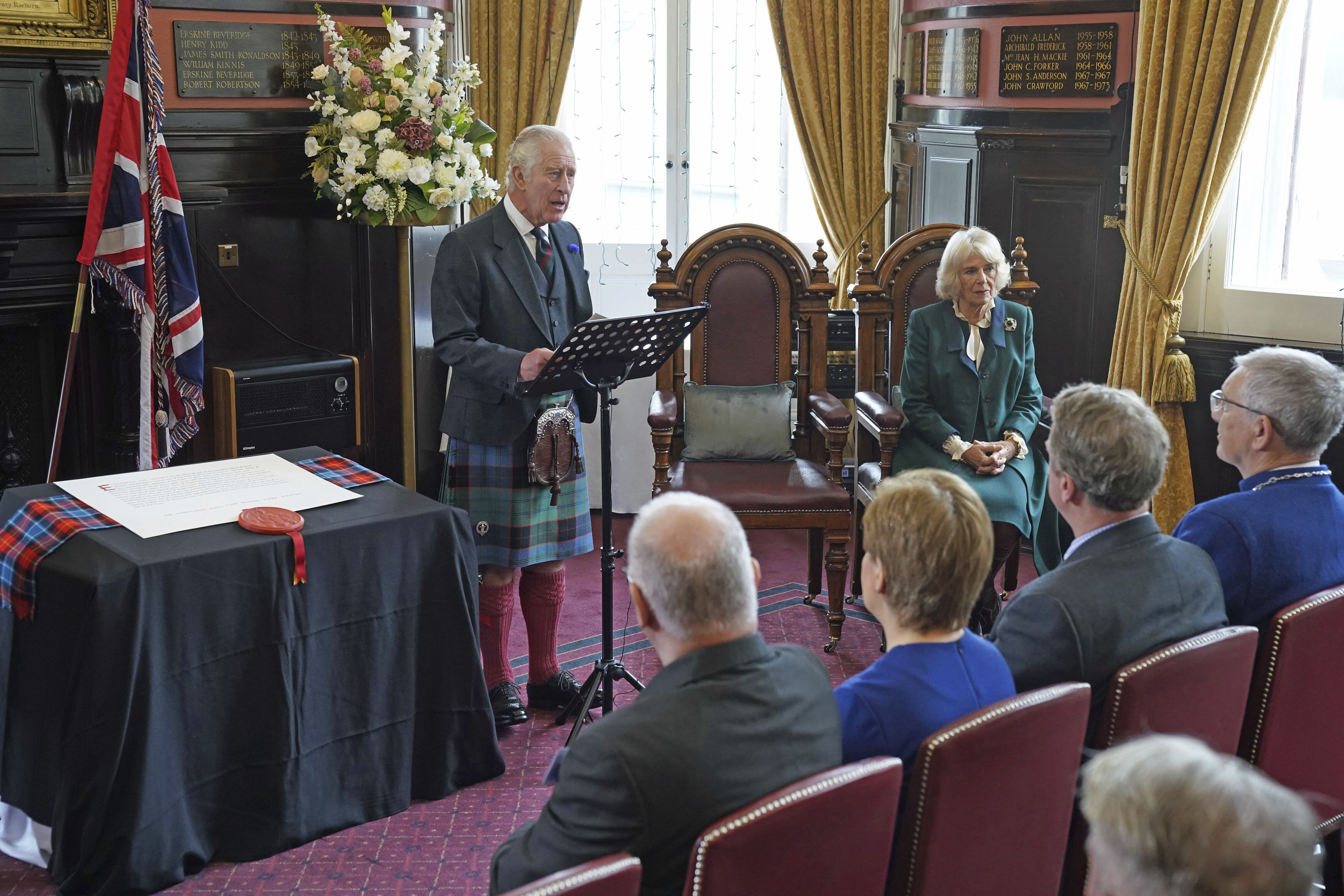
The royal couple were visiting to formally give city status to Dunfermline, the birthplace of another King Charles: Charles I, who reigned in the 17th century before his execution, was the last British monarch born in Scotland.

READ MORE: King Charles III decides not to attend climate summit

Dunfermline was among eight towns that won city status as part of Platinum Jubilee celebrations earlier this year to mark Elizabeth's 70 years on the throne.

"There could be no more fitting way to mark my beloved mother's extraordinary life of service than by granting this honour to a place made famous by its own long and distinguished history, and by the indispensable role it has played in the life of our country," Charles said in a speech.

"We gather to celebrate this great occasion but also to commemorate the life of Her late Majesty, whose deep love for Scotland was one of the foundations of her life," he added.

Later on Monday (Tuesday morning AEST), Charles and Camilla will host a reception for around 300 guests at Edinburgh to celebrate the British South Asian community.

The royals will meet British Indians, Pakistanis, and many others and pay tribute to the contributions they made to the UK.

Charles, 73, became sovereign immediately upon the death of his mother Elizabeth in Balmoral Castle, Scotland, on September 8. Britain held 10 days of national mourning, while the royal family extended the mourning period for a week after the Queen's funeral on September 19.


Ukraine claws back more territory from Russia

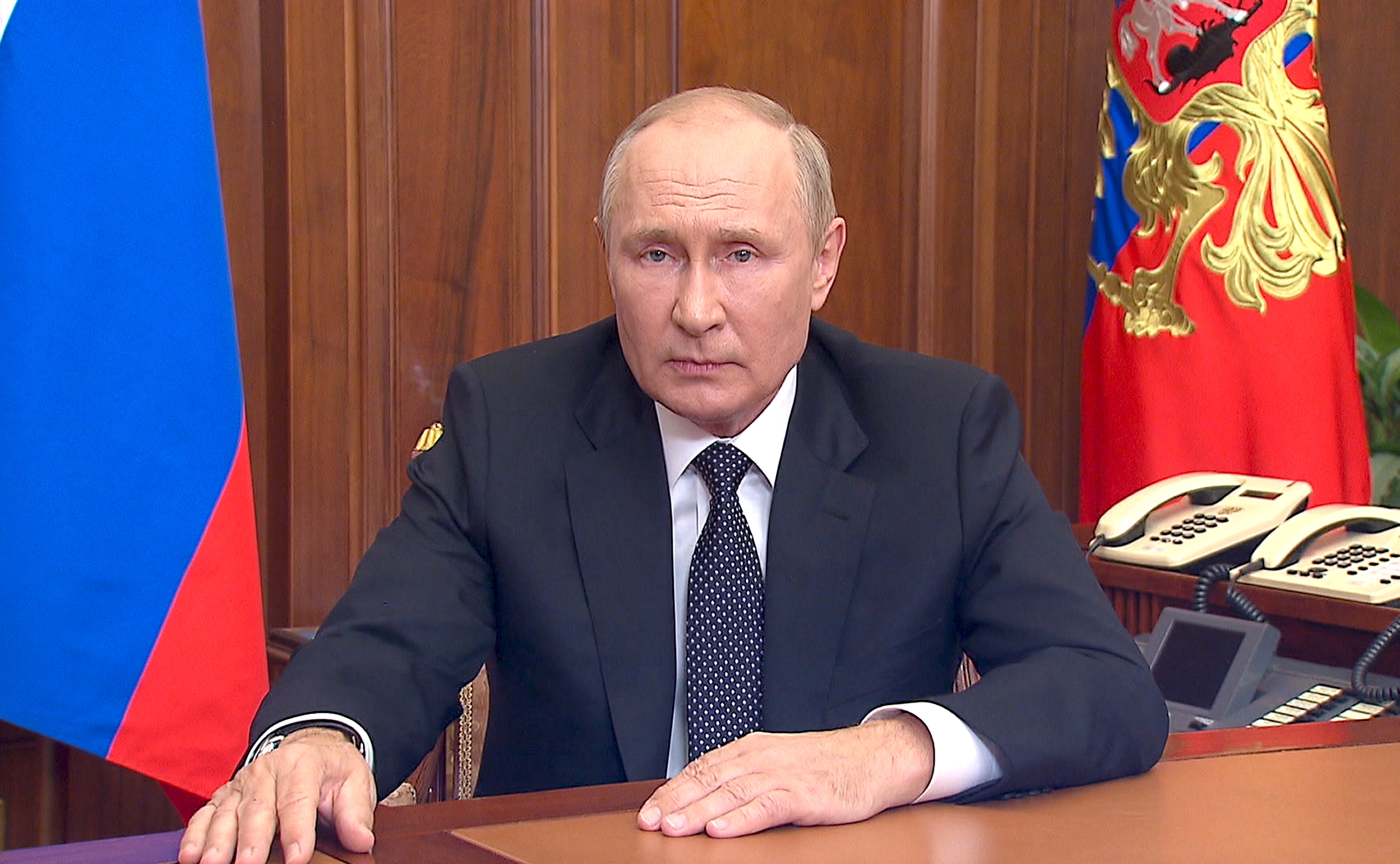
Ukrainian forces have broken through Moscow's defences in the strategic southern Kherson region, the Russian military acknowledged on Monday, an achievement that delivers a sharp blow to one of the four areas in Ukraine that Russian President Vladimir Putin annexed last week.

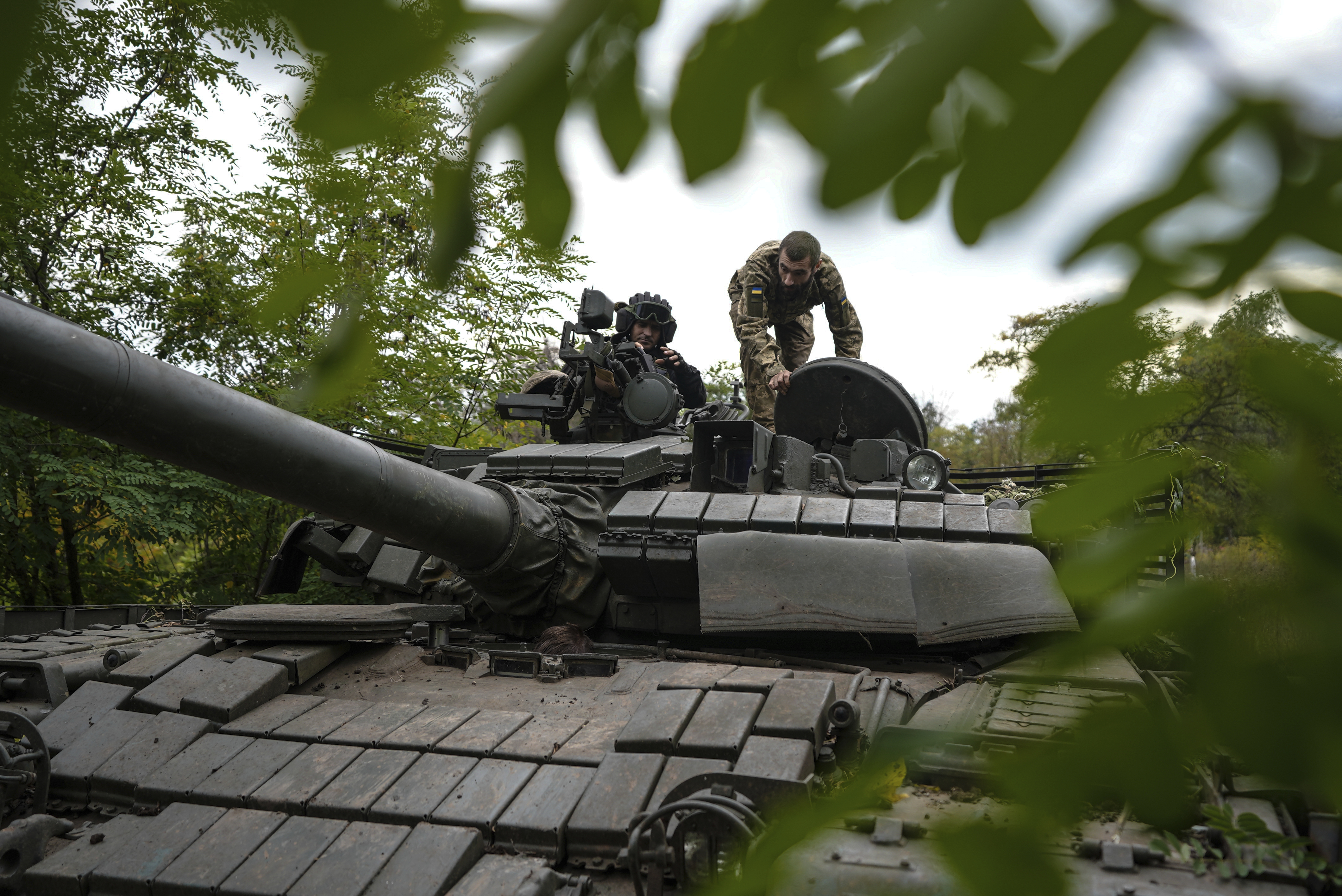
Russia's Defence Ministry spokesman Igor Konashenkov said in his daily briefing that "with superior tank units in the direction of Zolotaya Balka, Aleksandrovka, the enemy managed to penetrate into the depths of our defence." Konashenkov added that "Russian troops have occupied a preprepared defensive line and continue to inflict massive fire damage" on Kyiv's forces.

Kherson is one of the four regions illegally annexed by Moscow last week after a hasty "referendum" orchestrated by the Kremlin that Western nations have derided as a sham vote at gunpoint. Kherson has been one of the toughest battlefields for the Ukrainians, with slower progress when compared with Ukraine's breakout offensive in the northeast around the country's second-largest city of Kharkiv that began last month.

READ MORE: Ukraine presses on with counteroffensive

As the front lines shifted, the political theatre in Moscow continued. Russia's lower house of parliament on Monday quickly rubber-stamped an endorsement of the treaties for four regions of Ukraine to join Russia, a move that will be followed by the upper house on Tuesday.

Still, Russian officials and lawmakers gave conflicting signals on exactly what areas are being incorporated.

Kremlin spokesman Dmitry Peskov said before the vote Monday that two regions, Donetsk and Luhansk, are joining Russia with the same administrative borders that existed before a conflict erupted there in 2014 between pro-Russian separatists and Ukrainian forces. But he noted that the issue of the borders of the two other regions — Zaporizhzhia and Kherson — remains open.

"We will continue to discuss that with residents of those regions," Peskov told reporters, without elaborating.

Putin's land grab has threatened to push the conflict to a dangerous new level. It also prompted Ukraine to formally apply for fast-track NATO membership,

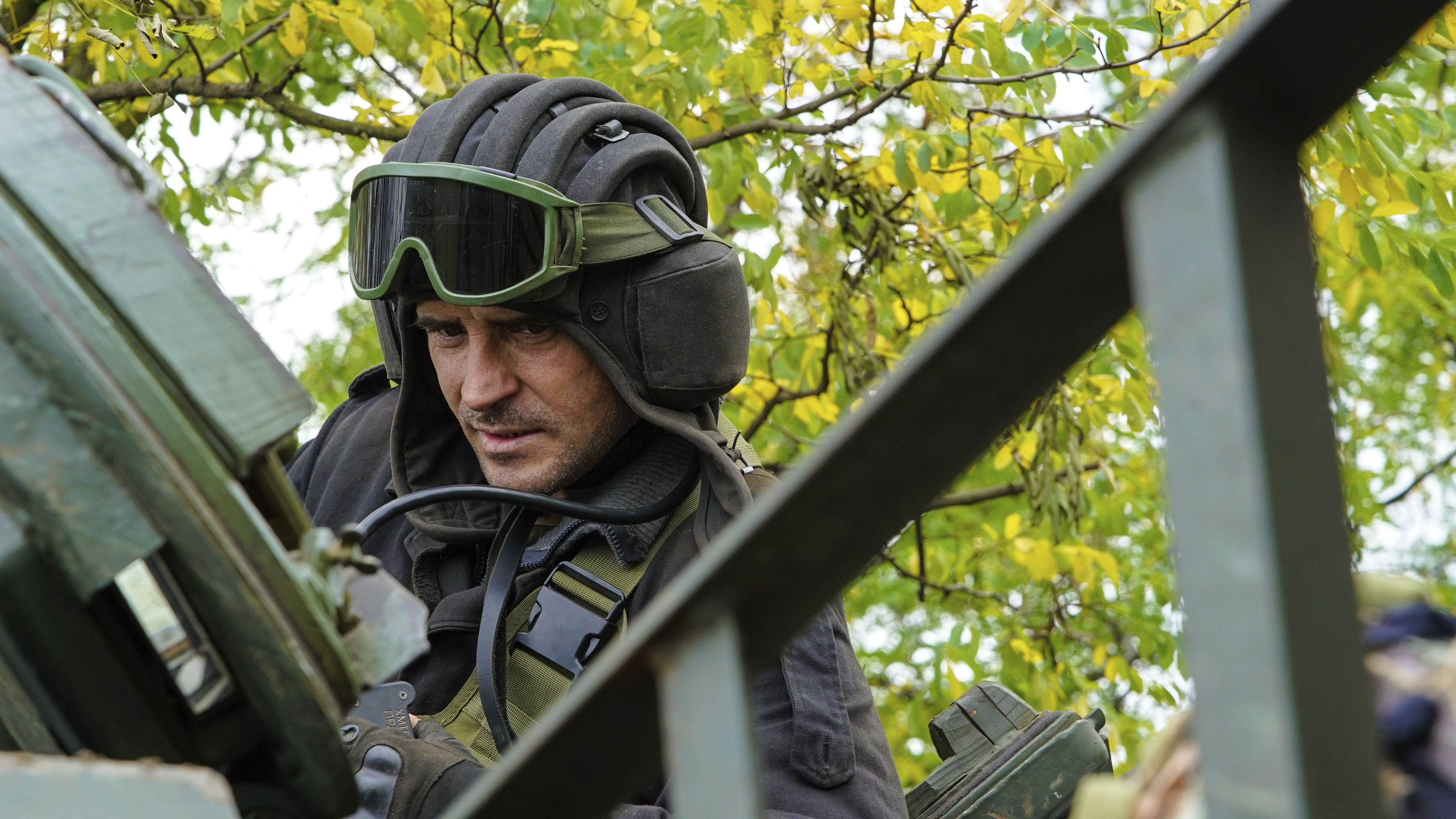
On the battlefield, Ukrainian media outlets on Monday highlighted an image of Ukrainian troops displaying flags at a marker for the village of Khreshchenivka, which is in the same area of Kherson where Ukrainian troops apparently have broken through Russian lines.

READ MORE: Inside the Russian torture sites in Ukraine

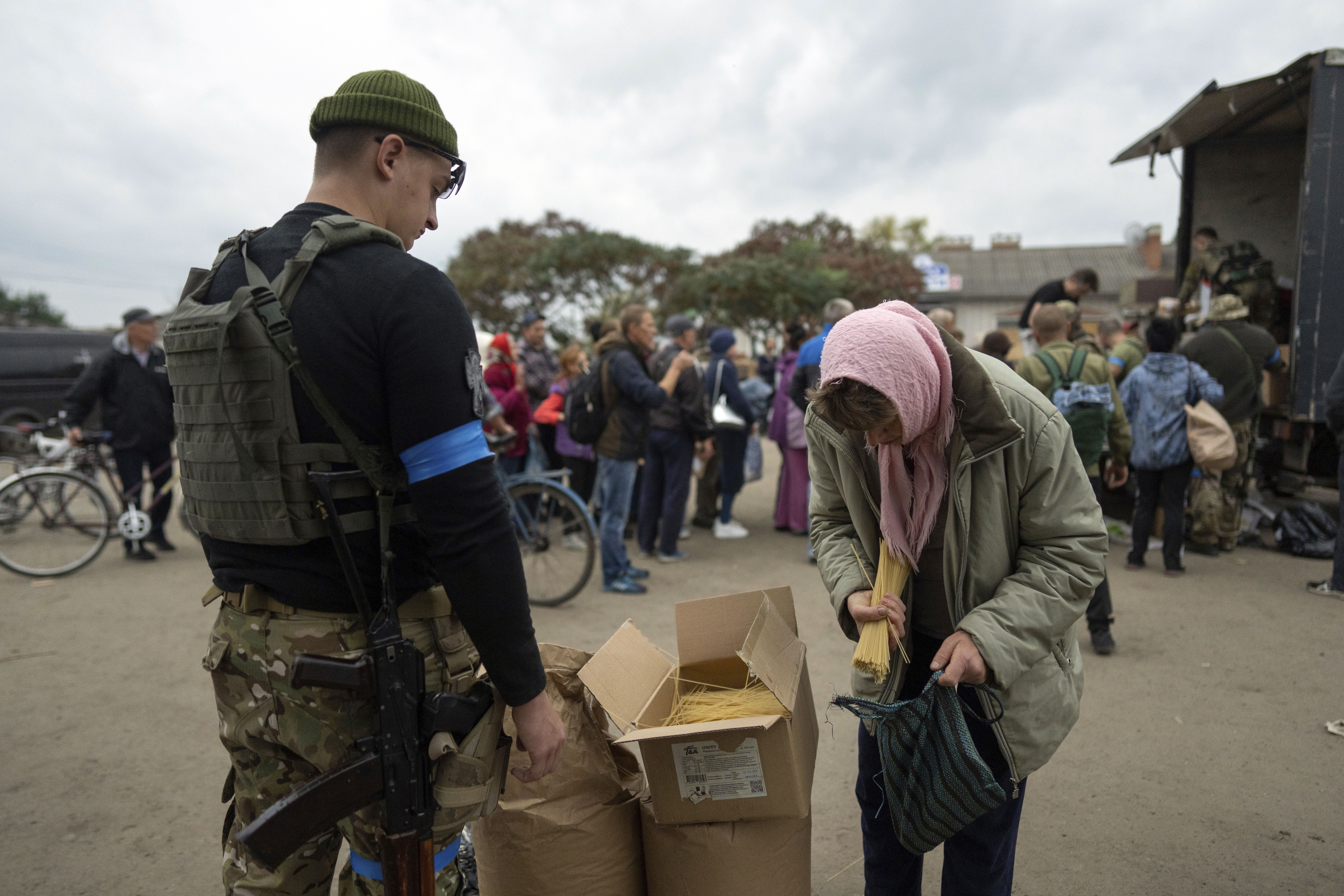
Ukraine's presidential official said Russian authorities have restricted people from leaving the city of Kherson, introducing special permits for those who want to go.

Ukraine has pressed its counteroffensive in the Kherson region since the summer, relentlessly pummelling Russian supply lines and making inroads into the areas west of the Dnieper River held by the Russians.

The Ukrainian military has successfully used US-supplied HIMARS multiple rocket launchers to repeatedly hit the main bridge across the Dnieper in the city of Kherson and a dam that served as a second main crossing. It also has struck pontoon bridges that Russia has used to supply its troops on the western bank of the river.

Despite the successful strikes on supply lines, Ukrainian offensive operations in the south have been slower and less successful than the northeast, as the open terrain easily exposes attacking forces to Russian artillery fire and airstrikes. Still, Russian military bloggers close to Moscow have acknowledged that Ukraine has superior manpower, backed by tank units, in the area.

A Russian-installed official in the Kherson region, Kirill Stremousov, admitted in a video Monday morning that the Ukrainian forces "have broken through a little deeper". However, he insisted that "everything is under control" and that Russia's "defence system is working" in the region.

Russia attacked Ukrainian President Vladimir Zelenskyy's hometown and other targets Sunday with suicide drones, and Ukraine took back full control of a strategic eastern city in a counteroffensive that has reshaped the war.

READ MORE: Australia targets 'separatists' in new Russia sanctions

In his nightly address, Zelenskyy discussed the liberation of Lyman, which the Russians had used as a key logistics and front-line transport hub in the northeast. Lyman, which Ukraine recaptured by encircling Russian troops, is in the Donetsk region near the border with Luhansk.

"The story of the liberation of Lyman in the Donetsk region has now become the most popular in the media — but the successes of our soldiers are not limited to Lyman," Zelenskyy said.

He also thanked troops from his hometown near Kherson.

"To the soldiers of the 129th Brigade of my native Kryvy Rih, who distinguished themselves with good results and liberated, in particular, Arkhanhelske and Myroliubivka," he said.

Those two villages are in the same area where Ukrainian troops have been making advances. A photo emerged at the weekend showing Ukrainian forces operating southwest of Novovorontsovka on the banks of the Dnieper River.

Russian shelling of eight Ukrainian regions over the past 24 hours killed two civilians and wounded 14 others, Ukraine's presidential office said Monday.

Ukraine's push to recapture territory in recent weeks has embarrassed the Kremlin and prompted rare domestic criticism of Putin's war. Tens of thousands of Russian men have voted with their feet to leave Russia after Putin announced a military call-up on September 21. Many have flown to Turkey, one of the few countries that has maintained air links with Russia. Others have fled in cars, creating long traffic jams at the Russian borders to Finland, Kazakhstan and Georgia, among others.

The criticism of Russia from at home and abroad has only spurred senior Russian officials to defend Putin's actions even more strongly.

Addressing the Russian parliament on Monday, Russian Foreign Minister Sergey Lavrov accused the United States of rallying allies to counter Russia in Ukraine, just like, he said, Nazi Germany relied on the resources of most of Europe when it invaded the Soviet Union in 1941.

"The US has mobilised practically all of the collective West to turn Ukraine into an instrument of war against Russia, just as Hitler mobilised military resources of most European nations to attack the Soviet Union," Lavrov claimed.

Investigation ordered into alleged attack on Adelaide prison guard

South Australia's corrections minister has ordered an investigation into the response of Adelaide Remand Centre's private management to the alleged bashing of a guard.

9News understands two prison officers were allegedly cornered in an office on Sunday afternoon by an inmate at Adelaide Remand Centre, where one was beaten around the head.

Both were taken to Calvary hospital by private car and no ambulance was called.

READ MORE: Jetstar asks Aussies for forgiveness after months of turbulence

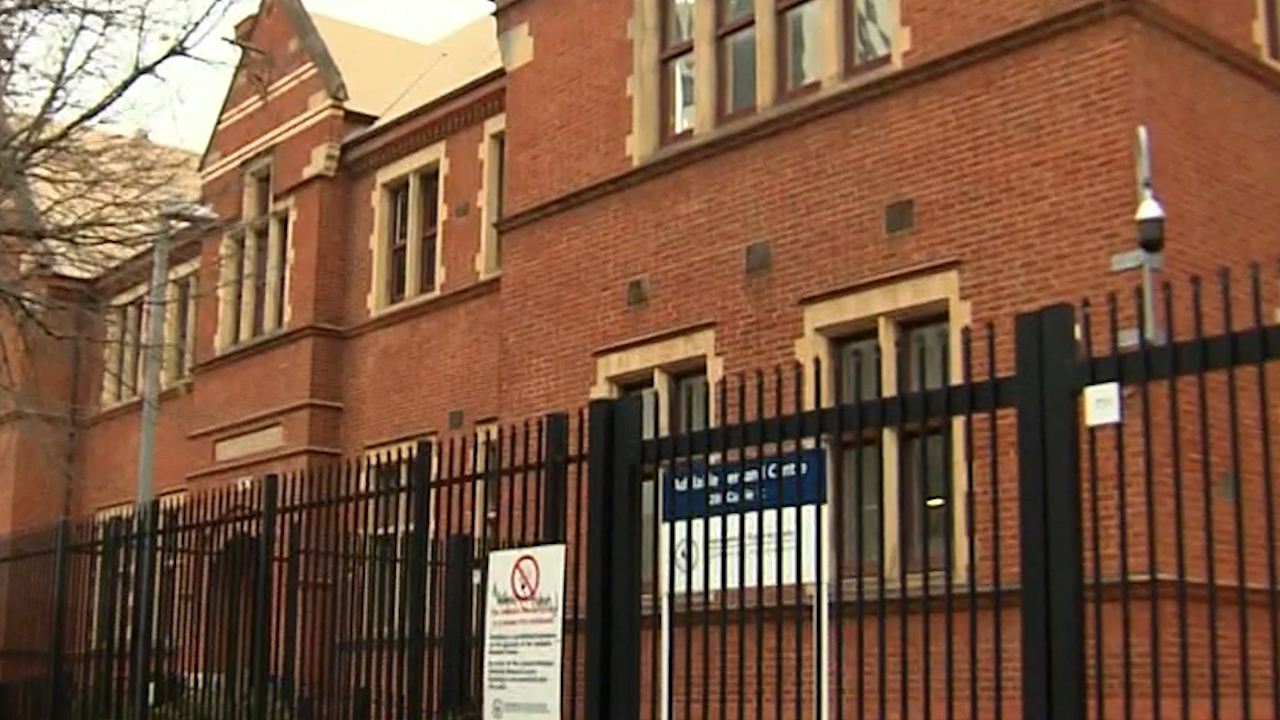
Adelaide Remand Centre

It's believed the centre may have been left short-staffed over the weekend. 

"It's argued from day one that privatisation of prisons wouldn't work; that it would lead to staff cuts and risks to the safety of prison officers and inmates," the officers' union said in response to the incident.

The state's Correctional Services Minister, Joe Szakacs, told 9News, "Any situation where an officer is subject to assault is totally unacceptable".

"I have asked the department of corrections to undertake a review of the incident, as well as the adequacy of post-incident management by the private operator," he said. 

READ MORE: Optus commissions external firm to conduct review into cyberattack

The operator, Serco, has been investigated previously when a high-profile escape in 2020 saw it fined $100,000.

In August, the former general manager pleaded guilty to stealing cash from the inmates.

9News has asked Serco for comment.

South Australia police are now investigating the incident.

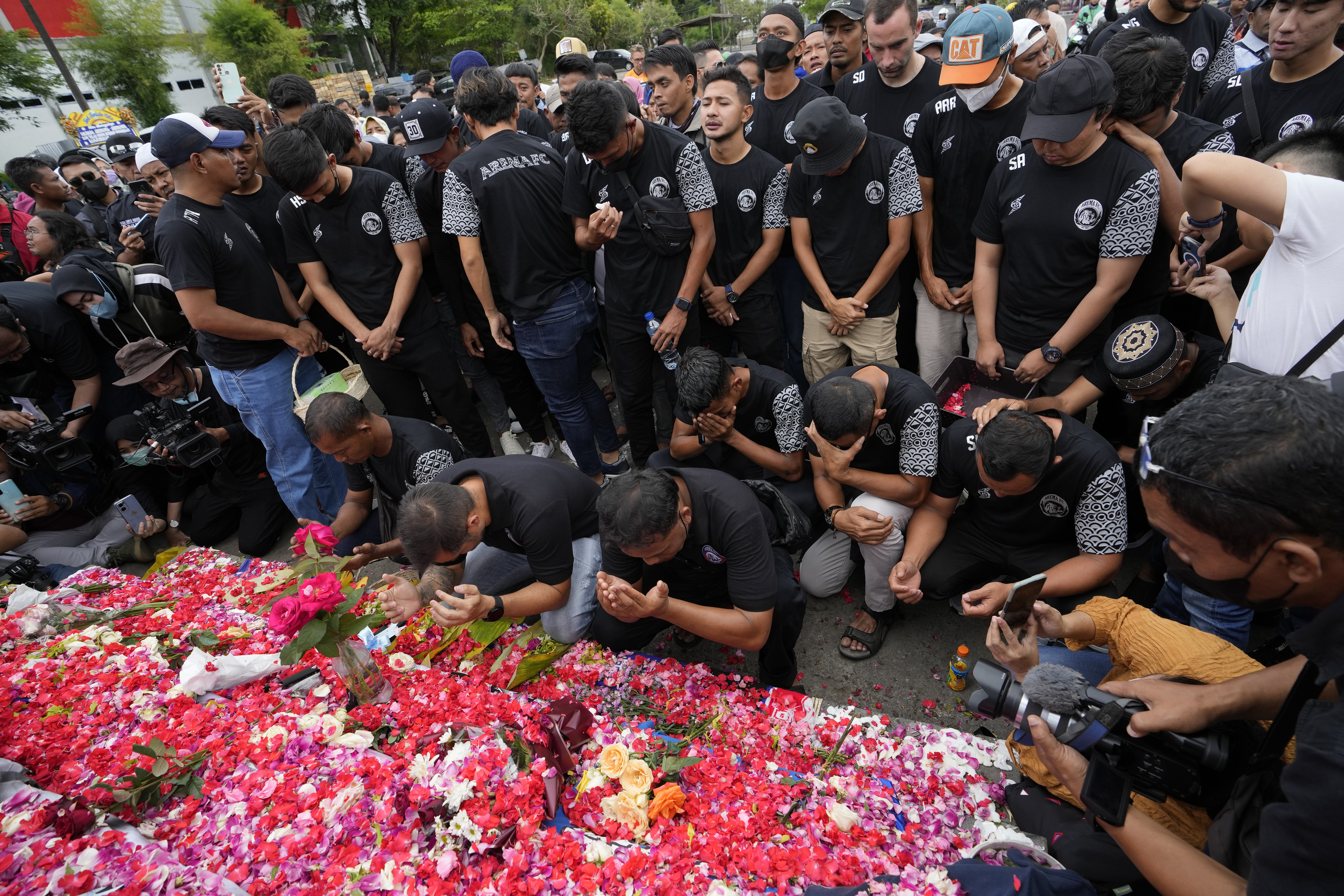
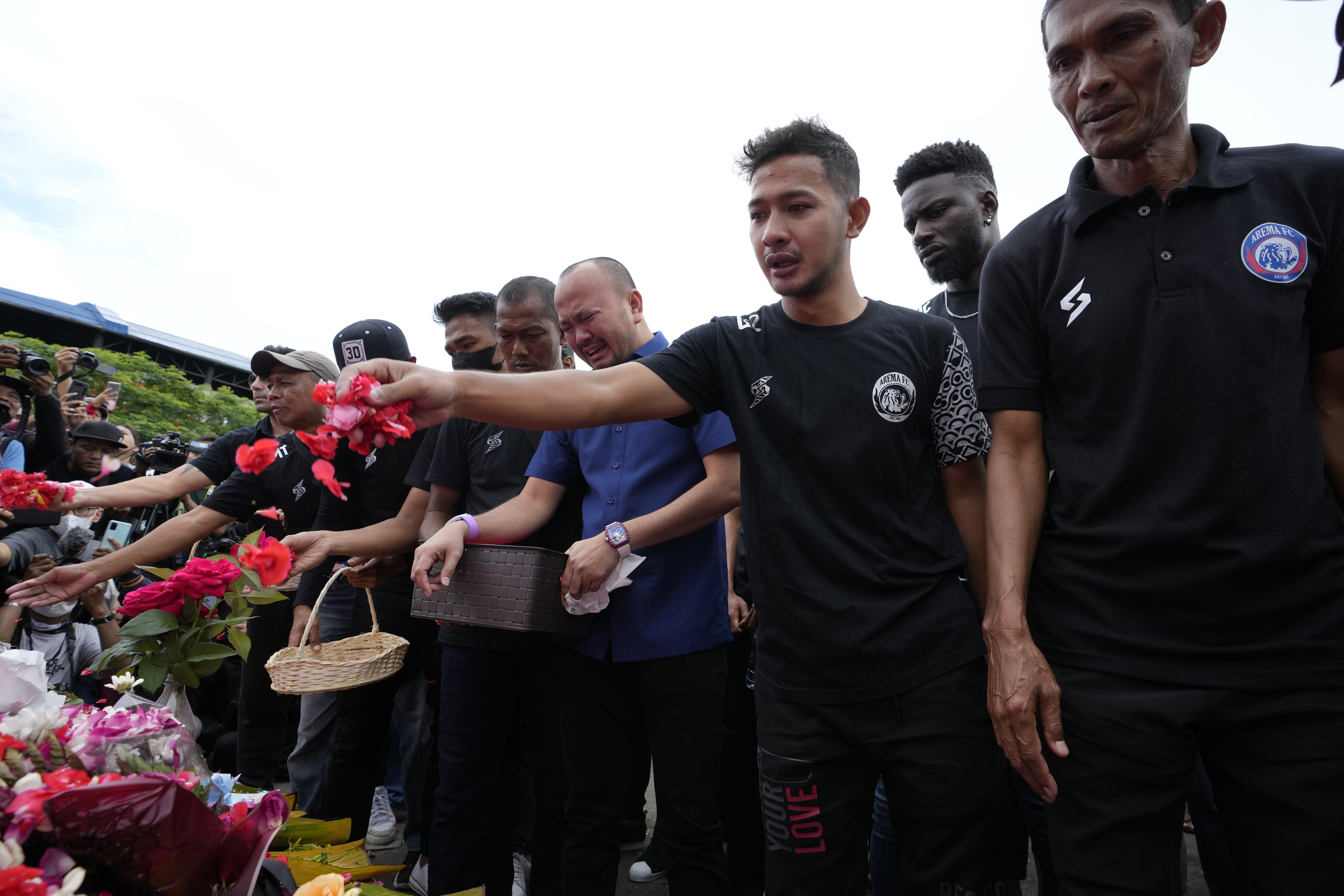
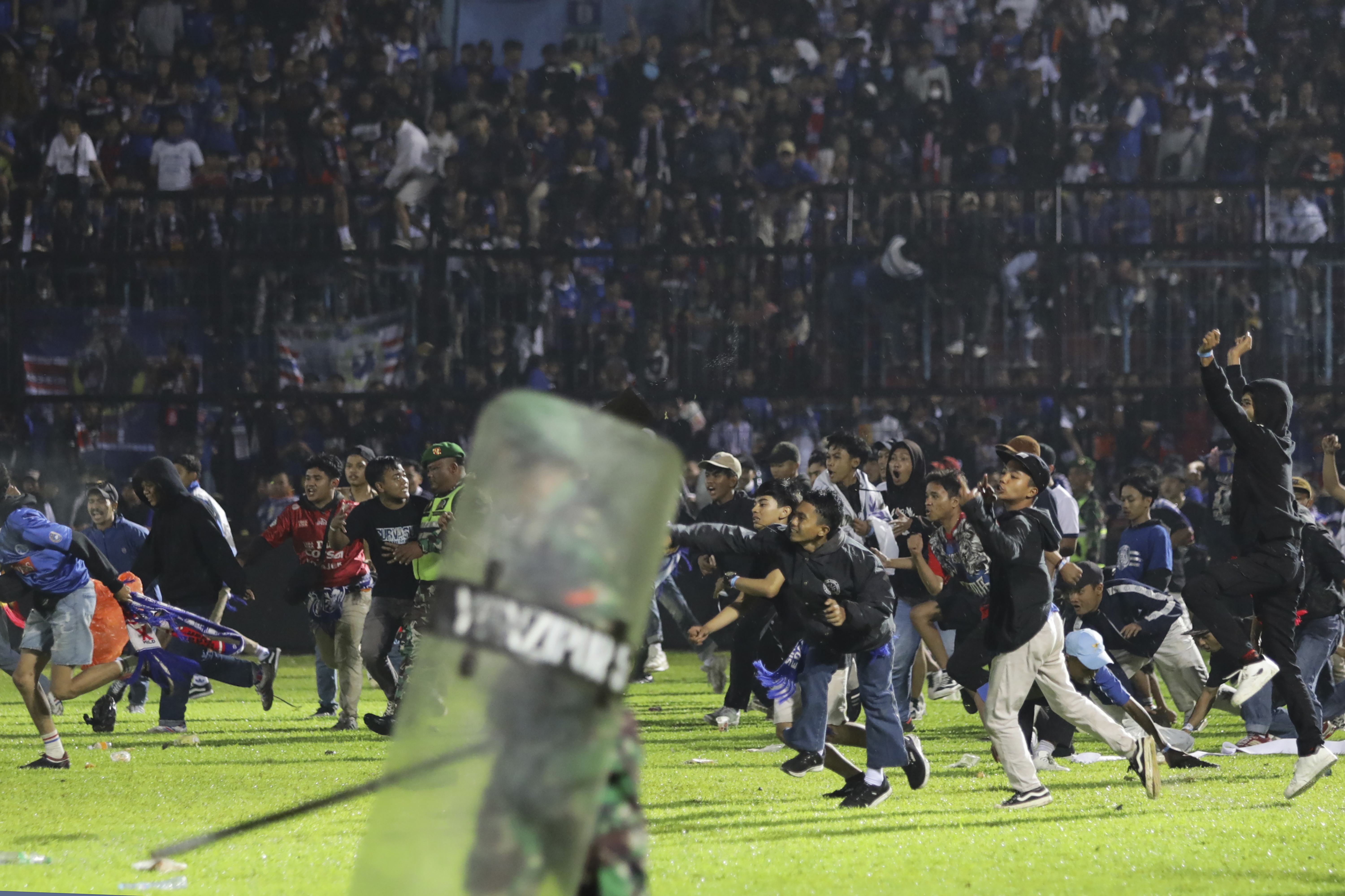
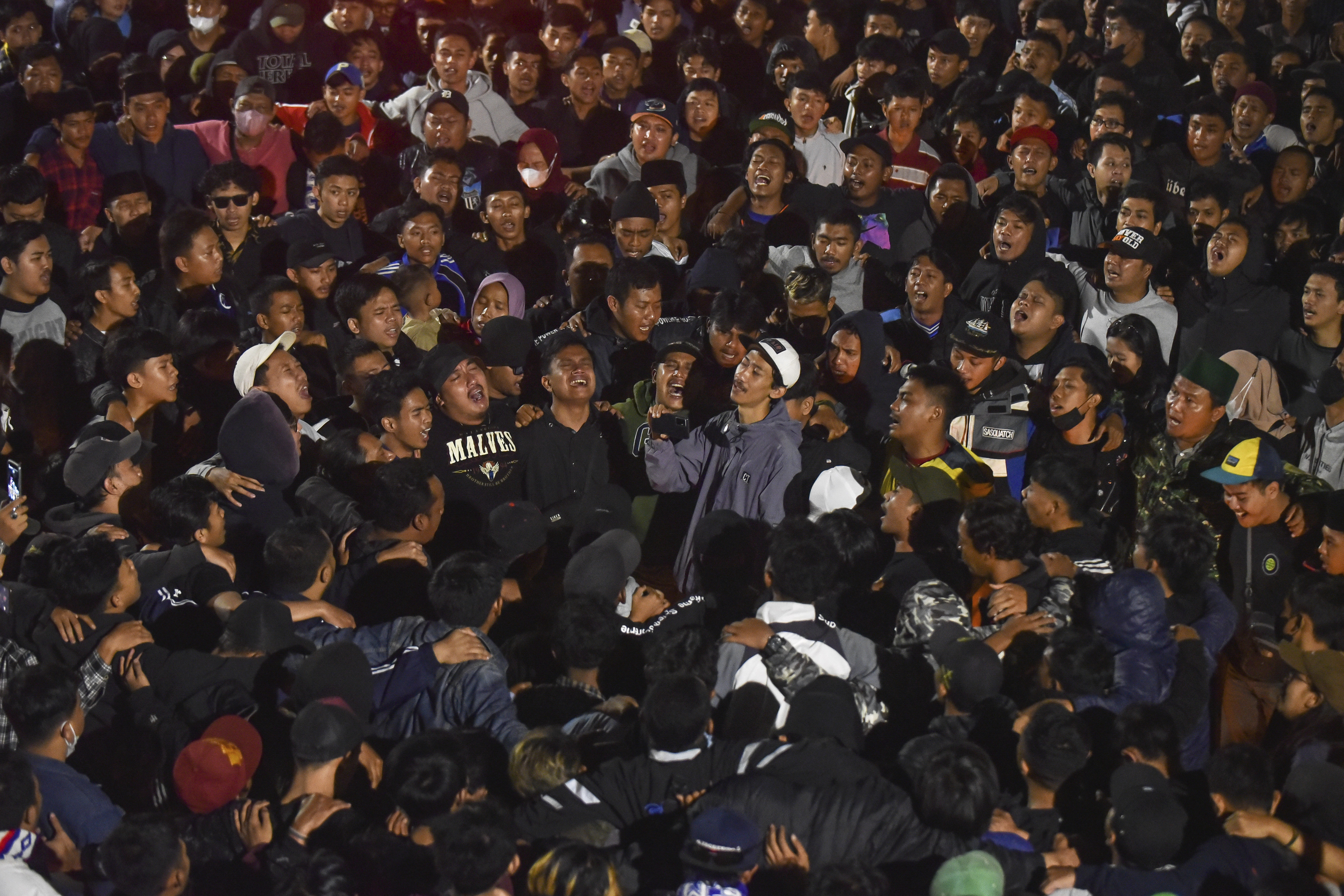
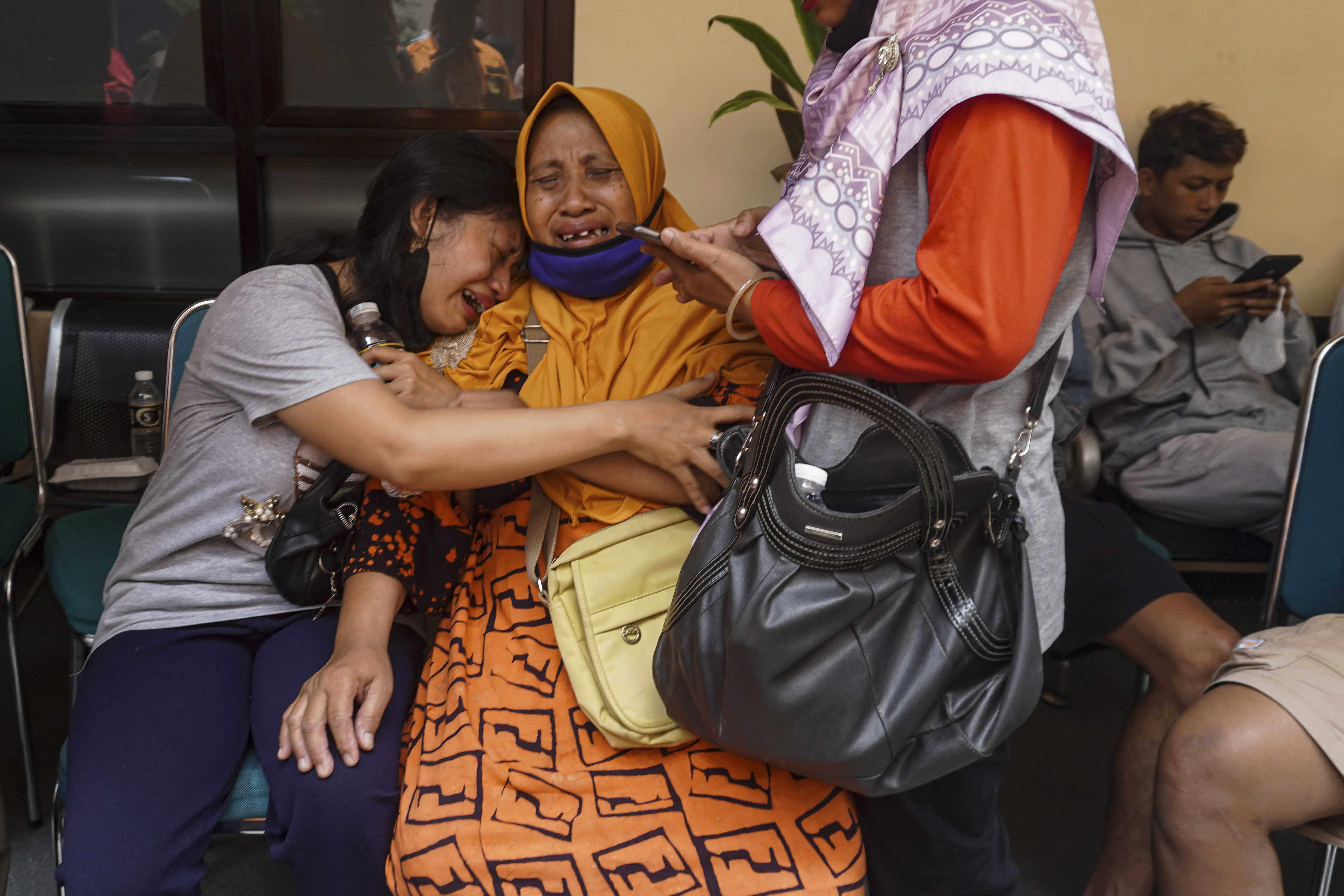
Relatives mourn the 125 people killed at Indonesian soccer crush

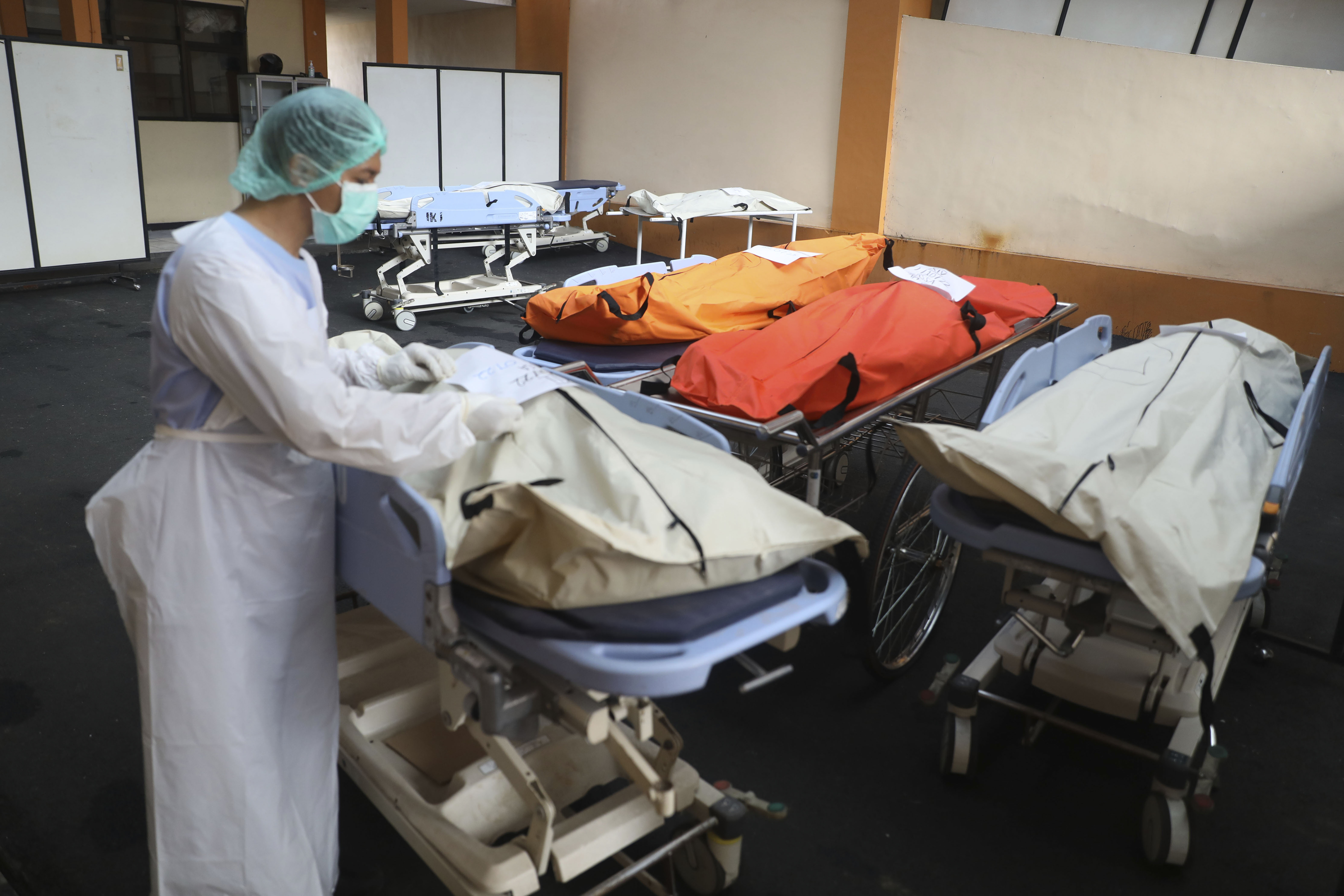
Families and friends of some of the 125 people who died in a deadly crush after a soccer match in Indonesia wailed in grief as the bodies of the victims were returned home on Monday.

Seventeen children were among the dead.

The distraught family members were struggling to comprehend the sudden loss of loved ones at a soccer match in East Java's Malang city that was watched only by hometown Arema FC fans because the organiser had banned visiting Persebaya Surabaya's supporters due to Indonesia's history of violent soccer rivalries.

READ MORE: Cheating scandal at US tournament rocks competitive fishing world

The crush was among the world's deadliest disasters ever at a sporting event.

President Joko Widodo ordered an investigation of security procedures, and the president of FIFA called the deaths "a dark day for all involved in football and a tragedy beyond comprehension".

Faiqotul Hikmah, 22, was an Aremania — the moniker for Arema fans — who died while fleeing to exit 12 at Kanjuruhan Stadium.

A dozen friends travelled to see the match but Hikmah was one of only four who entered the stadium because tickets were sold out, her friend, Abdul Mukid, said on Monday in an Associated Press interview.

He later bought a ticket separately from a broker then learned of the chaos that had erupted inside the stadium.

"I have to find her, save her… that's kept me from thinking anything else," Mukid recalled, "The situation is really… really terrible!"

Two of his friends died and two were injured. Mukid found Hikmah's body laid at a building in the stadium compound, her face full of bluish bruises and broken ribs.

READ MORE: Ukraine presses on with counteroffensive

At Hikmah's parents' home in Jember, East Java province, relatives wailed when an ambulance arrived with her body wrapped in white cloth and a black blanket.

"I can't put into words how much my sorrow is to lose my sister," said Nur Laila, Hikmah's older sister.

"She was just a big Arema fan who wanted to watch her favourite team play. She shouldn't die just for that," she said, wiping tears.

Mukid learned a second friend had died from friends who called him while he was on the ambulance carrying Hikmah's body to a hospital. Noval Putra Aulia, 19, was an orphan who had been cared for by his brother since their parents died five years ago, Mukid said.

At least 17 children were among the dead and seven children were injured and treated in hospitals, the Ministry of Women's Empowerment and Child Protection said. Police say 323 people overall were injured in the crush, some of them still in a critical condition.

Witnesses said fans flooded the pitch and demanded that Arema management explain why, after 23 years of undefeated home matches against Persebaya, Saturday night's ended in a 3-2 defeat.

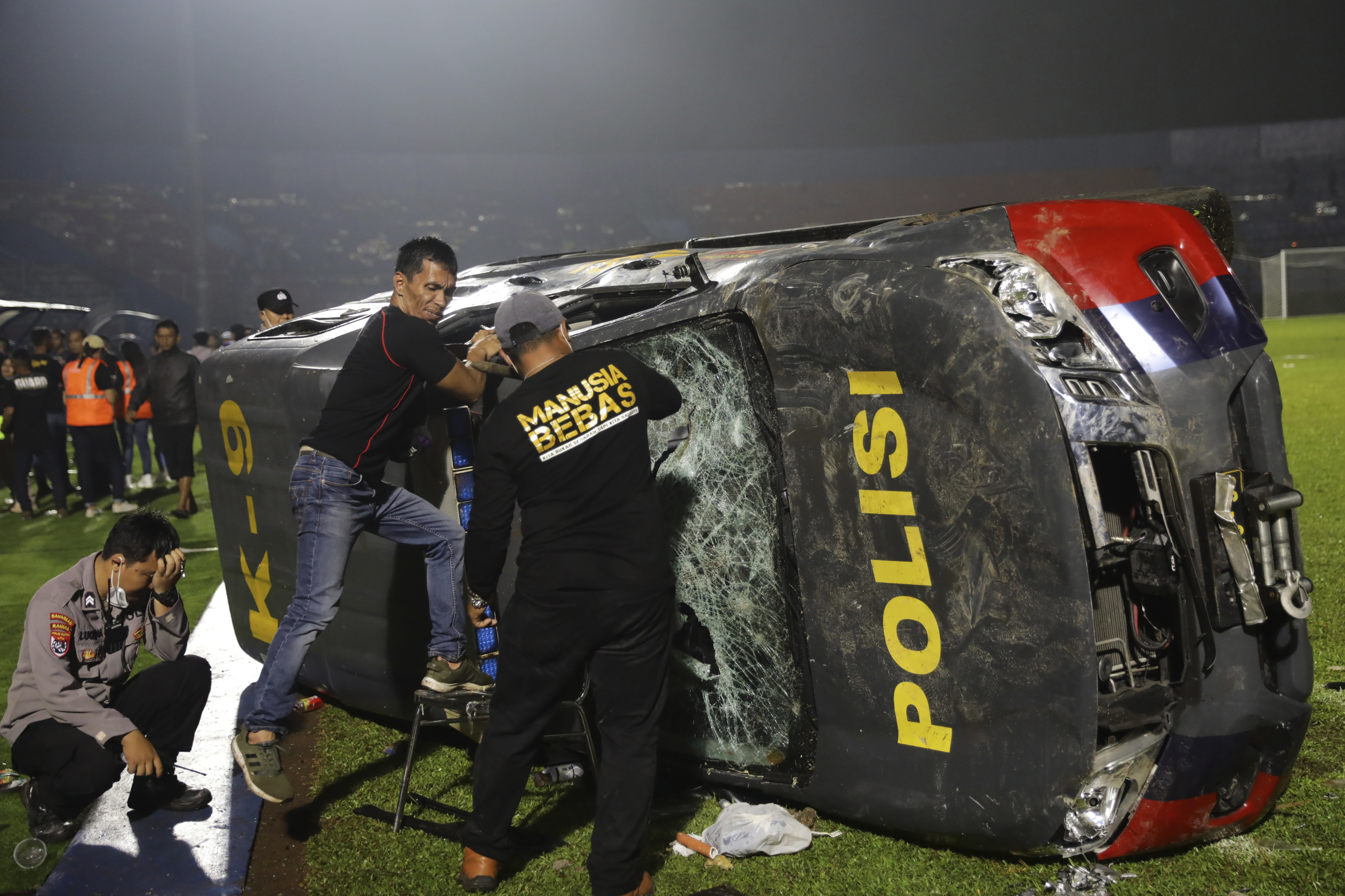
Some of the 42,000 Arema fans threw bottles and other objects at players and soccer officials. At least five police vehicles were toppled and set ablaze outside the stadium.

Riot police trying to stop the violence fired tear gas, including toward the spectator stands, and triggered the disastrous crush of fans making a panicked, chaotic run for the exits.

Most of the 125 people who died were trampled upon or suffocated. Children were reported to be among the casualties, and two others were said to be police officers.

"I ensure that investigation on this case will be conducted thoroughly and seriously," National Police chief Listyo Sigit Prabowo said in a news conference late Sunday.

Widodo ordered the premier soccer league suspended until safety is reevaluated and security is tightened. Indonesia's soccer association has also banned Arema from hosting soccer matches for the rest of the season.

Rights group Amnesty International urged Indonesia to investigate the use of tear gas at the stadium and ensure that those found in violation are tried in open court. While FIFA has no control over domestic games, it has advised against the use of tear gas at soccer stadiums.

READ MORE: Huge avalanche hits base camp in Himalayas

Despite Indonesia's lack of international accolades in the sport, hooliganism is rife in the soccer-obsessed country where fanaticism often ends in violence.

Data from Indonesia's soccer watchdog, Save Our Soccer, showed 78 people have died in game-related incidents over the past 28 years.

Saturday's game was among the world's worst crowd disasters in sports, including the 1996 World Cup qualifier between Guatemala and Costa Rica in Guatemala City where over 80 died and over 100 more were injured.

In April 2001, more than 40 people are crushed to death during a soccer match at Ellis Park in Johannesburg, South Africa.

Mum claims hospital bungle cost her chance of early cancer diagnosis

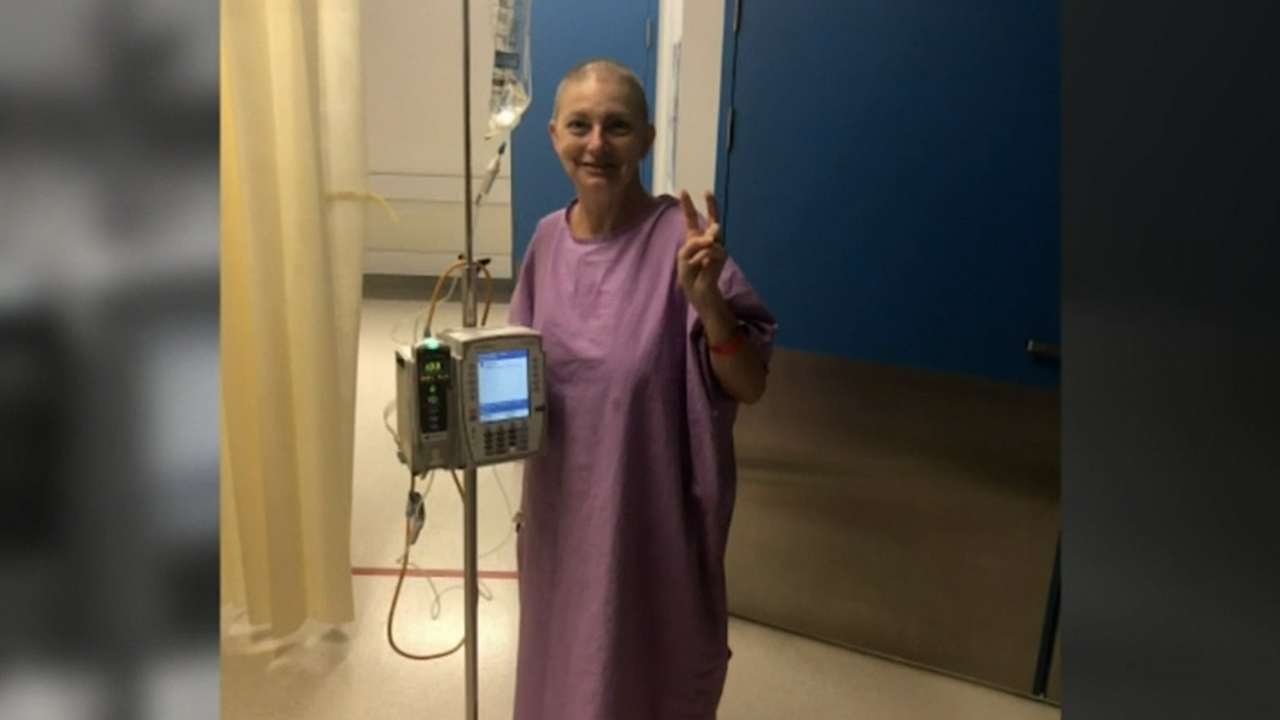
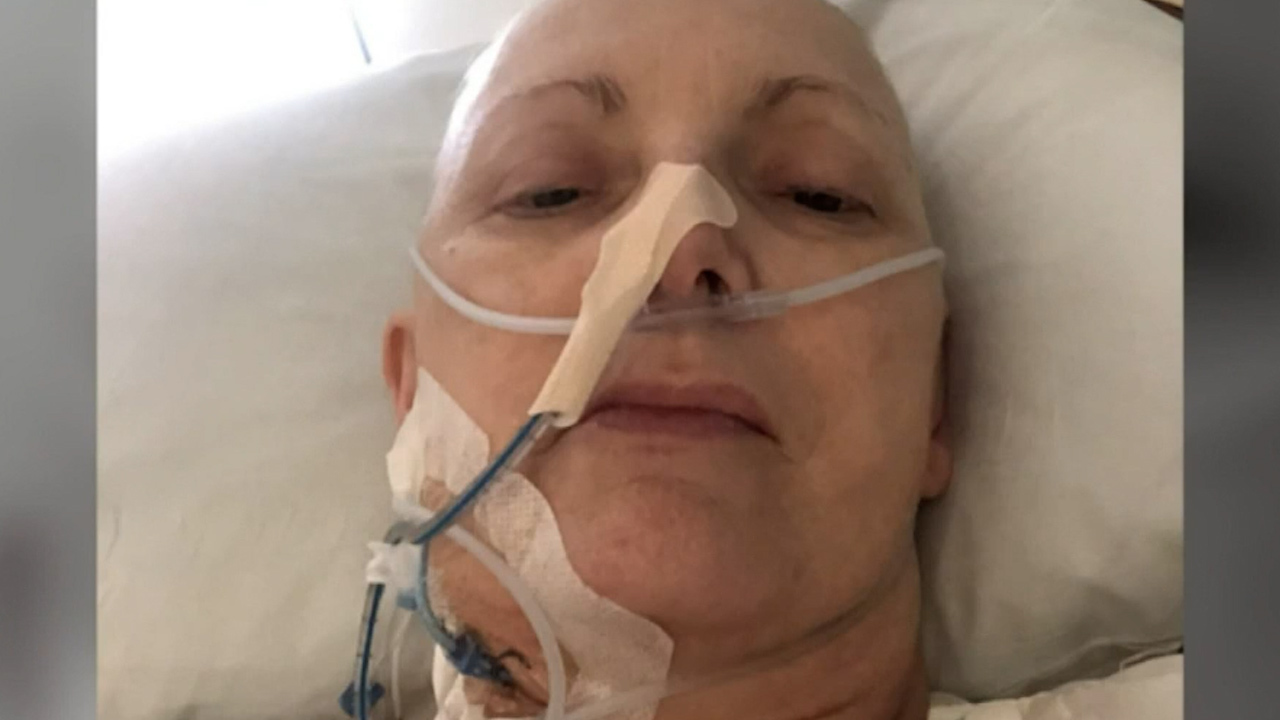
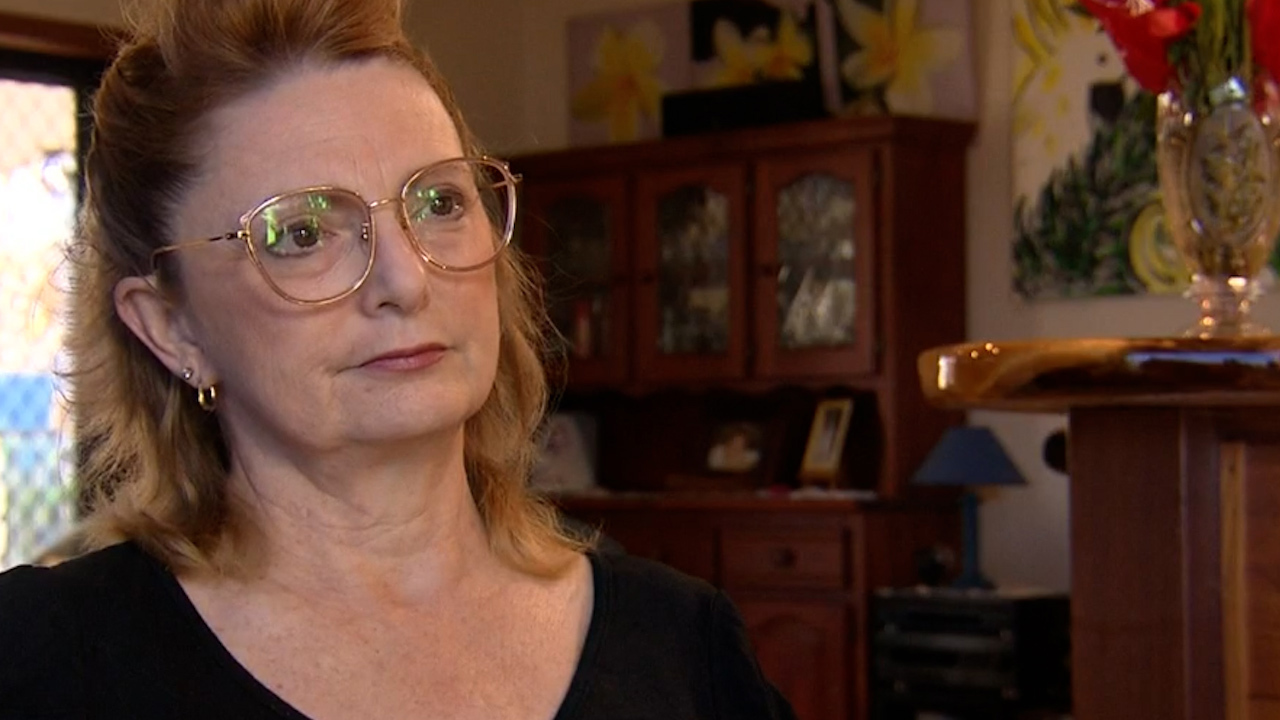
A Queensland mum battling cancer claims a hospital bungle cost her the chance of an early diagnosis and potentially life-saving treatment.

Chelene Watson, 52, decided to undergo a hysterectomy at Mackay Base Hospital in 2008 after suffering from debilitating endometriosis.

"After confirmation that everything went well, that I would not have any complications, later (I was told) they took out one ovary and left the other," she told 9News.

READ MORE: Investigation into Mackay Base Hospital makes 'devastating' findings

A Queensland mum battling cancer claims a hospital bungle cost her the chance of an early diagnosis and potentially life-saving treatment.

"I specifically asked the doctor, 'Do I need to have women's checks like I would normally have in the past to prevent anything down the track?'

"She confirmed that I would not need to do that."

After 12 years, Watson began to experience severe pain again so went to the doctors for scans and exploratory surgery but didn't expect the devastating findings.

"That night after, I woke up – I knew something wasn't right," she said.

"The doctor then came in and told me I had peritoneal cancer and that I instantly needed chemotherapy.

"They found that in the surgery, when they sent it to Genetics Australia, that it originated from my ovary."

READ MORE: More floods possible as Australia set for week of heavy rain

A Queensland mum battling cancer claims a hospital bungle cost her the chance of an early diagnosis and potentially life-saving treatment.

Watson claims she had been told the ovary, where the cancer had originated, had been removed in the hysterectomy surgery in 2008.

The Mackay mum gave evidence to the investigation into obstetrics and gynaecology at Mackay Base Hospital and the damning findings of the inquiry were handed down last Friday.

Watson received the following response concerning her evidence.

"The Clinical Review Committee also noted that there was unclear communication regarding the status of your ovaries after the hysterectomy, in that you understood one ovary had been removed," the committee said.

"We have concluded that this represents a significant deficiency in communication.

"Unfortunately, we are of the understanding that communication deficits are not usually legally compensable."

READ MORE: Optus commissions external firm to conduct review into cyberattack

A Queensland mum battling cancer claims a hospital bungle cost her the chance of an early diagnosis and potentially life-saving treatment.

Watson was devastated by the response and remains adamant that if she knew she had both ovaries and had been told to get checks going forward, the cancer would have been detected sooner.

By the time the doctors found Watson's cancer, it was stage 3C, which is close to terminal.

She said it has spread to her stomach lining, appendix, uterus and lung.

Watson has vowed to continue fighting both the cancer and the failings of the hospital.