More than 30,000 refugees living in Australia are still on various temporary visas, limiting their ability to work, study, reunite with their loved ones and create stable lifestyles.
History repeated itself in Afghanistan after the Taliban returned to power in 2021, forcing thousands of Afghans, majority belonging to ethnic Hazaras, to dangerously flee their country in order to escape the looming genocide under the group's regime.
Sajeda Zaki, a Hazara woman and law student at Victoria University, told 9news.com.au she arrived in Australia after leaving Pakistan with her mother and five siblings in 2016, reluctant to abandon her previous life and Hazaragi culture.
READ MORE: Teen's sadness despite Afghanistan escape
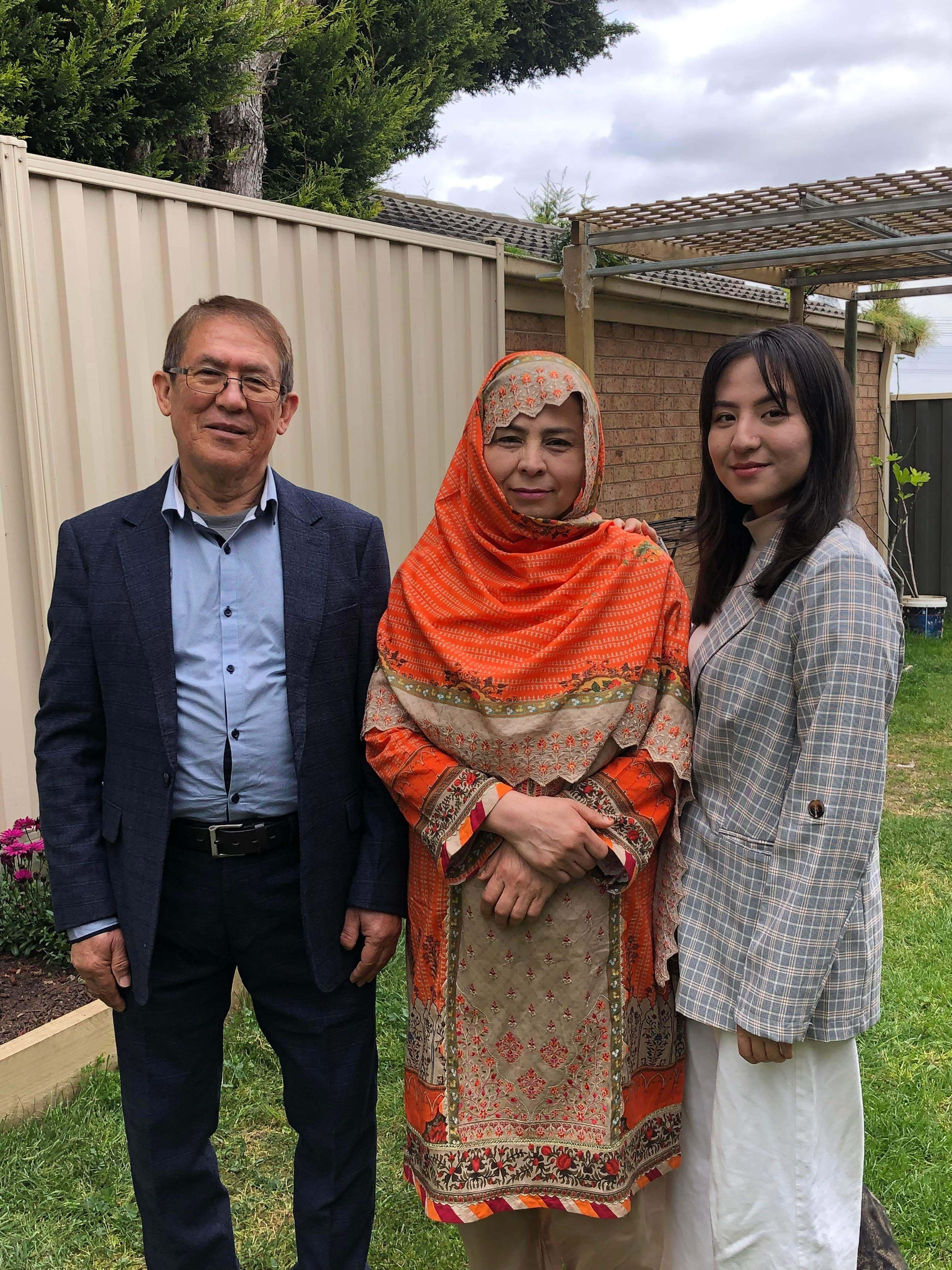
Her father was smuggled into Australia on a ship in 2009, where "all he could see was black ocean onboard a giant ship with hundreds of other terrified people", fleeing Afghanistan to establish a better life for a family he would not see for seven years.
"Dad always tells me he came by boat for us, to have a better future for his children, even though he was told there was only a one-in-100 chance of surviving the trip to Australia," Zaki said.
After being "overwhelmed by unhappiness" seeing people on temporary protection visas (TPVs) suffering mentally, Zaki began working with the Victorian Afghan Youth Association (VAYA) to communicate for refugees and rally for action to be taken by the Australian Government.
"I have a lot of friends who are on temporary visas and they suffer emotionally and mentally from not being able to reconnect with their families or build a permanent life in Australia," she said.
READ MORE: Despair and poverty fuel drug use in Afghanistan
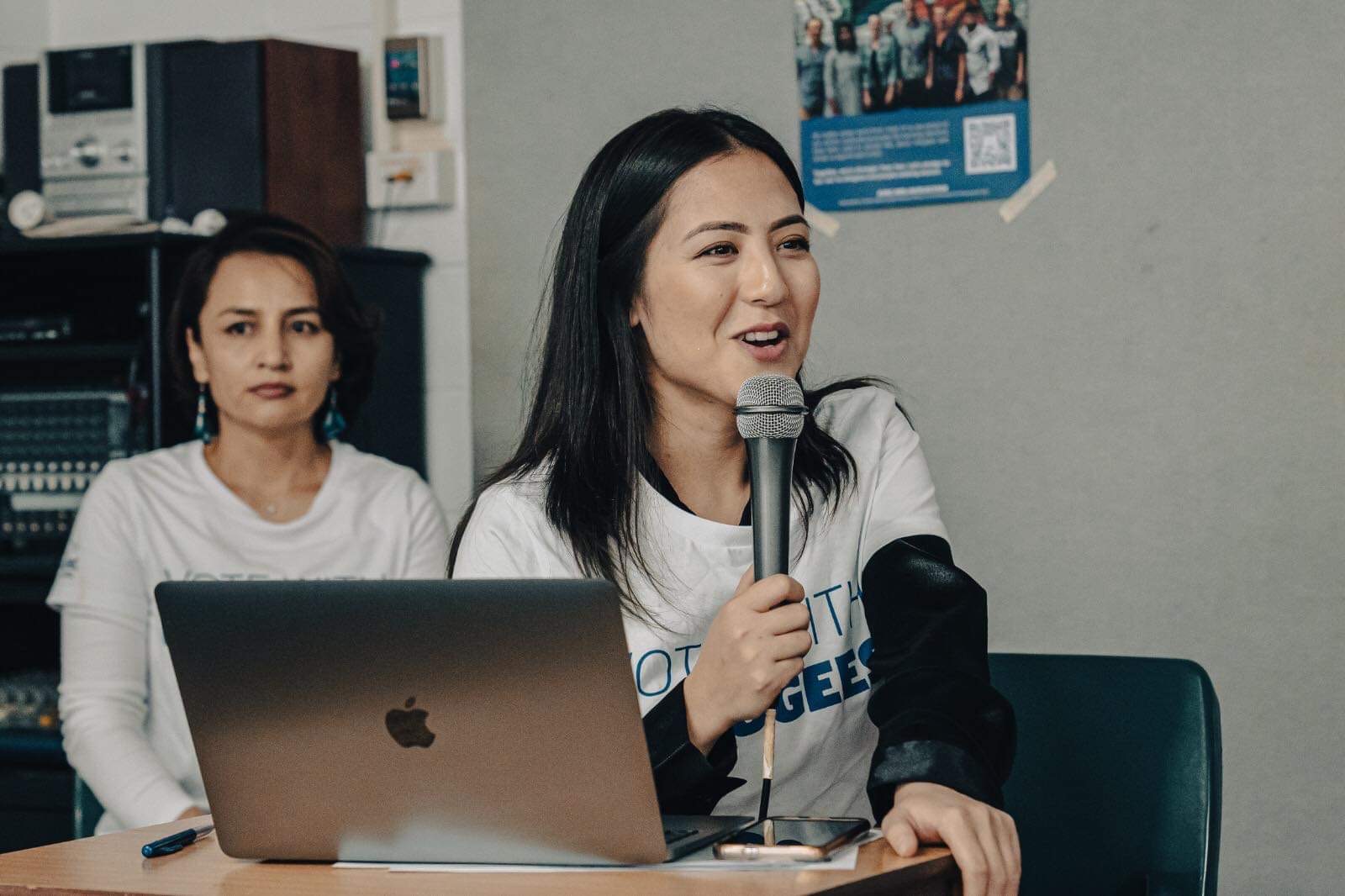
Once Zaki was reunited with her father in 2016, she realised the importance of reuniting displaced people with their families.
She now assists individuals with filling out their paperwork to apply for permanent visas and citizenships.
"There are a lot of people who aren't healthy, living in constant uncertainty and we are not seeing results from the government who are meant to be improving the rate of permanent visa processing," she said.
"I want the people of Australia to know that refugees have the same emotions, dreams and plans as you do, the only differences are that we weren't born here and that English isn't our first language."
'Psychological damages' from temporary visas
Asylum seekers who arrive in Australia irregularly, either by boat or plane and without a valid visa, are not counted in the government's permanent Humanitarian Program and are not granted a permanent visa.
Under changes made to the Migration Act 1958 by the Abbott Government in 2014, refugees are granted one of two temporary visas – a three-year temporary protection visa (TPV) or a five-year safe haven enterprise visa (SHEV).
READ MORE: Hurricane Ian makes destructive landfall in Florida
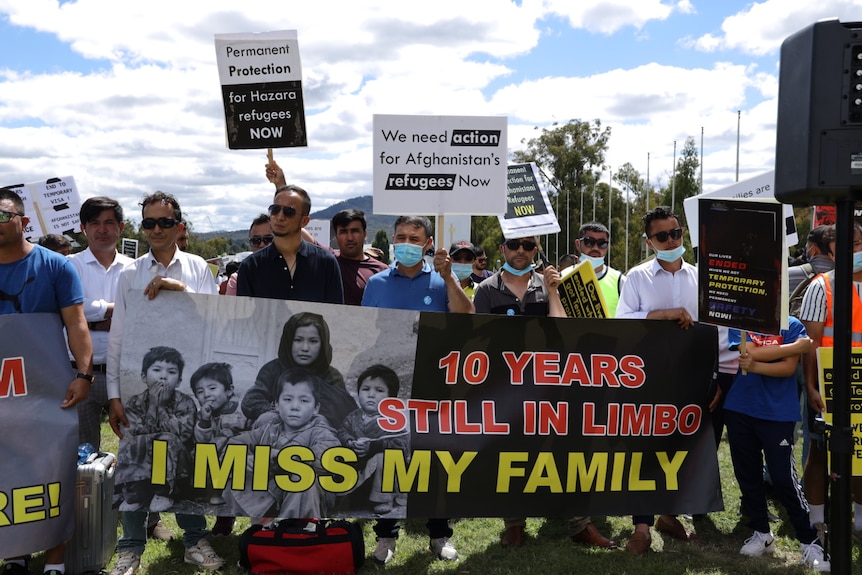
In both cases, individuals holding temporary visas have to wait in uncertainty for at least three years before being allowed to re-lodge another application for protection at the end of their visa period.
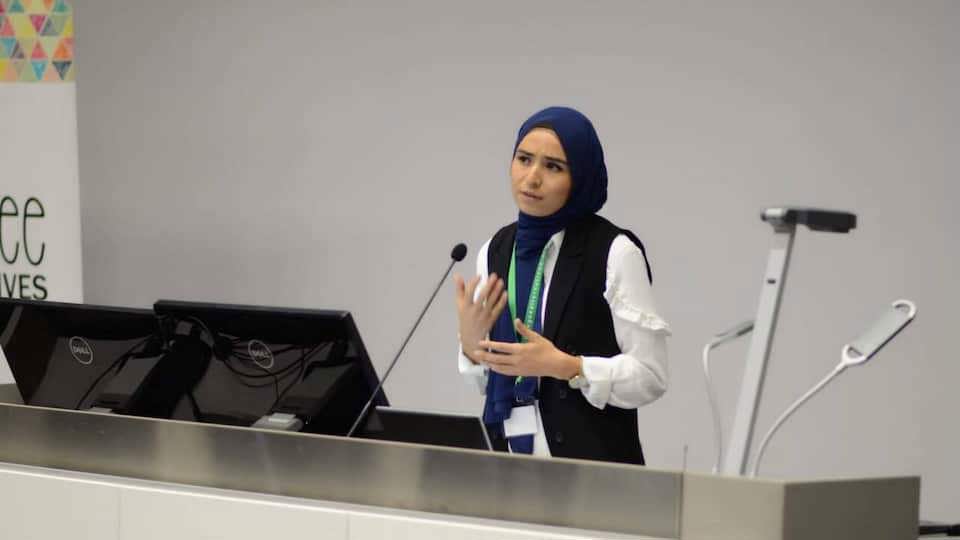
Former Policy Officer with the Refugee Council of Australia (RCOA) and lawyer Shukufa Tahiri advocates for the human rights of refugees.
She told 9news.com.au the uncertainty of being on a temporary visa causes all sorts of "psychological damages" for already traumatised individuals.
"One of the key policy platforms from the Labor government during the last election was to grant permanent residency to current TPV holders, a commitment which they now need to honour," Tahiri said.
"Thousands of individuals have held temporary visas for over 10 years and the uncertainty of remaining in limbo has meant extended trauma that should have been prevented many years ago."
TPV and SHEV holders cannot travel outside of Australia to reunite with their families in developing countries, have limited access to state benefits such as Centrelink and Medicare, no access to emergency housing and limited ability to attend English classes or translation services.
Australia's offshore resettlement component of the Humanitarian Program includes people who are proposed for resettlement by someone already living in Australia, usually a relative, which is one of the only pathways for separated families to reunite and settle in Australia.
Federal government urged to improve permanent visa processing
The Albanese government has stated processing the backlog of visa applications is an "urgent priority", with those who have been waiting for permanent visas for years pleading for certainty.
Minister for Immigration, Citizenship and Multicultural Affairs Andrew Giles said in June the department was working through large numbers of older cases but noted reducing the backlog couldn't happen overnight.
READ MORE: 'Trash patch' the size of Queensland floating off shore
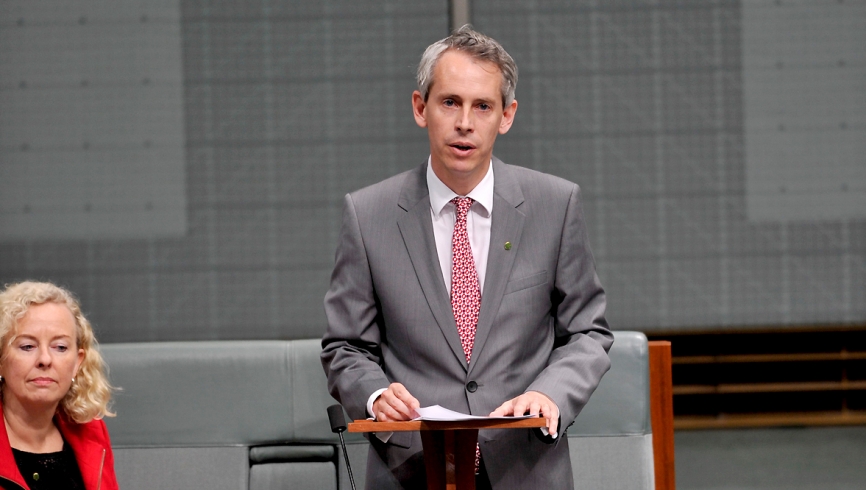
"The number of applications received in June 2022 is 6.5 per cent higher than May 2022 – over the same period, there was a 10.6 per cent increase in applications finalised," Giles said.
"The former government devalued immigration, with the visa application backlog increasing to nearly 1,000,000 on their watch.
"The Albanese government is determined to reduce the backlog and restore the importance of the immigration function of our government."
Tahiri is asking for more empathy from the government to reunite families through extended Humanitarian Programs, but admits not everyone seeking asylum will gain permanent protection right away.
"Our community is not saying that Australia is in a position to save everyone, but for people who are here, who have worked and lived in this community for 10 years and who have proven to be very valuable members of society, we need to give them permanency," she said.