By Phil Pennington for RNZ This is the second of two stories about the public-private web of surveillance cameras. The first ran on Friday. Police have admitted to a second case of their misusing number plate-reading cameras,…
Tag Archives: oceania
Trapped Floridians film 'catastrophic' floods as hurricane rages
Floridians trapped in high-rises have filmed the "catastrophic" extent of flooding after Hurricane Ian made landfall with winds approaching 250km/h.
The storm, one of the strongest-ever recorded in the US, touched down as a Category Four system near Cayo Costa, a protected barrier island just west of heavily populated Fort Myers, earlier today.
Joe Guerra, one Fort Myers local, filmed a powerful storm surge from his apartment as it inundated streets and homes.
READ MORE: Russia drafting retirees into army, telling conscripts to buy own supplies
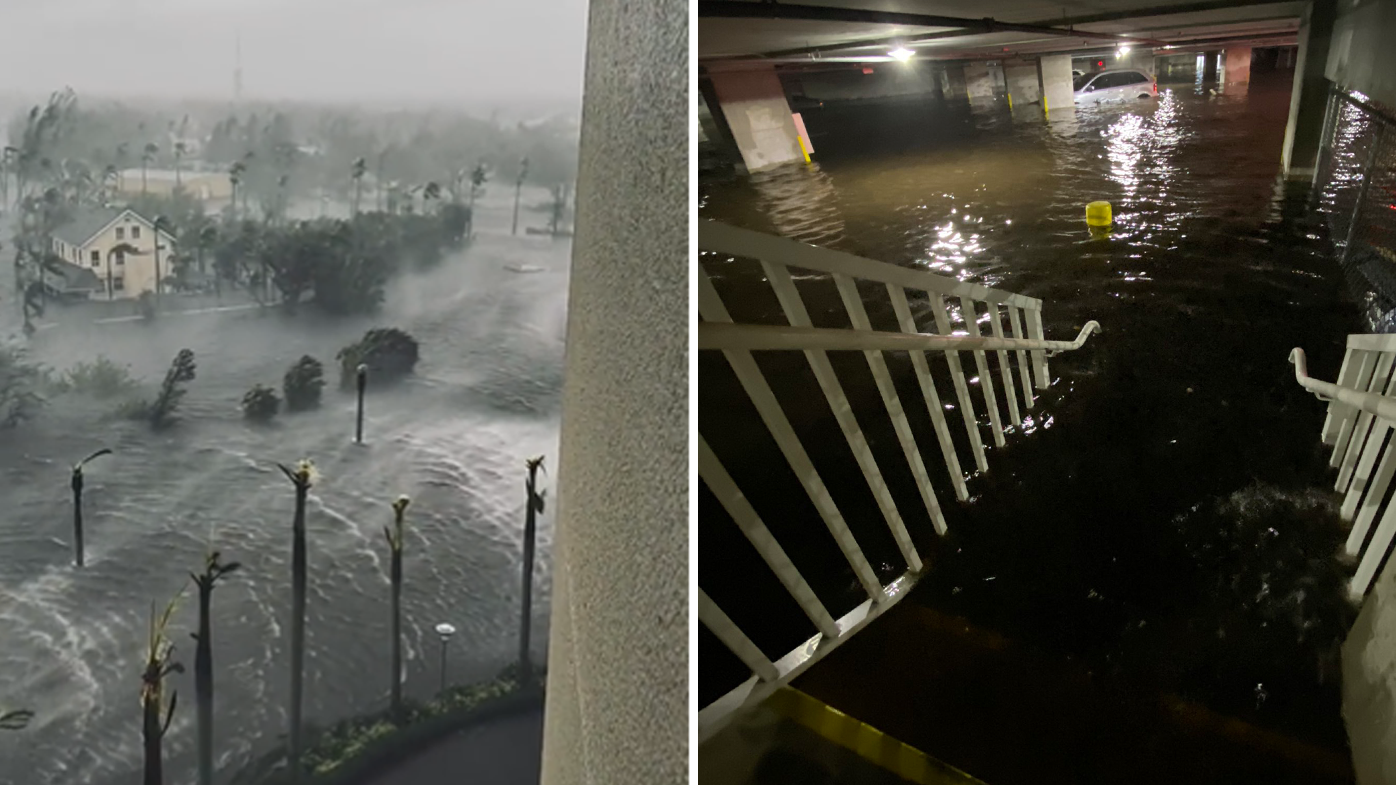
Guerra said the scenes unfolding below him are heartbreaking to watch.
"This is truly catastrophic and it's still not finished," he told 9news.com.au.
Devin Turk was sent similar video from a friend trapped in the Oasis Tower, further downtown.
Turk managed to evacuate before the storm hit, and confirmed his friend was safe.
"My heart breaks right now for my community. It's so hard to watch the devastation this storm is bringing," he wrote on Twitter.
READ MORE: 'Stay off roads': Hurricane Ian rips traffic light down in front of police car
According to the National Oceanic and Atmospheric Administration (NOAA) major flooding of over two metres has occurred across the coastal town.
Fort Myers Council is now urging residents to conserve water as the slow-moving hurricane tracks inland.
READ MORE: 'Kids huddled under desks' as school shooter opens fire in California
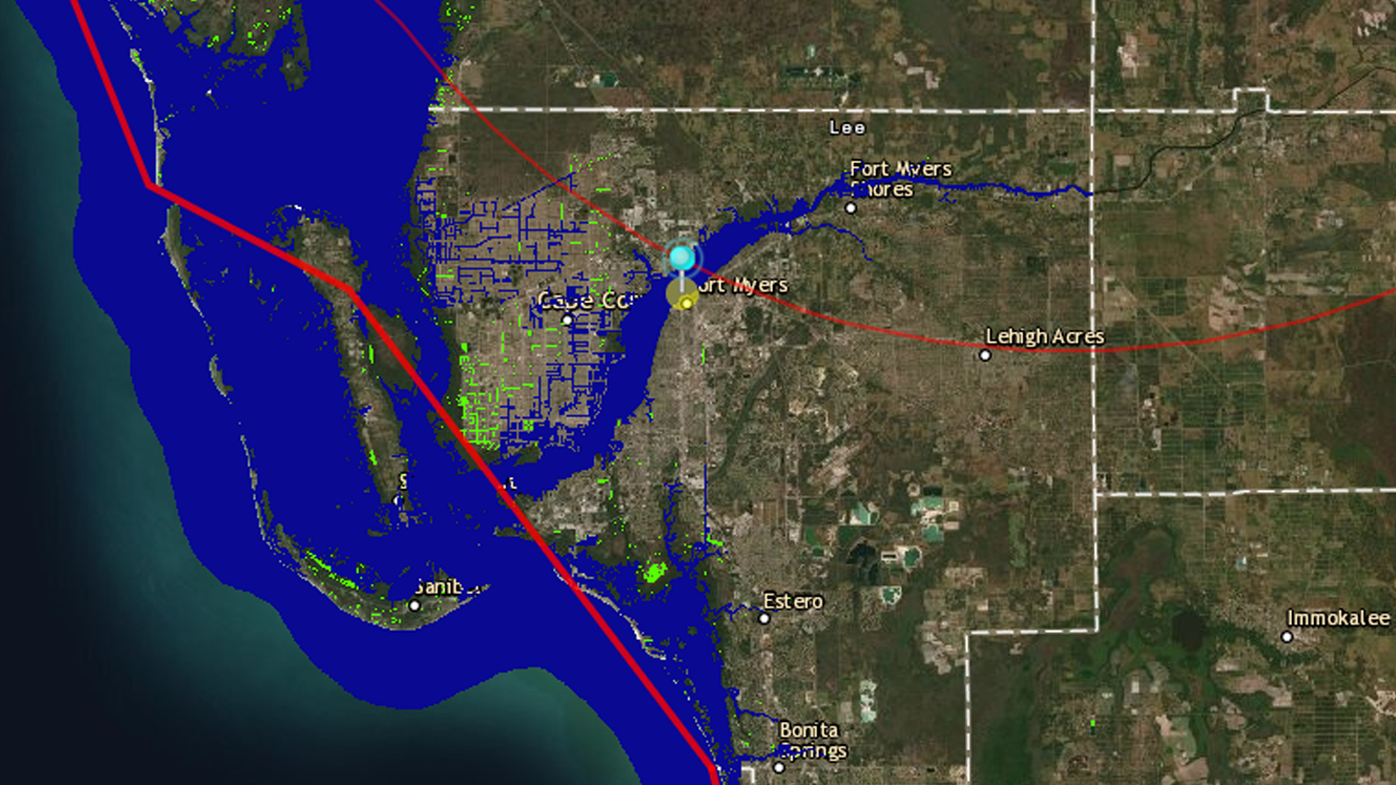
A city-wide curfew is also in place.
"The City has issued an emergency citywide curfew to protect and safeguard the health, safety, and welfare of residents, visitors, and first responders," the council said on Twitter.
"The curfew is in effect beginning at 6pm for 48 hours. We thank you for your cooperation."
https://twitter.com/NWS/status/1575305935928565763
The National Weather Service said life-threatening flooding will also occur across parts of central Florida.
Across the state, more than two million people were without power Wednesday night as the storm battered the state.
It has since been downgraded to a Category One.
Century-old mortuary table listed on Trade Me for Halloween
A century-old mortuary table being sold on Trade Me could be used as a baby-changing station, or simply a nice, cool spot to lie down on a hot day, the seller says.The table was salvaged nearly 70 years ago from a closed-down hospital…
'We just burst into tears': Young Auckland couple win $4.25m on Lotto Powerball
A young Auckland couple say they were “gobsmacked” after learning they had won $4.25 million on Lotto Powerball. The man described the feeling of winning as the second best moment of his life, the first being seeing his wife walk…
New Zealanders are voting, playing sports and volunteering more: General Social Survey
The latest wellbeing statistics reveal how often and how many New Zealanders play sports, vote in elections, and volunteer. However, data shows few of us are prepared for emergencies with food and plans in place. The General Social…
TGA provisionally approves Pfizer COVID-19 vaccine for under-fives
Pfizer's COVID-19 vaccine for children aged six months to five years old has been provisionally approved by the Therapeutic Goods Administration.
The vaccine will require approval from immunisation body ATAGI before it can be rolled out to the public.
"Today's provisional approval is an important reminder for parents to speak to their healthcare professional about COVID-19 vaccination," Pfizer Australia and New Zealand medical director Dr Krishan Thiru said.
READ MORE: 'Extraordinary' scenes as massive storm lands in Florida
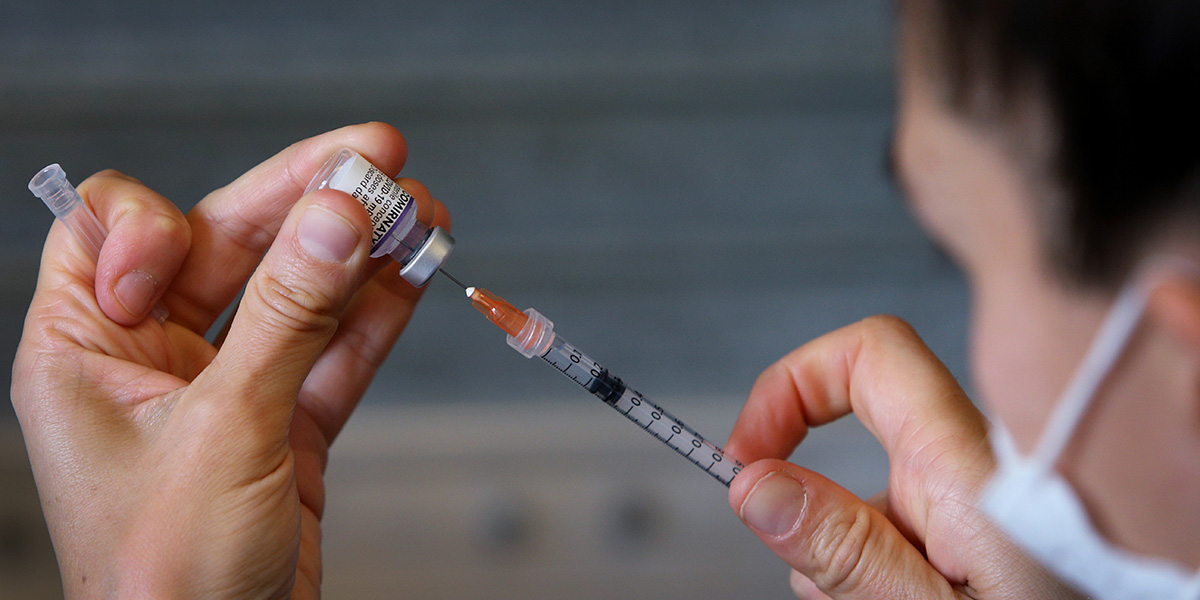
If opened to the public, a Pfizer vaccination course for under-fives will consist of three doses.
Children with COVID-19 are less likely to grow seriously ill than adults, but are still at risk of compications.
Moderna received approval in August for its vaccine for children aged six months to six years, but only for high-risk cases.
READ MORE: Russia drafting retirees into army, telling conscripts to buy their own supplies
About 70,000 children nationwide are deemed to be at high risk of developing serious illness if they contract COVID-19.
They are severely immunocompromised, have a disability, and those who have complex or multiple health conditions.
ATAGI has not yet recommended a COVID-19 vaccine be rolled out for all children under five.
Third of children to identify as Maori in 2040 – Stats NZ
A third of children in New Zealand may identify as Māori in the 2040s, a new future population study has revealed. And the Statistics New Zealand report has projected the “European or other” ethnicity will be the only group…
'Where's Jackie?': Biden appears to forget congresswoman had died
The White House has denied Joe Biden forgot about the recent death of a congresswoman, after he appeared to ask about her at an event.
Jackie Walorski died in a car accident last month.
The Indiana Republican had been a co-sponsor of a bill to fund a conference on hunger, nutrition and health.
READ MORE: Russia 'shamelessly violated' UN Charter in Ukraine, Biden says

At the conference, Biden made special mention of her.
"Jackie, are you here?" Biden asked.
"Where's Jackie? She was going to be here."
White House Press Secretary Karine Jean-Pierre did not concede Biden had misspoken.
"I think many people can speak to — sometimes when you have someone top of mind, they are top of mind," she said.
A reporter at the briefing pressed further with a wry question.
READ MORE: How Trump's terrible endorsements could sink his own party

"Karine, I have John Lennon, top of mind just about every day, but I'm not looking around for him anywhere?" the reporter asked.
"When you sign a bill for John Lennon, Lennon as a president, then we can have this conversation," Jean-Pierre replied.
The misstep may make for an awkward meeting on Friday, where he is meeting the family of the late congresswoman as he officially renames a veterans' clinic in her honour.
Walorski's colleague Vicky Hartzler expressed her outrage in a tweet.
"Truly an awful and disgraceful blunder," the congresswoman from Missouri wrote.
"Jackie was a selfless leader and a dear friend. Her family deserves better than this.
"Biden and the entire White House staff should apologise."
READ MORE: Files in Trump's desk, storage clearly marked 'top secret': DOJ

Walorski and two of her staffers died when their car crossed into the opposed lane to try and overtake a truck, but crashed into a car going the other direction.
Biden issued a statement offering his condolences after her death, and flags at the White House were flown at half-mast.
Biden, 79, has a history of awkward gaffes before and during his time as president.
Last year it appeared Biden blanked on the name of then-Prime Minister Scott Morrison.
"And I want to thank – that fellow Down Under," Biden said.
"Thank you, Mr Prime Minister. Appreciate it, pal."
Great Pacific Garbage Patch now 100,000kg lighter
A patch of trash almost the size of Queensland is now more than 100,000 kilograms lighter as a group funded by donations tackles the environmental nightmare.
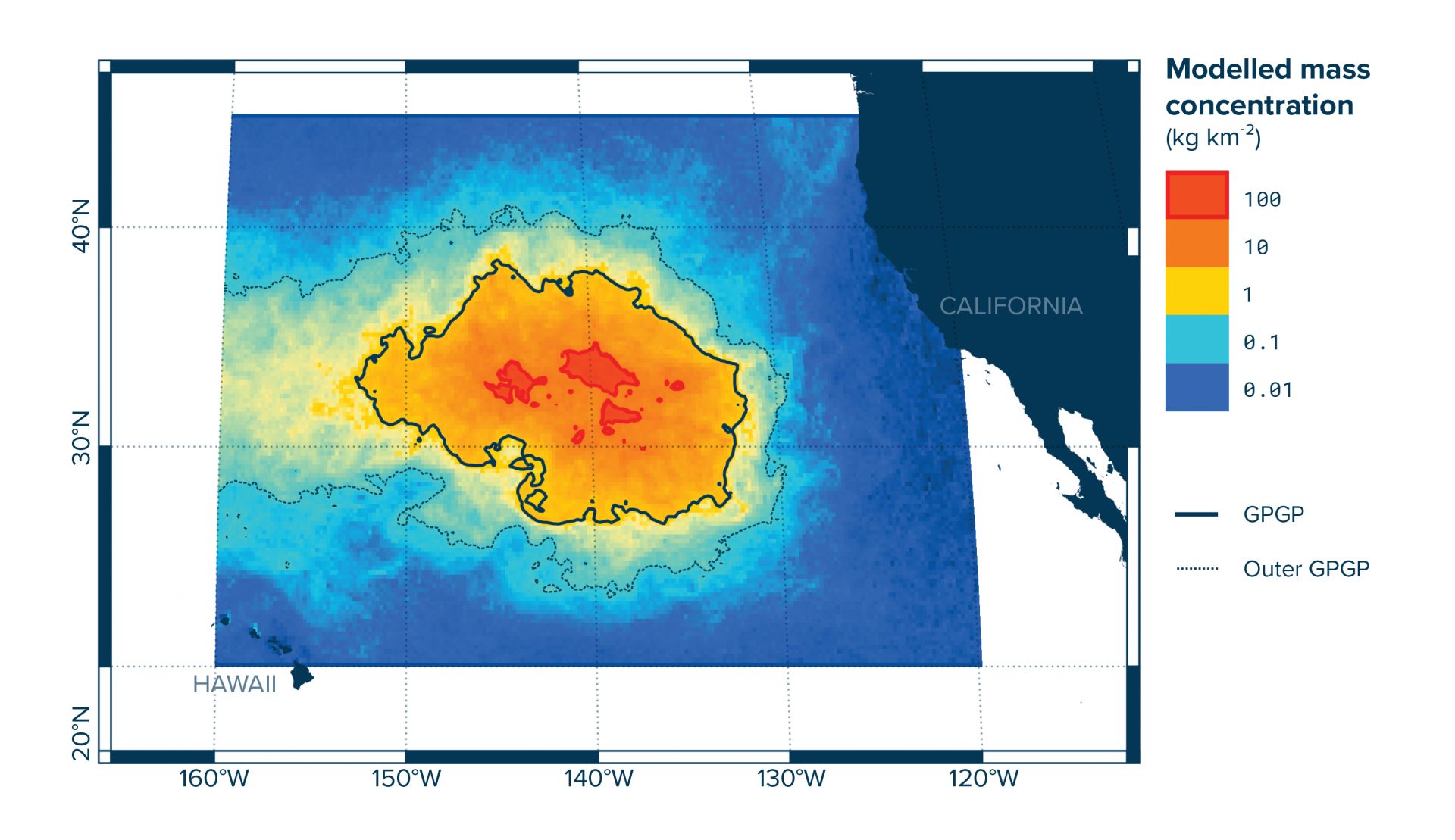
The Great Pacific Garbage Patch (GPGP) is the largest accumulation of ocean plastics in the world, spanning from the West Coast of North America to Japan, and has been growing since it was first identified in 1997.
The Ocean Cleanup has been working tirelessly to reduce rubbish in the GPGP, using a long U-shaped net that is dragged by two large ships through the Pacific to collect the plastic and they are about to unleash an improved system that can remove 7000 kilograms of plastic in less than four days.
READ MORE: Hurricane Ian makes landfall as one of most powerful storms ever recorded
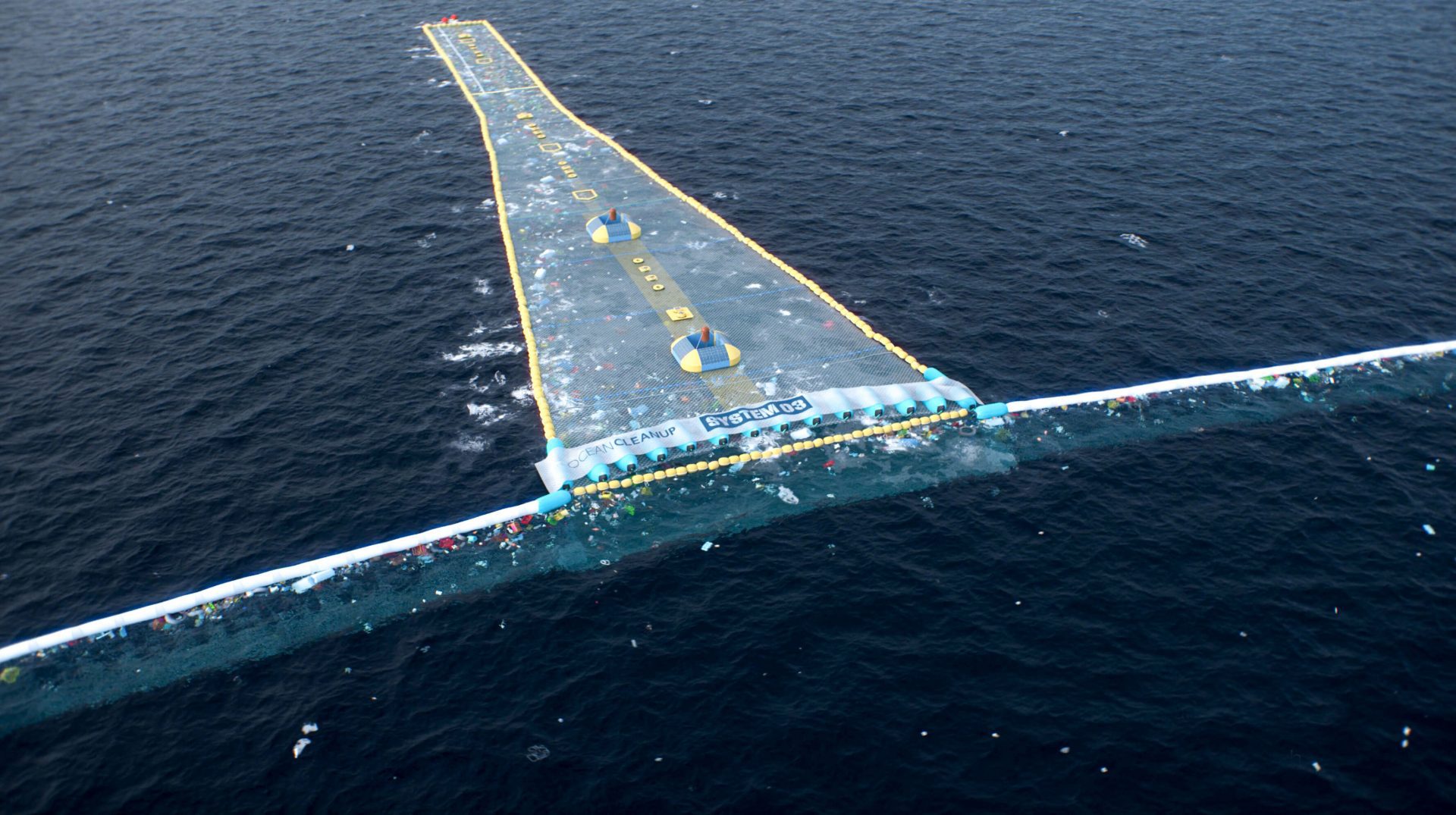
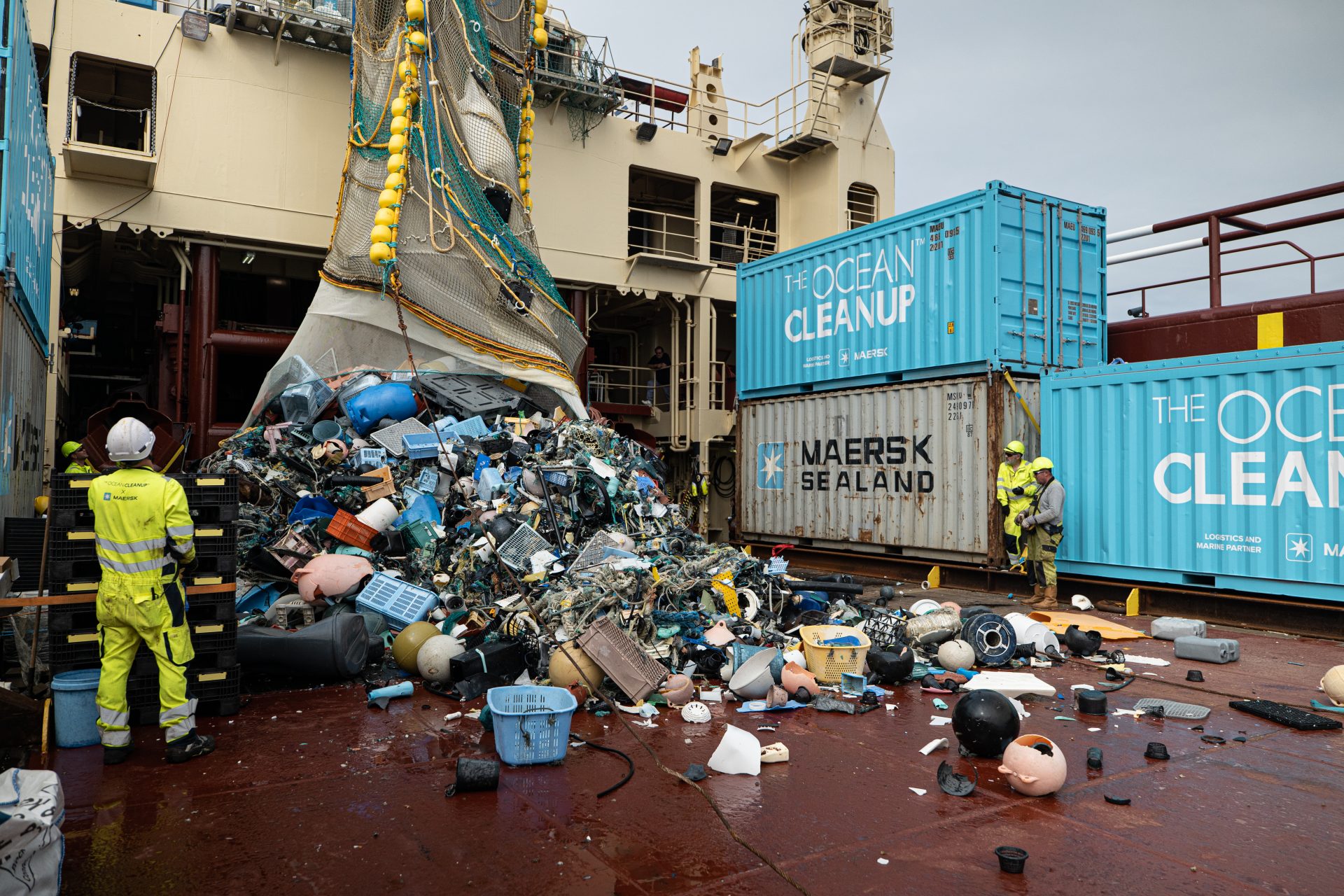
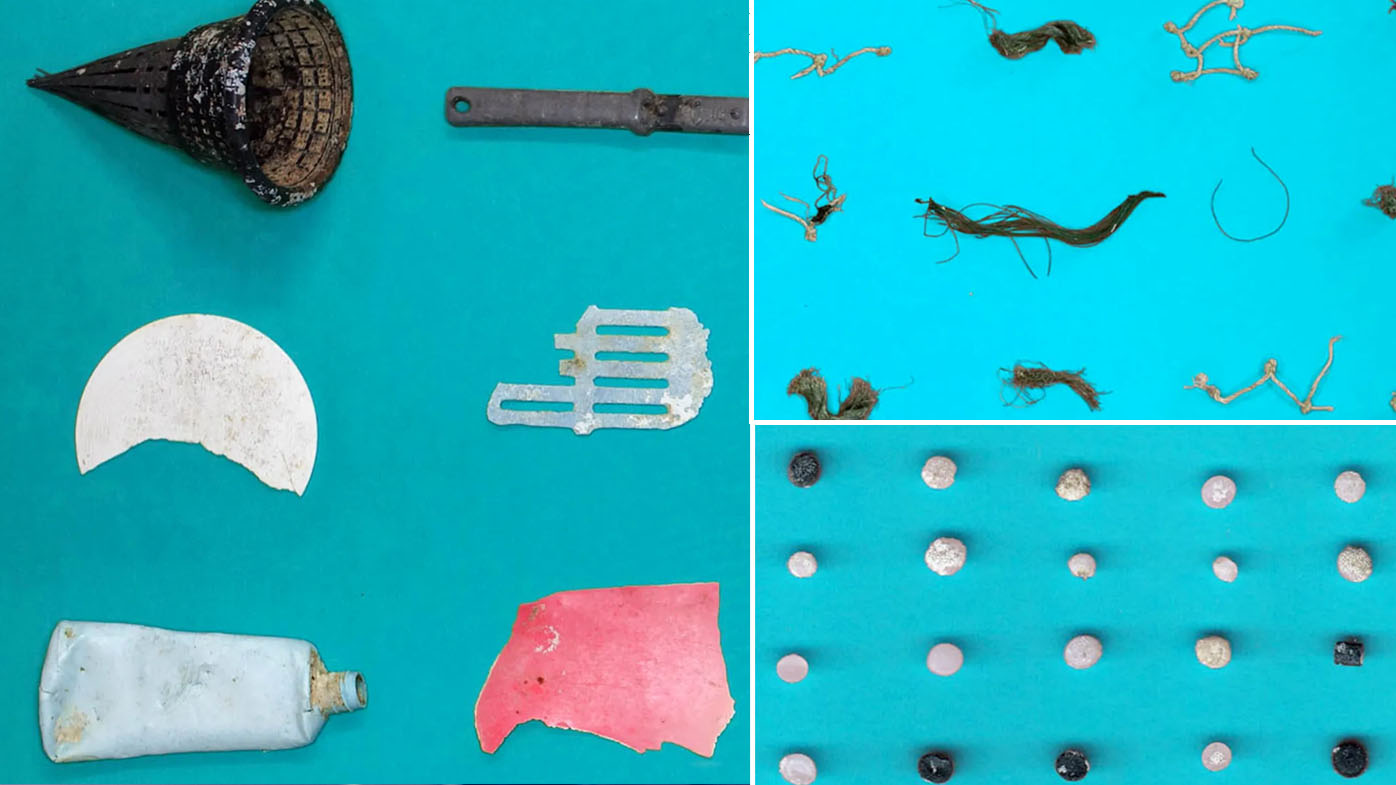
The not-for-profit, based in the Netherlands, then hauls the containers full of plastic – often made up of hard plastics, ropes, fishing nets or foam fragments – back to shore for recycling and repurposes the materials into things like sunglasses.
The organisation has been working to develop technologies to rid the oceans of plastic since 2013 and after the success of their original systems – which has removed 100,000 kilograms of plastic – are about to launch System 03.
The launch of System 03 to capture more plastics
System 03 is three times the size of earlier iteration System 002 and is capable of capturing much larger quantities of plastic at a lower cost per kilogram.
Starting at 800 metres, the new net will now span 2500 metres in length and four metres in depth, requiring a third support ship to assist given the sheer size of the cleaning system.
READ MORE: The note Caddick's husband left after raid
This will create a much larger retention zone, where the plastic is held before extraction, and will allow for far greater cleaning efficiency.
Head of Offshore Projects Joel Jansen told 9news.com.au it can remove up to 7000 kilograms of plastic in less than four days.
"We believe a fleet of systems based on System 03 can clean the entire GPGP, but we'll always be looking to improve, to become better at completing our mission and ridding the oceans of plastic," he said.
The environmentally conscious group have considered the impact of adding an extra ship to operations, along with whether it should be powered or how large the net should be, and "won't expand further until we can do it responsibly".
"We also have innovative technologies throughout the system; for example, extra streaming cameras to identify sea life, and drones which can identify 'hotspots' of plastic."
READ MORE: Optus hack victims warned about new scam
Global impact of pollution
Millions of seabirds are killed by plastic each year and over 100,000 marine animals, including half of the world's turtles.
Plastics Campaign Manager at the Australian Marine Conservation Society (AMCS), Shane Cucow told 9news.com.au that plastics affect animals from the bottom to the top of the food chain.
"Entanglement in floating debris or internal blockages" is the most common cause of injury and death.
"Turtles often mistake soft plastics like bags and food wrappers for jellyfish, while other species such as seabirds and whales eat plastics when they scoop up fish from the surface of the ocean or suck in krill," Cucow said.
READ MORE: How real are Putin's nuclear threats in Ukraine?
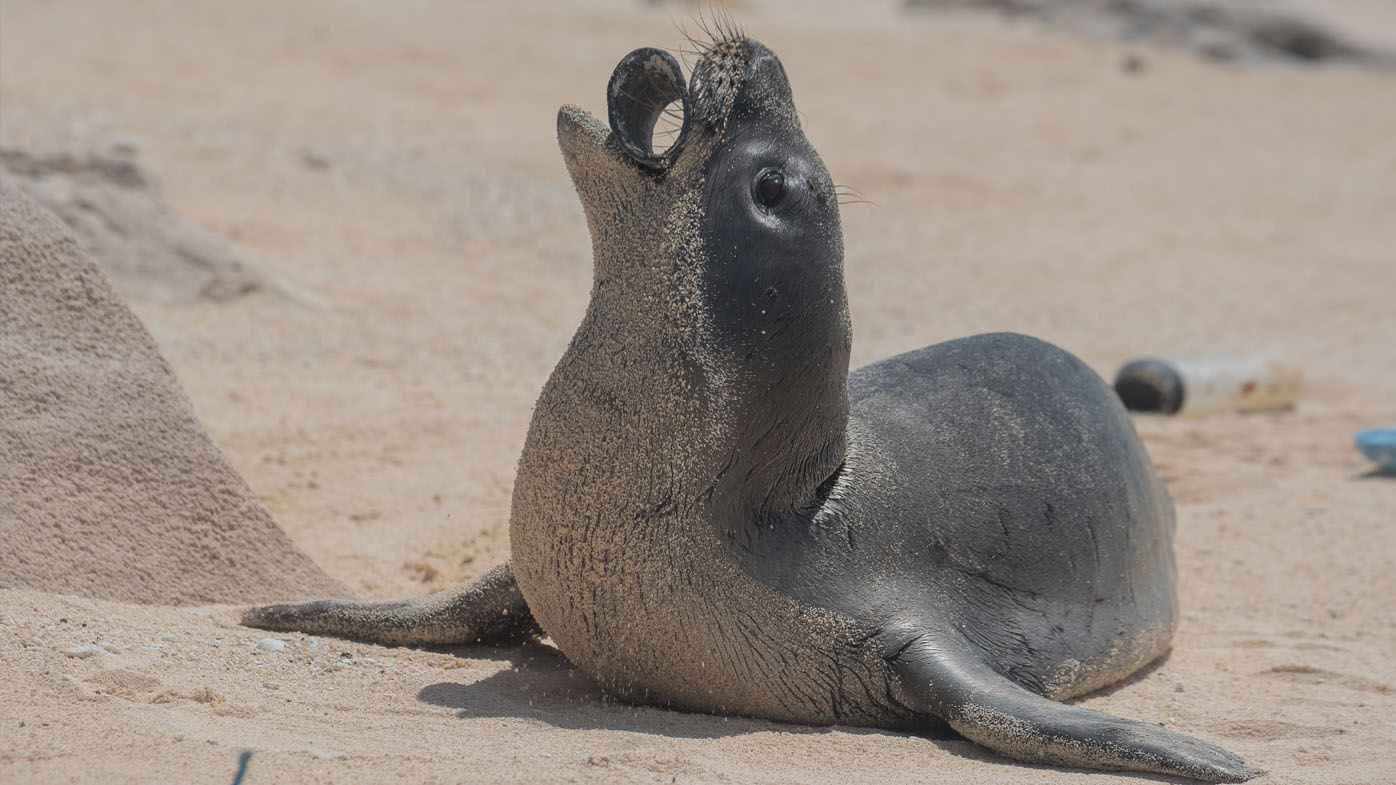
"Soft plastics like food wrappers, balloons, or soft plastic packaging are among the most common plastics found in ocean clean-ups, and highly lethal to wildlife."
Once plastic enters the marine food web, there is also a high possibility that it will contaminate human food as well.
An Australian-led study this year varying concentrations of microplastics in mussels sampled from both popular and remote beaches across South Australia.
Efforts to clean plastic have also caused a significant financial burden to humans across the globe, with billions of tax dollars contributing to government-funded ocean clean-ups.
The Ocean Cleanup is attempting to intercept plastic in rivers, which is much more cost-effective on the economy than having to deal with the consequences downstream.
The Great Pacific Garbage Patch in numbers
- The GPGP covers an estimated surface of 1.6 million square kilometres
- It is estimated that 1.15 to 2.41 million tonnes of plastic are entering the ocean each year from rivers
- Over 80,000 tonnes of plastic float in the GPGP, which is equivalent to 500 jumbo jets
- There are an estimated 3.6 trillion pieces of floating plastic in the GPGP
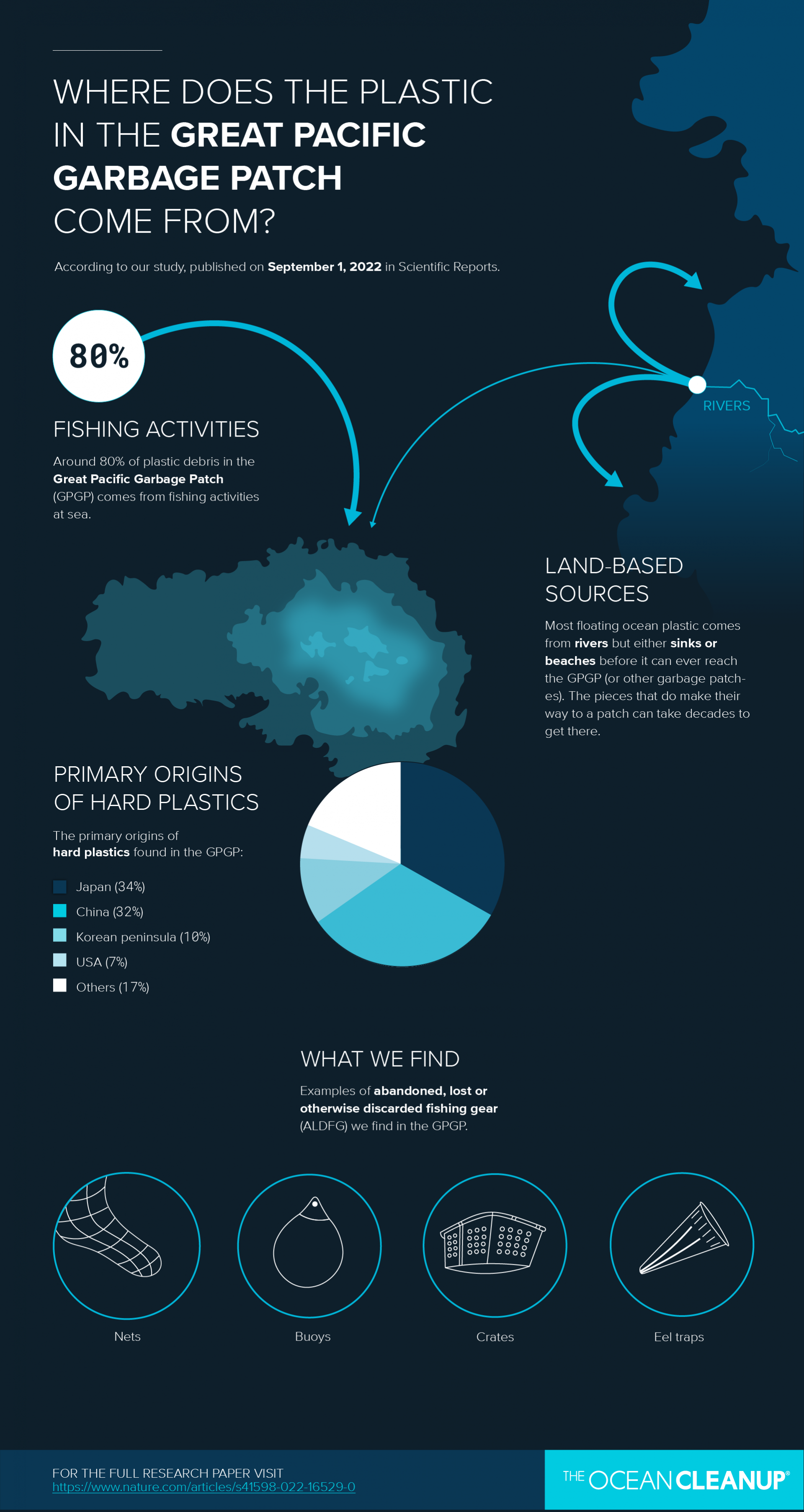
- Up to 86 per cent of GPGP plastics comes from fishing activities
'People want to see how it's going': Project relies on donations
The ambitious project is funded through partners and the kindness of strangers who put their hard earned cash toward cleaning our oceans.
One way they've found success in sharing the good work they are doing is through social media.
The Ocean Cleanup has over 790 thousand followers on Instagram and over 810 thousand followers on TikTok, with a video of its Interceptor Trash Fence reaching up to 38.3 million views.
READ MORE: Victoria's largest coal power station shutting down 10 years early
"We've always known that this would be a long-term project, and we recognise that what we're doing is unprecedented and has a universal appeal – people want to see how it's going," said Jansen.
"Cleaning the oceans is a very ambitious goal, and it will require everyone, from individuals all the way up governments and major international corporations, to play their part."
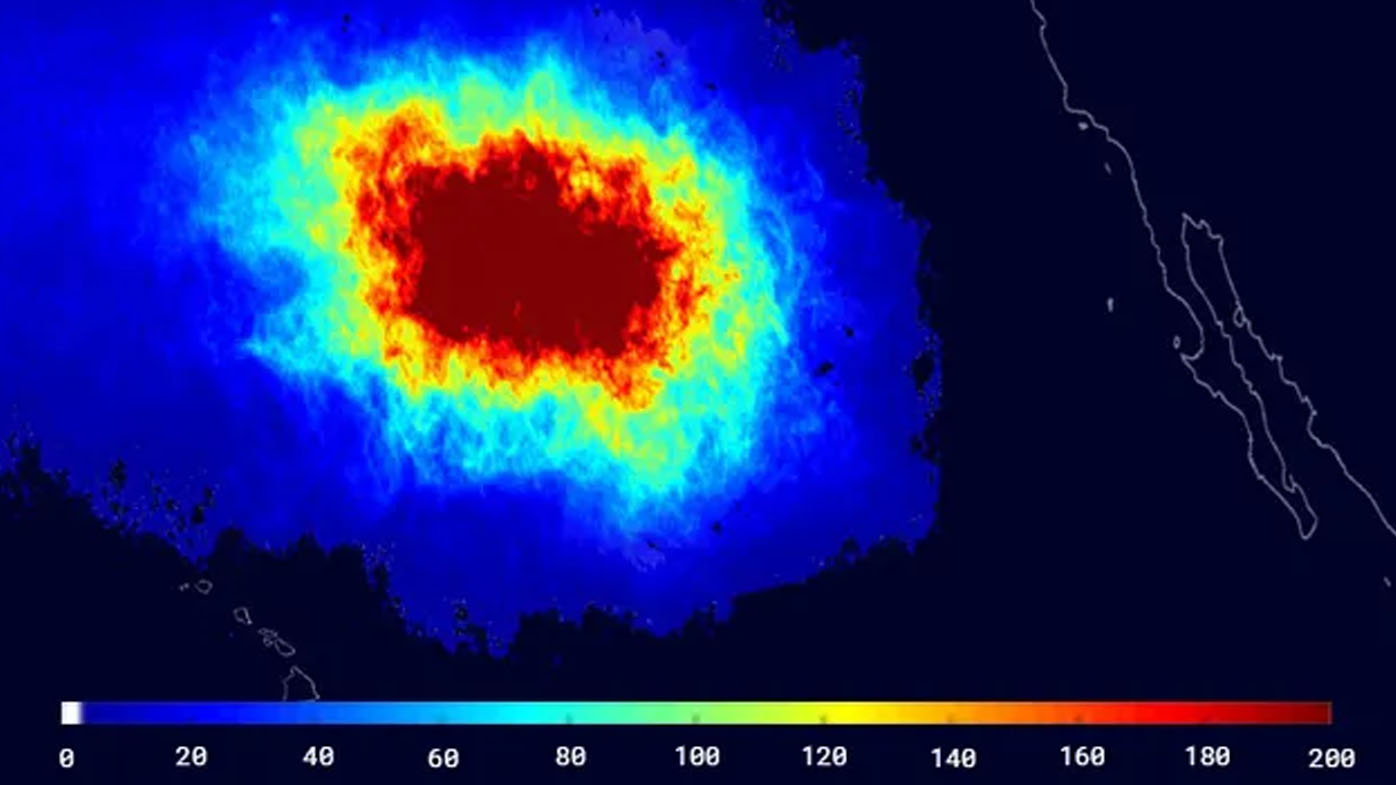
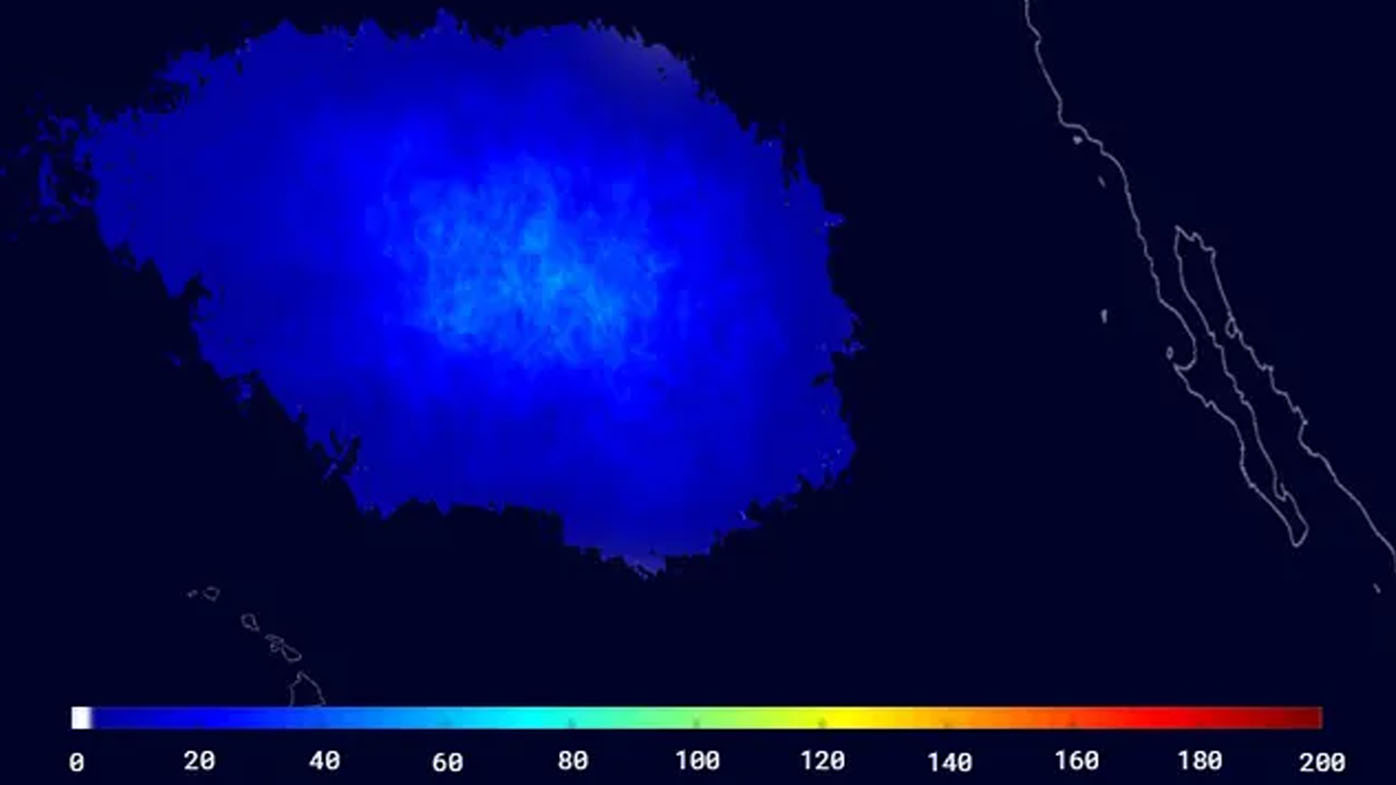
These images show the difference The Ocean Cleanup believe they can make by 2030.
How real are Putin's nuclear threats in Ukraine?
Russian President Vladimir Putin warns that he won't hesitate to use nuclear weapons to ward off Ukraine's attempt to reclaim control of Moscow-occupied areas that the Kremlin is about to annex.
While the West dismisses that as a scare tactic, a top Putin lieutenant upped the ante by boldly saying the US and its NATO allies wouldn't dare strike Russia, even if it used nuclear weapons in Ukraine.
How serious is Putin? Here' are the key questions around the the issue.
READ MORE: 'Extraordinary' scenes as massive storm lands in Florida
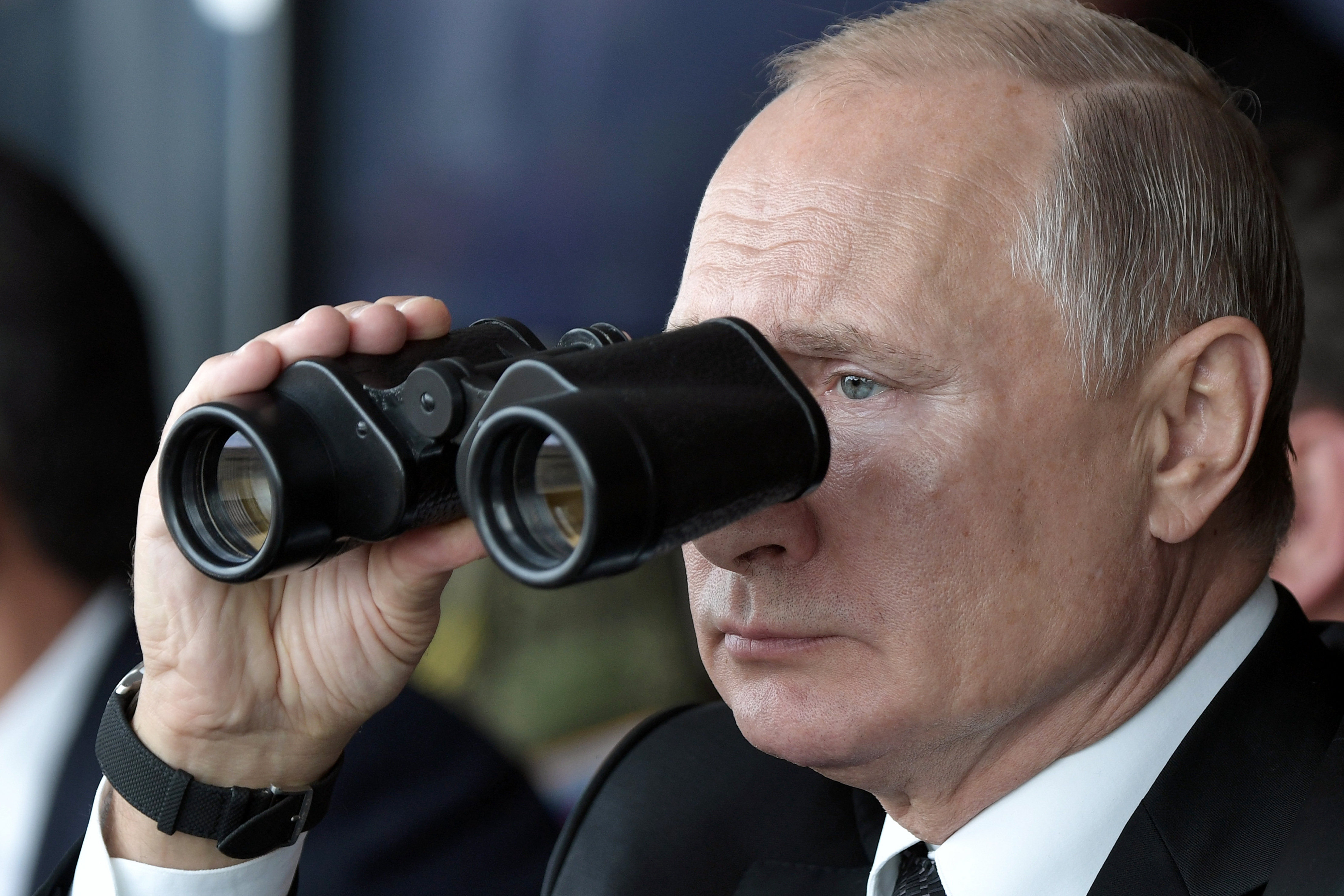
What drove Putin to make the threats?
A Ukrainian counteroffensive forced Russian troops to retreat rapidly from broad swaths of the northeastern Kharkiv region this month and handed Moscow its most humiliating defeat since the opening weeks of the war.
The Kremlin then speeded up its orchestrated "referendums" in occupied areas, asking if they want to come under Moscow's rule. The voting, denounced as illegal and rigged by Kyiv and the West even before it began, predictably gave Russia the result it wanted.
Moscow says that after incorporating the regions, it will view a Ukrainian attack on them as an act of aggression and will respond accordingly.
Putin raised the stakes further by mobilisation of reservists for the war, aiming to call up at least 300,000.
But the effort is proving widely unpopular, with tens of thousands fleeing Russia and fueling protests and violence that threaten to destabilise the country.
READ MORE: Russia drafting retirees into army, telling conscripts to buy their own supplies

The mobilisation won't provide a quick fix for the military, however. Running out of conventional options, Putin appears to be increasingly erratic and tempted to reach for nuclear weapons to avoid a defeat that could threaten his 22-year rule.
He has repeatedly talked about using them with a terrifying ease. He chillingly has said Moscow's enemies would die before even having time to repent their sins, and once acknowledged that nuclear war would be catastrophic, "but why would we need a world without Russia?"
What's in the nuclear arsenals?
Since the Cold War era, Russia and the US have maintained a nuclear parity, together accounting for about 90 per cent of the world's nuclear arsenals.
According to data exchanged earlier this year under the New START arms reduction treaty between Moscow and Washington, Russia has 5977 nuclear warheads for its strategic forces and the US has 5428. Each warhead is much more powerful than the bombs dropped by the US on two Japanese cities at the end of World War II, the only time atomic weapons were used.
The New START pact limits the US and Russian strategic arsenals that include the nuclear-tipped land- and submarine-based intercontinental ballistic missiles and nuclear-armed bombers.
READ MORE: 'Kids huddled under desks' as school shooter opens fire in California
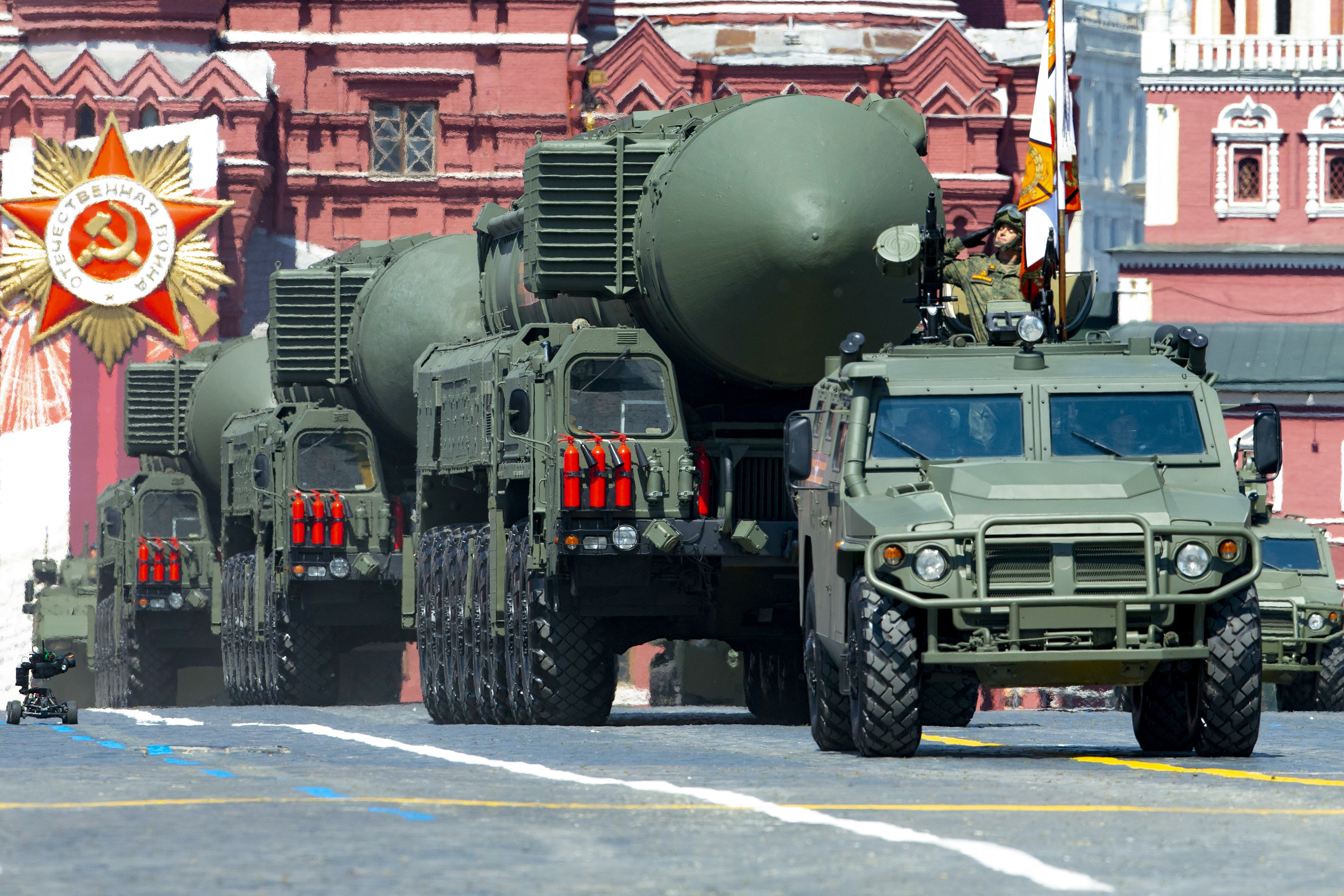
In addition, however, Moscow and Washington have large, undisclosed numbers of what are known as tactical nuclear weapons.
These are designed for battlefield use and have a lower yield, compared with the strategic warheads designed to destroy entire cities.
These tactical weapons include bombs, artillery ordnance or warheads for short-range missiles and are intended to strike a crushing blow to troops on one designated section of the front line.
What about using a tactical nuclear weapon?
A tactical nuclear weapon strike against Ukraine would not have catastrophic consequences on the same scale as an attack with strategic warhead.
But even a low-yield nuclear weapon used on the battlefield, aside from killing troops in the immediate vicinity, would still contaminate a broad area and expose large numbers of civilians in densely-populated Ukraine and neighbouring countries to radiation risks.
In fact, Russia and its ally Belarus would face the highest contamination risk because of prevailing winds.
Employing even just one one low-yield nuclear weapon would also have a devastating political impact, marking the first atomic attack since August 1945.
That could set the stage for a rapid escalation and perhaps lead to an all-out nuclear conflict.
US national security adviser Jake Sullivan responded to Putin by saying Russia would pay a high, if unspecified, price if it used nuclear weapons against Ukraine.
Is this just brinkmanship?
Putin has said his nuclear threat isn't a bluff. His top associate, Dmitry Medvedev, said Tuesday that Russia has the right to use nuclear weapons in Ukraine if Kyiv threatens Russian statehood.
Medvedev declared NATO would stand back if Moscow launched a nuclear strike on Ukraine. "American and European demagogues aren't going to die in a nuclear apocalypse, and so they will swallow the use of any weapons in the current conflict," he said.
Michael McFaul, former US ambassador to Moscow, tweeted that by dangling the nuclear threat, "Putin is not bluffing, he is deterring."

"He is trying to prevent the West from providing more sophisticated weapons to Ukraine," McFaul said.
Sergei Karaganov, a Moscow political analyst who advised the Kremlin on foreign policy, said Russia "can't afford to lose in Ukraine," adding: "Our enemies should realise that they have put themselves and the entire world on hell's brink."
Karaganov hinted that Moscow could even ponder an escalatory option of striking a NATO ally.
"I'm 99 per cent sure that if a nuclear strike is launched on one of the European countries supporting Ukraine, the US won't use nuclear weapons," he said.
"It would take a madman in the White House to respond to a limited use of nuclear weapons by Russia with a nuclear strike. Or a person who hates America and ready to sacrifice, say, Boston for Poznan."
The Pentagon said last week the US has seen no Russian moves that would trigger any change in America's nuclear posture.
Spotting such preparations could be difficult, however, even for US spy planes, satellites and cyberintelligence.
Unlike the US, which relies on submarines armed with intercontinental ballistic missiles for a large part of its arsenal, most of Russian nuclear forces consists of land-based missiles.
Some are mounted on mobile launchers that can be tracked, but many are in silos, making launch preparations more difficult to discern.
More compact battlefield nuclear weapons are even harder to track down, their small size allowing them to be deployed secretly long ahead of their possible use.
Former German Chancellor Angela Merkel said Wednesday that Putin's threats should be taken seriously, arguing: "It's not a sign of weakness but of political wisdom."