National leader Christopher Luxon expects New Zealand to become a republic but says it would not happen “in my Government and in my time”.Luxon described himself as “a soft republican” and he believes ultimately New Zealand will…
Tag Archives: oceania
Napier couple claim $1m Lotto win
The Napier Lotto winners of $1 million have claimed their prize. The winners are a young couple from Napier and their winning ticket was a lucky dip for the draw on September 17.The winner heard in the news that $1 million had…
Live: Christchurch mayoral debate – Mauger vs Meates in the battle for votes
Christchurch mayoral hopefuls David Meates and Phil Mauger have faced off in a on ehour live debate as local body election voting is underway.The debate was hosted by the Canterbury Employers’ Chamber of Commerce, in partnership…
Young Russians flee country as conscripts handed rusty weapons
Within hours of Vladimir Putin announcing a draft to fill the dwindling ranks of the Russian military, a series of sobering Google searches began to trend.
Surging up the Google Trends rankings was the phrase "How to leave Russia", as many Russian men look to avoid being pressed into service.
Another troubling search topic rapidly climbing in Russia was the phrase "how to break arm at home".
READ MORE: Putin's mobilisation off to chaotic start
A broken arm would keep an unwilling man out of the military, at least for a while.
Putin announced the conscription of 300,000 men in the military reserve or anyone with previous military experience.
With military service compulsory for young Russians, this would make nearly all young men eligible for a call-up to the Ukrainian front.
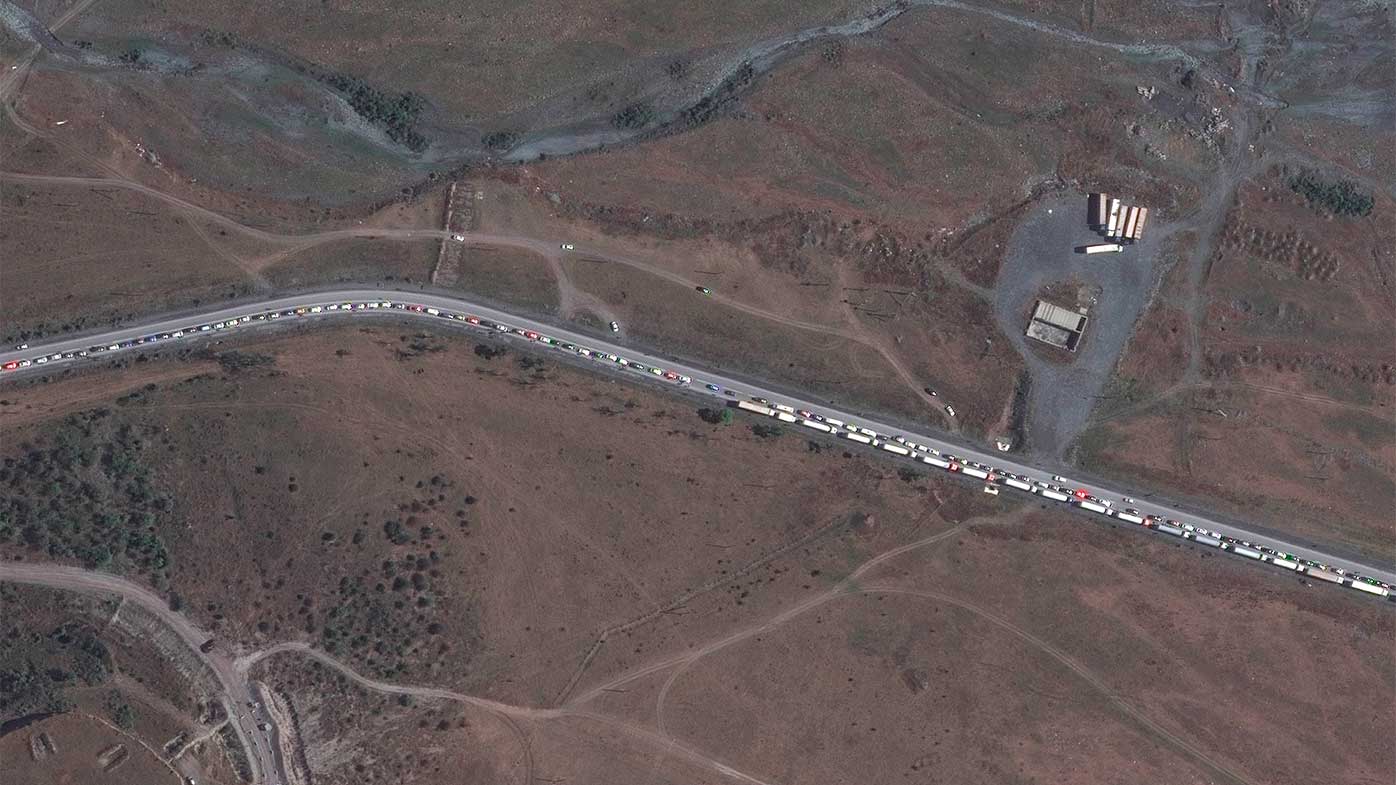
Massive queues have formed at border crossings with Russians eager to leave.
Border crossings into Finland have doubled in the past week.
At the land border into Georgia, a 10km queue has formed, with an estimated 24-hour wait to get out of the country.
READ MORE: Russian military recruiter shot amid fear of Ukraine call-up

In the Kazakh city of Uralsk, Russians who cannot find a room to stay are sleeping in a cinema.
It is believed eligible Russians will be banned from leaving the country soon, prompting a speedy exit.
Others resisting the draft are doing so violently.
In Siberia, a 25-year-old shot a military recruitment officer at close range at an enlistment centre.
In Volgograd, another centre was destroyed by a man who hurled Molotov cocktails into the building.
Meanwhile, footage has emerged of Russian conscripts filming the poor quality of the weapons they have been given.
READ MORE: Vladimir Putin grants Edward Snowden Russian citizenship

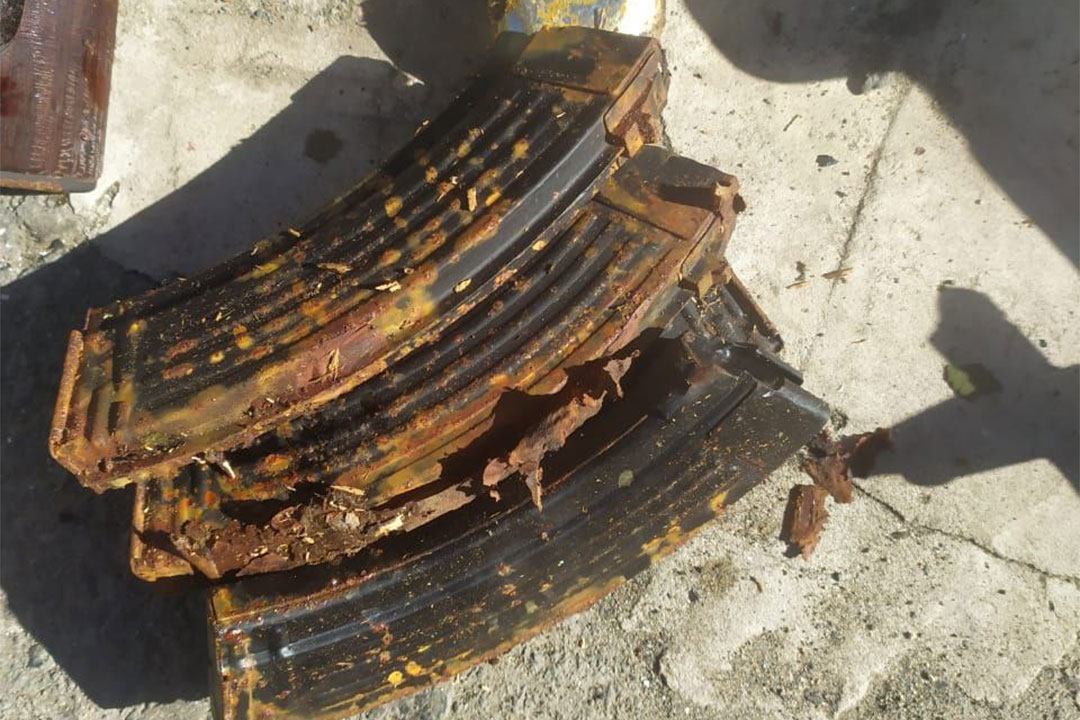
Video that has been widely circulated on social media shows soldiers looking at rust-covered AK-47s.
"This is f—ed. I'm in f—ing awe," one of the soldiers can be heard saying.
An estimated 56,000 Russian soldiers have been killed since the country invaded Ukraine in February.
READ MORE: Australia's economic growth forecast slashed amid global tensions
Police searching for maroon Mazda van in relation to Greenmeadows shooting
Police are looking for a maroon Mazda van after a shooting in Napier yesterday that seriously injured a man. A police spokesman said the shooting happened near the intersection of Tait Dr and Lamason St, Napier, about 1.15pm and…
Police release CCTV footage of suspected vehicle involved in Invercargill hit and run
Police are releasing CCTV footage of a vehicle of interest in connection with a serious hit and run incident in Invercargill on Sunday morning.A 19-year-old man was struck by a vehicle about 6.15am on Marama Avenue South in Otatara.Detective…
14 young people arrested after St Lukes and other Auckland and Waikato recent smash and grabs
Police have arrested 14 young people after recent commercial aggravated robberies in Auckland and Waikato. Auckland City police arrested six people after an aggravated robbery at St Lukes Mall last week, Assistant Commissioner…
'Be afraid': Government announces details of federal ICAC proposal
Attorney-General Mark Dreyfus has unveiled the details of the federal government's proposed independent anti-corruption commission, saying he wants people who have engaged in corrupt conduct to be "afraid".
Labor made introducing a national ICAC "with teeth" an election promise and today unveiled its model for the body, which would be independent from government, be able to investigate anyone in the federal public service, and have retrospective powers.
It would also include whistleblower protections and exemptions for journalists to protect their sources, and will receive $262 million of federal funding across its first four years.
READ MORE: Anonymous hacker behind Optus breach surfaces with $1 million threat
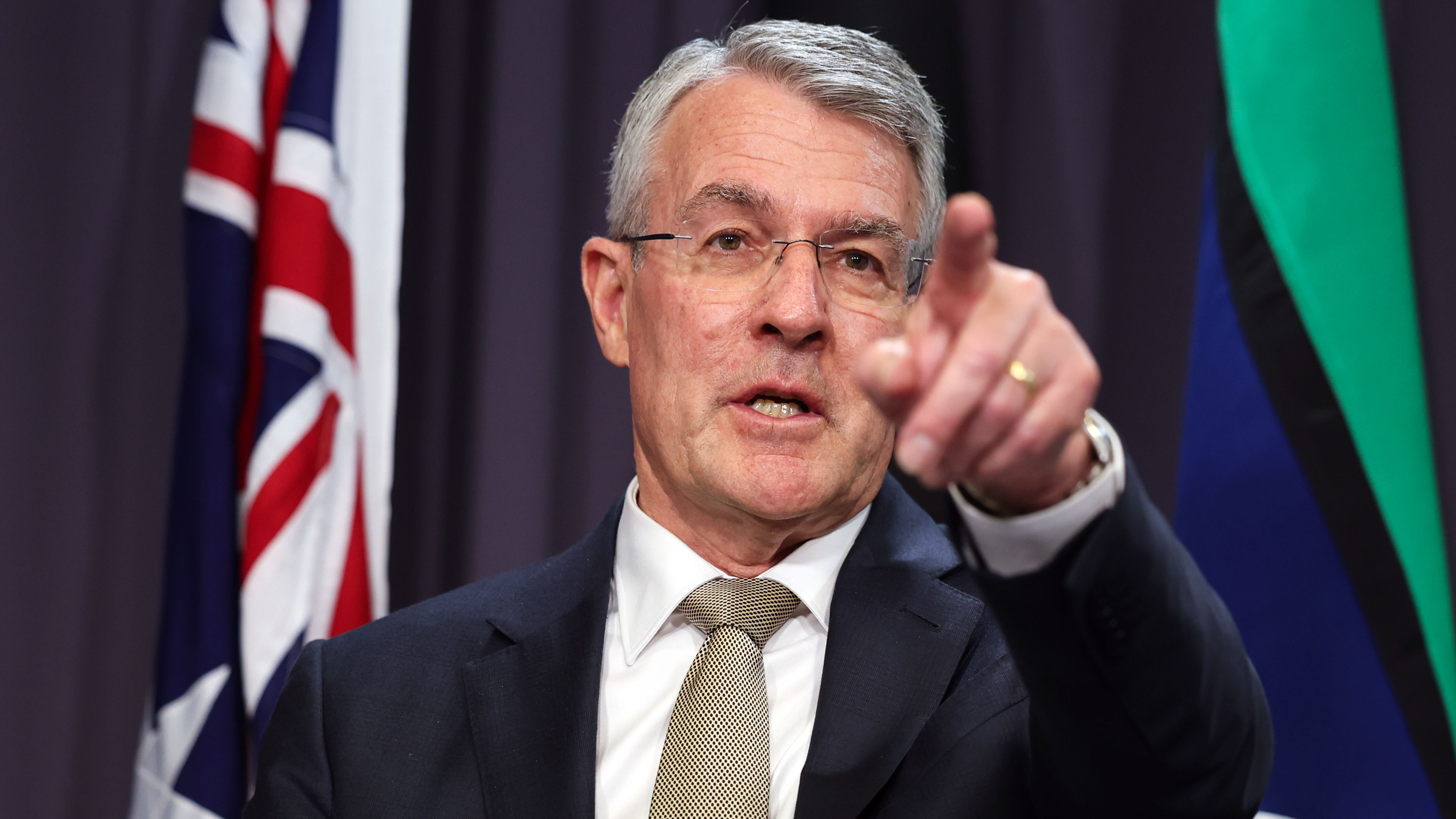
In announcing the legislation, Dreyfus said the commission will be able to look into a wide range of corrupt conduct, adding "people should be afraid if they have engaged in corrupt activities".
"There is a very broad definition of corrupt conduct," he said.
"There is a threshold of serious or systemic corruption which will shape the way this commission undertakes its work.
"The commission should have expectations that this commission is going to get on with the job of stamping out corruption in the Australian public sector."
However, while the proposed ICAC will be able to hold public hearings, that will only happen in "extraordinary circumstances" – a higher threshold than the state and territory bodies have – and Dreyfus expects the majority will be held in private.
READ MORE: Ten-day warning for country as 'series of weather systems loom'
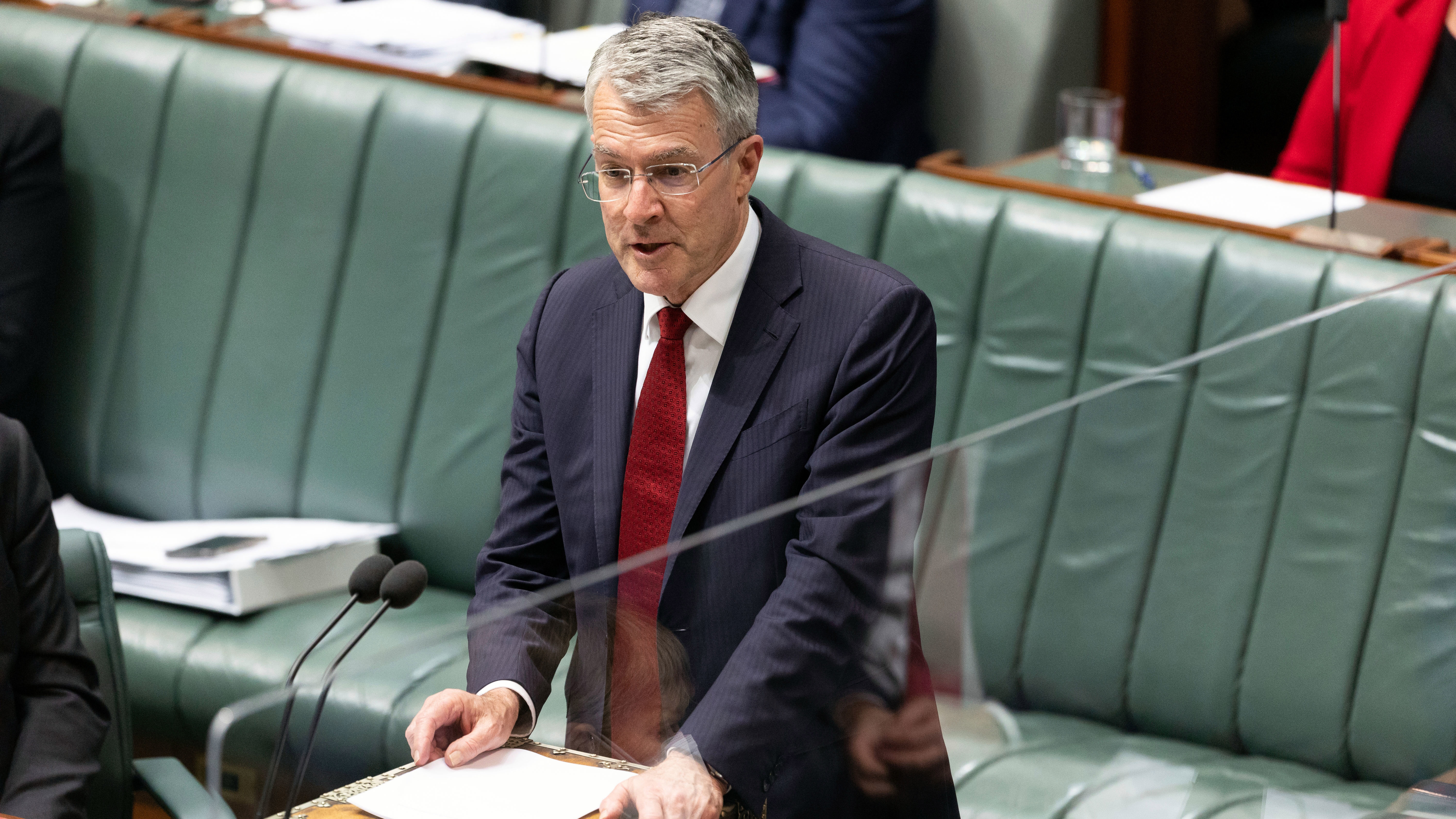
"Most of its hearings will be conducted in private but where there are exceptional circumstances and the commission determines that it's in the public interest that a hearing be in public, then it's going to be in public," he said.
The legislation will be introduced by Dreyfus tomorrow before a parliamentary committee conducts an inquiry into the bill. The attorney-general said he hopes it will go to a debate in the final two weeks of parliament, which run from November 21 until December 1.
"It will go to a Joint Select Committee of both houses of the Australian parliament to conduct an inquiry, receive submissions, I hope hold some public hearings and report to the parliament on the bill and whether or not amendments are required to the bill," he said.
"We are hoping that the committee can be established tomorrow and it will be able to report in order to enable debate in the final sitting weeks of this year."
READ MORE: Melbourne woman fighting for life after hit by roller coaster
Principles of federal government's proposed ICAC
Broad jurisdiction: The Commission will have broad jurisdiction to investigate serious or systemic corrupt conduct across the Commonwealth public sector by ministers, parliamentarians and their staff, statutory officer holders, employees of all government entities and government contractors.
Independent: The Commission will operate independent of government, with discretion to commence inquiries into serious or systemic corruption on its own initiative or in response to referrals, including from whistleblowers and the public.
Oversight: The Commission will be overseen by a statutory Parliamentary Joint Committee, empowered to require the Commission to provide information about its work.
Retrospective powers: The Commission will have the power to investigate allegations of serious or systemic corruption that occurred before or after its establishment.
Public hearings: The Commission will have the power to hold public hearings in exceptional circumstances and where it is in the public interest to do so.
Findings: The Commission will be empowered to make findings of fact, including findings of corrupt conduct, and refer findings that could constitute criminal conduct to the Australian Federal Police or the Commonwealth Director of Public Prosecutions.
Procedural fairness: The Commission will operate with procedural fairness and its findings will be subject to judicial review.
Noise pollution is killing whales, but this technology could help
In the ocean, where light only penetrates a couple hundred metres underwater, animals depend on sound to locate food, navigate and to communicate with each other.
But even well into the last century, humans were unaware of the soundscape beneath the waves.
Unable to hear the low frequencies that travel furthest underwater, explorers and scientists believed the ocean was a "silent world," according to French bioacoustics expert Michel André.
READ MORE: Anonymous hacker behind Optus breach surfaces with $1 million threat
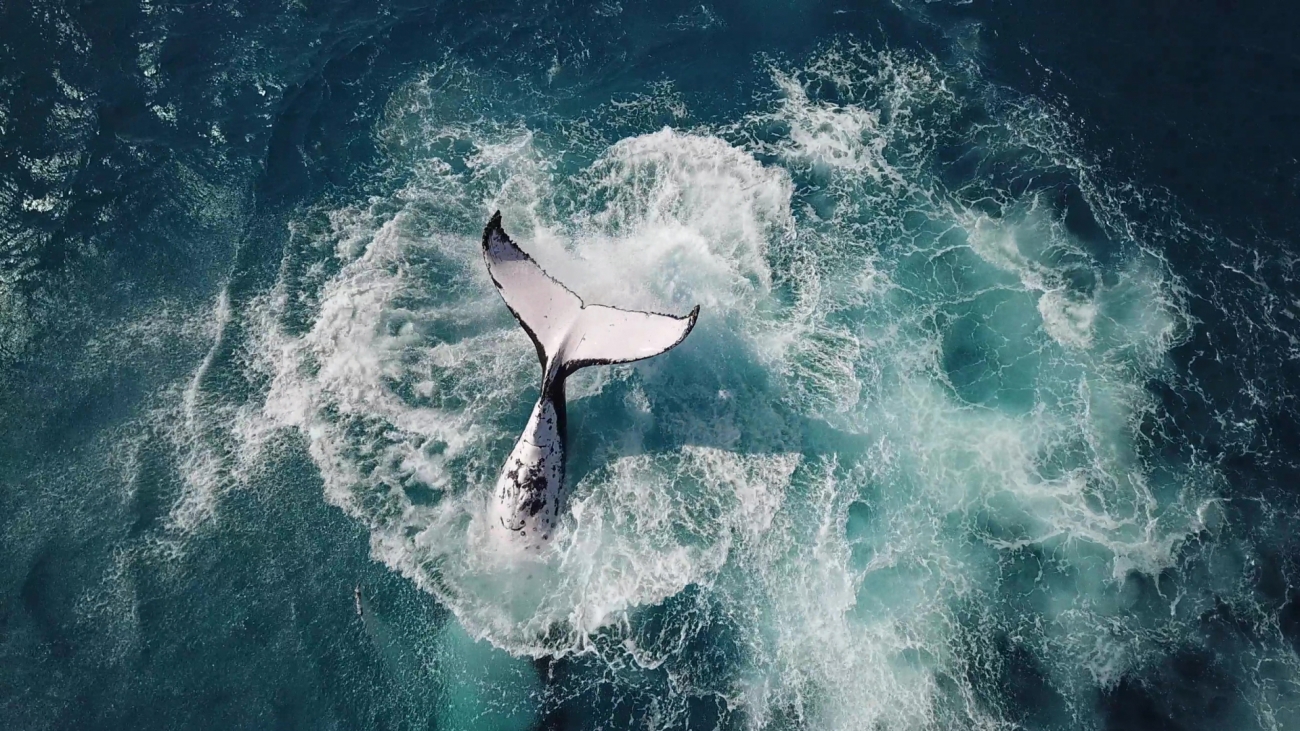
"We (humans) ignored this acoustic dimension," he says.
"We contaminated the ocean with sound, without even having the first idea that this could have damaged it."
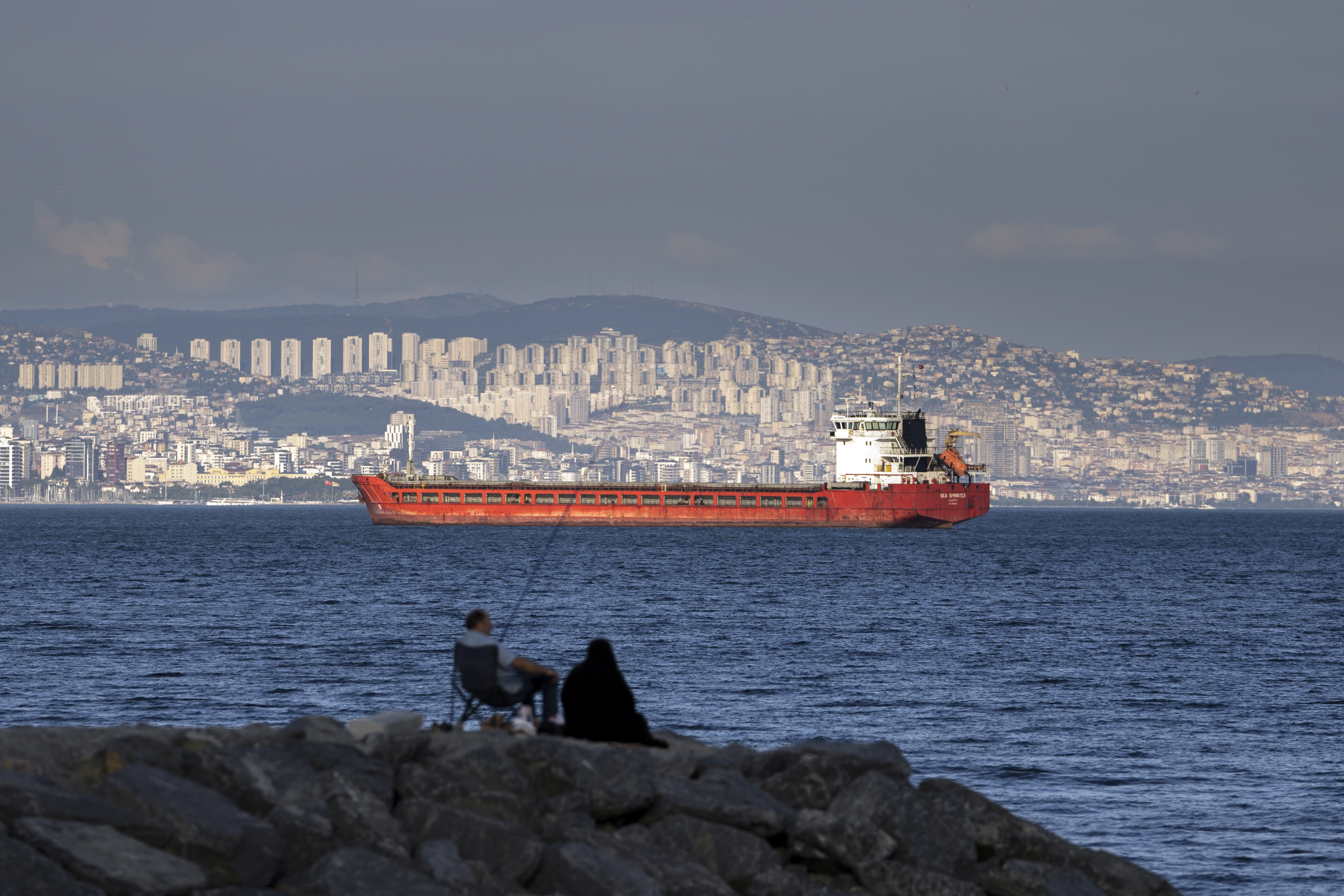
In recent decades, the ocean's depths have become noisier, with the rumble of ship engines, the intense pings of military sonar and seismic blasts used to locate oil and gas deposits.
This cacophony of human-made sound is drowning out marine life's natural chatter, and the impact is life-threatening.
Mammals such as whales have become isolated from their mates, their migration routes have been disrupted, and in some cases noise pollution has caused permanent hearing loss, which can be fatal.
"Sound is life in the ocean," says André.
"If we pollute this channel of communication… we are condemning the ocean to irreversible change."
André and other scientists believe that increased noise pollution has led to more collisions between ships and whales, as the ocean giants – which use echolocation or biological sonar to "see" objects – can struggle to locate a vessel over the constant din, while some individuals have become so deaf they cannot hear the approaching danger.
Since 2007, the International Whaling Commission has logged at least 1,200 collisions between ships and whales globally, but many more are likely to have gone unnoticed.
READ MORE: Entangled whale calf freed from shark nets on Gold Coast
Safe and quiet
Technology that uses acoustics to detect the presence of whales in shipping lanes could help to avert these collisions.
André and his team at the Laboratory of Applied Bioacoustics in Barcelona have developed software called Listen to the Deep Ocean Environment (LIDO), which monitors acoustic sources in real time and uses artificial intelligence to identify them.
In October, a two-metre-long buoy equipped with this technology and other sensors will be dropped into the Gulf of Corcovado, off the coast of Chile, an area busy with both whales and ships.
Using LIDO, it will be able to detect whales within at least a 10-kilometre radius and automatically send an alert to Chile's navy, which will in turn send a message to nearby vessels, encouraging them to change course or reduce their speed.
Ship engines make less noise at lower speeds, which makes it easier for whales to home in on their location.
The buoy will be the first of a wider network deployed as part of the Blue Boat Initiative, a program founded in 2020 by MERI Foundation, a scientific research organisation based in Chile.
READ MORE: Russian military recruiter shot amid fear of Ukraine call-up
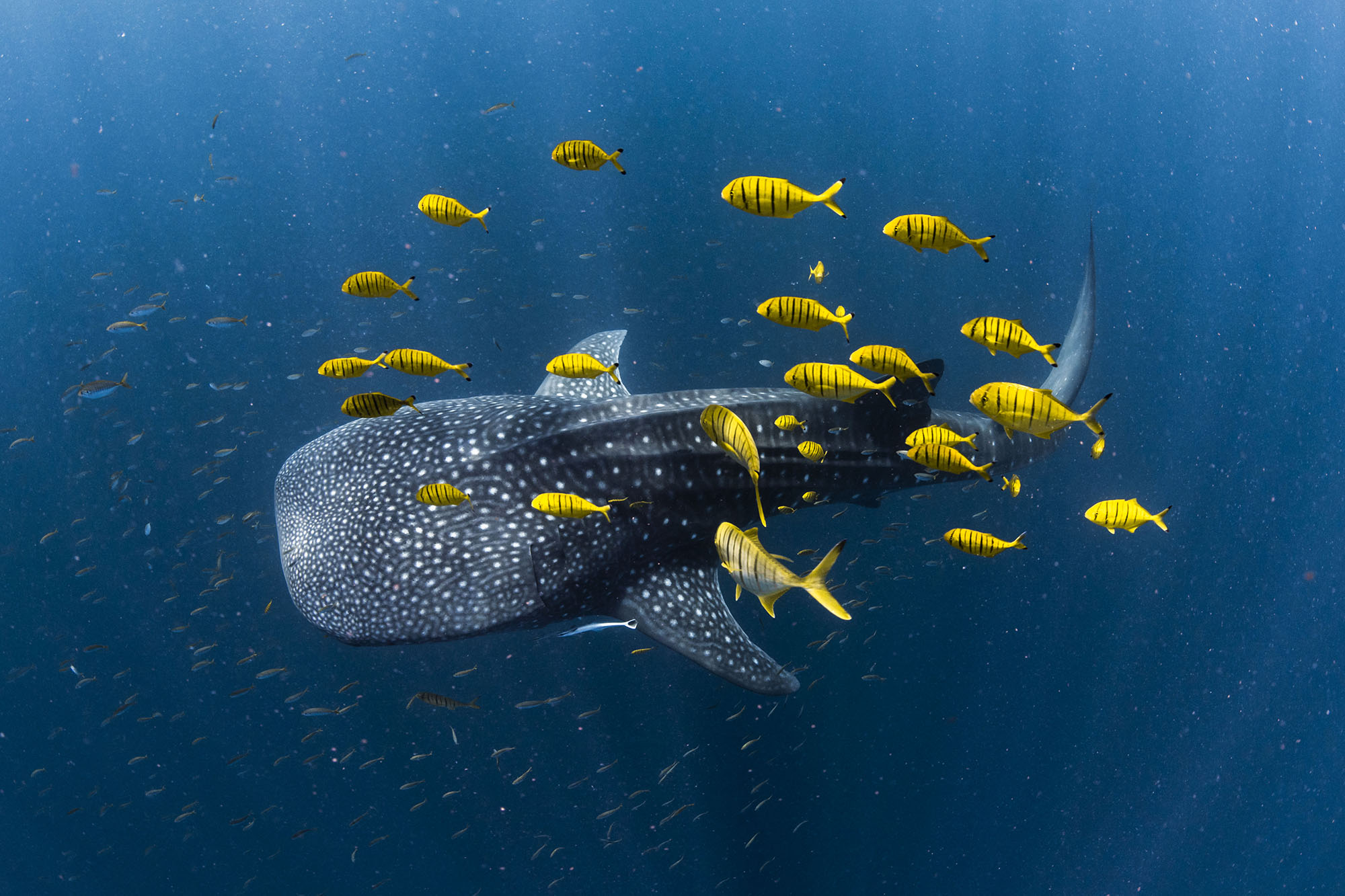
The long-term goal is to have these kinds of buoys running along the coast of South America and beyond, providing a safe passage for migrating whales and other marine species, says Sonia Español-Jiménez, MERI's executive director.
The Gulf of Corcovado was an obvious place to start.
The body of water, which stretches more than 50 kilometres between Chiloé Island and the mainland of southern Chile, is a hotspot for whales – home to nine species – and the largest feeding ground in the southern hemisphere for the endangered blue whale.
But the area is also subject to intense marine traffic, with many vessels belonging to the salmon farming industry. However, research in the US has shown that reducing ship speed is a simple and cost-effective method for avoiding collisions with whales.
In May 2021, after a run of deadly collisions on Chile's coastline, more than 60 Chilean scientists made a plea to the government to reroute ships from sensitive regions, set speed limits in certain shipping lanes and establish an alert system to warn vessel pilots.
Susannah Buchan, an associate researcher at the University of Concepción in Chile, was one of the signatories and is currently working with Woods Hole Oceanographic Institution (WHOI) on adapting a similar acoustic alert system for Chilean waters.
WHOI technology has already deployed in the Santa Barbara Channel, off the coast of California, and off the coast of Savannah, Georgia.
While she sees "great potential in acoustic alert systems," Buchan says it is important that they are fully validated in scientific literature and by a peer-review process.
She also warns that acoustic alert systems are not a "silver bullet" that will end all ship strikes and must be complemented with other solutions such as slow-down zones.
READ MORE: Wild pigs menacing dogs, goats in New Zealand city
Understanding the ocean
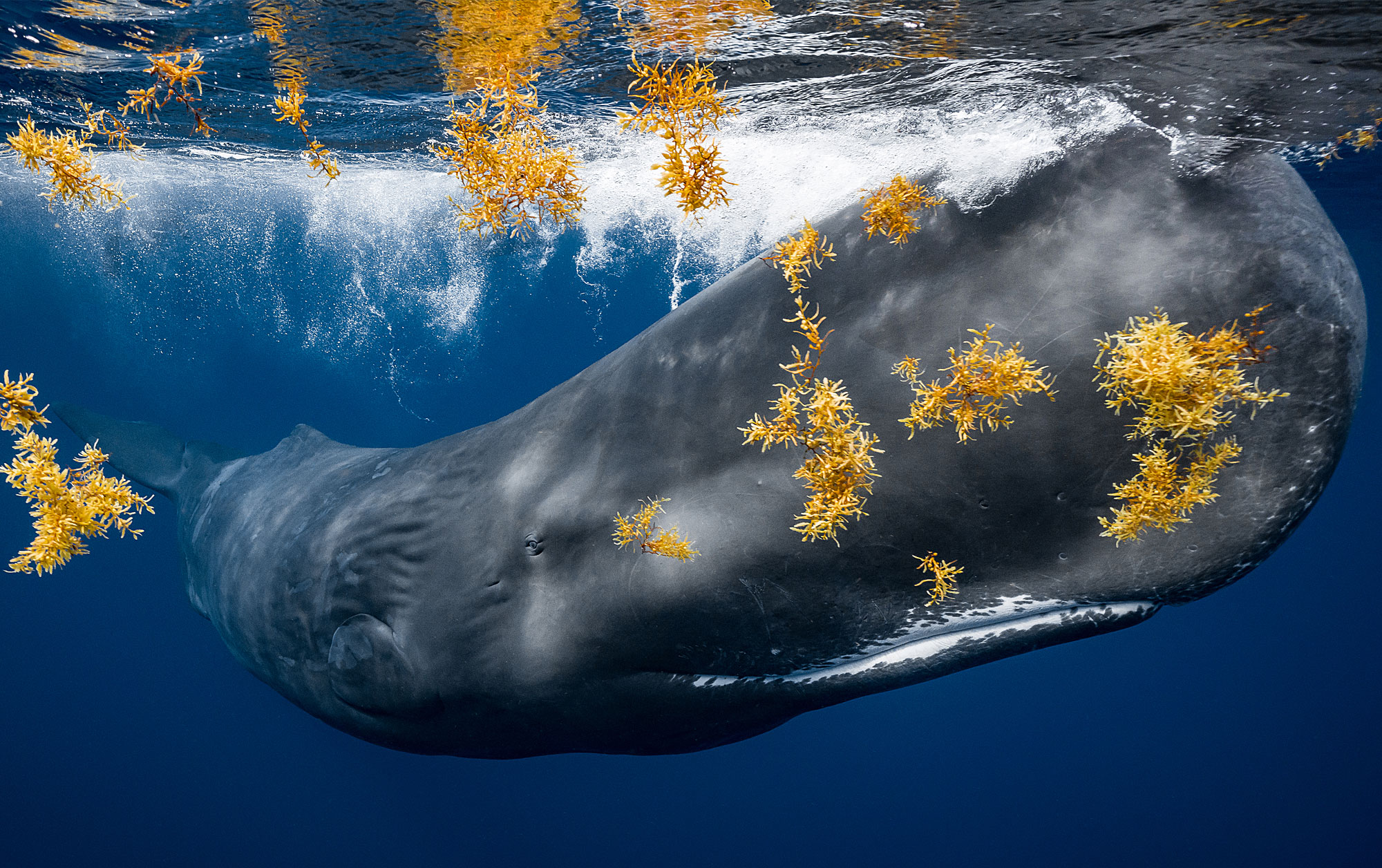
The acoustic buoys deployed as part of the Blue Boat Initiative will not only work as an early warning system for vessels but will also use sensors to gather data such as water temperature, pH, and oxygen levels, which can be used to study ocean health and the impact of climate change.
They could also be used to help monitor local whale populations.
"Every whale has a unique sound," explains Español-Jiménez, and the buoy's LIDO technology can identify and classify four of the whale species found in the Corcovado Gulf from their song – humpbacks, blue whales, right whales and sei whales.
She adds that as the buoys gather more data, LIDO can be trained to identify other marine species.
Together all this data can be used to inform government policy and action on marine conservation and climate change, she says.
Technology is transforming our understanding of the ocean, says André.
"It has brought back this capacity to hear underwater and to listen to creatures underwater and understand the need for them to survive in this environment."
A pioneer in bioacoustics, André's work began in the 1990s, when he started investigating the cause of ship and whale collisions on a busy ferry route in the Canary Islands.
READ MORE: Ten-day warning for country as 'series of weather systems loom'
His research found that whales' exposure to noise was leading to "acoustic trauma," with their inner ear receptors becoming severely damaged over time.
It was then that he had the idea to create an acoustic anti-collision system for whales, but the Blue Boat Initiative is the first time his technology will be implemented in the real world.
André would like to see it become more widespread, crossing countries and continents.
"My hope is that we can replicate this effort along the Pacific coast so we can cover the tracks of these whales up to Alaska," he says.
By providing tools to identify sources of sound and to monitor biodiversity, André believes that humans can reconnect with nature and help it recover: "If we find a way to monitor, to listen, and to understand the message from sound, then we have a way to understand the health status of the Earth".
Humanity's greatest achievements in space
Since the launch of the Russian satellite Sputnik in 1957, the world's smartest people have been taking great strides in the vast emptiness of the universe.