Commercial media have criticised the Government’s plans to merge TVNZ and RNZ saying it will impact media plurality and make it harder for them to compete. More than 800 submissions have been lodged on the proposed merger been lodged…
Tag Archives: oceania
Judge says mental health inpatient's case is a 'mess' amid service's bid to discharge him
Once again, a district health board and the criminal court are at loggerheads over the management of a mental health inpatient, with a judge calling for the services to “do better”.Transient Taranaki man Tari Jamie Phillips, in…
Chilling weapon falls from sky onto Ukrainian village
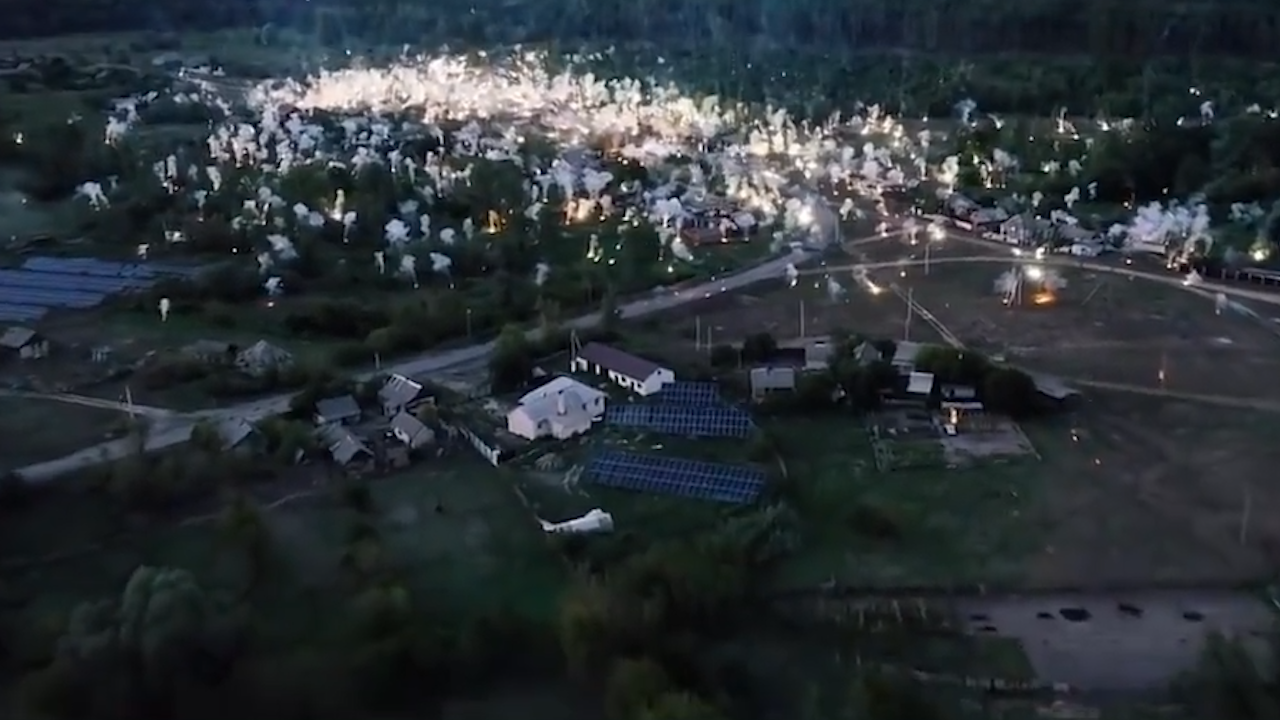
A Ukrainian politician has shared video on social media showing apparent incendiary weapons falling from the sky over a village in the Donetsk region.
The images resemble fireworks falling down slowly on homes in the village of Ozerne but were met by outrage.
Commentators believe the explosions over the night sky were from burning thermite, white phosphorous released by an incendiary weapon, US news site Newsweek reports.
READ MORE: Putin is trying to raise the stakes in Ukraine. Here's what it means

Thermite munitions can inflict painful burns on both troops and civilians and also cause respiratory injuries.
The footage was met with outrage after it was released by Ukrainian MP Roman Hryshchuk on Twitter.
"Ozerne village, Donetsk region. Ukraine. This is horrible," wrote Hryshchuk in the post accompanying the clip.
He did not state the date of the attack, but the location of the video has been confirmed to be Ozerne, after comparison with images of the village by Google Maps.
Defence expert Marina Miron, from King's College London, said the rockets in the video contained thermite, a combination of metal powder and metal oxide which can be deployed as an incendiary weapon, similar to the napalm chemical.
READ MORE: Russian conscripts would be 'cannon fodder', expert says
"Both Ukraine and Russia have incendiary rockets," Miron said.
"The video most certainly shows thermite, not phosphorus munitions. Similar attacks have been witnessed since 2014."
Thermite was developed in World War II to disable artillery pieces without the use of explosive. The white heat it generates can burn through concrete and steel.
Human Rights Watch says the weapons inflict excruciating burns, sometimes to the bone, and can cause respiratory damage, infection, shock, and organ failure.
Under international law, the use of thermite munitions, as well as napalm bombs, is limited to clearly defined military targets.
READ MORE: What does Putin's 'partial' mobilisation mean for Ukraine war?
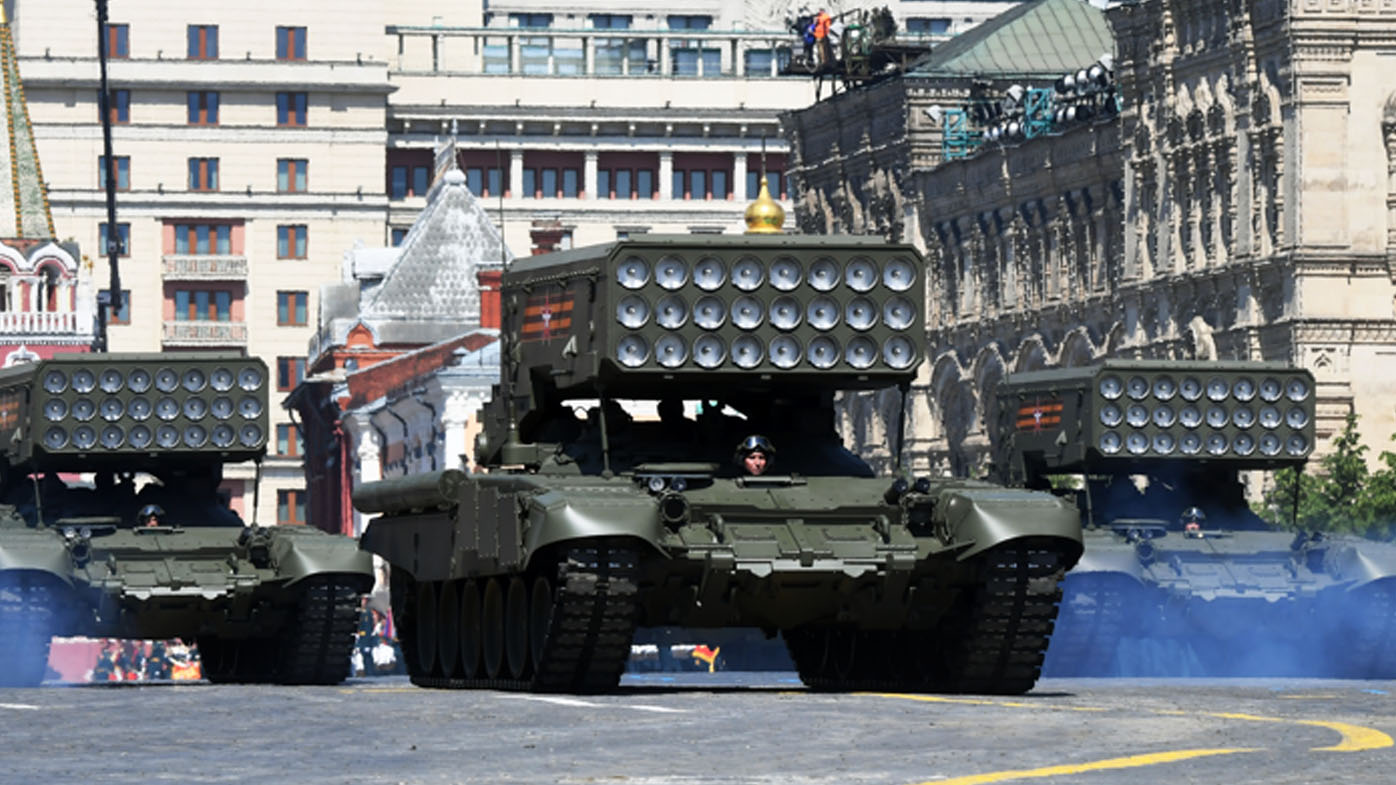
Western defence experts say Russia has also deployed so-called "vacuum bombs" which suck in the oxygen from the surrounding air to generate a powerful explosion and a large pressure wave that can have enormous destructive effects.
But Miron urged cautioned against attributing who was responsible for the attack on Ozerne.
She said both Russia and Ukraine have incendiary rockets.
Prescriptions taken in Caversham pharmacy break-in
A Dunedin pharmacy owner is “gutted” after prescriptions were stolen in an early morning break-in at the business today.Caversham Pharmacy owner Stephanie Corby said the break-in had left her feeling “pretty gutted” as it was the…
Optus data breach compromises millions of Australians
Telecommunications company Optus has suffered a massive cyberhack, potentially compromising the personal information of millions of Australians.
Reports suggest up to 2.8 million Australians have been implicated in the cybersecurity breach, which could have leaked information such as passport and licence numbers, email and home addresses, dates of birth and telephone numbers.
Payment details and Optus account passwords were not compromised.
READ MORE: Popular beer recalled over "excess alcohol"
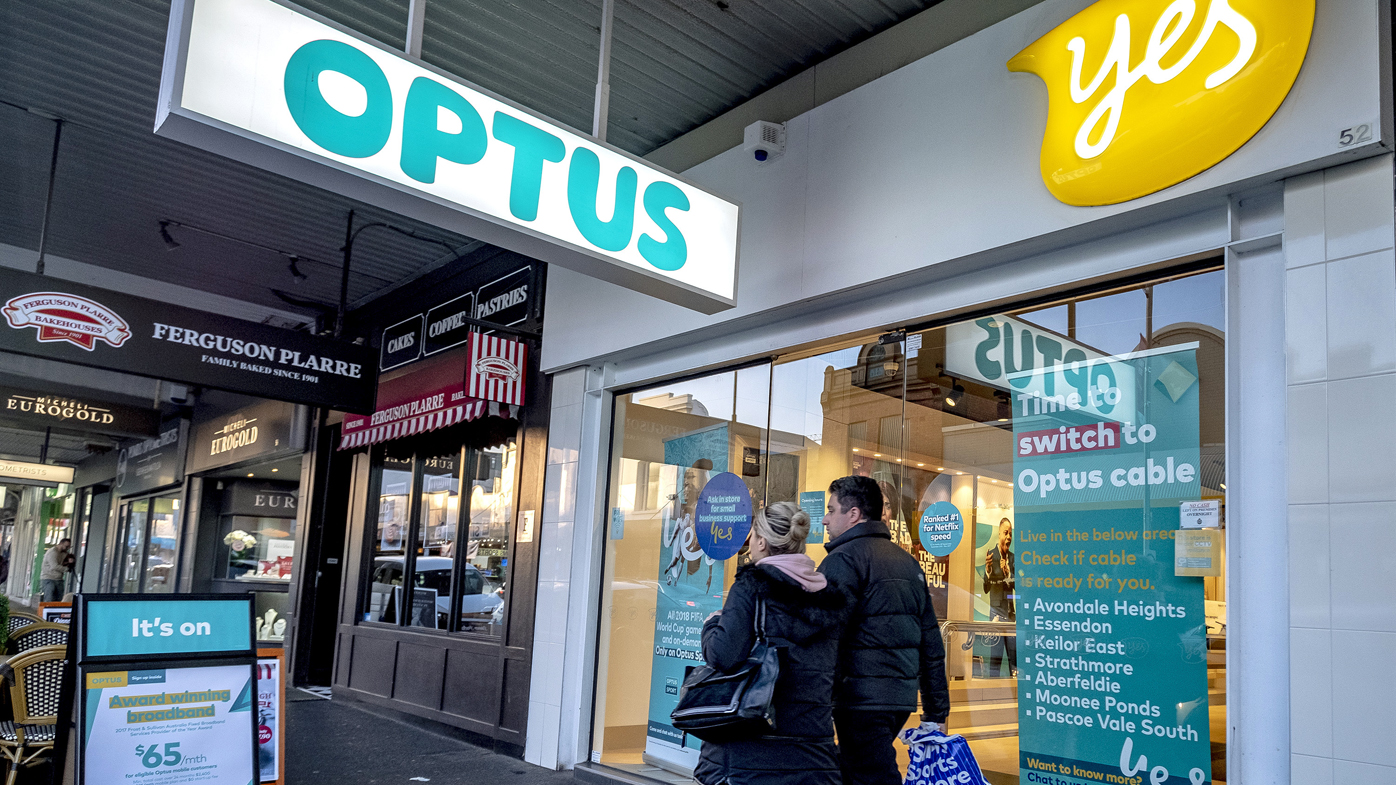
The breach implicates both past and present customers of Optus.
In a statement Optus said it "immediately shut down" the attack once it was aware of the breach and the Australian Federal Police have been notified.
"We are devastated to discover that we have been subject to a cyberattack that has resulted in the disclosure of our customers' personal information to someone who shouldn't see it," said Kelly Bayer Rosmarin, Optus CEO.
READ MORE: What does Putin's 'partial' mobilisation mean for Ukraine war?

"As soon as we knew, we took action to block the attack and began an immediate investigation.
"While not everyone maybe affected and our investigation is not yet complete, we want all of our customers to be aware of what has happened as soon as possible so that they can increase their vigilance.
"We are very sorry and understand customers will be concerned. Please be assured that we are working hard, and engaging with all the relevant authorities and organisations, to help safeguard our customers as much as possible."
READ MORE: Warning full dams could mean flood 'devastation'
Rosmarin said the telco is not yet aware of any customers having suffered harm as a result of the breach.
"Optus has also notified key financial institutions about this matter," she said.
"While we are not aware of customers having suffered any harm, we encourage customers to have heightened awareness across their accounts, including looking out for unusual or fraudulent activity and any notifications which seem odd or suspicious."
Current services such as mobile and home internet are not affected, and the messages and voice calls of customers have not been compromised.
Optus says services remain safe to use and are operating as normal.
For customers who have specific concerns, they can contact Optus via the My Optus App (which remains the safest way to interact with Optus) or by calling 133 937. Optus will not be sending links in any emails or SMS messages.
Wellington man evicted from council flat after pulling knife on neighbour
A man who pulled a knife on his neighbour, threatening to kill him, has been evicted from his council flat after an aggressive exchange between the tenants became violent. Aaron Bartlett said he had been trying to sleep after a…
Australia gained nearly 400,000 new millionaires last year
The number of millionaires in Australia rose by nearly 400,000 in 2021 and is expected to increase even further, as the volume of rich people around the world grew on the back of stock and housing market gains.
According to Credit Suisse's most recent annual Global Wealth Report, 390,000 Australians became millionaires in 2021, bringing the nation's total to 2.18 million.
The report measures wealth in US dollars, meaning the number of Aussies worth more than $1 million in local currency is likely even higher still than the current figure of 2.18 million.
READ MORE: Popular women's fashion label Witchery targeted in online scam

Despite having less than half a per cent of the world's total global population, Australia is now home to 3.5 per cent of the world's millionaires.
And Credit Suisse expects that number to rise even more. It says that by 2026, the number of millionaires in Australia will increase by 35 per cent, up to 2.94 million.
Perhaps unsurprisingly given the rise in millionaires, the report noted a rise in wealth inequality in Australia in recent decades.
"In 2007… the wealth share of the top one per cent of adults was just 19.6 per cent," the report states.
"By 2021 … the share of the top one per cent was 21.8 per cent."
However, the report overall has Australians listed as the wealthiest people in the world, with a median wealth (meaning 50 per cent of Australians are below, while 50 per cent of Australians are above) per adult of $415,300.
READ MORE: Car floats down outback town as 'dangerous' rain band unleashes

When measured by average wealth (where total wealth is split amongst the adult population), Australia is listed at fourth in the globe with $834,200 per adult, behind Switzerland, the USA and Hong Kong.
The report calculated wealth as the value of financial assets plus real assets (principally housing) owned by households, minus their debts.
While Australia's jump in millionaires was notable, it was nothing compared to the USA, where there were 2.5 million new millionaires in 2021.
Worldwide, the total number of millionaires stood at 62.5 million at the end of 2021, Credit Suisse estimated.
The report found that aggregate global wealth totalled $703 trillion at the end of last year, jumping 9.8 per cent.
Unsurprisingly, the top two economies – the United States and China – saw the biggest gains in household wealth, followed by Canada, India, and Australia.
READ MORE: Flights cancelled as bad weather hits school holiday rush

Each country was likely helped by significant rises in economic output in 2021, combined with "vigorous" activity in their respective housing or stock markets, the bank said.
This once again exacerbated global inequality, which has already worsened significantly throughout the pandemic.
2020 saw a historic setback in the fight against global poverty, with the number of the world's poorest rising for the first time in over 20 years, according to the World Bank.
While overall poverty has since slid down slightly again, the institution estimates that tens of millions more people could still be living in extreme poverty this year than previously thought, "due to the lingering effects of the pandemic, the war in Ukraine, and rising inflation."
That stands in sharp contrast to the world's most fortunate, even if they aren't immune to those factors.
Last year, the wealth share of the top one per cent "rose for a second year running," Credit Suisse said in its report. Those individuals accounted for 45.6 per cent of the world's wealth in 2021.
– Reported with CNN
Armageddon Expo organisers fear end of event is near amid showground battle
The organisers of the Auckland Armageddon Expo fear that the closure of the Auckland showgrounds could mean the closure of their event, forever. The owner of the showgrounds, the Cornwall Park Trust Board, has been deciding on the…
Auckland mayoral race: Efeso Collins and Wayne Brown pull out of debate
As the race for Auckland’s mayoralty heats up, another planned debate has turned into a farce after two of the leading candidates withdrew.A debate set for tonight was to be moderated by broadcaster Wendy Petrie.But this afternoon…
Ōtara murder re-trial: Jury finds Timothy Huriwaka guilty of manslaughter
A Black Power member accused of orchestrating a revenge plot against a man he suspected of talking to police about him – resulting in a confused, fatal melee at a South Auckland home – has been found guilty of manslaughter. Timothy…