A New Zealand man could be facing years behind bars in Bali or even the death penalty after being caught possessing drugs, according to media reports.The man, identified only as “MP”, reportedly received a box containing drugs into…
Tag Archives: oceania
'Suspicious package' at soccer field sparks police investigation
A "suspicious package" has been located at a soccer club in Melbourne's north
Victoria Police said officers are currently at Mill Park Soccer Club on Partridge Street in Lalor after a "suspicous package" was found.
"The area has been cordoned off as safety checks are underway," police said.
READ MORE: Experts warn lifting mandatory isolation is not the end of the pandemic

"There is no immediate risk to the community."
More to come…
Optus criticised for not taking cyber security 'seriously enough'
The recent Optus cyber attack has raised questions amongst tech experts about data security and how prepared the telco was for the hack.
Creator of website Have I Been Pwned Troy Hunt claims Optus had not invested enough in their cyber security systems prior to the attack leaving millions of customers vulnerable.
"You can only assume they didn't invest enough in their defences," he said.
READ MORE: What do I do if my details have been hacked in the Optus data leak?
"There was such a simple attack, they clearly didn't invest enough and take it seriously enough."
Hunt said it is now a waiting game to hear from the telco's bosses about how the attack happened.
IT specialist Win-Li Toh said it isn't about a blame game rather there is a shortage of qualified people to defend Australia's cyber security.
"I think it is a temptation to simplify the issue down to who's to blame," she said.
"Our research shows 30,000 qualified people over the next four years are needed to keep our nation safe but there's only 1300 coming out of tertiary education."
READ MORE: Optus to cover cost of replacement passports for hack victims
Concerns more customers at risk
During the attack, the hacker publicly compromised the personal data of 10,000 Optus customers. Hunt says other customers' data may still be at risk of exposure.
"We know they had no scruples about dumping more than 10,000 records publicly and intended to keep doing so in order to get a ransom reward on the data," he said.
"I wouldn't have much confidence at all that they haven't retained more of the data and will do something about it in the future."

'This thing is more prevalent than Optus'
Toh said cyber attacks are more prevalent in Australia than many people realise.
"In Australia, there's an attack every eight minutes reported to the government," she said.
"Last year there were $33 billion of total reported losses from cyber crime in Australia. That's 13 per cent up on the previous year and rising."
Toh said cyber attacks go beyond the recent attack on Optus and are far "bigger".
"I'm not trying to scare people but I think the issue is a lot bigger than Optus," she said.
What can be done to stop it in the future?
Toh said that comprehensive data protection comes down to individual responsibility and companies taking cyber insurance.
READ MORE: The four scams Optus customers need to watch out for

"The first lines of defence are individuals taking responsibility in the first place for basic cyber hygiene," she said.
"So it's like putting in place technology and firewalls, and people, training the people not to take on phishing attacks.
"Then the second line of defence is taking out cyber insurance. Very few companies, only 20 per cent of small companies and 7 per cent of large companies take out cyber insurance. I think of it a little bit like house insurance."
Russia Ukraine war: New Zealand Government condemns 'illegal annexations'
By RNZ The New Zealand Government has “unequivocally” condemned Russia’s attempts to illegally annex the regions in Ukraine it currently occupies.Russian President Vladimir Putin proclaimed Russia’s annexation of a swathe of…
Queues continue at Costco in Westgate, Auckland as weekend, school holidays begin
Hundreds are again queuing in the rain to get into the country’s newest big box retailer.Costco opened its first New Zealand store at Westgate in West Auckland on Wednesday, and Kiwis have been lining up each day since to buy the…
What happens next to dead Tasmanian whales 'a true marvel of nature'
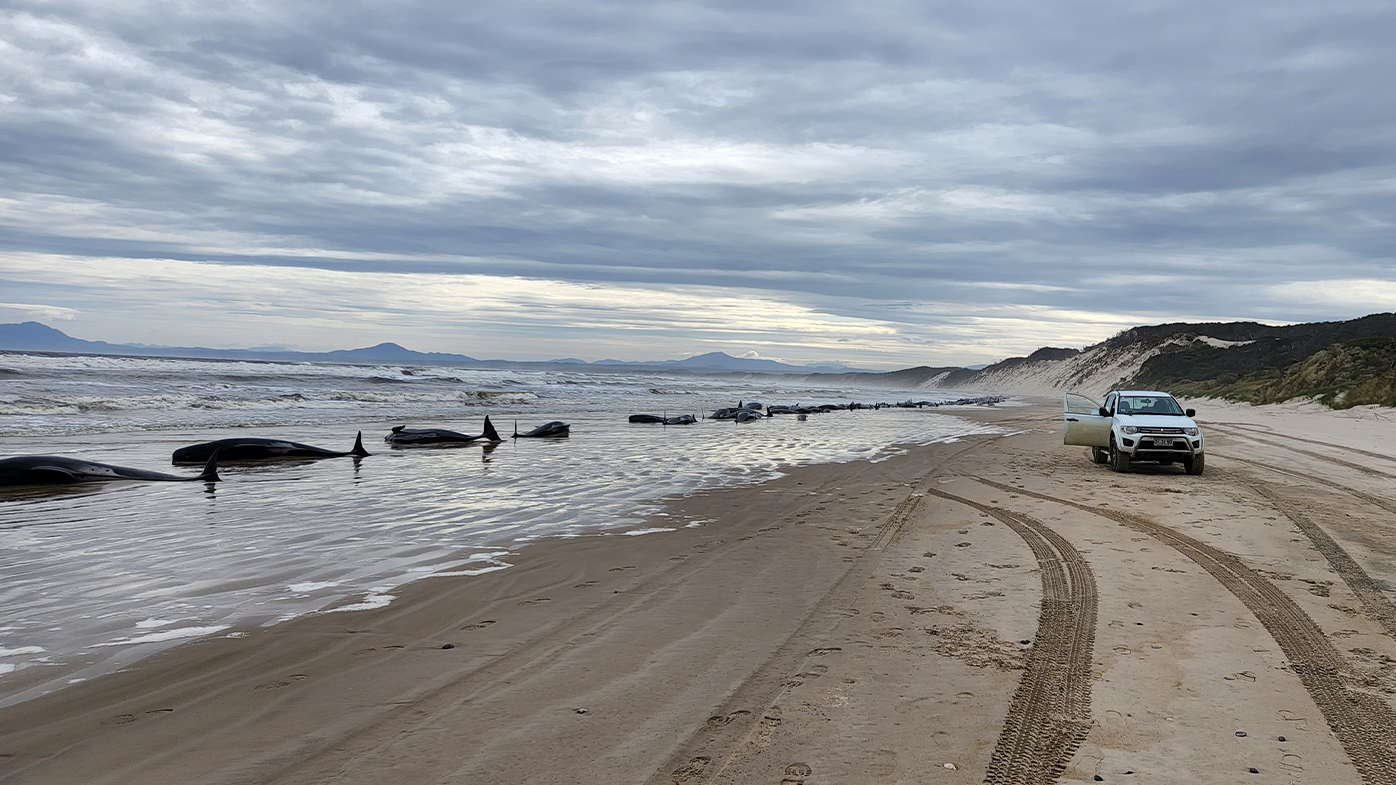
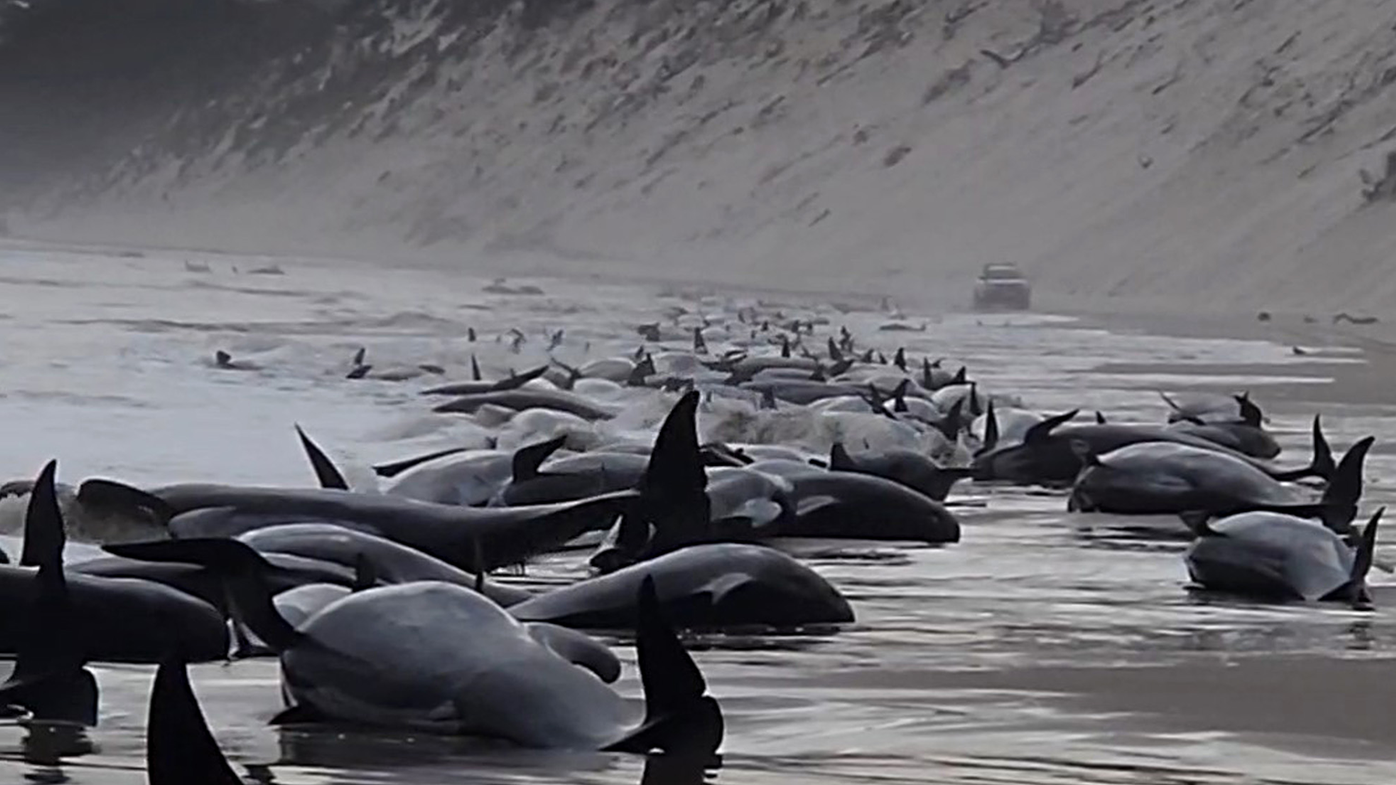
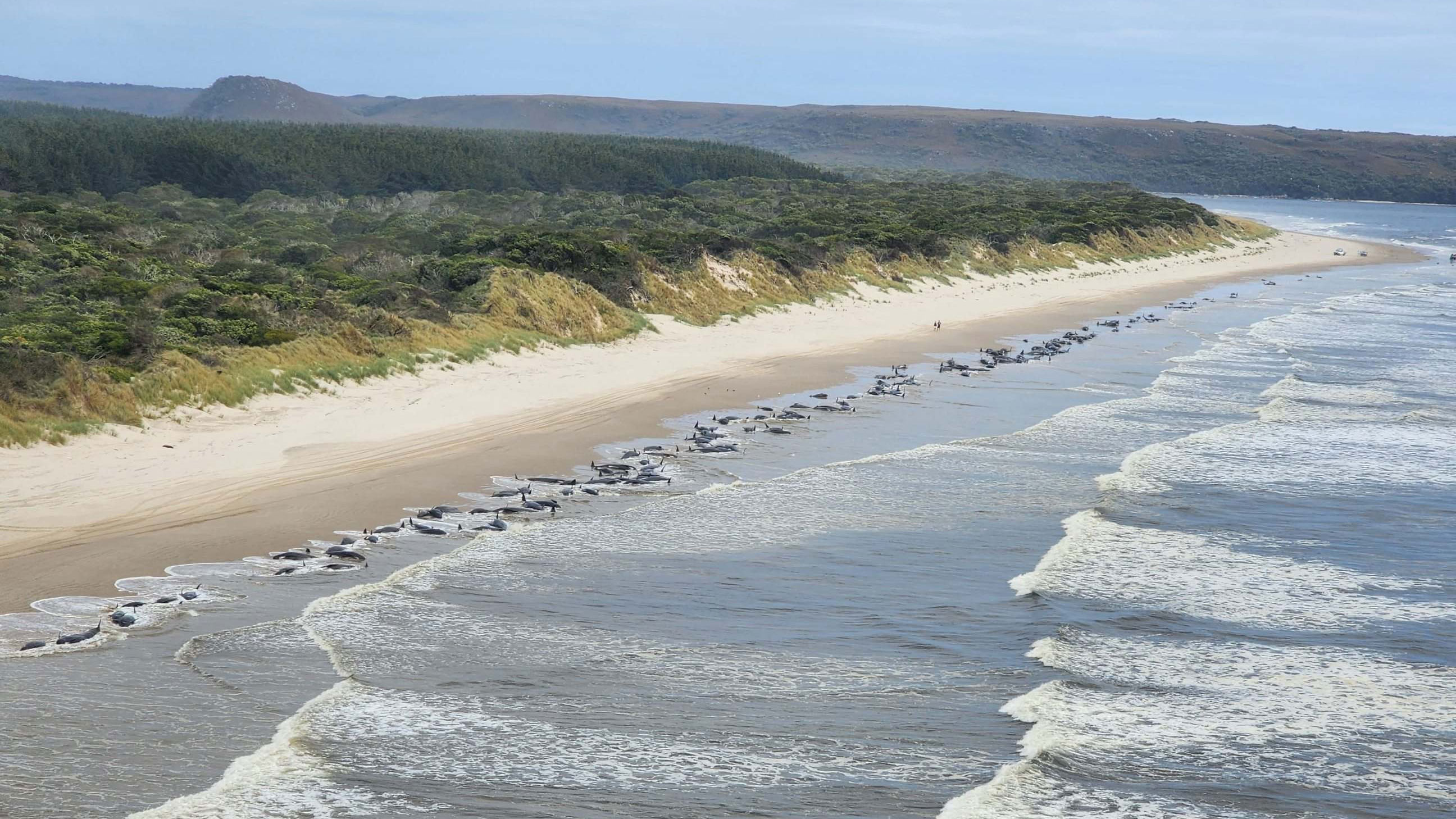
Australians watched in horror last week as 230 pilot whales became stranded at a beach near Macquarie Harbour on Tasmania's west coast.
Some whales were saved, but the vast majority died, which left a big problem: what to do with all the rotting whale carcasses?
Authorities decided to tow the dead animals out to sea, hoping they'll eventually sink to the seafloor.
READ MORE: Queen Elizabeth's cause of death revealed
Such mass whale strandings are sad to witness.
But in this case, the aftermath presents a fascinating opportunity for scientific discovery.
As the dead whales decompose, an astonishing and rare chain of events is likely to flow through the marine ecosystem – ultimately leading to an explosion of activity and new life.
A 600-tonne problem
Mass whale strandings happen fairly regularly – especially in Tasmania – yet no one really knows why.
Days before this latest incident, 14 sperm whales became stranded off King Island, north-west of Tasmania.
READ MORE: The four scams Optus customers need to watch out for
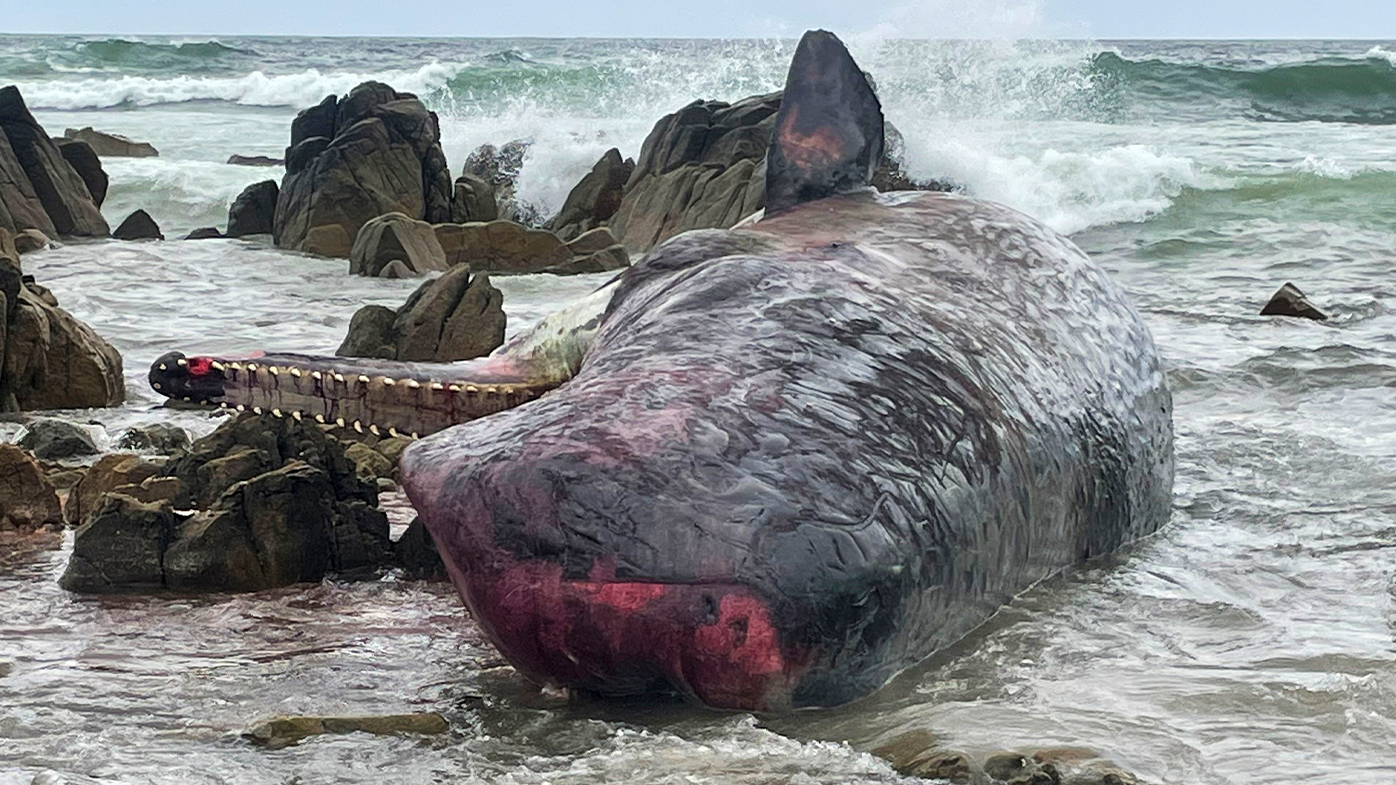
And in 2020, about 470 pilot whales became stranded at Macquarie Harbour.
While many were pulled out to sea, some of those carcasses washed up and were left to rot on the beach – an entirely natural process.
However, pilot whales are big animals.
READ MORE: Biden warns of 'substantial loss of life' after Hurricane Ian
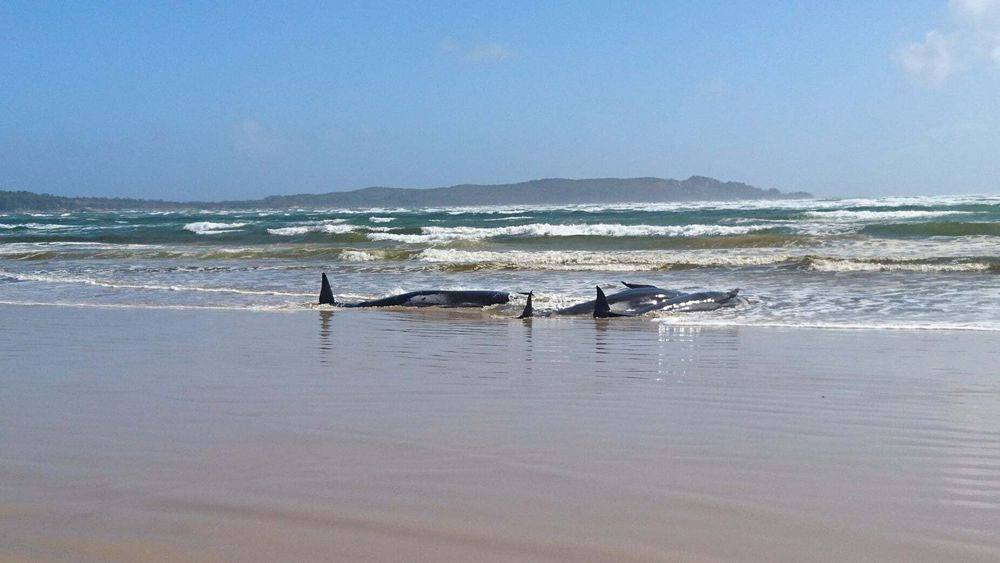
Males weigh up to 2300kg, which means they take a long time to decompose.
The smell of two tonnes of rotting whale blubber soon becomes unbearable, so carcasses are frequently buried.
This time around, authorities decided to tow the dead animals out to sea.
It was reported local salmon farm workers took almost 11 hours to dispose of 204 dead whales with a combined weight of between 500 and 600 tonnes.
They were tied to a 400 metre-long rope and towed by boats for 40 kilometres, before being dropped into deep water in the Indian Ocean.
Some carcasses may wash back to shore, but most are likely to disperse with the tides and currents.
Shark bait? Probably not
The big question is: what happens to all that whale mass dumped at sea?
Initially, a dead whale tends to float to the surface as it begins to decompose and its innards expand with gas.
As this happens, ocean scavengers such as sharks and seabirds are likely to feast on the remains.
READ MORE: Suspect arrested over death of Aussie personal trainer
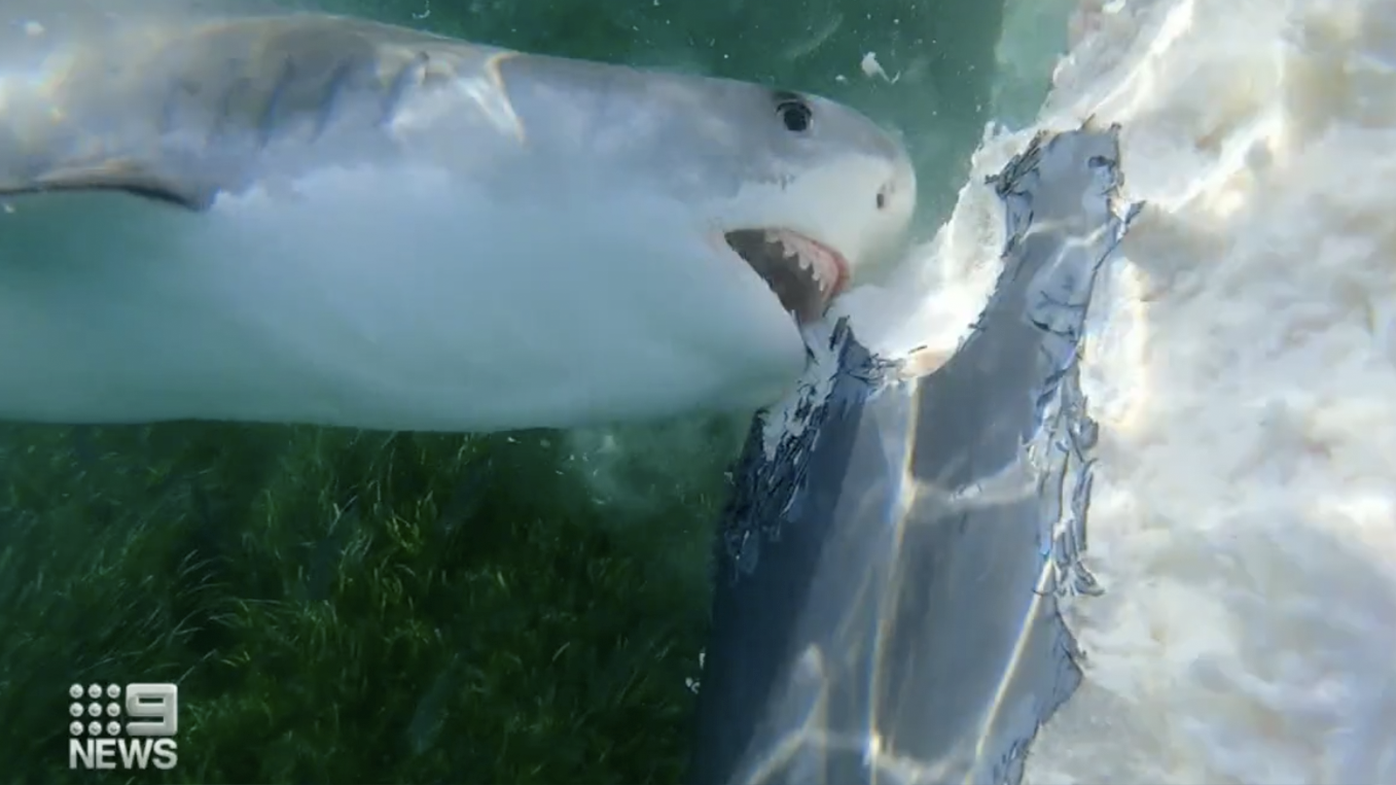
Some people can be concerned that whale carcasses attract sharks that might pose a risk to humans.
Granted, encounters between sharks and humans, are on the rise in Australia and elsewhere. But they're still very rare.
A report to the Western Australian government in 2012 found whale carcasses were a risk factors associated with shark attacks, and said caution should be exercised near a dead whale in the water.
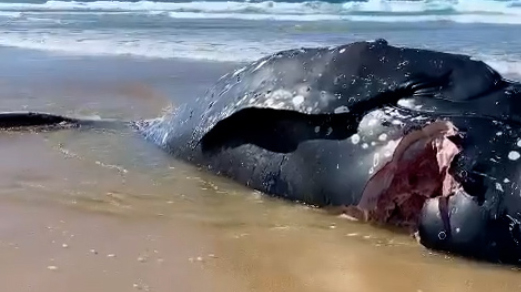
But the same report noted that of 26 shark attacks investigated, the highest number occurred more than a kilometre offshore.
While there is no doubt sharks are attracted to dead whales, the data is not clear on whether a whale carcass leads directly to an increase in shark attacks on people.
Research has shown the likelihood of whale carcasses washing towards shore, where shark scavenging can be observed, is low.
So as long as the carcass is taken far from shore and people keep their distance from it, the threat to humans from shark encounters appears to be exceedingly low.
From death comes new life
Inevitably, the whale carcass will start to sink.
Most life in the ocean is found fairly close to the sea surface, so if the water is relatively shallow much of what's left of the carcass will be quickly eaten by scavengers once it reaches the sea floor.
But these carcasses have been disposed of in deep water.
The deep ocean can be a barren place, where rich food sources are rare.
So the appearance of a single whale carcass can supercharge an entire ecosystem.
New life and activity can erupt around the dead animal in very little time.
This process is known as "whale fall" and has been studied by scientists, sometimes using remotely operated vehicles.
On the seafloor of the North Pacific, whale fall has been found to support the survival of at least 12,490 organisms of 43 species.
Deep sea sharks will make the most of the carcass.
A host of other animals including hagfish, octopus, crabs, lobsters, worms and sea cucumbers will join in too.
All the while, bacteria work away quietly in the background.
According to Britain's Natural History Museum, a single whale can provide animals with food for up to two years during the scavenging stage.
Other animals and bacteria survive off the chemicals produced from the rotting carcass.
These organisms, known as "chemotrophs" were thought to be unique to underwater volcanic vents, where they use hydrogen sulphide as the principal energy source.
Research has shown a similar suite of animals recruit around dead and decaying whales – generating a completely independent ecosystem based on a gas that smells like rotten eggs.
Only a few organisms can break down the bones that remain, in a process that might take up to ten years.
So take a moment to consider the effect of 204 whale falls in a small part of the ocean off Tasmania.
Right now, they are probably generating interconnected marine metropolises, the likes of which are rarely seen.
This story originally appeared on The Conversation and is republished here with permission.
Trump threatens Mitch McConnell, makes racial slur against his wife
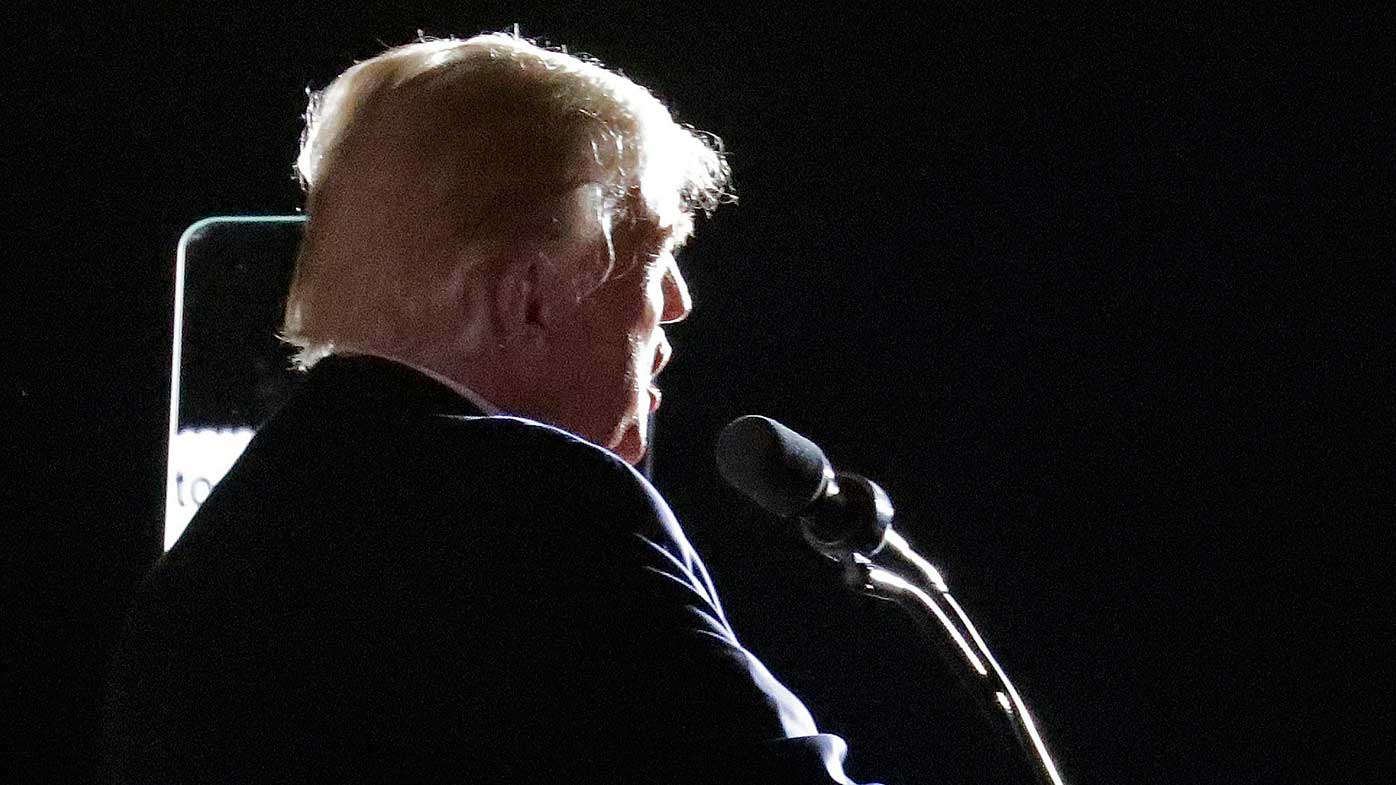
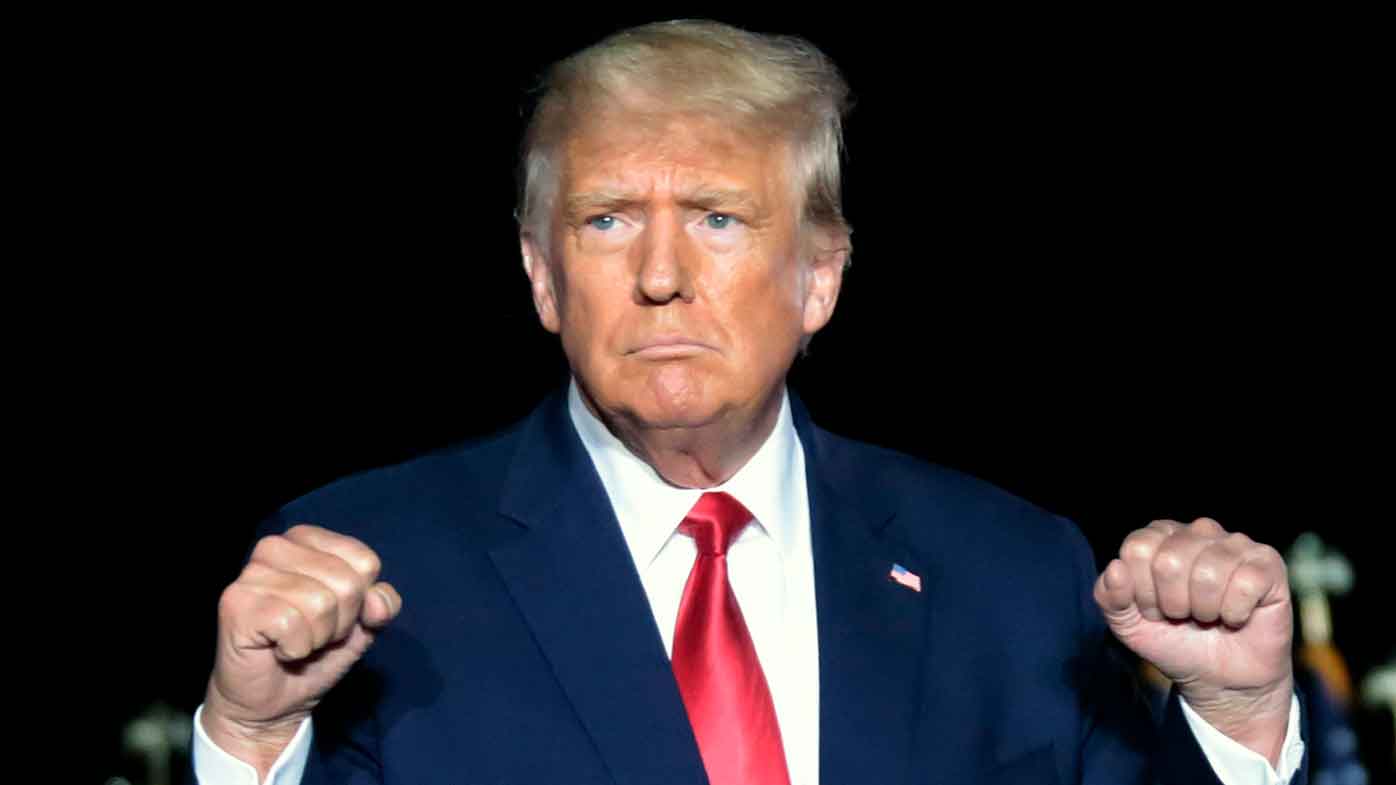
Donald Trump has appeared to threaten the highest ranking member of his own party in Washington, and made a racial slur against his wife.
In a message posted on his social media platform, Trump railed against Republican Senate Minority Leader Mitch McConnell.
"Is McConnell approving all of these trillions of dollars worth of Democrat sponsored bills, without even the slightest bit of negotiation, because he hates Donald J Trump, and he knows I am strongly opposed to them," Trump wrote.
READ MORE: Files in Trump's desk, storage clearly marked 'top secret': DOJ
"Or is he doing it because he believes in the fake and highly destructive Green New Deal, and is willing to take the country down with him?
"In any case, either reason is unacceptable."
Trump then levelled what appeared to be a veiled threat against McConnell.
"He has a DEATH WISH," Trump wrote.
"Must immediately seek help and advise (sic) from his China loving wife, Coco Chow!"
McConnell's wife is Elaine Chao, who served as the Secretary of Transportation in the Trump cabinet for four years.
READ MORE: Trump fraud lawsuit goes to judge who held him in contempt

She resigned in protest the day after the Capitol was stormed by insurrectionists.
Chao was born in Taiwan but moved to America when she was eight years old.
MSNBC host and political commentator Chris Hayes soon weighed in on Twitter.
"Kinda seems like the ex-president just posted a death threat aimed at Mitch McConnell," Hayes wrote.
Trump's rant came after a bipartisan bill passed the Senate to keep the government open.
The continuing resolution was passed in lieu of a budget, by a 72 to 25 margin.
READ MORE: How Trump's terrible endorsements could sink his own party
Joe Biden signed the resolution soon after.
Republicans and Democrats are tied 50-50 in the Senate, with Vice President Kamala Harris serving as the tiebreaker.
McConnell would become majority leader if the Republicans are able to pick up just one seat in the November midterm elections.
'This is not bye-bye to COVID-19'
Experts are warning the lifting of mandatory COVID-19 isolation requirements in less than two weeks is not the end of the pandemic.
Victoria's Australian Medical Association President Dr Roderick McRae said the federal government's decision to lift the isolation requirements will result in an increased risk of illness and death from the virus.
However, he said it is not yet clear how much the risk will rise.
EXPLAINED: Australia to end mandatory COVID-19 isolation periods on October 14
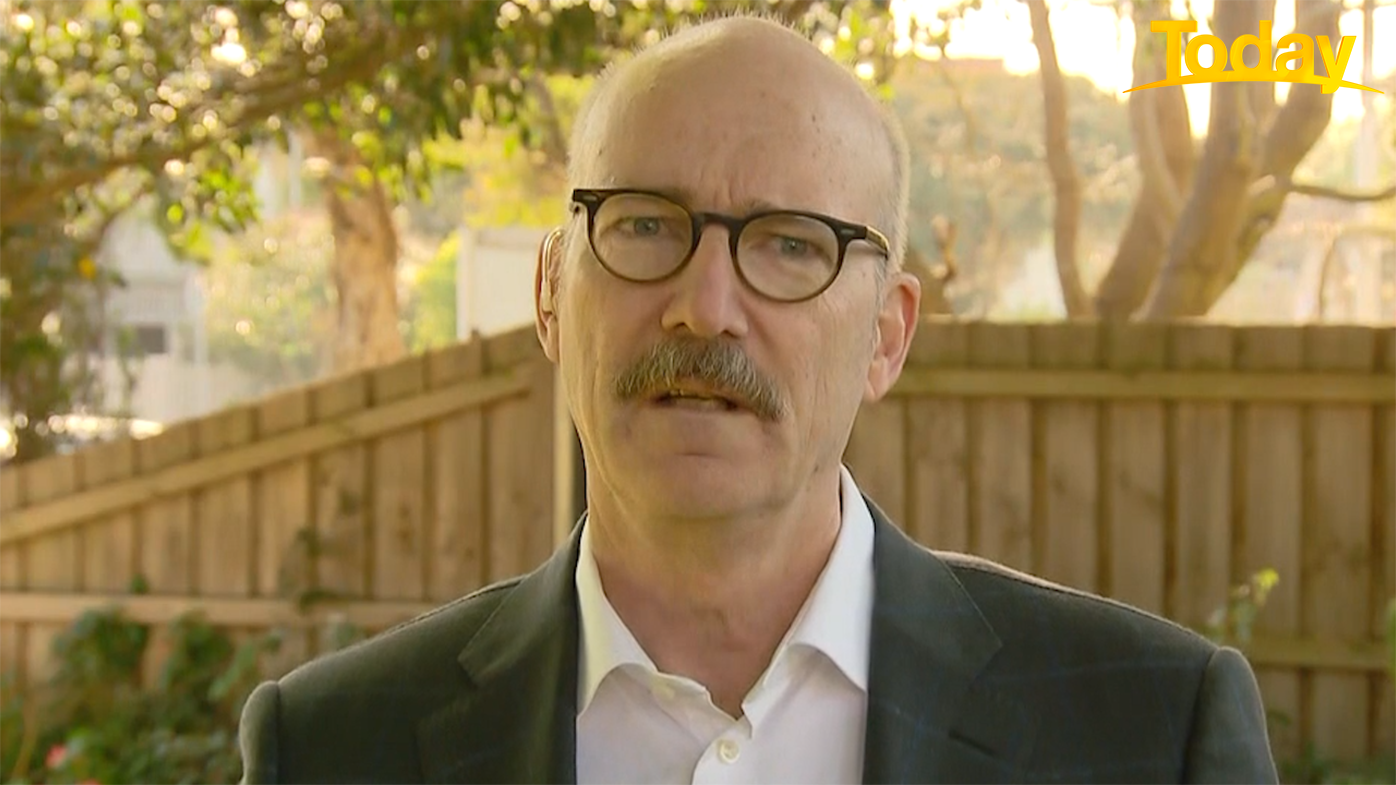
McRae added the lifting of restrictions will inevitably see a rise in infections however many Australians have already been "cheating around the margins" by not reporting or isolating when they are infected.
He said the lifting of restrictions was an extension of what Australians were already doing.
"What we have seen is a mixture of politics and public health trying to find a pragmatic outcome," he said.
"We need to work sensibly."
McRae said the lifting of mandatory restrictions is not the end of the pandemic.
"This is not bye-bye to COVID-19. It is a very unhelpful sort of statement. This is lifting mandatory requirements," he said.
"We want all respiratory illnesses to be treated the same so that if anybody has any symptoms, they stay home."
READ MORE: Man injured during alleged drive-by shooting on Gold Coast
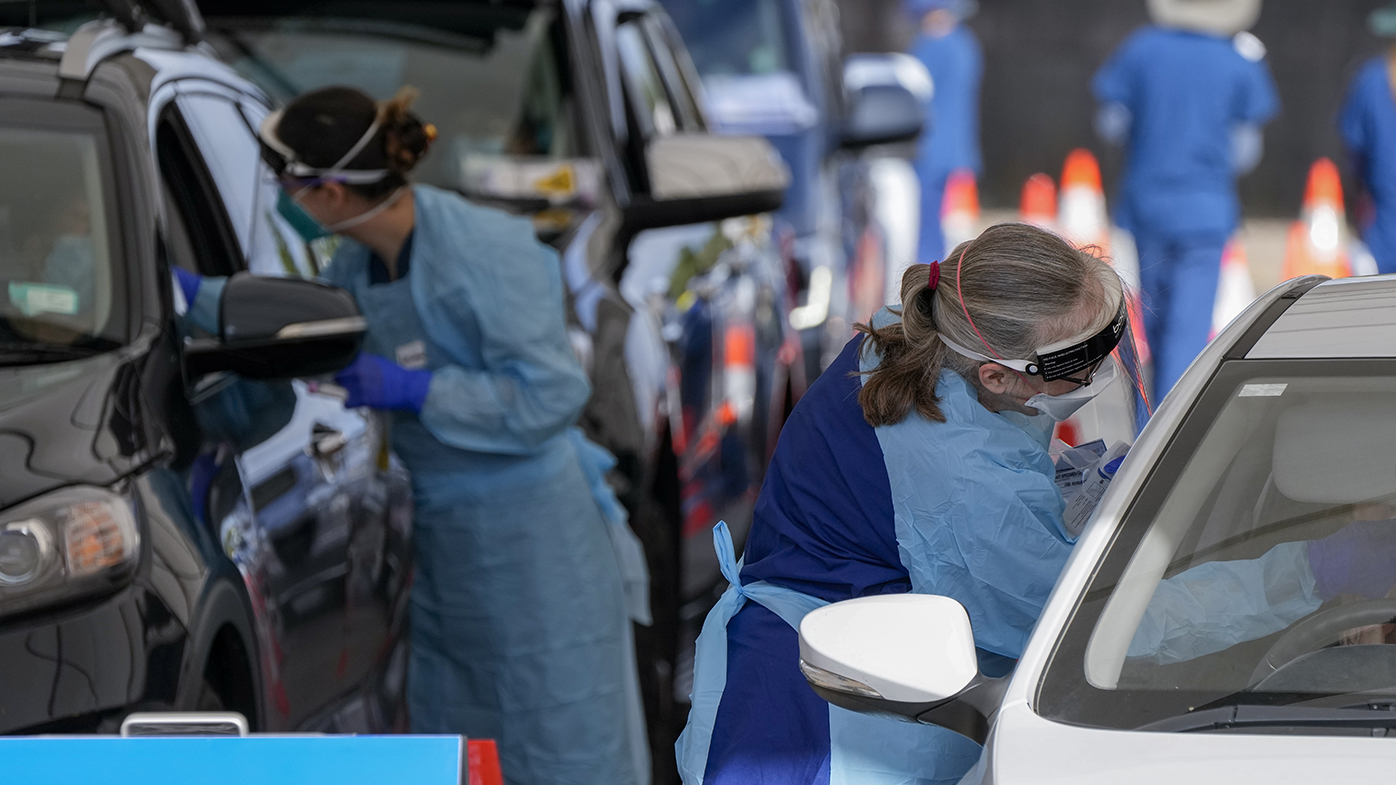
The Chief Medical Officer has already warned restrictions could be re-implemented if another dangerous variant evolves but McRae said they should also be re-instated if there is a high uptick in severe illness and strain on hospitals.
Prime Minister Anthony Albanese announced yesterday following a meeting of national cabinet the mandatory restrictions would be lifted from October 14.
The move comes as a relief for business owners that have been struggling with staff shortages.
It is also expected to free up some money in government budgets because it will no longer be funding pandemic leave payments for casual workers.
Local Focus: Primary painters muck in for mural
Western Rotorua’s tamariki are growing up and “growing” the community with their art.Sport Bay of Plenty and Rotorua Lakes Council have brought together students from Western Heights and Aorangi Primary Schools to create a mural…
Auckland mayoral race: Candidate Wayne Brown attacks NZ Herald journalist Simon Wilson
Auckland mayoral candidate Wayne Brown has said the first thing he’d do in the top job is glue pictures of a New Zealand Herald journalist to urinals so people could “pee on him”.Brown made the comment about Simon Wilson, whom he…