Most of the people staying at a controversial hotel used for high-needs homeless on Rotorua’s Fenton St have been moved to other housing.Twenty-eight of the 41 people who were staying at the Four Canoes Hotel have been moved, the…
Tag Archives: oceania
Popular Aldi chips recalled over presence of plastic
A popular Aldi snack has been taken off the shelves amid concerns of potential contamination.

Aldi's Sprinters Crinkle Cut Multi Pack Chips have been recalled due to the potential presence of plastic pieces.
The chips have been for sale at all Aldi stores.
READ MORE: Putin illegally annexes Ukrainian regions
"Food products containing plastic pieces may cause injury if consumed," the NSW Food Authority said.
The NSW Food Authority said the chips being recalled have the best before date of January 1 2023.
Any customers who have bought these chips are urged to not eat them and return them to Aldi for a full refund.
Hurricane Ian lashes South Carolina as Florida surveys devastation
A revived Hurricane Ian made landfall on coastal South Carolina on Friday, threatening the historic city of Charleston with severe flooding after the deadly storm caused catastrophic damage in Florida and trapped thousands in their homes.
Ian's centre came ashore near Georgetown with much weaker winds than when it crossed Florida's Gulf Coast on Wednesday as one of the strongest storms to ever hit the US.
Sheets of rain whipped trees and power lines and left many areas on Charleston's downtown peninsula under water. Sections of piers at North Myrtle Beach and Pawleys Island collapsed into the churning waves and washed away.
READ MORE: Ukraine submitting 'accelerated' application to join NATO
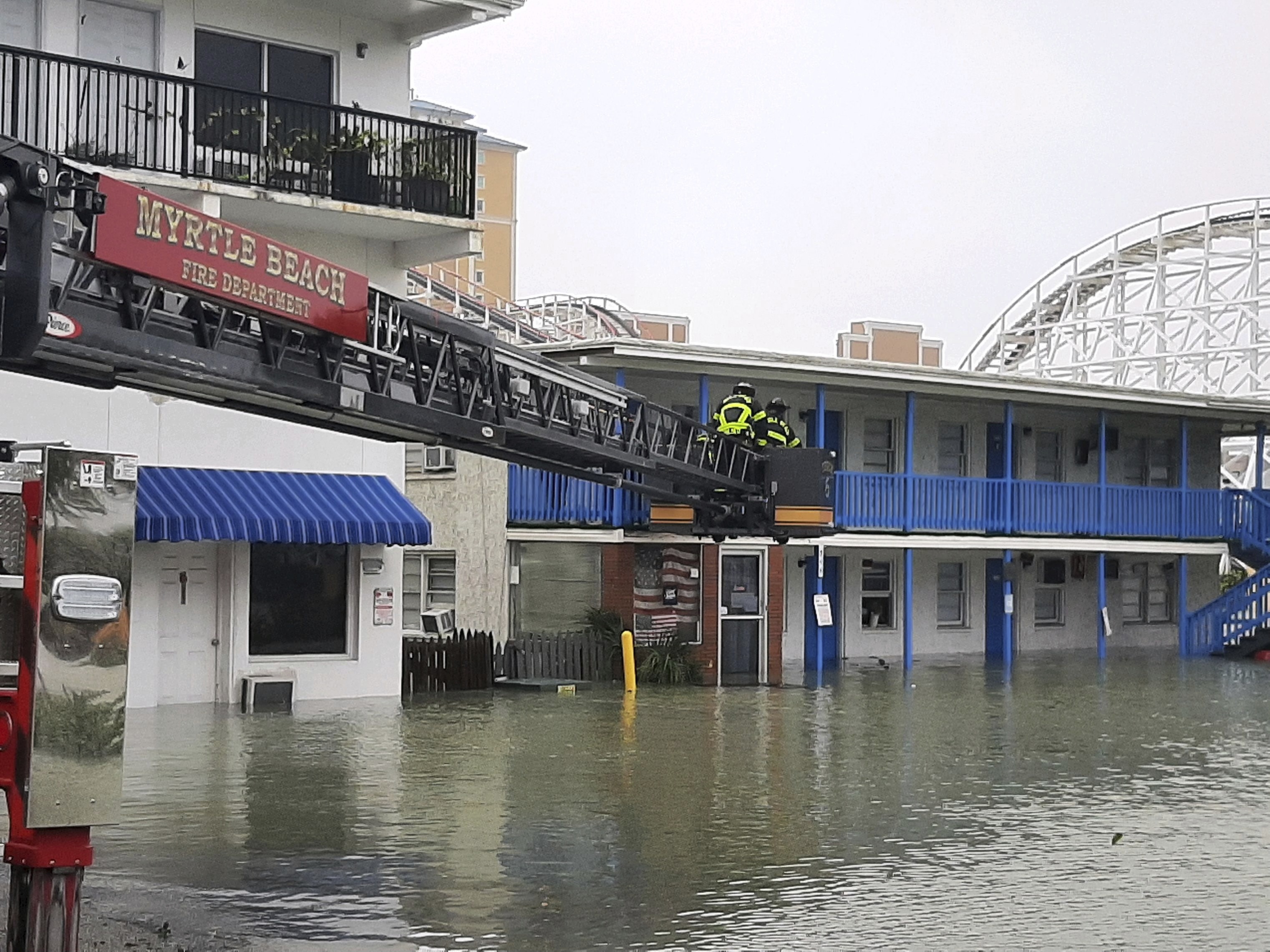
"This is a dangerous storm that will bring high winds and a lot of water," South Carolina Gov. Henry McMaster tweeted.
"Be smart, make good decisions, check on your loved ones, and stay safe."
READ MORE: Putin illegally annexes Ukrainian regions as part of Russia
A hurricane warning has been issued from the Savannah River at the Georgia-South Carolina state line to Cape Fear, North Carolina. Considerable flooding is possible from seawater and rain, especially in parts of coastal South Carolina, where storm surge up to 200 centimetres of rain could hit, forecasters say.
And a tornado watch covering nearly five million people is in effect until 10 pm ET (12pm Saturday AEST) for parts of the Carolinas and Virginia, including Myrtle Beach, Wilmington, Norfolk and Virginia Beach, according to the Storm Prediction Centre.
More than 211,000 power outages were reported in South Carolina, as well as more than 82,000 in North Carolina, by 3.50 pm ET (5.50 am Saturday AEST), according to PowerOutage.us.
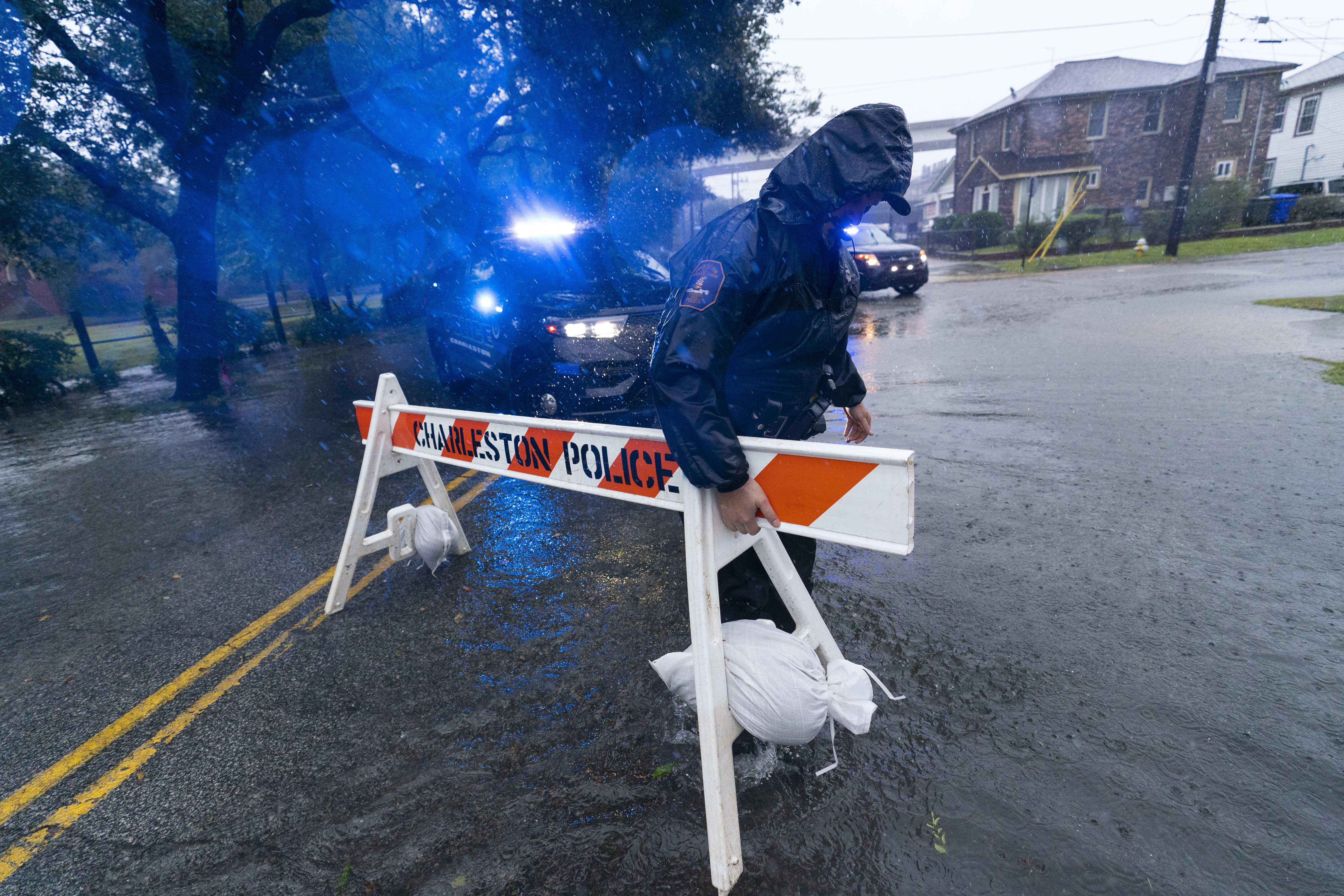
In South Carolina, Charleston International Airport's airfield closed Friday because of high winds, the airport said. And Myrtle Beach residents are urged to stay inside during the storm, Mayor Brenda Bethune told CNN.
"It's a pretty scary sight," Bethune said of Hurricane Ian.
"I'm seeing way too many cars passing by. And I think people just don't realize how dangerous it is to be out in these types of conditions. We've seen so many people's cars get stuck and emergency personnel has to go out and rescue people."
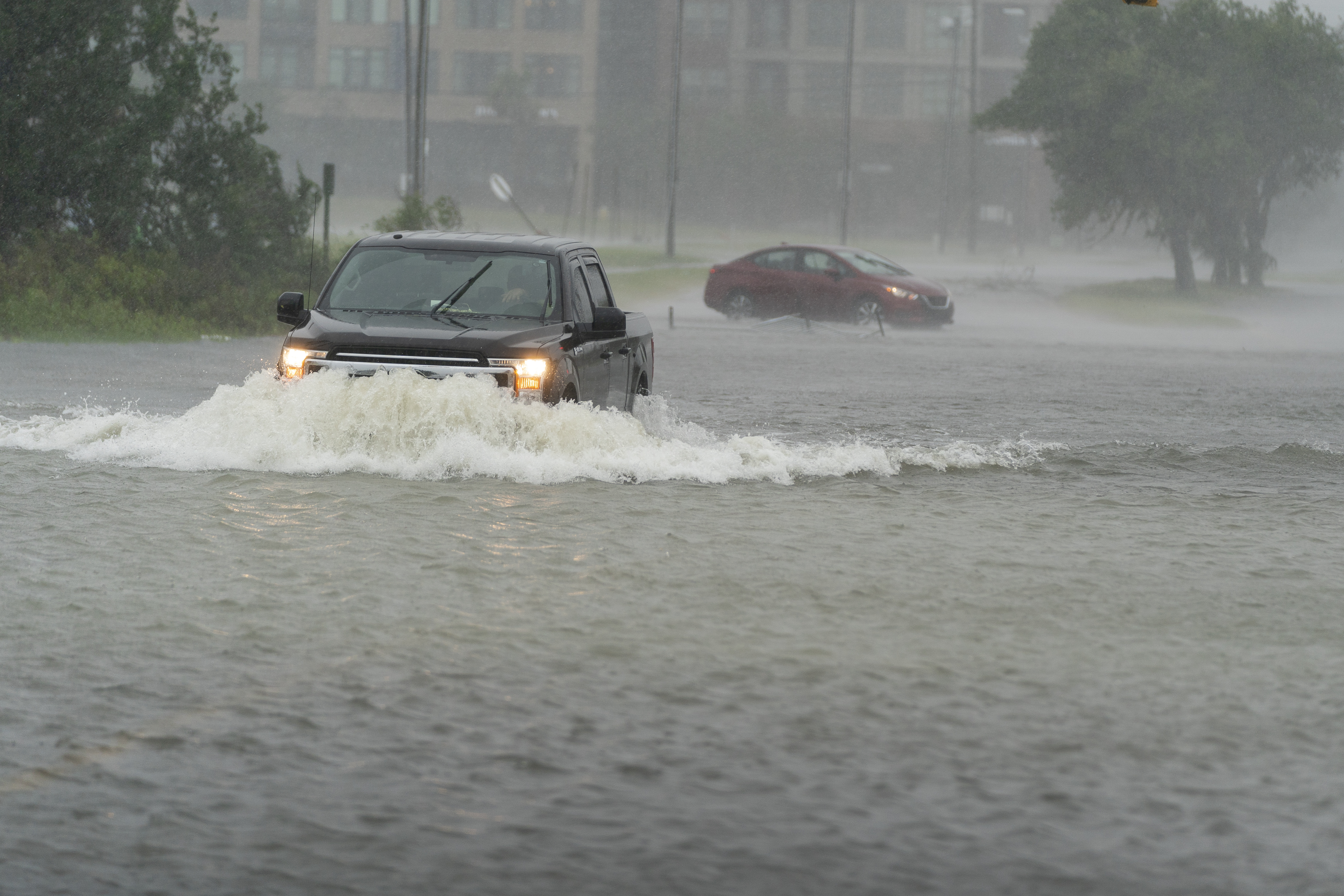
As Ian moved away from Florida, governors in South Carolina, North Carolina, Georgia and Virginia declared emergencies.
In North Carolina, Governor Roy Cooper urged residents to prepare for torrents of rain, high winds and potential power outages.
The storm likely will have left behind lasting changes to Atlantic landscapes. Coastlines along Georgia and South Carolina may sustain significant alterations because the powerful waves and storm surges brought by Ian could inundate coastal sand dunes, according to the US Geological Survey.
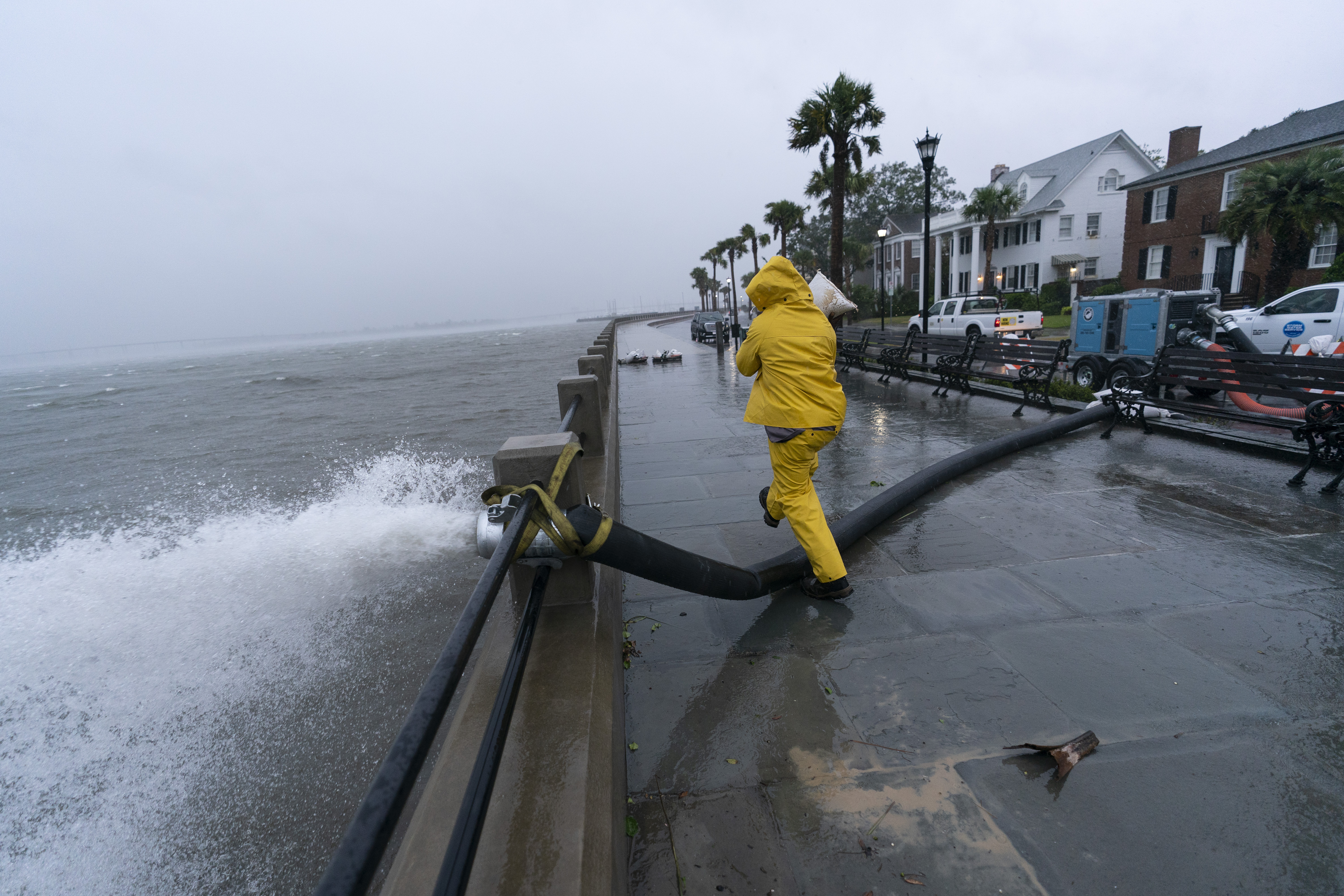
In addition to flooding communities behind the dunes, the storm may push sand back and deposit it inland, which could "reduce the height of protective sand dunes, alter beach profiles and leave areas behind the dunes more vulnerable to future storms," the agency said.
Florida left with swath of destruction
Meanwhile, Florida confronts the dizzying destruction Ian wrought through much of the peninsula Wednesday and Thursday after it smashed into the southwest coast as a Category 4 storm and ploughed through central and northeastern areas.
At least 25 deaths have been reported in the state. Homes on the coast were washed out to sea, buildings were smashed throughout the state, and floodwater ruined homes and businesses and trapped residents, even inland in places like the Orlando area.
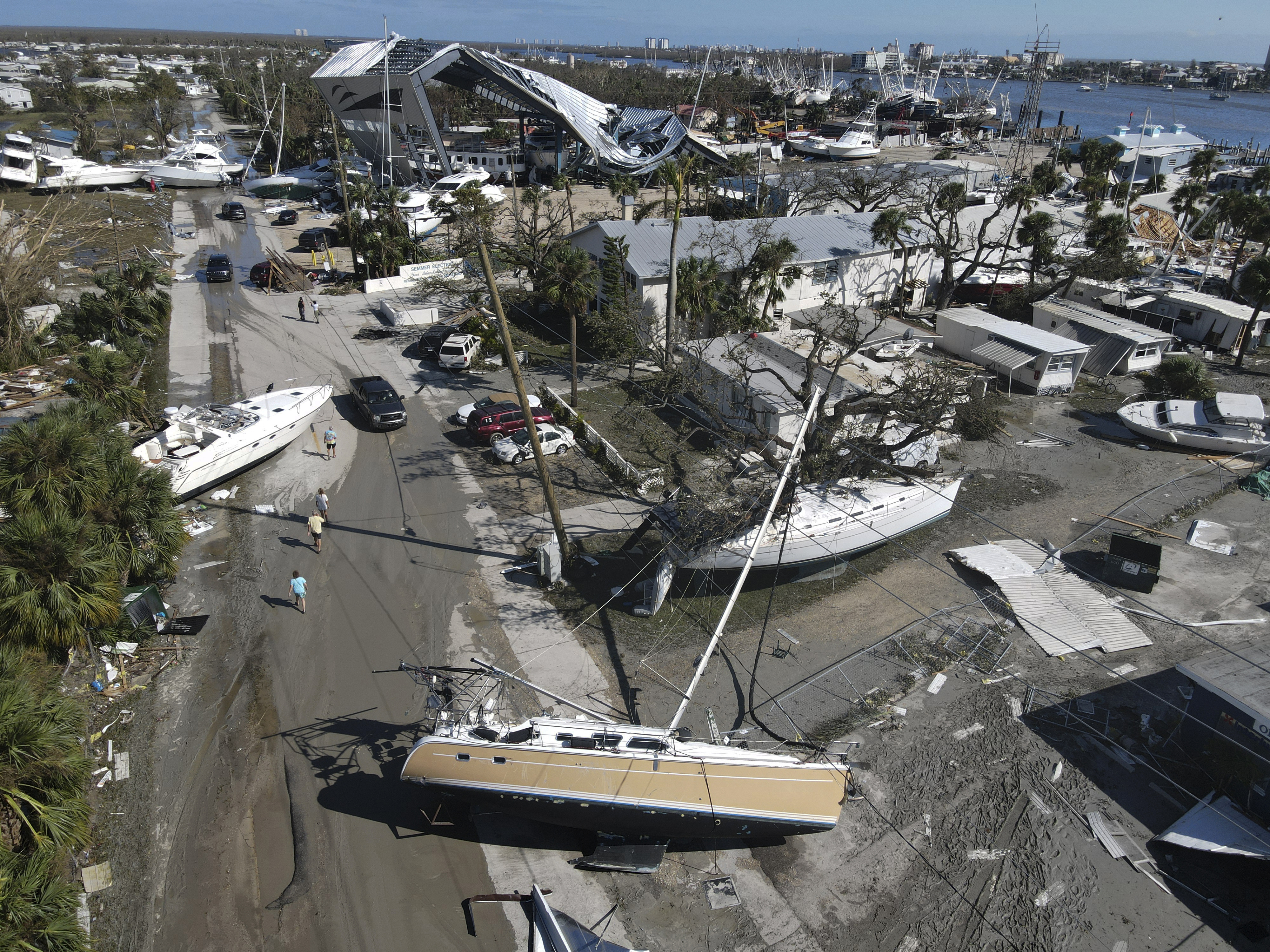
Roger Desjarlais, manager of Lee County, which encompasses Fort Myers, told CNN Friday that it isn't an overstatement to say that Hurricane Ian decimated parts of the area and "there has to be many fatalities."
"It looked as though someone had just dropped from the sky picked up hotels and buildings and took them away. So much so that in many places there wasn't even debris," Desjarlais said. "We also know that not as many people evacuated from those islands as we had hoped for. We know there has to be many fatalities yet to be accounted for."
Rescue crews piloted boats and waded through riverine streets Thursday to save thousands of people trapped amid flooded homes and buildings shattered by the hurricane.
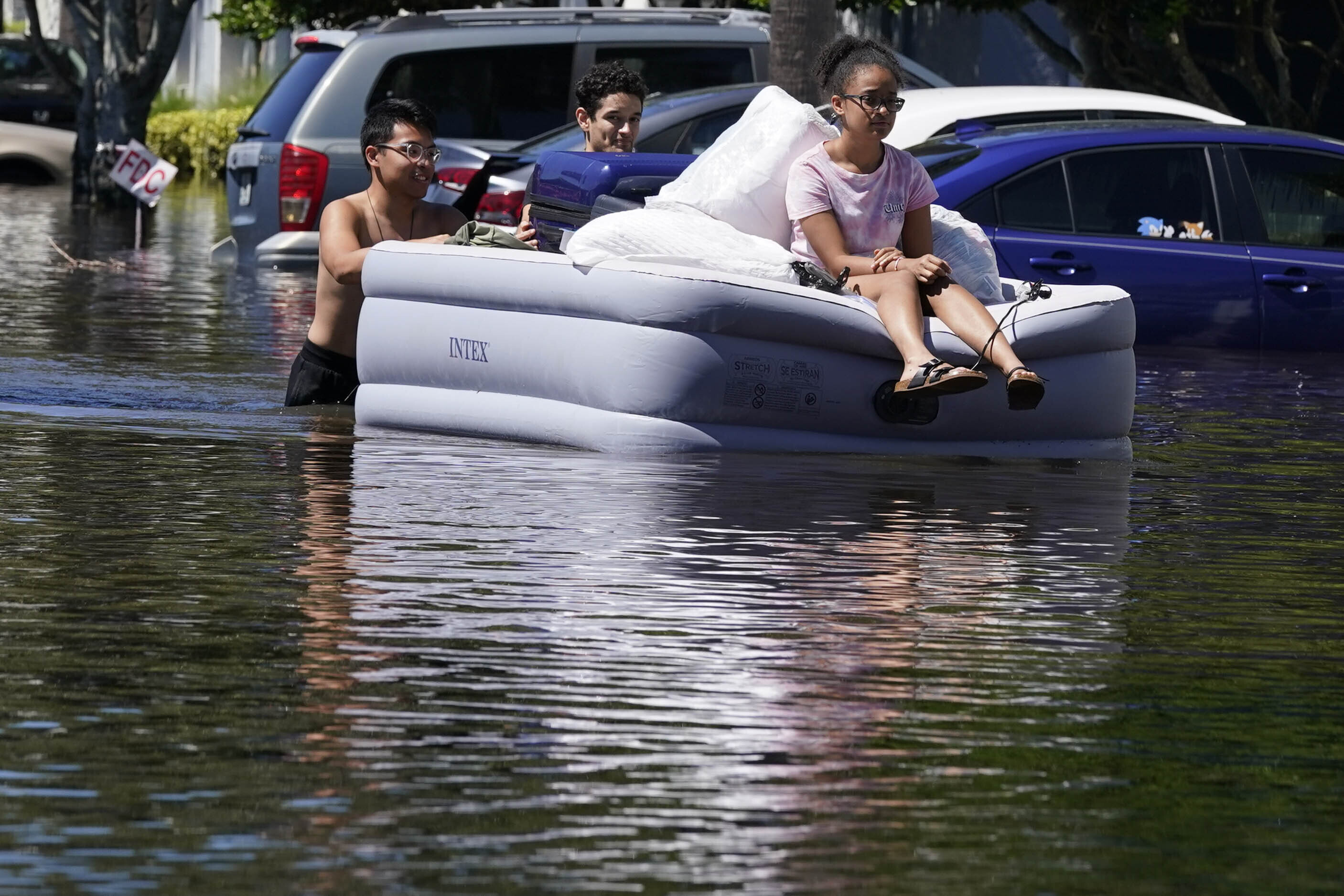
Florida Gov. Ron DeSantis said Friday that rescue crews had gone door-to-door to over 3,000 homes in the hardest-hit areas.
"There's really been a Herculean effort," he said during a news conference in Tallahassee.
And now, the storm's aftermath poses new, deadly dangers of its own. Some standing water is electrified, officials warned, while maneuvering through debris-strewn buildings and streets – many without working traffic signals – risks injury. Lack of air conditioning can lead to heat illness, and improper generator use can cause carbon monoxide poisoning.
Those killed in Florida included a 67-year-old man who was waiting to be rescued and fell into rising water inside his New Smyrna Beach home late Thursday, the Volusia County Sheriff's Office said. Patrol vehicles had been unable to reach him because roads were flooded.
At least three people were reported killed in Cuba after the hurricane struck there on Tuesday.
In the Fort Myers area, businesses near the beach were completely razed, leaving twisted debris. Broken docks floated at odd angles beside damaged boats. Fires smouldered on lots where houses once stood.
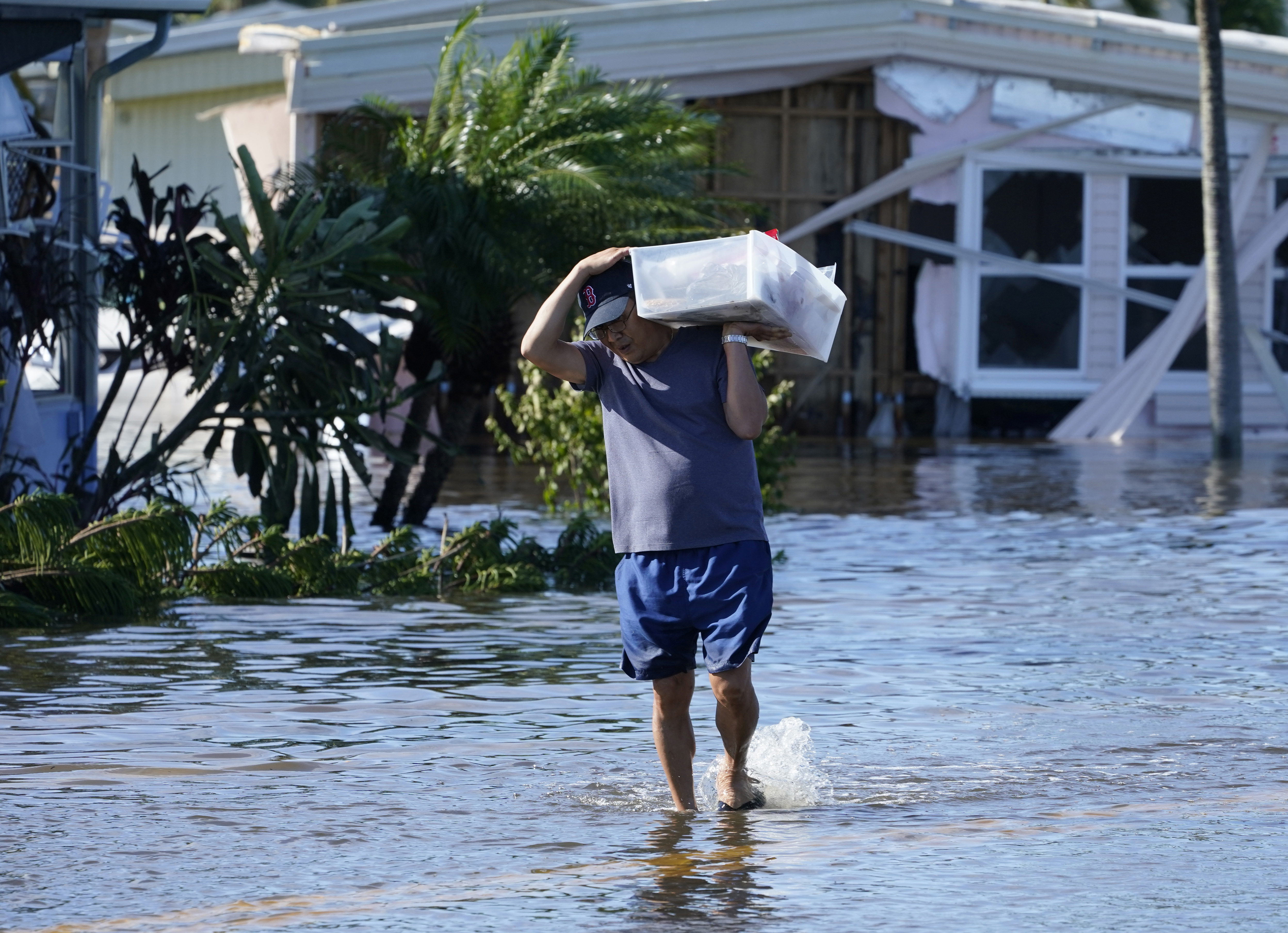
"I don't know how anyone could have survived in there," William Goodison said amid the wreckage of a mobile home park in Fort Myers Beach where he'd lived for 11 years. Goodison said he was alive only because he rode out the storm at his son's house inland.
The hurricane tore through the park of about 60 homes, leaving many destroyed or mangled beyond repair, including Goodison's single-wide home. Wading through waist-deep water, Goodison and his son wheeled two trash cans containing what little he could salvage — a portable air conditioner, some tools and a baseball bat.
The road into Fort Myers was littered with broken trees, boat trailers and other debris. Cars were abandoned in the road, having stalled when the storm surge flooded their engines.
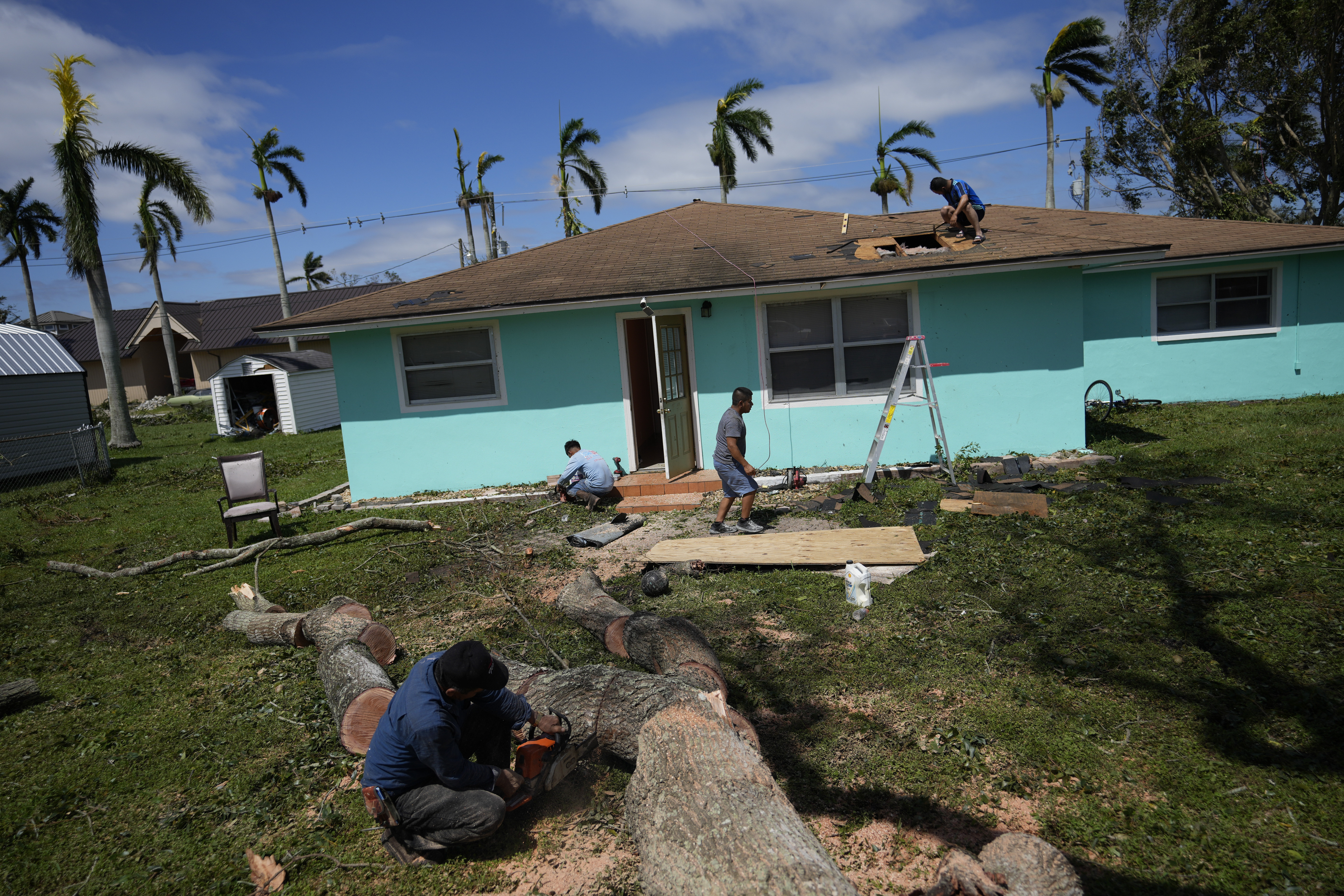
Emergency crews sawed through toppled trees to reach stranded people. Many in the hardest-hit areas were unable to call for help because of electrical and cellular outages.
A helicopter flight over Fort Myers Beach shows utter devastation: empty or debris-littered lots where homes and businesses used to be and boats tossed into mangroves.
"You're talking about no structure left. … You're talking about homes that were thrown into the bay. This is a long-term fix, and it's life-changing," Lee County Sheriff Carmine Marceno said.
A chunk of the Sanibel Causeway fell into the sea, cutting off access to the barrier island where 6,300 people live.
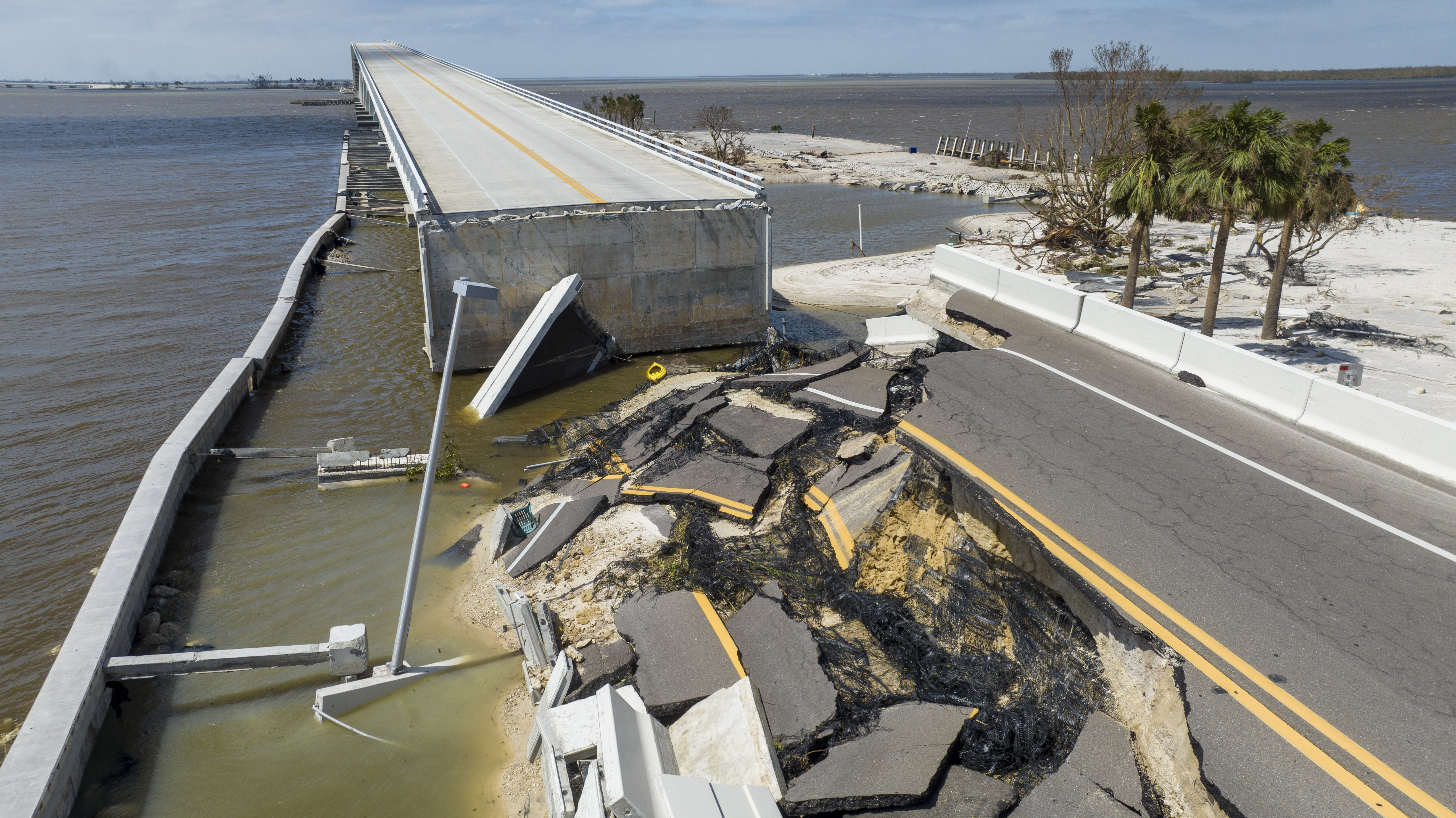
Record flooding was recorded across central and northern Florida, including at least three rivers that hit all-time flood records
Hours after weakening to a tropical storm while crossing the Florida peninsula, Ian regained strength Thursday evening over the Atlantic.
The National Hurricane Center predicted it would hit South Carolina as a Category 1 hurricane Friday, still much weaker than the Category 4 hurricane it was on Wednesday.
National Guard troops were being positioned in South Carolina to help with the aftermath, including any water rescues. And in Washington, President Joe Biden approved an emergency declaration for the state, a needed step to speed federal assist for recovery once Ian passes.
Watch: Truck ignites in blazing fire on Transmission Gully motorway
Video footage has captured a truck trailer burning in a huge orange fireball on a motorway north of Wellington.A fire truck can be seen racing up to the scene on Transmission Gully as a person in a car passing in the opposite direction…
Thousands of refugees seeking permanent visas still living in uncertainty
More than 30,000 refugees living in Australia are still on various temporary visas, limiting their ability to work, study, reunite with their loved ones and create stable lifestyles.
History repeated itself in Afghanistan after the Taliban returned to power in 2021, forcing thousands of Afghans, majority belonging to ethnic Hazaras, to dangerously flee their country in order to escape the looming genocide under the group's regime.
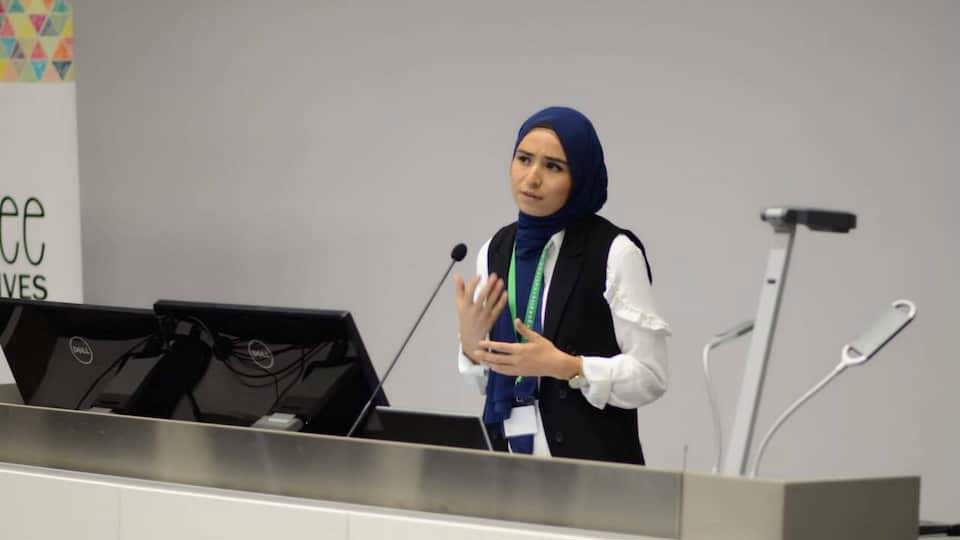
Sajeda Zaki, a Hazara woman and law student at Victoria University, told 9news.com.au she arrived in Australia after leaving Pakistan with her mother and five siblings in 2016, reluctant to abandon her previous life and Hazaragi culture.
READ MORE: Teen's sadness despite Afghanistan escape

Her father was smuggled into Australia on a ship in 2009, where "all he could see was black ocean onboard a giant ship with hundreds of other terrified people", fleeing Afghanistan to establish a better life for a family he would not see for seven years.
"Dad always tells me he came by boat for us, to have a better future for his children, even though he was told there was only a one-in-100 chance of surviving the trip to Australia," Zaki said.
After being "overwhelmed by unhappiness" seeing people on temporary protection visas (TPVs) suffering mentally, Zaki began working with the Victorian Afghan Youth Association (VAYA) to communicate for refugees and rally for action to be taken by the Australian Government.
"I have a lot of friends who are on temporary visas and they suffer emotionally and mentally from not being able to reconnect with their families or build a permanent life in Australia," she said.
READ MORE: Despair and poverty fuel drug use in Afghanistan

Once Zaki was reunited with her father in 2016, she realised the importance of reuniting displaced people with their families.
She now assists individuals with filling out their paperwork to apply for permanent visas and citizenships.
"There are a lot of people who aren't healthy, living in constant uncertainty and we are not seeing results from the government who are meant to be improving the rate of permanent visa processing," she said.
"I want the people of Australia to know that refugees have the same emotions, dreams and plans as you do, the only differences are that we weren't born here and that English isn't our first language."
'Psychological damages' from temporary visas
Asylum seekers who arrive in Australia irregularly, either by boat or plane and without a valid visa, are not counted in the government's permanent Humanitarian Program and are not granted a permanent visa.
Under changes made to the Migration Act 1958 by the Abbott Government in 2014, refugees are granted one of two temporary visas – a three-year temporary protection visa (TPV) or a five-year safe haven enterprise visa (SHEV).
READ MORE: Hurricane Ian makes destructive landfall in Florida
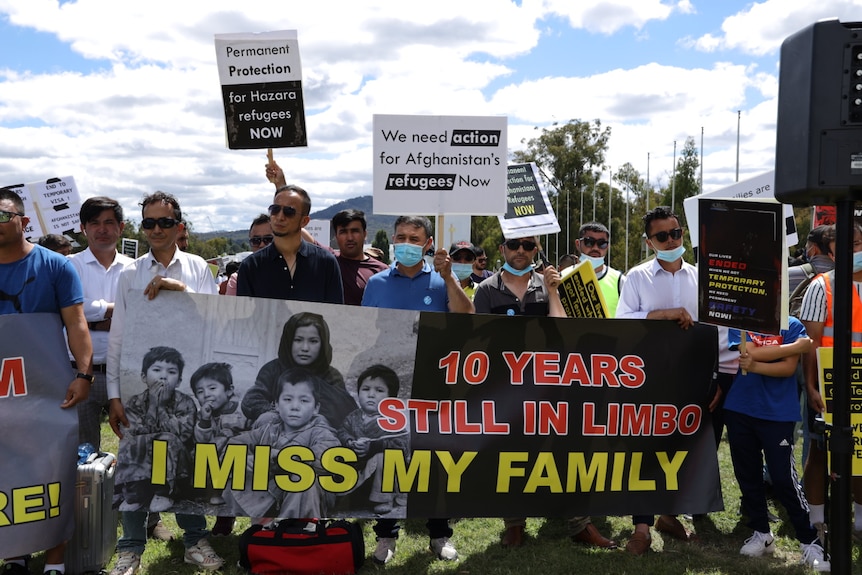
In both cases, individuals holding temporary visas have to wait in uncertainty for at least three years before being allowed to re-lodge another application for protection at the end of their visa period.
Former Policy Officer with the Refugee Council of Australia (RCOA) and lawyer Shukufa Tahiri advocates for the human rights of refugees.
She told 9news.com.au the uncertainty of being on a temporary visa causes all sorts of "psychological damages" for already traumatised individuals.
"One of the key policy platforms from the Labor government during the last election was to grant permanent residency to current TPV holders, a commitment which they now need to honour," Tahiri said.
"Thousands of individuals have held temporary visas for over 10 years and the uncertainty of remaining in limbo has meant extended trauma that should have been prevented many years ago."
TPV and SHEV holders cannot travel outside of Australia to reunite with their families in developing countries, have limited access to state benefits such as Centrelink and Medicare, no access to emergency housing and limited ability to attend English classes or translation services.
Australia's offshore resettlement component of the Humanitarian Program includes people who are proposed for resettlement by someone already living in Australia, usually a relative, which is one of the only pathways for separated families to reunite and settle in Australia.
Federal government urged to improve permanent visa processing
The Albanese government has stated processing the backlog of visa applications is an "urgent priority", with those who have been waiting for permanent visas for years pleading for certainty.
Minister for Immigration, Citizenship and Multicultural Affairs Andrew Giles said in June the department was working through large numbers of older cases but noted reducing the backlog couldn't happen overnight.
READ MORE: 'Trash patch' the size of Queensland floating off shore
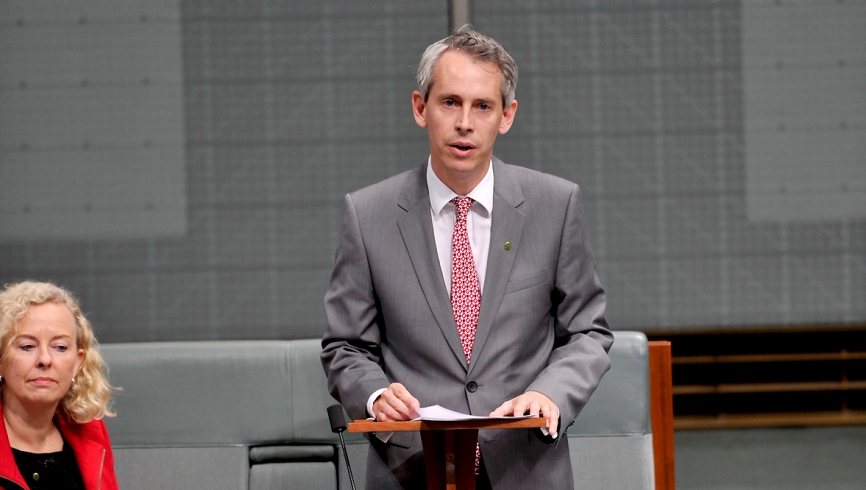
"The number of applications received in June 2022 is 6.5 per cent higher than May 2022 – over the same period, there was a 10.6 per cent increase in applications finalised," Giles said.
"The former government devalued immigration, with the visa application backlog increasing to nearly 1,000,000 on their watch.
"The Albanese government is determined to reduce the backlog and restore the importance of the immigration function of our government."
Tahiri is asking for more empathy from the government to reunite families through extended Humanitarian Programs, but admits not everyone seeking asylum will gain permanent protection right away.
"Our community is not saying that Australia is in a position to save everyone, but for people who are here, who have worked and lived in this community for 10 years and who have proven to be very valuable members of society, we need to give them permanency," she said.
Freezing weather, mud and more suffering: The Ukraine war in winter
The looming winter in Ukraine will pose new challenges for military commanders of both sides, while the conflict's impacts continue to be felt beyond the battlefield.
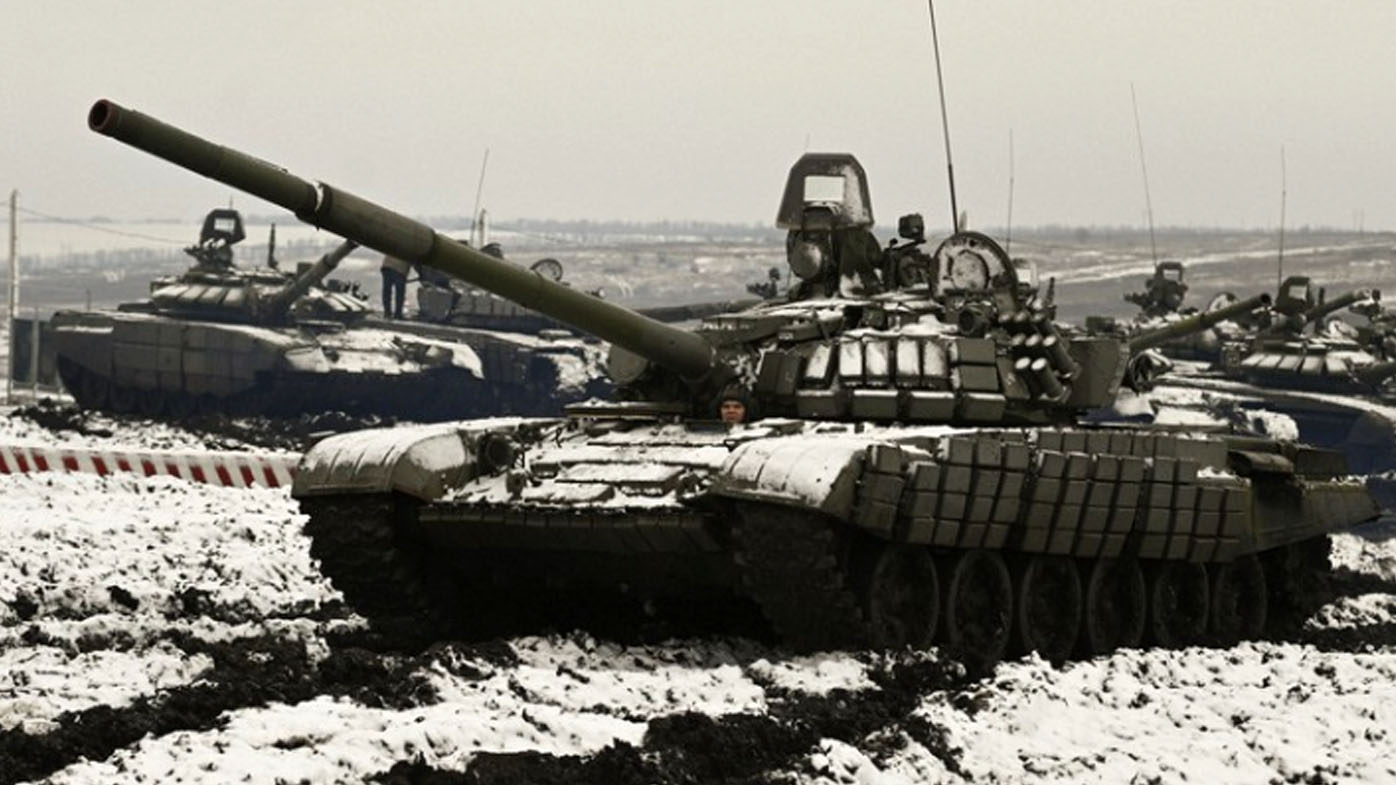
Rainy autumnal weather is already bringing muddy conditions that are starting to limit the mobility of tanks and other heavy weapons, experts say.
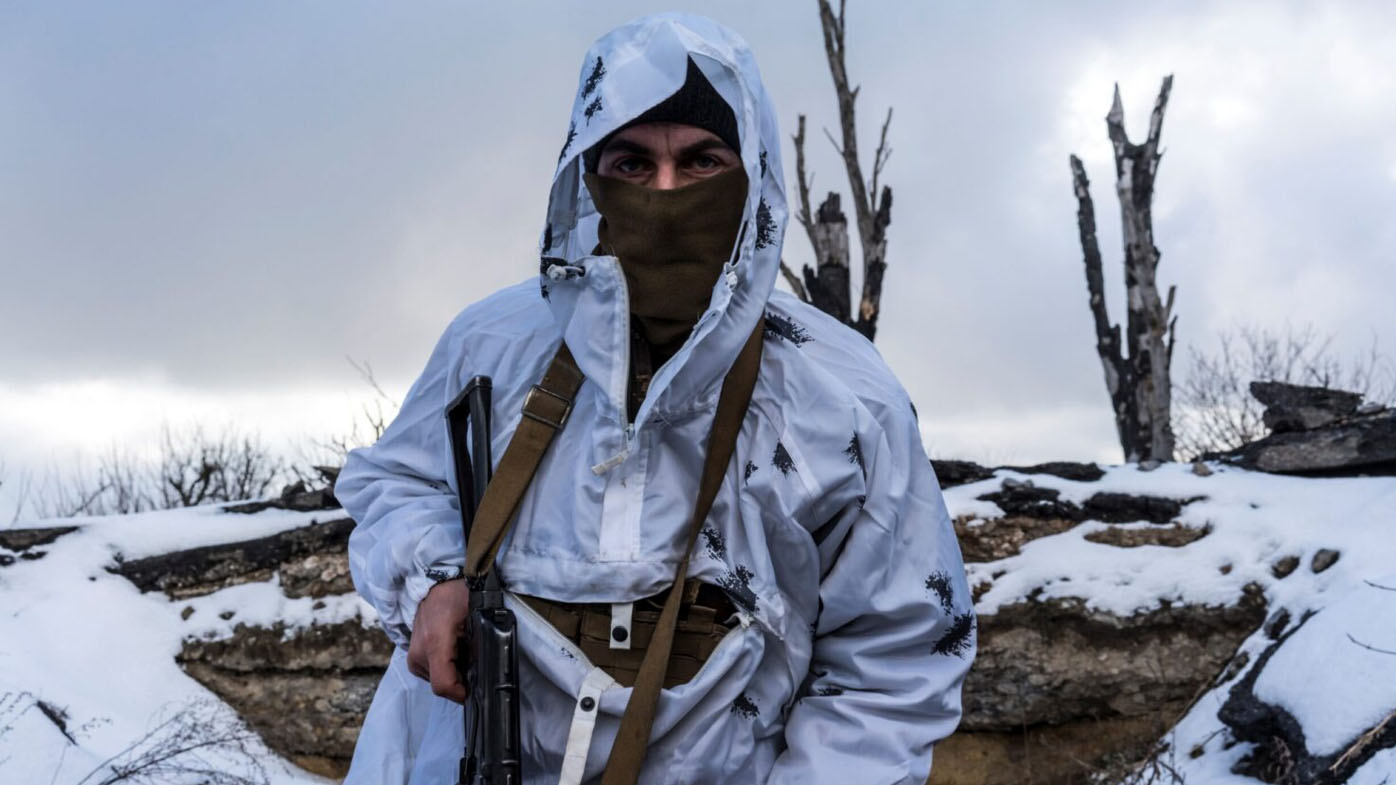
But in the coming months there will also be temperatures dropping as low as -20 degrees, snow falls and shortening daylight for generals to contend with.
READ MORE: Russia drafting retirees into army, telling conscripts to buy their own supplies
Armies limited by snow and mud
Defence analyst Malcolm Davis, of the Australian Strategic Policy Institute, told 9news.com.au these factors will make the conflict more static.
"The winter weather will basically bring the war to a standstill … both sides will be digging in until about late February when the thaw begins," he said.
While tanks and other armoured vehicles will be harder to deploy in the mud and snow, other equipment such as military-grade drones will be largely unaffected.
The advantage on the battlefield remains with Ukraine forces after their counteroffensive, launched in late August, has rolled back the Russian occupation across large areas of the northeast.
Western supplied weapons have proved crucial in Ukraine's military successes.
A standout has been the US-supplied HIMARS multiple rocket launchers have been able to accurately pound strategic targets such as bridges as well as targeting Russian positions up to 80km away.
READ MORE: Leaks on Russian gas pipelines raise concerns about sabotage
Davis said the challenge for European countries during the coming months is to continue the flow of weapons to Ukraine.
"They recognise that if Russia somehow does succeed in Ukraine, then the threat will come back to haunt them elsewhere potentially in the Baltic states or against Poland," he said.
"For the Europeans, the best path is to stay firm with the Americans and with the Ukrainians and continue to supply those weapons to Ukraine to ensure a quick defeat of Russian forces."
But for Russia's military, the harsher winter conditions in Ukraine will be a stern test after its forces were pushed back by lightning Ukrainian offensives.
Russian commanders are already struggling with equipment losses, mounting casualties and weakening morale.
There are also social media reports Russian soldiers are lacking effective winter military clothing.
READ MORE: 'Extraordinary' scenes as massive storm lands in Florida
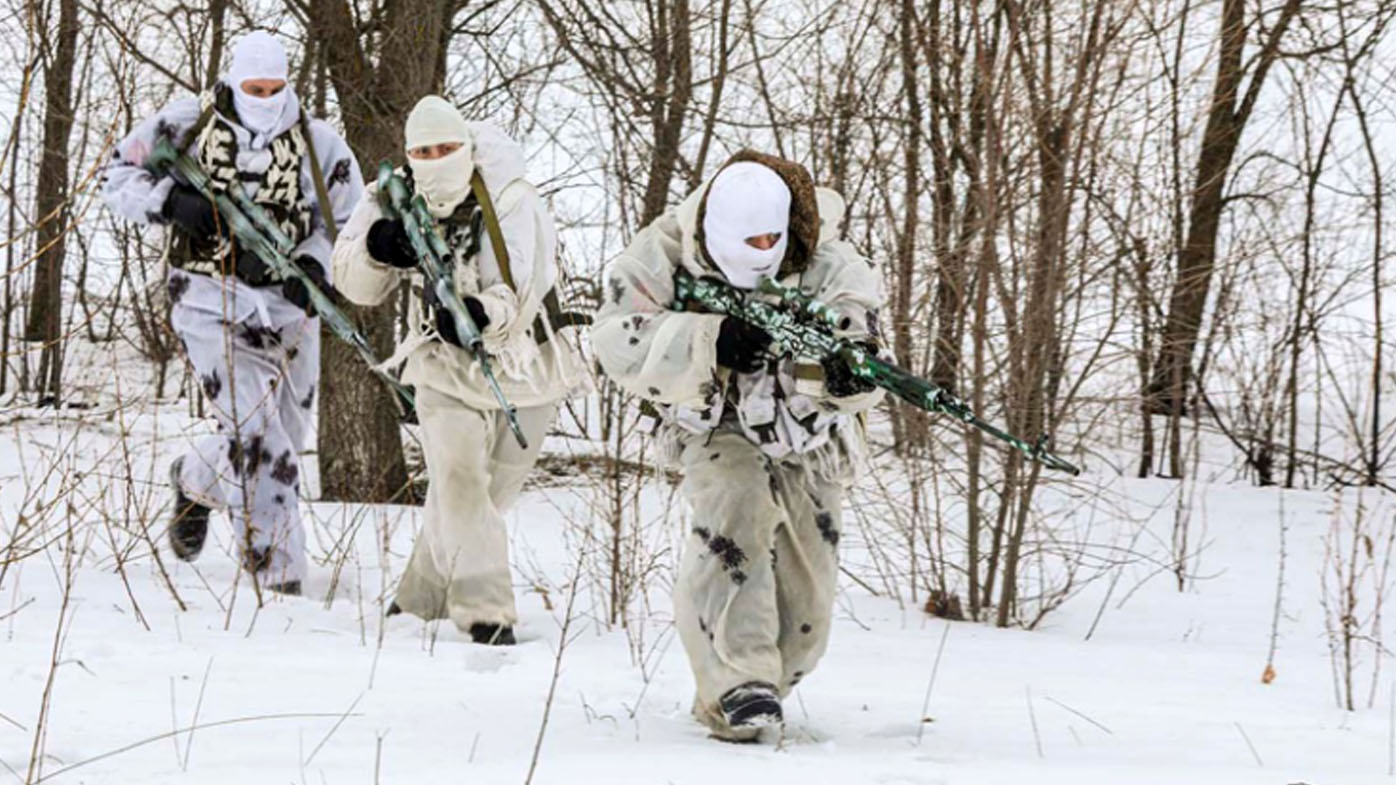
The Kremlin plans to add 300,000 soldiers to its invasion force after it issued a partial military mobilisation of reservists earlier this month.
But it has sparked outraged protests, a fearful exodus and acts of violence against military recruiters across the vast country.
And there is doubt over the quality of any new wave of Russian conscripts and the equipment they have been given.
Some reports this week said they were being issued wit pre-World War II rifles to face the well equipped and motivated Ukrainian army.
Russia is also set to target Ukraine's electrical infrastructure, as the Kremlin seeks to ramp up the pressure on civilians already suffering after seven months of fighting.
Ukrainian President Volodymyr Zelenskyy warned that this winter "will be very difficult".
"They will shoot missiles, and they will target our electric grid," he said.
Weaponising gas supplies
It's long been evident that part of the Kremlin's strategy is to knee-cap European resolve in supporting Ukraine by plunging it into an energy crisis, literally turning off the gas taps.
At a forum in Vladivostok earlier this month, Russian President Vladimir Putin said: "We will not supply anything at all if it is contrary to our interests. No gas, no oil, no coal, no fuel oil, nothing."
Davis said after battlefield defeats, Putin is desperate to see western support for Ukraine crumble as the costs of war, including energy shortages and rising prices, begin to hit home in Europe.
But the coming winter will be the acid test of Moscow's energy squeeze.
Rather than looking for compromise, European governments have concluded that concessions would only embolden the Kremlin.
"I think that Europe recognises the threat that Russia poses now … and that Putin has to be defeated or the threat will come back to haunt them, perhaps in the Baltic or Poland," Davis said.
Medical complaints to Health and Disability Commissioner up 25 per cent
By Phil Pennington of RNZ Complaints about medical misadventure have shot up, putting huge pressure on investigators and causing big delays for victims.The Health and Disability Commissioner (HDC) is facing what it calls an…
Waka Kotahi pays more than $4000 in compensation for pothole damage in Bay of Plenty
More than $4000 has been given out in compensation to drivers who suffered damage to their vehicles because of potholes and uneven surfaces on state highways in the Bay of Plenty this year.The $4069.54 is the culmination of 10 individual…
Pāpāmoa parents raise funds for Lifeline after loss of son Ethan Broomhead
Advisory: This article mentions suicide and may be distressing to some readers. Pāpāmoa parents whose son died by his own hand six years ago have raised thousands of dollars for a service they wished he had used.Tanya…
Cystic fibrosis: Whakatāne parents pay $396K per year for Trikafta – $52K is GST
Jenny Tait will do “anything” to keep her son alive.She and her husband Peter are paying $396,000 per year to fund the “miracle drug” Trikafta for their 41-year-old son Isaac Tait who has cystic fibrosis.But the “cruel and heartless”…