Police have confirmed one person has died following a crash on State Highway 26/Paeroa Kopu Rd yesterday afternoon.Police responded to a serious crash involving a car and a motorcycle about 2.30pm and said initial indications suggested…
Tag Archives: oceania
Ram raid: High-end Takapuna alcohol store Glengarry latest victim
A beachside store specialising in fine wines, beer and spirits is the latest store to be hit in a spate of ram raids.A car was used to smash through the front door of Glengarry on Hurstmere Rd in Takapuna at 4.40am on Sunday.Police…
Hamilton police seriously concerned after teen goes missing from home
Hamilton police have serious concerns for a teenager who went missing from her home. Madison Young was last seen at her home in the suburb of Frankton on Saturday. Police have today put out an appeal to the public to help locate…
Here's the real reason to turn on aeroplane mode when you fly
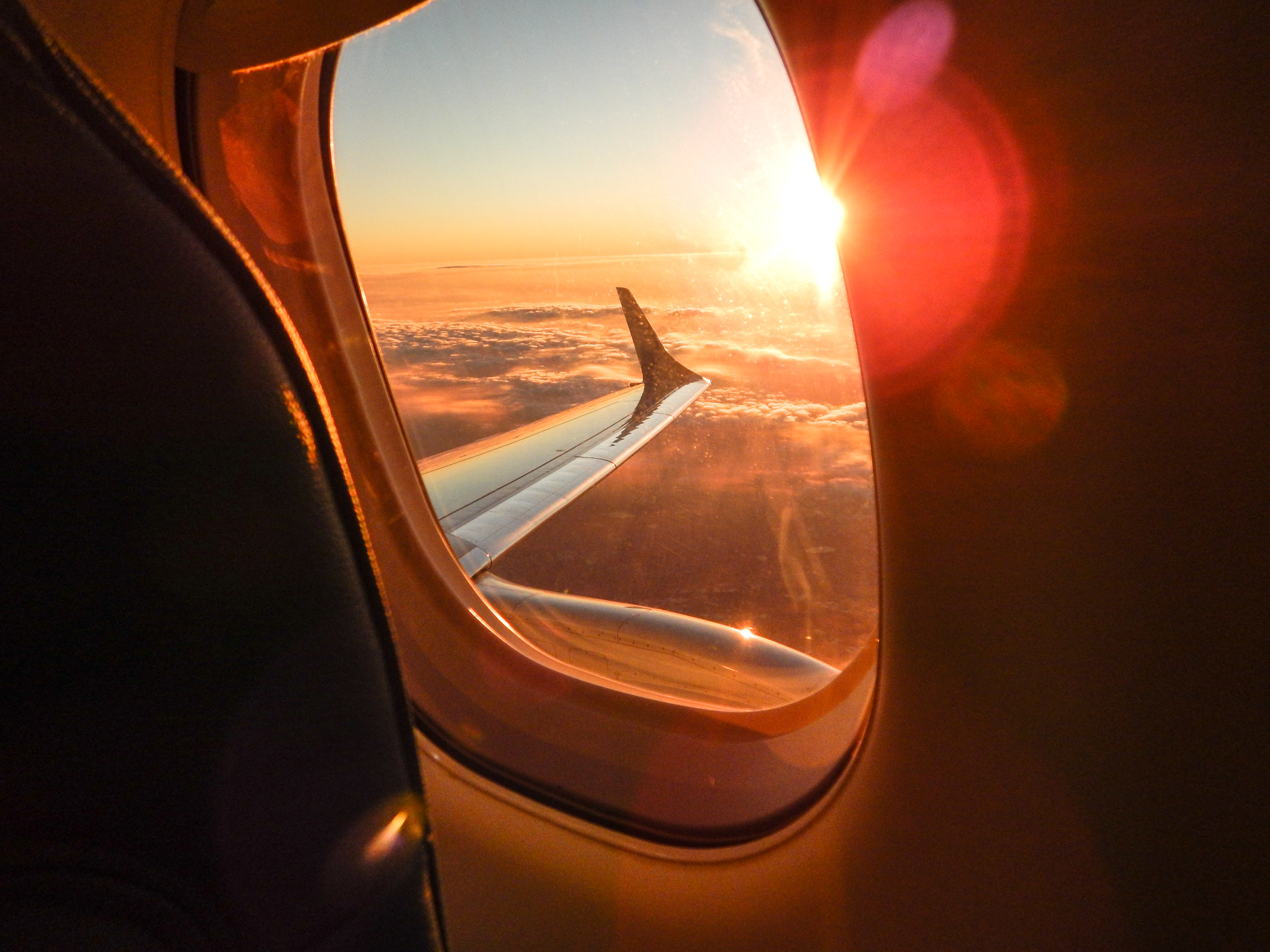
We all know the routine by heart: "Please ensure your seats are in the upright position, tray tables stowed, window shades are up, laptops are stored in the overhead bins and electronic devices are set to flight mode".
Now, the first four are reasonable, right?
Window shades need to be up so we can see if there's an emergency, such as fire. Tray tables need to be stowed and seats upright so we can get out of the row quickly.
READ MORE: Flights cancelled as bad weather hits school holiday rush
Laptops can become projectiles in an emergency, as the seat back pockets are not strong enough to contain them.
And mobile phones need to be set to flight mode so they can't cause an emergency for the aeroplane, right? Well, it depends whom you ask.
Technology has advanced a great deal
Aviation navigation and communication relies on radio services, which have been coordinated to minimise interference since the 1920s.
The digital technology currently in use is much more advanced than some of the older analogue technologies we used even 60 years ago.
Research has shown personal electronic devices can emit a signal within the same frequency band as the aircraft's communications and navigation systems, creating what is known as electromagnetic interference.
EXPLAINED: Petrol prices are about to jump up. Here's why
But in 1992, the US Federal Aviation Authority and Boeing, in an independent study, investigated the use of electronic devices on aircraft interference and found no issues with computers or other personal electronic devices during non-critical phases of flight. (Take-offs and landings are considered the critical phases.)
The US Federal Communications Commission also began to create reserved frequency bandwidths for different uses – such as mobile phones and aircraft navigation and communications – so they do not interfere with one another.
MONEY MATTERS: Why extended warranties might not be worth the money
Governments around the globe developed the same strategies and policies to prevent interference problems with aviation.
In the EU, electronic devices have been allowed to stay on since 2014.
2.2 billion passengers
Why then, with these global standards in place, has the aviation industry continued to ban the use of mobile phones? One of the problems lies with something you may not expect – ground interference.
Wireless networks are connected by a series of towers; the networks could become overloaded if passengers flying over these ground networks are all using their phones.
The number of passengers that flew in 2021 was over 2.2 billion, and that's half of what the 2019 passenger numbers were. The wireless companies might have a point here.
Of course, when it comes to mobile networks, the biggest change in recent years is the move to a new standard. Current 5G wireless networks – desirable for their higher speed data transfer – have caused concern for many within the aviation industry.
Radio frequency bandwidth is limited, yet we are still trying to add more new devices to it.
The aviation industry points out that the 5G wireless network bandwidth spectrum is remarkably close to the reserved aviation bandwidth spectrum, which may cause interference with navigation systems near airports that assist with landing the aircraft.
Airport operators in Australia and the US have voiced aviation safety concerns linked to 5G rollout, however it appears to have rolled out without such problems in the European Union. Either way, it is prudent to limit mobile phone use on planes while issues around 5G are sorted out.
EXPLAINED: Magpie swooping season is upon us – here's how to avoid attack
Ultimately, we can't forget air rage
Most airlines now provide customers with Wi-Fi services that are either pay-as-you-go or free. With new Wi-Fi technologies, passengers could theoretically use their mobile phones to make video calls with friends or clients in-flight.
On a recent flight, I spoke with a cabin attendant and asked her opinion on phone use during flights.
It would be an inconvenience for cabin crew to wait for passengers to finish their call to ask them if they would like any drinks or something to eat, she stated. On an airliner with 200+ passengers, in-flight service would take longer to complete if everyone was making phone calls.
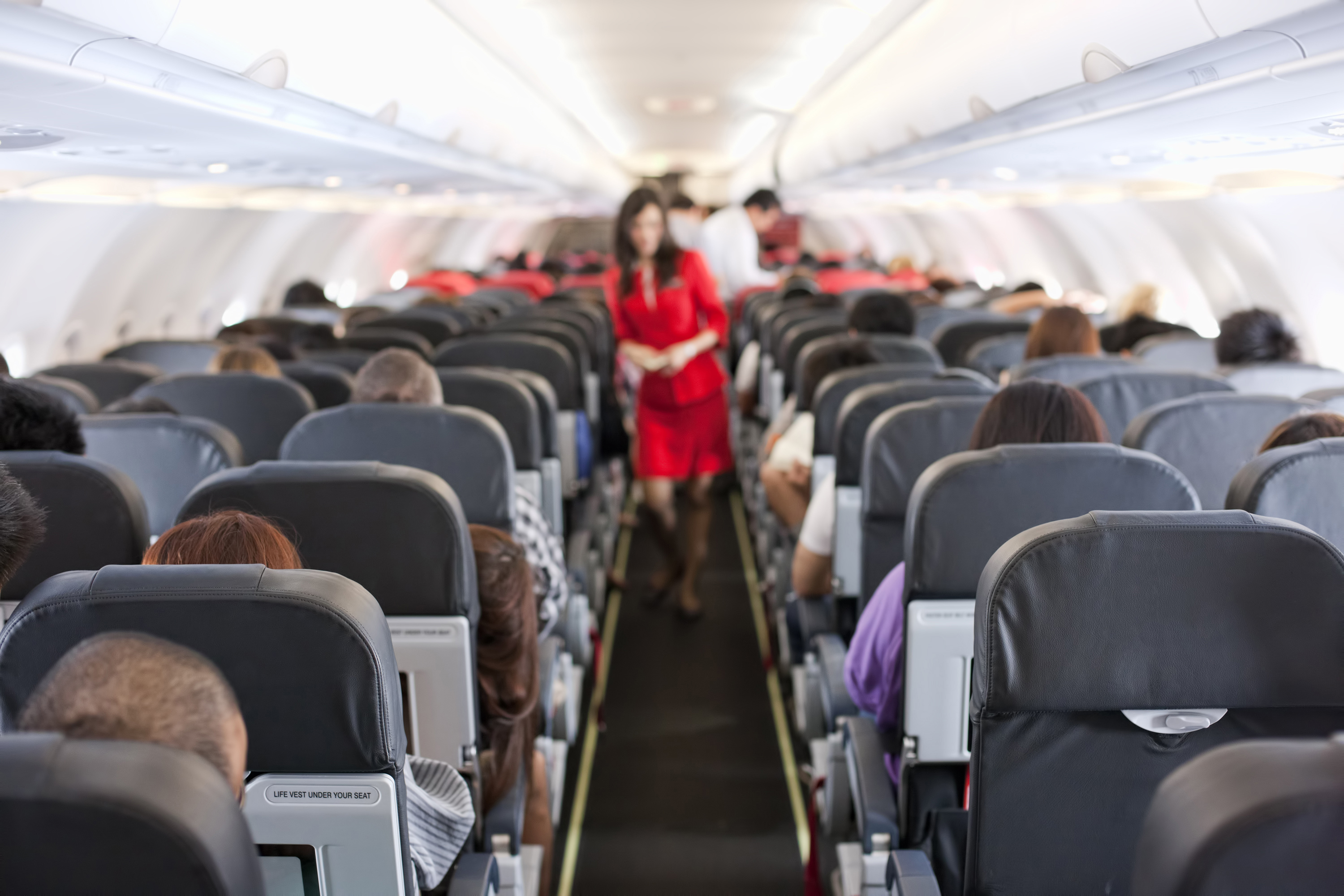
For me, the problem with in-flight use of phones is more about the social experience of having 200+ people on a plane, and all potentially talking at once.
In a time when disruptive passenger behaviour, including "air rage", is increasingly frequent, phone use in flight might be another trigger that changes the whole flight experience.
Disruptive behaviours take on various forms, from noncompliance to safety requirements such as not wearing seat belts, verbal altercations with fellow passengers and cabin crew, to physical altercations with passengers and cabin crews – typically identified as air rage.
READ MORE: Popular beer urgently pulled from shelves
In conclusion – in-flight use of phones does not currently impair the aircraft's ability to operate. But cabin crews may prefer not to be delayed in providing in-flight service to all of the passengers – it's a lot of people to serve.
However, 5G technology is encroaching on the radio bandwidth of aircraft navigation systems; we'll need more research to answer the 5G question regarding interference with aircraft navigation during landings.
Remember that when we are discussing the two most critical phases of flight, take-offs are optional – but landings are mandatory.
This article is republished from The Conversation under a Creative Commons license. Read the original article.
'Since the pandemic it has gotten worse': Homeless support worker's plea
"Since the pandemic, it has gotten worse."
It's a startling assessment from a woman who has spent the past 20 years supporting Melbourne's homeless.
Catherine Hill – who works for the Salvation Army Crisis Centre and Sacred Heart Mission – said for two years "we were like Booking.com".
READ MORE: 'Accessible housing nearly impossible' to find across Australia
"People who had been street homeless had the luxury of a hotel room where you get your own bathroom and toilet," Hill said.
"Since the pandemic… a lot of people have gone back to the street, they've had to."
"The loss of dignity, the loss of capacity to contribute to society when you are homeless, unless you have housing – you can't do anything."
It's a struggle Hill has been battling to bring to the big screen for five years.
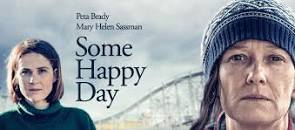
Between shifts as a case manager and social worker, she has spent her time writing, producing and directing the independent feature film, Some Happy Day.
"It was the only way to get a film up. You've got to do it yourself," said Hill who returned to work to raise money to edit the film she shot in 2017.
READ MORE: NASA waves off Artemis I launch attempt a third time
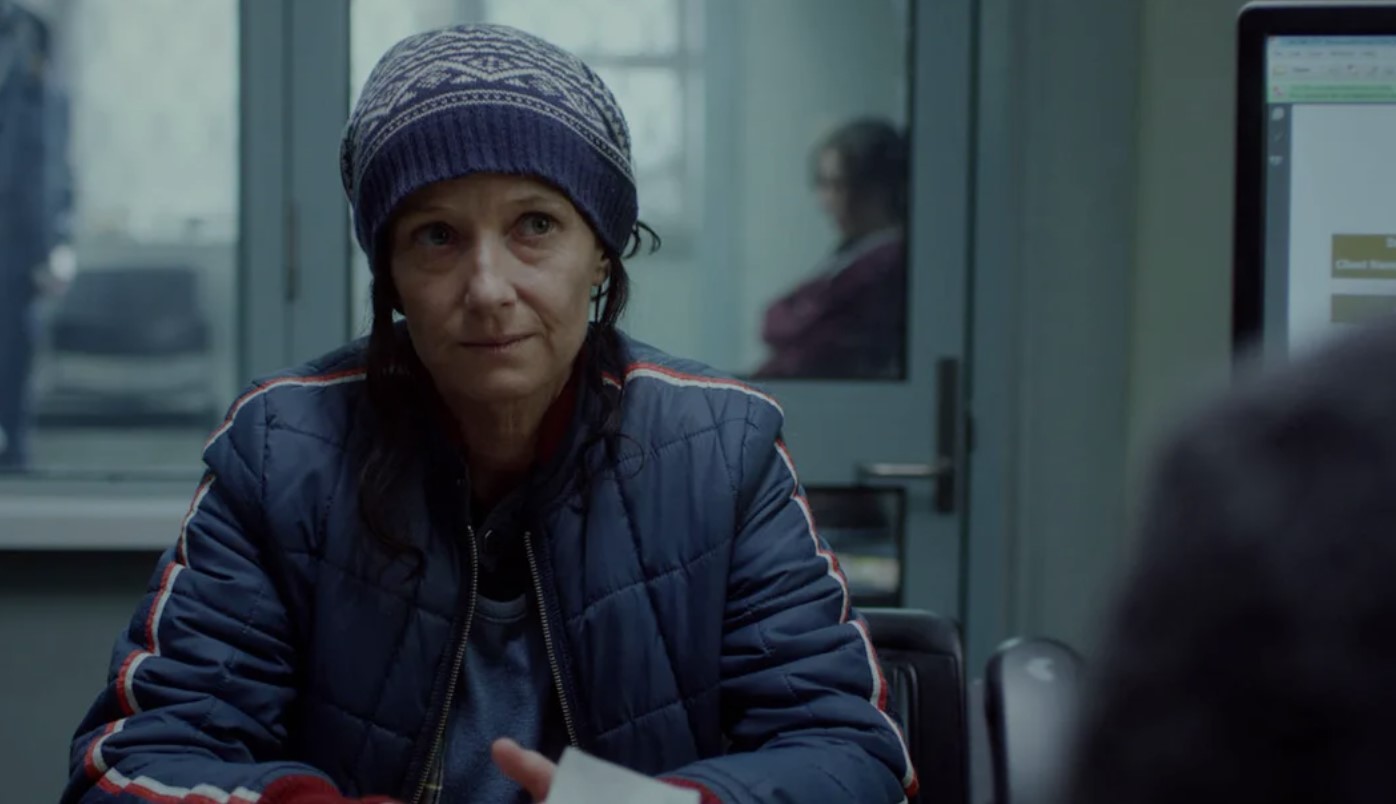
"We were ready to go just before COVID and then it was like, 'oh, what's happened?'"
"We only went to two or three distributors, but I knew there wasn't any traction and then I went, we've got to do this."
"It has really made me invest in the story and know why I did it in the first place, and why it's so important to get it out there, because the story is reflecting society back."
"If we aren't reflecting all of society, then we're not seeing that true mirror."
"It's in seeing ourselves reflected back, that we can then go, 'oh goodness, we need to change and we need to do something.'"
Some Happy Day follows Tina, a homeless woman whose search for a better life becomes entwined with the trouble of a social worker named Frances.
READ MORE: How common are wrongful murder convictions?
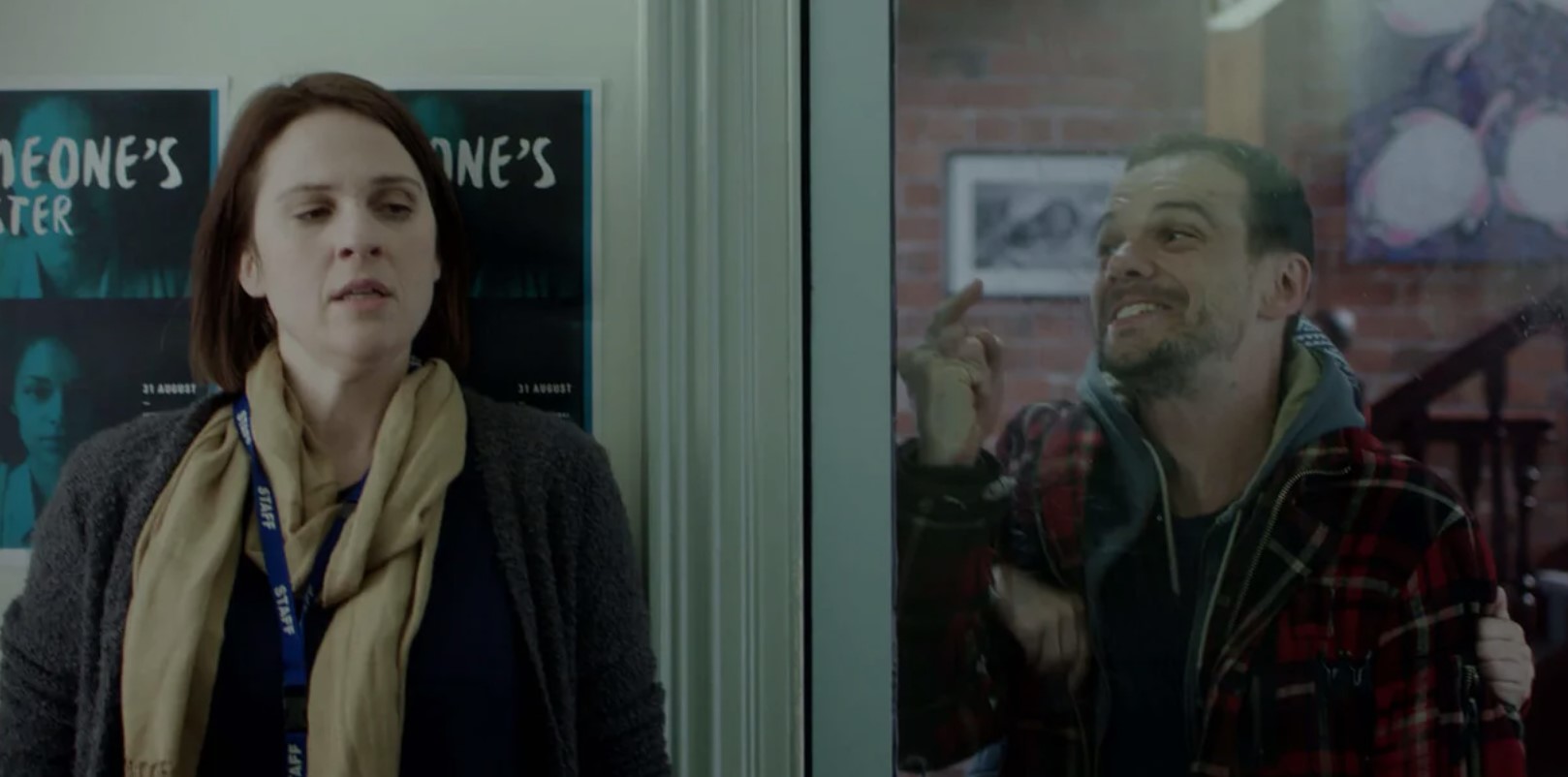
"I remember thinking, wow, that's such an extraordinary dichotomy," said Hill.
"(As a social worker) you've got the perception and the compassion to help people coming in, and you do it so brilliantly, but you don't have the capacity to do that with your own life."
And while some of twists and turns in the movie can seem unbelievable to those removed from that world, Hill said everything in her script is based on real stories.
"I was working with a woman who had her car keys in one of her drawers," she said.
"She went out to get some food vouchers for a guy, came back and about an hour later she said, 'I'm just gonna go and move my car'.
"She realised that her car had been stolen because the keys had gone."
"We rang the hotel where we booked this gentleman in (to stay) and he hadn't turned up."
"You just go 'oh, bloody hell.' That was no good."
Adding to the realism, lead actor Peta Brady – who plays the homeless Tina – has worked in the needle exchange next to Hill's work for years.
"Her performance is so spot on because she knows this world so well," Hill said.
"When I said to her I was going to write, she read every single draft… She gave me fantastic feedback."
READ MORE: Mother's warning after teen son hospitalised with meningococcal
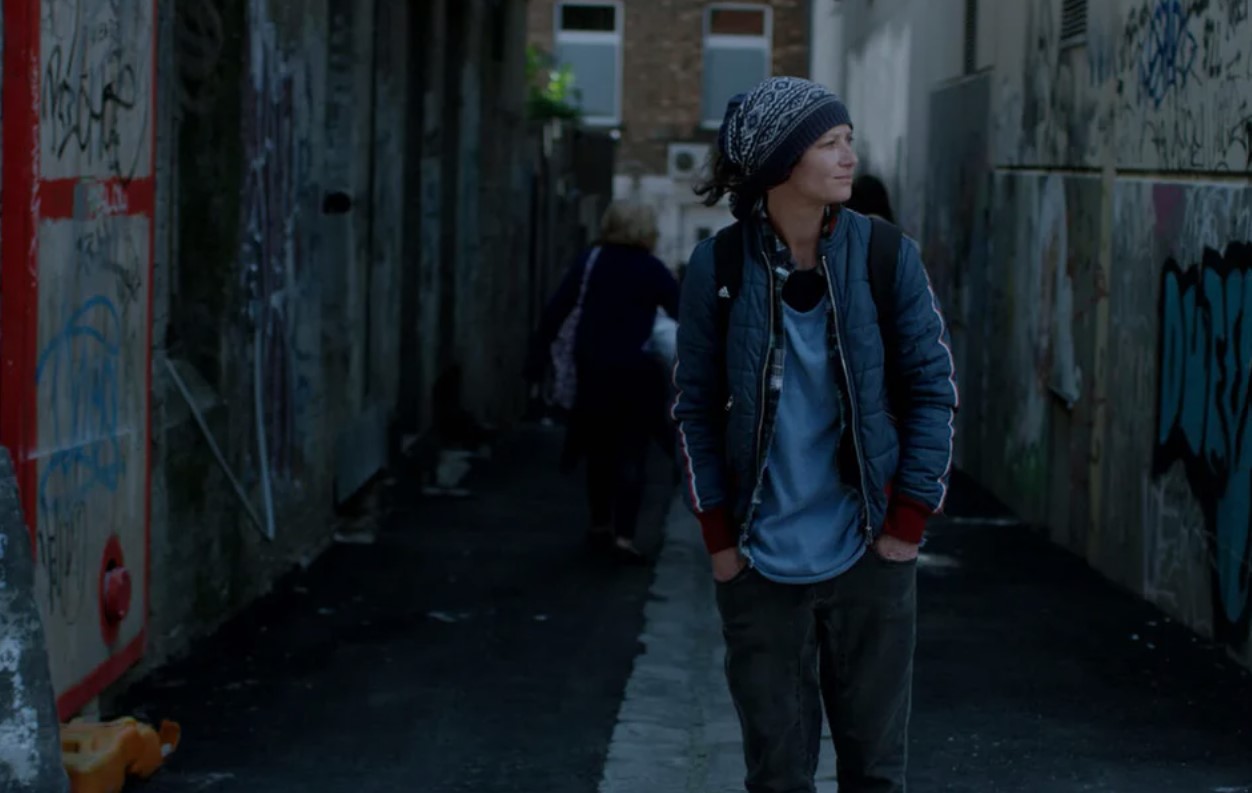
"There's a lot of people who have lived experience of homelessness in our film, even though they're not playing people who are homeless."
"No one worked for a cent."
"They were all just doing this to tell the story and to be part of the production and I'm still eternally grateful for everyone who came on board."
That includes the Salvation Army's Crisis Centre – where many of the film's scenes were shot.
"We had to shoot it at like three in the morning because the crisis centre doesn't shut its doors until 11 at night," Hill said.
"It was so lovely for them to see their story on a big screen and I was just so excited."
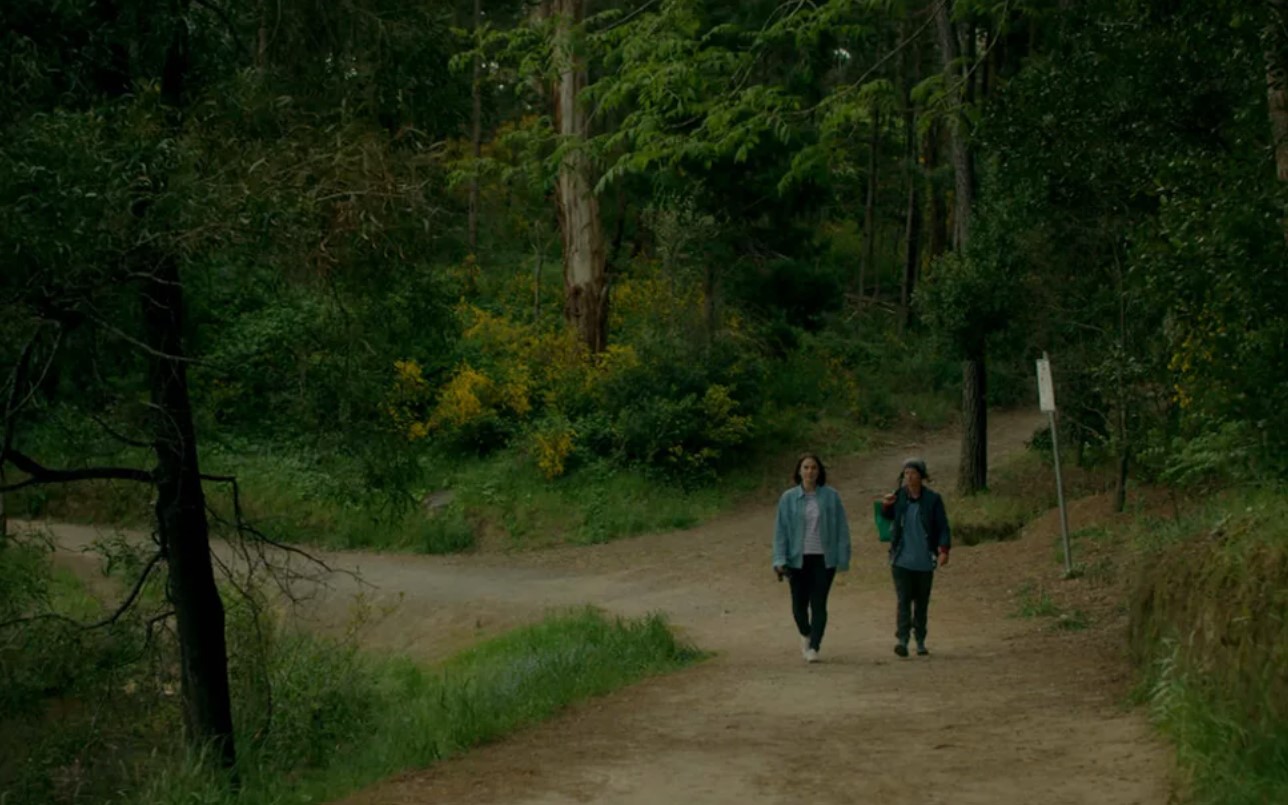
"I really wanted to provide an authentic story of the people that I have worked with… these incredibly resilient people who, against all odds, still maintain hope and still have goals that they're striving to achieve and facing immense obstacles."
READ MORE: Woman with cancer urges others to think about fertility
In April, Anglicare released its national Rental Affordability Snapshot; comparing more than 45,000 rental listings against he incomes of Australians on benefits like JobSeeker.
"There were seven properties throughout Australia that they could afford," Hill said.
Housing is considered affordable if it costs 30 per cent or less of a person's income.
"I'm dealing with people who – if they ring me at night and they've got a car – I have to say to them, 'I'm really sorry, you've got shelter'," Hill said.
"I know people who are using their JobSeeker or their pensions to hire Ubers – which are more expensive – or rental cars so that they can work during the day and at night they can sleep in that car."
"The inventiveness of people and the resilience in order to survive is absolutely incredible."
Without a major distributor on board, Hill is licencing Some Happy Day for as little as $50 to help with community fundraising.
READ MORE: Family's warning after glass shard found in common children's medicine
She's hoping it inspires state and federal governments to invest more social housing and support.
"By 2050, it will be costing us $25-billion a year if we don't address housing now," Hill said, referencing a reporter from Housing All Australians.
"f we did address it, it would save us $110 billion dollars over that time."
"It's just extraordinary. The economics are black and white."
You can find more details about the film at somehappydayfilm.com
Mother's warning after teen son hospitalised with meningococcal
A mother is sending a warning to South Australians after her teenage son was taken to hospital with meningococcal disease.
Kai Edwards, 14, spent five days in the Women's and Children's Hospital after a sore throat, fever and vomiting developed into a rash.
His mum Jenna Edwards rushed him to the Whyalla emergency department.
READ MORE: Family's warning after glass shard found in common children's medicine
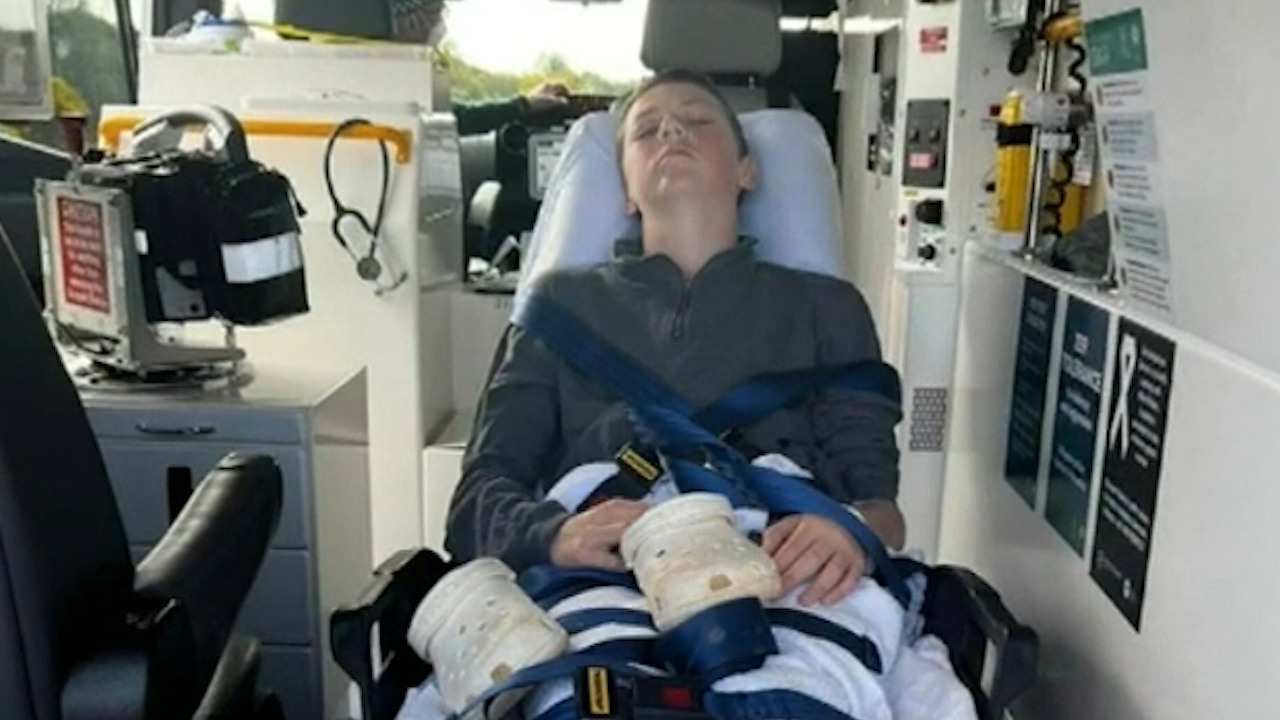
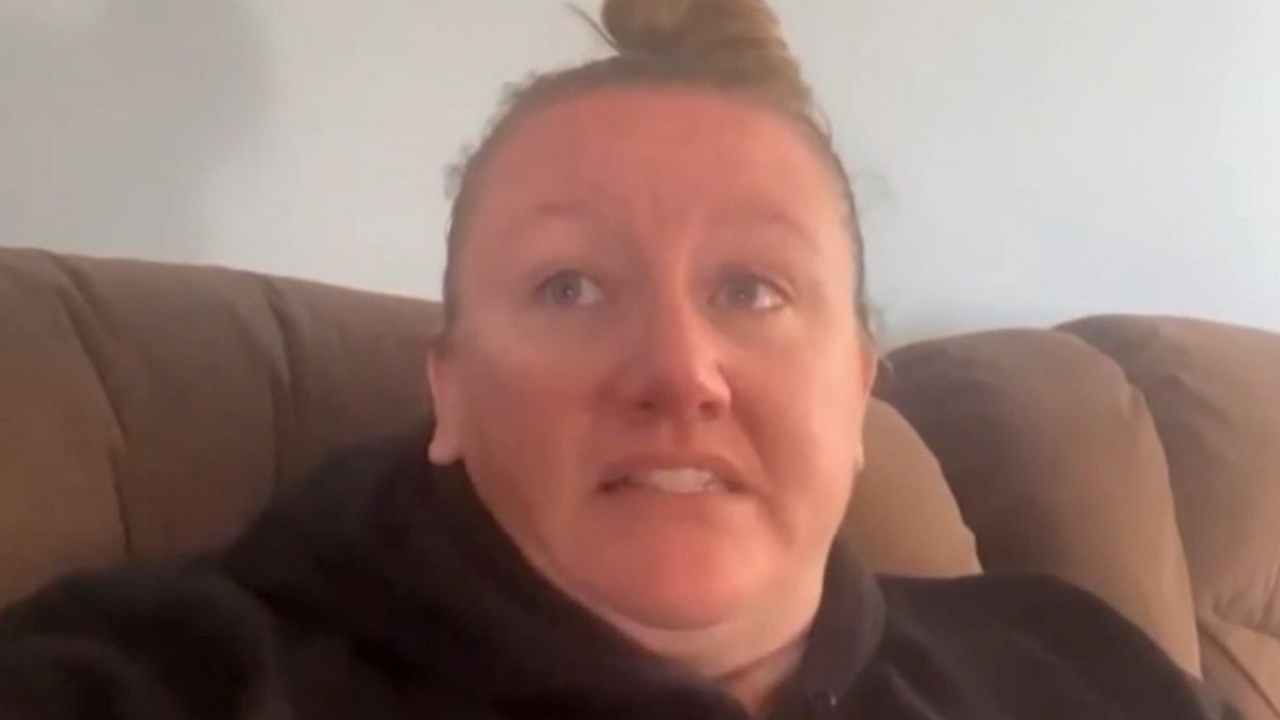
"Within an hour and a half of that he got antibiotics," she said.
"By then the rash had spread. It was only on his chest and back to start with and it had spread to his feet in that time.
"Giving him that treatment right away really saved his life.
"It's a bit hard to think about now.
"He's one very lucky 14-year-old boy."
The Edwards family has urged South Australians to ensure they are vaccinated.
READ MORE: Optus cyber attack investigation amid alleged ransom threat
The state has already recorded 12 cases so far in 2022, which was the total number of cases for the whole of last year.
On Friday, SA Health revealed a 36-year-old man from Adelaide died at home after contracting the invasive meningococcal B-strain.
His death comes just two months after a two-year-old child from regional SA died from the disease.
One dead in crash on State Highway 26 in Waikato
Police have confirmed one person has died following a crash on State Highway 26/Paeroa Kopu Rd this afternoon.Police responded to a serious crash involving a car and a motorcycle about 2.30pm and said initial indications suggested…
Police responding to multi-vehicle crash on Auckland's Northwestern Motorway
Emergency services are responding to a multi-vehicle crash on Auckland’s Northwestern Motorway. The crash, just before the St Lukes Rd off-ramp, was reported to police at 6.40pm. There are not reported to be any serious injuries,…
Five-year-old boy dies in floodwaters
The body of a five-year-old boy has been found in a submerged Hilux after the car was swept away in flood waters in central west New South Wales.
A desperate search has been on for the boy since about 11pm last night when the four other people in the car with the boy were found clinging to trees after the Hilux became submerged at the Genaren Creek crossing in Tullamore, near Parkes.
The man, woman and two children were found by people who escaped a second car that was also inundated by floodwaters and notified police the boy had gotten trapped.
READ MORE: Risk of flooding remains for two states despite rainfall easing
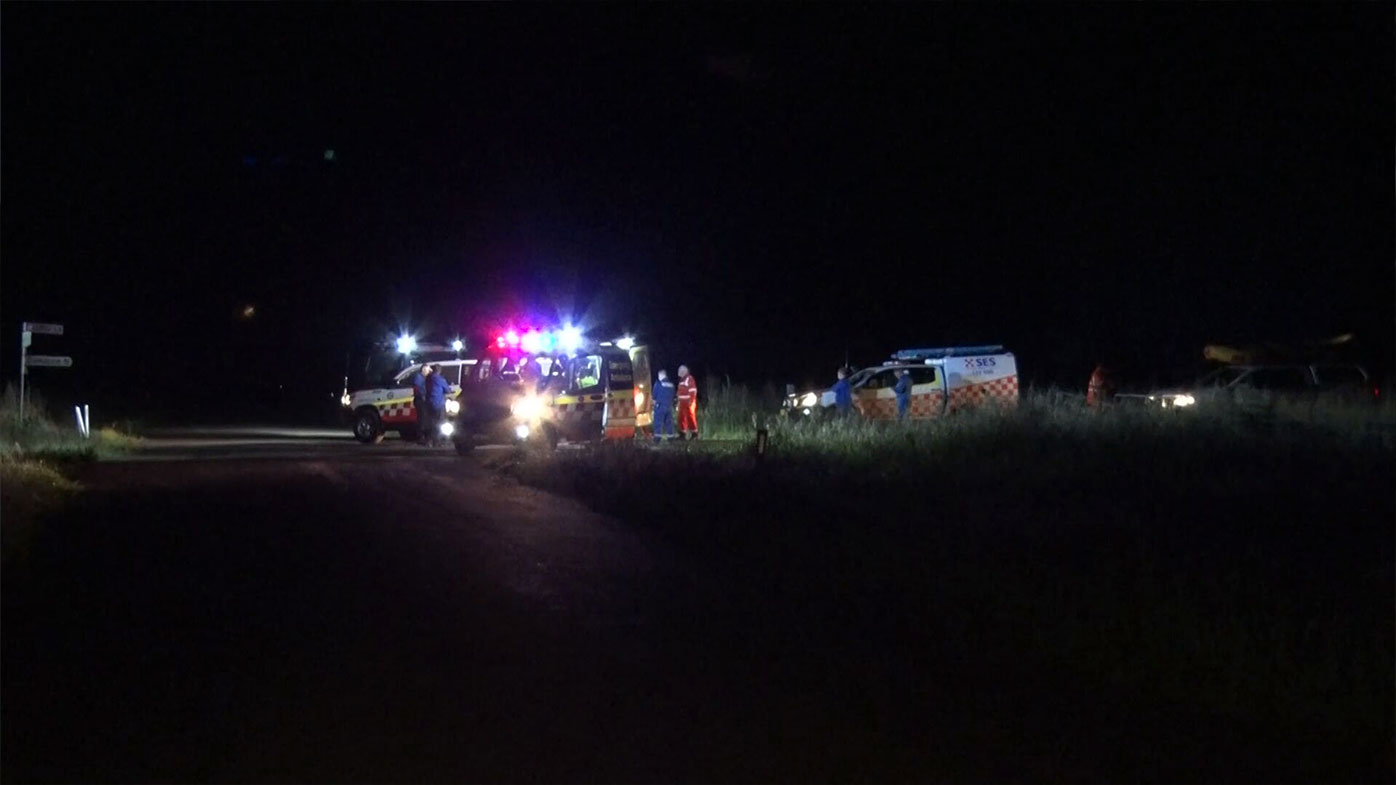
They had been stuck there for about three hours after breaking free of the Hilux.
A boat was used to rescue the group – a woman, man, boy and girl – who were then taken to Dubbo Base Hospital for observation.
The boy's body was found about 3pm today after an extensive search.
The car has been retrieved and police are investigating.
READ MORE: Drivers vote on their biggest pet peeves on the road
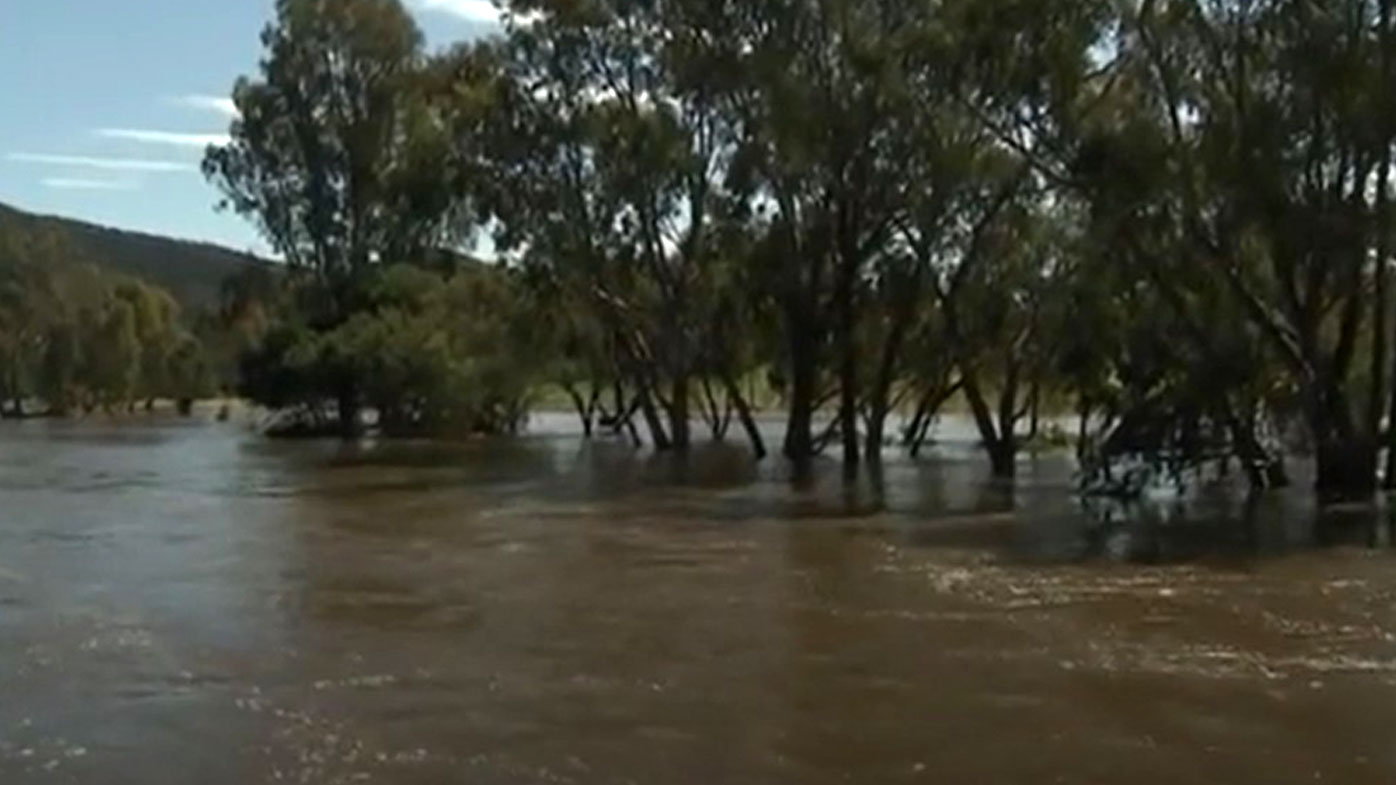
A number of flood warnings remain in place for the state's inland catchments with water levels expected to continue rising today despite the rain stopping.
Authorities have warned this is "just the beginning" of a long disaster season through spring and summer in NSW as the country endures a third consecutive La Nina weather event.
Optus cyber attack investigation amid alleged ransom threat
The Australian Federal Police (AFP) are investigating the cyber attack on Optus as the legitimacy of an alleged online ransom threat to sell millions of customer details is probed.
Optus said today the attack could trigger illegitimate offers to sell customer details online as a user on a data breach forum has claimed two files containing sensitive customer information will be sold if a $1.53 million ransom is not paid within a week.
The number of customers whose details were compromised in Thursday's "sophisticated" hack was initially estimated at 9.8 million.
EXPLAINED: Customers vulnerable after Optus cyber attack – what next?
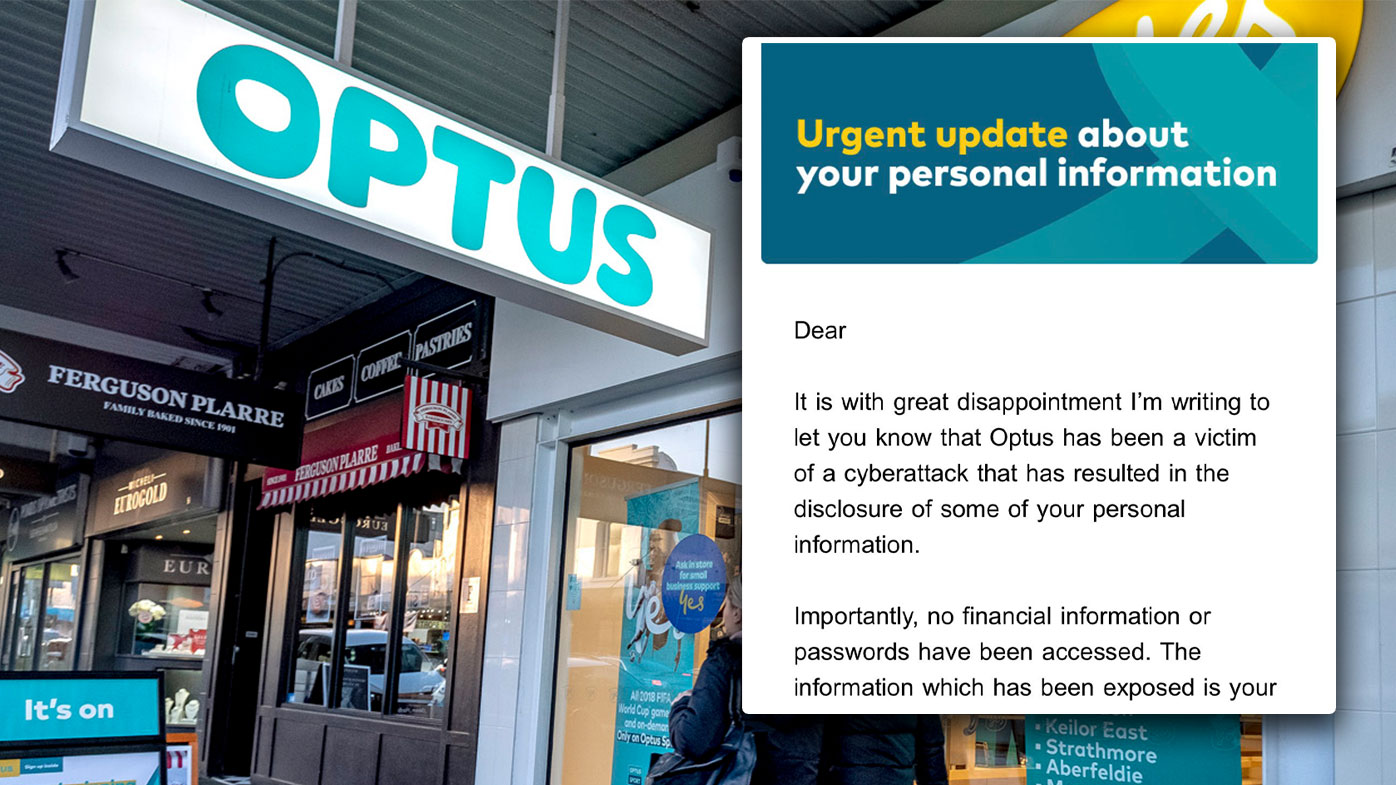
The threat, sighted by 9News, was posted to an online website where stolen information is sold and claims one file contains 11.2 million lines of information, while the other 10 million.
There's no cross referencing of the data currently available to remove duplication, but it indicates the number of unique users impacted will be in excess of 11 million.
Over four million of them are reported to contain an identity document number, such as drivers licence or passport, and over four million appear to have active Optus subscriptions.
READ MORE: Optus customers receive email about extent of data compromise
Optus did not comment directly on the alleged threat, which has said the data would be sold in one lot or in groups of users at a price of up to $300 each unless the USD$1 million payment was made in a cryptocurrency called Monero.
"Given the investigation, Optus will not comment on the legitimacy of customer data to be held by third parties and urges all customers to exercise caution in their online transactions and dealings," a statement obtained by 9News read.
Customers have been advised Optus is not sending links in SMS or emails and has warned users not to open any link from someone claiming to be from the company.
READ MORE: Optus knew of cyber attack 24 hours before alerting media as 'quickest' way to tell customers
It's also been noted the attack will likely lead to an increase in phishing scams through email, phone calls and text messages as "criminals seek to benefit financially".
Optus CEO Kelly Bayer Rosmarin said the user data impacted dates back as far as 2017 during a press conference on Friday.
An AFP spokesperson told 9News it was aware of reports alleging data stolen in the Optus hack were being offered for sale online, including the dark web.
"The AFP is using specialist capability to monitor the dark web and other technologies, and will not hesitate to take action against those who are breaking the law," the spokesperson said.
The AFP issued a warning for anyone considering purchasing stolen data.
"It is an offence to buy stolen credentials. Those who do face a penalty of up to 10 years' imprisonment," the spokesperson said.