Ken Douglas, described as a “giant” of the trade union movement, has died aged 86. Douglas, also known affectionately as “Red Ken”, spent over 30 years of his life fighting for the rights of workers in New Zealand and around the…
Tag Archives: oceania
Why King Charles will pay no inheritance tax
His mother was one of the richest people in the world, but King Charles III will not pay inheritance tax when he takes over a substantial part of Queen Elizabeth II's wealth.
Part of a decades-old deal between the crown and a former British government enables the new king to avoid paying inheritance tax.
Forbes estimated last year that the late Queen's personal fortune was worth £742 ($1.3 billion), made up of her jewels, art collection, investments and two residences, Balmoral Castle in Scotland and Sandringham House in Norfolk. The Queen inherited both properties from her father, King George VI.
READ MORE: Inside horse riders' special Scottish tribute to Queen Elizabeth II
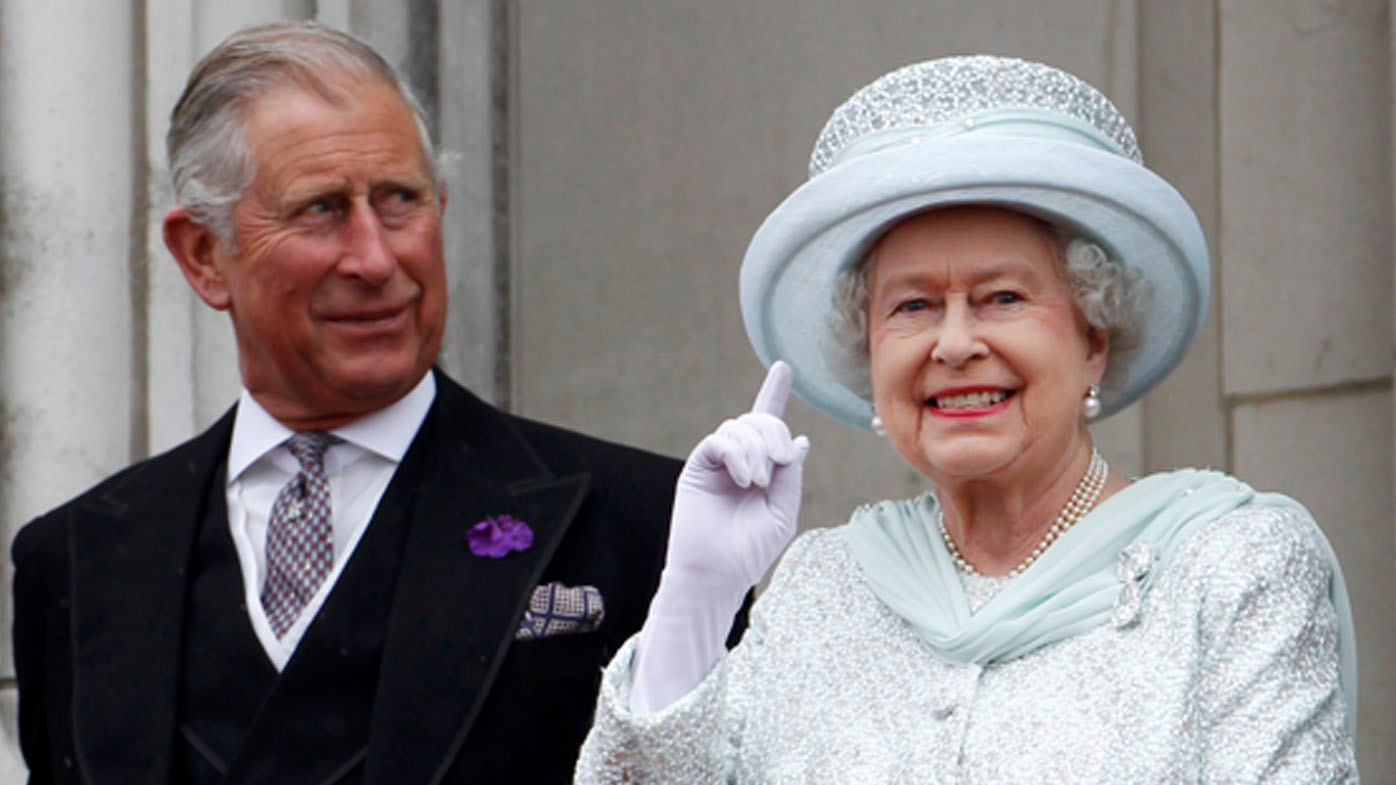
But the biggest slice of the Royal Family's fortune, the $25 billion Crown Estate, now belongs to King Charles III as reigning monarch
He is also in line to take over the the ownership of the Queen's private estate, the Duchy of Lancaster, worth $1.1 billion.
Under British tax laws, most people pay 40 per cent inheritance tax on anything they inherit over a $554,000 threshold – meaning the monarchy would be liable to pay millions of dollars and the UK government would expect a cash bonanza.
But King Charles is not liable to pay any inheritance tax due to an agreement dating back to 1993 and brokered between the crown and former UK prime minister John Major.
It said that some royal assets are held by the Queen as "as Sovereign rather than as a private individual" and that "it would clearly be inappropriate for inheritance tax to be paid in respect of such assets".
READ MORE: New Sydney square to be named after Queen Elizabeth II
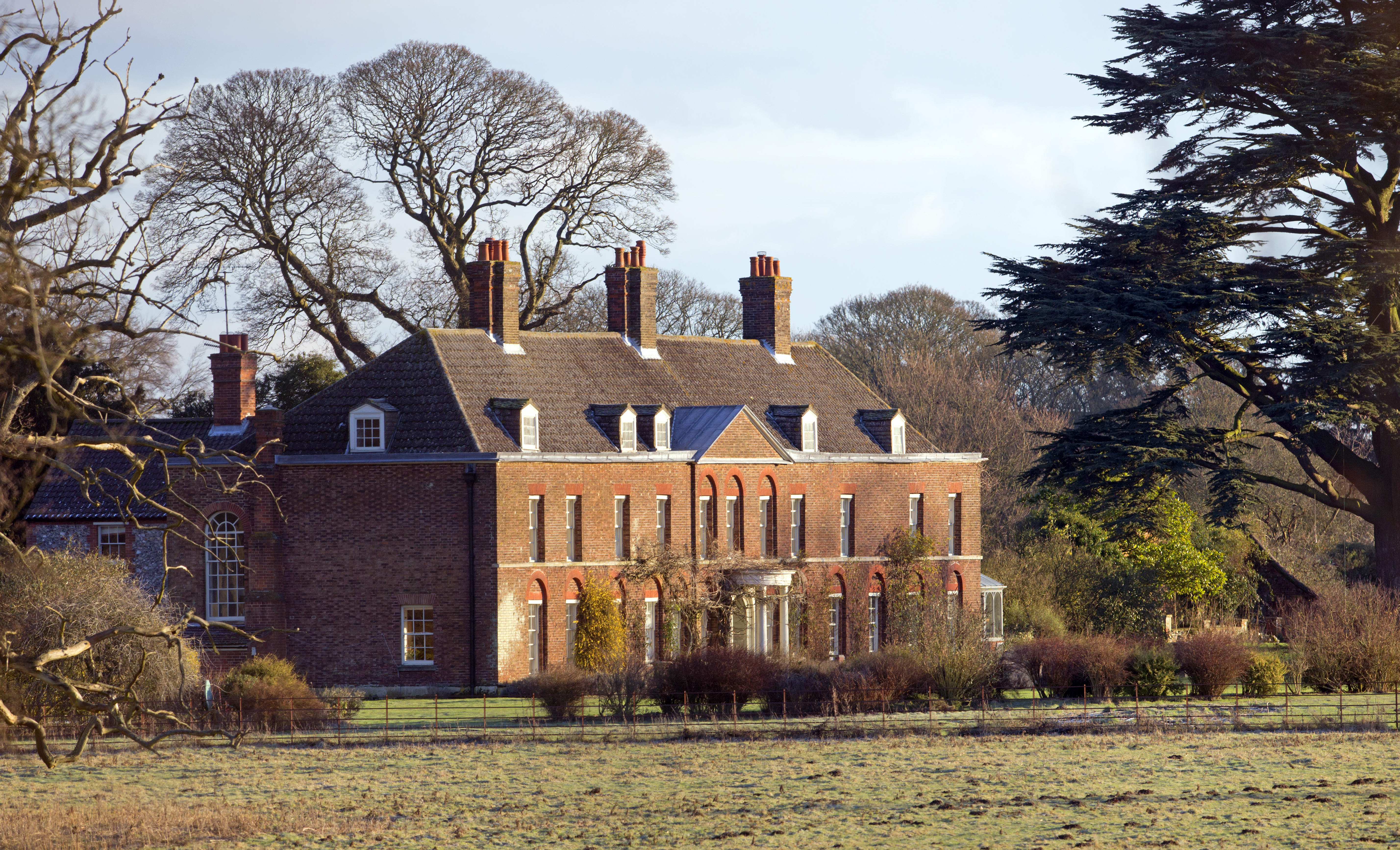
They include official residences such as Buckingham Palace, the Royal Collection of paintings and other works of art.
Instead of being the monarch's personal property, they really belong to the crown and are thus exempt from inheritance tax.
Under the agreement, the private property of a sovereign is also exempt from inheritance tax when passed down to another monarch.
READ MORE: What we know about plans for the Queen's funeral
But anyone other than King Charles inheriting private assets from the Queen must pay inheritance tax.
Queen Elizabeth II voluntarily agreed to start paying income tax in 1992 after she was harshly criticised in the tabloid press for her continuing tax exemption.
King Charles announced when he was Prince of Wales that he would follow his mother.
READ MORE: Ten 'everyday' Australians invited to attend Queen's funeral
Police hunting two men over 'horrific' fatal stabbing in Brisbane
Police are desperately searching for two men after a 23-year-old man was stabbed to death in a "horrific" attack outside a Brisbane gym on Monday.
Police have put a public callout for help to locate 35-year-old Thomas Myler and 24-year-old Kyle Martin as they investigate the alleged murder.
Detective Superintendent Andrew Massingham said the men could potential be armed, and that was in the interests of public safety that both men be taken into police custody immediately.
READ MORE: Motorists urged to fill up before 'double whammy' for prices hits
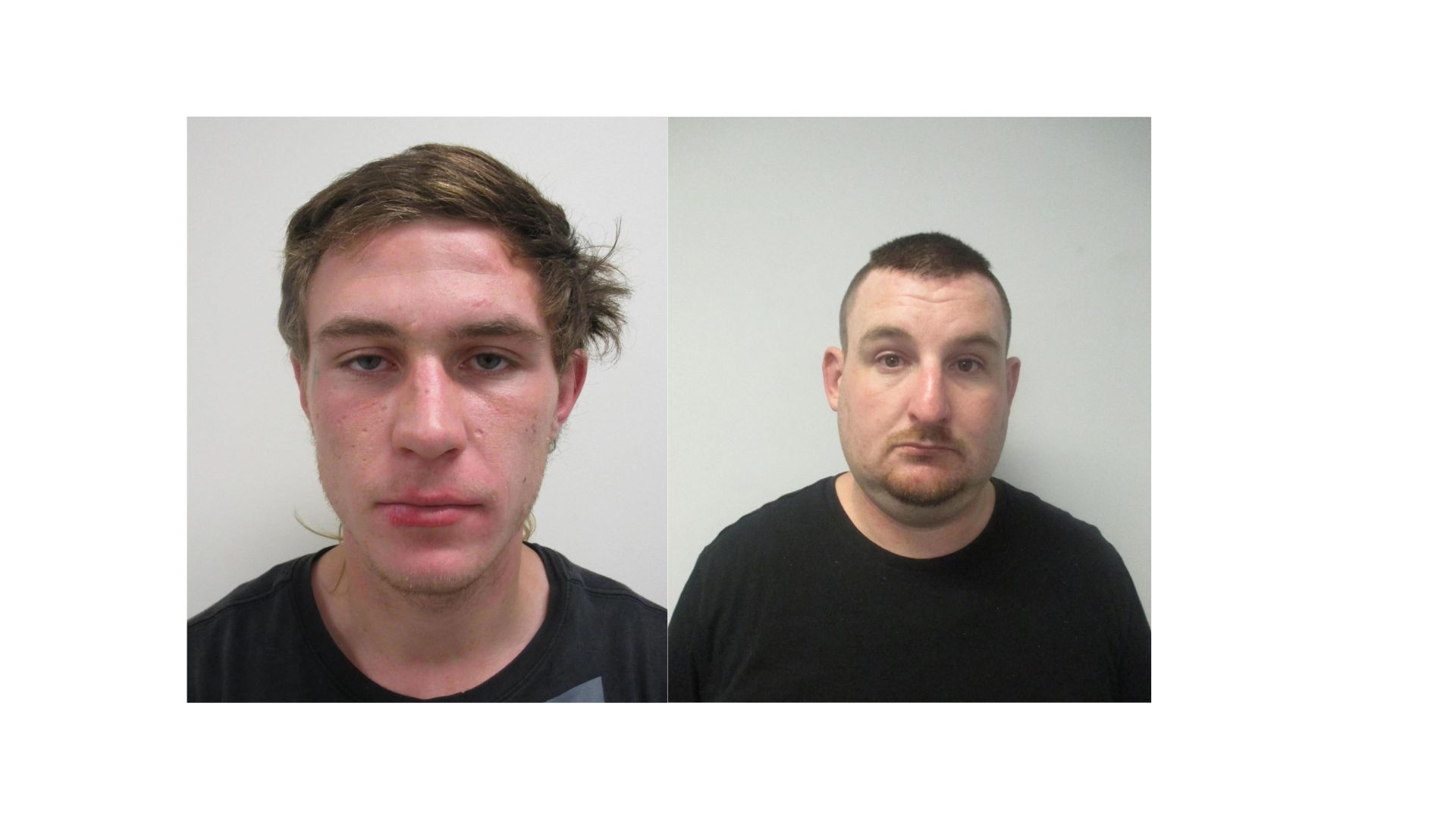
He said police believed Myler had cut his hair since the attack on Monday, and that the two men were still believed to be in Brisbane.
After police called for the public's help on Monday, two members of the public had come forward with clear dashcam footage related to the incident.
He said the footage showed the lead up to the "horrendous crime".
"It's horrific, it's confronting, it's very difficult to watch."
Superintendent Massingham said police carried out searches at properties in Ransom and Birkdale yesterday afternoon.
A third search at a property in Birkdale this morning led to police arresting a 34-year-old man.
Another 34-year-old man, from East Brisbane, was arrested on Monday nearby the scene of the attack.
READ MORE: Inside horse riders' special Scottish tribute to Queen Elizabeth II
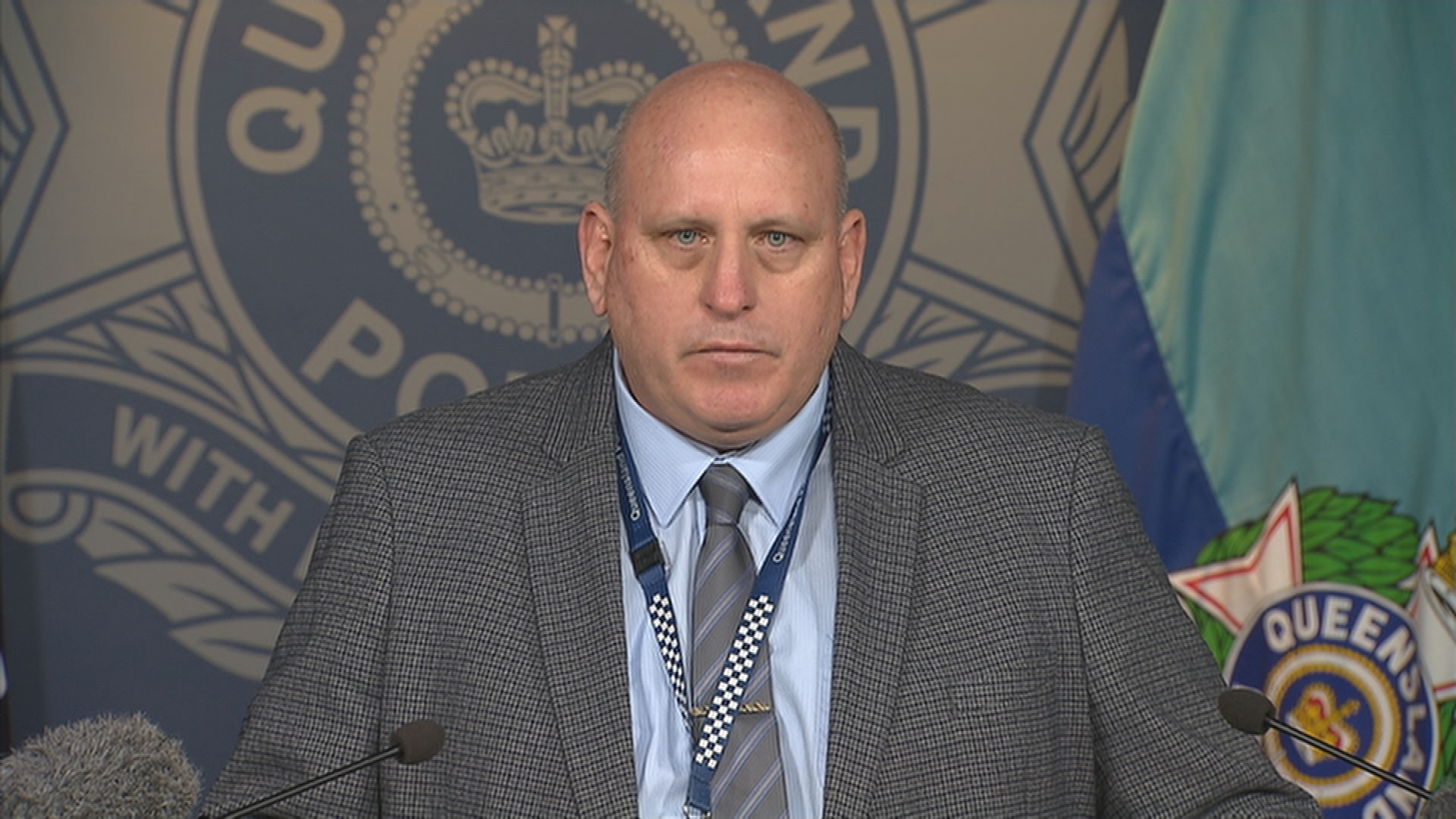
Superintendent Massingham said it was believed the four men could all be linked to the "fairly unknown" 13 Kings gang, which has a presence in Capalaba.
He said police believed the men had been surveilling the victim before he was attacked on Monday.
He said detectives believed the victim realised he was being followed and pulled into the car park of a Mansfield gym to seek refuge when he was attacked about 1pm on Monday.
The victim was pursued by a black Audi and rammed by a Nissan Patrol before five men piled out of the cars and smashed the driver's side window with a crow bar.
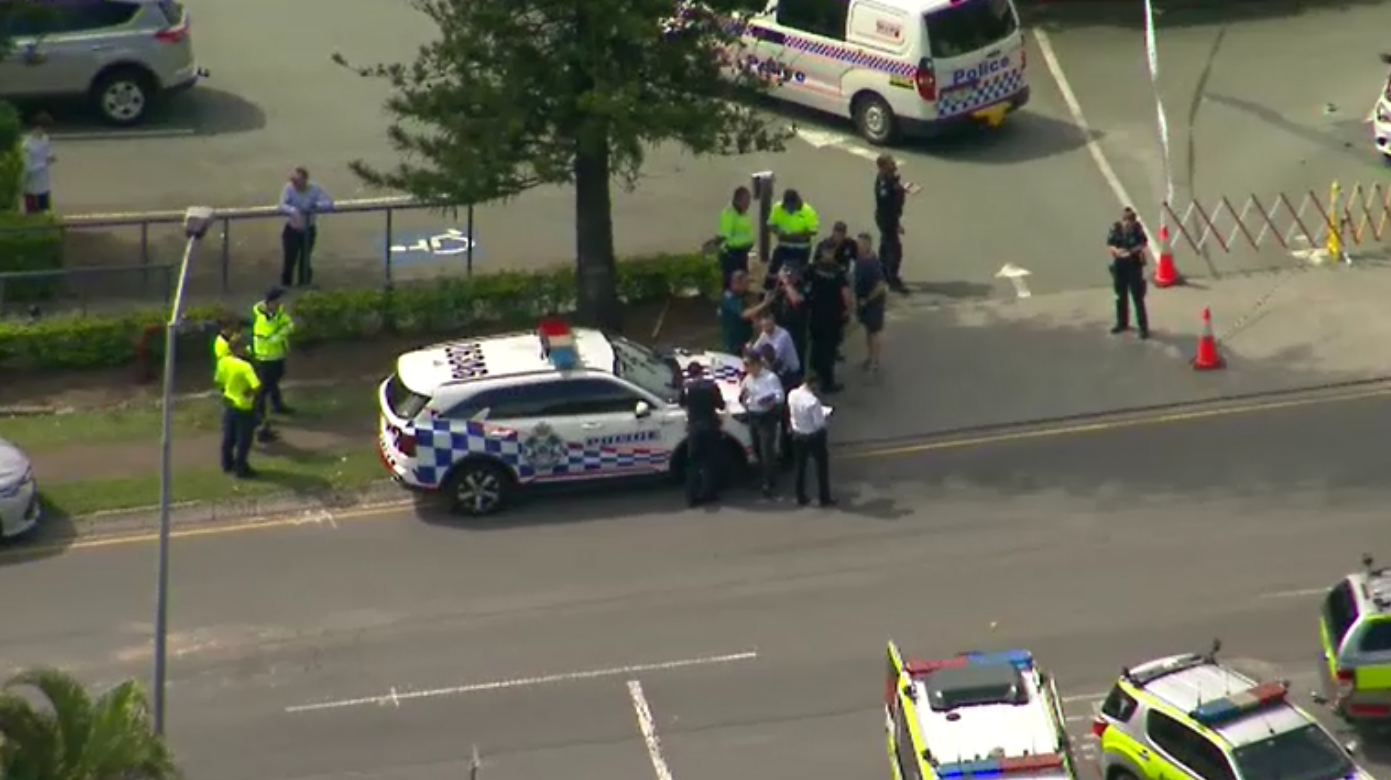
They chased the victim as he tried to flee from the passenger door.
He was stabbed multiple times in the torso by one of the men before four of the men fled in the Nissan Patrol.
The fifth man fled on foot.
Superintendent Massingham said police had not found the Nissan Patrol, which they believed was still in the area.
Anyone who may have seen the men people are looking for, or knows their whereabouts, is urged not to approach them but call Triple Zero.
Extended pandemic leave disaster payment explained
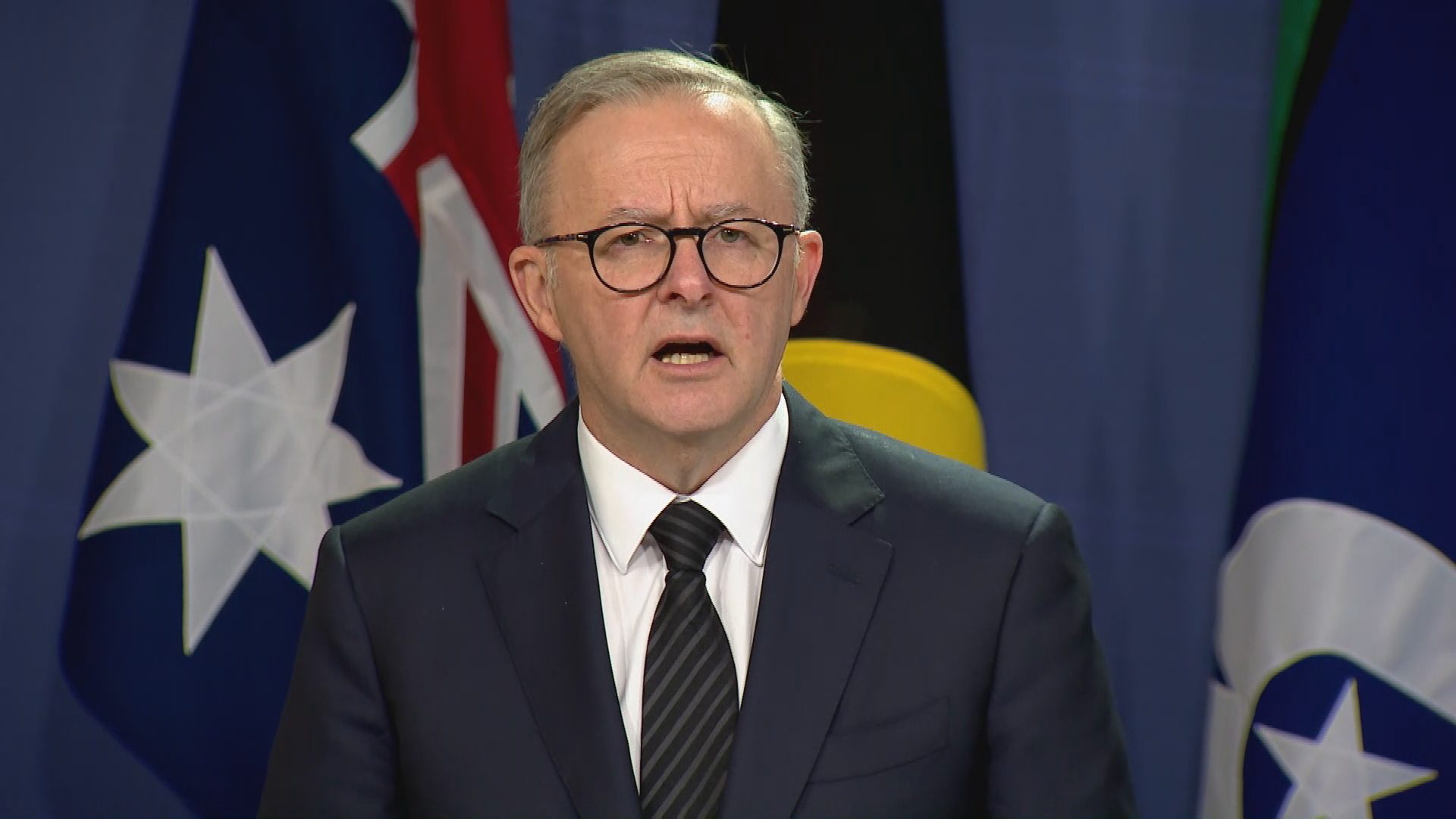
Australia's pandemic leave disaster payment has been extended beyond its current September 30 end date, Prime Minister Anthony Albanese has confirmed.
Speaking following a meeting of National Cabinet, Albanese said all states and territories had agreed to keep the scheme going for as long as medical advice required Australians to isolate at home.
From end dates to payment amounts, here's everything we know about the program:
LIVE UPDATES: Aussie shares lose massive $60 billion in minutes
What is the pandemic leave disaster payment?
The Pandemic Leave Disaster Payment is a lump sum that the government pays to people who cannot earn an income because they – or someone they are caring for – has to self-isolate due to COVID-19.
The payment comes in two rates: $450 if you lost at least 8 hours of pay but less than 20 hours, or $750 if you lost 20 hours or more of work.
More conditions apply but effectively the payment is for people who cannot work from home due to isolation.
READ MORE: King Charles III gets frustrated with pen at Northern Ireland ceremony
How much is the pandemic leave disaster payment?
It depends on how much work you lost:
- $450 if you lost at least 8 hours or a full day's pay, but less than 20 hours
- $750 if you lost 20 hours or more of work
Why is it being extended?
Originally the program was meant to end on September 30.
However, because medical advice still requires Australians to isolate for five days if they test positive to COVID-19, the program has been extended.
READ MORE: The countries banned from Queen Elizabeth's funeral
When will it end?
We don't know.
The Prime Minister said that the program will be in place for as long as medical advice still requires positive COVID-19 cases to isolate.
What's stopping people from taking advantage of the payment?
Prime Minister Anthony Albanese said of the applications for the payment now, less than three per cent of claims have been flagged for fraud checks.
A person will only be allowed to make a maximum of three claims for the payment every six months.
READ MORE: New rapid test detects both the flu and COVID-19

Who is eligible for the payment?
There are a number of requirements to be eligible for the payment, the total list of which can be seen here.
On a basic level, you must be at least 17 years old and be:
- An Australian citizen
- Be positive with COVID-19 or caring for someone who is
- You must have no sick leave entitlements
- You must have liquid assets (like cash) of less than $10,000
- You must also submit a claim for the payment within 14 days of that start of your isolation or caring period.
Prince William just inherited a 685-year-old estate worth $1.7 billion
Royal wills are never made public. That means what happens to much of the Queen's personal wealth following her death last week will remain a family secret.
Forbes estimated last year that the late monarch's personal fortune was worth US$500 million ($742.5 million), made up of her jewels, art collection, investments and two residences, Balmoral Castle in Scotland and Sandringham House in Norfolk. The Queen inherited both properties from her father, King George VI.
"[Royal wills] are hidden, so we have no idea actually what's in them and what that's worth, and that's never ever made public," Laura Clancy, a lecturer in media at Lancaster University and author of a book on royal finances, told CNN Business.
READ MORE: The countries banned from Queen Elizabeth's funeral
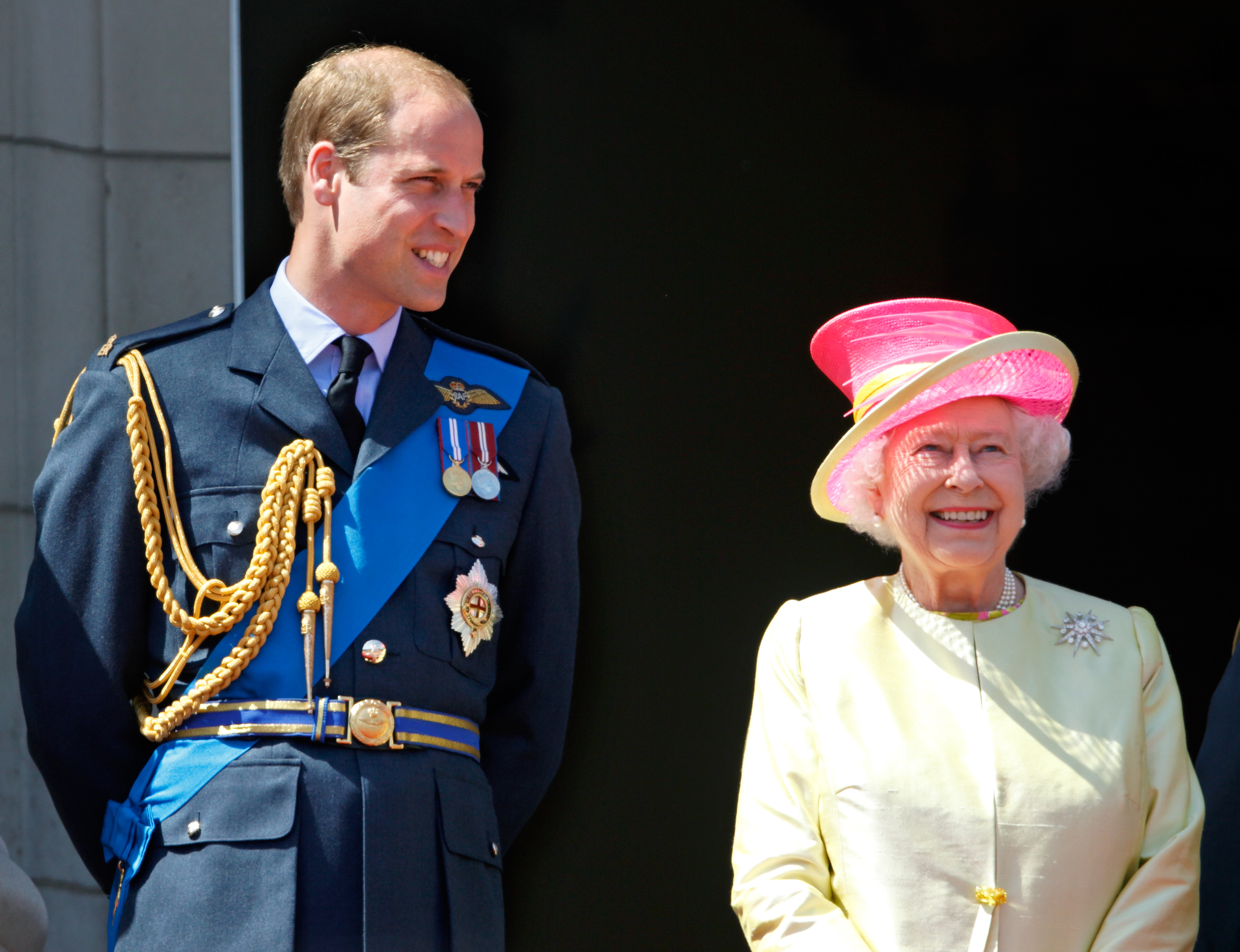
But the vast bulk of the Royal family's wealth — totaling at least £18 billion ($30.72 billion) in land, property and investments — now passes along a well-trodden, centuries-old path to the new monarch, King Charles III, and his heir.
The line of succession makes Prince William, now the first in line to the British throne, a much wealthier man.
The future king inherits the private Duchy of Cornwall estate from his father. The duchy owns a sprawling portfolio of land and property covering almost 140,000 acres, most of it in southwest England.
READ MORE: 'Queen Elizabeth II Place' to be built in Sydney CBD

Created in 1337 by King Edward III, the estate is worth around £1 billion ($1.71 billion), according to its accounts for the last financial year.
Revenue from the estate is "used to fund the public, private and charitable activities," of the Duke of Cornwall, its website says. That title is now held by Prince William.
By far the biggest slice of the family's fortune, the £16.5 billion ($28.16 billion) Crown Estate, now belongs to King Charles as reigning monarch. But under an arrangement dating back to 1760, the monarch hands over all profits from the estate to the government in return for a slice, called the Sovereign Grant.
READ MORE: King Charles III gets frustrated with pen at Northern Ireland ceremony
The estate includes vast swathes of central London property and the seabed around England, Wales and Northern Ireland. It has the status of a corporation and is managed by a chief executive and commissioners — or non-executive directors — appointed by the monarch on the recommendation of the prime minister.
In the last financial year, it generated net profit of almost £313 million ($534.23 million). From that, the UK Treasury paid the Queen a Sovereign Grant of £86 million ($146.79 million). That's equivalent to £1.29 ($2.20) per person in the United Kingdom.
Most of this money is spent on maintaining the Royal family's properties and paying their staff.
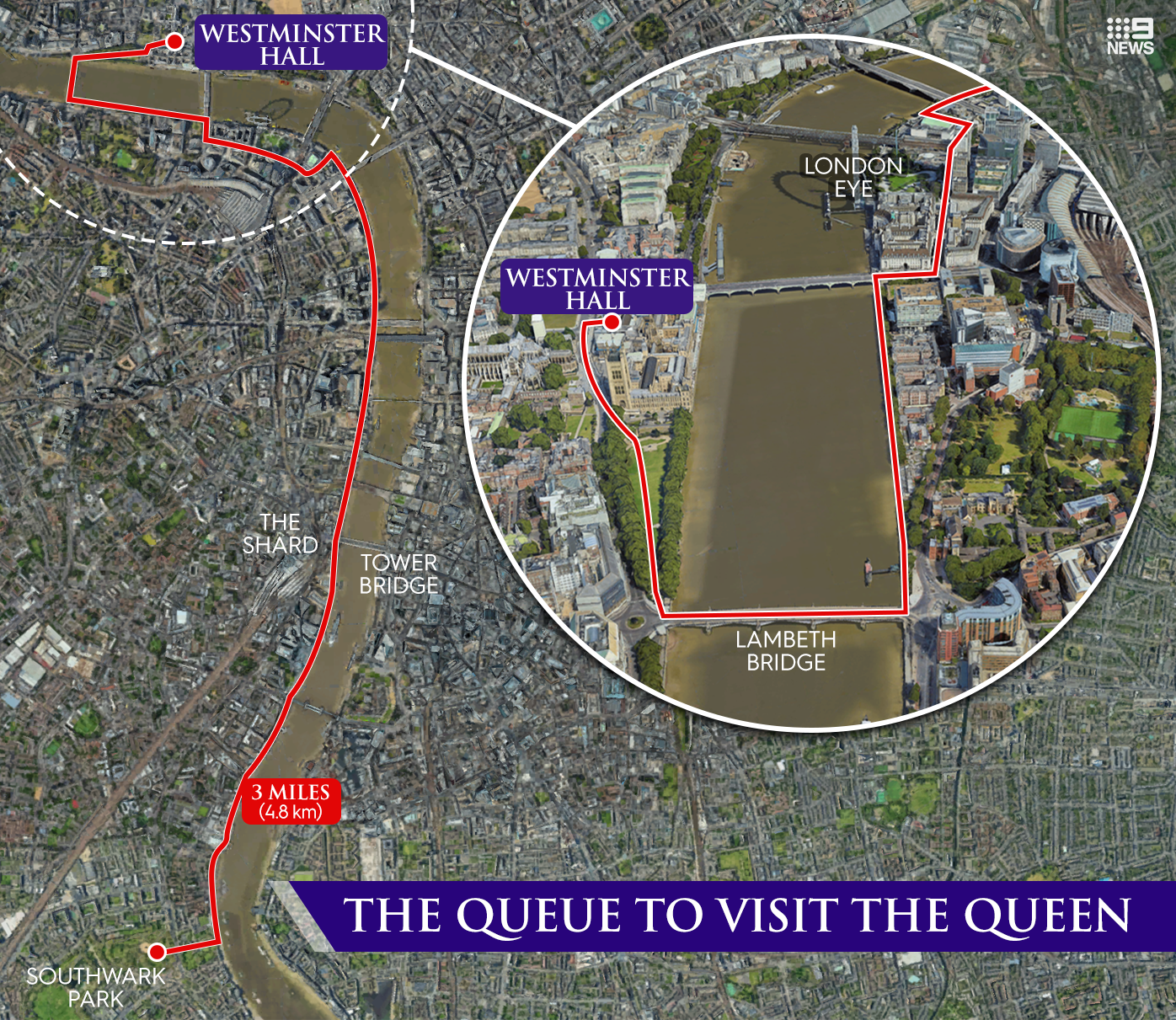
READ MORE: Mammoth mourner queue to stretch six kilometres to Queen's coffin
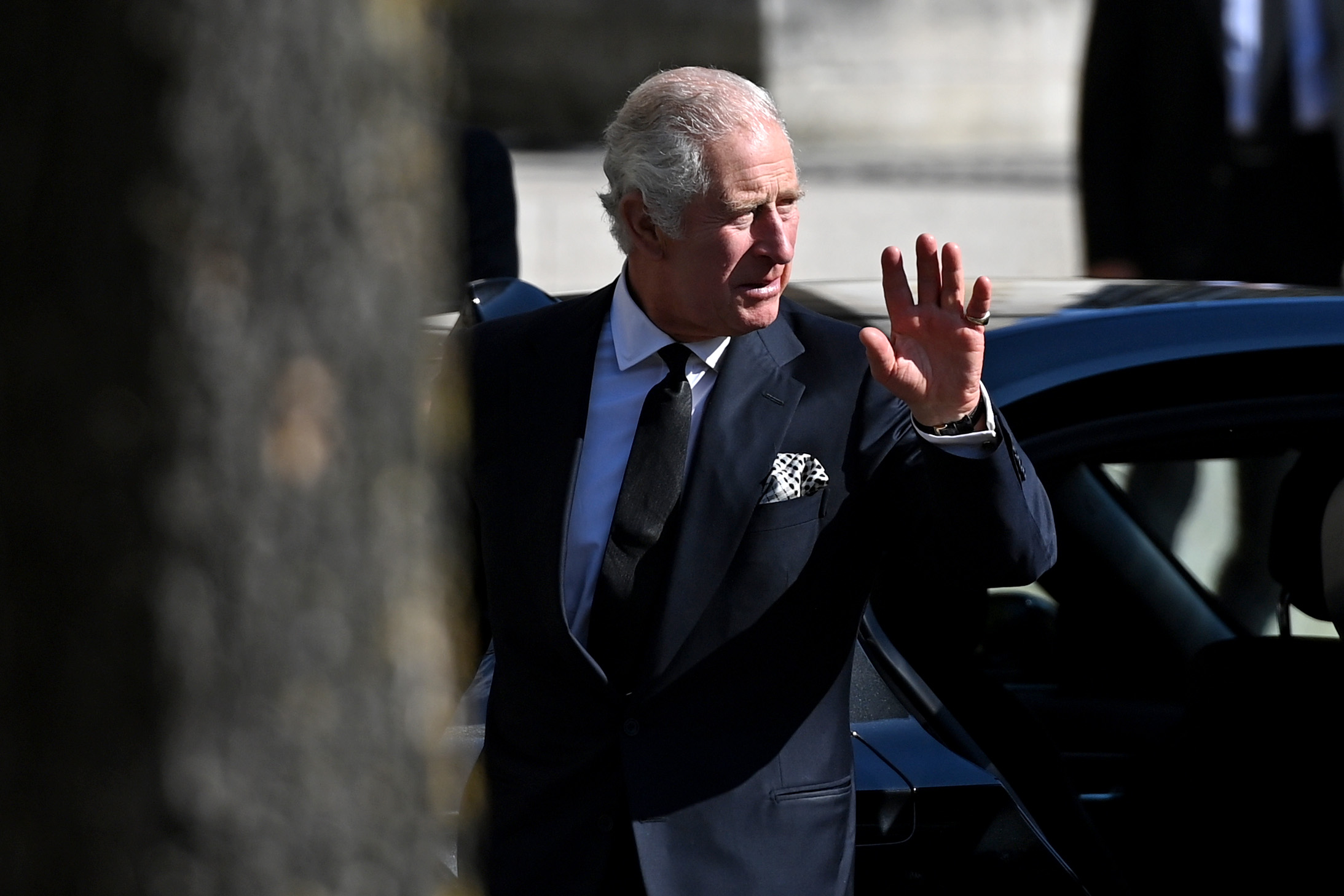
The Sovereign Grant is usually equivalent to 15 per cent of the estate's profits. But, in 2017, the payment was bumped up to 25 per cent for the next decade to help pay for refurbishments to Buckingham Palace.
King Charles also inherits the Duchy of Lancaster, a private estate dating back to 1265, which was valued at about £653 million ($1.11 billion) according to its most recent accounts. Income from its investments cover official costs not met by the Sovereign Grant, and helps support other Royal family members.
Restrictions apply
Despite the vast sums, the monarch and his heir are restricted in how much they can personally benefit from their fortunes.
The King can only spend the Sovereign Grant on royal duties. And neither he nor his heir are allowed to benefit from the sale of assets in their duchies. Any profit from disposals are reinvested back into the estate, according an explainer published by the Institute for Government's (IfG).
The UK Treasury must also approve all large property transactions, the IfG said.
READ MORE: Why King Charles will pay no inheritance tax
Still, unlike the Sovereign Grant generated by the Crown Estate, both duchies are private sources of wealth, meaning their owners are not required to give any details beyond reporting their income, the IFG said.
Last year, King Charles, then the Duke of Cornwall, paid himself £21 million ($35.84 million) from the Duchy of Cornwall estate.
Neither Prince William nor King Charles are obliged to pay any form of tax on their estates, though both duchies have voluntarily paid income tax since 1993, according to the IfG.
That move came a year after the Royal family faced strong criticism for planning to use public money to repair Windsor Castle, which had suffered damage in a fire, Clancy said.
"Of course, voluntary income tax [is] not a fixed rate, and they don't have to declare how much income they're making their tax on. So actually it's just like plucking a figure out of thin air," Clancy said.
Buckingham Palace did not immediately respond to CNN Business when reached for comment.
Ukraine's battlefield wins could make war more dangerous
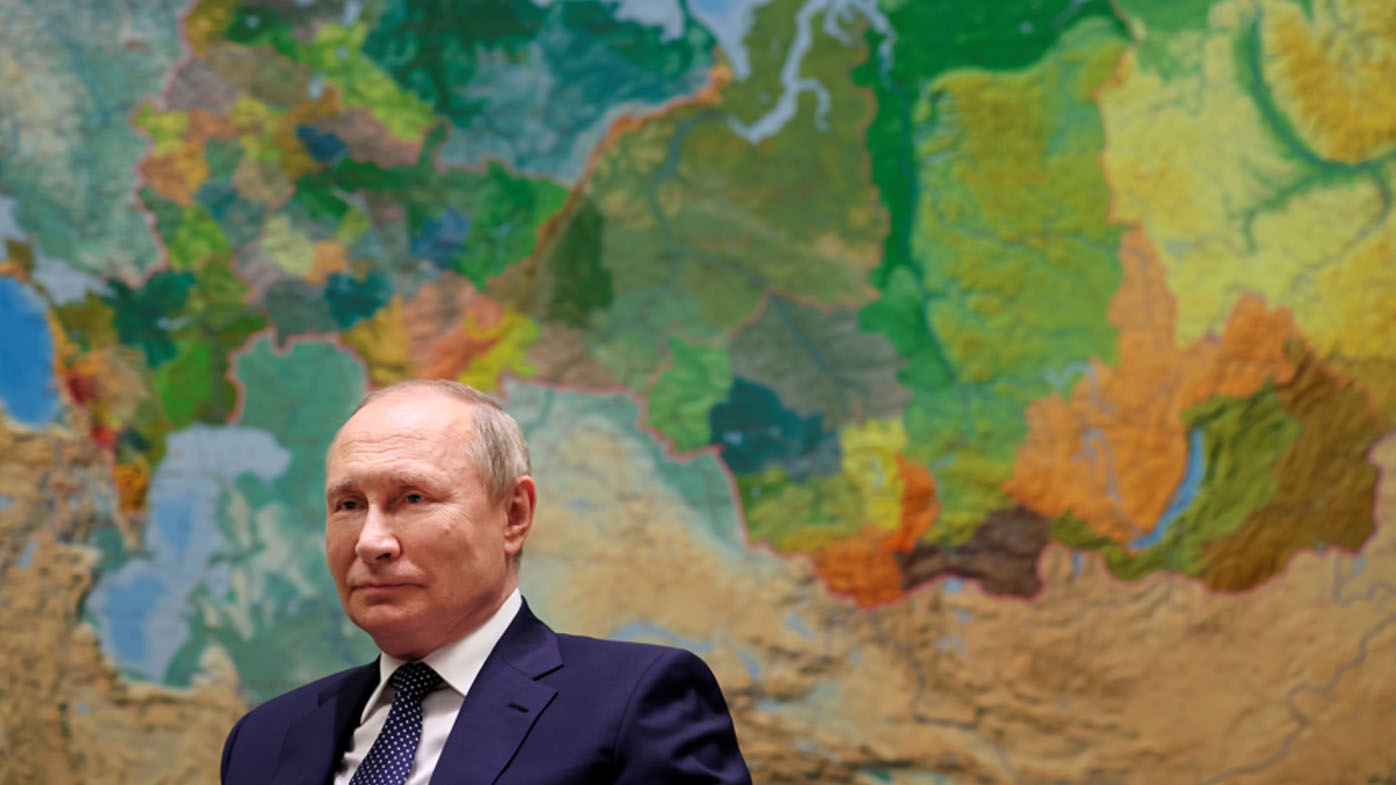
Ukraine's stunning recapture of vast areas of Russian-held territory is renewing the focus on the most chilling unknown of a war already marked by extreme cruelty – the depths to which a cornered Vladimir Putin might descend.
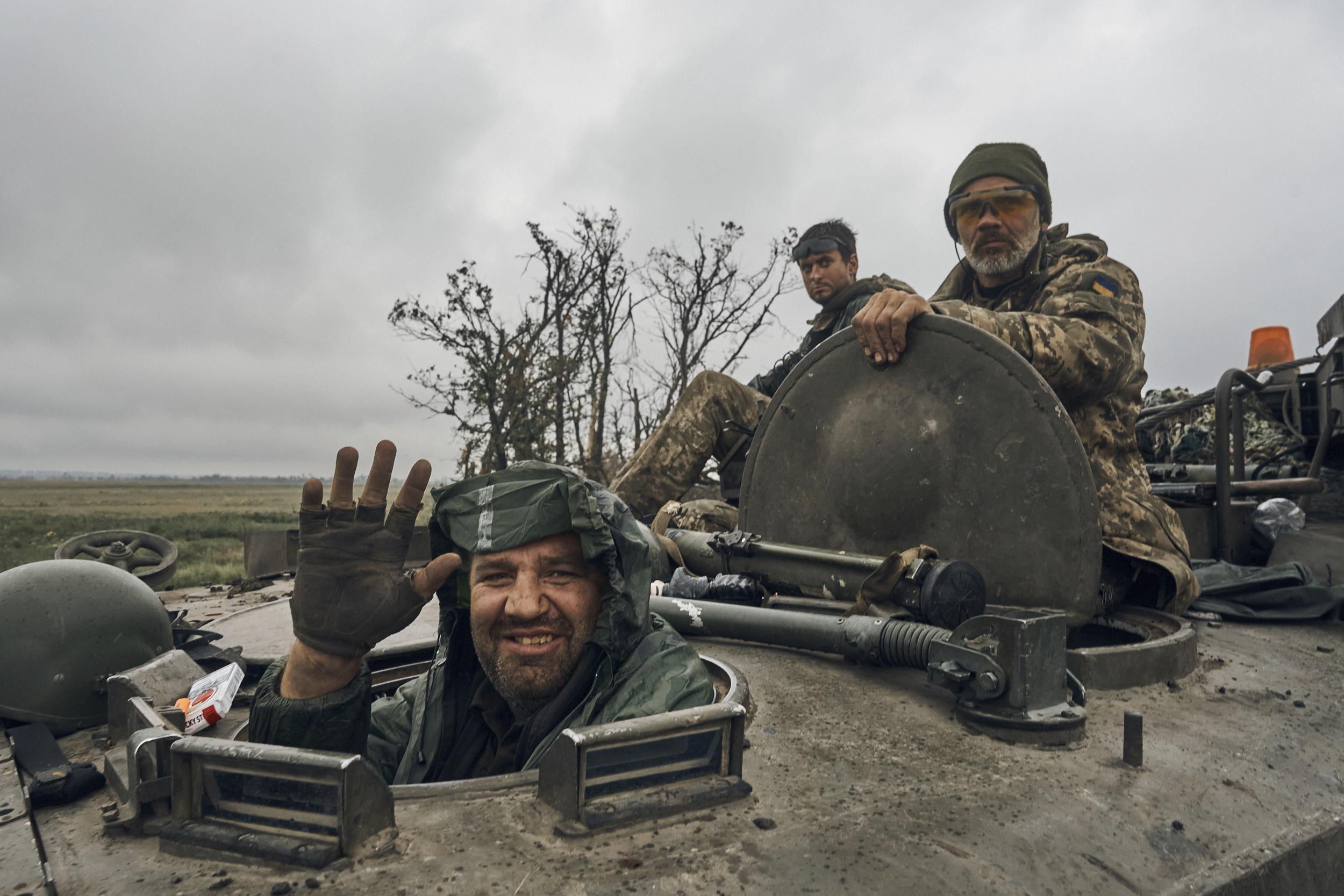
Huge gains made by Ukrainian forces in recent days are a tribute to the bravery of troops fighting for a nation's survival, an ingenious military strategy and yet more evidence of failures among Russia's once vaunted armed forces.
They also represent a victory for Western policy of steadfast support for Ukrainian President Volodymyr Zelenskyy's government. Kyiv's progress validates the US strategy of sending billions of dollars of arms and ammunition to Ukraine's forces in what would previously have been an unheard of modern proxy war in Europe.
LIVE UPDATES: Queen's coffin arrives at Buckingham Palace
'Russian regime is in trouble'
But they also raise the question of how Putin, facing embarrassments on the battlefield and signs of rare political pressure at home, might react, recalling fears earlier in the war that he could reach for chemical weapons or even a tactical nuclear device as a last resort.
"The Russian regime is in trouble, I believe, and they have got to turn it," said retired US Army Brigadier General Peter Zwack said.
"They are being backed into a corner domestically and not internationally, which makes this all very dangerous," he said.
Footage of scenes of liberation in Ukraine were regarded with delight in Washington, and as yet another important twist in a war that has often proved unpredictable.
READ MORE: The countries banned from Queen Elizabeth's funeral
https://twitter.com/DefenceHQ/status/1569550041194405890?ref_src=twsrc%5Etfw
"I think it is a pivotal moment. It really has changed what otherwise was a war of attrition, and clearly given Ukraine an advantage here that gives them momentum at a critical time," ex-CIA director and defence secretary Leon Panetta said.
Ukraine's advance has quickly recaptured 6000 square kilometres in the east and south of the country, according to the Kyiv government.
Its troops have been pushing forward in the northeastern region of Kharkiv and have been fighting a smaller offensive in the south.
READ MORE: Ukraine piles pressure on retreating Russian troops
Rare criticism of Kremlin policy
In a potentially important political development, Russia's losses have broken through in Moscow despite the crushing of independent media. Some TV commentators and bloggers have criticised the conduct of the war and the Kremlin admitted that Putin was aware of developments, though insisted the "special operation" in Ukraine would succeed.
In a show of considerable courage, given Putin's repressive record, deputies in 18 Russian districts called for his resignation, though it would be unwise to over interpret this as a sign of a broad revolt.
Still, the White House is highlighting signs of dissent to increase the sense of political pressure on Putin.
"It is very interesting to see, isn't it now, that he's facing some public rebukes not just from opposition figures, but from actual elected officials inside Russia. That's not insignificant, and we'll see where this goes," John Kirby, the National Security Council's coordinator for strategic communications, told ABC News on Tuesday.
READ MORE: Princess Anne reveals she was with Queen in final 24 hours
"We're already starting to see signs that they're going to probably start to crack down on some of these dissident elected officials," he said. "We'll watch this carefully."
Surprising developments in Ukraine will offer new openings to Western governments keen to further increase the pressure on Putin, but they may also require another recalibration of US military aid and other assistance and a reconsideration of the possibilities for Ukraine as it seeks to expel Moscow's troops from all of its territory.
The US says it remains committed to giving Ukraine what it needs to carry on the fight against Russia, although that could change after November's midterm elections if Republicans less willing to support a foreign war win control of Congress.
One key issue for the US is whether American military aid that first included anti-tank weapons and small arms, then included items like drones and howitzers, may now need to be adjusted again to help Zelenskyy's armed forces consolidate control over newly captured land and to repel any Russian counter-attacks.
"Now the war enters a new stage where the ability to move forces under fire and exploit weaknesses in Russian lines are of utmost importance," said Rafael Loss, coordinator for Pan-European Data Projects at the European Council on Foreign Relations. Western leaders could help Ukraine build on successes and liberate more land with battle tanks and armored vehicles, Loss said.
Putin's choice
In addition to tactical considerations, Ukraine's romp through previously held Russian territory poses the question of how Putin, who has invested enormous credibility into a war he has framed as a broader conflict against the West, might react to the reversals.
Military analysts have said that the breakthroughs by Ukrainian troops over the weekend are the most significant in the war since Russia abandoned its drive to capture the capital Kyiv in the early weeks after the invasion.
But tempering the euphoria in the West is not just the reality that war can be unpredictable and battlefield gains can be reversed. It's the realization that if Russia is facing heavy loses that are politically unpalatable to the ruthless Russian leader, Ukrainian victories may simply usher the war into a dangerous new phase.
The invasion has shown Putin's indifference to human carnage and a willingness previously shown in conflicts in Chechnya and Syria to rain terror on civilians and to raze cities. Tens of thousands of Russian forces have been killed, according to Western intelligence agencies, yet Putin has gone on the record as saying that his country has lost nothing from the invasion.
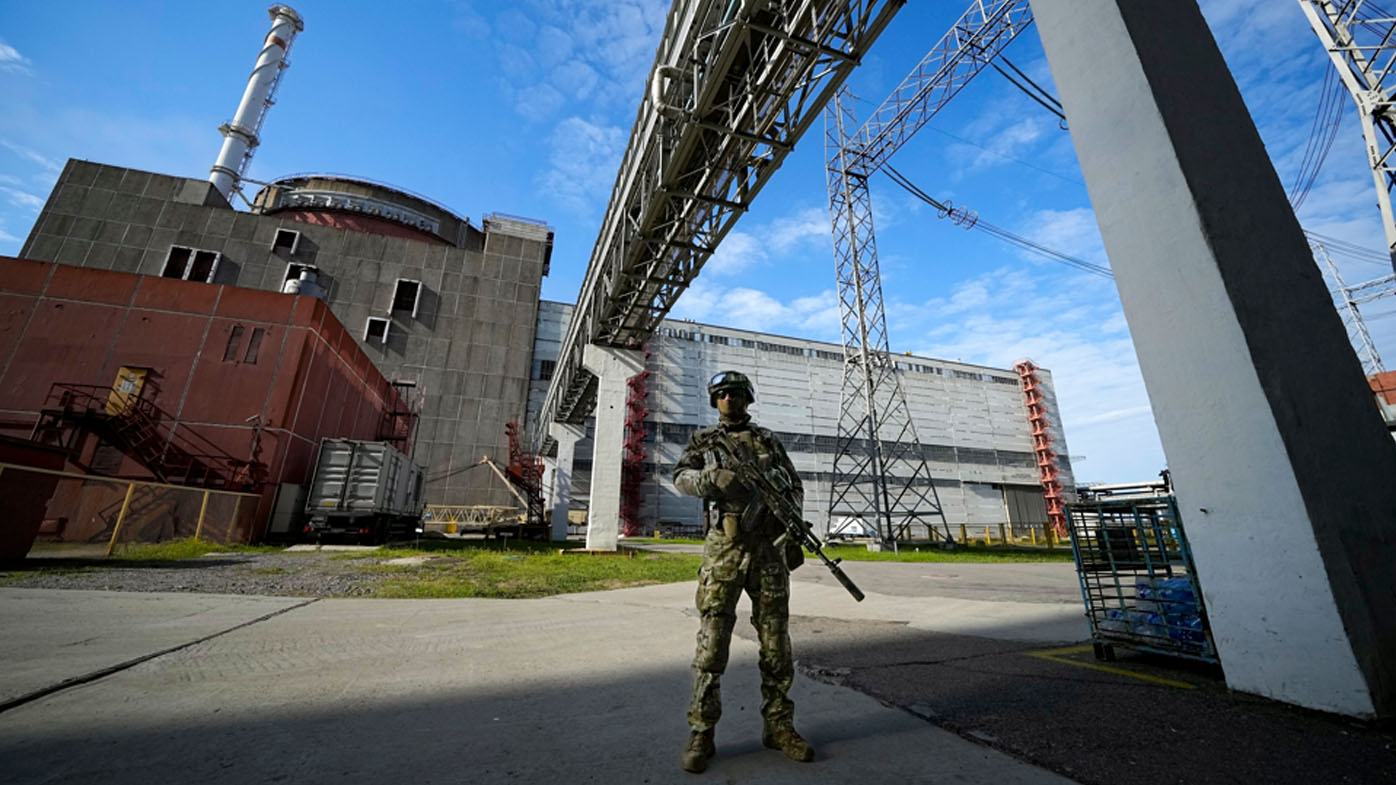
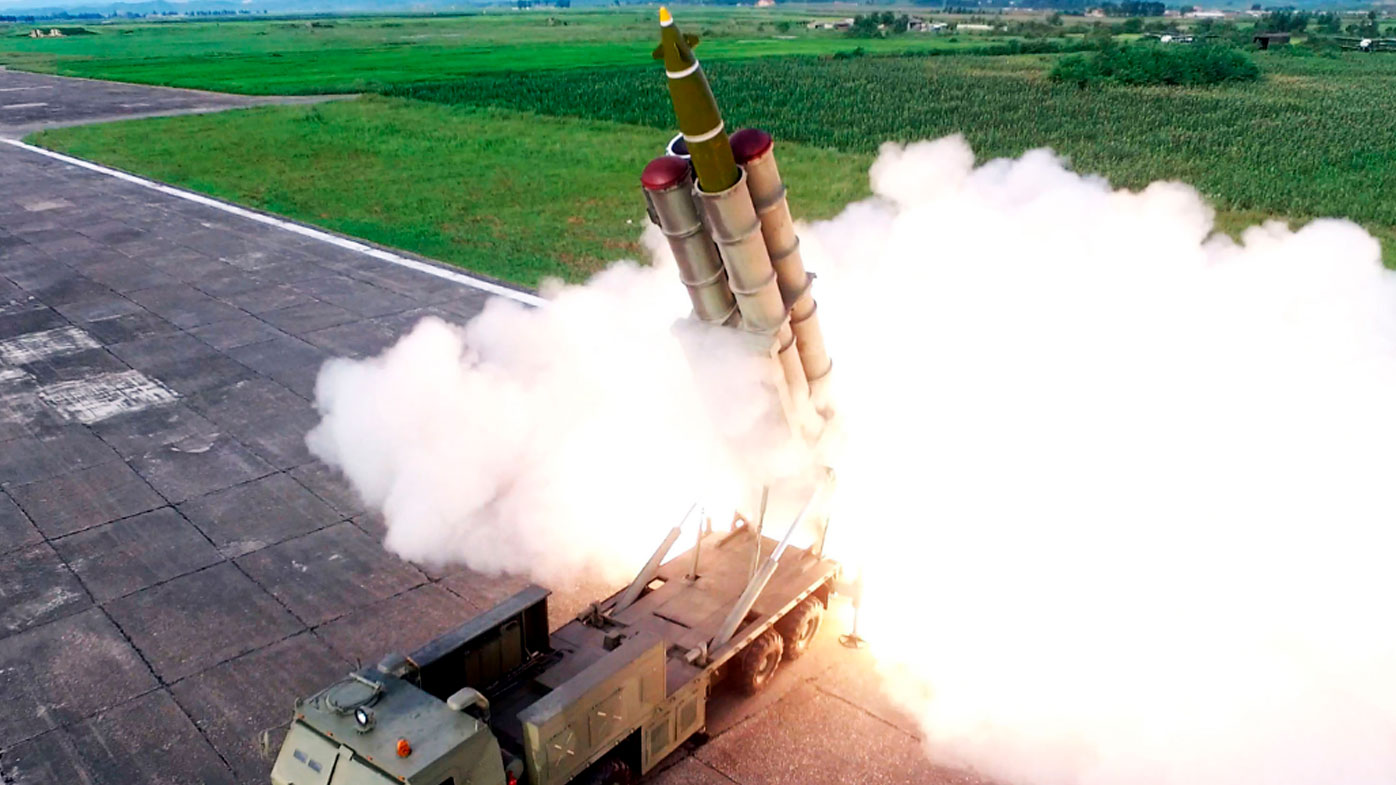
So it's quite possible that Putin will take defeats as a spur to launch withering assaults on liberated districts from the air or with artillery and rocket shells. Another area of possible leverage is the Russian occupation of the Zaporizhzhia nuclear plant, the largest in Europe, which has led international nuclear officials to warn that Moscow is "playing with fire" and risks disaster.
Given the importance of the conflict to Putin, western strategists also do not rule out the possibility that Russian forces will dig deep into defensive lines for a prolonged war of attrition that could give them time to resupply and regroup.
There have long been fears in the West of how Putin would react if it looks like he is losing the war in Ukraine, with concern raised over whether he might escalate to the use of chemical weapons.
And the possibility that Russia could even deploy a limited-yield battlefield nuclear weapon in the event its troops are on the run has not been ruled out by Western strategists, even if the US has said there is no sign of Moscow moving its nuclear arsenal so far. Ukraine's top military officer, General Valeriy Zaluzhnyi, warned of the direct threat of tactical nuclear weapons use by Moscow, Reuters reported last week.
Any deployment of weapons of mass destruction would again risk the kind of escalation between Russia – the world's biggest nuclear power – and Washington that President Joe Biden has sought to avoid at all costs.
Massive mudslide sweeps away cars, boulders in California
Cleanup efforts and damage assessments are underway east of Los Angeles after heavy rains unleashed mudslides in a mountain area scorched by a wildfire two years ago.
'Queen Elizabeth II Place' to be built in Sydney CBD
Prime Minister Anthony Albanese and New South Wales Premier Dominic Perrottet today announced a new square in Sydney's CBD will be named after Queen Elizabeth II.
The area, on Macquarie St on the eastern side of the CBD, will be known as 'Queen Elizabeth II Place' in honour of the seven-decade reign of the late monarch.
"This is a visionary project," Albanese said.
LIVE UPDATES: Queen's coffin arrives at Buckingham Palace
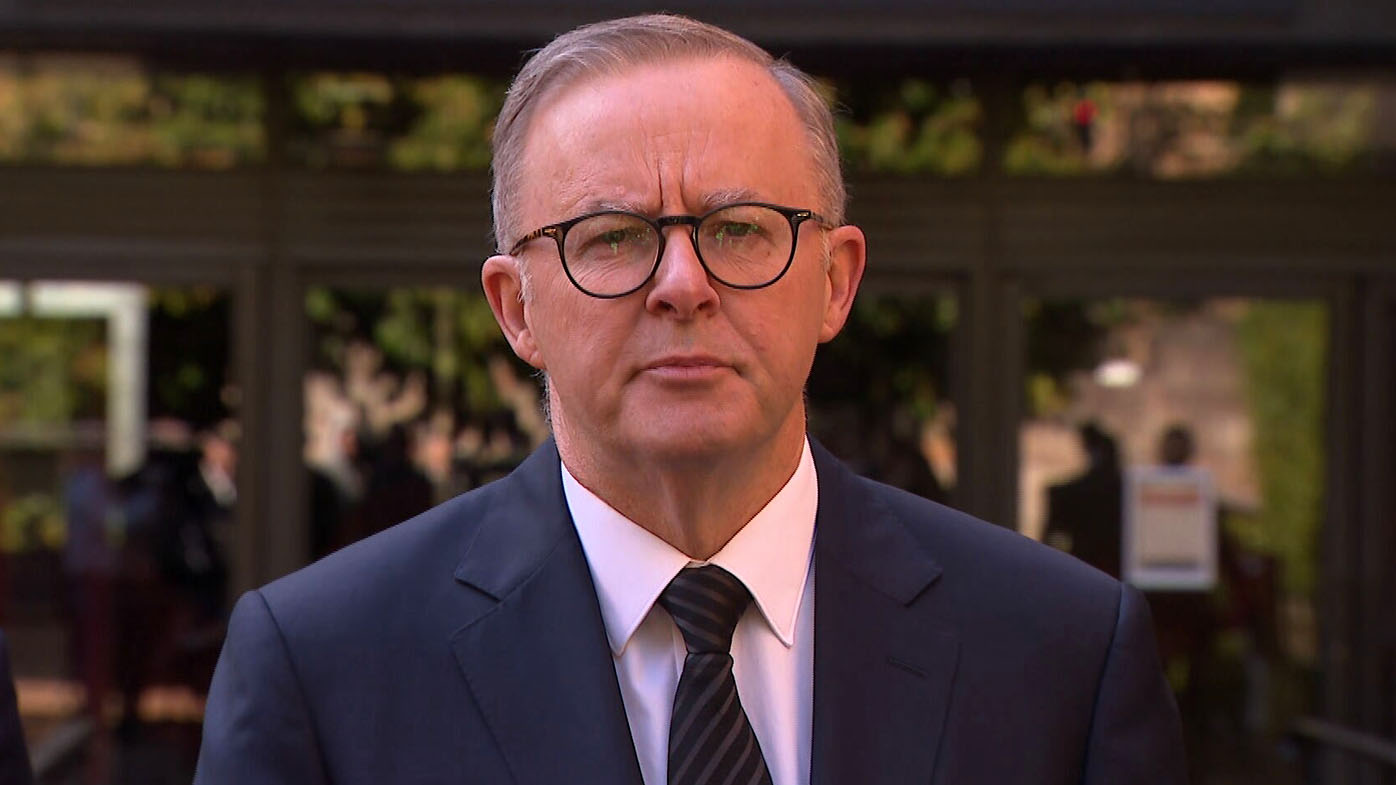
The Prime Minister said the establishment of the place will ensure the Queen will be forever remembered.
"Regardless of where people stand on other issues, Queen Elizabeth II is someone who is admired and respected," Anthony Albanese said.
"The naming of this place in her honour is an appropriate and fitting tribute."
The creation of Queen Elizabeth II Place will involve the demolition of an existing building.
"It's going to be a great open space," Premier Dominic Perrottet said.
"In the 60s and 70s they just built these things, and they've brutalised the great, historic Macquarie St."
King Charles III gets frustrated with pen at Northern Ireland ceremony
King Charles III has lost his temper with a leaking pen while being filmed at a signing ceremony at Northern Ireland's Hillsborough Castle.
The new King was signing the visitors' book in front of cameras when it appeared to leak on his hand, just after he was corrected on what date it was.
"Oh god I hate this [pen]," he said as he stood up and handed the pen to his wife, Queen Consort Camilla, for her to sign the book.
READ MORE: Inside horse riders' special Scottish tribute to Queen Elizabeth II
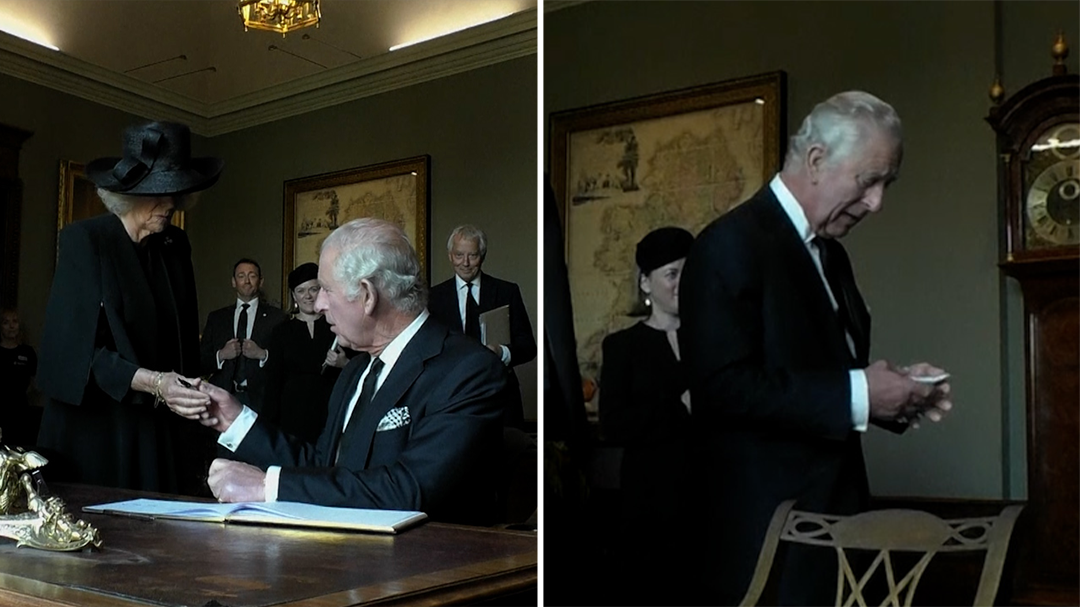
"Oh look, it's going everywhere," Camilla said, holding the pen as King Charles wiped his fingers.
"I can't bear this bloody thing … it's what they do every stinking time," the King said before walking off camera.
Just before King Charles III raised the leaking pen, he had asked if the date was September the 12th.
"13th, sir," he was told by a male staffer.
"Oh god, I put the wrong date down," the monarch responded.
"You signed the 12th earlier," Camilla then said.
Inside horse riders' special Scottish tribute to Queen Elizabeth II
As Queen Elizabeth II passed through Scotland for the last time, a large group of riders and their horses formed a special guard of honour above the roadside in Glenfarg for the horse-loving monarch.
A total of 32 riders on horseback, including adults and children, gathered to greet Her Majesty's coffin as it passed through the Scottish village on its journey to London, accompanied by Princess Anne, who waved at the group.
The horse trainer behind the tribute, Emma Cheape, has told Today it was "a surreal moment" to be part of.
READ MORE: Emotions run high as Queen returns to Buckingham Palace for last time
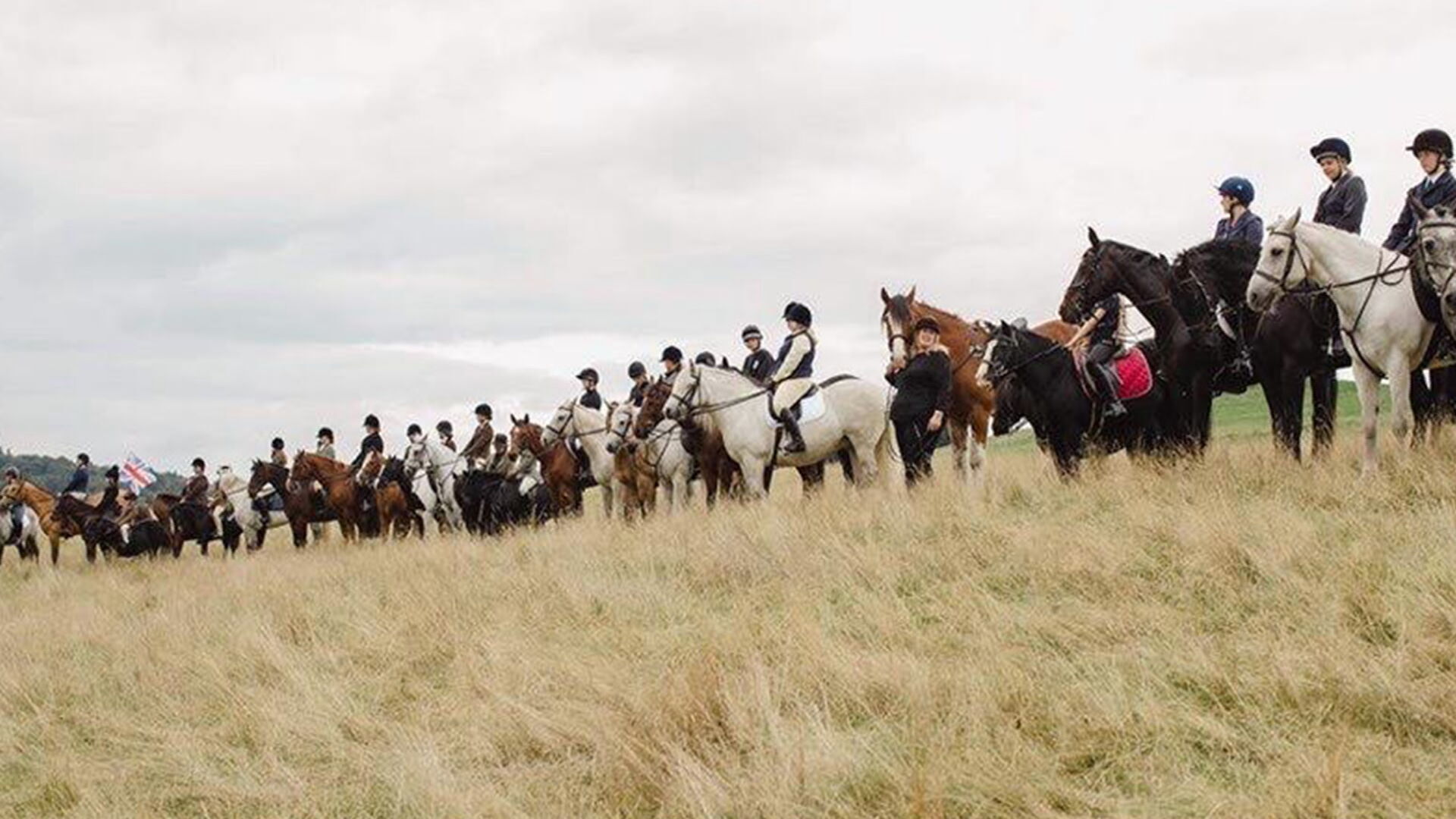
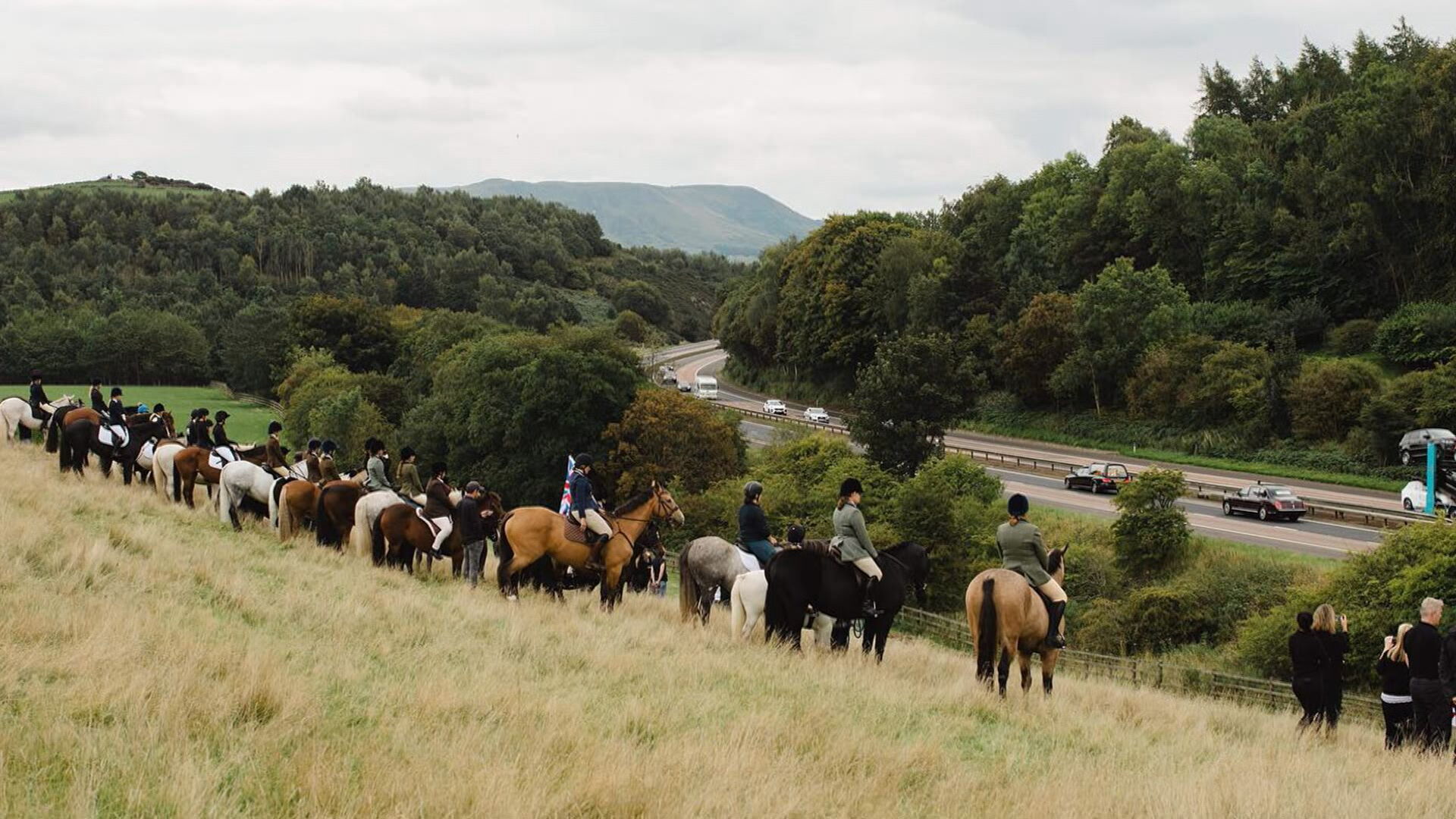
Cheape said she didn't quite have words to describe how she felt when the Queen passed.
"The field fell silent. The horses stood immaculately still," she said.
"Princess Anne spotted us and waved, her and her husband, Tim, waved to us.
"It was amazing. It was a moment that I will never forget."
READ MORE: Ten 'everyday' Australians invited to attend Queen's funeral
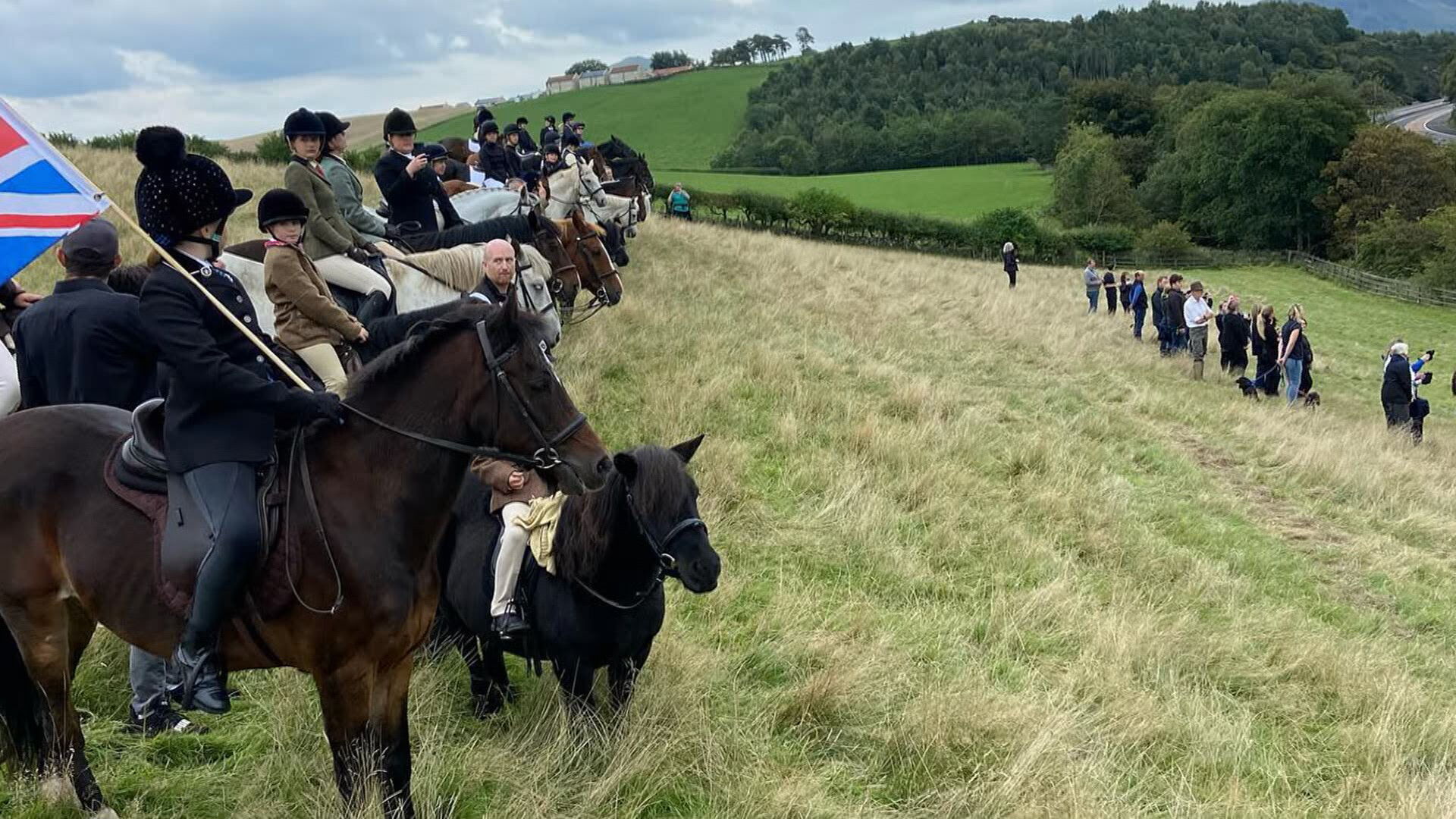
Cheape said the group had hoped Princess Anne would spot them, but did not expect a wave.
The horse trainer organised the gathering on Facebook, with other local riders saying they wanted to join Cheape and her parents to farewell the Queen.