Tag Archives: oceania

NSW RFS unveils new weapon in fight against bushfires

Although Australia is set for yet another La Niña battering in the upcoming months, the threat of serious bushfires remains in vulnerable parts of the country.

With all the heavy rainfall that's hammered the east coast, a subsequent "large amount of growth" in grassland areas has also followed, meaning there's still a significant risk of danger on those hot summer days.

Many regions are still recovering from the devastating Black Summer blazes of 2019 and now, the RFS has unveiled a new weapon in the fight.

In fact, they've got 80.

READ MORE: Man charged after allegedly rushing at Queen's coffin

The weapon? Grazing goats.

"RFS was prompted to look at a range of alternate hazard reduction methods, one of them being grazing – and goats are known for wanting to have a go at anything," Troy Gersback, RFS firefighter and inspector, told Weekend Today.

"It seemed like the most reasonable and logical solution to put them in the field.

"It's a fantastic technique that we are using here that is really allowing the RFS to continue its preparations for the community – rain, hail or shine."

The herd, which is currently 80 strong, have been deployed to Mudgee and its surrounds, where they have already munched their way through 16 sites so far.

Grazing goats are actually a popular hazard reduction technique used extensively overseas in the US, Canada and Europe.

READ MORE: Fourth man charged over fatal Brisbane stabbing

Despite the announcement of a record-breaking third consecutive La Niña system, Gersback said that due to the nature of the landscape, the threat of bushfires remains "ever-present".

"The threat is ever-present and we have actually seen that here in the Mudgee region in the last couple of weeks we have had a number of large running grass fires running through paddocks that are in two inches of deep water," he said.

"But yet the grass fires are moving across the dry grassland on top. The potential is certainly there and the threat is always still present.

"Unfortunately the rain that we have had has kept that risk at bay, but going into another fire season which starts on October 1, we are only a couple of weeks away we still do see that potential there."

Aussie soldier reveals army preparations for Queen's funeral

Training started almost immediately for the 39 Australian Army personnel who were selected to march as part of the funeral proceedings for Queen Elizabeth II.

It hasn't been an easy task but they were prepared, with the members jumping on one of the first flights to London after hearing of the Monarch's death last week.

Australian Army Brigadier Mick Garraway will be among those marching alongside Australian, Canadian and New Zealand defence force members.

READ MORE: Queen's grandchildren hold vigil at Westminster Hall

"It's a tremendous opportunity and it's a great privilege for us to be involved in this historic event," he told Today.

"Things happened pretty quickly.

"Most of us got the word last Friday and gathered in Sydney and then flew through over here to London. And there's been a lot of rehearsals."

The rehearsal started within 24 hours of personnel arriving, including a 2am before-dawn dress rehearsal at Wellington Barracks near Buckingham Palace.

READ MORE: Poll finds majority of Aussies in favour of remaining a monarchy

"Essentially we have been rehearsing the parade itself after hours here in London, because of the requirement to close streets," Garraway said.

"There has also been rehearsals on a nearby army base. The troops have been working hard to prepare themselves for a style of a drill and style of marching which we don't normally do in Australia.

"The troops have been working really hard."

Those marching include personnel from the Royal Australian Engineers, the Royal Australian Infantry, the Royal Australian Army Ordnance Corps and the Royal Australian Army Nursing Corps.

"They have been looking forward to representing their country in this historic event," Garraway said.

READ MORE: King and Prince make surprise visit to the queue

"Together in this environment, for many of us when we deploy in operations we're often away with the Brits, the Canadians and the Kiwis, so it's great to get together in that Commonwealth team and be part of something historic."

The Queen's funeral will begin at 8pm (AEST) on Monday at Westminster Abbey in London.

After the funeral, the coffin will travel in procession to Wellington Arch and then on to Windsor where the Queen will be laid to rest next to her husband, Prince Philip.

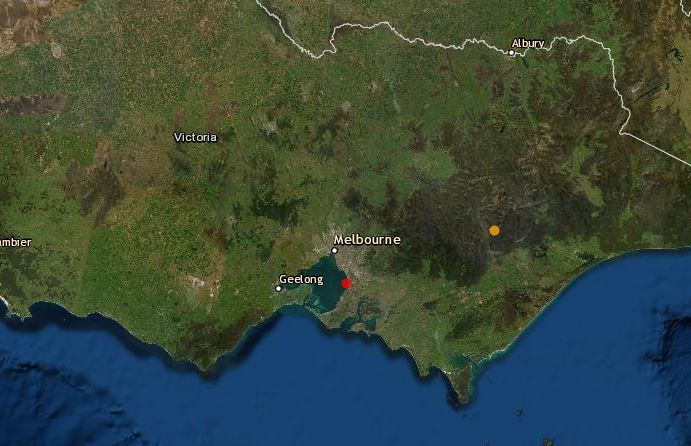
Earthquake shakes Melbourne's south-east

Officials say there is no tsunami threat after an earthquake was recorded in Melbourne early this morning.

The 2.4 magnitude tremor was recorded at 5.40am on Sunday, near Frankston in the city's south-east.

By 8.30am, more than 200 felt reports were received Geoscience Australia.

READ MORE: Melbourne police officer injured in hit-and-run on school grounds

Users on Twitter reported feeling the earthquake early this morning, with one person saying "it felt like a bang".

"It was a wild minute or two when the house rocked," another user said. 

The Victorian SES said no damage was reported and they had not received any calls for assistance.

There have been no reports of any aftershocks. 

A giant 'bullseye' on the Nullarbor Plain was created by ancient sea life

Environments across the planet are changing dramatically in response to human population growth and climate change. Some scientists even say human activity has pushed Earth into a new geological epoch: the Anthropocene.

Amid this rapid transformation, some special places, protected by fortuitous geography and geology, change so slowly they preserve evidence of Earth's past over unfathomable timescales.

One such place is the flat, dry expanse of the Nullarbor Plain in southern Australia, where traces still remain of events millions of years in the past. Using high-resolution satellite imaging we have begun to map out some of these traces.

In new research published earlier this month in Earth Surface Processes and Landforms, we report the discovery of an enigmatic "bullseye" structure more than a kilometre across. We believe it is the remains of an ancient reef, created by microbes some 14 million years ago when the Nullarbor was at the bottom of the ocean.

EXPLAINED: Magpie swooping season is upon us – here's how to avoid attack
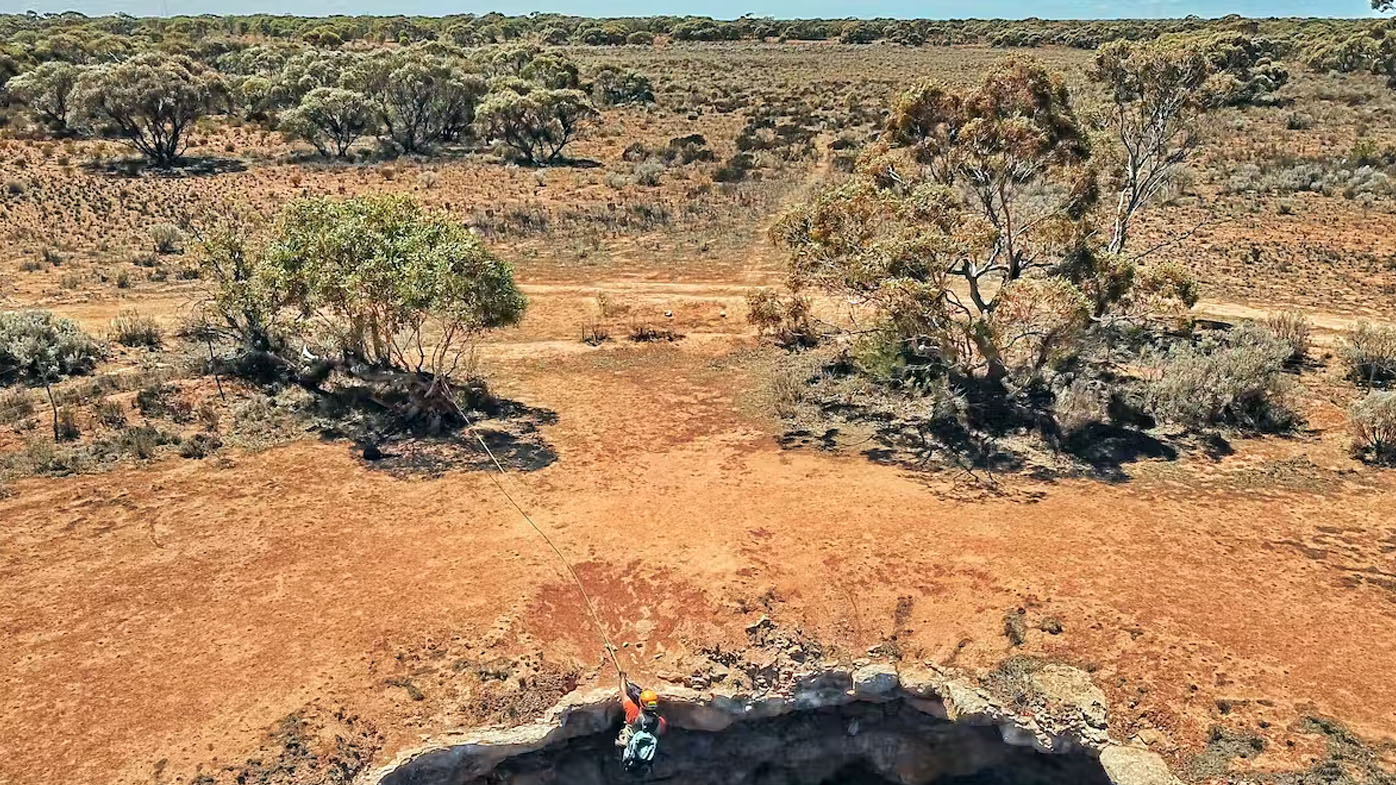
Abseiling into Murra-El-Elevyn cave, Nullarbor Plain, Western Australia.

No trees, no water, but not boring

Named the Nullarbor Plain (meaning "treeless") during colonisation, and Oondiri (meaning "waterless") by some of the First Nations people of the area, the region is notoriously dry, flat and barren. The exceptional overall flatness of the plain (the average slope is much, much less than 1 degree) is one of the first indicators of the region's stability.

The rocks beneath the Nullarbor Plain are made of limestone that originally formed in shallow marine seagrass meadows. Such rocks can dissolve in weakly acidic rain and groundwater.

EXPLAINED: Petrol prices are about to jump up. Here's why

Due in part to its dryness, the region has not been intensively dissolved, or eroded by rivers or glaciers in the millions of years since it emerged from the ocean. This is in stark contrast to the classic ruggedness of much younger tropical landscapes (such as the volcanic Hawaiian islands), which are far wetter and more geologically active.

The plain covers some 200,000 km² and, like the curvature of the Earth, landscape features on the Nullarbor Plain are almost imperceptible to the human eye. Despite this subtlety, the area is not as featureless as you might think.

Careful scientific study and high-resolution satellite data are increasingly revealing the secrets of the Nullarbor Plain's past.

Mummified marsupials and ancient dunes

Isolated caves do punctuate the Nullarbor Plain. Within their dry chambers, remarkably preserved fossils yield glimpses of Australia's extinct animals that would rival the most wondrous zoo menagerie.
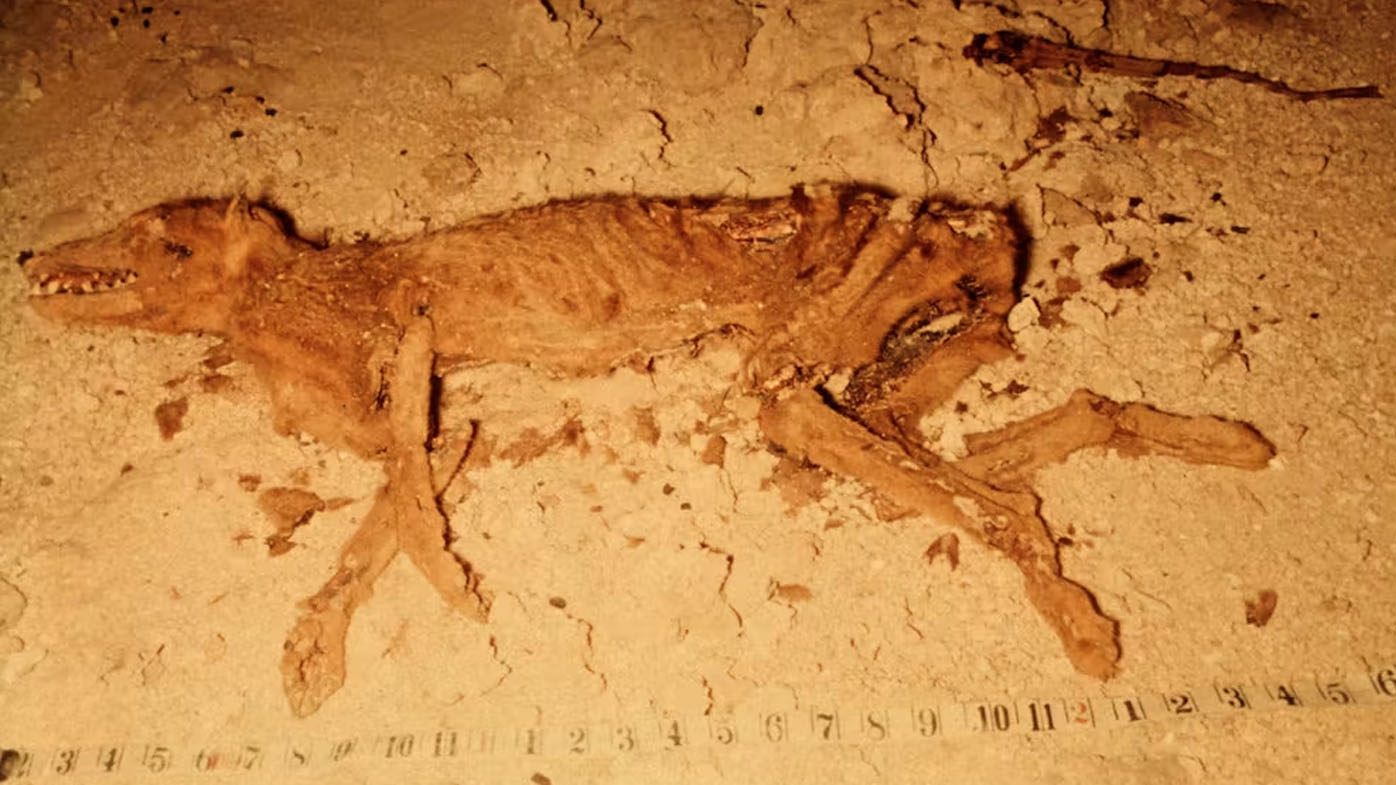
A mummified thylacine (Tasmanian tiger) preserved in Thylacine Hole cave on the Nullarbor Plain, Western Australia.

Mummified thylacine (Tasmanian tiger) remains and complete thylacoleo (marsupial lion) skeletons from thousands of years ago capture striking snapshots of changing ecosystems.

Older still are gentle linear ridges that cross the Nullarbor Plain. Recently, we showed these ridges are relics of a long-vanished landscape. Ancient sand dunes controlled the gentle dissolution of the underlying limestone to leave a subtle imprint of windblown patterns from millions of years ago.

READ MORE: Why Australia needs to prepare for nuclear attack
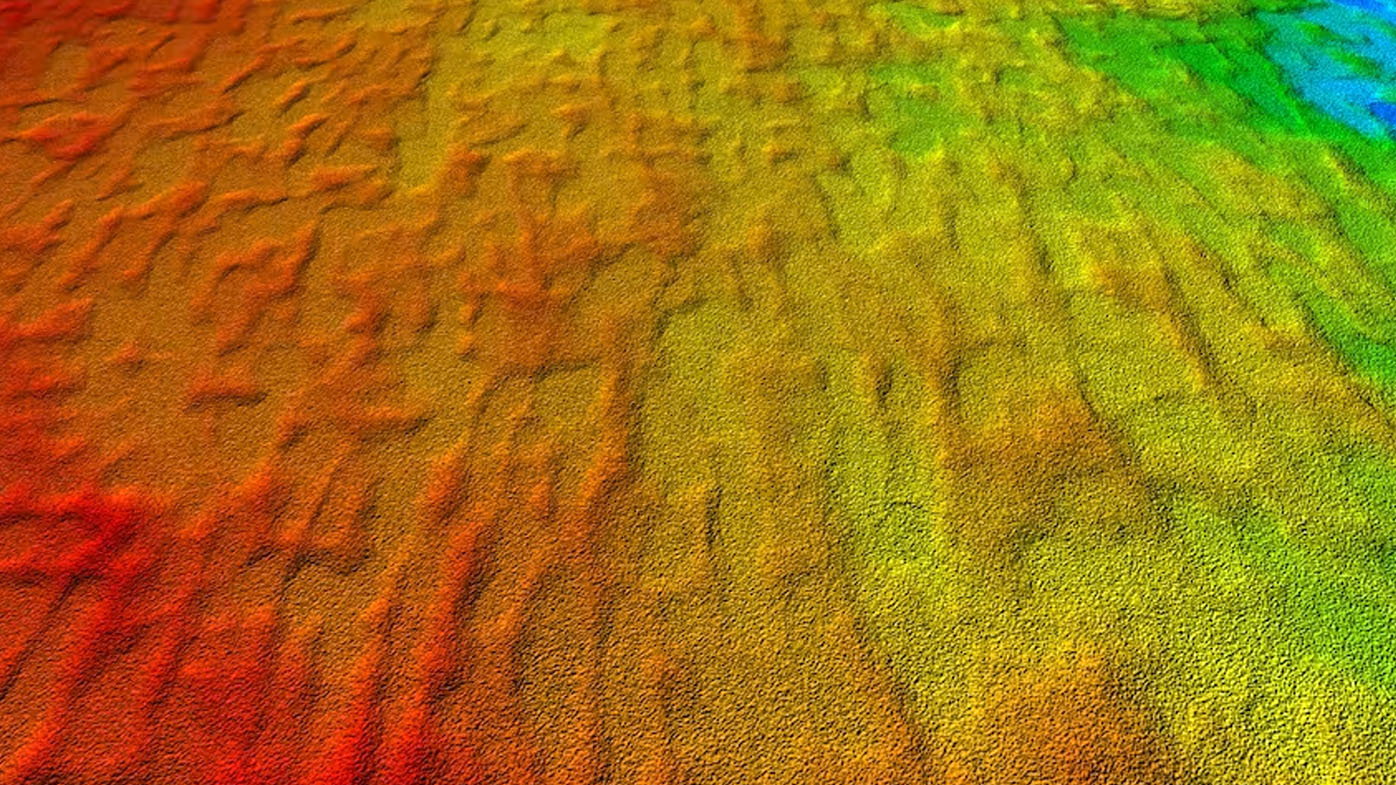
A digital model of the landscape showing the imprinted relic of ancient, vanished dunes on the Nullarbor Plain.

The bullseye

For our most recent work, we used landscape data from the TanDEM-X Digital Elevation Model produced by the German Aerospace Centre, which has a resolution of around 12 metres.

Studying these images of the Nullarbor revealed a previously unnoticed "bullseye" feature: a ring-shaped hill with a central dome, just over a kilometre wide and only a few metres high.

READ MORE: 'Eureka' discovery in remote jungle cave 'changes history of human medicine'
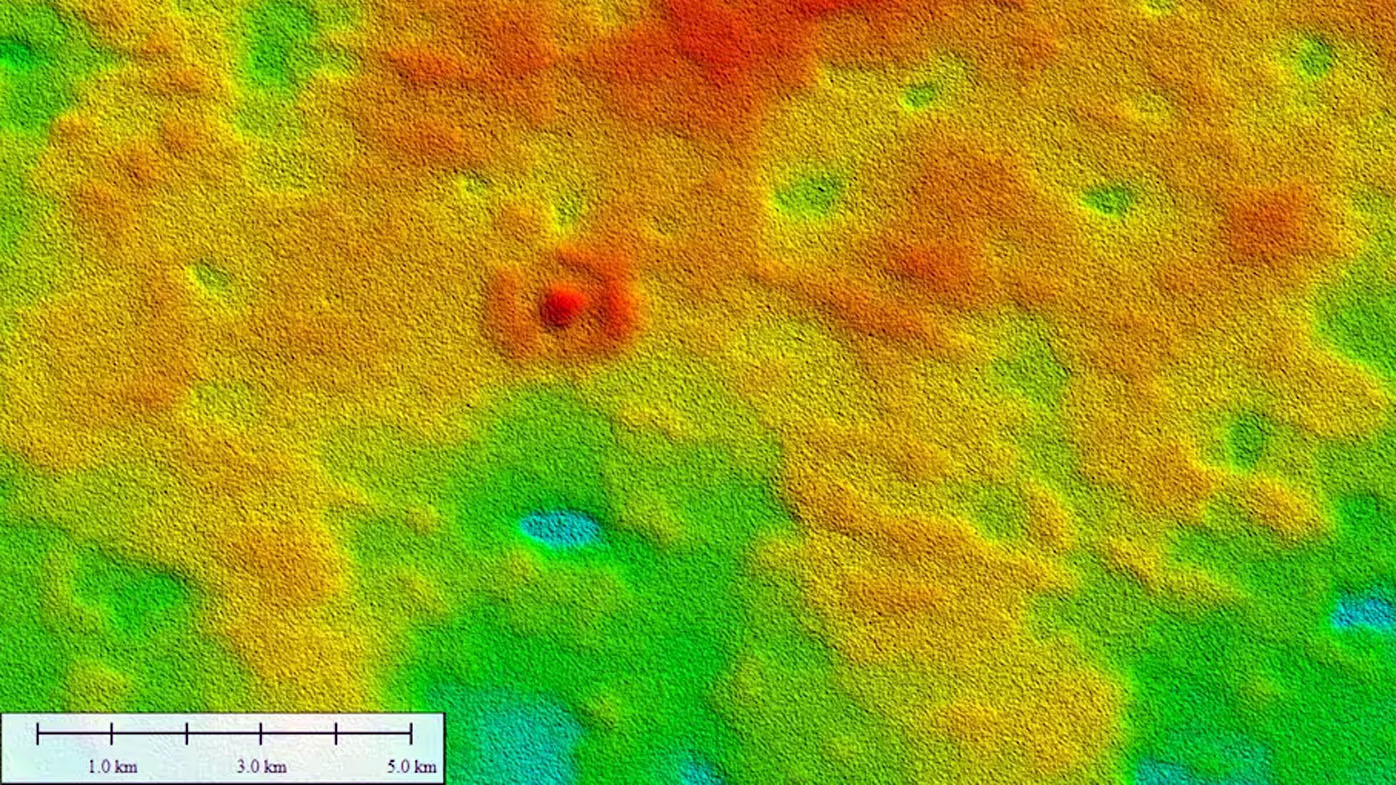
Digital elevation model of the newly discovered bullseye remnant structure.

Initially, we thought we had found the first meteorite impact crater to be discovered on the Nullarbor Plain. The area is famous for meteorites that can help us understand the history of our solar system, but to date no definitive craters caused by meteorites have been found.

However, when we took a closer look at the bullseye we saw none of the chemical or high-pressure indicators of an impact.

We uncovered the real explanation for the bullseye after cutting and polishing samples of rock thin enough to let light shine through, and inspecting them under a microscope. Unlike the limestone seen at hundreds of other sites across the plain, here we saw evidence for tiny microbial organisms holding the sediment together.

Supported by similar "doughnut" structures formed by algae on the Great Barrier Reef, we interpreted the bullseye as an ancient isolated "reef". This biogenic mound formed on the seabed long ago but degraded so slowly after the land was lifted above the waves that it is still recognisable roughly 14 million years later.

How understanding the past can help the future

Our findings add to increasing recognition of the region as an exceptional archive of environmental change that we must better understand and protect.

The emergence of the Nullarbor Plain has been an important driver of the evolution of plants and animals. Ancient fossils and even DNA preserved due to the stable conditions will help us more accurately reconstruct its vanished ecosystems.

More complete understanding of how landscapes and ecosystems were transformed in the past will, in turn, help us conserve the animals, plants and environments we have today, and minimise the negative impacts of future anthropogenic climatic change.

This article was originally published on The Conversation and is republished here with permission.