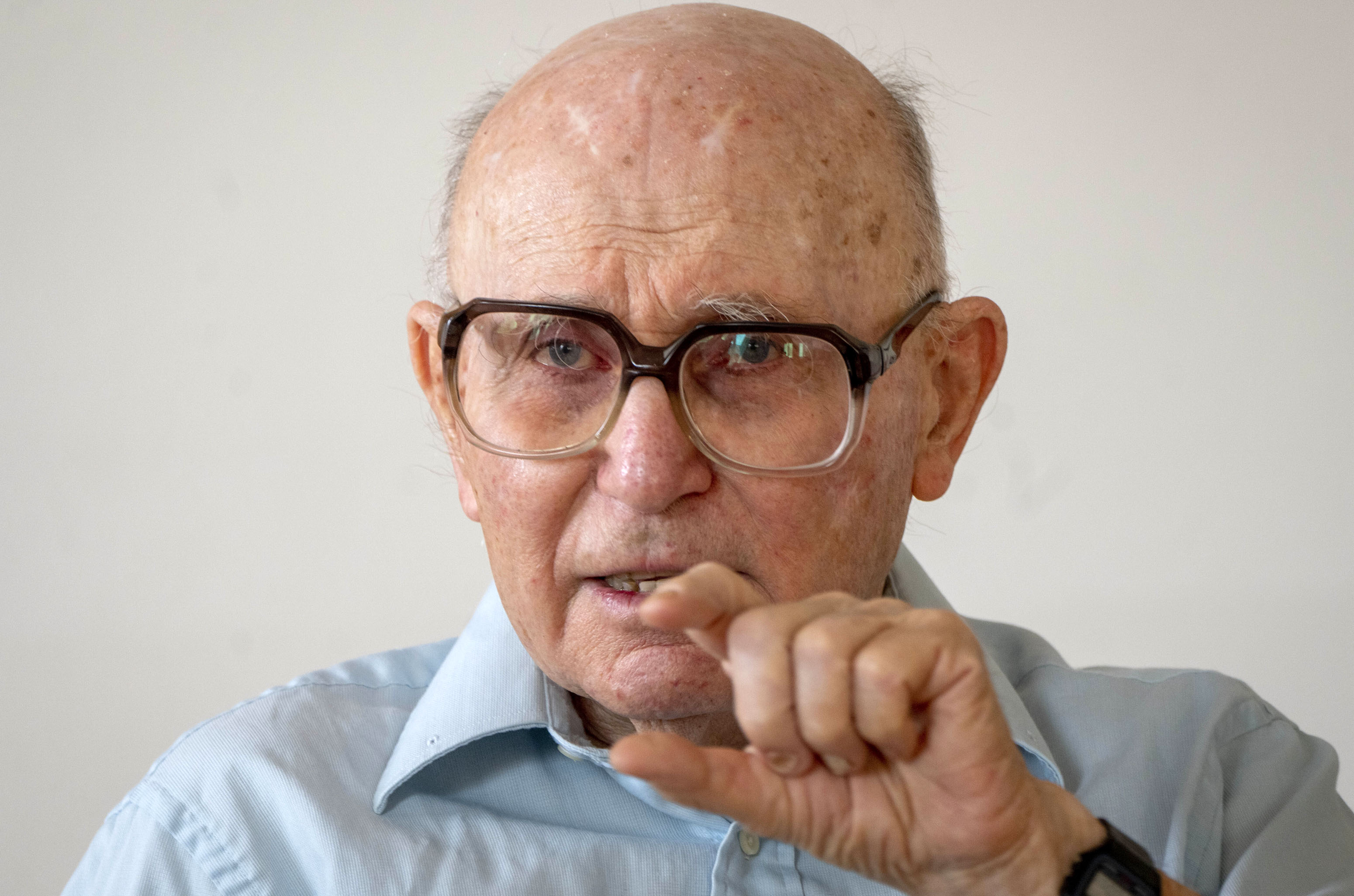
When Holocaust survivor and Olympic athlete Shaul Ladany arrived at the Munich Summer Games in September 1972, he thought he'd seen the worse of human cruelty.
As a Jewish child during World War II, he and his family fled the Nazi invasion from his native Yugoslavia. He was later hidden in a Budapest monastery before spending six months in the infamous Bergen-Belsen concentration camp, where he endured hunger and witnessed the killings and beatings of prisoners.
But Ladany's determination to survive would be tested again during the events of September 5, 1972, when Palestinian terrorists murdered 11 Israeli athletes and coaches in what became known as The Munich Massacre.
READ MORE: Centuries old shipwreck coins to be returned to Western Australia
Life shaped by the Holocaust
Ladany, 86, told 9News that surviving the Holocaust shaped his life, giving him the determination to succeed as a record-setting Olympic race walker.
"It moulded me and taught me to be able to live with discomfort…When you are racing it's not the most pleasant feeling. You have to make an effort.
"You need a certain type of mental attitude: a willingness to take punishment, to have a lack of comfort and pain, to continue and continue.
"Since I had experienced challenge during the Holocaust, I knew how to take the discomfort."
Munich was not Ladany's first Olympic Games. He had competed in Mexico in 1968, but Munich was his best chance of a medal. Earlier in 1972, he had broken the 50-mile (80km) world record, a mark that still stands today.
Ladany said he had reservations about an Olympic Games that was due to take place in the founding place of the Nazi movement only 27 years after the end of World War II.
"I didn't think it was too soon but I had mixed feelings. You have to remember, of all the Israeli Olympic team I was the sole Holocaust survivor," he said.
READ MORE: DNA analysis solves mystery of bodies found at bottom of medieval well
Desperate plea to 'be humane'
The Munich Massacre left 11 of Ladany's Israeli teammates dead. Five terrorists and a German police officer also died in what was the darkest episode of the Olympic movement.
But when the Israeli Olympic team and officials arrived in the city of Munich, in the then West Germany, they had no inkling of the horrific events that would soon unfold.
"They were trying to project a new welcoming image for the country: nice colours, flowers everywhere, no arms and so on. Almost no guns, freedom. It was a very nice open atmosphere."
The Games started and Ladany finished 19th in his race two days before the tragedy that would define the Munich Olympics.
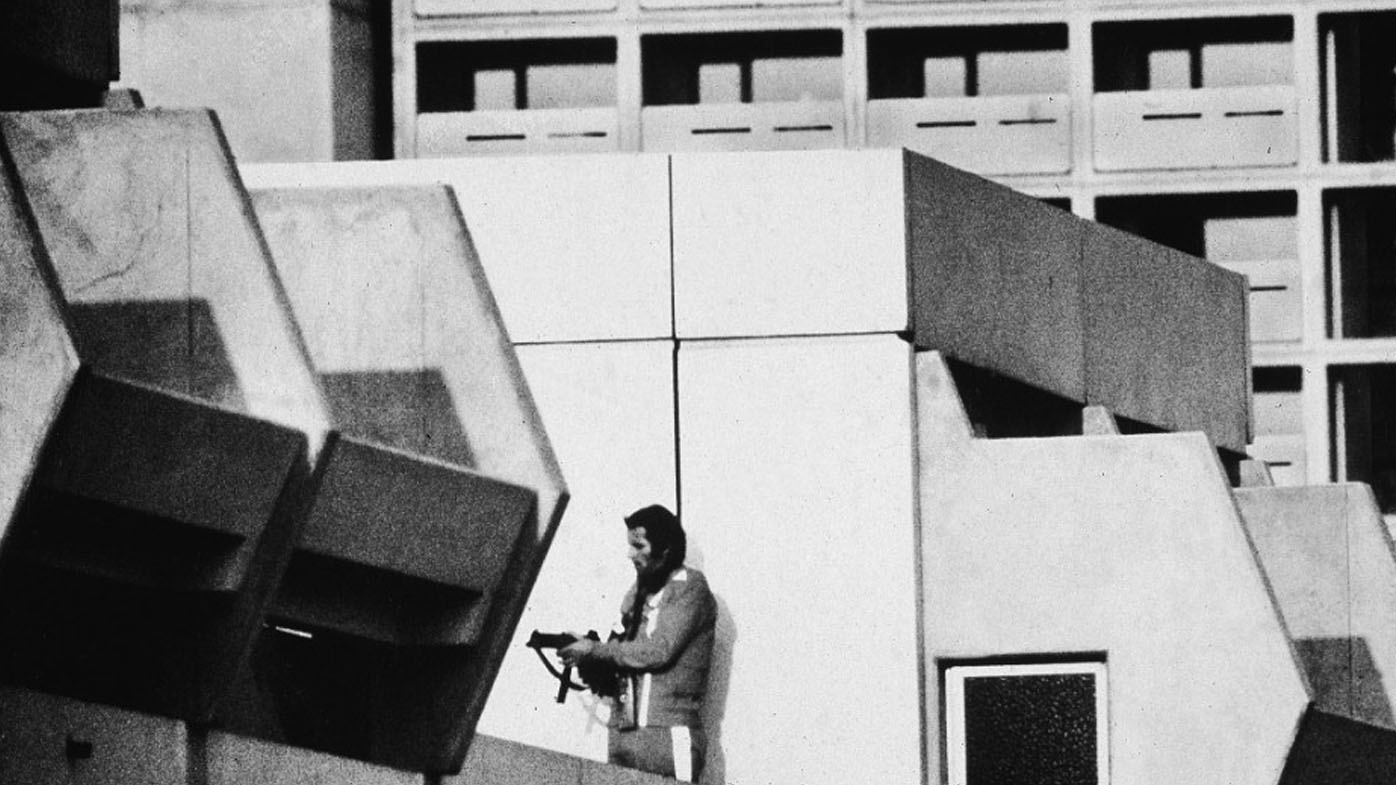
He was sleeping in apartment number two of block 31 Connolly Street in the athletes village when the eight members of Black September movement approached.
READ MORE: US nuclear near-miss could have killed thousands, secret documents reveal
It was not until he was woken by his roommate telling him that wrestling coach Moshe Weinberg had been shot and killed that Ladany knew anything was wrong.
"My roommate woke me and said that Weinberg had been shot and killed. I had shared a room with him in 1968 and he was a big joker. But this was something that you don't joke about."
Ladany dressed and left the room. When he peered outside into the street he saw an Olympic official pleading with a man.
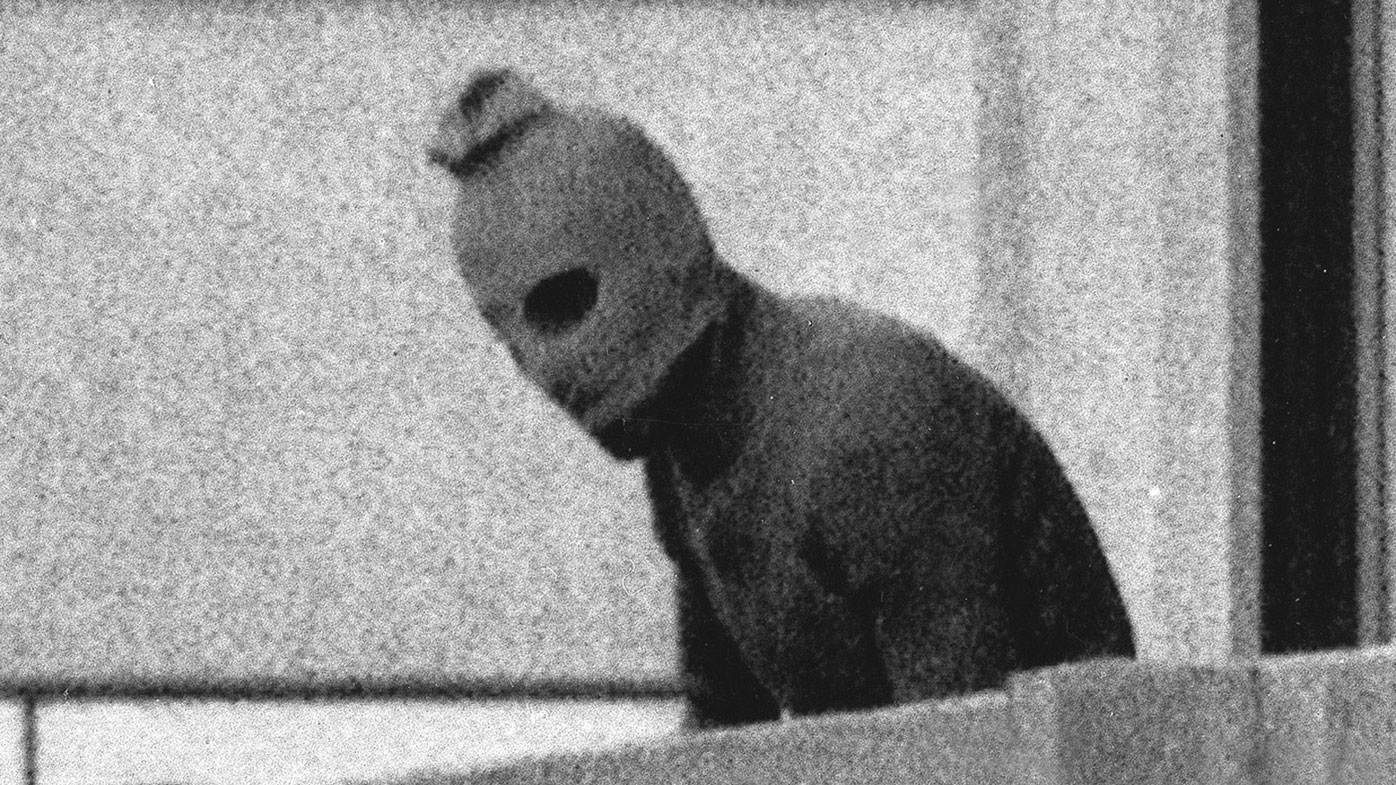
"Outside apartment one I saw someone (a member of Black September) wearing what I thought was a hat.
"He was talking to four of the unarmed village guards and a lady who said, 'You must let the Red Cross in. Be humane."
"He replied, 'the Jews are not humane'."
READ MORE: Famous Churchill portrait swapped with copy in Ottawa hotel, staff doesn't notice for months
Global audience watched tragedy
Ladany maintains the terrorists had advanced knowledge of the Israeli quarters in the athletes village, and it may have saved he and his teammates in apartment two.
"In room two with me were two sharp shooters, two members of the shooting team," he said.
"The terrorists couldn't risk anyone would be armed."
Ladany quickly joined his roommates in gathering other Israeli team members and fled the scene.
He watched along with the rest of the world as a tragedy unfolded, broadcast on television.
The massacre gave the Palestinian cause an audience and triggered a new era of international terrorism.
In retaliation, Israel deployed a special force from its Mossad intelligence service around the world to hunt down and assassinate all those involved.
'They thought they'd seen a ghost'
After killing Weinberg and Israeli weightlifter Yossef Romano, the Palestinian attackers took nine others hostage. In turn for their release, they demanded the release of 200 prisoners held by Israel and left-wing extremists in West German jails.
The West German government – which lacked a specialist anti-terrorist force – opened talks with the terrorists holding the Israelis.
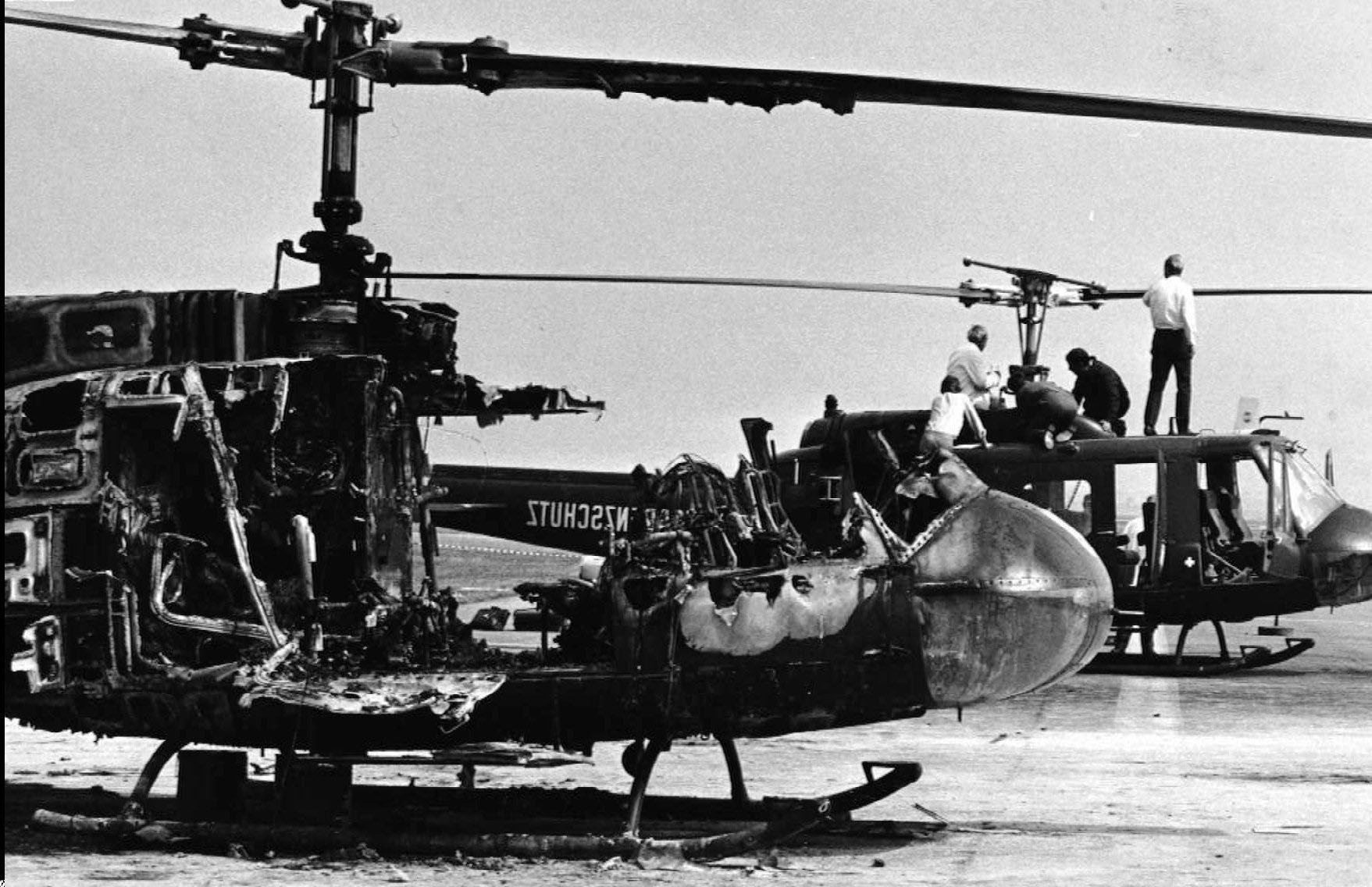
Finally, the nine abducted Israelis were killed either during a botched rescue attempt at a German airfield.
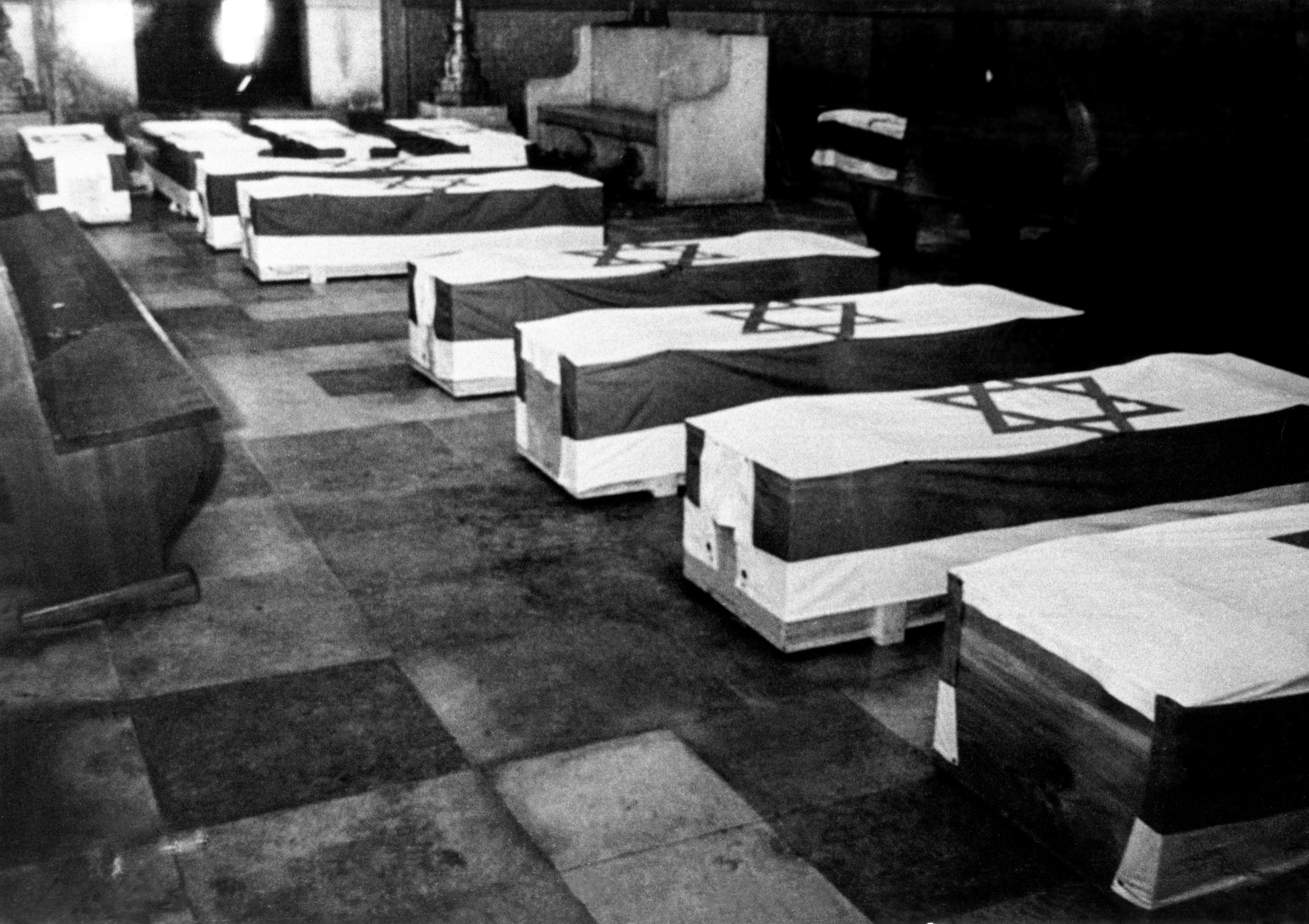
Ladany left Munich with the surviving members of the Israeli team and the coffins of the dead.
But since his name wasn't published in the original list of survivors, many of his fellow team members initially thought he too had been killed in the massacre.
"They stared at me as though they had seen a ghost," Ladany said.
The full impact only fully set it once he arrived back in Israel and people embraced him with awe.
'I never became afraid'
Less than a month later, Ladany went on to win the world championship in the 100-km walk in Switzerland.
After the Munich Massacre, he went on to become a respected professor of industrial engineering at Ben-Gurion University in Israeli, publishing many books and scientific papers.
Ladany is still involved in academic research and remains fit through race walking. Until the COVID-19 pandemic two years ago, every birthday he would walk his age in kilometres.
He said this year he resumed his 'birthday walk' after two years of pandemic disruption. When he turned 86 in April, he completed a 43km walk.
While the memories of Munich five decades ago remain strong with the sprightly octogenarian, he says he never lost his spirit of courage and determination.
"I was never afraid, and I never became afraid," he said.
"But I became more careful."
– Reported with Associated Press