Tag Archives: oceania

Cleo Smith's kidnapper to be sentenced in December

The man who has admitted abducting four-year-old Cleo Smith from her family's Western Australian campsite is set to learn his fate in December.

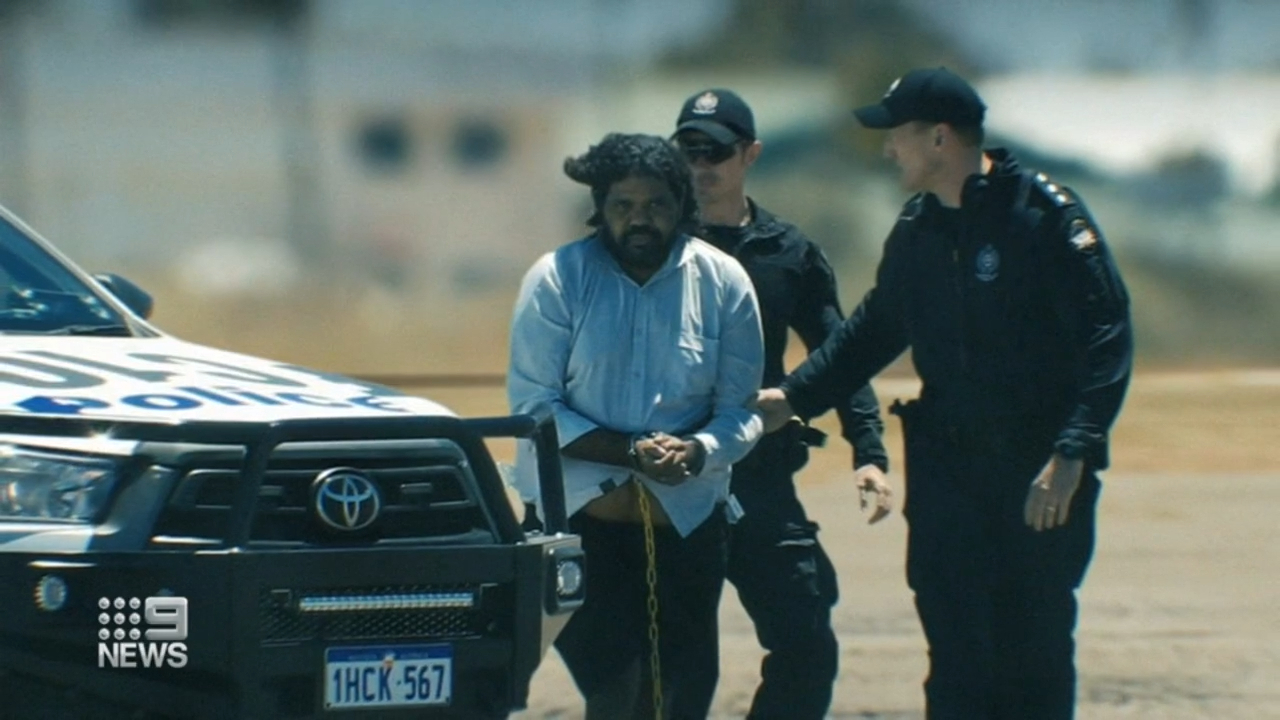
Terence Darrell Kelly, 37, pleaded guilty earlier this year to one count of forcibly taking a child under 16.

The matter returned to the WA District Court on Friday with lawyers confirming the case was ready to proceed to sentencing.

READ MORE: Albanese puts foot down on controversial tax

Terence Kelly.

Registrar Jacquie Kubacz ordered that Kelly face a two-day sentencing hearing on December 13 and 14 before Chief Judge Julie Wager.

Kelly, who is in custody, was not required to attend Friday's hearing.

Cleo was found alive in early-November last year, 18 days after she went missing from the remote Blowholes campsite.

READ MORE: How Australia could become global energy superpower

Cleo Smith in hospital (Western Australia Police Force)

Her disappearance had sparked a major police investigation which eventually led detectives to a property in Carnarvon, just minutes from Cleo's family home.

Police forced entry and found the little girl alone in a room.

The dramatic rescue was captured by an officer's body-worn camera and subsequently made news headlines around the world.

Russia launches war games with China

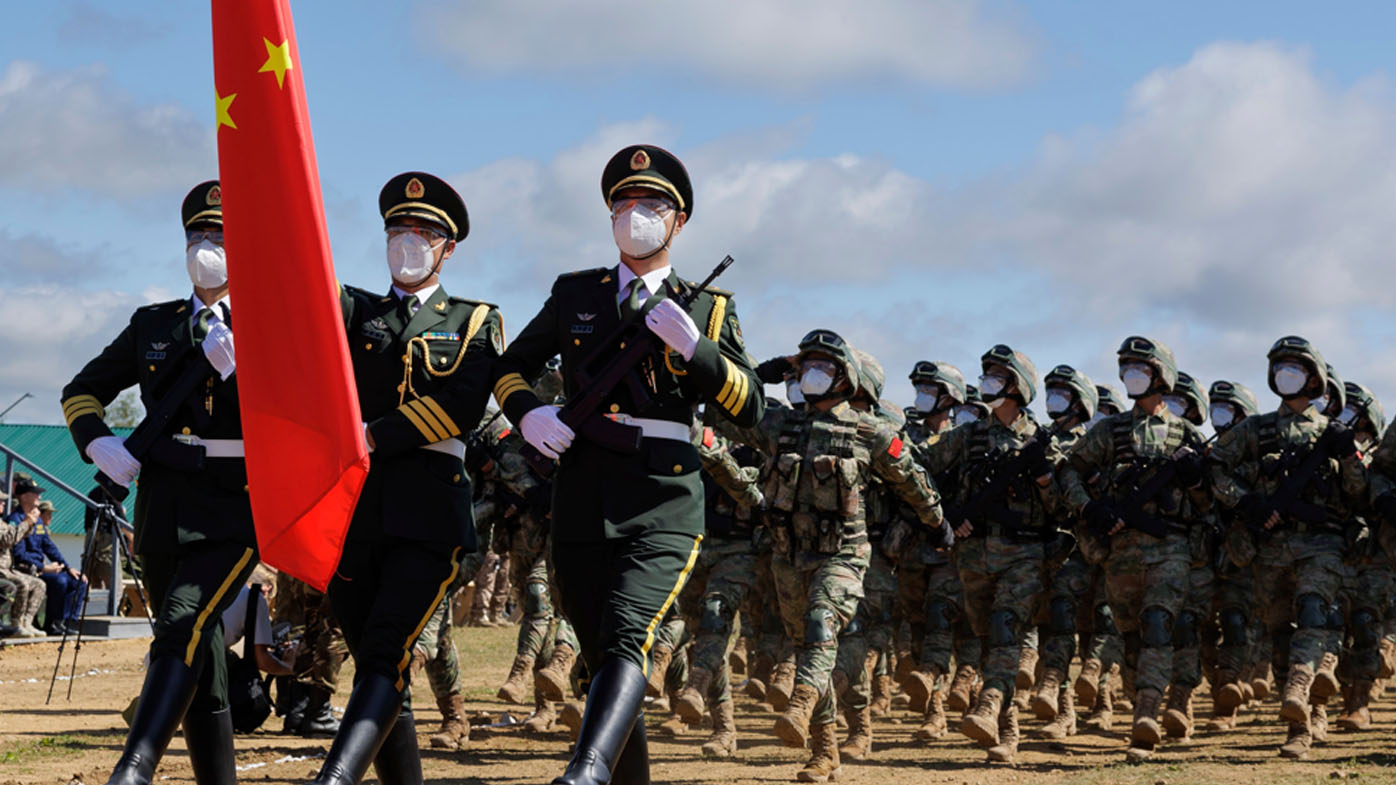
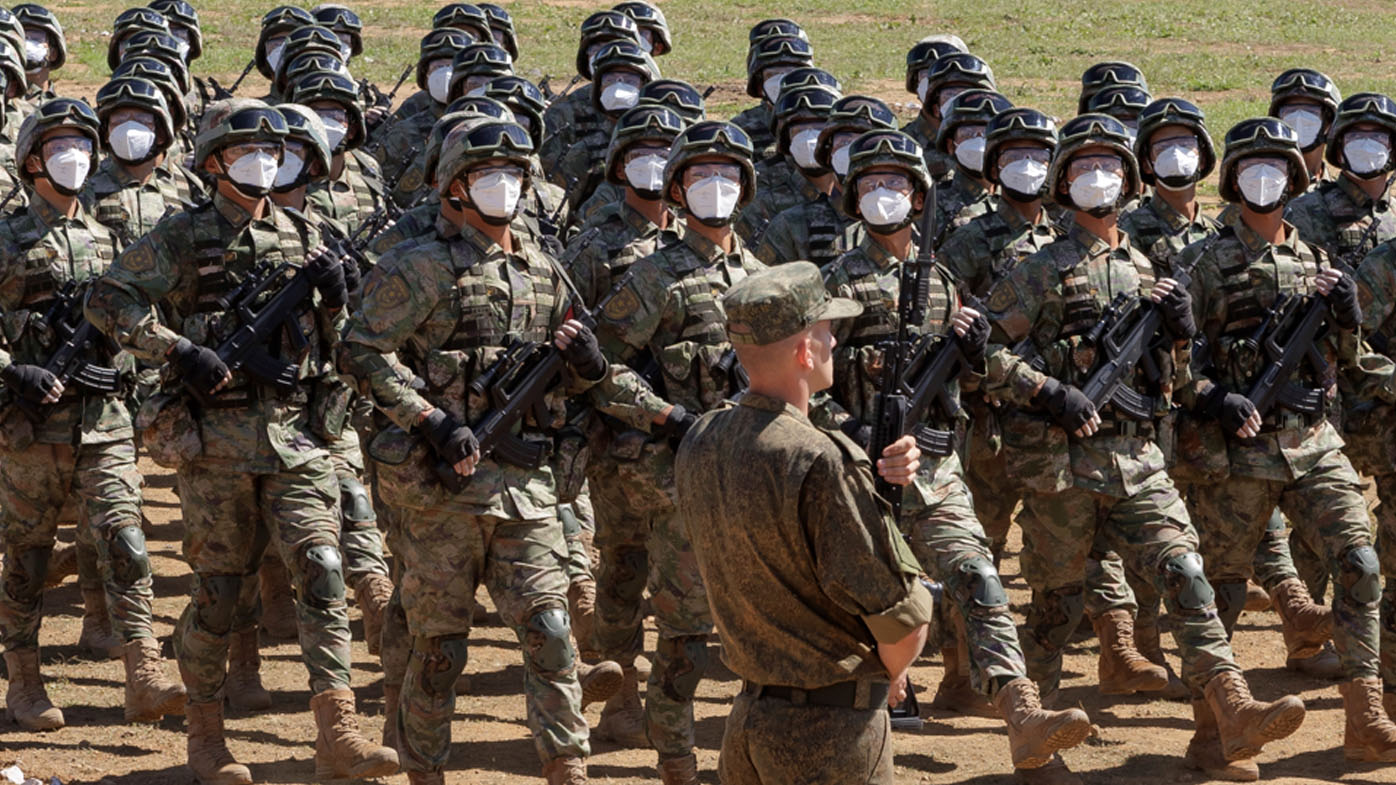
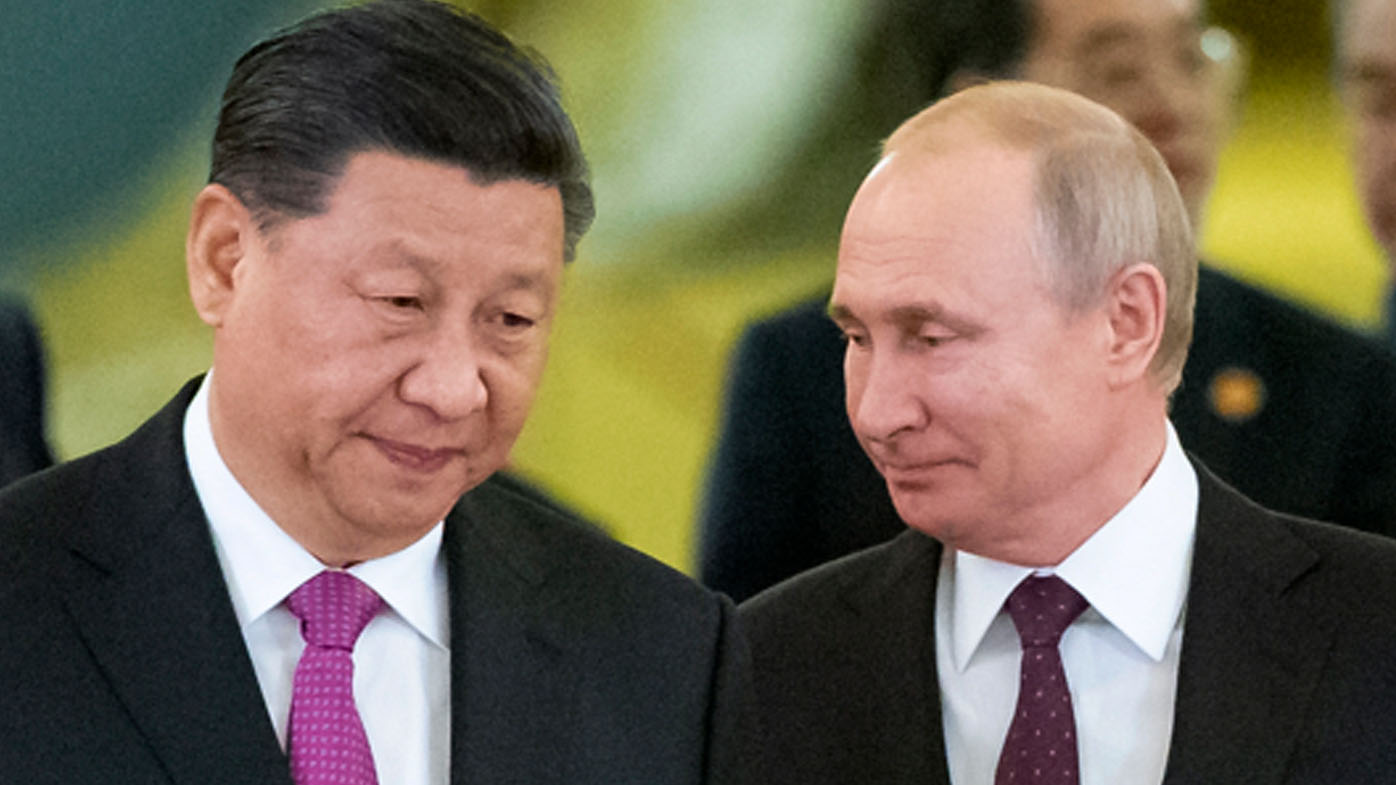
Russia has launched week-long war games involving forces from China and other nations in a show of growing defence cooperation between Moscow and Beijing, as they both face tensions with the United States.

The exercises are also intended to demonstrate that Moscow has sufficient military might for massive drills even as its troops are engaged in military action in Ukraine.

The Russian Defence Ministry said that the Vostok 2022 (East 2022) exercise will be held until Wednesday, September 7, at seven firing ranges in Russia's Far East and the Sea of Japan.

READ MORE: Uyghurs who spoke out against China see 'justice' in UN report

They involve more than 50,000 troops and over 5000 weapons units, including 140 aircraft and 60 warships.

Russian General Staff chief, General Valery Gerasimov, will personally oversee the drills involving troops from several ex-Soviet nations: China, India, Laos, Mongolia, Nicaragua and Syria.

The defence ministry noted that as part of the drills, the Russian and Chinese navies in the Sea of Japan will "practice joint action to protect sea communications, areas of marine economic activity and support for ground troops in littoral areas."

Beijing sent more than 2000 troops along with more than 300 military vehicles, 21 combat aircraft and three warships to take part in the drills, Chinese news reports said.

China's Global Times newspaper noted that the exercises marked the first time that China has sent forces from three branches of its military to take part in a single Russian drill, in what it described as a show of the breadth and depth of China-Russia military cooperation and mutual trust.

READ MORE: Taiwan shoots down drone off Chinese coast

The drills showcase increasing defence ties between Moscow and Beijing, which have grown stronger since Russian President Vladimir Putin sent his troops into Ukraine on February 24.

China has pointedly refused to criticise Russia's actions, blaming the US and NATO for provoking Moscow, and has blasted the punishing sanctions imposed on Moscow.

Russia, in turn, has strongly backed China amid the tensions with the US that followed a recent visit to Taiwan by US House Speaker Nancy Pelosi.

Putin has drawn parallels between US support for Ukraine and Pelosi's trip, describing them both as part of alleged efforts by Washington to foment global instability.

Putin and Chinese President Xi Jinping have developed strong personal ties to bolster a "strategic partnership" between the former Communist rivals as they both are locked in rivalry with the US.

READ MORE: Albanese puts foot down on controversial tax

The exercise continues a series of joint war games by Russia and China in recent years, including naval drills and patrols by long-range bombers over the Sea of Japan and the East China Sea.

Last year, Russian troops for the first time deployed to Chinese territory for joint manoeuvres.

China's participation in the drills "aims to deepen pragmatic and friendly cooperation between the militaries of the participating countries, enhance the level of strategic cooperation among all participating parties, and enhance the ability to jointly respond to various security threats," Chinese Defence Ministry spokesperson Colonel Tan Kefei said last week.

How a record number of people suddenly climbed 'savage mountain'

K2, the world's most dangerous mountain, sat quiet this year, hiding its gnashing teeth while a record number of climbers descended and successfully summited the second-highest peak on Earth.

An American climber fears this "inflection point" in mountaineering, where for the first time large commercial expeditions swarmed K2 like they have on Everest in recent decades, is a ticking time bomb.

Alan Arnette said nobody should be lulled into a false sense of security despite an extraordinary season of scenes and feats on the 8611-metre peak known as the "Savage Mountain".
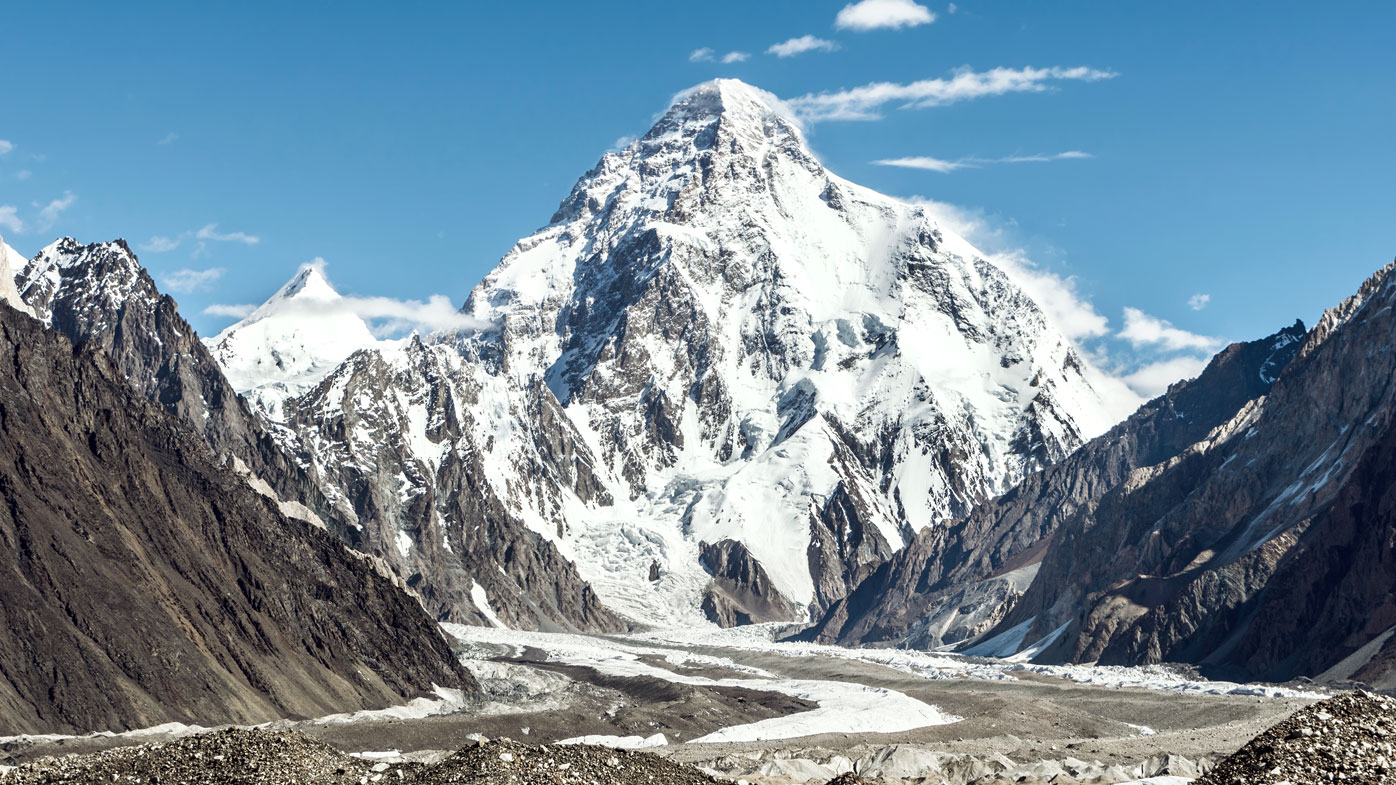
K2 is located on the border of China and Pakistan.

READ MORE: Climber reaches top of Everest, six years after faking it

K2 is just one bad weather event away from "a massive, massive disaster" that could cause between 20-30 deaths in a 24-hour period, Arnette told 9news.com.au.

Crowds of climbers who have paid $90,000, with many operating beyond their technical skill level, would be dangerously exposed in such an event, he said.

Prior to this season, which was blessed with perfect climbing weather, around one person died on the mountain for every four climbers who reached the top. Sydney man Matthew Eakin was one of three known deaths on K2 this year. It's believed he fell while descending from Camp 1.

Though final numbers are yet to be confirmed, it's estimated close to 200 people may have summited in 2022, obliterating the previous record of 62, set in 2018.

So demanding is K2 that, since it was first ascended in 1954, there have been 32 years where not a single climber has reached the top. In the same period, Everest has not been summited in just nine years.

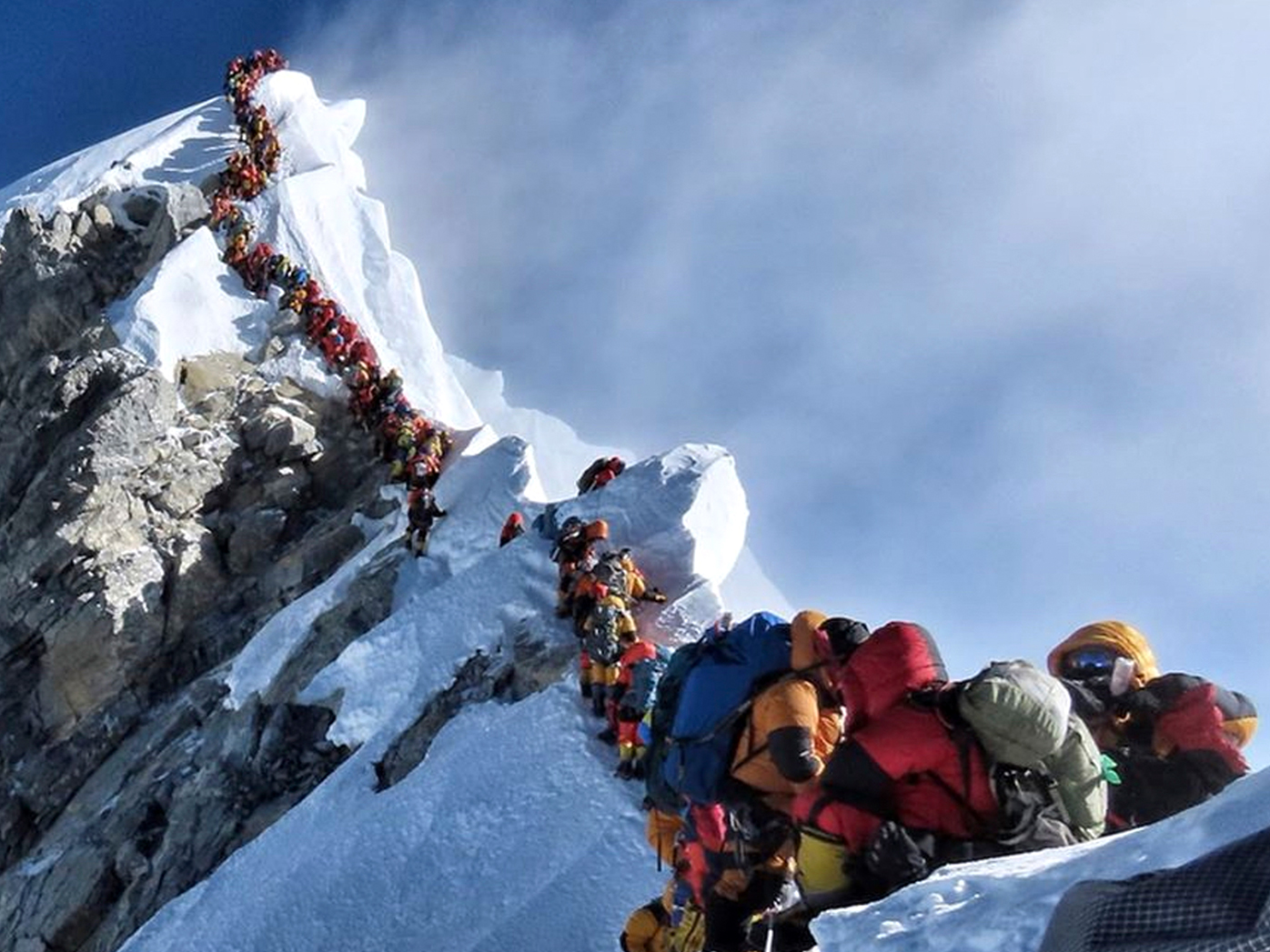
Incredibly, on July 22 this year, 145 people summitted in a single day. Video recorded by a Sherpa on that day showed a line of climbers waiting at a bottleneck, which was reminiscent of a 2019 photo on a packed Everest which went viral.

"I think it was a very lucky season for many people on K2," Arnette said, speaking from his home base in Colorado.

"They got very fortunate with the weather."

Arnette said he has spoken with numerous climbers who described many near-misses involving rockfall due to the sheer number of people on the mountain this year.

"It was just off the charts," he said.

READ MORE: Teen becomes youngest Australian to climb Everest
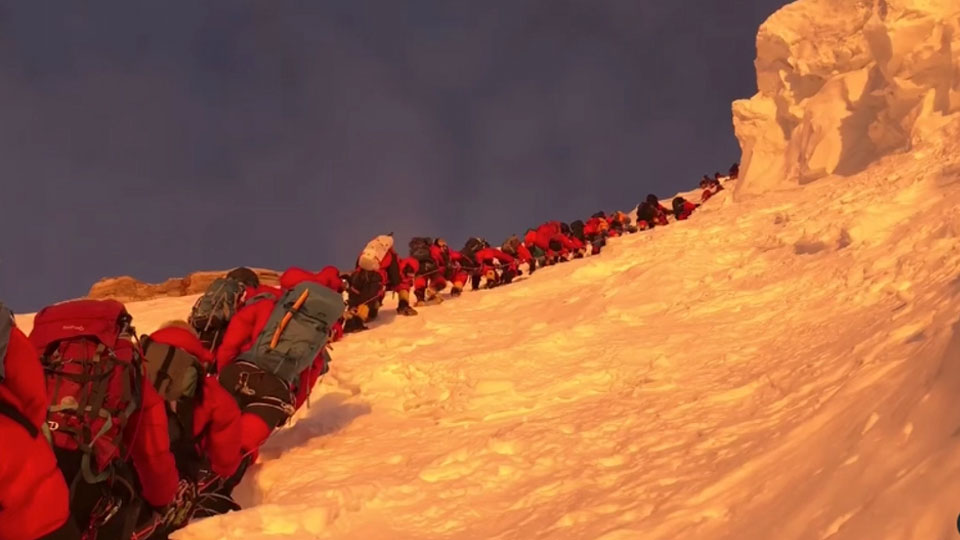
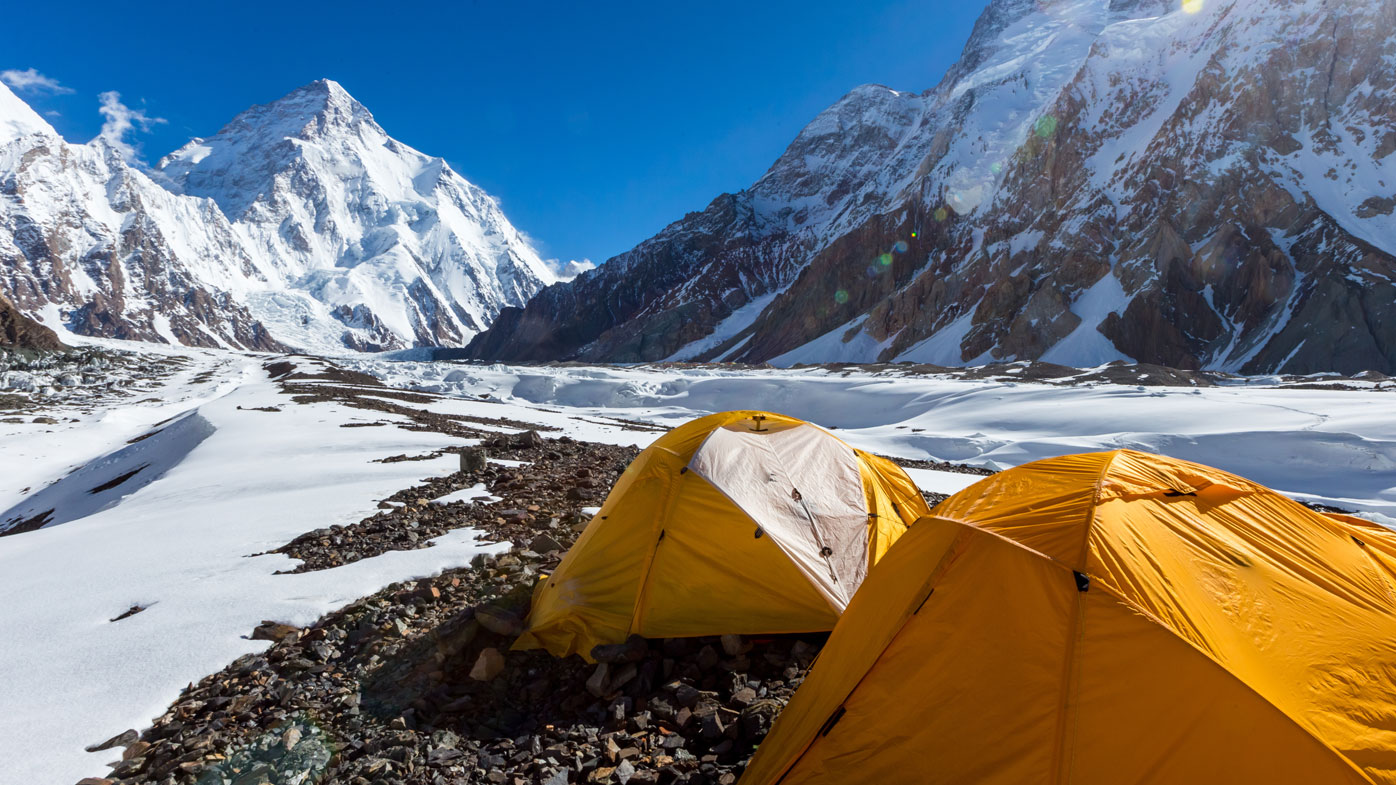
Climbers line up and wait on K2's bottleneck couloir.A long queue of mountain climbers line a path on Mount Everest, in this photograph that made headlines around the world.

READ MORE: Coronavirus strips Everest of climbers, leaving Sherpas and tourism in peril

So what has suddenly changed, why the remarkable shift?

K2 is still a savage mountain, Arnette said, but "2022 was the year the Everest model came to K2".

In 2016, after two consecutive years of not a single soul summiting K2, Arnette wrote on his popular mountaineering blog that K2 would never get like Everest, which every year kept drawing bigger crowds.

Among some in the climbing community, there was a general – if simplistic and harsh – feeling that if you had enough money an expert team of Sherpas would get you to the top of Everest.

But K2 was different, or at least it was meant to be.

Arnette thought K2 would never "become Everest" because of its notorious technical difficulty, avalanche risk and "the death rate scares people off".

"I was wrong," Arnette said.

READ MORE: Kiwi climber loses leg after brutal 24m Yosemite fall
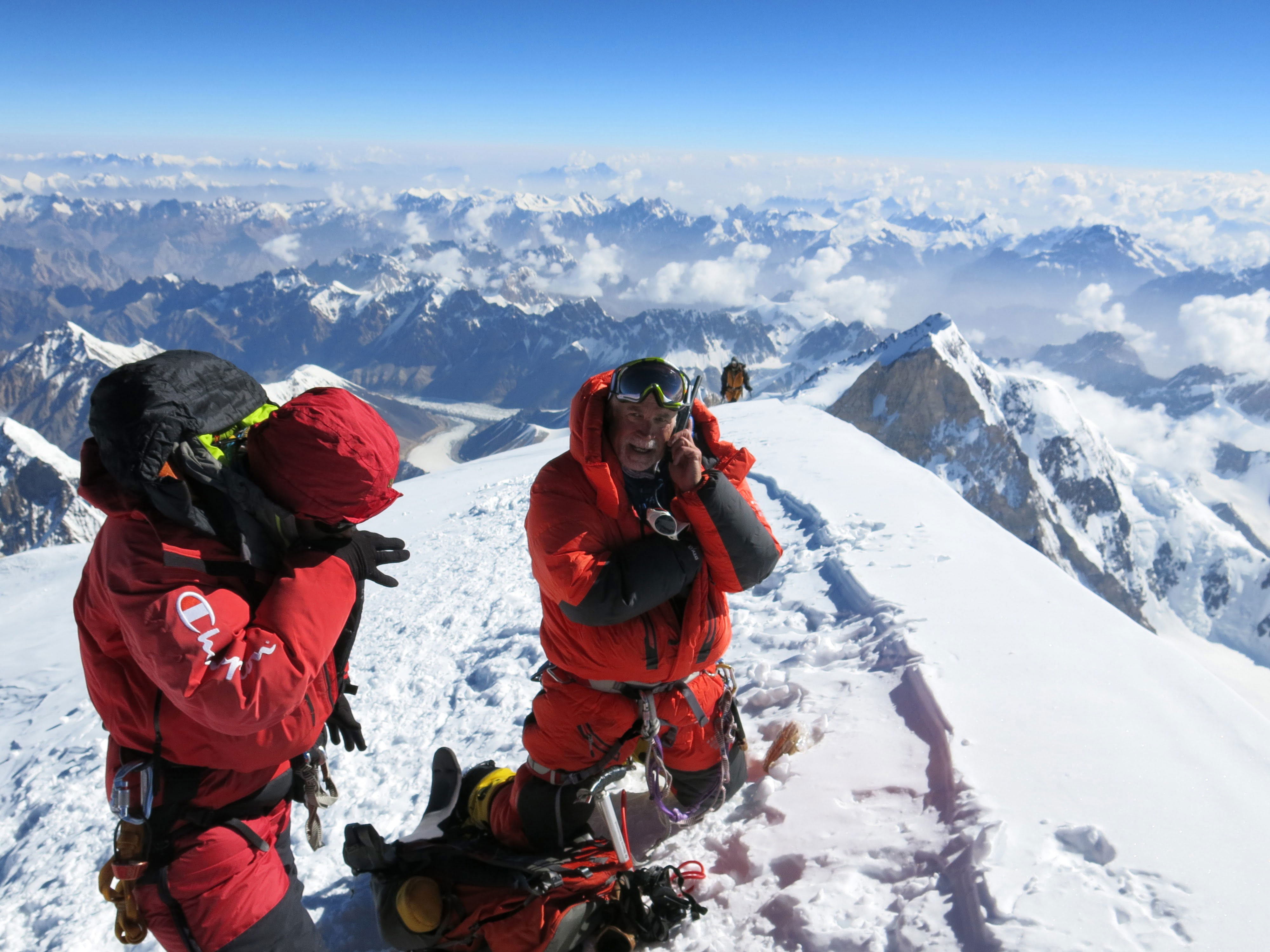
US climber Alan Arnette on the summit of K2.People camp near K2.

READ MORE: Climber's frostbitten fingers to be cut off after scaling 8000m peak

To find out why, it's necessary to backtrack to 2019, when Pakistan relaxed many of its once-tight visa restrictions.

As well as opening up the country to more international visitors, this led to an influx of highly experienced Sherpa-led climbing operations from nearby Nepal to run expeditions in Pakistan's north.

The arrival of those Sherpa teams, with world-renowned climbing abilities, fundamentally changed the ratio of support climbers to paying clients on K2, Arnette said.

A single climber on K2 was now being supported, on average, by two Sherpas and often a plentiful supply of oxygen, he said.

Arnette said one team on the mountain this year had 23 Sherpas who were helping 13 climbers.

"Another team had two paying clients, two Western guides and 13 Sherpas."

Climbers were also now using tanked oxygen from lower altitudes on the mountain than previous years, Arnette said, which allowed them to climb and operate much more efficiently in rarefied air.

Another significant change to the traditional K2 experience was the skipping of a week-long trek to reach base camp, courtesy of Pakistan military helicopters carrying climbers who were splitting the $29,000 cost to whip in and out.

"Pakistan joined the mountain greed club this year," Arnette semi-joked, declaring that the north of Pakistan, the glorious gateway to the Karakoram mountain range, will become a version of Nepal.
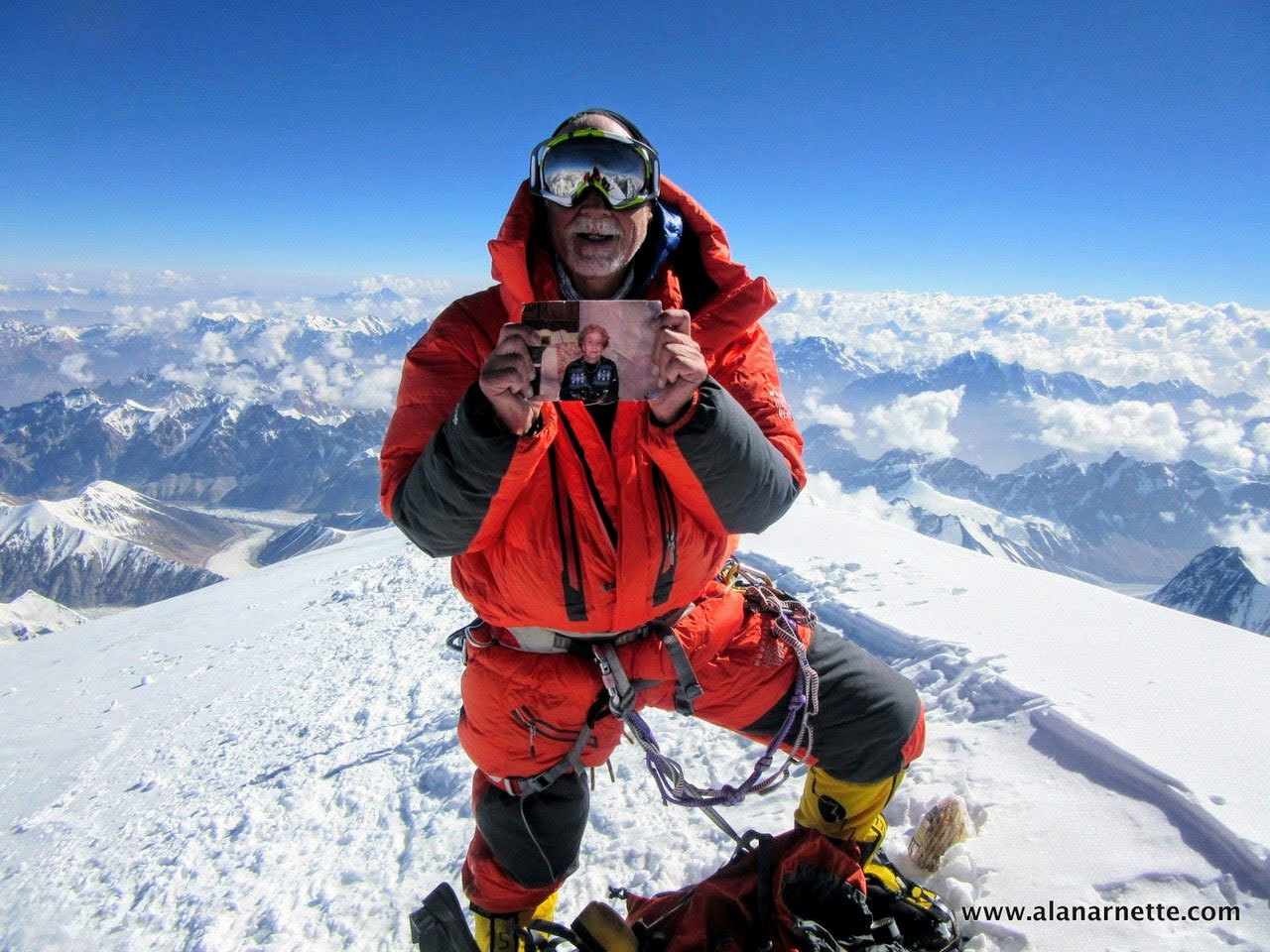
US climber Alan Arnette on the summit of K2.

"They've tasted the sweet permit fee flavour, and they're not going to go away from it," he said.

Disheartening though it may be for alpine purists, Arnette cautioned mountaineers in the West from being "too judgmental" about the inevitable sweeping changes.

"Every single country monetises its natural resources," he said, pointing to the rampant commercialisation of Denali in the US, Mont Blanc and the Matterhorn in Europe and Kosciuszko in Australia.

"In Nepal, tourism is a natural resource and a national resource.

"And Pakistan is figuring out they've got the same thing in the northern territories."

That said, authorities in Pakistan will need to manage the environmental impact that comes with opening their arms to bigger crowds carrying their flush wallets.

This year climbers on K2 reported growing and problematic piles of rubbish and human waste, and tents being pitched on top of discarded gear, used food packaging and fuel cans.

Yet, tucked in among many of this season's gloomy headlines, Arnette said there were triumphant, less-heralded feats on K2 to be celebrated.

Danish climber Andreas Ritzau Frydensberg and American Eric Gilbertson summited K2 using no supplemental oxygen, no Sherpa support and without the aid of a commercial expedition team.

"That's the reason people go climb these mountains," Arnette said.

"There's a phenomenal personal sense of satisfaction if you allow yourself to connect to nature and enjoy the experience, and you come home a better version of yourself."

READ MORE: Famous wood cabin falls off mountain in Alps
World-first project bringing robo-warfare into next generation

Australian soldiers could soon be directing robots with hand gestures, doing away with clunky remote controls, in a high-tech world first.

Edith Cowan University in Western Australia is working with robotics company Chironix, augmented reality provider Agili8, and manufacturer Motium to bring Australia's defence technology into the next generation.

"Optimising the present-day utility of robotics technology in the Australian Defence Force requires integrating robots into the human operating environment where they can be at least partially controlled by a human operator," ECU's Dr Syed Gilani said.

READ MORE: Albanese puts foot down on controversial tax

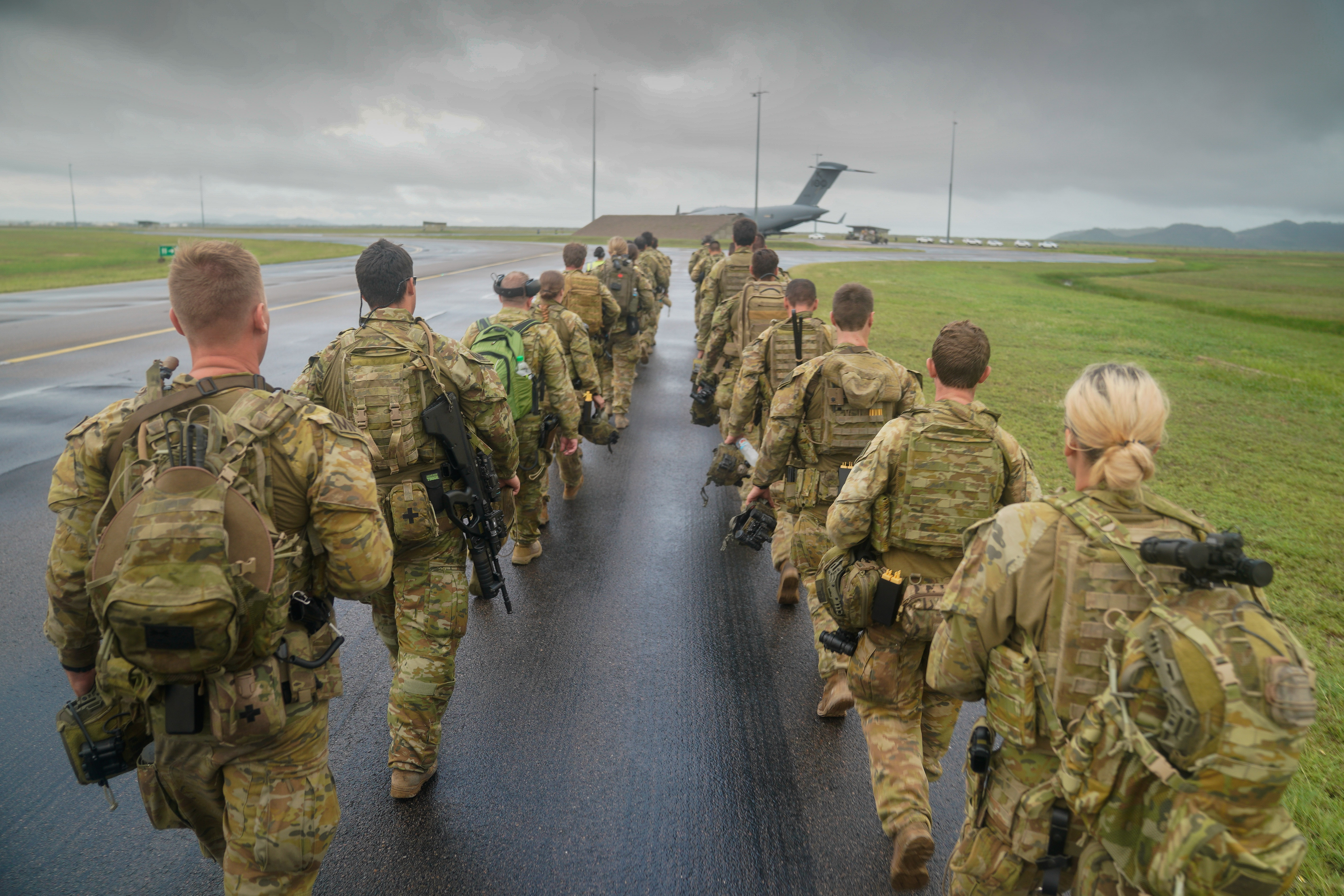
Australian Defence Force contingent at RAAF Base Townsville, Queensland, before departing for Solomon Islands

Instead of responding to remote control, robots will be taught to recognise hand gestures performed by the operator – but they don't have to be in sight of each other.

The operator will wear a pair of special augmented-reality glasses with a camera mounted in them, which will pick up and transmit the orders across "considerable" distances.

"This use of AI and AR in the battlefield will improve responsiveness and reduce the cognitive load on the soldier and is only the beginning of the applications of this technology," Agili8 chief technology officer Chris Markovic said.

According to developers, the technology is a natural progression in communication for soldiers on the frontline.

READ MORE: How Australia could become global energy superpower

"There is a long pedigree of Australian soldiers using hand gestures to communicate silently with one another," Chironix Robotics principal research fellow Dr Owen Carter said.

"The last thing your average digger wants to do is stuff around with a robot remote control while getting shot at. Signalling to a robot with one hand while keeping your other hand firmly on your weapon is much preferred."

The world-first project is expected to take a year and a half to develop, before being presented to the Defence Science Centre.