Tag Archives: oceania

How a surprise immigration email turned Monica's life upside down

A few weeks ago, Monica Diaz received an email in her inbox that turned her life upside down.

It came from the Department of Home Affairs and was completely out of blue, she said

"It was a notice which said they are considering cancelling my visa," Diaz told 9news.com.au. 

READ MORE: The 'forgotten people' waiting half a century to get their Australian visa

Monica Diaz says she was left shocked and angry after getting a surprise email from the Department of Home Affairs.

"The notice said I had 14 days to provide an explanation of why I should remain in the country; otherwise I'd be given 28 days to leave."

Diaz, a 34-year-old Spanish national, has been living in Melbourne for six years.

Shortly after moving to Australia in 2016, Diaz, who works as a dance educator, met the man who would become her partner of four years.

After spending two years together, they applied for a partner visa for Diaz in September 2018.

Pandemic-related processing delays meant the visa took another two years to be granted. 

Eighteen months ago, in March 2021, Diaz was given Australian permanent residency.

But, about a month later, Diaz said the relationship with her partner ended.

While distressing at the time, the break-up would turn out to be painful in more ways than one.

Under Australia's immigration law, migrants granted permanent residency through a partner visa cannot have their visa cancelled due to a subsequent break up. 

However, if a couple end their relationship before a permanent visa is granted, the application will be cancelled and the visa refused.

Do you have a story? Contact em********@******om.au.
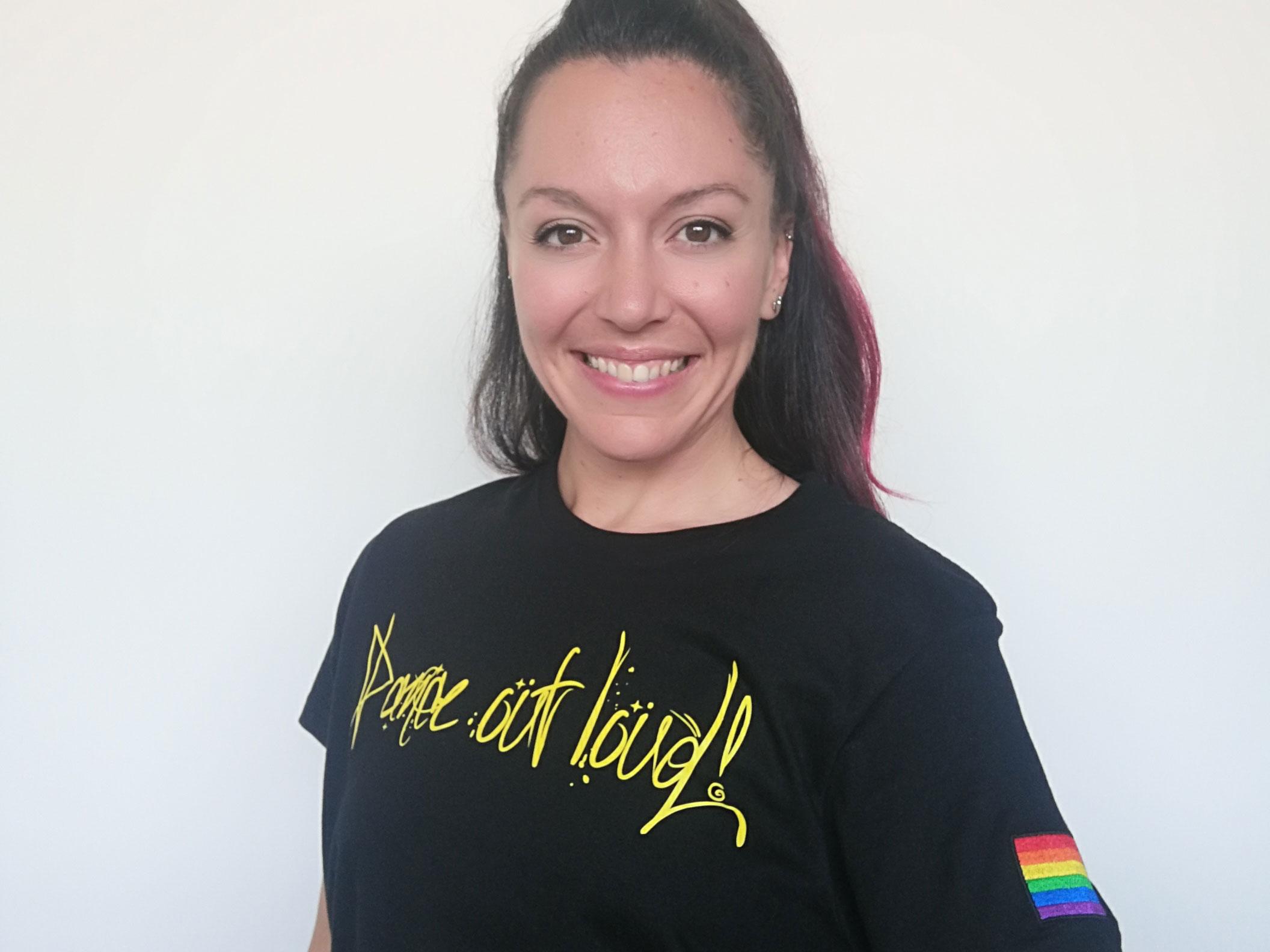
Monica Diaz has been living in Australia for six years and working as a dance educator.

Diaz was informed that, in her case, her ex-partner had made a phone call to immigration about a week after the partner visa was granted.

During that phone call, Diaz's former partner allegedly claimed their relationship had ended in December 2020, four months before the visa was granted.

Eighteen months later, Home Affairs issued the "Notice of Intention to Consider Cancellation" (NOICC)" to Diaz on the basis of the information given during that phone call.

Diaz was later told a different story by her former partner. She said she was extraordinarily "lucky" her ex-partner agreed to sign a statutory declaration confirming they were still in a relationship when the visa was granted.

However, Diaz said she was left "angry and confused" by the Home Affairs notice and was still fearful for her future in Australia.

"I was shocked," she said, "They waited 18 months to act on a random phone call that could potentially end up in me being deported.

"The first three days I was lost. All the recommendations are to seek legal representation, but there is also the fact that not everyone has access to legal representation. 

"If that is the case you don't even stand a chance."

Swinging into action, Diaz's employer and friend set up an online fundraiser, which helped raise the money for her to engage a lawyer to prepare a response to immigration on her behalf.

Diaz then called her ex-partner who, to her relief, answered the phone.

She said he appeared confused by the notice she had received from Home Affairs, but agreed to sign the statutory declaration at her lawyer's office.

Diaz's response to Home Affairs, submitted last week and seen by 9news.com.au, also includes apartment leases and bills as evidence.

Despite feeling as though she had mounted a strong case in her defence, Diaz – who is still awaiting a decision from Home Affairs – said her future had been left hanging in the balance. 

"I do have a lot of support and a lot of valid evidence but the truth is now everything's out of my control," she said. 

"I could get a case officer who is having a bad day and decides I'm not even going to read it and cancel my visa. Those things happen every day." 

Diaz, who had been planning to apply for citizenship in Australia, said being deported back to Spain would be devastating.

"It would mean the life that I built for six years here vanishes," she said. 

"I have a life here, I have my chosen family here. I have a secure full-time job, I pay taxes, I pay bills. It's nonsense."

Diaz's lawyer, Donald Gordon – who is a partner at SG Lawyers and an immigration and family law specialist – said it was legally problematic that Home Affairs waited for 18 months to put the allegations to Diaz.  

"Immigration received this information a year and a half ago, and they just sat on it," Gordon said.

"We've argued in our reply that this is a huge breach of procedural fairness and natural justice. 

"You can't do this in the Australian legal system, but immigration tends to get away with these things."

READ MORE: Aged care worker Navi has lived here for 18 years. Now, she and her husband are facing deportation

Donald Gordon, of SG Lawyers, said the current partner visa system was open to manipulation by former partners holding a grudge.

Gordon said a broader issue, which he had witnessed in the cases of many of his clients, was that the system was left open to exploitation by vindictive, and occasionally abusive, current or former partners.

"It's such a strong tool that disgruntled Australian partners have because you're basically able to hold your partner to ransom even after they've got their permanent residency," he said. 

"An ex-partner can simply just call up and make a verbal and then immigration sends them a little, two-line form they fill out and it's done. 

"Anyone can do it if they've got a huge grudge or if they want to get back at their partner. It's scary."

Unnecessarily long partner visa processing delays meant vulnerable migrants – who had left behind their family, job and livelihoods to move to Australia – could potentially be exposed to years of abuse, Gordon said. 

"The system allows for a huge element of coercive control not only during these relationships, but in the period after (in cases where there is a break-up)," Gordon said.

Under immigration law, there are some protections in place which allow for migrants to be granted permanent visas where they have experienced family violence.

However, gathering evidence of family violence could be difficult, and the protections also did not cover cases where there was no past abuse but a current or former partner could be acting out of spite, Gordon said. 

"There's actually a huge difference between family violence and a former partner holding a grudge," he said. 

Gordon said he believed changes needed to be made to ensure Home Affairs acted within a reasonable time frame when it came to investigating information passed on to the department.

Migrants should also be given the full details of claims made against them, and have their work rights protected if they chose to appeal a decision by Home Affairs to deport them, Gordon said.

A spokesperson for Home Affairs said the department could not comment on individual cases due to privacy issues.

"Visa cancellation powers help to ensure the protection of the Australian community and the integrity of Australia's borders and visa programs," the spokesperson said.

READ MORE: Aussie dad misses out on parental leave pay because his wife is Irish

Australia and UK move against 'growing threats' in the Indo-Pacific

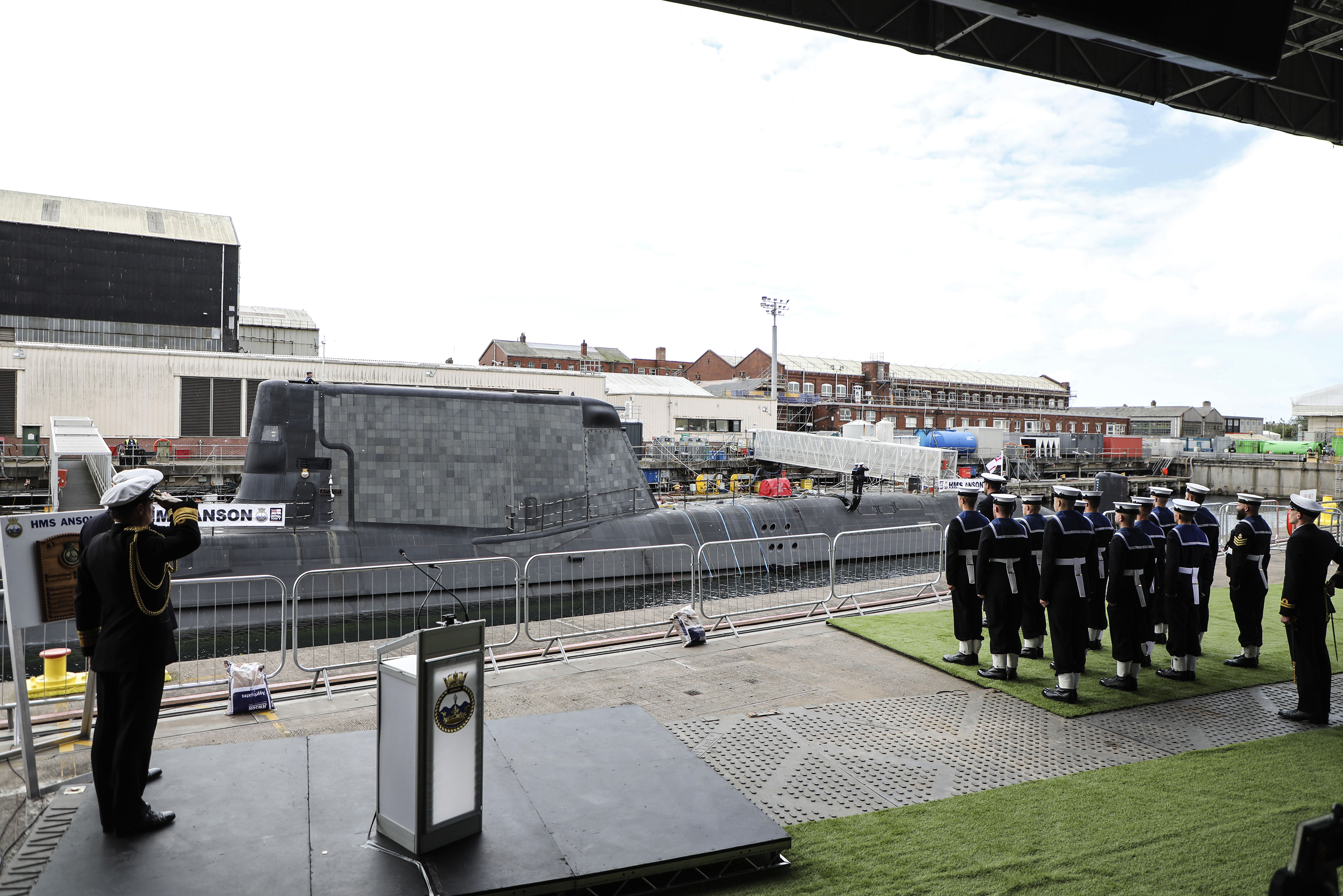
Australian submariners will train on a newly commissioned nuclear-powered British submarine, the latest step in the countries' new defence alliance.

Defence Minister Richard Marles joined with his United Kingdom counterpart Ben Wallace and Prime Minister Boris Johnson yesterday (early this morning AEST) to christen the £1.3 billion ($2.2 billion) HMS Anson.

"To see the enormity of what it is to have a capability of building a nuclear powered submarine is a huge decision for our nation to walk down that path — It's one we are not taking lightly but we are really determined to do," Marles said.

READ MORE: Ominous warning issued for all Aussies over 'rare' weather phenomenon

UK Defence Secretary Ben Wallace said the new submarine underlined the UK's commitment to shared security, particularly with the United States and Australia.

"Today is a significant milestone in the UK and Australia's preparation to confront growing threats to the liberal democratic order, especially in the Indo Pacific," he said.

"Not only have we progressed our defence planning but Minister Marles participated in the commissioning of our latest attack submarine, on which will Royal Australian Navy submariners will be embarked as we develop our shared capabilities in the years ahead."

READ MORE: Aussie property prices see biggest drop in value in almost 40 years

The AUKUS agreement granted Australia access to UK and US nuclear submarine technology but is yet to result in a contract to build any vessels.

It's a long-term project, with Wallace admitting Britain is not in a position to build a vessel like the Anson for Australia "in the here and now", needing to build another seven for its own fleet first and pushing timeline out at least into the next decade.

Marles said he'd had "productive" conversations about the treart abd going forward would be talking about costs, nonproliferation and whether to go with UK- or US-built submarines.

"What's really clear is that it is not just about the hardware," he said.

"It's not just about the submarine as important as that is. But there's also a question about building the human capability."

AUKUS also sparked a diplomatic meltdown between Canberra and Paris as French President Emmanuel Macron accused former prime minister Scott Morrison of lying to him.

READ MORE: Taiwan forces fire at drones flying over island near China

Macron and Prime Minister Anthony Albanese appeared to patch things up during a meeting in Paris earlier this year that the French leader described as the beginning of "a new chapter".

Marles also met with his counterparts from Germany and, crucially, France, on this week's European trip.

Both Marles and Wallace insisted France remained an important and reliable partner in the Pacific even after the signing of the AUKUS pact.

Even before the Morrison-Macron spat, caused by secrecy around the cancellation of a $90 billion deal with French company Naval Group, Australia's submarine program had been plagued by delays and cost blowouts.

Marles also admitted he'd had "frank" conversations with manufacturer BAE Systems about getting the country's Hunter-class frigate program "back on track".

Toddler killed as massive hail falls on Spain's north-east

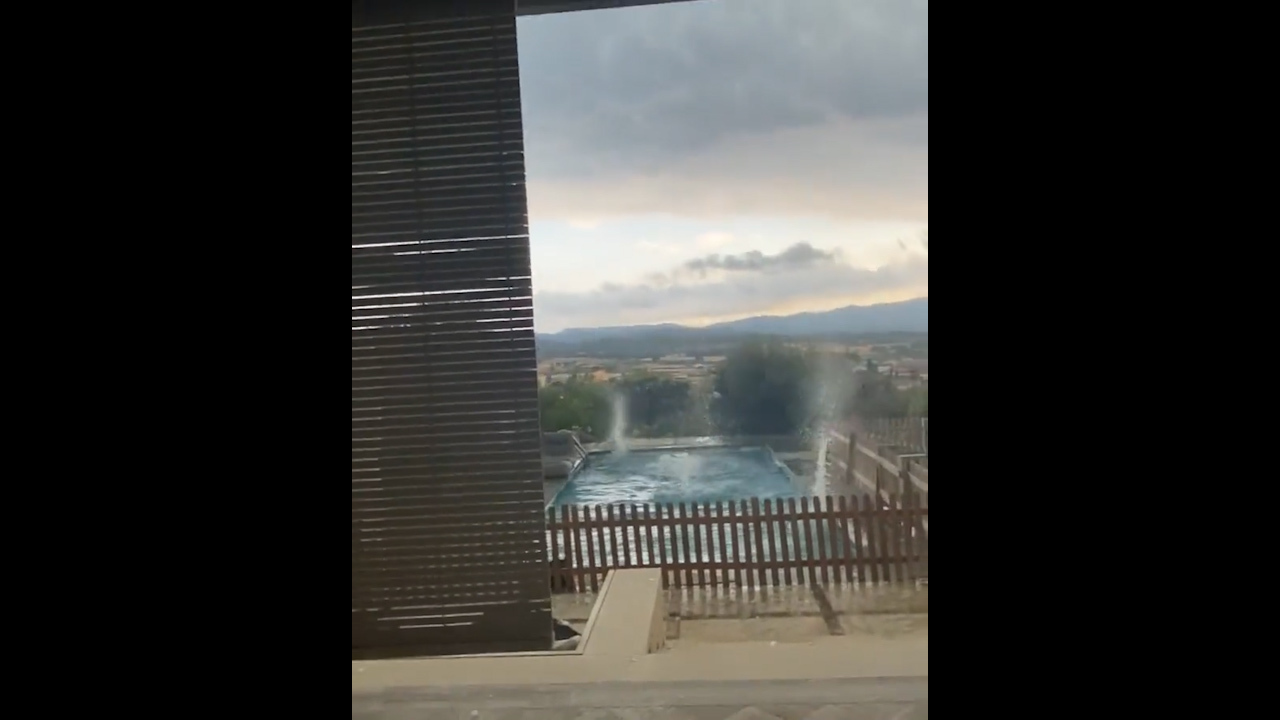
A 20-month old baby girl died after being hit by a massive hailstone during a fierce storm in the north-eastern Spanish town of La Bisbal d'Empordà, officials said.

Town mayor Carme Vall told Spanish National Television the baby was with her parents when she was hit by the ball of ice Tuesday.

She died early Wednesday local time in hospital.

READ MORE: Ominous warning issued for all Aussies over 'rare' weather phenomenon

Spain hail

More than 20 people were treated for injuries after the storm. The mayor said many cars and buildings were damaged by the hail.

She said that the some of the hailstones measured up to 11cm in diameter – about the size of a shotput.

Video footage on Spanish media showed the hailstones bouncing like golf balls on cars in the street.

READ MORE: Aussie property prices see biggest drop in value in almost 40 years

Spain hail

More storms were expected in the region Wednesday.

Heavy storms have been predicted for eastern Spain following severe heatwaves during the summer both on land and in the Mediterranean Sea.

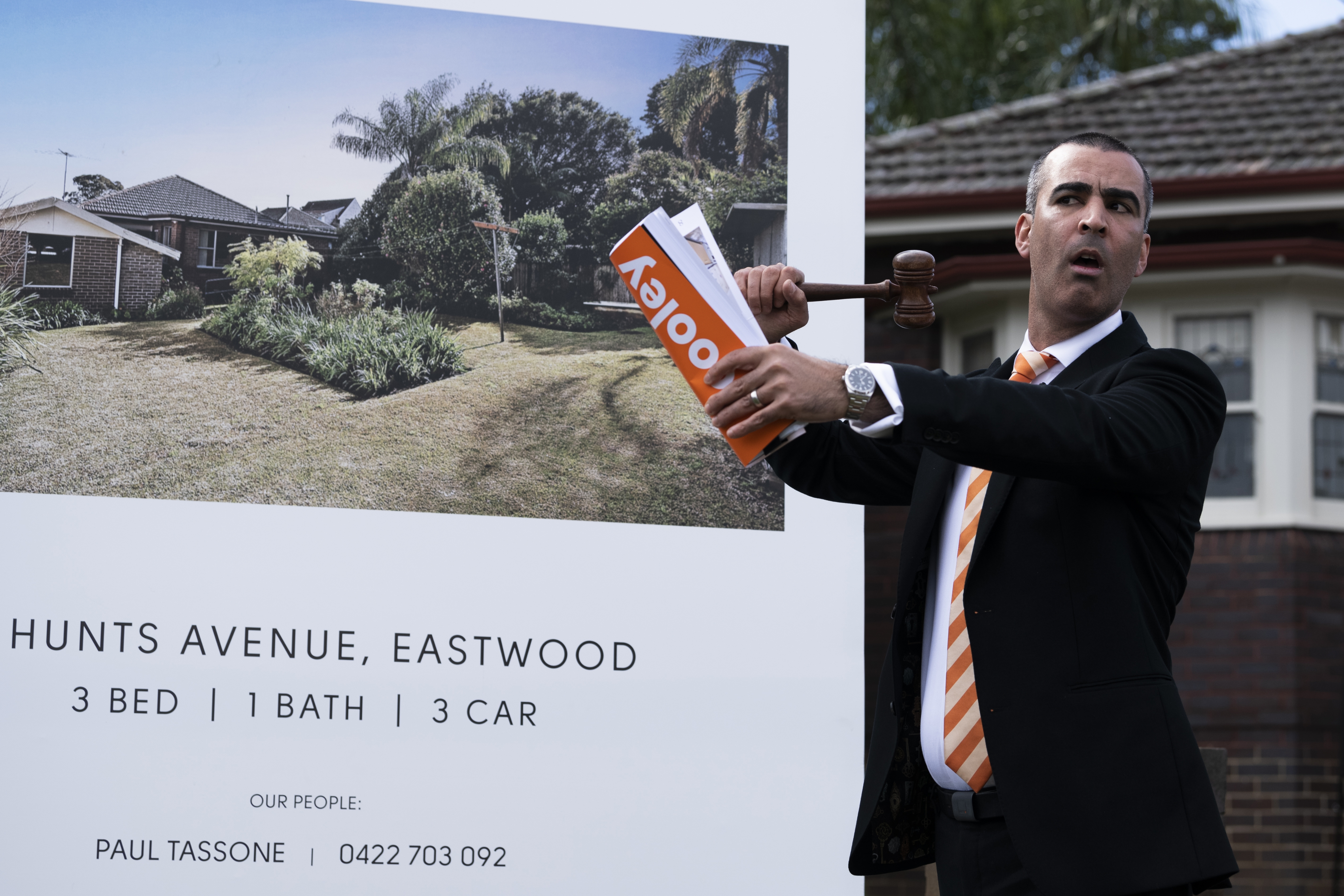
Aussie property prices see biggest drop in value in almost 40 years

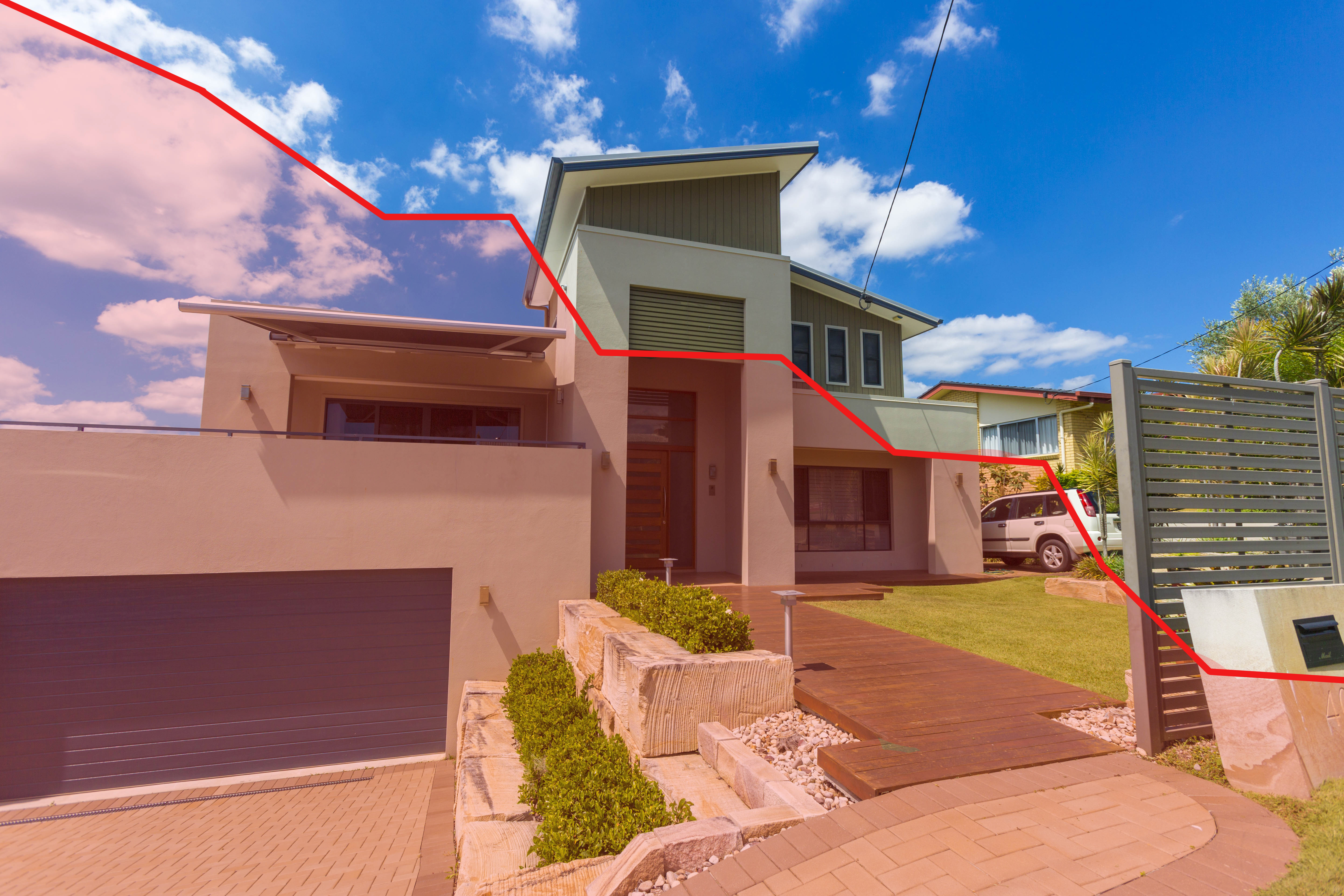
Australian property values have suffered their biggest monthly drop in almost 40 years as the market's downturn accelerates.

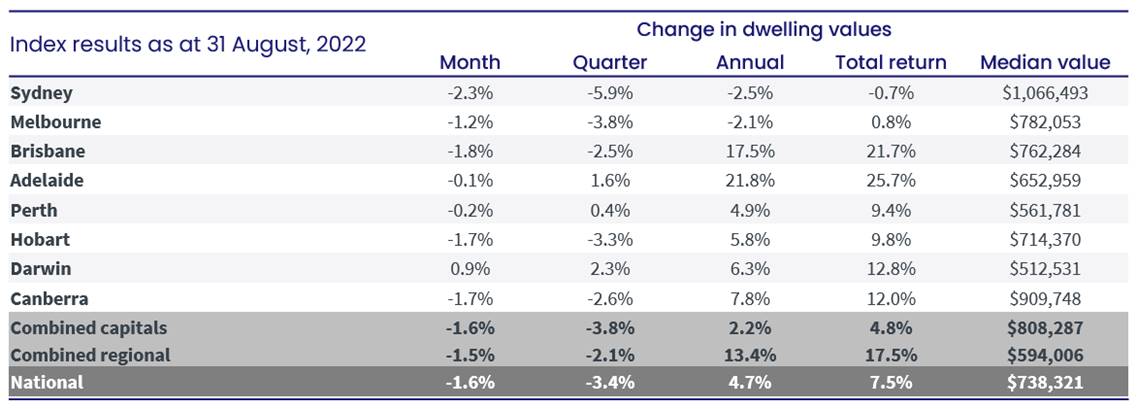
CoreLogic's national Home Value Index recorded a fourth straight month of decline in August, with the retreat in prices accelerating and covering more of Australia.

The drop in August was 1.6 per cent, the biggest month-on-month decline since 1983.

READ MORE: Dawson police say 'still work ahead' as bail bid expected

Every capital city apart from Darwin is now in a housing downturn, and regional Australia isn't too dissimilar, with only South Australia recording an increase in regional housing values for the month.

Sydney continued to the lead the downswing, with values falling -2.3 per cent in August.

But Brisbane also saw an accelerated decline, with values falling -1.8 per cent.

CoreLogic's research director, Tim Lawless, said Brisbane's shift into decline had been acute after almost two years of sustained growth due to record high internal migration and relative affordability.

READ MORE: Global weather agency predicts rare 'triple-dip' La Nina

"It was only two months ago that the Brisbane housing market peaked after recording a 42.7 per cent boom in values," Lawless said.

"Over the past two months, the market has reversed sharply with values down -1.8 per cent in August after a -0.8 per cent drop in July."

In regional areas, the fall was almost as extreme, with a 1.5 per cent drop in August.

That follows a sharper upswing though, with regional prices surging more than 40 per cent from March 2020 to January 2022, compared to 25.5 per cent for the capital cities.

READ MORE: Taiwan forces fire at drones flying over island near China

"The largest falls in regional home values are emanating from the commutable lifestyle hubs where housing values had surged prior to the recent rate hikes," Lawless said.

"Over the past three months, values are down eight per cent across the Richmond-Tweed, -4.8 per cent across the Southern Highlands-Shoalhaven market and -4.5 per cent across Queensland's Sunshine Coast."

Only seven areas recorded a rise in housing values in August, including the northern suburbs of Adelaide (0.9 per cent), Perth's North East and Mandurah (0.6 per cent/ 0.5 per cent respectively) and the Coffs Harbour-Grafton region (0.6 per cent).

READ MORE: The NSW government's new first home buyer scheme explained

Despite the recent weakness, housing values across most regions remain well above pre-COVID levels.

Home values in all capital cities and rest-of-state regions, besides Melbourne, remain 15 per cent more above the levels recorded in March 2020, implying most home owners have a significant equity buffer before their home is likely to be worth less than what they paid.

"A 15 per cent peak to trough decline would roughly take CoreLogic's combined capitals index back to March 2021 levels," Lawless said.

"Additionally, many home owners would have had at least a 10 per cent deposit and paid down a portion of their principal, the risk of widespread negative equity remains low."

Lawless expected the downturn will continue to play out through the remainder of the year, and possibly into 2023.

"It's hard to see housing prices stabilising until interest rates find a ceiling and consumer sentiment starts to improve," he said.

Centuries old shipwreck coins to be returned to Western Australia

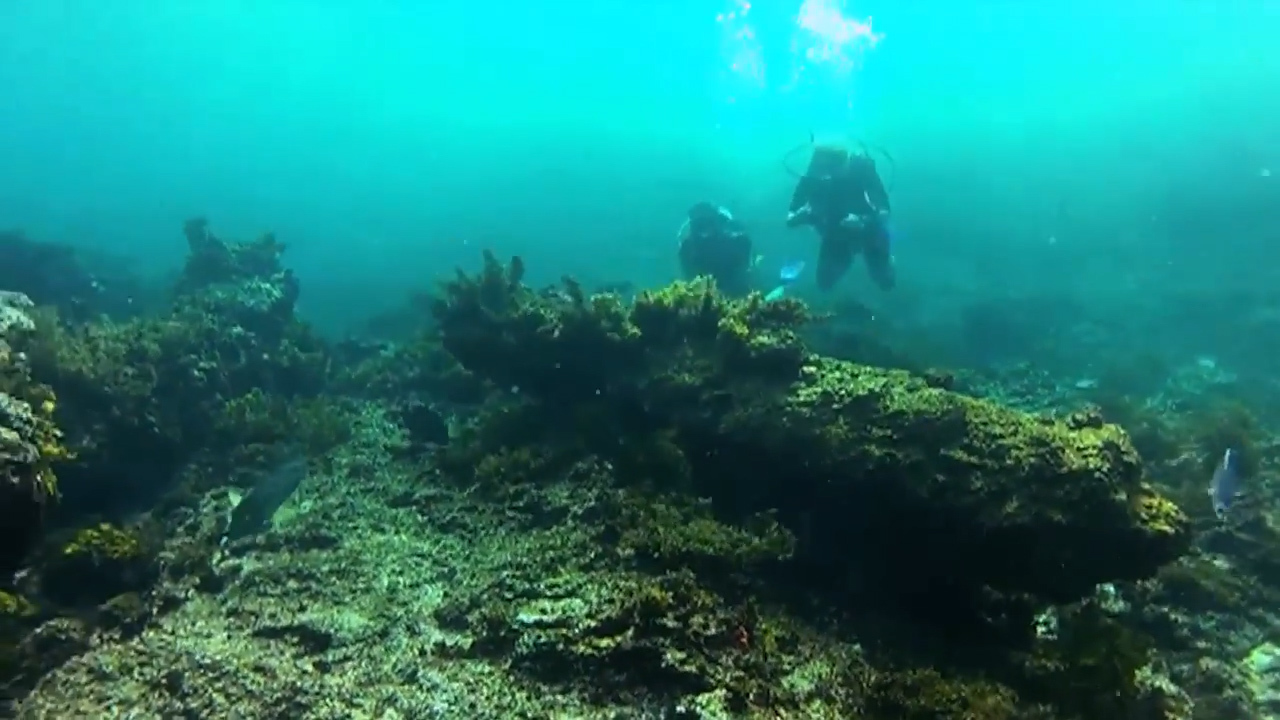
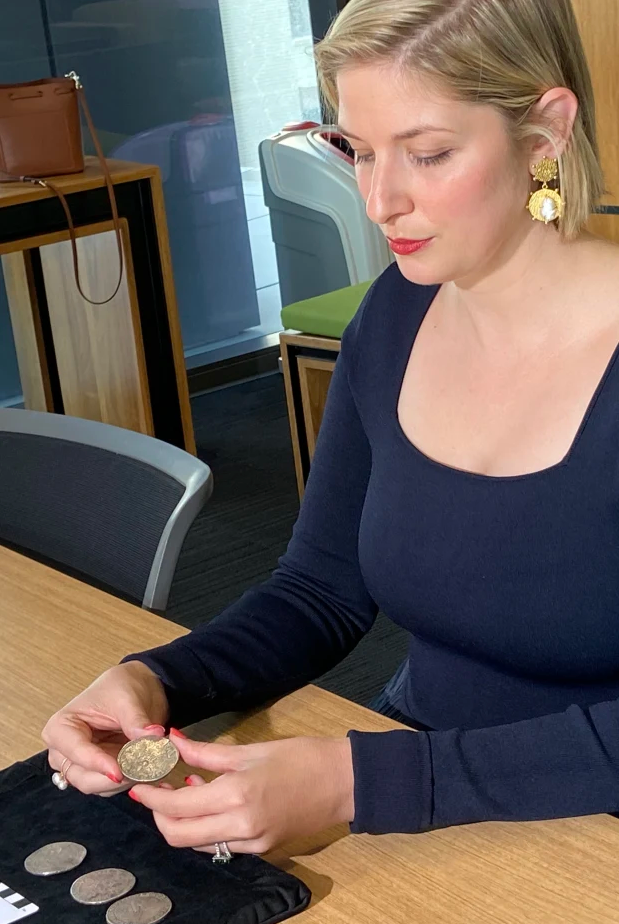
Centuries-old coins from the infamous Batavia shipwreck will be returned to the Western Australian Museum, 30 years after they were stolen from the sea floor.

The four coins, dating back to the 1500s and 1600s had been aboard the infamous 17th-century Dutch ship before they were taken by an inquisitive diver.

Principal Heritage Officer from Western Australian Museum Celeste Jordan said the heritage artefacts would now be returned to their rightful home after the diver was denied a permit to keep them.

READ MORE: Inside the world of Queensland's 'shipwreck mermaid'

"The person, now living in Queensland was unaware they had breached Australian law and recently sought a permit to keep the coins," Jordan said.

"Following a discussion with Commonwealth officers, the person was cooperative and agreed to surrender the coins."

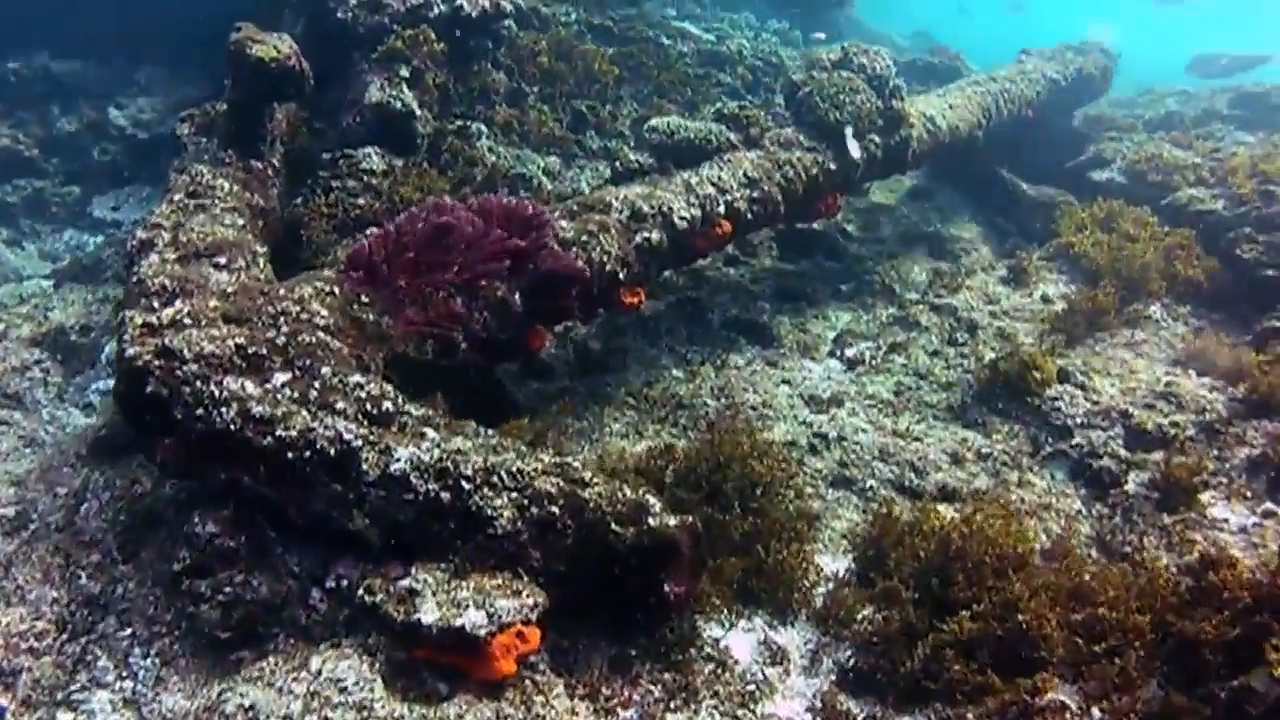
The Batavia is among the country's most renowned shipwrecks, known for its macabre history and what happened after it crashed into Western Australia's Morning Reef, on the Houtman Abrolhos chain of islands.

"The Batavia was on her maiden voyage when it sank in the early hours of 4 June 1629 with more than 300 people on board," Jordan said.

READ MORE: One in five Aussies breaking the law in supermarkets

"She was the flagship for the Dutch East India Company (VOC) and one of four ships owned by that company – including Zeewick, Vergulde Draeck, and Zuytdorp – that sank off the coast of Western Australia."

Jordan said the ship had been on a spice mission but was also carrying cargo of silver coins and antiquities belonging to renowned Baroque artist Peter Paul Rubens, which were to be sold to an Indian Mogul ruler.

The ship also carried sandstone blocks which were to be used in building a Dutch East India Company base in Batavia, now Jakarta in Indonesia.

"The shipwreck survivors went to nearby islands and others remained on board, and the story of the Batavia took a tragic turn," Jordan said.

"The Captain Francisco Pelsaert took a small boat and several crew members to get help in modern-day Jakarta, and in his absence, his enigmatic deputy, under-merchant Jeronimus Cornelisz, staged a mutiny.

"By the time Captain Pelsaert returned to rescue the survivors, Cornelisz and his associates had murdered 115 people and sent others to their deaths through drowning.

"Captain Pelsaert quickly rounded up the mutineers, and ordered the execution of Cornelisz."

READ MORE: What happened the night Diana died

Since its discovery in the 1960s, the cargo of the Batavia has been collected and studied.

"They were unable to retrieve everything, and that brings us to 1992 when four coins were taken by a person without a permit from the shipwreck," Jordan said.

Taking artifacts from shipwrecks without a permit can lead to fines and even imprisonment.

The four coins will be taken to the Western Australian Shipwrecks Museum, which holds and displays a large collection of Batavia artifacts.

READ MORE: How to avoid magpie attacks this swooping season

Global weather agency predicts rare 'triple-dip' La Nina

The United Nations weather agency has predicted a rare "triple-dip" La Nina, adding weight to the Australian weather bureau's warning of the likelihood of another wet summer to come.

The World Meteorological Organisation yesterday said it was likely the weather pattern would hold until the end of the year, which would be its first time this century lasting three consecutive summers.

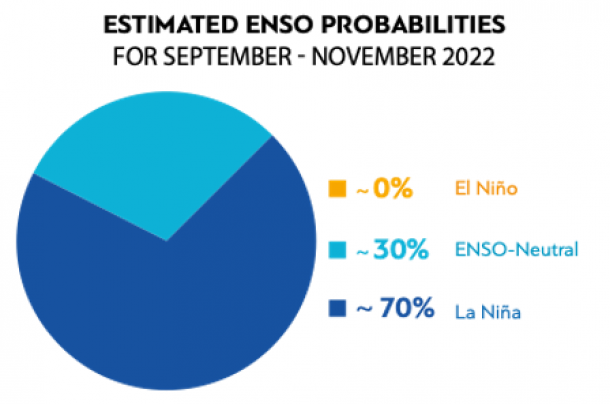
The WMO El Nino/La Nina Update put the probability of the La Nina event, which began in September 2020, continuing into September to November at 70 per cent.

READ MORE: Students suspended from exclusive Sydney private school over 'offensive' online chats

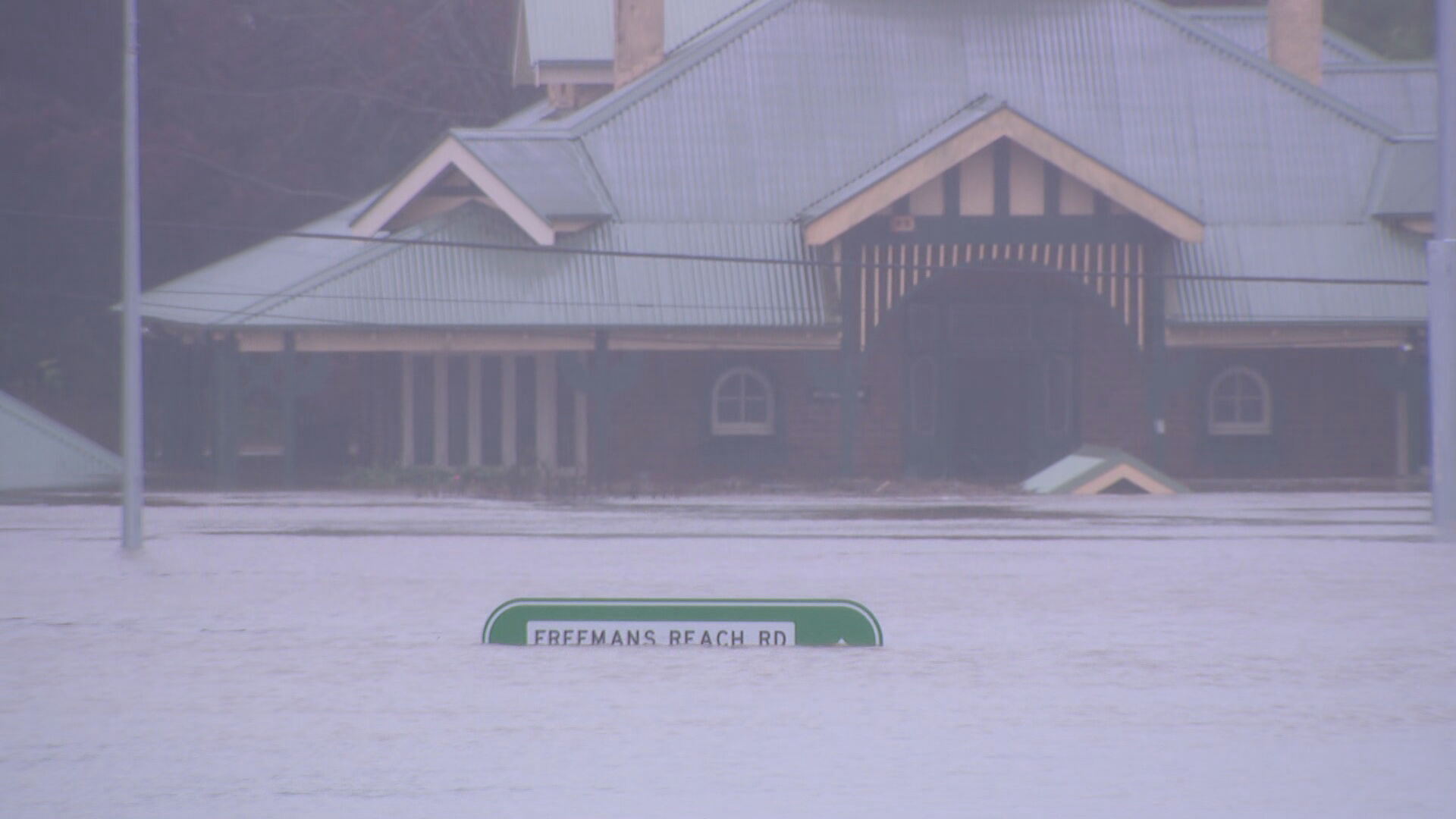
Sydney floods

There is a 55 per cent chance it will continue through until December to February and just a 5 per cent chance of the generally drier El Nino developing.

The WMO stressed the importance of viewing the current El Nino/La Nina conditions in the context of human-induced climate change increasing temperatures, exacerbating extreme weather affecting rainfall patterns.

"It is exceptional to have three consecutive years with a la Nina event," WMO Secretary-General Professor Petteri Taalas said in a statement. 

READ MORE: Alleged former Comanchero boss accused of stealing trolley

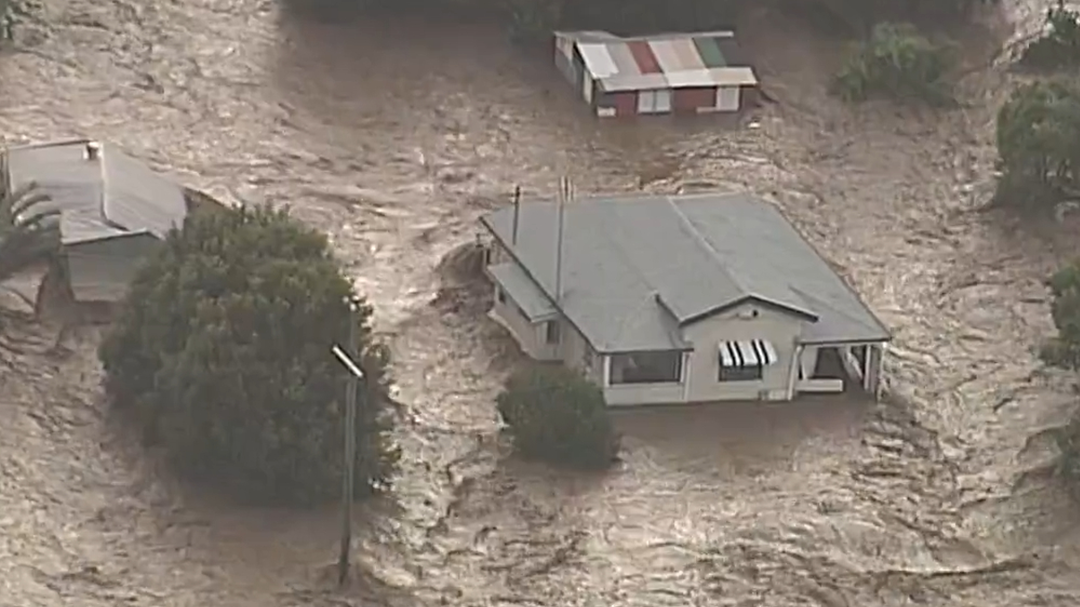
Queensland floods

"Its cooling influence is temporarily slowing the rise in global temperatures – but it will not halt or reverse the long-term warming trend.

"The worsening drought in the Horn of Africa and southern South America bear the hallmarks of La Nina, as does the above average rainfall in South-East Asia and Australasia."

READ MORE: New bushfire danger system to come into effect

The predictions are similar to those made by the Bureau of Meteorology when issuing a La Niña alert last month.

The bureau upgraded its El Nino-Southern Oscillation (ENSO) outlook to a La Nina "alert" level – the final stage before an actual La Nina event is declared — and pointed out La Nina developed about 70 per cent of the time an alert was declared.

READ MORE: COVID-19 isolation reduced to five days for the asymptomatic

"La Nina events increase the chances of above-average rainfall for northern and eastern Australia during spring and summer," it said at the time.

The WMO said La Nina conditions had strengthened in the tropical Pacific as trade winds intensified in recent months.

While Australia's east coast has been consistently drenched in recent months, prompting repeated major flooding, La Nina has also had devastating consequences on the other side of the world.

The Horn of Africa is suffering likely its worst drought in four decades, according to the WMO, with four consecutive failed wet seasons set to be followed by a drier than average "short rains" period in the final months of the year.

"The new La Nina Update unfortunately confirms regional climate projections that the devastating drought in the Horn of Africa will worsen and affect millions of people," Taalas said.

Cyclist saved by bystanders after suffering heart attack mid-ride

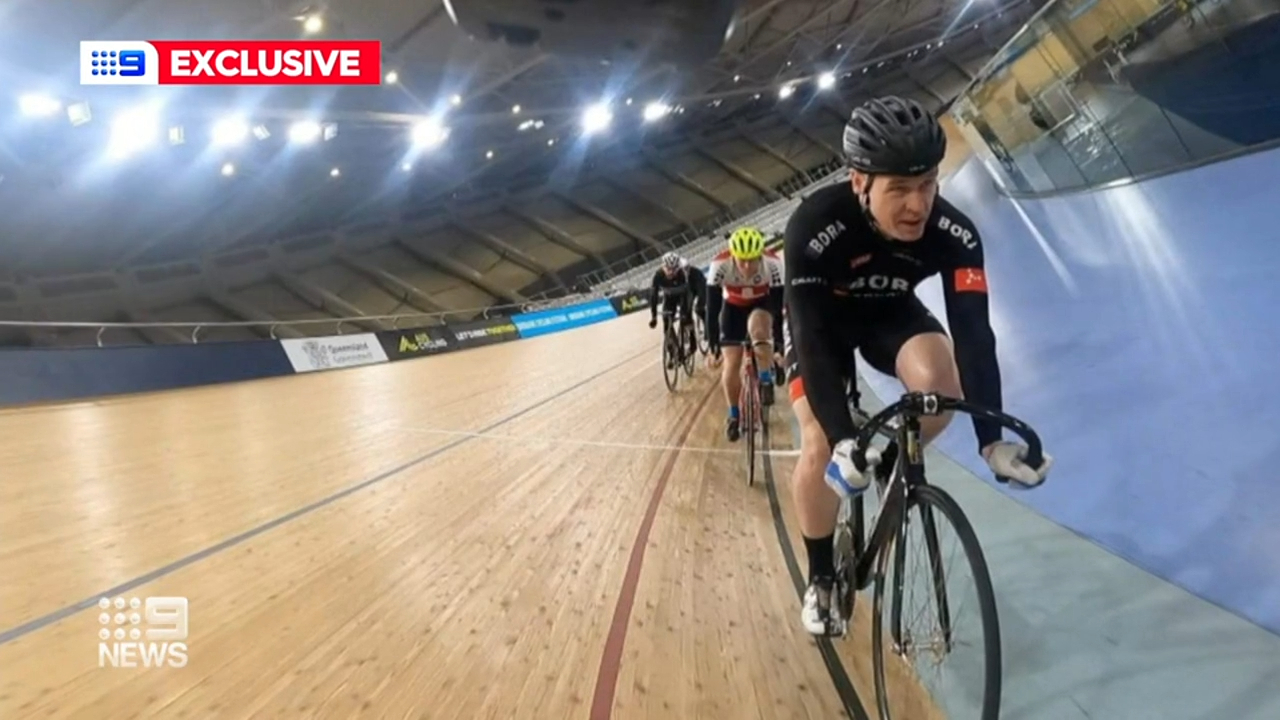
A Queensland cyclist is lucky to be alive after suffering a heart attack while riding at 60km/h.

Brett Heron, who has been cycling for 25 years, was with his coach and long-time friend Billy Wright when he went into cardiac arrest.

Collapsing to the ground, Wright and other witnesses rushed to his aid.

READ MORE: One in five Aussies breaking the law in supermarkets

9News obtained the triple zero call.

"Hang in there Brett, hang in there mate," Wright is heard saying.

"There's a bloke, had a fall off a bicycle in the velodrome, he's having trouble breathing."

Heron said his memories of the incident are hazy.

"You don't have any memory of it so it's like reading the script to a movie. You just have to accept what happened," he said.

READ MORE: What happened the night Diana died

During the triple zero call, Wright is asked to begin CPR and if there is a defibrillator nearby.

"There's is a defib right here in front of me," he said.

Wright told 9News "one thing I'm happy about is it happened here, where there were people that are trained".

Heron has made a recovery and is easing back into training.

READ MORE: How to avoid magpie attacks this swooping season

Nathan Jorgensen from Queensland Ambulance Service said the witnesses involved saved Heron's life.

"The defibrillator is the only reason Brett is here today," he said.

"If there's no CPR for 10 minutes, the odds of survival are next to none."

COVID-19 isolation reduced to five days for the asymptomatic

Asymptomatic people who have tested positive for COVID-19 will only have to isolate for five days, under new rules agreed upon by national cabinet.

This marks a reduction from seven days, Prime Minister Anthony Albanese said.

"Clearly, if you have symptoms, we want people to stay home," Albanese said. 

READ MORE: Teen surfer bitten by shark off NSW coast

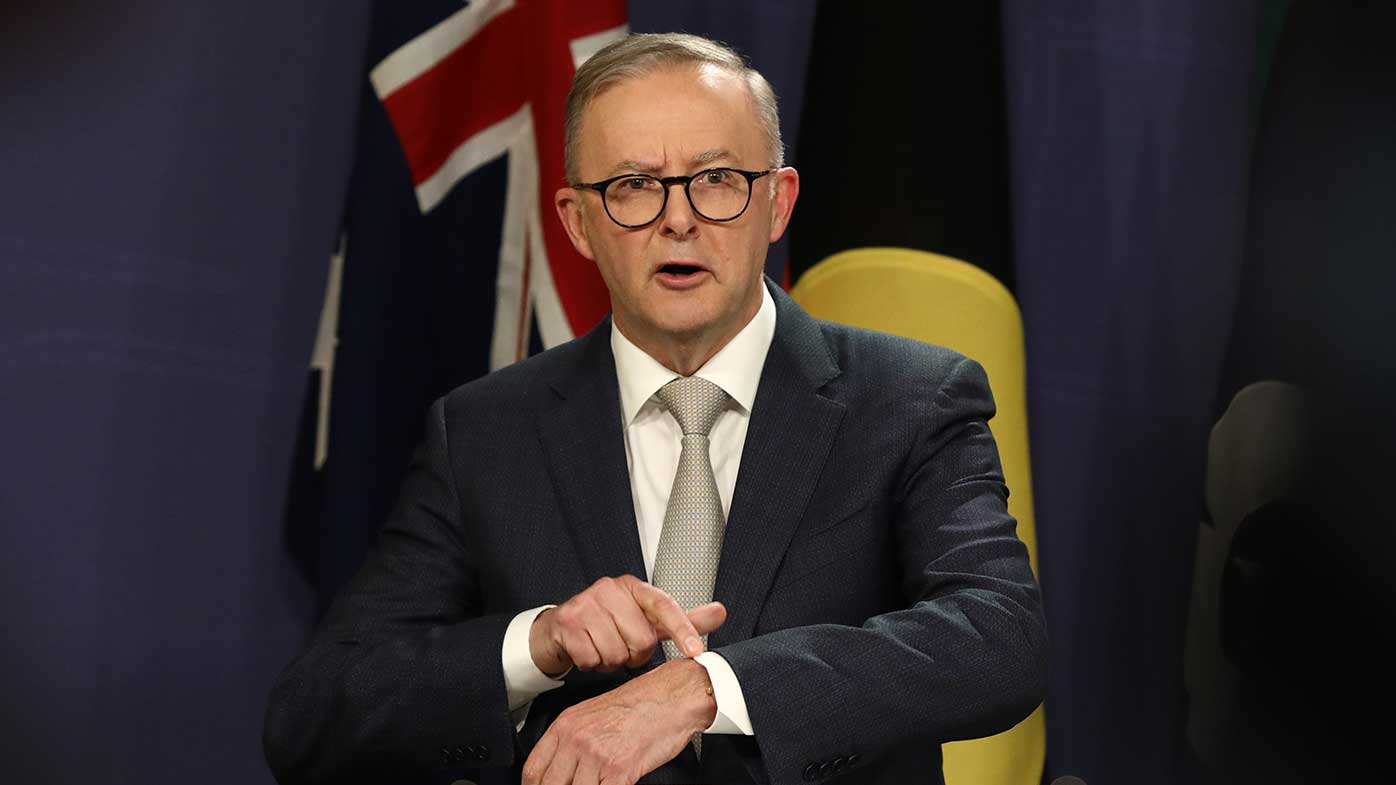
Prime Minister Anthony Albanese has announced changes to isolation rules.

"We want people to act responsibly."

People in aged, disability and home care will still be required to isolate for seven days, regardless of whether they are symptomatic or not.

The changes will come into effect next Friday, September 9.

READ MORE: Everything you need to know about today's Sydney train strikes

The paid pandemic leave disaster payment eligibility will change to reflect the isolation rule changes.

"We'll have a meeting on that in a couple of weeks' time," Albanese said

"We haven't changed the arrangement with regard to payments."

Passengers on domestic flights will no longer be required to wear masks from Friday September 9.

READ MORE: Files in Trump's desk, storage clearly marked 'top secret'

The meeting comes after the Therapeutic Goods Administration approved a Moderna vaccine targeting the Omicron variant.

Australia is just the third country worldwide to approve the jab. after initial tests showed the shot created a higher immune response to the BA.4 and BA.5 subvariants.

Moderna has said it can supply the vaccine immediately.

EXPLAINED: What are your chances of getting COVID-19 more than once?