Told by property managers there was no mould at the Kāinga Ora property she rented, a frustrated mother pulled up carpet and ripped off wall coverings to reveal “unacceptable levels” she claimed were making her children sick.The…
Tag Archives: oceania
Wife says running over husband an accident
When Christie Lee Kennedy saw her husband kissing another woman she felt her "whole life had been torn apart".
But the 37-year-old has denied deliberately driving into her cheating spouse and his mistress just seconds later.
Kennedy had been married to David Larkin for almost a decade when she discovered he was having an affair with Zowie Noring in March 2021.
READ MORE: One in five Aussies breaking the law in supermarketsttacks this swooping season
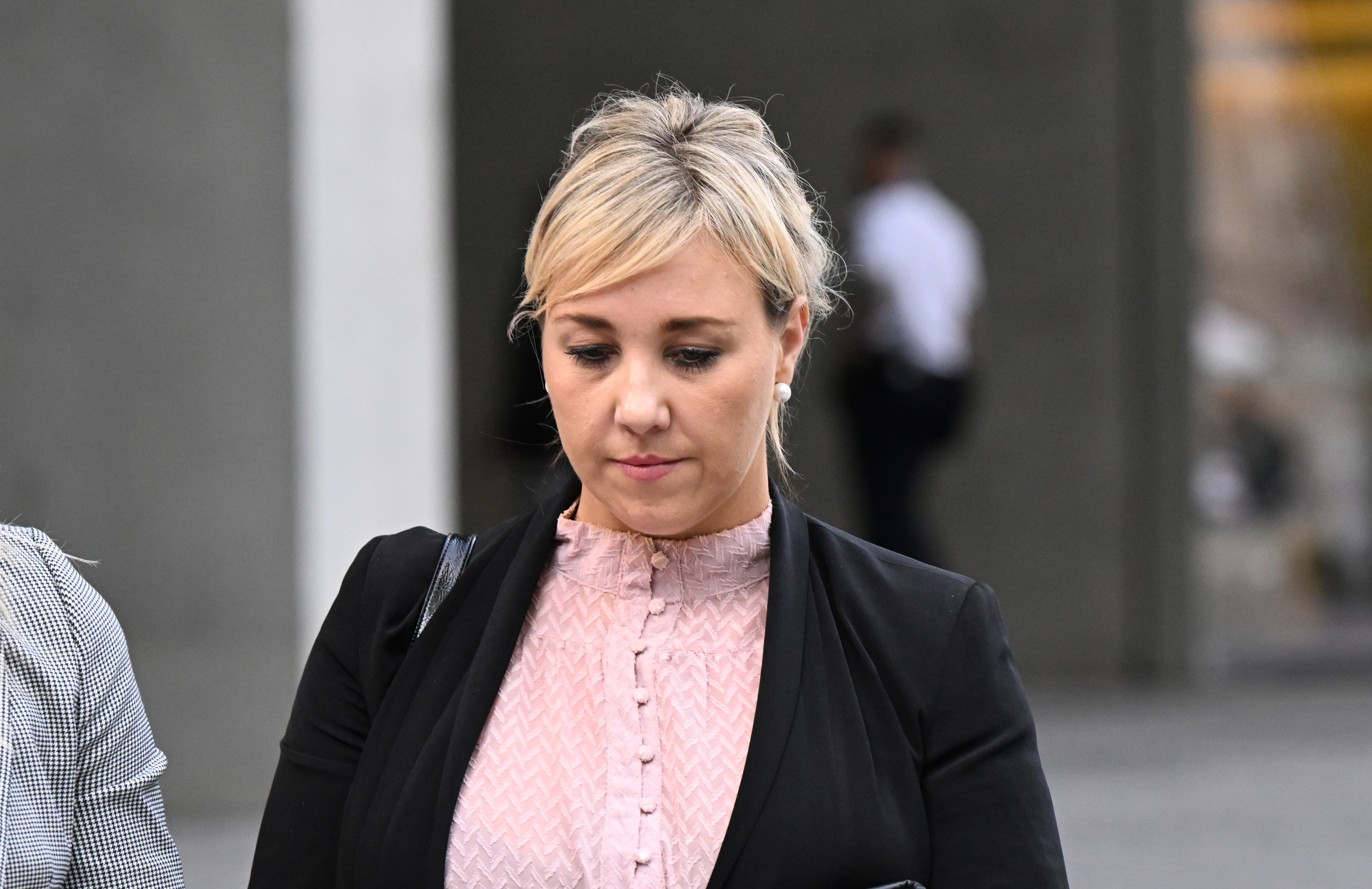
The mother-of-two is accused of intentionally running over Larkin and Noring in her BMW SUV after discovering them together at Wavell Heights in Brisbane's north.
Kennedy also got out of her car, grabbed Noring by the hair and repeatedly punched her while screaming obscenities, the District Court has heard.
Kennedy said her plan was simply to find out what her husband was doing when she discovered he was visiting a park she didn't recognise for the third time that week.
When Kennedy approached the park in her car she saw her husband "kissing, groping and cuddling" Noring.
"I couldn't believe what I was seeing. Basically my whole life had been torn apart," a teary Kennedy told the court.
Kennedy said she abandoned her plan to "hide and have a look" because she was quickly spotted by her husband and Noring.
READ MORE: How to avoid magpie attacks this swooping season
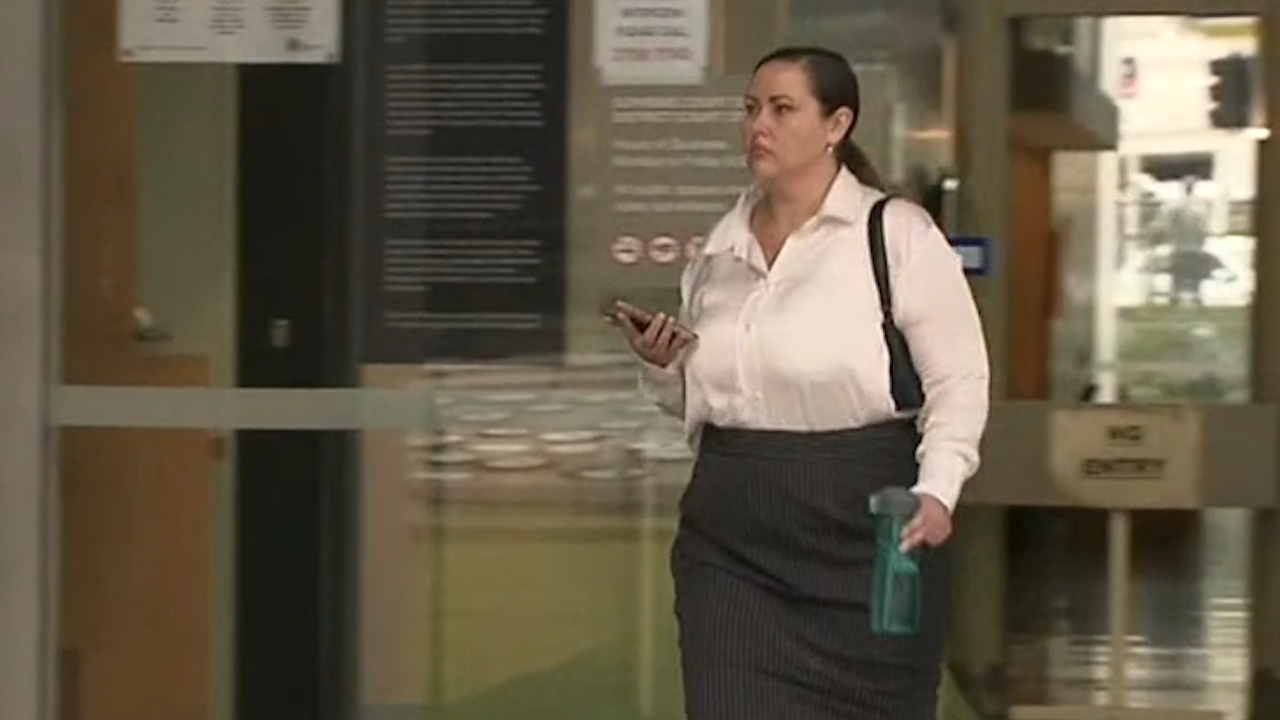
Instead she decided to accelerate down the street in a bid to "catch him out".
"Then (I) realised oh my God … I remember hitting on the brakes, trying to stop (but) I already hit them," she said.
"There was no way I intended to hit either one of them."
Kennedy said she exited her car in a state of shock.
"I was shaking. I was about to collapse. I yelled something at her … and I think I punched her a couple of times but I was that in shock, in disbelief and shaking," she said.
"I was just not expecting to find what I did."
Kennedy said she thought she had a perfect marriage before the incident.
But she first became suspicious when Larkin began telling her he would leave work early for a childcare pick-up.
"That was really unusual for him because he would normally put in big hours," Kennedy said.
READ MORE: What happened the night Diana died
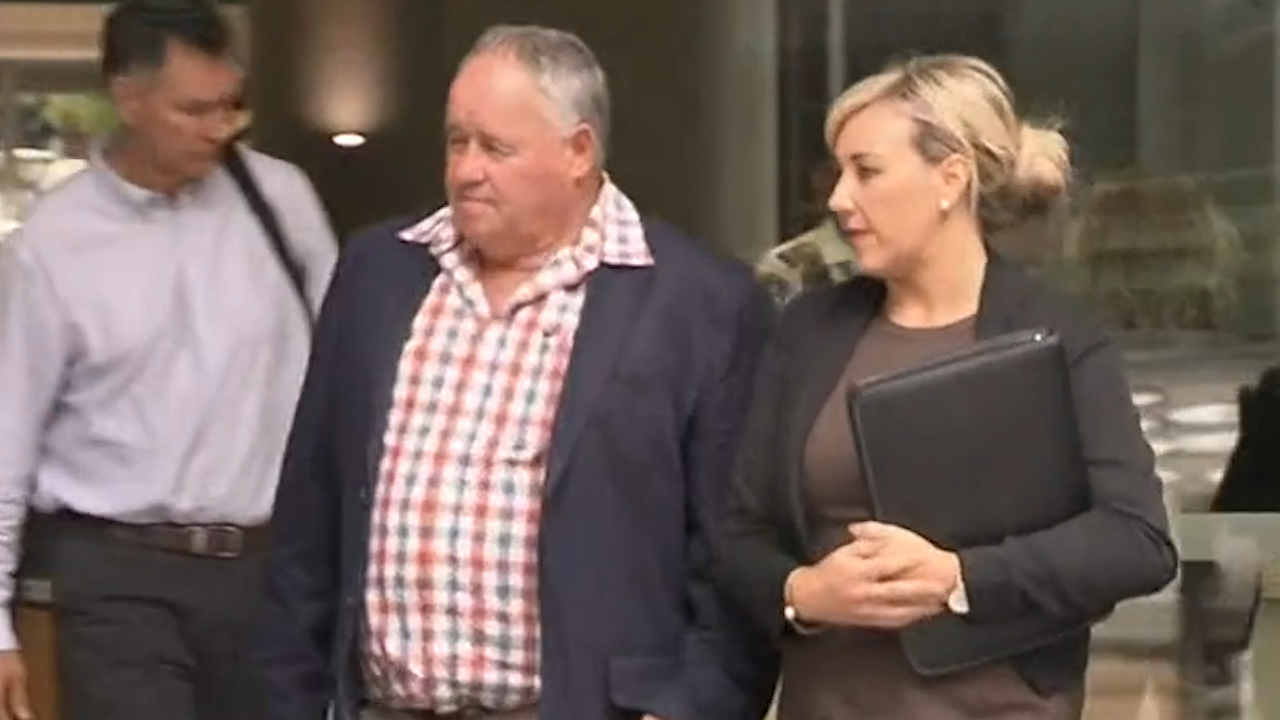
When she rang to check if the children had been collected Larkin's phone was either switched off or rang out, she said.
Concerned, Kennedy looked at a phone locator app and discovered Larkin was at a park she had "no idea about".
"I mentioned to (a friend) … that Dave was attending this park … and she said 'that is near Zowie's work'," Kennedy said.
Her friend then told her Noring had been talking to Larkin on a messaging app.
"I said 'anything going on between David and Zowie' … and she said 'oh no, I doubt it'," Kennedy said.
She said according to the phone locator app Larkin visited the park twice in three days.
When it occurred a third time, Kennedy decided to drive to the location despite assurances from her husband the night before that "everything was OK".
She intended to go there, hide, have a look, then return to work and talk to her husband later that night about it, she said.
Kennedy has pleaded not guilty to two counts of malicious acts with intent to disable.
She has pleaded guilty to unlawful assault.
The trial before Judge Tony Moynihan continues.
Smoking bill: Foodstuffs, Z Energy oppose immediate limit of number of tobacco retailers
Foodstuffs NZ and Z Energy are lobbying the Government to drop a proposed immediate limit to the number of retailers able to sell tobacco products in an amendment bill deemed world-leading smoking legislation. But the Cancer Society…
Files in Trump's desk, storage clearly marked 'top secret'
Donald Trump's office hid classified documents from the government to stop them being returned, a court filing from the Department of Justice said.
Investigators claimed "government records were likely concealed and removed" after a subpoena was issued for the documents to be returned to the national archives.
Trump's lawyers then testified under oath that all classified materials had been returned, a claim now proven to be false.
READ MORE: 'Limited' privileged material among papers seized from Trump
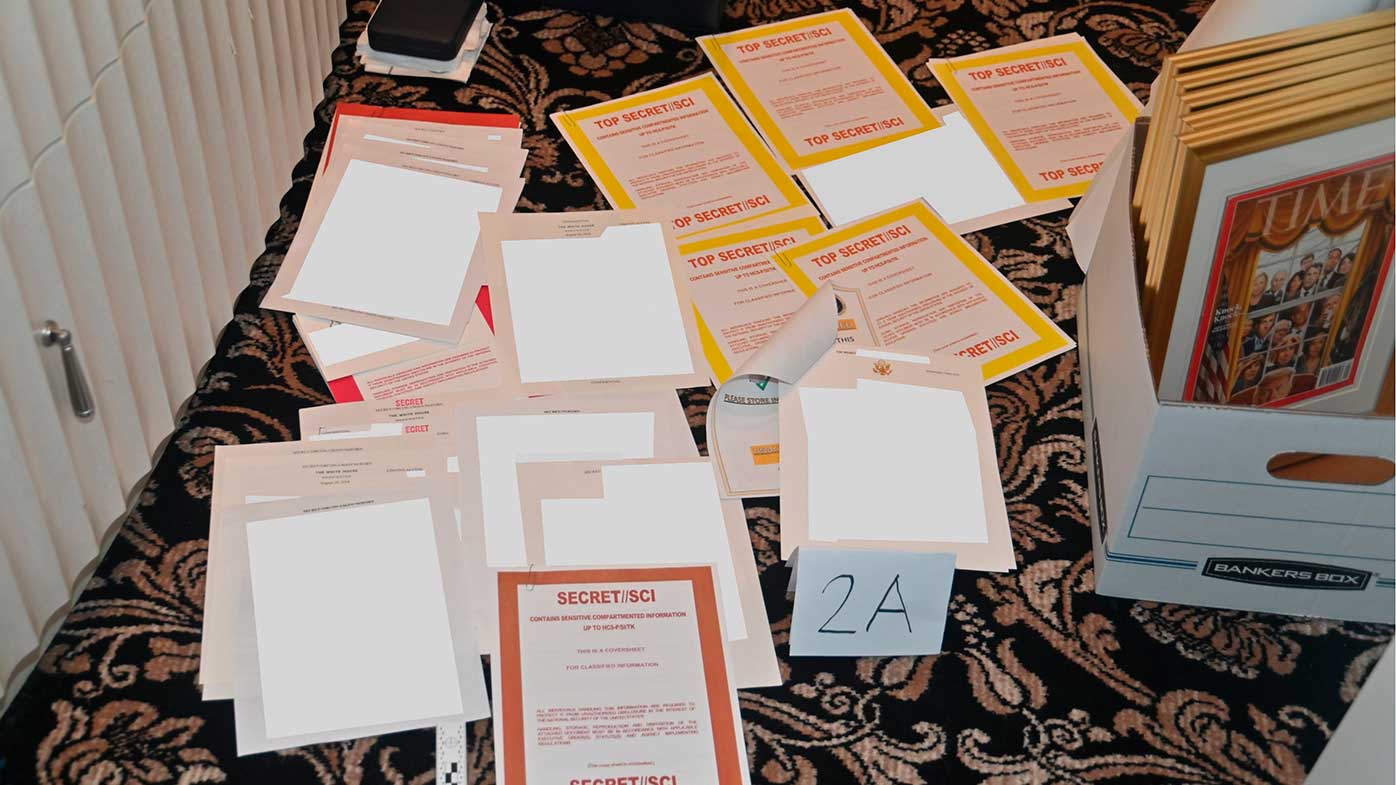
The 36-page filing appears to be laying out an obstruction of justice case against the former president.
The Department of Justice said in their filing that more than 100 classified documents were seized in the FBI's raid on Trump's Mar-a-Lago country club this month.
The filing also included a photo of some of those documents.
The documents are clearly marked either "secret" or "top secret".
READ MORE: Justice Department releases redacted Mar-a-Lago search affidavit

Most of the sensitive documents were in storage at Mar-a-Lago, but three were kept in a desk drawer in Trump's personal office.
The Department of Justice noted that it took the FBI mere hours to find twice as many classified documents among Trump's files than his own office had surrendered after weeks of apparent searching.
Trump has argued he had declassified every document in his possession, which a president has the right to do.
READ MORE: 'Deep concern' Trump may have put US intelligence at global risk

But he is yet to offer any evidence of that declassification, which needed to have taken place while he was still in office.
The filing also addressed why three of Trump's passports were seized.
The passports, two of which were expired, were in a desk drawer which contained classified documents "co-mingled with other documents".
The department has since returned the passports.
READ MORE: Trump's most prominent Republican critic loses re-election

Time to crunch the numbers on the transition from fossil fuels
Analysis: We are used to hearing world leaders talk in blizzards of numbers about targets for cutting greenhouse gas emissions and activists bidding higher, demanding the world move faster to net zero.
But has anyone sat down and done the calculations on the physical requirements of completely retooling an industrial system that was built over more than 100 years on coal, oil and gas?
Fossil fuel doesn't just power electricity systems and run cars, it is embedded in the manufacture of steel, cement, plastic and the ammonia used to fertilise the world's crops.
Physicist and former Australian mining engineer associate professor Simon Michaux has spent years looking at the hard data on making this transition. He now works for the Geological Survey of Finland and set out to answer the question: what kinds of minerals and in what quantities will be required to supply the incoming lithium-ion battery factories of Europe?
He then expanded his work to look at the size of the task of meeting the stated emissions reduction ambitions of the European Union, China and the United States. Take one example – what will it take to run the estimated global fleet of 1.416 billion vehicles on batteries when right now only 0.51 per cent of it is electric? And an electric car demands seven times the critical minerals of a conventional car.
In conversation with Nine News, Professor Michaux says he found there are not enough global mineral reserves to manufacture even the first generation of the planned non-fossil fuel industrial systems.
"The nature of the task in front of us – when we actually start looking at the numbers, the reality of what we are looking at – it's simply not going to go as planned," Professor Michaux says.
Father killed in crash allegedly caused by driver running from police
A Victorian father-of-two has been killed in a head-on crash allegedly caused by a driver trying to flee police.
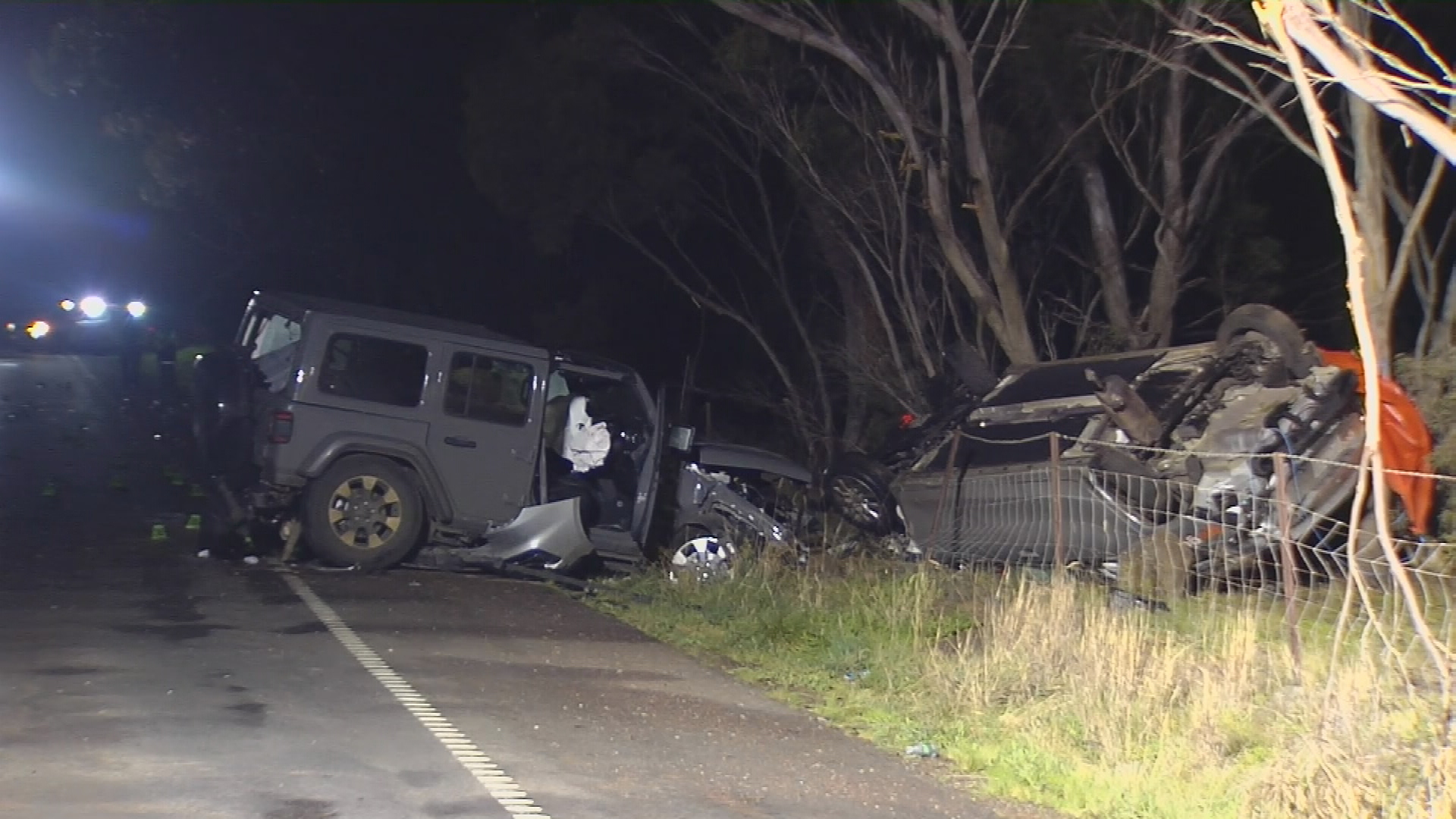
A Kia sedan was seen speeding and driving erratically after leaving the scene of the crime before it caused a head-on crash involving three vehicles on Bulla-Diggers Rest Road in Diggers Rest about 3.30pm yesterday.
The crashed claimed the life of 42-year-old Craigieburn father Naver Singh, who was a tradesman, and was on the way to a job site when he was struck.
READ MORE: Consent, stealthing and revenge porn: What to know about changing sex assault laws

The out-of-control Kia ran into the rear of the Jeep, which the impact of that crash then forcing the Jeep into Singh's path.
He died at the scene.
A woman inside the Jeep was treated for injuries.
A 23-year-old from Wallan is in police custody.
Singh's friends have paid tribute to a man they say would have done anything for his family.
"It's extremely shocking," one friend said.
"I'm still coming to terms with this. I hope that someone tells me this is untrue and Naver is still there."
Police have alleged the driver of the Kia was running from police after an earlier incident at a home in the nearby suburb of Sunbury, where a young couple was "attacked at random" by a group armed with a knife and a taser.
The group allegedly fled the scene in the Kia before police arrived.
Police said officers tried to intercept the Kia twice before deciding it was too dangerous to chase the car.
Minutes later, the crash occurred.
Drivers are being are asked to check their cars for dashcam vision if they were in the area yesterday.
DNA analysis solves mystery of bodies found at bottom of medieval well
Construction workers breaking ground in 2004 on a shopping mall in Norwich, England, found 17 bodies at the bottom of a 800-year-old well.
The identity of the remains of the six adults and 11 children and why they ended up in the medieval well had long vexed archaeologists.
Unlike other mass burials where skeletons are uniformly arranged, the bodies were oddly positioned and mixed — likely caused by being thrown head first shortly after their deaths.
READ MORE: Calls for drastic change to COVID-19 rules
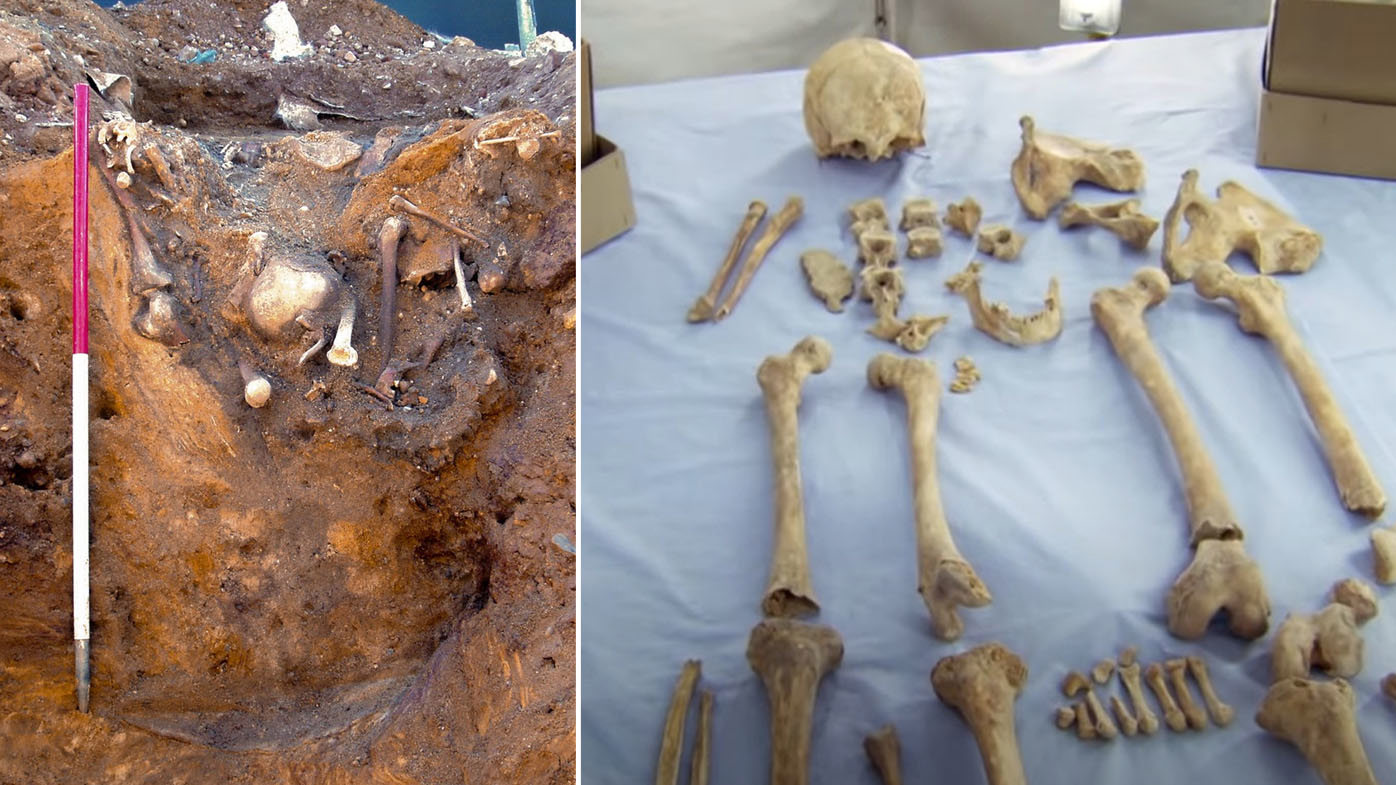
To understand more about how these people died, scientists were recently able to extract detailed genetic material preserved in the bones thanks to recent advances in ancient DNA sequencing.
The genomes of six of the individuals showed that four of them were related — including three sisters, the youngest of whom was five to 10 years old.
Further analysis of the genetic material suggested that all six were "almost certainly" Ashkenazi Jews.
The researchers believe they all died during anti-Semitic violence that wracked the city —most likely a February 1190 riot related to the Third Crusade, one of a series of religious wars supported by the church — as described by a medieval chronicler.
The number of people killed in the massacre is unclear.
"I'm delighted and relieved that twelve years after we first started analysing the remains of these individuals, technology has caught up and helped us to understand this historical cold case of who these people were and why we think they were murdered," Selina Brace, a principal researcher at the Natural History Museum in London and lead author on the paper, said in a news release.
Judaism is primarily a shared religious and cultural identity, the study noted, but as a result of a long-standing practice of marrying within the community, Ashkenazi Jewish groups often carry a distinctive genetic ancestry that includes markers for some rare genetic disorders.
These include Tay-Sachs disease, which is usually in fatal in childhood.
The researchers found that the individuals in the well shared a similar genetic ancestry to present-day Ashkenazi Jews, who, according to the study, are descendants of medieval Jewish populations with histories mainly in northern and Eastern Europe.
READ MORE: Final question Lynette Dawson's family want answered
"Nobody had analyzed Jewish ancient DNA before because of prohibitions on the disturbance of Jewish graves. However, we did not know they were likely Jewish until after doing the genetic analyses," evolutionary geneticist and study coauthor Mark Thomas, a professor at University College London, said in the release.
"It was quite surprising that the initially unidentified remains filled the historical gap about when certain Jewish communities first formed, and the origins of some genetic disorders," he said.
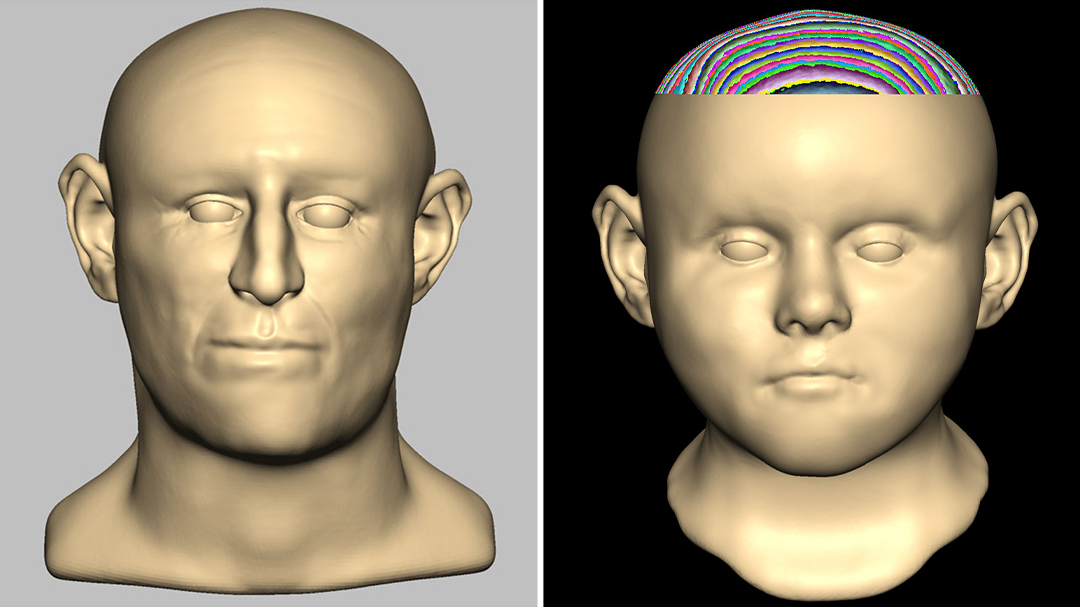
The DNA analysis also allowed the researchers to infer the physical traits of a toddler boy found in the well. He likely had blue eyes and red hair, the latter a feature associated with historical stereotypes of European Jews, the study, published Tuesday by the journal Current Biology, said.
In the medieval manuscript "Imagines Historiarum II," chronicler Ralph de Diceto paints a vivid picture of the massacre.
READ MORE: Solomon Islands suspends foreign naval visits after US ship incident
"Many of those who were hastening to Jerusalem determined first to rise against the Jews before they invaded the Saracens. Accordingly on 6th February [in 1190 AD] all the Jews who were found in their own houses at Norwich were butchered; some had taken refuge in the castle," he wrote, according to the news release.
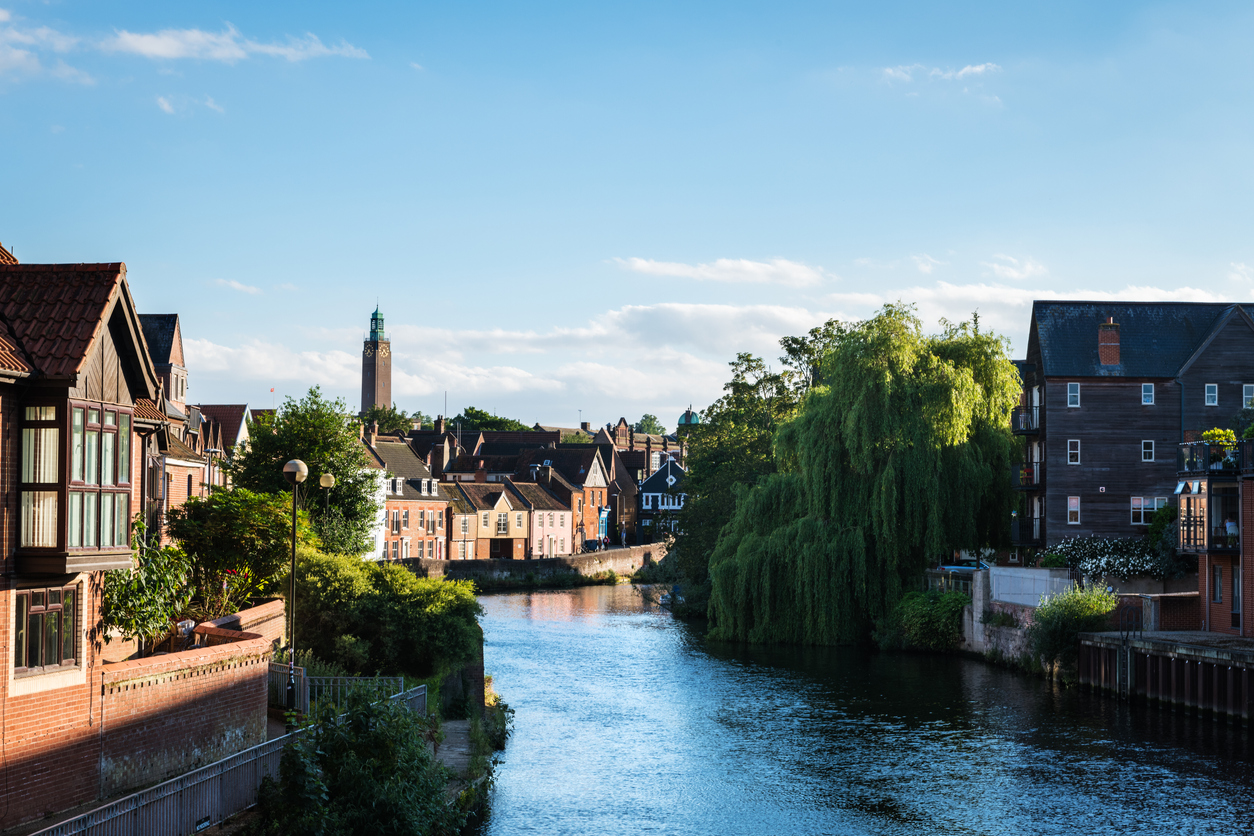
The well was located in what used to be the medieval Jewish quarter of Norwich, with the study noting that the city's Jewish community were descendants of Ashkenazi Jews from Rouen, Normandy, who were invited to England by William the Conqueror, who invaded England in 1066.
The link with the 1190 riot isn't definitive, however.
Radio carbon dating of the remains suggested the bodies ended up in the well at some point between 1161 to 1216 — a period which includes some well-documented outbreaks of anti-Semitic violence in England but also covers the Great Revolt of 1174 during which many people in the city were killed.
READ MORE: Former Soviet leader Mikhail Gorbachev dead
"Our study shows how effective archaeology, and particularly new scientific techniques such as ancient DNA, can be in providing new perspectives on historical events," Tom Booth, a senior research scientist at the Francis Crick Institute, said in the news release.
"Ralph de Diceto's account of the 1190 AD attacks is evocative, but a deep well containing the bodies of Jewish men, women, and especially children forces us to confront the real horror of what happened."
'No real value': Derelict penthouse had rateable value of $1.3m – and no owner
A court has decided the fate of a derelict Wellington penthouse with no owner, so that neighbours in its leaky, earthquake-damaged apartment block can sell up and move on. The eighth-floor apartment at 6H Halley’s Lane, Te Aro,…
Napier man denies 19 charges of impersonating medical practitioner, doing operations
A Napier man has pleaded not guilty to multiple charges alleging that he impersonated a medical practitioner and performed operations he wasn’t permitted to do.The man appeared in the Napier District Court on Wednesday. Judge Russell…
Emergency services are responding to a fire in South Auckland
A fire has broken out at a building in Ōtāhuhu, South Auckland, this afternoon.Emergency services were called to the incident on Park Ave about 3.30pm. Eight fire trucks and police were initially on the scene and shortly…