Tag Archives: oceania

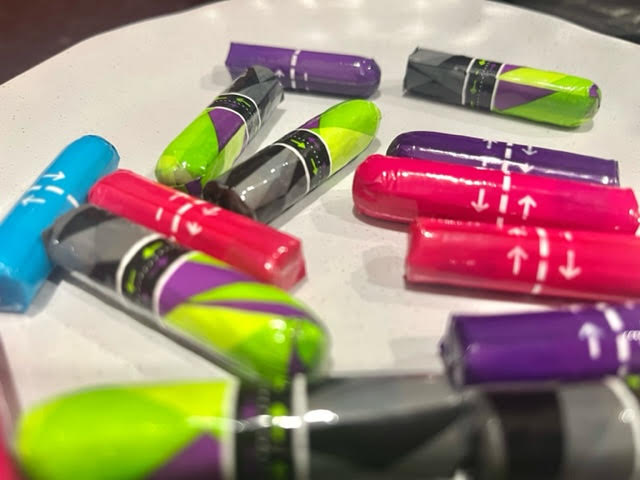
Free period products for all public high school students in WA

Free period products will soon be offered to all state government secondary school students across Western Australia.

The state government said 225 public schools will be provided with the free products.

"No student should miss out on school because they don't have access to period products," Women's Interests Minister Simone McGurk said.

READ MORE: How do you spot a fake sneaker? It's big business

The move comes as a study found improving access to tampons and pads kept students engaged in education, improved public health outcomes, and helped them reach their full potential.

The 2021 Bloody Big Survey found almost half of the 125,000 respondents missed a class due to their period, and three quarters said when they did attend school during their period, they found it difficult to pay attention.

"In recent years there has been growing recognition that period products are a basic health necessity, and the simple act of making them more accessible removes barriers to education," McGurk said.

"By delivering on this important initiative we are helping to end the stigma surrounding periods and building on our commitment to advance gender equality in WA.

"This will help improve education outcomes for women and girls."

Elderly woman in hospital after Brisbane house fire

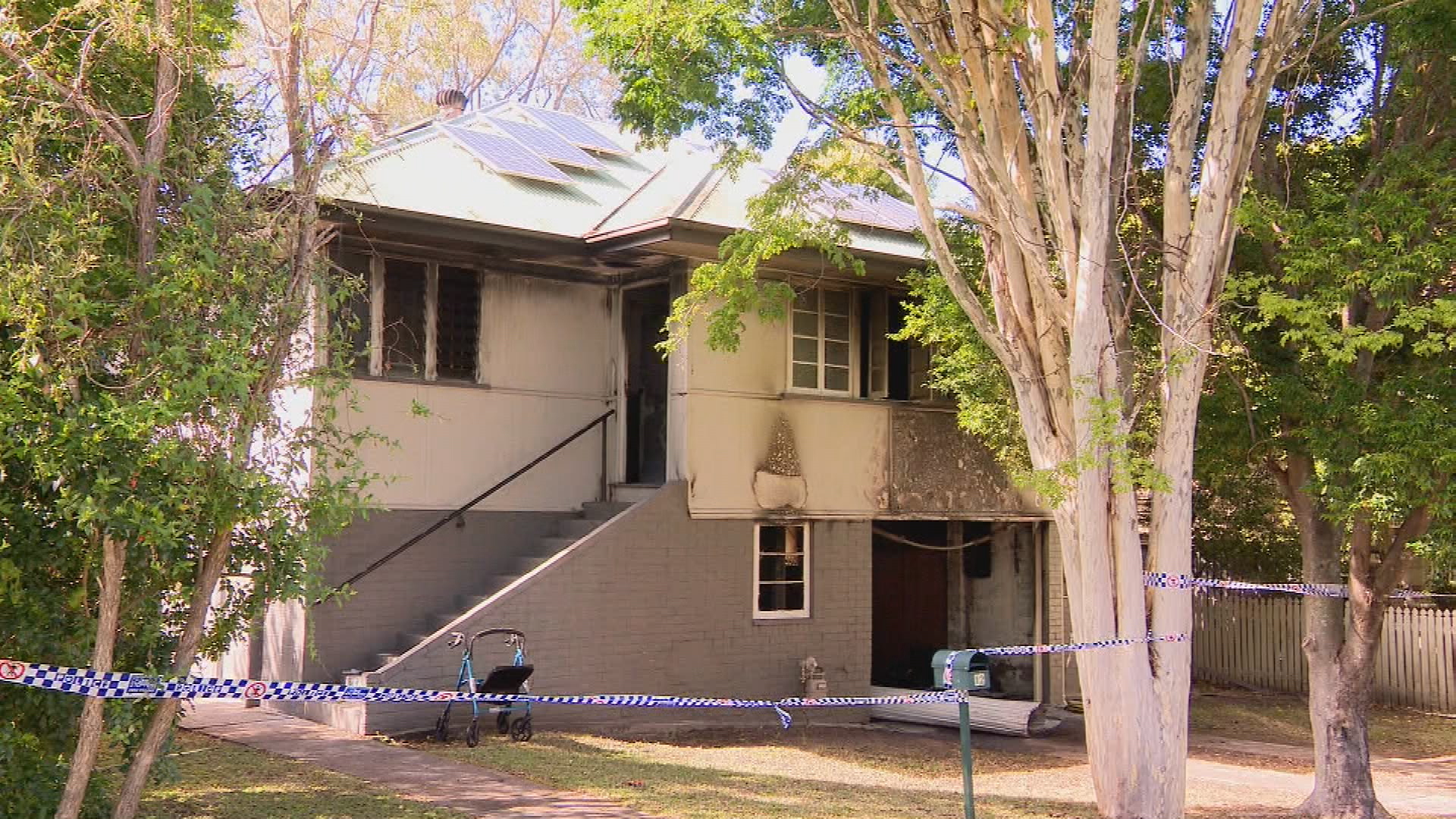
An elderly woman has been taken to hospital in a serious condition after a fire gutted her home in Brisbane's inner suburbs.

Fire crews rescued the 84-year-old woman from her burning home in West End late last night.

Facing flames and thick smoke, crews went into the home to find the woman, who has difficulty walking.

READ MORE: Nursing or midwifery undergraduate students to study for free under $270m plan

Carrying her down the steps and outside, she was taken to hospital, suffering burns to 15 per cent of her body.

Queensland Fire Emergency Service's Paul Vink said the "visibility was basically zero".

"Fire crews had a tough time navigating that top floor area, he said.

Neighbours told 9News the flames were so large, it was difficult for crews to get inside the home.

READ MORE: How do you spot a fake sneaker? It's big business

"It was a blaze you just couldn't get near it," neighbour Evelyn said.

"It was very distressing about not being able to get to her."

The woman remains in hospital in a serious condition with her family by her side.

In ocean's twilight zone, a diver is discovering vibrant new species

Hundreds of feet below the ocean's surface, somewhere between the dark ocean floor and the bright blue shallows, lies the twilight zone.

It's a world of the unknown, but in some tropical and subtropical waters coral reefs thrive. Very few scientists have ventured to these deep reefs, known technically as mesophotic coral ecosystems, meaning "middle light," and many assumed that the lack of light and chilly temperatures meant few species could exist there.

But one scientist has been diving into the inky depths to show there's much more to life there than was first thought.

READ MORE: Seven whales caught up in Australian shark nets this season
Rocha, whose studies focus on ocean life between 200 and 500 feet deep, was attracted to twilight zone reefs because of their mystery.

"When you get up close, it's a very colourful ecosystem," says Luiz Rocha, Brazilian ichthyologist (a person who studies fish) and co-director of the Hope for Reefs initiative at the California Academy of Sciences.

"There's many different kinds of fish and many of them are unknown."

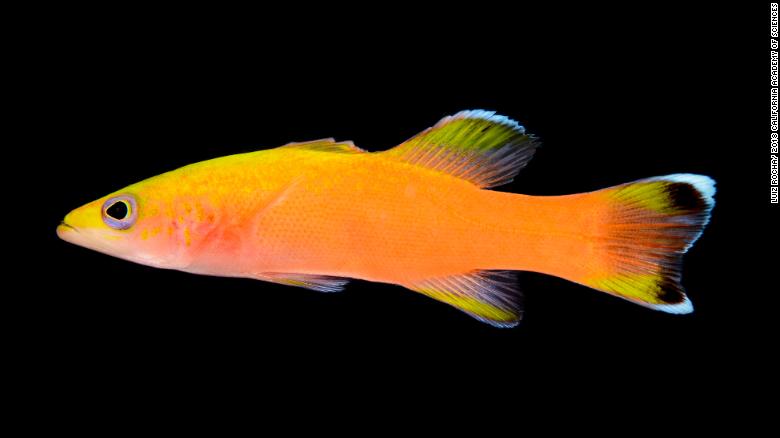
Rocha, whose studies focus on ocean life between 200 and 500 feet deep, was attracted to twilight zone reefs because of their mystery.

"Every dive we do to those depths (leads to) a new discovery," he says.

To date, he has identified around 30 new species – from a purple fairy wrasse named after the mythical nation of Wakanda, to the Tosanoides aphrodite, a pink and yellow reef fish named after the Greek goddess of love.

But his deep-sea explorations have also proven that these reefs and the rainbow-hued species that roam them are under threat. His mission is to protect them.

READ MORE: Body of another great white shark killed by 'serial' killer whales washes up in South Africa
Rocha hopes that his research can help to educate people about the twilight zone and inspire action to protect it.

Diving in

Entering the twilight zone is no easy feat. While it could be reached by submarine, this would be a clumsy way to study fish that flit in and out the shadows, says Rocha, comparing it to studying birds in a rainforest with a helicopter.

Instead he scuba dives, but the deeper he descends the more dangerous it becomes. Recreational diving is capped at 130 feet (about 40 metres) for safety reasons, but Rocha dives as far as 500 feet (152m). To do this requires deep concentration, intense technical training and a strong dose of bravery.
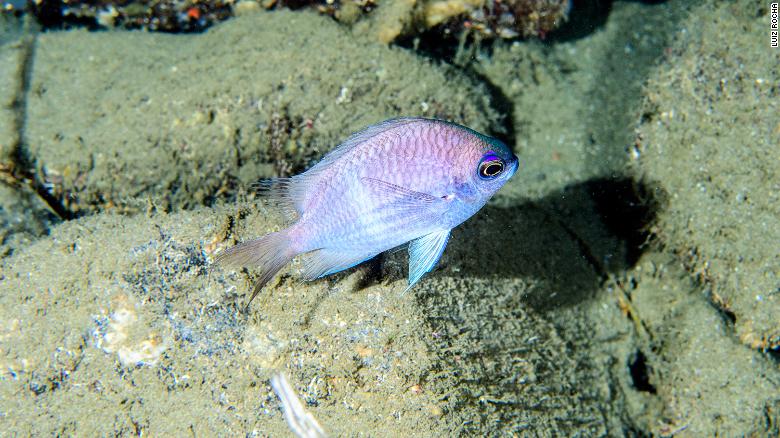
"What really makes this research special is that there's only a handful of scientists in the world doing this," he says.

Rocha usually dives in a group with two scientists and one safety officer. They spend hours preparing the kit, ensuring every piece of equipment is functioning well and that they are equipped to deal with underwater emergencies.

The divers must use rebreathers, which recycle the gas exhaled by the diver, and a special breathing gas containing helium that is safe for deep dives.

READ MORE: Couple loses almost $40,000 after falling victim to real estate scam
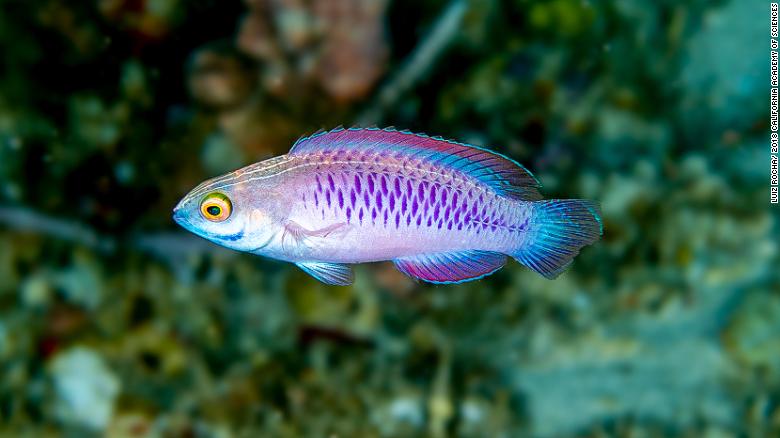
While the twilight zone has been explored by very few people, the effects of human activity are still apparent.

Getting down takes just 10 to 15 minutes depending on how steep the reef is, says Rocha, but the ascent can take five to six hours to allow the body to decompress.

All that effort gives him just seven to 10 minutes at maximum depth, where he and his team look for fish, collect DNA samples and record the number of organisms in an area.

If they think they have found a new species, they usually catch it and carry it up to the surface in a decompression chamber so they can study the specimen back in the lab.

Despite having done it dozens of times, Rocha still feels the pangs of anxiety before each dive.

The deeper you go, the darker and colder the water gets, he says. "But when we get there, we know why we're there. When you see something that nobody has ever seen before … it's absolutely amazing."

READ MORE: Red-eyed Finnish PM apologises after party video, kissing photo
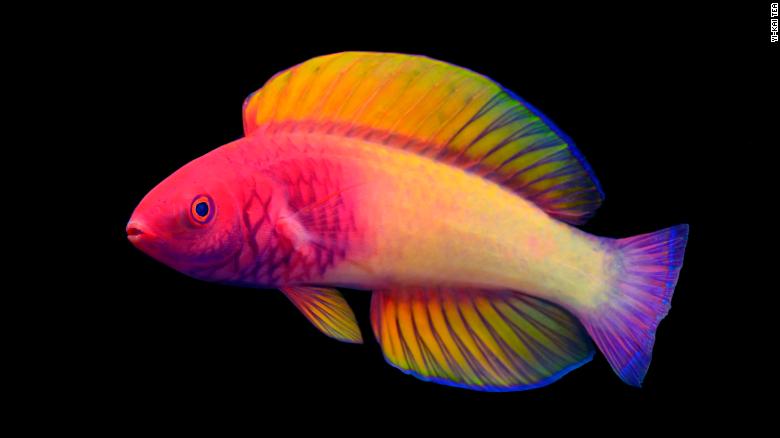
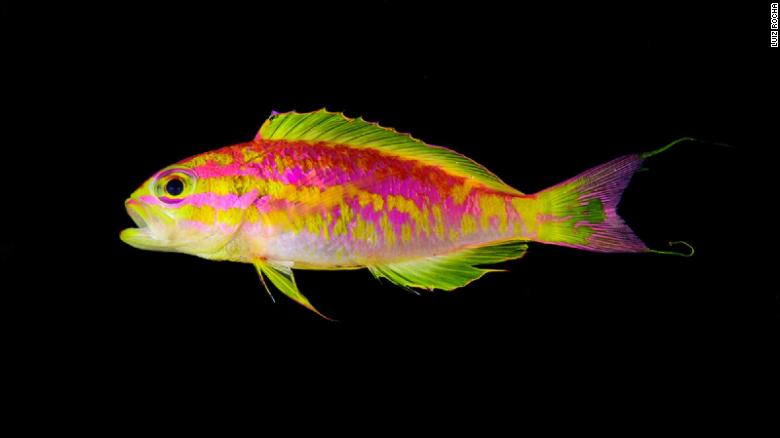
This year, Luiz Rocha identified the Cirrhilabrus finifenmaa or rose-veiled fairy wrasse.

Human impacts run deep

While the twilight zone has been explored by very few people, the effects of human activity are still apparent.

Previously it was thought that coral reefs in deeper waters could provide a refuge as they are less affected by human development and climate change.

But Rocha proved this wrong: "One of our first discoveries is that those deeper reefs are really not a refuge for shallow reef organisms. They are almost as impacted as the shallow reefs are," he says.
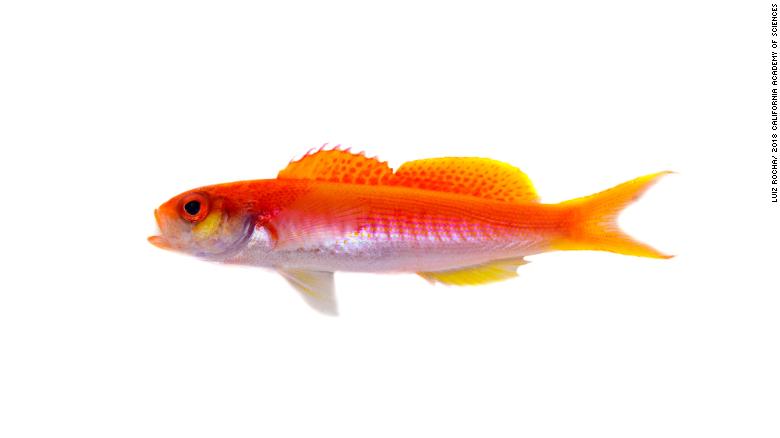
Rocha's explorations have also proven that these reefs and the rainbow-hued species that roam them are under threat.

He has found plastic trash and fishing gear in some of the deepest reefs and has observed the impact of overfishing and climate change.

While there is not yet enough data to determine the scale of the damage compared to shallow reefs, he says it is clear that water temperatures are warming in the deeper zones too and causing reefs to bleach.

Rocha hopes that his research can help to educate people about the twilight zone and inspire action to protect it. He works with policymakers, making the case for marine protected areas where these deep reefs lie.

In 2019, the Hope for Reefs initiative was involved in the protection of a coral reef habitat on Maricaban Island in the Philippines, and the year before their research informed the establishment of two protected areas in Brazil.

READ MORE: Russian rocket attack kills 15 on Ukraine Independence Day
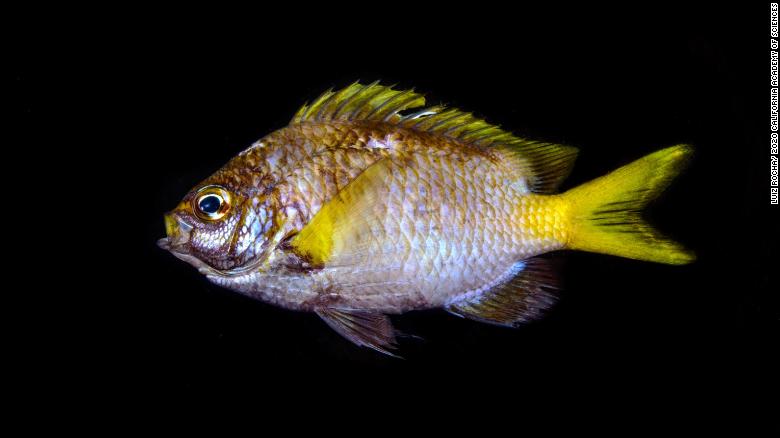
Rocha has identified around 30 new species of fish.

Rocha also works closely with local communities, collaborating with local researchers and giving local names to newly discovered species.

For instance, earlier this year he and Maldivian biologist Ahmed Najeeb discovered a rainbow-colored fish which they named Cirrhilabrus finifenmaa or rose-veiled fairy wrasse, after the national flower of the Maldives, a pink rose called Finifenmaa.

Rocha hopes this will "give ownership to the local people."

Rocha believes that technology will soon advance to a point that gives many more people access to the twilight zone and even more species will be discovered. But his main goal is that when they do, the ecosystems will look the same as they do now.

"I don't think it's enough just to do the science," he says. "We take many, many photographs … and we bring those stories back up to the surface and we share it with as many people as possible."

"For the most part, when people realise that those reefs are there, they move towards protecting them," he adds.
Ring doorbell captures alleged attempted abduction in US

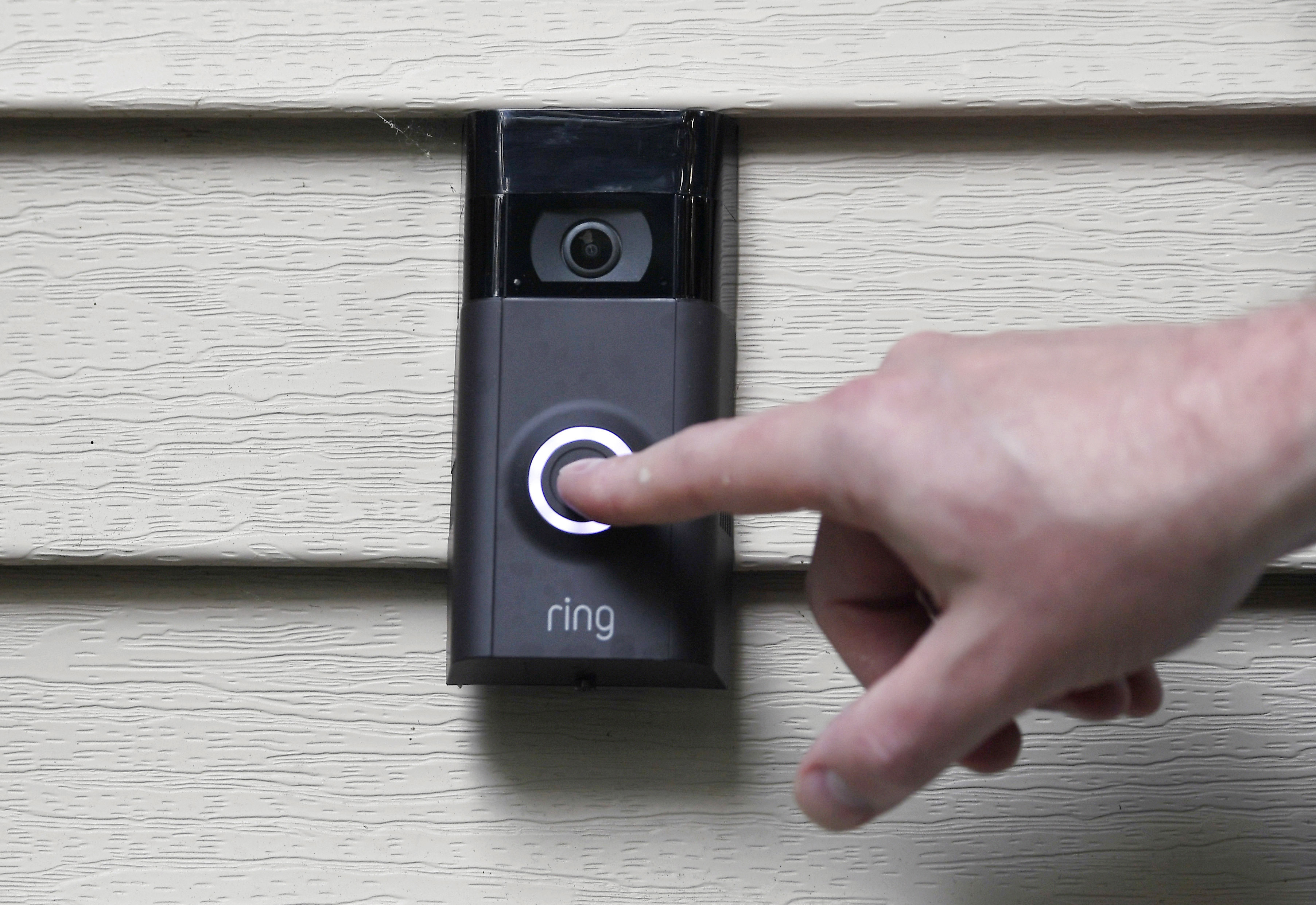
A Ring doorbell camera captured the attempted abduction of a six-year-old girl from the front of her house Tuesday in Hamilton, Ohio, according to court documents and the security camera footage obtained by CNN.

The video shows the girl standing next to a garbage can at the curb of a front yard, when a man, identified in court records as 33-year-old Deric McPherson, walks toward her and appears to touch her before turning back and dragging her down the sidewalk by her arm before she runs away.

Mandie Miller, the girl's mother, told CNN Friday, her daughter was taking out the garbage, as she's done many times before, when McPherson reached out and groped her daughter.

READ MORE: Nursing or midwifery undergraduate students to study for free under $270m plan

Miller said McPherson let go after her daughter screamed, which is heard on the video recording.

"She came in with a blood-curling scream, she ran into the living room she said, 'mummy someone tried to take me, he touched my private parts,'" Miller said.

"I went outside and saw him walking down the sidewalk."

Miller said she and her husband both tried to chase McPherson down the street by foot before her husband got in his car and followed McPherson until he was ultimately apprehended by Hamilton Police.

READ MORE: How do you spot a fake sneaker? It's big business

Miller said she's already seeking counseling for her daughter and the family is looking into moving, which Miller said is at her daughter's request.

McPherson is currently being held in Butler County Jail on a 5th degree felony abduction charge.

It is unclear when McPherson will next appear in court.

CNN has reached out to McPherson's attorney for comment.

Woman arrested inside a hospital after alleged daylight shooting

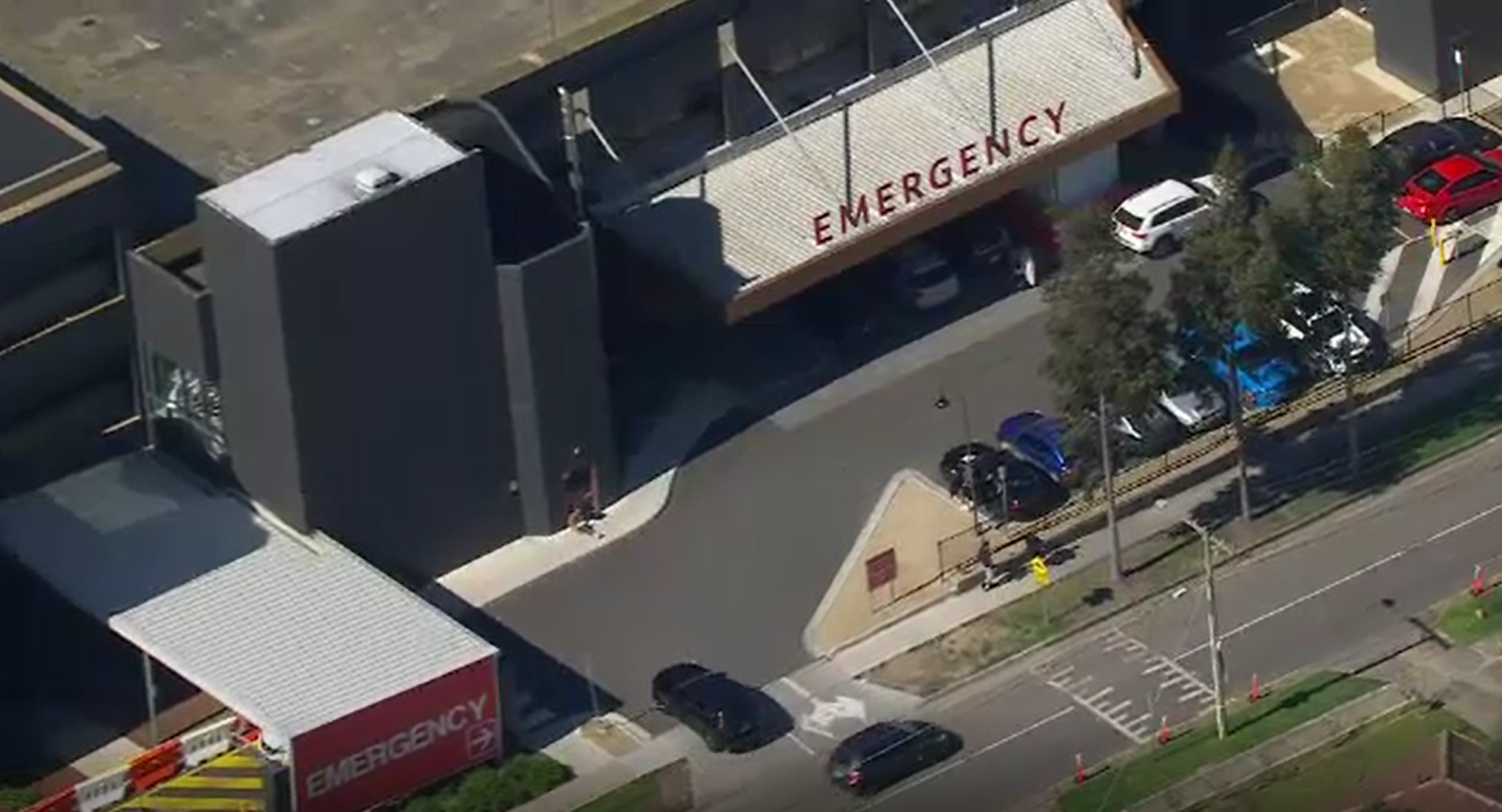
A woman has been arrested inside Sunshine hospital in Melbourne's west after an alleged daylight shooting in St Albans.

Another man was arrested nearby, while a third person remains on the run.

Police believe there an altercation broke out between three people near a fast-food restaurant in St Albans about 8.45am. It's alleged a firearm was discharged and one shot was fired at a blue Holden Commodore.

READ MORE: Nursing or midwifery undergraduate students to study for free under $270m plan

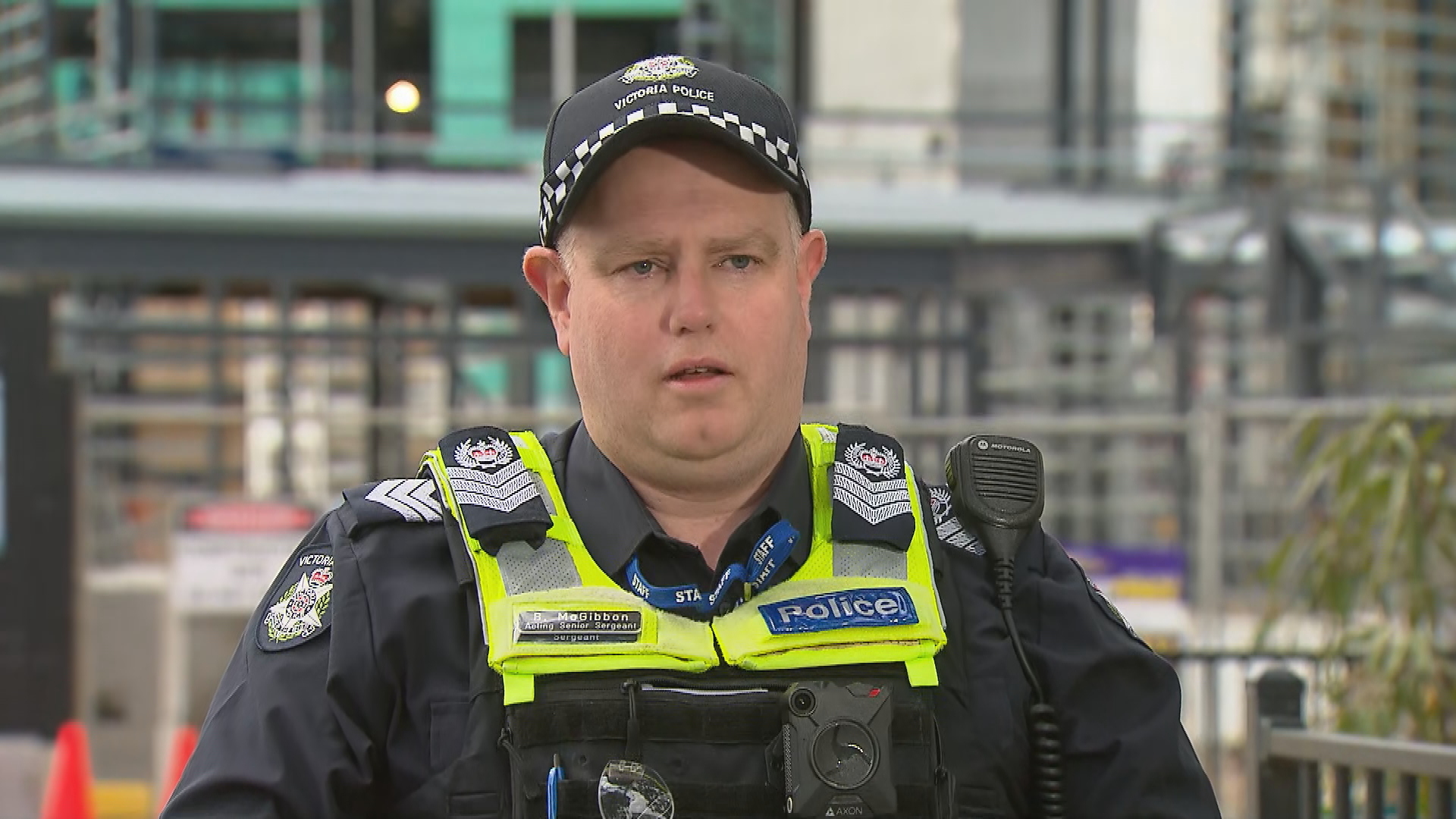
Acting Senior Sergeant Ben McGibbon said a man and woman involved in the altercation fled in the vehicle and headed towards a hospital on Furlong Road.

"The Commodore (then) collided with a marked police vehicle responding to the incident," McGibbon said.

"The man and woman got out of the Commodore and fled on foot in different directions."

Sunshine Hospital was forced into lockdown for two hours, while police searched for the woman. She was found a short time later.

READ MORE: How do you spot a fake sneaker? It's big business

The third person involved in the initial altercation is still on the run.

"Not many things like this happen on a Sunday, for something like to occur, something has sparked  it," McGibbon said.

"We are treating this very seriously."

The pair currently in custody and assisting with enquiries.

This portrait was swapped with a fake, but for months no one noticed

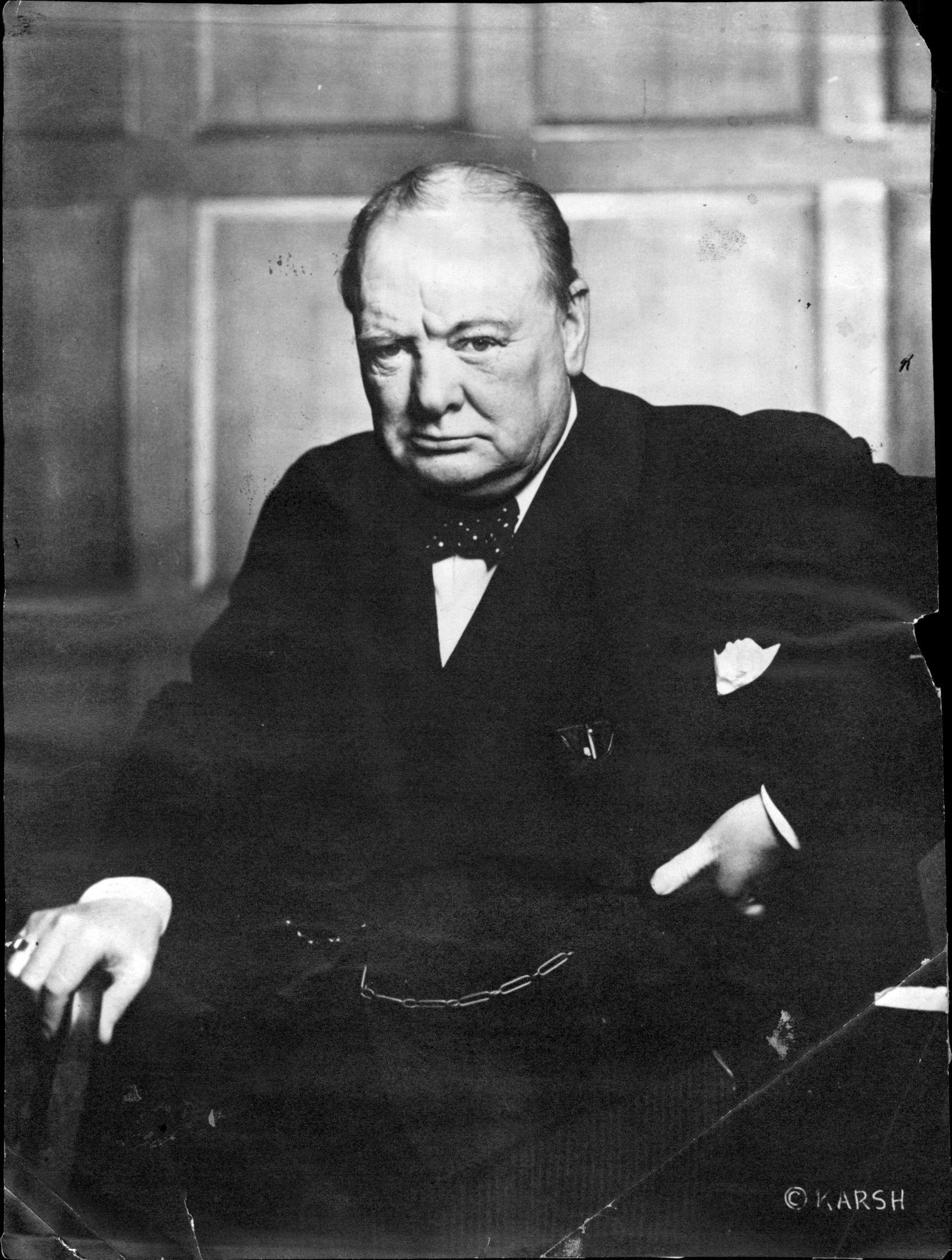
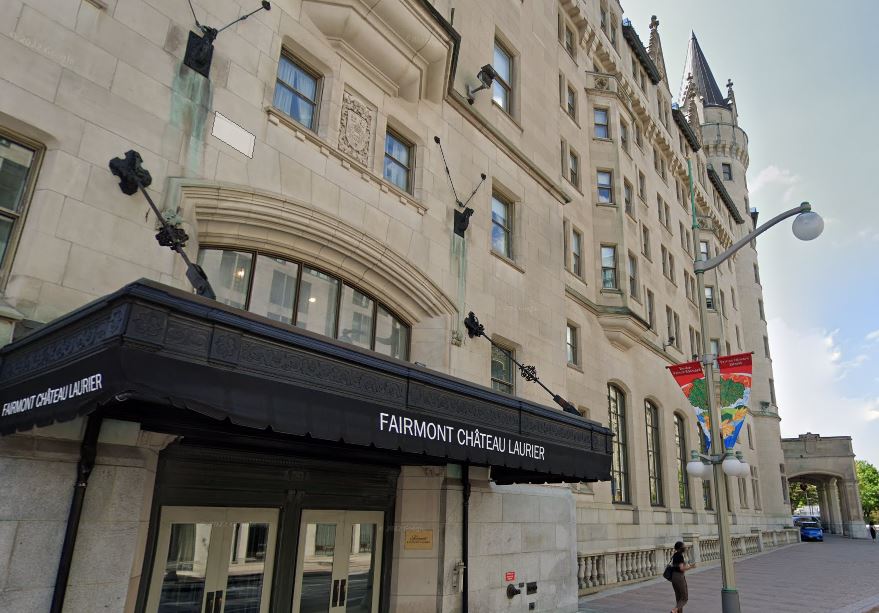
A famous portrait of World War II-era British Prime Minister Winston Churchill was stolen from an Ottawa hotel and replaced with a copy without staff noticing for months.

It took officials at the Fairmont Chateau Laurier Hotel at least eight months before they realized the photograph, which may be worth more than $100,000, had been swapped, CNN affiliate CTV reported.

"We are deeply saddened by this brazen act," hotel general manager Geneviève Dumas wrote in a Facebook post.

READ MORE: Nursing or midwifery undergraduate students to study for free under $270m plan

"The hotel is incredibly proud to house this stunning Karsh collection, which was securely installed in 1998."

The portrait, created by Canadian photographer Yousuf Karsh in 1941, is "one of the most widely reproduced images in the history of photography," according to Karsh's website.

In 2016, the photo became the face of the Bank of England's five pound note.

The original hung in the Chateau Laurier Hotel until a date officials believe likely ranged between December 25, 2021, and January 6, 2022, the hotel's general manager Geneviève Dumas told CTV.

Last weekend, hotel employees noticed the photograph was hung improperly, and the frame didn't match the others in the space, CTV reported.

Hotel officials then used photos sent in by the public to help establish when the original portrait and frame was switched out.

The Chateau Laurier Hotel's marketing director told CNN an investigation into the portrait's disappearance is ongoing.

READ MORE: How do you spot a fake sneaker? It's big business

The theft was likely an "inside job," Robert Wittman, a former art crime investigator with the FBI, told CTV.

"So usually when a situation like this occurs, it's not a shoplifting, it's not just a burglary; it's someone from the inside who had access, who knew what they were looking for, knew what the security measures were that were protecting the piece and that (they) were able to defeat those measures because they had inside information," Wittman told CTV.

The beloved black and white photograph captures Churchill scowling moments after Karsh plucked a cigar from the prime minister's mouth to snap the shot.

"By the time I got back to my camera, he looked so belligerent he could have devoured me. It was at that instant that I took the photograph," Karsh had written about the photograph.

"I knew after I had taken it that it was an important picture, but I could hardly have dreamed that it would become one of the most widely reproduced images in the history of photography."

The photographer lived at and ran his studio from the hotel for two decades, according to his estate, and when he moved away, Karsh left the hotel a collection of his photographs – including the one of Churchill.

READ MORE: Woman arrested inside Melbourne hospital after alleged daylight shooting

"His association with the hotel was very deep and very warm," Jerry Fielder, the director of Karsh's estate, told CTV.

"This was a very special print to him, and it was a really beautiful print. So it does have very special significance."

The Fairmont Château Laurier urged anyone with information on the stolen photograph to immediately contact local authorities.