WARNING: Graphic content The human remains found in suitcases bought as part of an auction for abandoned goods in a storage unit in South Auckland are two young children. The Herald reported earlier today from several sources…
Tag Archives: oceania
Cages behind 'one of Australia's worst animal welfare issues' to be banned
Barren battery cages, which are used to contain egg-laying hens, are set to be banned in Australia from 2036 in what the RSPCA is hailing a "significant win for animal welfare".
National Poultry Standards and Guidelines have today been finalised after being reviewed for more than seven years, with the new guidelines including a plan to phase out battery cages for layer hens by no later than 2036.
"This is a win for animal advocates and for the community, who have been calling for an end to these barren, wire cages for over 40 years," RSPCA Australia CEO Richard Mussell has said.
READ MORE: 'Perfect storm': Record number of pet dogs being given up
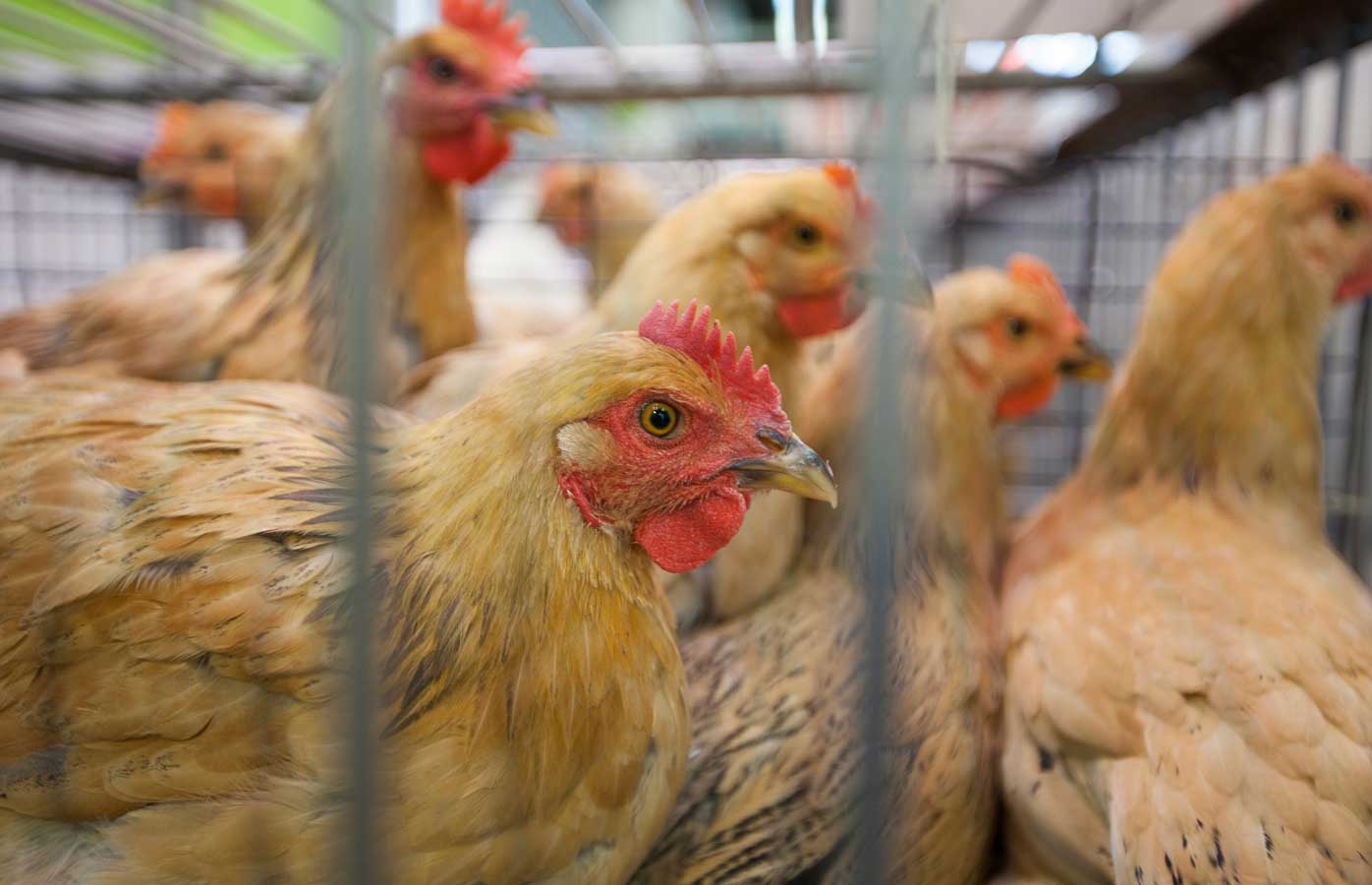
"But most importantly, it will eventually be a win for the millions of layer hens confined to battery cages."
Approximately 5.36 million layer hens were confined to cages in Australia in 2020 to 2021, representing 32 per cent of the country's hens, according to Australian Bureau of Statistics data.
Mussell said the ban would "bring Australia into line" with more than 75 per cent of of Organisation for Economic Cooperation and Development countries who have already moved to phase out battery cages.
RSPCA Australia chief science officer Dr Suzie Fowler has called use of the cages "one of the worst animal welfare issues in Australia right now".
"Good welfare simply can't be achieved in a battery cage because the animal welfare issues are inherent to the system itself – restricted movement, constantly standing on a wire floor, and no ability for a hen to perform natural behaviours like perching, nesting and stretching and flapping her wings," she said.
READ MORE: Doctor delayed antibiotics for dying Melbourne mum, court hears

Mussell said there was no reasons for states and territories to wait for the national deadline of 2023, encouraging states and territories to implement an earlier phase out of the cages.
"The ACT did this in 2014 and we urge all state and territory governments to do the right thing and implement a phase out as soon as possible," he said.
Mussell said the delays in the process for getting the national ban implemented had exposed flaws in Australia's current approach to the developing and implementing animal welfare standards.
"These Poultry Standards and Guidelines were under review for nearly seven years. The phase out is the right result, and it should have been put in place six years ago," he said.
"Millions more layer hens have had to endure barren battery cages as a result of these delays."
Gaurav Sharma speaks out; accuses Jacinda Ardern's office of a 'cover-up'
Rogue Labour MP Gaurav Sharma has broken his silence after being suspended from Labour’s caucus on Tuesday – accusing the PM and her office of a “cover-up”.In an echo of the Jami-Lee Ross scandal, Sharma recorded a private phone…
Auckland police officer charged with destroying own blood samples pleads guilty
An Auckland police officer charged with destroying his own evidential blood samples and attempting to pervert the course of justice has pleaded guilty.The man snuck into a North Shore police station and destroyed blood samples taken…
'Down 30 beds on top of an already dire situation': Waikato Hospital ward in lockdown after Covid transmissions
Waikato Hospital has locked down a ward after multiple transmissions of Covid-19 between patients.”Waikato Hospital is pausing new admissions to ward M14 as we have identified transmission of Covid-19 within the ward,” a spokesperson…
Doctor delayed antibiotics for dying Melbourne mum, court hears
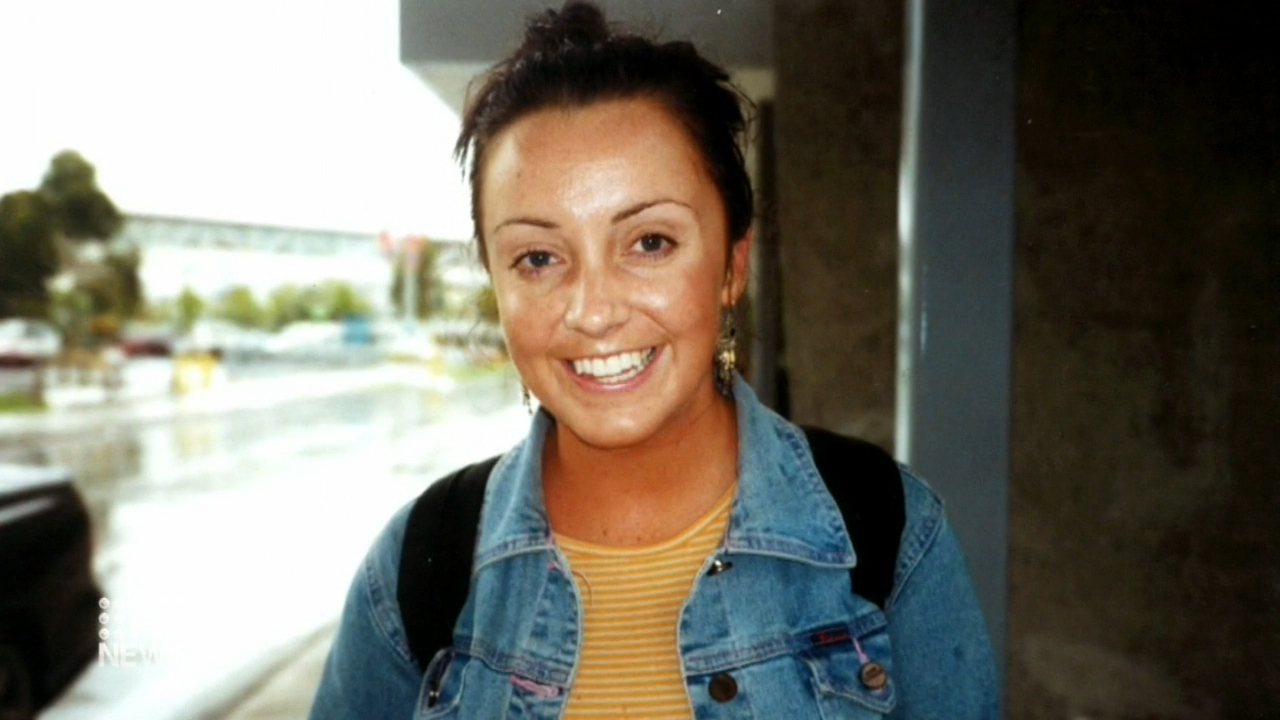
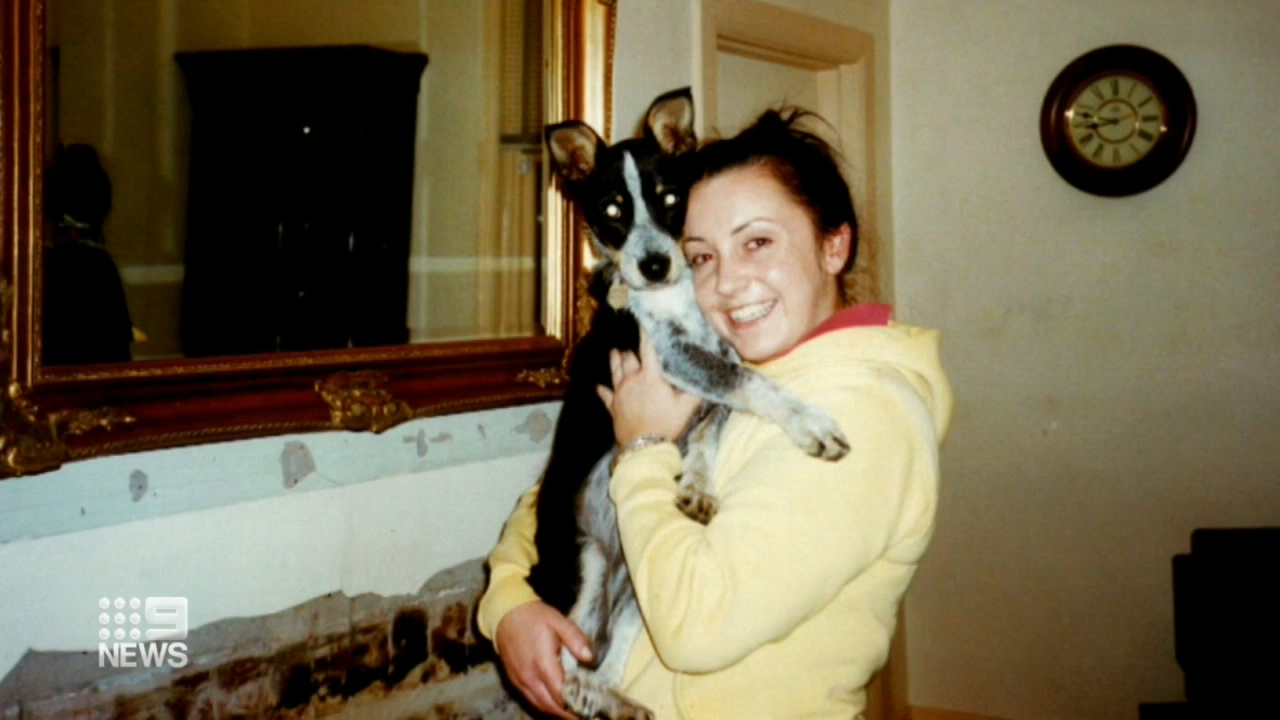
Annie Moylan's obstetrician knew there was a golden hour for giving antibiotics for sepsis, but it still took longer for the pregnant mum to be given the drugs she needed.
The 37-year-old died from multi-organ failure caused by the infection within hours of delivering her baby stillborn and less than 24 hours after falling ill in August 2017.
Another obstetrician earlier prescribed rest and paracetamol when she reported gastroenteritis symptoms, but when her condition didn't improve Moylan went to Holmesglen Private Hospital.
READ MORE: 'More than gastro': Midwife speaks at inquest into young mum's death
When her membranes spontaneously ruptured at 18 weeks, she was urgently transferred to St Vincent's Private Hospital where her own obstetrician Dr Vicki Nott was expected to meet her.
Dr Nott arrived about 1.30am – more than an hour after Moylan – and immediately diagnosed sepsis.
She told an inquest into Moylan's death on Thursday that there was a golden hour – a principle that antibiotics should be administered within an hour of a diagnosis of sepsis.
Dr Nott admitted prioritising the delivery of the baby over administering the antibiotics.
Moylan didn't receive her first dose until 2.46am.
The drugs were only given then when midwife Raechel Miller, who had been at Moylan's side since her arrival at 12.15am, noticed the syringe sitting on a bedside table.
She didn't know who ordered it or who put it there, but immediately questioned Dr Nott about whether it should be given and then administered the dose.
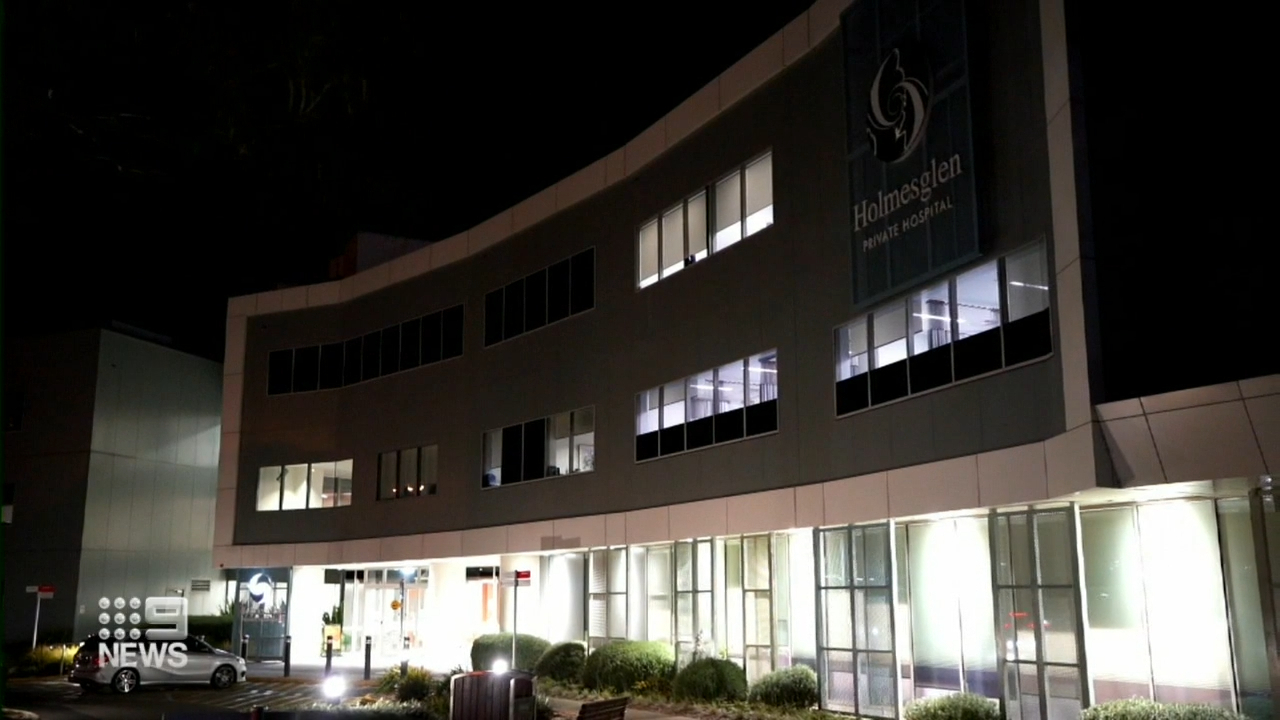
Miller said she questioned when Moylan arrived if she should even be there because she was so unwell.
"We would not normally have a patient appearing like that on the ward. I was wondering in my mind is this the place Annie should be," she said.
Nearly an hour later Miller found a syringe containing a dose of a second antibiotic that had not been given.
Moylan had already been transferred to theatre by then, said Ms Miller who wasn't aware the drug had even been ordered.
Moylan's father, retired GP Brian Moylan, acknowledged the distress the young midwife had experienced caring for his daughter.
Miller has since changed careers.
"Personally the impact of this event means that I have been unable to continue working as a midwife or a nurse, despite my efforts to do so," she said.
READ MORE: Police seize $675 million worth of 'ice' destined for Australian streets
"It was an incredibly traumatic experience."
In an expert opinion, Professor Mark Umstad said Moylan was displaying the classic symptoms of sepsis.
"There is an unexpected delay in commencing antibiotics in a timely manner, both at Holmesglen Private Hospital and on arrival at St Vincent's Private Hospital," he wrote in a submission to State Coroner John Cain.
"Given that Moylan was clearly septic and unwell I am unable to determine any reason for the delay."
Question: Is NZ Rugby a disaster or a disaster?
OPINION: Who would want to be the coach of the All Blacks? I wouldn’t.I’m not saying I wouldn’t want the job because of all the scrutiny and criticism that comes from fans and the media. That’d be fine.I’m not saying I wouldn’t…
Three homes evacuated after landslide in Wellington
A landslide has forced the evacuation of three homes in Wellington, and emergency services say the slip is still moving. Fire and Emergency (Fenz) crews responded to reports of a landslide on Onslow Rd in Khandallah at 3.20pm this…
Climate Change: Insurer eyes risk-pricing for coastal erosion
A major insurer is eyeing risk-based pricing for coastal erosion, in what’s being described as another landmark step by the industry to confront climate threats. Last year, Tower became New Zealand’s first insurer to introduce …
Samoan swimmer Kokoro Frost shares Commonwealth Games experience
Recently returned to Ōtaki from his first Commonwealth Games, swimmer Kokoro Frost talks to Kāpiti News about representing Samoa and competing at the Birmingham Commonwealth Games. Born in Japan to a Japanese dad and…