The New Zealand Army has honoured a soldier who died saving others on Mt Ruapehu.Private David Stewart, NZBM, died while looking after others during a blizzard on the mountain in August 1990. He was serving with the 1st Battalion,…
Tag Archives: oceania
Opinion: I've changed my mind about Ian Foster
OPINION: Remember the Seinfeld TV series back in the 1990s, and how they always talked about it being a show about nothing?That’s what the media conference NZ Rugby boss Mark Robinson did on Zoom from South Africa was like after…
Porter defamation documents to remain sealed until 2052
Decades-long secrecy orders have been made over files related to former senior Morrison government minister Christian Porter's now-settled defamation case against the ABC.
Porter launched defamation proceedings against the ABC over a November 2020 Four Corners program entitled "Inside the Canberra Bubble" containing the historical rape allegations, despite not being named within the broadcast.
The former MP denied the allegations.
READ MORE: Police 'throw out rulebook' as two women 'assassinated' in Sydney

That legal action, settled outside the Federal Court in May 2021, sprouted a protracted battle over a judge's ruling that disqualified prominent silk Sue Chrysanthou SC from representing Porter.
The final chapter in the legal saga closed on Monday with the former MP agreeing to pay substantial legal costs after failing to overturn the disqualification order.
After ruling on costs, the Full Court of the Federal Court ordered the unredacted versions of certain exhibits remain secret for at least a decade.
One document tendered in the legal battle was ordered to remain suppressed until 2052.
READ MORE: Man charged over Canberra airport check-in area shooting
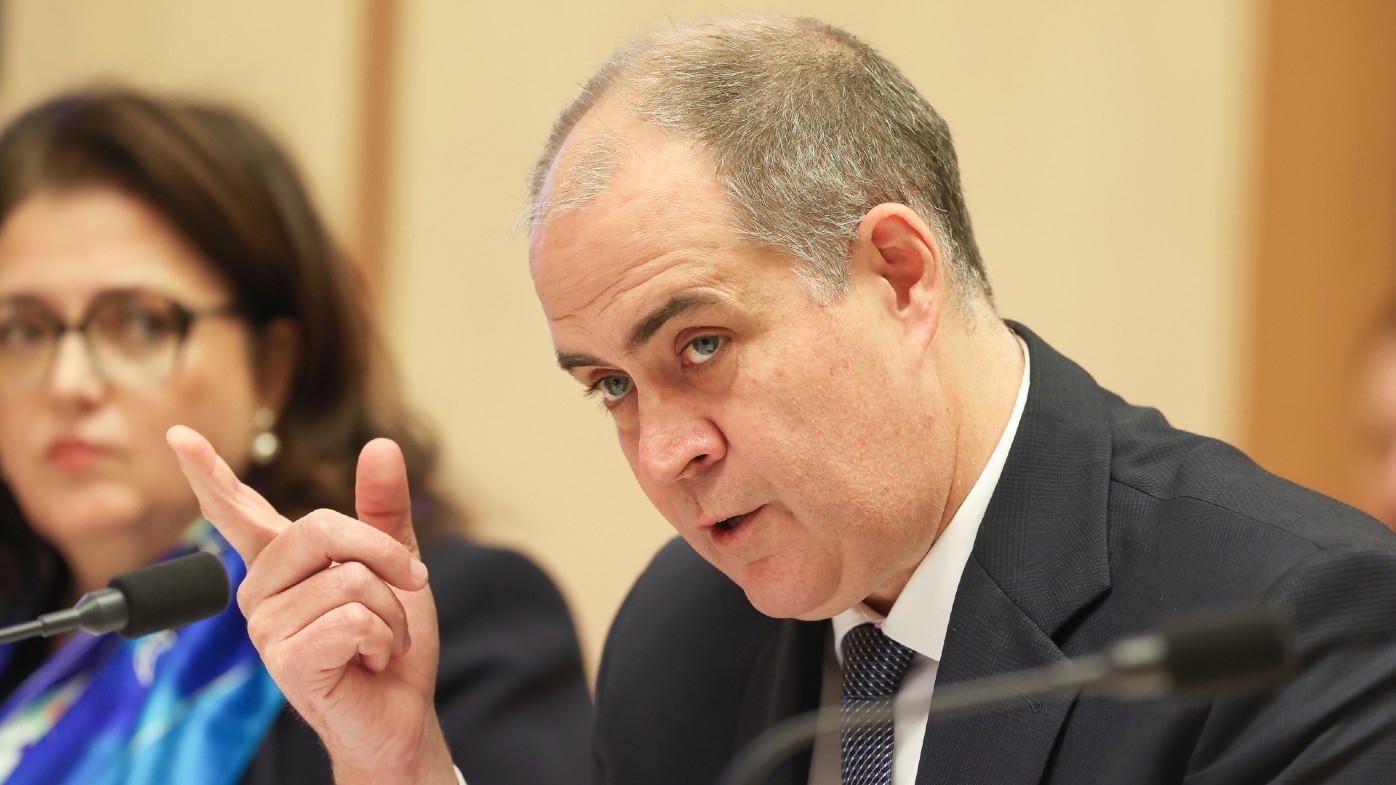
Mr Porter had appealed the disqualification of Chrysanthou and about $500,000 in potential costs after losing a legal battle against the friend of a woman who alleged he raped her in 1988.
That friend, Jo Dyer, consulted with Chrysanthou about a potential defamation claim against News Corp for an article in The Australian in November 2020, providing confidential information that was potentially relevant to Porter's lawsuit against the ABC, Justice Tom Thawley found in May last year.
On appeal, Porter argued Dyer hadn't provided confidential information to Chrysanthou and disputed the information could potentially be misused in his defamation lawsuit.
READ MORE: Man arrested after mum's body found in bush
But the Full Court found there was a chance the leading barrister may have received material outside of what Porter could obtain through his case against the ABC, even if Chrysanthou had since forgotten that information.
"It is no answer that Ms Chrysanthou had forgotten things: one cannot exclude the possibility that recollection can be triggered or of subconscious derivative use," Justice Michael Lee wrote in July.
"Although Ms Chrysanthou was mistaken in the judgment she formed (to represent Mr Porter), no finding was made by the primary judge that her view was not formed in good faith."
Chrysanthou also lost an appeal against Dyer over her disqualification, with the court on Monday ordering each side pay their own costs.
READ MORE: Albanese to investigate claims of Morrison's secret portfolios
Labour MP Dr Gaurav Sharma reiterates allegations of bullying at Parliament in new social media post
Labour MP Dr Gaurav Sharma has reiterated his claims of bullying within Parliament, now claiming he complained to the Prime Minister’s chief of staff in December last year.In a social media post this afternoon, uploaded while Jacinda…
PM Jacinda Ardern responds to latest claims from rogue MP Gaurav Sharma; confirms Labour Party caucus will meet on allegations this week
Prime Minister Jacinda Ardern says Labour will hold a special caucus meeting this week to discuss claims of bullying against the party by one of its own MPs.Speaking at a post-Cabinet press conference, Ardern answered questions…
Auckland woman's warning to travellers after 'life-changing mistake' led to $230k medical bill
A young Auckland woman who almost died after contracting a lung disease while travelling to the United States says the decision not to get travel insurance almost cost her her life.Amanda Sesio is now warning people planning to…
Government announces 120 more NZDF personnel to help train Ukrainian soldiers
New Zealand will deploy a further 120 Defence Force personnel to the United Kingdom to help train Ukraine soldiers to fight against Russian forces.It adds to the 30 personnel sent over in May to train Ukrainian military personnel…
Experts predict megaflood will swallow California in next 100 years
Many Californians fear the "Big One," but it might not be what you think.
It's not an earthquake. And it isn't the mega drought. It's actually the exact opposite.
A megaflood.
A new study by Science Advances shows climate change has already doubled the chances of a disastrous flood happening in California in the next four decades. And experts say it would be unlike anything anyone alive today has ever experienced.
READ MORE: Police 'throw out rulebook' as two women 'assassinated' in Sydney
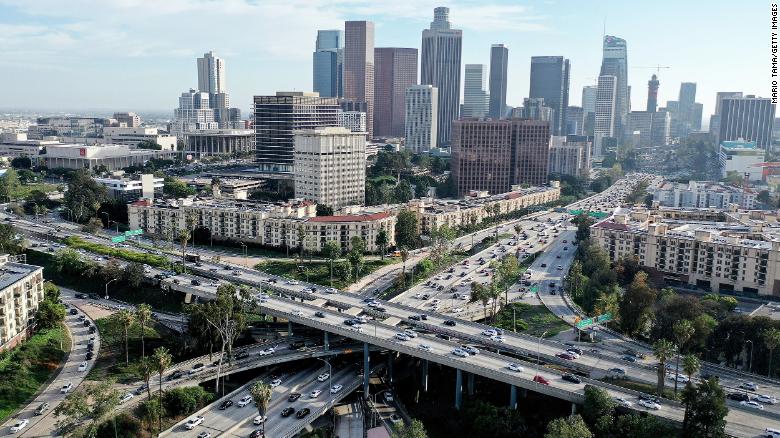
Daniel Swain, a climate scientist with UCLA and a researcher involved in the study, describes a megaflood as, "a very severe flood event across a broad region that has the potential to bring catastrophic impacts to society in the areas affected." He said a megaflood is similar to the 1000-year flash flood events seen this summer in the St. Louis area and Kentucky, but across a much wider area, such as the entire state of California.
These massive floods, which experts say would turn California's lowlands into a "vast inland sea," might have previously happened once in a lifetime in the state. But experts say climate change is increasing the likelihood of these catastrophic disasters, causing them to occur more like every 25 to 50 years.
Climate change supercharges heavy rain events, making flash floods occur more regularly, as has been noted several times this summer in Eastern Kentucky, St. Louis, and even in California's Death Valley National Park.
California is prone to these floods from atmospheric rivers naturally, and major floods from them have happened before – but climate change is upping the ante, and millions of people could be impacted.
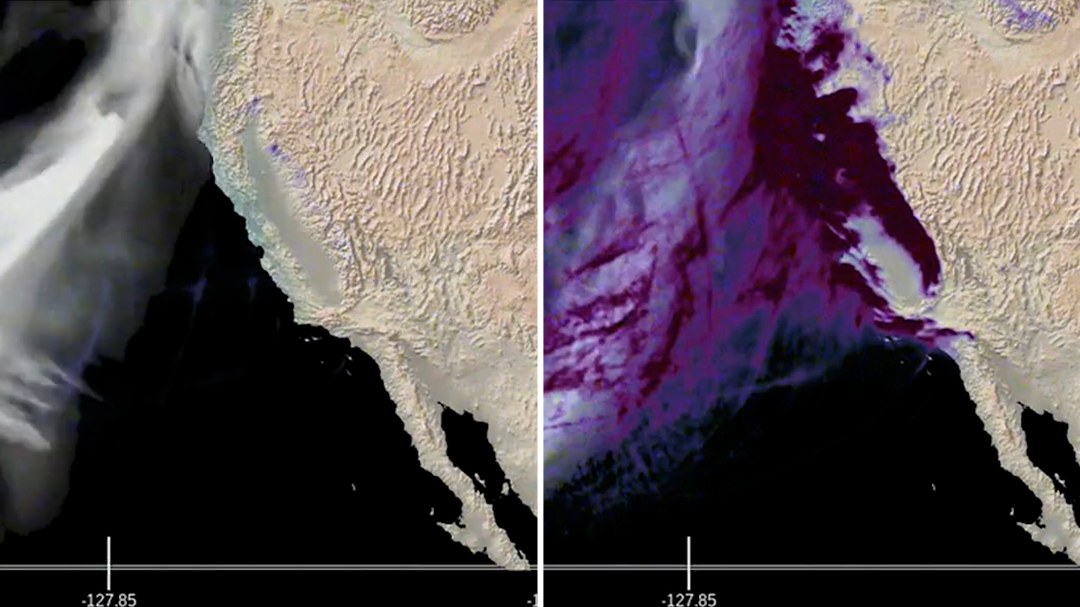
The study said atmospheric rivers could become consecutive for weeks on end, like seen in this animation. Xingying Huang, one of the authors of the study, made this loop, which illustrates the water vapour transportation and potential precipitation accumulation at selected time slices during the 30-day scenario.
READ MORE: Man charged over Canberra airport check-in area shooting
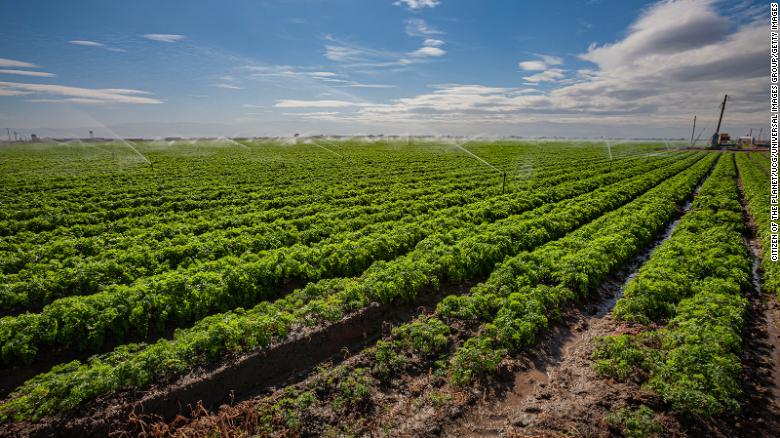
The area with the most destruction would be the Central Valley of California, including Sacramento, Fresno and Bakersfield, the study's authors project. The Central Valley, roughly the size of Vermont and Massachusetts combined, produces a quarter of the nation's food supply, according to the US Geological Survey.
A flood with the size to fill this valley has the potential to be the most expensive geophysical disaster to date, costing upwards of $1 trillion in losses and devastating the state's lowland areas, including Los Angeles and Orange counties, according to the study.
That would be more five times the cost of Hurricane Katrina, the current costliest disaster in US history.
READ MORE: Europe's drought could signal the death of river cruising
"Such a flood event in modern California would likely exceed the damages from a large magnitude earthquake by a considerable margin," the study showed.
This study is the first phase of a three-part series studying the effects of a future megaflood event in California. The next two phases are expected to be released in two to three years.
"Ultimately, one of our goals is not just to understand these events scientifically, but it's also to help California prepare for them," Swain said. "It's a question of when rather than if (the megaflood) occurs."
It's happened before. It will happen again, but worse, warns scientists
Over 150 years ago, a strong series of atmospheric rivers drenched the Golden State, causing one of the most exceptional floods in history following a dry spell that had left the West parched for decades.
Communities were demolished in minutes.
It was the winter of 1861-1862 and a historic megaflood transformed the San Joaquin and Sacramento valleys into a "temporary but vast inland sea," according to the study. Some areas had up to 30 feet of water for weeks, obliterating infrastructure, farmland, and towns.
READ MORE: Retired couple reveal 'trick' to win $39 million
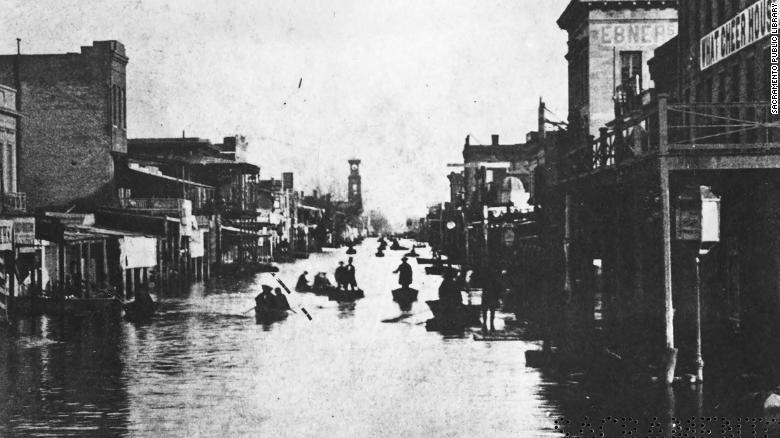
Sacramento, the new state capital at the time, was under ten feet of debris-filled water for months.
The catastrophe began in December 1861, when nearly 4.5 metres of snow fell in the Sierra Nevada. Repetitive atmospheric rivers dropped warm rain for 43 days thereafter, dumping water down the mountainous slopes and into the valleys.
Four thousand people lost their lives, one-third of the state's property was destroyed, a quarter of California's cattle population drowned or starved, and one in eight homes were a complete loss by floodwaters.
In addition, one-fourth of California's economy was obliterated, resulting in a state-wide bankruptcy.
Swain warns a megaflood like this will happen again, but worse and more frequent.
"We find that climate change has already increased the risk of a (1862) megaflood scenario in California, but that future climate warming will likely bring about even sharper risk increases," the study warns.
Many of today's major cities with millions of residents are built directly on top of the ancient flood deposits, Swain added, putting far more people in harm's way.
About 500,000 people lived in California in 1862. Now, the state's population is over 39 million.
"When this (flood) occurs again, the consequences would be wildly different than they were back in the 1860s," Swain said.
Climate change increases the amount of rain the atmosphere can hold and causes more water in the air to fall as rain, which can lead to immediate flooding. Both are and will continue to occur in California.

The new study shows a rapid increase in the likelihood of week-long, recurring strong-to-extreme atmospheric rivers during the cool season. An atmospheric river is a long, narrow region of heavy moisture in the atmosphere that can transport moisture thousands of kilometres, like a fire hose in the sky. They usually bring beneficial rainfall to drought-prone regions like California but could quickly become hazardous with a warming climate.
Historically these winter atmospheric rivers dump feet of snow in the Sierra Nevada, but as climate warms, more of the snow will fall as rain. Instead of melting slowly over time, it all runs off, piles up, and floods immediately.
With a neighbor like the Pacific Ocean, California has "an infinite reservoir of water vapour offshore," Swain added.
California's mountainous terrain and wildfire risk make it especially vulnerable to flooding. Lingering burn scars from wildfires can create a steep, slick surface for water and debris to flow off. With wildfires becoming larger and burning more area thanks to climate change, more areas are susceptible to these debris flows.
Although models show this megaflood is inevitable, experts say there are ways to mitigate excessive loss.
"I think the extent of (megaflood) losses can be significantly reduced by doing certain sorts of things to revamp our flood management and our water management systems and our disaster preparedness," Swain said.
Huang, a project scientist at the National Center for Atmospheric Research and a researcher involved in the study, said everyone can make a small effort in combating climate change.
"If we work together to decrease future emissions, we can also reduce the risk of extreme events," Huang said.
China sending fighter jets to Thailand for joint exercises
The Chinese air force is sending fighter jets and bombers to Thailand for a joint exercise with the Thai military.
The training will include air support, strikes on ground targets and small- and large-scale troop deployment, the Chinese Defence Ministry said in a statement posted on its website.
China's expanding military activities in the Asia-Pacific region have alarmed the United States and its allies and form part of a growing strategic and economic competition that has inflamed tensions between the world's two largest economies.
READ MORE: Police 'throw out rulebook' as two women 'assassinated' in Sydney
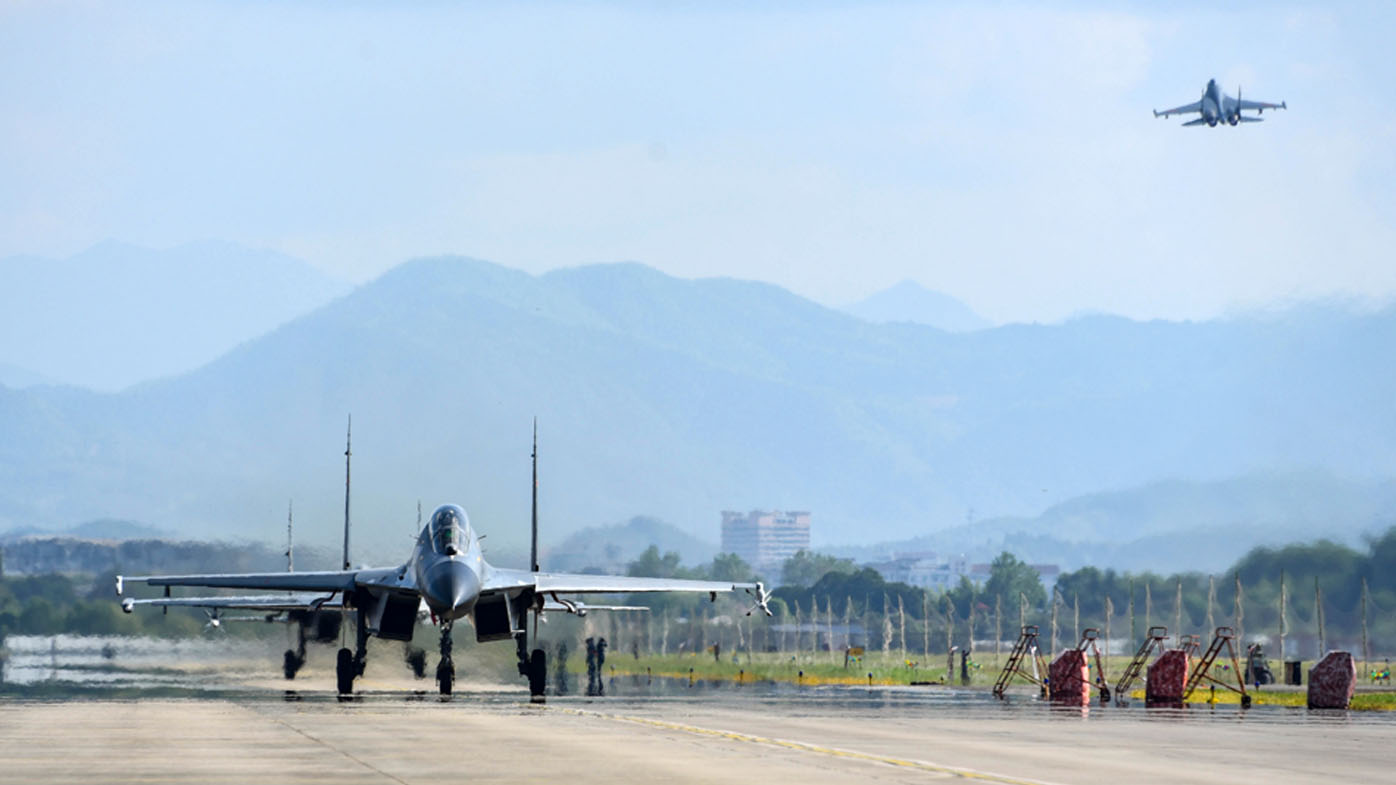
US Defence Secretary Lloyd Austin visited Thailand in June as part of an effort to strengthen what he called America's "unparalleled network of alliances and partnerships" in the region.
The Falcon Strike exercise will be held at the Udorn Royal Thai Air Force Base in northern Thailand near the border with Laos. Thai fighter jets and airborne early warning aircraft from both countries will also take part.
EXPLAINED: What is behind the China-Taiwan dispute?
The training comes as the US holds combat drills in Indonesia with Indonesia, Australia, Japan and Singapore in the largest iteration of the Super Garuda Shield exercises since they began in 2009.
It also follows China's sending warships, missiles and aircraft into the waters and air around Taiwan in a threatening response to a visit by US House Speaker Nancy Pelosi to the self-ruled island, which China claims as its territory.
READ MORE: Retired couple reveal 'trick' to win $39 million
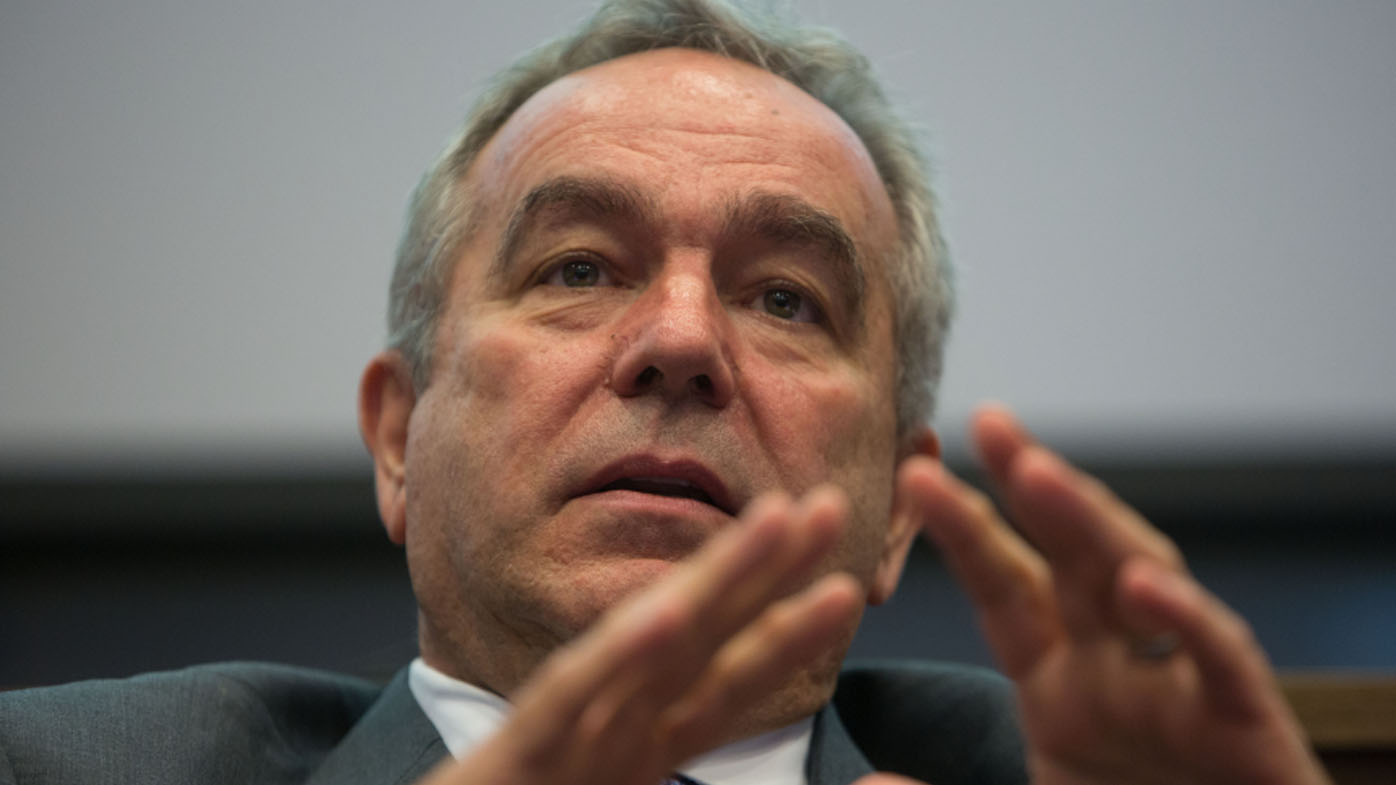
Kurt Campbell, a top adviser to US President Joe Biden on the Indo-Pacific, said on Friday that the US would take resolute steps to support Taiwan, including sending warships and aircraft through the 160km wide waterway that separates Taiwan and China.
"We'll continue to fly, sail and operate where international law allows, consistent with our longstanding commitment to freedom of navigation," he said.
"And that includes conducting standard air and maritime transits through the Taiwan Strait in the next few weeks."
EXPLAINED: What is the One-China policy and why does it matter?
US school shooter's brain exams to be fought over in court
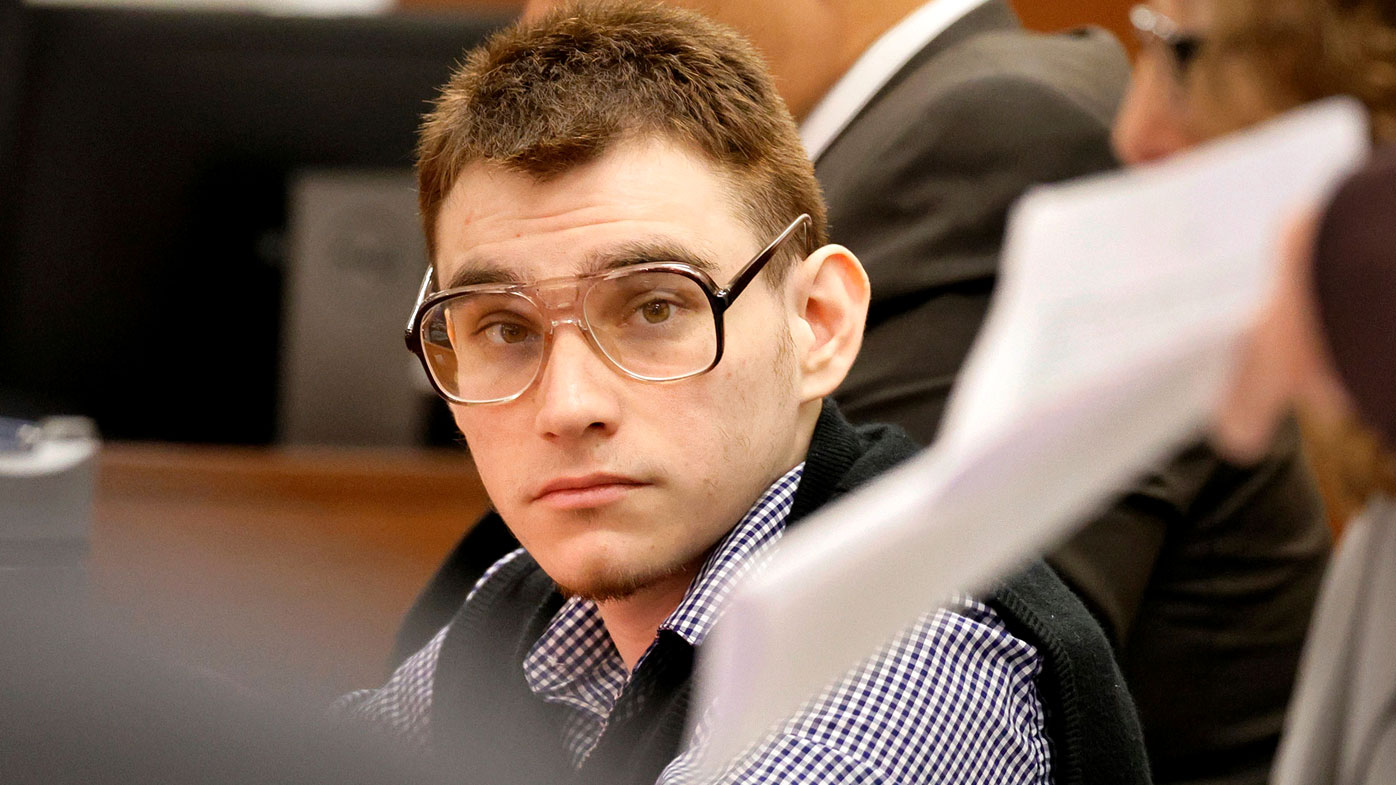
A defence mental health expert in the penalty trial of Florida school shooter Nikolas Cruz can pinpoint when he realised the 23-year-old mass murderer still has "irrational thoughts" — the two were making small talk when Cruz began describing plans for an eventual life outside prison.
Wesley Center, a Texas counsellor, said that happened last year at the Broward County jail as he fitted Cruz's scalp with probes for a scan to map his brain.
The defence at hearings this week will try to convince Circuit Judge Elizabeth Scherer that Center and other experts should be allowed to testify at Cruz's ongoing trial about what their tests showed, something the prosecution wants barred.
READ MORE: Police 'throw out rulebook' as two women 'assassinated' in Sydney
"He had some sort of epiphany while he was in (jail) that would focus his thoughts on being able to help people," transcripts show Center told prosecutors during a pretrial interview this year.
"His life's purpose was to be helping others."
Cruz, of course, will never be free.
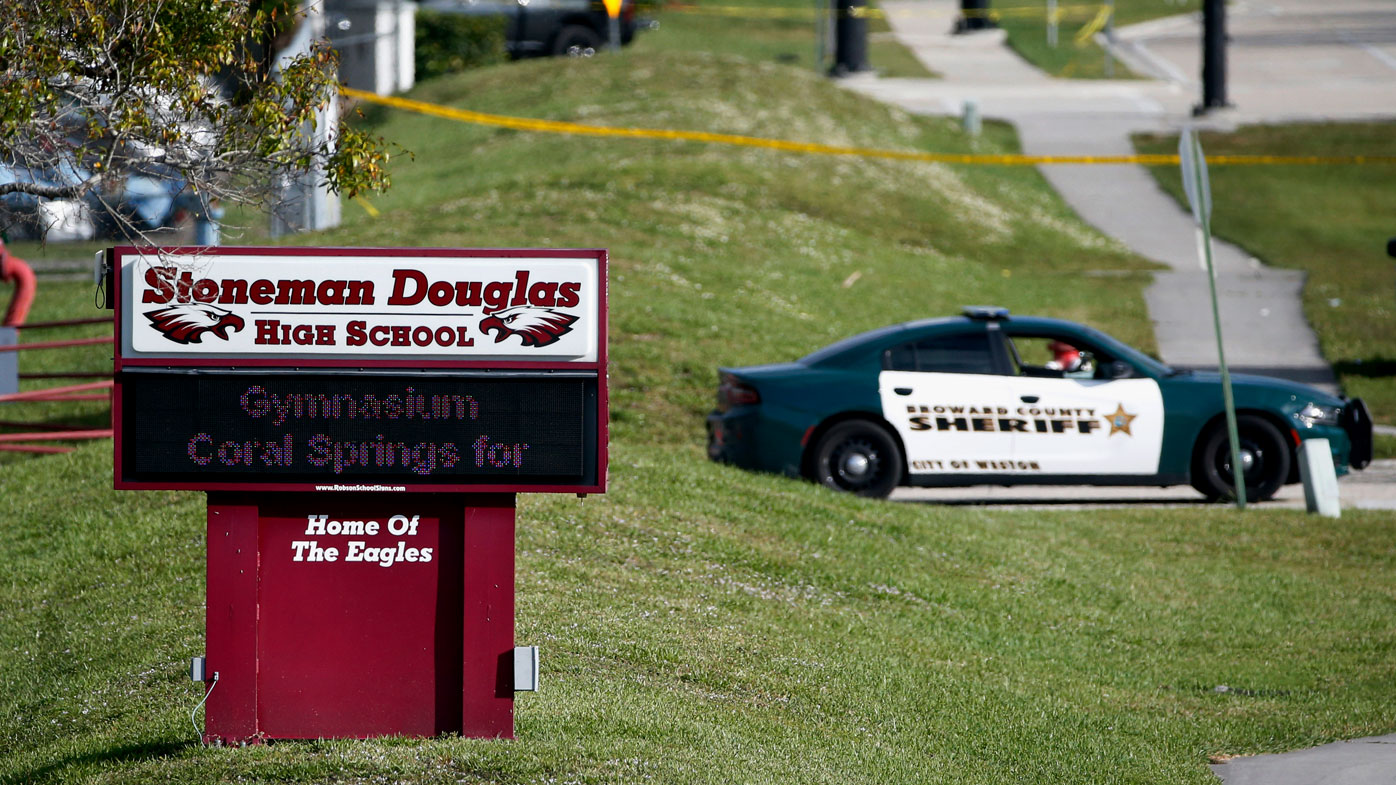
Since his arrest about an hour after he murdered 14 students and three staff members at Parkland's Marjory Stoneman Douglas High School on February 14, 2018, there has never been any doubt his remaining years would be behind bars, sentenced to death or life without parole.
Surveillance video shows him mowing down his victims with an AR-15-style semiautomatic rifle and he confessed, eventually pleading guilty in October.
Prosecutors made their argument for death to the seven-man, five-woman jury and 10 alternates over three weeks, resting their case August 4 after the panel toured the still-bloodstained, bullet-pocked classroom building where the massacre happened.
The jurors also watched graphic surveillance videos; saw gruesome crime scene and autopsy photos; received emotional testimony from teachers and students who witnessed others die; and heard from tearful and angry parents, spouses and other family members about the victims and how their loved one's death impacted their lives.
They watched video of the former Stoneman Douglas student calmly ordering an Icee minutes after the shooting and, nine months later, attacking a jail guard.
READ MORE: Man charged over Canberra airport check-in area shooting
READ MORE: Man arrested after mum's body found in bush
Soon, it will be Cruz's lawyers arguing why he should be spared, hoping to convince at least one juror their mitigating factors outweigh the prosecution's aggravating circumstances — a death sentence must be unanimous.
But first, the trial took last week off to accommodate some jurors' requests to deal with personal matters.
The jury will also be absent this week as the sides argue before Scherer, who will decide whether brain scans, tests and other evidence the defence wants to present starting August 22 is scientifically valid or junk, as the prosecution contends.
Center's test and its findings will be subject to contentious debate.
Called a "quantitative electroencephalogram" or "qEEG," its backers say it provides useful support to such diagnoses as foetal alcohol syndrome, which Cruz's lawyers contend created his lifelong mental and emotional problems.
EEGs have been common in medicine for a century, measuring brainwaves to help doctors diagnose epilepsy and other brain ailments.
But the qEEG analysis, which has been around since the 1970s, goes a step farther — a patient's EEG results are compared to a database of brainwaves taken from normal or "neurotypical" people.
While qEEG findings cannot be used to make a diagnosis, they can support findings based on the patient's history, examination, behavior and other tests, supporters contend.
A "qEEG can confirm what you already know, but you can't create new knowledge," Center told prosecutors in his interview.
READ MORE: Retired couple reveal 'trick' to win $39 million
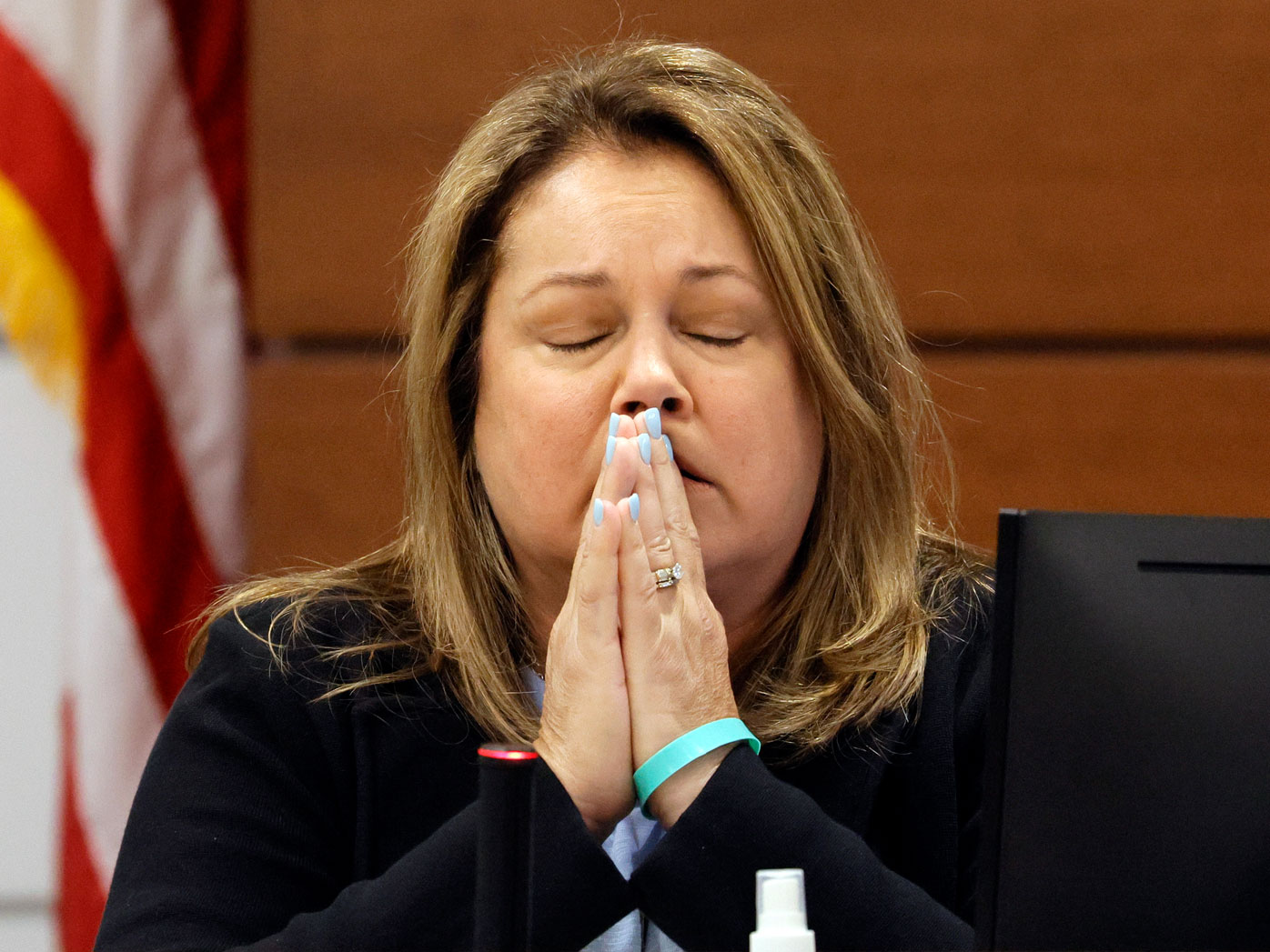
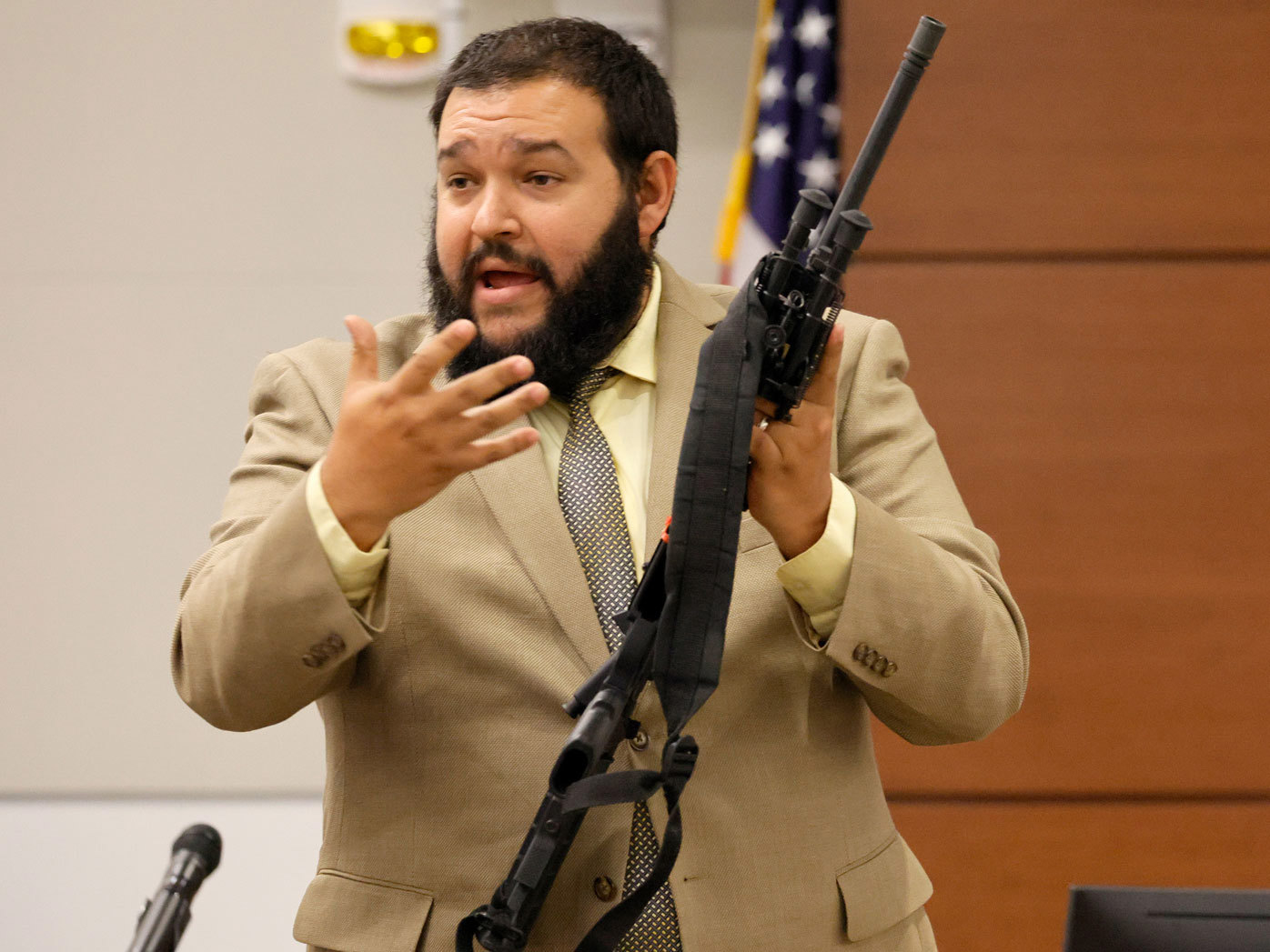
Dr Charles Epstein, an Emory University neurology professor, reviewed Center's findings for the prosecution.
In a written statement to Scherer, he said EEGs using only external scalp probes like the one given Cruz are imprecise, making Center's qEEG results worthless.
"Garbage in, garbage out," he wrote.
Florida judges have given mixed rulings about allowing qEEGs since 2010, when the test helped a Miami-area man escape a death sentence for fatally stabbing his wife and severely wounding her mentally disabled 11-year-old daughter.
Some judges have since allowed their admission, while others barred them.
Scherer, who is overseeing her first death penalty trial, has never had a case where the defence tried to present a qEEG report.
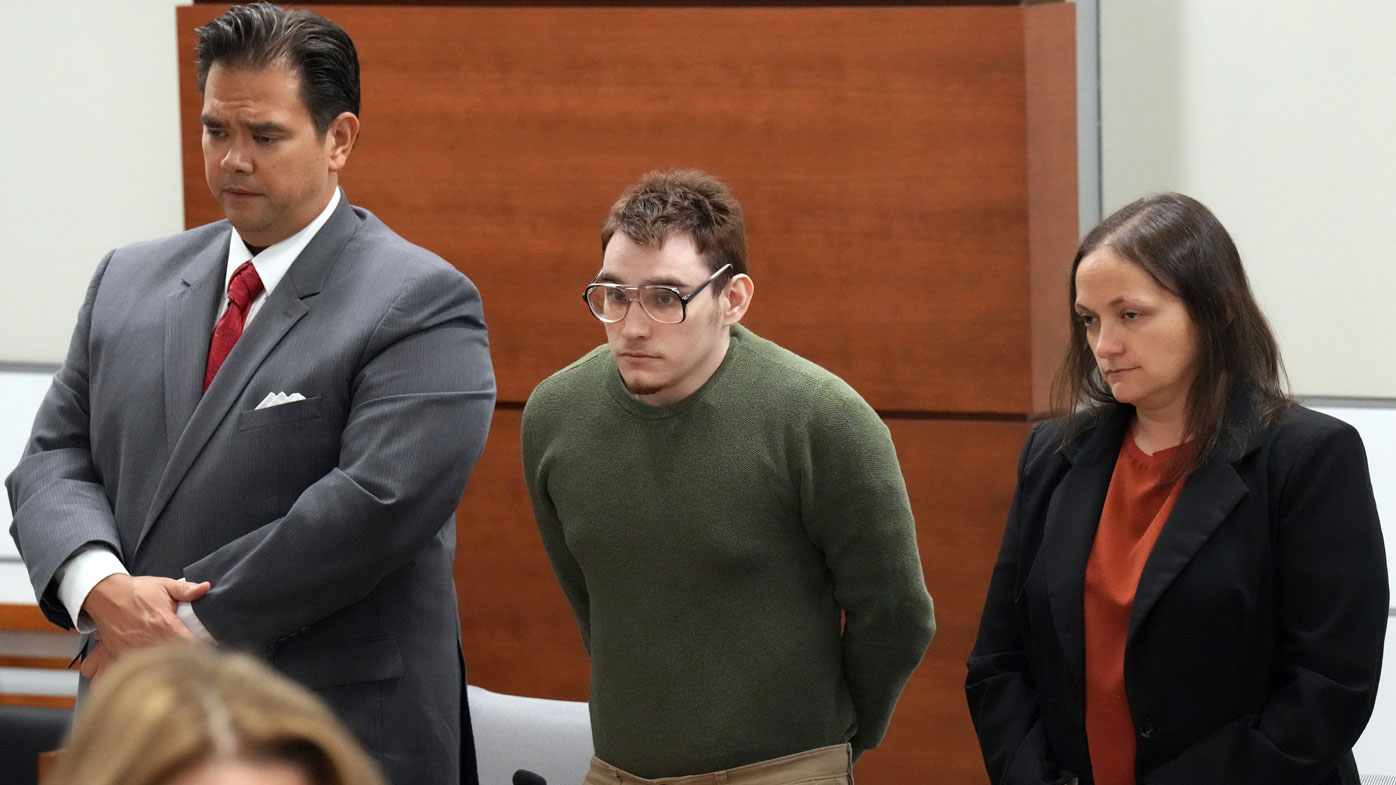
Even if Scherer bars the test, lead defence lawyer Melisa McNeill and her team still have evidence that Cruz's brain likely suffered damage in the womb, including statements by his late birth mother that she abused alcohol and cocaine during pregnancy.
They also have reports giving circumstantial evidence of his mental illness.
Cruz got kicked out of preschool for hurting other children.
During his years in public school, he spent significant time at a centre for students with emotional issues.
He also received years of mental health treatment.
Then there are his life circumstances.
Cruz's adoptive father died in front of him when he was five; he was bullied by his younger brother and his brother's friends; he was allegedly abused sexually by a "trusted peer;" he cut himself and abused animals; and his adoptive mother died less than four months before the shooting.
His youth will also be an issue — he was 19 when the shooting happened.
Lawyers not involved in the case say if Scherer wants to avoid having a possible death sentence overturned on appeal, she should give the defence wide latitude on what it presents so jurors can fully assess his life and mental health.
"If it's a close call, I think she is going to bend to the defense – and the prosecution is not going to be happy," said David S. Weinstein, a Miami criminal defense lawyer and former prosecutor.