A man who cut off a cyclist after being called a “black c***” accepts he should have never retaliated.However Azel Pickering, through his lawyer, told a court the incident occurred after a culmination of stressful events that eventually…
Tag Archives: oceania
'Security concerns' delay extradition of bikie boss
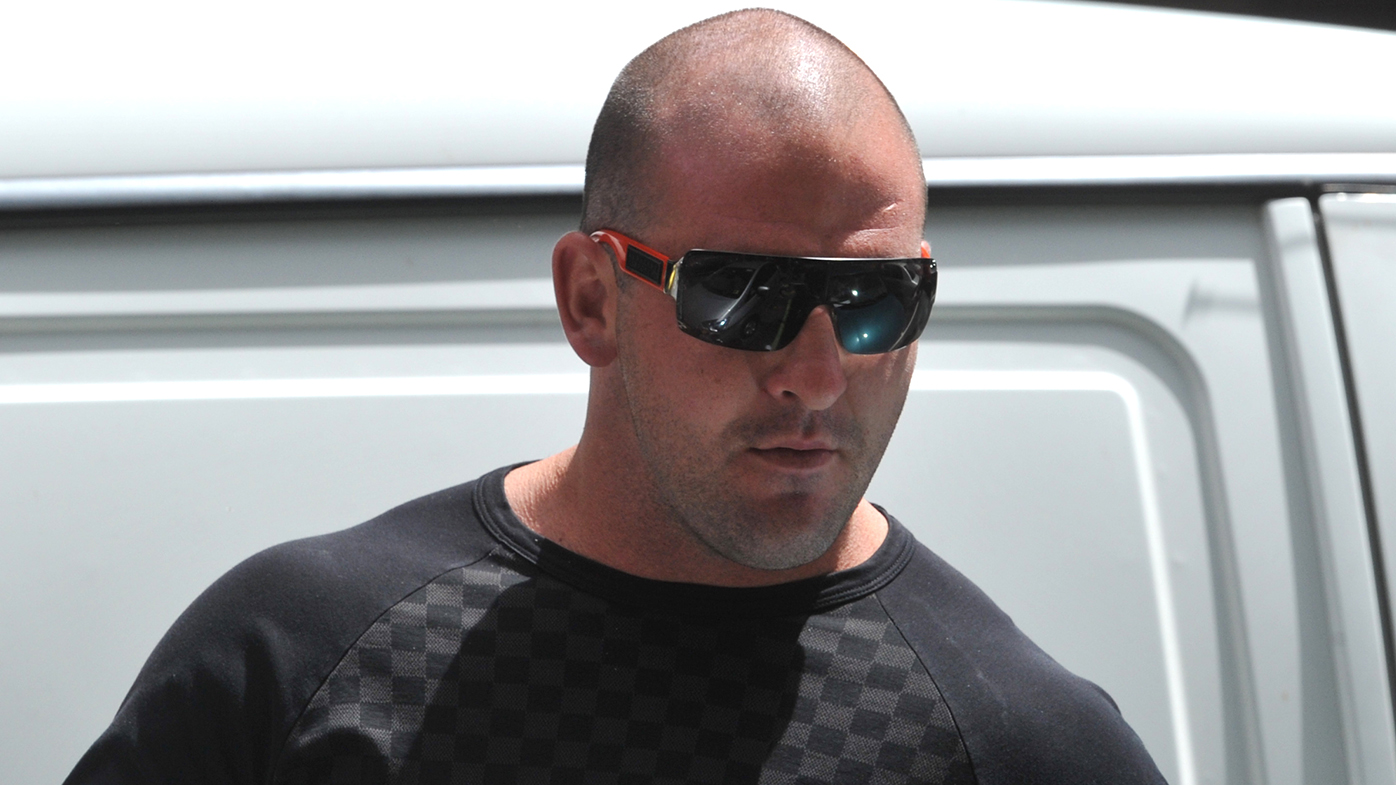
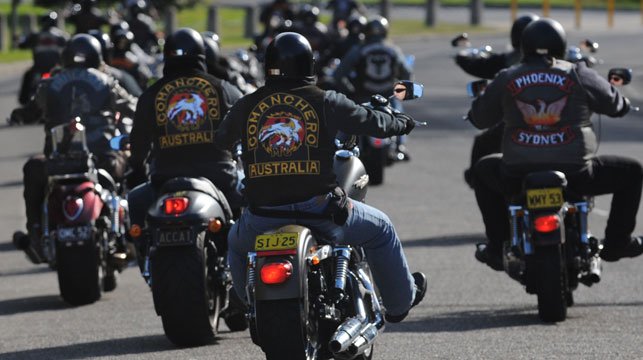
Fugitive Comanchero boss Mark Buddle has faced court in Australia six years after fleeing the country over allegations he imported $40 million worth of drugs.
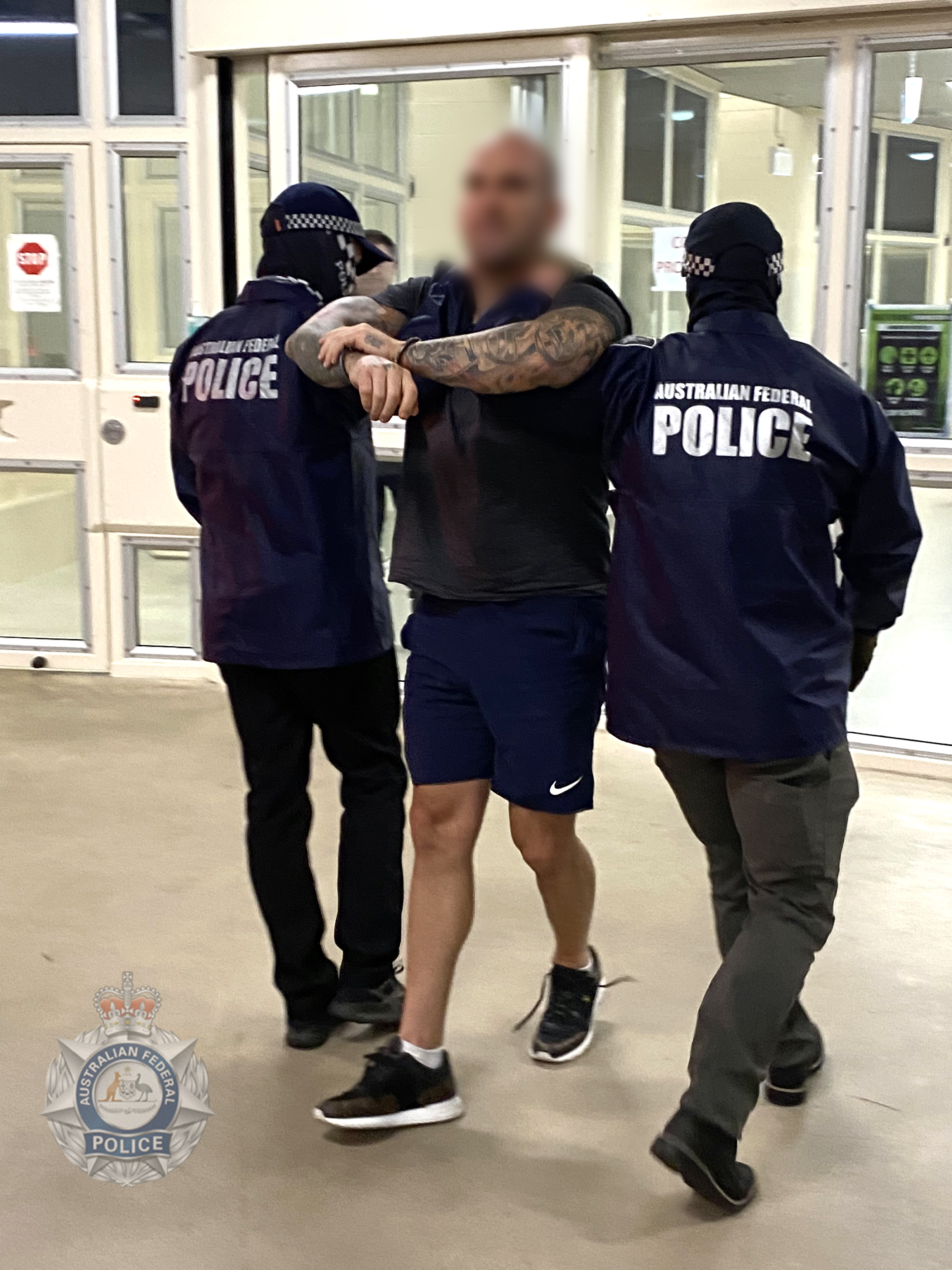
The 37-year-old was arrested by Australian Federal Police at Darwin airport on Wednesday, after being deported from Turkey a day earlier.
He remained under police guard amid security concerns as the Northern Territory Local Court granted an order for him to be extradited to Victoria.
READ MORE: Four states in firing line as 130km/h winds, rain sweep Australia
Buddle is accused of importing more than 160 kilograms of cocaine into Melbourne in May last year.
He is facing two charges of importing cocaine, which was estimated to have a street value of $40 million.
Each count carries a maximum of life imprisonment.
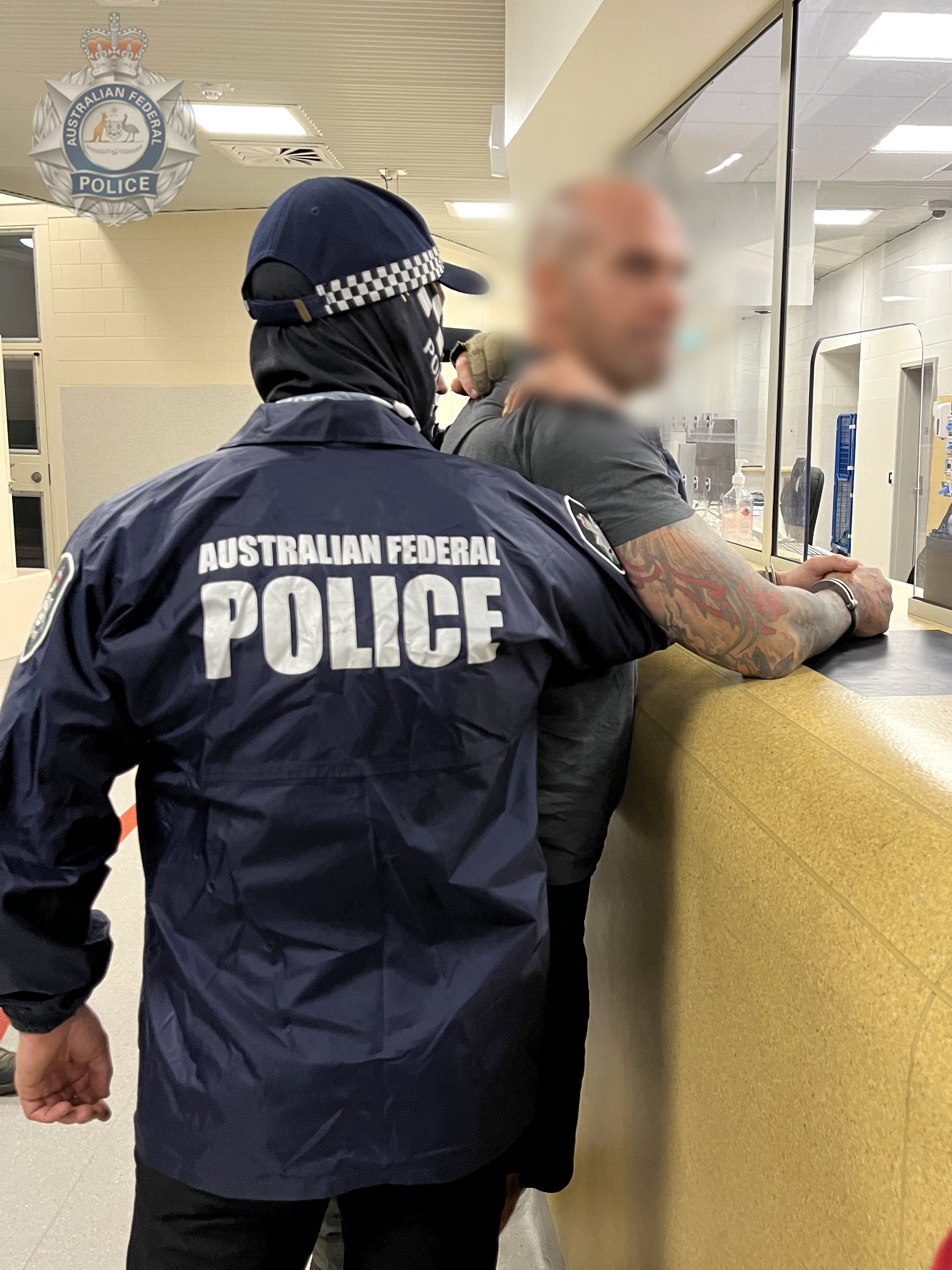
Buddle listened to the court proceedings by telephone hook-up from a police station 20 kilometres south of Darwin, with both NT and AFP police officers present.
"Normally, of course, someone appearing in court would be either present in court or on the video from the prison, but the court has received information the police have some security concerns," Chief Judge Elizabeth Morris told Buddle as she confirmed he was on the line.
"That is why you're appearing via telephone from the Palmerston Watchhouse."
Buddle replied: "OK, yep, correct."
Commonwealth prosecutor Naomi Low said Buddle was the subject of a Victorian arrest warrant issued on July 3, with the AFP seeking to extradite him to Melbourne by August 10 to face the Magistrates Court.
"How come it is the 10th August? Today is the 3rd of August," Morris said.
"There are some security concerns … the time is necessary to facilitate a safe transfer of Mr Buddle to Victoria," Low replied.
"He was arrested overseas and returned to Australia as a result of deportation and this morning he was arrested by the AFP at the airport."
Defence lawyer Robert Welfare said he had been instructed not to oppose the extradition order.
Morris ordered for Buddle to be held at the NT Correctional Facility in Holtze near Darwin until the AFP transfer him south to face court in Victoria on or before August 10.
"Mr Buddle I have made the order. You will be kept at the prison until arrangements are made for you to get down to Melbourne in custody," she said.
"No problem," he replied.
Secret app planted by police led to arrest
Buddle has been a target of Operation Gain since March 2021.
The operation, which has never been made public before now, was set up to bring home Australia's most wanted criminals.
AFP Assistant Commissioner Nigel Ryan confirmed Buddle was a user of the AN0M mobile phone system, which the AFP and FBI had been operating in secret before making 500-plus arrests in a worldwide takedown under Operation Ironside.
READ MORE: Nancy Pelosi lands in Taiwan despite China threat
Operation Ironside was a secret, three-year investigation into organised crime using the encrypted app, which had been covertly distributed by investigators.
More than 250 people have been charged in Australia under Operation Ironside.
No charges have been brought in the US, where privacy laws prevented arrests.
Lawyers in South Australia, representing clients charged under Operation Ironside, have recently argued evidence obtained from the encrypted communications should be excluded.
Ryan said Operation Ironside had tracked encrypted communications showing cocaine would be shipped from Hong Kong to Melbourne and Sydney.
"This investigation has been going for a significant amount of time," Ryan said.
Buddle's "complex" arrest, Ryan said, would deal a serious blow to drug syndicates operating in Australia and offshore.
Criminals sold more than 12,000 AN0M encrypted devices and services to more than 300 criminal syndicates operating in more than 100 countries, including Italian organised crime, outlaw motorcycle gangs, and various international drug trafficking organisations.
READ MORE: Coach alerts family to rare disease after spotting odd thing in player
Believing their devices were protected from law enforcement by the shield of impenetrable encryption, AN0M users openly discussed narcotics concealment methods, shipments of narcotics, money laundering, and violent threats.
Ryan said the Buddle extradition could mean more Australians on the run could be caught and sent home to face justice.
There are more than 20 targets being tracked by Operation Gain, including more people in Turkey.
"Organised crime is based on greed and violence, and that will continue for as long as Australians have the appetite to consume illegal drugs," Ryan said.
– Reported with AAP.
Moderna COVID-19 vaccine approved for 'at-risk' children from 6 months
At-risk children from six months to under five years of age will soon have access to the Moderna COVID-19 vaccine.
The Australian Technical Advisory Group on Immunisation (ATAGI) recommended approximately 70,000 young children at higher risk of developing severe illness from COVID-19 be able to receive the vaccine from September 5.
The federal government says it has secured 500,000 doses of the vaccine which will be arriving in Australia later this week.
EXPLAINED: What are your chances of getting COVID-19 more than once?

At this stage, the vaccine will only recommended for children who are severely immunocompromised, have a disability, and those who have complex or multiple health conditions which increase the risk of severe COVID-19.
Last month, the Therapeutic Goods Administration (TGA) provisionally approved a paediatric dose of the Moderna mRNA COVID-19 vaccine, Spikevax, for children aged six months to up to six years old.
Federal Health Minister Mark Butler said the vaccine would be made available to the most "vulnerable young children" who have significant health conditions.
"The Australian Government has secured supplies of this new vaccine for younger children and these vaccines will shortly distributed to vaccination sites," he said.
ATAGI says it is not currently recommending COVID-19 vaccination for children aged 6 months to under 5 years who are not at increased risk.
More information on when bookings open will be available later this month.
READ MORE: Study throws doubt on long-held theory women outlive men
Study throws doubt on long-held theory women outlive men
The age-old belief that women live longer than men is wrong, a new study spanning 200 years of humanity across all continents of the globe has found.
Men have a lower life expectancy than women, but Danish researchers found males have a "substantial chance of outliving" females.
That was especially true if men were married and have a degree, the study said.
READ MORE: New questions over 'Into the Wild' adventurer's death
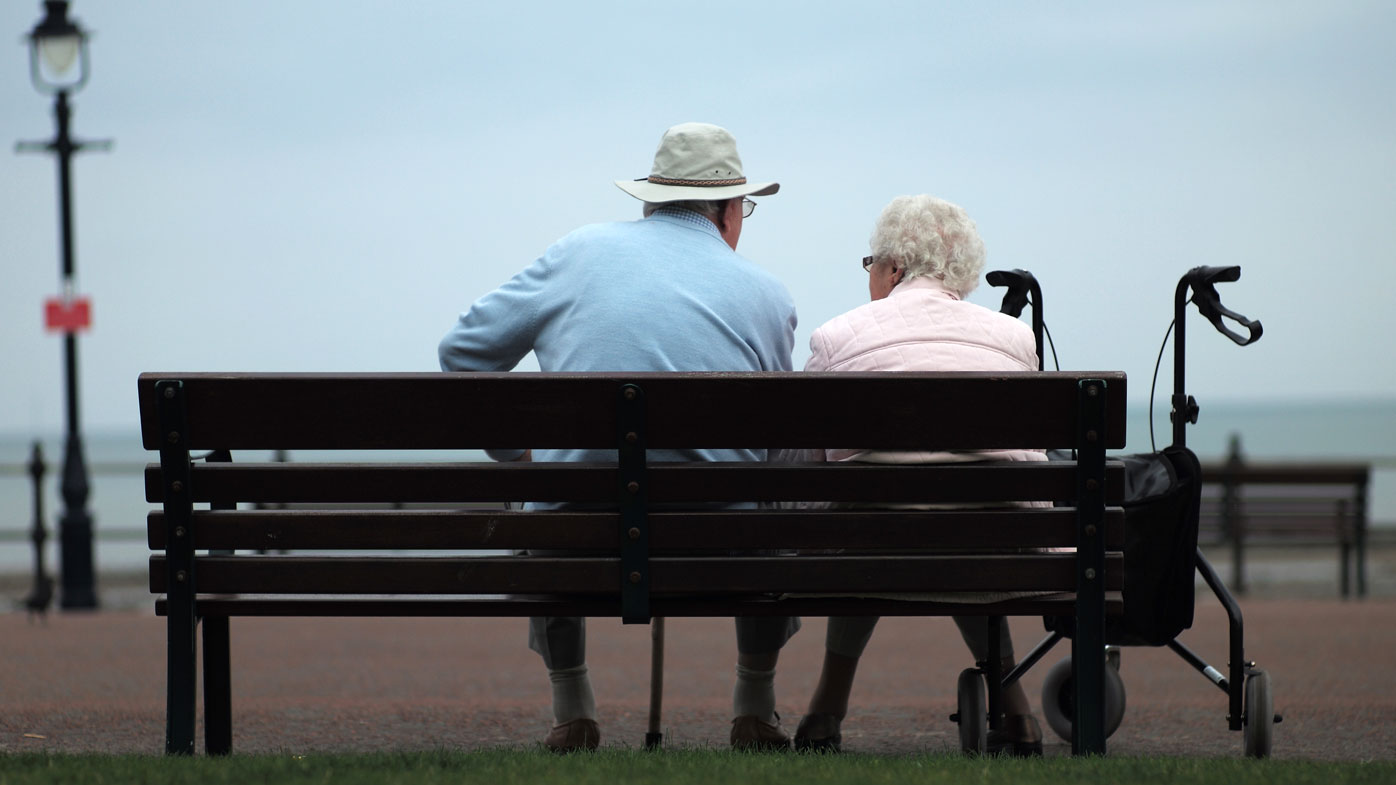
Couples influence each other's health, the researchers said, and this is particularly true for men, who they found benefit more than women from being in a stable relationship.
While it's received wisdom that women generally outlive men, the scientists said between 25 per cent and 50 per cent of males actually outlived females.
"Not all females outlive males, even if a majority do," the researchers said.
"But the minority that do not is not small."
Australian men have an average life expectancy of 81.2 years, while women will push on to 85.3 years old, according to Australian Bureau of Statistics.
The study, published today in the British Medical Journal, found the probability of men outliving women was 39 per cent for those who were married, compared to 37 per cent for those who weren't.
A man's level of education also had an impact.
Researchers established a 43 per cent probability that men with a university degree would outlive women, in comparison to 39 per cent for those without a high school diploma.
The survival advantage of women has been observed over time across many different populations.
But researchers said sex differences in survival is identified by life expectancy.
That measure summarises an average length of life, rather than actual years lived.
And that, researchers said, has been interpreted as "men do not live as long as women".
So the Danish scientists set out to quantify the probability that males outlive females over time and across populations.
They also wanted to explore the impact of changes in life expectancy and variations in lifespan between the sexes.
To do this, they used a statistical approach called the "outsurvival" statistic.
Outsurvival measures the probability that a person from a population with a high death rate will outlive someone from a population with a low death rate.
READ MORE: Giant sinkhole suddenly appears in Chile

READ MORE: Researchers claim to solve longstanding lightning bolt puzzle
Researchers crunched population and mortality data in 199 populations from every continent over a 200-year period.
Analysis showed that since 1850 the probability of males outliving females has, at all points in time and across all populations, varied between 25 per cent and 50 per cent.
In other words, the data showed between one and two out of every four men have outlived women.
In developed countries, the probability of males outliving females fell until the 1970s, after which it gradually increased in all populations.
The rise and fall in sex differences in life expectancy were mainly attributed to smoking and other behavioural differences.
The probability of males living longer than females is generally higher in low / middle-income countries, the study found, but this did not necessarily mean greater gender equality in survival.
READ MORE: Greens will vote with government to pass climate bill, leader Adam Bandt announces
Giant sinkhole suddenly appears in Chile
A giant sinkhole 25 metres wide and an estimated 200 metres deep has suddenly opened near a copper mine in Chile, prompting officials to launch an investigation.
The National Service of Geology and Mining, also known as Sernageomin, announced it had become aware of the gaping void on Saturday.
It appeared in an agricultural area outside of Tierra Amarilla in the Atacama region, about 665km north of Santiago, on a plot of land owned by Canadian mining company Lundin Mining.
READ MORE: Tennis coach alerts family to rare disease after noticing something odd
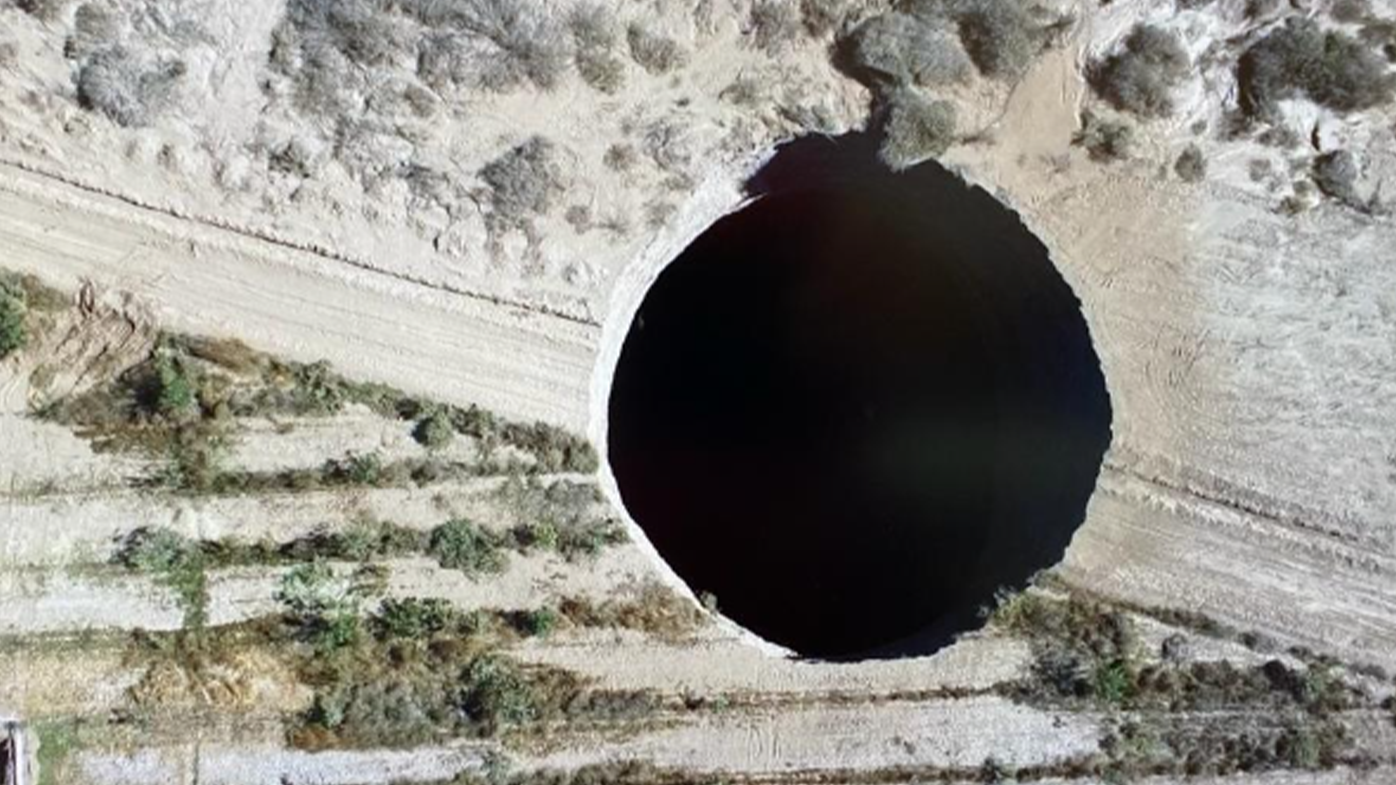
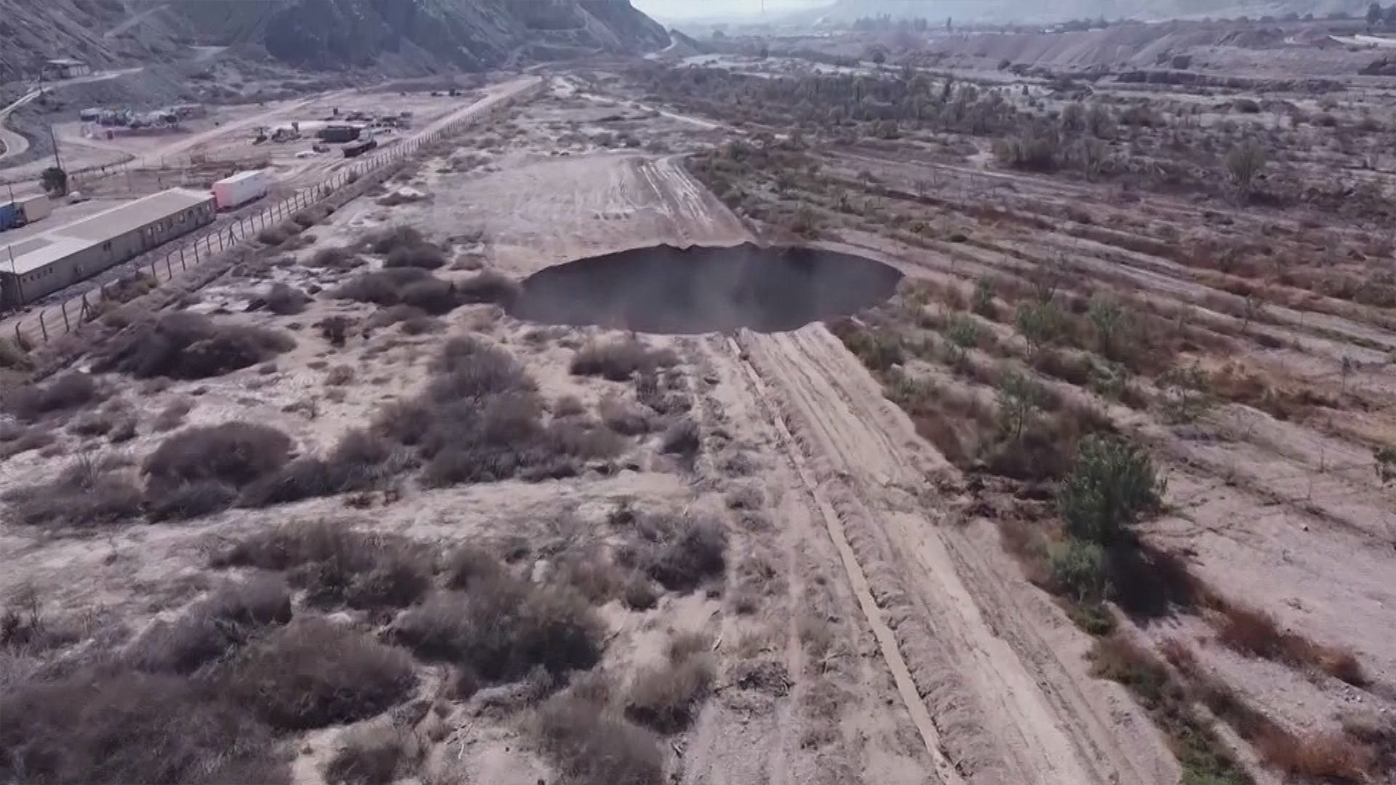
"There is a considerable distance, approximately 200 metres, to the bottom," David Montenegro, Sernageomin's director, said in a statement.
"We haven't detected any material down there, but we have seen the presence of a lot of water."
Sernageomin officials are now preparing a technical report on the sinkhole.
READ MORE: Four states in firing line of monster storm
A security perimeter of 100 metres has also been established around the sinkhole.
"This event did not affect people, equipment or facilities both inside and on the surface of the mine," Montenegro said.
"The company suspended the work located in the vertical of the sinkhole, trying, at all times, to protect the people who work in Alcaparrosa.
"In the same way, Minera Ojos del Salado fenced the perimeter of the sinkhole to protect the community."
READ MORE: Nancy Pelosi lands in Taiwan despite China threat
It's unclear at this time what caused the sinkhole to form.
The United States Geological Survey (USGS) defines sinkholes as "a closed natural depression in the ground surface caused by removal of material below the ground and either collapse or gradual subsidence of the surface into the resulting void".
Aussie couple are 'battlers' no more after $20 million lotto win
A New South Wales couple say they're "Aussie battlers" no more after taking home $20 million in last night's Oz Lotto draw.
The Goulburn twosome had the only division one winning entry ticket in the country.
"I'm in tears mate. Every time I think I'm okay, the waterworks kick off again," the winning husband said.
READ MORE: Tennis coach alerts family to rare disease after noticing something odd
"I don't even know what to do with myself."
He said retirement could be on the cards for the couple, joking that they might not even make it back into the office to resign.
"I dropped into the store this morning to check my ticket and the team member gave me a shocked look," he said.
READ MORE: Four states in firing line of monster storm

"He said, 'you might need to sit down, mate'."
The man said they would take care of family first and make sure nobody had anything to worry about.
"We've always been Aussie battlers. Not anymore, though, I guess," he said.
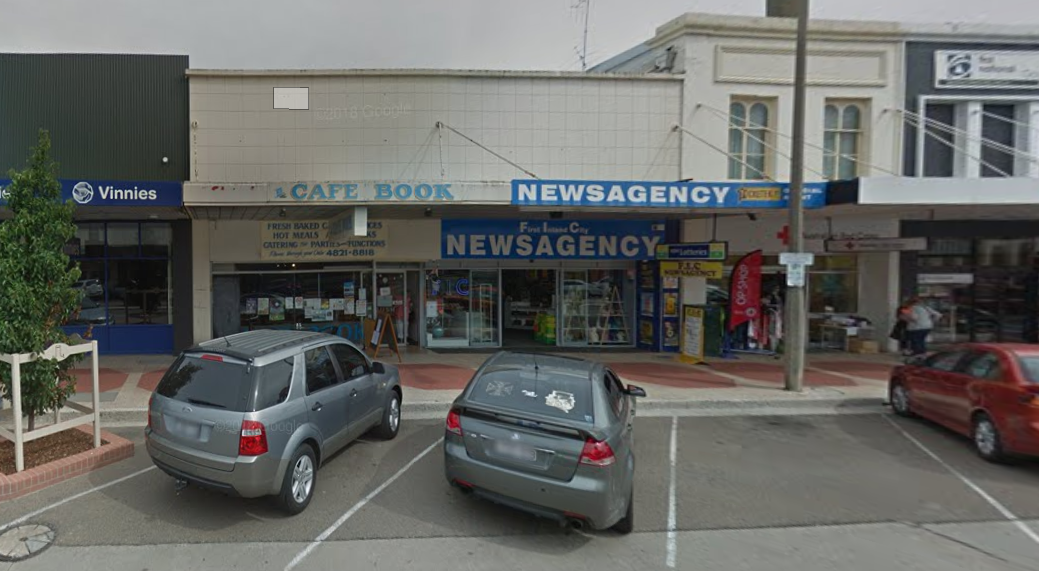
They bought their ticket at First Inland City Newsagency, Shop B, 140-144 Auburn Street, Goulburn.
READ MORE: Nancy Pelosi lands in Taiwan despite China's threat
First Inland City Newsagency owner Jeanine Chatfield said it was great to see the huge win come to Goulburn.
"I'm pretty sure everyone in town will be talking about it today. It will cause big excitement in the community," she said.
The winning numbers were 22, 42, 38, 33, 27, 23, 39, while the supplementary numbers were 4 and 37 and 20.
The chances of winning division one in Oz Lotto, based on one standard game, are 1 in 62,891,499.
If you need help call the National Gambling Helpline on 1800 858 858.
New questions over 'Into the Wild' adventurer's death
Christopher McCandless weighed just 30 kilograms when he died alone in the Alaskan wilderness on August 18, 1992.
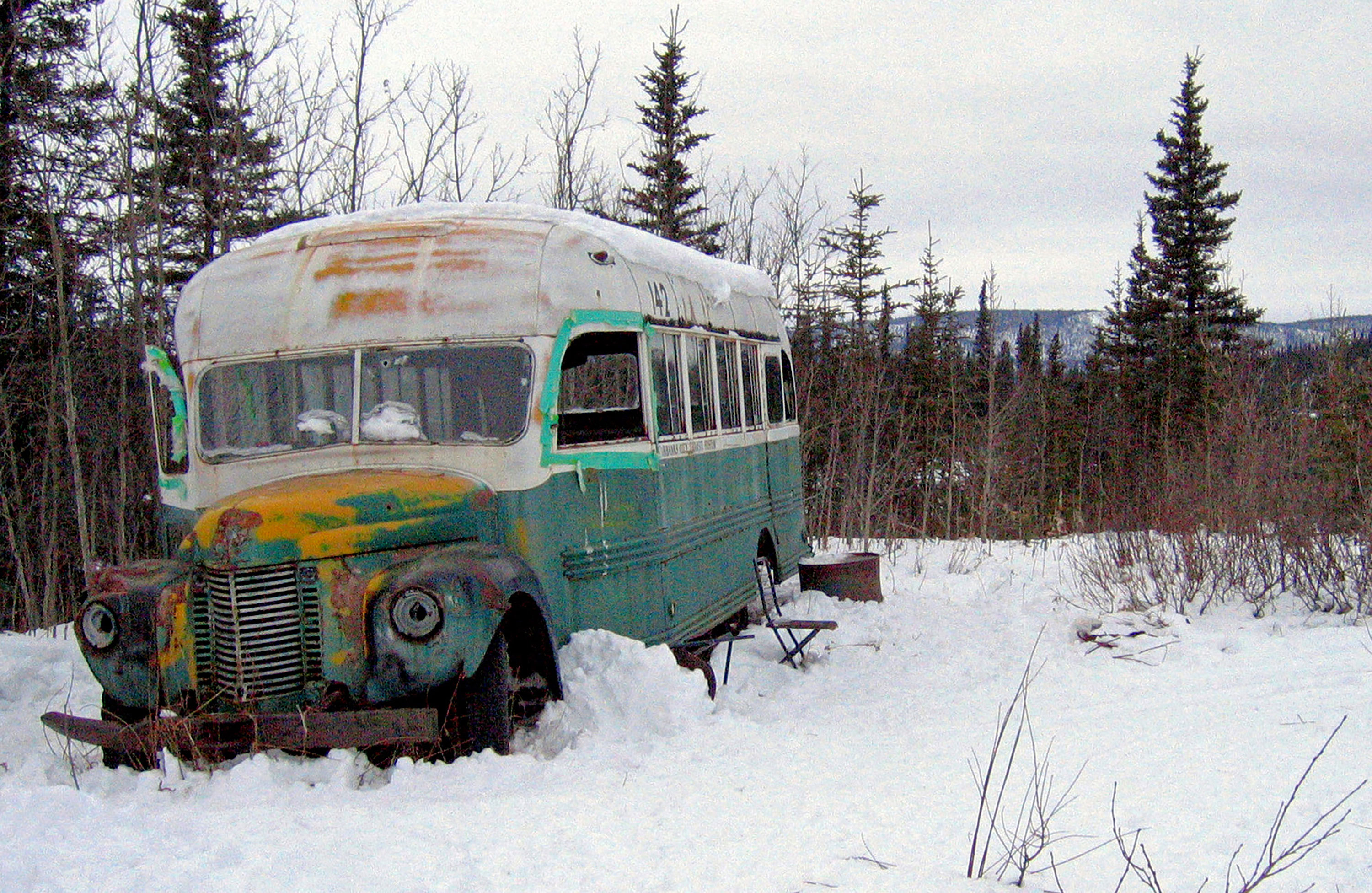
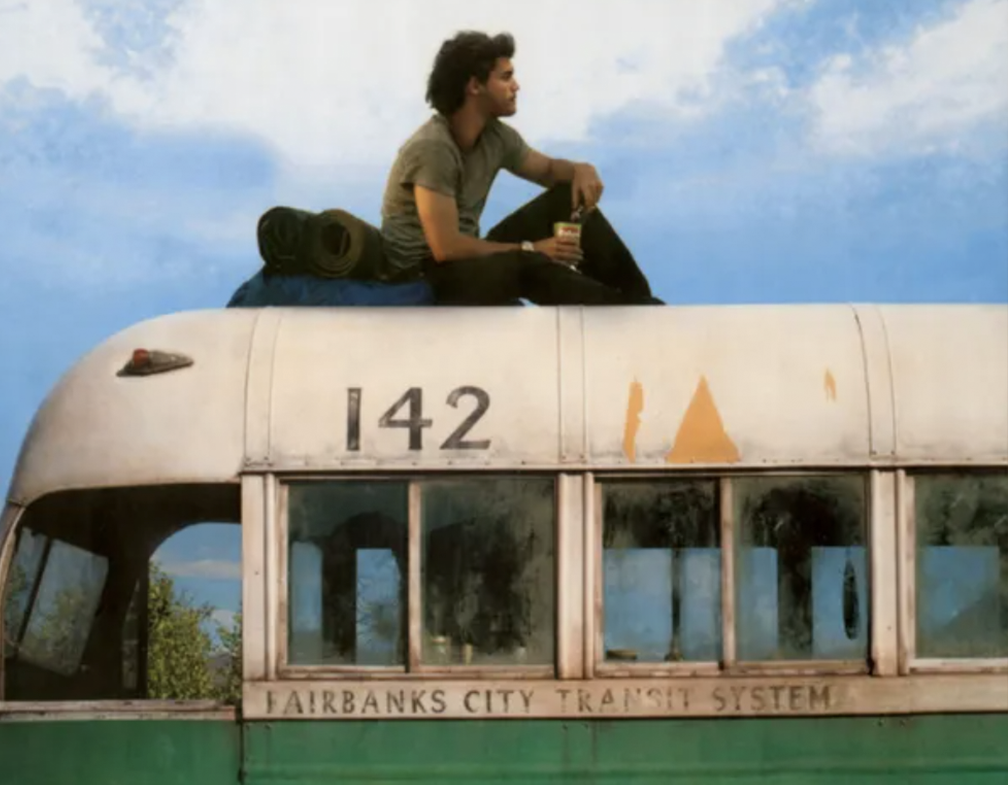
Hunters discovered his severely emaciated body laying in his sleeping bag, inside the abandoned shell of Bus 142 where McCandless had lived for nearly four months.
The 24-year-old had probably been dead for two weeks, likely starved after he inadvertently poisoned himself by eating a toxic plant, known as wild potato.
READ MORE: Giant sinkhole suddenly appears in Chile
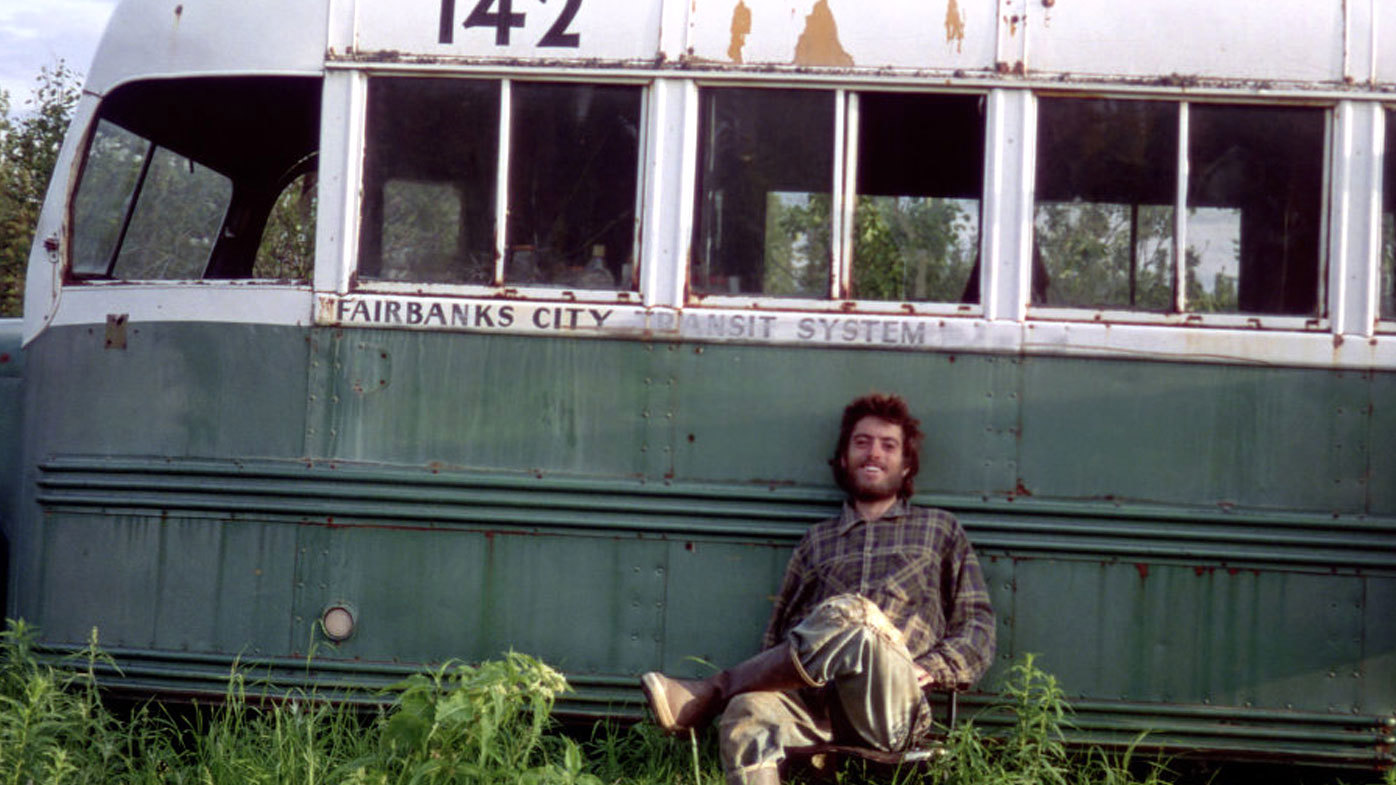
In the wake of Jon Krakauer's bestselling book Into the Wild, which spawned a Sean Penn-directed movie, McCandless and his two-year journey of self-discovery which came to an end at Bus 142 attracted a kind of cult following.
Now, a just-released study has raised new and further fascinating questions over the events leading up to McCandless' tragic demise.
Heading into the unforgiving environs of Alaska carrying little more than a sack of rice, a Remington rifle and a thirst for adventure, many regarded the unprepared McCandless as dangerously naïve and reckless.
But was he also just incredibly unlucky?
An Oregon State University study, authored by Dr David Hill and Christina Aragon, appears to leave that possibility very much open.
Their research – which tried to identify whether or not McCandless was truly "stuck in the wild" or simply the victim of unfortunate timing – revealed how he may have been able to cross a raging river which turned him back, had he tried just a day earlier or later.
Through extensive modelling of Teklanika River water flows, Hill and Aragon concluded the river had been running strong and high in what was a pulse event that would have likely subsided as quickly as it rose.
In other words, the uncrossable river McCandless encountered on July 5, when he was trying to return to civilisation, may have been eminently crossable on July 3 or July 7.
The day of McCandless' attempted crossing had coincided with a large amount of rainfall-driven runoff, the study said.
"I'm not sure that what we found will change anybody's opinion (of McCandless)," Hill told 9news.com.au.
"But I think it's interesting in the sense that it just opens up this kind of 'what if, what if?'
"You know, had he a few days earlier or a few days later tried to go back to the river, might that have changed the story?
"And so, to me, that's kind of the most interesting aspect of what we did."
READ MORE: Body of teen obsessed with 'Into the Wild' story found
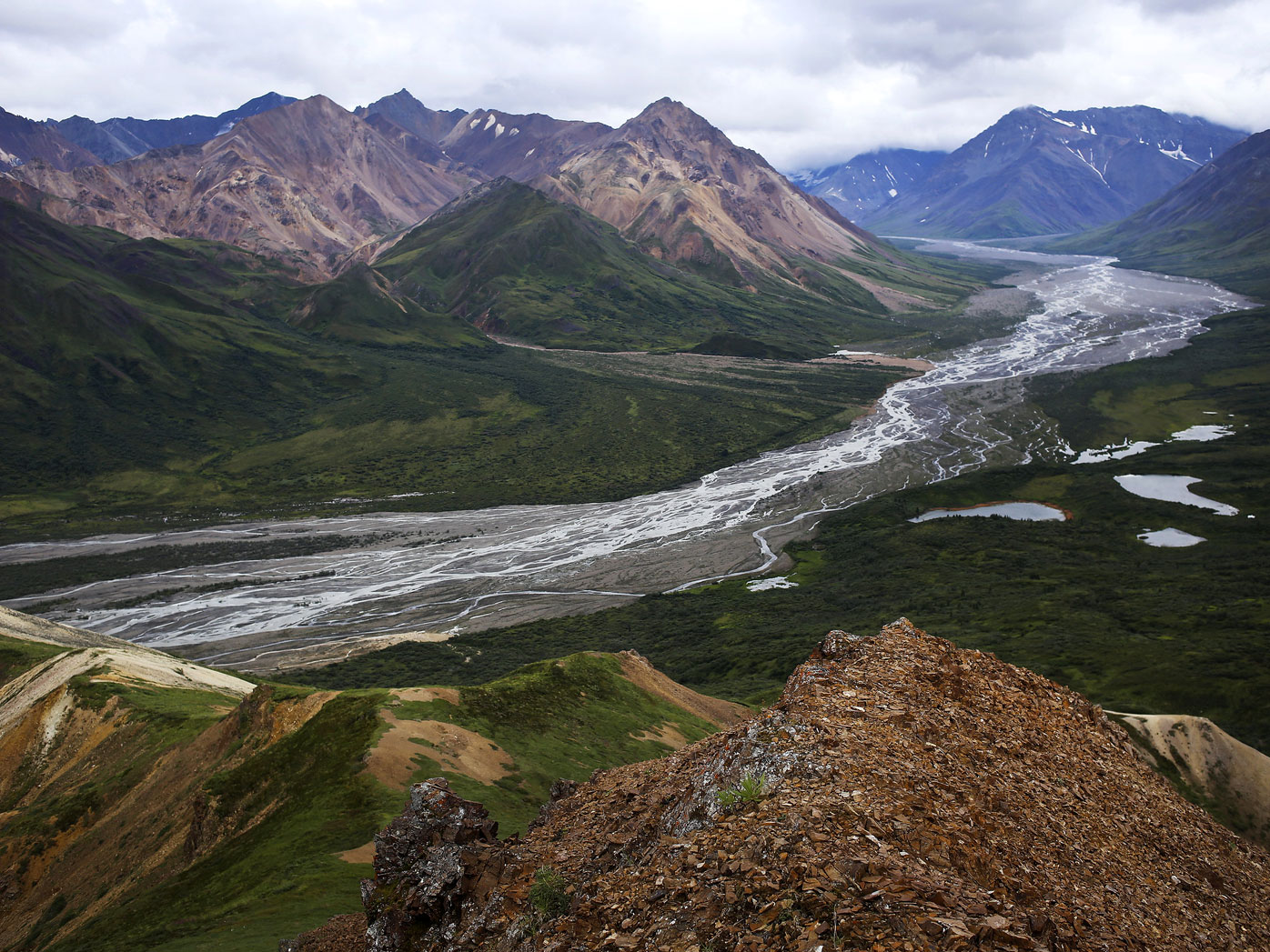
Crunching years of historical water flow, weather, land cover and elevation data, Hill and Aragon used computer models to compare the 1992 hydrology of the Alaska Range to other years, and July 5 1992, Teklanika River conditions to the days before and after.
As his research gathered momentum, Hill contacted Krakauer, author of the 1996 international bestseller which has now been printed in 30 languages, and kept him informed of the findings.
In a statement, Krakauer said the research "raised poignant questions" and was "fascinating to me for deeply personal reasons".
"Over the three decades that have passed since Chris McCandless perished in Alaska, I've been eager to learn as much as possible about his experience from the moment he walked into the wild in April 1992 until his death inside Bus 142 some four months later.
"This paper sheds a little more light about a key event during that period – his attempt to return to civilisation halfway through his Alaska adventure.
"Although the paper can't determine with certainty whether McCandless would have been able to safely exit the wild if he'd tried to cross the Teklanika River again at a later date, it raises poignant questions that are worthy of consideration."
READ MORE: Hiker's sister learned Bus 142 had been moved via phone call
In April 1992, the free-spirit McCandless hitchhiked to Alaska, where a man dropped him off at the head of the Stampede Trail, according to Krakauer's book.
A few days later, after successfully crossing the Teklanika, he came upon the abandoned bus and lived there for about four months before deciding it was time to head back to civilisation.
As he attempted to leave, he arrived once again at the Teklanika River.
But, this time, because the river was swollen and running so wild, he could not make his way across.
Defeated, he turned around and went back to the bus, where he survived for about a month before he died in August 1992.
Hill had been a fan of Krakauer's book, having read the text in his mid-twenties when he was living in California, "rambling around the mountains and all that".
But, until his daughter Fiona had been assigned the book as part of her high school English class, he hadn't thought about it or McCandless for decades.
"She came home and we were talking about it, and I was like, 'That's right, I'd forgotten about that story'.
"And then we watched the movie as a family."
The crucial scene, where McCandless is turned back from the river, got Hill, a hydrologist who has studied rivers from Alaska all the way to the deep south of New Zealand, thinking.
"I was like, 'Hmm, interesting. I wonder if anybody's ever kind of looked at the hydrology of that river at that time.'"
READ MORE: Researchers make surprise conclusion about conspiracy theories
READ MORE: Roswell, why the world's most famous UFO case won't go away
After scouring the internet and academic journal archives, Hill realised nobody had.
"And at that point, I couldn't set it down," he said.
"So one thing led to another and here we are."
Hill and Aragon's deep research of the Teklanika River also revealed another major crossroad moment for McCandless.
The spring snowmelt in 1992 had been delayed, which kept flows in the Teklanika relatively low and made it possible for McCandless to cross the river first time around.
"He never suspected that in so doing, he was crossing his Rubicon," Krakauer wrote in his book.
Hill agreed.
"That could have changed the story entirely," he said.
"Would he have just headed back to the Stampede Trail head? We don't know.
"Because he certainly wouldn't have found Bus 142, and not finding that, I'm not sure what he would have done."
Another clue adding weight to the study's hypothesis of a pulse event can be found in McCandless' own diary.
On day 69, McCandless wrote: "Rained in. River looks impossible. Lonely. Scared."
"In hindsight, when I read that entry, that was really interesting to me," Hill said.
"It sort of felt like he was remarking that, you know, 'I can't get across the river', and number two, there was some big rainfall event."
Each year, hikers from around the world have attempted to retrace McCandless' steps along the 32-km Stampede Trail, but many fail and have had to be rescued.
Some even die.
In 2019 a 24-year-old woman from Belarus died while trying to reach Bus 142, which had been hauled into the wilderness in the 1950s so workers could live in it while upgrading a route to an antimony mine.
And in 2010, a Swiss hiker drowned while trying to cross the same river McCandless failed to cross a second time.
Two years ago, five Italian hikers had to be rescued on the Stampede Trail as they hiked back from visiting Bus 142, with one suffering severe frostbite to his feet.
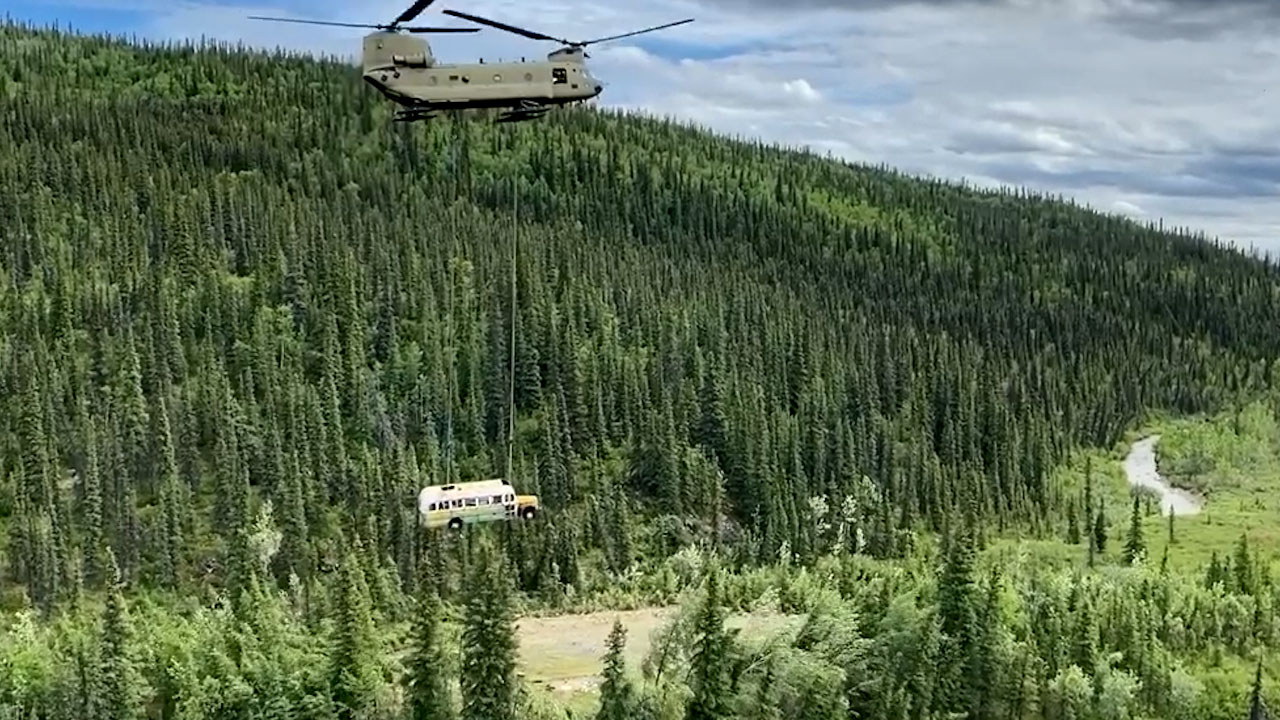
In an effort to curtail the magnetic pull of McCandless' final resting place, authorities decided to fly in a chopper and remove what became known as "the magic bus".
The 1946 International Harvester model K-5 is now on display at the University of Alaska Museum of the North in Fairbanks.
"The story still captures the imagination of a lot of people," Hill said.
READ MORE: Not being able to balance on one leg linked to earlier death, study claims
Search for men behind bungled bank heist in Melbourne's north
Police are calling for help to track down two men who unsuccessfully tried to pull off a bank heist in Melbourne's north.
The men forced their way into a bank branch on Spring Street in Reservoir about 9.45pm on Sunday, July 31 and tried to break into the bank's ATM.
However, they set off the bank's alarm and ran from the scene emptyhanded, managing to get away before police arrived on scene.
READ MORE: Man stabbed during road rage argument in Melbourne's west
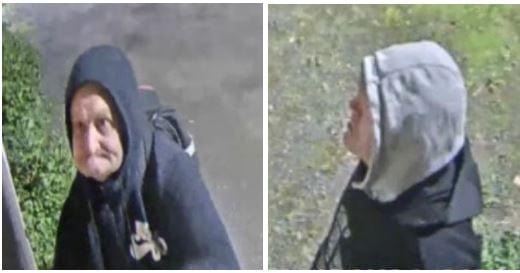
Police believe the men had planned the attempted bank robbery, with the pair having visited the bank multiple times in the 24 hours before they broke in.
Police have released photos and CCTV of the men in hope someone will identify them.
The first man is described as 40 to 55-years of age, Caucasian, of medium height, with a solid build and round face.
The second man is described as being of similar age, Caucasian, tall with leaner features.
Both men were dressed in hoodies and tracksuits.
Anyone with information about the burglary or who may be able to identify the men involved in urged to contact police.
Eruption blasted 'unprecedented' amount of water into atmosphere
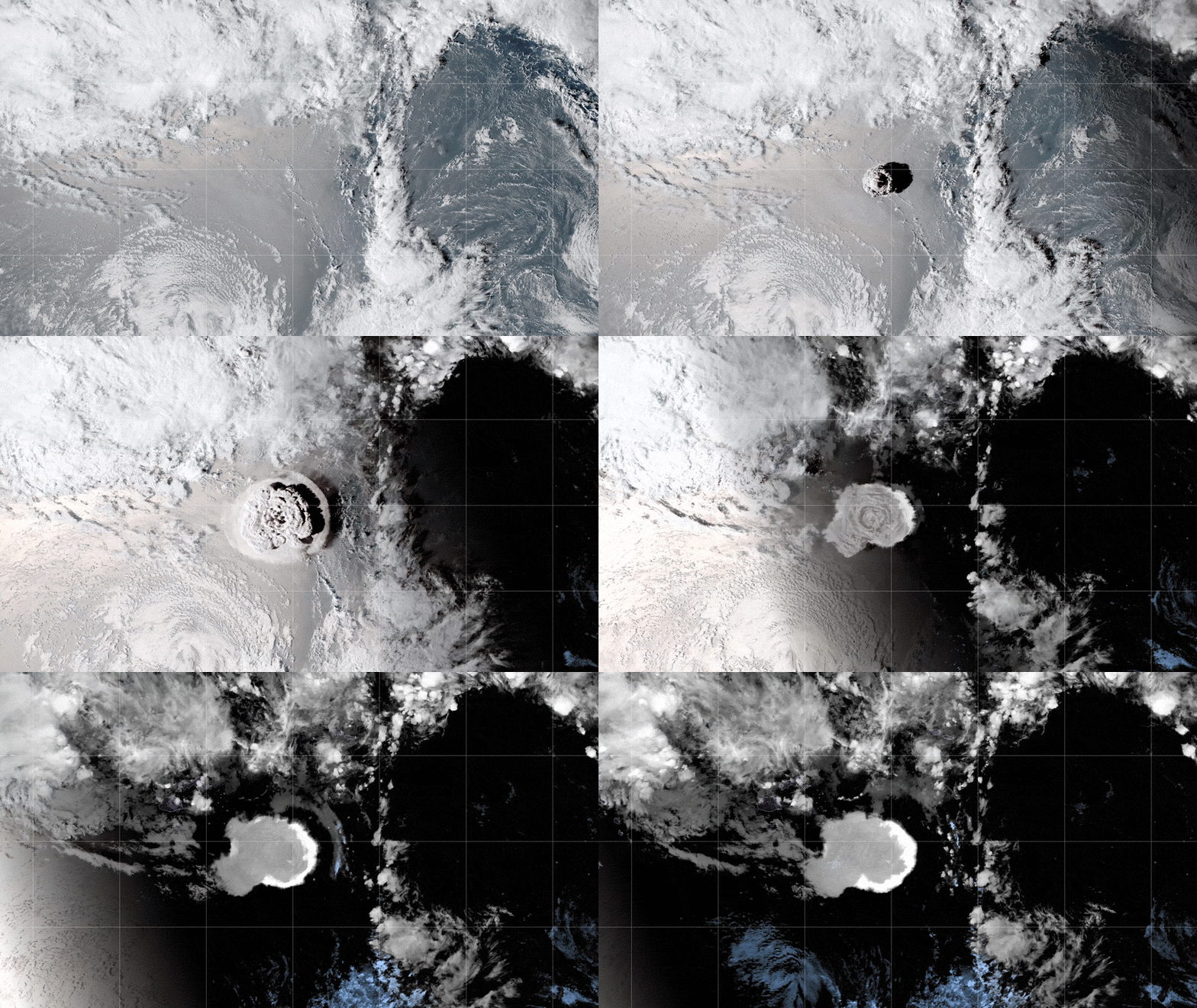
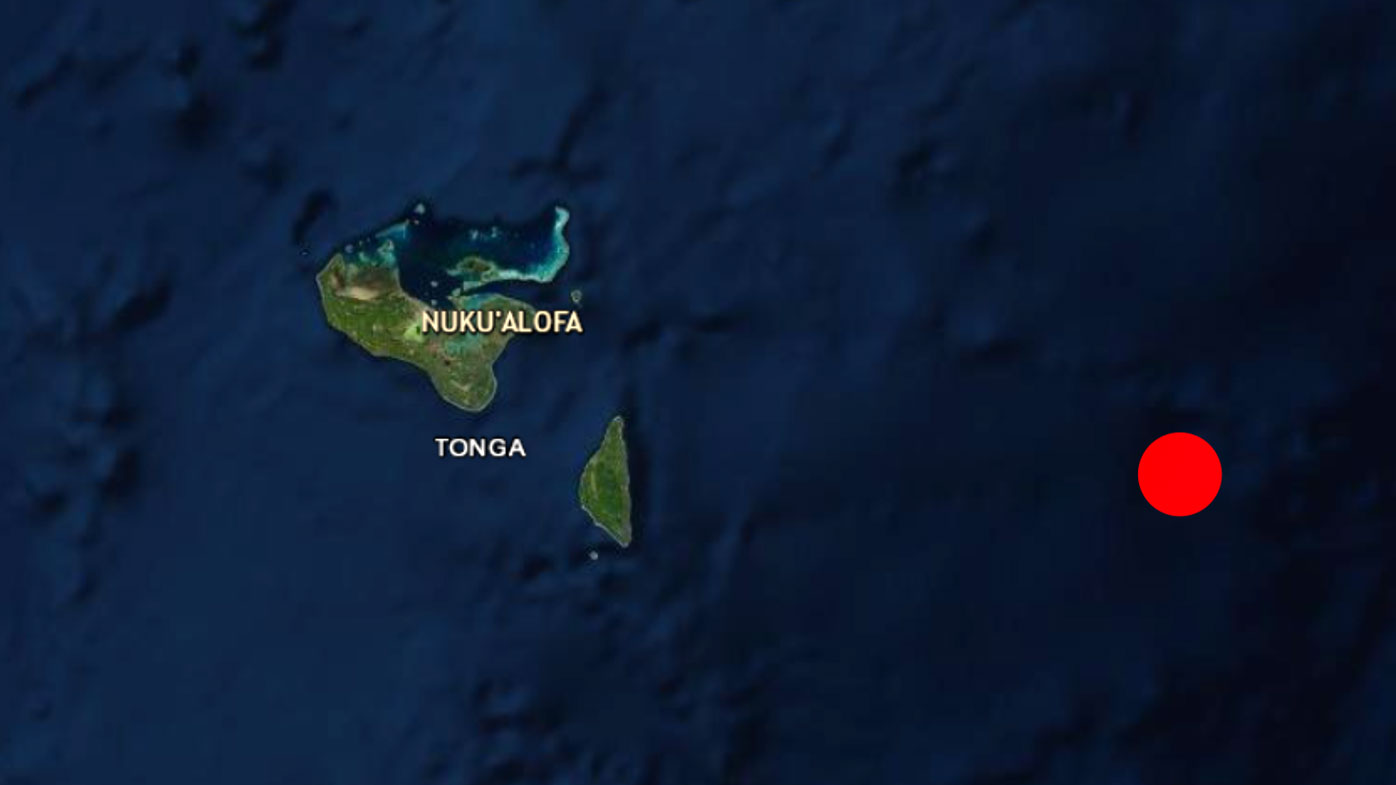
The record-breaking eruption of the Hunga Tonga-Hunga Ha'apai volcano in the South Pacific hurled an unprecedented amount of water vapor into the atmosphere, NASA says, warning this could temporarily weaken the ozone layer.
A new study, published in Geophysical Research Letters, found the eruption sent around 146 teragrams of vapor into the stratosphere, the layer 12 – 53 kilometers above Earth's surface.
The space agency says this is "enough to fill more than 58,000 Olympic-size swimming pools" and equal to 10 per cent of the water already present in that atmospheric layer.
READ MORE: Four states in firing line as 130km/hr winds, rain sweep Australia
"We've never seen anything like it," lead author Luis Millán, said, explaining water vapor readings went off the charts after the eruption.
"We had to carefully inspect all the measurements in the plume to make sure they were trustworthy."
READ MORE: Nancy Pelosi lands in Taiwan despite China threat
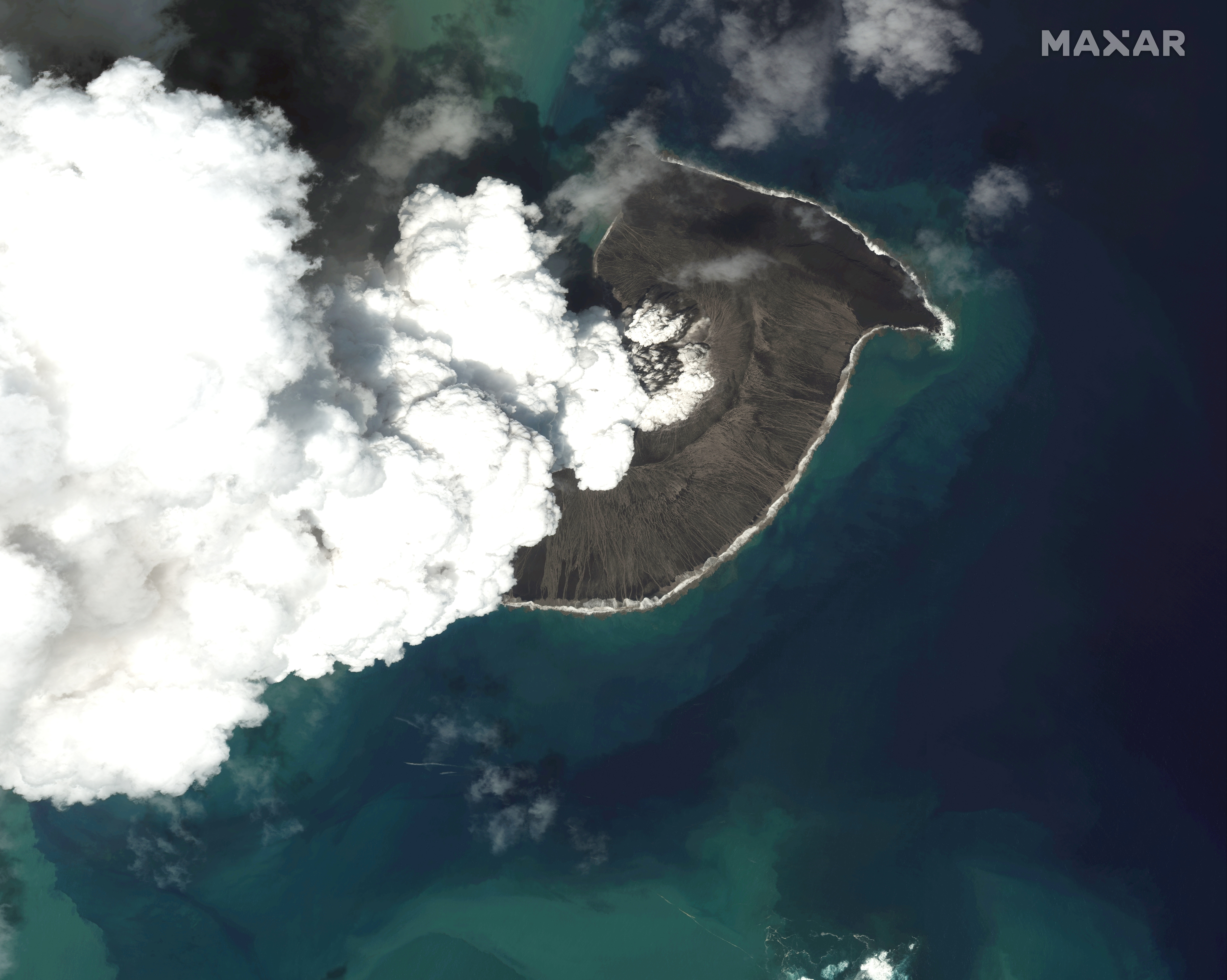
NASA said the extra water vapor could influence atmospheric chemistry and lead to a temporary depletion of the ozone layer.
"It could also influence surface temperatures," it said.
"Massive volcanic eruptions like Krakatoa and Mount Pinatubo typically cool Earth's surface by ejecting gases, dust, and ash that reflect sunlight back into space.
"In contrast, the Tonga volcano didn't inject large amounts of aerosols into the stratosphere, and the huge amounts of water vapor from the eruption may have a small, temporary warming effect, since water vapor traps heat."
READ MORE: Audio of female claiming responsibility for Sydney assassination


The January 14 underwater eruption was the biggest explosion ever recorded by modern sensors.
It set off a sonic boom that circled the globe twice and sent a tsunami racing around the world.
Tonga's government described the aftermath an "unprecedented disaster", in its first official communication after a volcano-generated tsunami slammed into the nation.
Three people were left dead and dozens of homes were destroyed.
Its effects are still being felt, with spectacular sunrises and sunsets across Australia and New Zealand being attributed to the eruption.
Chilling audio of female claiming responsibility for assassination
Police are appealing for information into the assassination of a Turkish diplomat and his bodyguard in Sydney more than four decades ago, releasing audio of a claim of responsibility.
In the recording, a female voice is heard taken responsibility for the deaths of Turkish Consul-General Sarik Ariyak, aged 50, and his bodyguard, Engin Sever, aged 28.
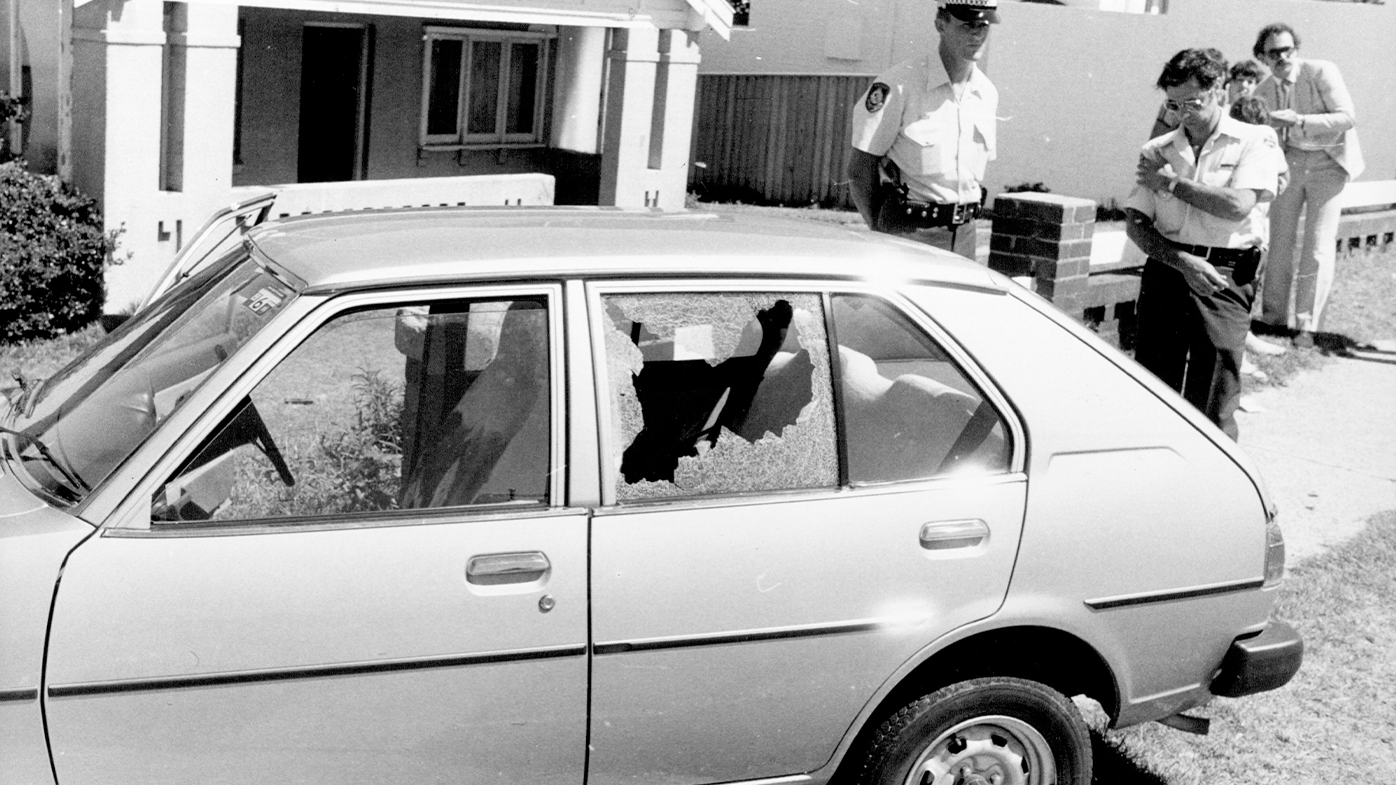
The pair were shot outside a home in Dover Heights about 9.45am on December 17, 1980.
No-one has ever been charged over the murders, and a $1 million reward is on offer for anyone who can provide information leading to an arrest and conviction.
READ MORE: Four states in firing line as 130km/h winds, rain sweep Australia
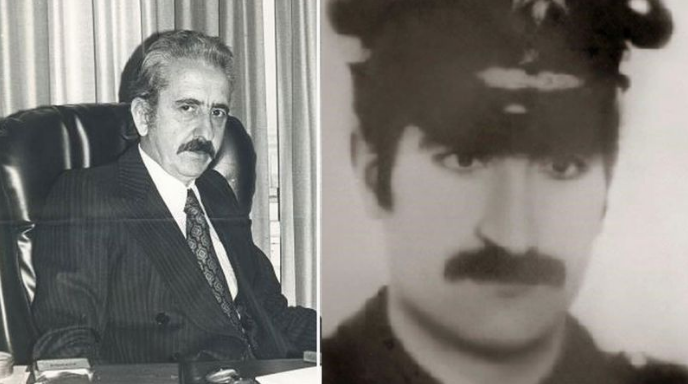
The female voice claims the assassination was done on behalf "of the Justice Commandos of the Armenian Genocide".
The assassination of Ariyak and Sever was the first international politically motivated attack on Australian soil.
Counter Terrorism and Special Tactics Commander, Assistant Commissioner Mark Walton, has urged the community to listen to the recording intently as investigators are also seeking assistance to decipher inaudible words spoken after: "The authors of…"
READ MORE: Nancy Pelosi lands in Taiwan despite China threat
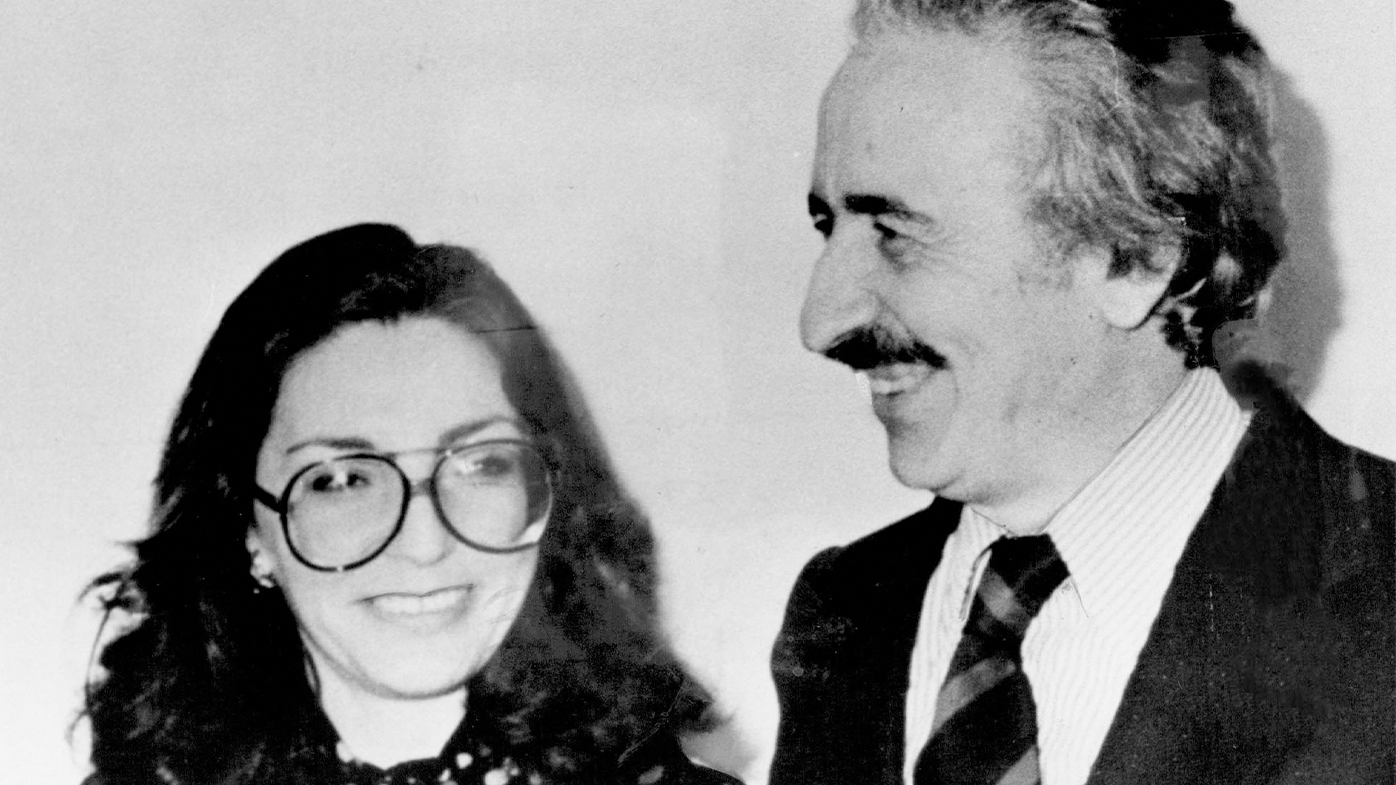
"Identifying the female through her voice – or recognising any indecipherable words in the audio – will greatly assist us with this investigation," Walton said.
"Police have strong reason to believe that there are members of the public who are aware of who this person is, and we urge them to come forward.
"While we continue this investigation, we suspect there are people who know exactly what happened that day but have not yet been willing to speak with authorities.
"We'd like to hear from these people as soon as possible, as well as anyone whose memory may be refreshed by the audio we've released – no matter how insignificant the information may seem, it could be invaluable to the investigation."
READ MORE: Hollywood star witnesses stabbing in Adelaide
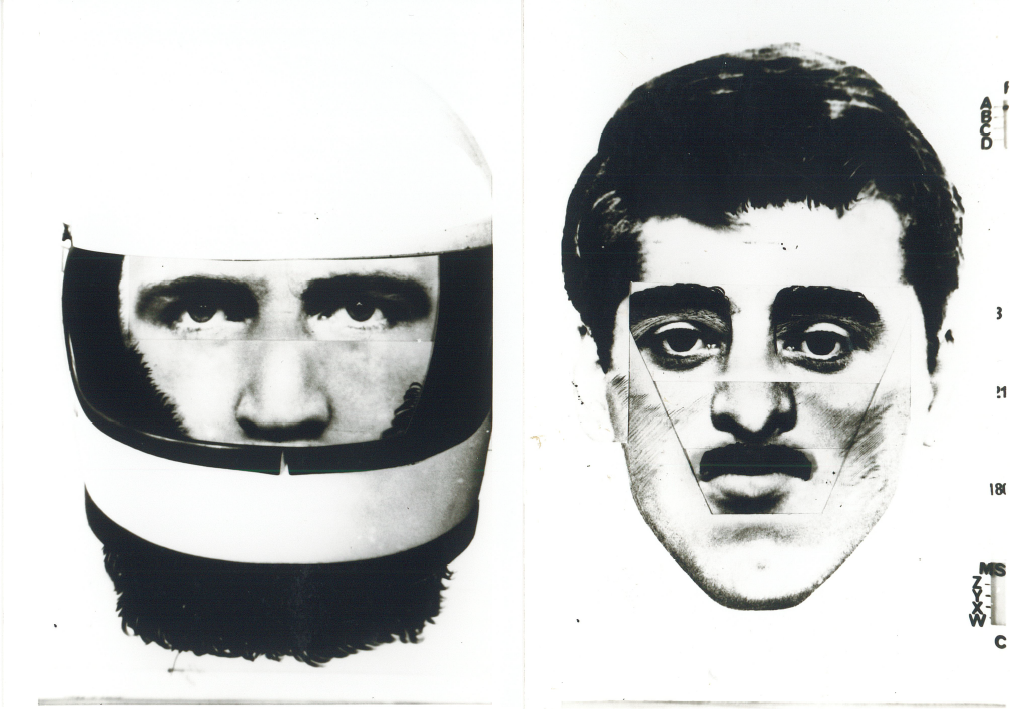
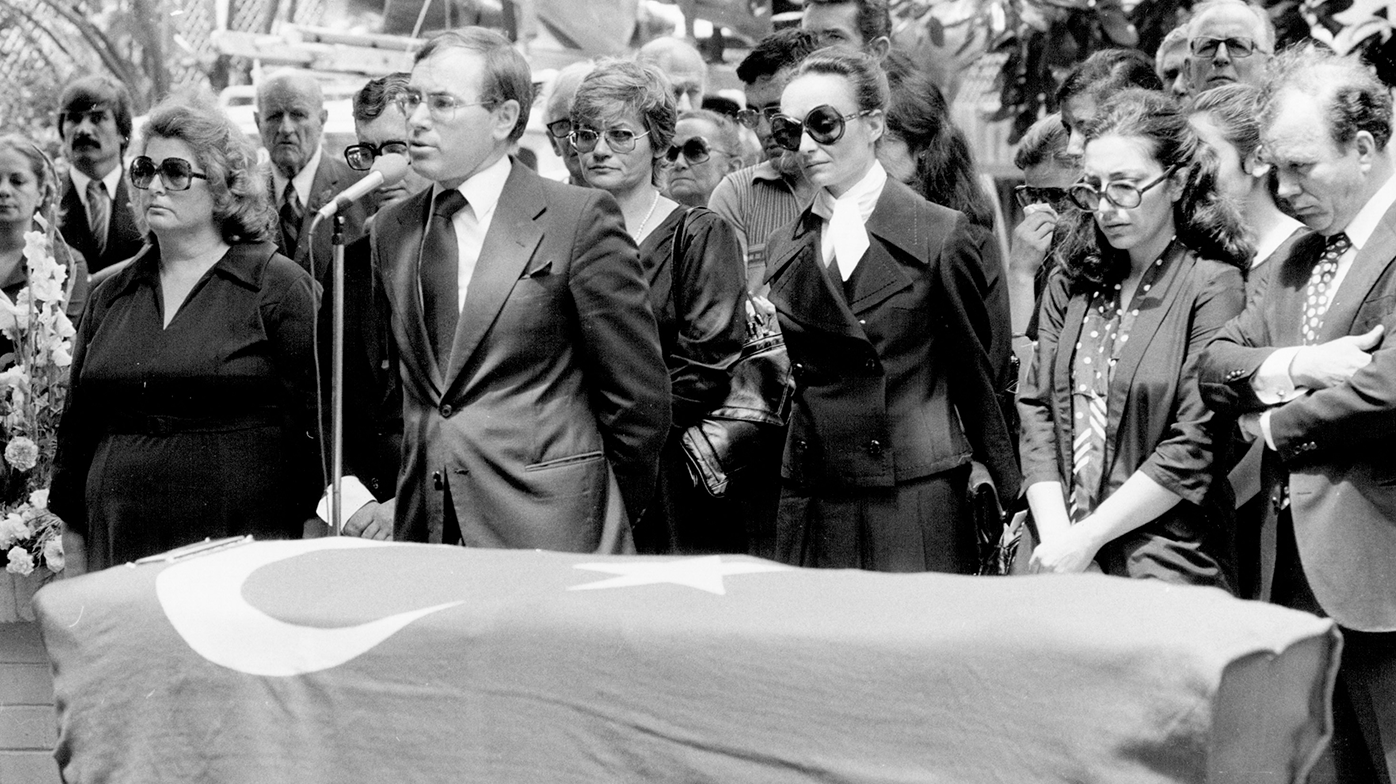
Ariyak and Sever were killed as they left the residence in separate vehicles.
Police said they were approached by two men who fired "multiple shots at close range".
They fled the scene on a motorbike.
Ariyak died on the scene and Sever passed away a short time later at St Vincent's Hospital in Darlinghurst.
Anyone with information that may assist Strike Force Esslemont investigators is urged to contact Crime Stoppers on 1800 333 000 or here.