Tag Archives: oceania

Arato was living his tennis dream, until his coach noticed something

Eighteen months ago, Sydney boy Arato Katsuda-Green was a young tennis star on the rise.

The then nine-year-old was out on the court six days a week and had dreams of playing as a professional.

However, it was around this time that Arato's coach noticed something strange.

His young athlete was suddenly missing shots he would have nailed a year earlier.

READ MORE: How the world's biggest four-day work week trial changed people's lives
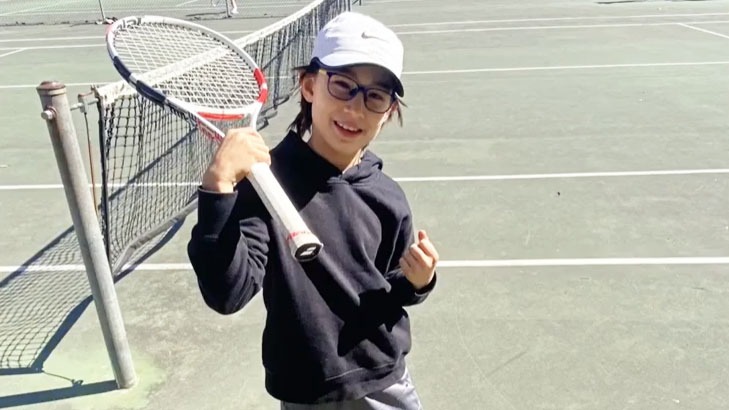
Arato began playing tennis at the age of four.

"Arato's coach was struggling to find an explanation and it rang alarm bells," his father, Tim Green, said.

Green immediately had a suspicion of what was wrong, but it was something he had been assured by experts was extremely unlikely to happen.

Close to 25 years ago, Green had himself been diagnosed with a rare genetic eye condition called Stargardt's disease.

The disease affects the macula and causes broad central vision loss.

At the time Green was diagnosed, he was told there was almost no chance he would pass on his eye condition to any future children he may have.

"I was told that it's recessive, and therefore, I wouldn't have to be concerned that my children would inherit this genetic problem," he said.
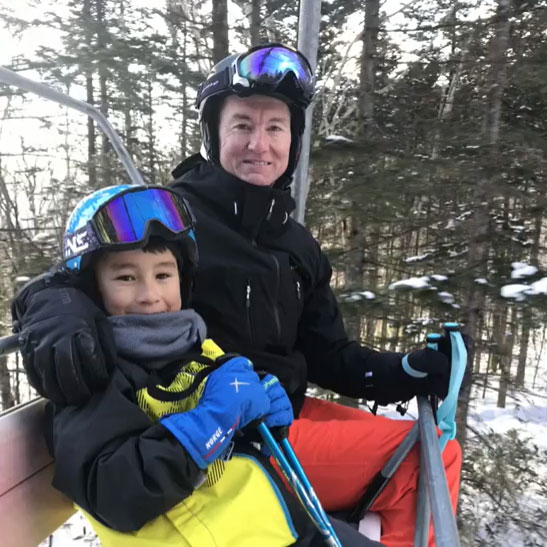
Arato, pictured with his father Tim Green.

Research scientists have since discovered there are some forms of Stargardt's disease caused by dominant genes.

Despite being told not to worry all those years ago, Green said he did get Arato tested by an ophthalmologist when he was about six years old and began showing a passionate interest in tennis. 

The tests showed Arato had normal eyesight at the time.

Arato was given more tests a few years later, when his coach raised the alarm, which confirmed he did indeed have Stargardt's disease and was displaying early signs of vision loss.

Arato's journey has in some ways mirrored his father's, despite him being diagnosed at a far younger age.

Green was also diagnosed with Stargardt's disease while training to become a professional athlete – in his case, competing in triathlons and ironman events.

"I was in full training for an ironman event at the time,'' Green said.

"I started tripping over and riding over things, which was what prompted me to see an ophthalmologist to be tested."  

Arato, who is now 10, is one of the faces for this year's Jeans for Genes Day, to be held this Friday.

The annual campaign raises funds for the Sydney's Children's Medical Research Institute. 
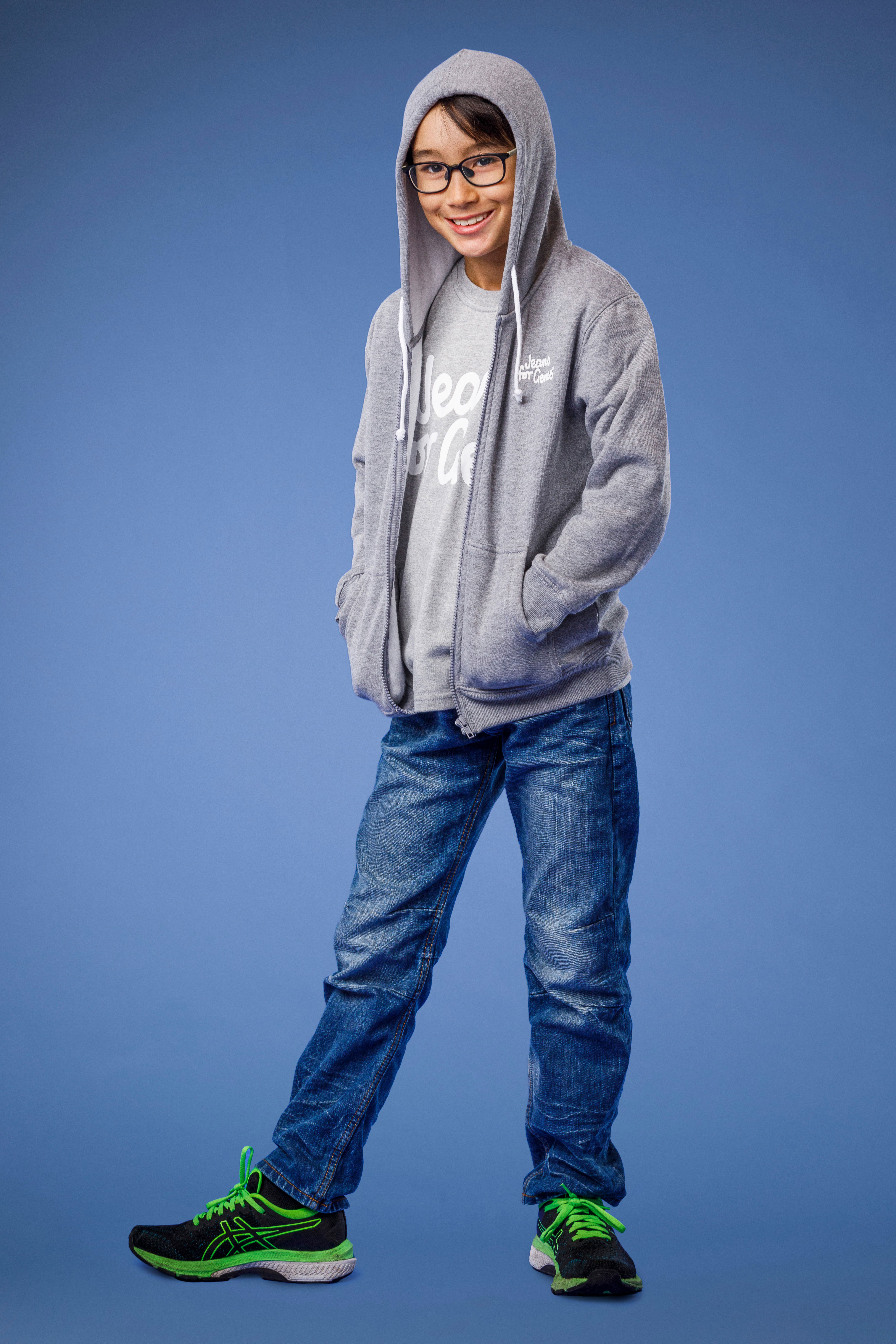
Arato is one of the faces of this year's Jeans for Genes Day fundraiser.

Although there is currently no cure for Stargardt's disease, Green said the advances made through medical research towards finding a possible treatment was one of the things that gave him hope for Arato's future.

"When I was diagnosed, there was no follow up. I was told there is nothing that we can do for you," he said.

"But the conversation is very different now. You are advised to actually keep in contact with the clinicians because there are clinical trials happening.

"Science has come a long way and, in the conversations we've had with clinicians with respect to Stargardt, we are very hopeful in the next decade that there will be effective treatments."

Green said his son had so far coped "exceptionally well" with his difficult diagnosis.

"He is taking things in his stride. There's advantages and disadvantages to being diagnosed at a relatively young age, I think kids are pretty resilient and adaptable."

Green said Arato was still playing tennis recreationally and was also enjoying taking part in a blind and low vision tennis (BLV) competition, run by Tennis Australia. 

At school, things were a bit more of a challenge, with Arato needing vision aids in the classroom to see his work.

While Stargardt's disease affects central vision, Green and his son are like many with the condition who have retained peripheral vision.

"I can still navigate myself around an environment that I'm familiar with, but I struggle on the stairs, because I can't see the end of the step, or the depth," Green explained.

"For Arato, at school it's hard for people to understand why he can play handball so well, but he can't read the whiteboard.

"Or when they play soccer he can see the ball, but he might kick it to the wrong person because he can't see faces."

READ MORE: Travel boss issues grim airport warning

It was Arato's tennis coach who noticed he was suddenly missing easy shots.

Green said while living with Stargardt's disease had presented him with plenty of challenges it had also opened up new and unexpected opportunities.

It was a chance conversation with the ophthalmologist who diagnosed him that led Green on the path to becoming a lawyer.

"We were talking about what my future would look like and he said to me, 'Tim, the best thing you can do is go get yourself a good education and then you'll always have a good job.' 

"He suggested becoming a lawyer and, indeed, that's what I went and pursued."

Green also recently took part in an ironman event in order to raise funds for Jeans for Genes Day and demonstrate for his son three guiding principles he says he lives by – courage, commitment and resilience. 

"When you have those three principles and values you can still achieve a lot of things," Green said.

Money raised will go towards the Eye Genetics Research Unit at the Children's Medical Research Institute, where scientists have developed the first ever gene therapy for a blinding eye condition in Australia and are researching new treatments for several forms of genetic blindness.

Tomorrow is double donation day for Jeans for Genes Day, with an anonymous donor committing to matching all donations up to $200,000.

Contact reporter Emily McPherson at em********@******om.au.
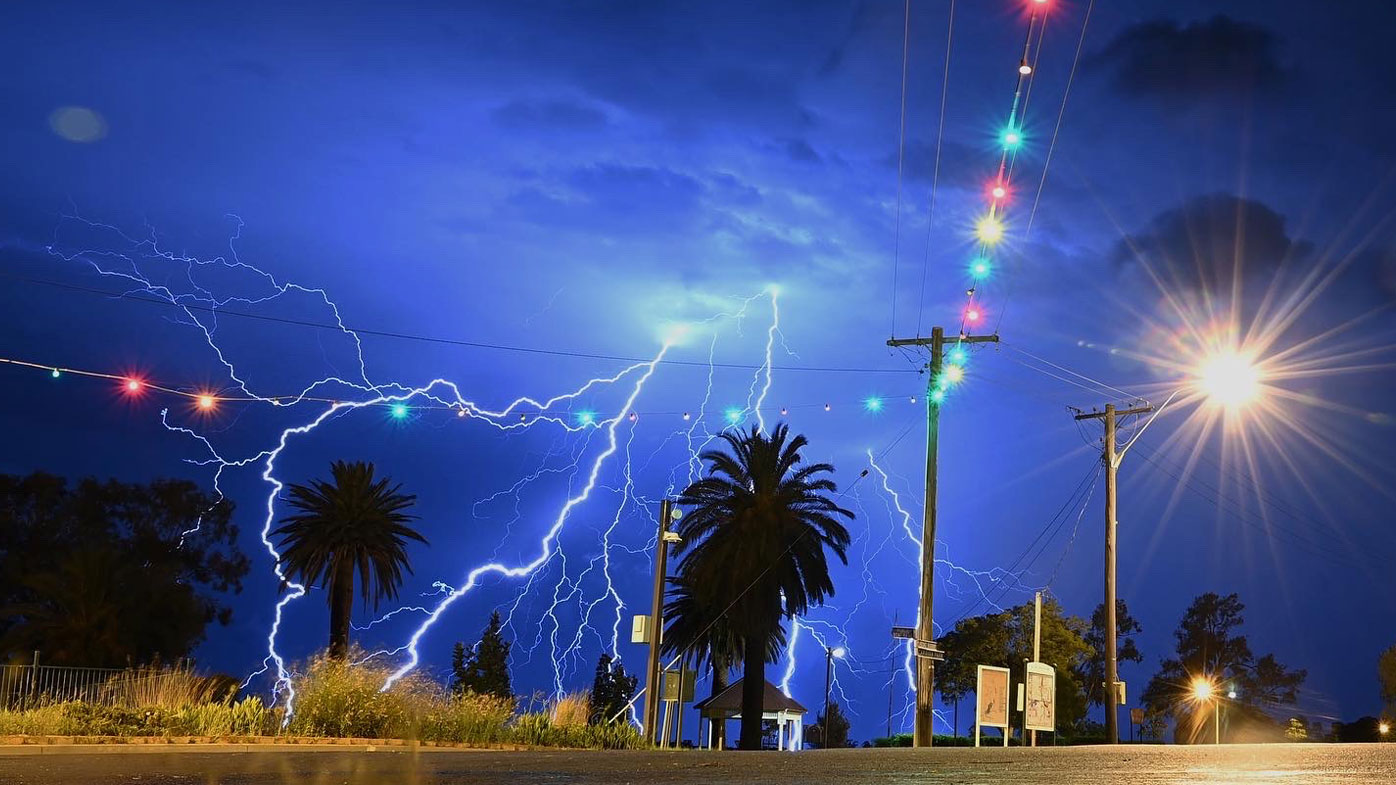
Researchers claim to have solved lightning puzzle

If you live along the Australian coast, there may be a phenomenon of electrical storms which has left you scratching your head.

As large and moody thunderstorms roll in from the sea, why do bolts of lightning seem to get bigger and zap harder once they hit land?

Researchers claim to have now solved that meteorological puzzle, and it turns out salt in sea spray is the key ingredient, according to a just-released study.

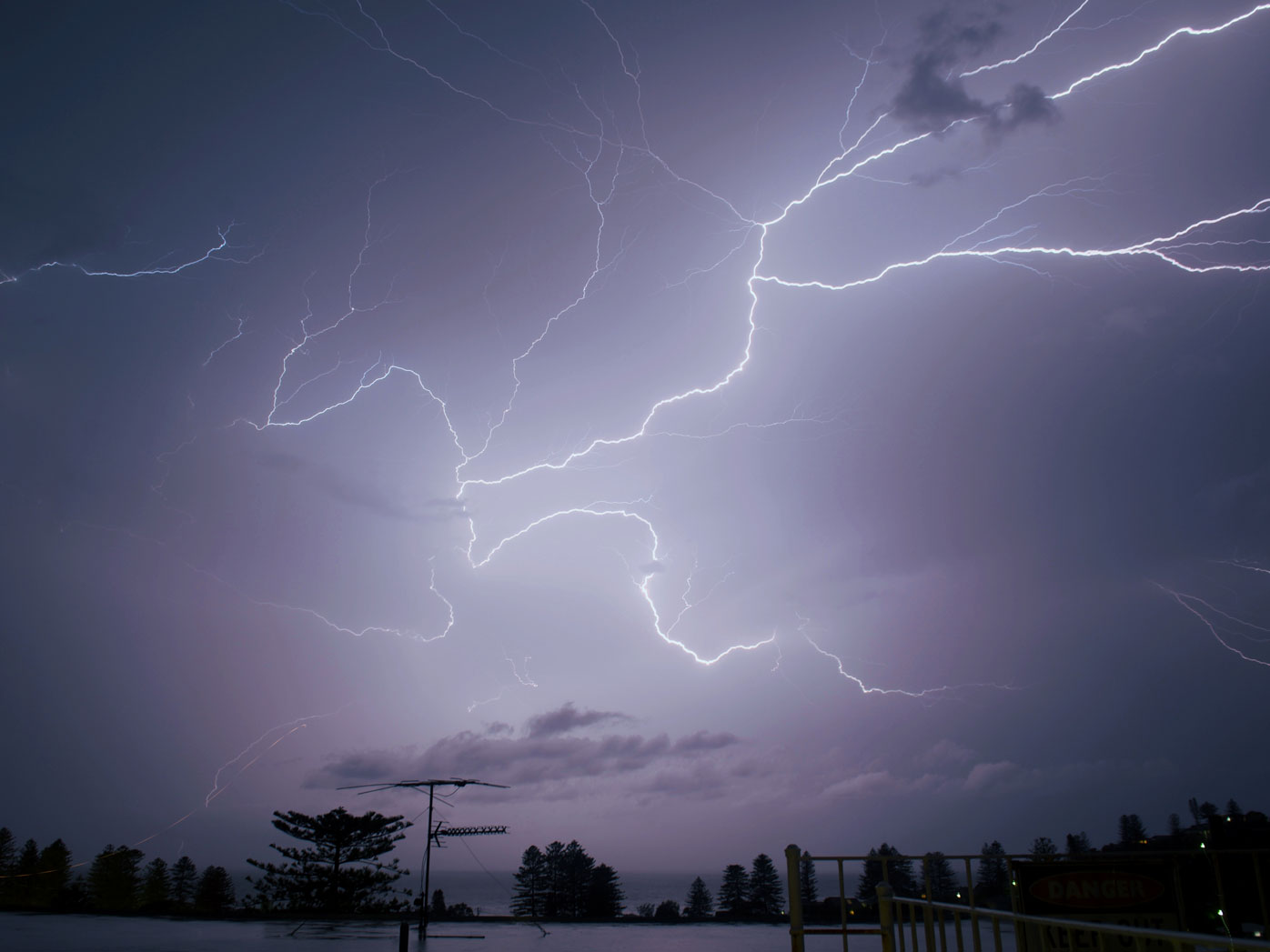
Salt in sea spray could reduce lightning activity during marine thunderstorms, suggests a paper published in Nature Communications. The findings could help to explain why levels of lightning over tropical oceans are reduced compared to the number seen over land.

READ MORE: Teen girl struck by lightning while inside her home

The findings "reconcile long outstanding questions" about the differences between land and marine storms, the study said, and could explain why levels of lightning over tropical oceans are reduced compared to the number seen over land.

To investigate, researchers analysed weather, aerosol and lightning activity data from Africa and its adjacent oceans from 2013–2017.

They discovered that coarse marine aerosols, such as salt, reduced lightning frequency.

Researchers found fine aerosols promoted the electrification of clouds, as they do over land, while coarse salt particles from ocean spray reduced lightning by weakening convection within clouds.

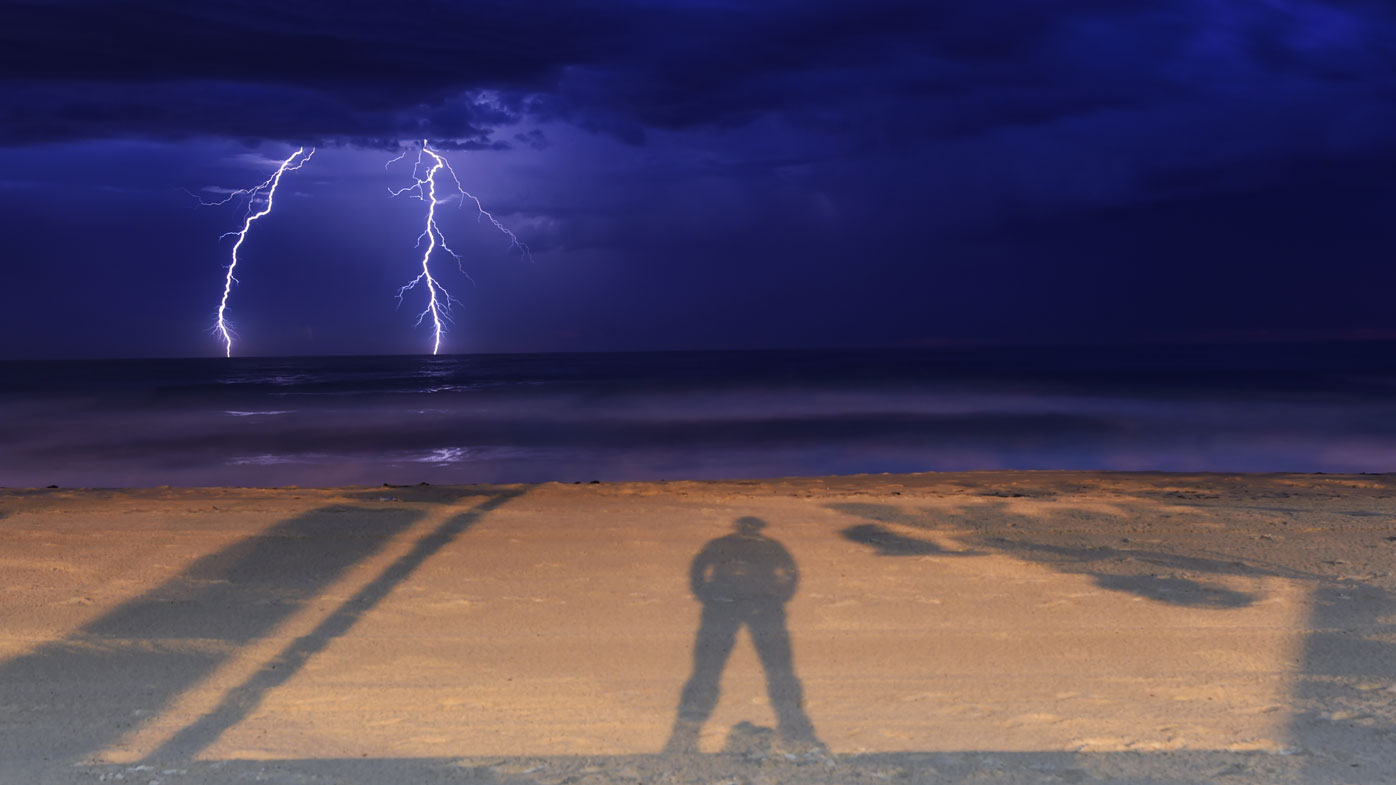
READ MORE: What happens when sand is struck by lightning?

International researchers say that the salt in ocean-spray might hinder lightning during marine thunderstorms in the tropics, and likely explains why the big zaps seem to get worse after the storm hits land. Lightning is an electrical discharge caused by imbalances between storm clouds and the ground, or within the clouds themselves

READ MORE: Over a million lightning strikes detected across Australia in 24 hours

The study said large particles promoted warm rain to fall before cloud water had a chance to rise up and reach required levels for super-cooling – a necessary step towards cloud electrification.

This has the effect of reducing the upwards transfer of heat over the sea, the study said, affecting the amount of rainfall necessary to drive atmospheric circulation.

Australia's lightning hotspot is in the far north, closest to the equatorial zone.

According to the Australian Bureau of Statistics, between five and ten people are killed from lightning strikes each year, while about 100 are injured.

Australians have about a one in 12,000 chance of being struck by lightning, compared to the one in 8,145,060 odds of taking home the lotto jackpot.

AFP said George Christensen was blackmail risk due to Asia 'activities'

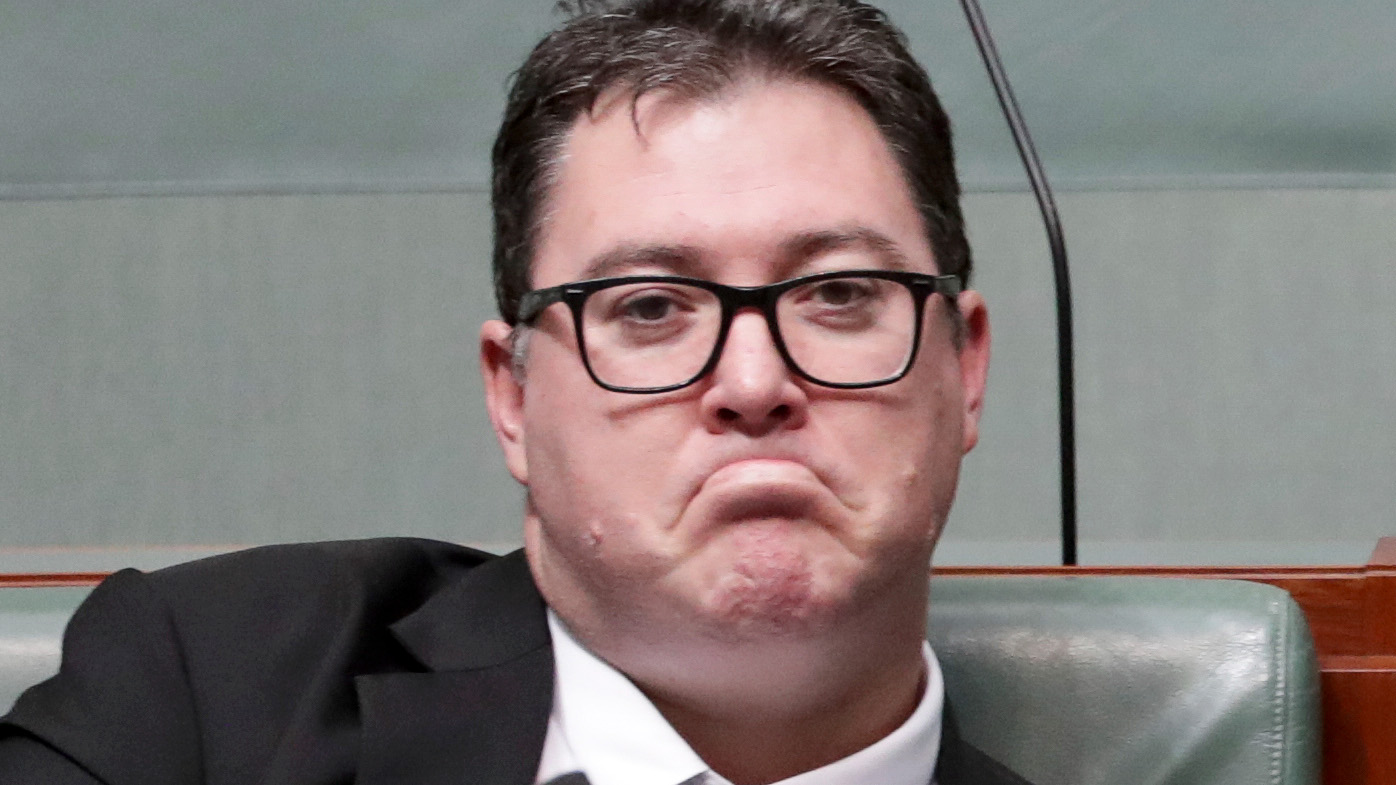
The former Coalition government was warned by federal police former Nationals MP George Christensen was at risk of being blackmailed because of "activities" he engaged in in South-East Asia.

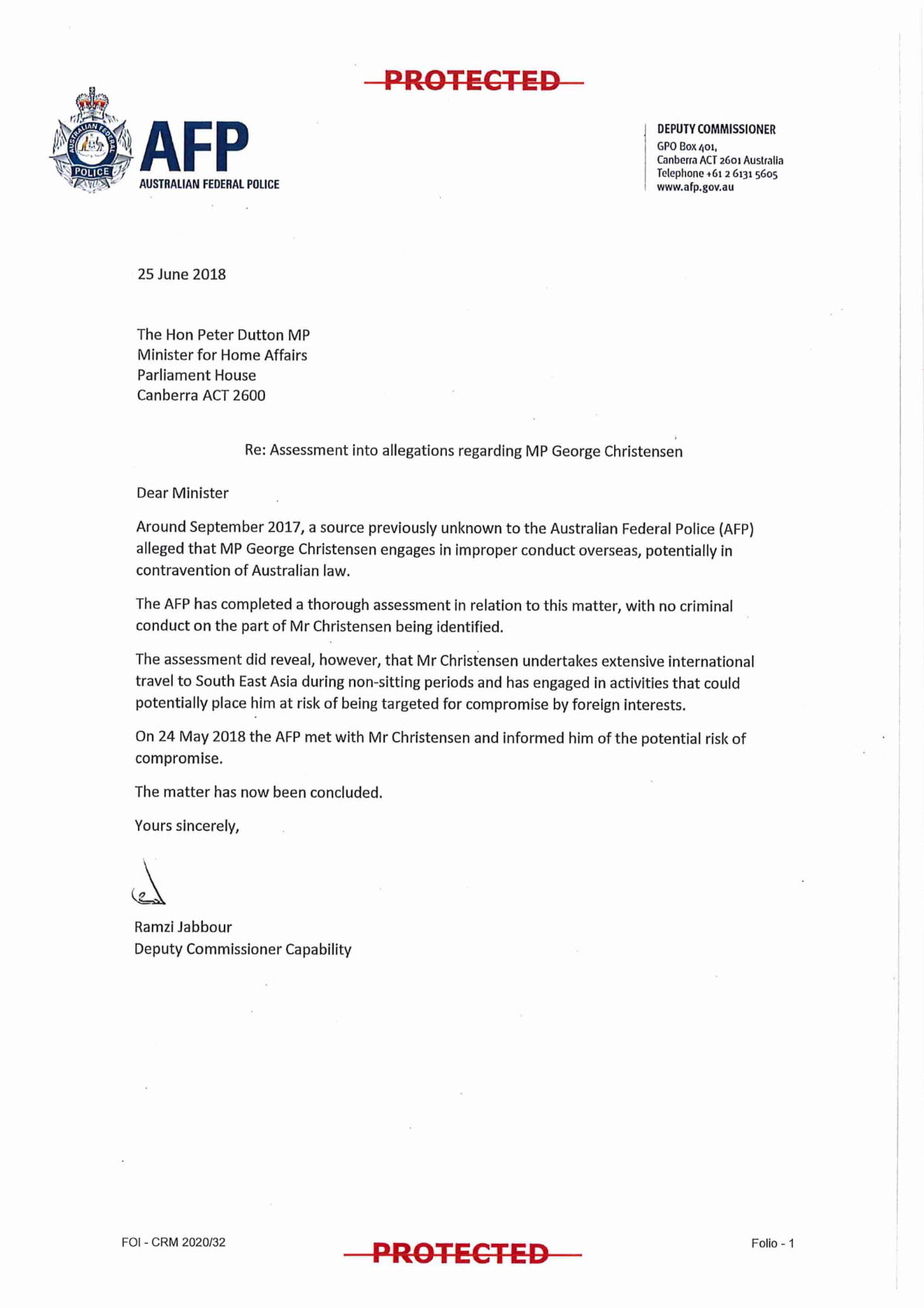
The detail is contained in a 2018 letter from the Australian Federal Police (AFP) to then-Home Affairs Minister Peter Dutton, which police and Christensen fought on numerous occasions since 2019 to keep secret.

In the letter written by former Deputy Commissioner Ramzi Jabbour, police said a probe into the former Nationals MP's frequent travel to the area did not find evidence of "criminal conduct" but did warn he had "engaged in activities that could potentially place him at risk of being targeted for compromise by foreign interests".

READ MORE: RBA hikes interest rates for fourth consecutive month

It revealed the police assessment started following a tip-off in September 2017, after a "source previously unknown to the AFP" alleged Christensen "engages in improper conduct overseas potentially in contravention of Australian law".

9News has been fighting since July 2019 for this letter to be made public under Freedom of Information laws.

Australian Federal Police argued it shouldn't be released on the grounds of privacy, then later argued it could damage national security.

Christensen has always claimed coverage and questioning of his frequent travel to South-East Asia was a vile smear.

He made three secret submissions to the information watchdog in his fight to prevent the letter from being released.

Christensen spent 294 days in the Philippines over four years from 2014-2018, leading to him being dubbed the "Member for Manila" by some of his colleagues.

READ MORE: Mark McGowan defends actions after court orders he and Clive Palmer to pay defamation damages

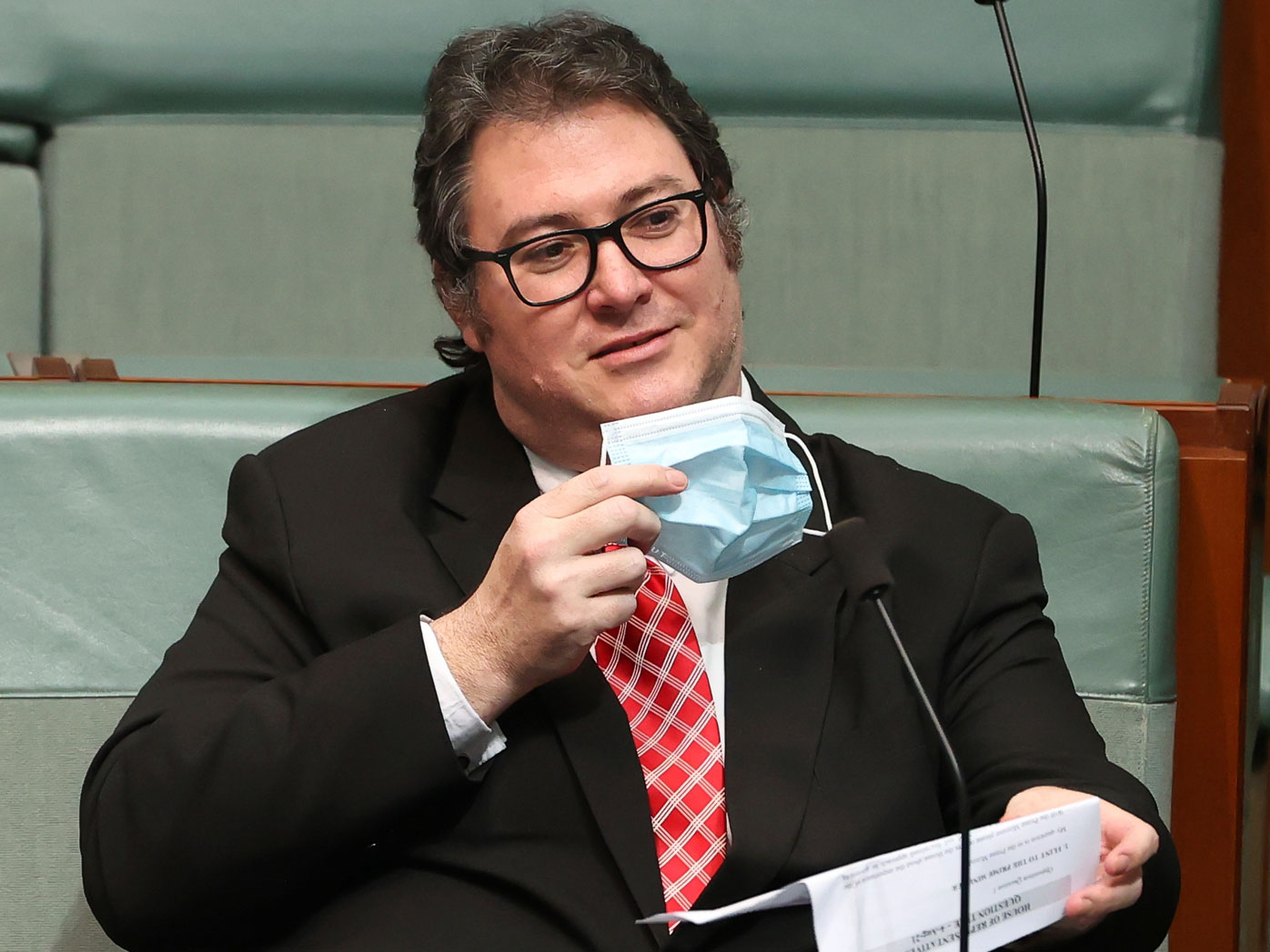
MP George Christensen is threatening to turn the coalition into a minority.

Last October, the former MP denied trying to block the release of the letter, but said he objected to it being public.

"I'm not happy with, basically documents that falsely accuse me of a serious crime being made public because therefore people will get to then report what you are falsely accused of and that's just wrong for anyone," he told 9News.

Dutton was among a number of high-profile government figures to be briefed by the AFP on its assessment of Christensen's travel.

Former Prime Minister Malcolm Turnbull was briefed six times while he was in the job, and former Nationals leaders Barnaby Joyce and Michael McCormack also received police briefings.

The Information Commissioner ruled in favour of 9News, handing down its finding on the letter on June 30. It was only released after an appeal deadline lapsed.

In her report, Commissioner Angeline Falk said she was "persuaded that a public purpose would be served through the release of the document by increasing scrutiny, discussion, comment and review of government's activities".

Christensen did not respond to requests for comment on Tuesday.

Letter sent by the AFP to then-Home Affairs Minister Peter Dutton about George Christensen

Community 'devastated' after Aboriginal hub in Sydney forced to close

Sydney locals have been "devastated" by the sudden closure of a well-loved community centre, with hundreds protesting today after staff were notified they'd be losing their jobs when handed a non-disclosure statement.

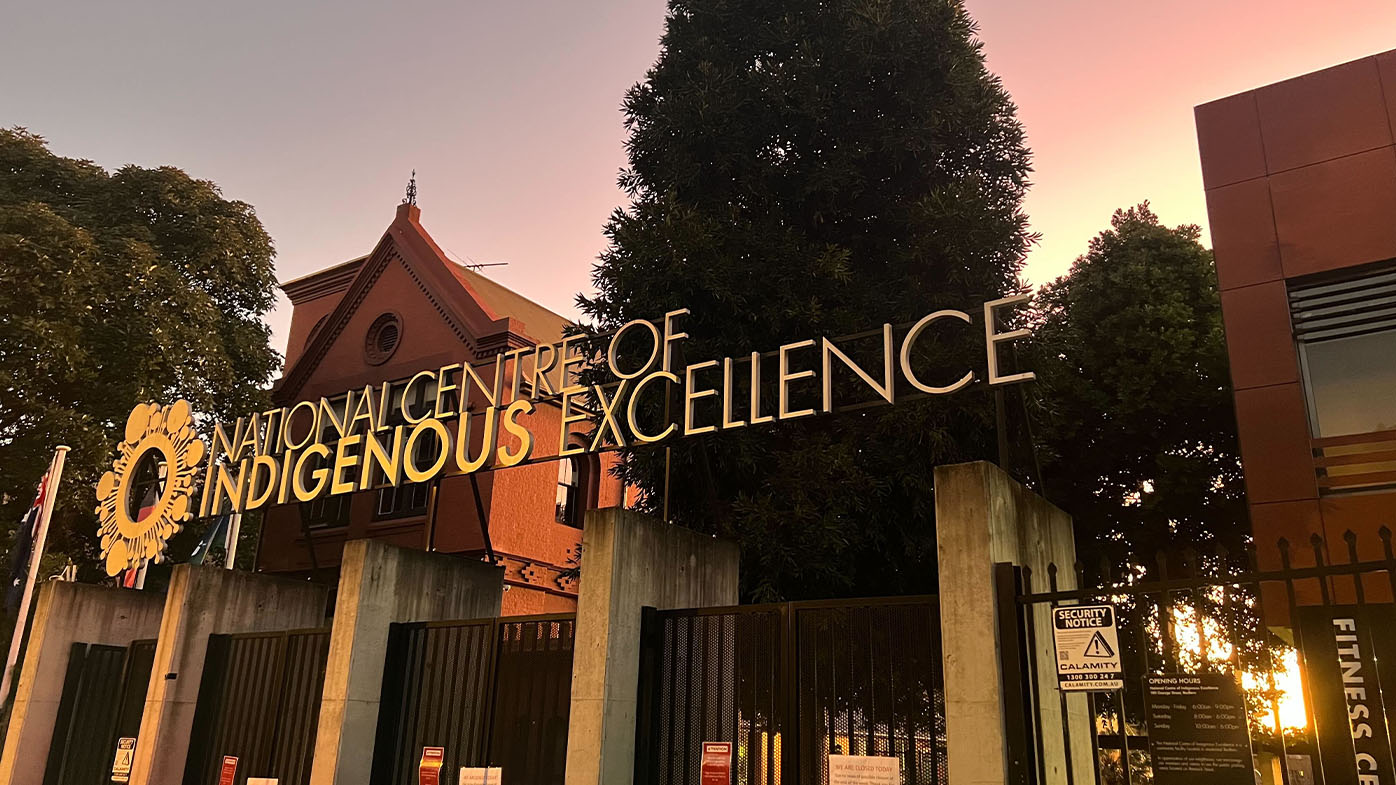
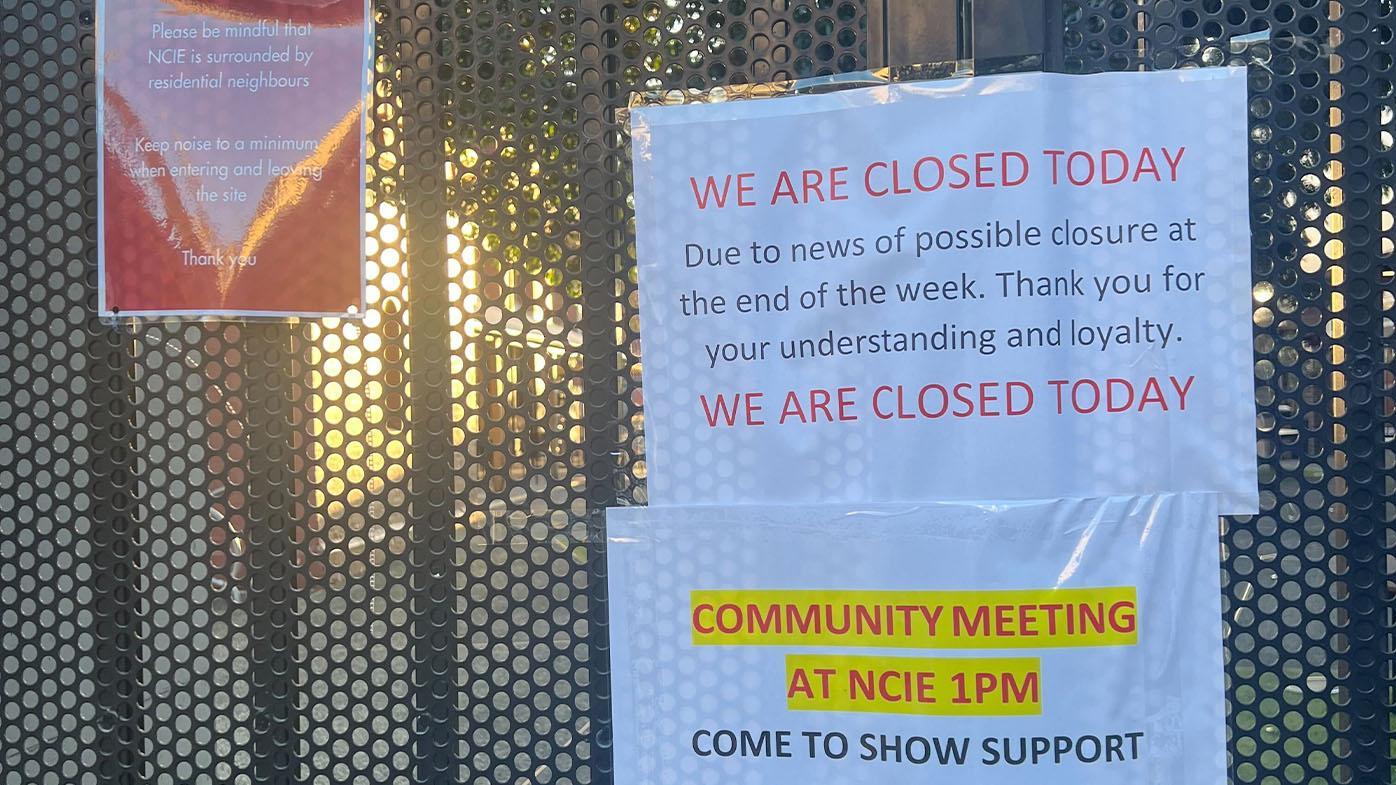
Staff at the National Centre for Indigenous Excellence (NCIE) in Redfern were told the non-profit organisation will close on Monday after it's government owners were unable reach an agreement on the hub's future.

"I don't think we can measure the impact," executive director of Redfern Youth Connect Aunty Margaret Haumono told 9News.com.au.

READ MORE: 'Historic' interest rate hike tipped to hit mortgage holders

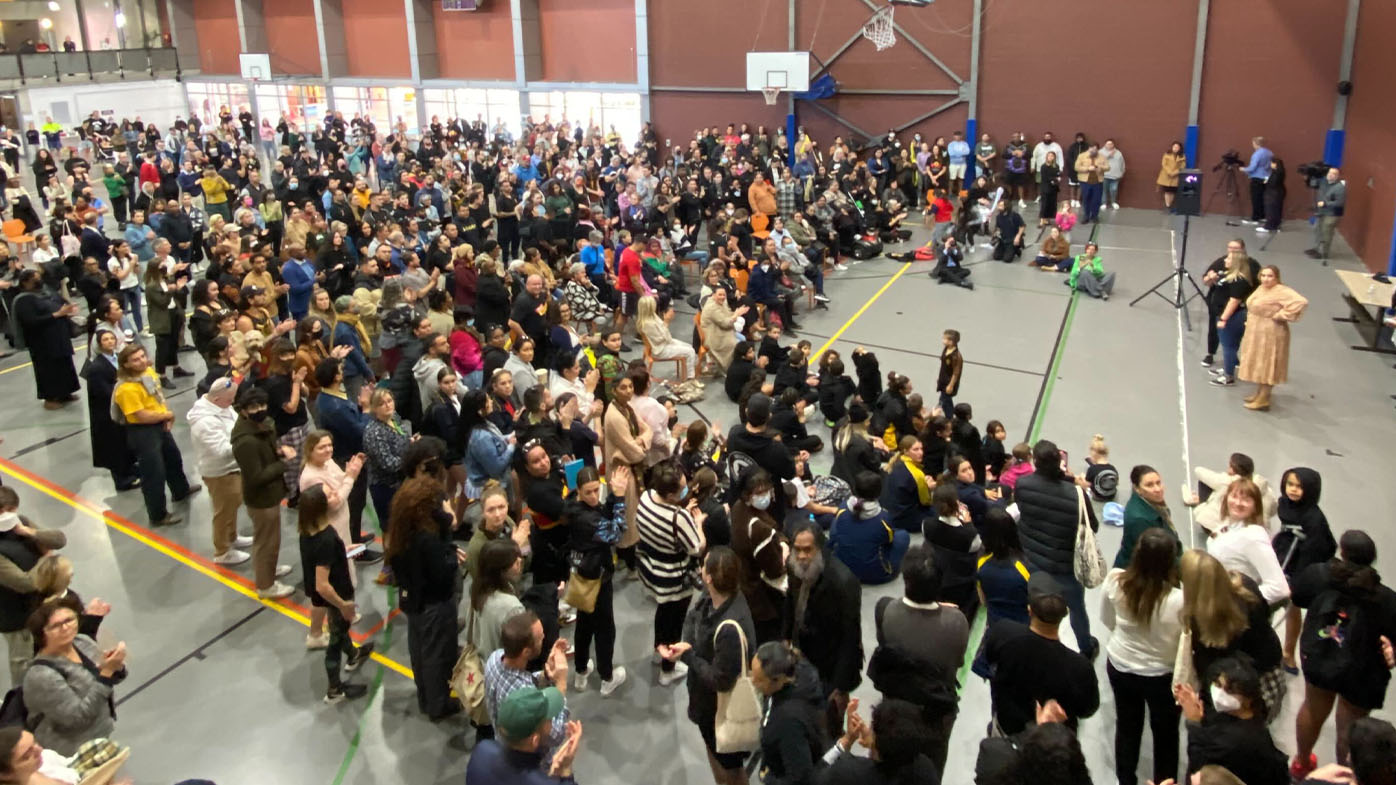
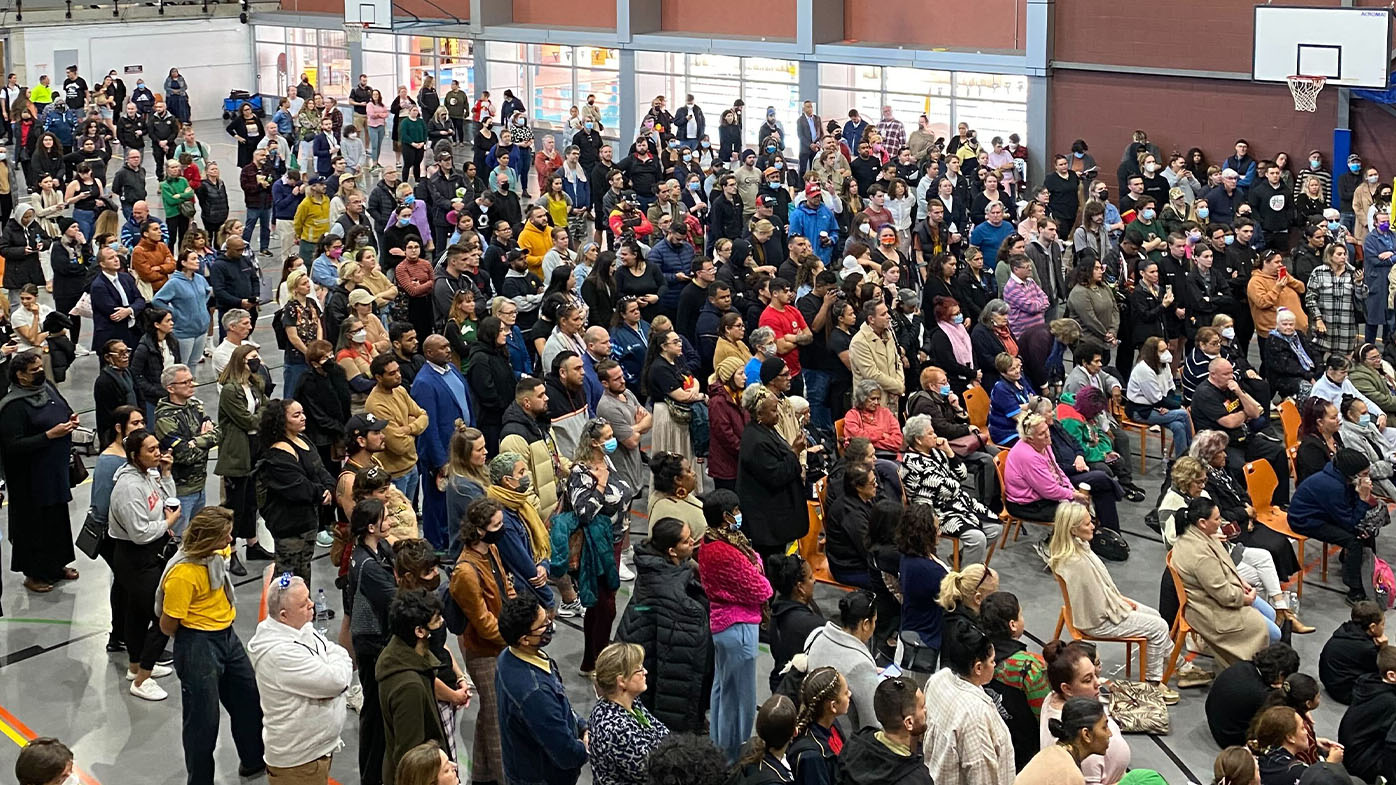
Elders say they will fight fiercely to keep the NCIE up and running.The National Centre of Indigenous Excellent opened in 2006 and offers sport, fitness, conferences and community classes including tutoring and educational support.

"It's devastating."

"I've got kids asking me 'Aunty Marg, where are we gonna go? What are we going to do?'"

The centre, which opened in 2006, offers community classes, educational support and tutoring along with social sport and fitness classes.

But Aunty Marg said the hub was much more than that, and has questioned why there was no consultation with the community before its closure.

"This place is just not a gym and a swimming pool for us, this place is a meeting point, it's a meeting place," she said.

"We have elders that come here and sit and have a cup of tea.

"We have mums and bubs swimming sessions, we have our elders that sit here."

The centre employs mostly Aboriginal staff and was created to support the health and wellbeing of thousands of Indigenous and non-Indigenous community members.

https://twitter.com/ClrLindaScott/status/1554316205670170625?ref_src=twsrc%5Etfw

Aunty Haumono said members of the independent subsidiary of the Indigenous Land & Sea Corporation (ILSC) turned up to the NCIE and broke the news yesterday by handing out non-disclosure statements to staff, informing them they'd lost their jobs.

"We had no idea this was coming," she said.

"The majority of staff did not accept the non-disclosure agreements, and now we're here starting the fight to keep this place open."

READ MORE: How the world's biggest four-day work week trial changed people's lives

The NCIE is set to close in seven days.

The youth worker was one of 400 people who descended on the community hub today demanding an independent inquiry into the closure.

"It's been disgusting, and we are as a community calling on an independent inquiry into the divestment process," Aunty Haumono said.

"They (the ILSC) said 'call the police' as a response as opposed to showing up and providing dialogue and community."

Federal Minister for Indigenous Affairs Linda Burney described the centre as "the beating heart of the Aboriginal community in Redfern".

https://twitter.com/LindaBurneyMP/status/1554361418086227968?ref_src=twsrc%5Etfw

"I have spoken with the CEO and Chair of the Indigenous Land and Sea Corporation and the Member for Sydney today," she said.

"I strongly encourage the Indigenous Land and Sea Corporation and the NSW Aboriginal Land Council work together to find a solution so the centre's programs and services continue to benefit the local community.

The decision to shut was announced one month after the George Street property was divested from ILSC on June 30th, and transferred to the NSW Aboriginal Land Council (NSWALC).

The ILSC purchased the land where the old Redfern Public School once was, with community support in 2006.

The heritage buildings were transformed into conference, accommodation and office spaces and recreational facilities including a gym and aquatics centre were built.

The social enterprise is still managed by the ILSC, which runs and acquires millions of dollars in land and sea assets to benefit Indigenous people.

'Running at a deficit': Government bodies unable to reach agreement

More than 400 people gathered at the NCIE in Redfern today to stand in solidarity with community.

Chairperson of the NSWALC Danny Chapman said the land council was "not in a financial position to pick up the enormous amount of money that it would take to run the business" and so negotiations with ILSC failed.

"We told the community that the New South Wales ALC was not in a position to run the pool and the gym, which was the main contributors towards the NCIE running at a deficit," Chapman told 9News.com.au.

"We made that very clear."

Chapman said negotiations would be reopened today.

9News understands a meeting between NSW ALC and the ILSC was scheduled but the NCIE Aboriginal community were not invited.

The ILSC has been contacted for comment.

Darwin campers wake to find large crocodile at their door

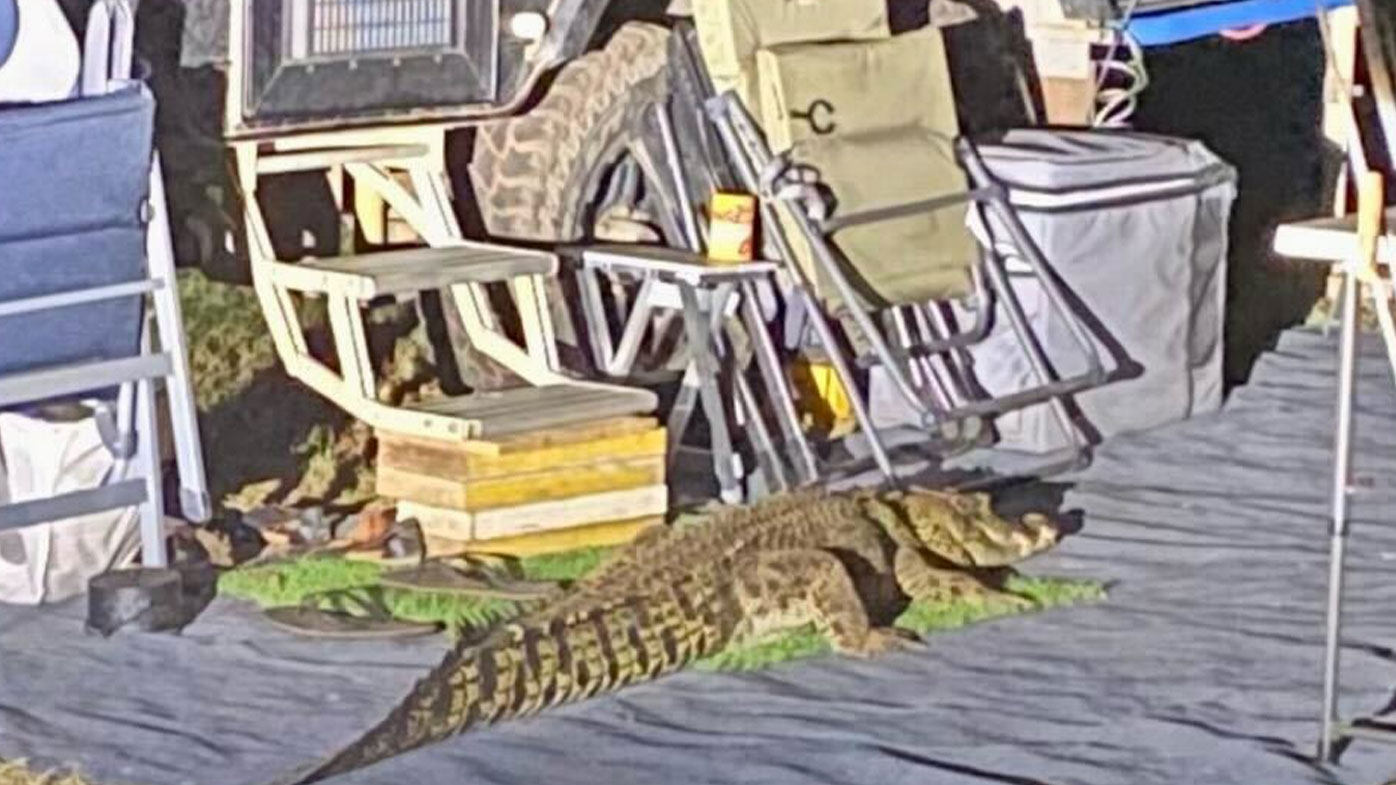
A group of campers have been left shocked after waking to find a giant crocodile outside their caravan in a popular Darwin camping spot.

Campers at the aptly named Dundee Beach Holiday Park were woken by yelling after a 2.5 metre crocodile sauntered to the bottom of one family's caravan steps.

"They didn't know what was going on at first because they were asleep, they thought what was all this commotion outside and people talking right outside their van and they went to come outside and we yelled don't come out there's a croc," witness Nyomi Hogan said.

READ MORE: How the world's biggest four-day work week trial changed people's lives

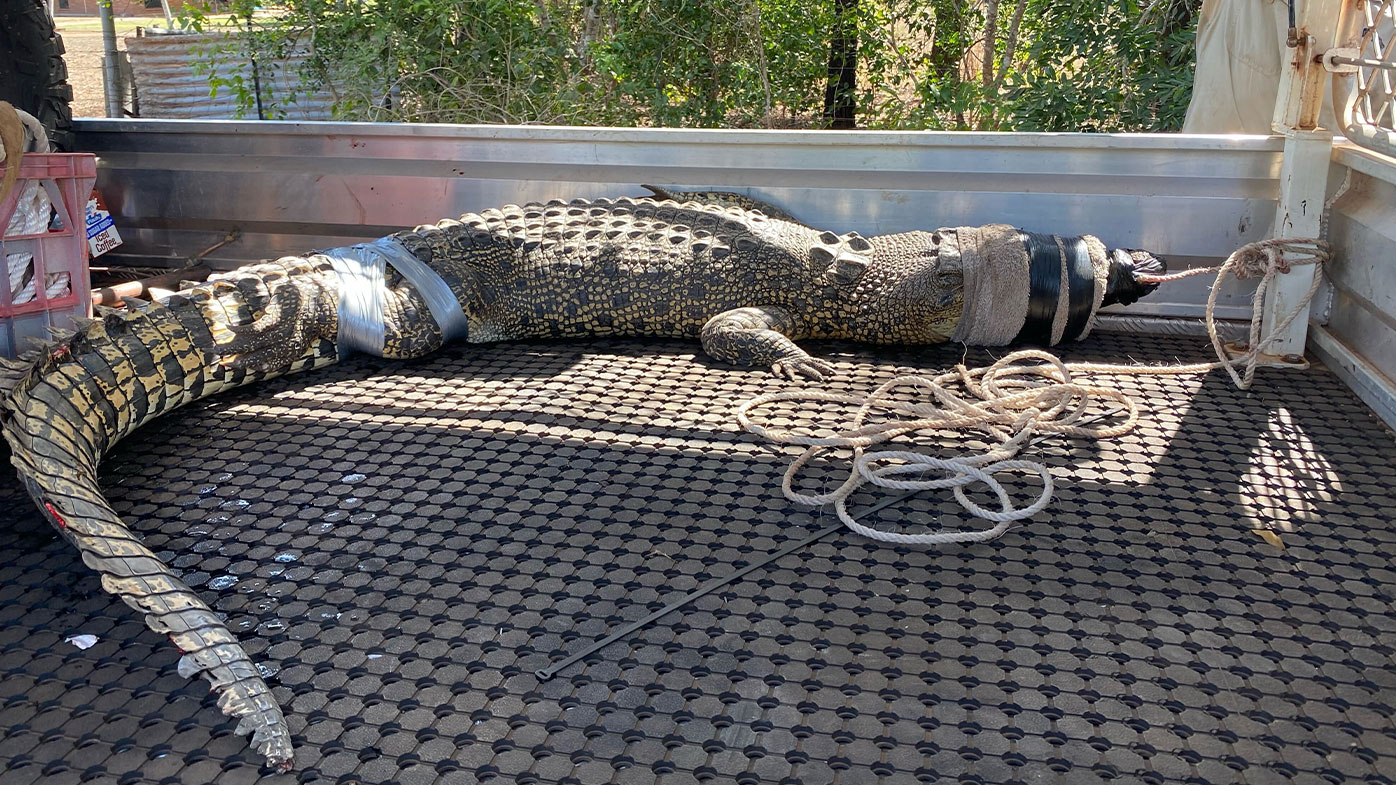
Crocodile removed from Dundee Beach Holiday Park

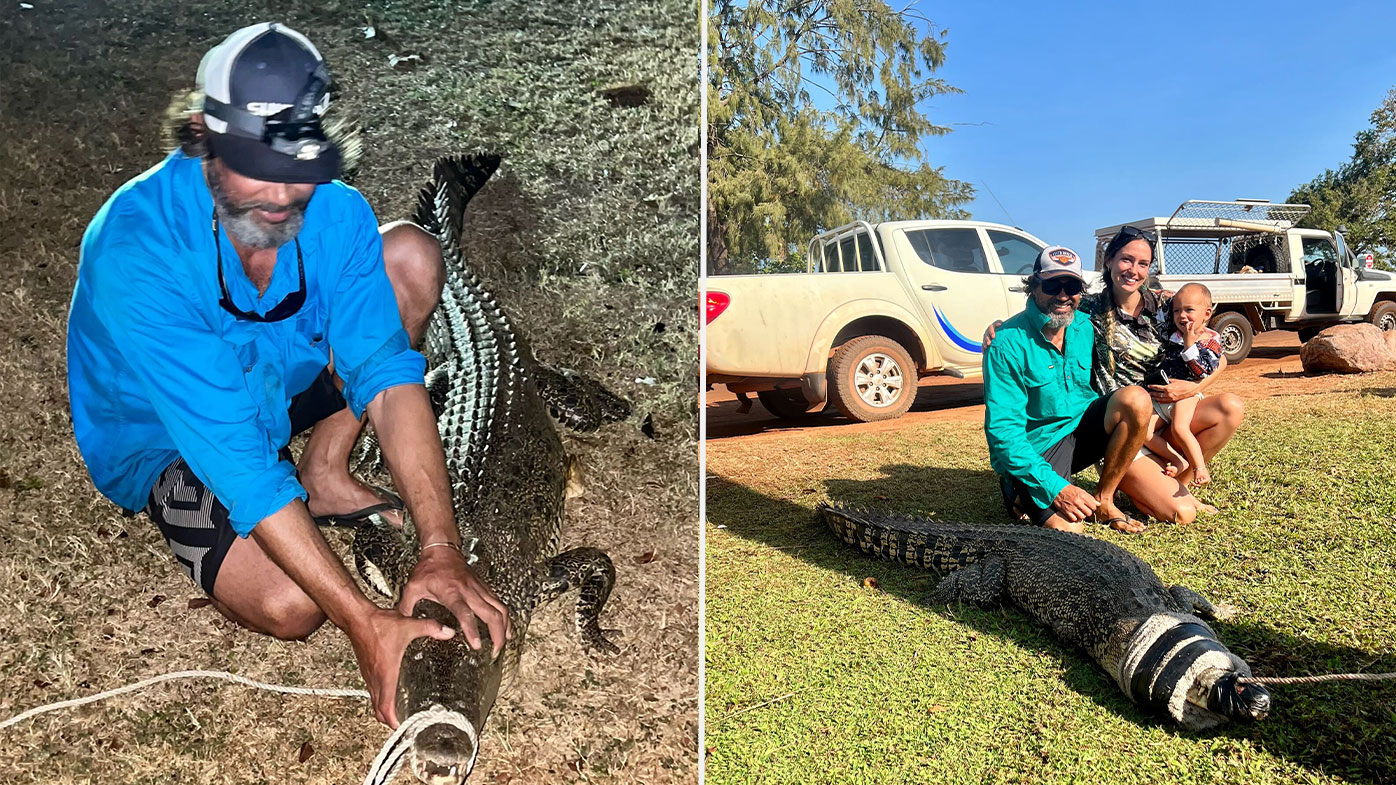
Fishing guide Kurt Williamson managed to trap the beast before rangers were able to remove it.

It's the first time a crocodile has been spotted at the campsite.

"First time for me and for the other guys on the croc team finding one in the middle of a caravan park," ranger Jaylan Marshall said.

Crocodile removed from Dundee Beach Holiday Park

"In the middle of the Dundee it's pretty uncommon it's never happened before that we know of.

"With the dogs and the food from the barbeques and everything like that, the smells would sort of entice him to come in as well."

READ MORE: Travel boss issues grim airport warning

Crocodile removed from Dundee Beach Holiday Park

As dry season comes to an end, the rangers have warned tourists to stay "crocwise" and vigilant when visiting the Territory.

"Even if the water does look very tempting especially at this time of year you still have to be very vigilant with these guys hanging around," Marshall said.

Albo caught up in State of Origin 'scandal'

There are urgent calls for a 'try', awarded to Prime Minister Anthony Albanese during this morning's State of Origin grudge match at Parliament House, to be referred to the NRL bunker.

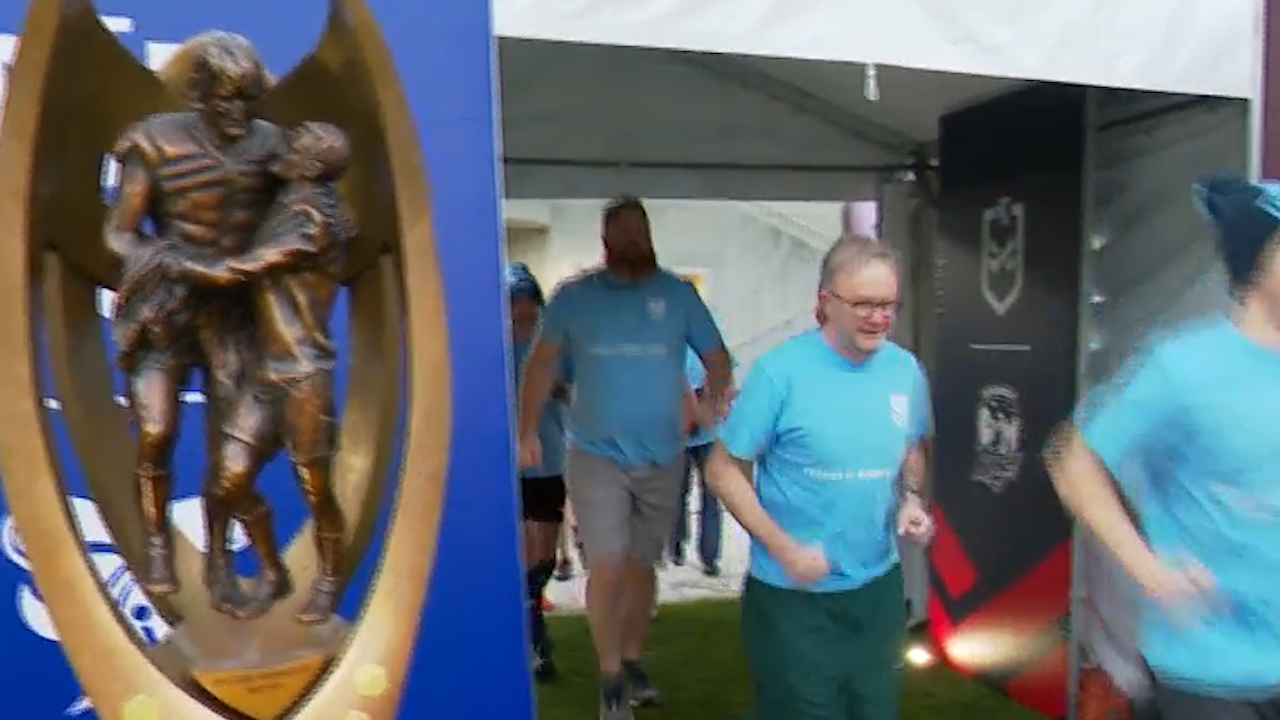
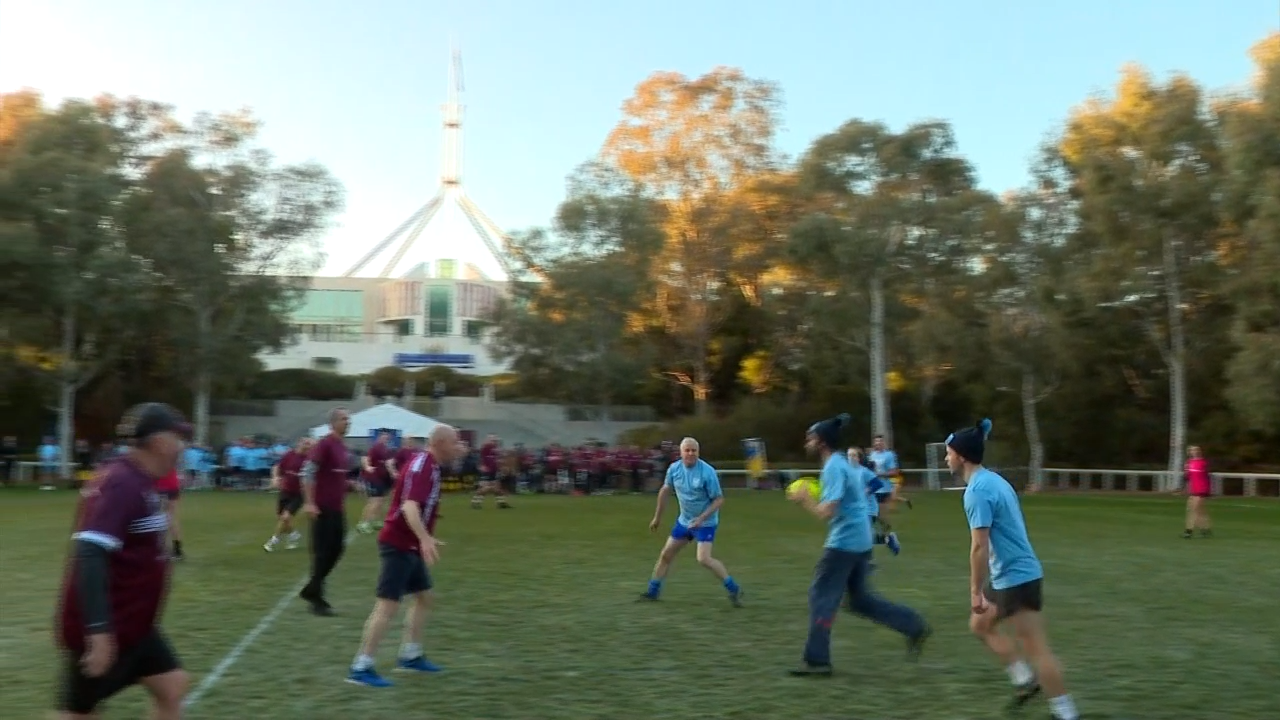
Donning a blue jersey, track pants and footy boots, the prime minister joined the 'Parliamentary Friends of Rugby League' on Tuesday morning for their fourth annual State of Origin touch football match.

Sucking back the cold Canberra air, the group ran out for the 'friendly' – put on by NRL Chief Executive Andrew Abdo – taking place on the parliament playing field.

READ MORE: 'Historic' interest rate hike tipped to hit mortgage holders

There are urgent calls for a 'try', awarded to Prime Minister Anthony Albanese during this morning's State of Origin grudge match at Parliament House, to be referred to the NRL bunker.

New South Wales and Queensland sides consisted of veteran pollies, like former Nationals leaders Michael McCormack and Barnaby Joyce.

The latter, helping to make up the numbers for the Queensland side, seemingly as red as his maroon jersey after a valiant effort.

Some speculated he was worthy of the Wally Lewis medal, but the PM seemingly disagreed.

"Barnaby has very short stints on the field. Even though he represents the NSW seat, he has a Maroons jersey on as well," Mr Albanese told Today.

"Look, there should be an inquiry into some of these players and where they are playing for, I tell you."

He then took issue with former Wallaby turned senator David Pocock, who also hit the field for the Maroons during the match.

READ MORE: How the world's biggest four-day work week trial changed people's lives

NSW and QLD sides consisting of veteran pollies, like former Nationals leaders Michael McCormack and Barnaby Joyce.

"I can report the greatest scandal since GI (Greg Inglis) playing for Queensland, David Pocock from the ACT pulling on a Queensland jumper.

"They will stop at nothing."

But the biggest controversy came just before half-time.

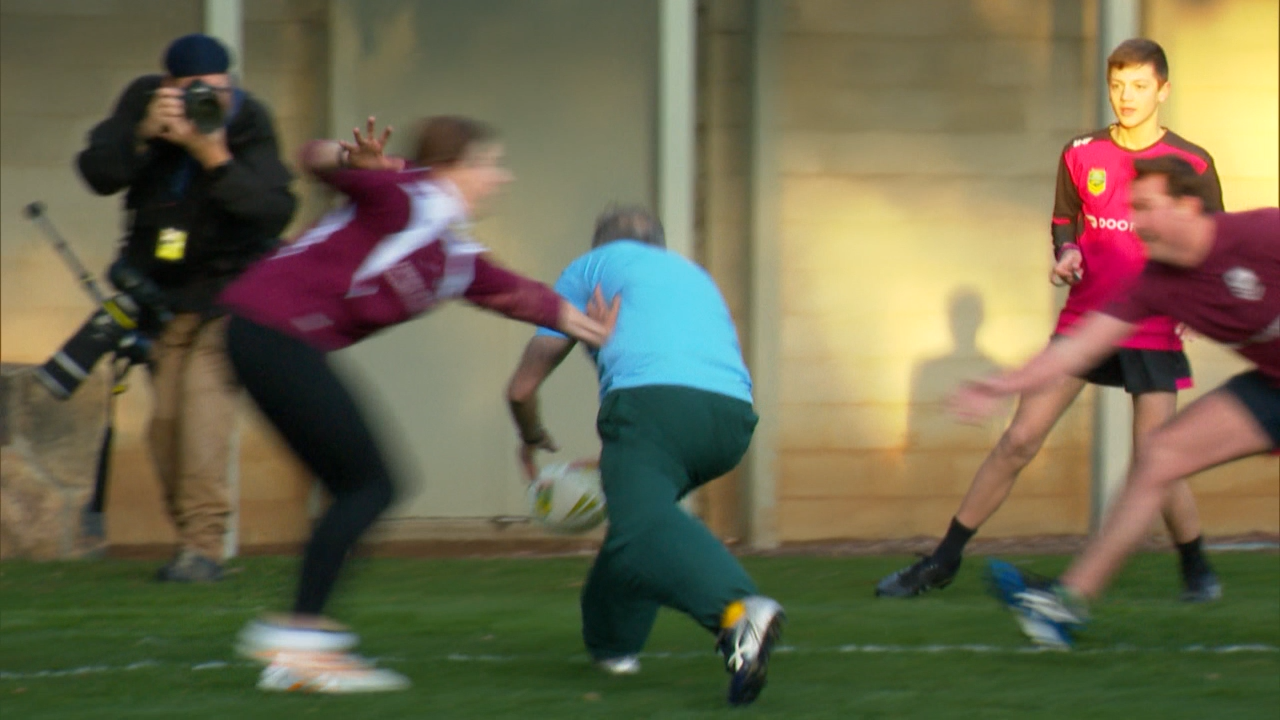
With a sweaty and exhausted NSW side already up 2-1, the Prime Minister hit the gas, making a glorious run toward a gap.

Hot on his heels, was newly-minted junior minister, Anika Wells.

Diving across the try line, the crowd cheered, and an elated Albanese raised both arms while running toward the group, before taking a lap of high-fives.

All the while though, Ms Wells was appealing to the referee, claiming she'd made contact with her boss, before he put the ball down… and replays would suggest, she did.

READ MORE: Travel boss issues grim airport warning

Albo's blues taking home bragging rights and the odd cramp, winning 3-1.

The referee ultimately gave Mr Albanese the benefit of the doubt, awarding NSW the final try of the morning.

Albo's Blues took home bragging rights and the odd cramp, winning 3-1.

Asked about the contentious call in a press conference, meters from the Prime Minister's Office, Ms Wells laughed off the controversy.

"Before I walk back into the Prime Minister's Office, I've really loved being the Minister for Sport, it's been an honour.

"I think we can all agree that referee is probably going to be the next governor-general based on that decision," she said.

McGowan defends actions after court rules he and Palmer to pay damages

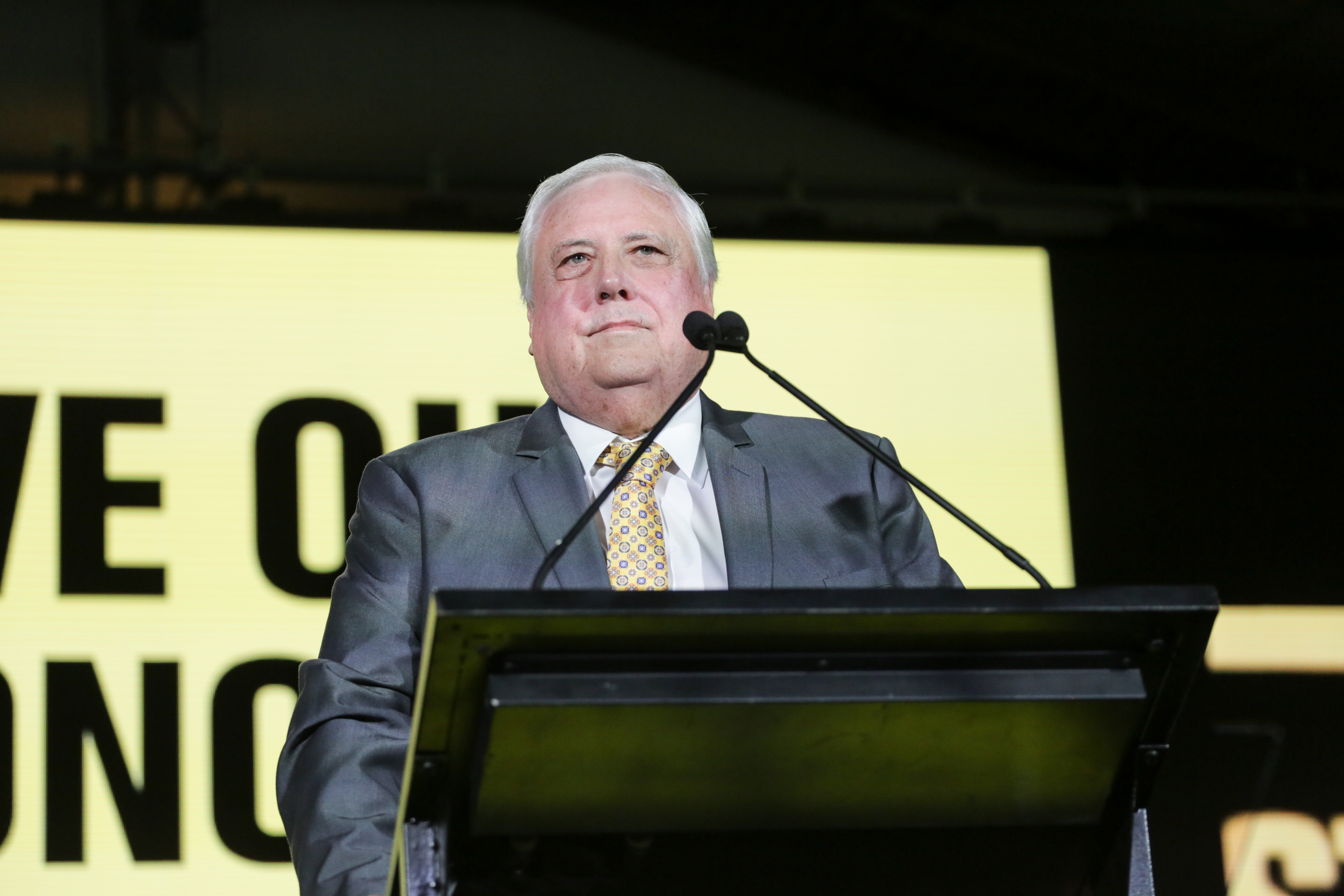
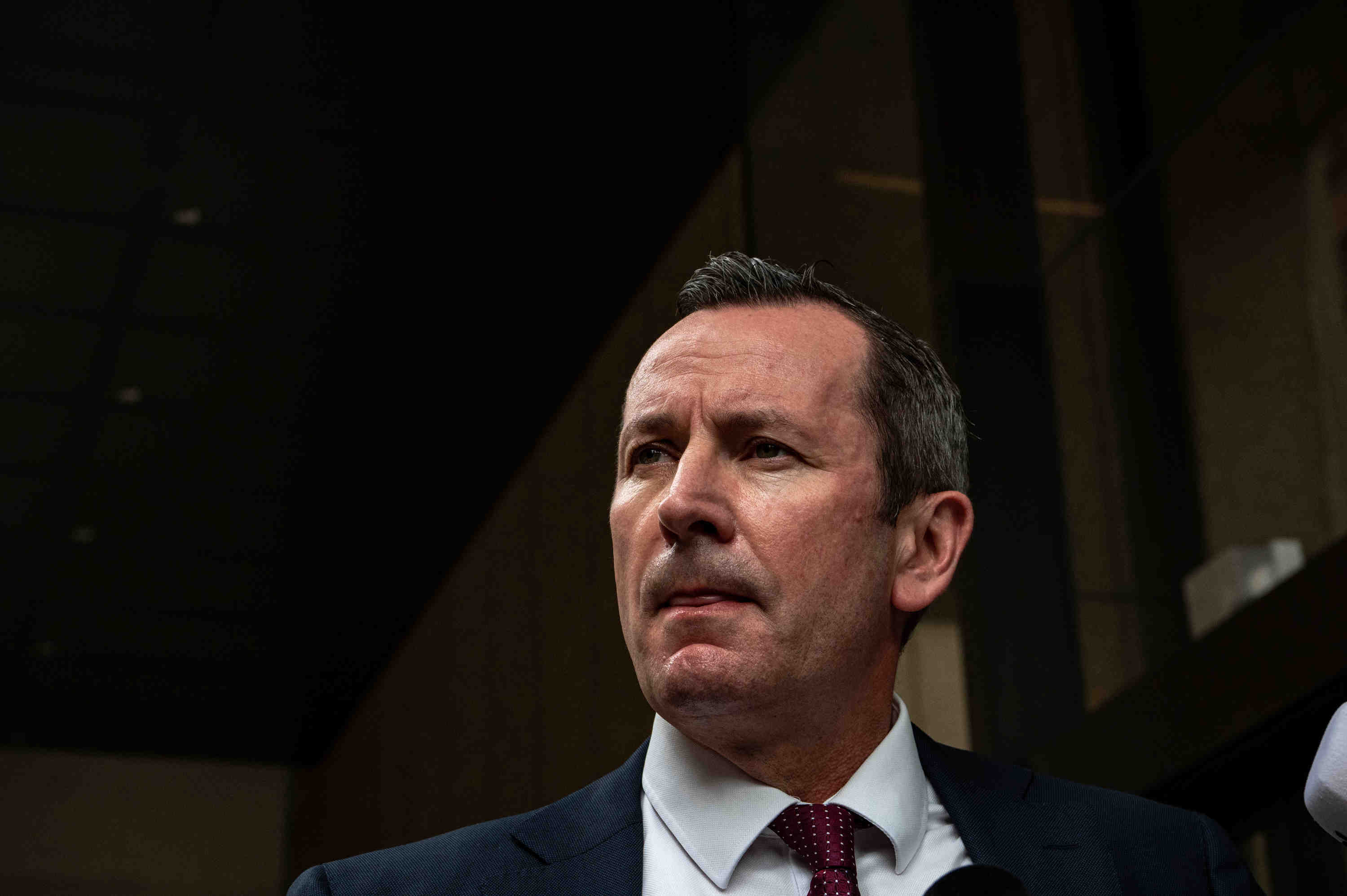
West Australian Premier Mark McGowan has defended his actions after a Federal Court judge ruled today both he and businessman Clive Palmer defamed each other.

Following the judgement handed down by Justice Michael Lee on Tuesday, McGowan fronted the media and said he accepted the court's judgement but defended his actions.

"I have always acted in the public interest and will continue to do so," he said.

READ MORE: Reserve Bank of Australia hikes interest rates for a fourth consecutive month

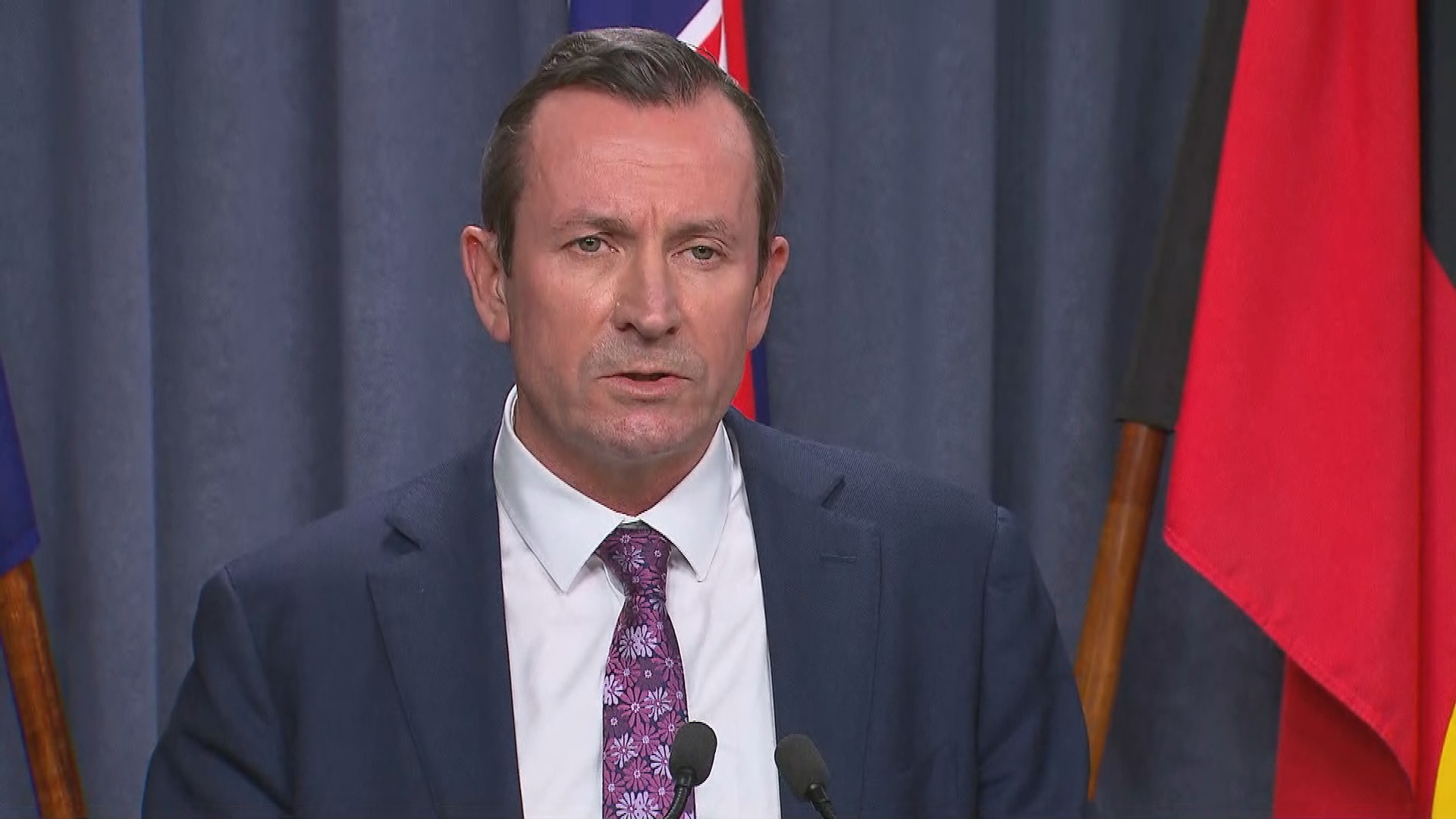
WA Premier Mark McGowan

"I accept the judgement and I did what I had to do to protect the state.

"I will go to my grave proud of what we did."

In the judgement hearing on Tuesday, Lee found both defences were unsuccessful and said the "game has not been worth the candle".

"These proceedings have not only involved considerable expenditure by Mr Palmer and the taxpayers of Western Australia but have also consumed considerable resources of the Commonwealth and importantly diverted court time from resolving controversies of real importance," Lee said.

Lee has awarded Palmer the amount of $5000 in damages.

"I'm required there is an appropriate and rational relationship between the harm sustained which is very minor and the damages awarded which should as a consequence be very minor," he said.

Lee also decided McGowan would be awarded $20,000 in damages.

"The evidence establishes the inconsequential impact of the publications upon Mr McGowan's reputation. It is more likely Mr McGowan's reputation was enhanced," Lee said.

"As Mr McGowan accepted Mr Palmer was someone with whom Mr McGowan was happy to have a blue with.

"Although his damage to reputation was non-existent Mr McGowan's evidence to an aspect of the subjective hurt was compelling."

Clive Palmer and Mark McGowan

Palmer sued the WA premier in 2020, claiming "vicious" public comments – including labelling the mining billionaire an enemy of the state – had damaged his reputation.

The Queensland businessman had sought aggravated damages which would allow for a payout above the $432,500 cap.

He accused the Labor premier of being consumed by malice and seeking to "blacken his name at every opportunity".

McGowan, who counter-sued Palmer for defamation, made his own appeal for aggravated damages.

The premier claimed qualified privilege as a defence. It requires proof there was a legal, social or moral duty for him to say those things.

Palmer defended various comments he made on the basis of qualified privilege, and substantial and contextual truth.

READ MORE: Passenger fined over $2k for bringing McDonald's items from Bali into Darwin

At the trial's conclusion in April, Lee said it was possible neither side would be able to make out any defences.

He flagged each man could receive a nominal damages sum, describing them as political combatants with entrenched reputations.

"There are people who love them, people who hate them," Lee said.

"The publications themselves are, it seems to me, highly unlikely to change very settled views about these men."

The defamation bid is one of several legal challenges Palmer has pursued against the WA premier, including a failed bid in the High Court to have the state's coronavirus-related hard border closure deemed unconstitutional.

It emerged in 2020 that Palmer was seeking up to $30 billion in damages over a 2012 decision by the former Liberal state government not to assess his proposed Balmoral South iron ore project.

READ MORE: Missing woman's backpack found on a Sydney street

WA Premier Mark McGowan says he has no plans to re-introduce COVID-19 restrictions at this stage.

The McGowan government subsequently rushed through extraordinary legislation to prevent Palmer from suing the state.

In his evidence, Palmer said he was scared because provisions in the legislation protected the government from criminal prosecution.

Referring to the fictional character James Bond and his "licence to kill", Palmer told the court: "I didn't know what the limits might be."

Any suggestion Palmer had a genuine fear for his physical safety was "inherently incredible", McGowan's lawyers said.

In private text messages made public during the trial, McGowan described Palmer as "the worst Australian who's not in jail".

His attorney-general John Quigley privately labelled Palmer a "big fat liar".