Test your brains with the Herald’s afternoon quiz. Be sure to check back on nzherald.co.nz for the morning quiz tomorrow. To challenge yourself with more quizzes, CLICK HERE.
Tag Archives: oceania
University of Otago students attempt to surf flooded Dunedin river
Two University of Otago students had their attempt to surf a fast-flowing Dunedin river cut short after police “firmly recommended” they stop the activity.Both keen surfers, James Hayers and Toby Hille decided to try their skills…
Main Wellington road reopens after slip
The northbound section of State Highway 1 near Hataitai has reopened following a slip this afternoon. Waka Kotahi New Zealand Transport Agency posted on Twitter earlier that the road was closed between SH1 and the Wellington Rd…
Registration cost, Covid-19 risk prompting relief teachers to leave
By Samantha Gee of RNZ Rising registration costs and the risk of getting Covid-19 are prompting some relief teachers to look for other work, just when schools need them more than ever.Official figures show there are more teachers,…
Wonky Box food rescue business expands to Kāpiti
Angus Simms and Katie Jackson have heard the daily messages from Kāpiti residents – the Wonky Box is finally being delivered in Kāpiti.Last year the couple started Wonky Box, a startup aiming to reduce food waste and help…
Green Party MP Teanau Tuiono 'considering' a tilt at co-leadership
Green Party MP Teanau Tuiono is considering a run at the Green Party co-leadership.Tuiono held a surprise press conference at Parliament today leading to speculation he might be about to announce his candidacy for the co-leadership….
New Zealand's ageing population: More than a million people aged 65+ by 2028, Stats NZ data predicts
Around 80 people a day are turning 65 and over, meaning in six years New Zealand could see more than a million older people. The latest population projection figures from Stats NZ show there are currently around 842,000 people aged…
Almost half of Australians have had COVID-19
Almost half of adult Australians had caught COVID-19 by early June, and were likely to have had it in the past three to six months, a new study has suggested.
The ongoing study, co-led by the Kirby Institute and National Centre for Immunisation Research and Surveillance in collaboration with Lifeblood, surveys blood samples to detect antibodies to the virus.
The authors have explained antibodies are most likely to be found if the person's infection was in the past three to six months.
READ MORE: Melbourne City Council considering ditching Australia Day celebrations
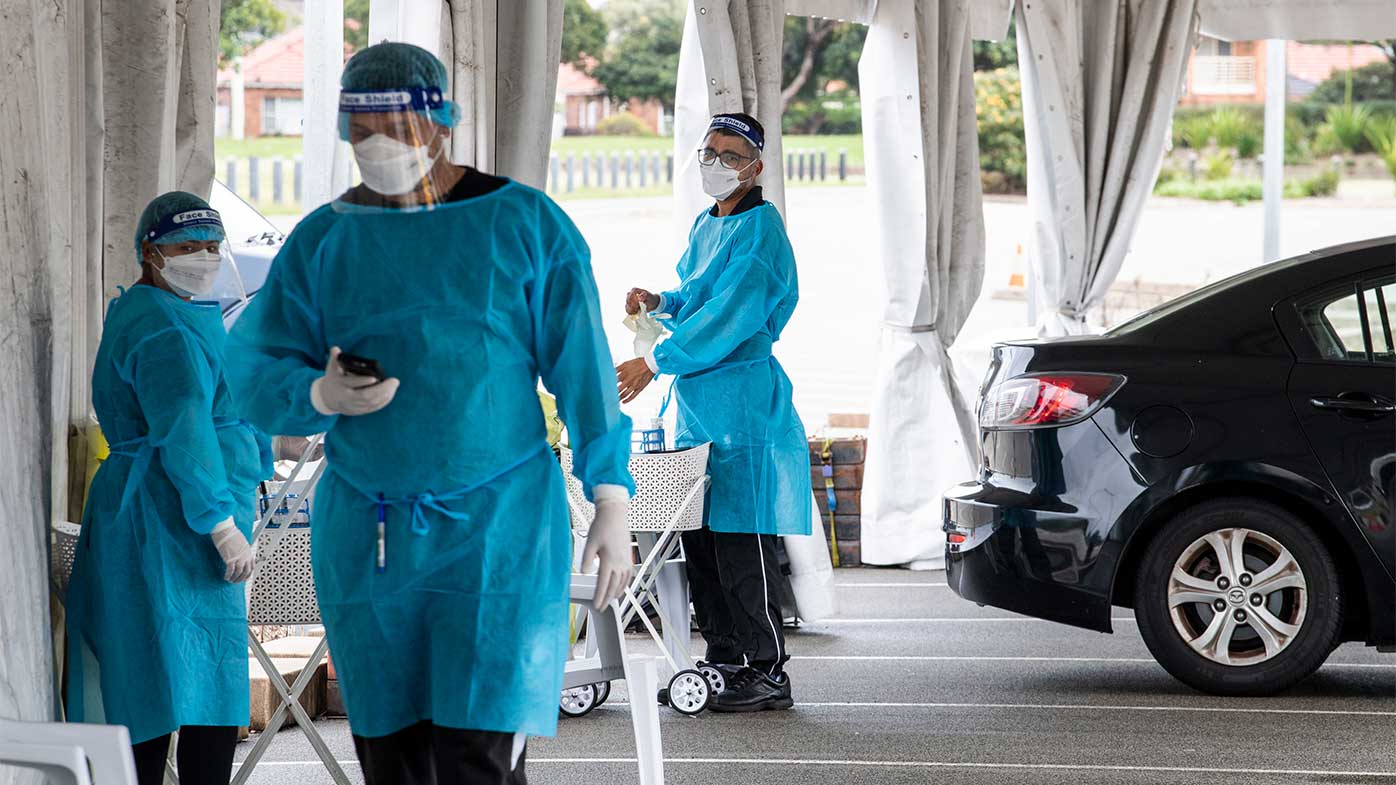
The latest results have suggested at least 46 per cent of adults had been infected with COVID-19 in 2022.
The data indicates almost triple the number of Australians who had COVID-19 by late February had experienced it by early June.
The previous results from the study, which measured blood samples up until late February, estimated that only around 17 per cent of the Australian population had been recently infected.
EXPLAINED: What is 'Centaurus', the Omicron sub-variant that has health authorities on alert?
Study author Dr Dorothy Machalek said the study was much more likely to be more indicative of the actual rate of COVID-19 infections compared to COVID-19 testing data.
"While we know there is a lot of virus circulating in the community, we can't rely on testing data alone to understand how many people have been infected, as some may experience only mild symptoms, or none at all, and they may not always have a test to detect the virus," she said.
READ MORE: COVID-19 vaccines affected 42 per cent of women's periods, study shows
"There is also high use of rapid antigen tests, which don't always get reported.
"These serosurveys provide a more complete picture of how much COVID-19 is out there because they measure antibodies to the virus, created when the body's immune system responds to infection, that remain present for many months afterwards."
The latest results came from 5139 de-identified samples from Australian blood donors aged 18 to 89 years.
Among the samples, evidence of recent COVID-19 infection was highest among donors in the 18-29 year age group, with 61.7 per cent having antibodies.
READ MORE: Toddler dies from COVID-19 as Queensland braces for peak in hospitalisations
Why a Nancy Pelosi visit to Taiwan causes US-China tensions
China is warning it will respond forcefully if US House Speaker Nancy Pelosi proceeds with a visit to Taiwan, the self-governing island democracy it claims as its own territory.
Pelosi is second in line to the presidency and would be the highest ranking US politician to visit Taiwan since 1997.
China has threatened unspecified "resolute and strong measures" if she goes ahead, which analysts say could cause tensions to spike in the Taiwan Strait, considered a major potential Asian powder keg.
Here's a look at what's happening:
READ MORE: FBI claims Huawei could disrupt US nuclear arsenal

Why does Pelosi want to visit Taiwan?
Pelosi has been a staunch critic of China throughout her more than three decades in Congress, once unfurling a banner on Beijing's Tiananmen Square memorialising those killed in the bloody crackdown on pro-democracy protesters in 1989.
She was also a strong supporter of 2019 pro-democracy protests in Hong Kong, making her a target of caustic criticism from Beijing.
Taiwan enjoys strong bipartisan support in Congress, and Pelosi said last week it was "important for us to show support for Taiwan."
Taiwan's President Tsai Ing-wen has defied Beijing's threats and her administration has favoured core democratic values and liberal policies close to Pelosi's heart, including same-sex marriage and a strong social security net.
READ MORE: What is behind the China-Taiwan dispute?
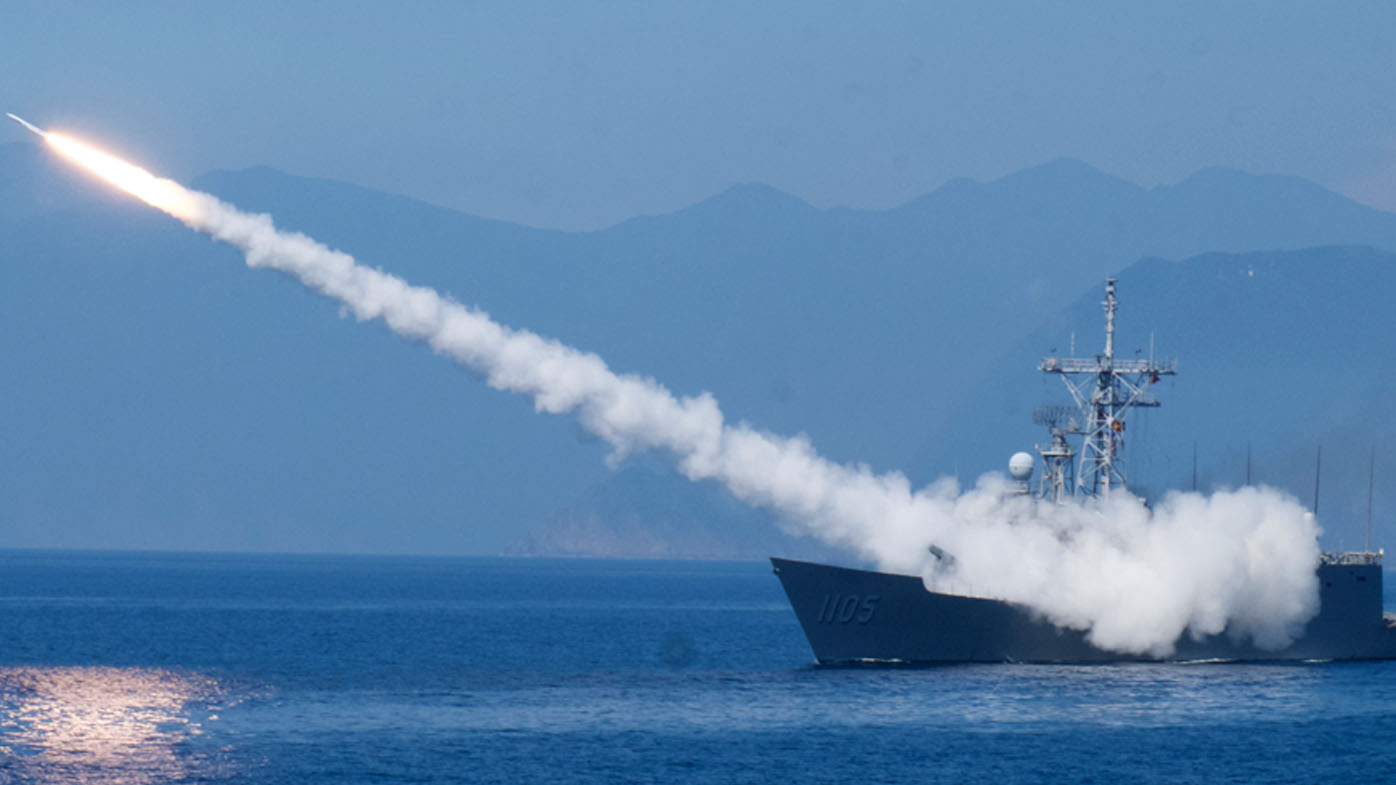
Why would a visit raise tensions?
China claims Taiwan as its own territory to be annexed by force if necessary and its military build-up in recent years has largely been oriented toward such a mission.
Beijing objects to all official contact between Taipei and Washington, and routinely threatens retaliation. This time, the stakes appear to be higher. China launched military exercises and fired missiles into waters near Taiwan in response to a 1995 visit to the US by Taiwan's then-President Lee Teng-hui, but it's military capabilities have advanced massively since then.
While experts say it's unlikely China would use force to prevent Pelosi's US government plane from landing in Taipei, its response remains unpredictable. Threatening military drills and incursions by ships and planes are considered potential scenarios that would set the entire region on edge.
READ MORE: EU agrees to cut natural gas use amid Russian supply fears
Why is the timing sensitive?
President Joe Biden's administration is keen to keeping America's crucial but often turbulent and highly complex relationship with China on an even keel.
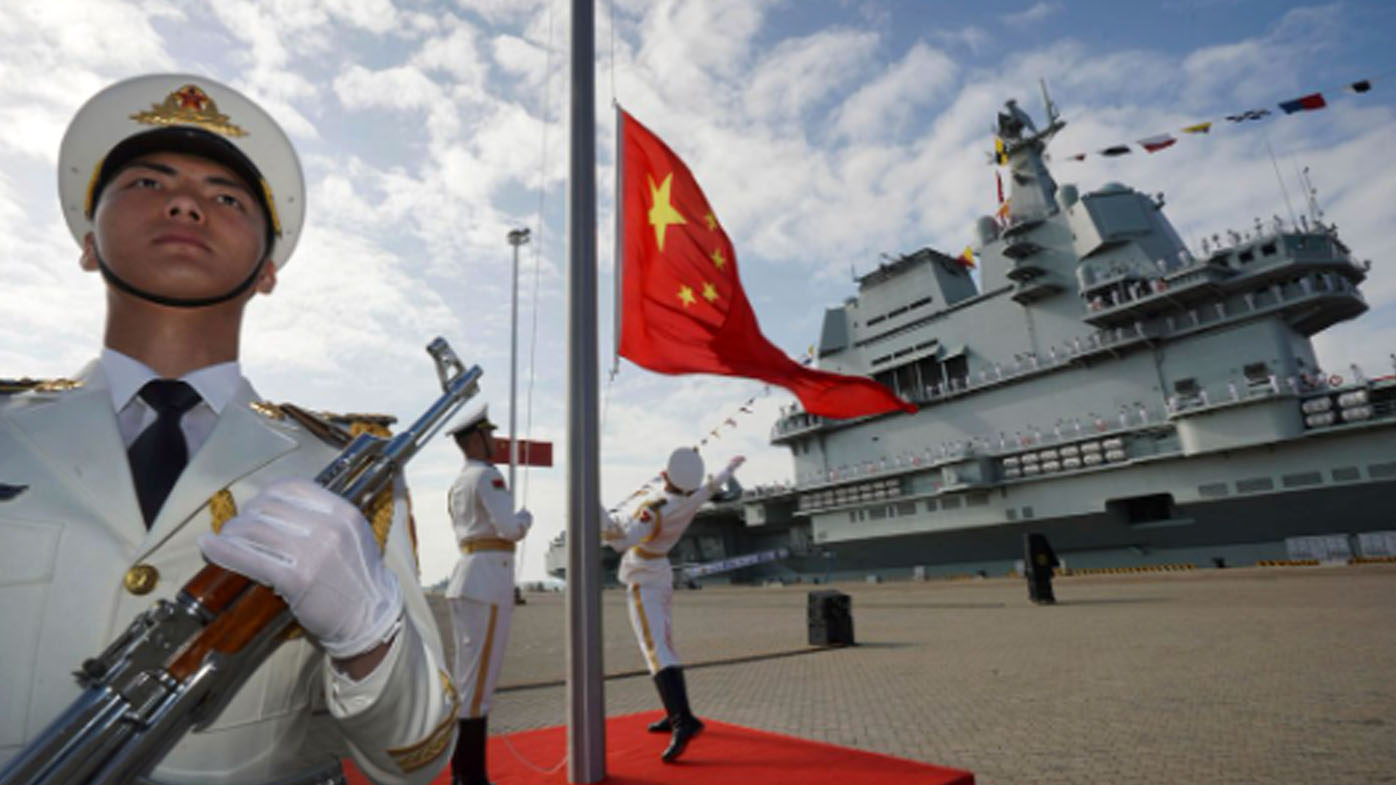
Pelosi had planned to visit in April but postponed after getting COVID-19. She has declined to discuss reported plans to travel to Taiwan in coming weeks. That could coincide with China's celebrations of the August 1 anniversary of the founding of the People's Liberation Army, the military wing of the ruling Communist Party, and possibly overlap with a planned phone call between Biden and President Xi Jinping.
A more robust Chinese response could also be driven by Xi's desire to bolster his nationalist credentials ahead of a party congress later this year at which he is expected to seek a third five-year term in office.
Xi's expansion of his powers into every sphere and his hardline zero-COVID response to the domestic epidemic has sowed a degree of resentment and appealing to raw patriotism, particularly over Taiwan, might help him fend off criticism.
READ MORE: China more aggressive and dangerous to US and allies, top US military officer warns
What is Taiwan's attitude to a visit?
Tsai has been welcoming of all foreign dignitaries, serving and retired, from the US, Europe and Asia, using such visits as a bulwark against China's refusal to deal with her government and relentless campaign of diplomatic isolation.
Still, her rhetoric on such occasions has generally been relatively low-key, reflecting her own calm demeanor and possibly a desire not to further antagonise China, which remains a crucial economic partner, with around a million Taiwanese residing in mainland China.
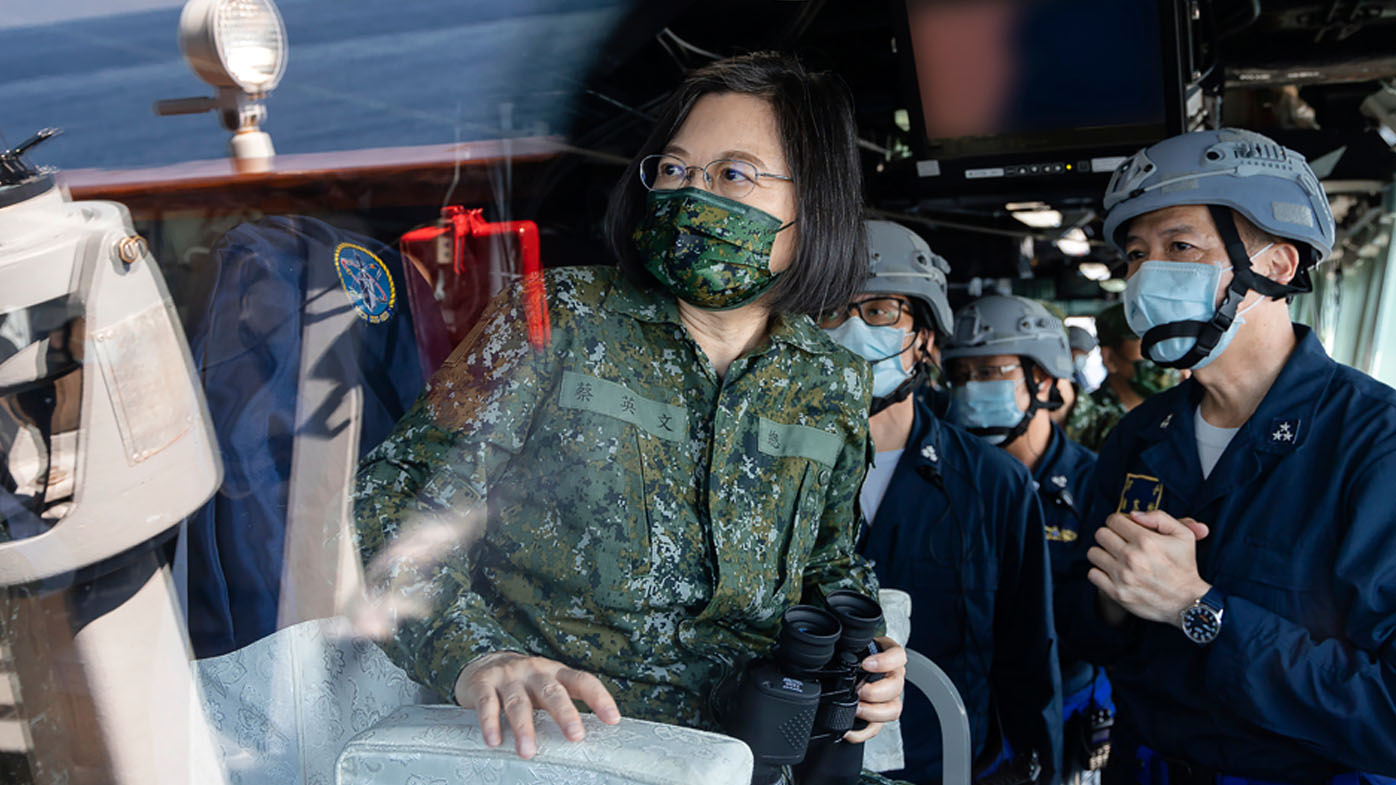
The capital Taipei staged a civil defence drill on Monday and Tsai on Tuesday attended annual military exercises, although there was no direct connection with tensions over a possible Pelosi visit.

While the Taiwanese public strongly rejects China's demands for unification, the ability of the island's military to defend against the PLA without US help is highly questionable, so shoring up the armed forces has been a hallmark of Tsai's term in office.
Speaking on Tuesday during the exercises, Defence Ministry spokesperson Sun Li-fang said the military was monitoring all movements of Chinese warships and aircraft around the island.
"At the same time, we have the confidence and ability to ensure the security of our country," Sun said.
Swimmer attacked by 'Rocky the seal' in Hawaii
A swimmer at a beach in Waikiki was injured this weekend after encountering an endangered Hawaiian monk seal with a young pup.
Hawaii Marine Animal Response, a nonprofit conservation organisation that helps monitor protected species, said their workers witnessed a swimmer come into contact with the mother monk seal known as Rocky on Sunday morning local time.
The Hawaii Department of Land and Natural Resources said in a statement that the victim is a 60-year-old primary school teacher from California. The woman received lacerations to her face, arm and back, the agency said.
READ MORE: The unsuspecting borrowers now facing a mortgage cliff
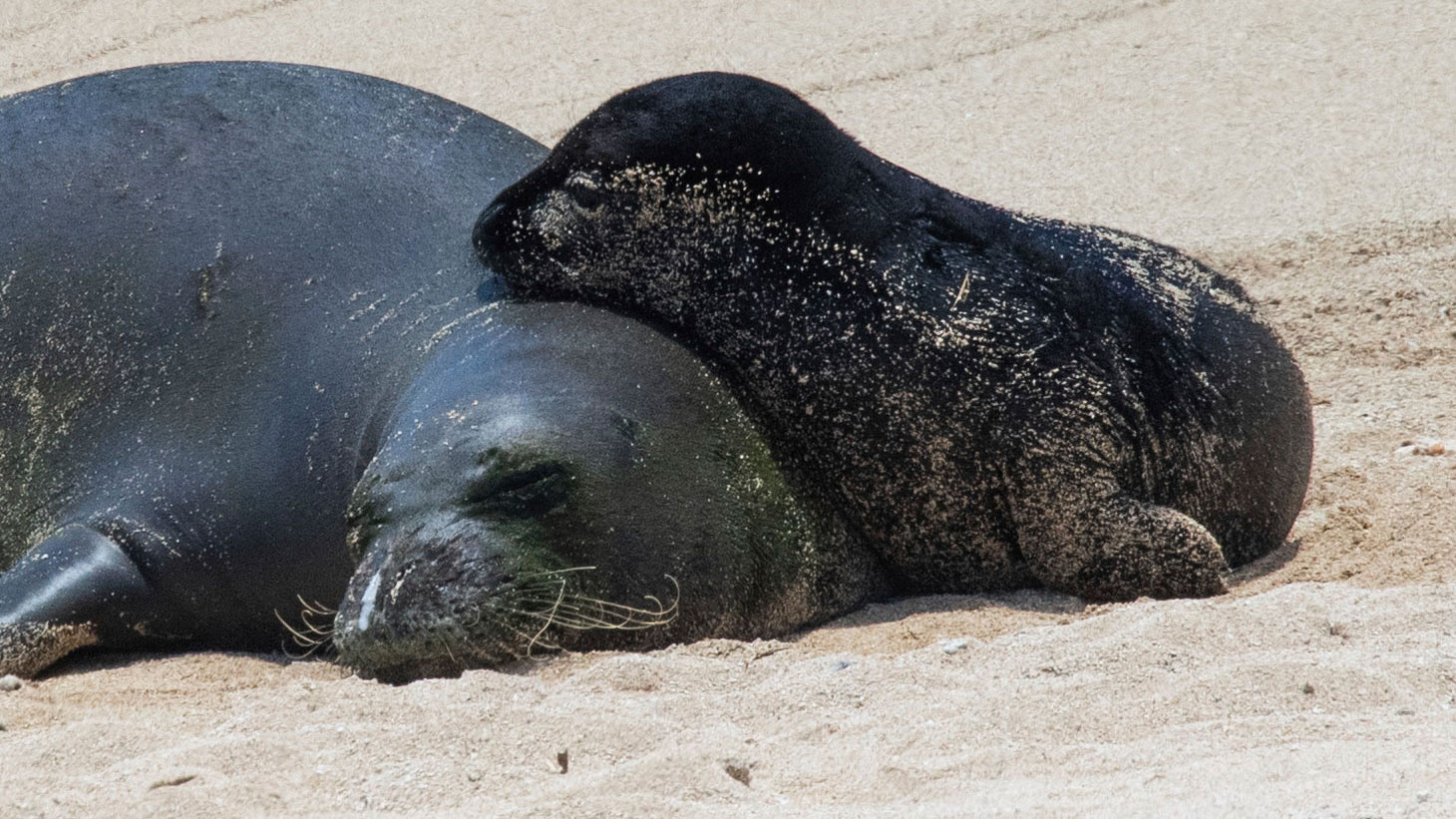
State officials said they would not recommend charges or fines for the woman and are not naming her because she requested anonymity.
The Hawaii Marine Animal Response said in a statement that the seal gave birth to a pup about two weeks ago on Kaimana Beach in Waikiki, the same area where the swimmer was injured.
READ MORE: Stunning video shows diver's close call with massive great white shark
The National Oceanic and Atmospheric Administration and Hawaii Marine Animal Response have been watching the pair and warning people to stay away.
It is against the law to touch, harass, injure or kill monk seals. People are told to stay at least 46 metres away from a mother seal and pup, though that recommendation is not a law.
READ MORE: Dashcam footage captures road rage incident with Rex Hunt
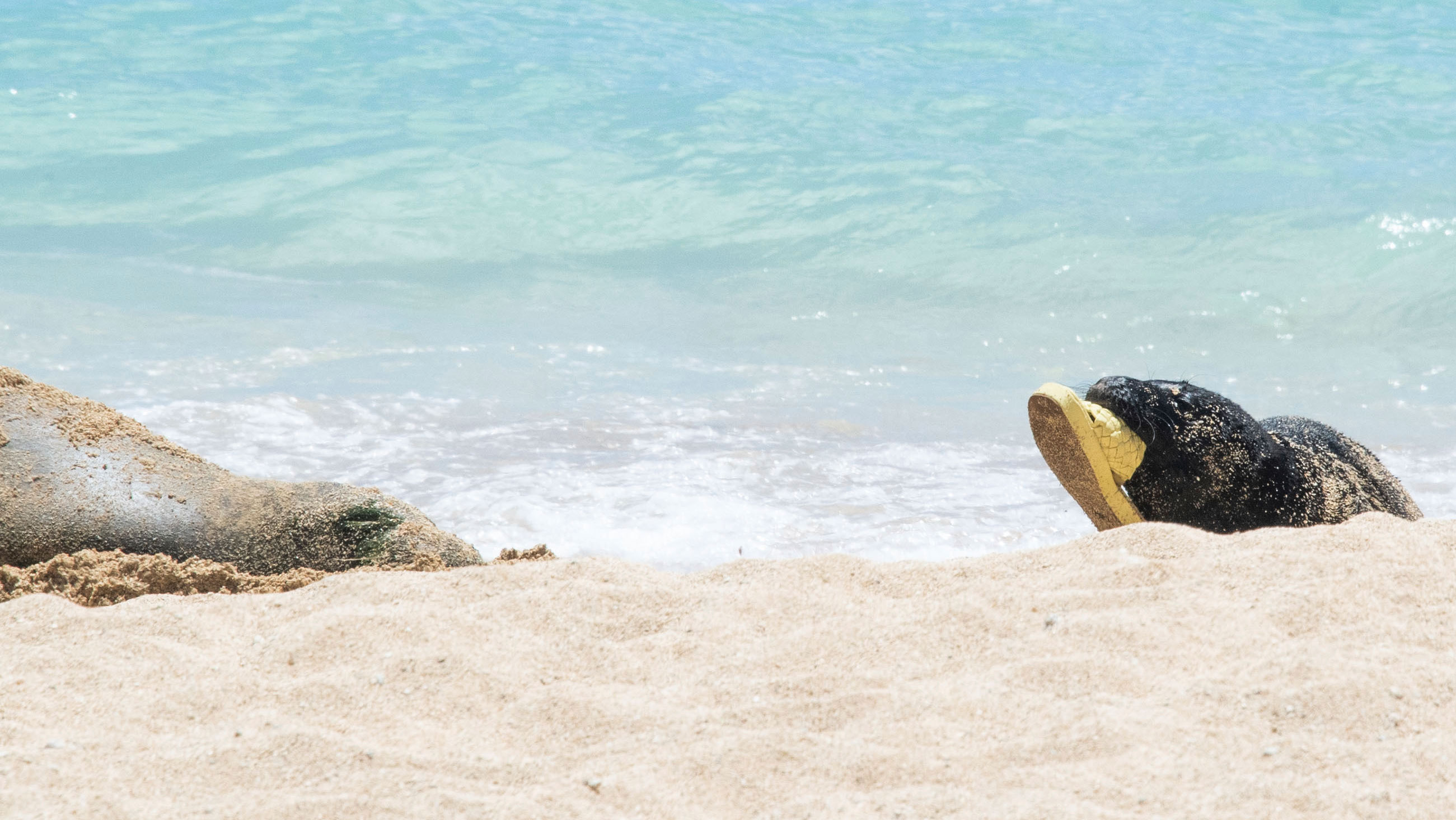
The shoreline where the seals live is roped off, and beachgoers are warned of the dangers of getting too close to the nursing mother.
“We ask people to please follow the guidance and instructions provided by HMAR, NOAA, Ocean Safety, or other authorised parties on the beach,” the organisation said in the statement. They said the swimmer was transported by EMS.
A message left with the Honolulu Emergency Services Department was not immediately returned.
NOAA Fisheries is still reviewing the incident. But in a statement emailed to The Associated Press, the agency said, “Mother seals can move incredibly fast in the water, and we urge people to consider using alternate areas for water activities when mothers with pups are in the area.”
They anticipate these seals will remain in the area for about a month and said people must observe signs and guidance from officials.
READ MORE: Somerton man mystery 'solved' as DNA points to man's identity
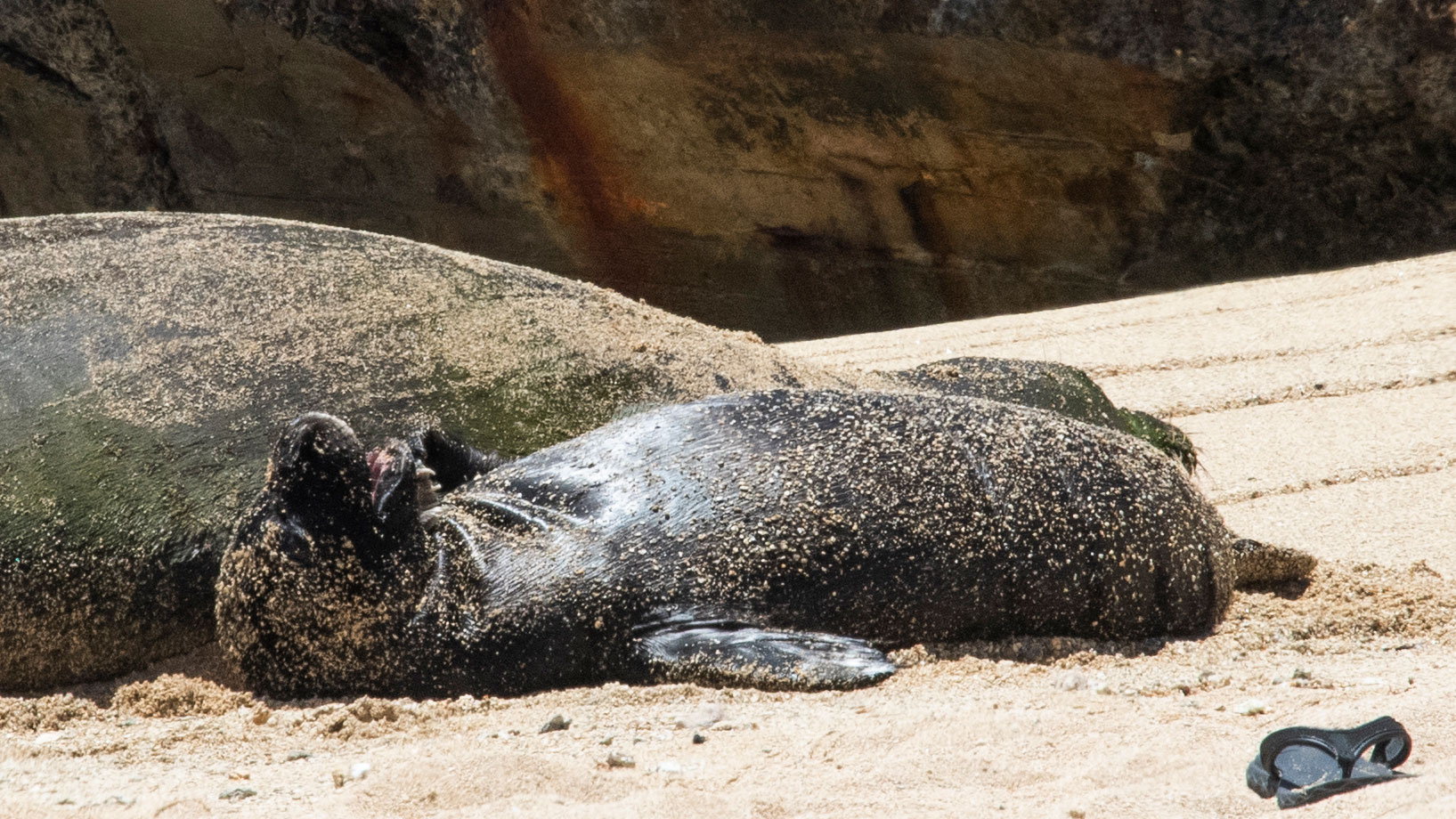
It is a felony to disturb monk seals, of which there are less than 1,600 remaining in the wild. The animals are listed as endangered under the Endangered Species Act and depleted under the Marine Mammal Protection Act.
“People are again reminded that Hawaiian monk seal moms with pups are protective, can be dangerous, and have inflicted serious wounds on nearby swimmers," Hawaii Marine Animal Response said. "We continue to warn people not to engage in in-water activities when a monk seal mother with a pup are in the area and to stay at least 45 metres from mother seals with pups.”
A witness shared video of the encounter with The Honolulu Star-Advertiser. The footage shows the mother seal in the water with its pup as the swimmer approaches. The seal then comes into contact with the swimmer and pulls the person under water.
The person was able to make it back to shore with help from bystanders.
“It’s a mama seal that’s protecting its pup, and there happens to be a human who is at the wrong place at the wrong time,” Markus Faigle, who captured the incident on video, told the Star-Advertiser.
“So it’s not a seal attacking a human; that’s for me the totally wrong way of looking at this.”