Tag Archives: oceania

Instagram has a Kardashian problem: Users revolt against app

Tati Bruening was once the textbook example of an Instagram user.

Since the pandemic, she has been building her career as a photographer on the platform and attracted hundreds of thousands of followers in the process.

But recently, her relationship with Instagram started to change.

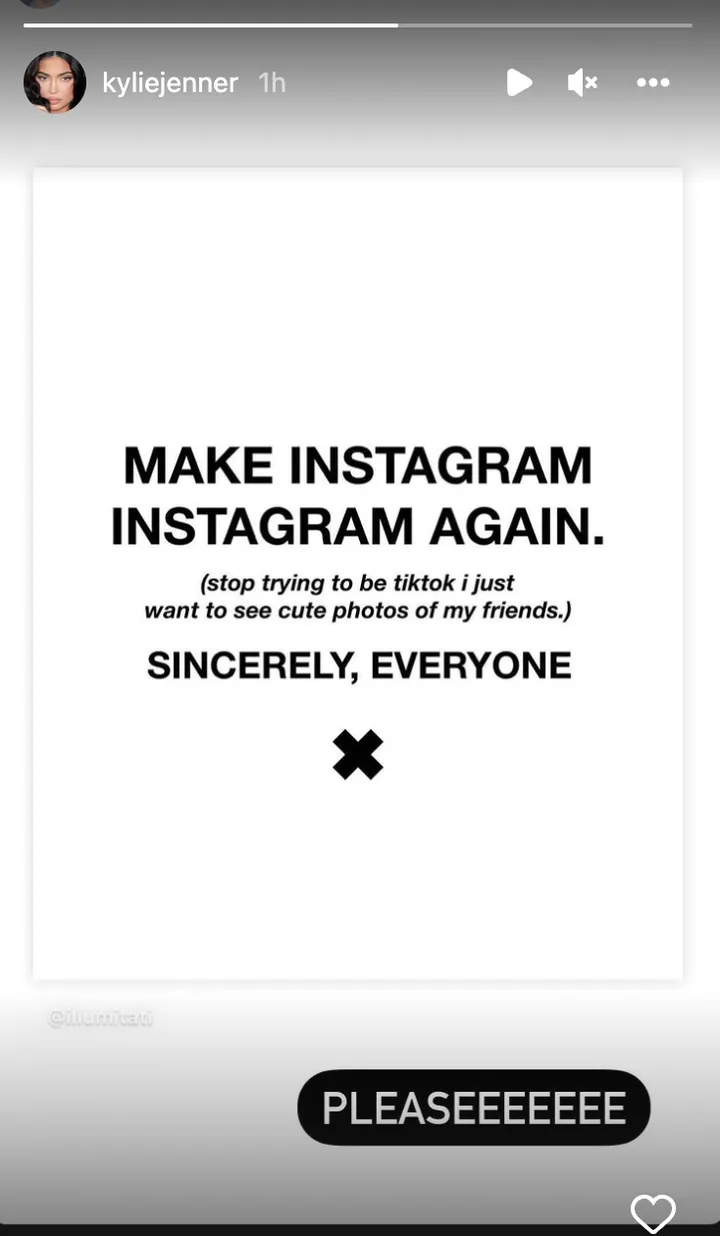
On Monday, Bruening shared a post on the platform calling to "Make Instagram Instagram again."

READ MORE: 'Sensitive content': Instagram hiding posts that mention one word
She told CNN Business that she was scrolling the app and felt frustrated by the lack of content she was seeing from accounts she followed in the wake of recent updates prioritising recommended posts and videos from its Reels product.

"I was seeing a post from my friend underneath three Reels and a recommended post that was six days old," she said.

As she put it in her post: "Stop trying to be TikTok I just want to see cute photos of my friends."

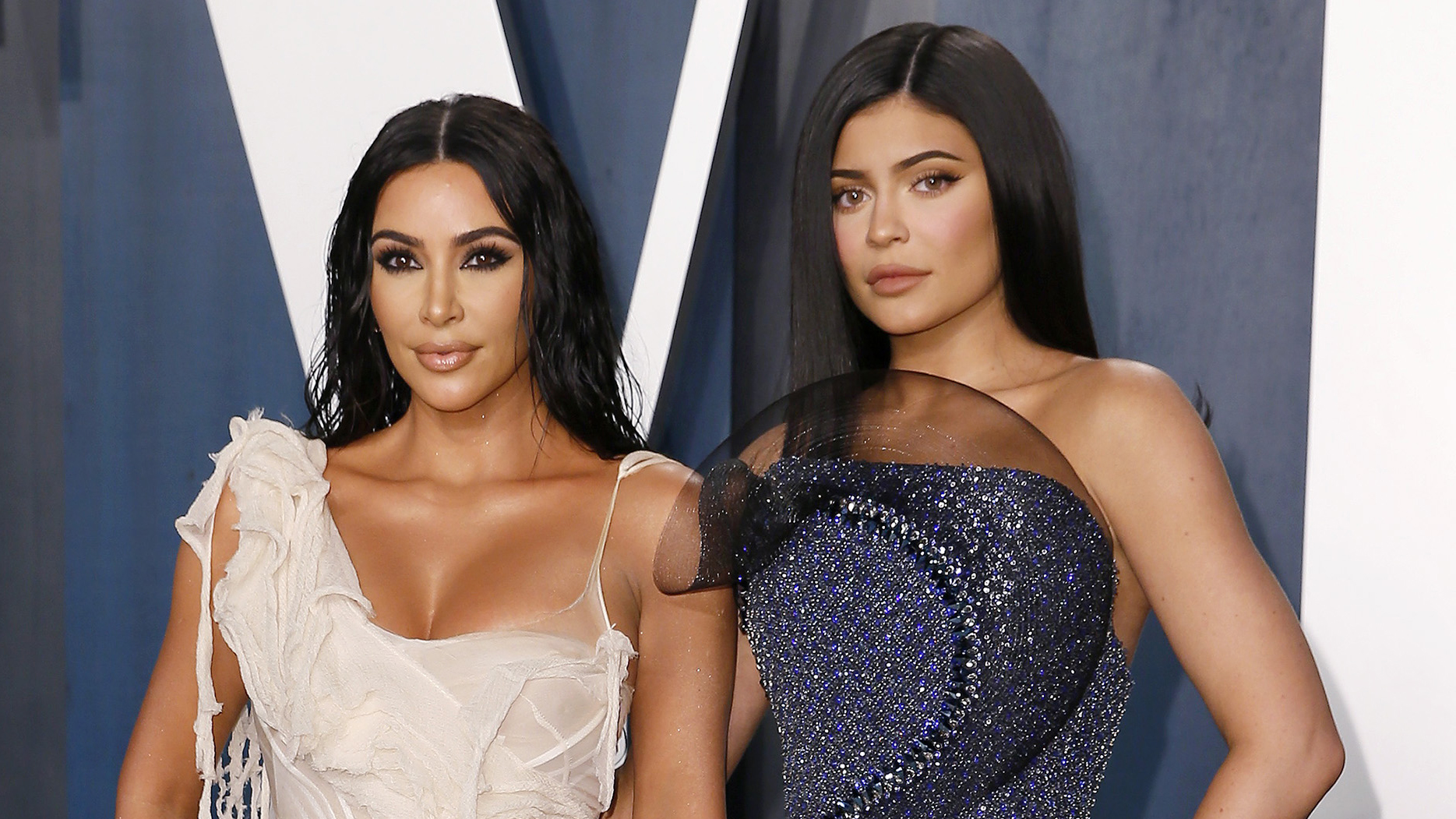
Her post blew up. By Tuesday morning, it had more than 1.7 million likes, thanks in part to shares by two of the most influential figures on the platform: Kim Kardashian and Kylie Jenner.

The famous half-sisters are among the most-followed accounts on Instagram, with 360 million and 326 million followers, respectively, and their opinions carry big weight in the world of social media.

A February 2018 tweet from Jenner criticising a Snapchat redesign was credited with wiping out $1.3 billion from the company's value in a week.

The attention to Bruening's post reflects the growing backlash against recent updates to the Instagram platform, which boast more than 1 billion users.

READ MORE: 'No, I'm not the captain's wife': Breaking the bias at sea
To beat back the competitive threat of TikTok — whose discovery algorithm is viewed as its great competitive advantage — Instagram has started showing users a much greater proportion of recommended content from accounts that they don't follow versus posts from their friends.

It has also prioritised video content over the photos it is known for.

The platform has been testing showing full-screen posts, much like TikTok, as well.

The issue has arguably been brewing for years. Since 2020, the company has been experimenting with showing users more "suggested posts" in their feeds.

Recommended content and ads now make up a significant portion of the Instagram feed, which often pigeonholes users into certain content categories (such as recipes or relationship advice) in a way that sometimes seems to disregard whether they actually follow such accounts.

The latest dust-up around Instagram comes at a fragile time for parent company Meta.

The company is grappling with an aging and stagnating user base on its flagship Facebook platform, and Instagram is largely seen as the best bet of its family of apps to maintain and grow the crucial younger audience.

But Meta, like many older players in the social media world, is facing steep competition from TikTok and is fighting to gain traction in its attempts to copy it.

While Instagram users are somewhat more likely to open the app daily, TikTok users spend an average of about 45 more minutes per day on the app than people do on Instagram, according to a report from research firm Sensor Tower for the second quarter of 2022.

In a February call with Wall Street analysts, Meta CEO Mark Zuckerberg said that Instagram Reels "face a competitor in TikTok that is a lot bigger, so it will take a while to … catch up there."

At the same time, Meta is relying on profits from Instagram and its other apps to help fund its investment in building a future version of the internet it calls the "metaverse."

And the company, which is set to report second quarter earnings on Wednesday, may see a slowdown in spending on ads, its core business, amid rising inflation and recession fears.

Meta's stock fell nearly three per cent on Tuesday after the growing backlash from the Kardashians and others.

"The problem for Meta is that nothing is good right now," said D.A. Davidson analyst Tom Forte.

"Instagram is meant to be the Meta asset to exploit, to address the younger market, so it's natural to me that they're using Instagram as the way to respond to the competitive threat of TikTok."

Meta has run this playbook before. In 2016, months before Snapchat's parent company made its Wall Street debut, Instagram copied one of the messaging app's signature features, Stories.

Instagram, soon reached more users with its version of the feature than Snapchat did. But its efforts to copy TikTok with Reels have arguably proven to be more difficult.

READ MORE: Stunning video shows diver's close call with massive great white shark
Many have pointed out that videos on Reels are often just old TikTok videos — sometimes shared weeks after they first went viral on TikTok, and occasionally with the TikTok logo still attached.

In some cases, users will share a still photo set to music as a Reel in an effort to rank higher on the platform.

Instagram, for its part, has been trying to incentivise users to make original Reels, with creator fund programs and by featuring them prominently in-feed.

The company is now also testing sharing all videos shorter than 15 minutes as Reels.

To be sure, Instagram is not the only platform prioritising video and recommended content as it seeks to keep up with TikTok, which last year surpassed 1 billion monthly active users.

Twitter, Facebook and other social media platforms have all also taken steps in that direction.

"The viewpoint is that this is like mobile, meaning it's an evolutionary change in consumption on the internet," Forte said.

READ MORE: Warning over 'really fast-moving' Monkeypox outbreak

"What choice does Facebook have? It would be nearly impossible to buy TikTok, which was the old playbook, so now they have to try to innovate."

For creators like Breuning who built their livelihoods on Instagram, the changes feel especially painful, given its origin as a photo app that catered to artists and photographers.

"It feels wrong to switch the algorithm on creators that have made a living and contributed to the community, forcing them to change their entire content direction and lifestyle to serve a new algorithm," Bruening wrote in a change.org petition calling on Instagram to "Stop trying to be TikTok!" It has garnered more than 150,000 signatures in four days.

Instagram did not respond to a request for comment Tuesday.

However, Instagram head Adam Mosseri addressed the criticism in a video post on the platform Tuesday.

"We're experimenting with a number of different changes to the app and so we're hearing a lot of concerns from all of you," he said, acknowledging complaints about the shift to video and the increase in recommended content.

"We're going to continue to support photos, they're part of our heritage. … That said, I need to be honest: I do believe that more and more of Instagram is going to become video over time."

https://twitter.com/mosseri/status/1551890839584088065

Mosseri continued: "If you look at what people share on Instagram, that's shifting more and more to videos over time. If you look at what people like and consume and view on Instagram, that's also shifting more and more to video over time, even if we're not changing anything. So we're going to have to lean into that shift while continuing to support photos."

Mosseri also warned that the full screen video feature test is "not yet good" and has only rolled out to a small percentage of users. And he pointed to the option Instagram launched earlier this year for users to toggle the platform to a chronological feed of posts from only accounts they follow.

But that explanation wasn't enough to silence the criticisms.

Some users sounded off in the comments about feeling like they had no choice but to start making more videos if they wanted the platform's algorithm to surface their content.

Others suggested that if the platform became too much like TikTok, they'd be inclined to simply pick one of the apps to use rather than both.

"People do VIDEOS because we have no reach on our photos!!" fashion creator Alina Tanasa (@fabmusealina) said in a comment on Mosseri's video.

https://twitter.com/mosseri/status/1551978555403390976

"As a content creator I need and want each and with photos you cut all the reach and you promote only videos. So it's not us, it's you that are changing everything and are afraid of TikTok."

Makeup influencer James Charles, who has nearly 23 million Instagram followers, added in a comment: "I understand that every business has to evolve, compete, and please investors, but Instagram is losing the competition and has lost its identity along the way. … We're upset because we CARE about this app and the communities we've been able to create/join on here, but I'm genuinely worried that if something doesn't change, there will be no community left."

If there's a silver lining for Instagram, however, it's that there are few other photo-first apps out there, making it easier to criticise Instagram than leave it, especially for those who have built a life and a livelihood on it.

"Me personally," Breuning said, "I love Instagram and I don't plan on leaving Instagram anytime soon."
Euro nations to ration gas amid Russian supply fears

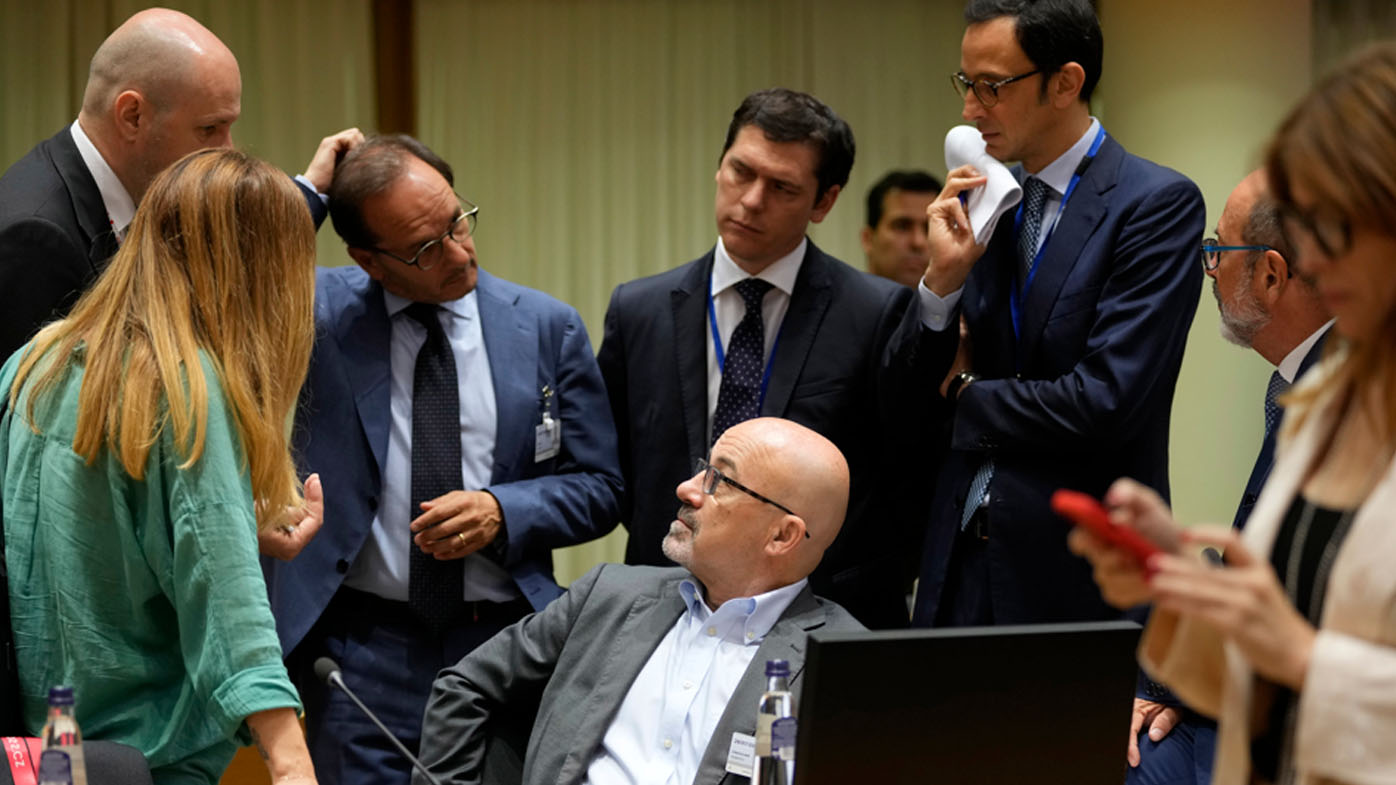
European Union governments have agreed to reduce consumption of natural gas this northern winter to protect themselves against any further supply cuts by Russia amid its invasion of Ukraine, although the measure contains exemptions for some countries.

EU energy ministers approved a draft European law designed to lower demand for gas by 15 per cent from August through March. The legislation entails voluntary national steps to reduce gas consumption, but if that does not yield enough savings, mandatory actions in the 27-member bloc would be triggered.

"I know that the decision was not easy, but I think, at the end, everybody understands that this sacrifice is necessary. We have to, and we will, share the pain," Czech Industry Minister Jozef Sikela said on Tuesday after chairing the meeting in Brussels.

READ MORE: Russia to drop out of International Space Station after 2024

European Commission President Ursula von der Leyen welcomed the move, saying in a statement that "the EU has taken a decisive step to face down the threat of a full gas disruption" by Russian President Vladimir Putin.

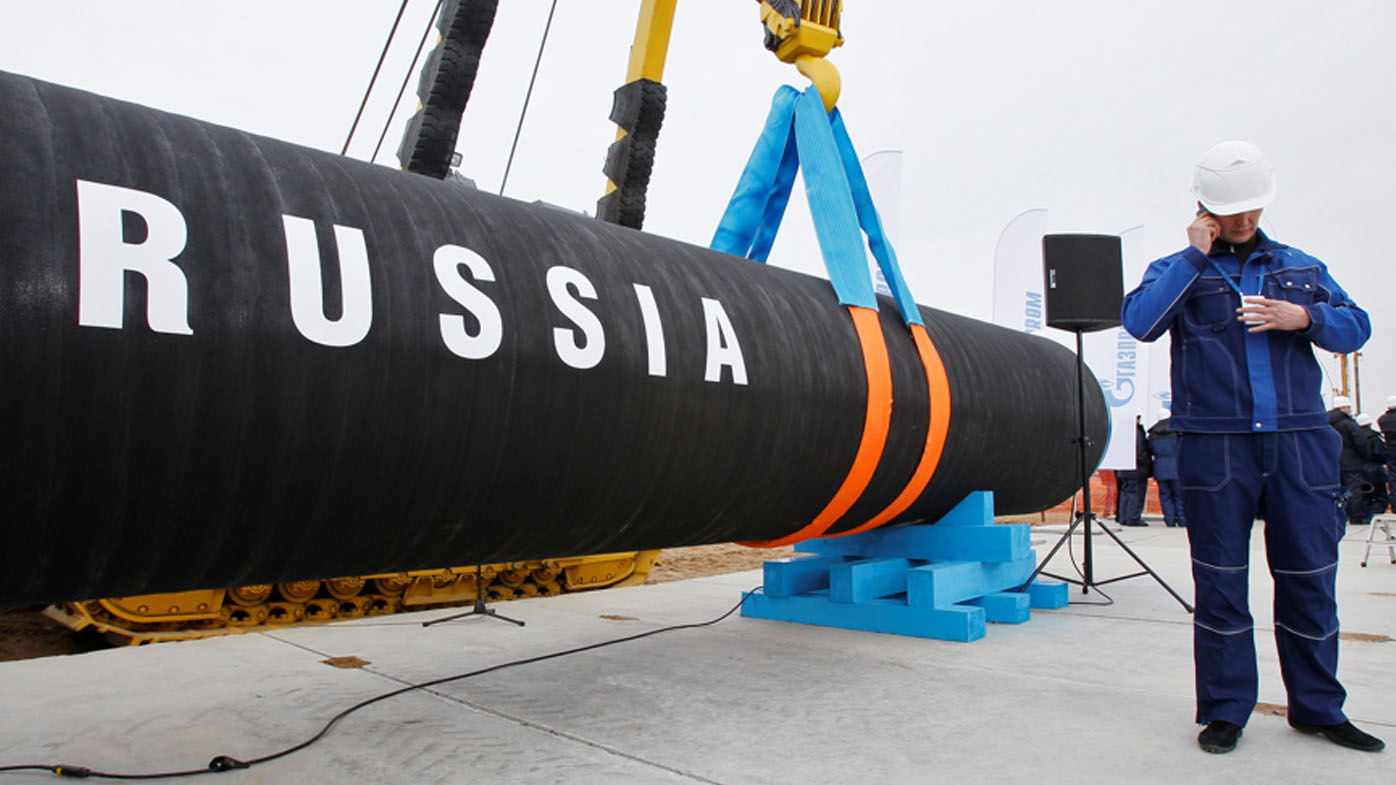
The energy ministers approved the compromise legislation a day after Russian energy corporation Gazprom said it would cut gas flows through the Nord Stream 1 pipeline to Germany to 20 per cent of capacity starting on Wednesday. Natural gas prices jumped on Tuesday to their highest level since early March, according to Europe's TTF benchmark, and more than five times what they were a year ago.

Since Russia invaded Ukraine in late February and the West moved to punish Moscow by imposing economic sanctions, 12 EU countries have faced halts to, or reductions in, their Russian gas deliveries.

Russia supplied about 40 per cent of Europe's natural gas before the war, but that has dropped to about 15 per cent, sending prices through the roof and straining energy-intensive industries. Companies warn that they often can't switch overnight to other energy sources.

The disruptions in Russian energy trade with the EU already are stoking inflation to record levels in Europe and threatening to trigger a recession just as the bloc was recovering from a pandemic-induced slump.

READ MORE: Somerton man mystery 'solved' as DNA points to man's identity, professor claims

The energy squeeze also is reviving decades-old political challenges over policy coordination. While the EU has gained centralised authority over monetary, trade, antitrust and farm policies, national sovereignty over energy issues still largely prevails.

Under the ministerial agreement that was sealed in less than a week, the EU's member nations are free to decide how best to meet the target of cutting 15 per cent of their average annual gas use over the last five years.

France, for example, wants to save energy by turning down office thermostats in winter and ensuring that air conditioners in public buildings and shops are used more efficiently.

Exemptions are allowed for countries that might have specific vulnerabilities or find themselves particularly exposed to difficulties from certain cuts. The ministers diluted elements of the original proposal, including exemptions for island countries like Ireland, Cyprus and Malta, which don't have as many energy alternatives.

The European Commission, the EU's executive arm, can ask members to consider triggering a mandatory system of cuts if it still fears a supply shortage in the next eight months. Any five member countries could also trigger a vote if they declare a gas supply alert at the national level.

The energy ministers scrapped a provision in the draft law that would have given the European Commission the power to decide on any move from voluntary to mandatory actions. Instead, the ministers ensured any decision on mandatory steps would remain in the hands of national governments.

The legislation was based on a July 20 proposal from the commission, which is eager to maintain a common EU front over a war that shows no sign of ending. It said coordinated rationing would enable the bloc as a whole to get through the winter should Russia stop all gas deliveries.

Tuesday's deal still marked another milestone in EU policy integration and crisis management. Past EU legislative initiatives in the area of energy often involved months or years of negotiations among national governments.

The unsuspecting borrowers now facing a mortgage cliff

Australians who recently fixed their mortgages at super low rates are now staring down the barrel of punishing repayments up to two or three times higher when they inevitably roll onto a variable rate, an economist from a leading bank has warned.

A series of interest hikes, which caught many by surprise, has suddenly heaped pressure on already strained budgets and caused clouds of uncertainty to gather over a property market which has topped out and is heading down.

Encouraged by historically low rates, an unusually high number of Australians have locked into fixed mortgages over the past two years.

READ MORE: What is inflation? And how a record-high CPI might affect you

House prices are expected to fall up to 20 per cent over the next 12-18 months.

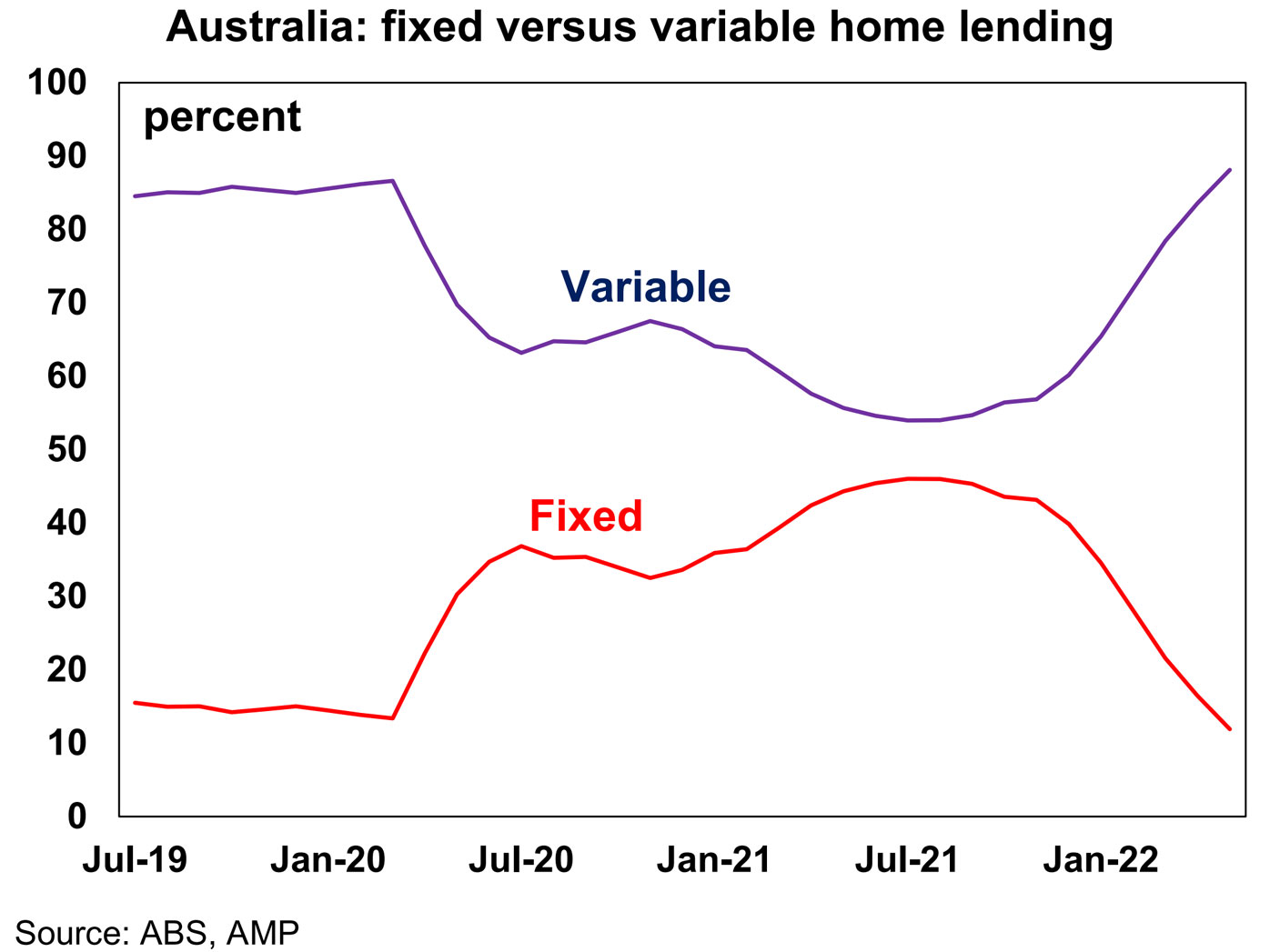
According to analysis from AMP Capital, fixed lending usually makes up 10-15 per cent of the total mortgage market, but that number quadrupled to over 40 per cent last year.

"That's where the concern comes from," Diana Mousina, a senior economist with AMP, told 9news.com.au.

Many will roll off fixed-term loans in the second half of 2023, Mousina said, leaving up to 1.3 million borrowers scrambling to cope with much higher monthly repayments.

"Given how high interest rates are expected to go, there will be some households that will struggle to meet repayments," Mousina said.

People who had taken out mortgages in the past three years would "face the most trouble", she said, because many of those loans would most likely have been fixed.

READ MORE: Young and poorer Aussies locked out of owning homes

Graph showing variable and fixed rate mortgages in Australia between 2019 and 2022.

Among that group will be now-anxious first home buyers who entered the market with confidence on the back of RBA statements, made throughout most of last year, which said the bank foresaw no rises until 2024.

That has turned out a duff – and for some, very costly – prediction.

Since May, the bank has hiked rates three times in as many months, and is expected to lift the official cash rate by half a percentage point when it meets next month.

Australian borrowers are braced for further increases through to the end of the year.

Speaking last week, the bank's deputy governor Michele Bullock said "just under 30 per cent of borrowers would face relatively large repayment increases of more than 40 per cent of their current payments".

Those borrowers would experience a median increase of around $650, or 45 per cent, in their monthly repayments, Bullock said.

Based on RBA assumptions, around 1.3 million households would be affected.

"That's huge," Mousina said, while also suggesting the deputy governor had "kind of underplayed the potential impact to households" during her speech to the Economic Society of Australia.

"It's hard to actually say 'X' number of households will not be able to make their repayments," Mousina said, when asked how many Australians could fall into a hole of mortgage stress.

"But I think it's fair to say that households will struggle with higher interest rates, given the quantity of households that are going to see a very large lift in repayments.

"And for that reason, it's very likely that consumer spending will slow quite significantly into the end of this year and into next year as well."

READ MORE: The hidden victims of Australia's rental crisis

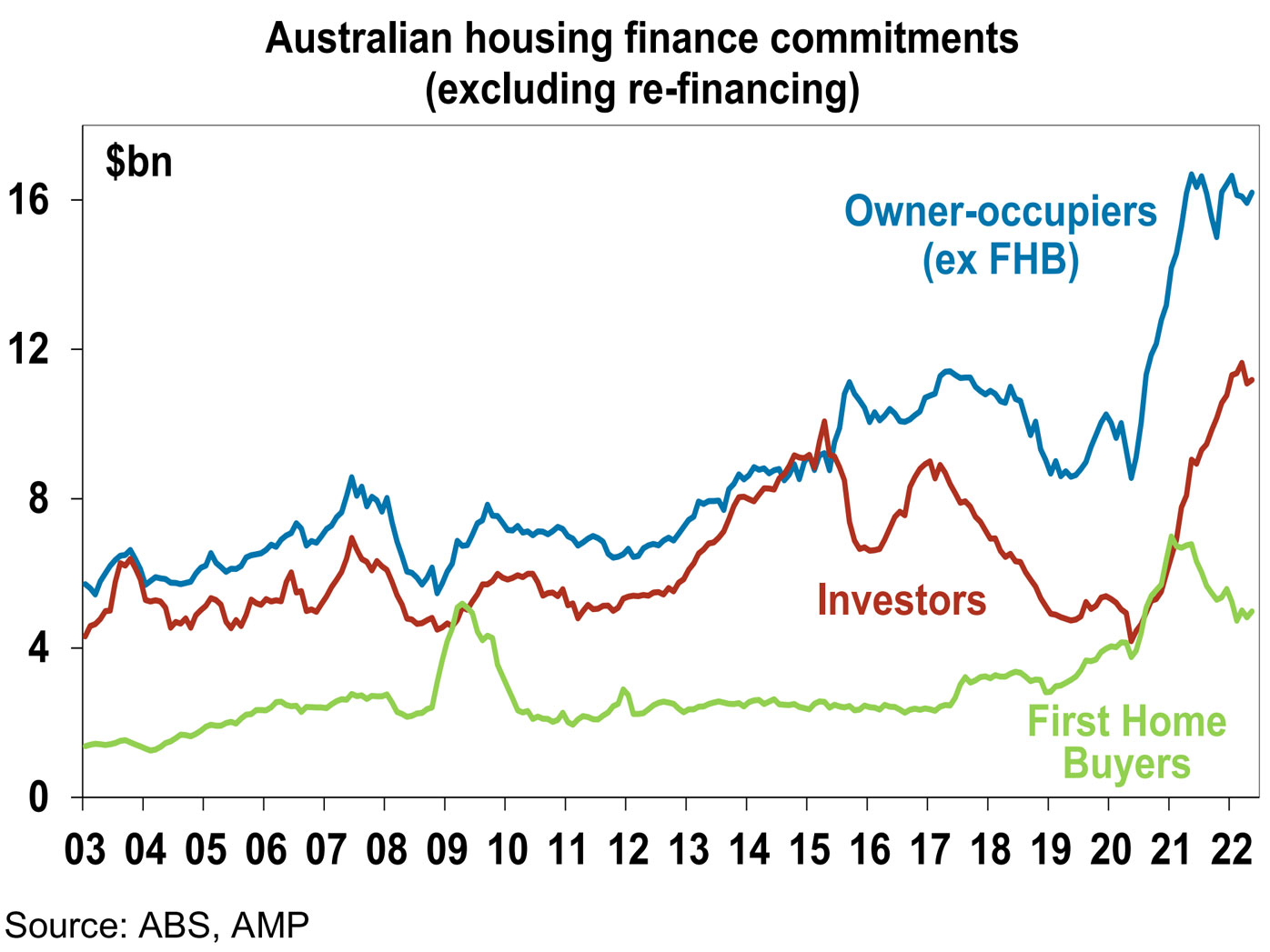
Graph showing the different kind of mortgages in Australia over the past 20 years.

READ MORE: Landlord forced to pay $5500 after calling tenant 'psycho' and 'ugly'

Mousina said AMP was maintaining its prediction that house prices will fall 15-20 per cent, bottoming out in the second half of next year.

"That's obviously negative for household wealth, and for people's perception of their wealth," she said.

Despite the gloom, Mousina said a "significant build up" of consumer savings of around $250 billion amassed over the pandemic was a considerable positive, with that cash now a potential softener for the looming financial hit.

Housing lending surged last year as demand for new homes was boosted by historically low interest rates and government schemes like the HomeBuilder subsidy.

Over last year, lending rose 26 per cent.

Monkey attacks double, Japanese city fears more than one culprit

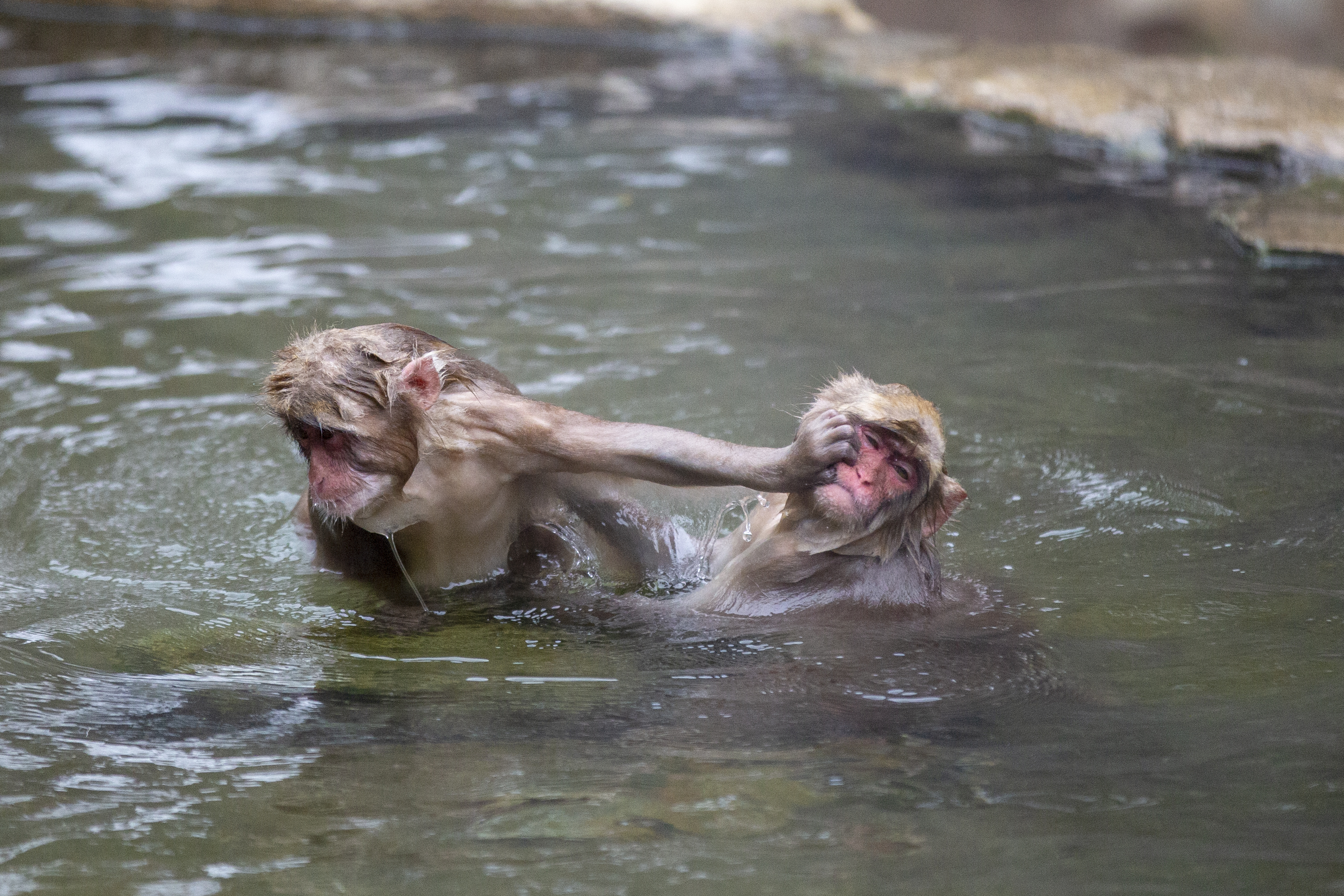
Wild monkeys have attacked dozens of residents of a city in south-western Japan in recent weeks, with reports of the animals crawling through house windows and striking from behind, as police step up an unsuccessful search for them.

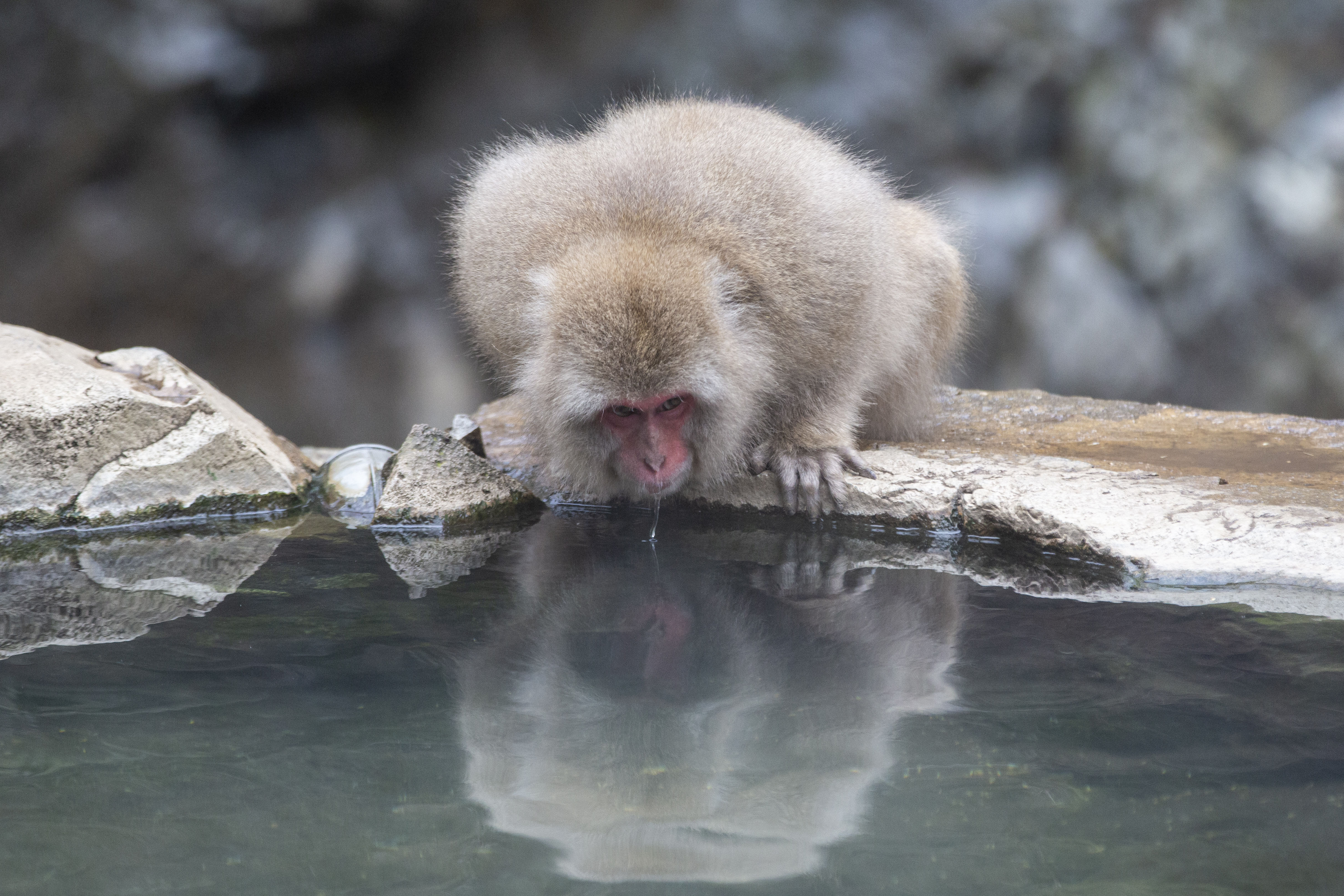
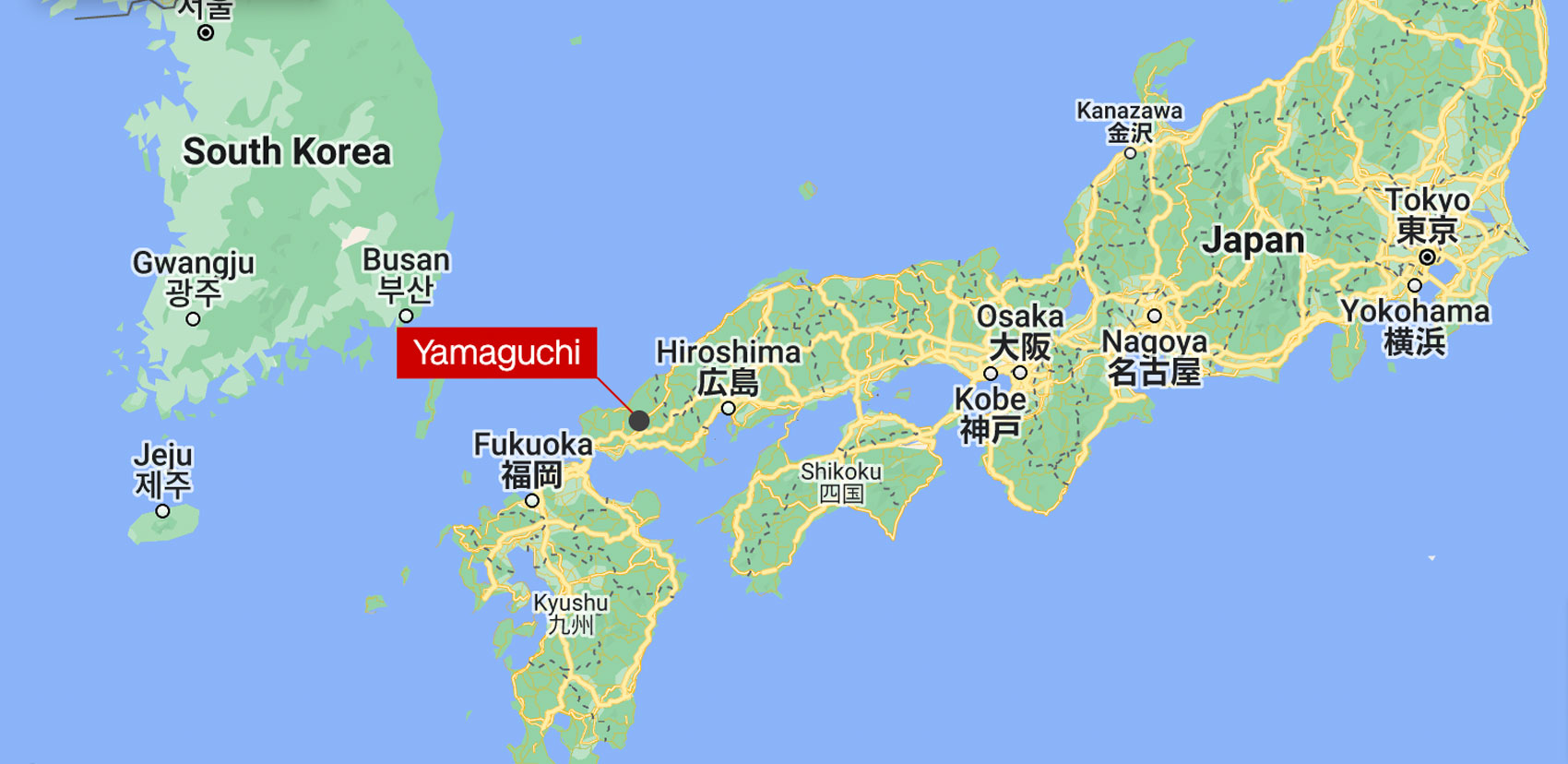
Since July 8, at least 45 people have been injured by Japanese macaques — also known as snow monkeys — in and around Yamaguchi city, according to Yoshitaka Morishige, an official from the Yamaguchi prefectural government's conservation department.

Initially, officials reported that the attacks were the work of one rogue monkey but authorities now say they cannot confirm if one or several of the animals were responsible.

READ MORE: Somerton man mystery 'solved' as DNA points to man's identity, professor claims

The number of confirmed attacks has more than doubled in less than a week. Victims range from toddlers to the elderly, Morishige said.

Those attacked have been scratched on their hands and legs, and bitten on their necks and stomachs, but have not reported any serious injuries, said Masato Saito, an official from the Yamaguchi city hall.

"Recently, we've heard of cases where the monkey has clung onto a person's leg and once that person tries to get them off, they get bitten — or they've gotten sprung on from behind," he said.

Victims have reported seeing monkeys of different sizes — "but whether a monkey is small or big changes from person to person as it depends on their perception," Saito said.

"Of course, we could work it out if there were a line-up of monkeys, but in this case, we can't say for sure if there are one, two, or several monkeys."

READ MORE: Aussie travellers cop 14 per cent bump in international airfares in two months

Earlier this month, many of the attacks took place when at least one monkey entered homes and a school through open windows and sliding doors. But now, with residents instructed to keep those entry points shut, more people are being attacked outside, Saito said.

The attacks had prompted police to lay traps, and step up their patrols armed with nets — but after failing to capture any monkeys, officers were armed with tranquilliser guns on Sunday.

Macaques are native to the country and found throughout most of its islands.

"Japanese macaque monkeys have coexisted alongside humans since the Edo period — Japan is very mountainous and communities live close to mountains where monkeys live, so it is easy for monkeys to enter villages and towns," said Mieko Kiyono, an expert in wildlife management and associate professor at Kobe University.

She added that monkeys live in groups, but young males often leave to live alone for a period of time, meaning the monkey responsible for attacks is most likely to be a male individual.

READ MORE: Meteor that hit Earth 50,000 years ago could revolutionise technology

Yamaguchi officials said such attacks were rare.

"This is a very unusual occurrence; they have never come into an urban area like this before and assaulted this many people," Saito said.

But Kiyono said these kinds of human-monkey conflicts have become increasingly common over the years, with research pointing to factors like the resurgence in macaque populations thanks to conservation efforts and decline in their natural habitats.

"In Japan, more and more monkeys are coming into homes and farms, damaging crops," said Kiyono.

"Local governments have measures to chase the monkeys away — for example, they may use fireworks to chase them back into their habitat."

READ MORE: Dash cam footage records road-rage incident with footy legend Rex Hunt

But these measures don't always work — monkeys could develop hostility toward humans as a result, and may not even return to their mountain habitats.

"Monkeys who learn to react against humans will join other herds, leading to more monkeys that do not fear humans," she said.

Dashcam captures road rage incident with AFL legend

Dashcam footage has captured the moments before and after a road rage incident in Melbourne's south-east involving a renowned former AFL commentator.

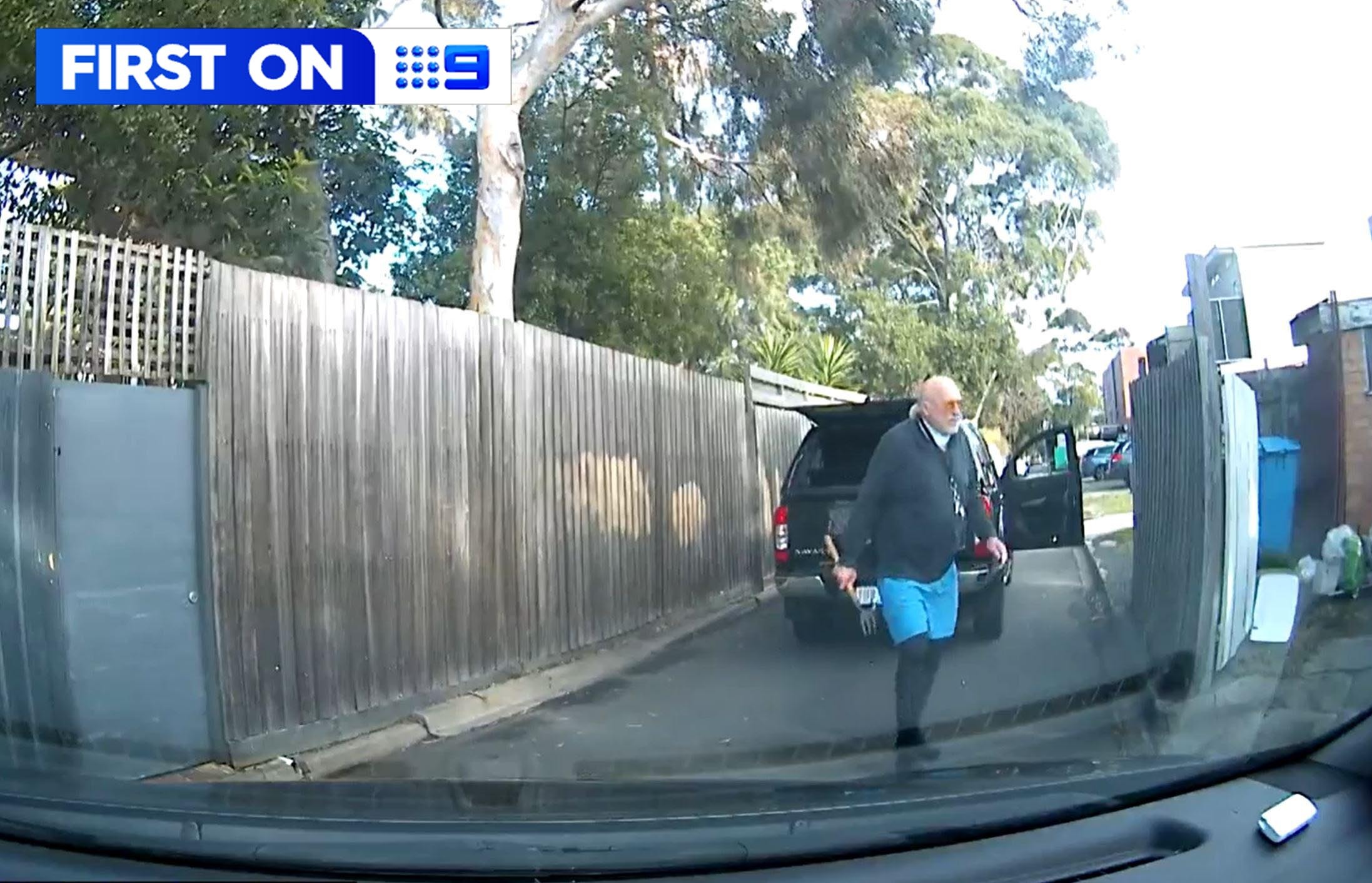
Stunned witnesses watched as Rex Hunt armed himself with a gardening tool and threatened another driver, who at one stage appeared to throw a punch, after his car was hit in Beaumaris.

It began just after 10am on Tuesday, when Hunt's vehicle was involved in a minor bing.

READ MORE: Primary school's pet chickens slaughtered in regional Victoria

Hunt is seen leaving his car to approach the other motorist, who drives away as Hunt yells from the middle of an intersection at a shopping precinct.

The car behind, which had the dashcam that filmed the incident, then follows both cars around a corner and captures the other male driver appear to throw a punch at the former commentator.

"Can you just walk away? Just walk away," the driver behind is heard to say.

It was then that Hunt grabbed the tool from his vehicle before he approached the other driver.

"You wanna die?" Hunt can be heard saying several times.

"Rex, just leave him," one person is heard saying.

Several witnesses said they intervened. Other witnesses told 9News the other man was seen running after Hunt in an aggressive manner and throwing punches at trees.

9News has contacted Hunt for comment but received no response.

No one was hurt in the incident and Victoria Police told 9News they were not notified of the incident.

Former-boyfriend arrested over alleged murder of German backpacker in NSW

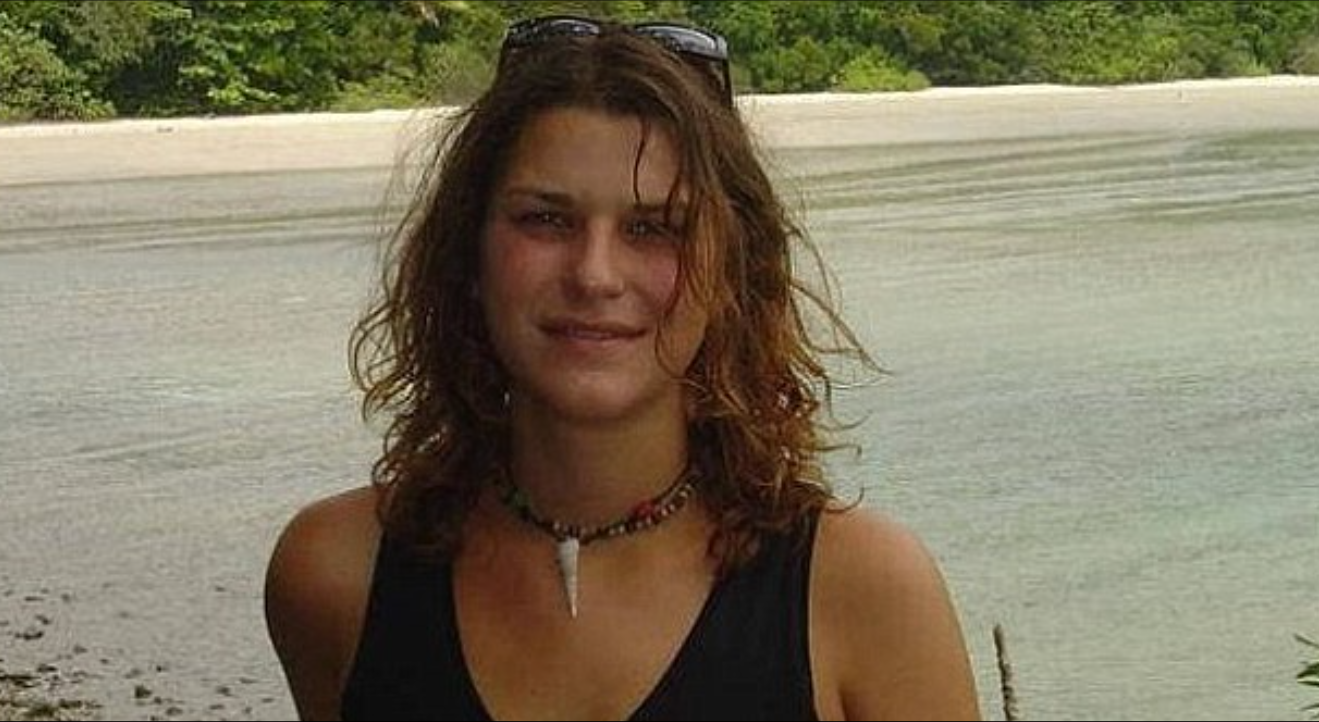
The former boyfriend of slain German backpacker Simone Strobel has been arrested by homicide detectives in Western Australia and is set to be extradited to New South Wales.

Tobias Friedrich Moran, formerly known as Tobias Suckfuell, had been travelling around Australia with Ms Strobel when her body was found under palm fronds less than 100 metres from the Lismore caravan park she was last seen at in 2005.

The 25-year-old school teacher had been suffocated with a pillow or plastic bag.

Strobels' father Gustl told German media the family was "totally surprised" by the development.

"We cannot believe it," he said.

READ MORE: Tracy Vo approached by a stranger at a café – before it 'suddenly turned'

Ms Strobel's murder has remained unsolved despite the establishment of a strike force and the NSW government offering a $1 million reward in 2020.

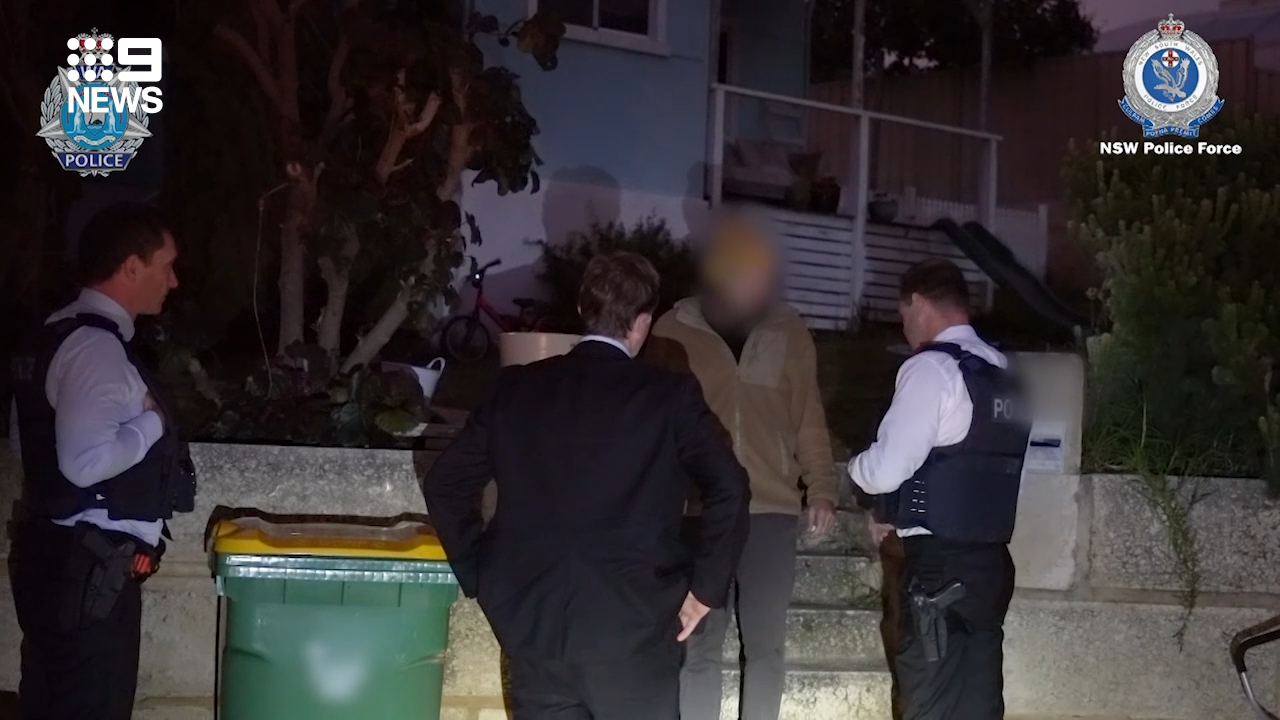
But on today, it emerged Moran had been arrested in connection with the case after a warrant was issued by NSW Police.

The 42-year-old faced Perth Magistrates Court from custody in regards to an extradition application.

READ MORE: Nation feared to be next on Putin's target list

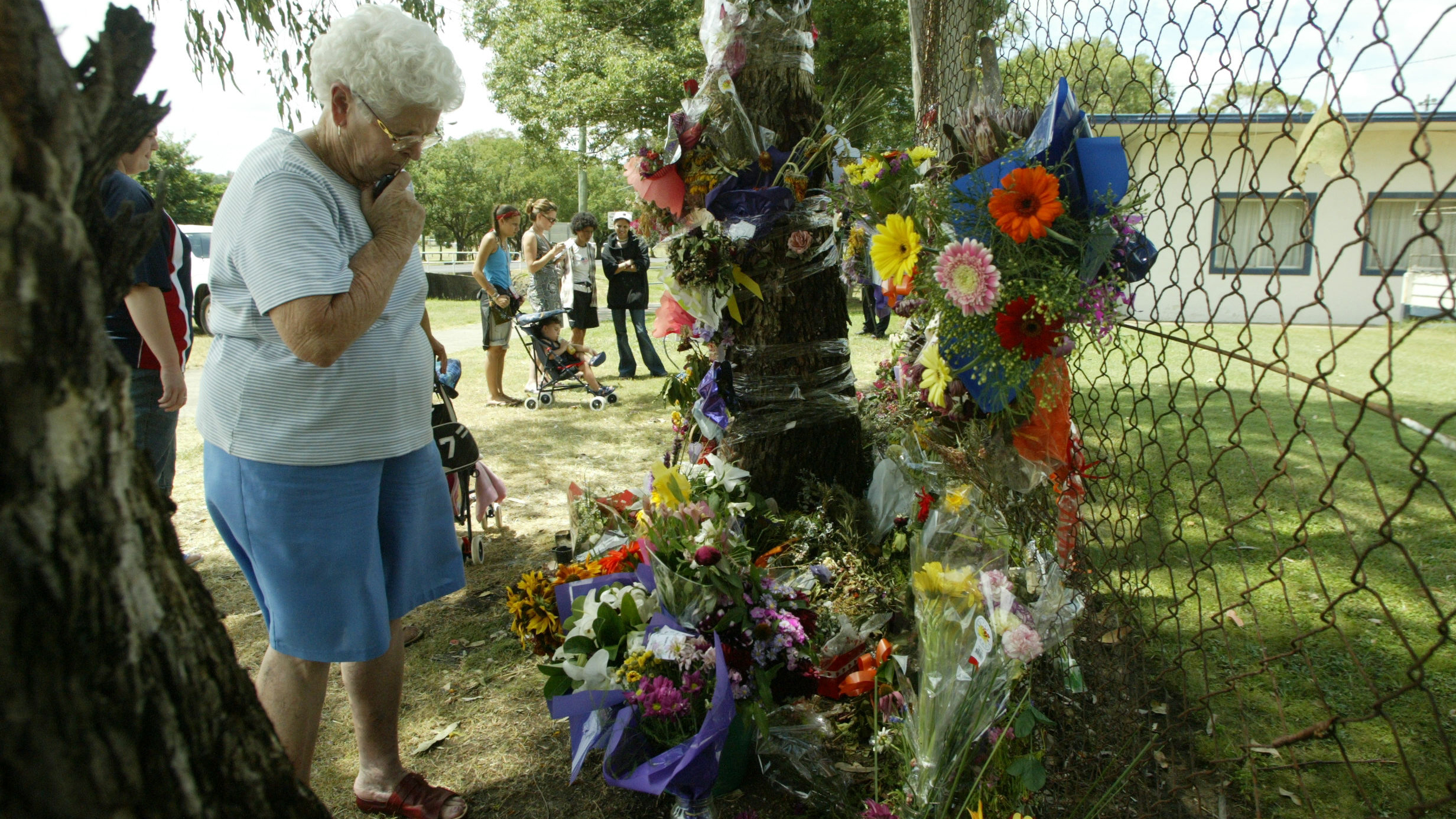
Lismore locals at a makeshift memorial for murdered woman Simone in February 2005

Magistrate Sandra De Maio said she would grant the order, telling Moran he would be released into the custody of police until he faced court in NSW.

Moran is expected to be flown to Sydney on Wednesday before facing Sydney's Downing Centre Local Court the following day.

NSW Police are yet to formally disclose the nature of his charges but confirmed the man's arrest, saying further information would be provided when available.

"Strike Force Howea investigators are continuing to work with their international counterparts, with investigations continuing," police said in a statement.

Moran's lawyer Tony Elliott said his client had no previous known convictions and he was unaware of any other charges or bail proceedings.

Police have previously said they believe Ms Strobel was murdered by Moran, who refused to return to Australia to give evidence at her inquest.

Deputy NSW Coroner Paul McMahon in 2007 found there was insufficient evidence to recommend charges but said he had a "very strong suspicion" Moran, then known as Suckfuell, was involved in the killing.

Strobel had been on a night out with Moran and friends when she was last seen at the Lismore Tourist Caravan Park on February 11, 2005.

Her body was found six days later, at a sports ground less than 100 metres from the caravan park.

Authorities in Germany also offered a reward in 2014 of 10,000 Euros to German and Australian residents with any information about Ms Strobel's death.