Anthony Albanese has urged Australians not to take more fuel than they need in his address.
Tag Archives: oceania
Is Winston Peters on the verge of a Cook Islands breakthrough? – Azaria Howell
ANALYSIS: The Foreign Minister has gone to Rarotonga to meet PM Mark Brown.
Car catches fire in downtown Auckland near busy Waitematā Train Station, formerly Britomart
Police are assisting with traffic management near Waitematā Train Station in the CBD.
Man who fell overboard from the Interislander ‘extremely unlikely’ to have survived, police say
CCTV footage shows the man went into the water just after 11pm on Tuesday.
Whangamatā Beach visitors delighted by ‘surreal’ orca visit
One local said the ‘playful beasts of the sea’ swam under the wharf.
The moment one servo cut fuel prices after excise cost passed
Motorists around the country could be waiting days for the new fuel excise cut to bring petrol pump relief, but some servos are moving quickly.
Cameras at a Canberra service station early this morning caught the moment prices dropped, with e10 falling from $2.57 per litre to $2.27 per litre, and diesel dropping from $3.21 per litre to just under $3 per litre.
But other drivers have been warned it could take time for the excise cut to filter through around the country, with calls for the ACCC to crack down on companies that don't comply.
READ MORE: Why your favourite cafes and corner stores are about to hike prices
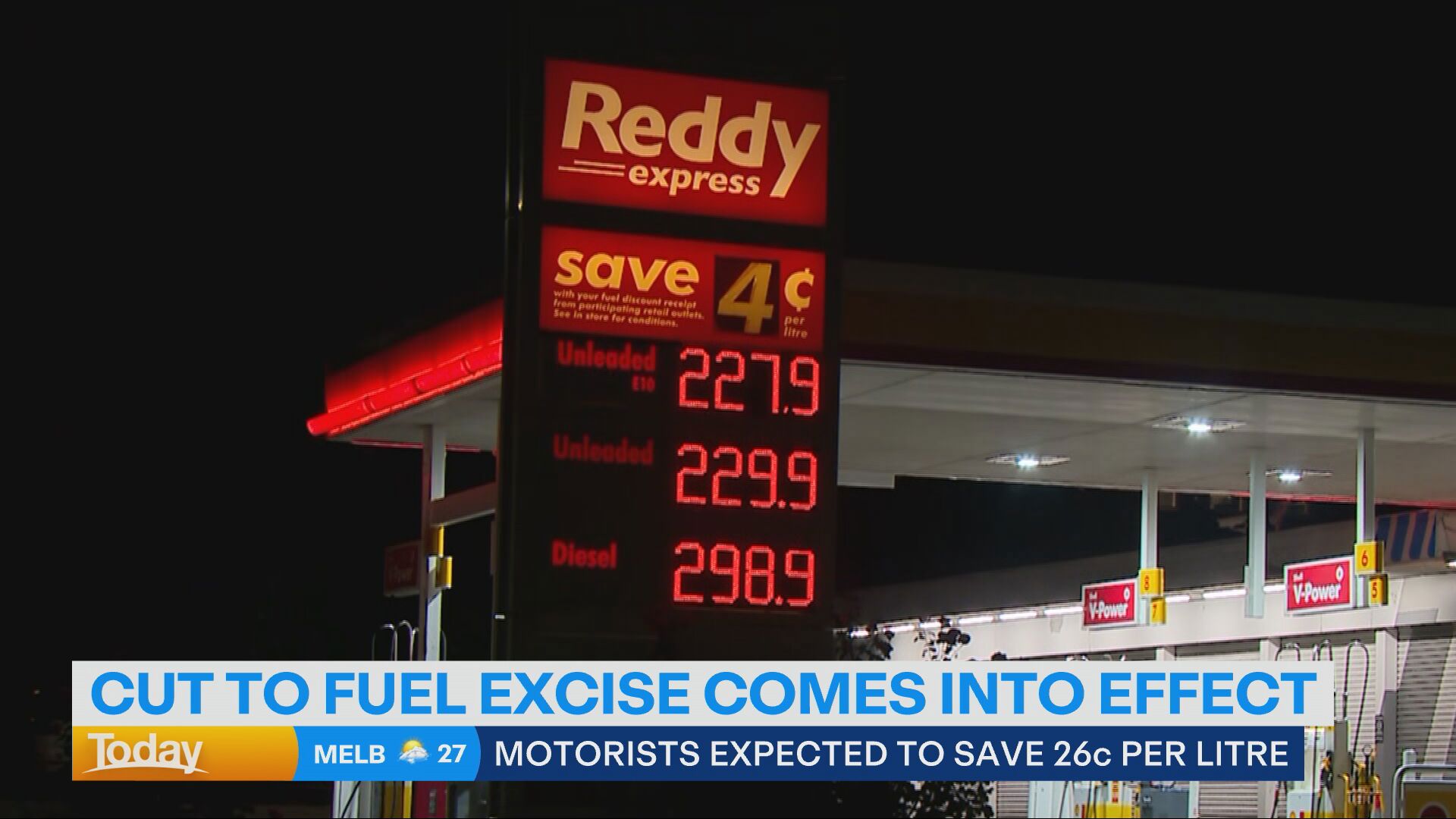
The opposition and the crossbench expressed reservations but got behind the government's push to halve the tax, cutting 26.3 cents per litre from fuel prices to save about $19 on a 65-litre tank.
But calls have also emerged for more radical changes such as drilling more Australian oil, forcing electric vehicle drivers to pay up and trying to pressure US President Donald Trump to end his war in Iran more quickly.
READ MORE: 'Just a rip-off': Servo forced to sell $4 diesel thanks to typo
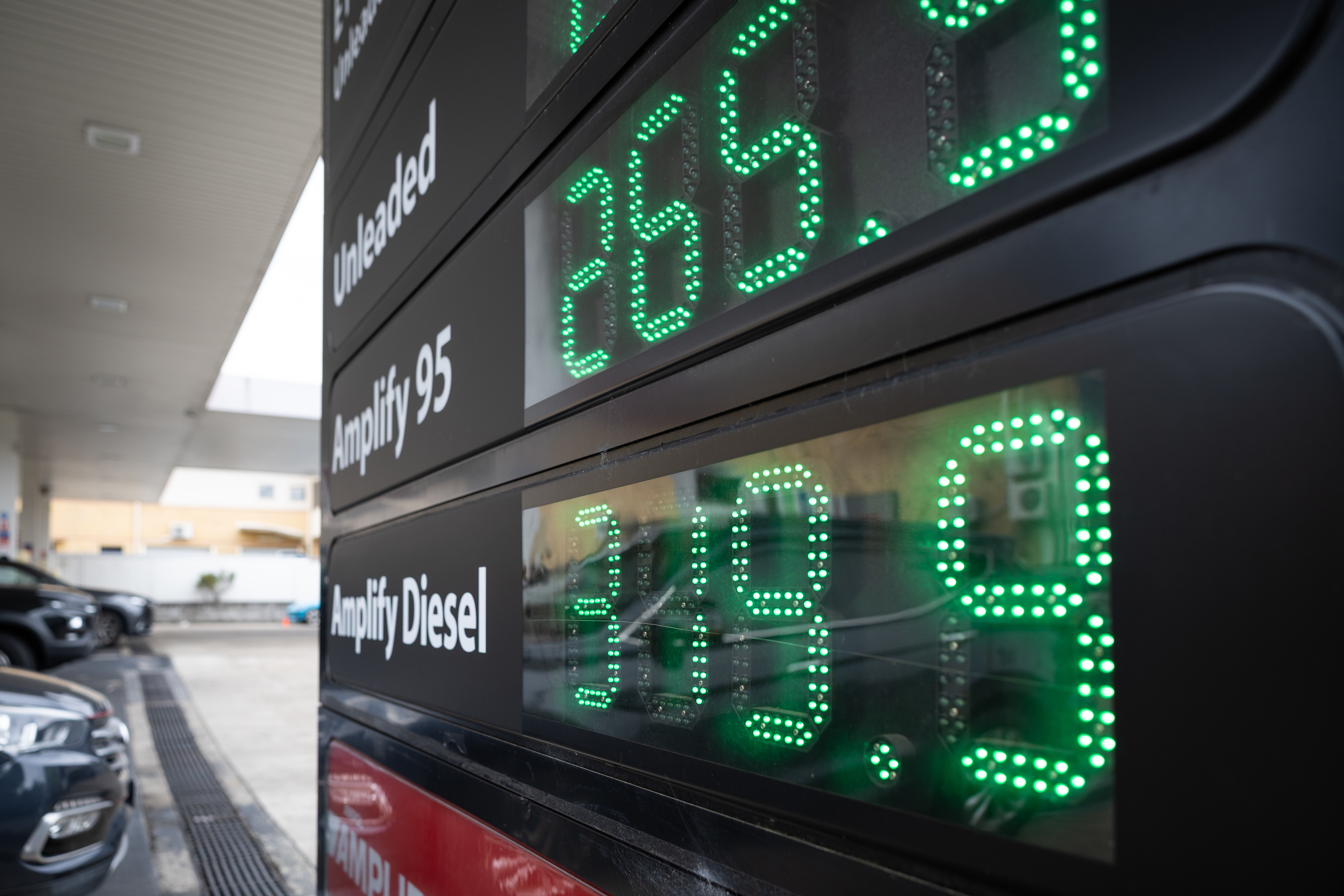
The three-month fuel excise reduction passed the Senate last night along with new laws offering financial guarantees for companies buying fuel in the volatile world market.
Labor Senator Deborah O'Neill said the reduction would make a difference for people and businesses struggling with the rapid rise in fuel prices.
"It's not just farmers. It's not just families or small businesses that are feeling this," she told the Senate tonight.
"It's providers of the heavy machinery that builds this nation that's putting all the essential infrastructure in for the housing development that we want, that's building the roads that we need for the productivity gains that this country deserves mind to all of those things, and we need to keep the businesses afloat that are building our nation."
Both the opposition and One Nation claimed credit for the policy, with the Liberals going as far as to try to make the government officially acknowledge that they proposed the cut first.
"This amendment makes clear that this policy originated with the Coalition, that the government delayed in acting, it failed to provide offsets, and that uncertainty remains around GST arrangements and fuel security," Senator Clair Chandler told the Senate.
READ MORE: Police tracked car's repeated trips before fatal shootout that killed Dezi Freeman
The change, along with the Greens' attempt to include language criticising the government for supporting "President Trump and Prime Minister Netanyahu's illegal war", were voted down.
Independent David Pockock echoed concerns raised by a string of economists that the discount at the bowser would likely push the Reserve Bank towards raising interest rates again, costing mortgage-holders more in the long run.
But he, both parties and several other crossbenchers still supported the bill.
Energy Minister Chris Bowen said the excise cut would apply from today but would take time for the impact to be seen at the browser, particularly in regional areas with less turnover.
READ MORE: Father and son embrace in hospital following Sydney daylight stabbing
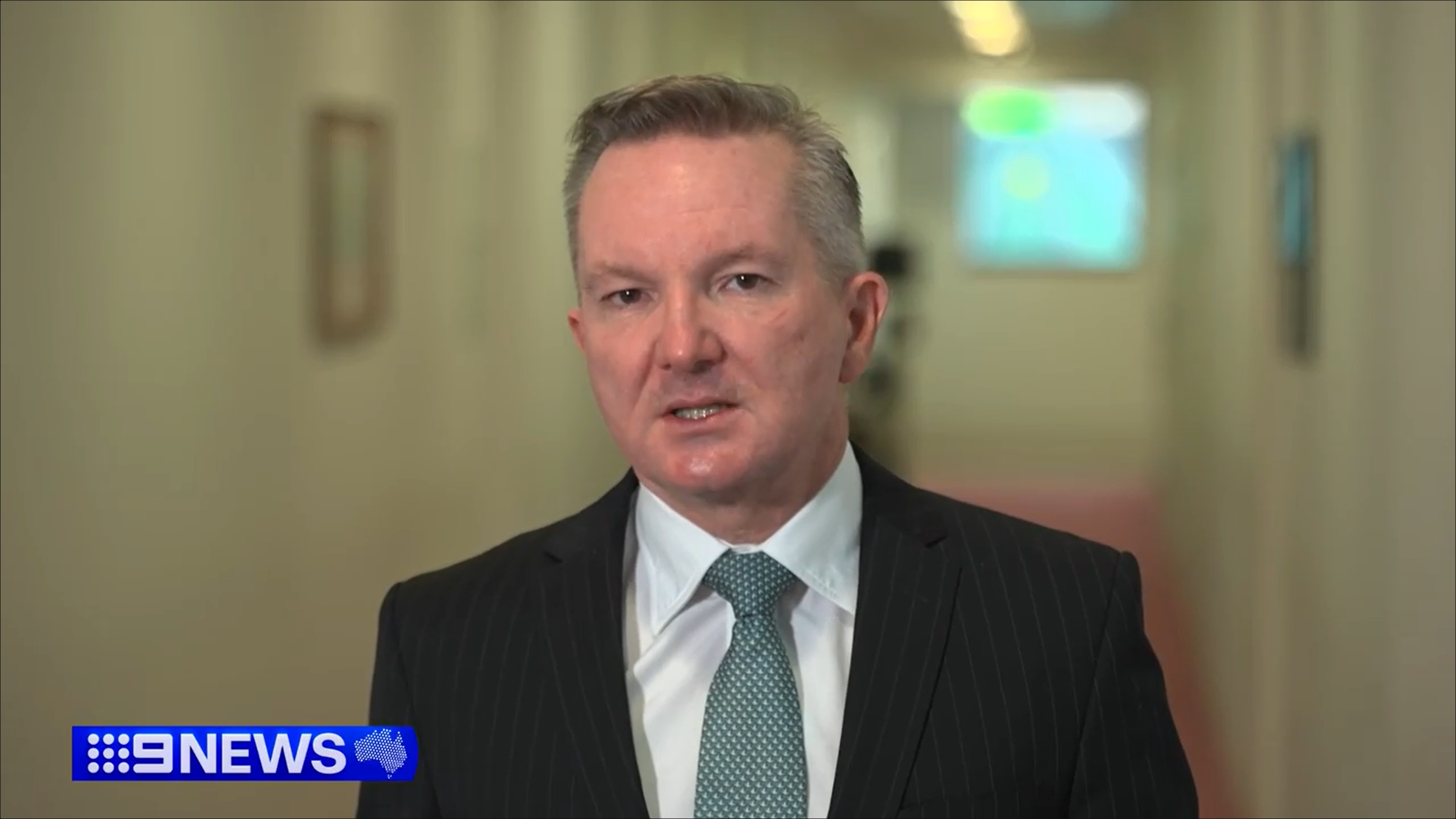
"The fuel in the tank at the service station might have been there for days. They have already paid the tax," he said yesterday.
"So please, if you turn up tomorrow and the price has not gone down, they are just waiting for the new petrol with the lower tax to come in."
He said the government had considered inflation concerns but decided prices were high and "unlikely to plummet any time soon".
"We don't see people racing down saying, 'The situation's solved and Albo's fixed it and now we'll buy more petrol', because that's not what we think, and I don't think that's what Australians would think," he said.
There are concerns from some that even the sizable discount won't be enough.
"It'll be burnt up in a couple of weeks. It'll have no effect at all," Wholesale Sleeper Co director Murray Flakelar said.
Liberal Senator Andrew Bragg today backed Queensland Premier David Crisafulli's call for the state to refine its own oil.
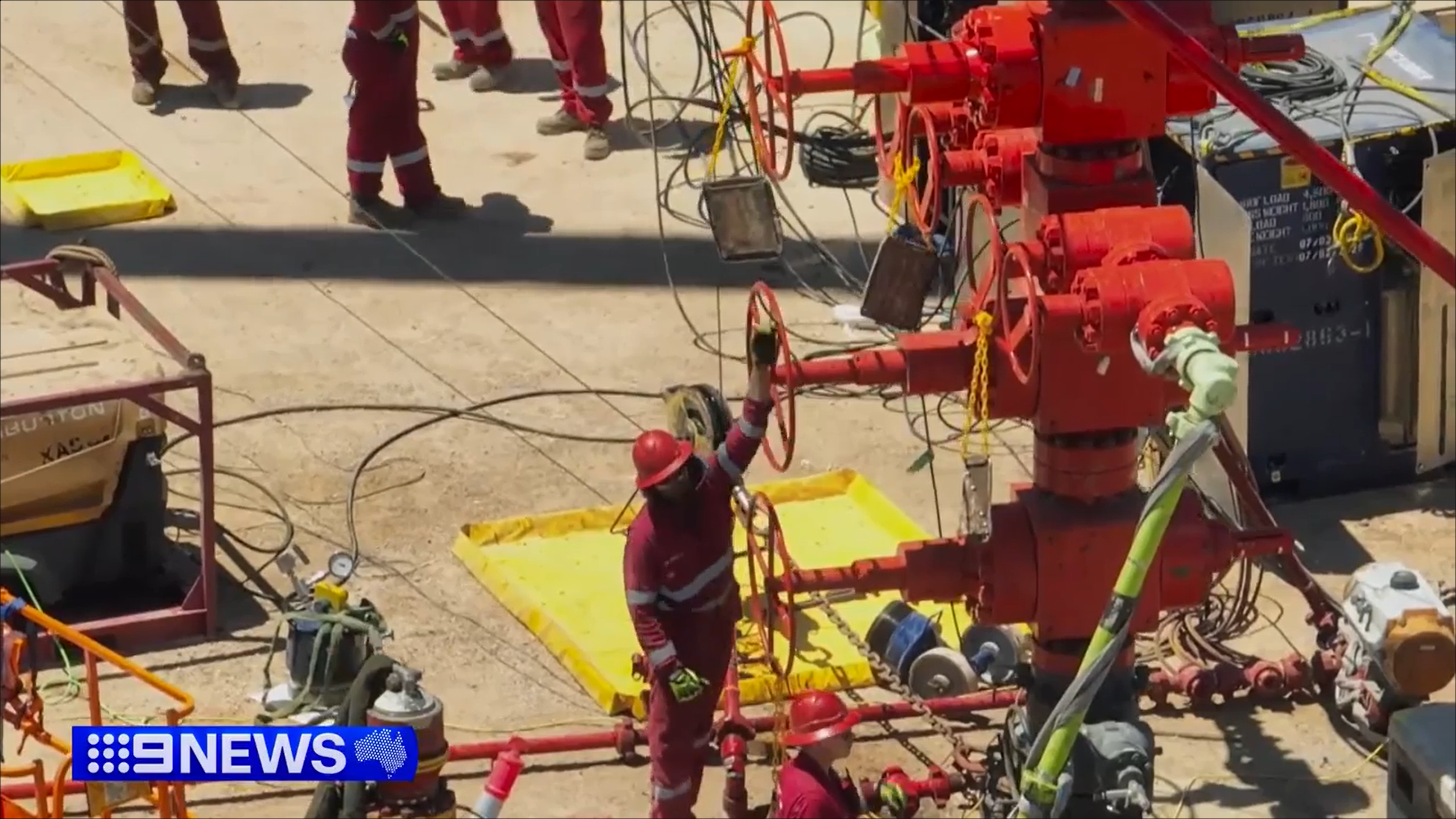
"The fact that we have 40 years of oil under the ground that we haven't been able to get out because of the environmental laws is a bloody disgrace, frankly," he said.
Bowen was cautiously open to the idea.
"I think these things should always be determined on economics and engineering, not on ideology," he said.
"If there's oil there that can be easily and cheaply extracted, sure, and it replaces oil imports. Great.
"But there have been many attempts to do this."
Another suggestion is to Fast track a long-discussed road user charge for electric vehicle users to replace some of the money lost in fuel excise.
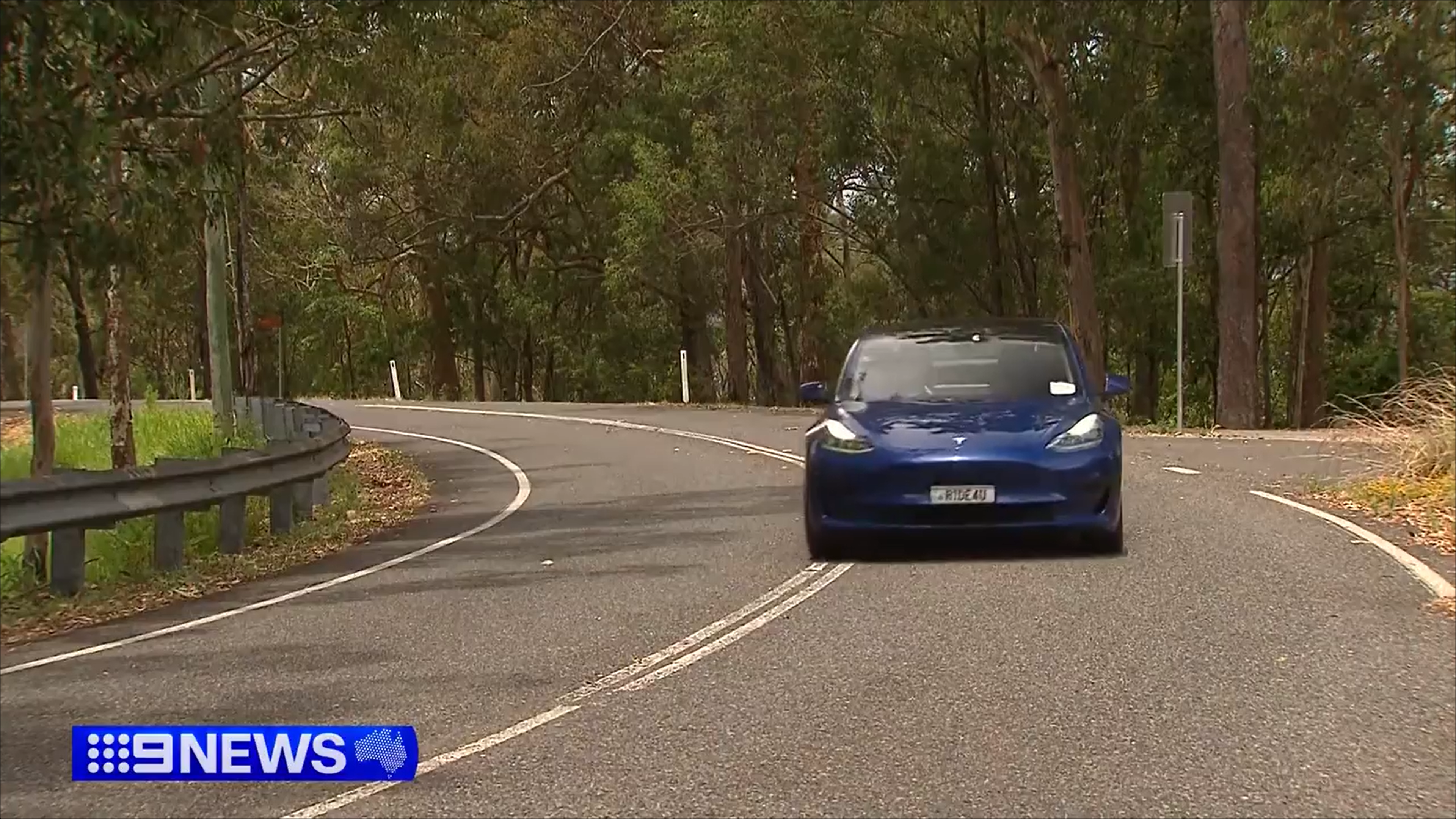
"Well everyone should be paying their fair share and EVs use the road and those roads need to be repaired," former Nationals leader David Littleproud said.
National Automotive Leasing and Salary Packaging Association chief executive Rohan Martin said it was important such a move didn't disrupt EV sales and Bowen said the fuel tax would apply for three months whereas EV take-up would be here for years.
The Greens said the country should invest more heavily in renewable energy to reduce reliance on foreign fossil fuels.
Things are bad now but there are warnings it could get worse next month as refineries in Asia that refine fuel for Australia are reliant on oil from the Middle East.
NEVER MISS A STORY: Get your breaking news and exclusive stories first by following us across all platforms.
- Download the 9NEWS App here via Apple and Google Play
- Make 9News your preferred source on Google by ticking this box here
- Sign up to our breaking newsletter here
Teen shot by police after allegedly pulling out knife during welfare check
A teenager is undergoing emergency surgery after he was shot twice by police following an altercation in Brisbane's north-west.
The 19-year-old man's mum called Triple Zero about 11am (AEST) to ask for mental health support for her son at their home on Akebia Street in Arana Hills, police said.
Three police officers, as well as paramedics arrived at the home about 90 minutes later.
NATIONAL: What to expect from prime minister's rare address to the nation
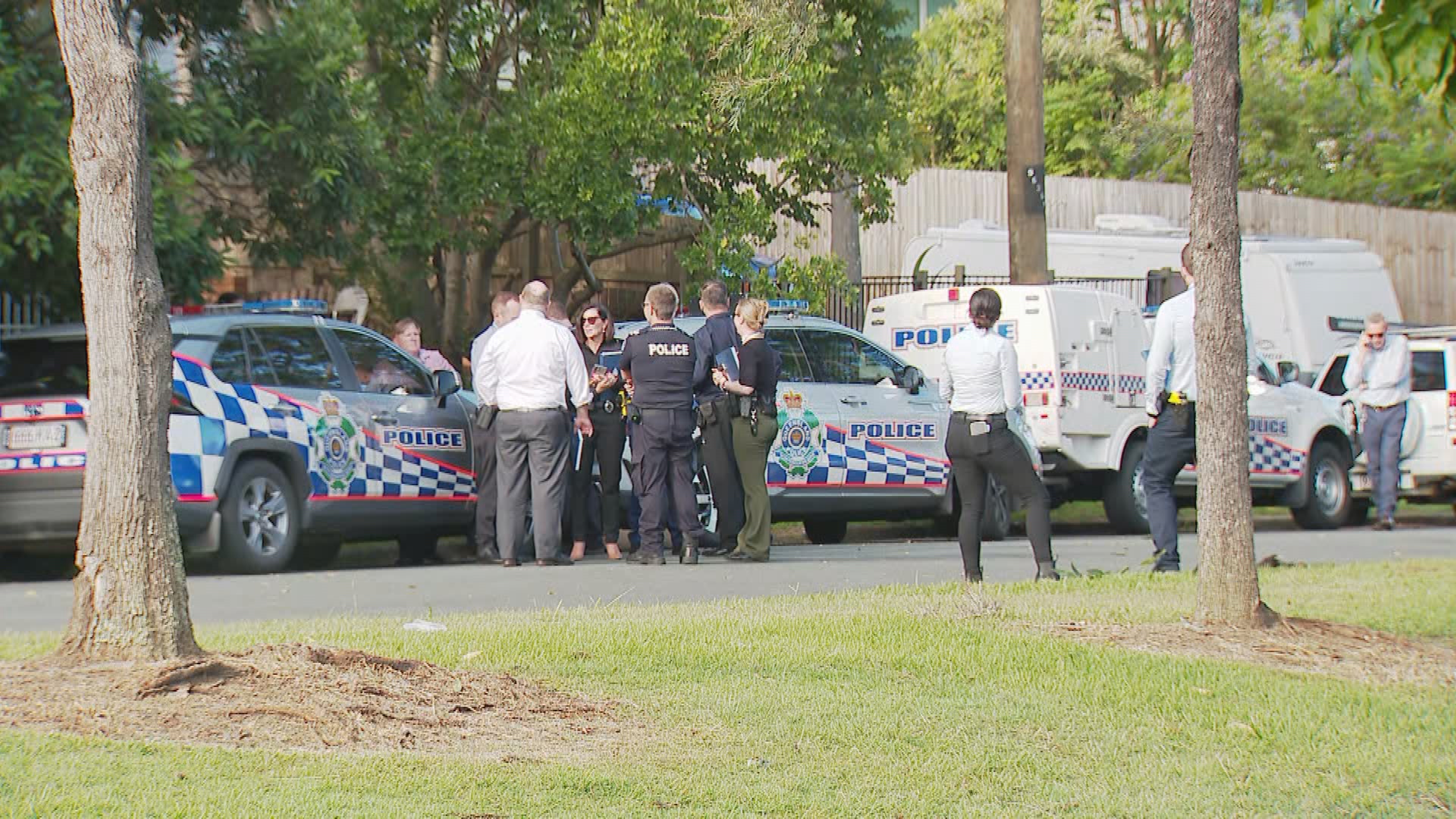
Inside the home, two of the officers allegedly tried to encourage the man to accept mental health support before he produced a large kitchen knife.
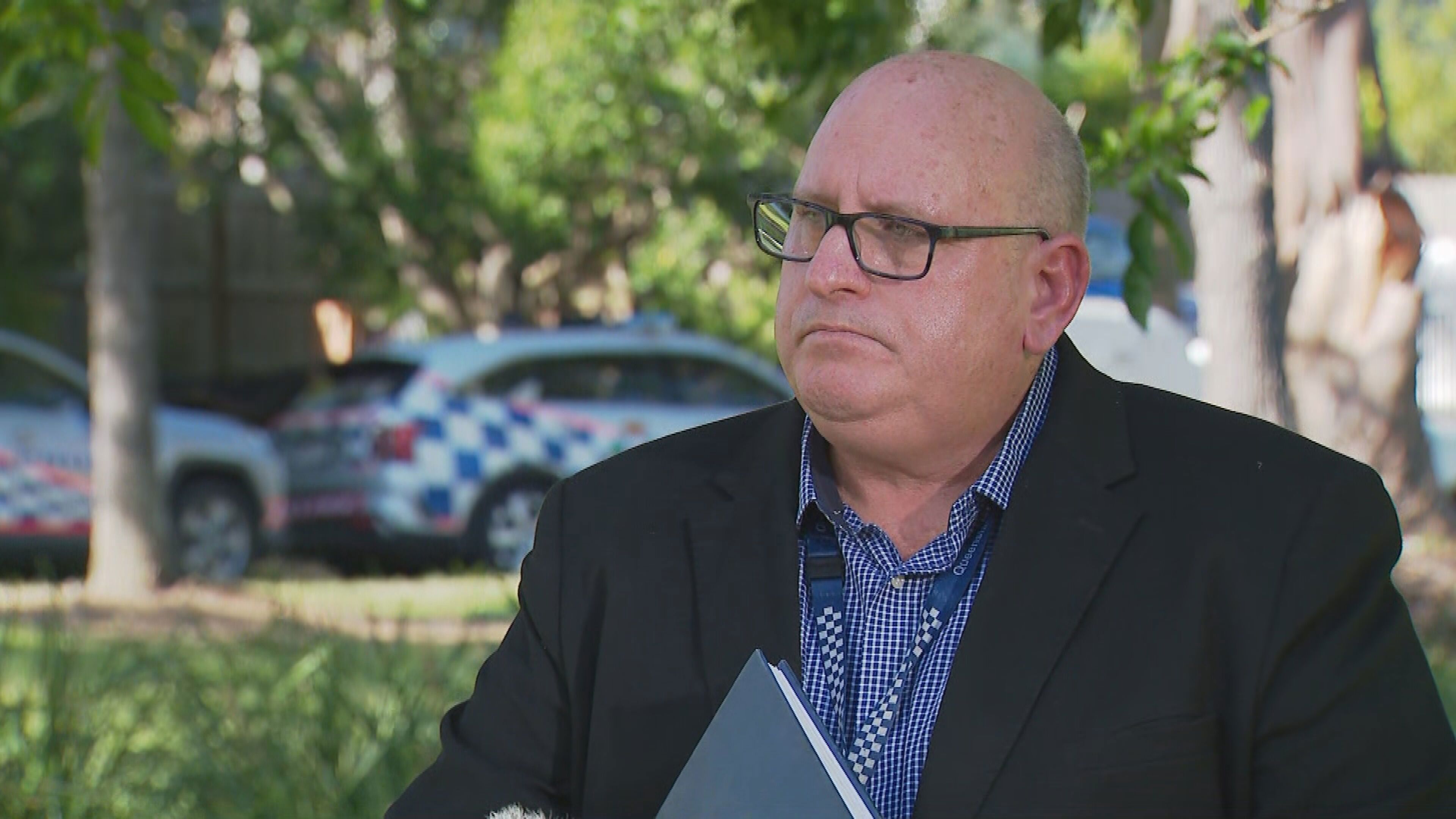
One of the male officers, a first-year constable, fired two shots, which struck the 19-year-old in the abdomen, Detective Superintendent Andrew Massingham told media this afternoon.
His mother witnessed the shooting.
"Mum is distressed, she is traumatised," Massingham said.
"The situation here is one that we encounter where we attempt to get help for somebody and unfortunately, that help doesn't always go as planned and situations like this arise where unfortunately this sort of action needs to be taken.
"It's a lethal use of force option that is our last option."
Officers and paramedics immediately provided first aid at the scene.
The man was rushed to Royal Brisbane and Women's Hospital in a critical condition to undergo emergency surgery.
CRIME: Man pleads guilty to teacher's brutal murder after remains found in freezer
Massingham said a Taser was also discharged at some point, but it is unclear whether that occurred before the gun was fired.
"The timing of that in terms of when the shots were fired will be subject to the ongoing investigation," Massingham said.
The police officer who fired the shots was "distraught", Massingham said.
"We don't come to work everyday expecting this and when the reality hits that something like this has occurred, it is tramuatic for all involved and that young man is feeling that right way.
Body-worn cameras were operating at the time and will be reviewed.
The officers involved are yet to interviewed.
"We are currently in the process of doorknocking, obtaining witness statements of people that may have tragically heard or witnessed the subsequent events after this man was shot," Massingham said.
The matter will be investigated by the Ethical Standards Command with oversight by the Crime and Corruption Commission, as is standard practice.
If you have information for police, contact Policelink by providing information using the online suspicious activity form 24hrs per day at www.police.qld.gov.au/reporting.
Report crime information anonymously via Crime Stoppers. Call 1800 333 000 or report online at www.crimestoppersqld.com.au.
Raw C Easter coconut water recalled over undeclared milk allergen
Customers with a milk allergy are entitled to a refund.
Auckland Facebook car scammer Rohinel Prasad led police on 160km/h chase
Rohinel Prasad used fake bank transfers to trick people into handing over their vehicles.
Whangārei storm recovery costs hit $16m as Helena Bay slip work continues
A 110,000cu m slip on Helena Bay hill has only been 25% cleared so far.