OPINION: Stability is more important at this stage than impatient backbenchers.
Tag Archives: oceania
Torty the tortoise, who survived World War I, visits Te Papa exhibit that tells her story
Torty was carried from Greece in Stewart Little’s rucksack in 1916.
Grandpa deemed guilty, not gullible over heroin import plot
Claims that a grandfather was unaware a foldable camp bed contained illicit drugs despite being offered millions to bring it into Australia have been rejected by a jury.
Border Officials stopped Barry James Calverley at Sydney International Airport on a flight from Laos via Vietnam on January 24, 2024.
He was carrying a green bag containing a camp bed with a mosquito net, which had 48 packages of heroin hidden within the metal frame.
READ MORE: Prime Minister Anthony Albanese to make rare national address tonight
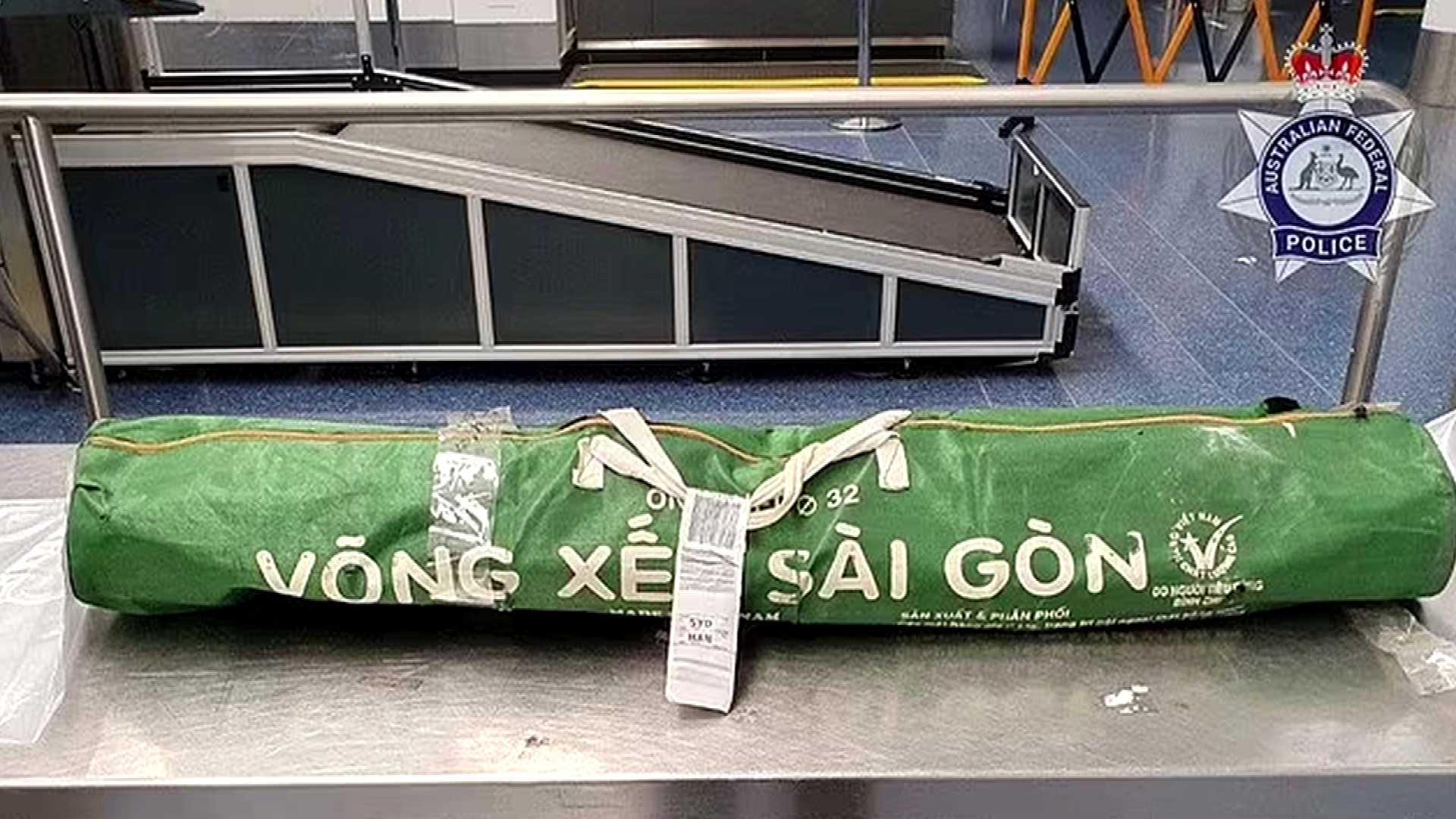
The 70-year-old was found guilty of one count of importing a commercial quantity of a border-controlled drug by a NSW District Court jury today.
Jurors returned the verdict after deliberating for just over eight hours.
They were told at trial that Calverley was offered $10 million to bring the camp bed from Laos to Australia.
Commonwealth prosecutor Sheridan Goodwin told the jury the total weight of pure heroin within the bed was around 2.5kg.
READ MORE: National gun buyback scheme hits major snag
In late 2023, Calverley received an email stating that a payment of more than $14 million was waiting for him.
This was reduced to $10 million after he was directed to pick up some documents in the Laotian capital of Vientiane and return with a "gift" to someone called the "paymaster general" in Sydney.
He claimed he thought the money offered was compensation after he had been conned out of $260,000 in 2022.
He will face a sentencing hearing on April 22.
NEVER MISS A STORY: Get your breaking news and exclusive stories first by following us across all platforms.
- Download the 9NEWS App here via Apple and Google Play
- Make 9News your preferred source on Google by ticking this box here
- Sign up to our breaking newsletter here
Failed Wellington mayoral candidate trespassed from Upper Hutt council offices
Police arrested Graham Bloxham in mid-January at a protest but laid no charges.
Man pleads guilty to teacher’s murder after remains found in buried freezer
A man has pleaded guilty to murder exactly seven years after body parts were found in a chest freezer buried in the victim's backyard.
Bobby Andrew Weaver faced Brisbane Supreme Court today for what was meant to be a pre-trial hearing.
The crown prosecutor instead asked Justice Rebecca Wilson to arraign Weaver on one count of murder.
READ MORE: Prime Minister Anthony Albanese to make rare national address tonight
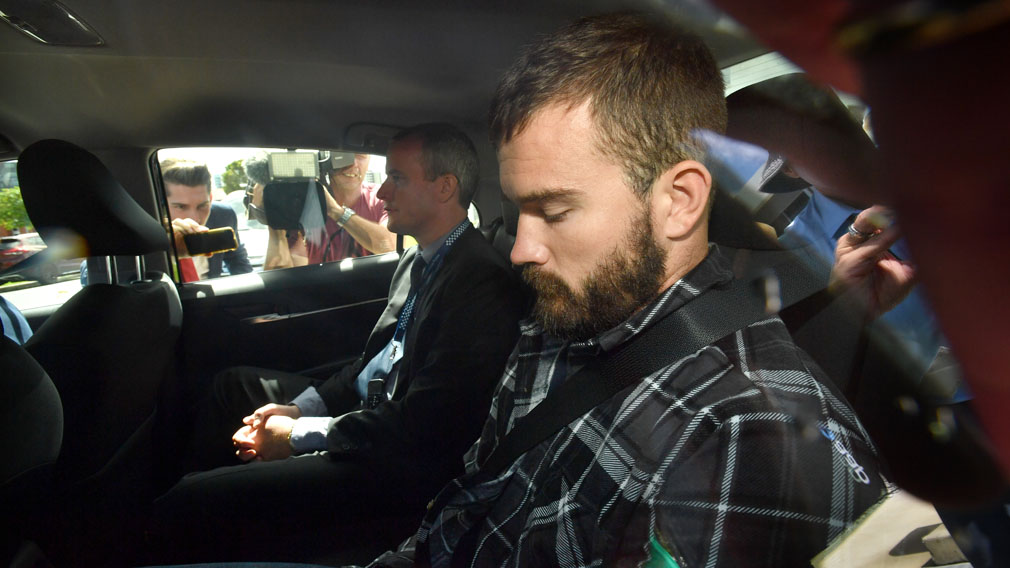
Weaver said "guilty" when asked how he would plead to the charge of murdering David Charles Thornton some time between January 24 and March 10, 2019 at the Ipswich suburb of Goodna, west of Brisbane.
Weaver declined to say anything further to Wilson.
Thornton, a retired maths and science teacher, was last seen near his Goodna home on February 22 and was reported missing by his family on March 12, 2019.
Police began digging in his yard over a weekend in late March.
READ MORE: Fugitive Dezi Freeman believed to have been shot up to 20 times during tense stand-off with police
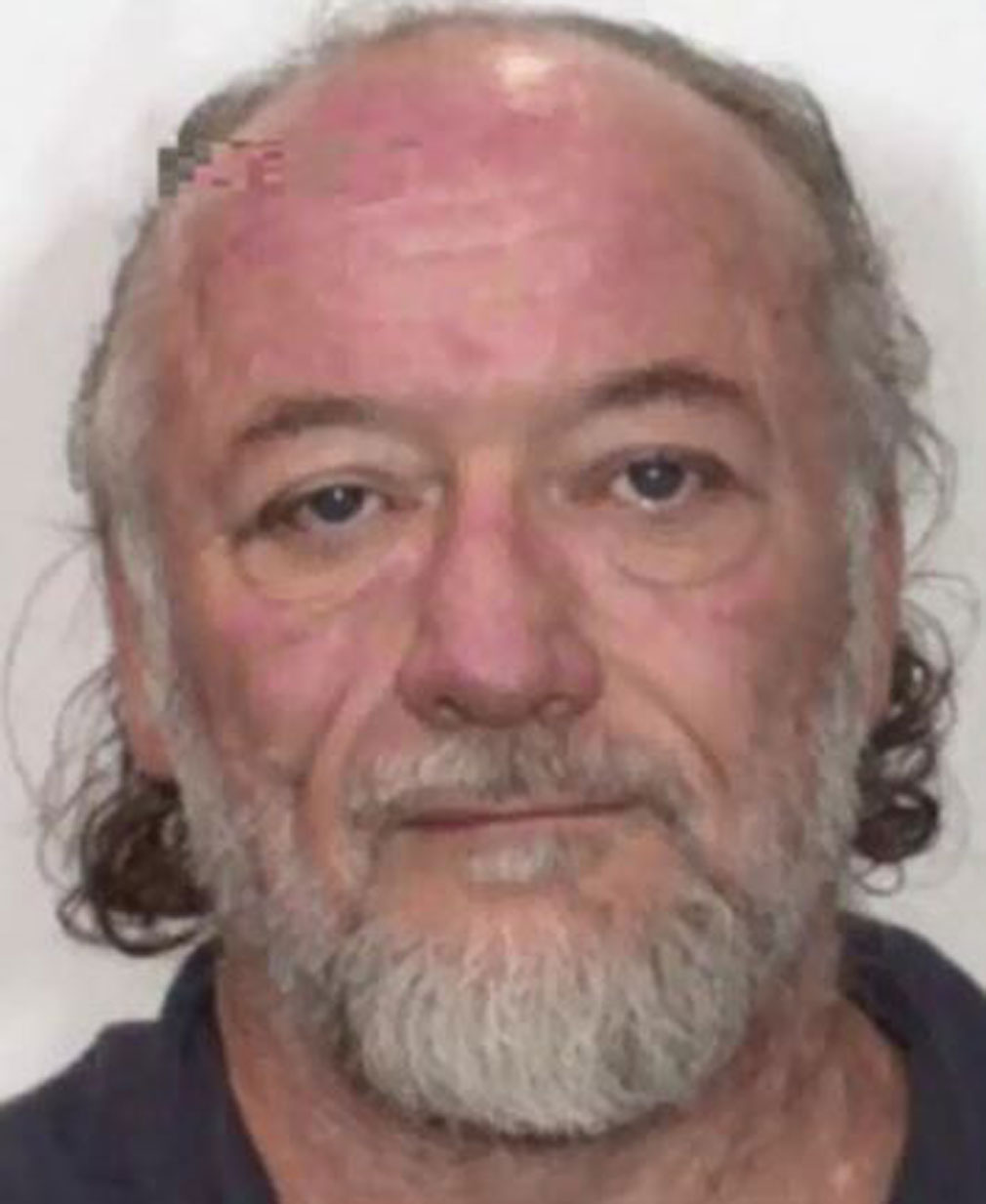
On April 1, 2019 they excavated the freezer that contained human remains belonging to Thornton.
Weaver was extradited to Queensland from NSW on April 3, 2019 following his arrest on the previous day at a Pacific Highway rest stop at Tyagarah, just north of Byron Bay.
He was due to face the start of a Supreme Court trial on July 27 this year.
Wilson today ordered Weaver continue to be remanded in custody and scheduled a review on April 8 to confirm a date for sentencing.
Weaver's barrister said she would seek a subpoena for her client's medical records to assist with sentencing.
Top cop ‘certain’ police will return to Gus’ home as he hopes for ‘breakthrough’
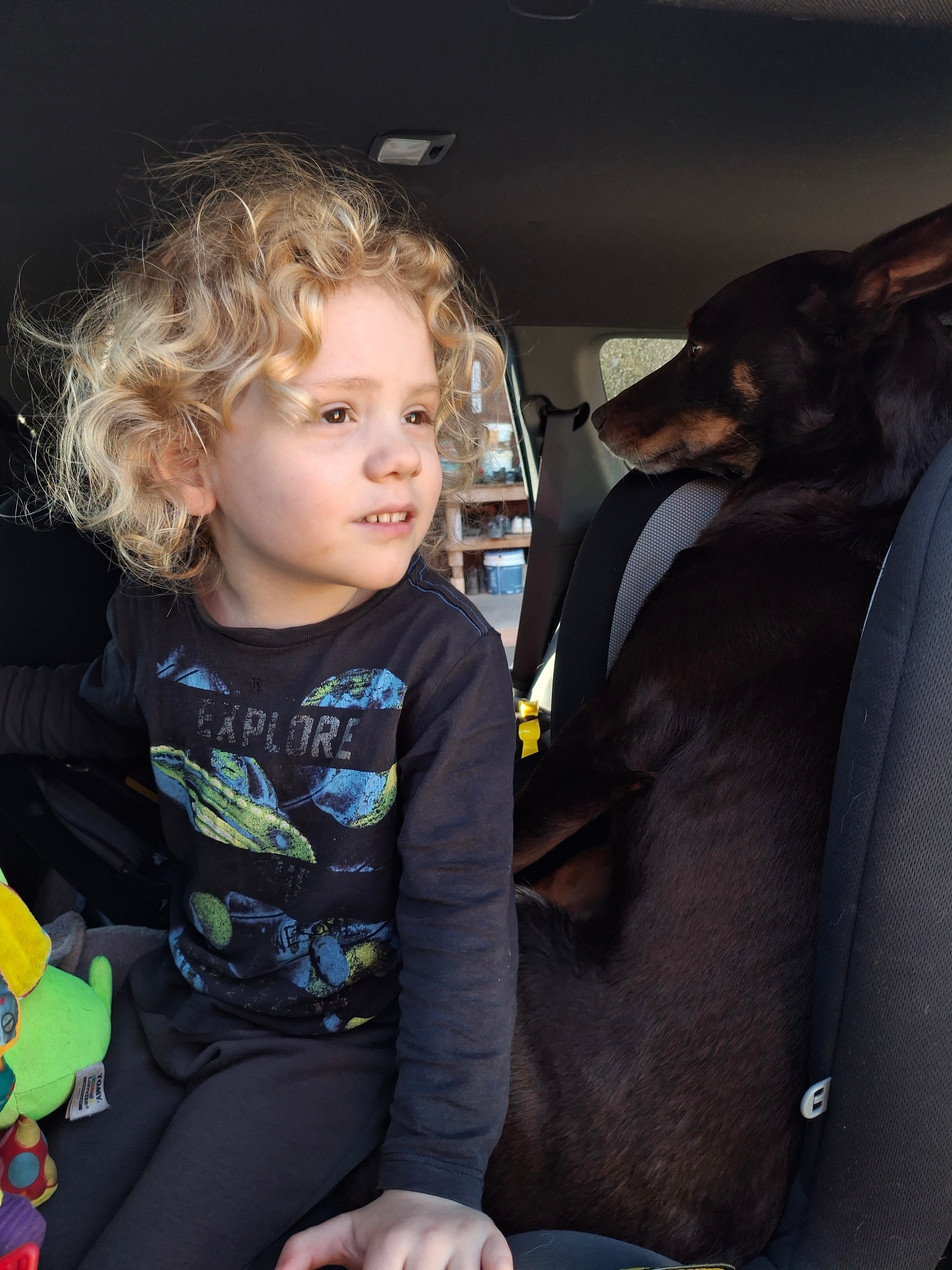
South Australia's top cop is "absolutely certain" police will revisit the remote homestead where Gus Lamont was last seen, with police vowing to continue searching for missing toddler until there is a "breakthrough" in the case.
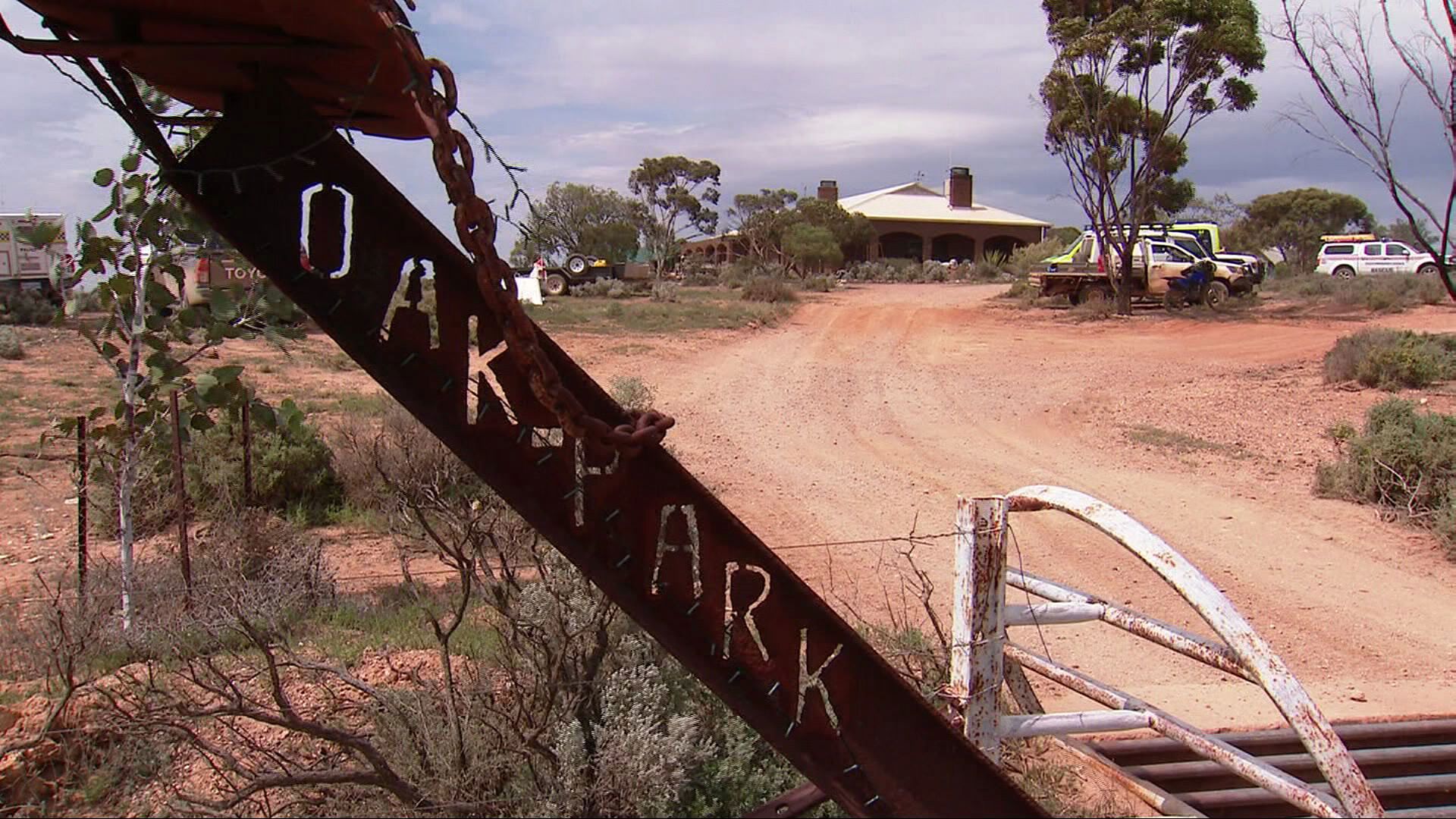
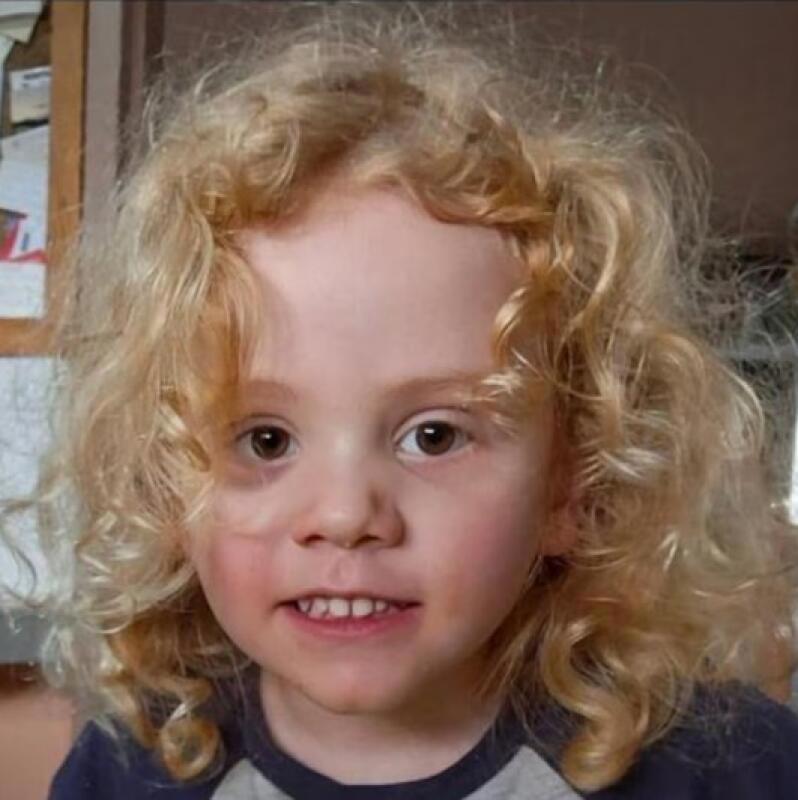
The four-year-old was last seen playing on a dirt mound at his family's property Oak Park Station in South Australia around 5pm on September 27.
There has been no sign of Gus for more than six months, despite the search being the largest and most intensive missing person investigation in the state's history.
NATIONAL: Fugitive Dezi Freeman 'shot up to 20 times' during stand-off
FUEL CRISIS: Servos cut prices as fuel excise reduction passes Parliament
SA Police Commissioner Grant Stevens told reporters today he is "absolutely certain" that detectives will return to Oak Park Station as part of the ongoing investigation, adding that he is confident that Gus will one day be found.
"We are not going to step away from this investigation until we have some outcome for the family," Stevens said.
"I think we've demonstrated over time that the resolve to bring these types of major investigations to a conclusion never stops.
"I am confident that level of effort will continue to be applied in the hope that we get a breakthrough."
He said the majority of the searches had taken place "in and around the property".
The most recent search for Gus was called off on March 12 after no evidence was uncovered.
Last month, the top cop claimed that two members of the missing four-year-old's family had been "not cooperating" with authorities investigating his disappearance.
"We are still working with Gus' mum and dad and there are other members of the family who are no longer cooperating," Stevens told ABC Radio Adelaide.
SA Police claimed to nine.com.au that two of Gus' family members are "only communicating via their legal representatives".
It is not known which family members have allegedly withdrawn cooperation with investigators.
SA Police declared Gus' disappearance as a major crime in February and claimed that a person with close ties to the household, who is not one of Gus' parents, had been previously speaking with detectives but allegedly "withdrew coperation".
Police said that person was considered a suspect, though their identity hasn't been revealed.
Josie Murray and Gus' other grandparent Shannon Murray released a statement through their lawyers, saying they were "absolutely devastated" by SA Police's statement on February 6.
READ MORE: This state just banned all phones, smartwatches and earbuds in schools
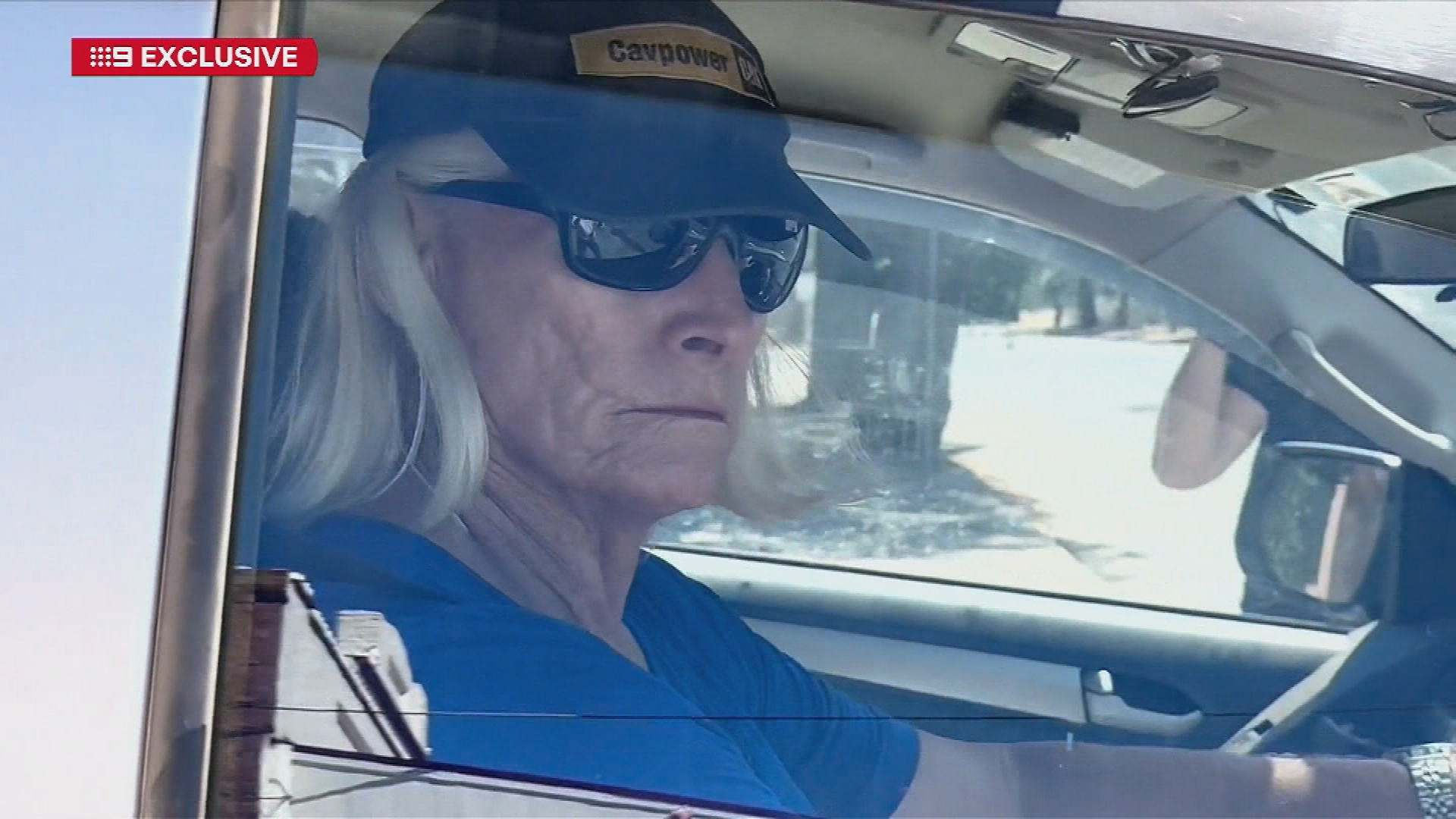
"We are absolutely devastated by the media release of SAPOL Major Crime. The family has cooperated fully with the investigation and want nothing more than to find Gus and reunite him with his mum and dad," the statement read.
There is no suggestion Josie or Shannon Murray are involved in the disappearance of Gus and it is not unusual for anyone linked to an investigation to seek out legal advice.
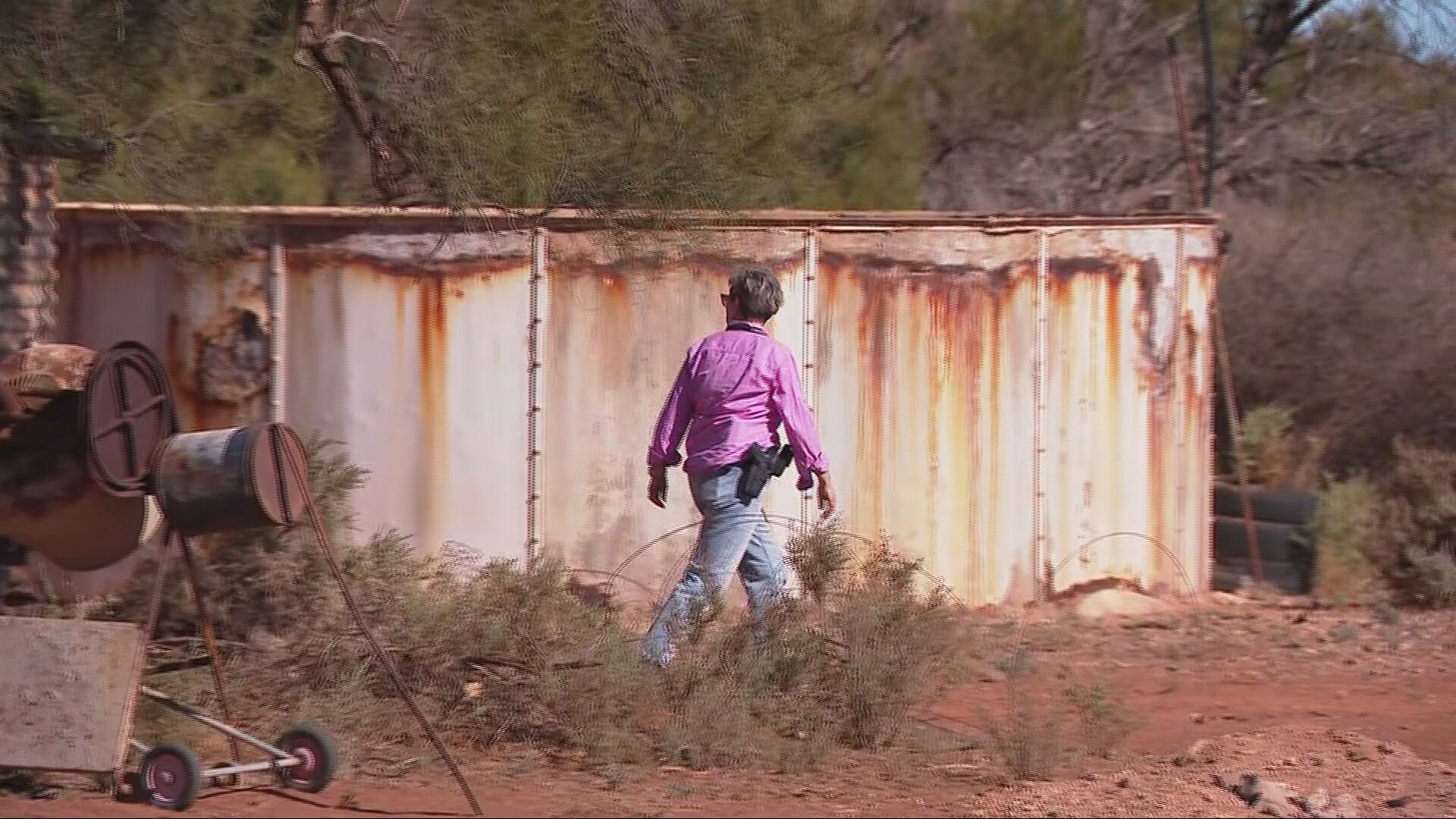
Police charged 75-year-old Josie Murray with firearms offences in February but have maintained the charges are not linked to the toddler's disappearance.
READ MORE: Iran attacks Pete Hegseth on reports he sought to profit from the war
Police earlier confirmed they had "all but ruled out" the possibility that Gus had simply wandered off.
"There has not been one single piece of evidence that we have located during that searching exercise, the most extensive search I think arguably in the history of South Australia, that has given us any indication that he did wander off," Stevens said.
He insisted that finding Gus was the main concern of the state's police force, saying he wished to bring closure to Gus' parents, Josh and Jess.
NEVER MISS A STORY: Get your breaking news and exclusive stories first by following us across all platforms.
- Download the 9NEWS App here via Apple and Google Play
- Make 9News your preferred source on Google by ticking this box here
- Sign up to our breaking newsletter here
Why tomorrow’s Pink Moon event may not be what you expect
Aussies are being urged to look up this week, with April's full moon – known as the Pink Moon – set to peak tomorrow.
The lunar event will reach its fullest point at 1.11pm (AEDT) on April 2, meaning it will technically be visible during daylight hours, depending on cloud cover.
But the spectacle comes with a caveat.
READ MORE: Australia could be $68b richer. Now we're in our own energy crisis
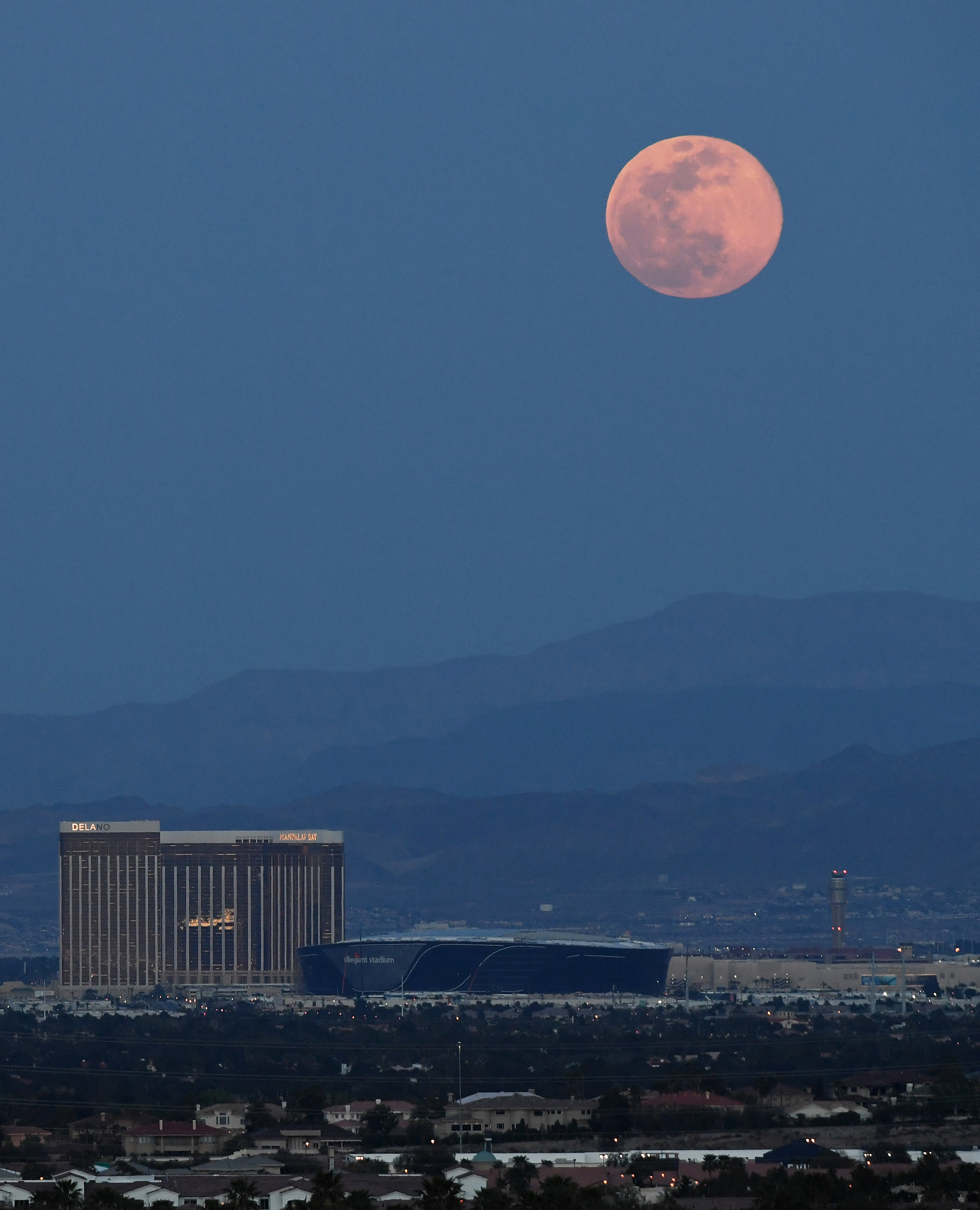
The Pink Moon won't actually appear pink, despite its name.
Instead, the moon will appear in its usual silvery tone, though dust or pollution can sometimes give it a faint rosy tint near the horizon.
The title Pink Moon comes from seasonal wildflowers that bloom in early spring across the Northern Hemisphere, rather than the moon's colour.
While the exact peak falls in the middle of the day, the moon is expected to appear brightest later that evening.
In NSW, Victoria, ACT, and Tasmania, the moon will rise at 11.11pm AEDT, with the best viewing starting from 7.30pm AEDT.
READ MORE: The Easter long weekend is almost here – but not all Aussies get the same public holidays
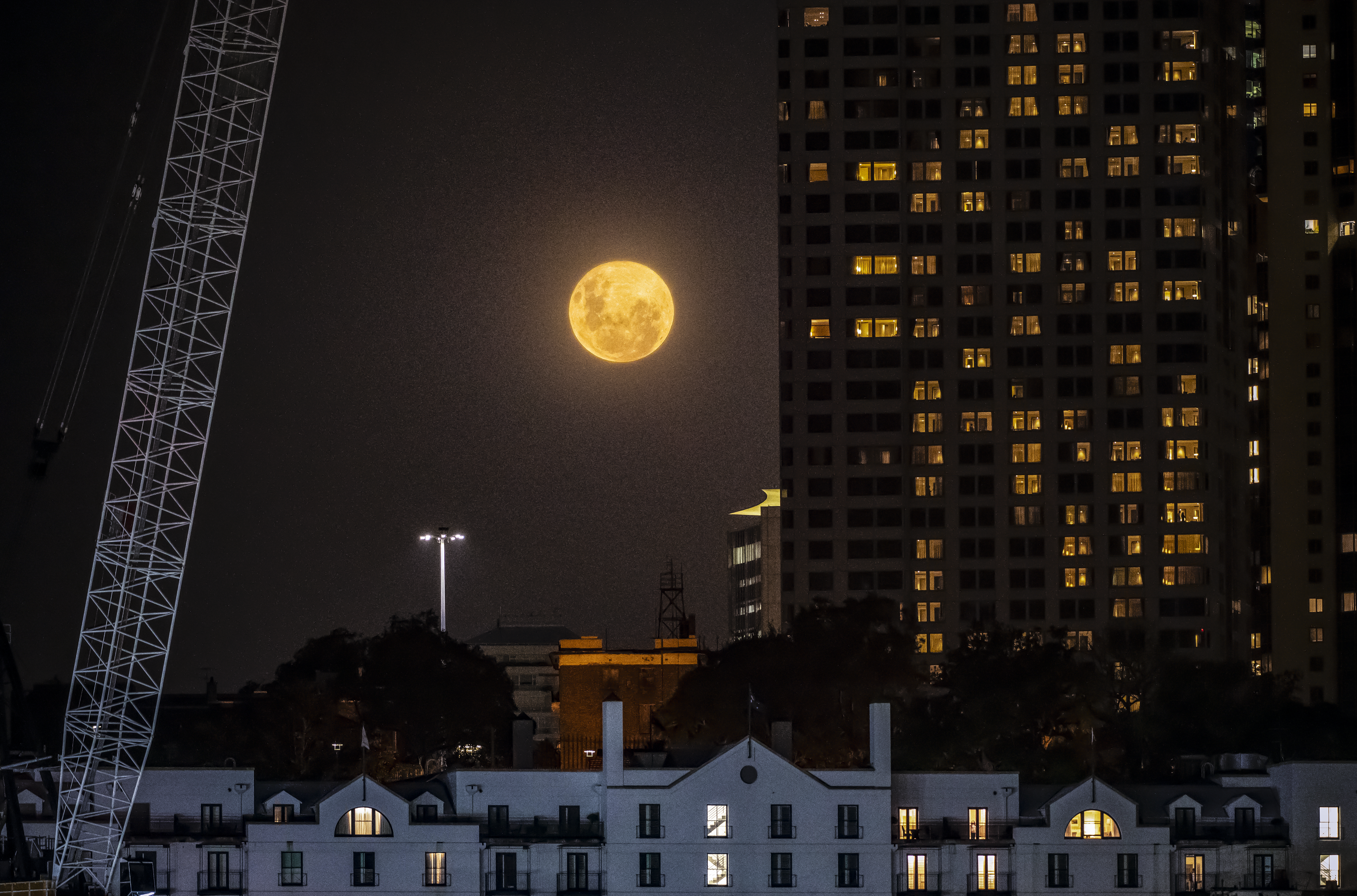
For precise moonrise and moonset times in your state, visit TimeAndDate.com.
The April full moon is also known as the Paschal Moon, which determines the timing of Easter in many Christian calendars.
READ MORE: Millions of Aussies will get an extra hour of sleep next month as daylight saving ends
The Pink Moon is the fourth of 13 full moons lighting up the sky in 2026.
It follows last month's total lunar eclipse – often referred to as a "blood moon" – which drew attention across Australia as the moon took on a deep red hue during the rare celestial event.
For the best chance of viewing the Pink Moon, clear skies and low light pollution will offer the clearest conditions, with darker areas outside the city providing the best views.
The next full moon, known as the Flower Moon, is set to rise on May 1.
NEVER MISS A STORY: Get your breaking news and exclusive stories first by following us across all platforms.
- Download the 9NEWS App here via Apple and Google Play
- Make 9News your preferred source on Google by ticking this box here
- Sign up to our breaking newsletter here
Mammoth witness list at accused killer cop’s trial
As ex-police officer Beaumont Lamarre-Condon's months-long double murder trial draws closer, prosecutors could call hundreds of witnesses to give evidence.
The 30-year-old has pleaded not guilty to murdering TV presenter Jesse Baird and his flight attendant partner Luke Davies at their inner-city Sydney home in February 2024.
Lamarre-Condon briefly dated Baird.
READ MORE: Fugitive Dezi Freeman believed to have been shot up to 20 times during tense stand-off with police
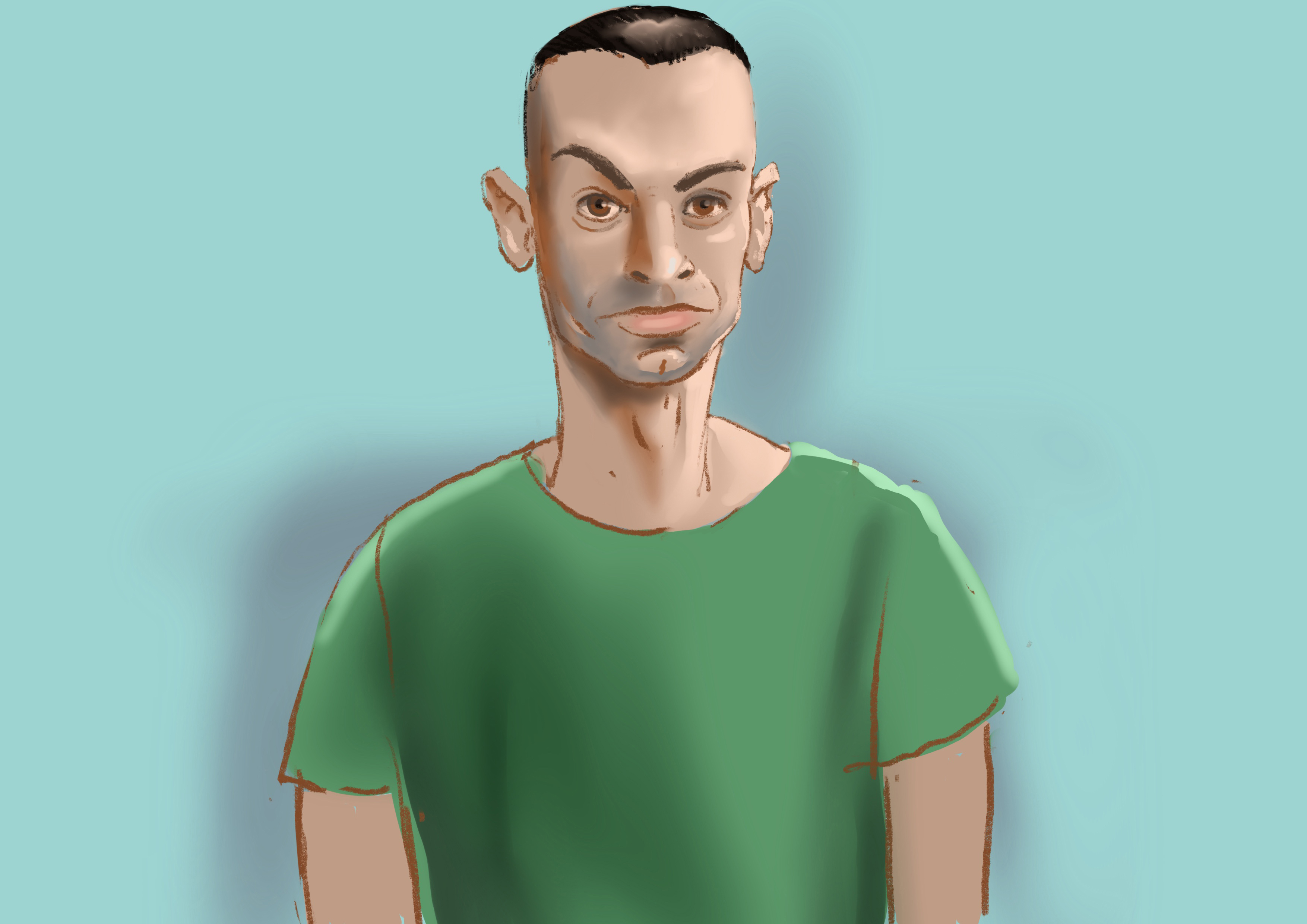
With a three-month trial due to begin in September, the former officer appeared by audio-visual link from Long Bay prison for a short court hearing today.
Wearing a prison-issued green top, he spoke only to confirm that he could hear NSW Supreme Court Justice Natalie Adams.
The judge heard the prosecution witness list spanned 200 to 300 people.
With discussions still to take place between prosecution and defence lawyers, the number of people actually testifying in person could be cut down to about 100, prosecutor Brett Hatfield SC said.
READ MORE: Three charged over brazen daylight shooting outside Sydney gym
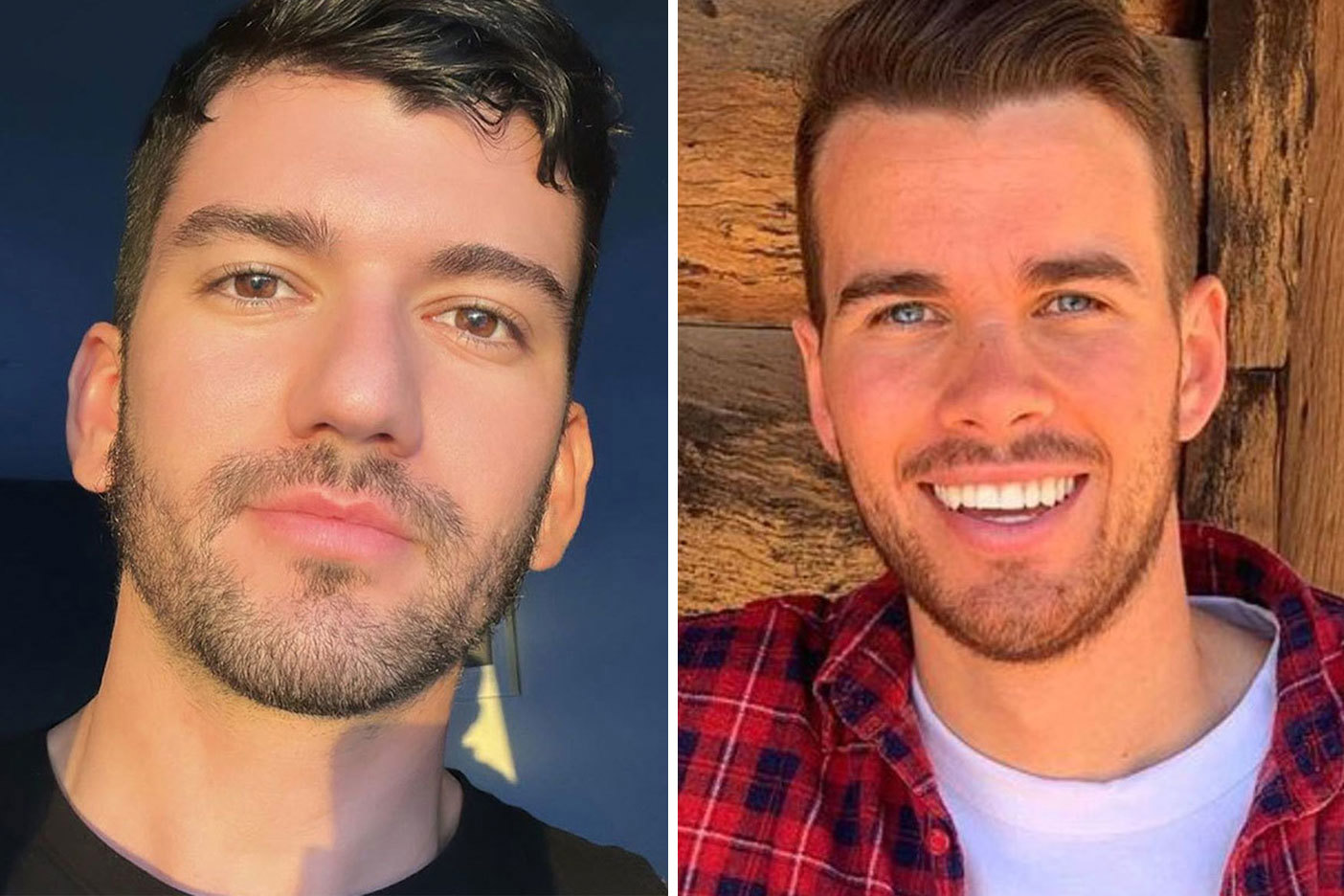
Lamarre-Condon's defence team is still waiting to receive evidence from telecommunications experts, crime scene reconstructions and jail call transcripts.
The 30-year-old became the first serving NSW police officer charged with murder in several decades after he was accused of shooting the couple at Baird's Paddington home in Sydney's inner-east.
Police allege the bodies were then dumped at a rural property.
The senior constable later handed himself in, was charged with murder and eventually sacked by NSW Police.
Lamarre-Condon joined the force in 2019.
His case will return to court on May 29.
‘Construction has to stop!’: Judge orders a halt to Trump’s ballroom
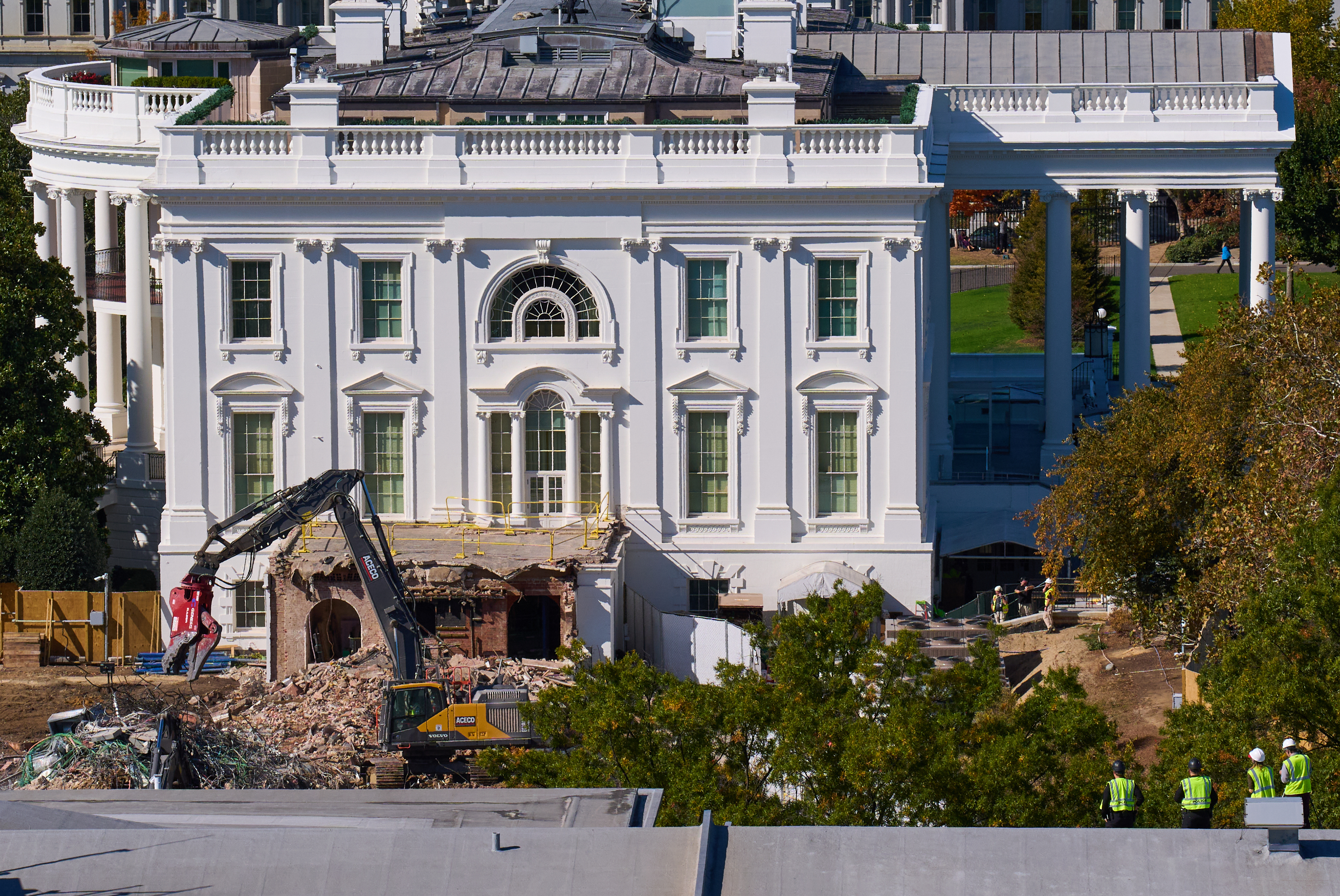
A judge has halted Donald Trump's construction of a ballroom at the White House.
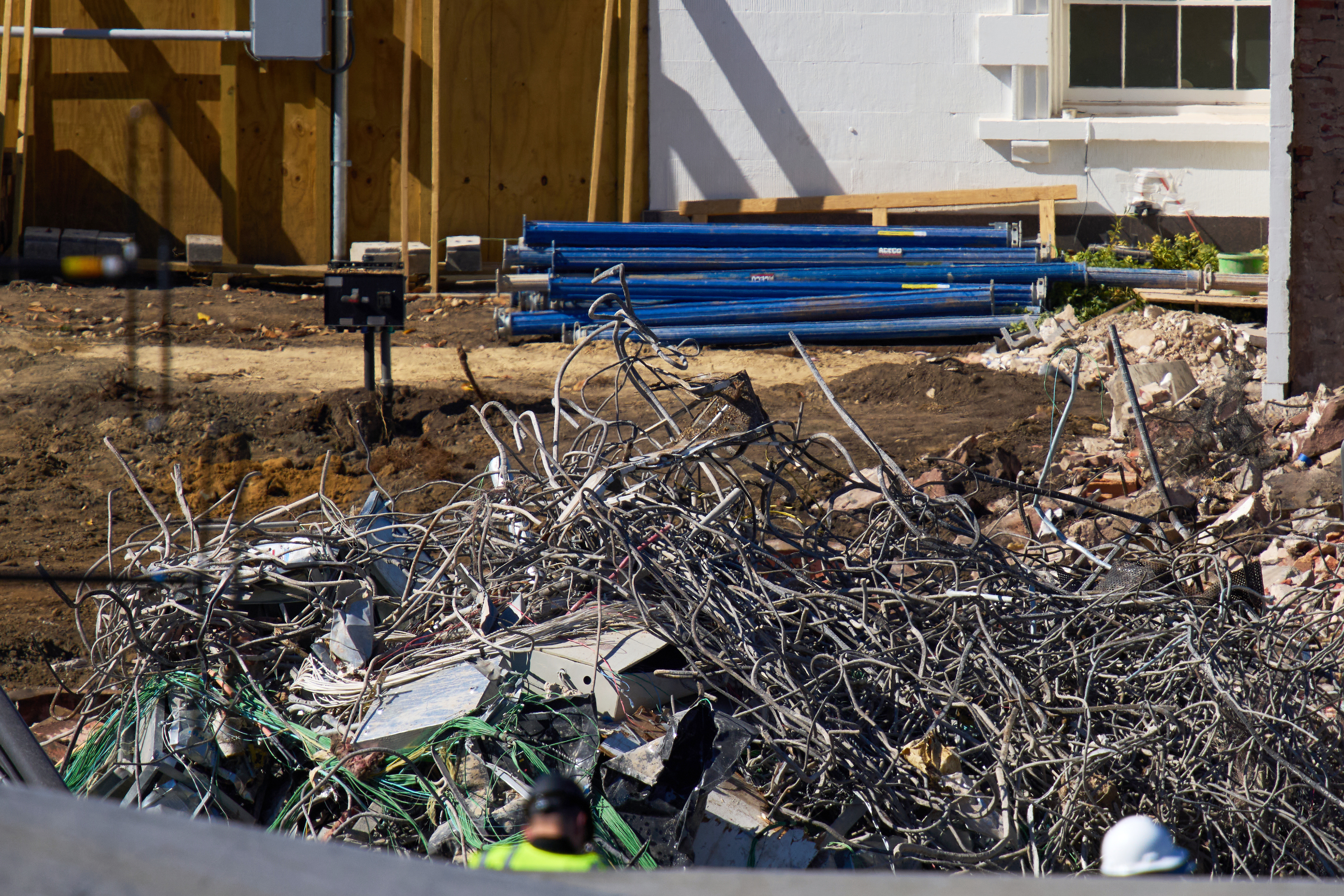
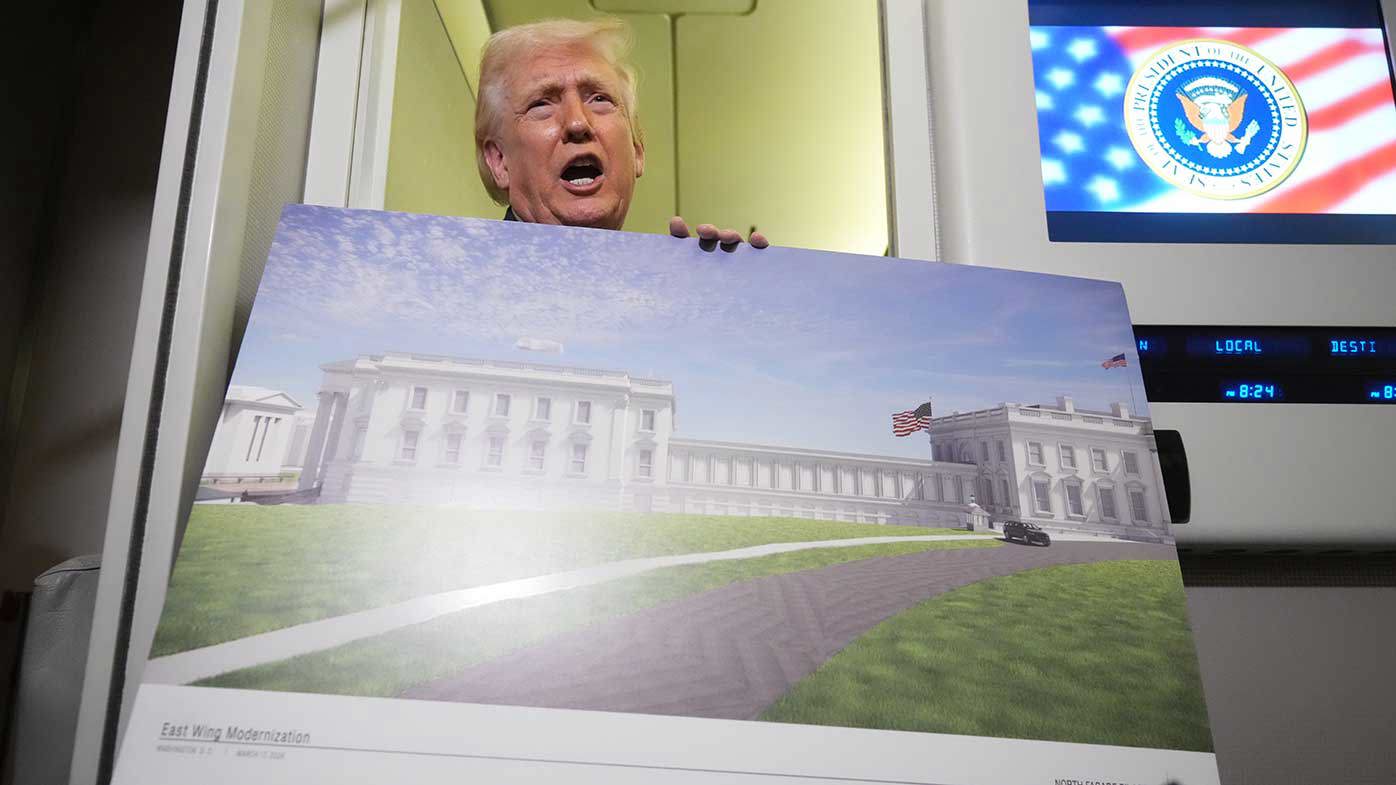
The president demolished the East Wing of the property in order to build a much bigger space, including a massive ballroom.
But a federal judge in Washington DC ordered a halt to the immense project with a temporary injunction."
READ MORE: Iran attacks Pete Hegseth on reports he sought to profit from the war
"The President of the United States is the steward of the White House for future generations of First Families," Judge Richard J Leon wrote in his decision.
"He is not, however, the owner!"
In a scathing judgement, Leon declared the president could not carry out extensive renovations without congressional approval.
"No statute comes close to giving the President the authority he claims to have," the judge wrote.
Leon said while presidents were able to carry out "care, maintenance and repair", the existing laws "bring to mind things like replacing the lightbulbs, fixing broken furniture, and changing the wallpaper".
Trump hit back at the judge in a Truth Social post.
READ MORE: Trump's defence secretary blocks investigation of Kid Rock chopper crews
"In the Ballroom case, the Judge said we have to get Congressional approval. He is WRONG!" the president wrote.
"Congressional approval has never been given on anything, in these circumstances, big or small, having to do with construction at the White House.
"In this case, even less so, because the Ballroom is being built with Private Donations, no Federal Taxpayer Money!"
It appears Trump did not read the injunction, because the judge had detailed how previously renovations were authorised and funded by Congress.
Leon is an experienced judge who was appointed to the bench by President George W Bush.
READ MORE: Major airport to be renamed for Donald Trump
"Unless and until Congress blesses this project through statutory authorisation, construction has to stop!" Leon wrote.
The ballroom as it is currently designed has drawn the consternation of architects across the United States.
When Washington DC was planned by Pierre L'Enfant under the instructions of President George Washington, the Capitol was intended to be visible down Pennsylvania Avenue.
Trump's ballroom would impede that line-of-sight.
READ MORE: It takes two to TACO: Why Trump can't end war with Iran by himself
NEVER MISS A STORY: Get your breaking news and exclusive stories first by following us across all platforms.
- Download the 9NEWS App here via Apple and Google Play
- Make 9News your preferred source on Google by ticking this box here
- Sign up to our breaking newsletter here
Australia could be $68b richer. Now we’re in our own energy crisis
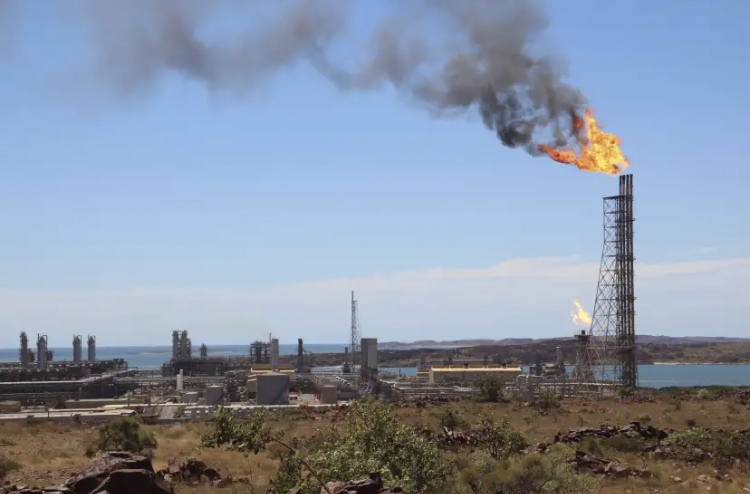
Calls are growing for the federal government to change the rules around Australia's natural gas exports, though energy bosses warn a new tax could trigger a crisis of its own.
New modelling by The Australia Institute suggested a 25 per cent tax on gas exports could fill the national coffers with almost $350 million a week.
"The longer we delay implementing a gas export tax, and the longer the government defends the failed PRRT (Petroleum Resource Rent Tax), the more it is costing the Australian people," The Australia Institute co-chief executive Dr Richard Denniss said.
LIVE UPDATES: Trump says US will be leaving Iran within three weeks
"Australia Institute research shows voters across the political spectrum, from One Nation to the Greens, overwhelmingly support a 25 per cent tax on gas exports.
"Properly taxing our gas exports could raise $17 billion every year to help pay for Australian schools and hospitals."
The report estimated that if the Albanese government had implemented an export tax in July 2022, shortly after taking power, it would by now have brought in $68 billion.
READ MORE: Trump's defence secretary blocks investigation of Kid Rock chopper crews
Amid the ongoing fuel crisis brought on by the US attacks on Iran and Iran's subsequent closure of the Strait of Hormuz, other experts say creating a larger gas reserve could keep Australia more resilient to the global shock.
"The move toward renewable sources of electricity, such as solar and wind, which do not depend on global energy markets, is the most important part of this transition," economics lecturer Dr Scott French from the University of New South Wales said.
"But even powering electric vehicles with energy generated from fossil fuels that are abundant domestically, like coal and natural gas, also increases Australia's resilience."
READ MORE: Phones, smartwatches and earbuds to be banned in every classroom in Victoria
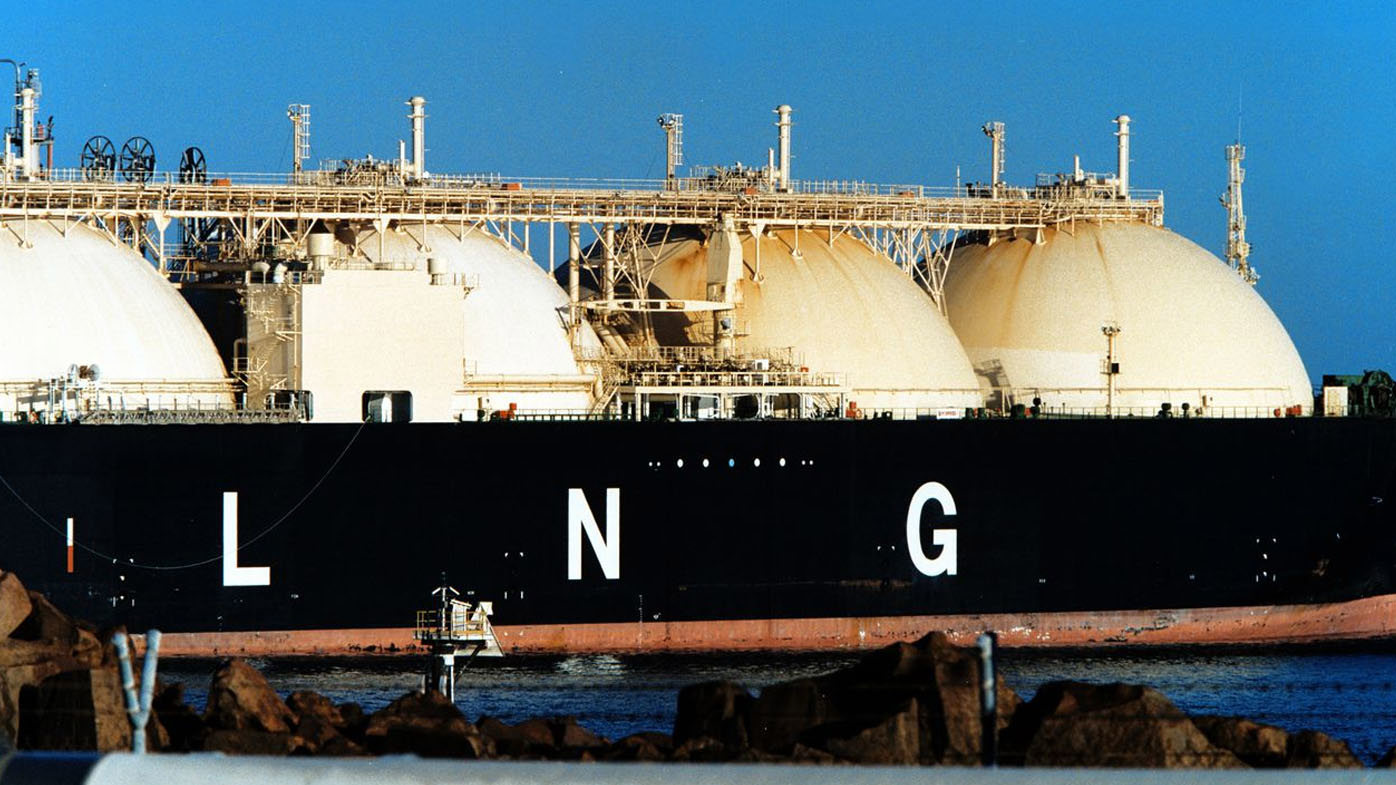
However, energy companies have warned against the idea, saying it will squeeze smaller operators out of the market, reduce investment, and damage regional trade.
The Australian Financial Review reported Chevron executive Danny Woodall told a gas industry conference in Sydney the prospect of investors jumping ship was not a case of "crying wolf".
"If the ground continues to shift between your feet you move your feet to a different spot," he said.

And speaking to the same masthead, Beach Energy chief executive Brett Woods said the government's other proposal to create a larger strategic gas reserve domestically was flawed, though he supported the idea in principle.
Under the proposal, Queensland gas exporters would have to put 25 per cent of their harvest into the domestic market.
"Forcing the domestic producers to have to compete against subsidised LNG volumes materially distorts the market and puts the 66-75 per cent of gas supply at significant risk," Woods told the AFR.
NEVER MISS A STORY: Get your breaking news and exclusive stories first by following us across all platforms.
- Download the 9NEWS App here via Apple and Google Play
- Make 9News your preferred source on Google by ticking this box here
- Sign up to our breaking newsletter here