There are 1449 new community cases of Covid-19 and two more deaths to report in Canterbury today.The Ministry of Health said nationally there were 9953 community cases, 767 people in hospital and 32 virus-related deaths.The national…
Tag Archives: oceania
New Zealand Initiative's new literacy, numeracy tests trial reveals high failure rate
By John Gerritsen of RNZ The New Zealand Initiative has revealed high failure rates in a small-scale trial-run of critical new NCEA tests.Two-thirds of the 554 teens who sat the writing test failed it, as did a third of the…
Covid 19 Omicron outbreak: 9953 new cases of Covid 19, 32 deaths, 20 in ICU
Today’s Covid cases have dipped below the 10,000 mark, as another 32 deaths linked to the virus are reported today.There are 9953 new community cases today. The Ministry of Health says 767 cases are in hospital, including 20 people…
'I feel stupid': The 'cruel' phone scam targeting parents
Jan Lenton thought she was lending her son some much-needed emergency cash – but $4500 later she realised she'd been the victim of a cruel scam.
"I've been in business most of my life, and I'm the one who tells everybody else 'be careful' … and then I fell for it," she told Ben Fordham on 2GB.
"I can't believe I did it, I feel so stupid."
READ MORE: Two states warned as weather record smashed
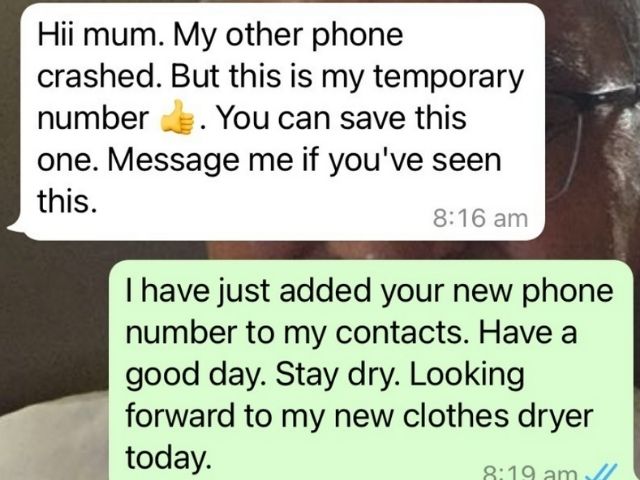
The scam has been targeting parents, sending messages from a new number claiming to be the recipient's child.
Lenton said the scammer claimed to be her US-based son, messaging from a new number after having to get a new phone.
He asked for an urgent cash loan.
"Especially when your kids live overseas, you don't really know what's going on," Lenton said.
READ MORE: Study finds surprise conclusion about conspiracy theories

"I know that he's buying a house in the US, and I thought – I don't know what I thought, maybe he was short of funds."
The messages come mostly through WhatsApp.
Lenton's suspicions were sparked when she tried to contact her "son" on his new number after transferring the money, only to get a message saying it wasn't functioning.
READ MORE: Qantas jet made 'fuel mayday' over Aussie city
When she got in contact with her real son, and told him about it, she said he "went berserk".
"When you think your child's in trouble, it's normal for a mother to send money," she said.
Unfortunately, she said, it didn't appear likely she would ever recover the money.
"Everyone's got to be so careful," she said.
Operation Cobalt: Christchurch raid nets 'armed, dangerous' Killer Beez associate
A nationwide police gangs crackdown has arrested an “armed, dangerous” Killer Beez associate in Christchurch after he was allegedly caught with a loaded sawn-off shotgun. As part of Operation Cobalt, police arrested a 38-year-old…
'Would all have to be slaughtered': Grim foot and mouth warning
All livestock in an affected radius would have to be slaughtered should foot and mouth disease reach Australia, a NSW-based cattle farmer says, calling for more biosecurity measures to be introduced.
The warning comes after viral fragments, which were not live, were found within Chinese pork products in a Melbourne supermarket.
"This find does not change Australia's disease-free status for FMD (foot and mouth disease) and ASF (African swine fever)," the Department of Agriculture, Fisheries and Forestry confirmed.
READ MORE: Weather warnings issued for two states as East Coast Low builds
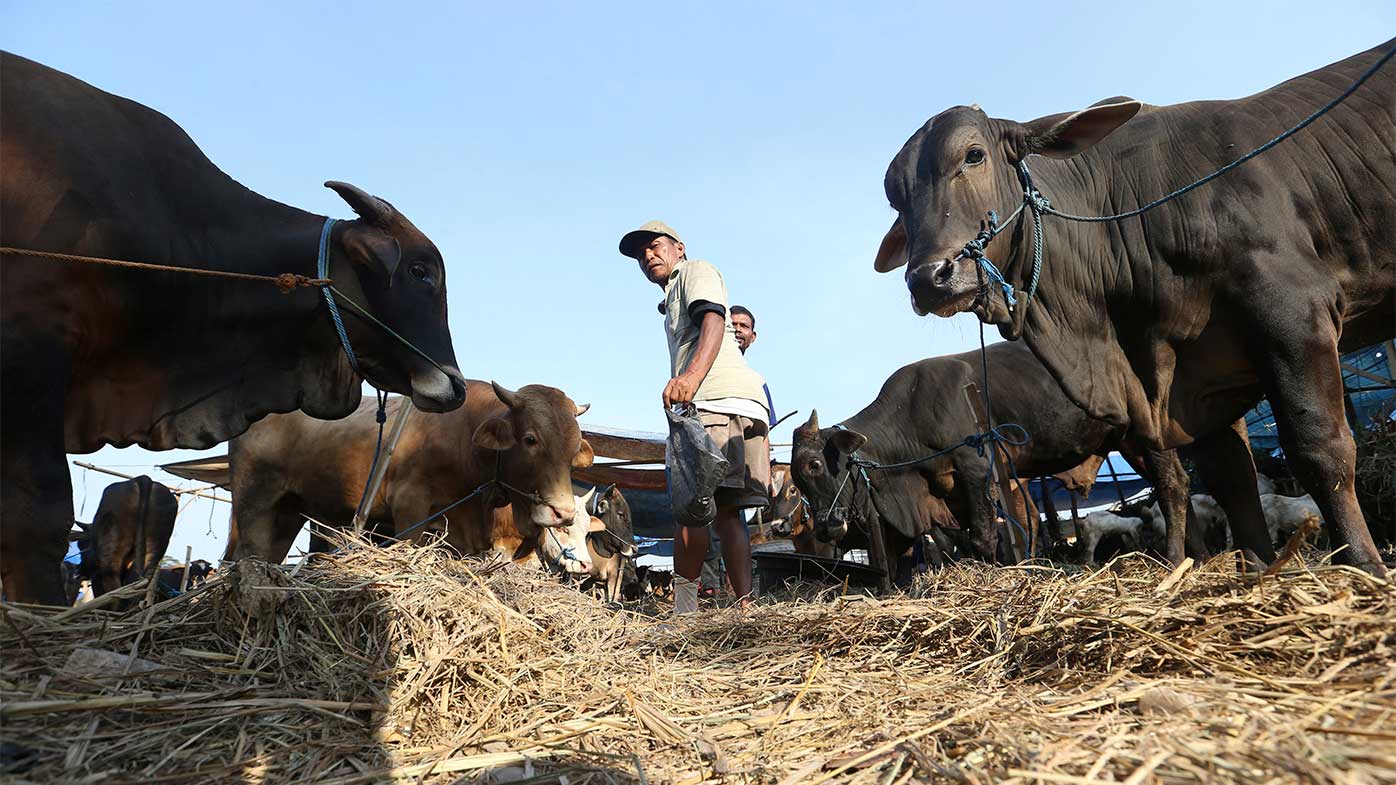
However as the highly contagious livestock virus spreads through Indonesia and Bali, drought and flood-ravaged farmers are calling for more to be done.
Anne Cullen, a cattle farmer from Coonamble in northern NSW, says she's very worried for her herds.
"We are all very worried. It would have a terrible, terrible impact on the farming situation," she said.
"The affected cattle would all have to be slaughtered and I would think in a huge radius of wherever the cattle are that are contaminated."
READ MORE: Surprise conclusion about conspiracy theories
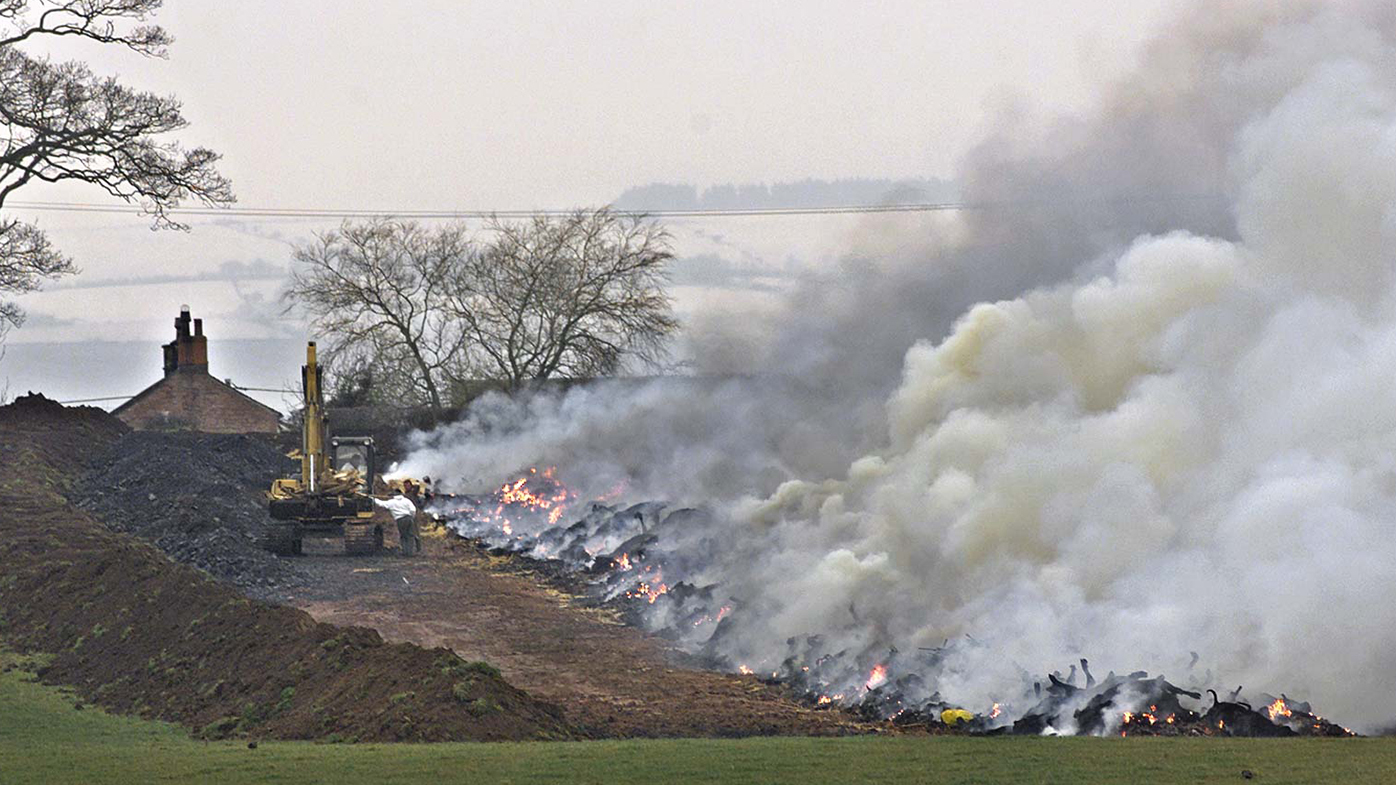
During the United Kingdom's 2001 outbreak, more than six million cows and sheep were killed in a bid to stem the spread.
This ultimately proved successful, but reports show the outbreak cost the public sector over $5.22 billion and the private sector more than $8.7 billion.
While sanitised foot mats have been introduced at international airports for flights from Indonesia, Cullen says this is not enough.
"I'm hearing stories from people that they're actually asking for foot baths and wash off their shoes as they come into the country in various ports, and they're saying, 'No, we're not doing that.'
"It's not happening as much as they say it is.
"Shoes need to be either left there, thrown in the bin or there has to be washing of shoes, on entering back into Australia."
READ MORE: Bali tourists face tougher airport checks as fears of disease grow
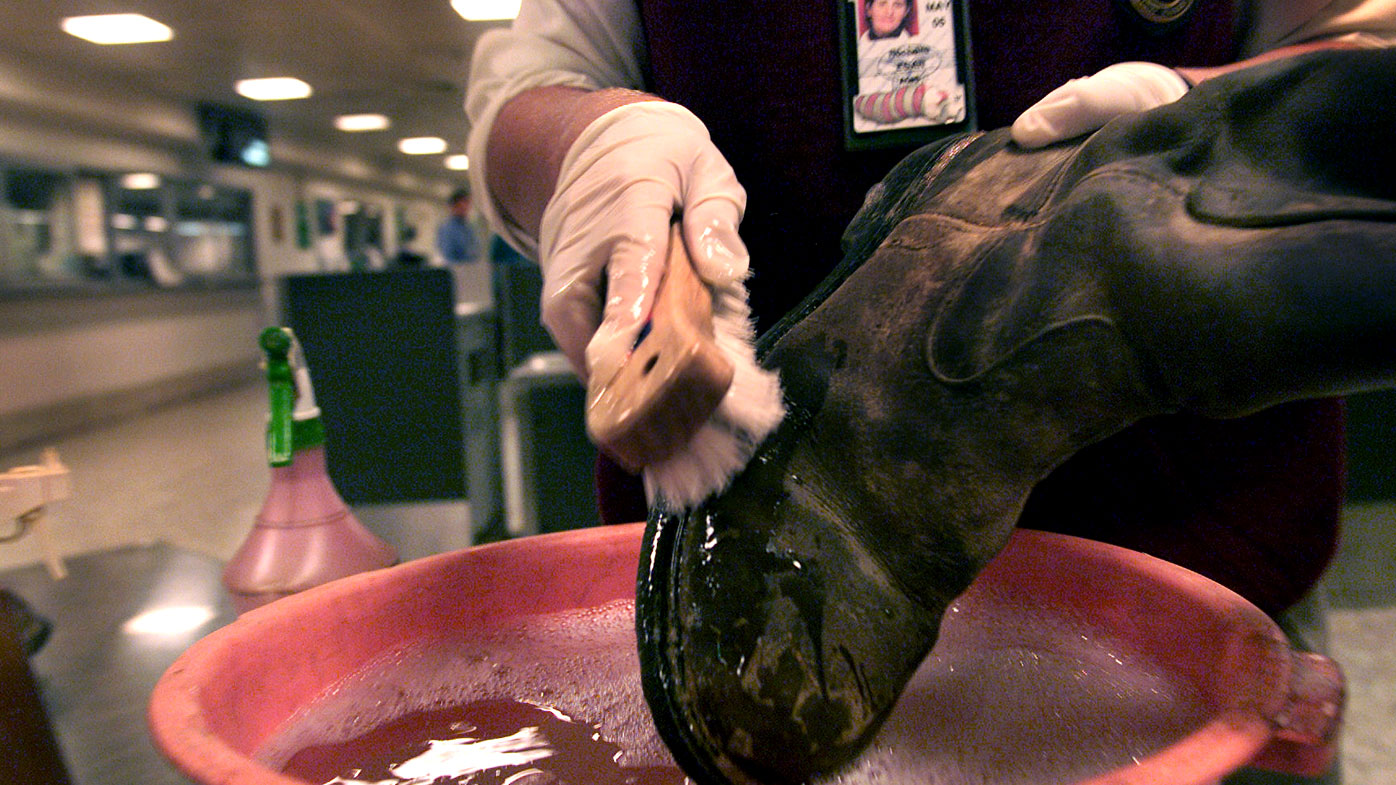
What is foot and mouth disease and how does it spread?
Australia's Chief Veterinary Officer Dr Mark Schipp estimates an extensive outbreak could cost the country $80 billion over 10 years.
The main threat comes from the fact the virus has multiple means of transmission, he said.
Once an animal is infected, it causes lameness and can lead to starvation.
READ MORE: Barnaby Joyce slams government's handling of foot and mouth disease

"It is spread through food, through the air, and through contact with other animals," he said.
"(It causes) blisters around the nose and feet of animals so they're unable to walk and feed themselves easily.
"If it were to arrive in Australia we would lose the majority of our market access for animal products, and animals themselves.
"All of the beef, lamb, wool, dairy products we export; 70 per cent of our production here in Australia, would not be able to be exported.
"It would have a devastating impact."
Schipp said the most common way for the virus to enter Australia is through "food products and feeding of discarded food to pigs".
He explained biosecurity is targeting food products entering Australia, in addition to looking at the footwear of travellers.
For this reason Schipp is "confident" the current biosecurity measures will help keep the virus out.
"Many countries in our region have foot and mouth disease and we've been dealing with that for decades. We have biosecurity officers managing this risk on a daily basis," he said, adding that X-rays and detector dogs are also being used in association with the foot mats.
"We knew that foot and mouth disease, once it entered Indonesia, would get into Bali and spread further and we ramped up our biosecurity efforts in response to that."
World's richest people revealed
Australians need no introduction to the Adani name.
Surprise conclusion about conspiracy theories
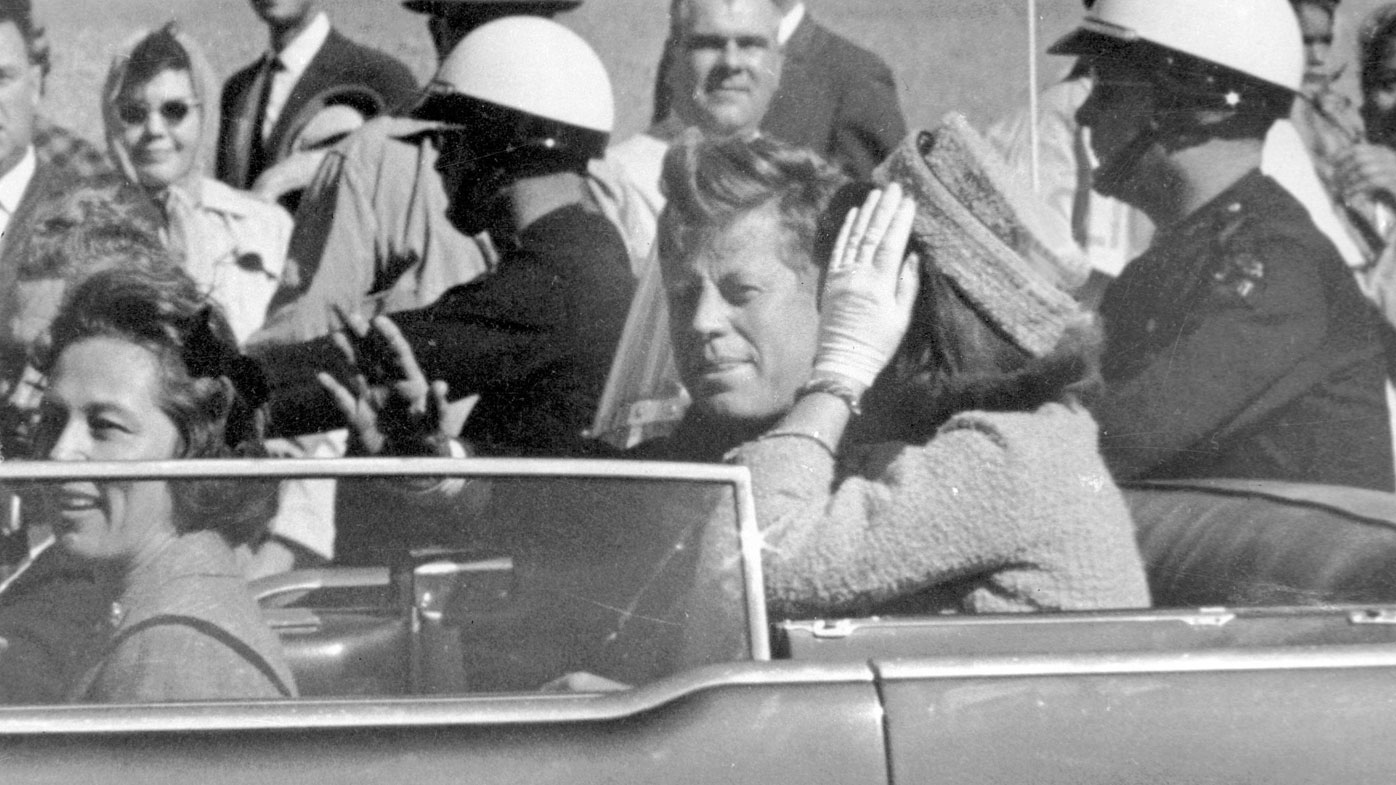
Did the CIA kill JFK? Is Osama bin Laden still alive? Was AIDS created by a secret organisation? Is the moon landing a giant hoax?
Wild and unfounded conspiracy theories, like those, can be found swirling around inside the echo chambers of the world's largest social media sites.
Yet, despite the huge reach and connective power of platforms such as Facebook, Reddit and lesser-known forums on the dark web, the number of conspiracy theorists living around us is not actually growing, a new study has found.
READ MORE: The man who convinced QAnon followers that JFK Jr is still alive
Investigating trends of belief in 46 of the world's most common and troubling conspiracy theories, dating as far back as Roswell and the JFK assassination, researchers in the US said they had debunked the idea that more and more people are being swayed by increasingly easy access and exposure to alternate information.
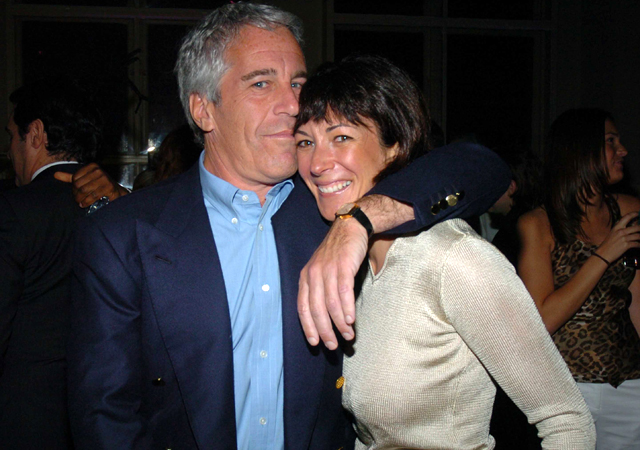
However, researchers did note "troublingly high percentages" of people who were willing to believe in particular conspiracy theories, which included the killing of Kennedy, questions over the suicide of child sex trafficker Jeffrey Epstein, the so-called deep state controlling the US government, big pharma locking away lifesaving cures for diseases such as cancer and government cover ups of alien encounters.
Other persistent and widely held conspiracy theories explored in the study included how the coronavirus started and spread, the September 11 attacks, the killings of entertainers such as Tupac and John Lennon, the veracity of the moon landing, safety of 5G mobile phone towers and global warming.
Dr Adam Enders of the University of Kentucky told 9news.com.au the popularity of conspiracy beliefs hadn't increased over time, despite how it might sometimes seem.
"Social media and the internet have improved access," he said.
"But I think we confuse access with growth.
"Just because it's easier for me to access something doesn't mean that there are more people like me that believe these things."
The web, in all its forms, had held up a new mirror to society, he said.
"We're able to see some of these folks that otherwise we wouldn't have known so much about.
"But that's not the same thing as there being a lot more conspiracy-minded people over time."
According to the peer-reviewed study, 73 per cent of Americans believe conspiracy theories are currently "out of control", and 59 per cent think people are more likely to believe in conspiracy theories compared to 25 years ago.
That public perception was misplaced, Enders said.
READ MORE: QAnon's 'Q' returns after nearly two years of silence

READ MORE: Roswell, why the world's most famous UFO case won't go away
Conspiracy theorists believe a small group of people have covertly coordinated to cause a certain event or circumstance, despite a lack of appropriate evidence.
For the study, Enders and Dr Joseph Uscinski from the University of Miami took 46 questions about conspiracy theories which were asked of Americans in the past and put them, word-for-word, to a new sample group.
From AIDS to bin Laden to Trump to QAnon, the questions shone a light on the kinds of issues which have proven fertile ground for conspiracies to take hold and grow.
People were asked about coronavirus as a mode to install tracking devices in humans; elites running massive child sex rackets; governments sending mind control signals through television; fluoride in water supplies; Barack Obama's citizenship and whether OJ Simpson was framed by police or not.
Pre-existing beliefs guide the way people search for information, Enders said, explaining what causes some to gravitate toward conspiracy thinking.
"A lot of the mass media narrative about conspiracy theories and misinformation relies on an incidental exposure model, whereby people are sort of randomly exposed to information that takes the form of conspiracy theories online, and then they just magically believe those things," Enders said.
But that's not how it works, he said.
"Some people just naturally have a tendency towards conspiracy thinking, they just see major events and circumstances as the product of conspiracies.
"But correlated with that are things like dark triad personality traits, such as narcissism, Machiavellianism and psychopathy."
Other mindsets, ideals and attitudes commonly found among conspiracists include anti-establishmentism, populism, Manichaeism, partisanship and a tendency to see politics as a fight between good and evil, he said.
Because those characteristics and traits are stable and longstanding, Enders said it made perfect sense that the number of conspiracy theorists remained static, despite the rise of social media and increased focus in the media.


Enders and Uscinski's research also included conspiracy theories in six European countries, and investigating which groups Americans thought were behind the conspiracies "against them", such as freemasons, political parties, corporations and communists.
They found no evidence beliefs in conspiracy theories increased over time.
In fact, they said, beliefs in specific theories were more likely to decrease.
Of those that did rise, none involved COVID-19 or QAnon.
Man pleads guilty after assaulting police officer with a baseball bat
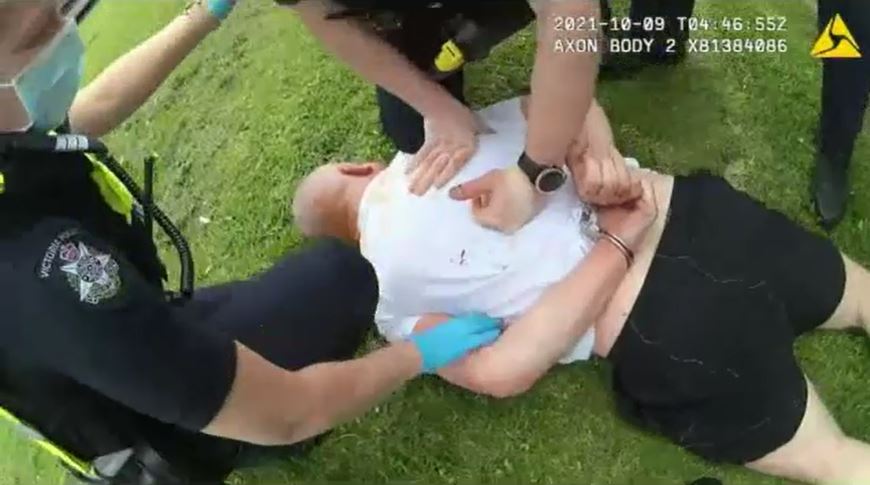
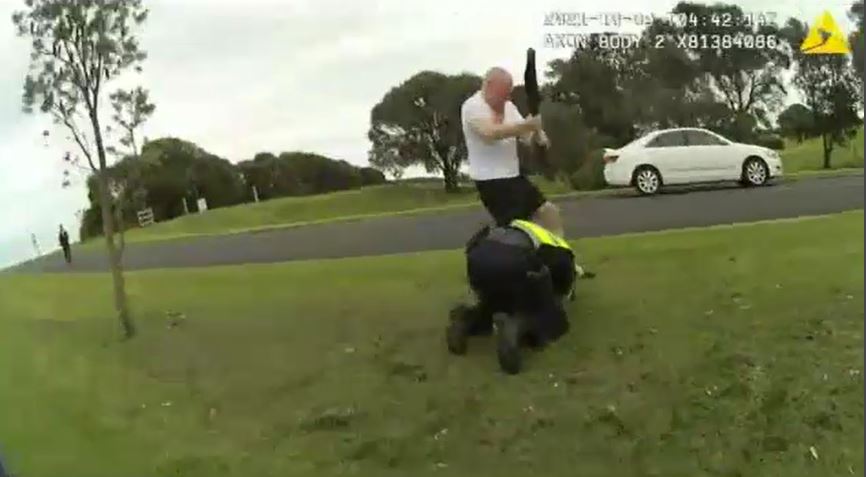
Horrifying body-cam vision of a man beating a police officer with a metal baseball bat in Victoria's south-west has been released.
Steven Cleary, 50, pleaded guilty on Wednesday to the assault that made a police officer fear for his life.
Senior Constable Rowan Baldman and Constable William Ringin were speaking to members of the public about wearing masks in Warrnambool last October during a strict COVID-19 lockdown when the attack took place.
The court heard Cleary was alerted to their interactions via walkie talkie and arrived to find the officers speaking to someone.
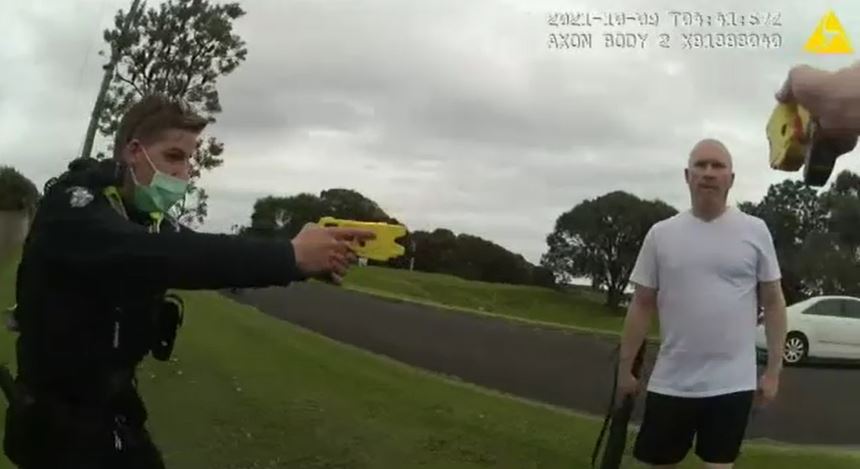
Cleary got out of his car, took a metal baseball bat from the backseat and made his way toward the officers, who were trying to identify a person not wearing a mask.
The officers drew their tasers and asked Cleary to back off multiple times or risk being tased.
He was asked again to back up when he rushed forward.
At this point, the person police were speaking to about not wearing a mask grabbed Ringin's gun with both hands, the court heard.
READ MORE: Mother speaking with police after three children found dead in WA house fire
Baldman was in a tussle with the member of the public when Cleary swung the baseball bat into his head, causing him to fall.
Baldman was repeatedly hit on the ground and told the court he feared he was going to die.
Cleary picked up a taser and shot Ringin with one prong. The young officer hit him with the bat at the same time.
Cleary tried to use the taser again before he was capsicum sprayed multiple times.
When he was detained, he continued to resist the officers, refusing to put his hands behind his back.
"I am the king…you are dogs…this is an act of war," Cleary said.
Baldman was bleeding heavily from the head and his thumb was broken, which required specialist surgery.
READ MORE: Judges should decide sentences, not vote-hungry politicians
Both officers told the court how the attack had changed their lives and revealed their fears that Baldman could have died on the pavement that day.
They fought through tears to share their victim impact statements, speaking of the ongoing trauma and how they and their loved ones fear for their safety at work.
While they have returned to the frontline, both are unsure they can remain in the career they once loved.
Cleary, who the court heard suffers from a delusional mental condition, followed conspiracy theories and believed COVID-19 was not real.
The disability support pensioner had suffered a traumatic childhood, had no social connections and usually stayed at home. He pleaded guilty to all three charges including internationally causing injury and assaulting an emergency worker.
He will be sentenced on Friday.
Telstra, Westpac encourage staff to work from home amid COVID-19 wave
As COVID-19 cases are continuing to rise in the community, two of Australia's biggest employers, Westpac and Telstra, are giving staff more freedom to work from home.
It comes days after chief medical officer Paul Kelly encouraged Australians to wear masks and work from home if possible.
A Westpac spokesperson said while they were not instructing employees to work from home, they were giving staff the choice.

"Earlier this year, we introduced a green, amber, red workplace rating system to help manage our workplace amid changing health settings," the spokesperson said.
"Westpac's workplace setting is currently amber, meaning those employees who can work from home may do so, with no requirement to be in the office. Employees are still welcome to attend the office if they prefer.
"For employees who are required to attend a workplace, such as our branches, we have a range of health and safety measures in place to keep our people safe."
Telecom giant Telstra is "strongly encouraging" staff to work from home.
EXPLAINED: What is 'Centaurus', the Omicron sub-variant that has health authorities on alert?
"We are strongly encouraging our people to work from home if they can, wear a mask when they can't socially distance, and get their booster shot if they're eligible," Telstra's Group Executive, Transformation, Communications and People, Alex Badenoch, said.
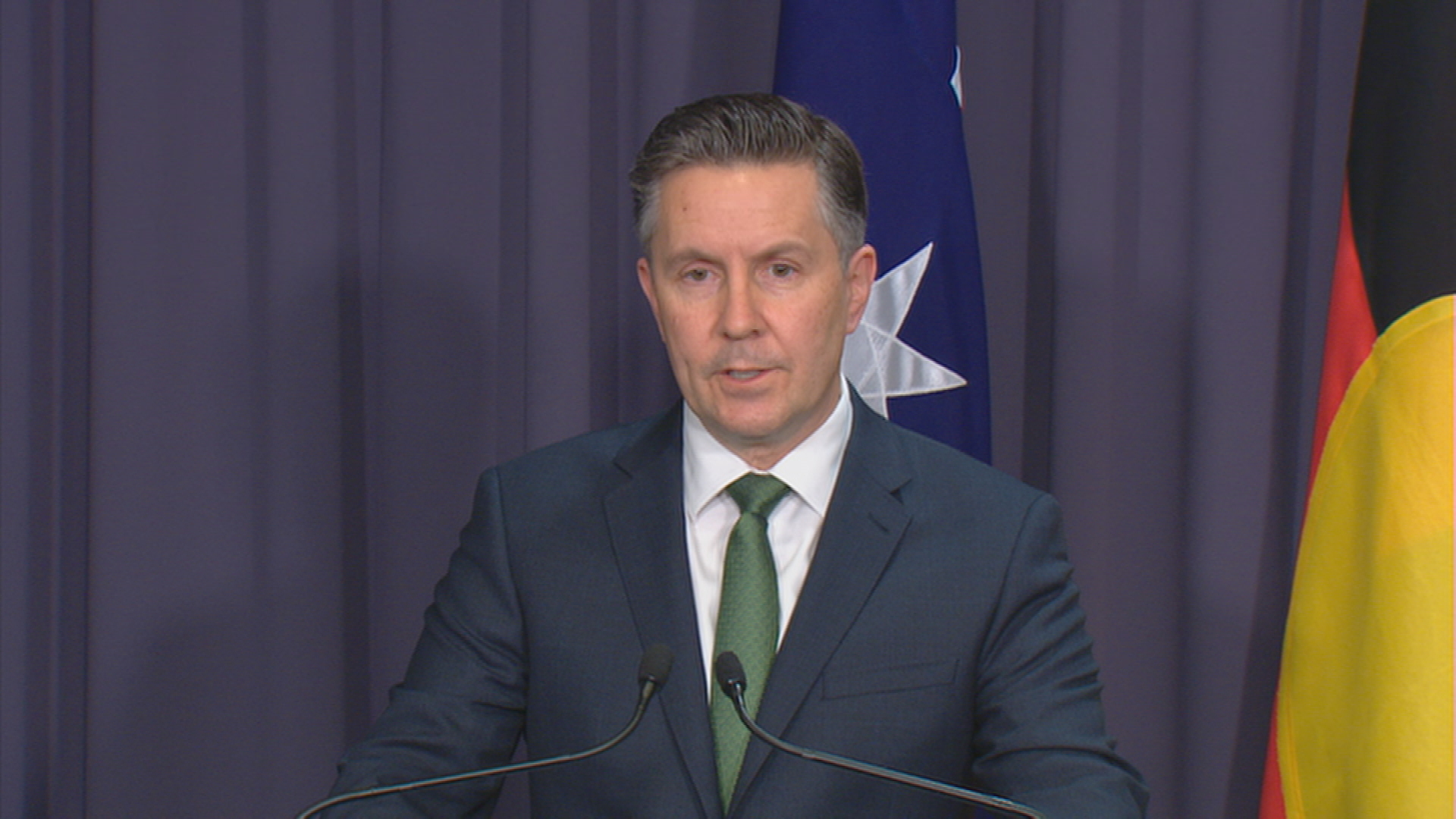
Health Minister Mark Butler rung the alarm bell on COVID-19 cases in Australia on Tuesday as the new Omicron wave, coupled with a spike in influenza cases, puts increased pressure on the hospital system.
"As of today, there are more than 5200 Australians in hospital with COVID," he said.
Butler said hospitalisations were "almost certain" to increase but said currently there are fewer people in intensive care compared to the January wave.
EXPLAINED: COVID-19 isolation payments are back – what you need to know