Tag Archives: oceania

'They knew it': Passenger says cruise should have been halted

Chairs marking infected cabins and handwashing monitors at buffets were just some of the strategies used to try and tackle a COVID-19 outbreak of more than 100 people on board the Coral Princess cruise ship, a passenger says.

Victorian woman Alice Burns was on board the cruise ship for seven days, before disembarking on Sunday in Brisbane. 

Burns said passengers were aware COVID-19 had been spreading for days, but were informed on Sunday that both staff and passengers had tested positive.

READ MORE: Jariah was born in Australia but he can't get NDIS funding
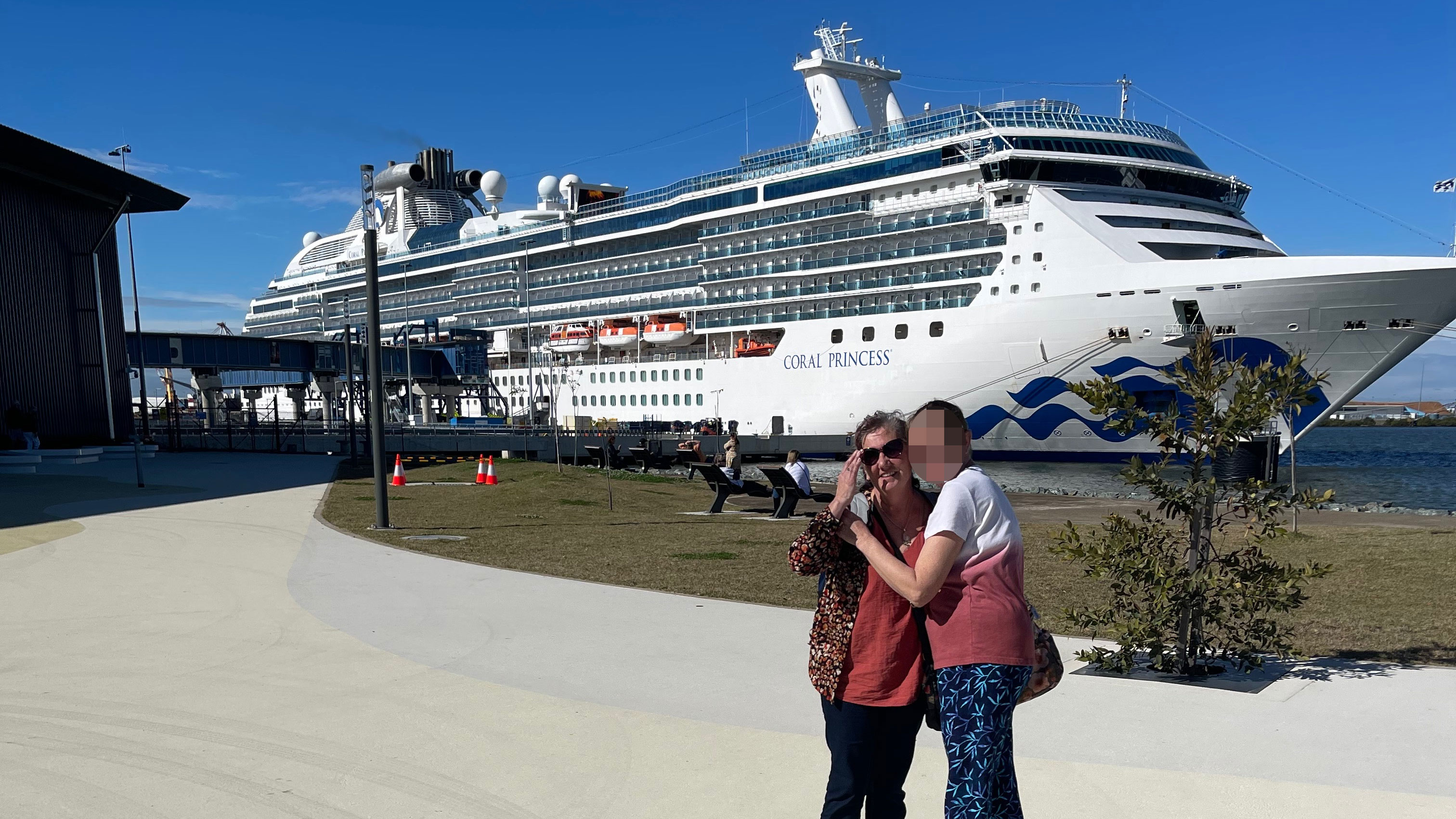
Alice Burns (left) pictured before she embarked on a seven-day cruise on the Coral Princess.

Disembarking from Brisbane on Sunday, the cruise continued on with its voyage, travelling down the coast towards Sydney yesterday.

Burns said she was disappointed the cruise operators chose not to stop the cruise on Sunday when it became apparent the COVID-19 outbreak had spread. 

"They definitely knew they were at the start of an outbreak and they should not have reloaded the ship when we got off," she said. 

"They knew this ship was going down, oh my god, they so knew it."

NSW Deputy Chief Health Officer, Dr Jeremy McAnulty, said just over 100 crew and four passengers were now infected on the ship.

It is the first coronavirus outbreak for the local cruise industry since it restarted voyages after an enforced two-year hiatus.

The Coral Princess is a sister ship to the Ruby Princess, which was linked to 28 deaths after passengers became infected with coronavirus in 2020.
There are now about 100 crew and four passengers infected with COVID-19 on board the ship.

The Coral Princess's operator offered refunds to the more than 2000 passengers before it sailed from Brisbane to Sydney yesterday, but it is understood most turned them down and remained aboard.

Carnival Cruises said all COVID-19 health protocols were being followed. 

"Cases identified are overwhelmingly among crew who were isolated on board in line with the protocols that have effectively supported the resumption of cruising in Australia since May," a spokesperson said.

"Under the protocols, all crew must be fully vaccinated and we also regularly conduct surveillance testing of all crew. 

"Some recorded positive tests in a recent full screening and were isolated and have no contact with guests.

"These crew members are either asymptomatic or have mild symptoms."

NSW Health today introduced a new rule for the ship, saying passengers will only be allowed to disembark at scheduled destinations – which includes the town of Eden on the NSW South Coast – if they test negative on a rapid antigen test.

"Crew members will be unable to leave," Premier Dominic Perrottet said.

"Face masks will be required in settings for those passengers who are on that vessel."

In line with health regulations, all passengers on the Coral Princess were required to test negative on a rapid antigen test and declare a negative result before initially boarding the vessel. 

However, Burns said passengers were not asked to show any evidence of their negative test.

"They took everyone's word for it that they did not have COVID, you just tick a box and you're fine," she said.

"They also didn't take your temperature when you got on the ship."

READ MORE: COVID-19 reinfection period in NSW revised from 12 weeks down to just four

Four days into the cruise, Burns said she heard some people on board had tested positive and were being confined to their rooms.

"There was one room on our floor. They had COVID and so they were locked in their room and staff had put a stool at the door just to remind everyone to stay away, or to make sure no-one accidentally walked in there," she said.

Burns said it was clear efforts had been made to minimise the risk of infections on board, especially when it came to the buffet, but the measures could have been taken further.

"There was actually a wash station there where you had to soap up and wash your hands," she said.

"They had someone monitoring this and you weren't allowed in there unless you had a mask on. 

"Once you grab your food, you sit down at your table and take your mask off and then when you're walking around back in there, you put your mask back on, so you were masked up the whole time, except for when you were eating and drinking or outside."

Burns said she was surprised, however, that there were no glass coverings on the front of the buffet and that passengers were allowed to help themselves to food.

"I was sort of thinking that they would have a glass in front and they would have staff serving the passengers but it was still open slather in the eating area," she said.

McAnulty said passengers should be aware of the risks if they go on a cruise and suggested it was inevitable there would be outbreaks.

"We know there's going to be COVID and flu cases on ships," he said.

He said there are protocols in place on ships such as testing, treatment and isolation.

He said there are signals including red, amber and green used to indicate cases on cruise ships.

The Coral Princess is now classed as "amber".

READ MORE: Rainy months here to stay, Indian Ocean index predicts

The ship is coming into Sydney tomorrow but he couldn't say if passengers would be tested before getting off.

He said the incubation period might mean that rapid tests didn't pick up cases earlier.

All passengers have to take a RAT – and vaccinated – to travel but don't have to prove it, aside from completing an online declaration.

"It's not surprising, I guess that's part of the information we all need to know, it's not a fail-safe system," McAnulty said.

McAnulty was asked to respond to calls on talkback radio which said the ship should not be allowed to dock.

He said there was already a "surge" of cases in the community so there was no reason for that measure.

"COVID is here. We've got to live with COVID. People chose to go on cruises, there are many many places COVID is, cruises are just one of them," he said.
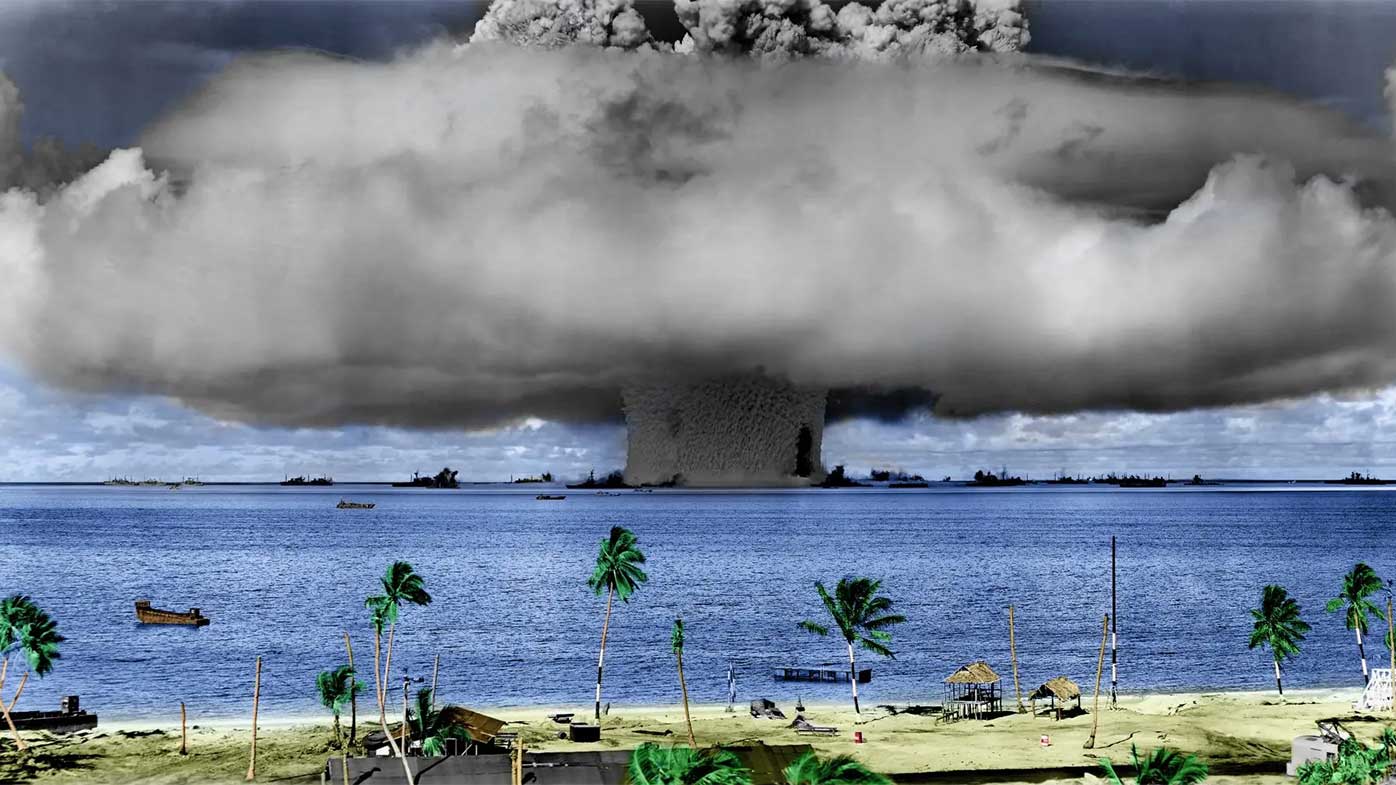
New York releases video explaining what to do in a nuclear attack

New York City's department of emergency management has released an oddly positive and disconcertingly timed video about what to do if a nuclear bomb hits.

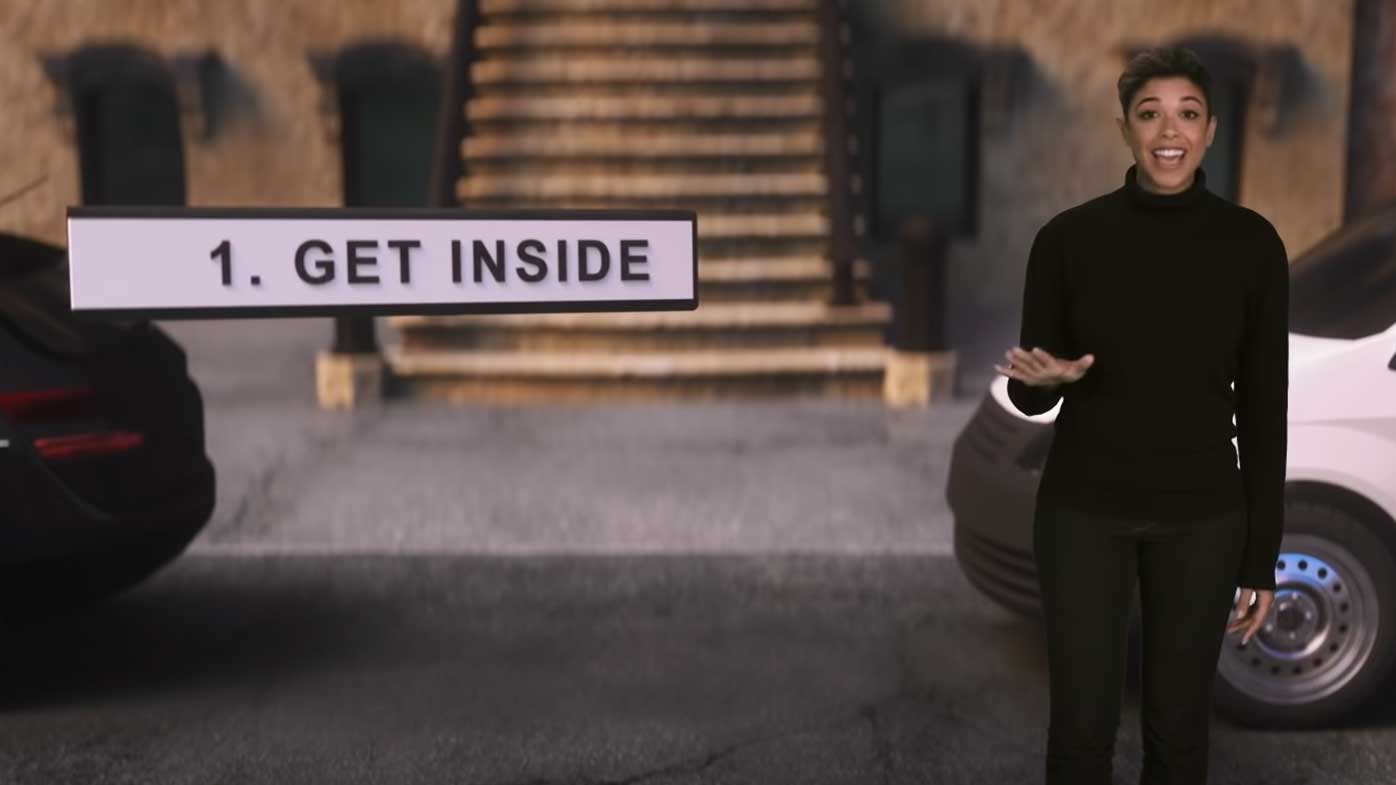
The video posted on YouTube earlier today details what a person should do after a nuclear attack.

"So there's been a nuclear attack," the presenter says at the beginning of the video.

READ MORE: What North Korea's nukes would do to Australia's cities

"Don't ask me how or why. Just know that the big one has hit."

The presenter then listed three important steps for what to do immediately afterwards.

"Step one: Get inside fast," she said.

"Staying in the car is not an option. You need to get into a building and move away from the windows."

From there she detailed what to do once inside.

READ MORE: 'Catastrophic failure' unless Australia and US step up, Marles warns

The video detailed what people should do if a bomb goes off.

"Shut all doors and windows. Have a basement? Head there.

"If you don't have one, get as far into the middle of the building as possible."

She said anybody who had been outside when the bomb went off needs to get undressed immediately.

"Remove and bag all outer clothing, to keep radioactive dust or ash away from your body," the presenter says.

The third step is to stay tuned to the media, and to stay indoors until officials say it is safe to leave.

"All right? You've got this," the video ends.

NYC Emergency Management has not explained why the video explaining what to do in the event of a nuclear attack was released now.

Surviving a nuclear bomb usually comes down to how far you are from the detonation point.

READ MORE: 'Someone else' set to beat Biden in a landslide

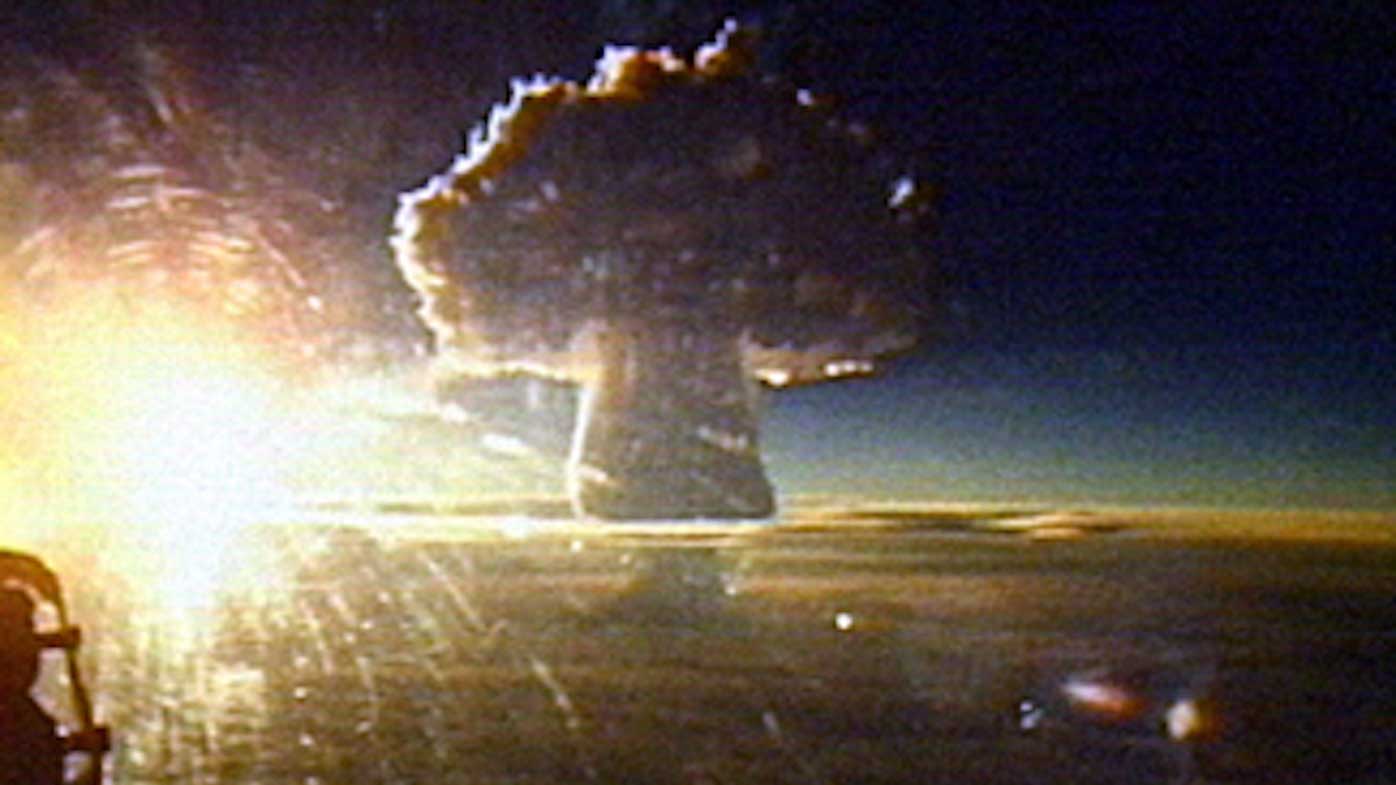
A fireball would consume everything within four kilometres of the largest bomb ever tested, and surviving the initial blast would likely mean a fatal dose of radiation.

Within nine kilometres of the blast point, most buildings would be demolished and fatalities would be close to 100 per cent.

Up to 60km away, windows would be broken and people outside could suffer thermal radiation burns, causing severe scarring or disability.

New York's Department of Emergency Management's video appears aimed at the people outside that radius, who nevertheless would be exposed to radioactive ash and dust which would be very dangerous if not immediately fatal.

New Yorkers and the rest of the world can take comfort in knowing the odds of a nuclear attack anywhere in the world remain low.

READ MORE: The Trump acolyte who has become the favourite to be next president

Ukraine claims it's targeting Russian troops with long-range strikes

Ukraine's campaign to attack Russian supply lines and ammunition storage sites far behind the frontlines is continuing, with Ukrainian officials reporting another long-range strike against Russian military positions in the southern region of Kherson.

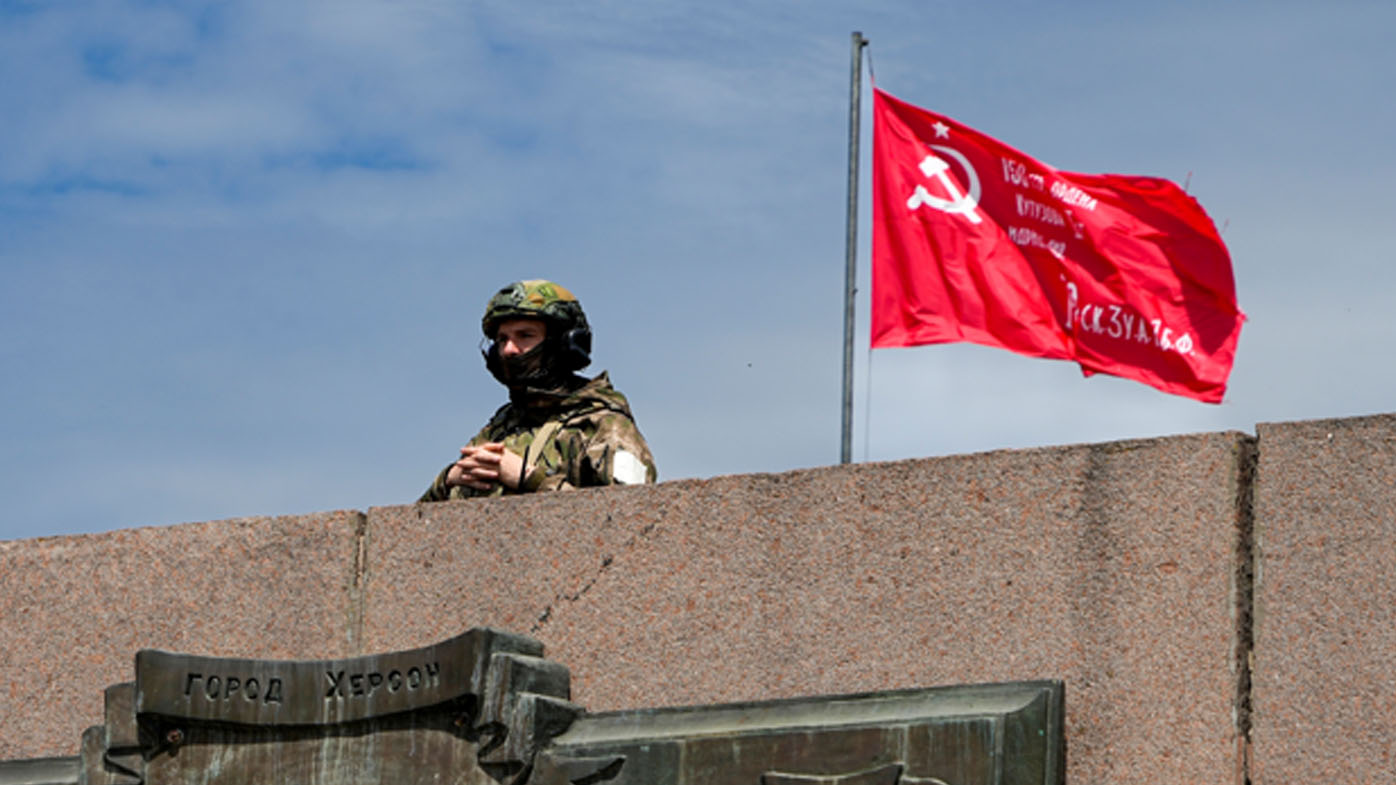
Serhiy Khlan, a member of Kherson's regional council, said there had been "a precise hit" on Sunday at the military unit of the occupiers on Pestelia Street in Kherson city.

There are unconfirmed reports 12 people were killed and US-supplied weapons systems were used in the attack.

READ MORE: Putin extends fast-track Russian citizenship to all Ukraine

The unit was hit twice on Sunday morning, Khlan claimed.

"Eyewitnesses report the cries of Russians under the rubble. The occupiers shoot in the air when someone tries to get closer," Khlan said.

He told Ukrainian television: "Thanks to modern Western weapons, Russian air defences cannot intercept artillery."

Sunday's attack follows a series of explosions near the airport in Kherson on Saturday, and at what appears to have been an ammunition storage site in the Donetsk region.

But Russia's Tass news agency offered a different account, saying that the target was a mineral fertiliser storage facility that exploded and that a market, hospital and houses were damaged.

Some of the ingredients in fertiliser can be used as ammunition.

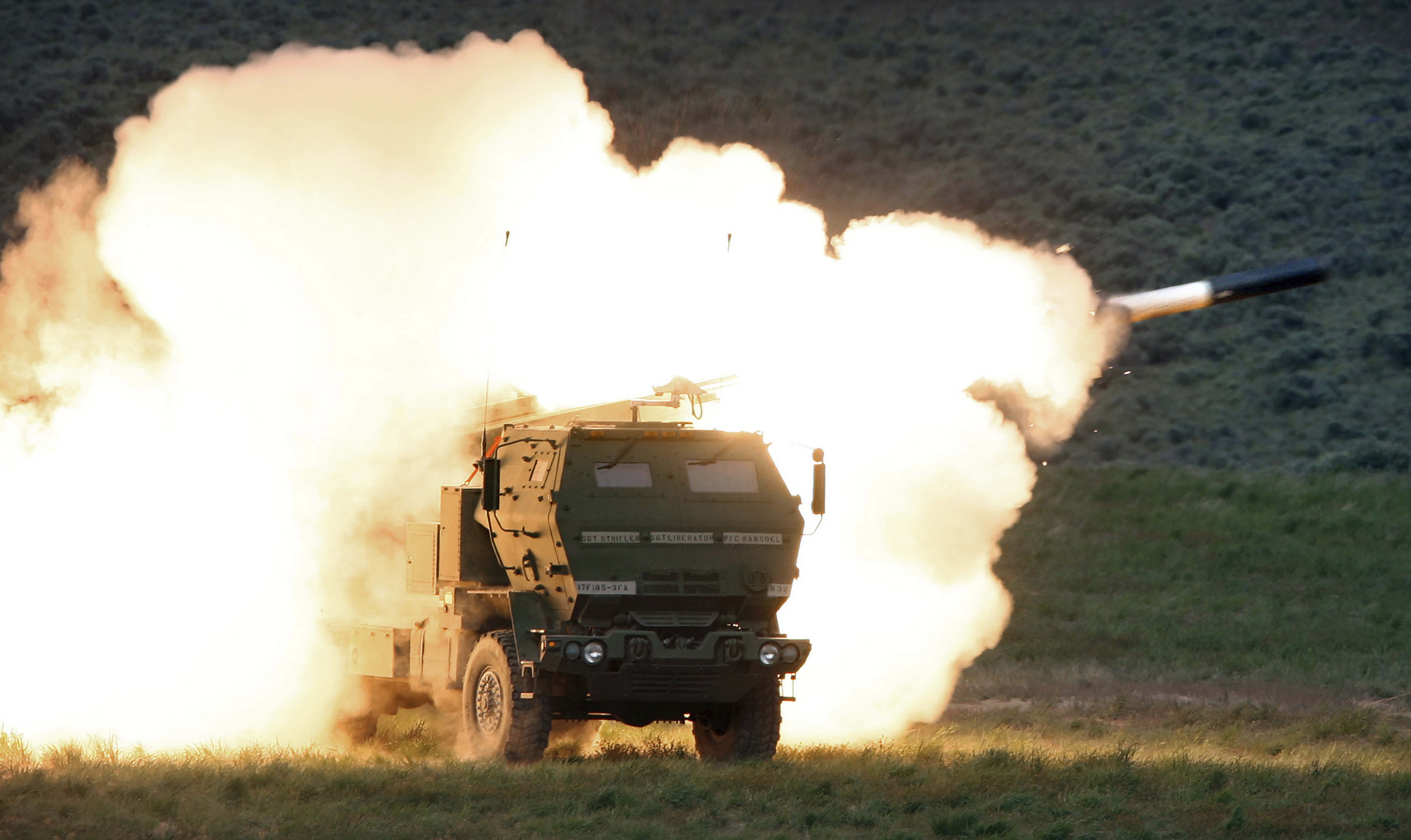
Tass said there casualties, without providing an estimate, and claimed the weapon used in the strike was fired from a US-supplied multiple-launch High Mobility Artillery Rocket Systems, or HIMARS.

READ MORE: Coronavirus outbreak strikes on Aussie cruise ship

Ukrainian officials didn't comment on the type of weapon used.

Ukrainian military intelligence claimed on Monday to have intercepted a call between Russian soldiers, in which one said that Ukrainian forces had "hit the most important command. They hit f—— hard."

The soldier said 12 people had been killed in the strike.

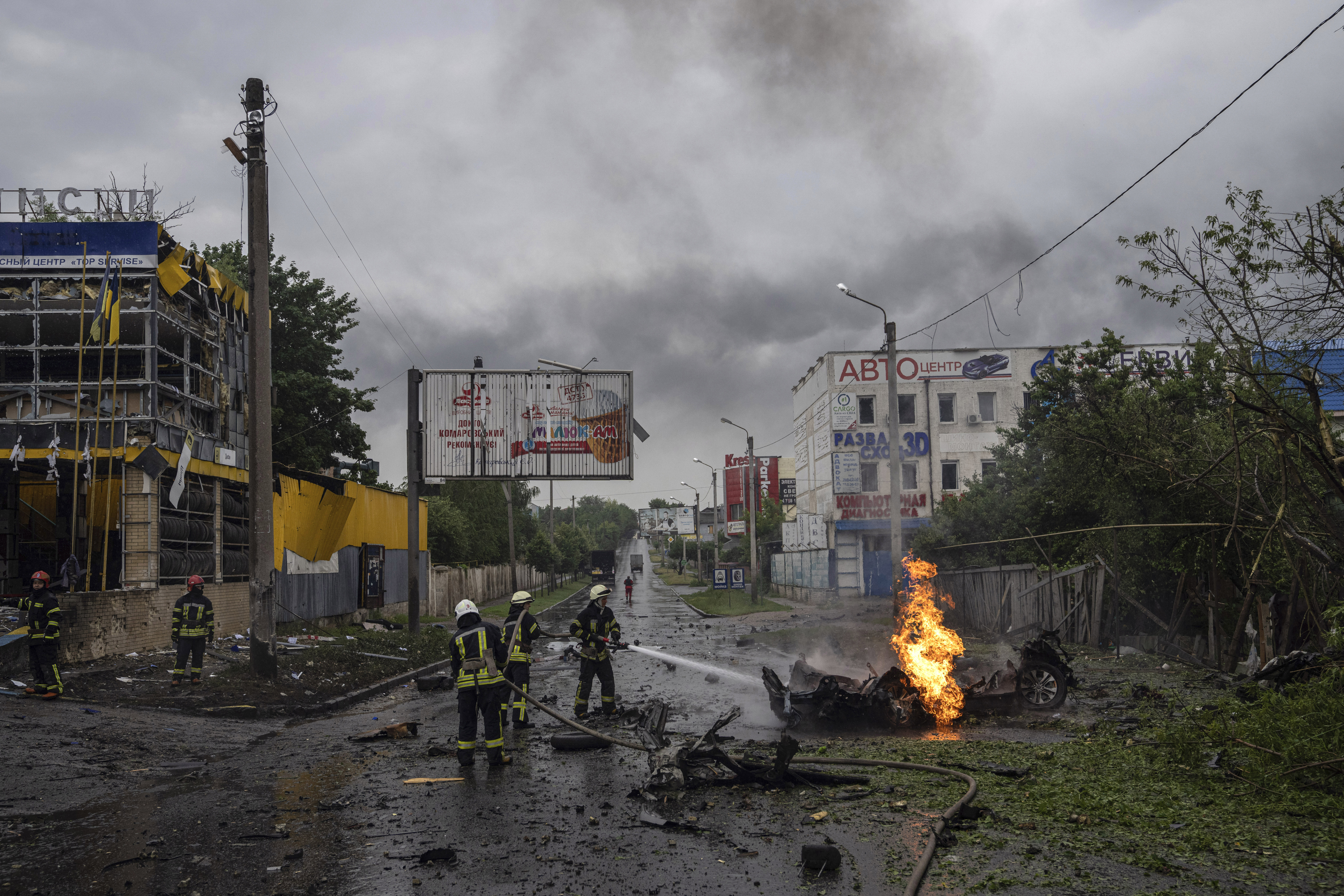
Meanwhile, Russian shelling of Ukraine's second-largest city on Monday killed at least six people and injured 31, prosecutors and local officials said.

Russian troops launched three missile strikes on Kharkiv, Ukraine's second-largest city, in an attack one official described as "absolute terrorism".

READ MORE: 'Nightmare' as Musk abandons $65 billion Twitter deal

Russia's Defence Ministry said the attacks struck at the points of deployment for Ukraine's "nationalist battalions" Kharkiv regional Governor Oleh Syniehubov said on Telegram that the shelling came from multiple rocket launchers, and those wounded and hospitalised included children aged 4 and 16.

"Only civilian structures — a shopping centre and houses of peaceful Kharkiv residents — came under the fire of the Russians. Several shells hit the yards of private houses. Garages and cars were also destroyed. Several fires broke out," Syniehubov wrote.

Earlier, he said one missile destroyed a school, another hit a residential building, while the third landed near warehouse facilities.

"All (three were launched) exclusively on civilian objects. This is absolute terrorism!" Syniehubov said.

– Reported with CNN, Associated Press

Aged care nurse charged for 'working while having COVID-19'

A Melbourne aged care nurse has been charged after she allegedly worked multiple shifts at an aged care home after testing positive to COVID-19.

WorkSafe has charged the 36-year-old nurse with two breaches of the Occupational Health and Safety Act over her alleged actions between July 26, 2020 and August 2, 2020.

WorkSafe alleges the nurse worked multiple casual work shifts at Menarock Aged Care Services Rosehill facility in Highett, in Melbourne's south-east, after she tested positive to COVID-19 and was told not to attend work.

READ MORE: 'Test again': COVID-19 reinfection period revised from 12 weeks to four

The nurse has been charged with recklessly placing, or potentially placing, another person in danger of serious injury by attending the workplace after returning a positive PCR test without lawful excuse.

The maximum penalty for an individual for this offence is five years imprisonment and a fine of 1800 penalty points, which was $297,396 at the time of the alleged offence.

She has also been charged with failing to take reasonable care for the health and safety of persons at the workplace.

The maximum penalty for an individual for the offence is a fine of 1800 penalty points, which was $297,369 at the time of the alleged offence.

It is not alleged the nurse's actions resulted in the transmission of COVID-19 in the workplace.

READ MORE: Second Melbourne care home charged over COVID-19 deaths

WorkSafe's investigation of the COVID-19 outbreak at the aged care home concluded the operator had not breached its OHS obligations and had provided extensive training regarding COVID-19 awareness.

The nurse's charges will go before Moorabbin Magistrates' Court on September 7.

A number of other investigations relating to the control of COVID-19 related risks in workplaces remain ongoing.

READ MORE: Coral Princess passenger says cruise should have been halted after COVID-19 outbreak

WWII landing boat emerges as drought shrivels US lake

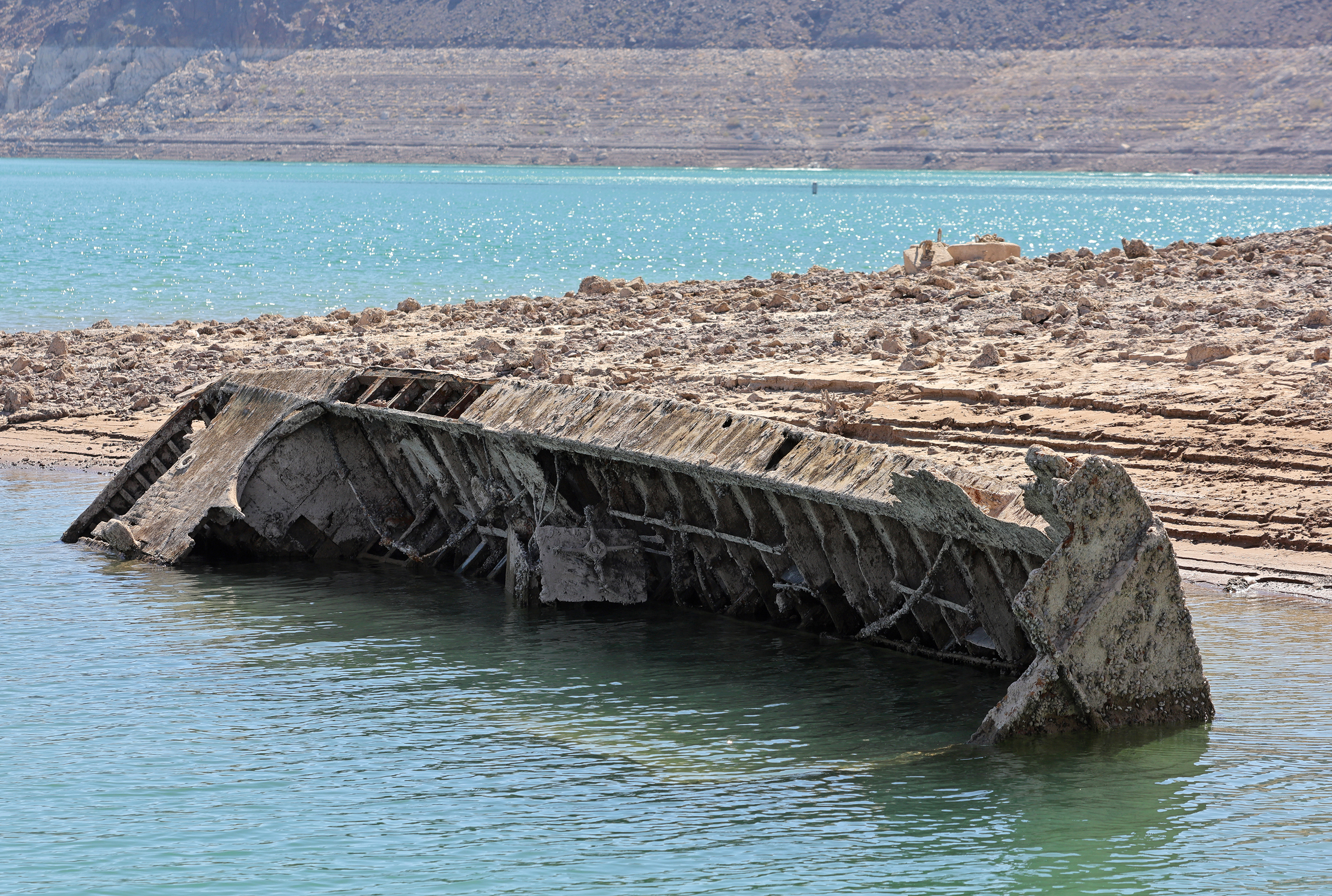
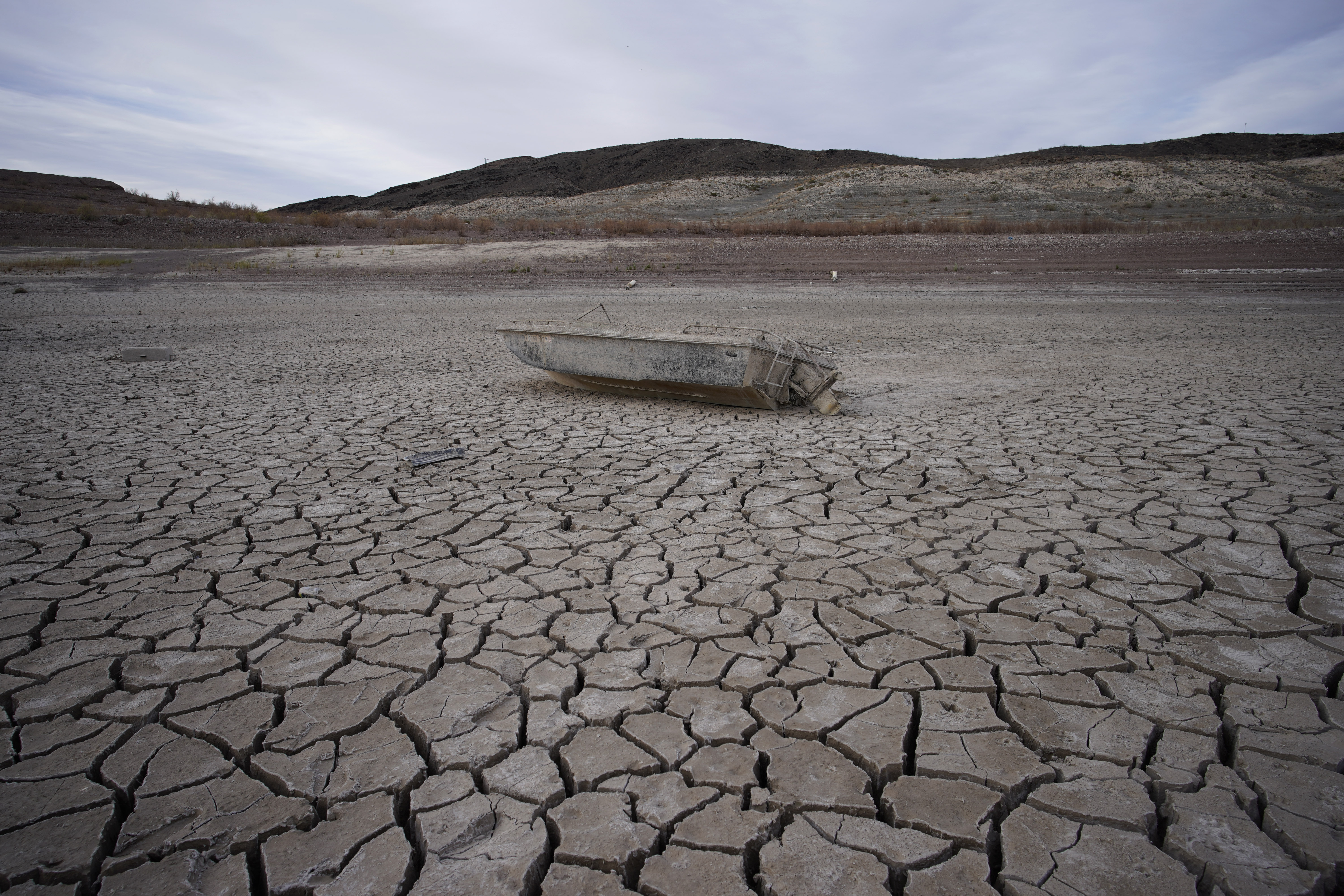
A World War II landing craft is emerging from Lake Mead as water levels at the US' largest man-made water reservoir continue to drop in extreme drought conditions.

The prolonged megadrought in the Southwest has seen the lake – a water source for around 25 million people – reach an unprecedented low.

The lake stood at around 1042 feet (317.6m) above sea level on Monday local time, down about 25 feet (7.2m) from the same time last year and 44 feet (13.4m) below its 2020 depth, according to CNN senior meteorologist Brandon Miller.

READ MORE: 'Nightmare' as Musk abandons $65 billion Twitter deal

"Every day is a new record low for the lake, since it was still filling up for the first time in 1937 after Hoover Dam was constructed," he said.

"Dead pool, or the point when water can no longer flow through the reservoir at Hoover Dam, occurs at 895 feet (272.7m) elevation."

The receding waters have led to the discovery of human remains as well as the wrecks of boats, like the World War II-era vessel.

The Lake Mead National Recreation Area National Park Service (NPS) told CNN the Higgins Craft was still wrapped in armor plating.

READ MORE: Three-year-old Jariah was born in Australia but he can't get NDIS funding

"The NPS suspects that this WWII surplus craft was put into service on the lake for various reasons and then partially salvaged before it sank in its current location. Whether it sank by accident or was purposely sunk to get rid of a vessel no longer of use is unclear," it said in a statement.

The vessel has had its engine removed and been modified to open space between two machine gun positions towards its stern, NPS said.

Production of the plywood Higgins Crafts, which were used to land personnel and vehicles, ceased after 1945, the NPS told CNN. But the vessel's fundamental design – a shallow, front-loading craft with a drop ramp for vehicles and people – was still being replicated, the agency said.

READ MORE: 'Nightmare' as Musk abandons $65 billion Twitter deal

"Lake Mead has a number of these distant cousins to the Higgins Boat, still in daily use on the lake doing everything from firefighting to servicing our remote campsites and beaches," NPS said.

All of Lake Mead is in an area of "'exceptional drought" – the highest of the four drought classifications in the US Drought Monitor.

Water levels have been steadily dropping since February, about two months earlier than levels typically drop post winter-precipitation and spring-melt season, Miller said.

"Generally, the annual decline ends around late June or July as Southwest monsoon rainfalls begin across the region. This has yet to occur so far this year, as the lake levels are still steadily declining," he said.

Famed Ukrainian medic describes 'hell' of Russian captivity

The captive Ukrainian medic’s eyeglasses had long since been taken away, and the face of the Russian man walking past her was a blur.

Yuliia Paievska knew only that her life was being traded for his, and that she was leaving behind 21 women in a tiny three-by six-metre prison cell they had shared for what felt like an eternity. Her joy and relief was tempered by the sense that she was abandoning them to an uncertain fate.

Before she was captured, Paievska, better known throughout Ukraine as Taira, had recorded more than 256 gigabytes of harrowing bodycam footage showing her team’s efforts to save the wounded in the besieged city of Mariupol. She got the footage to Associated Press journalists, the last international team in Mariupol, on a tiny data card.

READ MORE: Putin extends fast-track Russian citizenship to all Ukraine

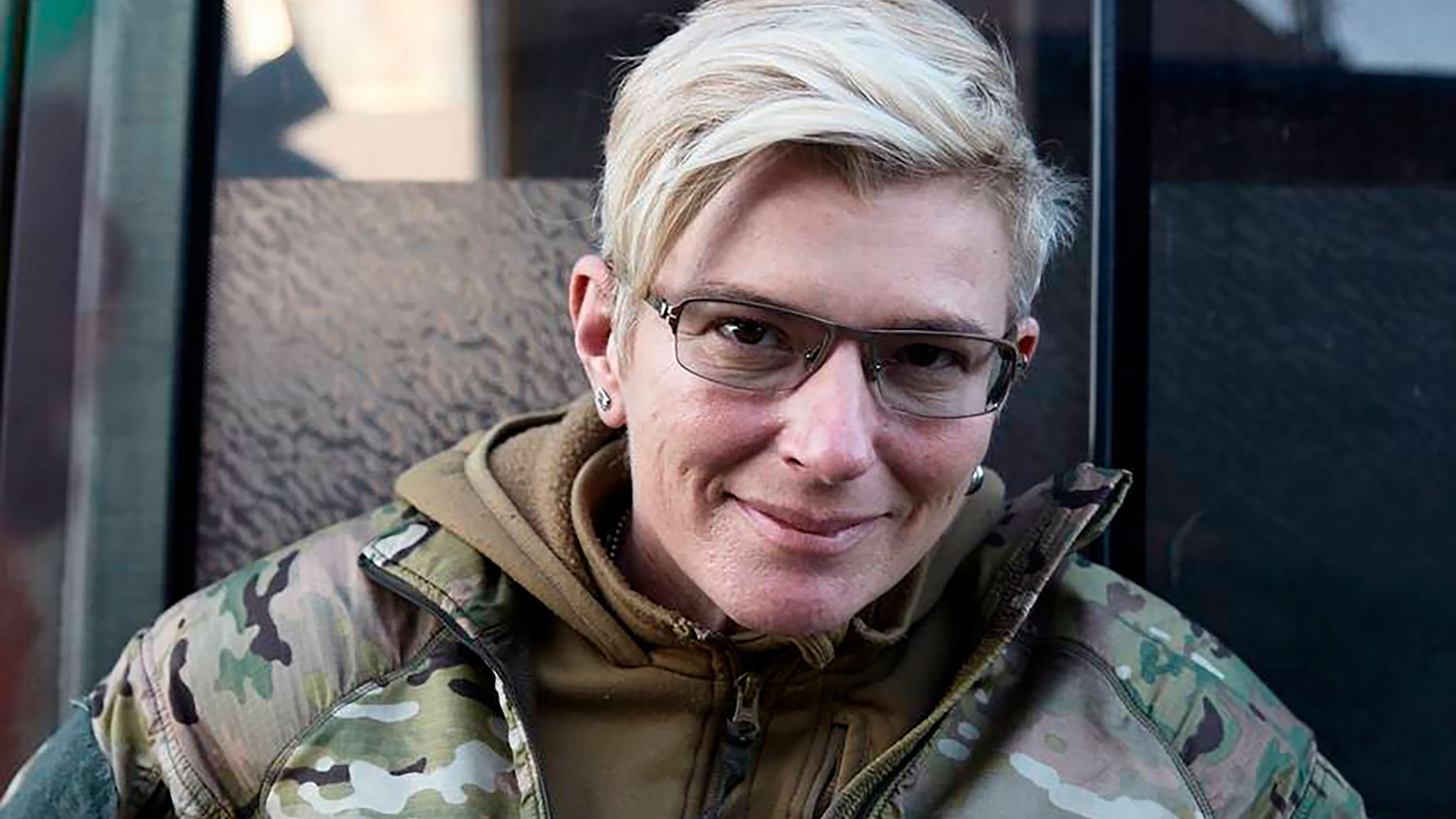
This undated image provided by the Invictus Games Team Ukraine shows Yuliia Paievska, known as Taira, a celebrated Ukrainian medic who used a body camera to record her work in Mariupol while the port city was under Russian siege.

The journalists fled the city on March 15 with the card embedded inside a tampon, carrying it through 15 Russian checkpoints. The next day, Taira was taken by pro-Russia forces.

Three months passed before she emerged on June 17, thin and haggard, her athlete’s body more than 10 kilograms lighter from lack of nourishment and activity. She said the AP report that showed her caring for Russian and Ukrainian soldiers alike, along with civilians of Mariupol, was critical to her release.

She chooses her words carefully when discussing the day she was taken captive, and is even more cautious when discussing the prison for fear of endangering the Ukrainians still there. But she is unequivocal about the impact of the video released by the AP.

“You got this flash drive out and I thank you,” she said in Kyiv to an AP team that included the journalists in Mariupol. “Because of you, I could leave this hell. Thanks to everyone involved in the exchange.”

She still feels guilty about those she left behind and said she will try her best to help free them.

“They are all I think about,” she said. “Every time I grab a cup of coffee or light a cigarette, my conscience pains me because they can’t," she said.

"They can't wash themselves normally. Only once in three months did they take me to get a bath, but they never let me take a walk."

READ MORE: GP who fled Ukraine for Australia still treats patients from war zone

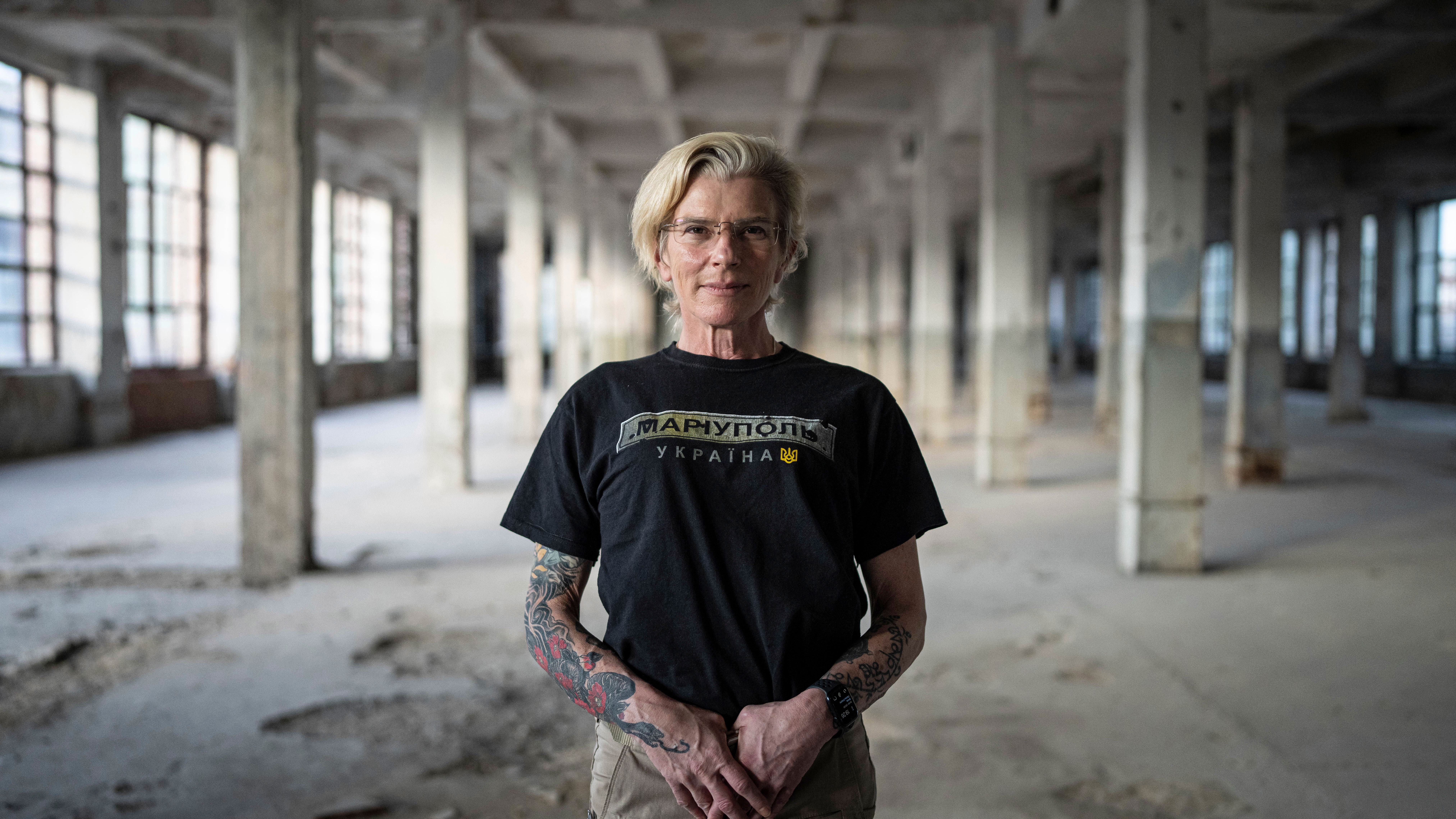
Yuliia Paievska, known as Taira, poses for a photograph during an interview with The Associated Press in Kyiv, Ukraine.

Taira, 53, is one of thousands of Ukrainians believed to have been taken prisoner by Russian forces. Mariupol’s mayor said recently that 10,000 people from his city alone have disappeared either by capture or while trying to flee. The Geneva Conventions single out medics, both military and civilian, for protection “in all circumstance. ”

Taira is an outsized personality in Ukraine, famed for her work training field medics and instantly recognisable by her shock of blond hair and the tattoos that circle both arms. Her release was announced by Ukrainian President Volodymyr Zelenskyy.

Despite the weight loss and all she has endured, she is still vibrant. She smokes constantly, lighting one cigarette after another as if trying to make up for the three months she had none. She speaks quietly, without malice, and her frequent smiles light her face deep into her brown eyes.

A demobilised military medic who suffered back and hip injuries long before the Russian invasion, Taira is also a member of the Ukraine’s Invictus Games team. She had planned to compete this April in archery and swimming, and her 19-year-old daughter was permitted to compete in her place instead.

Taira received the body camera in 2021 to film for a Netflix documentary series on inspirational figures being produced by Britain’s Prince Harry, who founded the Invictus Games. But when Russian forces invaded in February, she trained the lens on scenes of war.

The camera was on when she intervened to treat a wounded Russian soldier, whom she called “sunshine,” as she does nearly everyone who comes into her life. She chronicled the death of a boy and the successful effort to save his sister, who is now one of Mariupol’s many orphans. On that day, she collapsed against a wall and wept.

Reviewing the video, she said it was a rare loss of control.

“If I cried all the time, I wouldn’t have time to deal with the wounded. So during the war, of course, I became a little harder,” she said. “I shouldn’t have shown that I was breaking down. … We can mourn later.”

The children weren't the first or the last she treated, she said. But they were part of a larger loss for Ukraine.

“My heart bleeds when I think about it, when I remember how the city died. It died like a person — it was agonising,” she said. “It feels like when a person is dying and you can’t do anything to help, the same way.”

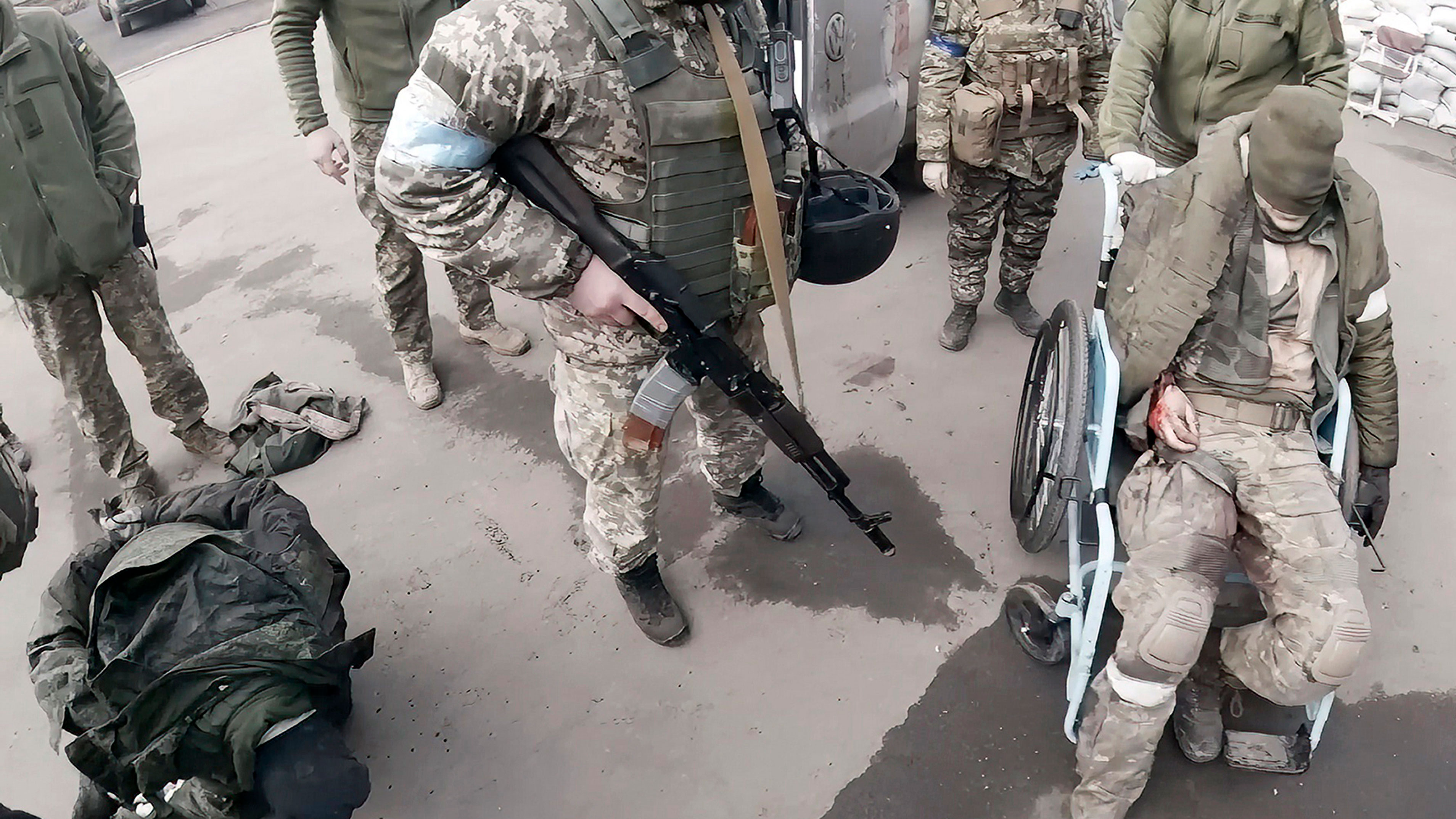
Two injured Russian soldiers, left and right, arrive at a hospital to be treated on March 10, 2022, in Mariupol, Ukraine. "They will not be as kind to us as we'll be to them," Yuliia Paievska, known as Taira, says about treating the soldiers. "But I couldn't do otherwise. They are prisoners of war."

Hours before Taira was captured, Russian airstrikes hit the Mariupol theatre, the city’s main bomb shelter. Hundreds died. That same day, the Neptune pool, another bomb shelter, was also hit.

Taira gathered a group of 20 people hiding in her hospital’s basement, mostly children, into a small yellow bus to take them away from Mariupol. The city centre was on the verge of falling, and Russian checkpoints blocked all the roads leading out.

That’s when the Russians saw her.

“They recognised me. They went away, made a call, came back,” she said. “As far as I can tell, they already had a plan.”

She believes the children made it to safety. She avoids disclosing details about that day for reasons she said she couldn’t fully explain.

But she appeared five days later on a Russian news broadcast that announced her capture, accusing her of trying to flee the city in disguise.

On the video, Taira looks groggy, and her face is bruised. As she reads a statement prepared for her, a voiceover derides her as a Nazi.

Inside the prison system, detainees were subjected to the same kind of propaganda, she said. They heard that Ukraine had fallen, that the Parliament and Cabinet had been dissolved, that the city of Kyiv was under Russian control, that everyone in the government had fled.

“And many people started to believe it. You’ve seen how this happens under the influence of propaganda? People start to despair,” Taira said. “I didn’t believe it, because I know it’s foolish to believe the enemy.”

Every day, they were forced to sing the Russian national anthem — twice, three times, sometimes 20 or 30 times if guards didn’t like their behaviour. She hates the anthem even more now, but talks about it with a flash of humour and defiance.

“I found it a plus because I’ve always wanted to learn to sing — then suddenly I had the time and a reason to practice,” she said. “And it turns out that I can sing.”

Her jailers in the Russian-controlled Donetsk region pressured her to confess to killing men, women, children. Then they started on accusations of organ trafficking that she found insulting in their absurdity.

“Seized organs on the battlefield. Do you have any idea how complicated this operation is?” she asked, dismissing the allegation with a brief profanity. “It’s invented, a huge fabrication.”

She admitted nothing.

“I’m terribly stubborn by nature. And if I’m accused of something I haven’t done, I won’t confess for anything. You can shoot me, but I won’t confess,” she said.

After endless, repetitive putrid weeks broken only by salt-free porridge with bacon, packets of reconstituted mashed potatoes, cabbage soup and some canned fish, Taira found herself in the three- by six-metre cell with 21 other women, 10 cots and very little else. They were held in a maximum security prison with no trial and no conviction.

She won't go into details about how they were treated, but said they had no information about their families, no toothbrushes, few chances to wash. Her health started to fail.

“I’m not 20 years old anymore and this body can take less than it used to,” she said ruefully. “The treatment was very hard, very rough. … The women and I were all exhausted.”

Taira’s experience is consistent with Russia’s repeated violations of international humanitarian law on how to treat detained civilians and prisoners of war, said Oleksandra Matviichuk, head of Ukraine’s Centre for Civil Liberties.

“Before the large-scale invasion, Russia tried to hide this violation. They tried to pretend they are not involved in this violation,” she said. “Now, Russia doesn’t care.”

At one point, one of her jailers came to her and said he’d seen a video of her abusing a Russian soldier. She knew that wasn’t possible and demanded to see the video, but was refused.

Now, looking at the image of her tenderly wrapping a Russian soldier in a blanket, she knows it was yet another lie.

“This is the video, here it is. I really treated everyone this way, brought them in, we stabilised them, did everything that was necessary,” she said.

At another point near the end of her captivity, someone brought her out for what she assumed was yet another pointless interrogation. Instead, there was a camera.

“I was asked to record a video saying I was fine, the food is OK, the conditions are OK,” she said. It was a lie, she added, but she saw no harm in this one. “After this video, they told me, maybe you will be exchanged.”

Then she went back to her cell to wait. She had dreams of walking free that felt true. But she tried not to feel too much hope, so that she wouldn't be crushed if it didn’t happen.

More time passed until she was finally allowed out, blindly passing the Russian prisoner exchanged for her.

On a recent day in the Ukrainian capital, Taira headed to the Kyiv archery range deep in an abandoned Soviet-era factory. She embraced her coach and other athletes there, then settled into training for the first time since before the war.

Her shots were precisely aimed at the paper target, hitting the bullseye. But she had to lean on a support for her chronic injuries, and she tired quickly. She retreated to a cavernous workshop to chain smoke, tapping the ashes into a metal can and gazing out the window.

Her husband, Vadim Puzanov, said Taira remained fundamentally the same despite three months of captivity and is open about what she endured.

“Perhaps there will be long-term consequences, but she is full of plans,” he said. “She is moving on.”

Those plans are clear and prioritised: Recover her health, take part in next year’s Invictus Games, and write a book, a sort of self-help for people she hopes will never need the advice. She smiled calmly as she explained.

“I plan to put together information about life in captivity,” she said. “How should they behave? How to create conditions to make it easier to endure? What is the psychology?”

Asked if she had feared death in captivity, Taira said it was a question her jailers asked often, and she had a ready answer.

“I said no because I’m right with God,” she told them. “But you are definitely going to hell.”

Olympic champion reveals his real identity in BBC documentary

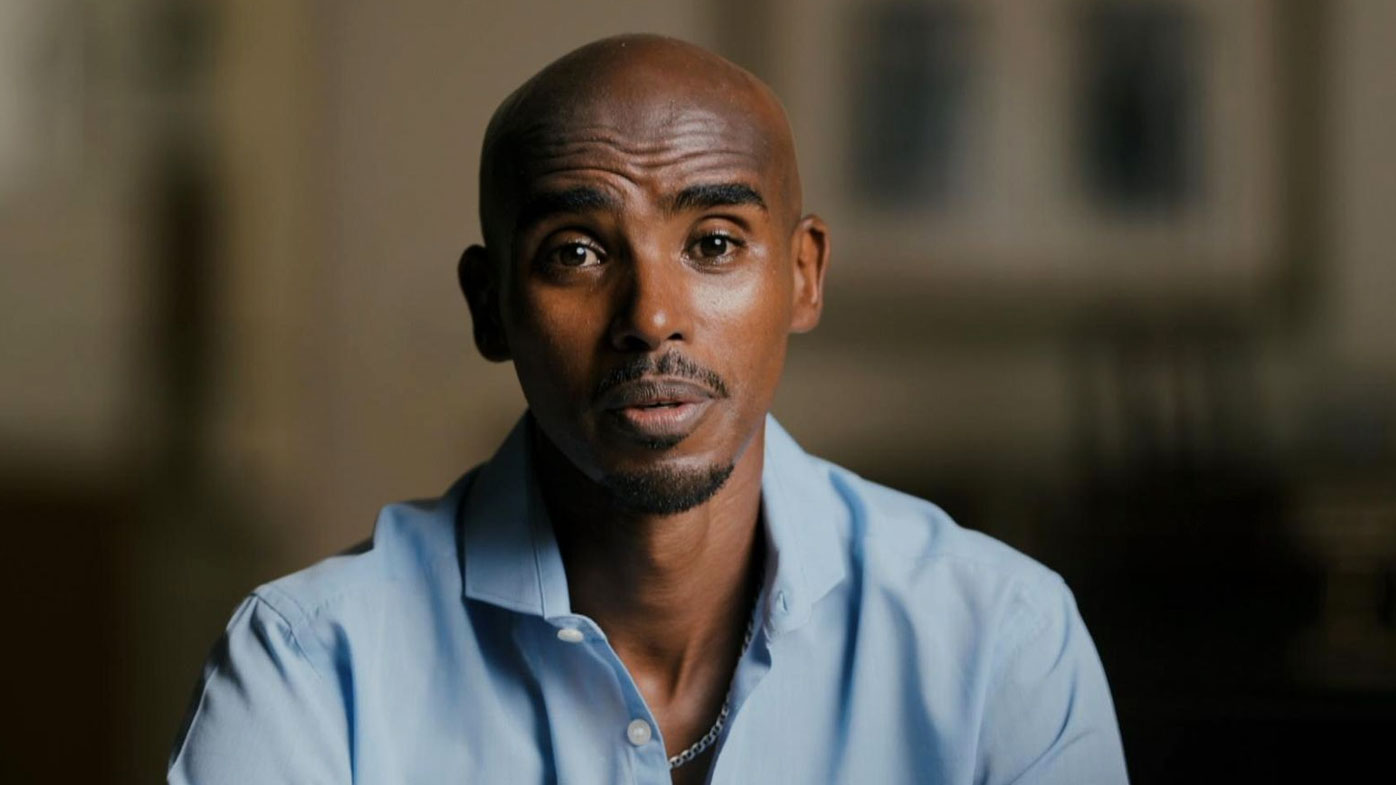
Four-time Olympic champion Mo Farah has disclosed he was brought into Britain illegally from Djibouti under the name of another child.

“The truth is I’m not who you think I am," the 39-year-old Farah told the BBC in a documentary called The Real Mo Farah.

Farah, who became the first British track and field athlete to win four Olympic golds, said his children have motivated him to be truthful about his past.

READ MORE: Coronavirus outbreak on cruise ship travelling from Brisbane to Sydney

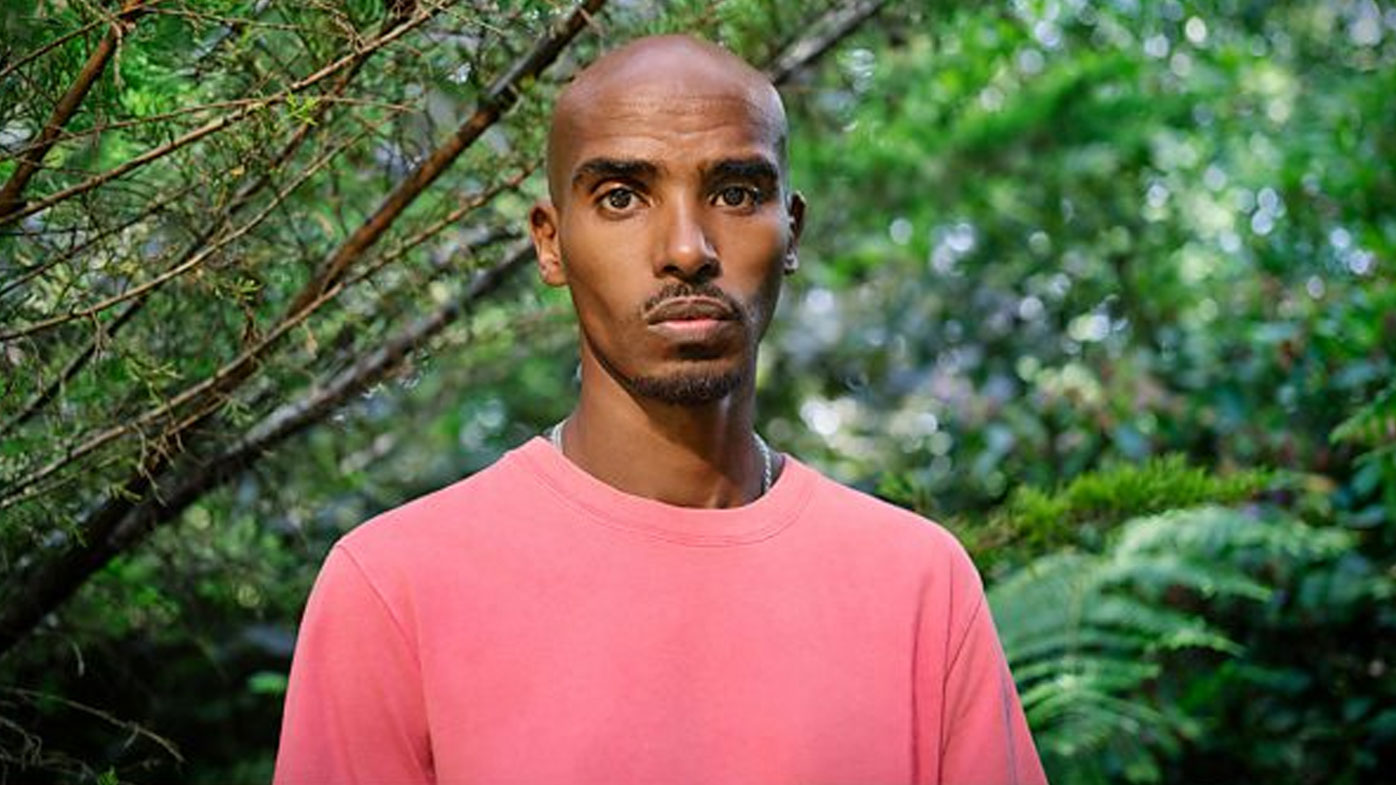
Four-time Olympic champion Sir Mo Farah revealed he was brought to the UK illegally as a child and forced to work as a domestic servant.

“The real story is I was born in Somaliland, north of Somalia, as Hussein Abdi Kahin," he told the BBC.

"Despite what I’ve said in the past, my parents never lived in the UK.

"When I was four my dad was killed in the civil war, you know as a family we were torn apart.

"I was separated from my mother, and I was brought into the UK illegally under the name of another child called Mohamed Farah.”

After arriving in the UK, he was forced to work as a domestic servant and made to look after another family's children.

READ MORE: Sprinkle of salt at table could knock years off your life, study finds

During the documentary, Farah said he thought he was going to Europe to live with relatives and recalled going through a British passport check under the guise of Mohamed at the age of nine after traveling with a woman he didn't previously know.

“I had all the contact details for my relative and once we got to her house, the lady took it off me and right in front of me ripped them up and put it in the bin and at that moment I knew I was in trouble," he said.

Farah said the woman told him: "If you ever wanna see your family again, don't say anything."

"Often I would just lock myself in the bathroom and cry," he said.

READ MORE: Olympic star in $1.4 billion lawsuit over botched sex abuse investigation

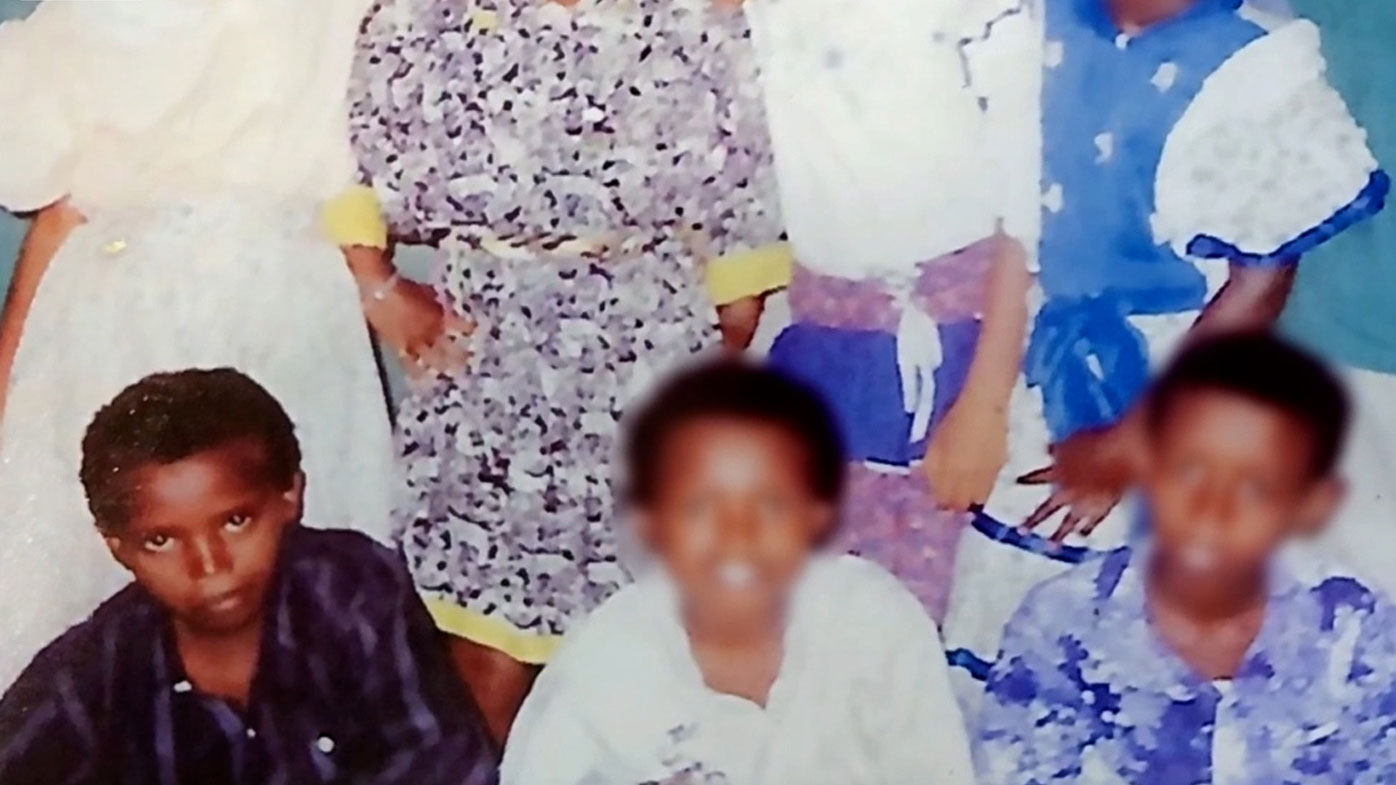
In the documentary, Farah (pictured in this photo bottom left) admitted his name was stolen from another child and used to create a fake passport.The Olympic star told the BBC he was given the name Mohamed Farah by those who flew him over from Djibouti. His real name is Hussein Abdi Kahin.

READ MORE: How many Aussies had short-term reactions to COVID-19 vaccines?

The athlete travelled back to his childhood home in west London, recalling “not great memories” where he was not treated as part of the family.

Farah eventually told teacher Alan Watkinson the truth and moved to live with his friend’s mum who took care of him and he ended up staying for seven years.

It was Watkinson who applied for Farah’s British citizenship which he described as a “long process."

Farah was recognised as a British citizen in 2000.

With Associated Press

'A kick in the guts': Jariah was born here but can't get any NDIS funding

The parents of a three-year-old boy with severe autism are fighting for access to funded disability support services for their son after being told he qualifies for none.

Jariah was born in Australia, after his parents, Toni-Maree and Rob Tino, moved to Queensland from New Zealand 12 years ago.

A few months ago, Jariah was diagnosed with level 3 autism. 

READ MORE: New Zealanders could be given easier to path to citizenship, PM says

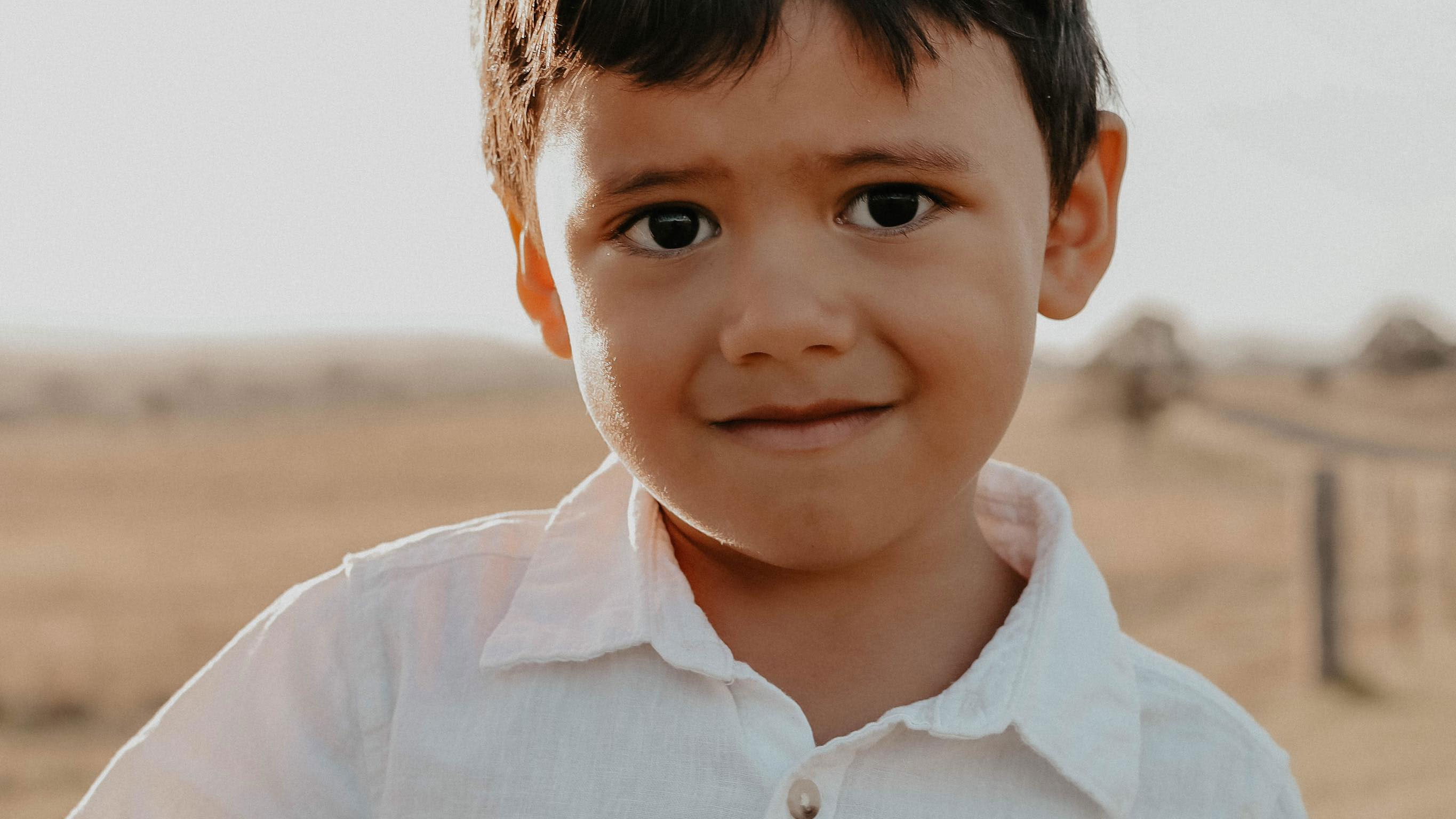
Jariah, 3, was diagnosed with autism two months ago.

His diagnosis meant the speech and occupational therapy sessions Jariah had been receiving under Medicare were suddenly cut off, Ms Tino said, because they now needed to be funded through the National Disability Insurance Scheme (NDIS).

New Zealanders living in Australia are not able to access any support through the NDIS.

However, Australians living in New Zealand are eligible to receive full funding for disability services after they have been there for two years.

Jariah's plight comes as Prime Minister Anthony Albanese flagged on Friday that New Zealanders living in Australia would likely be offered easier pathways to citizenship under proposals to be announced next Anzac Day.

"We know that there have been a range of issues raised relating to citizenship," Albanese said after a meeting with New Zealand Prime Minister Jacinda Ardern. 

"We don't want people to be temporary residents forever."

Jariah was extremely intelligent and had already taught himself to read, mother Toni-Maree said.

Ms Tino said she and her husband would have liked to become Australian citizens well before now but the process was extremely difficult.

"We have lived here in Australia for 12 years, we pay taxes and we own a home here," she said. 

"Our whole lives are here but the hoops you have to jump through to just try and get citizenship are just ridiculous for New Zealanders. 

"I think people from other nationalities find it much easier than we do."

New Zealanders who arrived in Australia before 2001 automatically have the right to apply for permanent residency but a rule change has made the path to citizenship harder for New Zealanders arriving after this date.

New Zealanders are, however, able to work and live in Australia for an unlimited amount of time as temporary residents.

Under the current immigration laws in Australia, Ms Tino said Jariah would need to wait until he was 10 to become eligible for Australian citizenship, which would then qualify him for NDIS support.

It was a "kick in the guts" to be told to wait so long for the help Jariah desperately needed, she said.

"They are willing to help him when he is 10, but what are we supposed to do in the meantime, let him suffer?"

READ MORE: New COVID-19 jab rules to affect millions of Aussies

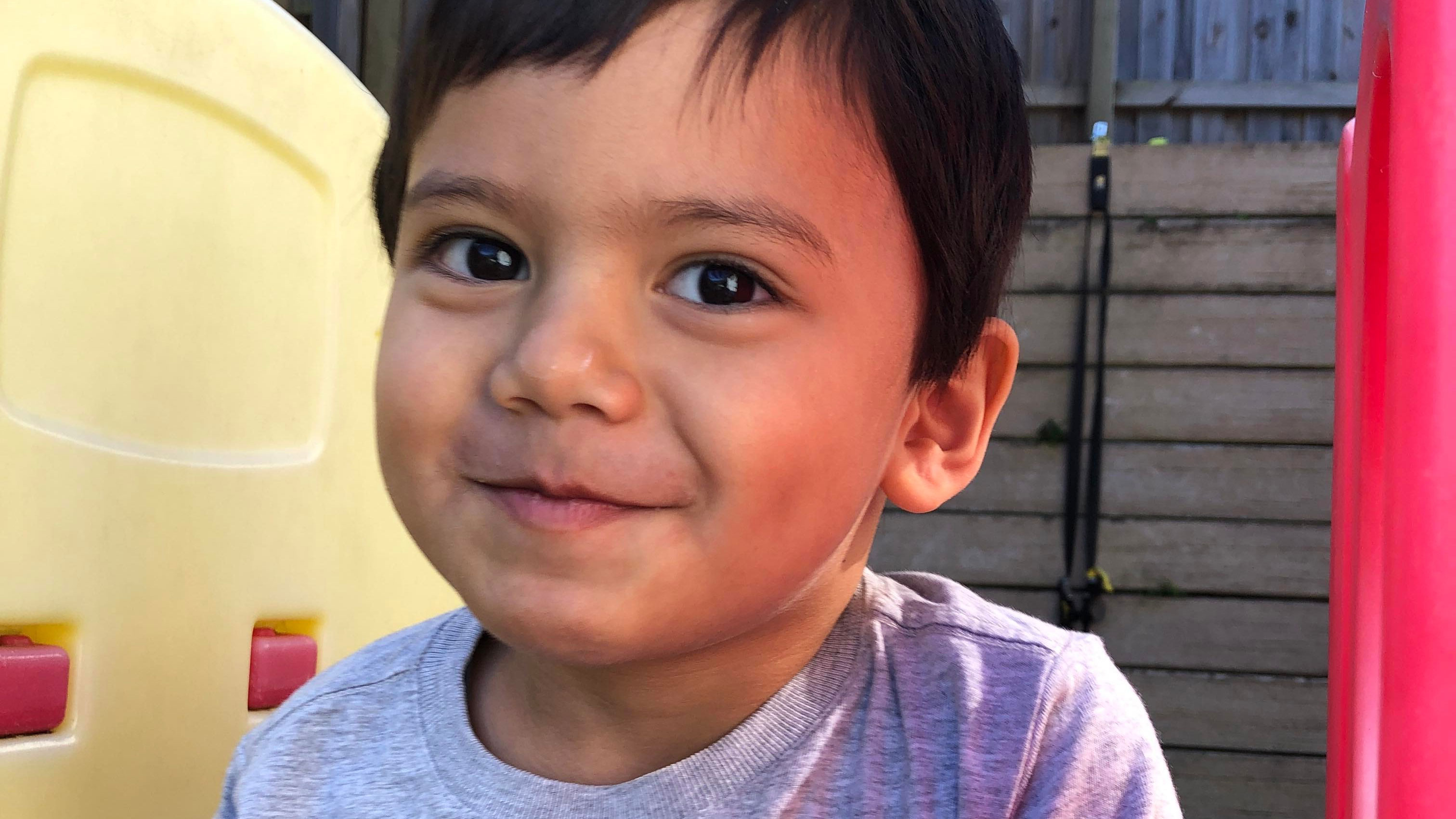
Jariah was born in Australia but is not able to access the NDIS because his parents are not Australian citizens.

Mr and Ms Tino have eight children, five of whom were born in Australia. 

The large family is supported by Mr Tino's full-time job in a warehouse, meaning money is tight.

As a former early childhood educator, Ms Tino said she knew early intervention was key for children with autism, but they simply couldn't afford to pay for any of the speech therapy, occupational therapy or psychologist sessions her son needed.

"It makes you feel terrible as a parent because you think I've got other kids that need to be fed," she said. 

"Petrol is going up, food is going up.

"Do we go to a speech therapy session, or do we pay our power bill?"

Jariah had challenges with his speech and social skills but was extremely intelligent, his mother said.

"We believe he is hyperlexic. He can read, we never taught him, he just taught himself," she said. 

"He can identify numbers, sounds and some places on the world map. 

"He has an interest in numbers and letters, he fixates on them."  

Ms Tino said it was devastating to see her son slip through the cracks of an "unfair" system and this had left her uncertain about the family's future in Australia.

"Honestly, I've thought about going back home a lot because none of my family is here," she said.

"We made the choice to come here for a better life for our children."

Jariah desperately needed access to speech and occupational therapy, his mum said.

Ms Tino said she had contacted NDIS Minister Bill Shorten's office, who told her they had escalated a complaint to the National Disability Insurance Agency (NDIA) on her behalf.

9news.com.au has reached out to Mr Shorten for comment but is yet to receive a reply.

A spokesperson for the Department of Social Services said it was the law which set out who could access the NDIS.

"The residency requirements for NDIS eligibility are set in the National Disability Insurance Scheme Act 2013 (NDIS Act) as passed by the Australian Parliament in 2013. They can only be changed if the parliament amends the NDIS Act in that regard," the spokesperson said.

"At the request of the Minister's Office, the National Disability Insurance Agency will contact the family via their local area coordinator to help them connect with mainstream health and disability community supports which they continue to have access to," the spokesperson added.

Ms Tino has set up an online petition calling for New Zealanders living in Australia to be given access to disability services.

Contact reporter Emily McPherson at em********@******om.au.