By Hamish Cardwell of RNZ Wellington residents can now give their thoughts on the detail of a plan to allow only bus and pedestrian access to the capital’s busy main drags.The changes to Lambton Quay, Manners and Willis Sts…
Tag Archives: oceania
More than 50 million bees likely killed in race to eradicate parasite
Upwards of 50 million bees in New South Wales have likely already been killed, with more deaths to come, as officials and beekeepers try to stop a major biosecurity threat.
Since varroa mite was discovered 19 days ago near the Port of Newcastle, the NSW Department of Primary Industries (DPI) have euthanised at least 1693 hives in various kill zones imposed across parts of the state.
Earlier DPI estimates have suggested each hive is home to 10,000 – 30,000 bees, putting the worst-case fatality rate at nearly 51 million.
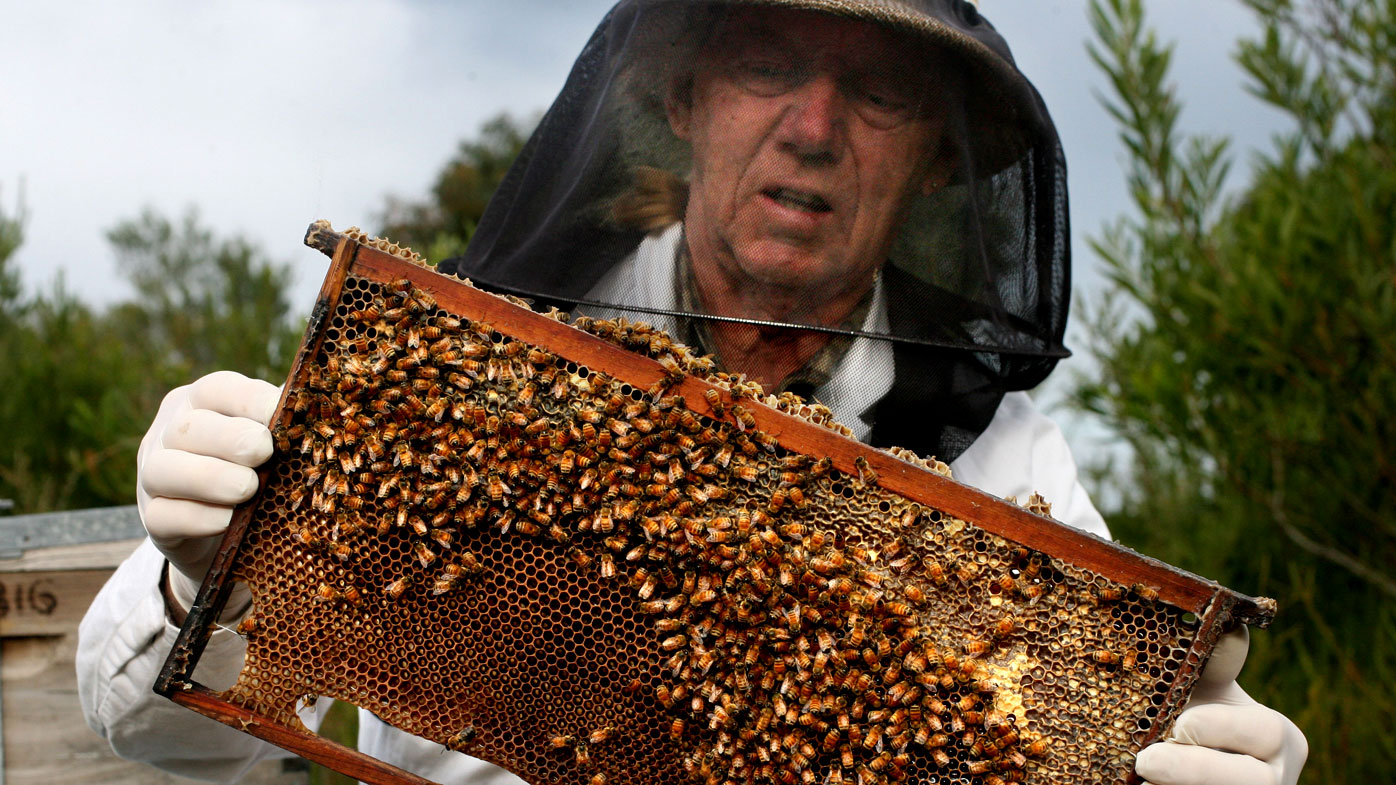
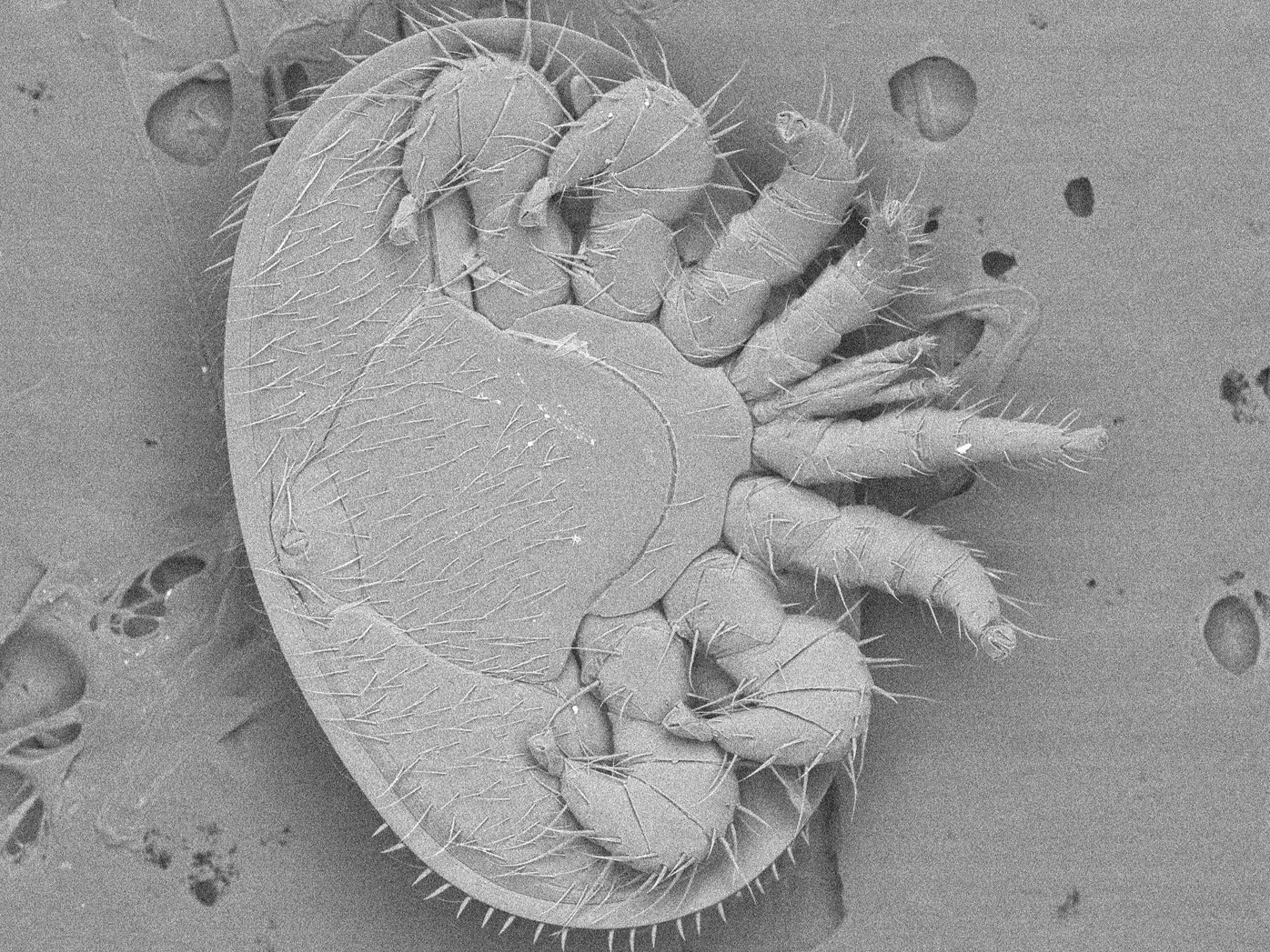
Any hives inside red zones must be euthanised, as the industry scrambles to contain and eradicate varroa mite, a reddish-brown, sesame-seed-sized parasite which can kill and weaken farmed bee populations.
Varroa threatens the nation's $70m bee industry, and even this early stage outbreak is set to inflict a major hit on horticulture farms which need bees to pollinate crops.
The NSW government has banned movement of bees and hives across the state, leading to fears Australia's billion-dollar almond industry could be crippled if bees cannot carry out seasonal pollination of trees.
Apiarists who have had bees, hives and equipment destroyed in the crackdown will have access to a federal $18 million compensation package, announced on the weekend.
Costs of honey lost in the systemic killing of hives will also be compensated.
Minister for Agriculture, Fisheries and Forestry Murray Watt called varroa mite "the most significant threat to our honey bee and pollination industries", while reinforcing Canberra was "firmly committed" to stopping the tiny parasite's spread.
Yesterday the DPI made the surprise announcement to allow beekeepers, in all zones except the red eradication zone, to work their hives.
There are still tight restrictions, but beekeepers can now extract honey from hives.
Despite an unbroken chain of infected premises and extensive surveillance operations, the number of exclusion zones across the state is steadily growing.
Newly confirmed cases at Jerrys Plains, Denman and Heatherbrae bring the total number of infested premises to 38.
READ MORE: Bee-killing varroa mite like an evil genie that won't go back in bottle
READ MORE: How tiny beetles are killing California's giant sequoia trees
Emergency zones first set up around Newcastle and Port Stephens have now spread and include rings around Narrabri near the NSW-Queensland border and Jerrys Plains in the Upper Hunter, about 100 kilometres west of Newcastle.
Once varroa gets a foothold, the parasite cannot be scrubbed out.
Before the Newcastle discovery on June 22, Australia was one of the few countries in the world still varroa-free.
If NSW cannot stop the invasion, beehives from Queensland to South Australia will inevitably be infested.
Varroa arrived in New Zealand in 2000 and within a decade had swept across the length and breadth of the country.
READ MORE: Zombie Mice 'scalping' and eating albatrosses alive on Marion Island
SH1 incident: Driver injured and shaken after van rolls in 'near-miss'
A courier driver was left injured and shaken after his van rolled as he took evasive action to avoid an oncoming ute that was overtaking a logging truck.Police are looking for a white ute following the “near-miss” incident on State…
Wellington man Aiken Hakes missing for six days found safe and well
A man missing from his Wellington home for six days has tonight been found safe and well. Aiken Hakes, 33, was last seen on Tuesday after going missing from his Kilbirnie home in Wellington City.CCTV footage released by police…
Manurewa baby death: Jury retires to deliberate in Anthony Pickering murder trial
A jury tasked with determining whether Anthony Simon Pickering, 32, murdered his baby has retired tonight to begin its deliberations. Poseidyn Hemopo-Pickering was rushed to Middlemore Hospital, and later to Starship children’s…
Rugby legend auctioning off All Blacks jersey to raise money for friend's cancer treatment
Rugby legend Owen Franks is selling his 80th test jersey to help raise money for a friend’s lifesaving cancer treatment. Franks wrote on a Trade Me page that Missy, who has been a “huge part” of his journey back to rugby, had…
Sinkhole claims house along NSW river
A sinkhole has opened up along the Hawkesbury River following devastating floodwaters, claiming a house in the process.
Sprinkle of salt at table could knock two years off your life, study finds
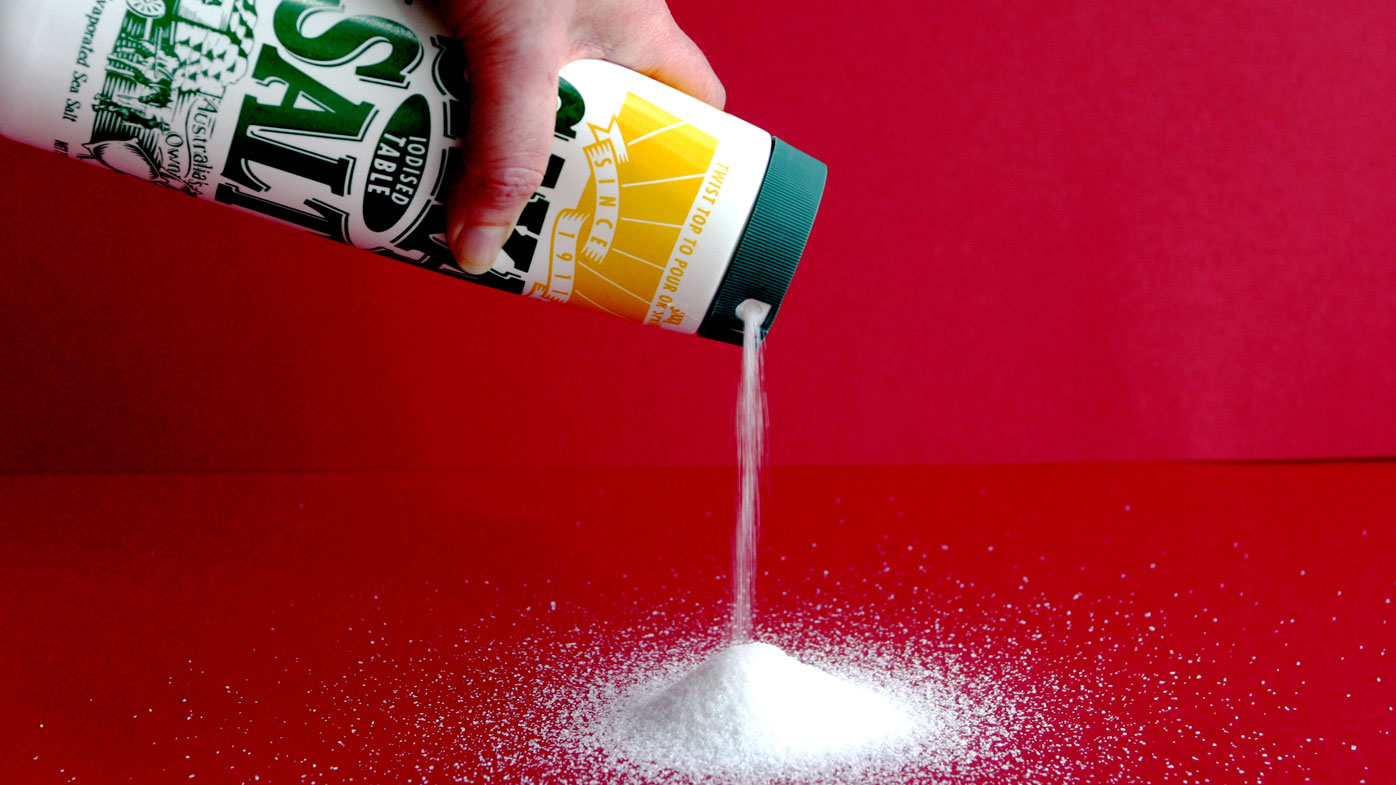
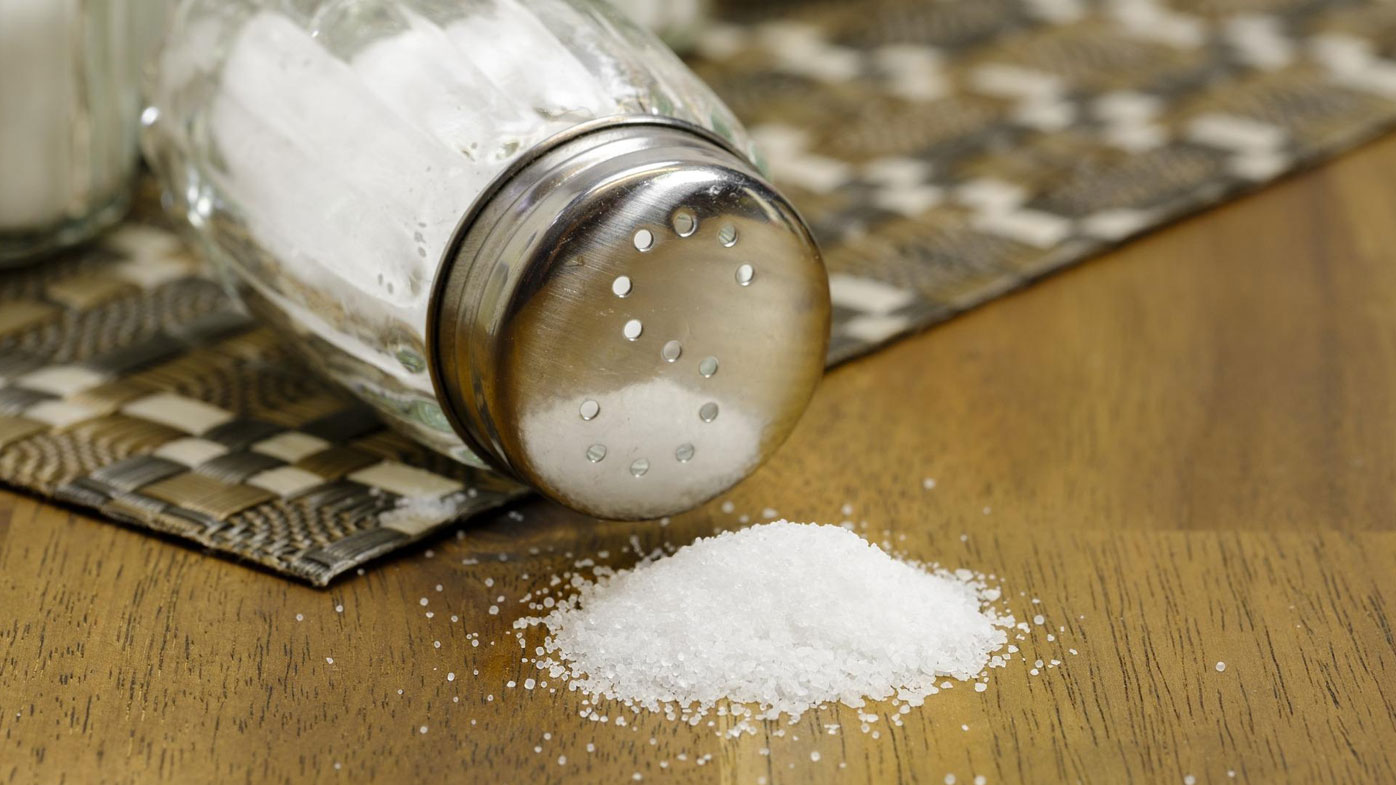
Shaking salt over your food at the table could cut your life short by almost 1000 days, a groundbreaking study which investigated one of the world's most popular condiments and its links to premature death has found.
Compared to people who never or rarely add salt, people who always sprinkle salt on their food have a 28 per cent increased risk of dying prematurely, the study of more than 500,000 people in the United Kingdom said.
At the age of 50, always adding salt to food at the table knocked 1.5 years off the life expectancy of women, and 2.28 years off men, researchers said.
READ MORE: McDonald's successor in Russia will stop selling fries
Professor Lu Qi of Tulane University in the US said, to his knowledge, assessing the relationship between adding salt to foods and premature death was a world-first.
"It provides novel evidence to support recommendations to modify eating behaviours for improving health," Qi said of the study, published today in European Heart Journal.
"Even a modest reduction in sodium intake, by adding less or no salt to food at the table, is likely to result in substantial health benefits."
The peer-reviewed findings had several public health implications, he said.
Government agency Food Standards Australia New Zealand estimates that Australians aged two years and older eat an average of 5.5 grams of salt every day, or slightly less than one teaspoonful.
About 80 per cent of that daily intake comes from processed foods and 20 per cent from salt used at the table or in home cooking.
"There will be many Australians whose sodium intake is higher than this," the agency's website said.
The saltiest foods Australians typically eat are bread and bread rolls, meat, poultry and game products, the health body said, including processed meat, and cereal products and cereal-based dishes such as biscuits, chips and pizza.
"Adding salt to foods at the table is a common eating behaviour that is directly related to an individual's long-term preference for salty-tasting foods and habitual salt intake," Qi said.
In the Western diet, adding salt at the table accounts for 6-20 per cent of total salt intake, the study estimated.
READ MORE: Wrestling legend 'paid millions in hush money' to multiple women
READ MORE: Aussie activist 'crash tackled' by Wimbledon security
Assessing overall sodium intake is difficult, as many foods, particularly pre-prepared and processed foods, have high levels of salt added before they even reach the table.
For these reasons, researchers looked at whether or not people added salt to their food at the table, independent of salt added during cooking.
Researchers analysed data from 501,379 people who took part in a UK Biobank study which measured the level of their salt usage at mealtime.
As well as finding that always adding salt to foods was linked to a higher risk of premature death from all causes and a reduction in life expectancy, researchers found those risks reduced slightly in people who ate high amounts of fruit and vegetables.
READ MORE: Aussie bikie gangs running drug outposts in south-east Asia
Second Melbourne care home charged over COVID-19 deaths
A second Melbourne aged care facility has been charged over its handling of the COVID-19 pandemic, after 34 of its residents died from the virus.
WorkSafe Victoria has charged Heritage Care in relation to the COVID-19 outbreak at its Epping Gardens home in Melbourne's north between March 13, 2020 and July 20, 2020, following a 22-month investigation into its practices.
During those four and a half months, 89 residents and 65 staff members developed COVID-19, leading to 34 residents dying from COVID-19 related complications.
READ MORE: Australia's aged-care sector losing 65,000 workers every year, report finds
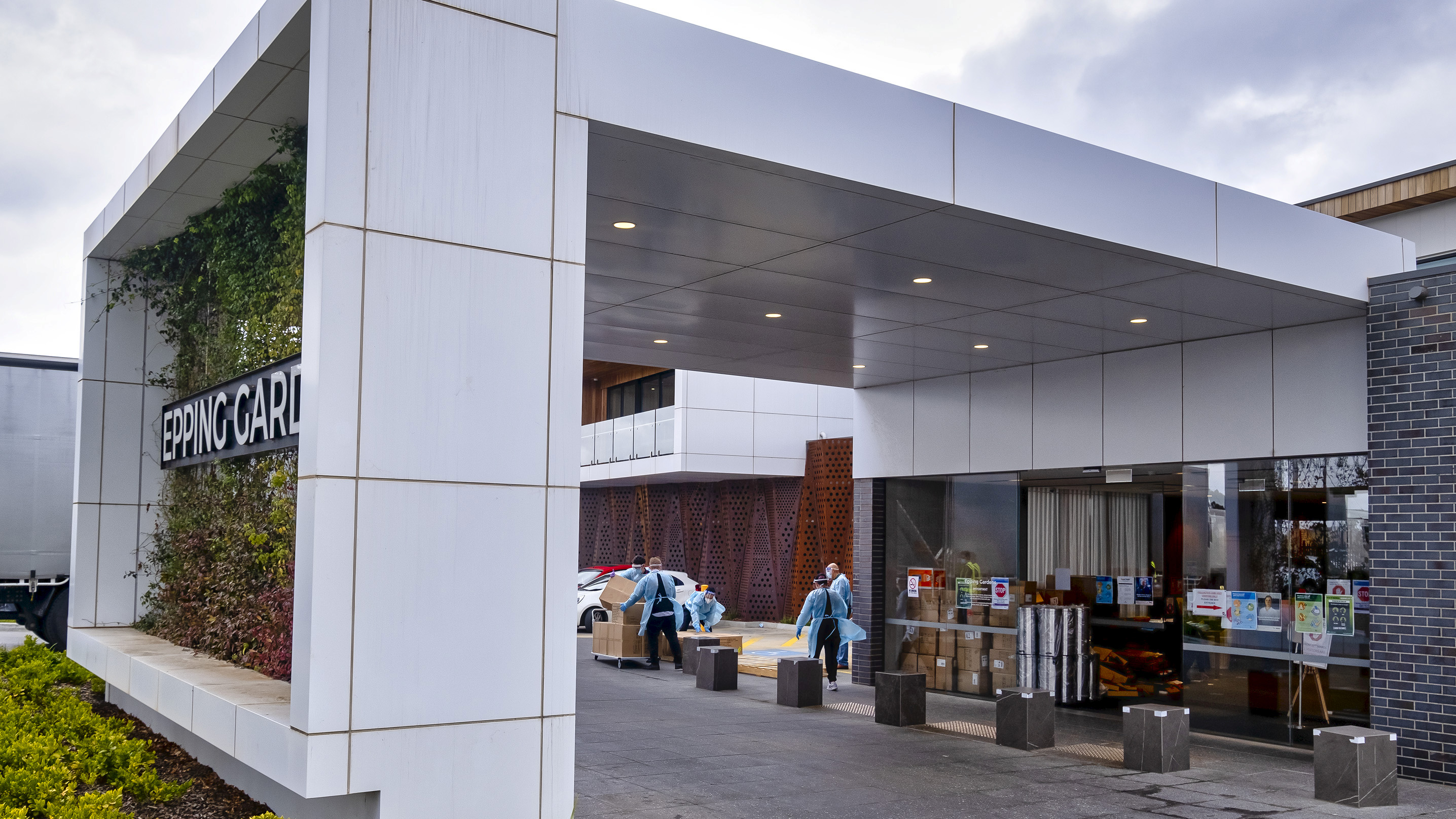
WorkSafe has charged Heritage Care with three breaches of the Occupational Health and Safety Act, saying it failed to provide the necessary training to enable staff to perform their work safely and without risks to health.
WorkSafe has also charged the aged care provider with failed to ensure, so far as was reasonably practicable, that persons other than employees were not exposed to risks to their health or safety from conduct of its undertaking.
The aged care provider has been further charged with failing to ensure, so far as was reasonably practicable, that its workplace was safe and without risk to health.
The maximum penalty for a body corporate for each of these offences is a fine of 9000 penalty points ($1.49 million at the time of the alleged offence).
READ MORE: How many Australians have had short-term reactions to COVID-19 vaccines?
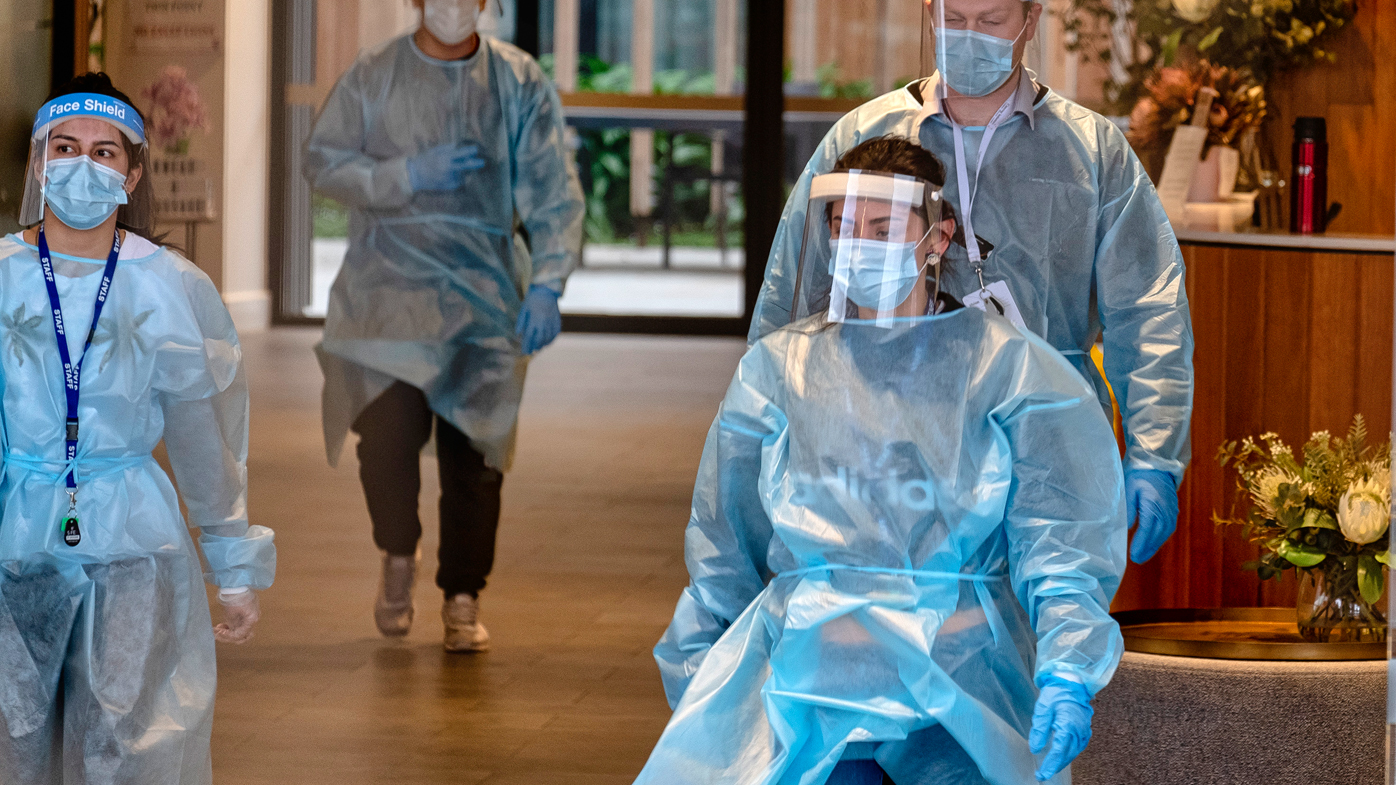
Heritage Care is due to front Melbourne Magistrates' Court on August 8 over the charges.
The company has been charged one week after St Basil's Homes For The Aged was hit with similar charges for its handling of COVID-19 at its Fawkner home, also in Melbourne's north.
A total of 45 residents died of COVID-19 at the home.
WorkSafe has advised that "a number of other investigations relating to the control of COVID-19 related risks in workplaces remain ongoing".
READ MORE: Millions more Australians can get extra COVID-19 booster from today
Teacher accused of inappropriate behaviour at Christchurch's Cashmere High School
Allegations have been made about a teacher being inappropriate towards a student at Christchurch’s Cashmere High School. The Ministry of Education confirmed the school had alerted it to the allegation. Ministry spokeswoman Nancy…