TVNZ’s acting chairman admitted in a private letter to Broadcasting Minister Kris Faafoi that “recruitment policy was not followed” in the hiring of disgraced Breakfast host Kamahl Santamaria and “thorough reference checks were not…
Tag Archives: oceania
Ihumātao group appointed soon, but decision on land's future could take five years
A group to decide the future of Ihumātao has still not been appointed 18 months after it was announced and there is potentially another five years at least before any decision is on the disputed whenua is reached. The Government…
Hawke's Bay student calls out tokenism: 'Cultural side projects devalue culture'
A frank speech calling out tokenism has earned a young Hawke’s Bay wāhine the Tohu Eke Panuku – the Human Rights Commission Award for Impact.One of the highlights of Kamaia Moore’s speech was her description of what she called…
Northland police searching for man who allegedly shot at police, due for trial
Police are asking for help from the public to find a man wanted for firing a gun at police, among other offences.Cliff Wharerau, 45, had multiple warrants for his arrest, Detective Senior Sergeant Kevan Verry of Northland CIB said.”Wharerau…
All Victorian households eligible for one-off $250 payment from today
All Victorian households are eligible for a $250 one-off payment from today thanks to the Victorian government's Power Saving Bonus program.
Victoria Premier Daniel Andrews announced the payments, which will cost the state $250 million, back in May ahead of the state budget, saying they were designed to help people manage the rising costs of living.
Here's everything to know about the payment and how to get it.

READ MORE: Free licences and cheaper licence renewal on offer in Victoria as VicRoads becomes partly privatised
First things first, am I eligible for this payment?
Every Victorian household will receive a one-off $250 payment to help lower the burden of energy prices.
Why is the Victorian government doing this?
The announcement was part of a Dan Andrews spend initiative ahead of his pre-election budget. The power program will run for one year, starting on July 1 to June 30, 2023.
END OF FINANCIAL YEAR: All the changes happening on July 1
So what do I need to do?
Victorians need to register on the Energy Compare website to become eligible.
Why that website?
Victoria Premier Dan Andrews claims seven out of 10 Victorians can save an additional $330 off their energy bills every year by finding a more competitive power deal.
Combined with the $250, he said Victorians will be almost $600 better off annually.
MONEY MATTERS: Is it unconstitutional to refuse cash as legal tender?
When will the payment arrive?
From July 1, payments will be made into the bank account used in your online registration.
What if I can't get online?
Ring the Victorian energy compare helpline 1800 000 VEC and apply to receive a cheque within a four week period.
Herald afternoon quiz: July 1
Test your brains with the Herald’s afternoon quiz. Be sure to check back on nzherald.co.nz for the morning quiz tomorrow. To challenge yourself with more quizzes, CLICK HERE.
Police pull over drunk driver five times over limit after near misses in Southland
A man is due to appear in court after testing five times over the legal breath alcohol limit. Police say the 31-year-old was reported to police by a member of the public after they became concerned at the manner of his driving in…
Two 'serial killer' orcas hunting great white sharks in hotspot
A pair of orcas killed five great white sharks over a few months in 2017 causing the remaining population to flee the waters in South Africa they once dominated, a new study suggests.
The paper, published in African Journal of Marine Science, examines why the sharks have abandoned parts of the Gansbaai coast, east of Cape Town.
In total, eight dead great whites have washed ashore since 2017, all were the victims of orca attacks. Seven of them had their livers removed, while some had their hearts removed too.
READ MORE: Woman accused of killing cyclist in 'act of romantic jealousy'
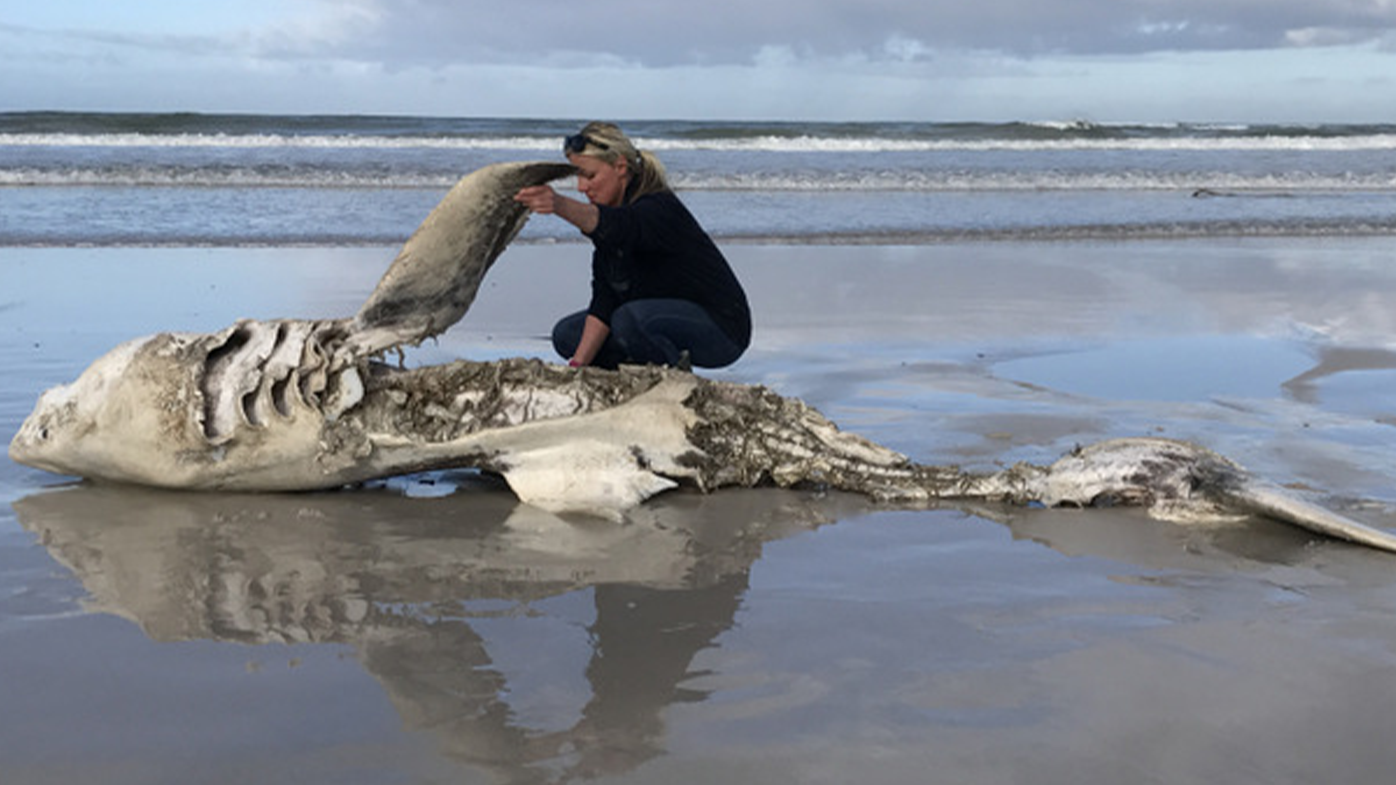
Researchers concluded the wounds are the signatures of the same two orcas, which may be members of a rare shark-eating morphotype.
Lead author Alison Towner, a senior white shark biologist at the Dyer Island Conservation Trust, said the "more orcas frequent the site, the longer they stay away".
During the study, which was carried out over five-and-a-half years, 14 sharks have been tracked fleeing the areas when the orcas are present and visual sightings have dropped dramatically in certain Western Cape Bays.
"Initially, following an orca attack in Gansbaai, individual great white sharks did not appear for weeks or months," Towner said.
"What we seem to be witnessing though is a large-scale avoidance (rather than a fine-scale) strategy, mirroring what we see used by wild dogs in the Serengeti in Tanzania, in response to increased lion presence."
READ MORE: The desperate pleas of women with long COVID

The removal of great white sharks will likely cause pressure on the food chain.
It has already triggered the emergence of a new predator, bronze whalers, a shark known to be eaten by great whites.
READ MORE: The bee-killing parasite threatening Australia's $70m industry
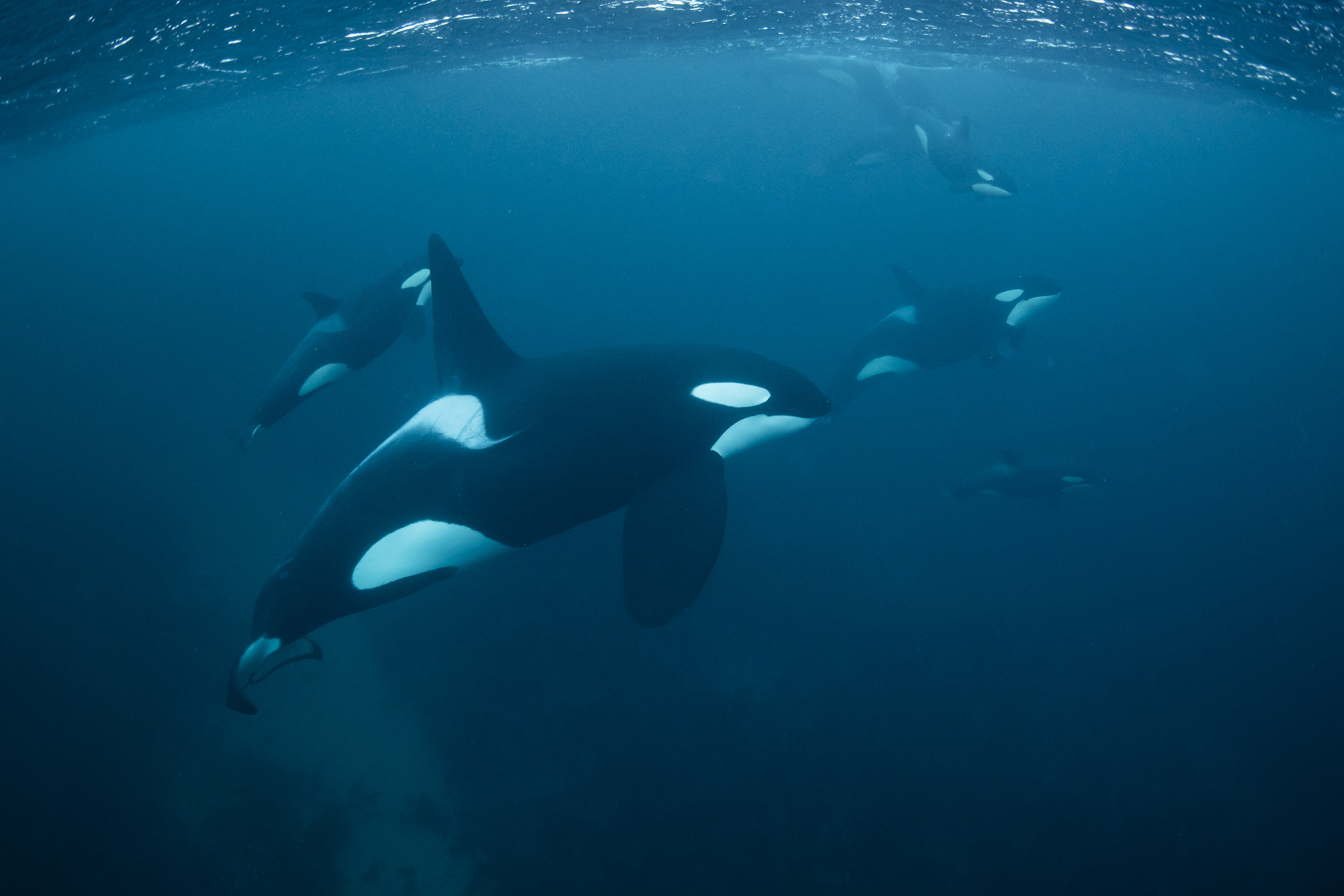
"These bronze whalers are also being attacked by the orcas too, who are indicating a level of experience and skill in hunting large sharks," Towner said.
"Balance is crucial in marine ecosystems, for example, with no great white sharks restricting Cape Fur seal behavior, the seals can predate on critically endangered African penguins, or compete for the small pelagic fish they eat.
"Although this is a hypothesis for now, there is only so much pressure an ecosystem can take, and the impacts of orcas removing sharks, are likely far wider reaching."
Investigation launched after butchered dolphin discovered on Karioitahi Beach
An investigation has been launched after a dolphin was discovered beheaded a day after it washed up on a south Auckland beach. The Department of Conservation is reviewing surveillance footage and appealing for help from the public…
John MacDonald: Christchurch stabbing – Buck stops with Health Minister Andrew Little
OPINION: We started the week horrified by the random killing of Laisa Waka Tunidau on Cheyenne St in Sockburn , Christchurch.She’d been at work last Saturday at a retirement village, finished up, got the bus home, had a 300-metre…