By Andrew McRae of RNZ A woman, who moved between numerous foster-care placements during her state care, says the then Social Welfare Department was a faceless agency that did not take responsibility for those in its care.Ms…
Tag Archives: oceania
'I was living in fear': Call for easier access to genetic cancer testing
When mother-of-three Beck Thomas, 41, was told she should have a preventative mastectomy after testing positive for a cancer-causing gene mutation, she burst into tears.
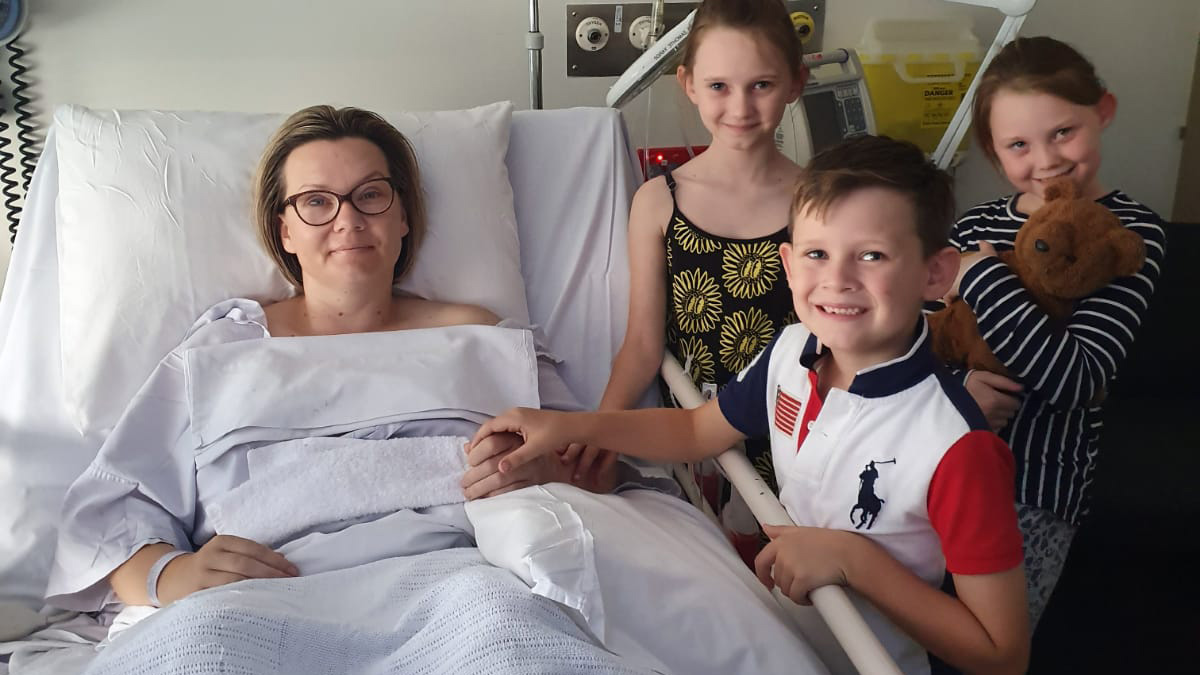
But six months later, after having counselling to ensure it was the right option for her, she was in hospital for the surgery.
Her younger sister, Lee, had been diagnosed with breast cancer at 31, and the Melbourne woman had just found out she was around 50 per cent likely to develop it too.
READ MORE: Call to make electric vehicles louder to help people who can't see them
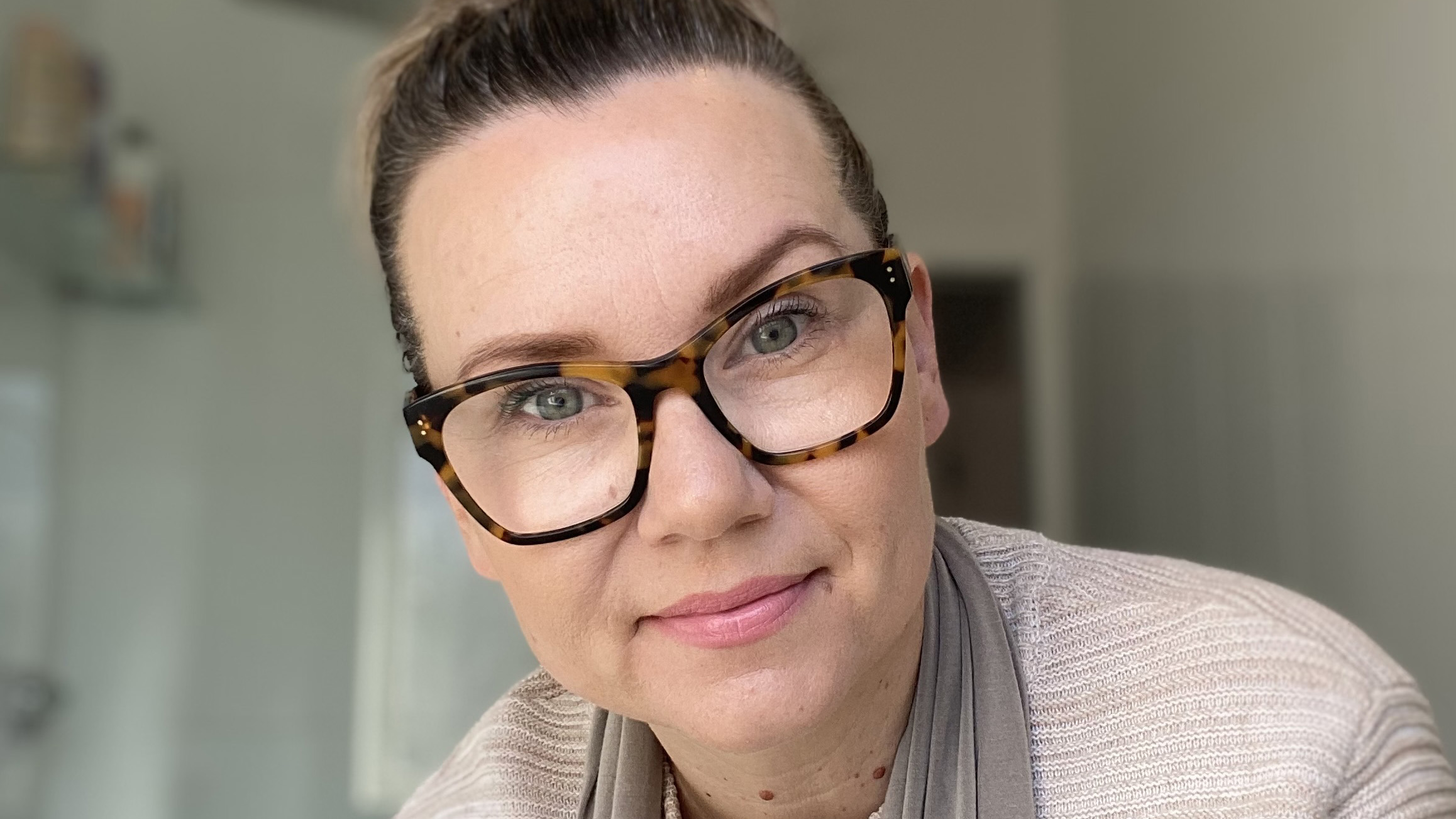
Now she's had the surgery and reconstruction, she admits she feels "in control" of her future, rather than worrying about the results of her annual MRI, mammogram and ultrasound.
"Every year when I would be coming up to my annual trifecta of imaging, I would be so stressed out," she said.
Thomas, whose grandmother died from breast cancer, is backing a campaign for greater testing access for those at risk.
Cancer charity Pink Hope is pushing for an expansion of the testing criteria so more people can access publicly funded tests if they would like one.
People generally need to have been diagnosed with cancer or have two or more close relatives who have, to get publicly funded testing.
Pink Hope says new analysis from medical genetics firm Invitae found that up to two-thirds of Australian breast cancer patients with high-risk, hereditary gene variants would not currently qualify for genetic testing.
READ MORE: Mum-to-be told she'd developed asthma. She had lung cancer
"I think that it should be available to more people who aren't quite meeting some thresholds," Thomas said.
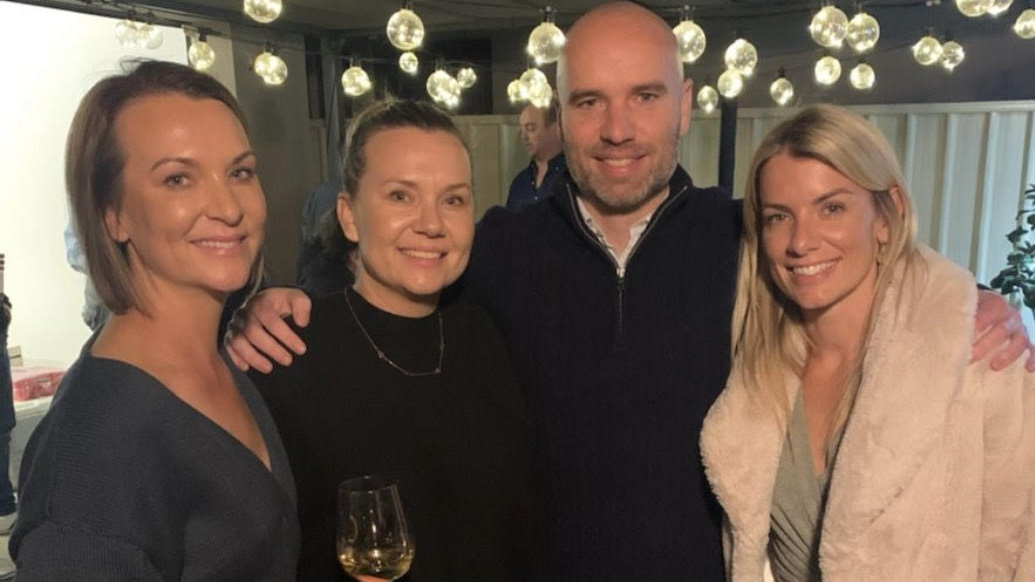
Thomas' mother Jenny, and other sister Jaimie, 33, also have the same cancer-causing gene mutation, called PALB2, and her older sister, Kristi, died of brain cancer aged 21.
Thomas had been offered the testing alongside her siblings and mother, but never imagined all of them would have the mutation.
"I was the last one to get my results," she said.
READ MORE: Scientists working on 'heat-seeking missile' to destroy melanomas
"We all thought 'what are the chances all of us are tested are going to carry the mutation?'"
In a few years Thomas will face the choice of having surgery to remove her ovaries too.
Pink Hope says around one in 20 women with breast cancer and about one in seven of women with ovarian cancer have an inherited mutation in a known high-risk cancer gene.
Carriers of BRCA1 and BRCA2 genes have between 40 and 60 per cent chance of developing breast cancer.
PALB2 means 'Partner and Localiser of the BRCA2 gene'.
Research shows people with that mutation have a 17 percent chance of developing breast cancer before 50, and a 53 per cent chance by 80.
New mum faces mastectomy
New mum, Ashleigh Hood, 26, has also tested positive for a cancer-causing gene.
Her mum Sanet has had breast cancer, as have other relatives.
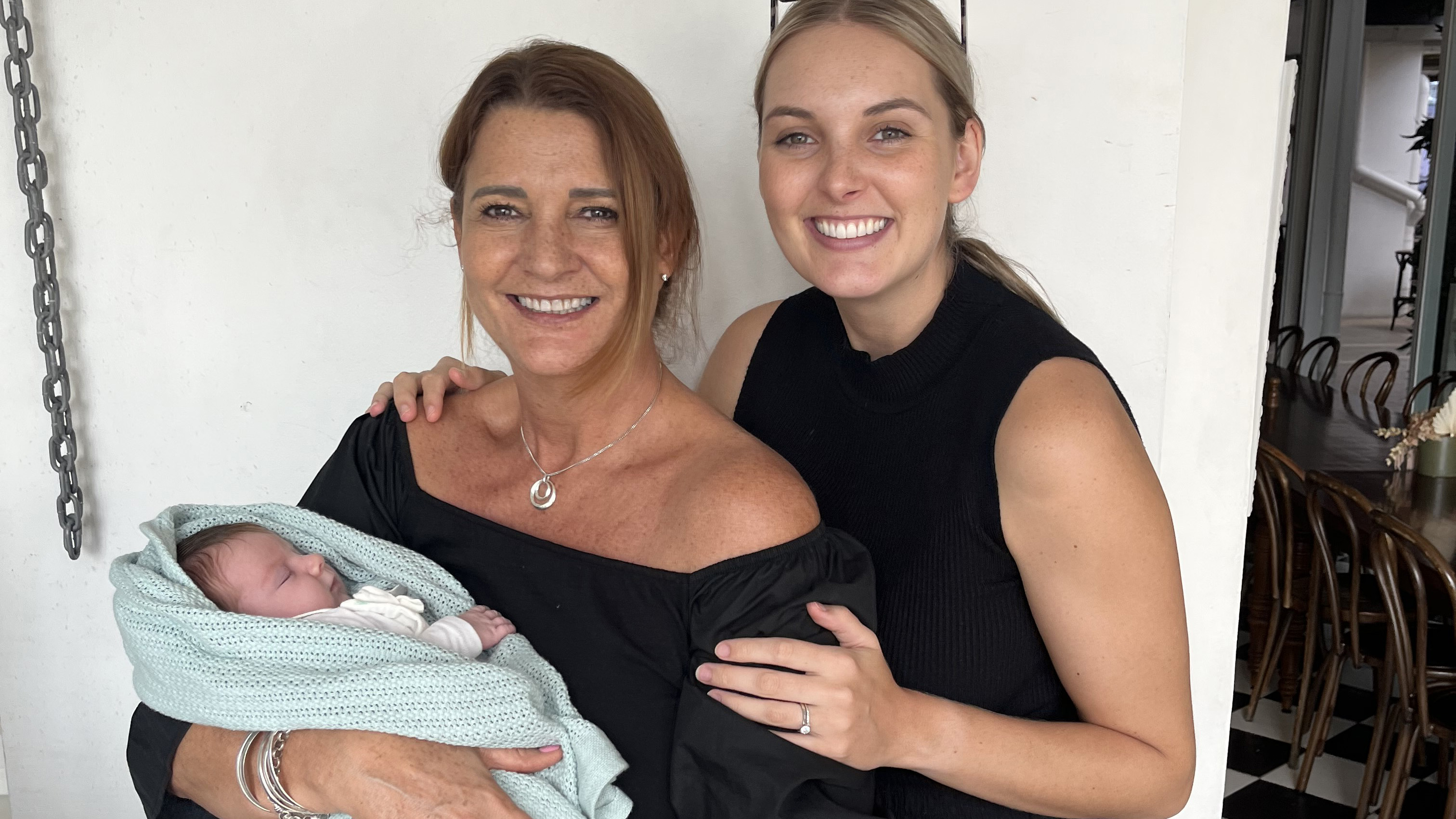
As she's breastfeeding her new baby Layla, the Brisbane primary school teacher isn't yet opting for surgery after a test revealed she has the BRCA2 mutation.
But it's a plan for the future.
"For me, doing the test just kind of confirmed everything. I was always scared and living in fear of what might happen," she said.
"Even though it came back positive, it gave me access to a lot more screening options and that brought some relief."
READ MORE: Vape in seven-year-old's bag exposes Australia's black market dilemma
Sarah Powell, chief executive officer at Pink Hope, said they want more people to qualify for a public-funded test if they want it, as many family members of cancer patients are unable to access them.
They also want the process to be easier to navigate, so have launched a new resource to help people navigate genetic testing options.
"Our organisation's mission is to empower people to have a genetic test at the earliest possible point in their pathway, where the potential to avoid a cancer diagnosis is in reach," she said.
"There's a very high threshold to qualify for a publicly-funded genetic test, so many family members are unable to find out if they are at increased risk."

Pink Hope founder Krystal Barter found out aged 22 she had the BRCA1 gene and had preventative surgery.
It was around the time actress Angelina Jolie also had surgery to reduce her cancer risk after discovering she had the gene.
An Australian Health Department spokesperson said in 2020-21 $6.8 million in Medicare benefits was paid to fund around 14,400 genetic test services.
It said it has also given almost $3m to Ovarian Cancer Australia for a program to identify women at significant genetic risk of cancer who have not previously been tested for the BRCA1/2 gene mutations.
"Medicare currently funds a range of genetic tests for people with breast and/or ovarian cancer, at their doctor's request," a spokesman said.
Contact reporter Sarah Swain: Ss****@******om.au
Glacier the size of UK melting at fastest rate for 5500 years
A massive Antarctic glacier nearly the size of Great Britain is melting faster than it has in the past 5500 years, a new study has found.
Antarctica is covered by two huge ice masses: the East and West Antarctic Ice Sheets, which feed many individual glaciers.
Because of the warming climate, the WAIS has been thinning at accelerated rates over the past few decades.
READ MORE: Extra school year planned for millions of Aussie children
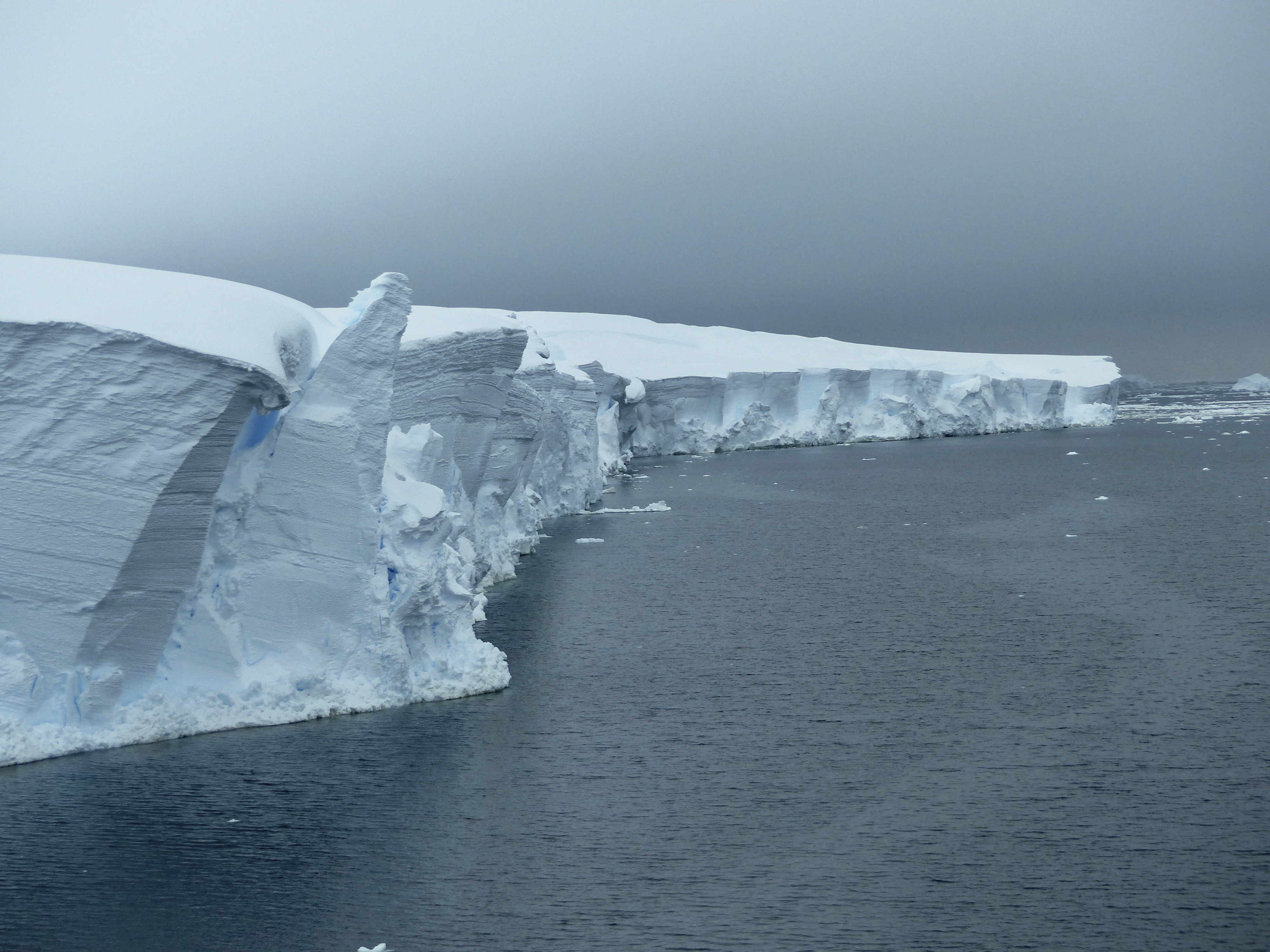
Within the ice sheet, the Thwaites and Pine Island glaciers are particularly vulnerable to global warming and are already contributing to rises in sea level.
The Thwaites glacier is nicknamed "Doomsday" for its rapid rate of melting.
Now, a new study led by the University of Maine and the British Antarctic Survey, including academics from Imperial College London, has measured the rate of local sea level change – an indirect way to measure ice loss – around these particularly vulnerable glaciers.
READ MORE: World's largest central bank makes biggest rate hike in 28 years
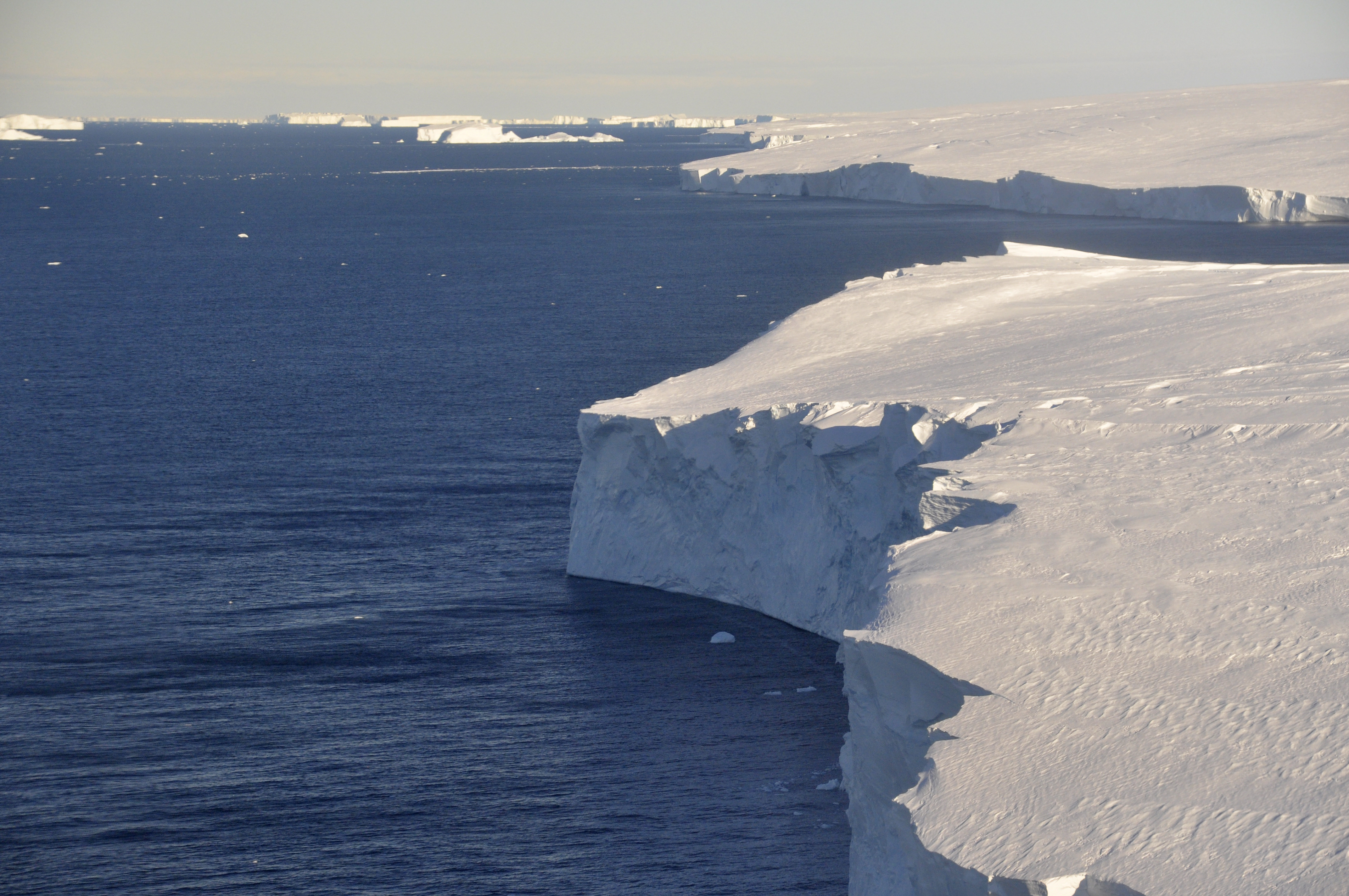
They found that the glaciers have begun retreating at a rate not seen in the last 5500 years.
With areas of 192,000 square kilometres (nearly the size of the island of Great Britain) and 162,300 square kilometres respectively, the Thwaites and Pine Island glaciers have the potential to cause large rises in global sea level.
At the current rate of retreat, the study authors found, the glaciers could fuel a 3.4m rise across the next several centuries.
READ MORE: Medieval tombstones could reveal surprise origin of Black Death
"Although these vulnerable glaciers were relatively stable during the past few millennia, their current rate of retreat is accelerating and already raising global sea level," co-author Dr Dylan Rood said.
"These currently elevated rates of ice melting may signal that those vital arteries from the heart of the WAIS have been ruptured, leading to accelerating flow into the ocean that is potentially disastrous for future global sea level in a warming world. We now urgently need to work out if it's too late to stop the bleeding."
The paper is published in Nature Geoscience.
Mysterious 'flying pyramid' drones swarm US warships
The US Navy today released footage from a series of mysterious drone swarm incidents around its warships.
The five videos follow the release of Pentagon documents to US media outlet The Drive about the unidentified flying objects, or UFOs, that occurred in 2019 near naval ships off the coast of California.
Among the videos, two were taken from the destroyer USS Russell. The warship has been of particular interest due to leaked videos of the incident released last year.
READ MORE: Medieval tombstones could reveal surprise origin of Black Death
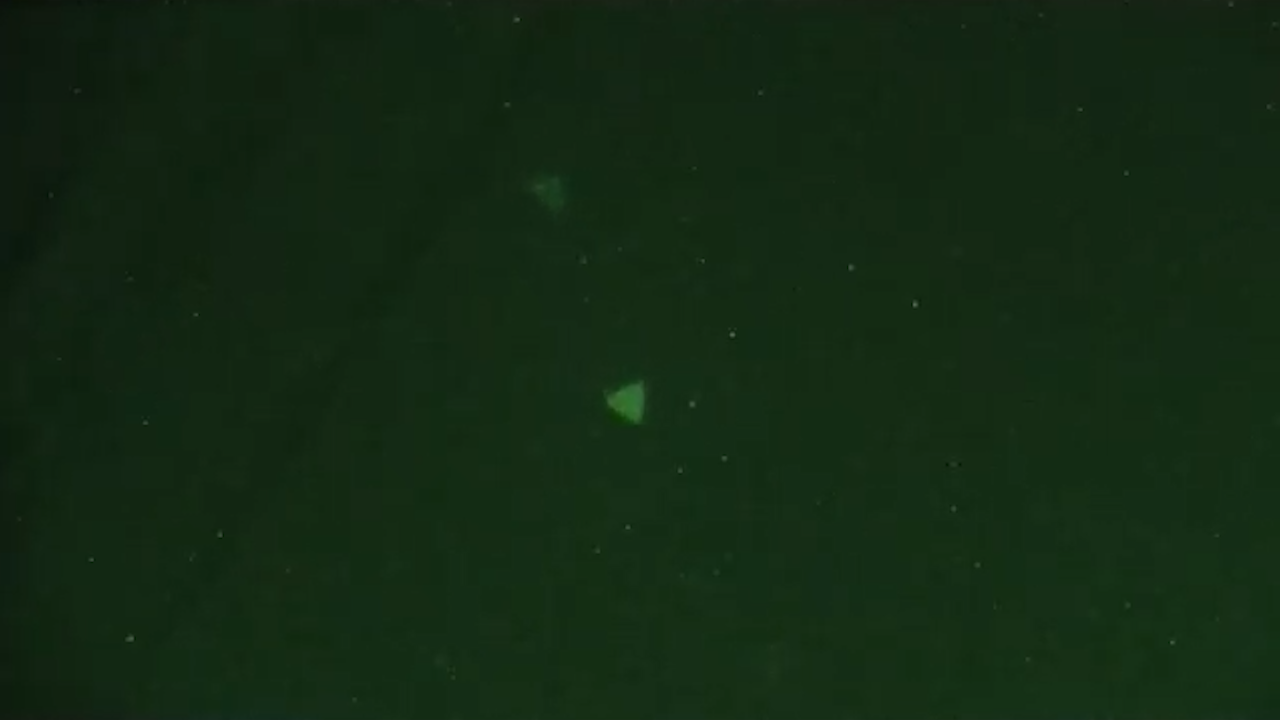
The triangular appearance of the objects in the videos triggered speculation that they were "flying pyramid" UFOs due to their shape.
Pentagon officials have determined they were drones, or unmanned aerial vehicles (UAV) but their origin remains unknown.
During a US congressional hearing last month about unidentified aerial phenomena, Deputy Director for Naval Intelligence Scott Bray said that "the triangular appearance is a result of light passing through the night vision goggles, and then being recorded by an SLR camera."
In one of the videos, taken during an incident on July 19, 2019 from the USS Russell, a sailor describes the encounter with the mysterious drones.
"We have visual of four probable unidentified drones, with course unknown and speed unknown," he said.
"Contacts are operating at a range of a thousand yards, and holding. Tail numbers are unknown."
READ MORE: World's largest central bank makes biggest rate hike in 28 years

One of the other videos released by the Pentagon was taken from the destroyer USS Paul Hamilton.
It showed footage of the Bass Strait, a Hong Kong-flagged bulk carrier.
Documents released earlier by the US military showed the Navy believed that the Bass Strait was "likely using UAVs to conduct surveillance on US Naval Forces".
US politicians from both parties say UFOs, are a national security concern.
Sightings of what appear to be aircraft flying without discernible means of propulsion have been reported near military bases and coastlines, raising the prospect that witnesses have spotted undiscovered or secret Chinese or Russian technology.
An interim report released by US intelligence officials last year counted 144 sightings of aircraft or other devices apparently flying at mysterious speeds or trajectories. In all but one of the sightings investigated, there was too little information for investigators to even broadly characterise the nature of the incident.
– Reported with Associated Press
Shopfront destroyed as masked ram raider reverses van into Mt Albert Stihl Shop
Footage has emerged of a van being manoeuvred in front of an Auckland power tool shop before it smashes into its glass entrance in a pre-dawn ram raid. Security cameras track the break-in that takes just a matter of minutes, the…
Woolworths reveals how it upcycles old bread to avoid wastage
Woolworths supermarket has revealed how it upcycles old bread to create a new product and avoid wastage.
The company has shared a video on social media platform TikTok showing how workers at its store in Double Bay in Sydney give unsold loaves of bread "a new life in the delicious form of garlic bread".
The video explains that if loaves of bread are not sold before they are no longer fresh, they are cut and filled with garlic butter, then frozen for 12 hours before being sold as garlic bread.
READ MORE: Police offer $250,000 reward to try to solve shootings outside bikie clubhouse

Many TikTok users have commented that they "love" the idea, asking for Woolworths to take up the initiative in all stores.
Many other users have commented that the store could give the unsold bread away to the less fortunate, as is done by many other stores.

Would-be US presidential assassin freed from court oversight
John Hinckley Jr has been freed from all court restrictions, marking the end of years of government oversight nearly four decades after he shot and wounded then-President Ronald Reagan.
"After 41 years 2 months and 15 days, FREEDOM AT LAST!!!" Hinckley tweeted.
Earlier this month, US District Judge Paul Friedman said Hinckley was on track to be fully released from court supervision, setting the final release date for Wednesday.
READ MORE: Extra school year planned for millions of Aussie children

The judge had approved a deal last September between the Justice Department and Hinckley for his "unconditional release," without restrictions on his movements or internet activity.
The judge said at the time that the restrictions would've been dropped "a long, long, long time ago" had Reagan not been Hinckley's target.
Hinckley attempted to assassinate Reagan outside of the Hilton Hotel in Washington, DC, on March 30, 1981, hitting the former President with one bullet and severely injuring then-press secretary James Brady, who was left partially paralysed.
READ MORE: World's largest central bank makes biggest rate hike in 28 years
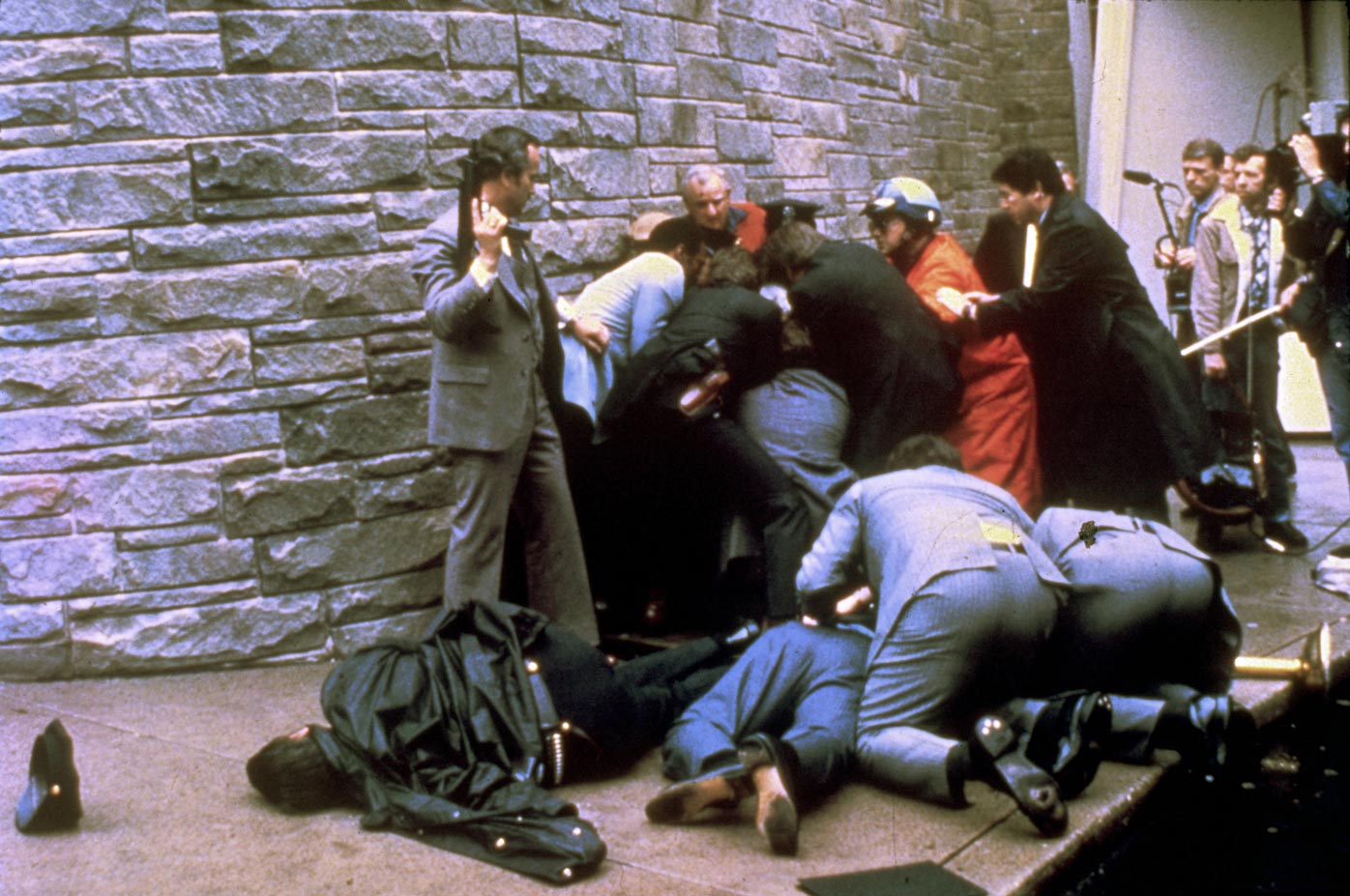
Hinckley was quickly apprehended outside the hotel, and investigators found that he had stalked actress Jodie Foster and said he was trying to impress her with the assassination attempt.
He was found not guilty by reason of insanity and spent nearly 30 years at a mental hospital. He was released in 2016 and had lived for a time in Williamsburg, Virginia, with his mother, who died last year.
Over time, he underwent extensive mental health treatment and received permission from judges to visit with his family.
He eventually was granted judicial clearance to start posting music online, under his own name. Hinckley's Youtube channel, where he posts original songs and covers, has amassed over 28,000 subscribers.
READ MORE: Medieval tombstones could reveal surprise origin of Black Death

The Ronald Reagan Presidential Foundation and Institute on Wednesday directed CNN to a previously released statement opposing Hinckley's release.
"The Reagan Foundation and Institute is both saddened and concerned that John Hinckley, Jr will soon be unconditionally released and intends to pursue a music career for profit," the statement said.
"Mr. Hinckley is the man responsible for the attempted assassination of President Reagan and the shooting of three other brave men, one who eventually died of his injuries years later. We strongly oppose his release into society where he apparently seeks to make a profit from his infamy."
During the September 2021 hearing to determine Hinckley's release conditions, attorney Barry Levine said that there is an extensive body of evidence from independent psychologists and experts that Hinckley's "mental disease is in full, stable and complete remission, and has been so for over three decades".
Doctors, Levine added at the time, have repeatedly concluded that Hinckley doesn't pose a risk to the public and is sincerely committed to continuing his therapy and treatment.
READ MORE: Who is Ron DeSantis? The Trump acolyte who has become the favourite to be next president
Man bashed in random lunchtime attack at Victorian shopping centre
A man was allegedly bashed by two men in an unprovoked assault outside a shopping centre in Victoria's east on Wednesday.
The 55-year-old man was allegedly sitting on a bench on Franklin Street in Traralgon outside Traralgon Centre Plaza about 12.20pm when another man hit him on the head without warning.
The attacker then yelled at the man and accused him of touching his girlfriend, according to police.
READ MORE: Three men charged after shooting in Melbourne's north
The attacker continued to assault the man and the altercation moved onto the road as the man tried to defend himself.
A second attacker also punched the man, causing him to fall to the ground, police said.
The first attacker allegedly then tried to stomp on the man's heads as witnesses pleaded for the attack to stop.
It is believed a third man filmed the incident.
The victim was taken to hospital but was not seriously injured.
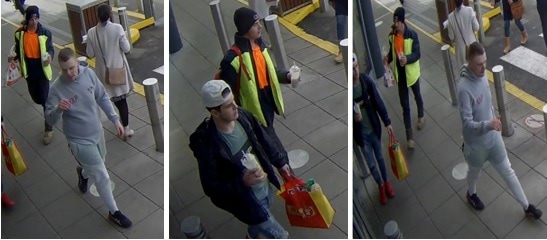
Police have released images and CCTV of three men they believe can assist with their enquiries.
The first man is described as Caucasian with a medium build and short fair hair.
He was wearing a grey jumper and grey and light coloured tracksuit pants.
The second man is described as Caucasian with dark hair.
He was wearing a white peaked cap backwards, jeans and a black coat.
The third man is described as having a slim build and was wearing a beanie and fluro and black jacket and tradie style orange t-shirt.
Police are calling for anyone who witnessed the incident to contact them.
Medieval tombstones could reveal surprise origin of Black Death
DNA analysis has pinpointed a new point of origin for the Black Death that killed more than half of the population Europe in the 14th century.
The Black Death, caused by the bacterium Yersinia pestis, swept across Eurasia between AD 1346 and 1353 and is estimated to have cost the lives of up to 60 per cent of the population.
Despite extensive research the geographic origin of the devastating plague remains uncertain, with suggested potential sources ranging from western Eurasia to eastern Asia.
READ MORE: In Ukraine, landmines take lives even after fighting moves on

A study newly published in the journal Nature has now suggested Lake Issyk-Kul in modern-day Kyrgyzstan could be where the pandemic began.
Archaeological evidence from the nearby cemeteries of Kara-Djigach and Burana, located in the Chu Valley, identified a disproportionally high number of burials between 1338 and 1339.
A number of the tombstones noted the cause of death as "pestilence".
The study authors translated and analysed surviving data about the excavations and combined this with ancient DNA analysis of seven individuals buried at the sites.
READ MORE: Scientists reveal face of woman buried 4000 years ago
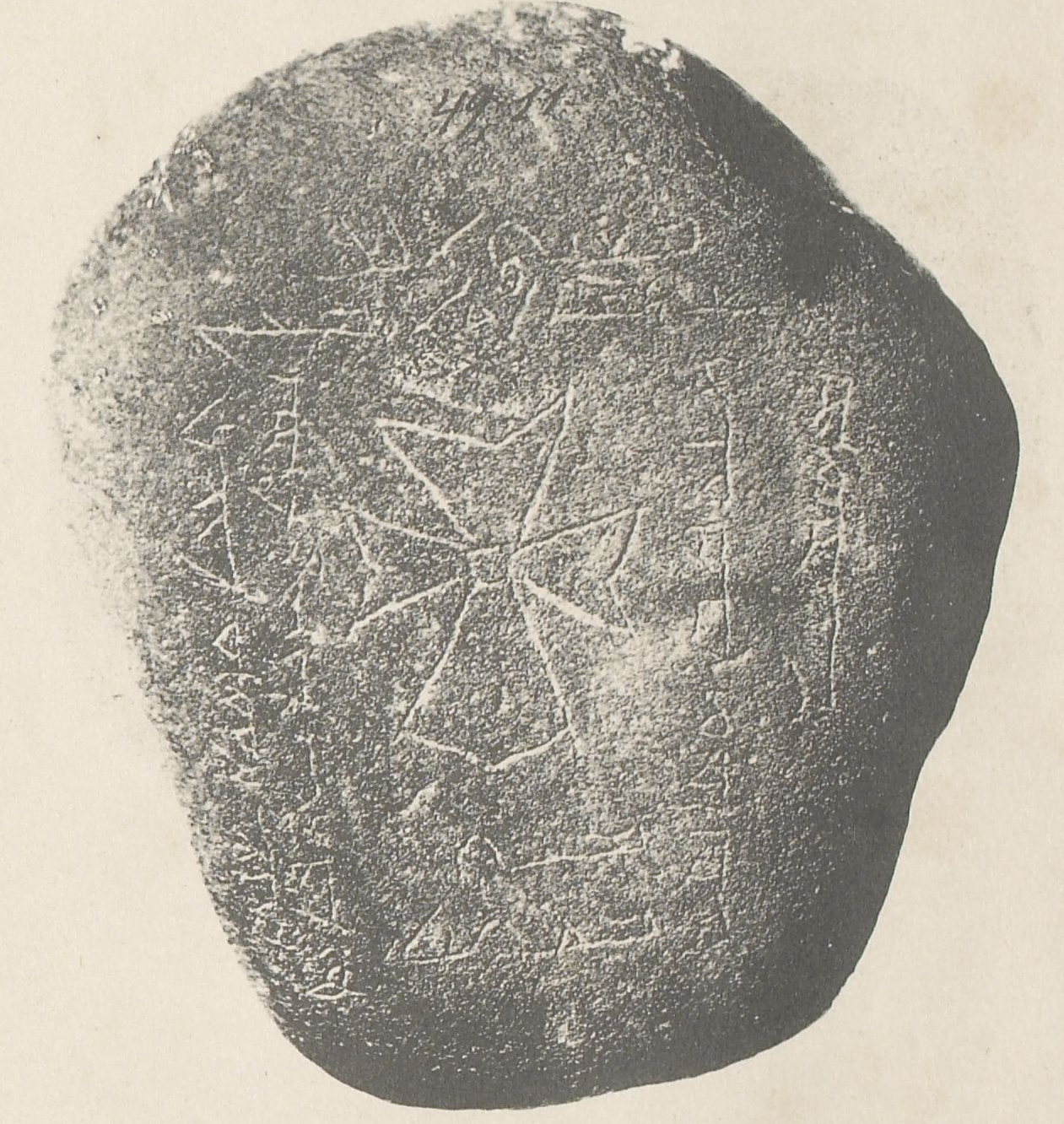
They found traces of the plague bacterium in three of the DNA samples and suggest that it played a role in the pandemic.
The authors suggested the Y pestis genomes represented a single strain and are the most recent common ancestor of a diversification event commonly associated with the pandemic's origins.
Comparison with current Y. pestis strains in the region indicate that the ancient strain had a local origin.
And other evidence suggests the region would have been well-placed to see the disease spread.
Citing historical data and artefacts, including tombstone inscriptions and coin hoards, the authors propose that the area had diverse communities that relied on trade with regions across Eurasia.
The plague is thought to have come to Europe via trade ships in the Mediterranean.
Originally blamed on rats, the plague is understood now to have been transmitted via flea bites.
Stunning supermoon photos from around the world
From Frankfurt and New York to Istanbul and Beijing, skygazers have enjoyed a beautiful supermoon rise over the horizon in an impressive astronomic spectacle.