A faulty sunbed has seemingly been ruled out as the cause of death of Kiwi Piata Tauwhare after the 30-year-old died while at a tanning salon in Wales. Tauwhare, from Hokitika, was discovered dead at the Lextan tanning studio in…
Tag Archives: oceania
Pacific security: New Zealand and Solomon Islands agree to develop maritime security plan
Defence Minister Peeni Henare has revealed plans are under way to develop a maritime security plan with the Solomon Islands.It comes amid months of regional tensions and concerns after the islands signed a security deal with China,…
Waikato expressway attack: Three months, 25 witnesses, zero arrests – why has no one been charged?
It’s been three months since a motorist pulled over and was viciously attacked after being swarmed by members and associates of the Tribesmen gang on the Waikato Expressway.The assault on March 11, in front of at least two dozen…
Mother of Christchurch mosque attack victim assaulted in aggravated robbery
The mother of a Christchurch mosque attack victim has been left shaken after being dragged across the floor of the dairy she was working at in an aggravated robbery.Police are asking the public for help to find two men who allegedly…
Man paraglides from Mount Everest in world first
Many mountaineers will tell you climbing down Mount Everest is harder than climbing up.
But South African Pierre Carter has come up with a breathtaking, death-defying workaround: hang gliding his way back to the bottom.
In May 2022, Carter made history by becoming the first person ever granted a permit from the Nepali government to glide off Everest. While a few daring souls have completed the effort before, their descents were technically against the law. (None were ever fined or prosecuted.)
READ MORE: Russia move that could 'dictate the course of the entire war'
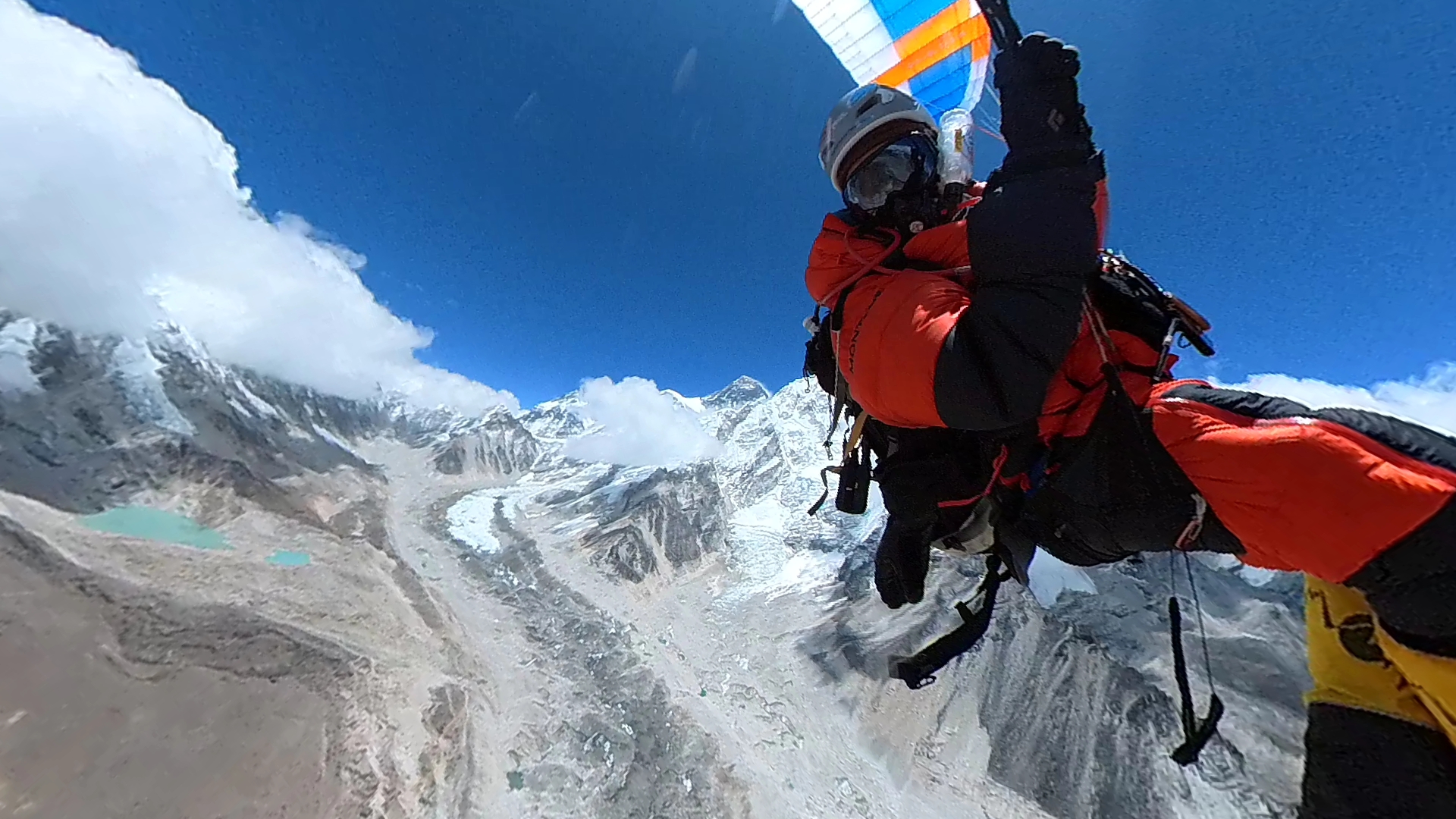
Carter's journey to Everest has been a long one. An avid climber, he got interested in paragliding but waited for the gear to become cheaper and lighter before he could tote it up a mountain with him.
The 55-year-old Johannesburg native doesn't have corporate sponsors or a financial backer. He earns the money to support his climbing-and-gliding habit through his contracting job.
Once he started thinking seriously about going to Everest, Carter decided to team up with Asian Trekking, a highly regarded company that has been working on the mountain for 40 years.
Its CEO, Dawa Steven Sherpa, is a native Nepali and a paragliding hobbyist, but he told Carter that obtaining a permit to glide off of the world's tallest peak would never happen. Still, as Carter prepared for his Nepal trip in spring 2022, he figured it couldn't hurt to be persistent.
READ MORE: Power grid back under strain as electricity shortfall predicted
"Something happened in the politics. I'm not sure exactly what. But a minister changed somewhere along the line, who was obviously blocking it. He left and another minister came in. And Dawa just suddenly sent me a message saying, 'I think we're going to get a permit. There's a new minister'," Carter recalls.
The permit came through just in time. Carter was already in Nepal acclimatising when it was confirmed.
The conditions of the permit meant he could not take off from the peak of Everest. Instead, the document specified that Carter could depart from no higher than 8000 metres, so he chose to take off from the South Col.
Originally, Carter had planned to summit Everest, then come back to the South Col and take off from there. But he got altitude sickness at camp two and was delayed there for several days. With the clock running down, he had to make a decision – go to the top of the world, or paraglide down it.
As Carter tells it, there really was no choice. And finally, the weather conditions were perfect.
READ MORE: Coles warns fruit and vege shortages to last for weeks
"When you're flying at that altitude it's not the weather where you are. It's the weather where you are, the weather halfway down the mountain, and the weather where you're going to land," Carter explains. He set off from the South Col at noon local time on May 15, 360-degree camera in tow.
In all, it took him a total of seven and a half weeks to travel to Nepal and climb the world's tallest peak. It took him 20 minutes to get down.
Due to the high speeds reached during paragliding, Carter and Sherpa worked ahead of time to figure out the best possible route down. Although he briefly entertained the idea of landing at Everest Base Camp, Carter quickly abandoned the thought when he realized he could easily break a leg or ankle if the winds were too strong.
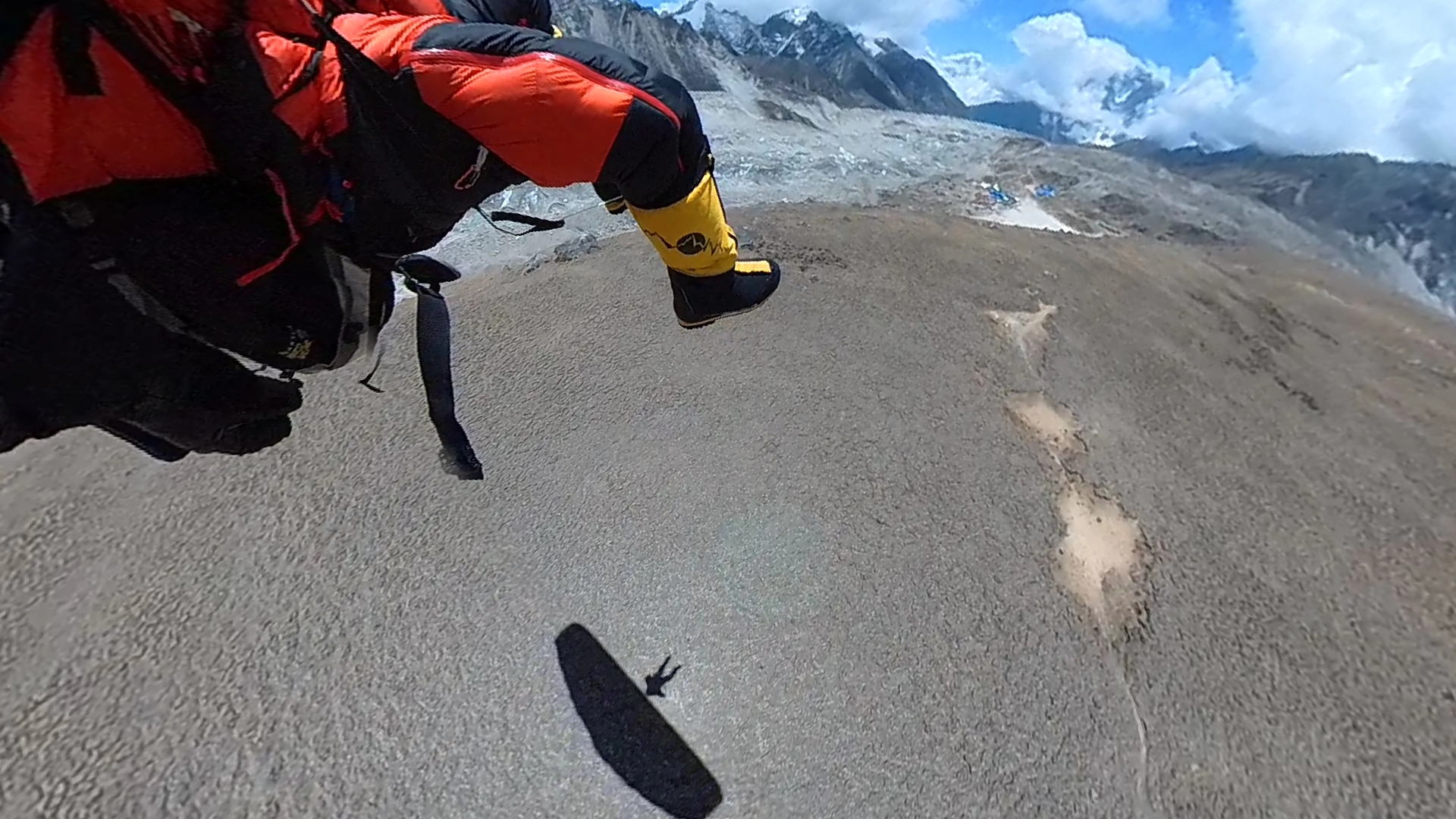
Ultimately, they chose a route that had Carter landing in the village of Gorak Shep, about seven kilometres from base camp.
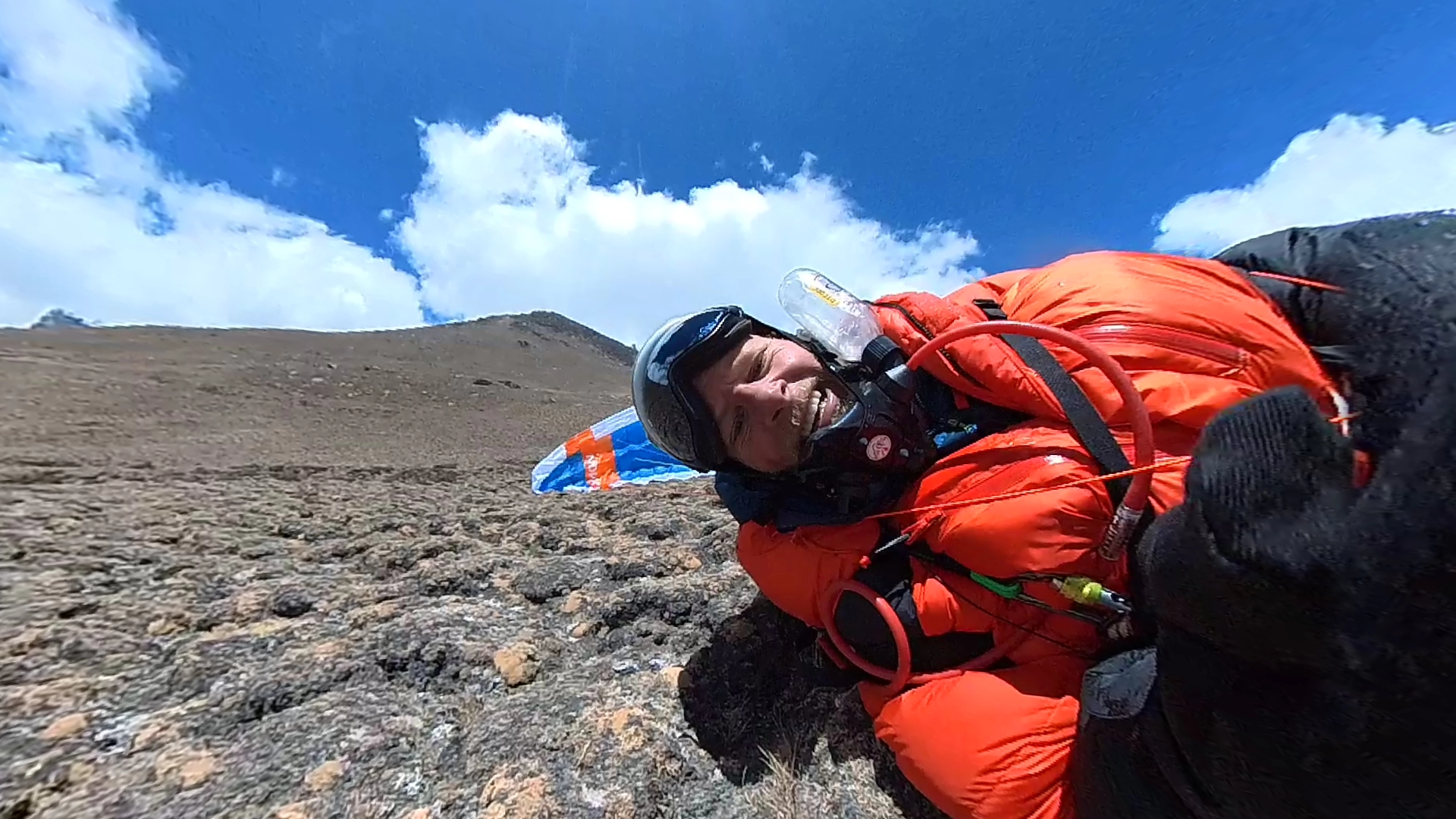
A Sherpa guide met him there with a change of footwear so that he could hike back to base camp in regular hiking shoes, not the snow boots he'd glided down in. There was no celebratory party or welcoming committee – just the way that Carter, who thinks of himself as a normal guy with expensive hobbies, wanted it.
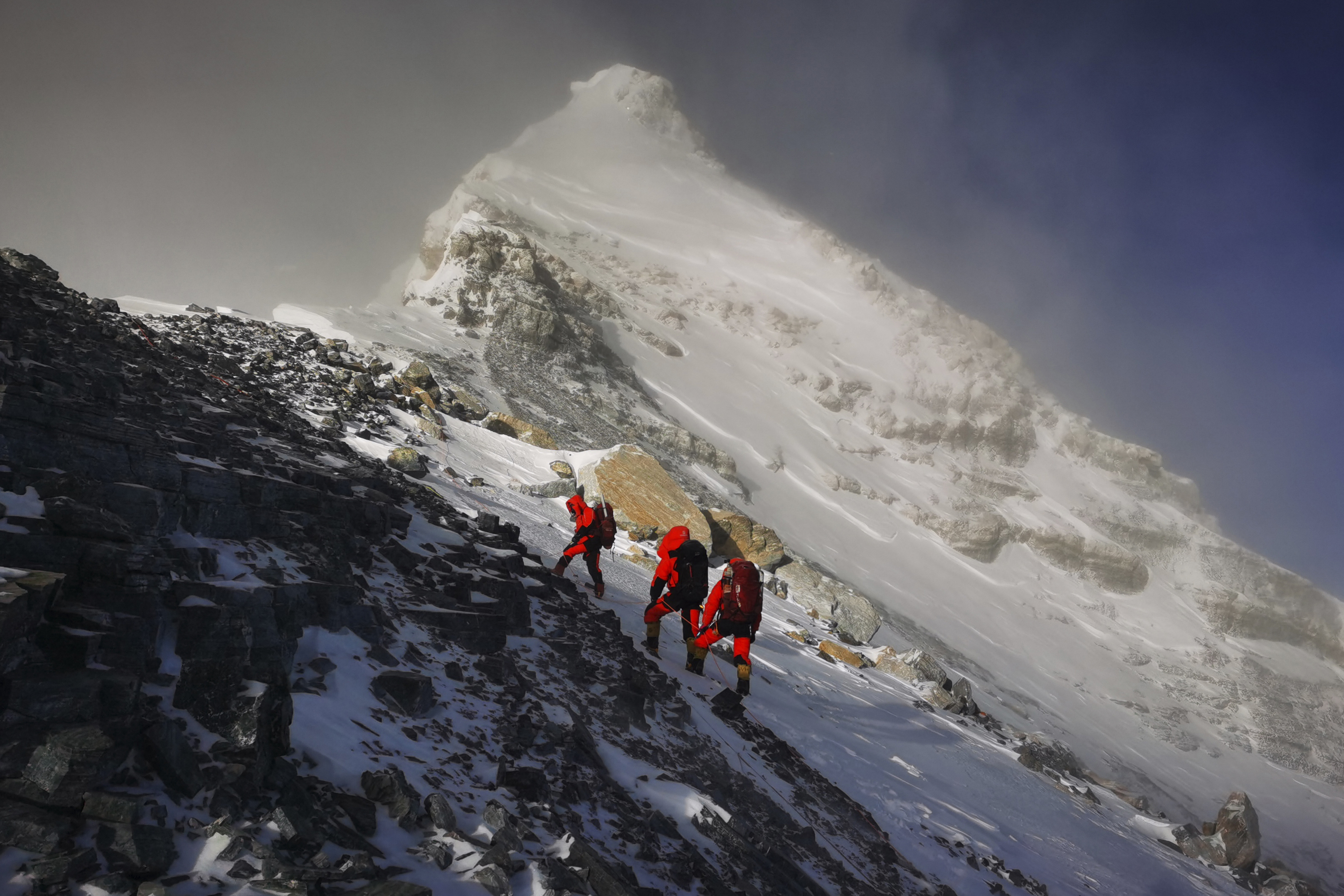
Carter's goal is to climb up and paraglide down all seven of the world's highest mountains.
With Everest now under his belt, he has climbed six of the seven – only Mount Vinson, also called the Vinson Massif, in Antarctica remains. He was not able to glide off of all of them, though – Denali in Alaska denied him a permit. He documents his journeys on his website, 7 Summits 7 Flights.
However, he's aware his paraglide off of the world's highest mountain is more than just a personal life highlight. Everest tourism is a huge moneymaker for Nepal, and previous governments have struggled to come up with other sources of revenue that don't exploit the mountain.
Carter and Sherpa believe that "climb and fly" experiences like Carter's could become the next big travel trend on Everest.
As a result, the South African felt a sense of obligation to do his glide as safely and responsibly as possible.
"The precedent has been set," he says.
"I think we're going to see lots of people flying next year."
And what if the Nepali government changes its guidelines to allow people to paraglide off of the mountain's summit?
"I would be tempted to go back," he admits.
Australia's housing market now worth $10 trillion: ABS
The total value of Australia's residential dwellings has passed $10 trillion for the first time.
New data from the Australian Bureau of Statistics (ABS) shows the total value of Australia's residential dwellings rose by $221.2 billion in the March quarter.
This means the average price of residential dwellings in Australia now stands at $941,900, up from $925,300 in the December quarter in 2021.
READ MORE: Coles warns fruit and veggie shortages to last for weeks
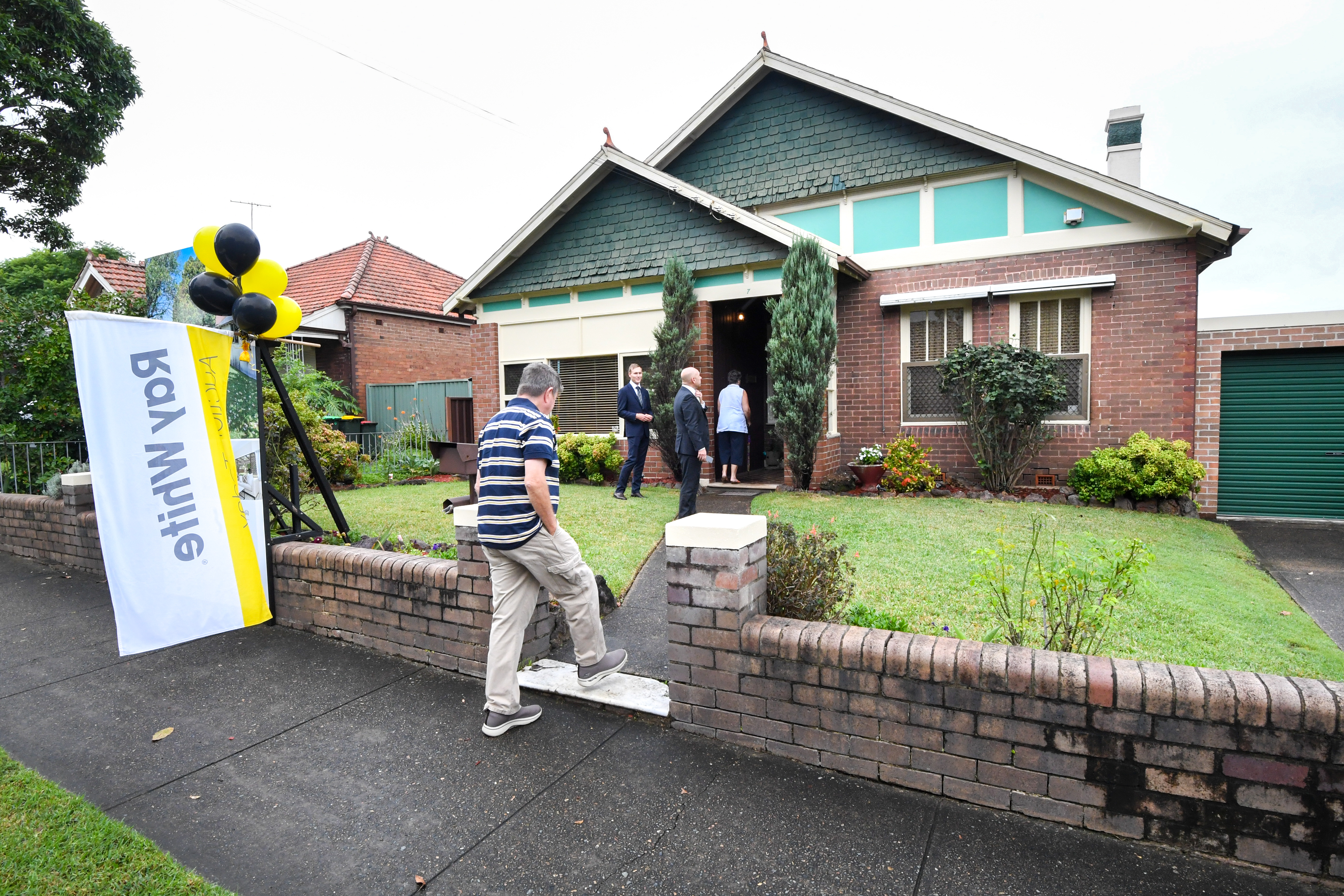
ABS Head of Prices Statistics Michelle Marquardt said over the past year, growth in median prices in regional NSW and Victoria had outpaced growth in their capital cities for both houses and attached dwellings.
"The total value of residential dwellings rose $1.8 trillion in the 12 months to the March quarter 2022 from $8.4 trillion in the March quarter 2021," she said.
The ABS said the value of all dwellings in NSW combined is now $4.1 trillion, which is 40.1 per cent of the total value of dwellings in Australia.
READ MORE: NSW childcare sector getting $5 billion boost over next decade
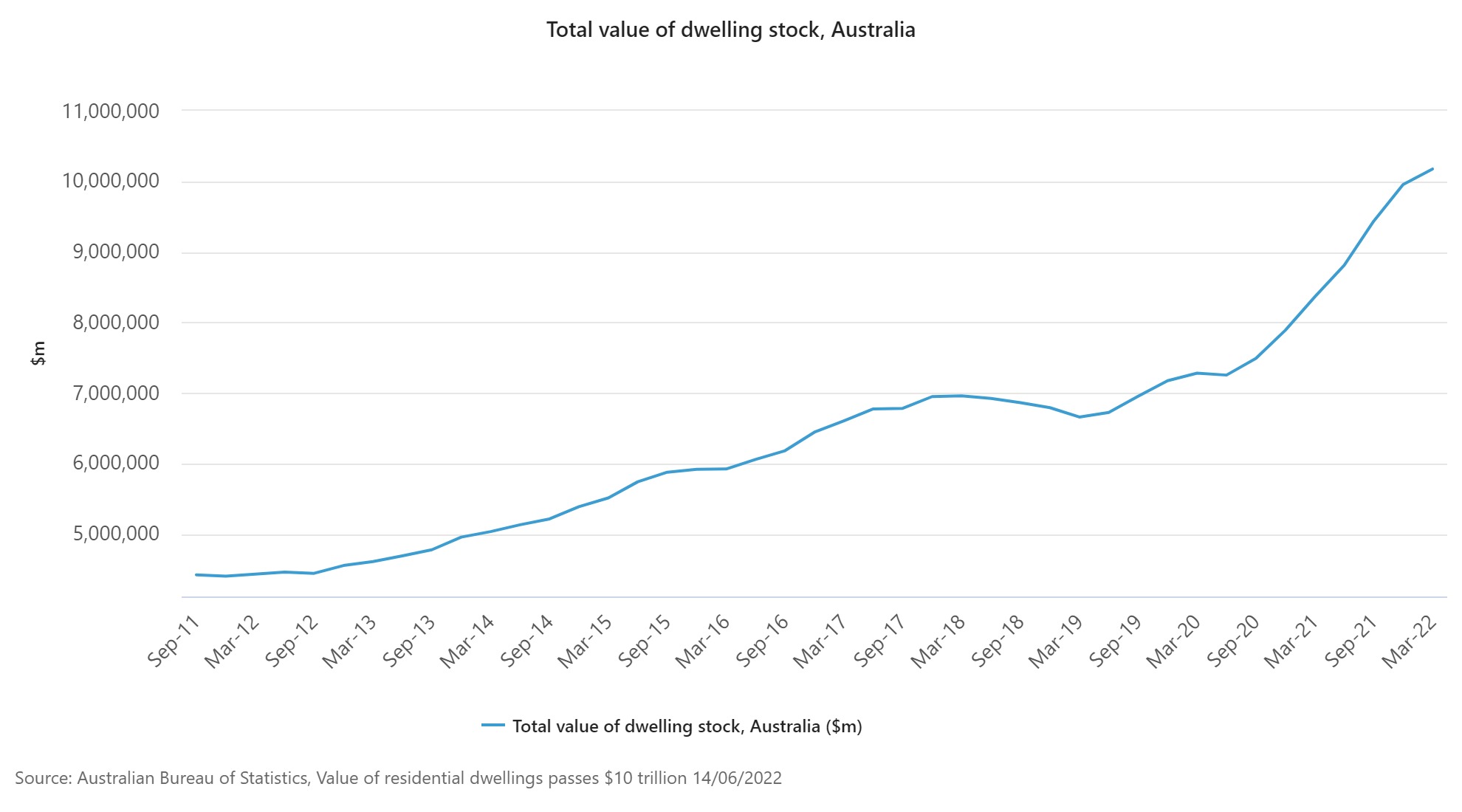
Victoria followed with 26.9 per cent, or $2.7 trillion and then Queensland with 16.7 per cent, $1.7 trillion.
The median house price in Sydney rose by 16.4 per cent to $1,245,000, and by 9.4 per cent to $930,000 in Melbourne, over the 12 months to the March quarter 2022.
Meanwhile, in regional NSW, the median house price increased 29.1 per cent to $800,300, and the Victorian regions saw a rise of 17.4 per cent to $640,000.
READ MORE: Aussie share market wipes more than $110 billion in value plunge
Police find gun that killed Queensland man John Lazzaro 10 years ago
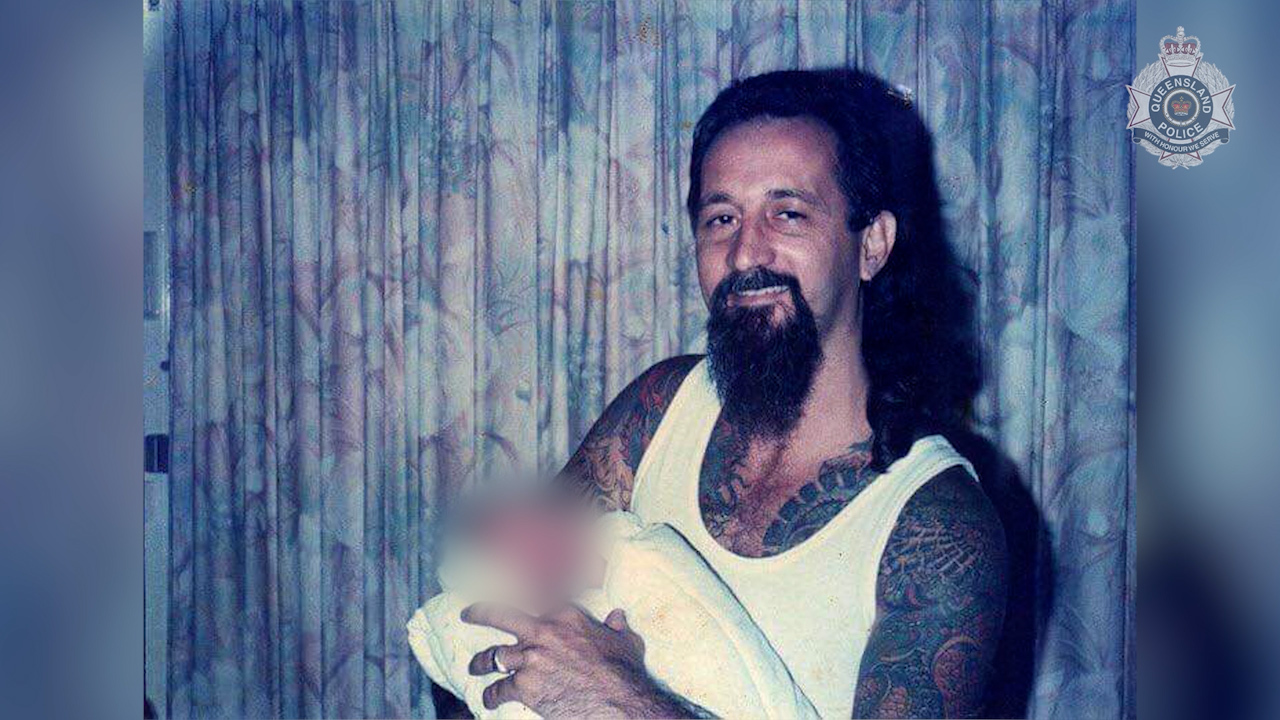
Queensland Police have found the gun responsible for the 'execution-style' killing of 56-year-old father John Lazzaro, murdered in his home in 2012.
Lazzaro was shot multiple times by two masked men in the lounge room of his Logan home while his daughter was in the room, triggering a decades long cold case investigation.
READ MORE: Russia move that could 'dictate the course of the entire war'
"I can confirm following ballistics and forensic examination, police are in possession of the firearm used to kill John Lazzaro," Detective Acting Inspector Cunningham said.
"It has accelerated the investigation, it's of great assistance to us to find a weapon involved."
Acting inspector Cunningham said police had identified several people who had owned the unregistered gun, a Browning 1900 .32 calibre semi-automatic, since 2012.

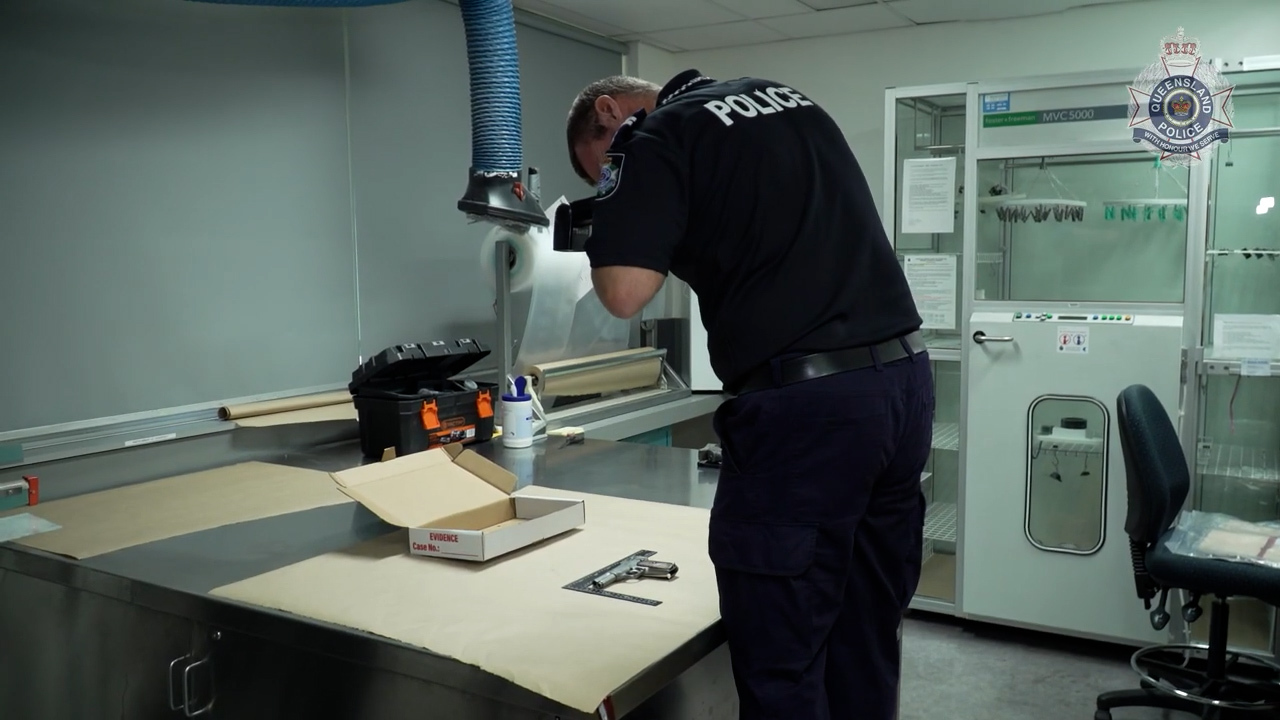
The gun was discovered in Queensland but has been linked to a New South Wales man, police said.
"Police have questioned a man, a 45-year-old man in relation to his knowledge of this gun," Cunningham said.
"We've identified that a number of people have had possession of that firearm since it was used to kill Mr Lazzaro in 2012."
READ MORE: Power grid back under strain as electricity shortfall predicted along east coast
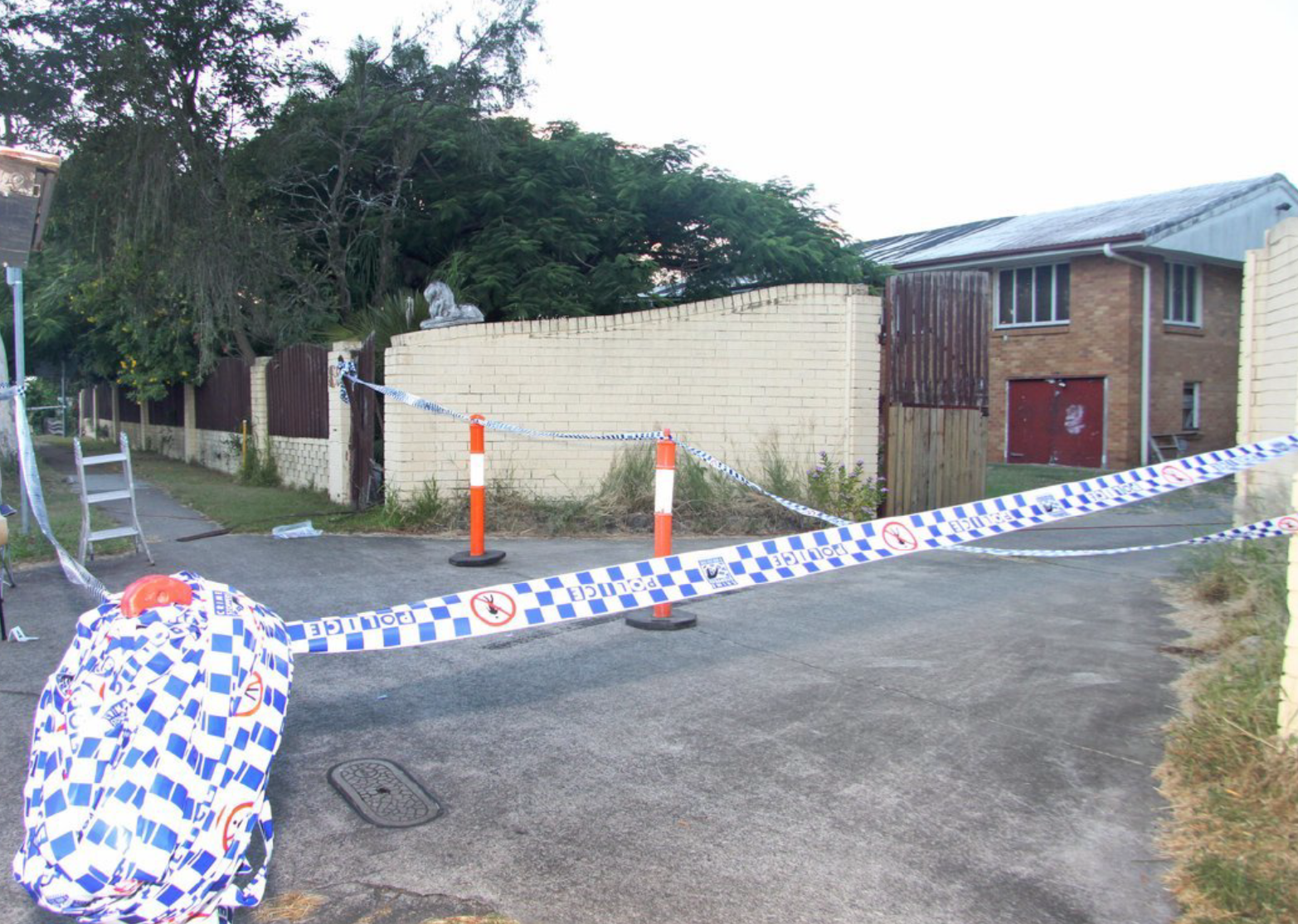
Police previously said it was clear Lazzaro had been targeted in the violent shooting, however suspects had not been identified.
Police now believe members of the Bandidos Outlaw Motorcycle gang are responsible for Lazzaro's death.
Detectives confirmed a renewed call for information in April this year has been crucial in narrowing down the case.
READ MORE: Coles warns fruit and vege shortages to last for weeks
During the public appeal, police released CCTV footage of a tray black ute spotted before the shooting, less than 100 metres from Lazzaro's South Rochedale home.
"We still believe there are members within our community that have knowledge of Mr Lazzaro's death," Cunningham said.
"I previously announced the $500,000 reward remains on offer for any info leading to the conviction of any person responsible for the death of Mr Lazzaro."
Hidden ecosystem found under 500 metres of Antarctic ice
Researchers found themselves "jumping up and down" after finding a hidden ecosystem deep under the Antarctic ice.
Scientists from New Zealand's National Institute of Water and Atmospheric Research (NIWA) used a hot water hose to cut through about 500 metres of the Larsen Ice Shelf before they hit an underground river.
When the team lowered their cameras into the water, they were stunned to see swarms of small "amphipods", measuring about 5mm in size.
READ MORE: Russia move that could 'dictate the course of the entire war'
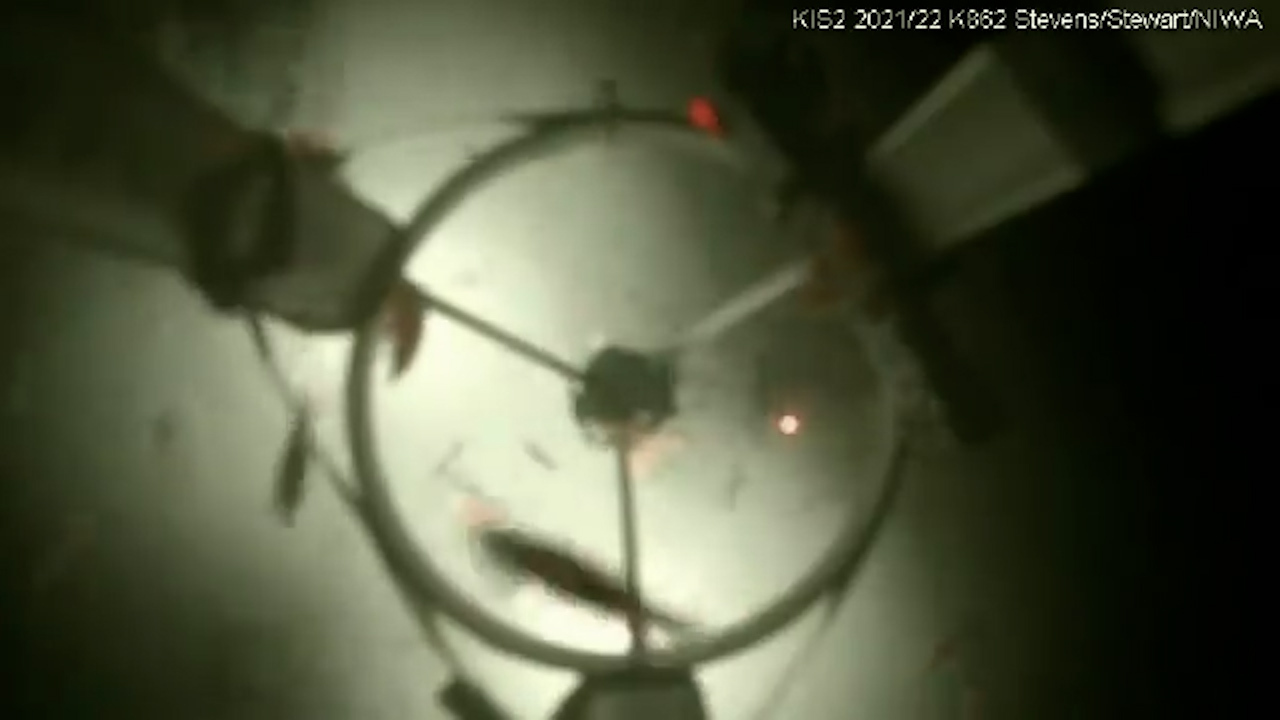
"We were jumping up and down because having all those animals swimming around our equipment means that there's clearly an important ecosystem there, which we will do more research on," NIWA physical oceanographer Craig Stevens said.
"In a normal experiment, seeing one of these things would have you leaping up and down for joy. We were inundated."
Researchers have known for some time about a network of hidden freshwater lakes and rivers flowing underneath the Antarctic ice sheets, but these had yet to be directly surveyed.
READ MORE: Power grid back under strain as electricity shortfall predicted
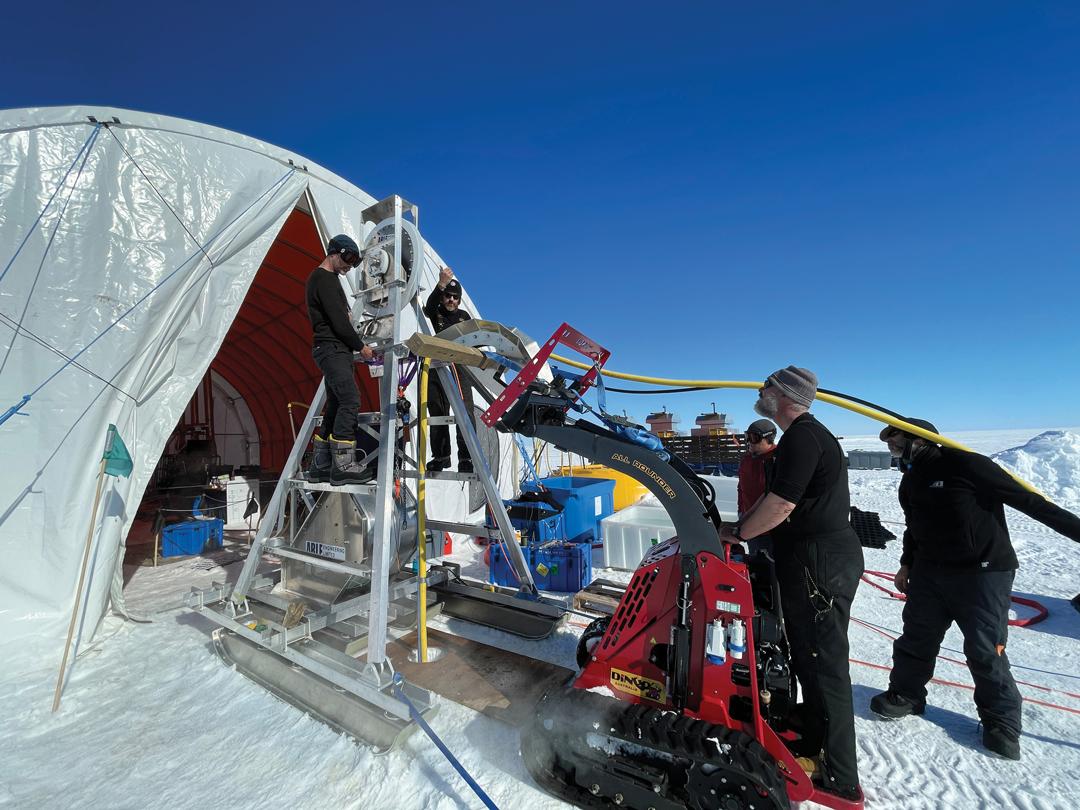
The team will leave instruments at the location to capture data in coming months and years.
Another surprise awaited the team in the form of the meltwater "tube" carrying the river itself.
"The meltwater tube wasn't nice and smooth as we expected – it had a strange structure and was quite narrow, with loads of undulations," Stevens said.
READ MORE: Coles warns fruit and vege shortages to last for weeks
"It looked like a loaf of bread, with a bulge at the top and narrow slope at the bottom. The water within comprised four or five different layers flowing in different directions.
"This changes our current understanding and models of these environments. We're going to have our work cut out understanding what this means for melting processes."
Border arrangement allows people to walk from Canada to Denmark
After decades of dispute, Canada and Denmark have settled a border spat between the two countries.
As a result, a person will be able to walk from Canada to Denmark without coming face-to-face with another living soul.
The dispute is over an uninhabited rock named Hans Island, which sits off the western coast of Greenland.
READ MORE: Surprise reason Vikings abandoned Greenland settlement

Despite its diminutive physical presence in mainland Europe, Denmark maintains control of Greenland as a constituent county.
For decades both Denmark and Canada have claimed ownership of the 1.7km-wide island.
The border dispute has stretched on for decades but has never come to violence, mostly because the island has nothing either country really wants.
READ MORE: Coles warns fruit and veggie shortages to last for weeks
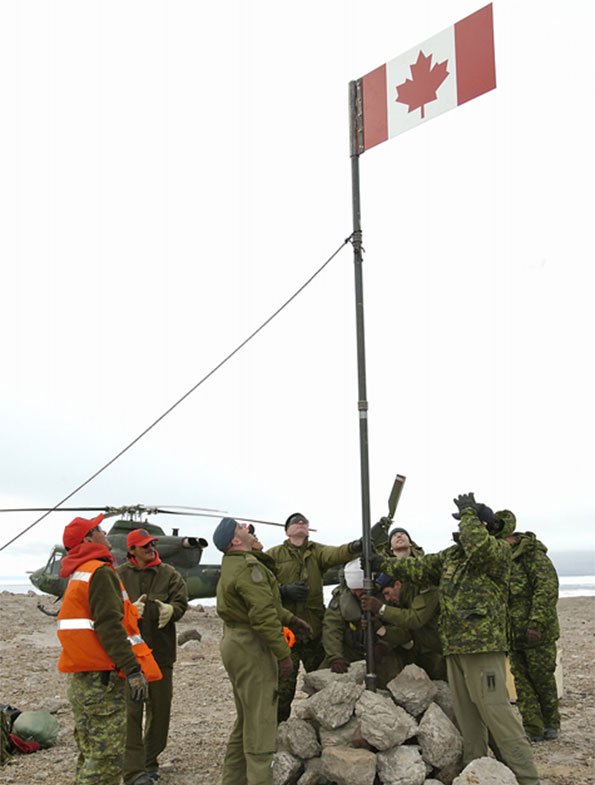
But in the past forty years, representatives from both countries have intermittently visited the island to leave behind a flag and a bottle of spirits.
The Canadian side typically leaves a bottle of whisky, and the Danes leave a bottle of akvavit.
But the passive-aggressive move has come to an end thanks to the arrangement made this week. The two nations have decided to split the island down the middle.
There won't be any border security on the island, with both countries deciding nobody would bother moving from one nation to the other via Hans Island.
The Canadian and Danish governments had been planning on announcing the deal later this month, but the news was leaked early.
READ MORE: Russia 'flattening everything' in effort to win key battle of Donbas
'A real nightmare': Call to make electric vehicles louder
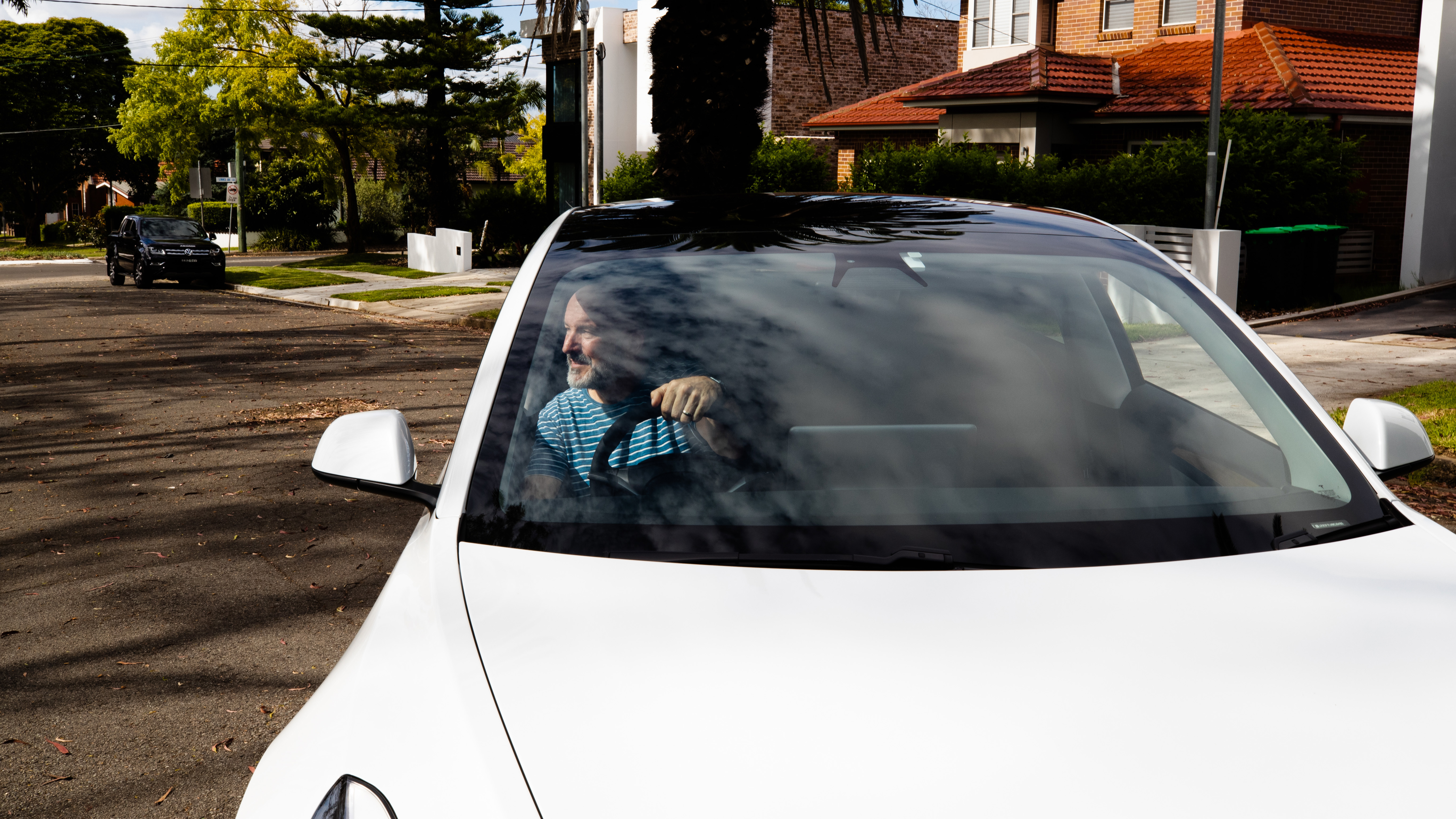
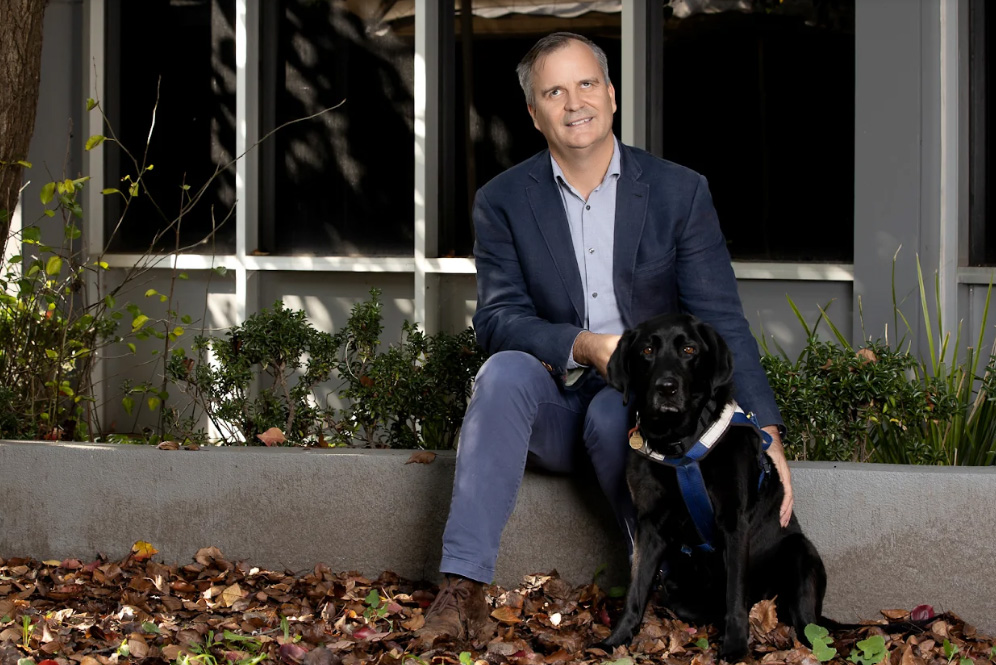
Chris Edwards says he has almost been hit by an electric car himself while walking through a car park.
The head of government relations at Vision Australia, who is blind, is campaigning for Australia to finally make cars and other vehicles such as bikes and scooters "noisier".
The growing number of electric vehicles is big worry for Aussies who are have low or no vision, he says.
Around 35 per cent of people with vision impairment surveyed by Vision Australia said they had been hit by, or nearly collided with a vehicle, while walking.
READ MORE: Russia move that could 'dictate the course of the entire war'
"We get contacted at Vision Australia a couple of times a month by people talking about the issues," Edwards said.
Vision Australia is urging the new federal transport minister, Catherine King, to finally take action, in line with other countries.
Nations such as the USA, Japan as well as the European Union have ruled electric cars must emit a noise when travelling at slower speeds to warn people who can't see them, of their approach.
Research by the Royal National Institute for the Blind in the UK found pedestrians are 40 per cent more likely to be hit by a hybrid or electric car than by one with a petrol or diesel engine.
READ MORE: Woman who lost sight in her 20s says being blind isn't a barrier
"We want Australia to catch up to the rest of the world to ensure the standards that are applied in countries like America, in Europe and Japan that require all new vehicles to have minimum noise levels when they're travelling slowly," Edwards said.
"The future is electric cars, there's a massive uptrend in the number of cars coming in.

"This is a safety issue not just for blind people, it's an issue for everybody in the community.
"This tech exists in every other part for the world and the design rules should exist in Australia."
Vision Australia's Nadia Mattiazzo, who looks after Seeing Eye Dog users, said negotiating electric vehicles is a challenge for her dog, Nadia, as well as for her.
"It's a real nightmare and a real challenge for a blind person," she said.
"I've heard of people being hit, I've heard of people walking into them, I've heard of people being put in danger.
"I get the environment, but have an audible signal when they're moving slowly or they're stopped."
READ MORE: Power grid back under strain as electricity shortfall predicted
Vision Australia says studies have shown the number of Aussies with no or low vision will reach more than 500,000 by 2030. Currently 131,000 Aussies are partially or fully blind, according to the Australian Institute of Health and Welfare.
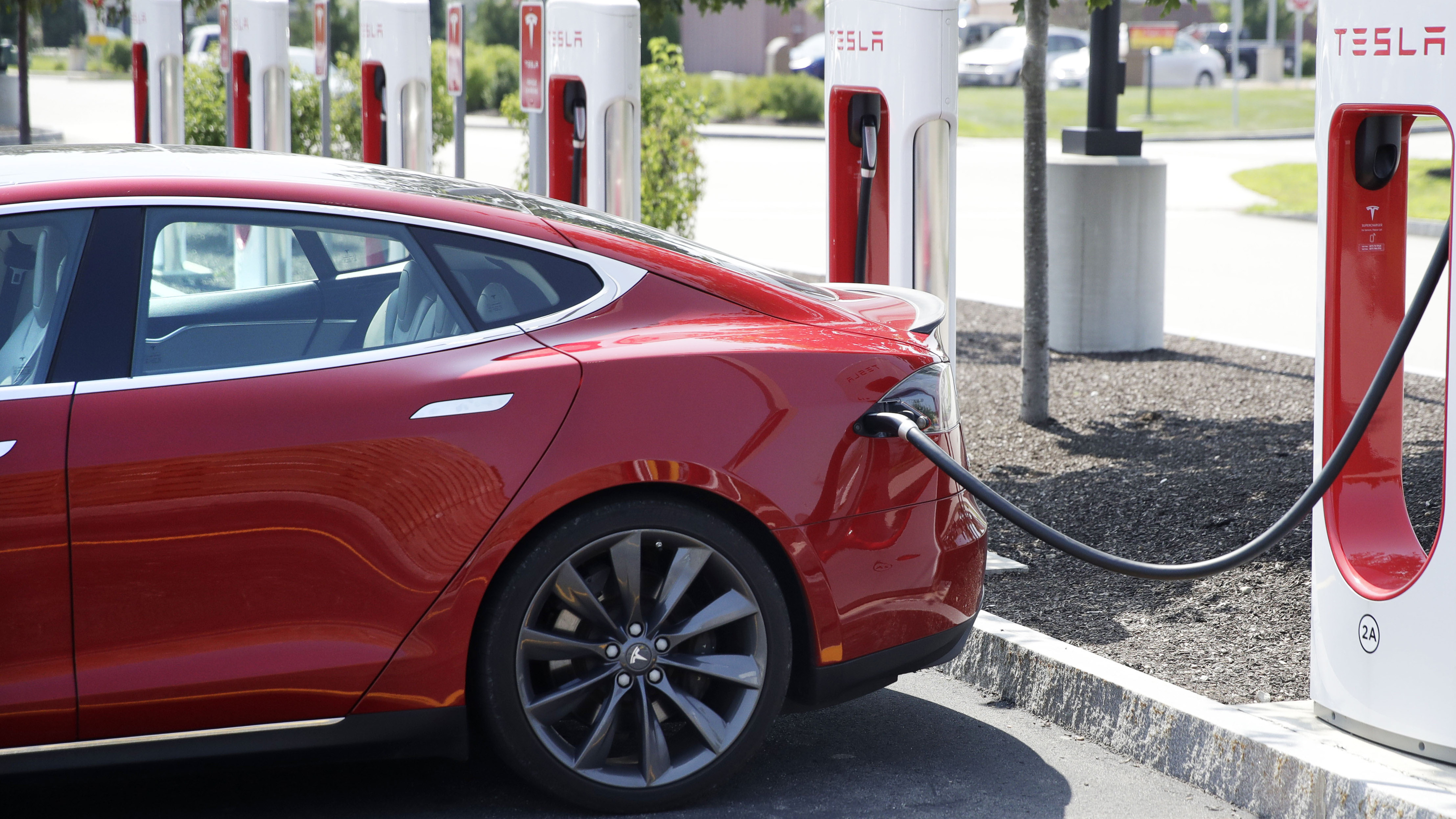
Sales of plug-in electric vehicles in Australia tripled in the past year from 6,900 in 2020 to 20,665 in 2021, the Electric Vehicle Council said.
Delivery service HungryPanda's head of public affairs Kitty Lu said the service, which has 15000 drivers who use electric vehicles, would welcome new rules.
READ MORE: Coles warns fruit and vege shortages to last for weeks
"We have actually initiated talks about installing a special sound bell system on all of our e-bikes to ensure those who are blind and low vision can always hear one of our riders coming," Lu said.
A spokeswoman for the Department of Infrastructure, Transport Regional Development and Communications said the department is "aware of concerns about the risks posed to vulnerable road users by electric vehicles".
"[The department] is planning to release a consultation paper in the coming months to consider mandating acoustic vehicle alerting systems in new electric vehicles," she said.