Tag Archives: oceania

'How to Murder Your Husband' author jailed for killing husband

A self-published romance novelist who once wrote an online essay called 'How to Murder Your Husband' was sentenced on Monday to life in prison with the possibility of parole for murdering her husband at his workplace in Portland four years ago.

Nancy Crampton Brophy, 71, was convicted of second-degree murder on May 25 following a seven-week trial.

Her sentence includes the possibility of parole after 25 years in custody, KGW-TV reported on Monday.

READ MORE: Ohio teachers to take guns to school after 24 hours training

Prosecutors said Crampton Brophy fatally shot Dan Brophy, 63, inside the now-closed Oregon Culinary Institute where he worked in 2018 because she stood to gain financially from his life insurance payout.

The case drew national attention because of the essay that Crampton Brophy had penned years earlier, but the piece was not permitted as evidence at trial.

The prosecution told jurors the couple had been facing financial difficulties at the time of the murder and contended that she had researched and purchased a “ghost gun” kit online and then later bought a Glock 17 handgun at a gun show.

READ MORE: Wall Street plummets into bear market after historic falls

Prosecutor Shawn Overstreet said Nancy Crampton Brophy killed her husband out of greed.

Crampton Brophy's attorney argued the state's evidence was circumstantial, disputed the claims of financial trouble and brought in witnesses who testified about the couple's strong and loving relationship.

Crampton Brophy also took the stand and said she and her husband had both purchased life insurance policies as part of their retirement planning and had a plan to reduce their debt.

She also said her research into ghost guns was in preparation for a future novel.

Russia 'flattening everything' in effort to win key battle

Day after day, Russia is pounding the Donbas region of Ukraine with relentless artillery and air raids, making slow but steady progress to seize the industrial heartland of its neighbor.

With the conflict now in its fourth month, it's a high-stakes campaign that could dictate the course of the entire war.

If Russia prevails in the battle of Donbas, it will mean that Ukraine loses not only land but perhaps the bulk of its most capable military forces, opening the way for Moscow to grab more territory and dictate its terms to Kyiv. A Russian failure could lay the grounds for a Ukrainian counteroffensive – and possibly lead to political upheaval for the Kremlin.

READ MORE: Power grid back under strain as electricity shortfall predicted in Queensland and NSW

Following botched early attempts in the invasion to capture Kyiv and the second-largest city of Kharkiv without proper planning and coordination, Russia turned its attention to the Donbas, a region of mines and factories where Moscow-backed separatists have been fighting Ukrainian forces since 2014.

Learning from its earlier missteps, Russia is treading more carefully there, relying on longer-range bombardments to soften Ukrainian defenses.

It seems to be working: The better-equipped Russian forces have made gains in both the Luhansk and Donetsk regions that make up the Donbas, controlling over 95 per cent of the former and about half of the latter.

Ukraine is losing between 100 and 200 soldiers a day, presidential adviser Mykhailo Podolyak told the BBC, as Russia has “thrown pretty much everything non-nuclear at the front.”

Ukrainian Defence Minister Oleksii Reznikov described the combat situation as “extremely difficult,” using a reference to an ancient deity of sacrifice by saying: “The Russian Moloch has plenty of means to devour human lives to satisfy its imperial ego.”

READ MORE: Russia is now in control of much of Severodonetsk
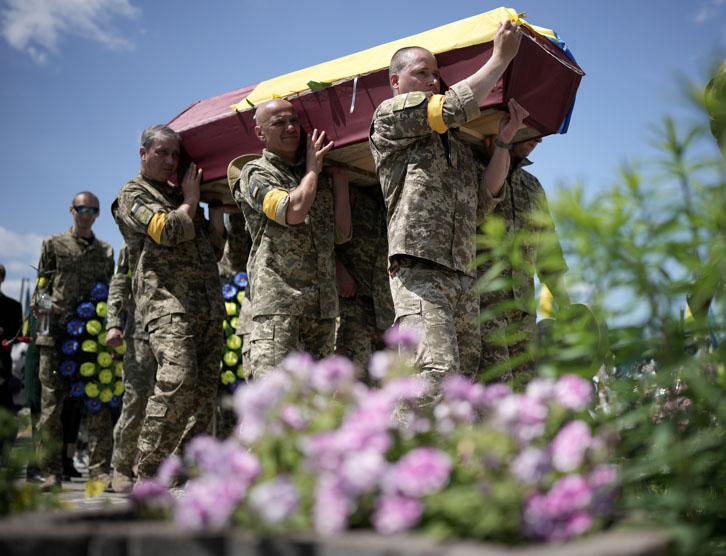
When the war was going badly for Russia, many thought President Vladimir Putin might claim victory after some gains in Donbas and then exit a conflict that has seriously bruised the economy and stretched its resources. But the Kremlin has made clear it expects Ukraine to recognise all the gains Russia has made — including its 2014 annexation of the Crimean Peninsula — something Kyiv has ruled out.

Russian forces control the entire Sea of Azov coast, including the strategic port of Mariupol, the entire Kherson region – a key gateway to Crimea – and a large chunk of the Zaporizhzhia region that could aid a further push deeper into Ukraine. Few expect that Putin will stop.

Last week, he drew parallels between the war in Ukraine and the 18th-century wars with Sweden waged by Peter the Great “to take back and consolidate” historic Russian lands, Putin said. Moscow has long regarded Ukraine as part of its sphere of influence.

Unlike earlier battlefield failures, Russia appears to be using more conservative tactics now. Many had expected it to try to encircle Ukrainian forces with a massive pincer movement, but instead it has used smaller moves to force a Ukrainian retreat and not overextend its supply lines.

Keir Giles, a Russia expert at London's Chatham House think-tank, said Russia was "concentrating all of its artillery on a single section of the front line in order to grind its way forward by flattening everything in its path.”

READ MORE: Russia said to be using more deadly weapons in war

Russian forces shelled residential blocks, a hotel and a medical facility late Sunday in the Ukrainian town of Bakhmut. Firefighters extinguished blazes from the shelling, which injured three people.

Western officials still praise the ability of Ukrainian forces to defend their country, fighting back fiercely, relying on artillery and retreating in some sections while launching frequent counterattacks.

“Ukraine has been pursuing a policy of flexible defence, giving ground where it makes sense to do so instead of holding on to every inch of the territory," Giles said.

A senior Western official who spoke on condition of anonymity because he wasn’t authorised to discuss the sensitive issue in public said the Russian campaign "continues to be deeply troubled at all levels,” noting that Moscow's forces are taking “weeks to achieve even modest tactical goals such as taking individual villages.”

Last month, the Russians lost nearly an entire battalion in a botched attempt to cross the Siverskyi Donets River and set up a bridgehead. Hundreds were killed and dozens of armored vehicles were destroyed.

“There is a sense of strategic improvisation or muddling through,” the official said.

Russia has a clear edge in artillery in the battle for Donbas, thanks to a bigger number of heavy howitzers and rocket launchers and abundant ammunition. The Ukrainians have had to be economical in using their artillery, with the Russians constantly targeting their supply lines.

Ukraine has begun to receive more heavy weapons from Western allies, who have provided dozens of howitzers and are now planning to start delivering multiple rocket launchers.

Putin has warned that if the West gives Kyiv longer-range rockets that could hit Russian territory, Moscow could hit targets in Ukraine that it has spared until now. Foreign Minister Sergey Lavrov also said that Russia could respond by seizing more land as a buffer zone.

Moscow's earlier territorial gains in the south, including the Kherson region and a large part of the neighbouring Zaporizhzhia region, have prompted Russian officials and their local appointees to move toward folding those areas into Russia or declaring them to be independent, like the so-called “people's republics” of Donetsk and Luhansk.

Ukrainian officials and Western analysts voiced concern that Moscow could try to press its offensive into the heavily populated and industrialized Dnipro region farther north, an advance that could potentially slice Ukraine in two and raise a new threat for Kyiv.

“Russian objectives in the context of this war are shifting in relation to the situation on the ground,” said Eleonora Tafuro Ambrosetti, an analyst with the Milan-based Italian Institute for International Political Studies. She noted that Russia could try to damage Ukraine's economy further by seizing its entire coastline to deny access to shipping.

A top Russian general already has spoken of plans to cut off Ukraine from the Black Sea by seizing the Mykolaiv and Odesa regions all the way to the border with Romania, a move that would also allow Moscow to build a land corridor to Moldova's separatist region of Transnistria that hosts a Russian military base.

Such ambitions all hinge on Moscow's success in the east. A defeat in the Donbas would put Kyiv in a precarious position, with new recruits lacking the skills of battle-hardened soldiers now fighting in the east and supplies of Western weapons insufficient to fend off a potentially deeper Russian push.

Ukrainian officials brushed off such fears, voicing confidence that its military can hold out to stem the Russian advances and even launch a counterattack.

“Ukraine's plan is clear: Kyiv is wearing the Russian army out, trying to win time for more deliveries of Western weapons, including air defence systems, in the hope of launching an efficient counteroffensive,” said analyst Mykola Sunhurovsky of the Razumkov Centre, a Kyiv-based think tank.

Philip Breedlove, a retired US Air Force general who was NATO’s top commander from 2013 to 2016, warned against any cease-fire, saying that would only codify Russia's battlefield gains.

“This is like raising a two-year-old,” he said. “If you allow bad behaviour to stand, or worse if you reward bad behaviour, you’re going to get more bad behaviour.”

When Russia invaded Georgia in 2008, Washington's response was inadequate, and so was its response when Moscow seized Crimea in 2014, he said.

Now that Russia has come back for more, the West gets another chance to respond.

“How we finish this war will decide, in my opinion, whether we are going to see more of this in the future,” he added.


Father and daughter survive horror crash during desert race

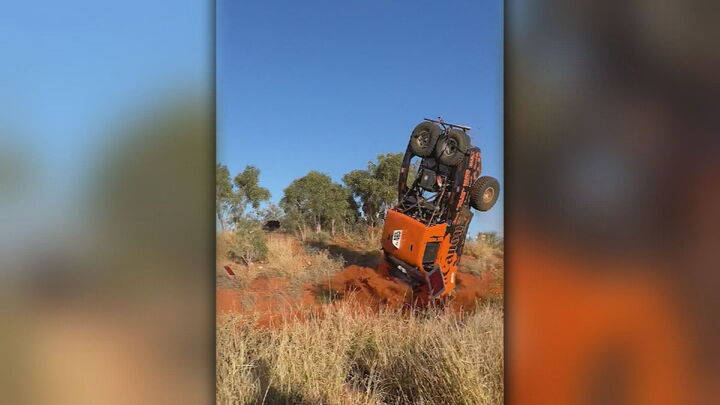
A father and daughter duo competing in the Northern Territory's famous Finke Desert Race have survived a major crash which saw their vehicle flip multiple times.

Onlookers watched on in horror as the racing vehicle tumbled at high speeds after hitting a bump on the dirt track, sending red dust flying into the air.

The vehicle made three 360-degree flips before crashing to a stop, allowing the racers to crawl out.

READ MORE: The COVID-19 work expenses Aussies may be able to claim

The pair were not injured in the crash but witnesses said the woman passed out from shock minutes after exiting the wrecked vehicle.

The father-daughter team has been forced to withdraw from the competition.

READ MORE: Russia unveils new 'McDonald's'

Driver Shannon Lander said the racers had got carried away on the iconic off-road track, which takes racers from Alice Springs to the outback town of Finke during a two-day race.

"A case of too much heavy foot, too much adrenaline pumping but yeah, we're all good," driver Shannon Lander said.

"First rollover, you might as well do it in style so won't be doing it again."

North Korea fires suspected artillery pieces

North Korea test-fired suspected artillery pieces into the sea on Sunday, South Korea's military said, days after North Korean leader Kim Jong Un called for greater defence capability to cope with outside threats.

South Korea's Joint Chiefs of Staff said in a statement that it detected several flight trajectories believed to be North Korean artillery on Sunday morning.

It said South Korea maintains a firm military readiness in close coordination with the United States amid boosted surveillance on North Korea.

READ MORE: US, allies fly fighter jets amid North Korea tensions

During a national security council meeting convened to discuss the suspected launches, South Korean officials expressed concern that North Korea is upgrading weapons systems that pose a direct threat to South Korea and reaffirmed they would sternly deal with such North Korean efforts, according to South Korea's presidential office.

The North's artillery tests draw less outside attention than its missile launches.

But its forward-deployed long-range artillery guns are a serious security threat to South Korea's populous metropolitan region, which is only 40-50 kilometres from the border with North Korea.

READ MORE: US and South Korea fire missiles in retaliation for North Korean launch

The suspected artillery launches were the latest in a spate of weapons tests by North Korea this year in what foreign experts call an attempt to pressure its rivals Washington and Seoul to relax international sanctions against Pyongyang and make other concessions.

South Korean and U.S. officials recently said North Korea had almost completed preparations for its first nuclear test in about five years.

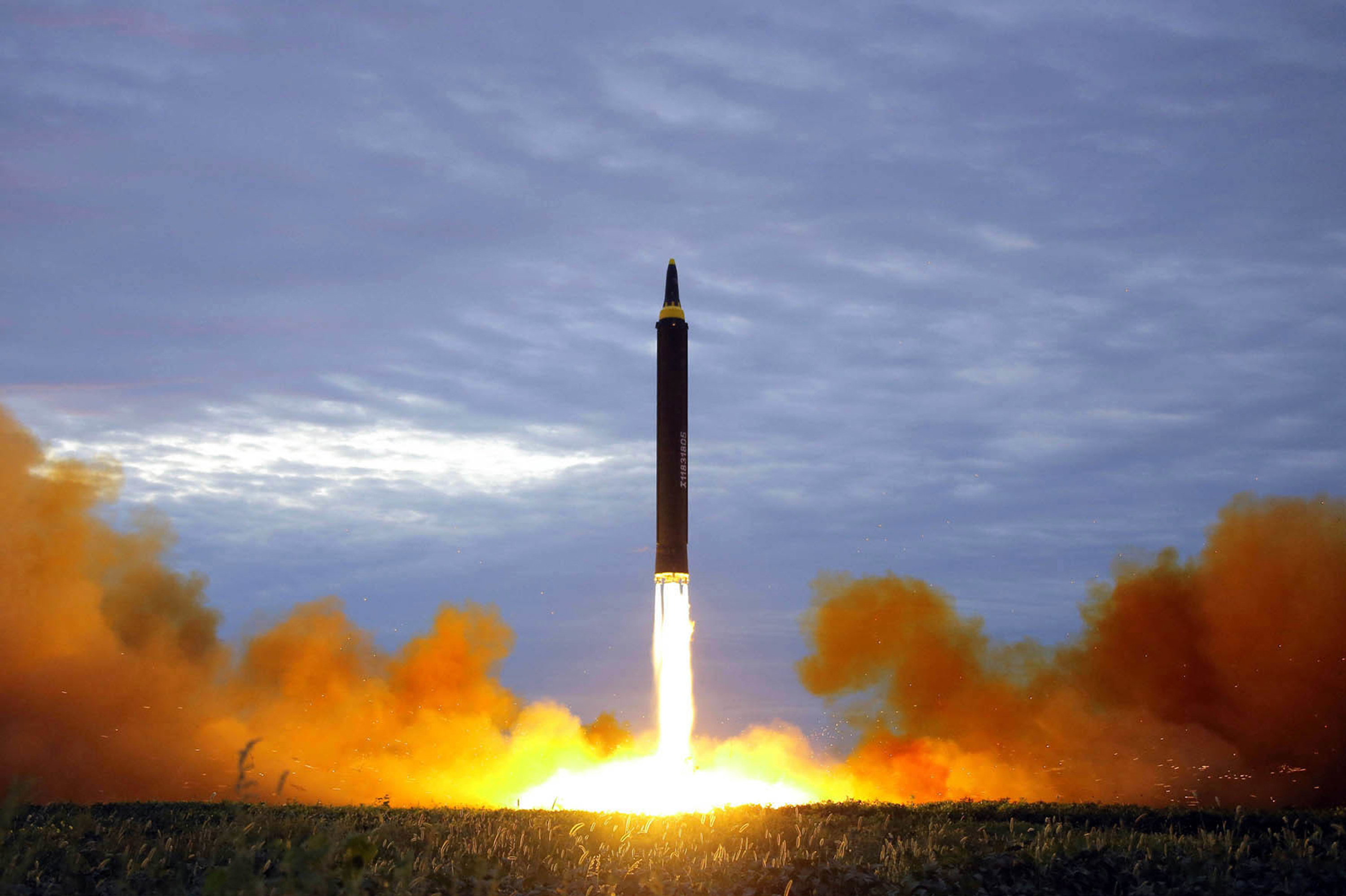
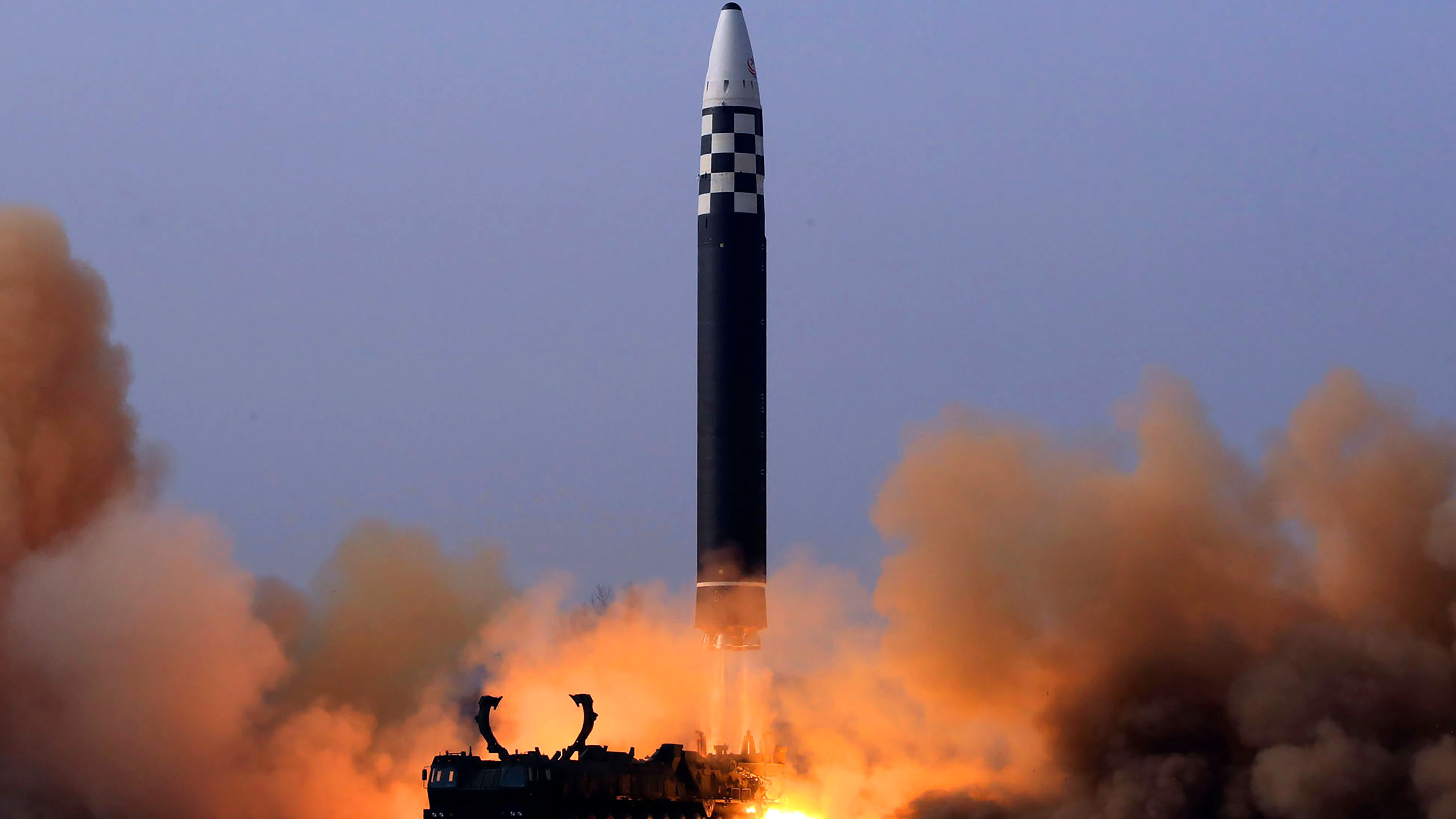
In March, North Korea test-launched an intercontinental ballistic missile capable of reaching the mainland U.S. in breach of a 2018 moratorium on big missile tests.

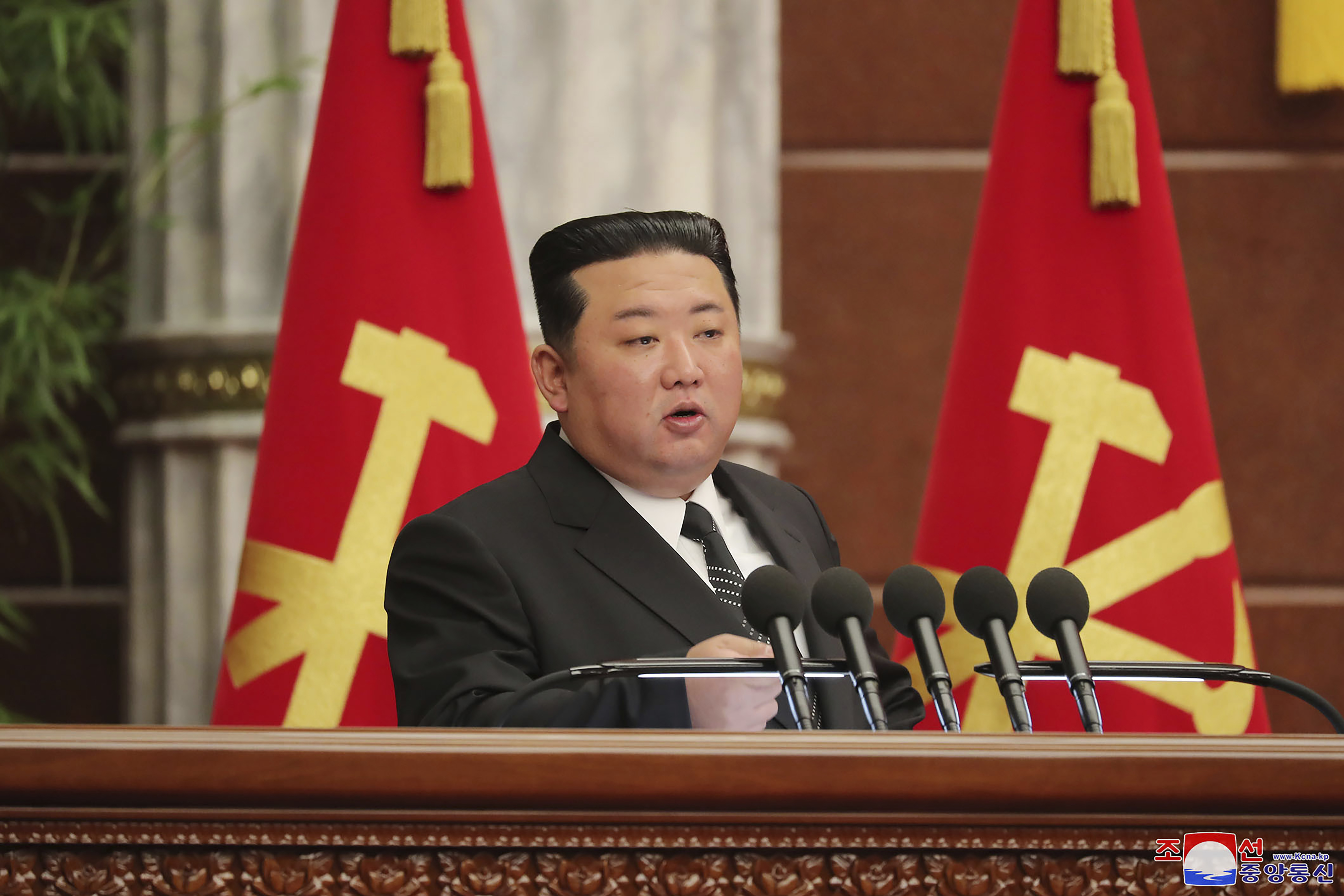
In a speech at a ruling party meeting last week, Kim underscored the need to strengthen his country's military capability, saying the current security environment is "very serious."

READ MORE: North Korea launches eight short-range ballistic missiles into the sea

North Korean Hwasong-17 intercontinental ballistic missile launch

Kim's speech carried by state media didn't mention the United States or South Korea.

But he still set forth "militant tasks" to be pursued by his armed forces and scientists, a suggestion that he would press ahead with his high-profile arms buildup plans.

A possible new nuclear test by North Korea would be the seventh of its kind.

Some experts say North Korea will likely use the test to build warheads to be mounted on tactical nuclear weapons aimed at hitting targets in South Korea.

'The propeller had stopped': Veteran pilot survives crash landing

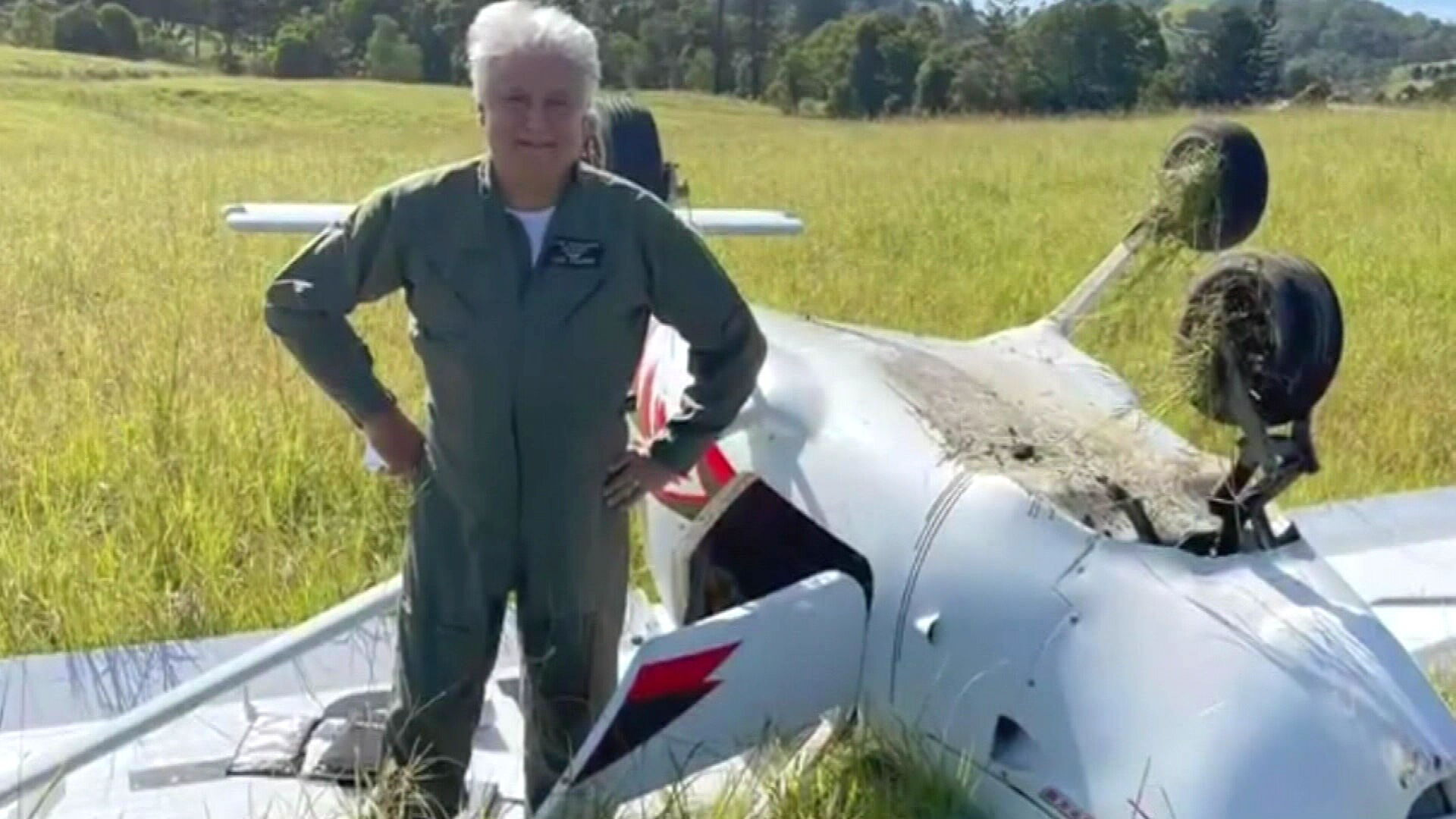
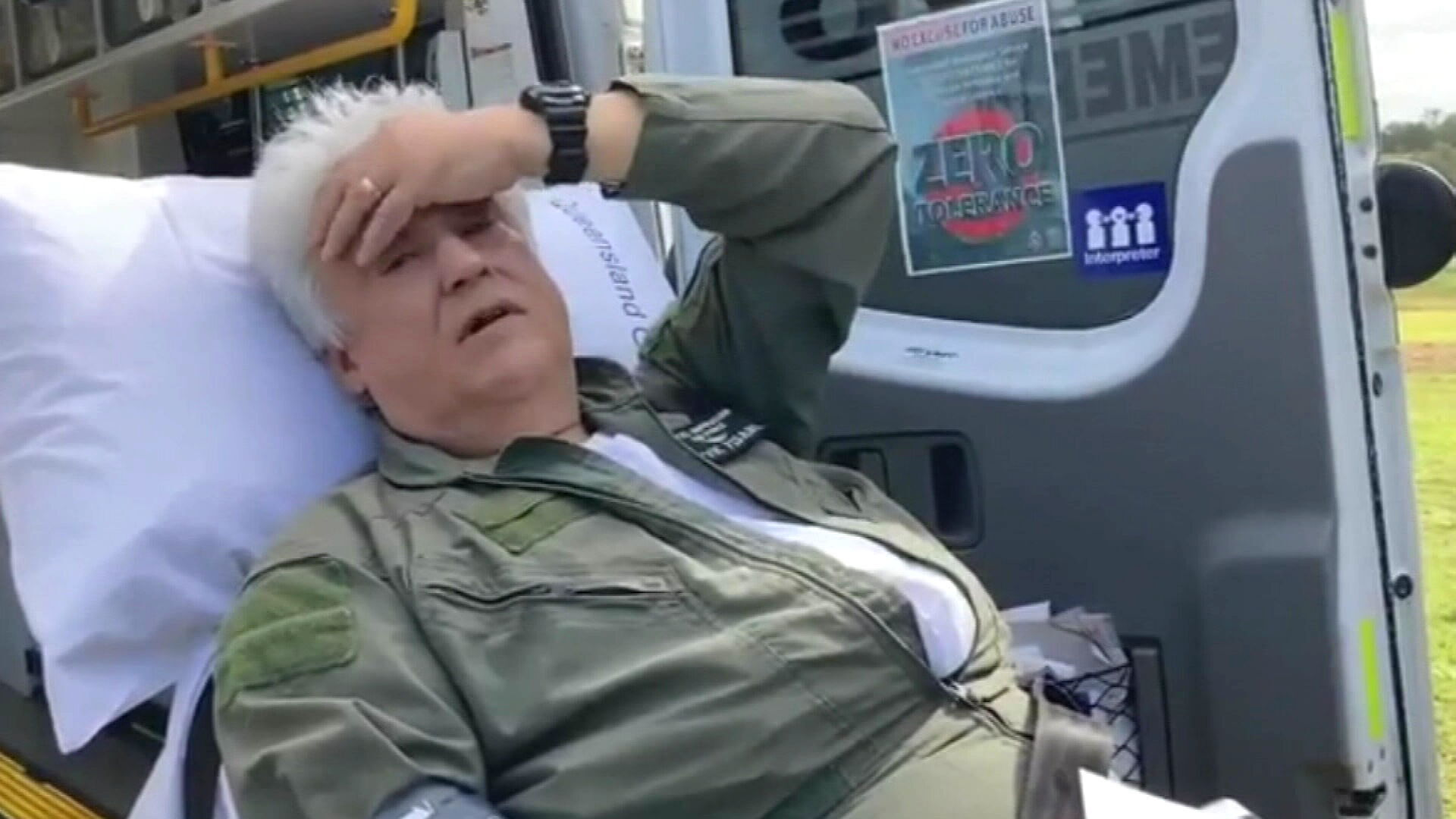
A Queensland pilot has walked away unscathed after his plane lost power mid-flight, forcing him to make an emergency crash landing.

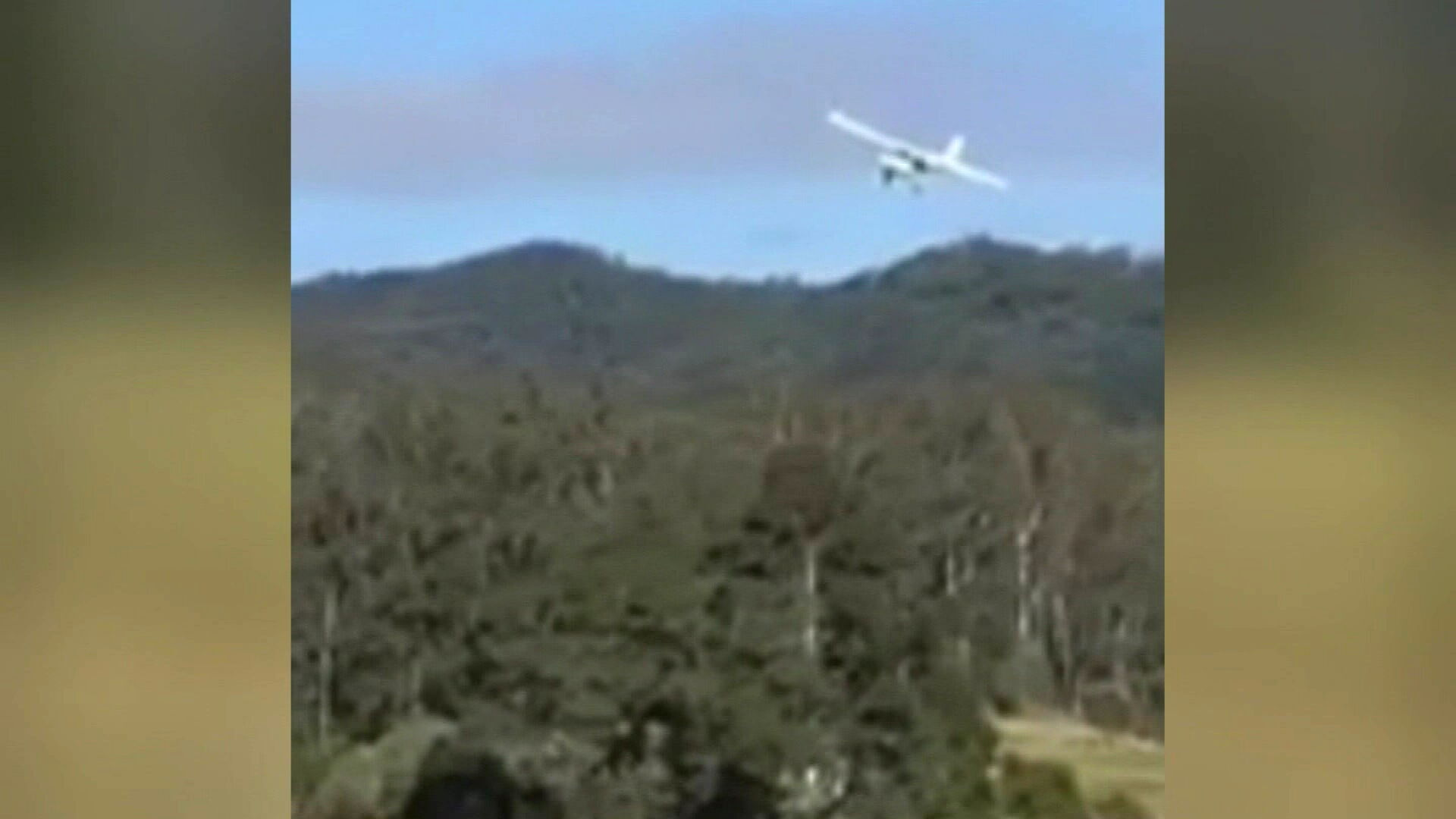
Vic Pisani was flying over Gympie this morning when the light aircraft's engine stalled, causing the propeller to stop.

He attempted a landing in a Kandanga paddock, south of Gympie in south-east Queensland, about 10am.

READ MORE: The COVID-19 work expenses Aussies may be able to claim

Upon hitting the dirt, the propeller plane flipped.

A nearby witness who saw the aircraft flying alarmingly close to the ground filmed the ordeal, before rushing to the man's aid.

READ MORE: Sydney chef and founder of iconic fusion burger joint dies suddenly

Paramedics were called but the pilot was uninjured.

"I just couldn't get anymore power out of it so it rapidly lost power and then as I'm looking at the gauges to see what's going on, I noticed the propeller had stopped," Pisani said.

With 30 years of flying experience, the pilot said the incident was a first.

"There's an airstrip nearby but I was too low to get into a good position for it, there was trees all around it so I just picked the most open-looking country which just happened to be here," he said.

READ MORE: Traffic stop between a white state trooper and Black man takes surprising turn

Power outages expected in Queensland, NSW amid high energy demand

South-east Queensland and NSW residents are being urged to minimise their electricity use as power outages are expected on Monday night and Tuesday.

The Australian Energy Market Operator (AEMO) confirmed both Queensland and NSW could be impacted by power outages during peak periods.

Several south-east Queensland communities could lose power between 5pm and 8.30pm on Monday and about 8am on Tuesday morning due to the lack of energy reserves.

READ MORE: The COVID-19 work expenses Aussies may be able to claim

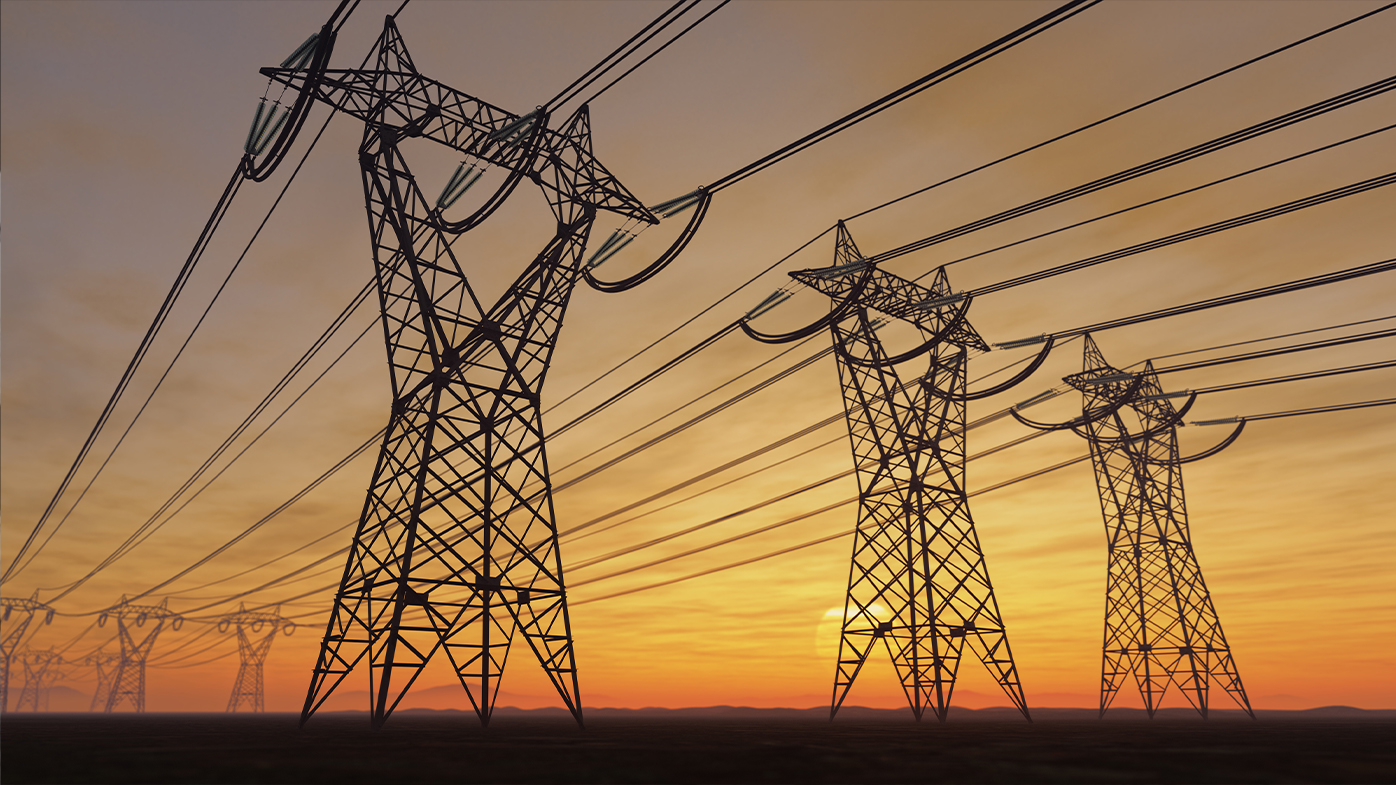
Power electricity bills powerlines energy

"The Australian Energy Market Operator has identified the potential for electricity demand to exceed supply in Queensland in peak periods for the next day or so prompting a call for energy consumption to be managed across Queensland," a spokesperson from Powerlink Queensland said.

Winter temperatures have sparked a peak in energy demand alongside "unexpected generator outages", putting undue pressure on the power system.

High gas prices have caused the AEMO to initiate price caps in response to the demand.

READ MORE: Sydney chef and founder of burger joint dies suddenly

https://twitter.com/AEMO_Energy/status/1536209649040781312

Powerlink chief executive Paul Simshauser urged Queenslanders to reduce their energy use from 5pm on Monday to reduce pressure on power suppliers and to ensure electricity remains available for business owners and essential services.

"By carefully managing electricity use at home and in your workplace, the community can help ensure that power system security is maintained in Queensland," Simshauser said.

"Community safety and wellbeing is important so only manage energy consumption if it is safe to do so."

Queenslanders are advised to reduce or consider the number of rooms in their home that require heating to save energy and to turn off TVs, computers and other household appliances not in use.

Residents are also asked to consider turning off pool pumps and second fridges during these peak times.

READ MORE: Traffic stop between a white state trooper and Black man takes surprising turn

Commercial business owners and staff have been asked to reduce the number of lights used inside their businesses.

They are asked to also turn off any unnecessary advertising or exterior lighting.

Businesses can also help save power by turning off unnecessary water heating systems.

NSW may also be impacted by energy shortages, with residents urged to reduce their power use from 8pm.