Tag Archives: oceania

Toddler dies with flu in central Queensland

A two-year-old Queensland boy has died with influenza A, currently the dominant flu strain across Australia.

9News understands the young boy was admitted to hospital in Gladstone, central Queensland, where he passed away.

The child is the first to die from the virus in Queensland this flu season and the fourth child in Australia this year.

READ MORE: Two arrested after body found in Queensland mountains

It is unclear if the boy was vaccinated against the flu.

The death has prompted another reminder from health experts for all Queensland residents to get their flu jab.

Flu vaccines remain free in Queensland until June 30 and are eligible for everyone over six months old from their GP or local pharmacy.

Influenza A is confirmed to particularly impact young people up to 39 years of age, the chronically sick and elderly.

READ MORE: Gold Coast siege ends after 20-hour standoff

The advice comes as the Australian Technical Advisory Group for Immunisation issues new recommendations on COVID-19 booster shots.

Teenagers aged 12 to 15 who are severely immunocompromised, have health conditions or have a disability are urged to get a COVID-19 booster if it has been three or four months since their last shot.

Healthy 12 to 15-year-olds do not require a booster shot.

Whale and the tail: 'Dangerous' mission plays out in Sydney waters

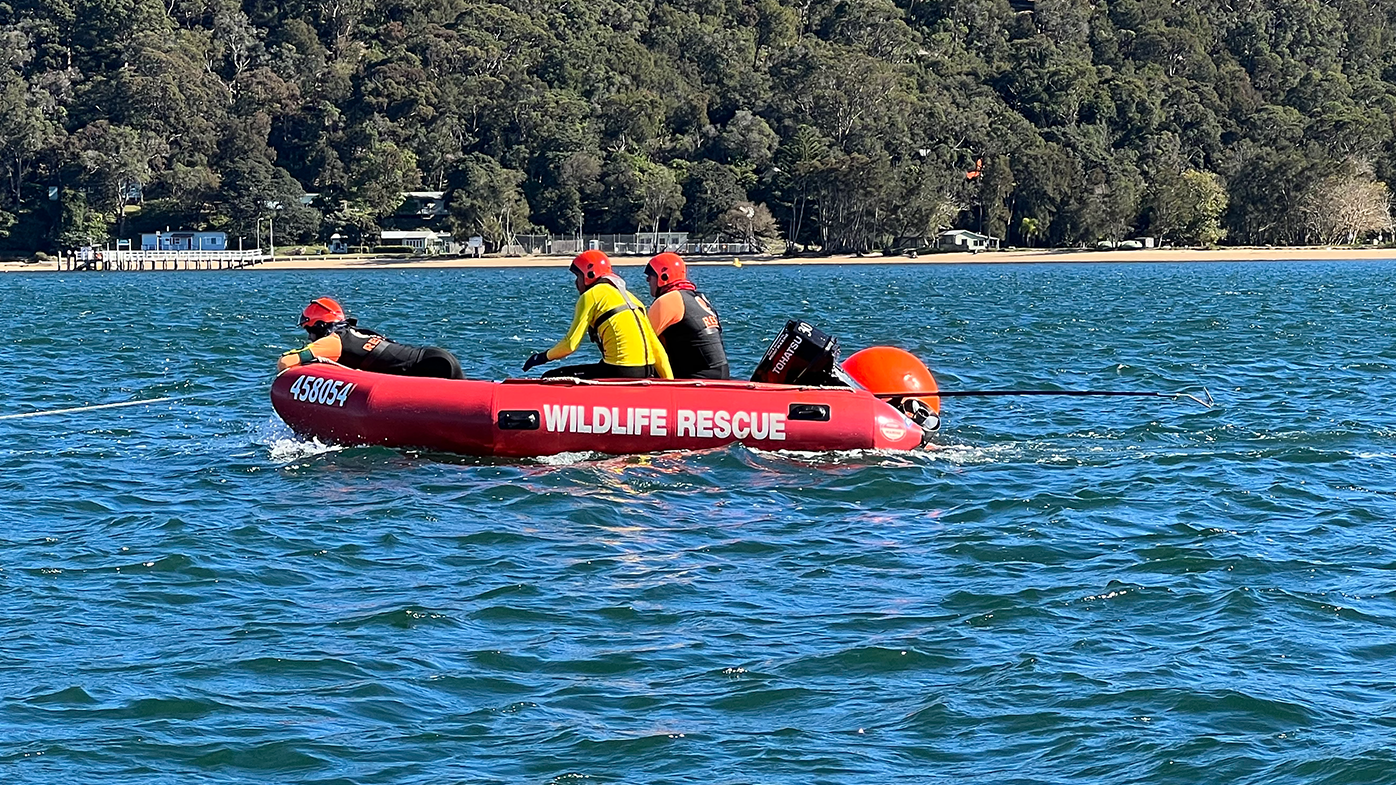
Holding a long pole with a curved knife attached, young Gamay ranger David Johnson leans over an inflatable boat battered by wind and waves. In one precise movement he dips the unwieldy implement underwater and back into the air.

The boat he's in starts drifting away from the tangle of buoys and ropes he's just cut in the middle of Pittwater, north of Sydney .

The mission, which took place today, was part of NSW national park's annual training to free tangled whales from discarded fishing gear and other debris.

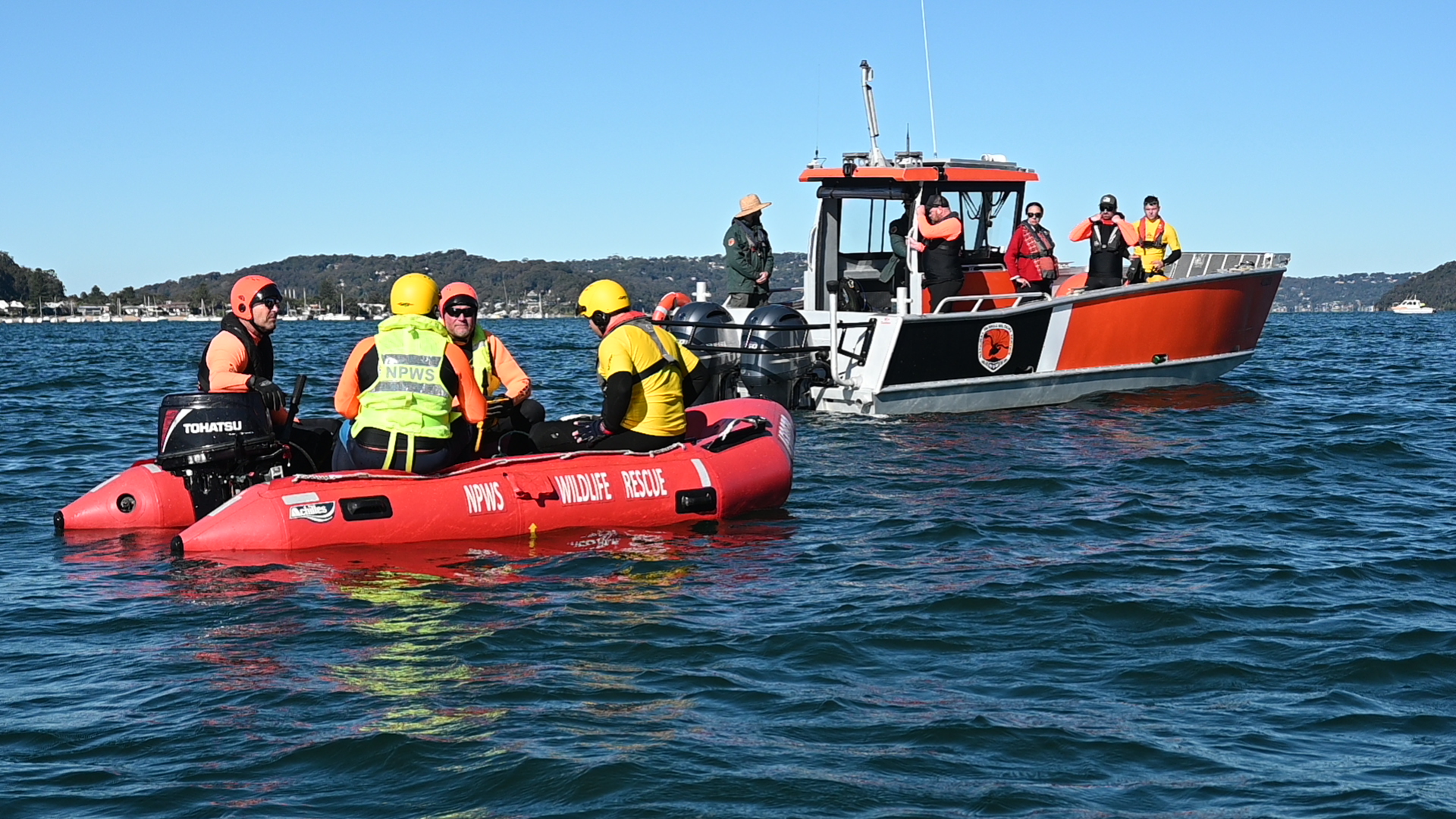
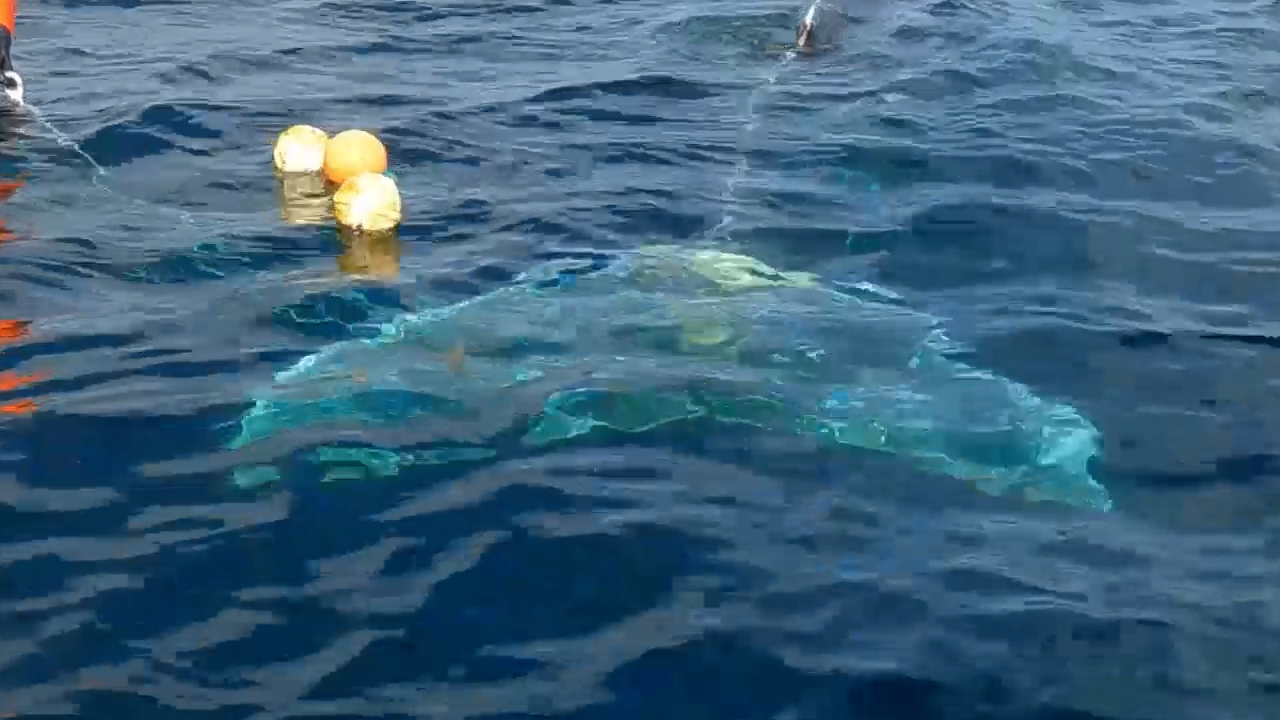
Twenty-one wetsuit-clad crew armed with poles and knives navigated the marine estuary in inflatable boats playing out various scenarios with a fake whale tail.

READ MORE: Four groups of Aussies to be most affected by rate rise

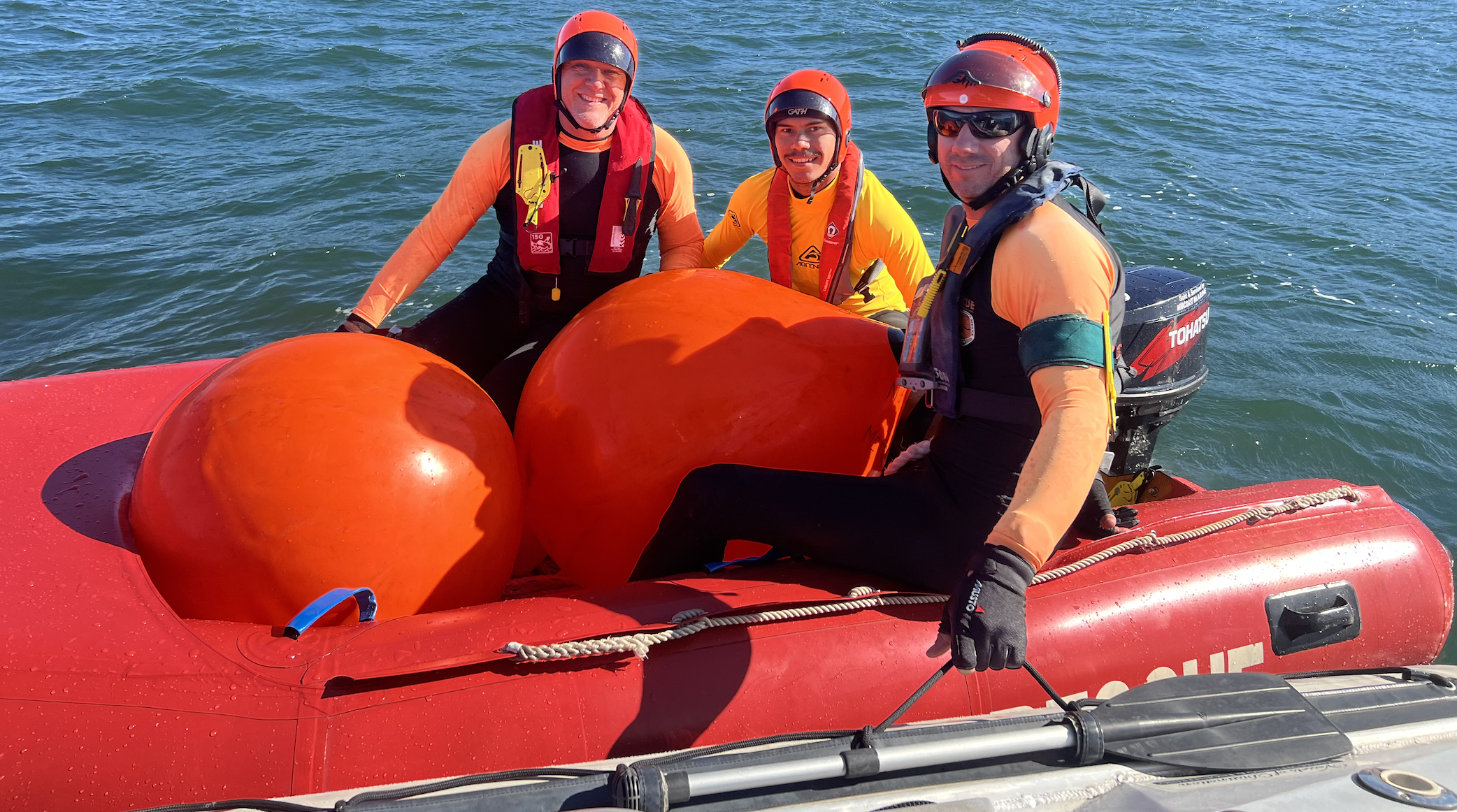
David Johnson (in yellow) prepares to cut the fake whale free. In real life orange buoys are placed to slow the animal down and make it easier to spot. From left to right: Peter Bergman, Gamay ranger David Johnson and Chris Burrow-Jones beam at the camera after Johnson aced his training.

Among them were three young Gamay Rangers, the first urban Indigenous Ranger group based out of Botany Bay.

It comes as a population of humpback whales, estimated to be around 40,000 strong, begin their migration north to warmer waters.

While today's training went off without a hitch, in reality freeing a whale is extremely dangerous work.

READ MORE: Gold Coast suburb in lockdown amid police siege

An inflatable vessel returns to NSW National Park's boat following a successful cut.

Natasha Funke, a ranger with Ku-ring-gai Chase National Park served as team leader.

She told 9news.com.au she's been charged by a protective mother whale once; that's just one of the risks faced when working on the open ocean with colossal animals.

"We have to always look out for other whales, and animals, who may think we're a threat," she said.

"I've been involved once where the mother did charge us and you feel very small in a little boat with a huge animal coming at you.

"We have to always watch their behaviour, different things like tail slapping, or trumpeting we have to be really careful of."

READ MORE: Camera attached to shark species shows how predators hunt

An injured or sick whale can also be followed by sharks.

For these reasons rangers do not enter the water when freeing one, instead performing a delicate rescue from an inflatable boat.

Under NSW law it is illegal for members of the public to try and rescue an entangled whale. Instead they're urged to contact NSW National Parks or ORCAA.

Last year NSW National Parks were involved with five successful rescues – and with more funding for training recently announced by the Minister for Environment James Griffin it's hoped this number will increase.

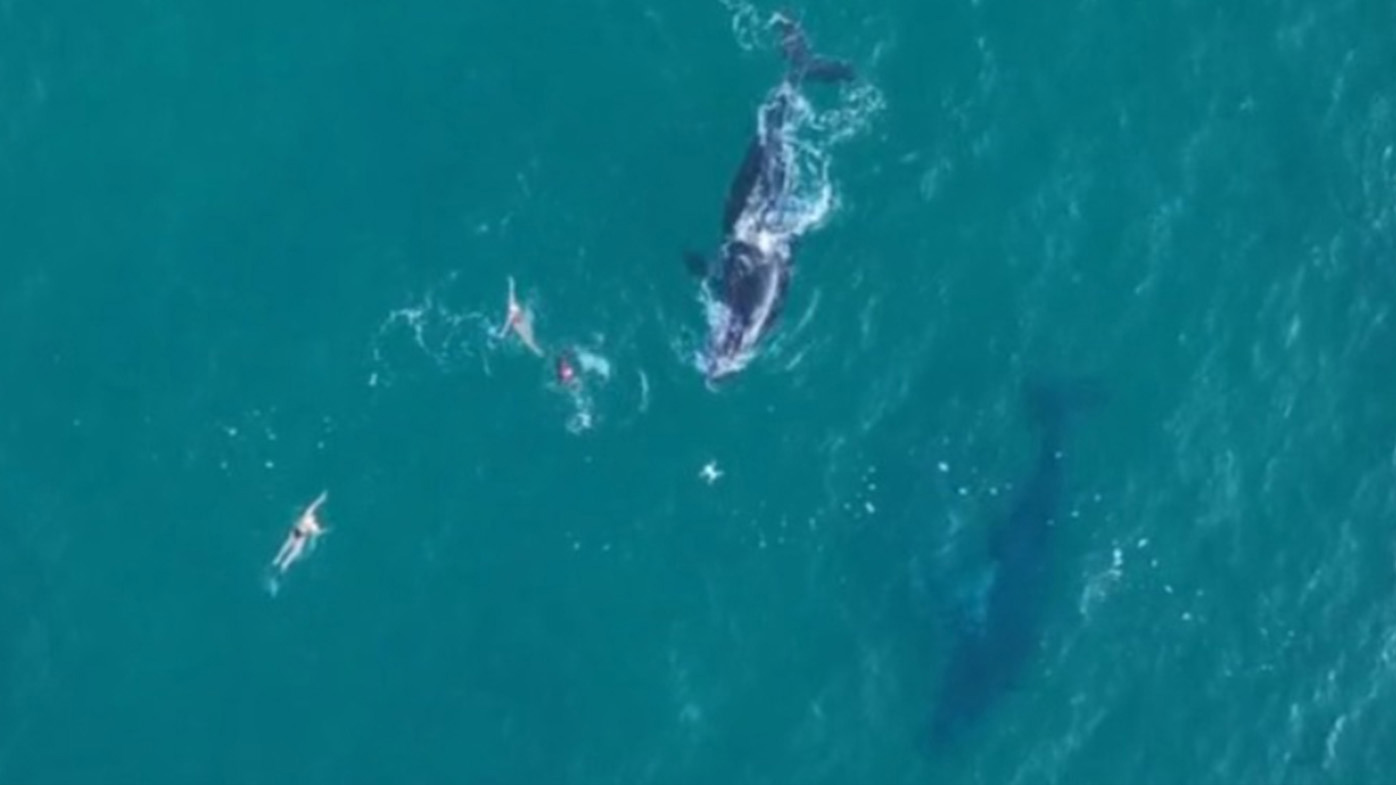
Bondi humpback whale swimmers

"This training plays a significant role in protecting and conserving our marine wildlife," Griffin said.

"Through the NSW Budget, we're committing more than $180 million funding to continue supporting projects like this one through the Marine Estate Management Strategy.

"It's important to ensure our marine environment is supported and sustainable for generations to come."

One group that hopes to have more involvement in rescues down the line are the Gamay rangers.

Senior ranger Robert Cooley told 9news.com.au it was their first time participating in the training and it was years in the making.

"We feel today we've reached our Everest," he said.

"Marine mammals are so special to us more, specifically the humpback whale, which is our ancestral being, commonly known as our totem.

"We really want to be at the coal front and help these animals".

Major study finds link between eating fish and getting skin cancer

A study in the US has drawn a link between eating fish regularly and getting life-threatening skin cancer.

Researchers from Brown University found people who ate an average of 42.8 grams of fish each day were 22 per cent more likely to develop malignant melanoma than people who only ate fish rarely.

That figure does not mean the participants were eating fish each day, but more than once a week.

READ MORE: Nearly 1.5 million Australians will die of cancer over a 25-year period

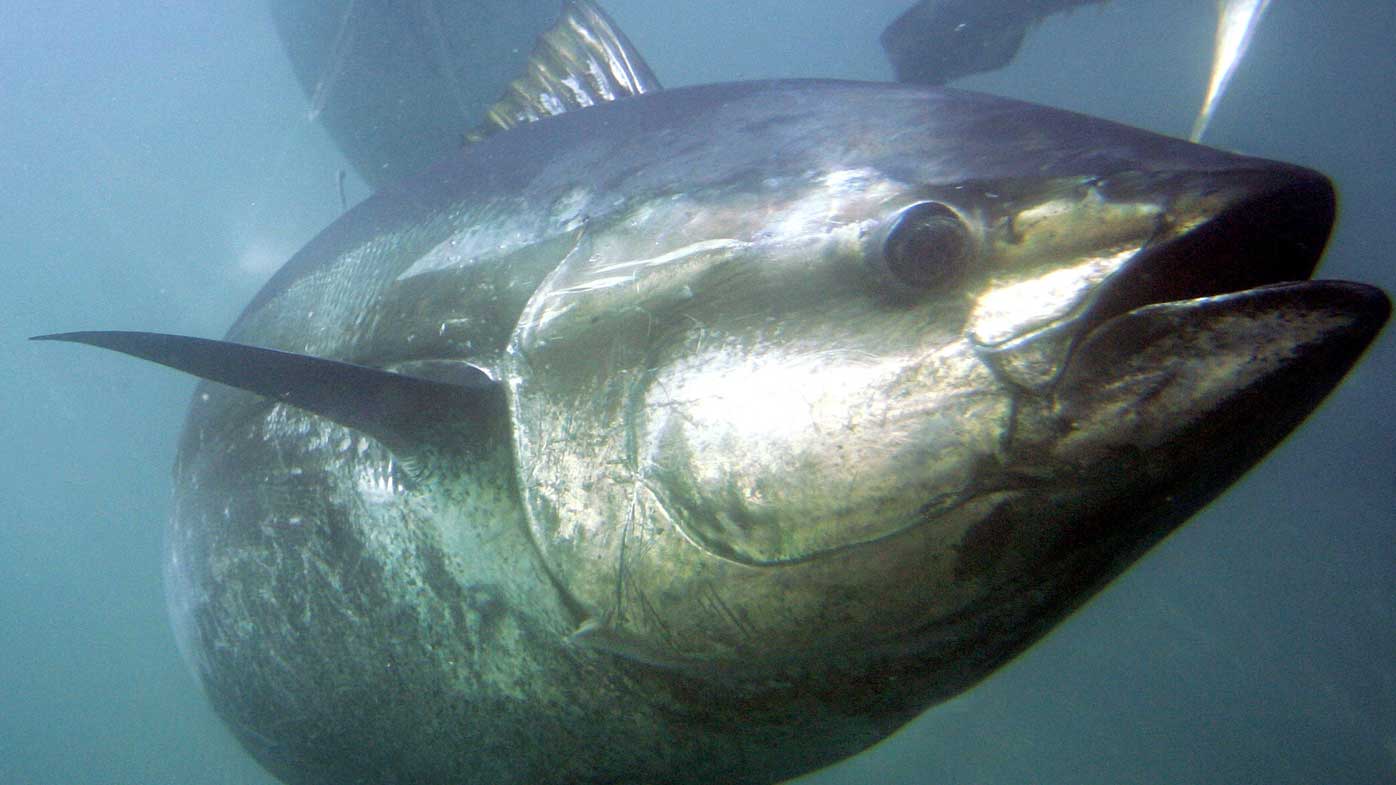
Subway said its tuna was not only genuine, but wild caught.

People who ate tuna regularly were slightly more likely to develop a malignant melanoma than people who ate fried fish, according to the study.

Study author Eunyoung Cho suspected contaminants in fish could be behind the cancer risk.

"We speculate that our findings could possibly be attributed to contaminants in fish, such as polychlorinated biphenyls, dioxins, arsenic and mercury," Cho said.

"Previous research has found that higher fish intake is associated with higher levels of these contaminants within the body and has identified associations between these contaminants and a higher risk of skin cancer."

READ MORE: Melanoma rates to surge 50 per cent globally by 2040

Eating fried fish increased the odds of developing melanoma, a US study has found.

The study analysed data from 491,367 adults in the United States.

It took into consideration weight, physical activity and consumption of alcohol, caffeine and tobacco, as well as family history and average UV radiation levels in their local area.

But the researchers note the study did not account for other risk factors, such as mole counts, hair colour, sunburn history and lifestyle choices.

University of Newcastle health sciences professor Clare Collins said that while correlation does not equal causation, the study could not be ignored.

But she noted that Australian fish was far less likely to be contaminated, and remained a healthy food option here.

"The role of contaminants that may be present in some fish needs to be considered," she said.

"Further studies in other cohorts are needed that also evaluate PCBs and exposure to other contaminants including dioxins, arsenic and mercury, while also adjusting for individual confounders such as sun exposure, skin type and history of sunburn in order to verify or refute these findings."

READ MORE: China offers $21,000 cash for national security tip-offs

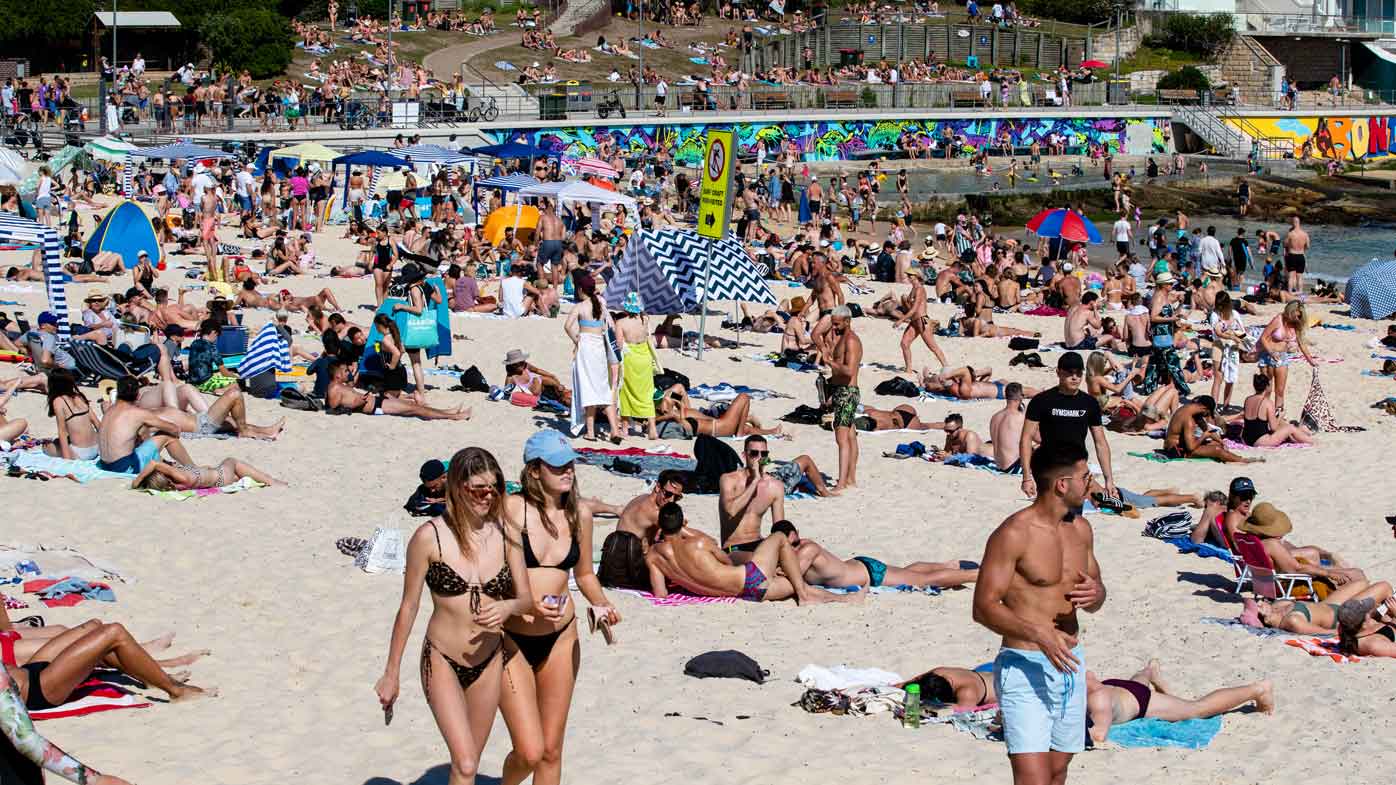
Bondi Beach on a public holiday.

"Given the positive aspects of eating fish such as heart health, and that that fish is a nutritious food, my advice to Australians would be to eat fish caught in Australian or New Zealand waters."

Matthew Browne from the Melanoma Institute said it was important to take heed of the most important ways to avoid skin cancer.

"With one Australian dying from melanoma every six hours, it is critical that we don't confuse or cloud the prevention message," Browne said.

"The scientific evidence is clear – sun exposure is the single biggest risk factor for developing melanoma. It is critical that all Australians live a sun safe life to reduce their melanoma risk."

He noted that one Australian died of melanoma every six hours.

The best way to prevent melanoma is to avoid sunburn or tanning.

Last dine-in Pizza Hut in South Australia to close its doors

The last dine-in Pizza Hut in South Australia is set to close its doors after 44 years.

The store located in the Adelaide suburb of Marion announced the news to its customers on Wednesday.

"It is with great sadness that we have to announce that our Marion Pizza Hut restaurant will be permanently closing from Tuesday, June 28," the store wrote on Facebook.

READ MORE: Dogs to be used to detect COVID-19 at Australian hospital

The last dine-in Pizza Hut in South Australia is set to close its doors after 44 years.

"Unfortunately, with long-term plans to redevelop the site, we have made the tough decision to close after 44 years in the brand.

"We wanted to thank every past employee and all of our customers for supporting us over this journey."

Adelaide residents have taken to social media to share their disappointment with the news as well as memories of visiting the store.

Radio burst detected in dwarf galaxy

Astronomers have detected a mysterious, repeating fast radio burst emanating from a dwarf galaxy located three billion light-years away.

The cosmic object is distinctive when compared with other detection's of radio bursts in recent years, according to new research.

Fast radio bursts, or FRBs, are millisecond-long bursts of radio waves in space. Individual radio bursts emit once and don't repeat.

But repeating fast radio bursts are known to send out short, energetic radio waves multiple times.

READ MORE: What you pay every day for defending Australia and why that cost could jump
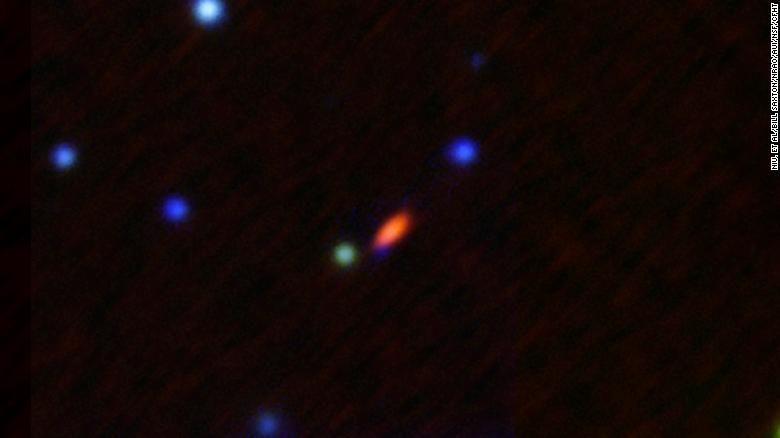
This image, captured by the Karl G. Jansky Very Large Array, shows the object FRB 190520 when it's active (in red).

Astronomers have been able to trace some radio bursts back to their home galaxies, but they have yet to determine the actual cause of the pulses. Learning more about the origin of these bright, intense radio emissions could help scientists understand what causes them.

Astronomers detected the object, named FRB 190520, when it released a burst of radio waves on May 20, 2019. The researchers used the Five-hundred-meter Aperture Spherical radio Telescope, or FAST, in China, and discovered the burst in the telescope data in November 2019.

When they conducted follow-up observations, the astronomers noticed something unusual – the object was releasing frequent, repeating bursts of radio waves.

In 2020, the team used the National Science Foundation's Karl G. Jansky Very Large Array, or VLA, of telescopes to pinpoint the origin of the burst before zeroing in on it using the Subaru Telescope in Hawaii.

Subaru's observations in visible light showed that the burst came from the outskirts of a distant dwarf galaxy.

A study detailing the findings published in the journal Nature on Wednesday.

Two of a kind

The VLA observations also revealed that the celestial object constantly released weaker radio waves between the repeating bursts. That's very similar to only one other known repeating fast radio burst: FRB 121102, discovered in 2016.

The initial detection and subsequent tracing of FRB 121102 back to its origin point in a small dwarf galaxy more than three billion light-years away was a breakthrough in astronomy. It was the first time astronomers were able to learn about the distance and environment of these mysterious objects.

"Now we actually need to explain this double mystery and why FRBs and persistent radio sources are found together sometimes," said study coauthor Casey Law, staff scientist in radio astronomy at the California Institute of Technology.

"Is it common when FRBs are young? Or perhaps the object that makes the bursts is a massive black hole that is messily eating up a neighboring star? Theorists have a lot more detail to work with now and the scope for explanation is shrinking."

READ MORE: Decrease in plastic waste on Australian beaches
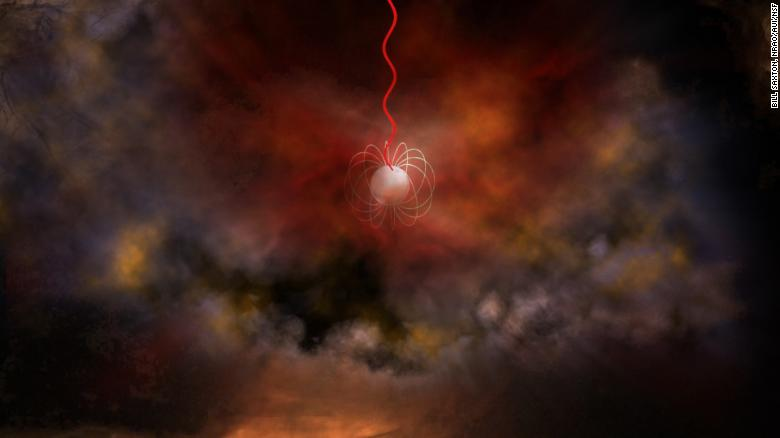
This is an artist's concept of a neutron star with an ultrastrong magnetic field, called a magnetar, emitting radio waves (in red).

Currently, less than five per cent of the hundreds of identified fast radio bursts have been known to repeat and only a few of them are regularly active.

But FRB 190520 is the only persistently active one, meaning that it has never "turned off" since being discovered, said study author Di Li, chief scientist for the radio division of the National Astronomical Observatories of China and the FAST Operation Center.

Meanwhile, FRB 121102, "the first known famous repeater, can turn off for months," Li said.

New questions

The latest findings raise more questions because now astronomers wonder if there might be two kinds of fast radio bursts.

"Are those that repeat different from those that don't? What about the persistent radio emission – is that common?" said study coauthor Kshitij Aggarwal, who was involved in the study as a doctoral student at West Virginia University, in a statement.

It's possible that there are different mechanisms that cause the radio bursts, or that whatever produces them is behaving differently during various stages of evolution.

Previously, scientists have hypothesised that fast radio bursts are caused by the dense remnants leftover after a supernova, called a neutron star, or neutron stars with incredibly strong magnetic fields called magnetars.

FRB 190520 is being considered as a possible "newborn" object because it was located in a dense environment, Law said. That environment may be caused by material released by a supernova, which resulted in the creation of a neutron star. As this material scatters over time, the bursts from FRB 190520 may decrease as it ages.

Going forward, Li wants to discover more fast radio bursts.

"A coherent picture of the origin and evolution of FRBs is likely to emerge in just a few years," Li said.

Law is excited about the implications of having a new class of radio wave sources.

"For decades, astronomers thought there were basically two kinds of radio source that we could see in other galaxies: accreting supermassive black holes and star formation activity," Law said.

"Now we're saying that it can't be an either/or categorisation any more! There is a new kid in town and we should consider that when studying populations of radio sources in the universe."