Tag Archives: oceania

Murugappan family begin long-awaited return to Biloela

The Murugappan family will touch down in Brisbane during their return to Biloela from Perth, after spending four years in a community detention centre.

The Tamil family, who came to Australia from Sri Lanka as refugees a decade ago have been involved in a years long battle to return to their home in outback Queensland, where they had been living on bridging visas.

The family will be making their return to the outback community on Friday, where the community will celebrate their long-awaited arrival.

READ MORE: First of Big Four banks passes on interest rate hike

Priya and Nades Murugappan's youngest daughter, four year-old Tharnicaa, will experience her first birthday out of detention shortly after.

Mrs Murugappan said the family were excited to return home while boarding a flight in Perth this morning.

"Me and my family are very happy to start our journey back to our community in Bilo," she said.

"Thank you to all in Perth love you Perth, thank you."

Queensland premier Annastacia Palaszczuk said she welcomed the family's return to the state.

"It's a very good day today that the family's returning home to Queensland," the premier said.

"It means a lot to the community and I think it means a lot to that family."

READ MORE: What the rest of winter has in store for Australia

Residents from the small outback community have been fighting for the family's return since their home was raided and they were detained in 2018.

The Home to Bilo campaign, run by locals has been integral in getting the family home.

Angela Fredericks said the family and their supporters were pleased the Murugappan could finally begin to rebuild their lives.

"We have spoken with Priya and Nades and they share our overwhelming sense of joy and relief at this news, and we all welcome the decision to issue the entire family with bridging visas," Fredericks said when the news was announced.

"But this family will never be safe until they have permanency in Australia."

READ MORE: A new policy in Europe could mean big changes for your iPhone
Breakthrough compound makes malaria parasite 'self-destruct'

Scientists in Australia have developed a way to make the deadly malaria parasite an "agent of its own demise".

A compound named ML901 inhibits the malaria parasite and destroys it.

The breakthrough from the University of Melbourne could lead to an effective treatment for a disease that kills more than 600,000 people a year.

READ MORE: Eradicating mosquitoes: The ethically tricky solution to ending malaria

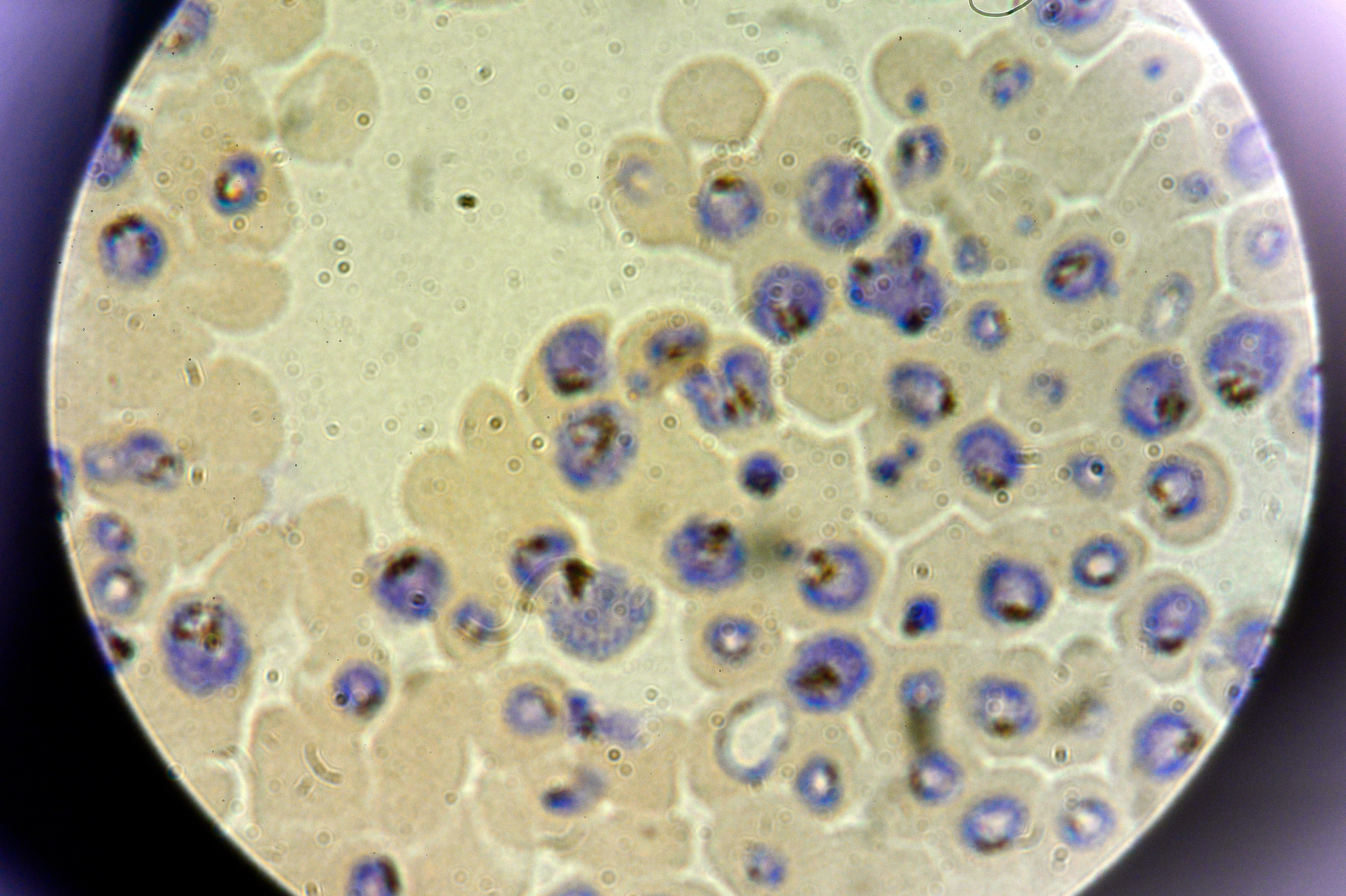
Plasmodium falciparum, one of the five parasites that causes malaria, shown growing in human red blood cells.

The compound inhibits the malaria parasite but does not affect human cells, Professor Leann Tilley said.

"ML901 works by an unusual reaction-hijacking mechanism," she said.

"Imagine a stealth weapon that can be used to launch a self-destruct attack on your vehicle – slamming on the brakes and cutting the engine. 

"ML901 finds a particular chink in the machinery that the malaria parasite uses to generate the proteins needed to reproduce itself and stops it doing so."

READ MORE: Insidious disease could find its way to Australia

More than 200 million people contract malaria each year.

In human blood cultures and an animal model, the compound killed malaria parasites that were previously resistant to drugs.

"It also shows potential for preventing infected people from transmitting the disease to others, which is critical to stop the spread of malaria," Tilley said.

"We believe this is just the beginning. We now have the possibility of finding drugs, similar to ML901, that target a range of deadly infectious diseases, including multi-drug resistant bacterial infections. 

"The work opens up several new drug discovery avenues."

More than 200 million people are diagnosed with malaria each year, mostly in Africa and southeast Asia.

But over time, antimalarial drugs are having less impact on the disease.

READ MORE: Funnel web spider venom could end malaria

Malaria is spread by mosquitoes.