A man convicted of attempted murder after shooting his victim twice with a pump-action shotgun has had an application to appeal his jail sentence denied.While living at a boarding house in Mangere East, Billy Mark Matara followed…
Tag Archives: oceania
'I've had a conversation' – Corrections Minister steps in over prison riot squad deployments
Corrections Minister Kelvin Davis has revealed he told his department to start centrally recording deployments of prison riot squads. A Newstalk ZB investigation earlier this year found Corrections was in the dark over how many…
Northland man pleads guilty to using a firearm against police
A man has admitted enabling a fleeing driver to fire a rifle directly at a constable who kept up a lengthy pursuit of them through Whangārei streets. Tama-Parei Himiona Parata, 25, brought his jury trial in Whangārei…
Extremely bloody price China would pay to take Taiwan
Analysis by Brad Lendon and Ivan Watson: On his first trip to Asia as United States President last week, Joe Biden gave his strongest warning yet to Beijing that Washington was committed to defending Taiwan militarily in the event of an attack from China.
Biden's comments, which compared a potential Chinese attack on Taiwan to Russia's invasion of Ukraine, appeared to deviate from Washington's decades-old policy of "strategic ambiguity" on the issue and seemingly raised the possibility of a military clash between US and Chinese forces.
It's the third time Biden has made similar remarks since taking office and, just as on the other two occasions, they were quickly walked back by the White House — which insists its policy has not changed. However, it inevitably raises the question: if China tries to take Taiwan, are the United States and its allies able to stop it?
READ MORE: Severe weather warning as 'peak' inching closer
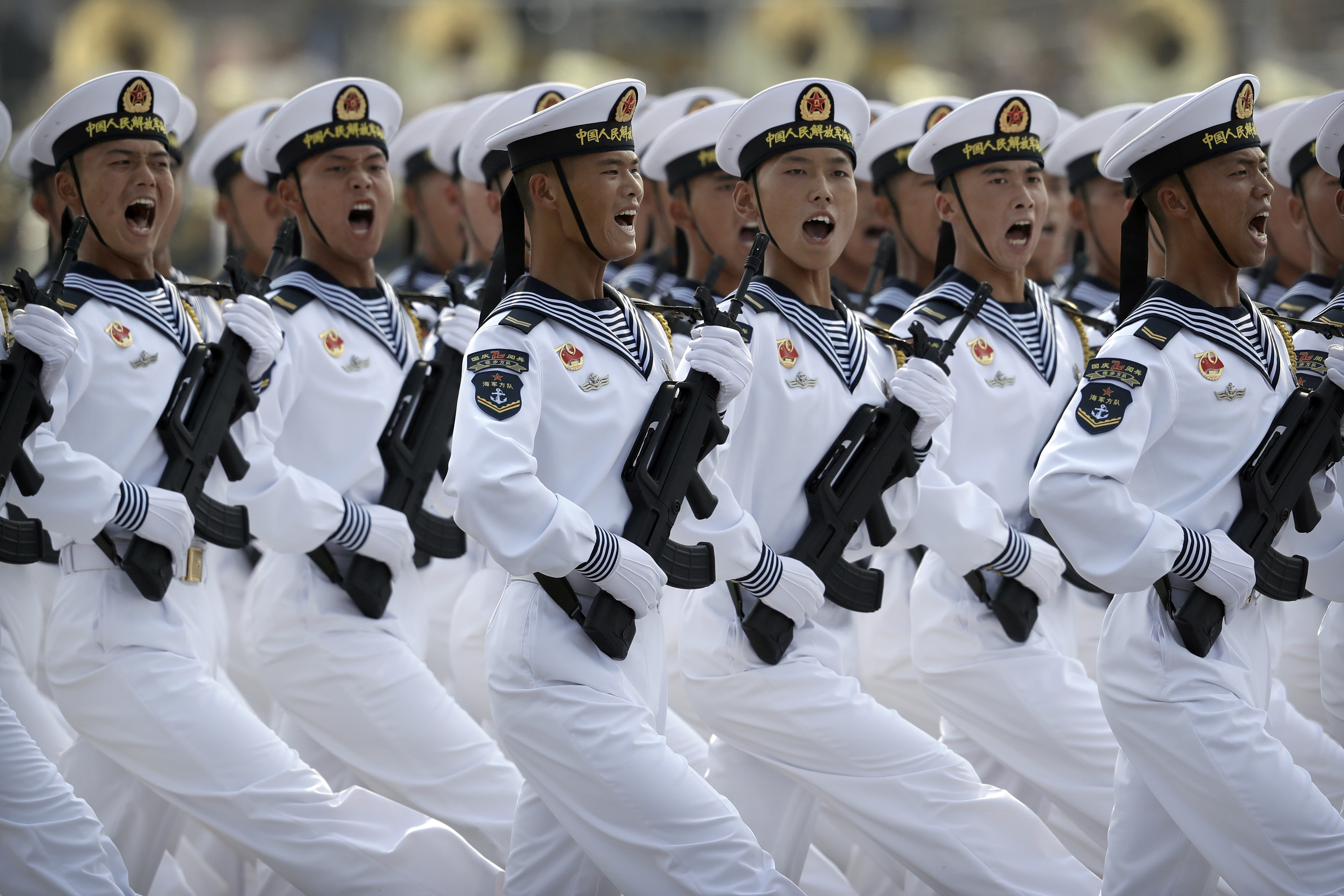
And the alarming answer is: Quite possibly not. Analysts say China has more troops, more missiles and more ships than Taiwan or its possible supporters, like the US or Japan, could bring to a fight. That means that if China is absolutely determined to take the island it probably can.
But there's a caveat; while China could likely prevail, any victory would come at an extremely bloody price for both Beijing and its adversaries.
Many analysts say an invasion of Taiwan would be more dangerous and complex than the Allied D-Day landings in France in World War II. US government documents put the number of killed, injured and missing from both sides during the almost three-month-long Normandy campaign at almost half a million troops.
And the civilian carnage could be far, far worse.
READ MORE: New sexual consent laws in NSW take effect from today.

Taiwan's population of 24 million people is packed into dense urban areas like the capital Taipei, with an average of 9,575 people per square kilometre. Compare that to Mariupol, Ukraine – devastated in the war with Russia – and with an average of 2,690 people per square kilometre.
Despite its numerical advantages in sea-, air- and land-based forces in the region, China has Achilles heels in each arena of war that would force Beijing to think long and hard about whether an invasion is worth the overwhelming human cost.
Here are some scenarios of how a Chinese invasion might play out.
The naval war
China has the world's largest navy, with around 360 combat vessels — bigger than the US' fleet of just under 300 ships.
Beijing also has the world's most-advanced merchant fleet, a large coast guard and, experts say, a maritime militia – fishing boats unofficially aligned with the military – giving it access to hundreds of additional vessels that could be used to transport the hundreds of thousands of troops that analysts say China would need for an amphibious invasion.
And those troops would need massive amounts of supplies.
READ MORE: How to get a free flu shot, state-by-state
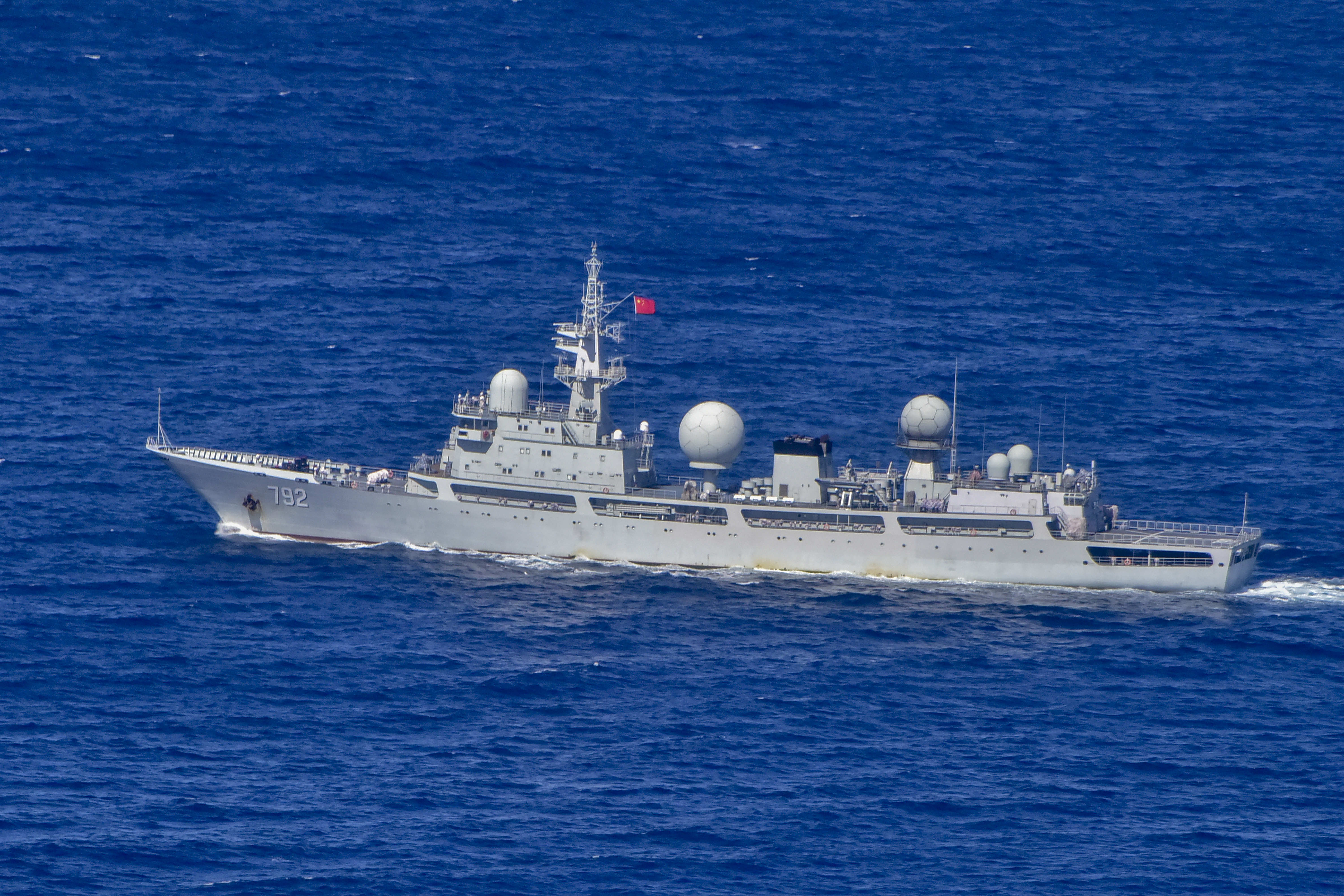
"For Beijing to have reasonable prospects of victory, the PLA (People's Liberation Army) would have to move thousands of tanks, artillery guns, armoured personnel vehicles, and rocket launchers across with the troops. Mountains of equipment and lakes of fuel would have to cross with them," Ian Easton, a senior director at the Project 2049 Institute, wrote in The Diplomat last year.
Getting a force of that size across the 177 kilometres of the Taiwan Strait would be a long, dangerous mission during which those vessels carrying the troops and equipment would be sitting ducks.
"The thought about China invading Taiwan, that's a massacre for the Chinese navy," said Phillips O'Brien, professor of strategic studies at the University of St. Andrews in Scotland.
That's because Taiwan has been stocking up on cheap and effective land-based anti-ship missiles, similar to the Neptunes Ukraine used to sink the Russian cruiser Moskva in the Black Sea in April.
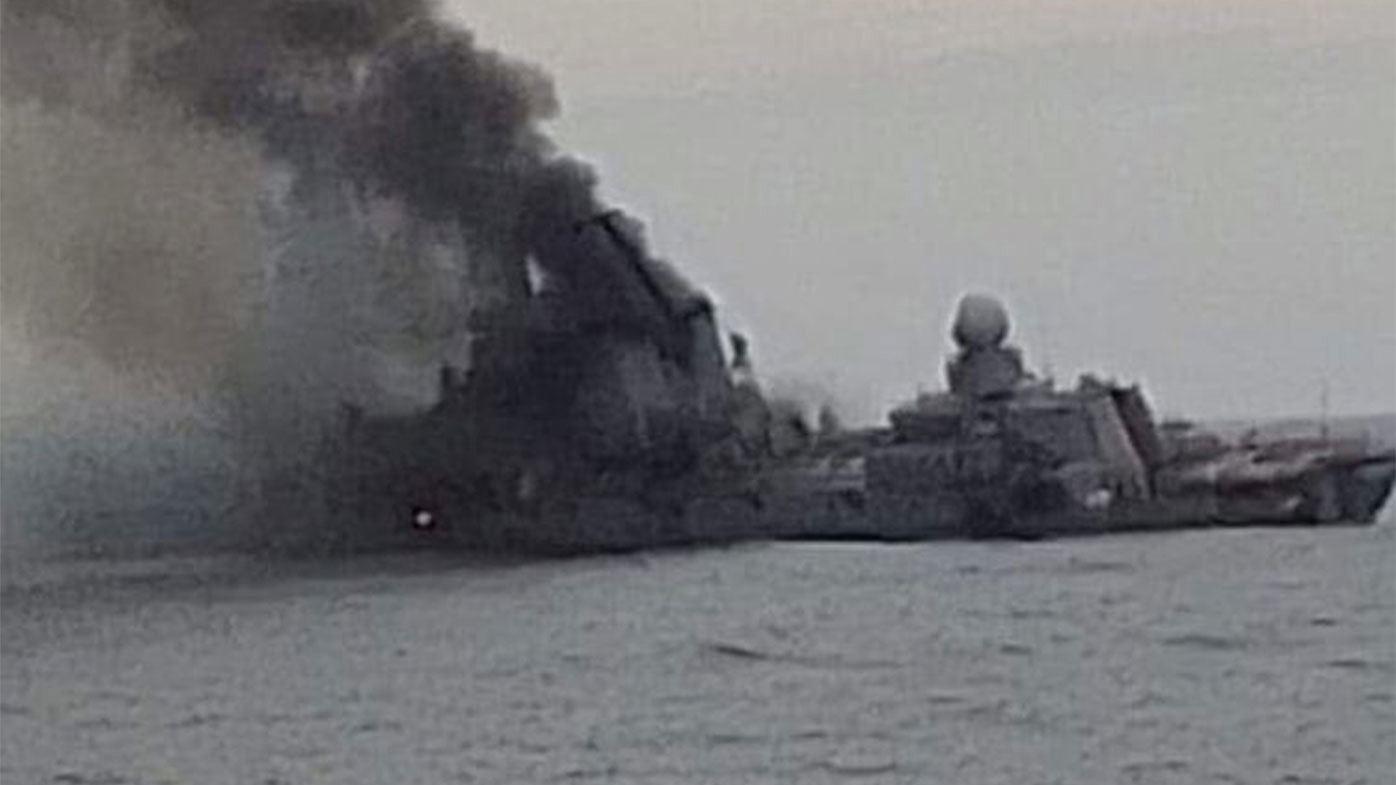
"Taiwan is mass-producing these things. And they're small, it's not like (China) can take them all out," O'Brien said.
"What's cheap is a surface-to-ship missile, what's expensive is a ship."
Still, China could – given its numerical advantage – simply decide the losses were worth it, pointed out Thomas Shugart, a former US Navy submarine captain and now an analyst at the Center for a New American Security.
"There's gonna be hundreds if not thousands of (Chinese) vessels there to soak up those (Taiwanese) missiles," Shugart said.
Missiles aside, China would face massive logistical hurdles in landing enough soldiers. Conventional military wisdom holds that an attacking force should outnumber defenders 3 to 1.
"With a potential defending force of 450,000 Taiwanese today … China would need over 1.2 million soldiers (out of a total active force of more than 2 million) that would have to be transported in many thousands of ships," Howard Ullman, a former US Navy officer and professor at the US Naval War College, wrote in a February essay for the Atlantic Council.
He estimated such an operation would take weeks and that despite China's maritime strength, it "simply lacks the military capability and capacity to launch a full-scale amphibious invasion of Taiwan for the foreseeable future."
Aircraft carrier killers
Some of the problems that would face China's navy in Taiwan would also face any US naval force sent to defend the island.
The US Navy sees its aircraft carriers and amphibious assault ships, bristling with F-35 and F/A-18 jets, as its spear in the Pacific and would have a numerical advantage in this area. The US has 11 carriers in total, compared to China's two. However, only about half are combat ready at any one time and even these might be vulnerable.
O'Brien and others point out that the People's Liberation Army has more than 2,000 conventionally armed missiles, many of which it has developed with the US Navy's prized aircraft carriers in mind.
Of particular concern would be China's DF-26 and DF-21D — touted by Beijing's state-run Global Times tabloid in 2020 as "aircraft carrier killers" and the "world's first ballistic missiles capable of targeting large and medium-sized vessels."
As O'Brien puts it, "The US better be careful thinking about, in any kind of war environment, sending carrier battle groups close to China … If you're fighting a state-to-state war, you're going to stay far away from shore."
Others are more confident in the US carriers.
Rear Admiral Jeffery Anderson, the commander of the US Navy's Carrier Strike Group Three centered on the carrier USS Abraham Lincoln, recently told CNN his ships are more than ready to deal with the kind of missiles that sank the Moskva.
"One thing I do know about our US ships is they're extremely survivable. Not only are they lethal, but they are extremely survivable," he said.
The air war
China is likely to seek air superiority early into any conflict, analysts say, and may feel it has an advantage in the skies.
Flight Global's 2022 directory of the world's air forces shows the PLA with almost 1,600 combat aircraft, compared to Taiwan's fewer than 300. The directory shows the US with more than 2,700 combat aircraft, but those cover the world while China's are all in the region.
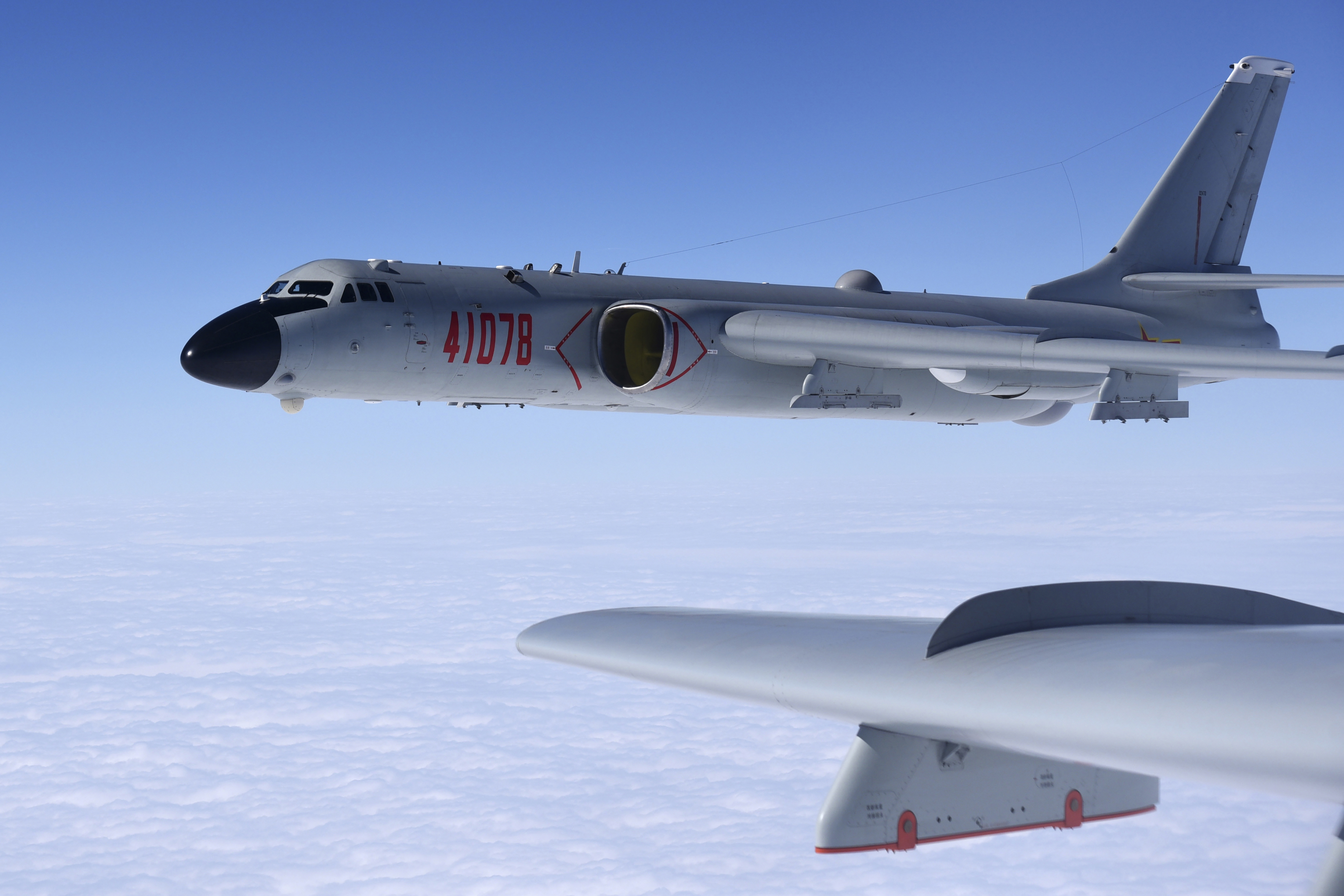
In the air war, China also will have learned from Russia's failures in Ukraine — where Moscow took months assembling its ground forces yet failed to soften up the terrain for them with a bombing campaign — and is more likely to emulate the "shock and awe" bombardments that preceded the US' invasions of Iraq.
"I'm sure the PLA is learning from what they're seeing," Shugart said. "You can read open-source translations of their strategic documents. They learned very carefully from what we did in Desert Storm and Kosovo."
But even in the air China would face significant difficulties.
Russia's failure to quickly seize control of the skies in Ukraine initially dumbfounded many analysts. Some put the failure down to the cheap antiaircraft missiles Western militaries have supplied to Kyiv.
Taiwan has deals with the United States to supply it with Stinger antiaircraft missiles and Patriot missile defence batteries.
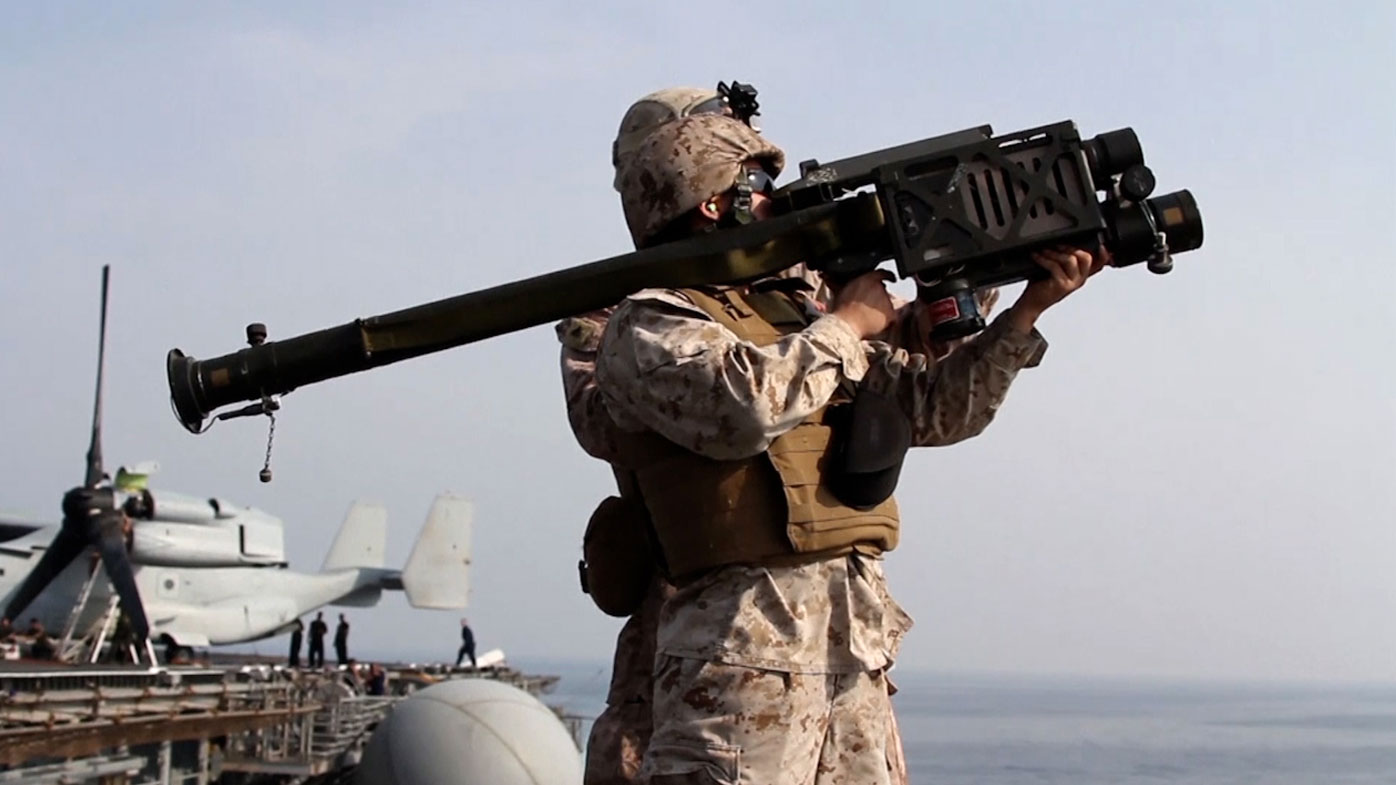
And it also has been investing heavily in its own missile production facilities over the past three years in a project, when completed this summer, will see its missile production capabilities triple, according to a Janes report in March.
On the other hand, China would have an advantage over the US due to its closeness to Taiwan.
A recent war game run by the Centre for a New American Security concluded that an aerial conflict between the US and China would likely end in stalemate.
Commenting on the result to Air Force Magazine, Lt. Gen. S. Clinton Hinote, US Air Force deputy chief of staff for strategy, integration and requirements, said that while the US was used to dominating the skies some factors weren't in its favour.
China had "invested in modern aircraft and weapons to fight us," he noted, and US forces would also face the "tyranny of distance" — most of the US air power used in the war game operated out of the Philippines, about 800 kilometres away.
The war game simulated Chinese forces beginning their campaign by trying to take out the nearest US bases in places like Guam and Japan.
Hinote likened that move to Japan's attack on Pearl Harbour in December 1941, saying China would be motivated by "many of the same reasons."
"The attack is designed to give Chinese forces the time they need to invade and present the world with a fait accompli," he told the magazine.
China has a growing arsenal of short-, medium- and intermediate range ballistic missiles that can reach these far-flung targets.
As of 2020, the PLA had at least 425 missile launchers capable of hitting those US bases, according to the China Power project at the Centre for Strategic and International Studies.
The ground war
Even in a scenario where China was willing to take these risks and managed to get a significant amount of troops ashore, its forces would then face another uphill battle.
Taiwan has about 150,000 troops and 2.5 million reservists — and its entire national defence strategy is based on countering a Chinese invasion.
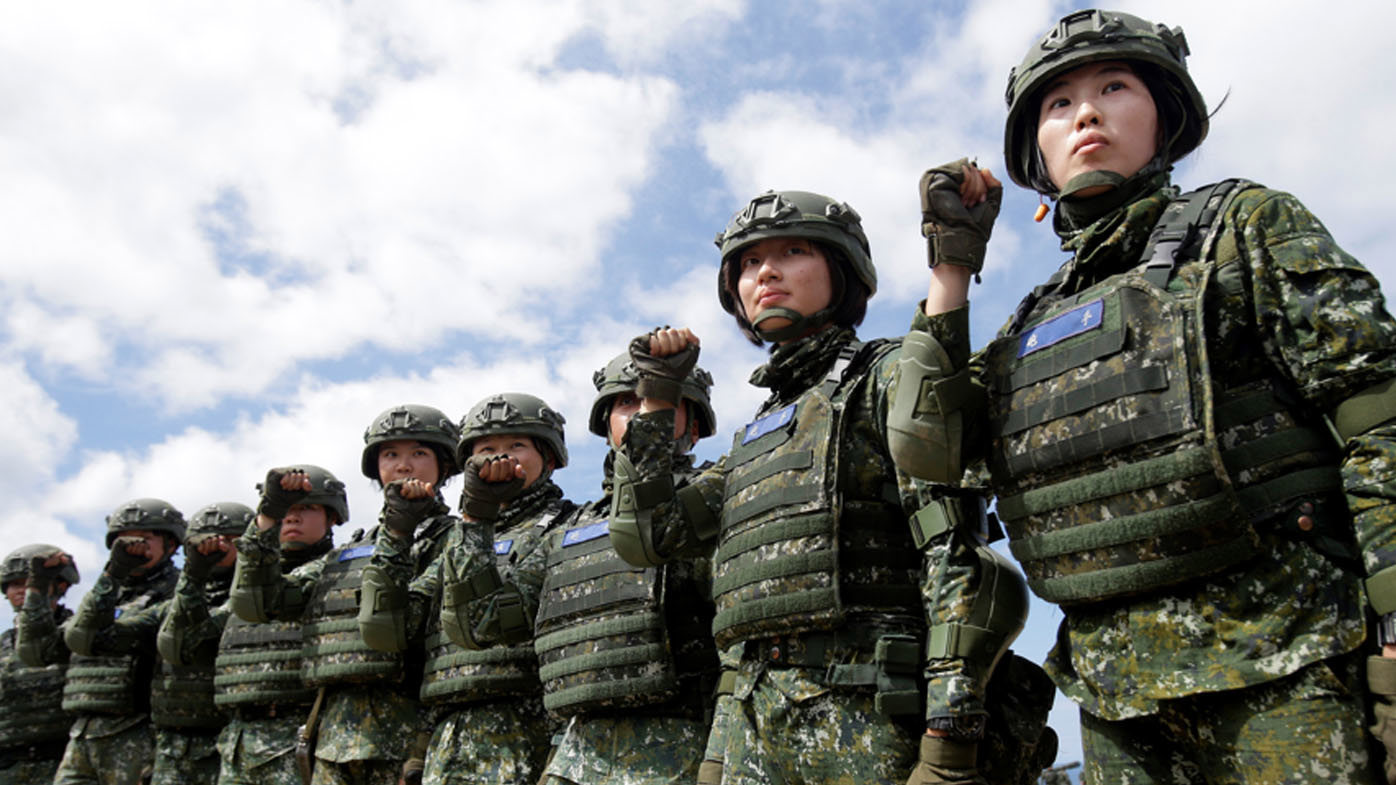
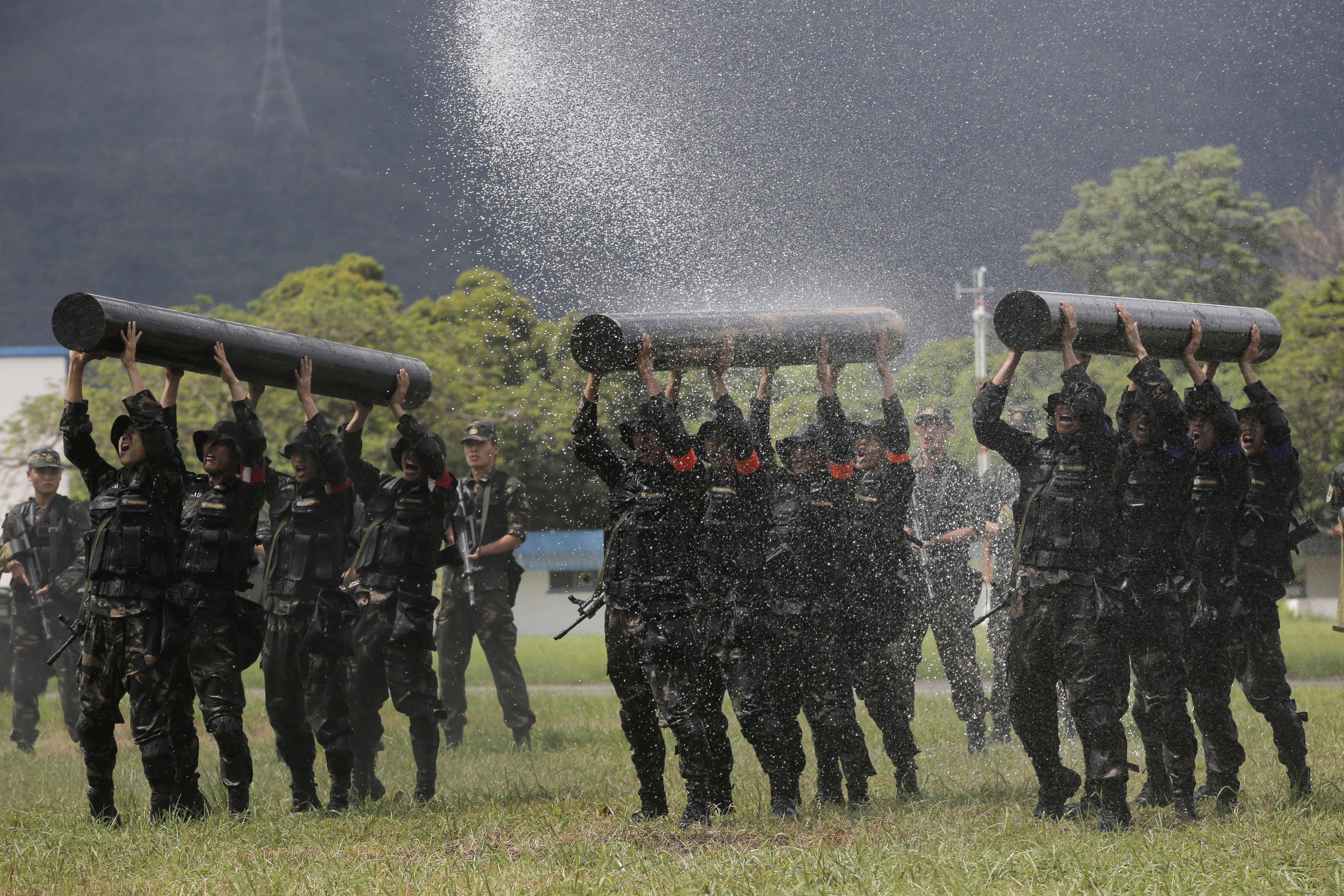
Like their counterparts in Ukraine the Taiwanese would have the advantage of home turf, knowing the ground and being highly motivated to defend it.
First, the PLA would need to find a decent landing spot — ideally close to both the mainland and a strategic city such as Taipei with nearby port and airport facilities. Experts have identified just 14 beaches that would fit the bill and Taiwan is well aware of which ones those are. Its engineers have spent decades digging tunnels and bunkers to protect them.
Taiwan's troops would also be relatively fresh compared to their Chinese counterparts, who would be drained from the journey over and would still need to push through the island's western mud flats and mountains, with only narrow roads to assist them, toward Taipei.
Chinese troops could be dropped in from the air, but a lack of paratroopers in the PLA makes it unlikely.
Another problem for Chinese troops would be their lack of battlefield experience. The last time the PLA was in active combat was in 1979, when China fought a brief border war with Vietnam.
In that effort, China "really got a bloody nose, it was not very successful operation," said Bonnie Glaser, director of the Asia program at the German Marshall Fund of the United States.
"So China's military today is not battle tested, and it could suffer great losses, if it indeed attacked Taiwan," Glaser said.
Others pointed out that even battle-tested troops could struggle against a well-motivated defensive force — noting that the Russian military was bogged down in Ukraine despite its recent fighting experience in Syria and Georgia.
Still, as with the other scenarios, it is not only Chinese forces that might be handicapped by a lack of experience. Taiwan's troops have also not been tested, and depending on the scenario, there are holes in even the US' experience. As Shugart put it: "There is not a single US naval officer who has sunk another ship in combat."
What are the chances China attacks?
Glaser, the German Marshall Fund analyst, thinks a Chinese invasion of Taiwan is unlikely.
"I think that the PLA lacks full confidence that it can seize and control Taiwan. The PLA itself talks about some of the deficiencies in its capability," she said.
"And obviously, the war in Ukraine highlights some of the challenges that China could face; it is certainly much harder to launch a war 100 miles across a body of water than it is across land borders, (such as those) between Russia and Ukraine," she said.
She noted that the strong Ukrainian resistance may be giving Taiwan's people reason to fight for their land.
"Given how Ukraine has really demonstrated a very high morale and willingness to defend its freedoms … I think that this is likely to change the calculus of not only military leaders in China, but hopefully also of (Chinese leader) Xi Jinping personally," she said.
O'Brien, the University of St. Andrews professor, wrote in The Spectator this year that any war over Taiwan would lead to devastating losses on all sides, something that should make their leaders tread carefully before committing troops.
"If the Ukrainian war teaches us anything, it is that war is almost always a rash choice. Don't underestimate your opponent, and don't assume your systems will all work that well."
Any other option?
Of course, the PLA has options other than a full-blown invasion.
These include taking outlying Taiwanese islands or imposing a quarantine on the main island, Robert Blackwill and Philip Zelikow wrote last year in a report for the Council on Foreign Relations.
Possible PLA targets could be Taiping Island, Taiwan's most far-flung outpost in the South China Sea; the tiny Pratas Island, a small outpost 320 kilometres southeast of Hong Kong; Kinmen and Matsu islands, tiny territories just a few miles off mainland China's coast; or Penghu in the Taiwan Strait.
While a PLA victory of any of the four is almost assured, it could come at the cost of galvanising support for Taiwan in the rest of the world — much as Russia's invasion of Ukraine has united the West against it.
Blackwill and Zelikow said the quarantine option might be more effective.
"In a quarantine scenario, the Chinese government would effectively take control of the air and sea borders of Taiwan," they wrote. "The Chinese government would run effectively a clearance operation offshore or in the air to screen incoming ships and aircraft. The screeners could then wave along what they regarded as innocent traffic."
Anything regarded as belligerent, such as US military aid for Taiwan, could be blocked or confiscated as a violation of Chinese sovereignty, they say. Meanwhile, China could allow the Taiwan government to function as normal except for foreign affairs.
This option would have an advantage in China's eyes: the ball would be in the US' court as to whether to use force to end the quarantine. Then it would be the US that would have to consider whether to risk a war that could cost countless lives.
Grandmother allegedly three times over breath alcohol limit on school pick-up run
A grandmother was allegedly caught driving three times over the legal alcohol limit on a school pick-up run, police say. Senior Sergeant Tristan Murray said Eastern Bay of Plenty police responded to a report of a vehicle swerving…
Three-year-old toddler covered in blood after Hastings park brawl involving gang member
A 3-year-old was left covered in blood and bleeding from his mouth and nose following an alleged attack by a Mongrel Mob member on the boy’s dad in a Hastings park yesterday afternoon.A source told the Herald the boy was on a swing…
Queensland government faces questions over future of Wellcamp facility
The future of the Queensland government supported Wellcamp facility has been questioned as only seven of the quarantine accommodation's 1000 beds are in use.
The government has not revealed the cost of the building, citing commercial reasons.
But the leader of the opposition claims the building, supported by the state government and currently leased out for the purpose of the COVID-19 pandemic has cost Queensland $200 million.
READ MORE: Severe weather warning as 'peak' inching closer
"Wellcamp is W for waste," state opposition leader David Crisafulli said.
"The figure of $200 million has never been disputed.
"We know that over $200 million has been spent to lease a facility that Queenslanders will never own that currently houses half a dozen people at a time the government is paying for hotel rooms and this place is now complete."
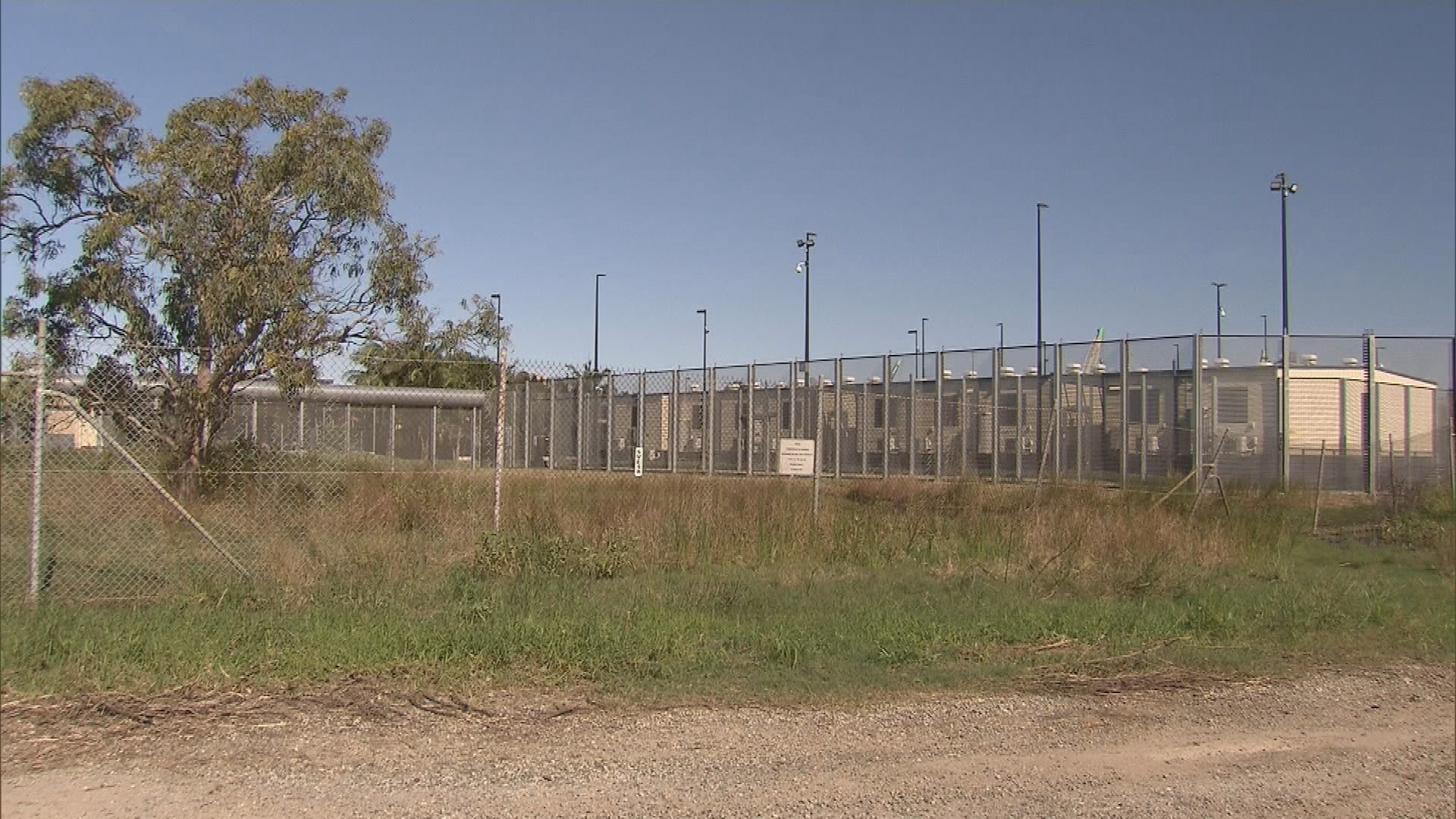
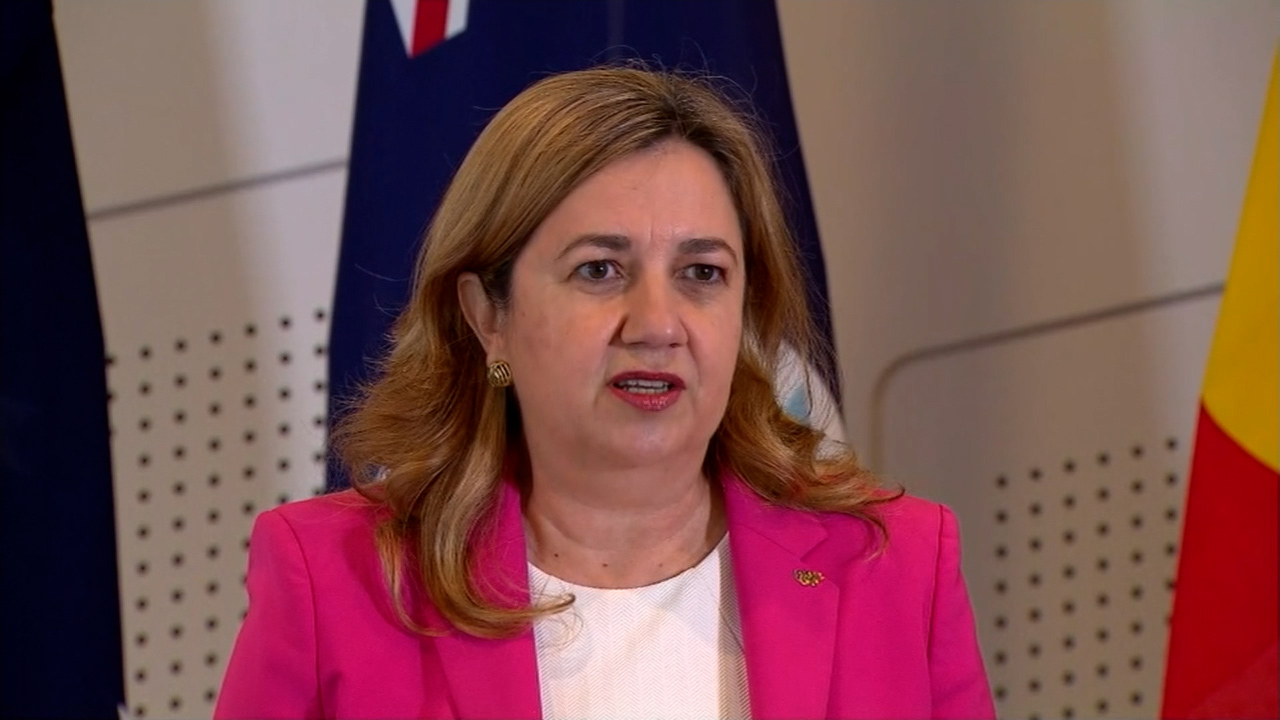
Queensland premier Annastacia Palaszczuk defended the facility, which was implemented during the height of the COVID-19 pandemic, and designed to isolate interstate and international arrivals to the state.
"At the time the people of Queensland wanted the state government to step in and do something and that's exactly what we did," the premier said.
"There are a lot of opportunities for it to be used by a whole range of people."
READ MORE: New sexual consent laws in NSW take effect from today. Here are the key details
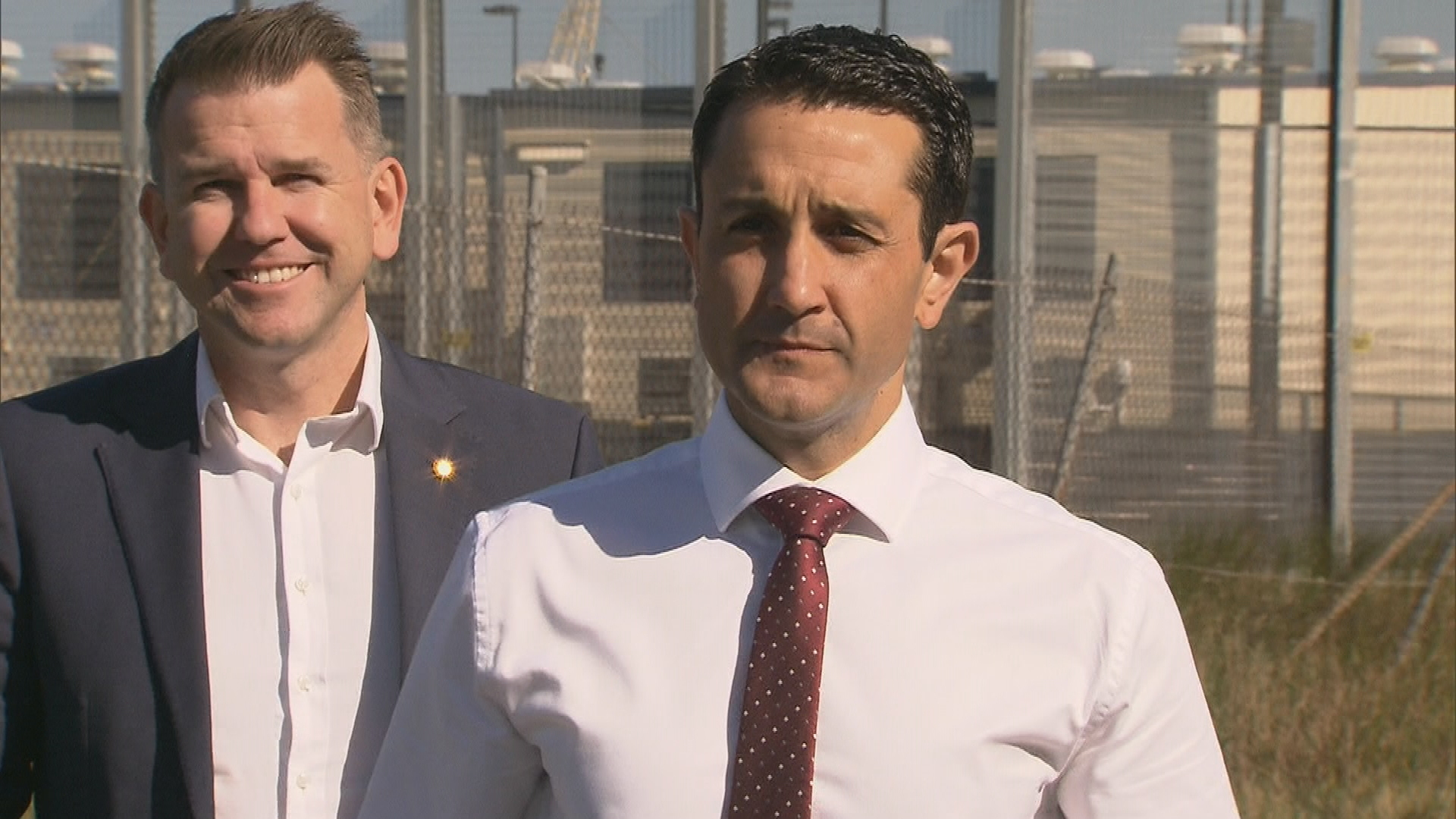
The opposition has questioned whether the Queensland government's lease of the Wellcamp facility will be renewed next year.
There have been suggestions the facility can be used as a potential centre for domestic violence survivors or those displaced by natural disasters.
"We'll look at all those issues when it comes to that," Palaszczuk said.
The LNP has turned it's attention to the government's upcoming budget.
"Its been a complete waste of taxpayers money," Jarrod Bleije said.
"I'm very concerned the only way this government will pay for budget blowouts and all the wastage would be taxes- increased taxes."
READ MORE: How to get a free flu shot, state-by-state
Pharmac review: 'How many lives have been lost?' advocate asks after drug-buying agency told to make changes
A patient advocate says a newly-released investigation shows Pharmac needs a major culture overhaul.A review of Pharmac found the drug-buying agency secured some of the best prices possible but had contributed to health inequality…
Herald afternoon quiz: June 1
Test your brains with the Herald’s afternoon quiz. Be sure to check back on nzherald.co.nz for the morning quiz tomorrow. To challenge yourself with more quizzes, CLICK HERE.
China's largest city leaves lockdown after crippling two months
Shanghai authorities say they will take major steps today toward reopening China's largest city after a two-month COVID-19 lockdown that has set back the national economy and largely confined millions of people to their homes.
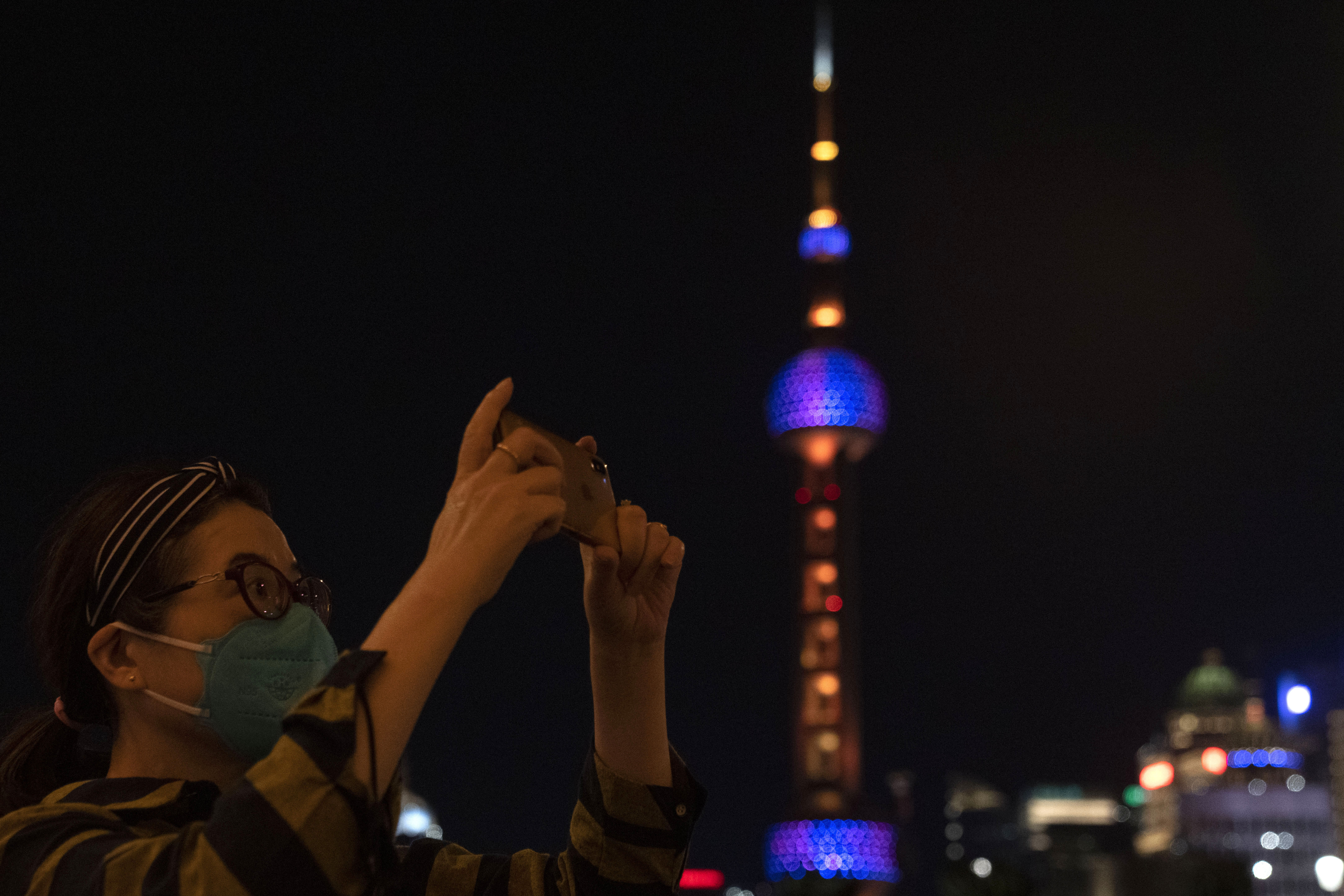
Already, a steady stream of people strolled in the Bund, the city's historic waterfront park, on a pleasant Tuesday night, some taking selfies against the bright lights of the Pudong financial district on the other side of the river.
Elsewhere, people gathered outside to eat and drink under the watch of police deployed to discourage large crowds from forming.
READ MORE: Severe weather warning as 'peak' inching closer
Lu Kexin, a high school senior visiting the Bund for the first time since late March, said she went crazy being trapped at home for so long.
"I'm very happy, extremely happy, all the way, too happy," she said.
"I could die."
Vice Mayor Zong Ming announced that full bus and subway service will be restored on Wednesday, as will basic rail connections with the rest of China.
Schools will partially reopen on a voluntary basis, and shopping malls, supermarkets, convenience stores and drug stores will reopen gradually at no more than 75 per cent of their total capacity.
Cinemas and gyms will remain closed.
"The epidemic has been effectively controlled," Zong said.
She added that the city will enter the phase of fully restoring work and life on Wednesday.
Officials, who set June 1 as the target date for reopening earlier in May, appear ready to accelerate what has been a gradual easing in recent days.
A few malls and markets have reopened, and some residents have been given passes allowing them out for a few hours at a time.
READ MORE: Key details of NSW's new sexual consent laws
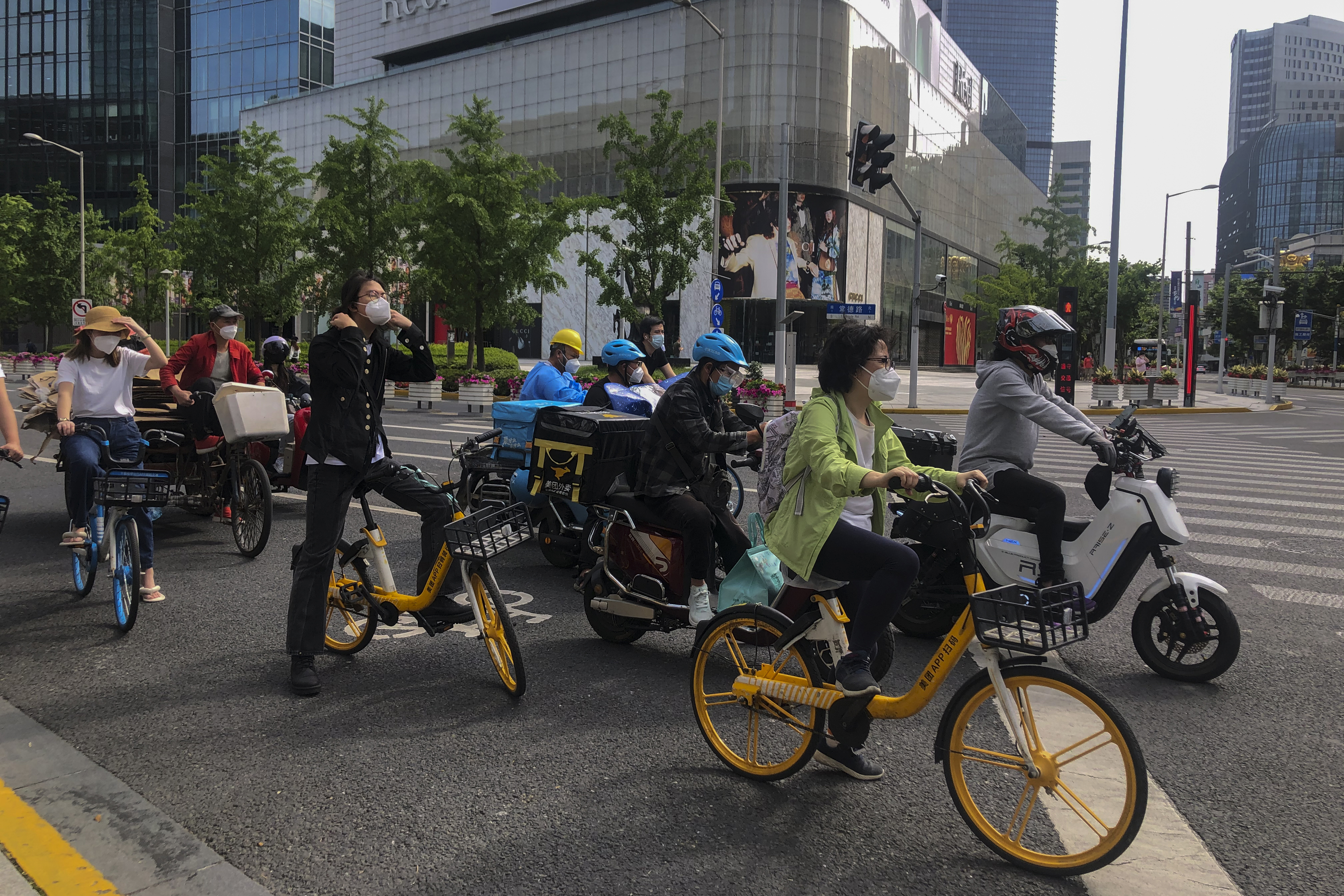
In online chat groups, some expressed excitement about the prospect of being able to move about freely in the city for the first time since the end of March, while others remained cautious given the slow pace and stop-and-go nature of opening up so far.
Workers took down some of the barriers that had been erected along sidewalks during the lockdown.
A few people walked or biked on the still mostly empty streets.
One man got his hair cut on the sidewalk, a common sight in recent days, as a worker or volunteer in full protective clothing looked on.
The most difficult part of the lockdown was psychological, said Cao Yue, who has worked in Shanghai for five years.
She recalled the early days when it was difficult to buy food and she didn't know what to do.
"It was quite depressing to be locked at home and see the whole Shanghai under lockdown," she said.
More than half a million people in the city of 25 million won't be allowed out Wednesday — 190,000 who are still in lockdown areas and another 450,000 who are in control zones because they live near recent cases.
READ MORE: How to get a free flu shot, state-by-state

Shanghai recorded 29 new cases on Monday, continuing a steady decline from more than 20,000 a day in April.
Li Qiang, the top official from China's ruling Communist Party in Shanghai, was quoted as saying at a meeting Monday that the city had made major achievements in fighting the outbreak through continuous struggle.
The success came at a price. Authorities imposed a suffocating citywide lockdown under China's "zero-COVID" strategy that aims to snuff out any outbreak with mass testing and isolation at centralised facilities of anyone who is infected.
Huge temporary facilities were set up in exhibition centres and other venues to house thousands of people who had tested positive.
Teams of health care and other workers flew in from around the country to help run the massive undertaking.
Factories were shuttered, or were allowed to operate only if workers slept on site to prevent the spread of the virus.
Reduced production at semiconductor plants added to the global chip shortage.
Containers backed up at the port of Shanghai because of a shortage of truck drivers to deliver them to their destinations.
Though it all, leaders of the ruling Communist Party repeatedly expressed a determination to stick to the "zero-COVID" policy even as other countries have opened their borders and are trying to "live with the virus."
Outside economists widely expect China to fall short of its 5.5 per cent growth target for this year.
However, the latest economic data showed that Chinese manufacturing activity started to rebound in May as the government rolled back some containment measures.
Schools will reopen for the final two years of high school and the third year of middle school, but students can decide whether to attend in person.
Other grades and kindergarten remain closed.
Outdoor tourist sites will start reopening Wednesday, with indoor sites set to follow in late June, the Shanghai tourism authority said.
Group tours from other provinces will be allowed again when the city has eliminated all high- and medium-risk pandemic zones.
Beijing, the nation's capital, further eased restrictions Tuesday in some districts.
The city imposed limited lockdowns, but nothing near a citywide level, in a much smaller outbreak that appears to be on the wane. Beijing recorded 18 new cases on Monday.