By Whakatane Beacon An Edgecumbe mother has spoken of hearing a terrifying bang “like a massive explosion” as an out-of-control ute smashed into her car on the outskirts of Whakatāne on Sunday.Eight people were injured in…
Tag Archives: oceania
Severe thunderstorm warning: Hail and heavy rain hitting Wellington
Heavy rain, hail, and damaging winds are expected to lash the Wellington region in a severe thunderstorm this afternoon. MetService has issued a warning severe thunderstorms will strike Wellington near the airport at 2.45pm before…
Tornado's brute force shocks Roger and Mavis Smith
Roger and Mavis Smith were relaxing in their Waikanae Beach, north of Wellington, home when a mini-tornado muscled its way across their property in Weggery Drive today.The drama started at 11.15am when two metal bi-fold doors “blew…
Australia's economic growth slows to 0.8 per cent, but beats expectations
Australia's economy is slowing down in the wake of widespread COVID-19 restrictions, new data from the Australian Bureau of Statistics (ABS) has revealed.
Releasing the national accounts this morning, the ABS shows that Australia's Gross Domestic Product (GDP) grew by 0.8 per cent in the first three months of 2022.
That narrowly beat market expectations – which was expecting growth of around 0.7 per cent – but represents a fundamental slowing down of the economy.
READ MORE: Severe weather warning as 'peak' inching closer
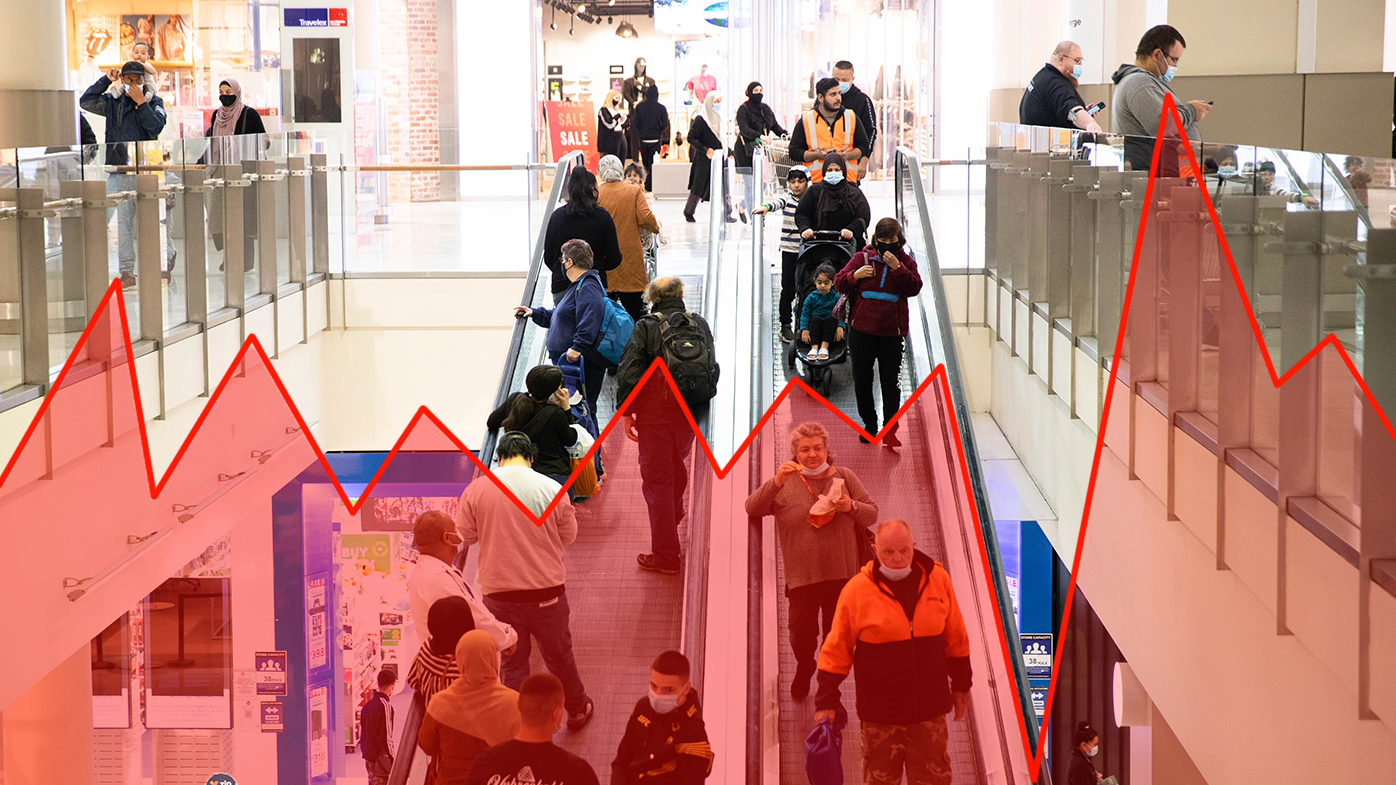
In the previous quarter, which benefited from a sharp uptick in activity following Delta-strain lockdowns, Australia's GDP rose by a staggering 3.4 per cent for the quarter.
Acting Head of National Accounts at the ABS Sean Crick said today's positive lift was driven by the economic consumption of ordinary households.
"The economy grew for a second consecutive quarter following a contraction in the September quarter 2021, when economic activity was affected by the Delta outbreak," he said.
"Household consumption continued to drive growth this quarter.
"Following the easing of COVID-19 restrictions, household spending on transport services, hotels, cafes and restaurants, and recreation and culture increased."
READ MORE: New sexual consent laws in NSW take effect from today. Here are the key details
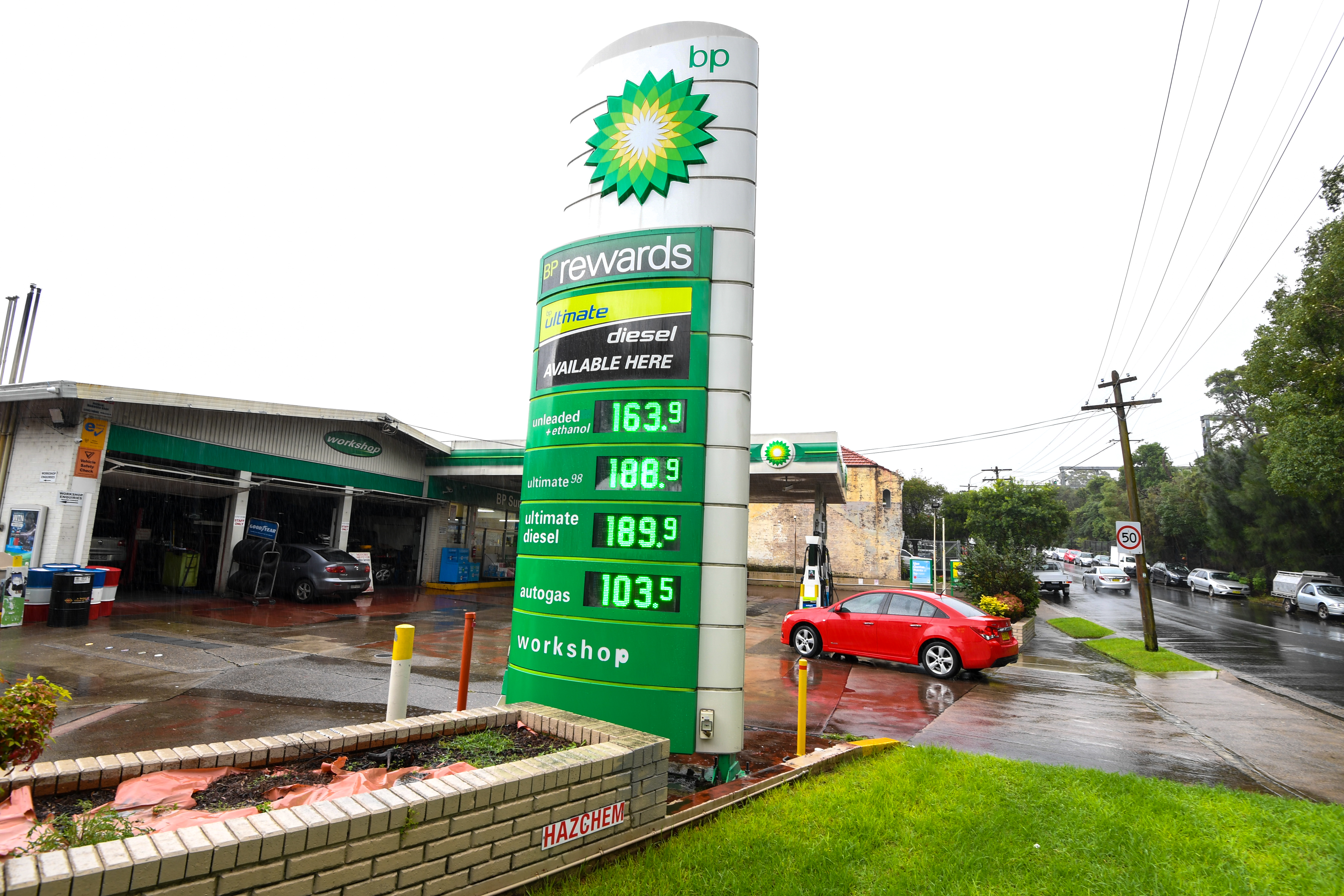
The flipside of increased household consumption was the fall in the household saving ratio, which roughly tracks how much income Aussie households are storing away.
Household saving to income fell from 13.4 per cent to 11.4 per cent over the quarter, and showed household spending outpaced growth in household income so far in 2022.
"The 11.4 per cent household saving ratio was the lowest since the start of the COVID-19 pandemic, but remains above pre-pandemic levels," Crick said.
READ MORE: How to get a free flu shot, state-by-state
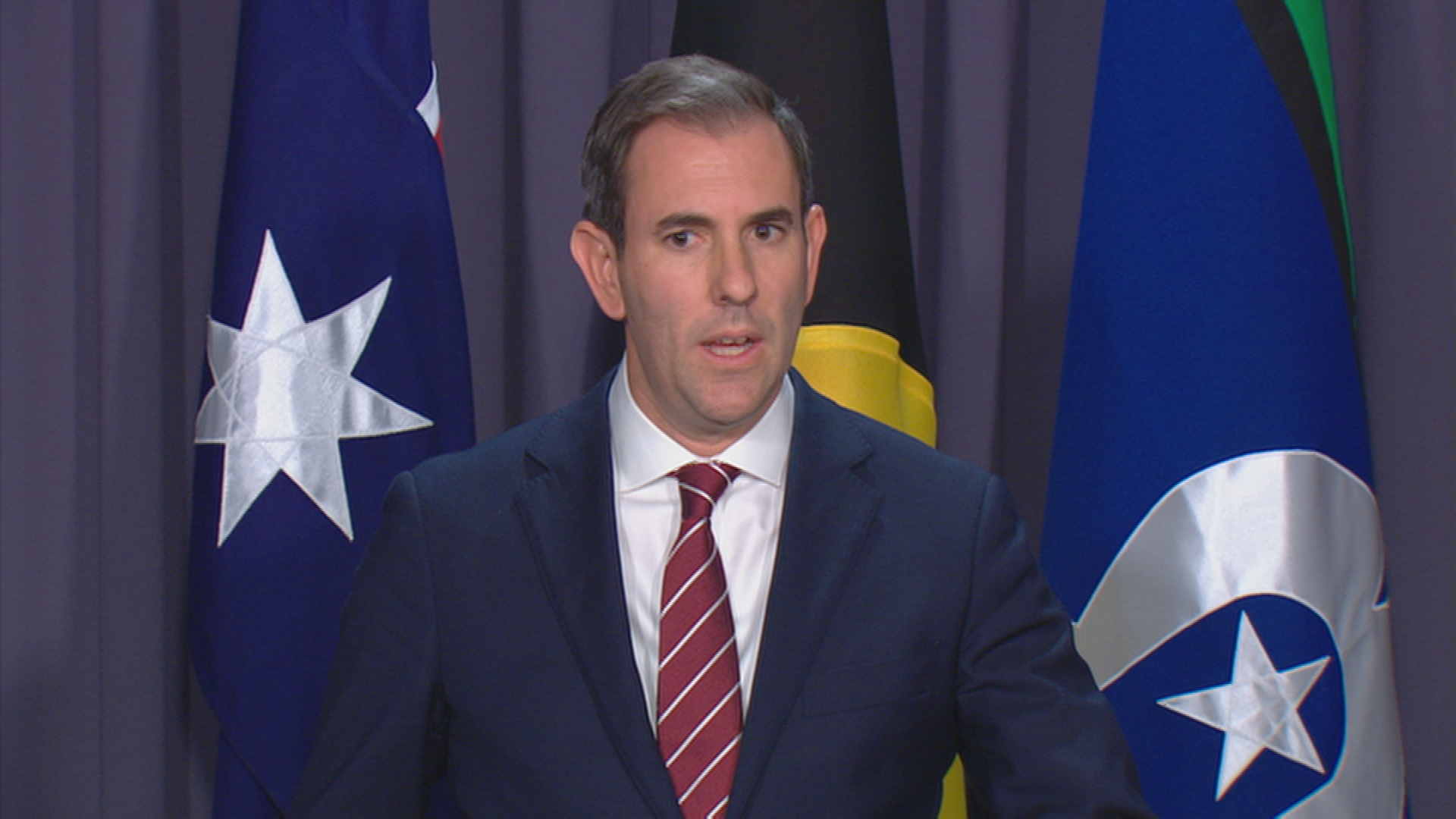
Treasurer Jim Chalmers pulled no punches in addressing today's GDP data, saying there was "no point in mincing words" about what he believed were fundamentally weak figures.
"Consumption, dwelling investment, new business investment, export and the nominal GDP were all weaker in the March quarter than what was anticipated by our predecessors in the budget," he said.
"These are glimpses at the mess the former government have left behind for us to clean up."
Australia's GDP grew by 0.8 per cent in the March quarter, exceeding market expectations but falling well short of the 3.4 per cent growth recorded in the previous quarter.
"There is no point mincing words about the sorts of conditions that we have inherited," Chalmers said.
"We have inherited higher and rising inflation and interest rates, falling real wages and $1 trillion of debt, with nowhere near enough to show for it."
Aussie supermarkets unveil 'supercharged' strategies
Australia's biggest supermarkets are finding creative ways to offer shoppers more value as the entire nation grapples with the soaring cost of living.
Coles today announced a "triple treat" Flybuys programs, in which customers can boost their reward points by shopping in store.
The "supercharged point initiative" will run from today until June 28 and will allow customers to triple their earned points on all Coles-branded products.
READ MORE: Severe weather warning as 'peak' inching closer
The supermarket will also set up "$1 or less" bins at the end of aisles from today.
Coles chief executive of commercial and express, Leah Weckert, said the grocer was committed to providing value, with 530 new products costs lowered during the March quarter.
"As well as lowering prices, we are significantly increasing the value we offer through Flybuys by tripling the number of points they receive when they purchase thousands of quality Coles brand products," Weckert said.
Coles is not the only grocer grappling with a market that has fewer dollars per week to spend on food.
Woolworths recently launched their Everyday Rewards Wallet app, allowing customers to earn points and save when paying through the application's QR code process.
"By integrating the ease of QR code payments, with our Everyday Rewards app, we can save customers time at the checkout and help ensure they never miss a rewards point again," said Everyday managing director Hannah Ross.
READ MORE: How to get a free flu shot, state-by-state

Aldi confirmed in their 2022 Price Report that a basket of their goods is 15.6 per cent cheaper than their competitors – saving families $1555 a year.
Data commissioned by Aldi found the average family is spending 7 per cent of their annual gross income on groceries.
In March, ING research found that grocery shopping online can save the average shopper about $1,369 a year.
The pandemic revolutionised the way Australians shop for food, with one in five currently signed up to a meal kit subscription.
Christchurch man Phillip Williams who crashed into power pole to kill pregnant partner jailed for nine years without parole
A man who tried to kill his pregnant partner who had just ended their relationship by speeding at up to 137km/h and crashing head-on into a power pole has today been jailed for nine years without parole. Phillip James Williams,…
John MacDonald: Memo to Health Minister – people get sick in winter
OPINION: You know how at Christmas time we all run around like headless chooks in a panic buying stuff and organising things. We do it every year even though we’ve known for 12 months that Christmas is a thing and it happens every…
Several firsts in Albanese's new frontbench sworn in today
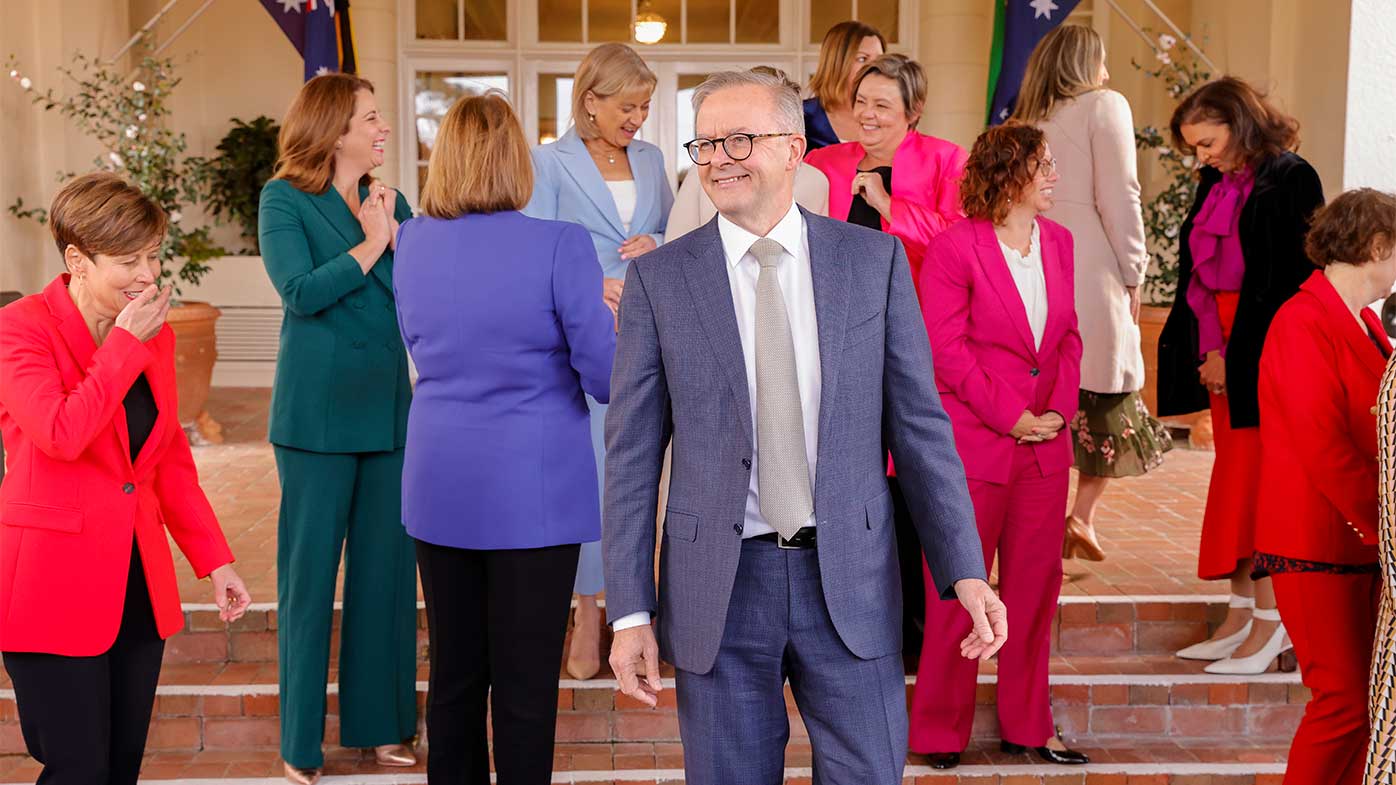
A record number of women have been sworn in for Anthony Albanese's first cabinet as prime minister.
Included among the federal ministry are the first Indigenous woman to serve as minister, and the first Muslim ministers.
Linda Burney has taken office as the first Indigenous woman to be Minister for Indigenous Australians.
READ MORE: Anthony Albanese unveils his new cabinet
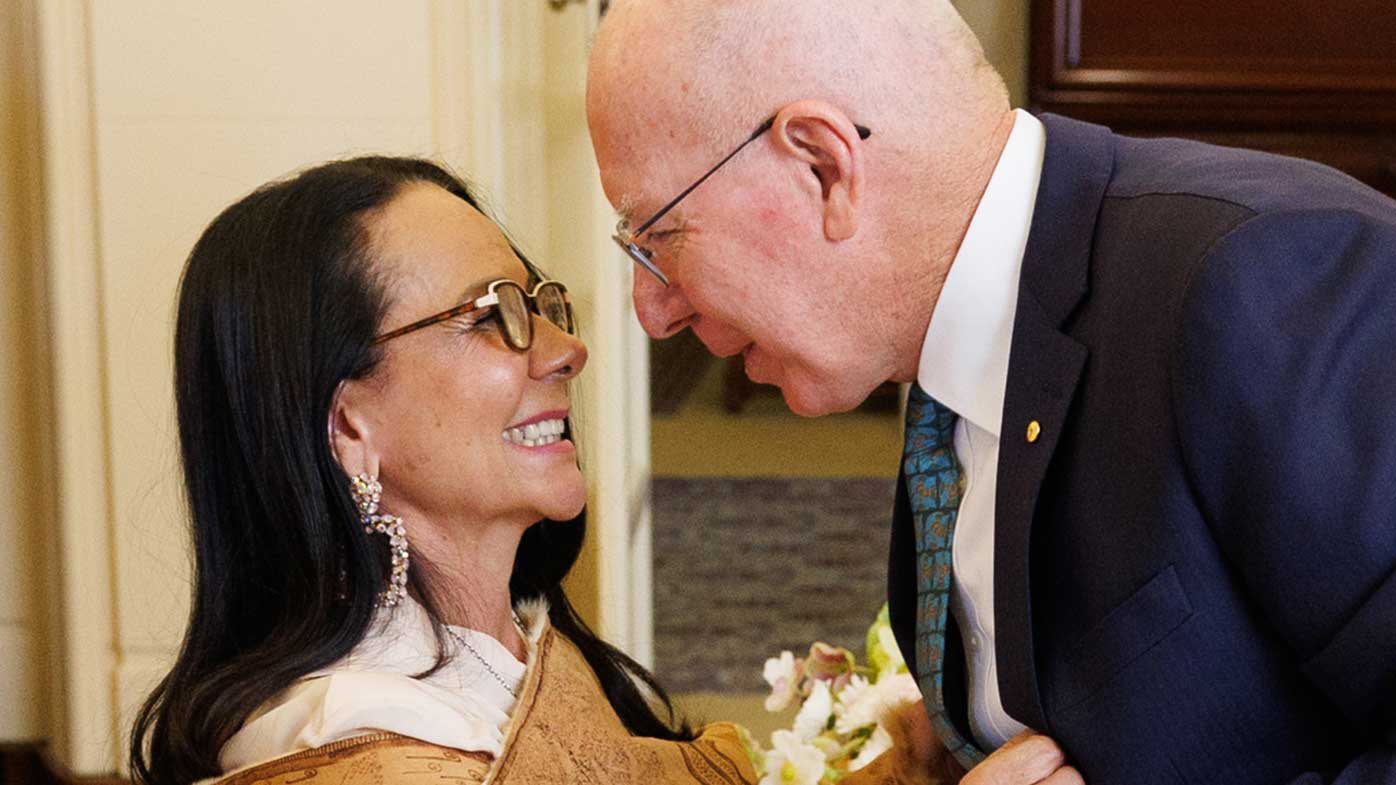
Burney's voice was clearly full of emotion as she took the oath of office, and she was given a ringing round of applause by her colleagues.
"You'd better stop, or I may not be able to go on," Albanese joked.
Burney's predecessor in the office, Liberal MP Ken Wyatt, was the first Indigenous MP and first Indigenous minister in Australian history.
She will likely face high-profile scrutiny, given Albanese's commitment to implementing the Uluru Statement from the Heart.
READ MORE: Single use plastic bags banned in NSW from today
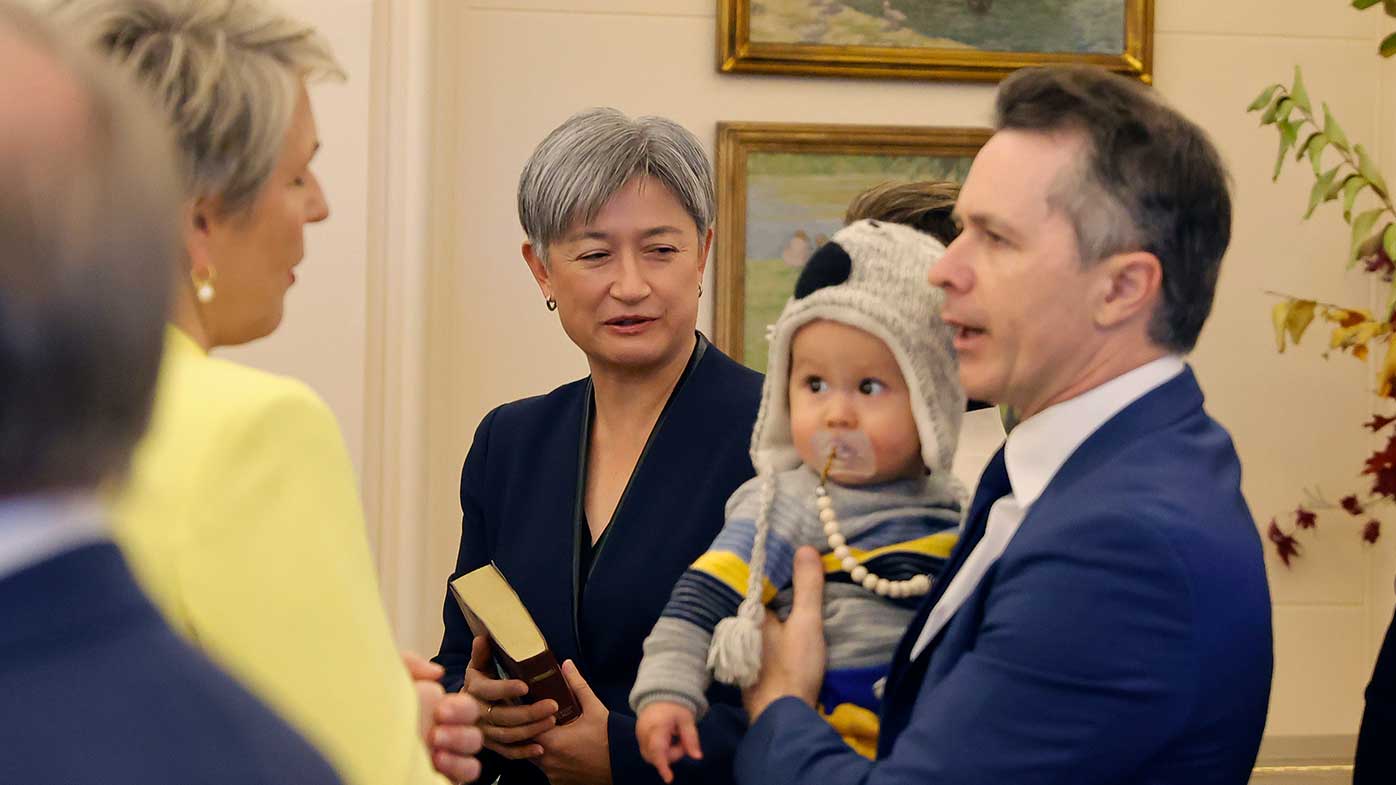
Cowan MP Anne Aly took her oath of office with a Koran in hand.
Aly is the first Muslim woman to serve on a government's front bench.
She is the new Minister for Early Childhood Education and Minister for Youth.
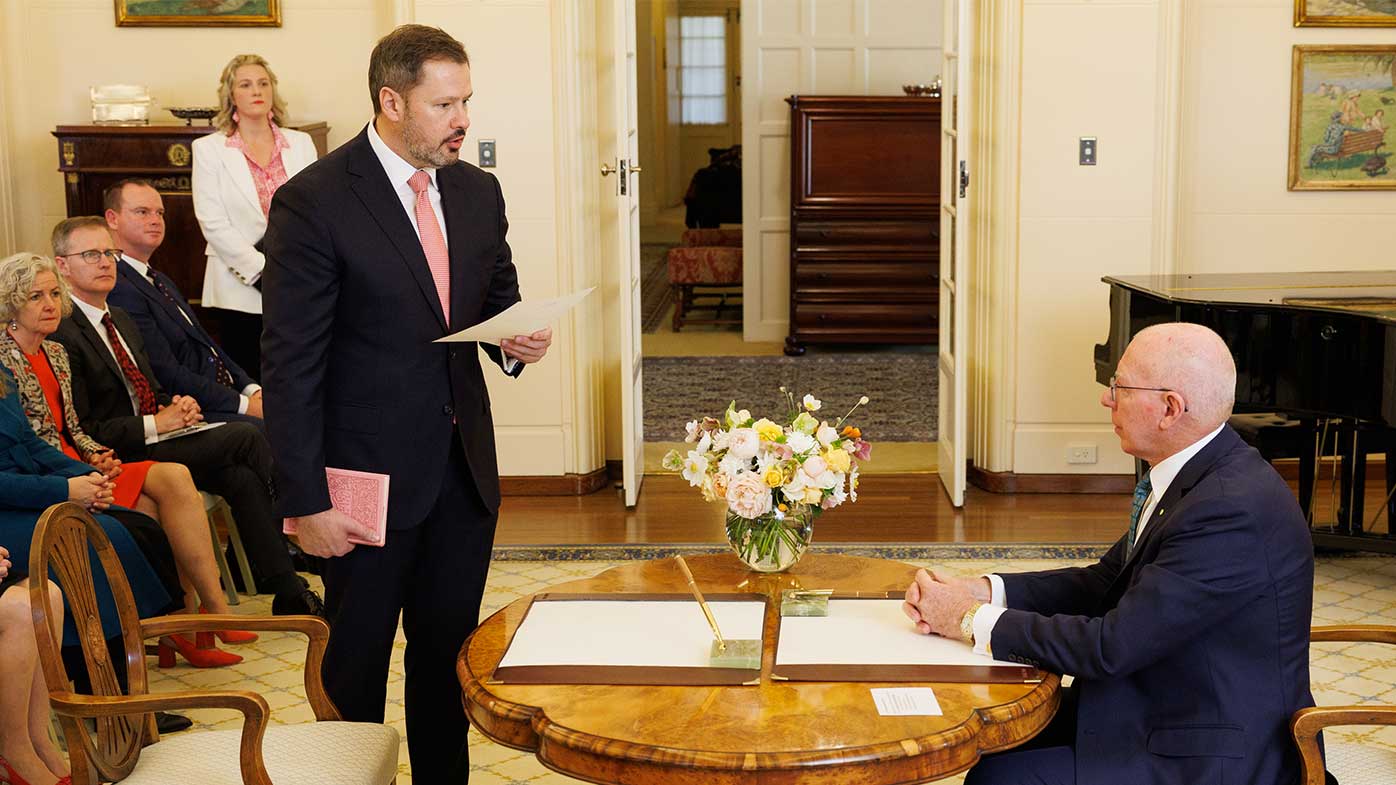
Meanwhile, Ed Husic became the first Muslim man to join the cabinet.
The new Labor frontbench
Richard Marles has been sworn in as deputy prime minister and the minister for defence.
Penny Wong will be the senate leader and the minister for foreign affairs.
Don Farrell will be the deputy senate leader, the minister for trade and tourism and the special minister of state.
Jim Chalmers will be the treasurer, while Senator Katy Gallagher will be the minister for finance, minister for the public service and the minister for women.
Tony Burke will be the leader of the house as well as the minister for employment and workplace relations and the minister for arts.
READ MORE: How to get a free flu shot, state-by-state
Mark Butler will be the deputy leader of the house and minister for health and aged care.
Chris Bowen will be the minister for climate change and energy.
Tanya Plibersek will be the minister for the environment and water.
Catherine King will be the minister for infrastructure, transport, regional development and local government.
Amanda Rishworth will be the minister for social services, while Bill Shorten will be the minister for the National Disability Insurance Scheme and government services.
Mark Dreyfus will be the Attorney-General as well as the cabinet secretary.
Brendan O'Connor will be the minister for skills and training, while Jason Clare will be the minister for education.
Julie Collins will be the minister for housing, minister for homelessness and minister for small business.
Michelle Rowland will be the minister for communications and Madeleine King will be the minister for resources and northern Australia.
Murray Watt will enter the cabinet as the minister for agriculture, fisheries and forestry as well as the minister for emergency management.
Husic will be the minister for industry and science, while Clare O'Neill will enter the cabinet as the minister for home affairs and the minister for cyber security.
Who's who in Anthony Albanese's new federal cabinet?
The prime minister has announced a cabinet featuring a record 10 women and rewards for some strong campaign performers.
'I might not come home': Ex-fire chief recalls terror of 50m-high flames
Greg Mullins, a firefighter of over 50 years, still chokes up recalling the day two NSW RFS volunteers died fighting one of the fierce bushfires that gave the Black Summer of 2019 – 2020 its name.
Mullins retired from his post as NSW'S longest serving Fire and Rescue Commissioner in 2016, but he was one of the volunteers on the frontline as Australia went up in smoke.
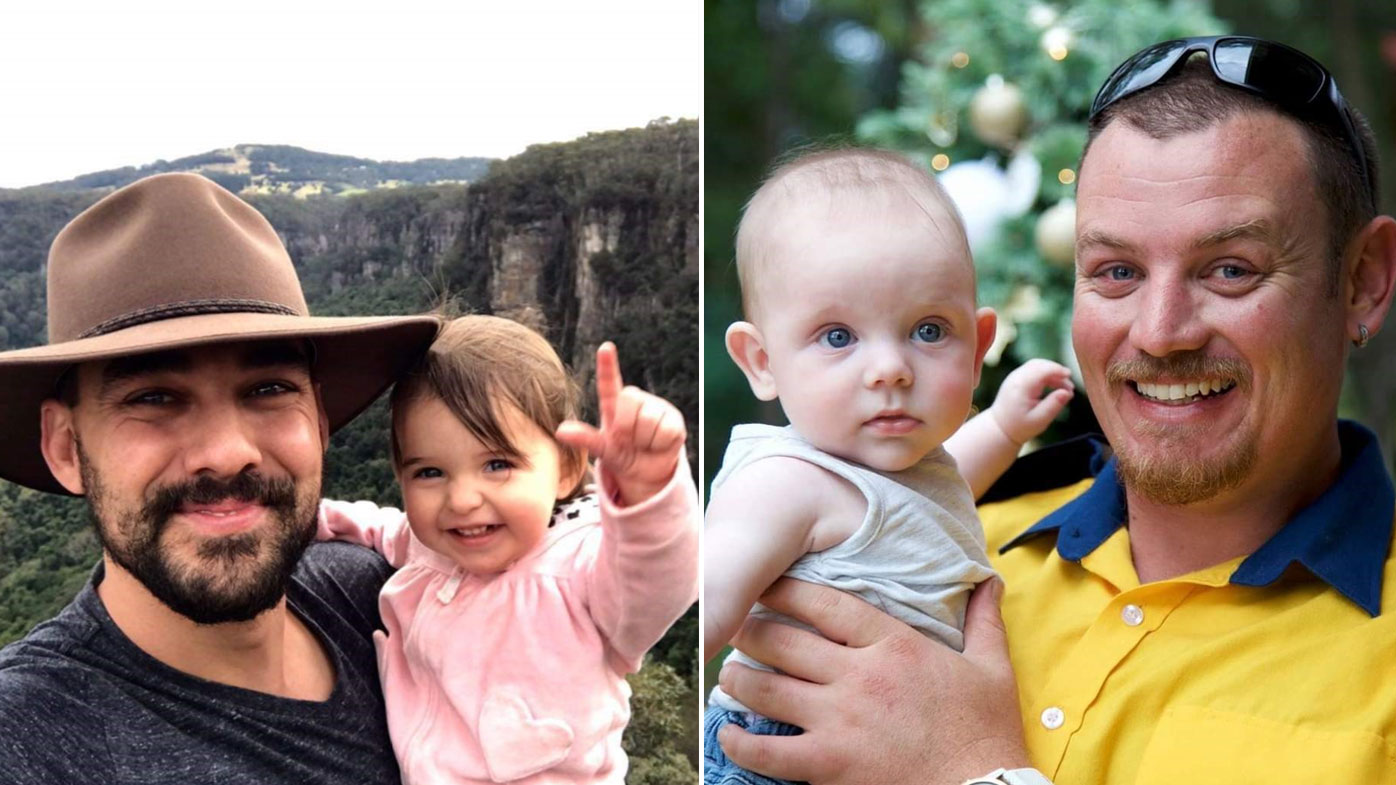
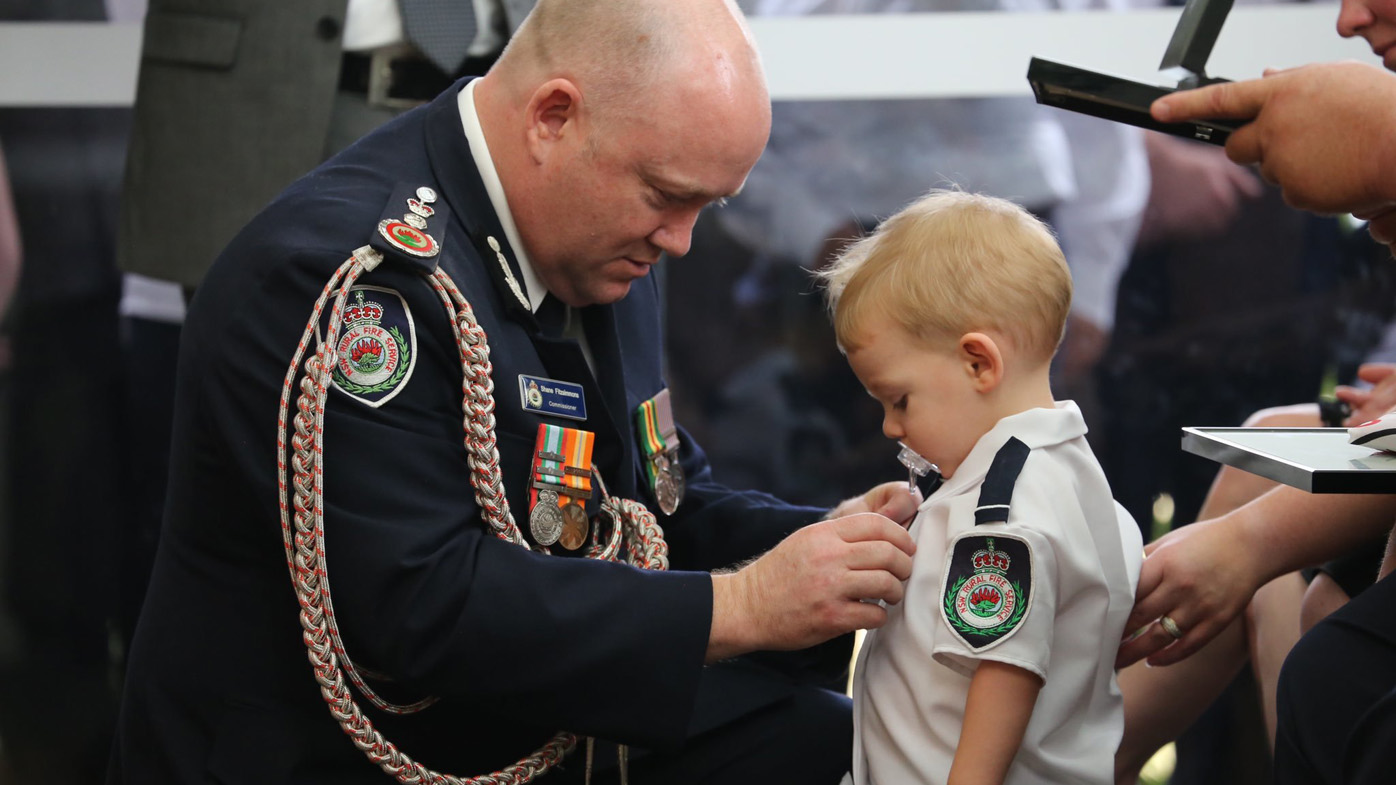
Geoffrey Keaton and Andrew O'Dwyer, two fathers, died on December 19, 2019, battling the Green Wattle fire in the southern highlands. A large tree branch crashed onto their truck causing it to roll near Buxton in Sydney's south-west.
Mullins was battling the same fire in a separate location. He told 9news.com.au he remembers the exact moment the call came in.
READ MORE: Blizzards, gale-force winds expected on first day of winter
"We had 14 to 15 hours that day and we were on a bus heading back to the northern beaches and all of the phones starting to ping, 'there's been a crash'.
"We thought maybe that's our truck, our mates. It was just devastating," Mullins said, pausing, before adding it's still hard for him to talk about.
The former fire boss and author of Firestorm said for the first time in five decades he was forced to confront the fact he may die on the job.
"These fires were just relentless. It was groundhog day every day for months," he said, adding the fires were a trigger that set back his recovery from Post Traumatic Stress Disorder (PTSD).
"They were so dangerous, so intense and every time you went out you'd think, 'hey I might not come home'."
'Swirling waves of sparks': Inside a fire storm
Two days after Keaton and O'Dwyer died, Mullins found himself battling a different blaze at Blackheath in the Blue Mountains, west of Sydney.
The 600 hectare "spot fire" from the Gospers Mountain megafire would put him in the heart of a firestorm.
READ MORE: How to get a free flu shot, state-by-state
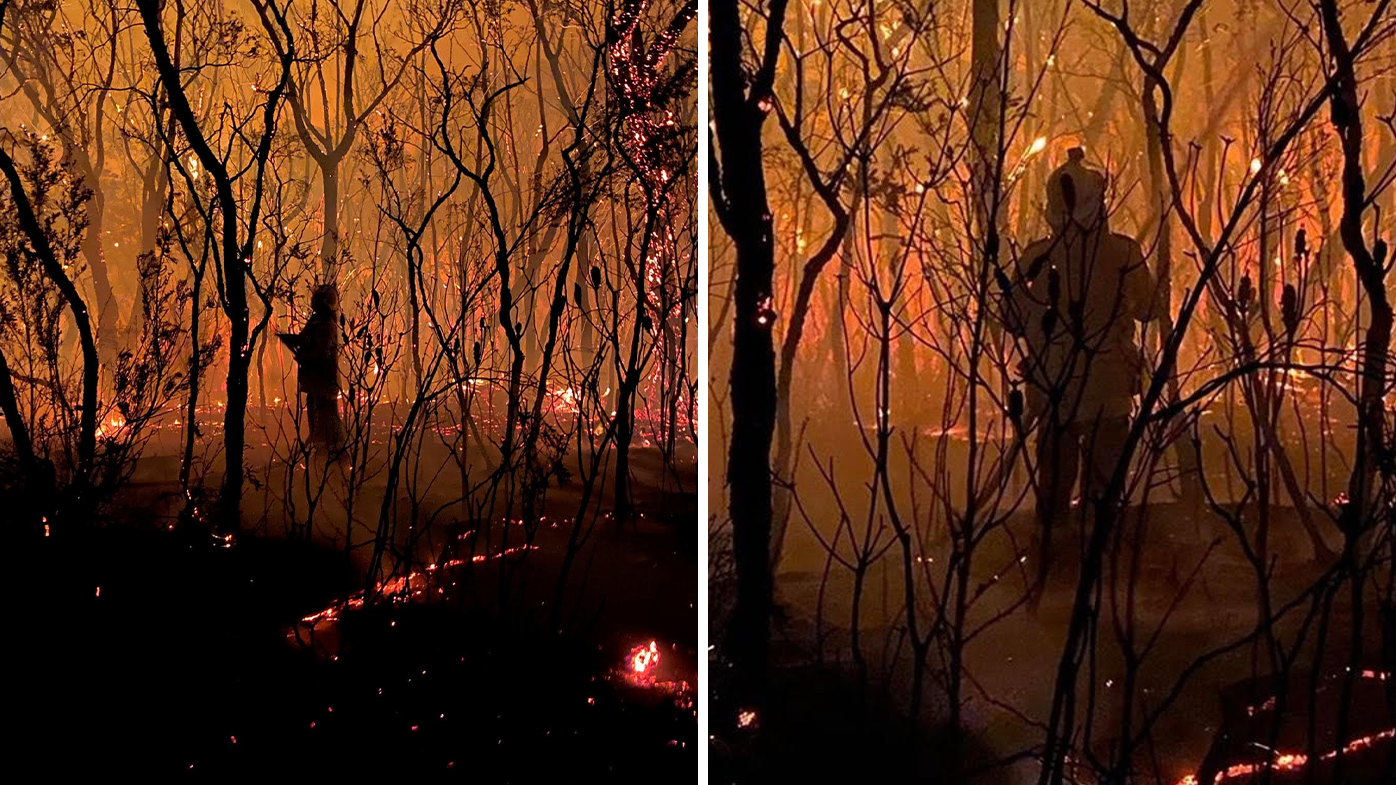
"At midnight we had 50-metre-high flames and just multiple houses about to be consumed," he said.
"I've never seen that at night before… it was some of the heaviest firefighting I've ever done and it was at bloody midnight."
Mullins said nothing prepared him for what he encountered in the Blue Mountains.
"The ember storm, during the day you can't really see the sparks, but at night, there were these swirling waves of them," he said.
"I just remember, the visor of my mask it would go black and I couldn't see. I couldn't work it out for a while and then I realised, the water from the hose, extinguished the sparks and they were turning to black mud.
"During the day, we were looking north and we could see the fire at Bilpin and a fire-generated storm formed above it and we could see the storm cloud.
"We were surrounded by big fires … it was a different animal."
READ MORE: Tremors felt after 3-magnitude earthquake in south-east Queensland
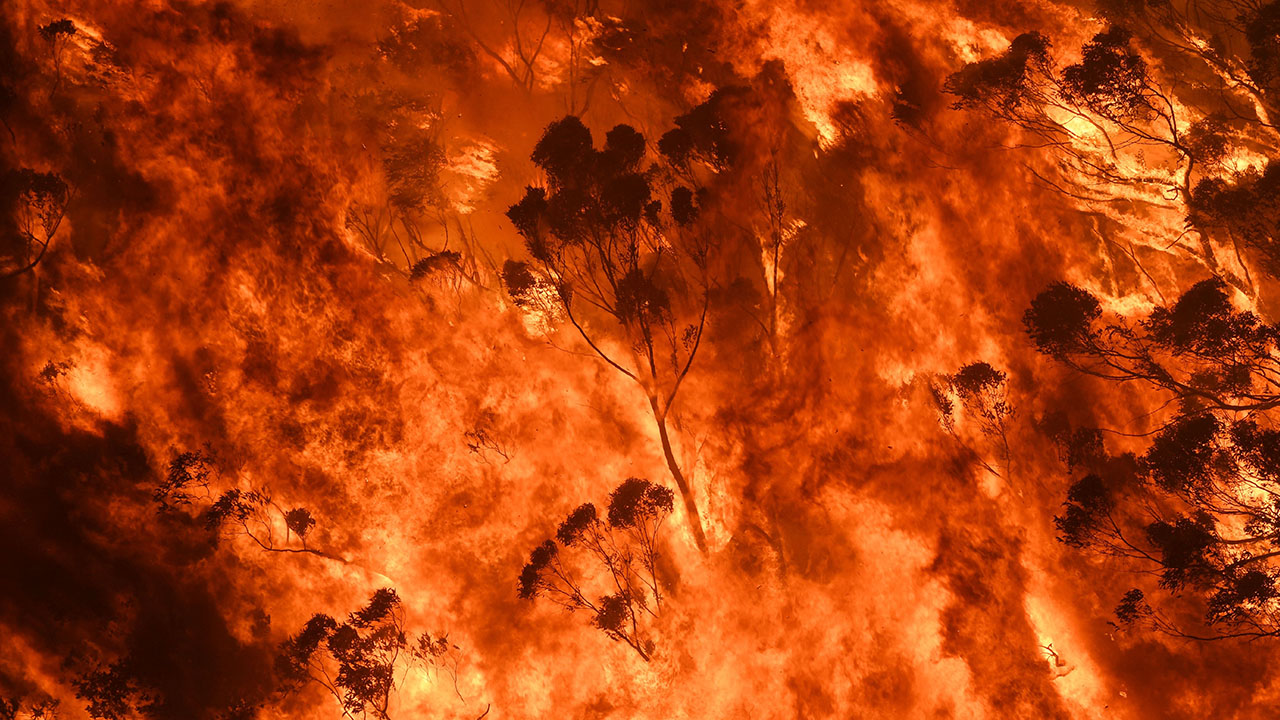
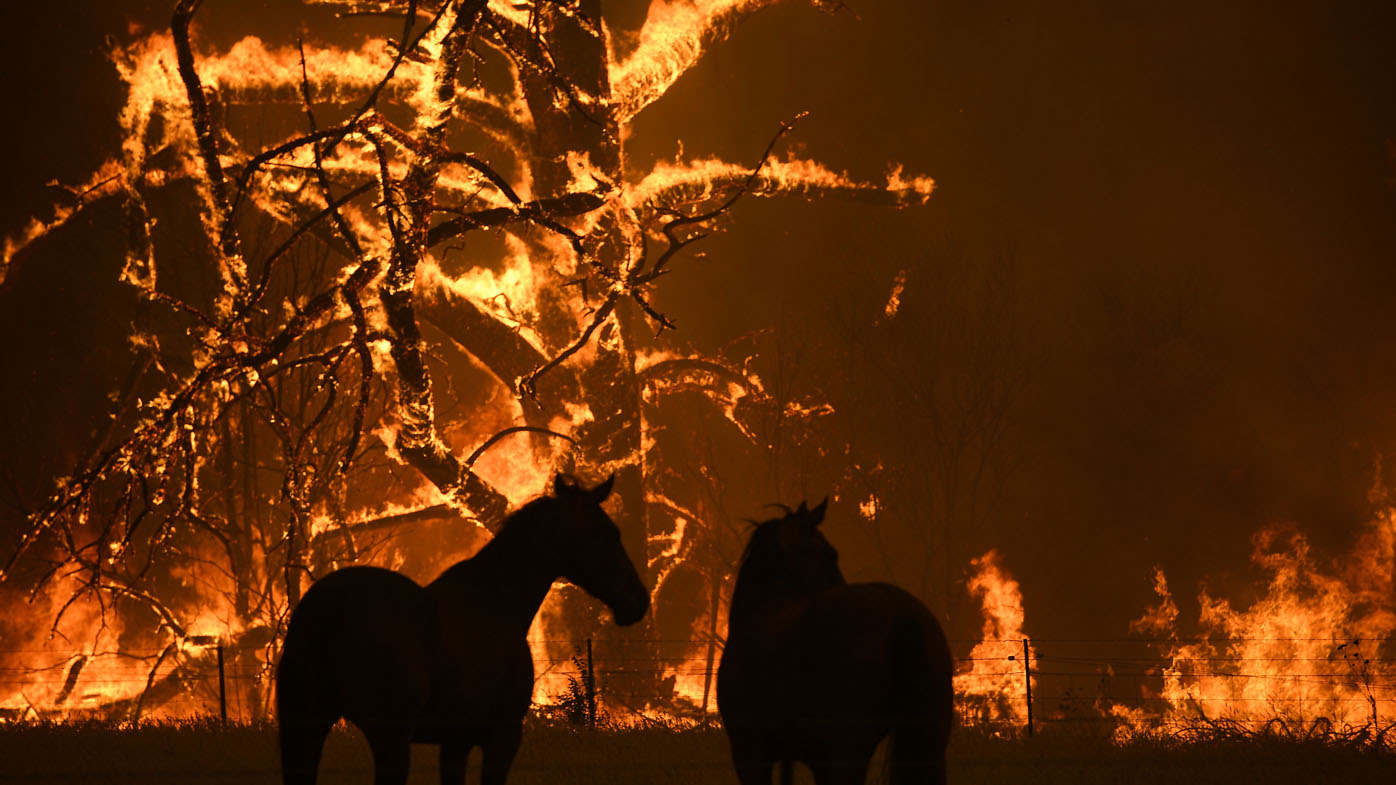
Mullins' shift lasted a total of 16 hours. Relief came in the form of a shift change, but when he got home a new threat emerged.
Temperatures that day neared 50C in Penrith and under the weight of specialised "structural firefighting gear", complete with breathing apparatus, Mullins "ended up in bed for three days with dehydration".
"We were roasting," he said.
"It was a hot night and we were literally engulfed in flames, bits of our uniform were charred.
"It didn't matter how much water we drank, it wasn't enough."
There was an overwhelming sense of despair as the fire season continued without an end in sight.
"You know eventually it will rain but your brain plays tricks on you and you think 'well what if it doesn't, what if this is it,'" Mullins said, explaining that watching peoples' homes go up in smoke was one of the hardest things.
"There was a fear that this could just keep burning until next summer, until there were no forests left.
"I saw kangaroos burning to death in Bateman's Bay.
"It was becoming really frightening – just despair, helplessness and fatigue."
READ MORE: First cruise in more than two years to leave Sydney
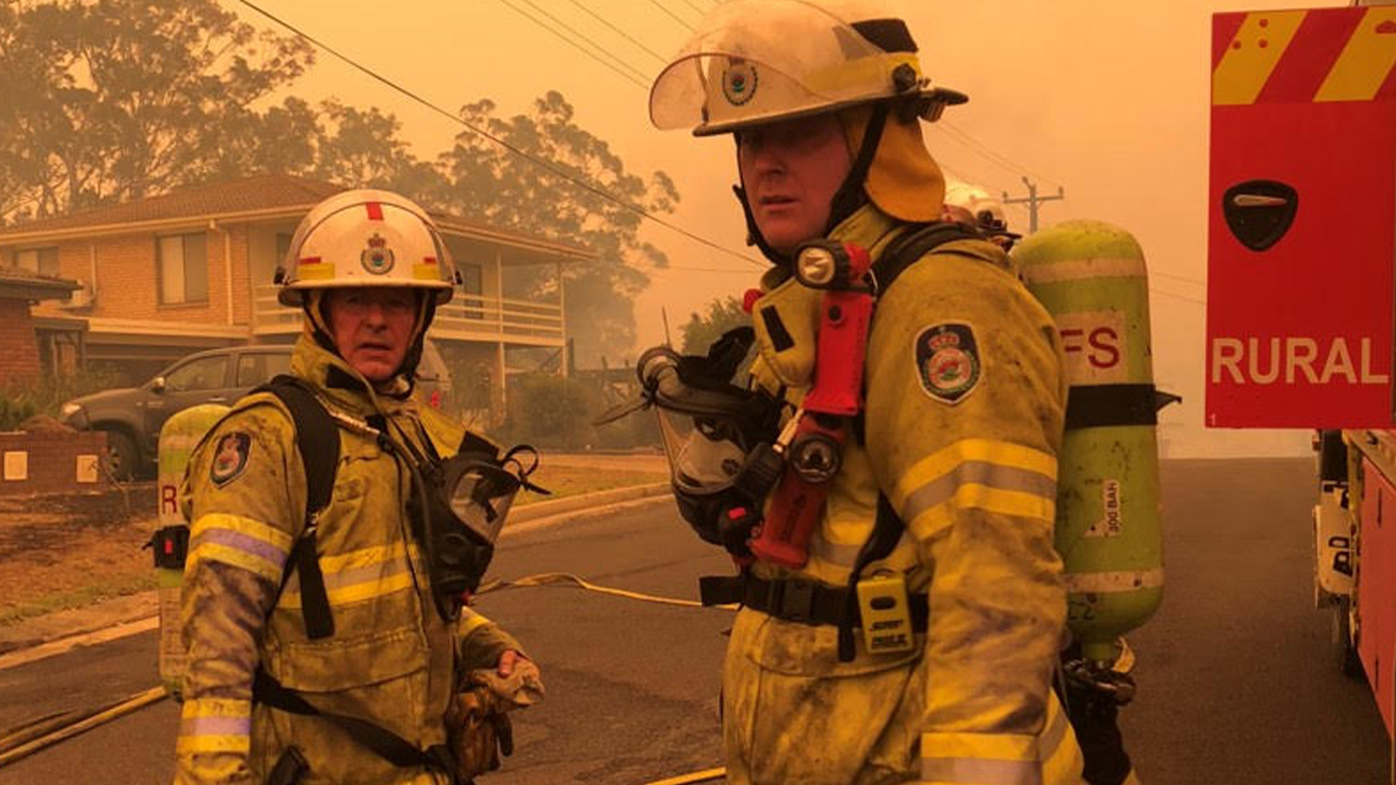
'A fire season that lasted half a year'
For the past two decades Mullins said fire seasons have progressively gotten longer, but Black Summer was a "doozy"; a fire season that lasted half a year.
After experiencing firsthand the extreme conditions at midnight he knew things would never be the same.
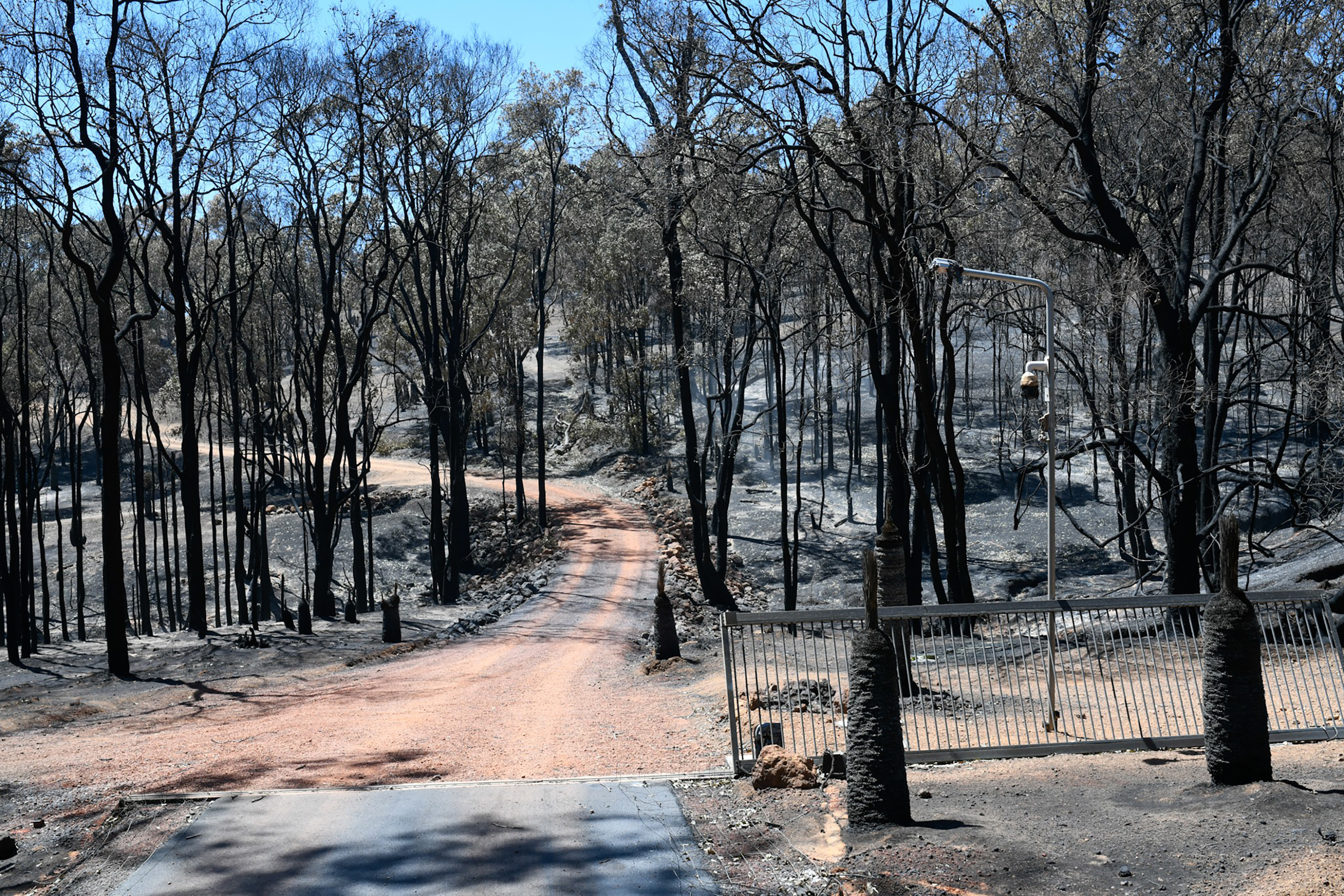
"I don't think, I know, there will be another Black Summer," he said, referring to a study by climate scientists Sanderson and Fisher.
"They say on the current trajectory that by 2040, the summer of 2019, which was the hottest driest ever, will be an average year.
"It's inevitable. It's been reaching a crescendo since the 1994 fires".
READ MORE: NSW RFS warns repeat of 'catastrophic season' coming soon
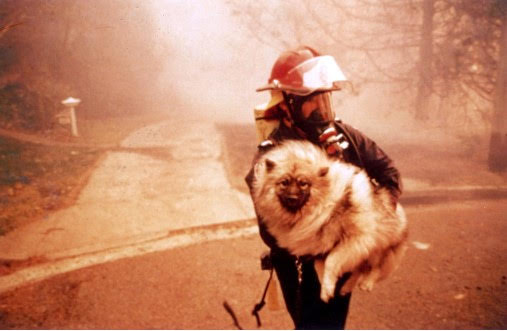
According to Mullins, there is one thing that can help mitigate the risk of more Black Summers – cutting emissions.
"It's the only mitigation that will make a long term difference," he said, explaining hazard reduction burning doesn't slow fires down in extreme conditions, and hotter, drier weather, or heavy rain, limit opportunities to do enough burning.
"We can get more firefighting aircraft but they can't fly on the windiest most catastrophic days.
"We must, globally, start to drastically reduce emissions so we've got a chance of stabilising by 2050."
READ MORE: What countries produce the most greenhouse gas emissions?
This was echoed by the Bushfire Royal Commission report which warned the federal government that the country must prepare for the consequences of a warming climate.
"Warming beyond the next 20 to 30 years is largely dependent on the trajectory of greenhouse gas emissions," the report noted.
"As the events of the 2019-2020 bushfire season show, what was unprecedented is now our future."
But Mullins is feeling hopeful after the federal election saw Labor leader Anthony Albanese elected as the 31st prime minister of Australia.
"There's real scope now for the Labor government to consult widely with the business community, unions, Teal Independents, Greens and Liberal National Coalition to gradually ratchet up its 2030 target, so that we can actually reach net zero by 2050 or before," he said.
"It's a good start.
"We're a rich country with the smarts.
"We're heavy hitters on the world stage with moral clout as long as we continue to do the right thing."
Have a story? Contact Raffaella Ciccarelli at rc*********@******om.au.