OPINION: After nearly a decade, Australia has finally agreed to take up John Key’s 2013 offer that New Zealand takes 150 refugees each year from Australia’s controversial detention centres in the Pacific. But before New Zealand…
Tag Archives: oceania
New Zealand, Australia refugee deal political pressure, Amnesty says
Refugee advocates say the Australian government has only accepted a resettlement deal with New Zealand because the issue had become “politically untenable” with the election looming. On Thursday, Immigration Minister Kris Faafoi…
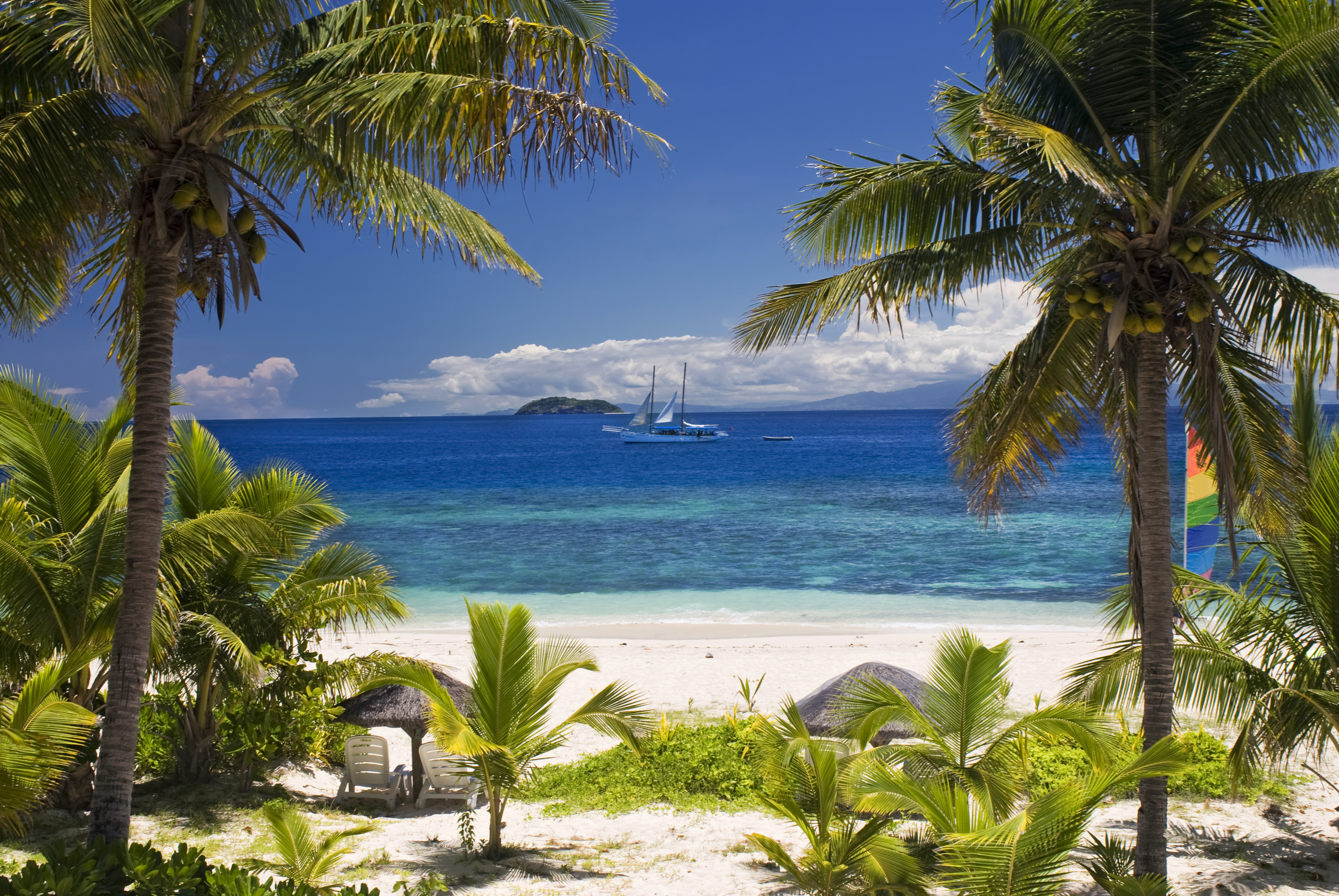
Fiji relaxes three-night isolation requirements for all travellers
Fiji has announced all isolation requirements for international travellers will be dropped in less than two weeks.
Minister for Economy, Aiyaz Sayed-Khaiyum confirmed from April 7, a requirement to spend three nights isolating at a resort quarantine facility will be dropped, regardless of the country of origin.
The popular tourism destination threw open its doors to travellers for the first time in 20 months on December 1.
READ MORE: Leaked document reveals Chinese military plans with Aussie neighbour
READ MORE: Fourth COVID-19 jab set for rollout as cases surge around country
Fiji Airways Managing Director and CEO Andre Viljoen welcomed the news and said a large influx of holidaymakers are expected in coming months now requirements have relaxed.
"The timing for the Fijian Government's decision to relax Fiji's entry requirements could not be better as we head into the best time of year to visit Fiji," Mr Viljoen said in a statement.
While the isolation rule has been relaxed, there are still certain requirements for travellers to successfully enter Fiji.
READ MORE: Biden declares NATO will act if Russia uses chemical weapons
People will still be required to show proof of vaccination, a negative pre-departure rapid test from their country of origin, up-to-date travel insurance and a negative rapid test within 24 hours of arrival.
Ukrainians claim to have destroyed Russian warship
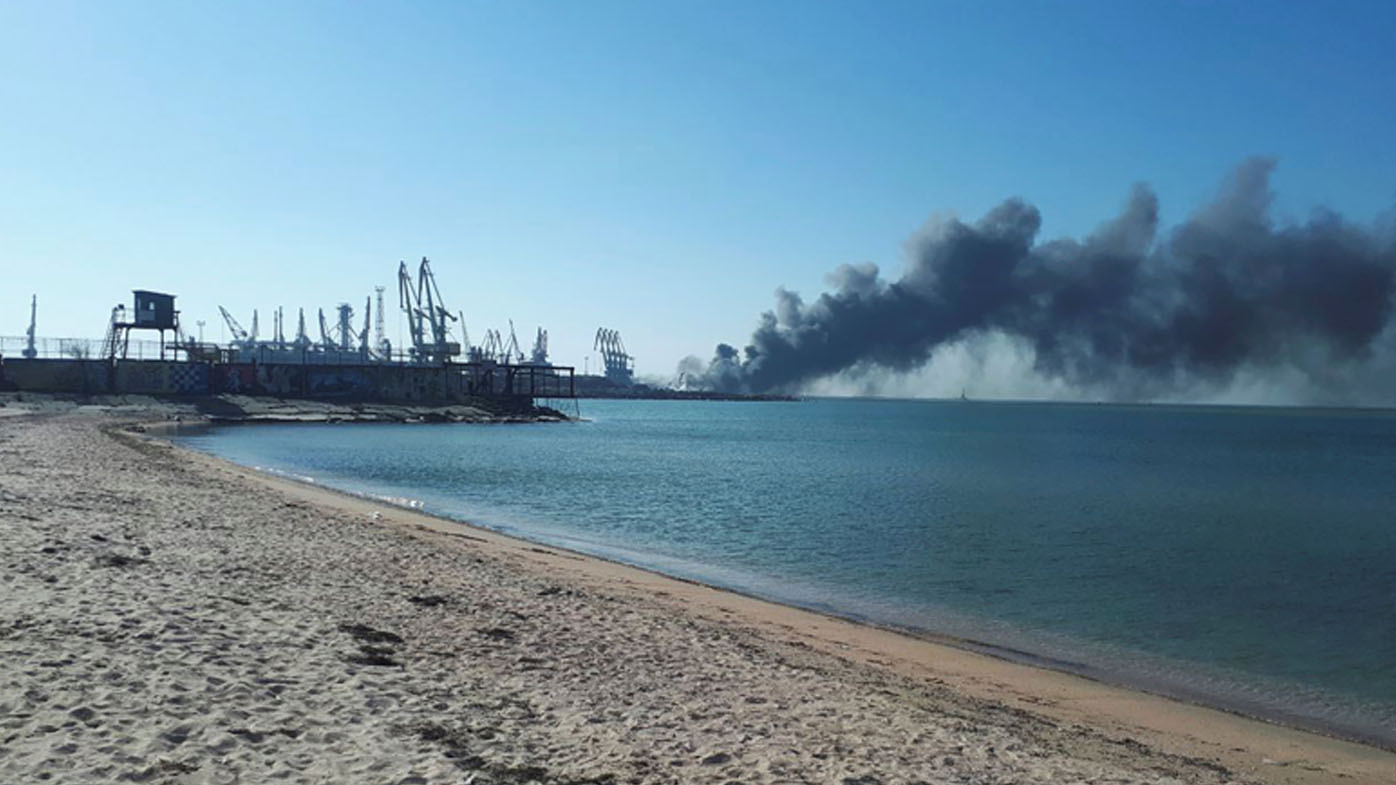
The Ukrainian armed forces said they destroyed a large Russian landing ship at the port of Berdyansk in southern Ukraine.
The port, which had recently been occupied by Russian forces with several Russian warships in dock, was rocked by a series of heavy explosions soon after dawn.
Social media videos showed fires raging at the dockside, with a series of secondary explosions reverberating across the city.
LIVE UPDATES: Biden pledges 'response' if Russia uses chemical weapons
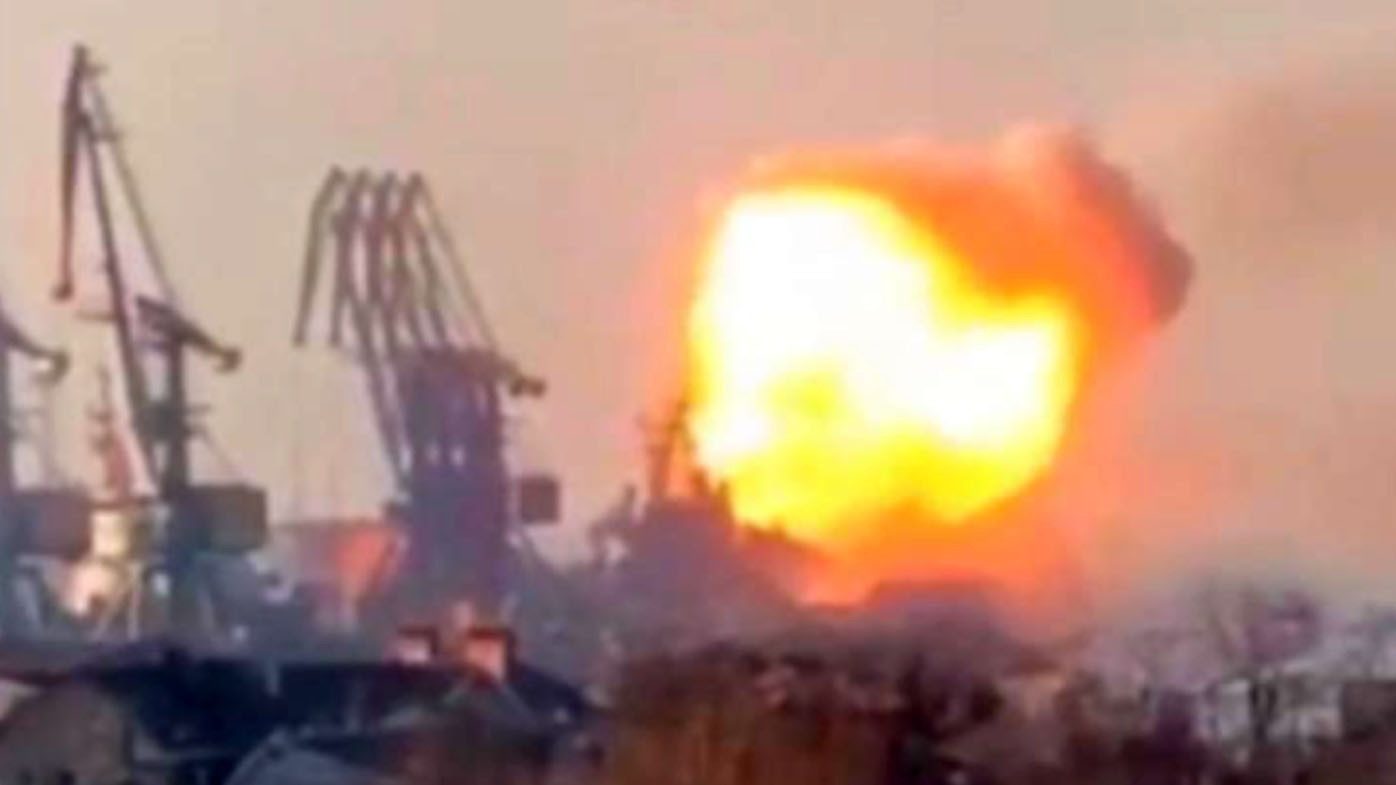
The Armed Forces of Ukraine said they had "destroyed a large landing ship," which they named as the Orsk in a post on Facebook.
Several Russian ships had been unloading military equipment at Berdyansk in recent days, according to reports from the port by Russian media outlets.
The Ukrainian armed forces said that besides destroying the Orsk, two more ships were damaged.
"A 3000-ton fuel tank was also destroyed. The fire spread to the enemy's ammunition depot. Details of the damage inflicted on the occupier are being clarified," they said.
It's not known what weapon was used to attack the port.
Analysis of videos uploaded on Thursday showed that one Russian naval vessel left the port soon after the explosions.
The Russian Ministry of Defence had previously reported that "the large landing ship Orsk is the first warship of the Russian Federation to enter the port of Berdyansk".
"It delivered equipment – armoured personnel carriers," the ministry said.
READ MORE: Inside a rare US meeting with a Russian general in Moscow
"The ships of this project are very spacious and can take on board a large amount of equipment, up to 20 tanks or up to 40 armoured personnel carriers."
Berdyansk sits on the Azov Sea and is roughly 70 kilometres southwest of Mariupol.
The city has a small naval base and a population of about 100,000.
Fourth 'winter dose' of COVID-19 vaccine recommended by ATAGI
A fourth "winter dose" of COVID-19 vaccine has been recommended by the Australian Technical Advisory Group on Immunisation (ATAGI) for four at risk groups.
Adults aged 65 and over, First Nations Australians aged over 50, residents in aged care and disability settings, along with immunocompromised people over the age of 16 will be eligible, as reported by 9News Federal Political Reporter Chris O'Keefe.
Minister for Health and Aged Care Greg Hunt confirmed "winter doses" will commence from April 4; the same day the flu vaccine program will begin.
READ MORE: Biden declares NATO will act if Russia uses chemical weapons
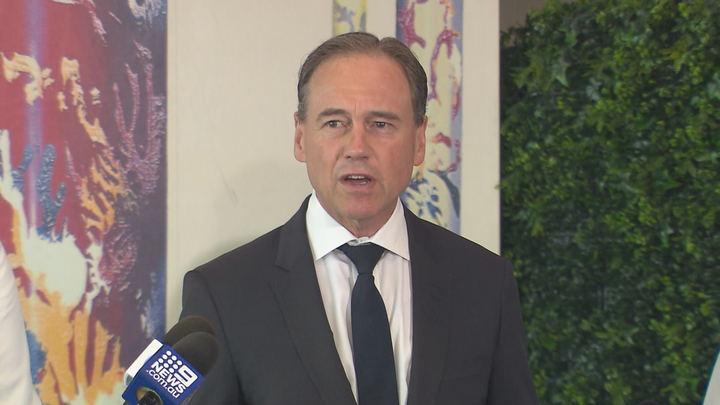
Mr Hunt said the fourth vaccine is recommended four to six months after the last booster.
At this stage the booster dose is only recommended for those four groups.
"It is only recommended for those groups at this point in time," Mr Hunt said, explaining ATAGI looked at international evidence from countries such as Israel to make their determination.
https://twitter.com/cokeefe9/status/1507093379532099584
"There is always room for review.
"(But) at this stage we're not predicting this is likely to change."
Doses will be administered at pharmacies, GPs as well as government-run vaccine hubs.
READ MORE: Leaked document reveals Chinese military plans with Aussie neighbour
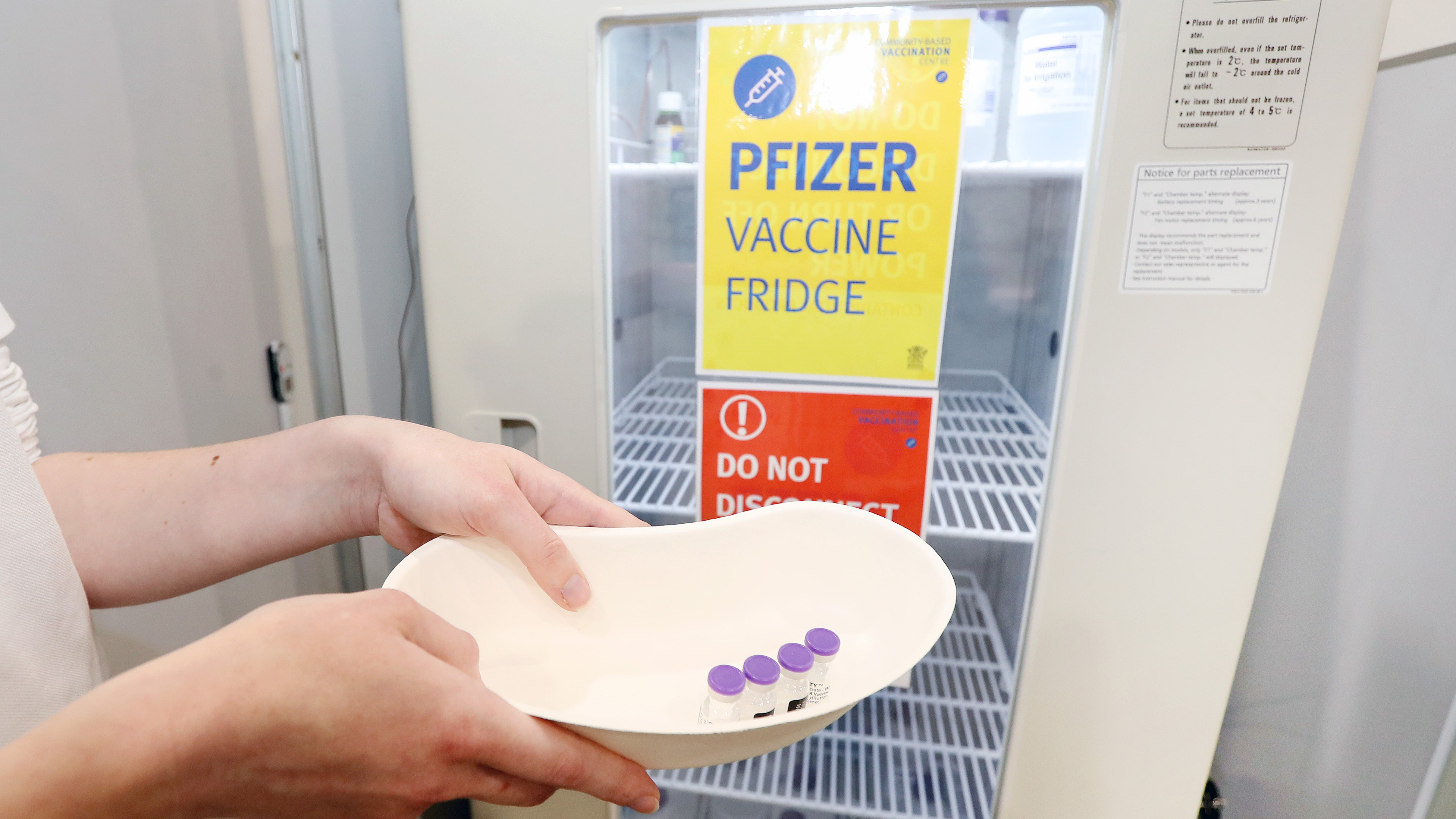
O'Keefe earlier said ATAGI is concerned about rising cases and waning immunity from vaccine booster shots.
"As we get into winter that fourth dose might be critical to the population to keep them out of hospital," O'Keefe told Today.
"The federal government is calling it the winter dose and it will be given out to everybody over the age of 65, four months after their last booster shot."
It comes as COVID-19 cases rise around the country, driven by the spread of the Omicron BA.2 sub-variant.
READ MORE: Two Australian-made COVID-19 'super vaccines' enter trial phase
Infectious disease expert Professor Robert Booy welcomes the news, saying it's critical to get booster doses when variants emerge.
"It becomes more important if the disease starts returning, especially if a variant happens," he said.
"For the moment the immunosuppressed and the vulnerable are becoming into focus for the fourth dose."
There are four coronavirus vaccines currently approved for use in Australia; AstraZeneca, Pfizer, Moderna and Novavax.
COVID-19 hospitalisations increase in NSW and Victoria with 16 deaths
New South Wales and Victoria have recorded a slight drop in COVID-19 cases; with 23,702 and 9244 cases identified overnight respectively.
However, a further sixteen people have died across the two states, seven in NSW and nine in Victoria.
Hospitalisations have increased in NSW with 1182 admissions. Of those, 43 are in ICU.
READ MORE: 'Super cold' cases on the rise with symptoms similar to COVID-19
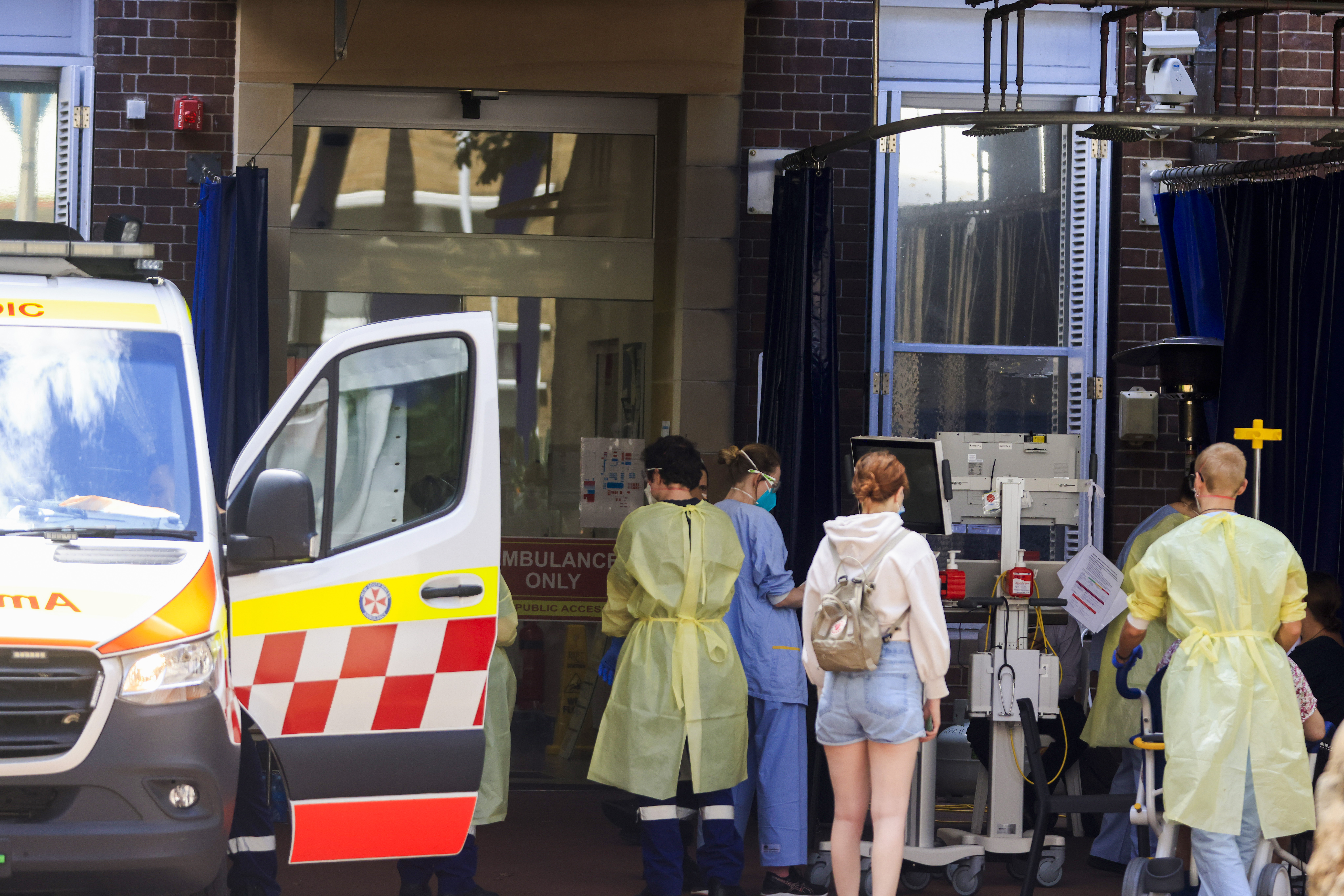
In Victoria admissions are also up with 253 recorded overnight, compared to 244 yesterday. There are nineteen people in ICU.
To compare, NSW recorded 24,803 cases yesterday, while Victoria saw 10,259.
NSW Health is urging residents "to take simple precautions" to limit the spread of COVID-19.
These include:
- Using a mask in indoor settings
- Getting a booster vaccine
- Testing and isolating immediately upon experiencing COVID-19 symptoms.
Queensland
Queensland's COVID-19 cases have dropped to 9730. To compare 11,018 were recorded yesterday.
Three lives have been lost in the state, but hospitalisations are down to 265 with 14 people in ICU.
https://twitter.com/qldhealth/status/1507160336037675013?s=20&t=8_0iPRfc0TzUIJIbQQO2_A
The figures come after ATAGI approved a fourth booster dose for those 65 and over, the immunocompromised and those in aged care and disability settings.
Infectious disease expert Professor Robert Booy welcomes the news in light of the highly-transmissible Omicron BA.2 sub-variant, which is driving cases up.
"(Boosters) become more important if the disease starts returning, especially if a variant happens," he said.

"For the moment the immunosuppressed and the vulnerable are becoming into focus for the fourth dose.
"The virus can mutate so easily. While it's in your body it can change. So it's a real concern."
A two-month-old child infant was confirmed to have died from the Omicron strain yesterday.
The death, recorded in December and first publicly reported in January, is the second this week of a child under the age of three.
Senator 'threatened with jail time' over secret deal with PM
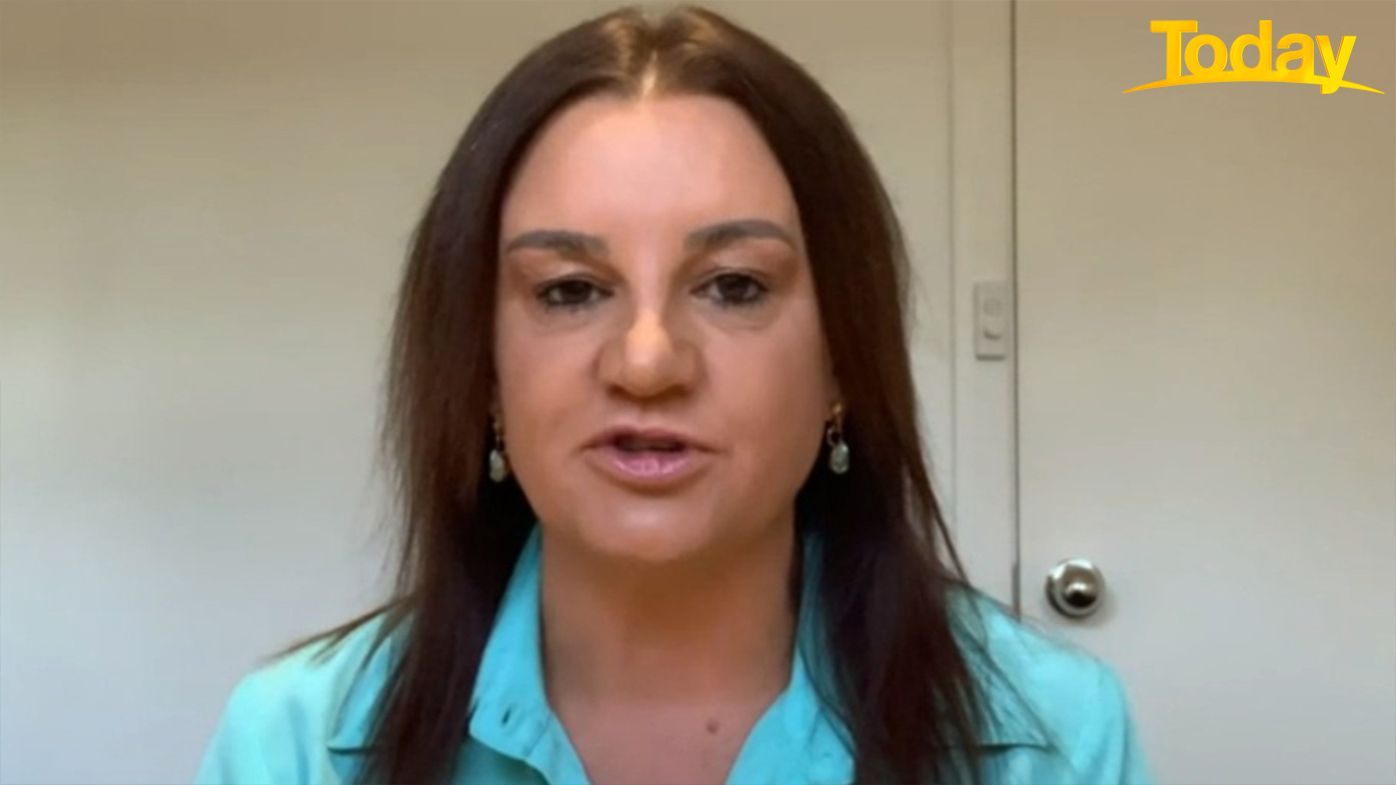
Tasmanian Senator Jacqui Lambie has revealed the reason she claims she was threatened with jail time from Prime Minister Scott Morrison.
Senator Lambie told Today she was told to keep quiet over a secret deal made with the Prime Minister in 2019 to free over 400 refugees from offshore detention centres.
She said she "had no other choice but to shut up" and the secret "had been weighing her down".
READ MORE: Refugee advocates concerned many will be left behind despite NZ deal
"I don't think there was any need for threats," Senator Lambie told Today.
"I spent 10 years in the army. It takes a lot to intimidate me. It was intimidating what was said, it was bullish and I stand by that."
She also said if she broke her silence, anything that was mentioned in that meeting about trying to get refugees settled elsewhere would be off the table.
"So for the sake of humanity, I had no other choice but to shut up anyway, to make sure that job was done," she said.
Senator Lambie said she was already aware of the legal implications of leaking any information from a national security briefing, but to be threatened with the consequences was unnecessary.
READ MORE: Fourth COVID-19 jab set for rollout as cases surge around country
"I just didn't like the way it was handled. I was sitting at the table that day, I felt that was more of a threat," she said.
"I don't believe it was very well communicated. I believe for me I felt it was quite intimidating the way he said it, the way it was put.
"There was no need to do that because I already knew, quite clearly, if anything was said that deal would be off and all those people would be sitting on Nauru."
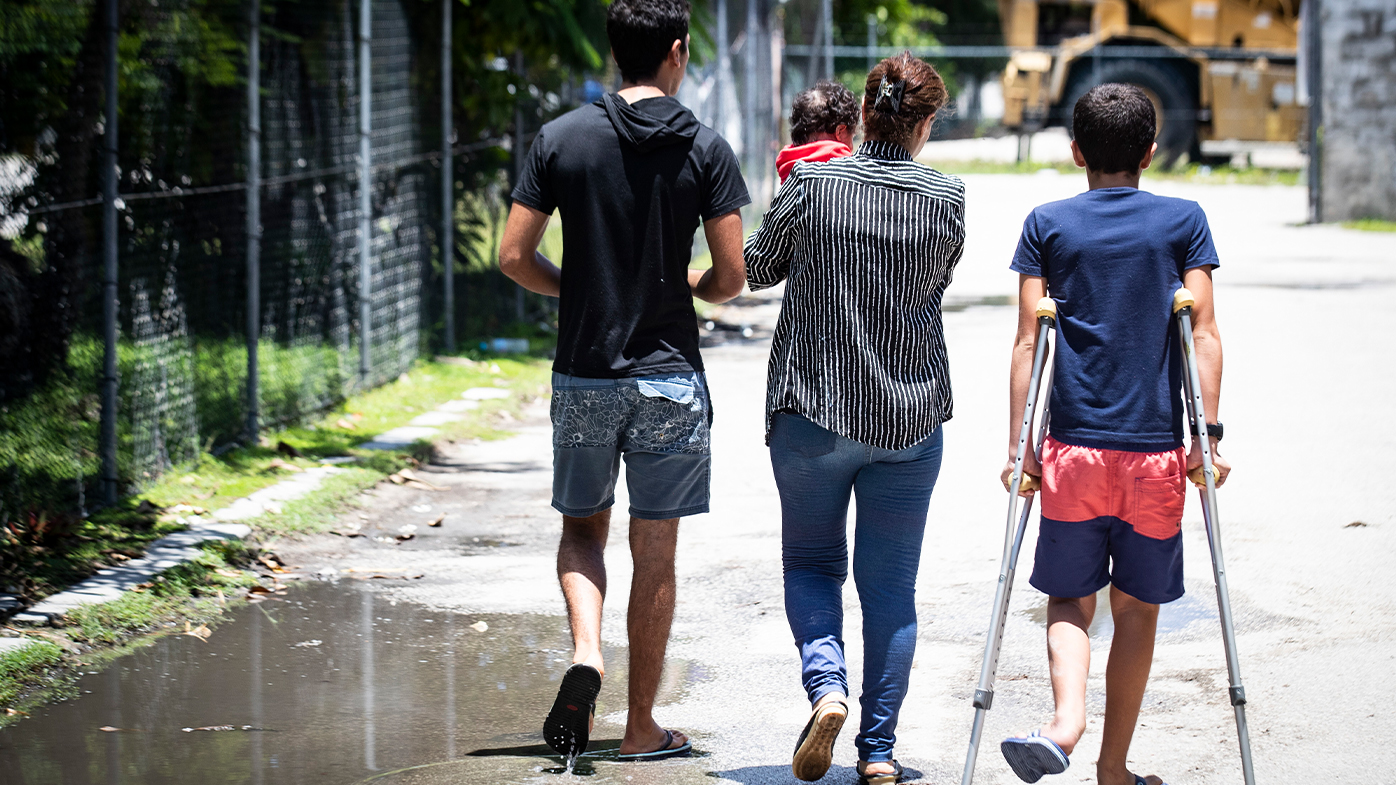
New Zealand is set to take in 150 refugees a year currently in Australia's detention system, however advocacy groups are concerned some people will be left behind.
In a joint statement from Australia's Minister for Home Affairs, Karen Andrews, and New Zealand's Minister of Immigration, Kris Faafoi, the two governments agreed on the resettlement plan, which will last for three years.
LIVE UPDATES: Australia 'asleep at wheel' over China's push in Pacific
The Refugee Council of Australia chief executive officer Paul Power acknowledged this would change the lives of 450 refugees but said hundreds will still be stranded in Australia's detention system.
Senator Lambie said now the information is out in the open, she doesn't believe the threat against her in 2019 will be followed through with.
"They've already come out and announced it themselves, there is no need to carry through that threat," she said.
"I believe everything else is out in the open. I do believe our deal with New Zealand will go through, not because I have any trust in the Prime Minister, certainly not the one of Australia, but I certainly have a great deal of trust in the Prime Minister of New Zealand, Jacinda Ardern, to make sure that job is now completed."
Two Australian-made COVID-19 'super vaccines' enter trial phase
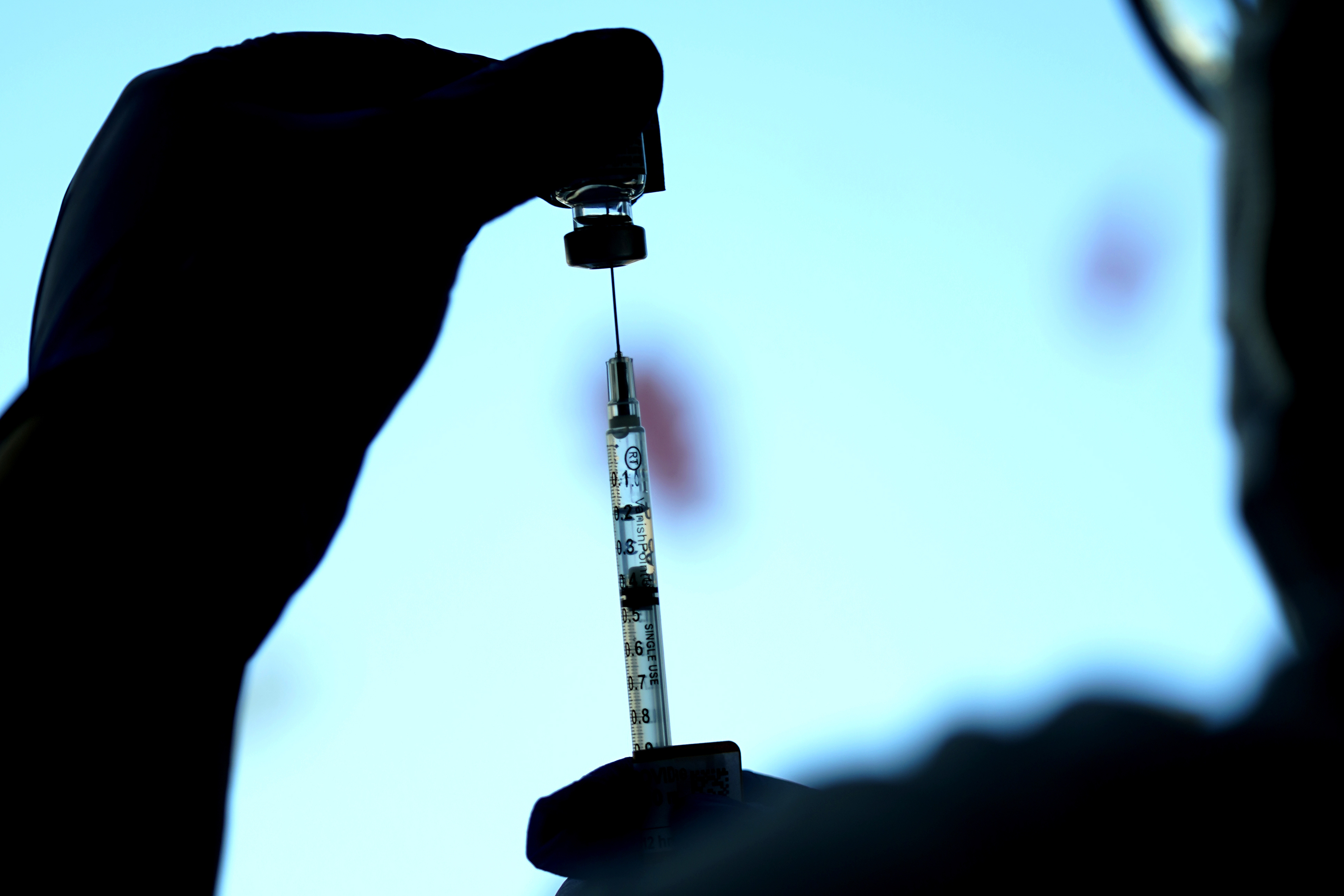
Two new Australian-made COVID-19 vaccines will soon enter trials with the hopes they will provide more targeted protection against the virus.
These so-called "super vaccines" will be produced by the Doherty Institute, and the other by Monash University.
Both have been made and developed in Melbourne.
READ MORE: Biden pledges 'response' if Russia uses chemical weapons
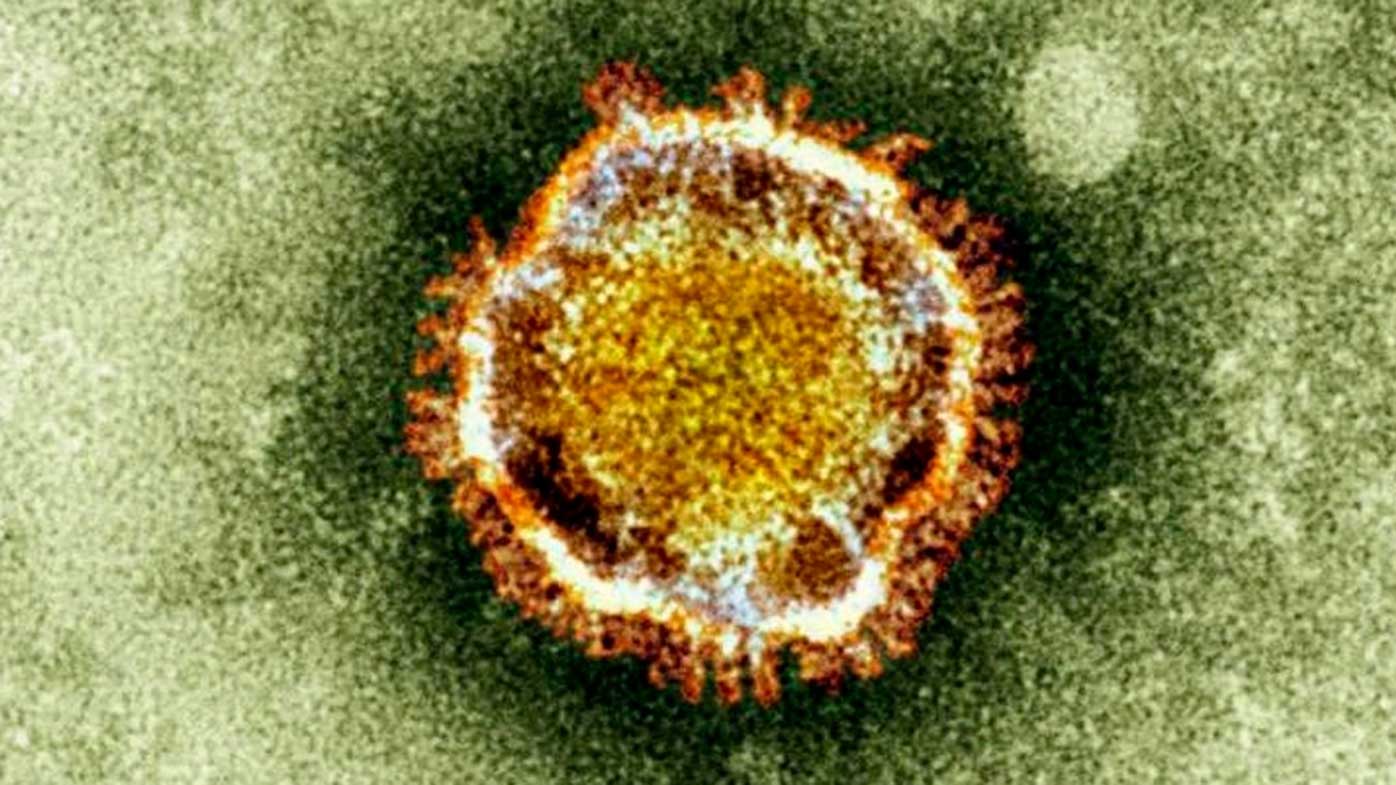
The world-first vaccines target the tip of the coronavirus' spike protein; the receptor binding domain (RBD).
This is the region responsible for attaching to and infecting human cells.
"The RBD enables the virus to enter and infect cells in the body and elicits over 90 per cent of neutralising antibodies (antibodies that can block the virus) following SARS-CoV-2 infection," the Doherty Institute explained in a statement.
Infectious diseases expert Professor Robert Booy said the vaccines are "more refined" than their earlier counterparts.
"They're using two different technologies, protein which has been refined and mRNA," he said.
"They can use them separately or together. They can use them against other diseases. It's great innovation.
"It's not only important for the current pandemic but future pandemics as well".
Trial Phase 1 will begin in the coming weeks and will see 114 Melbournians vaccinated at the Royal Melbourne Hospital.
READ MORE: Leaked document reveals Chinese military plans with Aussie neighbour
University of Melbourne Professor Terry Nolan, Head of the Vaccine and Immunisation Research Group at the Doherty Institute will lead Phase 1 trials.
"This trial will assess the safety and efficacy of a single dose of these vaccines as a fourth dose of a COVID-19 vaccine, therefore participants must have had their third dose at least three months prior to the study commencing," Professor Nolan said.
"People who have been infected with COVID-19 are also eligible provided they had their infection at least three months prior, and have had their third vaccine dose.
"What's also unique about this gold standard, randomised, double-blind, placebo-controlled trial is that it will be the first time a side-by-side comparison will be undertaken of two new COVID-19 vaccine platforms."
READ MORE: 'Super cold' spreading across Australia as country opens up
Healthy people aged 18-70 living in Victoria are being called upon to roll up their sleeves.
A vaccine has to pass six phases before approval, which the Therapeutic Goods Administration (TGA) outlines on its website.
If the vaccines are approved by the TGA they would be the first Australian developed vaccines.
The vaccines currently approved for use — AstraZeneca , Pfizer, Moderna and Novavax — were developed overseas.
University of Melbourne Professor Sharon Lewin, Director of the Doherty Institute, said with millions more doses of COVID-19 vaccines still to be administered globally, the need for additional vaccines remains, and with new variants arising, next generation vaccines with innovative technology are required.
"Both vaccines are efficient to produce and can be rapidly modified to incorporate distinct or multiple RBD mutations arising in future variants," Professor Lewin said.
"In addition, Australia needs the ability to manufacture its own vaccines to ensure our own supply should future global shortages occur, and to contribute to the global need for COVID-19 vaccines."
Biden pledges 'response' if Russia uses chemical weapons
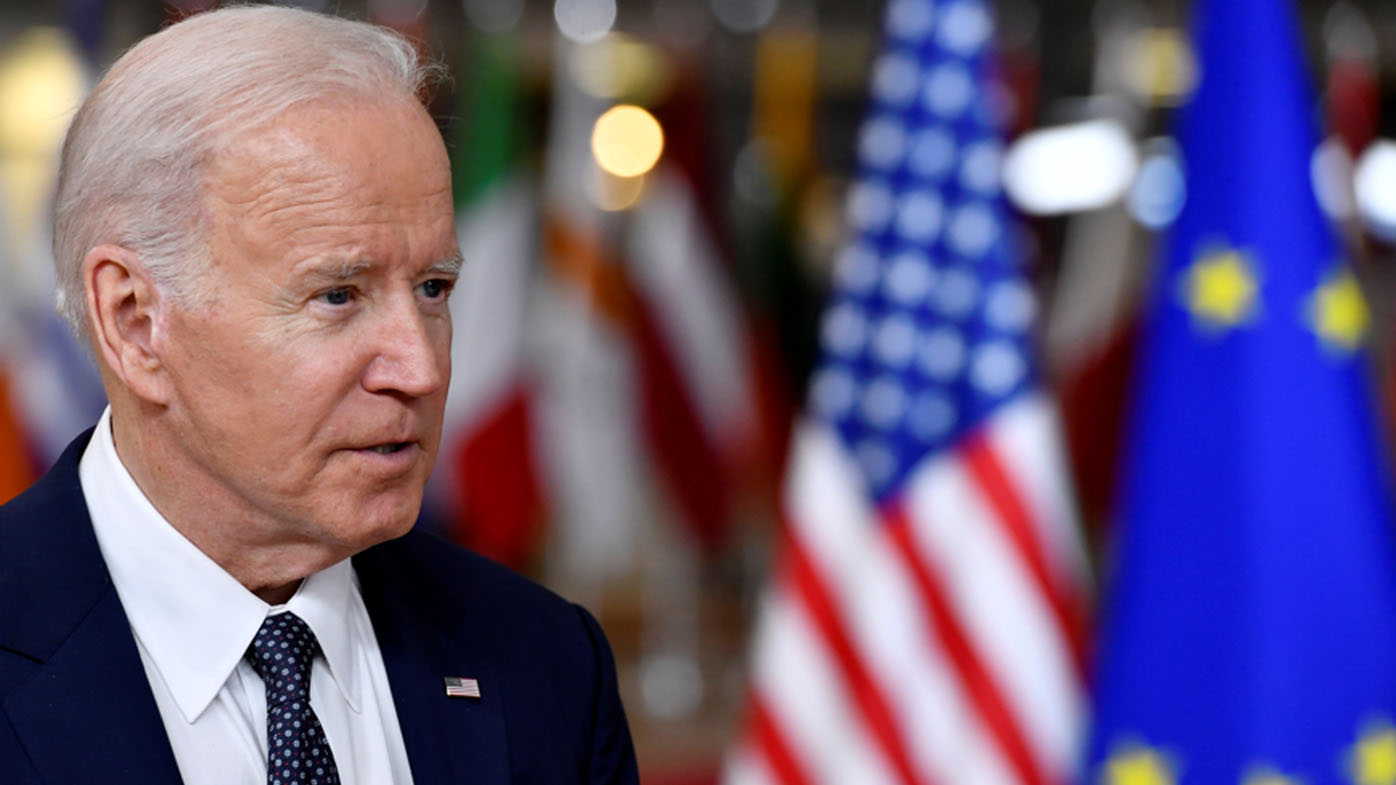
US President Joe Biden said Russian President Vladimir Putin was wrong to assume NATO would be divided over Ukraine.
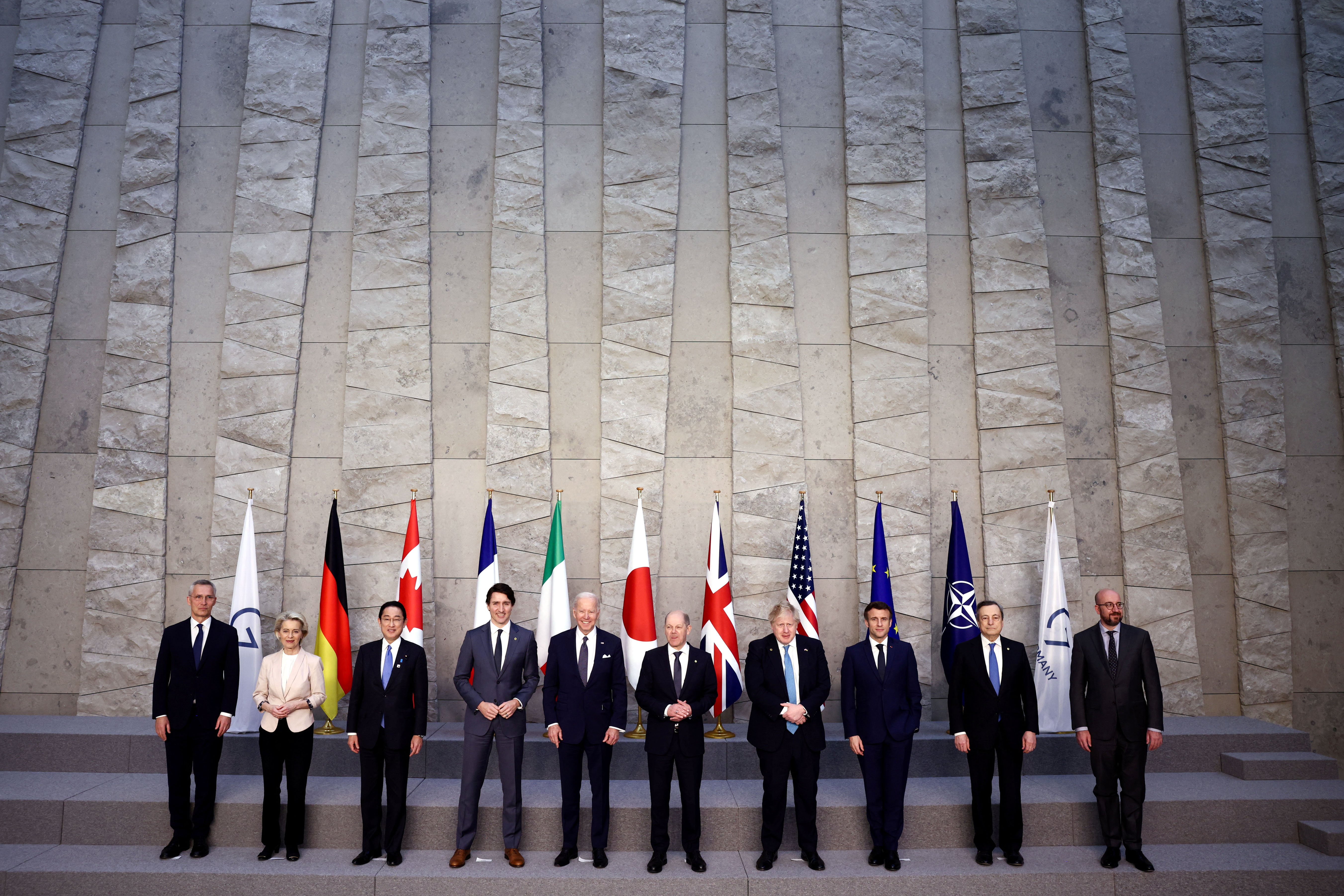
Mr Biden said Russia's invasion of Ukraine has built greater unity within NATO, the European Union and the Group of Seven economies at a news conference after the alliance's emergency summit in Brussels.
Mr Biden said of Putin: "He didn't think we could sustain this cohesion."
He said NATO has "never been more united than it is today".
READ MORE: Leak reveals draft deal to allow Chinese military on Solomon Islands
NATO countries and other allies have imposed harsh sanctions against Russia, crippling that country's economy.
Still, the EU has refrained from taking the same steps as the US by banning oil and natural gas from Russia.
Mr Biden also said that the US would respond if Mr Putin used weapons of mass destruction, but that the response would depend on the situation.
"So you've warned about the real threat of chemical weapons being used. Have you gathered specific intelligence that suggests that President Putin is deploying these weapons, moving them into position or considering their use? And would the US or NATO respond with military action if he did use chemical weapons?" the Associated Press asked the US President during his news conference.
Mr Biden responded that he could not provide information on intelligence, but added on the issue of chemical weapons: "We would respond if he uses it. The nature of the response would depend on the nature of use."
READ MORE: Russian journalist killed during shelling in Kyiv
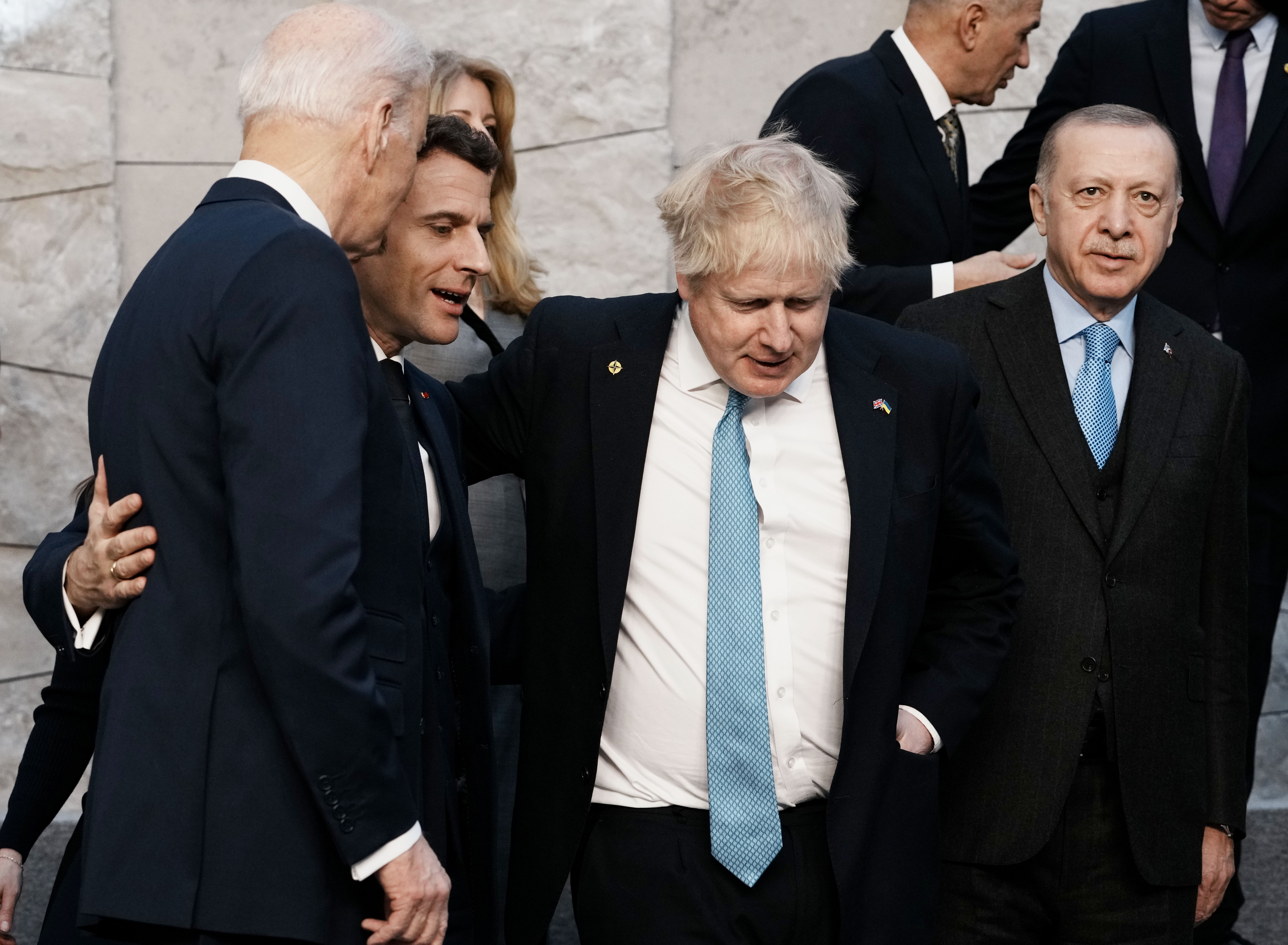
Earlier, NATO Secretary General Jens Stoltenberg said the alliance will reinforce its chemical, biological and nuclear defence systems on fears Russia is planning to use such weapons against the people of Ukraine.
The United States will expand its sanctions on Russia in response to the invasion of Ukraine, targeting members of the country's parliament and the central bank's gold reserves, the White House announced Thursday.
At the same time, Washington will increase its humanitarian assistance by welcoming 100,000 Ukrainian refugees and providing an additional US$1 billion ($1.33 billion) in food, medicine, water and other supplies.
The White House announced the initiatives as Biden and world leaders gathered in Brussels for a trio of summits in response to the Russian invasion, seeking new ways to limit the economic and security fallout from the conflict.
READ MORE: Inside a rare US meeting with a Russian general in Moscow
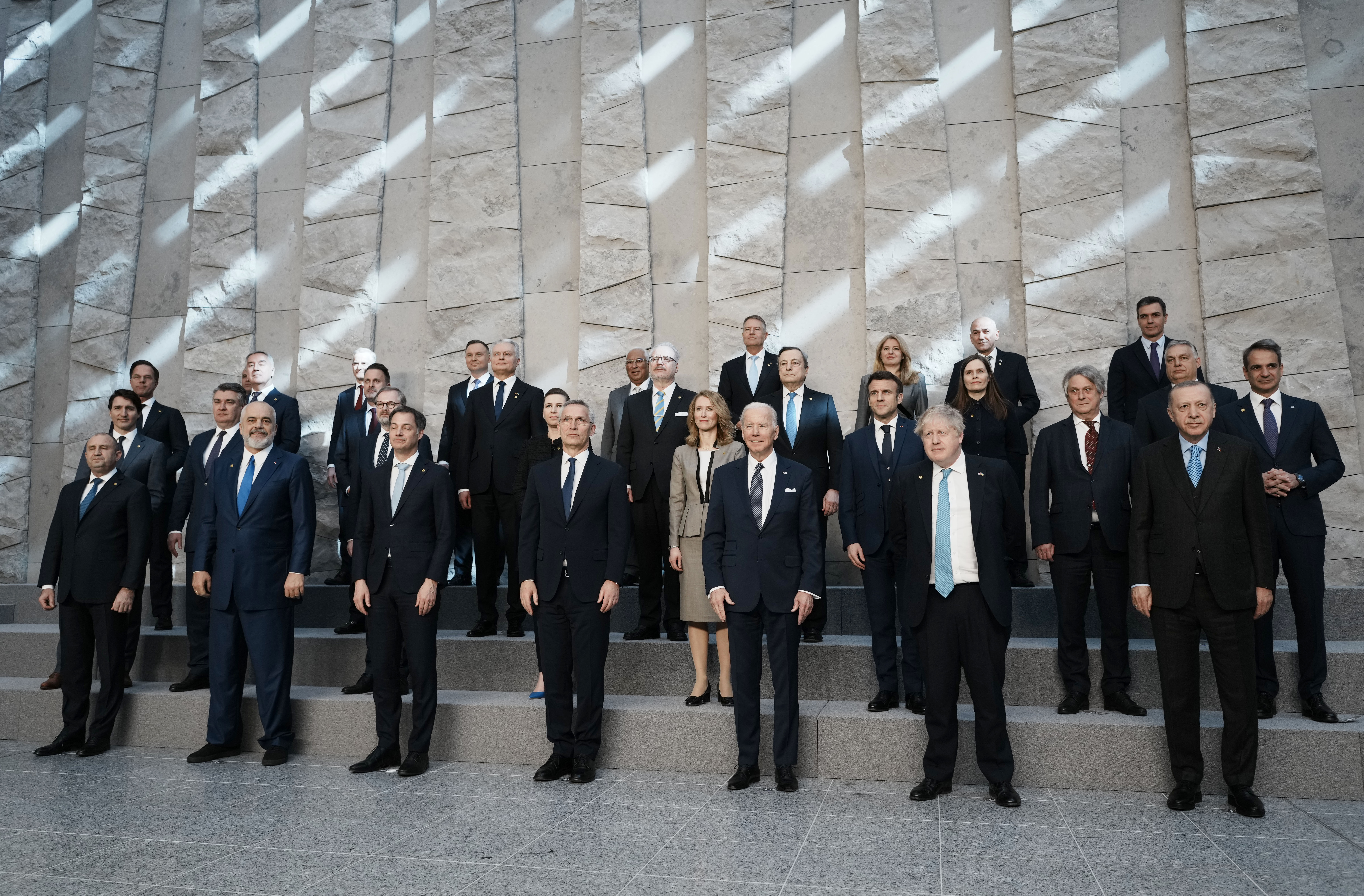
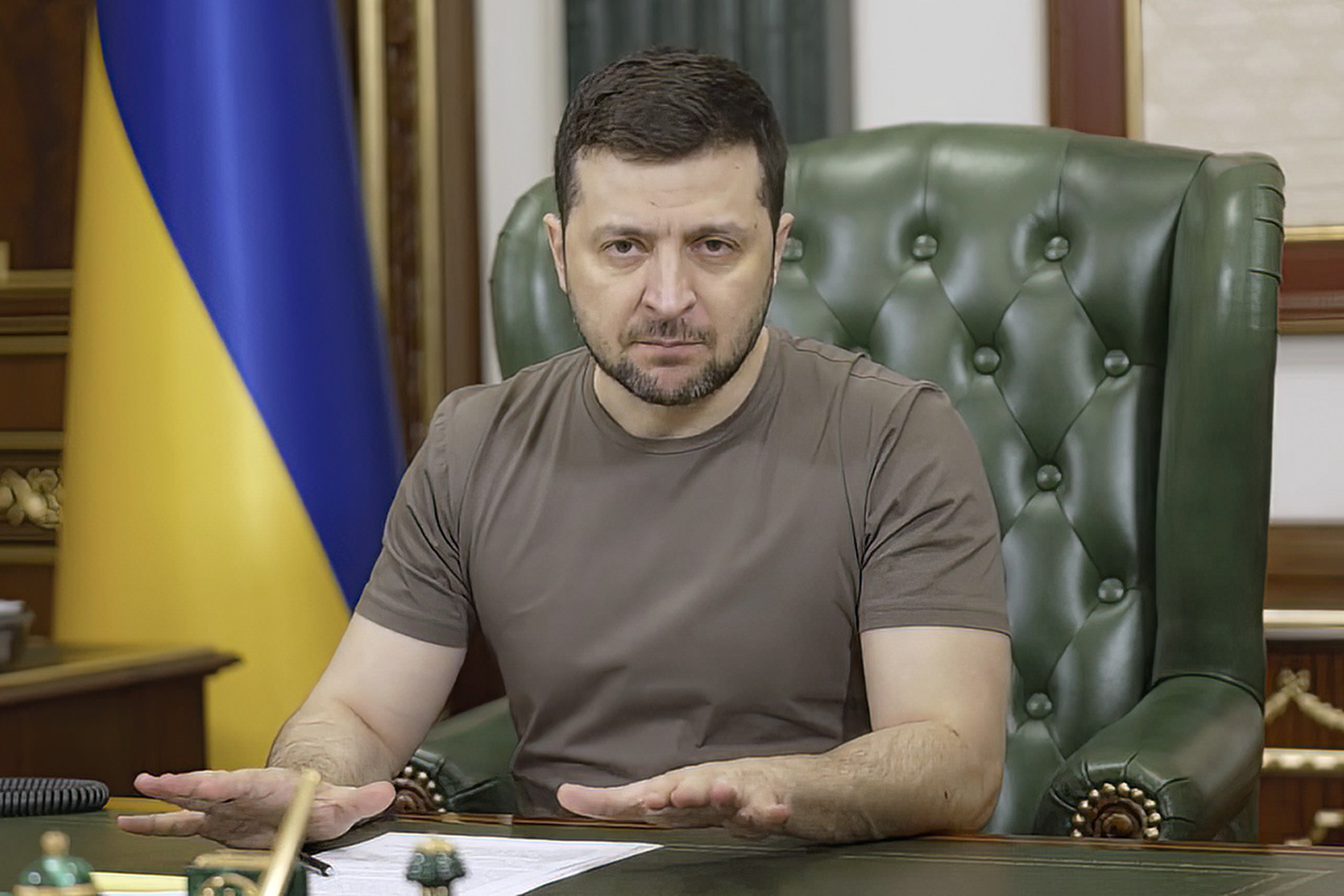
Ukrainian President Volodymyr Zelenskyy addressed the day's first meeting, an emergency NATO summit, where he called for "military assistance without limitations." He pleaded for anti-air and anti-ship weapons, asking "is it possible to survive in such a war without this?"
"It feels like we're in a grey area, between the West and Russia, defending our common values," Mr Zelenskyy said during the video address.
"This is the scariest thing during a war — not to have clear answers to requests for help!"
A US official, who requested anonymity to discuss internal deliberations, said Western nations are discussing the possibility of providing anti-ship weapons amid concerns that Russia will launch amphibious assaults along the Black Sea coast.
Secretary-General Jens Stoltenberg opened the closed-door summit with a sober warning that the alliance must boost its defences and "respond to a new security reality in Europe."
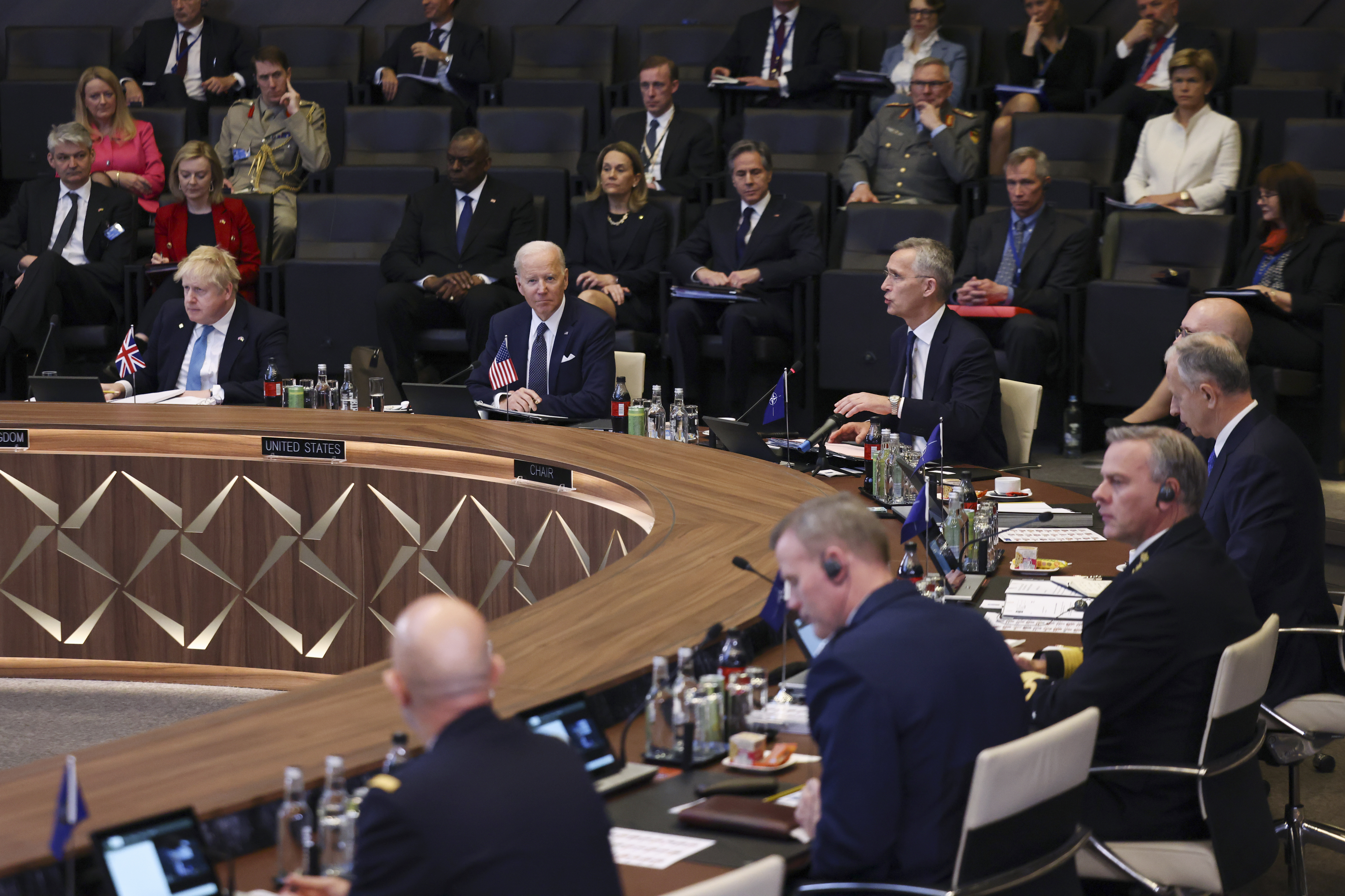
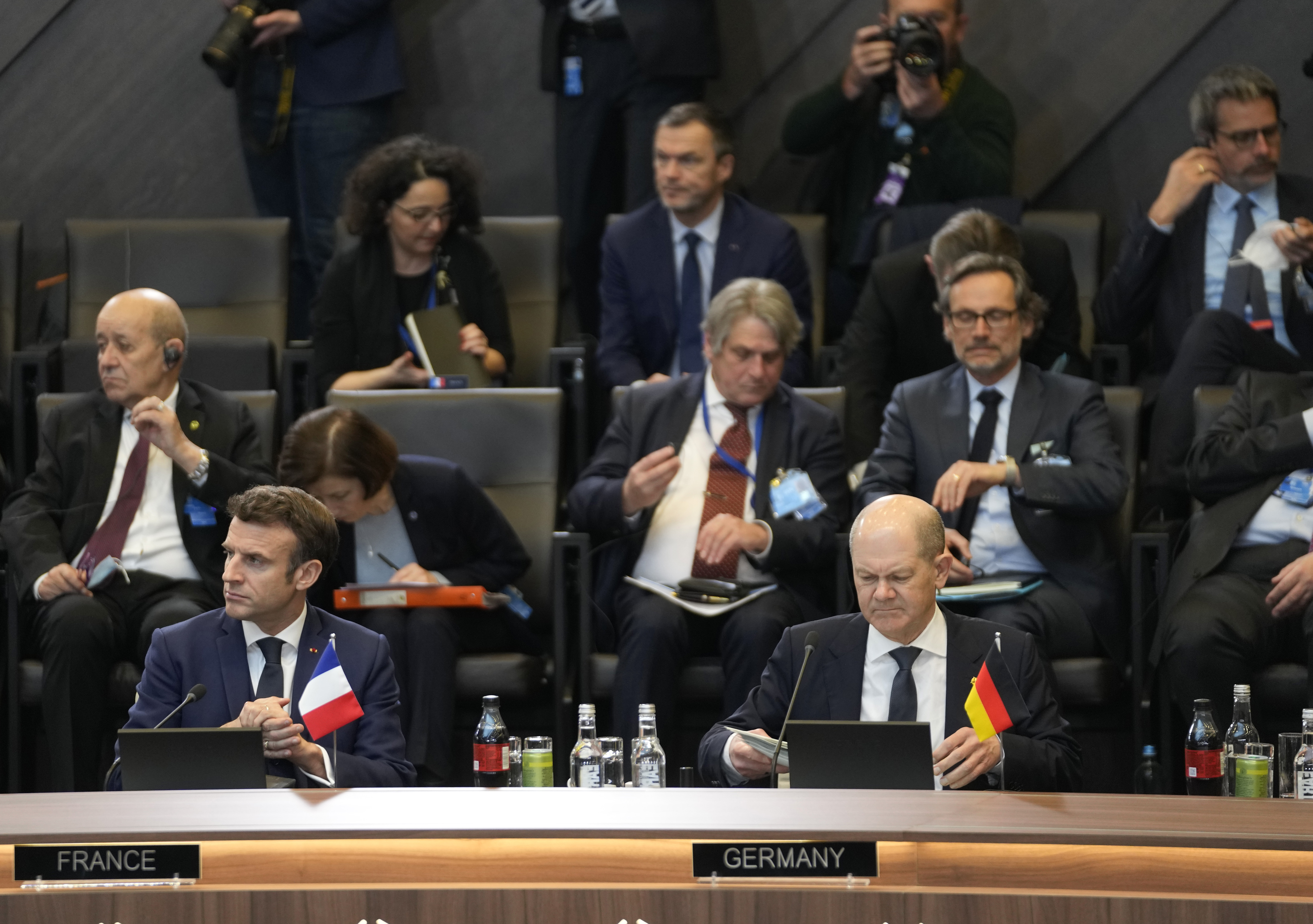
"We gather at a critical time for our security," he said, addressing the leaders seated at a large round table. "We are united in condemning the Kremlin's unprovoked aggression and in our support for Ukraine's sovereignty and territorial integrity."
Mr Stoltenberg said the alliance is "determined to continue to impose costs on Russia to bring about the end of this brutal war."
In addition to the NATO summit, Brussels is also hosting separate summits of the Group of Seven industrialised nations and of the European Union. Mr Biden is attending all three meetings and will hold a news conference afterward.
While the West has been largely unified in confronting Russia after it invaded Ukraine, there's wide acknowledgement that unity will be tested as the costs of war chip at the global economy.
The bolstering of forces along NATO's eastern flank, almost certainly for at least the next five to 10 years if Russia is to be effectively dissuaded, will also put pressure on national budgets.
"We need to do more, and therefore we need to invest more. There is a new sense of urgency and I expect that the leaders will agree to accelerate the investments in defence," Mr Stoltenberg said before the summit.
READ MORE: How Putin could be prosecuted for war crimes
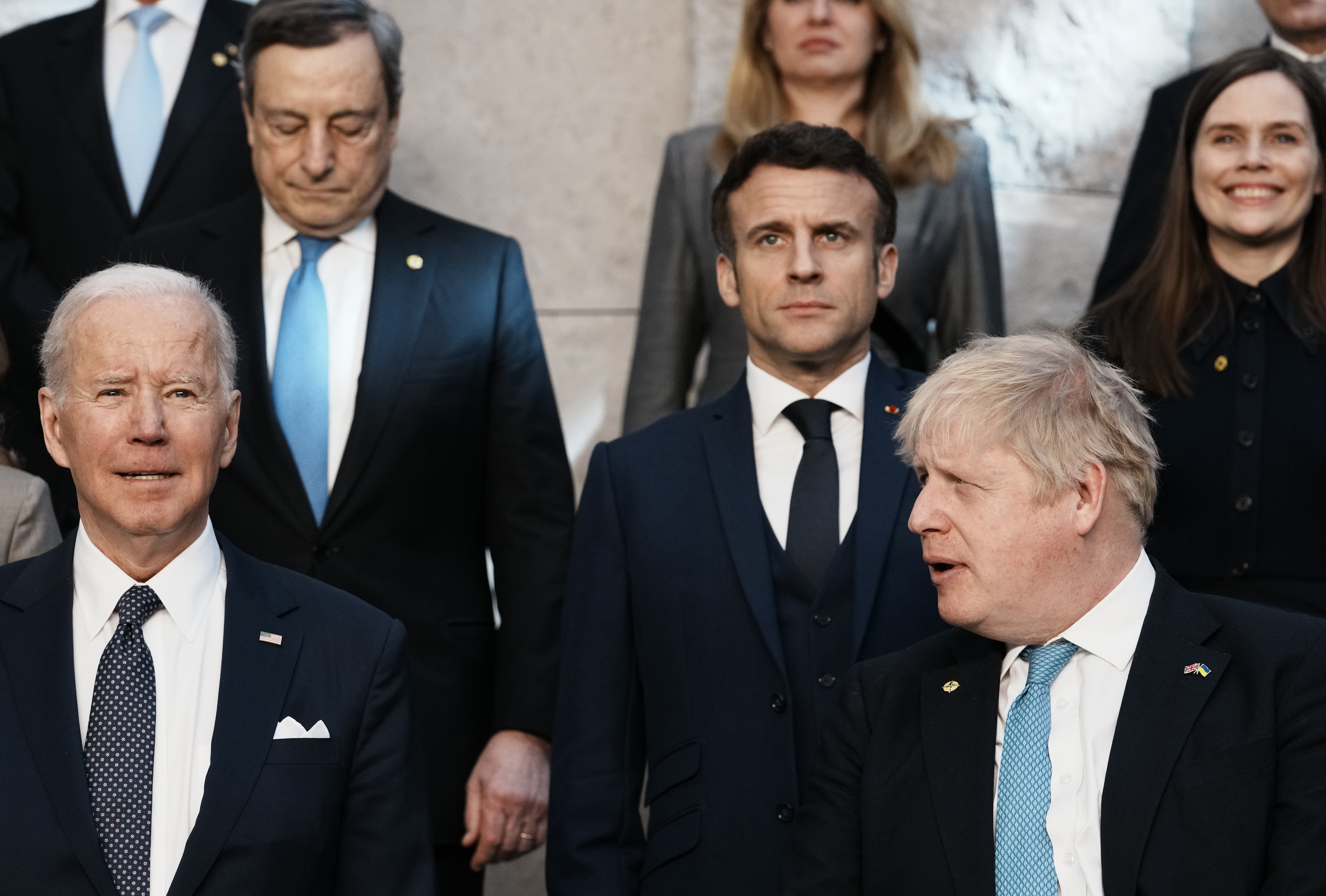
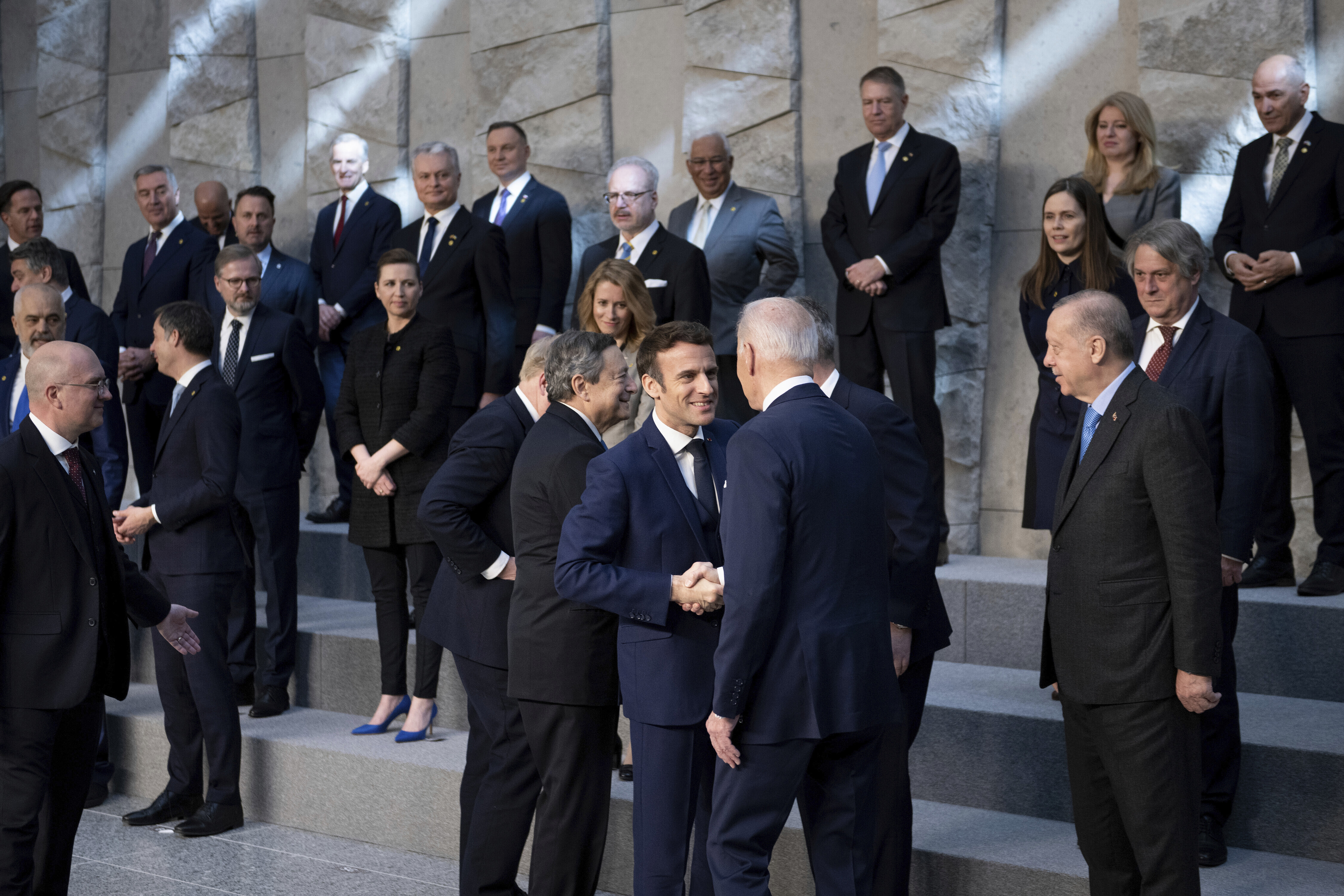
Mr Biden's national security adviser, Jake Sullivan, said the US wants to hear "that the resolve and unity that we've seen for the past month will endure for as long as it takes".
The energy crisis exacerbated by the war will be a particularly hot topic at the European Council summit, where leaders from Spain, Portugal, Italy and Greece are hoping for an urgent, coordinated bloc-wide response. EU officials have said they will seek US help on a plan to top up natural gas storage facilities for next winter, and they also want the bloc to jointly purchase gas.
German Chancellor Olaf Scholz has dismissed calls to boycott Russian energy supplies, saying it would cause significant damage to his country's economy. Mr Scholz is facing pressure from environmental activists to quickly wean Germany off Russian energy, but he said the process will have to be gradual.
"To do so from one day to the next would mean plunging our country and all of Europe into recession," Mr Scholz said Wednesday.
Poland and other eastern flank NATO countries will also be looking for clarity on how the United States and fellow European nations can assist in dealing with their growing concerns about Russian aggression as well as a spiralling refugee crisis.
More than 3.5 million refugees have fled Ukraine in recent weeks, including more than two million to Poland.

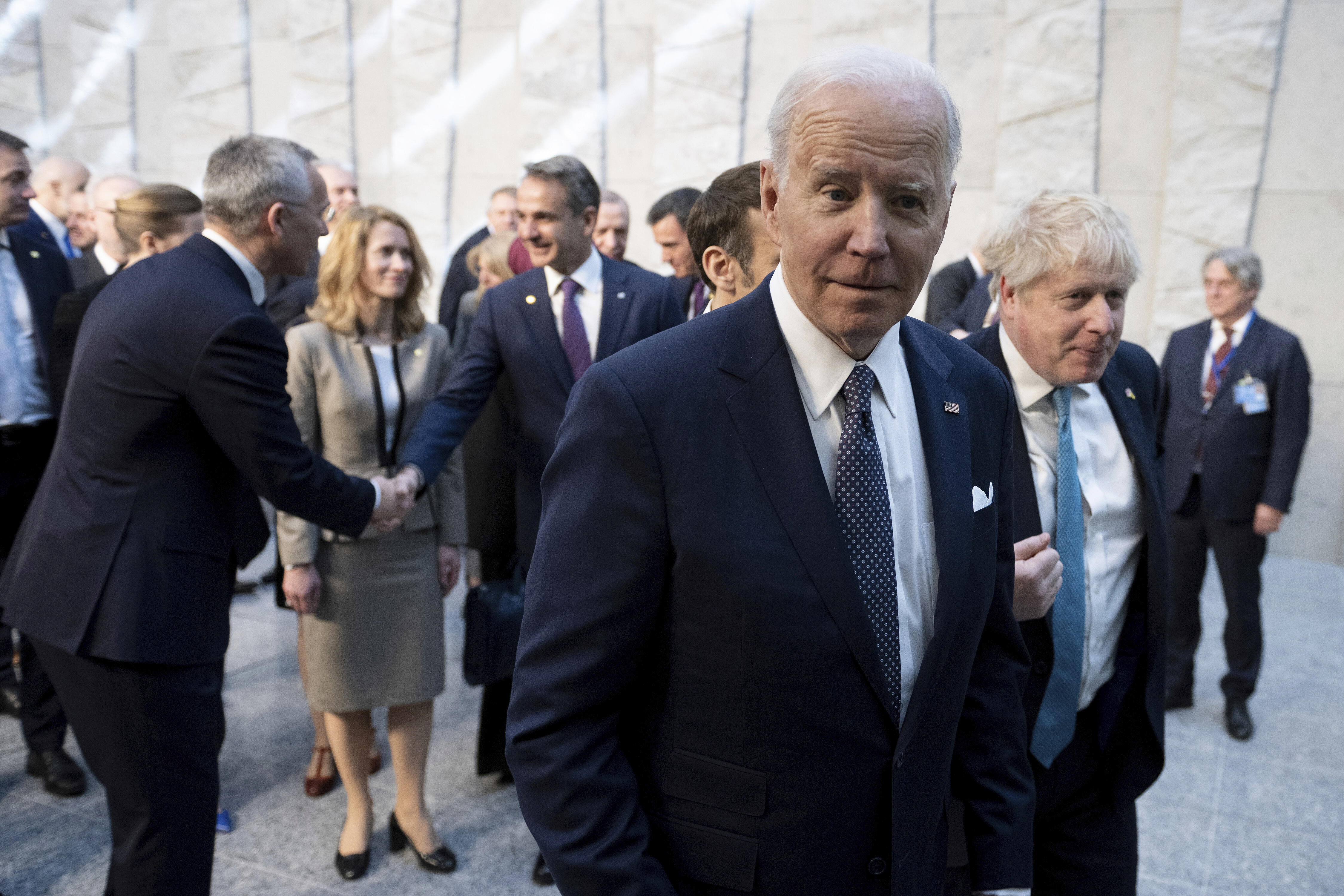
Mr Biden is scheduled to visit Poland on Friday, where both issues are expected to be at the centre of talks with President Andrzej Duda.
Another significant moment could come shortly before Mr Biden returns to Washington on Saturday.
The White House said he plans to "deliver remarks on the united efforts of the free world to support the people of Ukraine, hold Russia accountable for its brutal war, and defend a future that is rooted in democratic principles."
Mr Sullivan said Mr Biden and fellow leaders would aim to "set out a longer-term game plan" for what forces and capabilities are going to be required for the alliance's eastern flank countries.
Four new NATO battlegroups, which usually number between 1000-1500 troops, are being set up in Hungary, Slovakia, Romania and Bulgaria.
All the while, national security officials from Washington to Warsaw are increasingly worried that Putin might deploy chemical, biological or even nuclear weaponry. Mr Sullivan said the allies would consult on how to respond to "potential contingencies" of that sort.
Mr Biden said this week that the possibility of chemical weapons use by Russia was a "real threat."
Mr Stoltenberg declined Thursday to discuss whether such a strike is a red line that would draw the alliance into war with Russia.
"I will not speculate beyond the fact that NATO is always ready to defend, to protect and to react to any type of attack on a NATO allied country," he said.
Kremlin spokesman Dmitry Peskov in a CNN interview this week said that Russia could consider using its nuclear weapons if it felt there was "an existential threat for our country."
Ursula von der Leyen, head of the European Union's executive arm, said before Mr Biden's visit that she wants to discuss the possibility of securing extra deliveries of liquefied natural gas from the United States for the 27-nation bloc "for the next two winters."
The EU imports 90 per cent of the natural gas used to generate electricity, heat homes and supply industry, with Russia supplying almost 40 per cent of EU gas and a quarter of its oil. The bloc is looking at ways to reduce its dependence on Russian gas by diversifying suppliers.
Mr Sullivan said the United States was looking for ways to "surge" LNG supplies to Europe to help.
Serious crash on Auckland's Southern Motorway
One person has reportedly died following a serious crash on Auckland’s Southern Motorway near Gillies Ave in Epsom, central Auckland.Police were alerted to the multi-vechicle crash at about 8.10pm.Several people have suffered…