Tag Archives: oceania

Cleaner accused of stealing $40k in jewellery and cash from elderly client

A Sydney cleaner who was hired to help and care for her elderly client is before a court, accused of fleecing almost $40,000 from the 86-year-old grandmother.

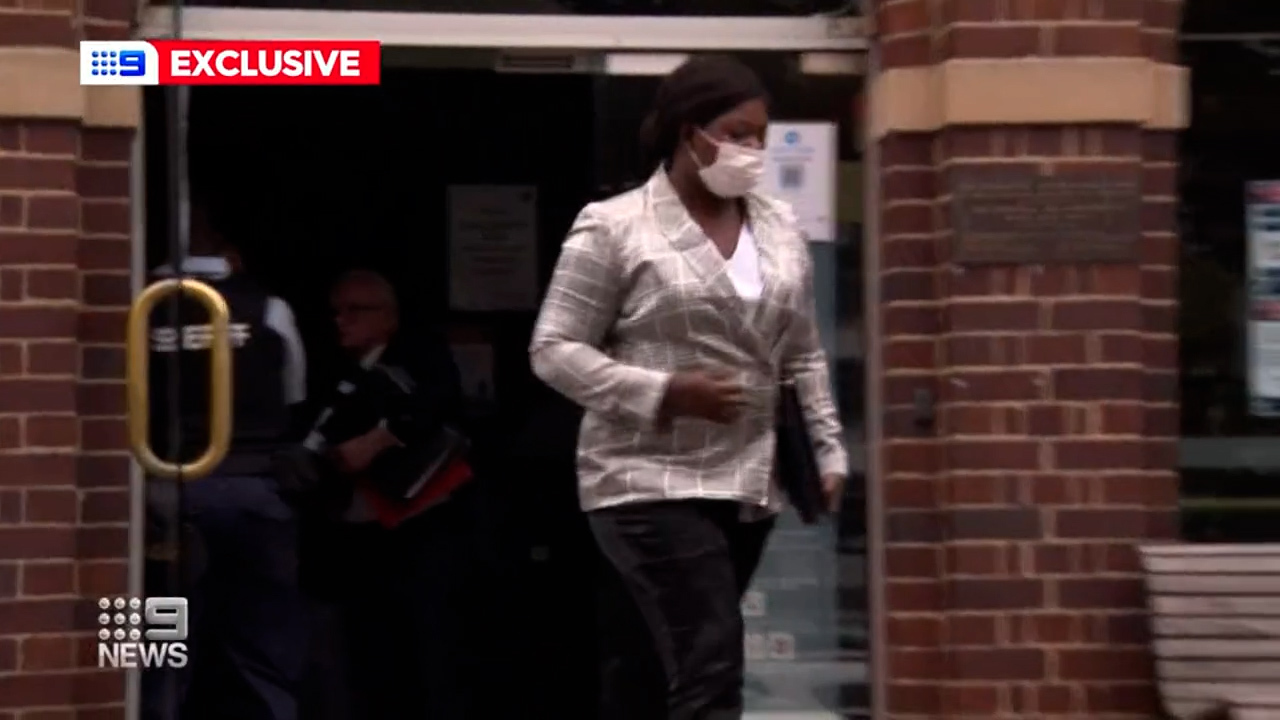
Police claim Betty Sadia, 32, stole precious jewellery and cash from the woman's Milsons Point home over a six-week period last year.

Today, Ms Sadia faced court for the first of a two-day hearing, where police alleged she stole a white gold bracelet with 180 aquamarine stones worth $20,000, a gold chain worth $1800, and $16,380 in cash.

READ MORE: NSW MP Gareth Ward suspended from parliament

NSW Police claim Betty Sadia, 32, stole precious jewellery and cash from her elderly client.

The prosecution in the case admitted the evidence pointing to Ms Sadia is "circumstantial" but said Ms Sadia has faced similar charges before.

The court heard that five years ago in 2017, Ms Sadia allegedly stole cash from the handbag of her then client, a 73-year-old woman.

Security vision of that 2017 offence was played to the court.

It showed Ms Sadia taking money from a wallet and placing it up her shirt.

Upon viewing the vision, the magistrate remarked that it had "a significant similarity" to the current allegation.

Ms Sadia's lawyer Ian Byrne told the magistrate "there's no fingerprints, no DNA and no photographs of assistance to the court".

Ms Sadia denied the charges when she took the stand this afternoon.

"I did not steal from her," she said.

"I didn't do it. I never saw any jewellery and I never took any jewellery."

Ms Sadia will return to court tomorrow, where the magistrate will hand down a decision on the case.

'Super cold' cases on the rise with symptoms similar to COVID-19

A general practitioner is calling on Australians to double-down on their vaccination efforts and to receive a flu shot when they go for their COVID-19 booster.

It comes as experts warn a "super cold" breakout is underway, with symptoms of the virus almost entirely the same to that of COVID-19.

Dr Charlotte Hespe, Director of the Royal Australian College of General Practitioners (RACGP), said there has been an increase in respiratory infections as the country opens up.

READ MORE: How Putin could be prosecuted for war crimes

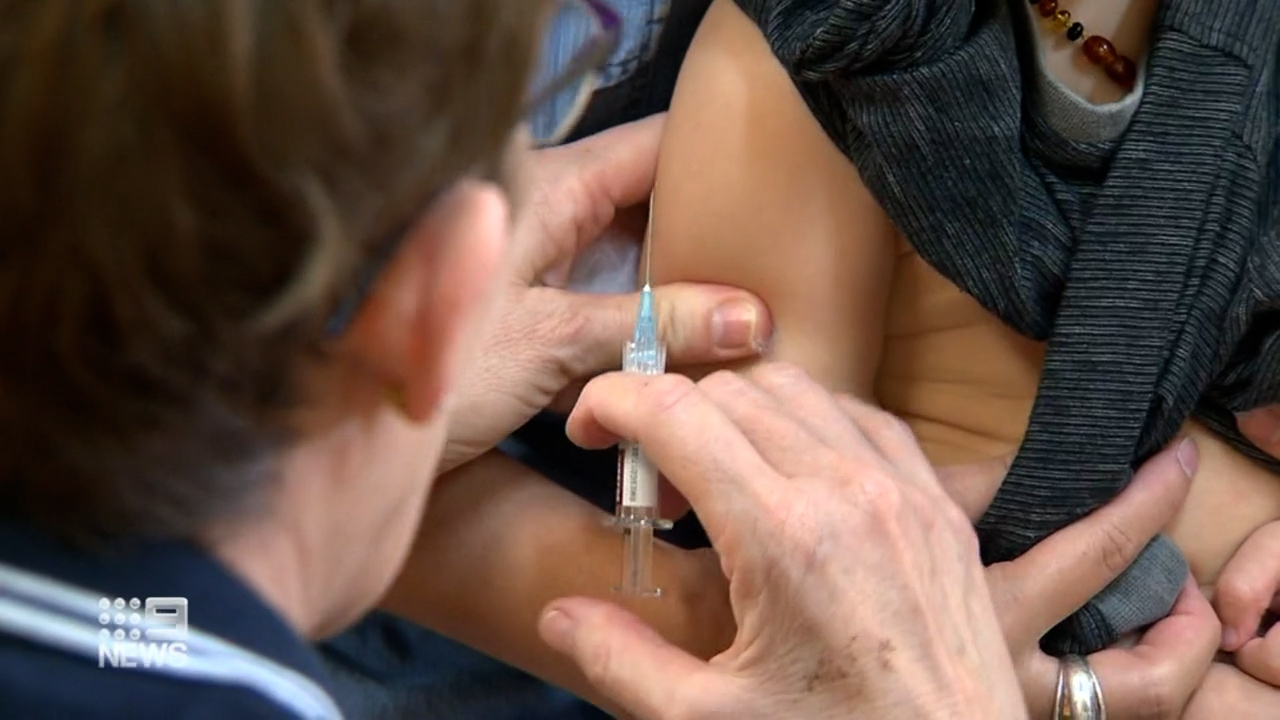
Australians advised to double-down on their vaccination efforts and to receive a flu shot.

"We are definitely seeing an increased number of respiratory tract infections, both lower respiratory infections or pneumonias, and upper respiratory track infection colds," Dr Hespe said.

Health experts are claiming the increase in illness is directly related to being locked down during the past two flu seasons.

People's immunity is at an all-time low upon emerging from nearly two years of isolation.

The return to normality is seeing thousands of people contract infections, reporting symptoms of body aches, general fatigue, sore throat, cough and runny nose – each in line COVID-19 but without the positive test results.

READ MORE: Moderna to produce millions of mRNA vaccines in Australia

Experts warn a "super cold" breakout is underway, with symptoms of the virus almost entirely the same to that of COVID-19.

First appearing in the United Kingdom around November last year, the new super flu has made its way to our sunny shores at a time when experts fear people may becoming complacent.

"Often we forget about the seriousness of the flu because we have a good vaccine program," Dr Hespe said.

Experts are concerned Australians are experiencing "vaccine fatigue", with only 59 per cent of those eligible having had their third COVID-19 vaccine dose.

With flu season approaching, it is imperative Australians are up to date with vaccinations.

The RACGP is encouraging cautionary COVID-19 practices to remain in action, including wearing masks, social distancing and good hand hygiene.

Australia's Emissions Reduction Fund dubbed 'fraud on the environment'

Billions of taxpayer dollars are potentially being wasted by the Australian Government's system for encouraging organisations to reduce their emissions, an environmental market expert has warned.

The Australian National University's Professor Andrew Macintosh and his colleagues have published a series of papers outlining what they say are systemic flaws in the Federal Government's Emissions Reduction Fund (ERF) and the way it issues Australian carbon credits (ACCUs).

They have dubbed the ERF an "environmental and taxpayer fraud", saying it is riddled with governance flaws.

READ MORE: Moderna to produce millions of mRNA vaccines in Australia

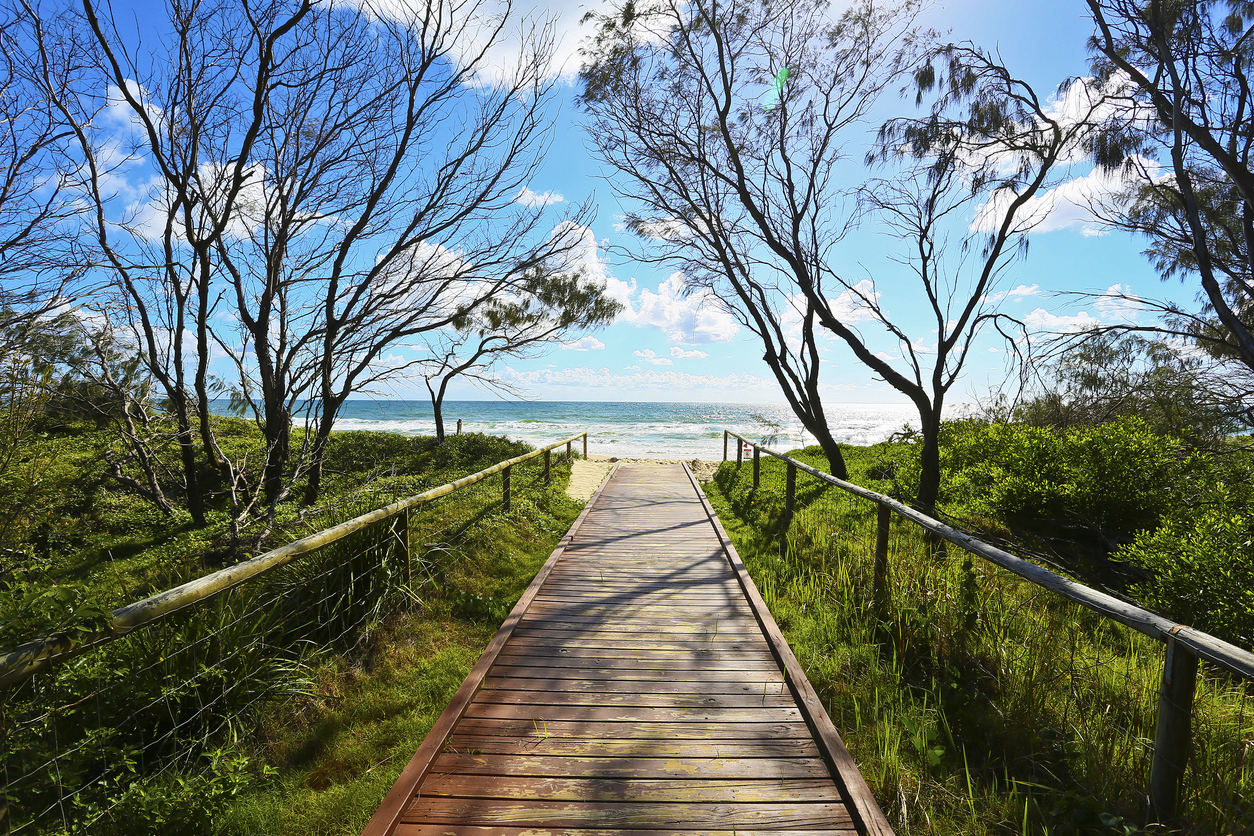
Wooden boardwalk beach access point at Broadbeach, Gold Coast, Queensland, Australia

"Unfortunately, Australia's carbon market currently suffers from a distinct lack of environmental integrity," Professor Macintosh said.

He said the ERF scheme was dominated by three types of projects: avoided deforestation in western New South Wales; human-induced regeneration of native forests in the dry rangelands of Queensland, NSW, Western Australia, South Australia and the Northern Territory; and the combustion of methane from landfills.

These three projects account for about 75 per cent of ACCUs issued.

Professor Macintosh said data suggested suggests 70 to 80 per cent of the ACCUs issued to these projects did not represent "real and additional abatement".

"All of the major emission reduction methods have serious integrity issues, either in their design or the way they are being administered," he said.

READ MORE: Nineteen die across NSW and Victoria as Omicron BA.2 takes country 'by storm'

"People are getting ACCUs for not clearing forests that were never going to be cleared; they are getting credits for growing trees that are already there; they are getting credits for growing forests in places that will never sustain permanent forests; and they are getting credits for operating electricity generators at large landfills that would have operated anyway.

"What is occurring is a fraud on the environment, a fraud on taxpayers and a fraud on unwitting private buyers of ACCUs, including private households who purchase ACCUs to offset their personal emissions."

READ MORE: Track Australia's fuel prices day-by-day

The ERF is administered by the Clean Energy Regulator, which has $4.5 billion to spend on ACCUs.

"The Clean Energy Regulator has already spent $1 billion on purchasing ACCUs and has contracts to purchase a further $1.6 billion," Professor Macintosh said.

"By issuing ACCUs for these low integrity abatement projects, the regulator is throwing good money after bad and undermining Australia's ability to meet its long-term emission reduction targets."

Professor Macintosh and his co-authors have called for the Clean Energy Regulator to be broken up to work towards solving the issue.

The researched are also calling for "the offending low integrity methods" under the ERF to immediately end and for reforms to stop the methods from receiving any further credits.

READ MORE: What are your chances of getting COVID-19 more than once?

"We are also calling for a full and independent inquiry into what has happened," Professor Macintosh said.

"The public deserves an explanation for what has occurred and what can be done to ensure this does not happen again."

Professor Andrew Macintosh is an expert on environmental markets who has also sat on the bushfire royal commission, chaired the Integrity Committee of the ERF for six-and-a-half years and was a member of the King Review of Low-cost Sources of Abatement.

Assistant Defence Minister takes stand in Ben Roberts-Smith trial

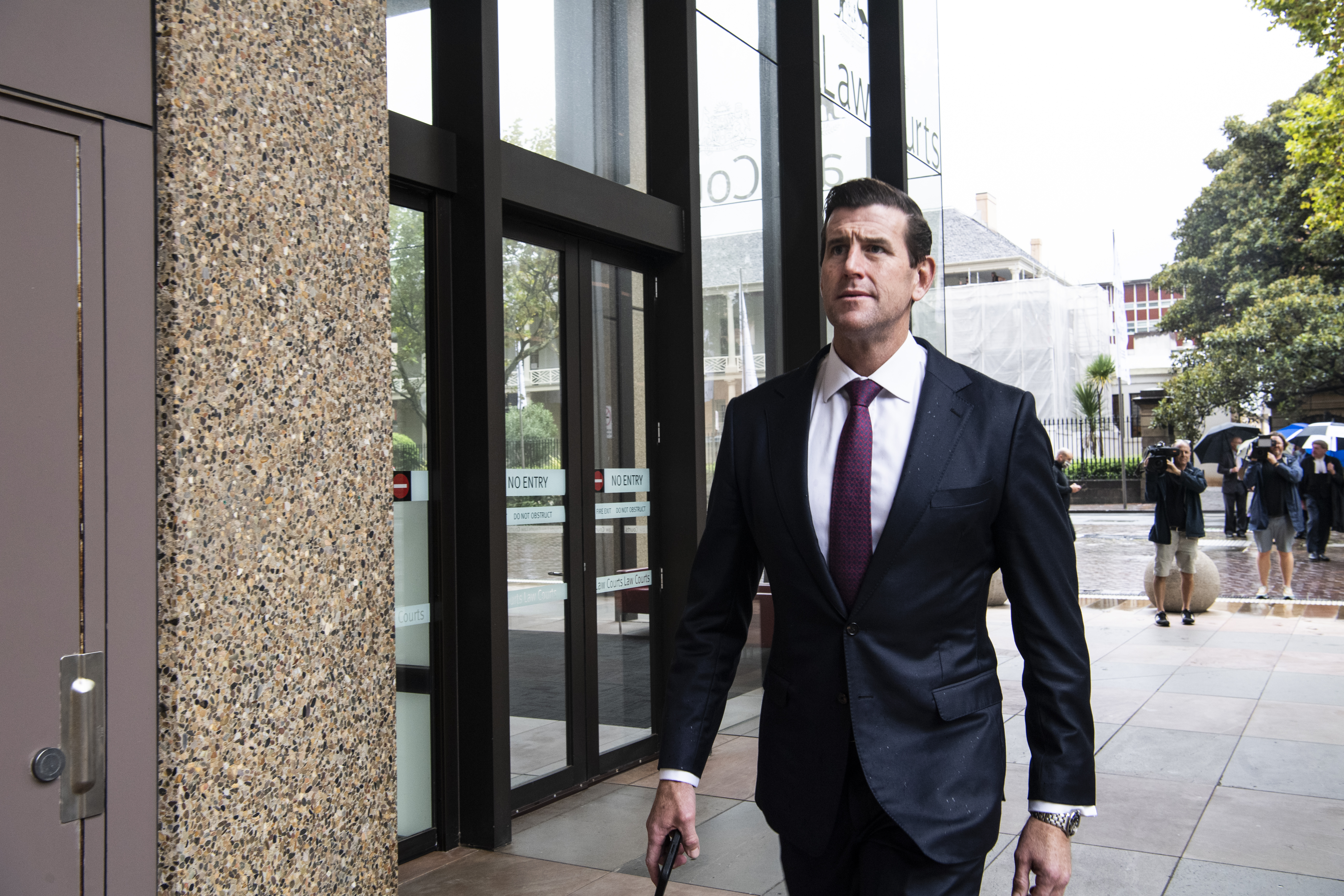
Assistant Defence Minister Andrew Hastie was the star witness at the Ben Roberts-Smith defamation trial today.

Mr Hastie, a former soldier turned politician, recounted his time in the Special Air Service Regiment.

Mr Hastie told the Federal Court of a catch-and-kill mission in 2012 in Syahchow, Afghanistan, where it is alleged Mr Roberts-Smith ordered a junior trooper to execute an Afghan detainee.

READ MORE: How Putin could be prosecuted for war crimes

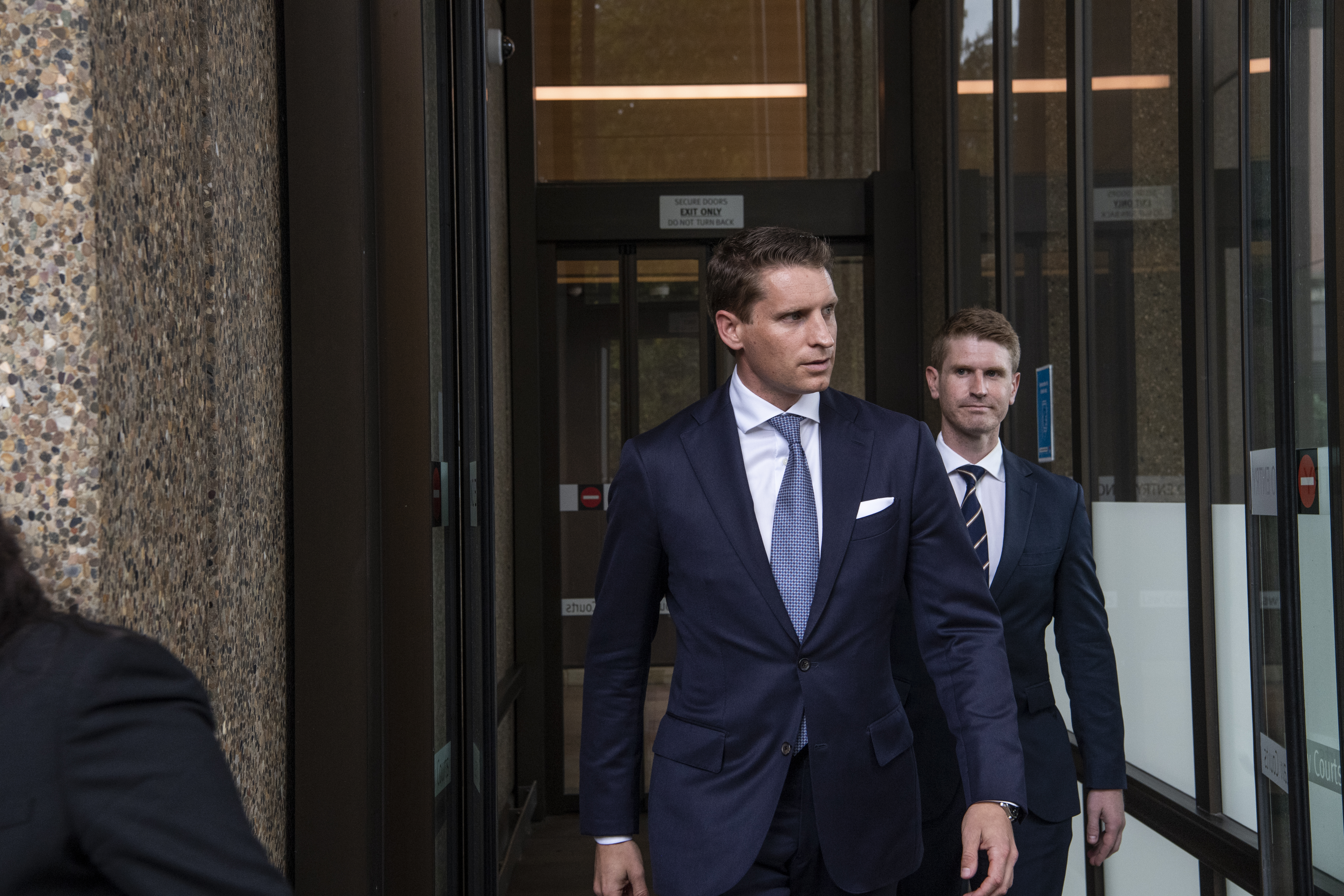
Andrew Hastie leaving Federal Court.

Mr Hastie claimed he saw the prisoner's body and then saw the junior trooper who looked nervous and unlike his usual self.

"I just thought that's not the person I know, the happy-go-lucky, classic, country Aussie," Mr Hastie told the court.

Mr Hastie testified he later ran into Mr Roberts-Smith who, "looked me in the eye and said 'just a couple more dead c—-'".

Mr Roberts-Smith was awarded the Victoria Cross in 2011 and went on to support several mental health charities.

Mr Hastie recalled a time he and other comrades were watching the VC recipient on TV when a colleague said, "Roberts-Smith gave Person 1 depression and now he's going to help him fight it".

"Laughter was the only response, but not at Person 1's expense," Mr Hastie told the court.

READ MORE: Moderna to produce millions of mRNA vaccines in Australia

Ben Roberts-Smith arrives at Federal Court.

Mr Hastie also testified that he was once proud of Mr Roberts-Smith's achievements and reputation, but he now joins a list of former and serving soldiers giving evidence against the war hero.

The Liberal MP will return to the witness box tomorrow.

Mr Roberts-Smith denies bullying, war crime and domestic violence allegations and is suing Nine Newspapers for defamation.

Four out of five aspiring homeowners now think Aussie dream is dead

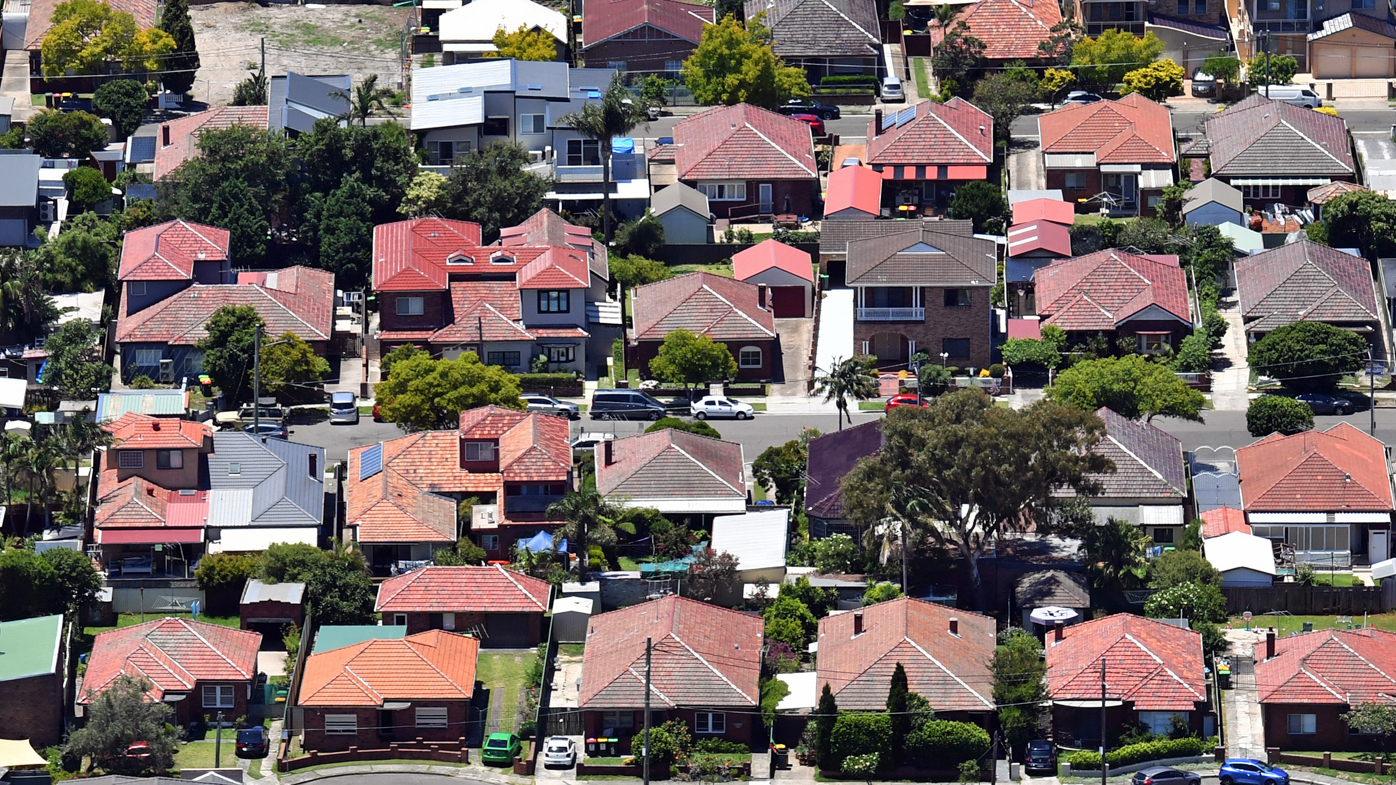
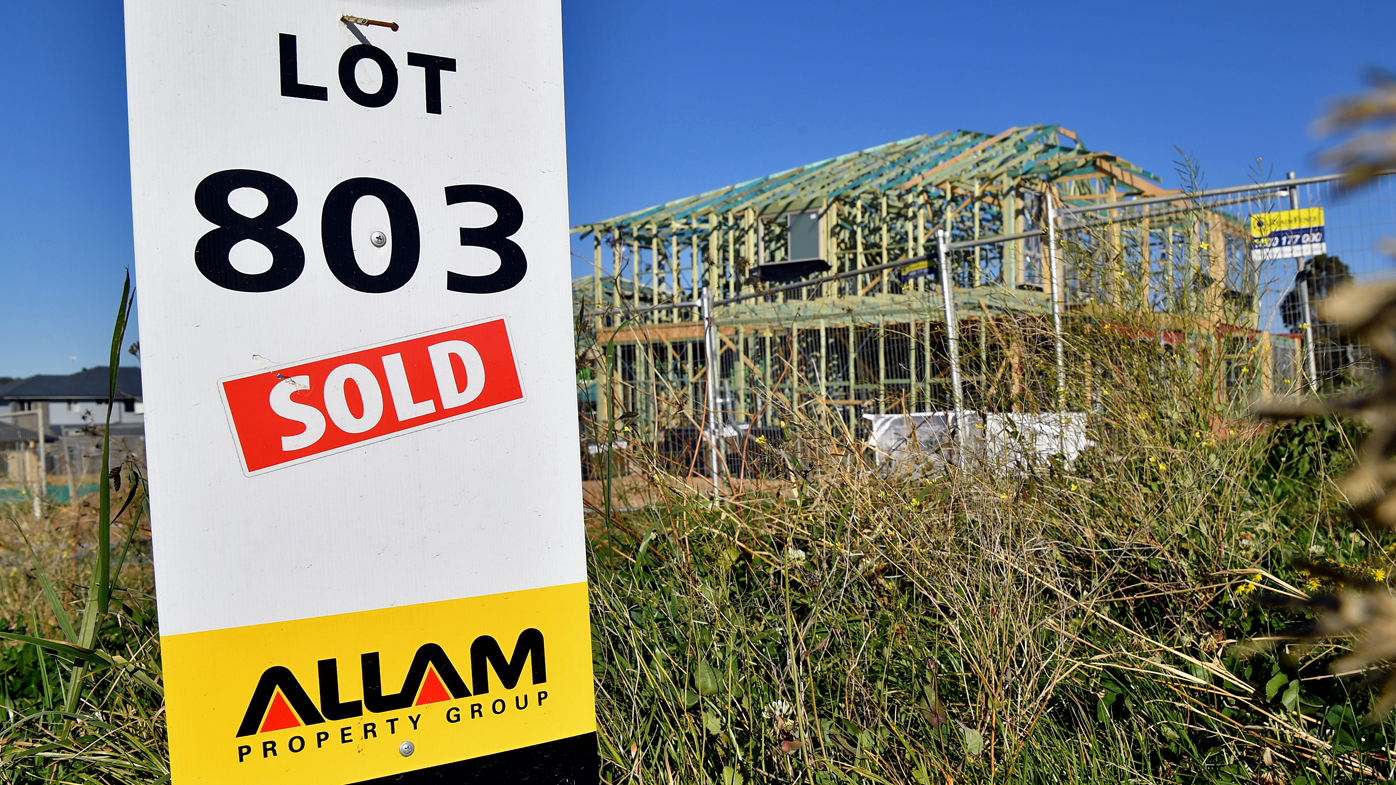
Four out of five Australians wishing to enter the property market now think owning a house in their lifetime is unachievable as prices skyrocket far above wages.

New research from the Property Council of Australia shows almost 70 per cent of voters fear younger people will never be able to buy a home.

The data, taken from a nationwide survey of more than 1100 people, revealed almost 90 per cent of people attempting to enter the property market cited affordability as the biggest barrier.

READ MORE: How Putin could be prosecuted for war crimes

Property Council Chief Executive Ken Morrison said housing affordability was a "wicked and complex" issue that required government intervention.

"This data paints a pretty sad state of affairs. Australians deserve better and the campaign we are launching today aims to send a message that we need action from all our political leaders to work with industry to deal with the situation," Mr Morrison said.

"Our research shows four out of every five aspiring homeowners actually believe the dream of home ownership is unachievable, which you'd have to say is incredibly disheartening.

"It's no wonder more than half of 18–34-year olds say it will be an important issue for them in deciding their vote, while another quarter felt it was one of the most important issues coming into the election."

READ MORE: Moderna to produce millions of mRNA vaccines in Australia

Mr Morrison said there was no easy solution to easing housing affordability, but something needed to be done before an entire generation was priced out of the market.

"As a country, we need to get better at bringing on the new housing that our growing communities need. There is no single silver bullet and every level of government has a role to play here," Mr Morrison said.

"With the right policy settings, we can deliver greater housing choice – including options for older Australians to live where their kids are now growing up, teachers and nurses who deserve to live close to work, and couples who want to find a home to raise their young families.

"Housing affordability isn't a nice-to-have, it's a must-have. Although people feel the dream is fading, we can actually turn it around. With the right decisions, we can in fact keep that dream alive for all Australians."

Yesterday, Domain's annual First-Home Buyers Report showed that on average it takes eight years for the average couple to save the deposit for their first home.

Over the past decade, house prices across Australia's combined capitals increased by 101 per cent, while unit prices increased by 52 per cent.

Domain's Chief of Research and Economics, Dr Nicola Powell, said the barriers to entry for young people were growing by the day.

"First home buyers are facing a growing financial hurdle when it comes to saving a deposit, and this is becoming more daunting in the context of rising living costs, low wage growth, weak saving rates and the rapid rise in property prices," Dr Powell wrote.

Refugee advocates concerned many will be left behind despite NZ deal

New Zealand is set to take in 150 refugees a year currently in Australia's detention system, however advocacy groups are concerned some people will be left behind.

In a joint statement from Australia's Minister for Home Affairs, Karen Andrews, and New Zealand's Minister of Immigration, Kris Faafoi, the two governments agreed on the resettlement plan, which will last for three years.

The Refugee Council of Australia chief executive officer Paul Power acknowledged this would change the lives of 450 refugees but said hundreds will still be stranded in Australia's detention system.

LIVE UPDATES: Crown Perth found unsuitable to hold casino licence
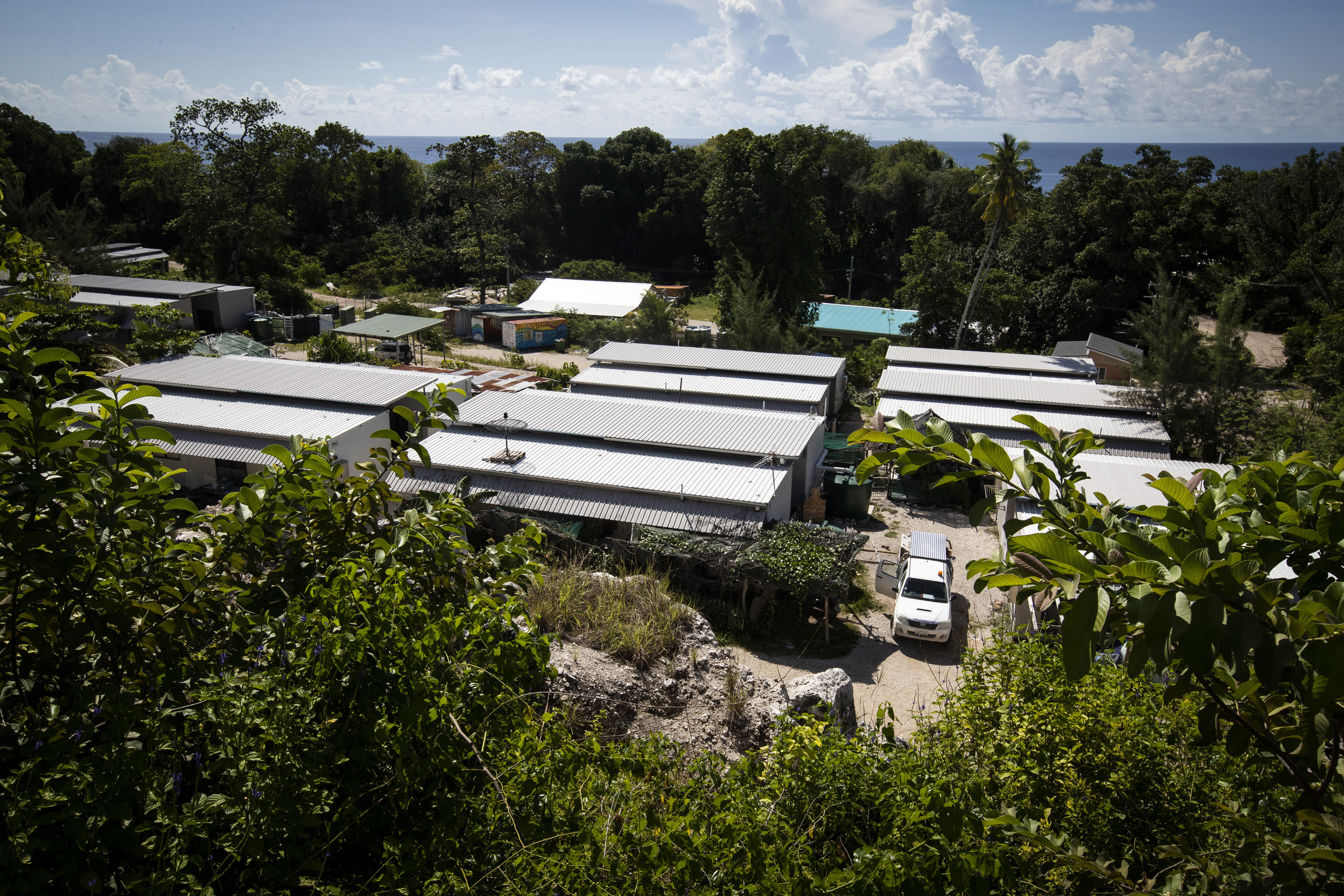
"As generous as the New Zealand offer is, more than 500 people affected by the offshore processing policy – most of them with refugee status – will be left with nowhere to go even if the current resettlement options to the United States and Canada and the offer of 450 places in New Zealand are fully utilised," Mr Power said.

"Of the 3127 people sent to detention in Nauru and Manus Island in 2013 and 2014 under Australia's offshore processing policy, around 1384 people remain in Nauru, PNG and Australia.

"There are around 270 refugees with applications for the United States and 159 current applications for sponsorship to Canada.

"If all of these places are filled and 450 refugees are resettled to New Zealand, 505 people in Nauru, PNG and Australia will be left with no solution."
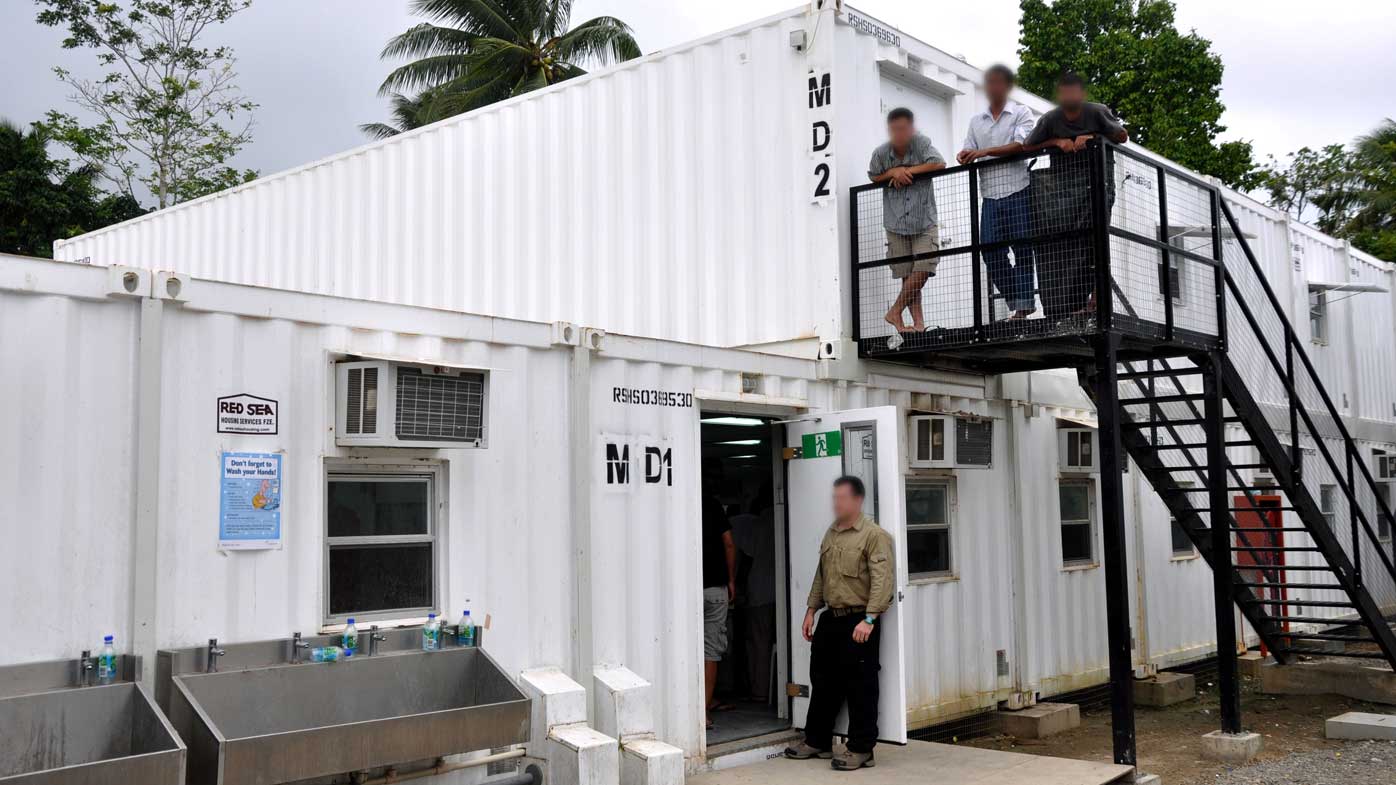
Manus Island.

Human Rights Law Centre senior lawyer Scott Cosgriff echoed the Refugee Council of Australia's statements and claimed hundreds detained on Manus Island and in Papua New Guinea would also be left behind.

"This agreement will transform the lives of hundreds of refugees who fled persecution only to lose the best part of a decade of their lives to this cruel policy. But the announcement also leaves hundreds behind," he said.

Ms Andrews made it clear the deal only applies to refugees currently in Australia's detention system, not to any future asylum seekers, reinforcing the nation's hard-line stance on refugees.

"This arrangement does not apply to anyone who attempts an illegal maritime journey to Australia in the future," Ms Andrews said.

"Australia remains firm – illegal maritime arrivals will not settle here permanently.

"Anyone who attempts to breach our borders will be turned back or sent to Nauru."

READ MORE: Moderna to produce millions of mRNA vaccines in Australia

https://twitter.com/ElizaEdNews/status/1506814298252709889

The resettlement agreement will initially be applied to refugees currently stuck in the offshore detention centre in Nauru or are temporarily in Australia "under regional processing arrangements".

Refugees must meet New Zealand's refugee quota programme requirements, be referred to New Zealand by the United Nations High Commissioner for Refugees, and cannot be part of other third-country resettlement plans.

Mr Faafoi expressed he was pleased the deal had been finalised.

"We are pleased to be able to provide resettlement outcomes for refugees who would otherwise have continued to face uncertain futures," he said.

READ MORE: How Putin could be prosecuted for war crimes

https://twitter.com/andrewmacfnz/status/1506814447536418816

All applications from refugees to resettle in New Zealand will undergo "comprehensive screening", the statement said.

This includes checks on credibility, security, risk and biometrics, and a health assessment.

The offer from New Zealand has been on the table since 2013 and has been subject to multiple rounds of negotiations.