New Zealanders have never been more at risk of catching Covid-19 despite most parts of the country passing their peak number of daily infections, a top expert says. And if parents want to lessen the chance of their children being…
Tag Archives: oceania
Why Putin uses World War II to justify war on Ukraine
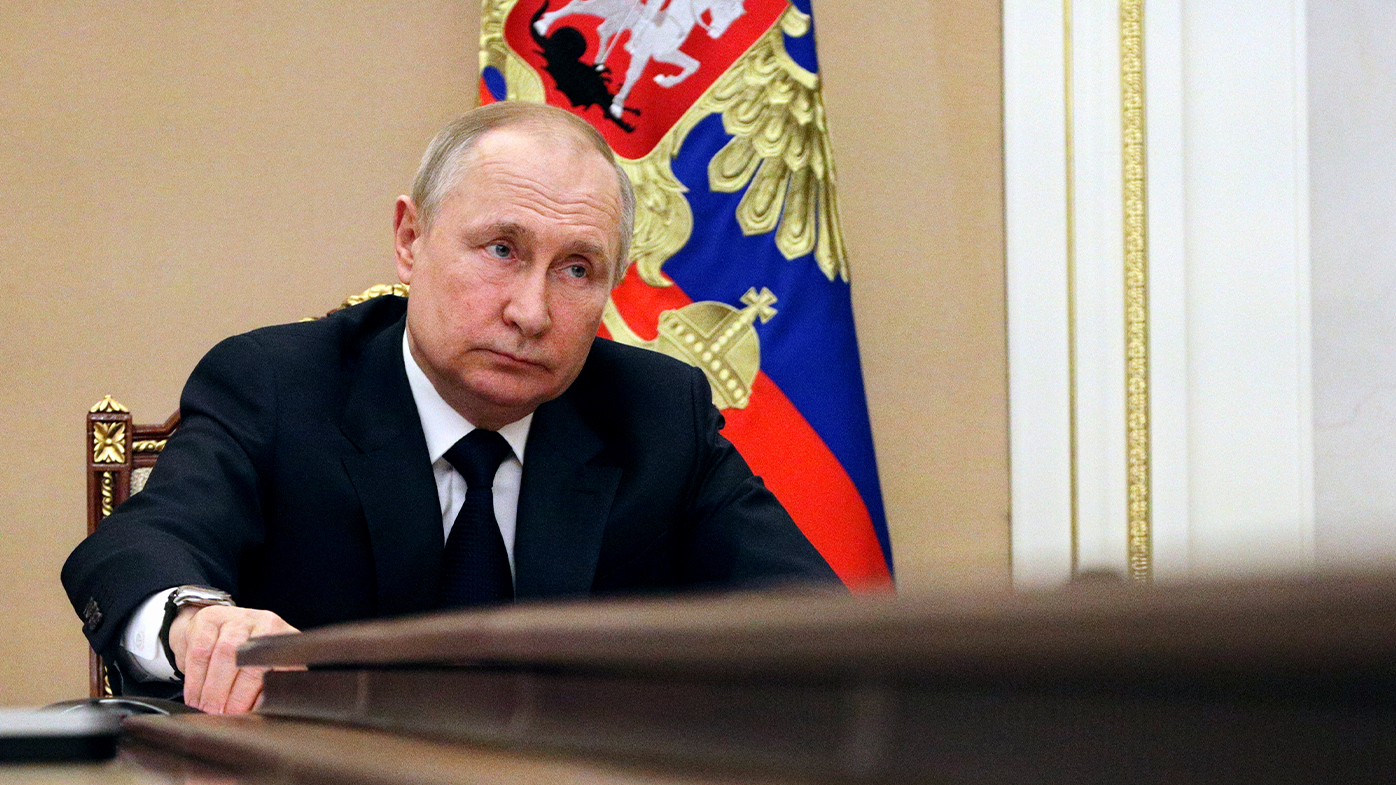
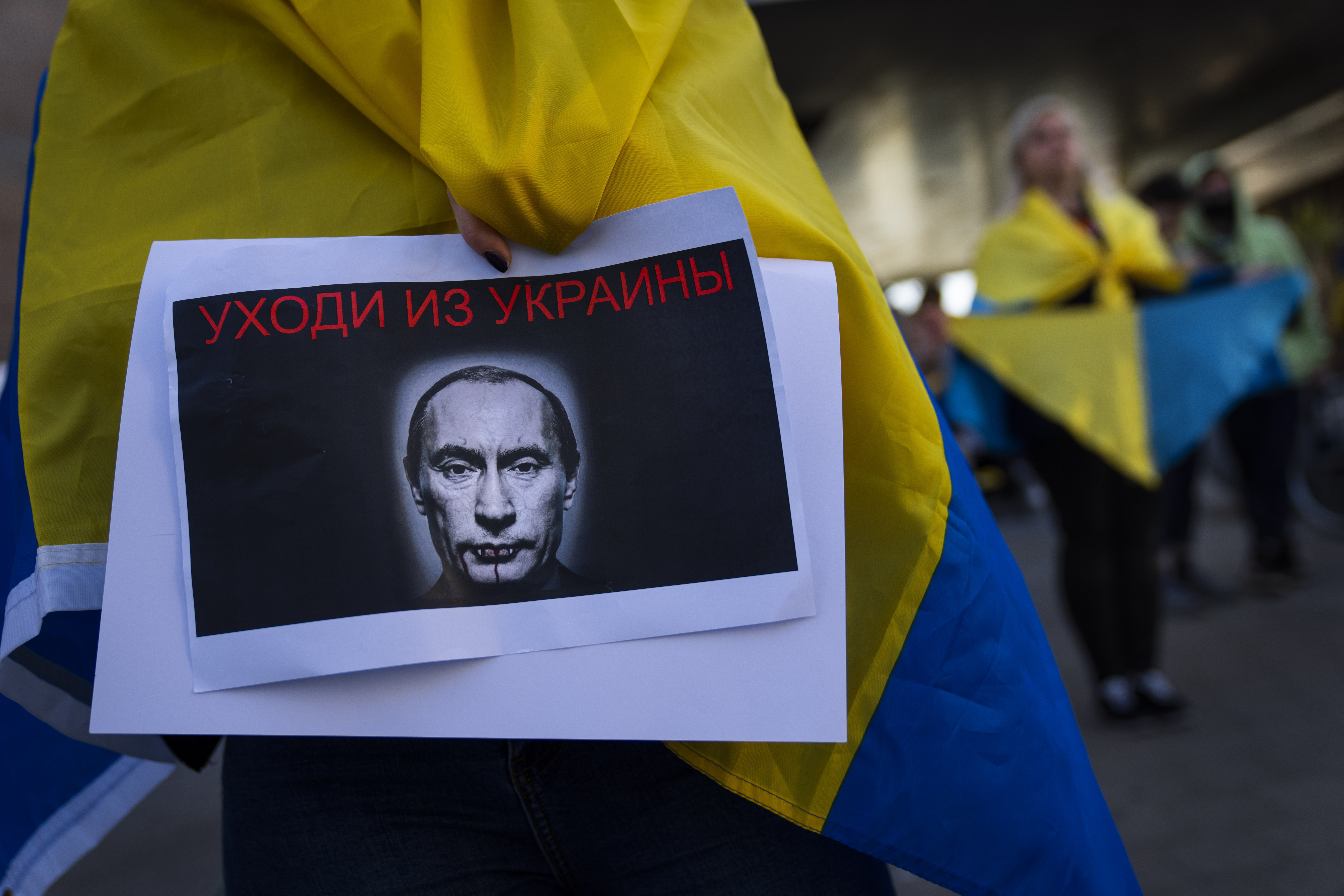
Vladimir Putin has again painted his enemies in Ukraine as "neo-Nazis", even though the country has a Jewish president who lost relatives in the Holocaust and who heads a Western-backed, democratically elected government.
The Holocaust, World War II and Nazism have been important tools for Putin in his bid to legitimise Russia’s war in Ukraine, but historians see their use as disinformation and a cynical ploy to further the Russian leader’s aims.
Israel has proceeded cautiously, seeking not to jeopardise its security ties with the Kremlin, despite what it considers the sacred memory of the six million Jews who were murdered by the Nazis in the Holocaust.
READ MORE: Putin appears at big rally as troops press attack in Ukraine
Here's a closer look at how the ghosts of the past are shaping today's conflict.
The war that defines Russia
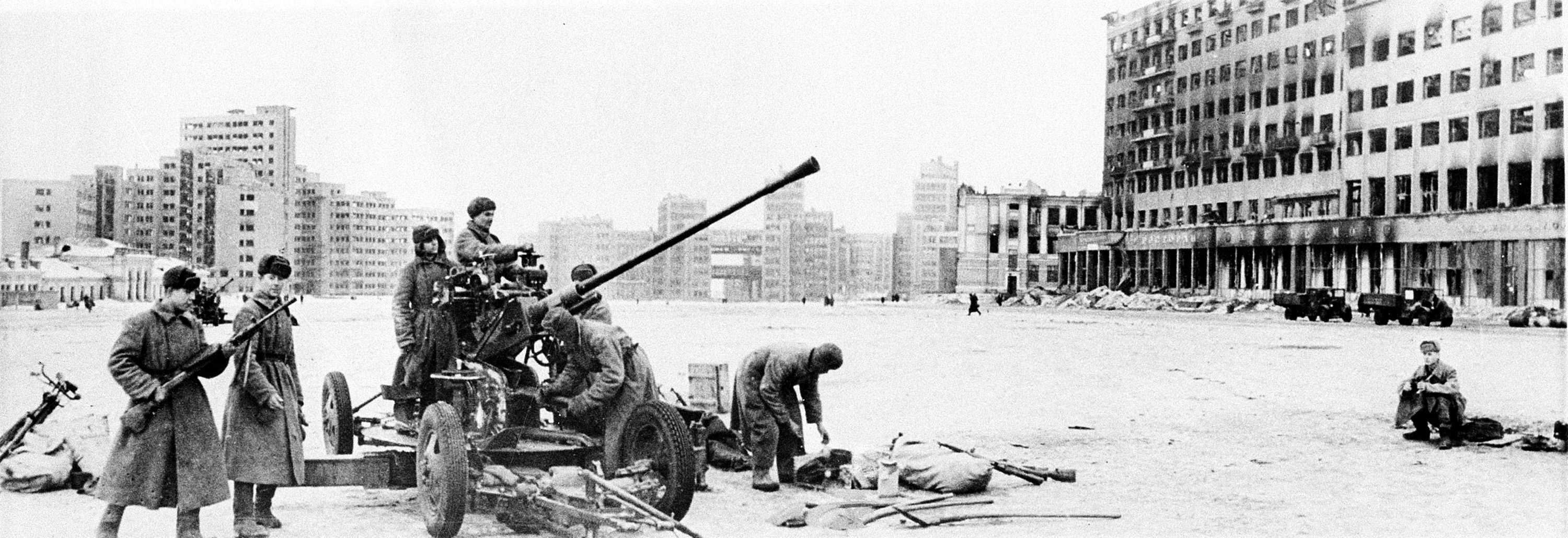
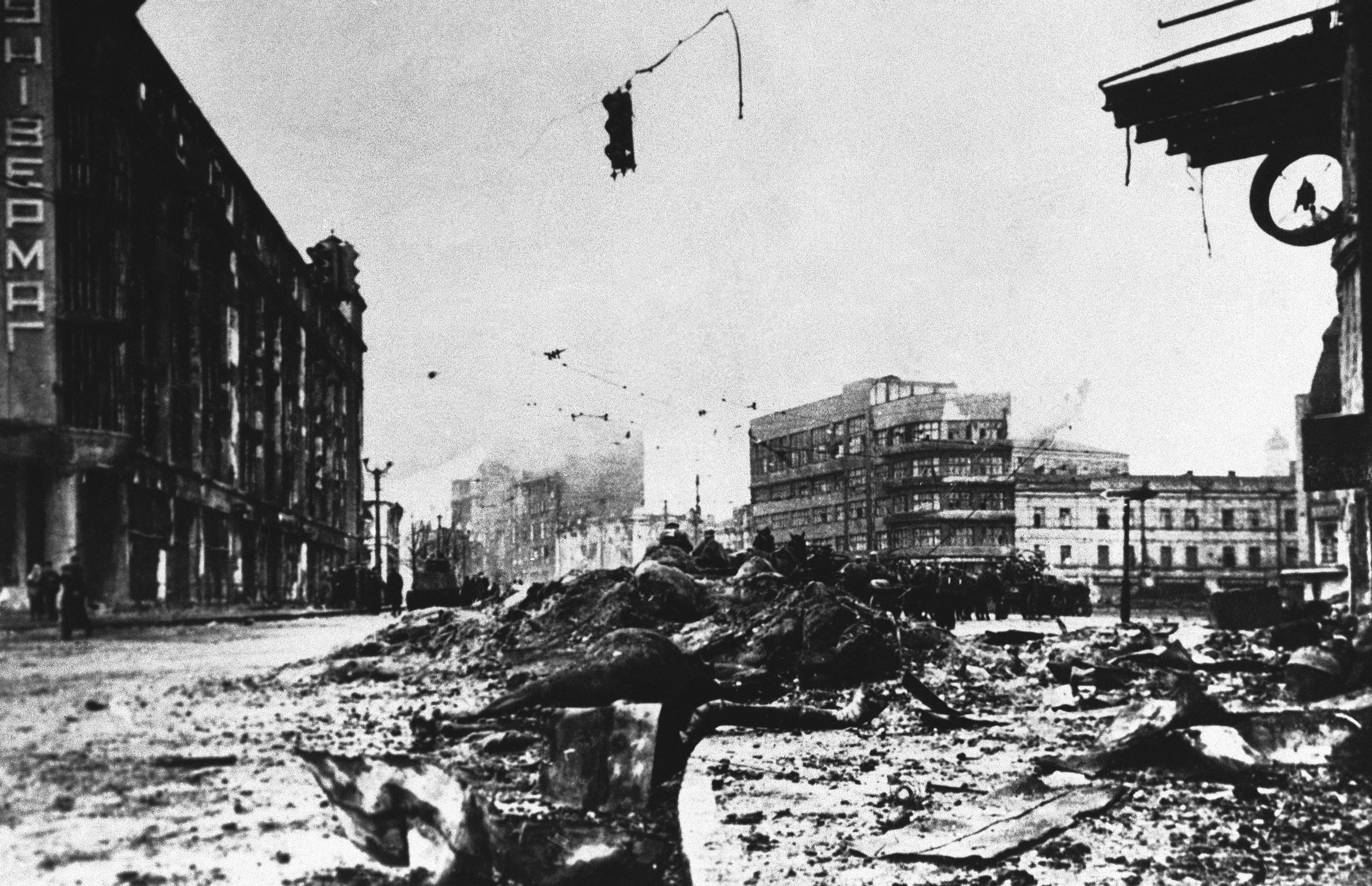
World War II, in which the Soviet Union lost an estimated 27 million people, is a linchpin of Russia’s national identity.
In today's Russia, officials bristle at any questioning of the USSR’s role.
Some historians say this has been coupled with an attempt by Russia to retool certain historical truths from the war.
They say Russia has tried to magnify the Soviet role in defeating the Nazis while playing down any collaboration by Soviet citizens in the persecution of Jews.
On Ukraine, Russia has tried to link the country to Nazism, particularly those who have led it since a pro-Russian leadership was toppled in 2014.
This goes back to 1941 when Ukraine, at the time part of the Soviet Union, was occupied by Nazi Germany.
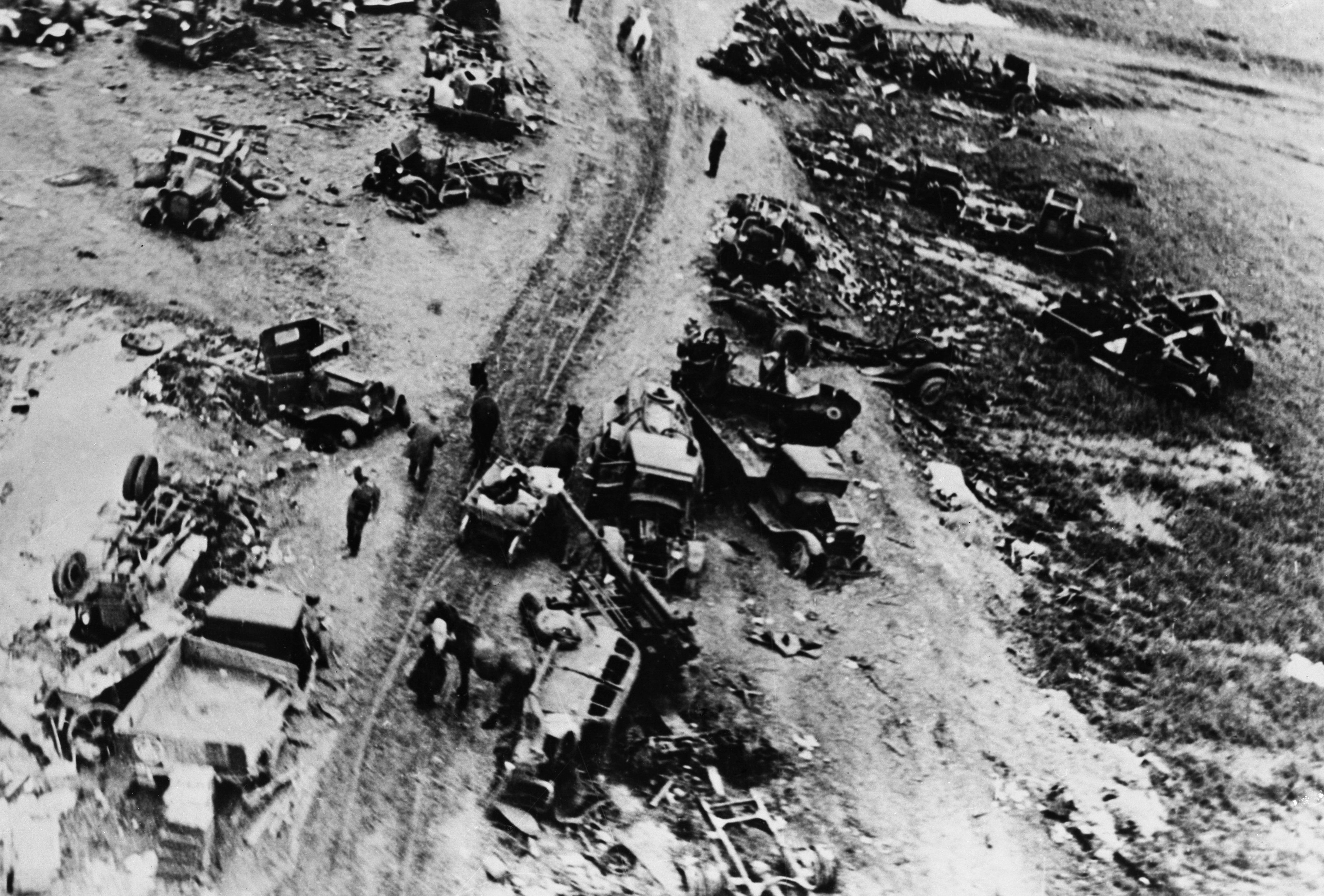
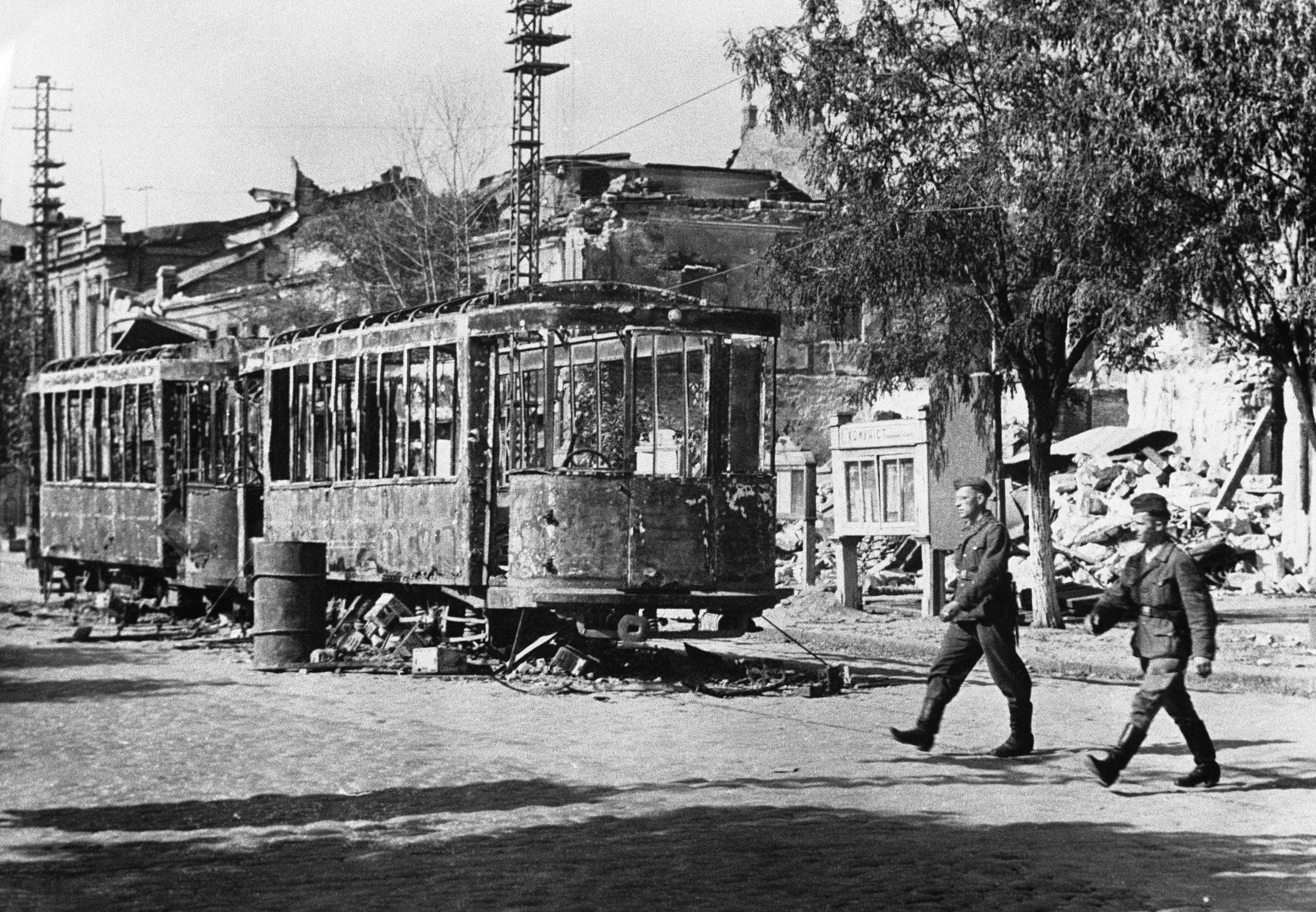
Some Ukrainian nationalists welcomed the Nazi occupiers, in part as a way to challenge their Soviet opponents, according to Yad Vashem, Israel’s Holocaust memorial. Historians say that, like in other countries, there was also collaboration.
Some of Ukraine’s politicians since 2014 have sought to glorify nationalist fighters from the era, focusing on their opposition to Soviet rule rather than their collaboration and documented crimes against Jews, as well as Poles living in Ukraine.
But making the leap from that to claiming Ukraine’s current government is a Nazi state does not reflect the reality of its politics, including the landslide election of a Jewish president and the aim of many Ukrainians to strengthen the country’s democracy, reduce corruption and move closer to the West.
READ MORE: US lays out consequences for China if it supports Russia attack on Ukraine
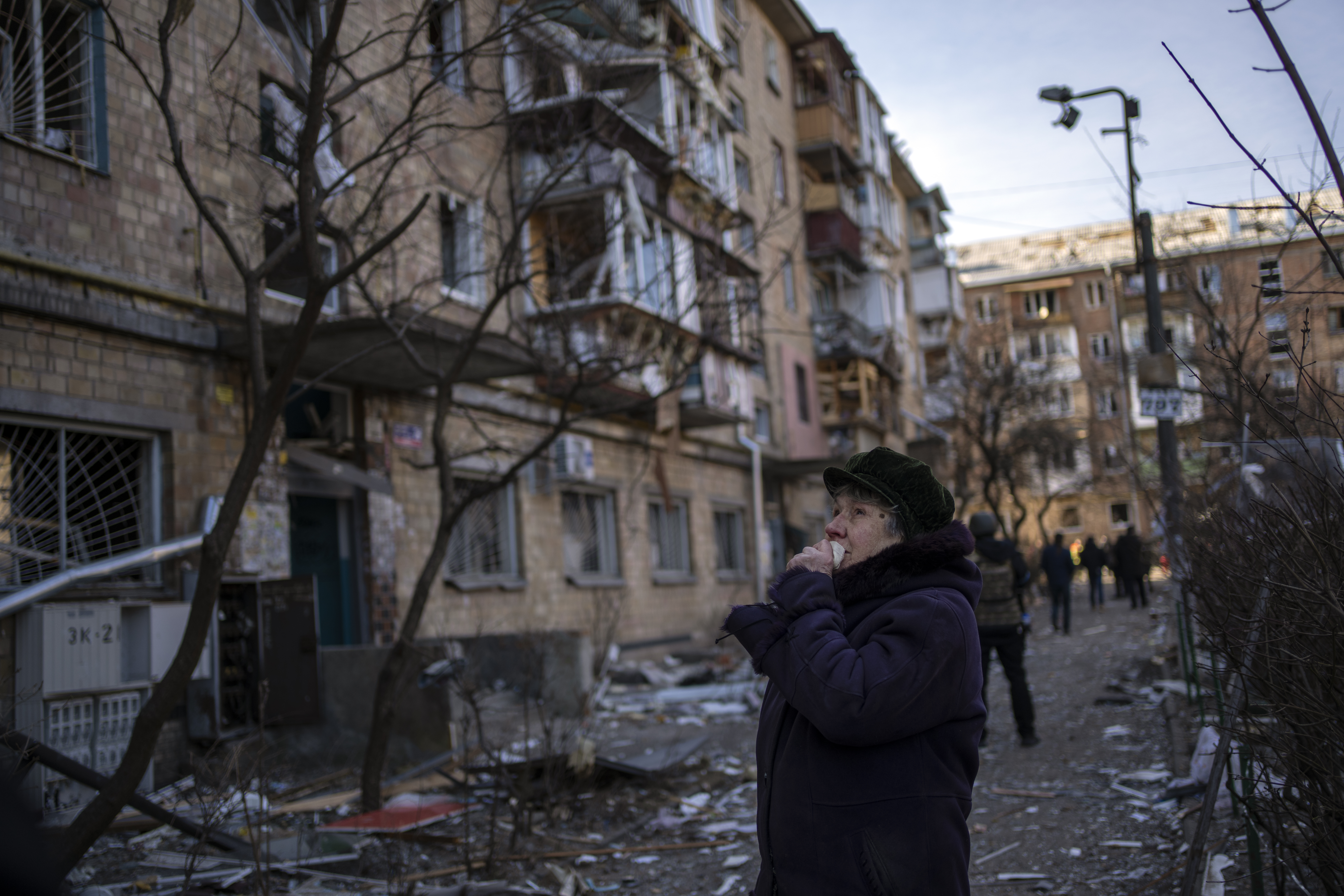
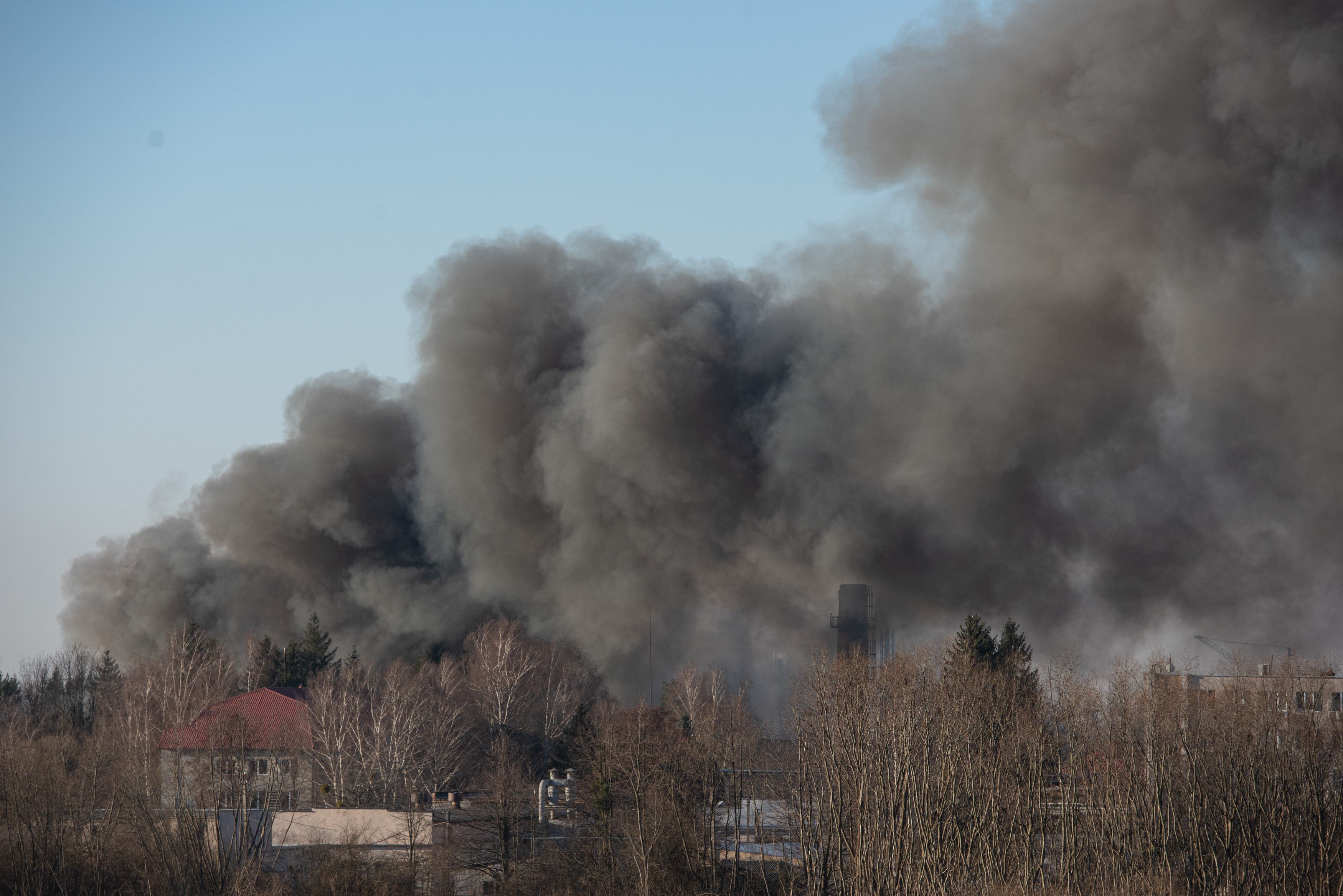
"In terms of all of the sort of constituent parts of Nazism, none of that is in play in Ukraine,” Jonathan Dekel-Chen, a history professor at Jerusalem's Hebrew University, said.
"Territorial ambitions. State-sponsored terrorism. Rampant antisemitism. Bigotry. A dictatorship. None of those are in play. So this is just total fiction."
What's more, Ukrainian President Volodymyr Zelenskyy is Jewish and has said three of his grandfather's brothers were killed by German occupiers while his grandfather survived the war.
That hasn't stopped Russian officials from comparing Zelenskyy to Jews who were forced to collaborate with the Nazis during the Holocaust.
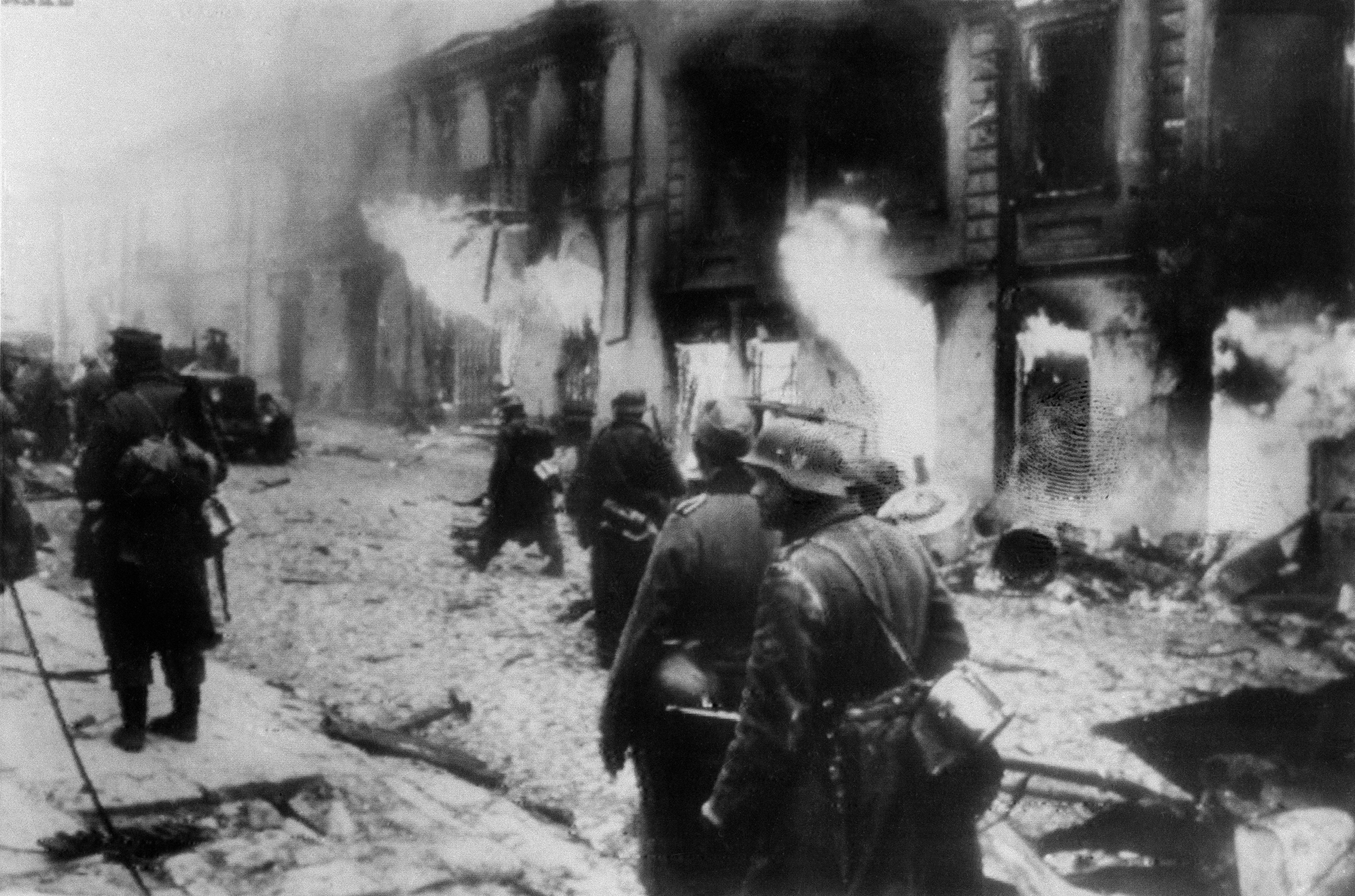
Holocaust distortion
Putin's attempts to stretch history for political motives is part of a trend seen in other countries as well.
Most prominently is Poland, where authorities are advancing a nationalist narrative at odds with mainstream scholarship, including through a 2018 law that regulates Holocaust speech.
The legislation sought to fight back against claims that Poland, a victim of Nazi Germany, bore responsibility for the Holocaust.
The law angered Israel, where many felt it was an attempt to whitewash the fact that some Poles did kill Jews during the German occupation during World War II.
Yad Vashem also came out against the legislation.
READ MORE: China decries 'conflict' during video call between Joe Biden and Xi Jinping
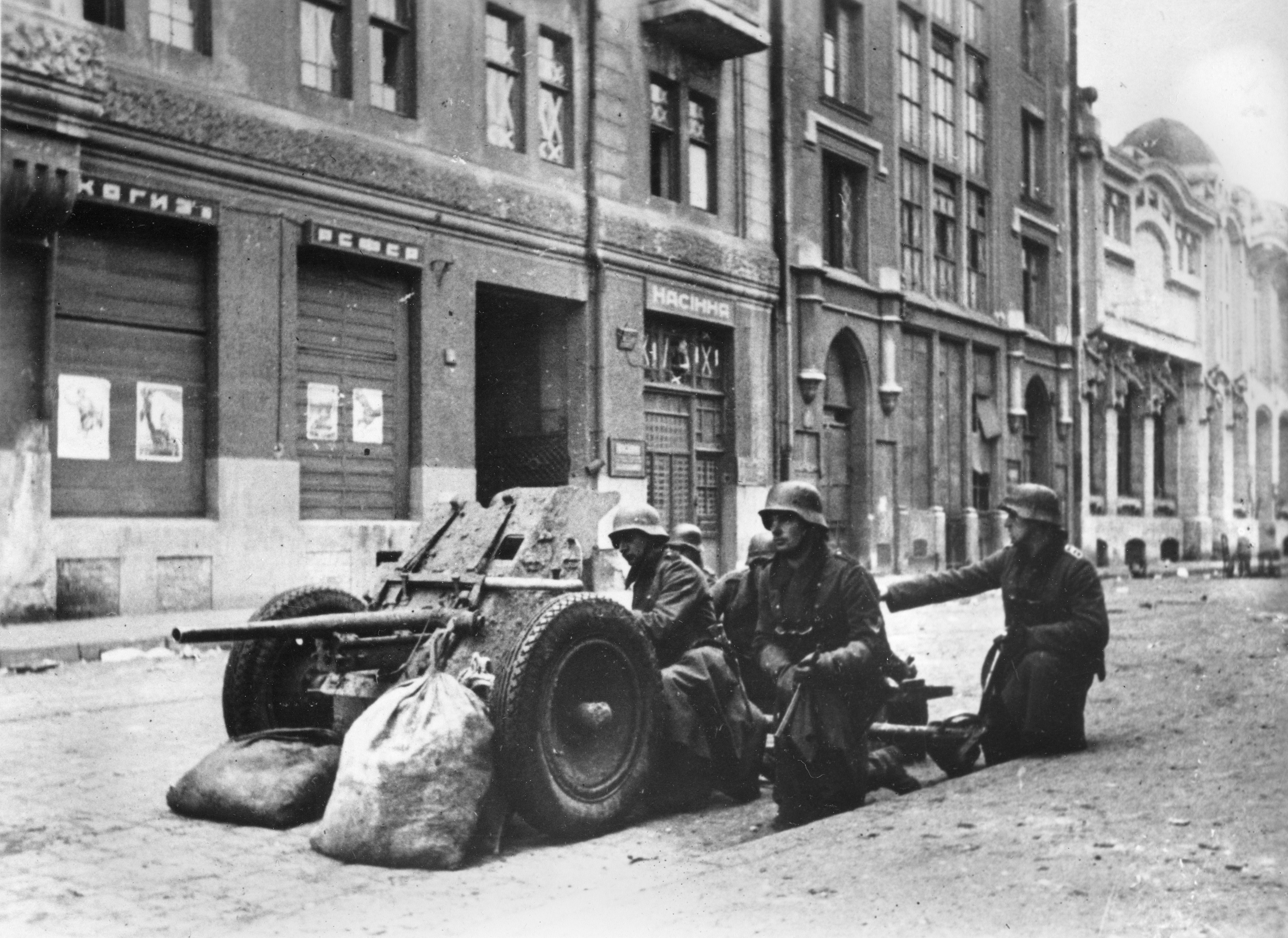
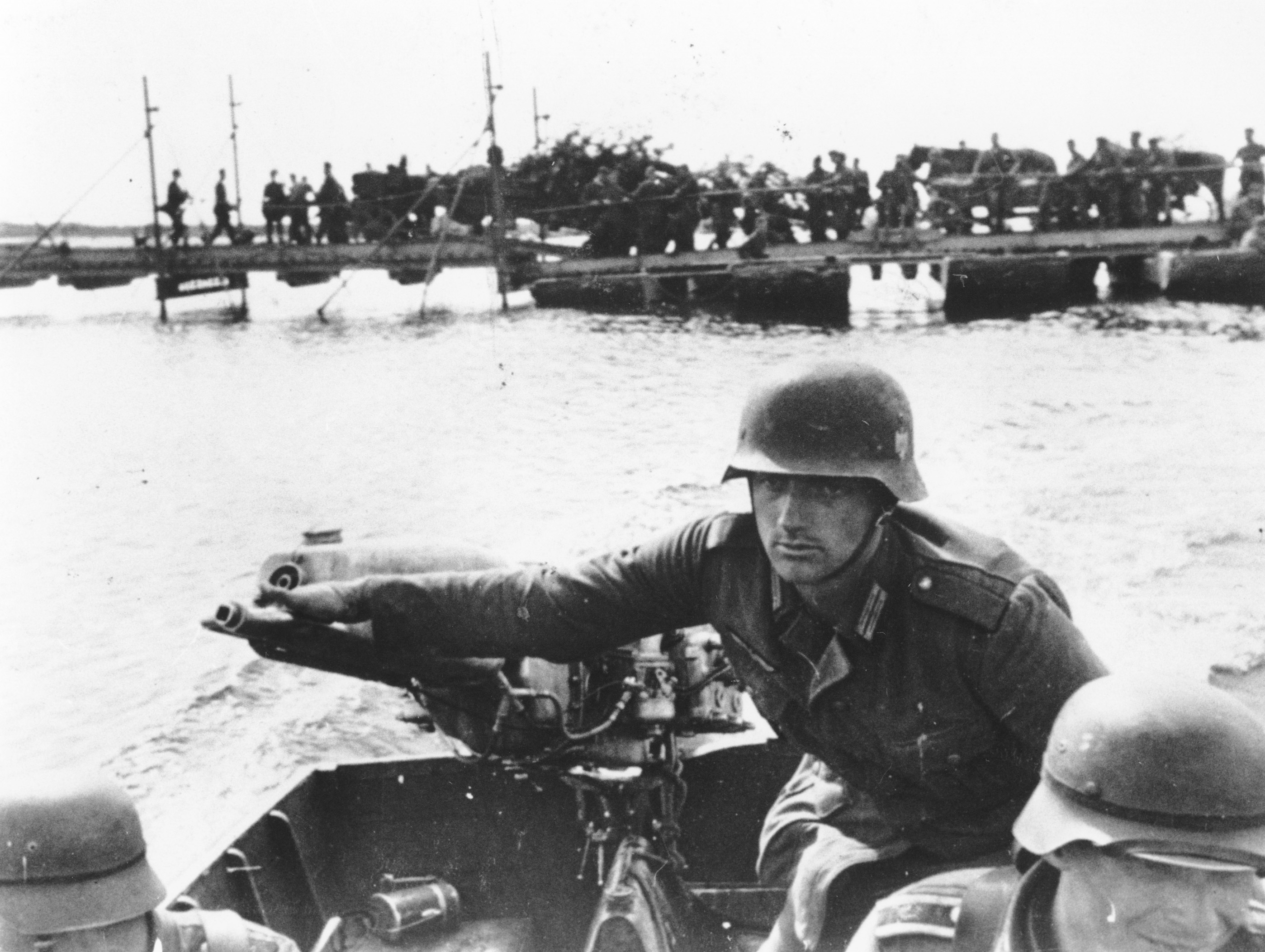
Havi Dreifuss, a historian at Tel Aviv University and Yad Vashem, said the world was now dealing with both Holocaust denial and Holocaust distortion, where countries or institutions were bringing forth their own interpretations of history that were damaging to the commemoration of the Holocaust.
“Whoever deals with the period of the Holocaust must first and foremost be committed to the complex reality that occurred then and not with wars over memory that exist today,” she said.
Israeli interests
The Holocaust is central to Israel’s national identity.
The country comes to a two-minute standstill on its Holocaust remembrance day.
Schoolchildren, trade groups and soldiers make regular trips to Yad Vashem’s museum. Stories of the last cohort of Holocaust survivors constantly make the news.
Israel has butted heads with certain countries, including Poland, over the memory of the Holocaust. But Israel has appeared more reticent to challenge Putin and his narrative, according to some observers, because of its current security interests.
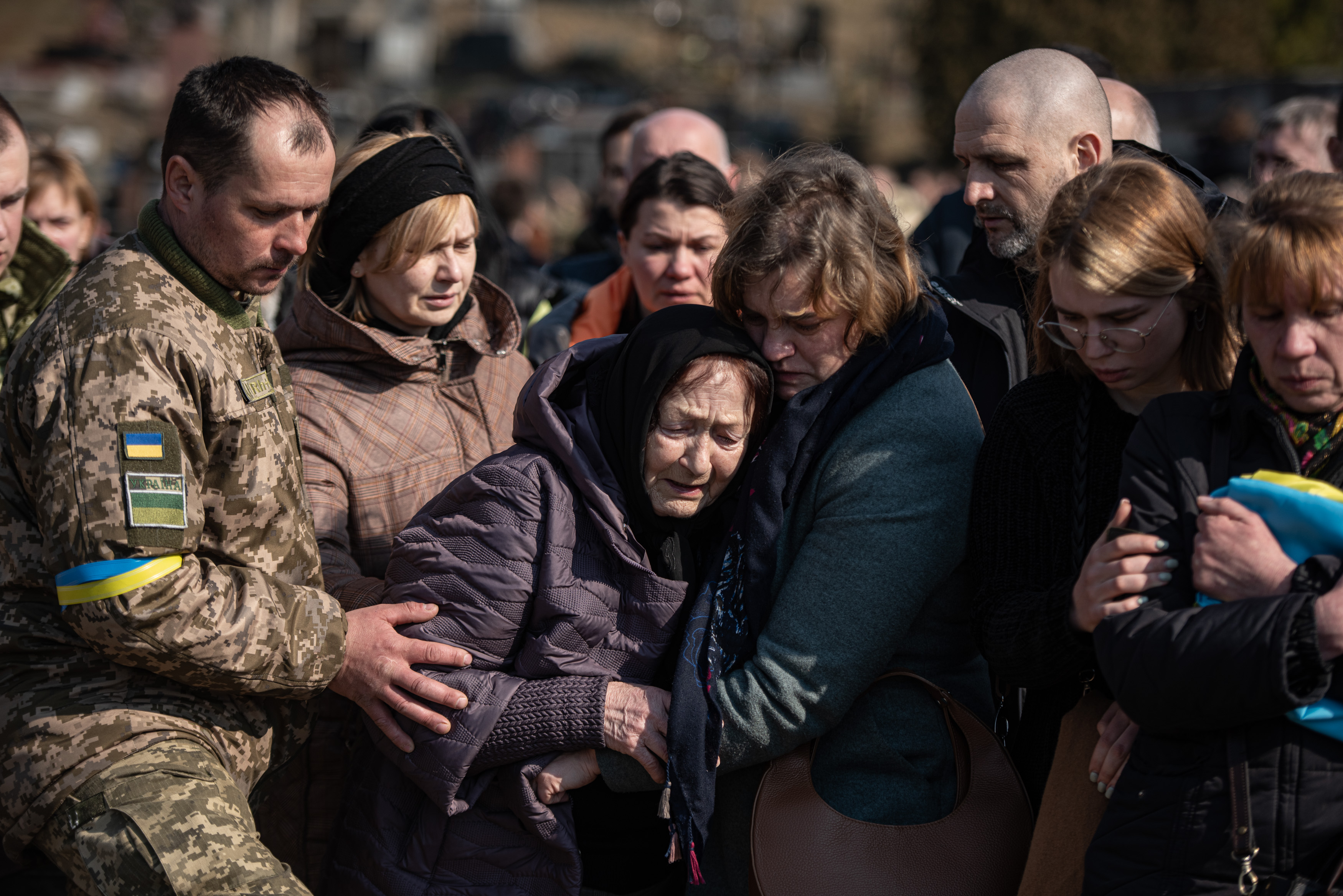
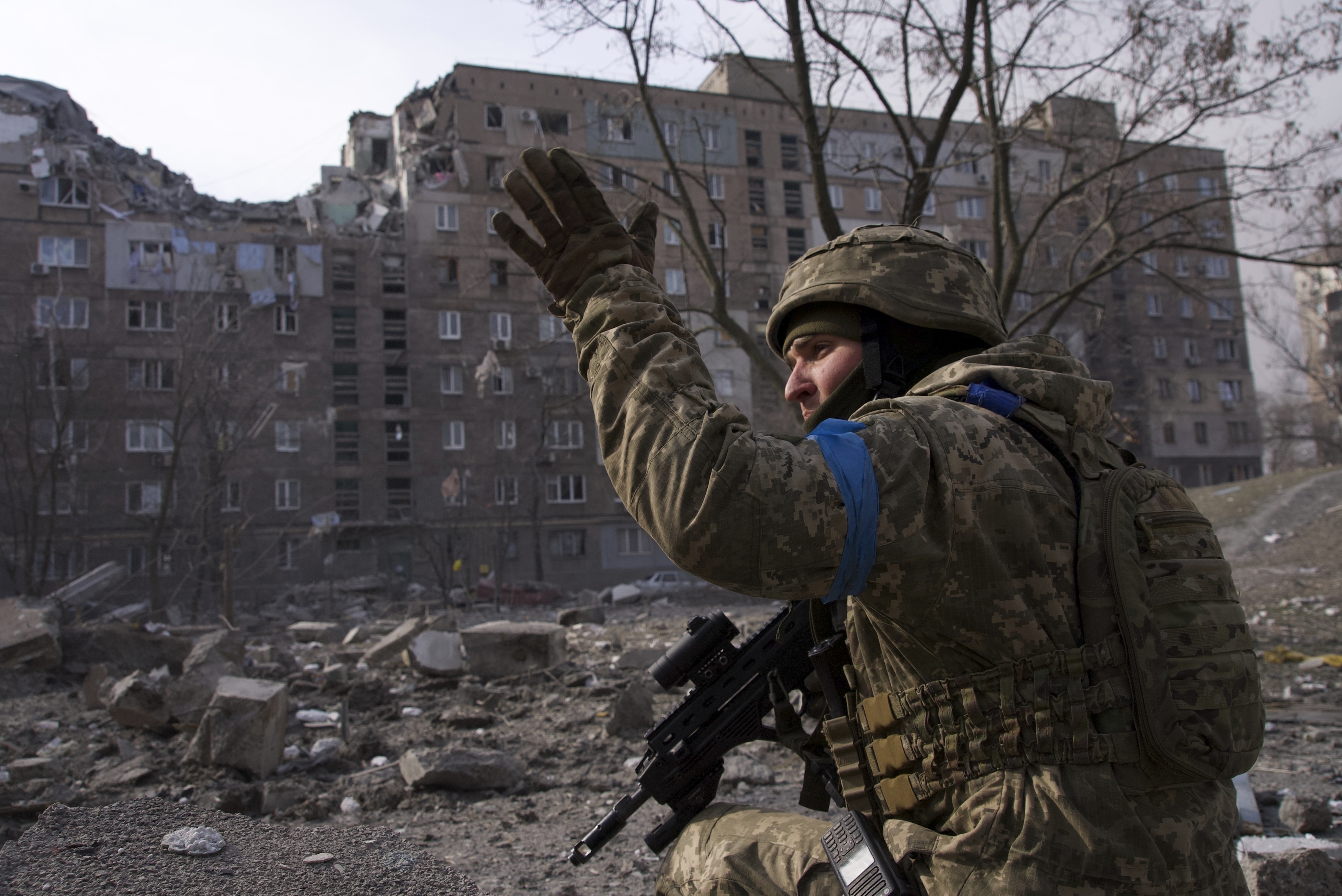
Israel relies on coordination with Russia to allow it to strike targets in Syria, which it says are often weapons caches destined for Israel’s enemies.
Israel came under fire from historians in 2020 after a speech by Putin and a separate video presentation at a meeting of world leaders in Jerusalem to commemorate the liberation of the Auschwitz-Birkenau death camp, which they said skewed toward his narrative and away from the historical facts.
Israel was conspicuously muted in its criticism of Russia in the lead-up to the war on Ukraine.
READ MORE: Nearly 6.5 million people displaced inside Ukraine due to war
Commentator Raviv Drucker wrote in the daily Haaretz that Israel was “on the wrong side of history” with its response, which initially sought to support Ukraine while not rattling Russia.
Israeli Foreign Minister Yair Lapid has repeatedly condemned Russia’s invasion. But Prime Minister Naftali Bennett has stopped short of issuing a public condemnation of Russia.
Through that neutral stance, he has emerged as an unlikely mediator between Kyiv and Moscow.
Vera Michlin-Shapir, a former official at Israel’s National Security Council and the author of Fluid Russia, a book about the country's national identity, said Israel's regional security concerns were of greater interest than challenging Russia on its narrative.
“Russia can provide weapons systems to our worst enemies and therefore Israel is proceeding very cautiously — you could say too cautiously — because there is an issue here that is at the heart of Israel’s security,” she said.
Covid 19 Omicron outbreak: 10 deaths, 18,514 new community cases
Ten more people have died and there are more than 18,500 new cases of Covid in the community.This takes the death toll of publicly reported Covid-related deaths to 166, and the seven-day rolling average of reported deaths to eight,…
The Aussie mates helping Ukrainian refugees flee to safety in Poland
A six-year-old boy, 800km from the Kyiv home he might never return to, brightens at the mere sound of the word playground, likely the first sign of normalcy he's had in days.
Four family members from Donetsk, in Ukraine's far east, cross the border into Poland after 13 hours in an immigration queue. They have lost everything and the emotion drains out of them. They seem to be thinking not "we're safe" but "we're not going back".
A woman and her two kids crash in the apartment of someone they've never met before, sharing only a few words across the language barrier on the way to a more permanent refuge.
READ MORE: 'People are coming out alive': Good news from Mariupol theatre shelter bombed by Russian 'monster'
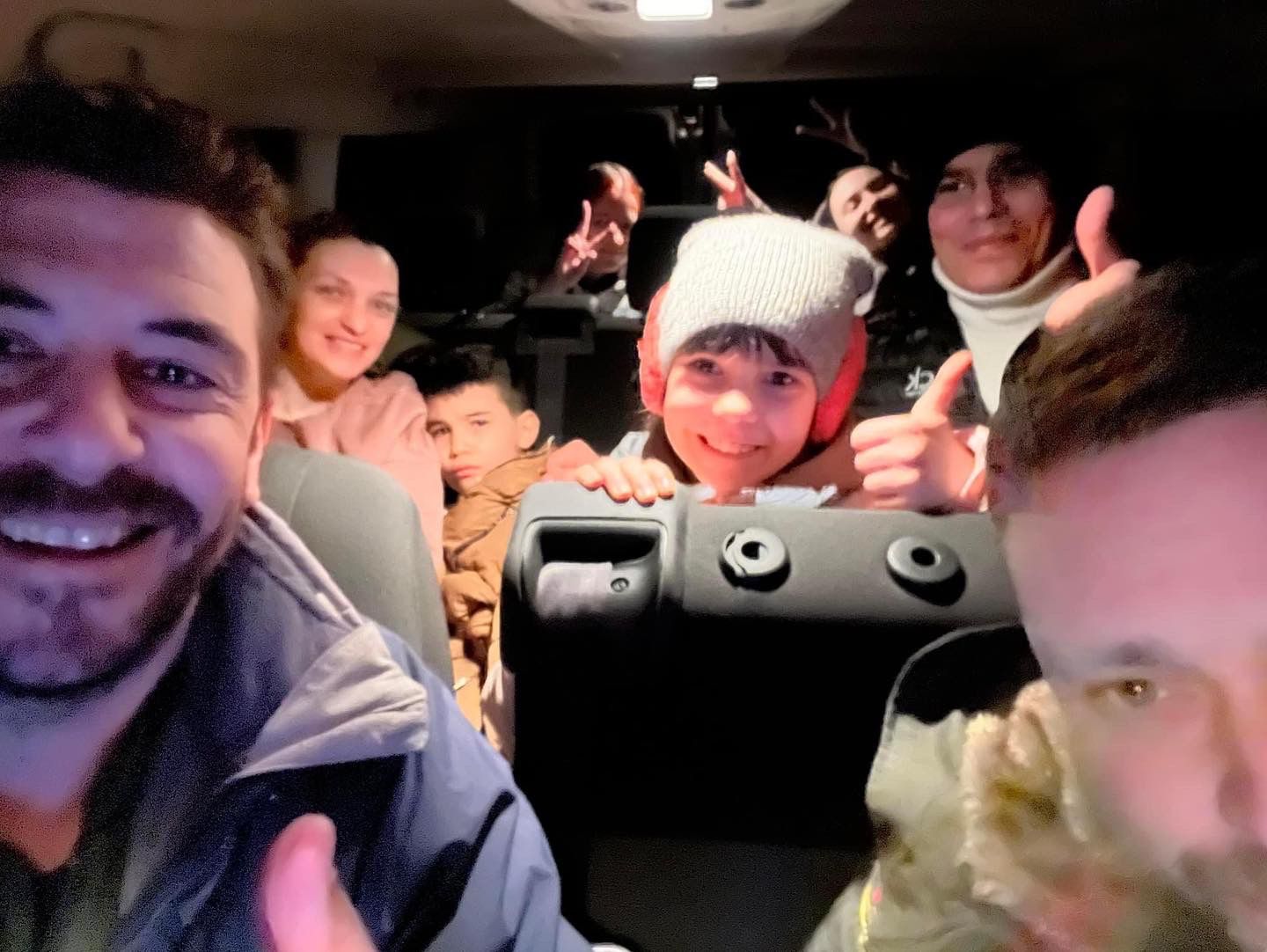
These are some of the stories shared by Australians living in Poland, doing what little they can to help some of the 1.8 million Ukrainian refugees who have fled to Warsaw and other parts of the country in three weeks of Russia's bloody war.
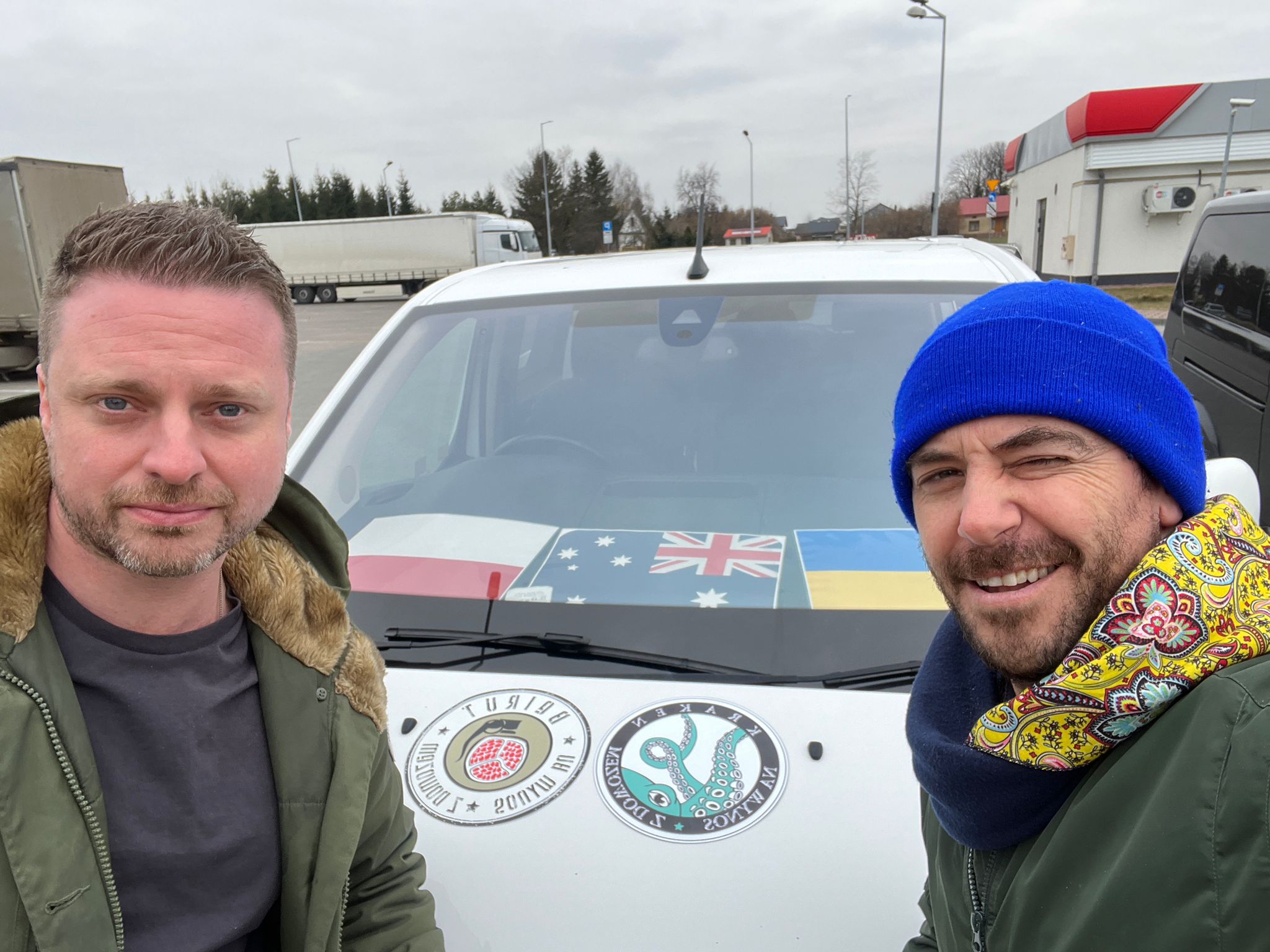
Roger Scott and Daniel "Rusty" Russell took a minivan full of supplies across the border and took a trip through "pure chaos" the next day with seven refugees onboard to drive to Warsaw.
William Burke was about to put his Warsaw apartment on the market to rent but instead handed it over to Ukrainian mother Irina, her young boy Kiryu and her elderly parents Inna and Valeriy.
And Phil Forbes, amid raising money and gathering supplies, exiled himself to the couch for a night when a Ukrainian family needed somewhere to sleep.
Their stories, and particularly the matter-of-fact way they tell them, cast a light on the incredible human toll Russian President Vladimir Putin's catastrophically protracted invasion is taking, even on those who escape west to safety.
READ MORE: Invasion reveals a host of weaknesses in Russia's military: top US general
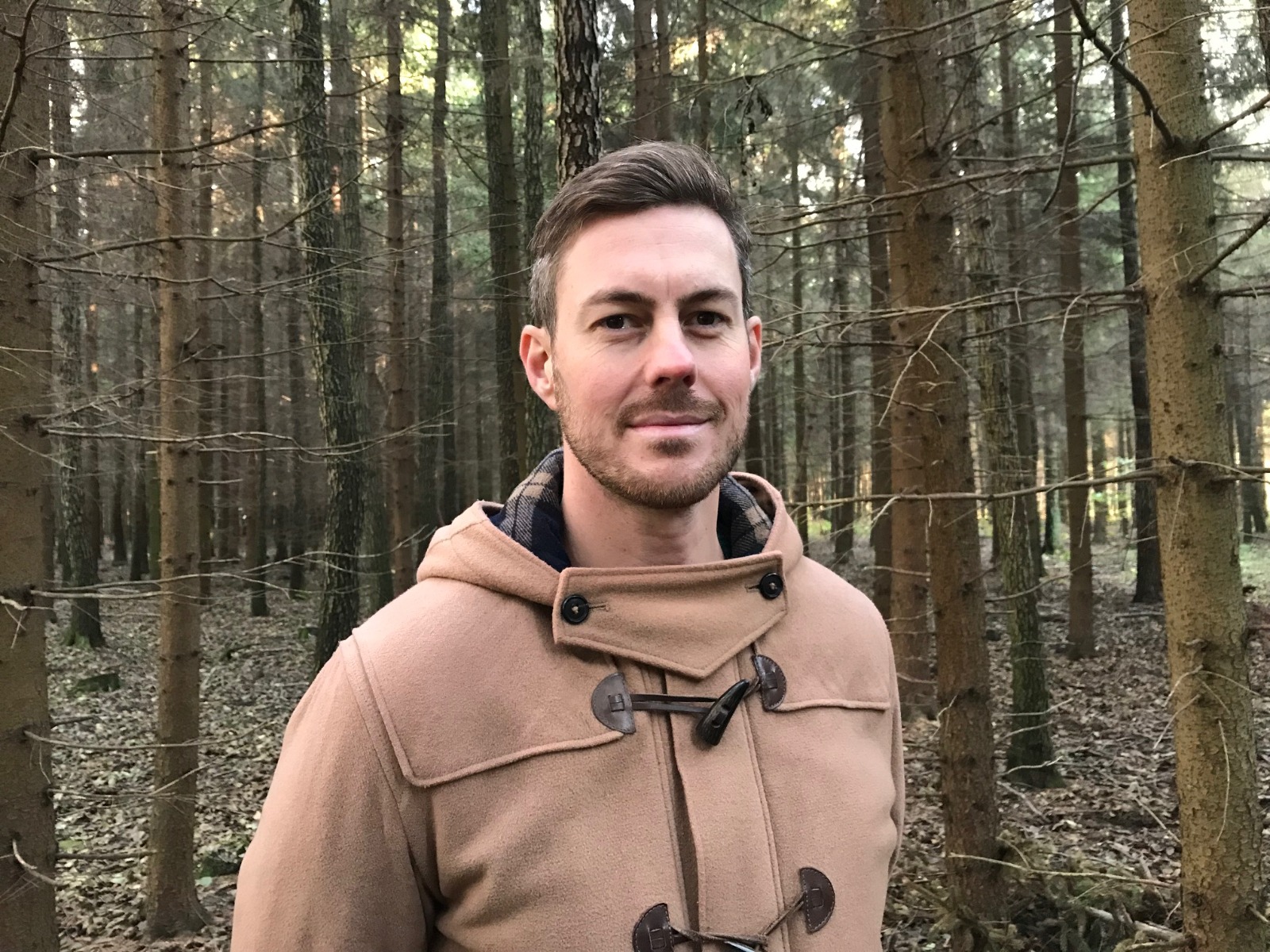
"There's nothing heroic", about what he's doing, Mr Burke insists, pointing to similar efforts by ordinary people right across Poland, which has opened to its eastern neighbours in recent weeks.
The Australians 9News.com.au spoke to were proud of the welcome the Ukrainians have received but noted the stark difference in the way Afghan arrivals were treated as recently as a few months ago.
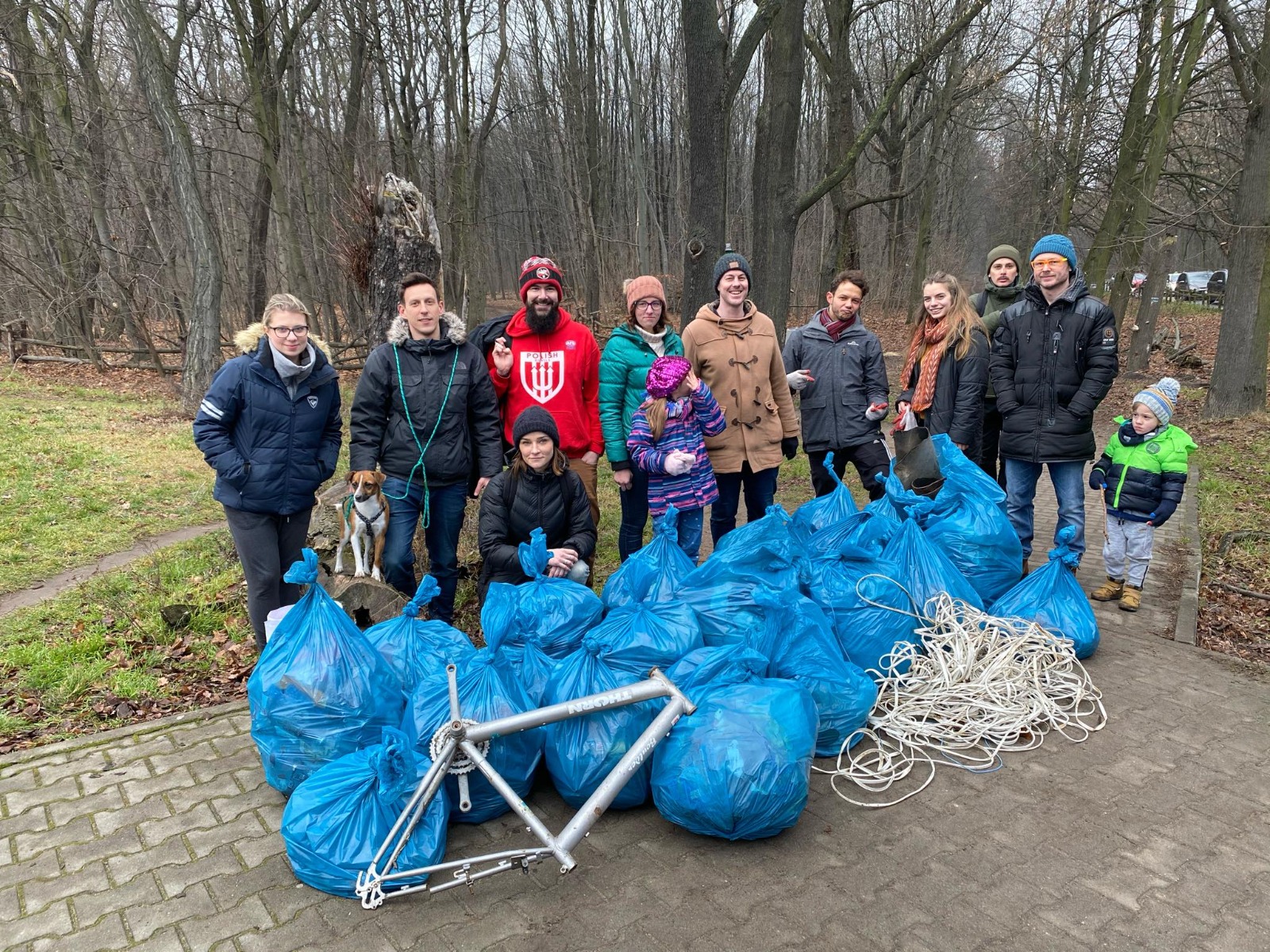
The haphazard collection of helpers, which also includes Poles, Ukrainians, Belarusians, Britons, Americans and Canadians, came together as war broke out, but some of the friendships had earlier beginnings.
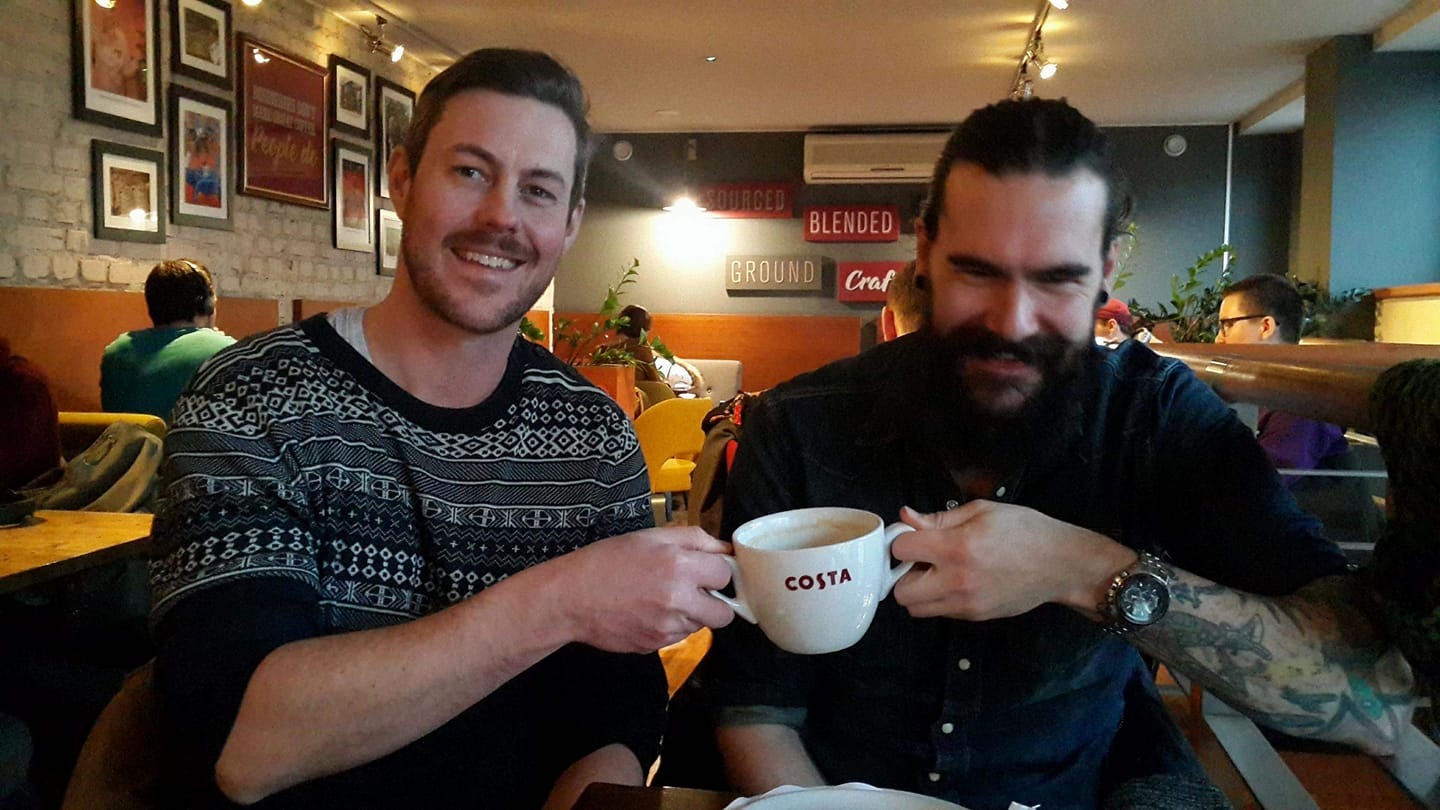
The Aussies who might now be ringing around to source refugee accommodation, generators, GPS units or knee pads had counted several years of barbecues and footy matches — Mr Forbes, Mr Scott and Mr Russell are all from Melbourne while Mr Burke is from Sydney — before the COVID-19 pandemic hit.
They're all helping but agree Mr Scott and Mr Russell, who've raised more than $60,000 and taken two return trips into Ukraine since the war broke out, not to mention more than half a dozen trips to the border and back, are going above and beyond.
READ MORE: High-tech to homemade: The weapons of the Ukraine conflict
Their first trip to Lviv together was meant to be relatively simple — drop off a generator and other supplies; pick up seven refugees — quickly turned into a chaotic, curfew-busting midnight journey when they crossed into Ukraine later than expected. Mr Scott said it was capped off by a 13-hour wait at the border.
"When we got across the border, I think just after all that waiting they just had no emotions left," he told 9News.com.au.
"You know, there was just nothing in the tank for them to react.
"I think the emotions, if anything, was somewhat sad because like, I think they crossed over and they were like, well, 'that's f—ing it. We're not going back.'"
The one fighting age man in the van, who was only allowed to leave because he was Egyptian rather than Ukrainian, thought about how he would provide for his family.
READ MORE: Hackers create fake video of Ukrainian President Volodymyr Zelenskyy
The mother of one of the women on board was still in an underground shelter in Kyiv. No one was happy to be leaving their country.
"I didn't realise just how horrendous everything was until you actually heard it from the source," said Mr Scott, who speaks fluent Russian after 12 years in the country.
"So yeah, but then it just sort of motivated us more to help, keep helping, keep raising money.
"But it's, I definitely didn't realise how bad everything was until I spoke to these people and it's, it's worse than the worst nightmare."
On top of the huge, overarching trauma of fleeing their war-torn homeland, the refugees must continue dealing with the more mundane aspects of day-to-day life.
Irina, the mother staying in Mr Burke's flat, still works six days a week for a Russian bank, not one of the ones under sanctions.
Mr Forbes helped out a mother-of-four with money for books because two of her kids had school the next day.
"This woman's got a lot of guts to go through (with this)," he said, speaking of the family who spent the night in his flat.
"I mean, her country's at war. So, you know, to get through that and to get away from it takes an incredible amount of courage.
"But then to come to a foreign country where you don't speak the language, you know a handful of people and to try and start a life here.
"Whether that's going to be for two or three weeks, three months, the next 15 years, I can't imagine. I can't imagine."
The potential impact on children is terrifying.
UNICEF says kids make up about half of the 3 million Ukrainians who have fled since the invasion began on February 24, mostly for Poland, Hungary, Slovakia, Romania and Moldova.
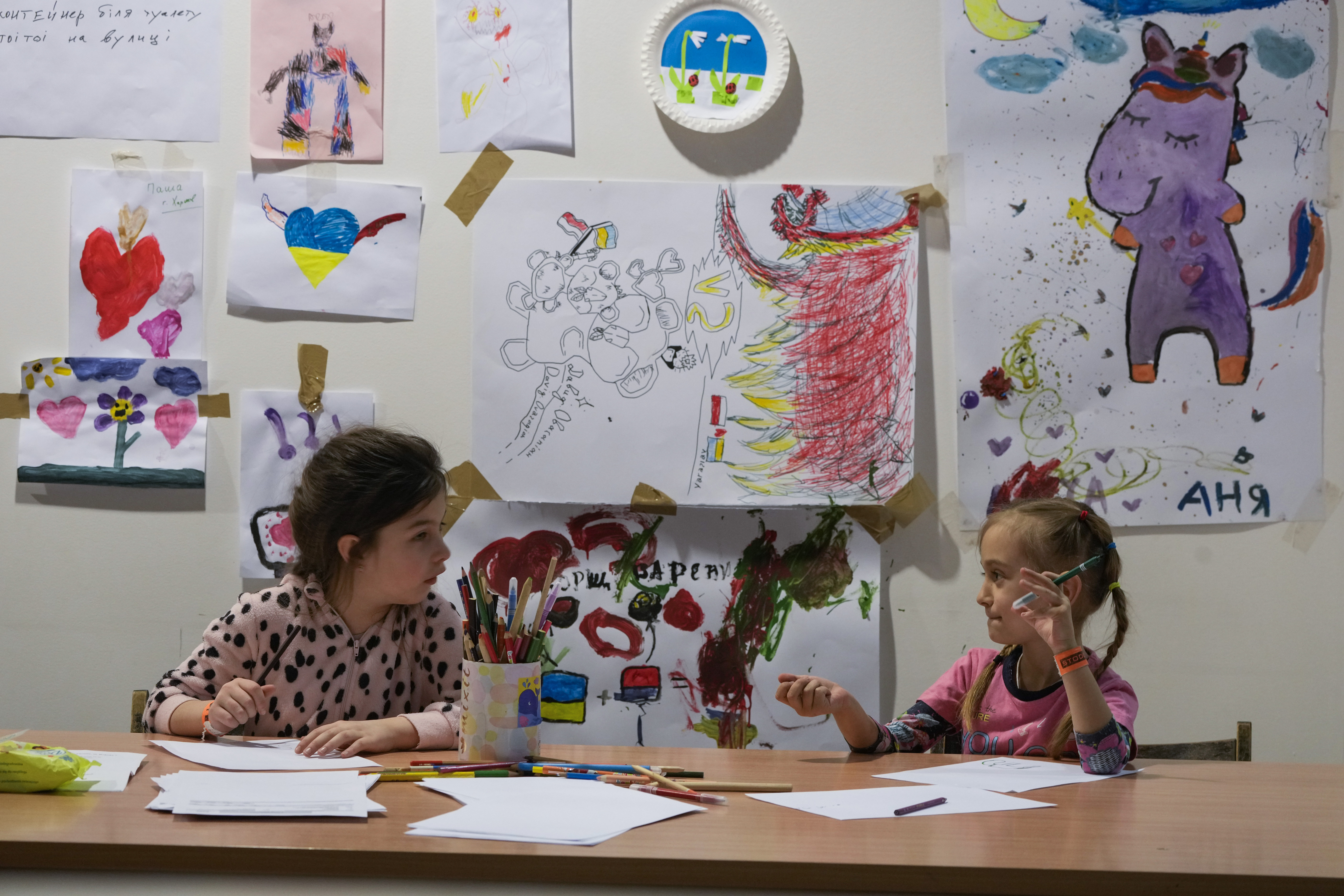
Across the war's first 20 days, an average of 55 children fled Ukraine every minute.
On top of sheltering the unending flow of refugees, neighbouring countries must now provide mental health care to traumatised kids.
According to the UNHCR, about 1.8 million refugees — roughly the population of the Polish capital of Warsaw — have ended up in Poland.
Among them was 41-year-old Svitlana Bibikova, from the Kyiv region, with her three pre-teen children.
Along the way to the normally sleepy border town of Przemysl, she said, every noise, even the sound of the train braking, made her kids tremble with fear.
Her 11-year-old daughter, Dasha, recalled the first morning back home when she was woken up by the sounds of exploding Russian rockets and mortars and how her "mother said that the war began".
Nadia Chernenko, 33, from the Dnipro region in central Ukraine, said she tried protecting her children by not mentioning the war and telling them that the loud booming sounds "were just firecrackers exploding and that everything will soon go back to normal".
Still, she added, "I am afraid that they have been scarred" for life.
Amid insurmountable numbers, locals and expats across Poland are doing what they can to help.
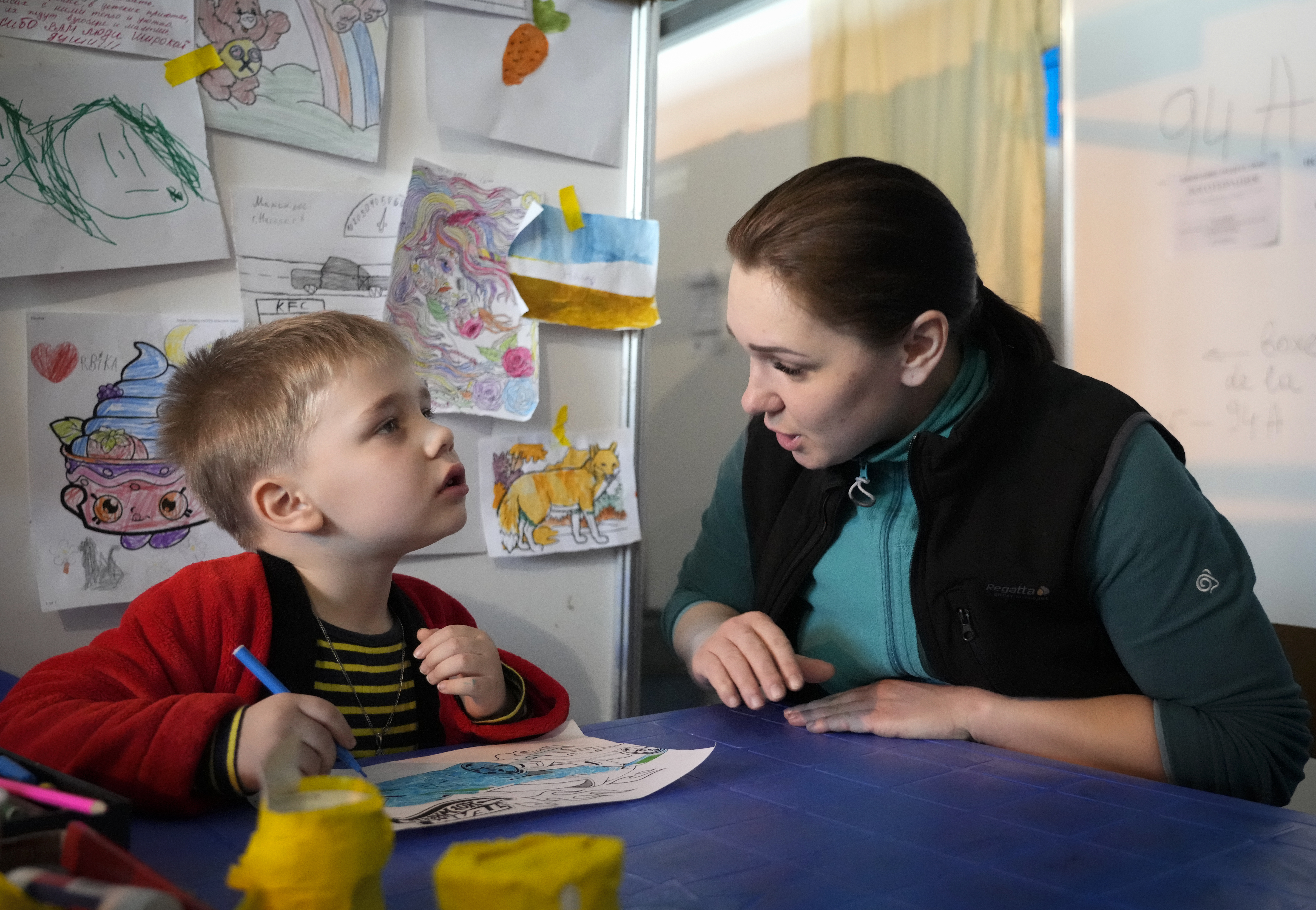
Mr Burke said the family staying in his apartment, who was so excited two weeks ago by the "normalcy" of having a playground nearby, has "completely changed".
"Colour has gone back to their faces," he said.
Despite their new relative safety and the bloodshed back in Ukraine, they're still holding on to hope of returning home within a month.
– With Associated Press
Former All Black Zac Guildford's grandad Frank Burt on the stolen $40k
Zac Guildford’s grandfather says he is devastated after having $40,000 taken by his grandson – and says the former All Black is “his own worst enemy”.Frank Burt has opened up about his grandson, who was sentenced to nine months’…
Six men sentenced over 'cowardly' pack attack in Dunedin on way to party
Cries of help did not stop a “cowardly” pack attack of six against one, the Dunedin District Court has been told. The only question at the day-long sentencing this week was whether it would be home detention or imprisonment.Oscar…
Dunedin school Kavanagh College to be renamed after sexual abuse investigation
Dunedin’s Kavanagh College will be renamed after an investigation found its namesake failed to take appropriate action over claims of abuse.The school will become Trinity Catholic College from January 1, 2023.The Bishop of Dunedin…
Russia Ukraine war: Jacinda Ardern conveys NZ support in call with Ukrainian PM
Prime Minister Jacinda Ardern this morning spoke to Ukraine’s Prime Minister Denys Shmyhal, to reiterate New Zealand’s strong support for Ukraine and its people, and our unequivocal condemnation of Russia’s aggression.”Prime Minister…
Covid 19: New Zealand embassy in Iran receives Ardern carpet gift praising pandemic response
The New Zealand embassy in Iran has received a hand-woven carpet on behalf of Prime Minister Jacinda Ardern to commemorate the way the country has handled the Covid-19 pandemic.The carpet was gifted by Iranians Zohreh Solhdoust…
Carer charged with murder after body of woman found
A 82-year-old man has been charged with murder after the body of a "severely emaciated" woman was found in a home in Sydney south-west.
NSW Ambulance paramedics were called to a home on Pandora Street, Greenacre, just before 11am yesterday after reports of a medical episode.
Paramedics called police after they found the body of a severely-emaciated 60-year-old woman.
READ MORE: South Australian voters to head to the polls in state election today
An 82-year-old man was arrested at the home.
He is alleged to have been the woman's sole carer.
He was taken to Bankstown Police Station and charged with murder.
The man has been refused bail and will appear at Parramatta Bail Court today.