Tag Archives: oceania

Starbucks to phase out 'iconic' cups

Starbucks has a love-hate relationship with its cups.

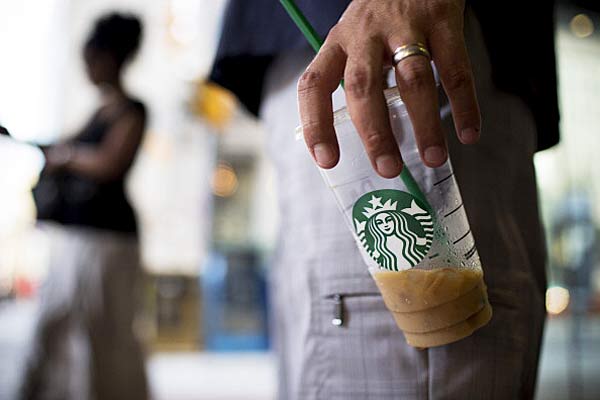
The company's white — or sometimes holiday-themed — logo-emblazoned paper cups for hot drinks, and clear plastic cups for cold drinks are instantly recognisable symbols of the brand.

But that's not entirely a good thing.

READ MORE: Australia's most dominant illicit drug revealed

"Our cup is ubiquitous, and we love that," said Michael Kobori, Starbucks chief sustainability officer.

"But it is also this ubiquitous symbol of a throwaway society."

That's because the cups are disposable.

When they are thrown away, the cups end up in landfills or as litter in streets and waterways.

Some might be recycled, but recycling is an imperfect option — recyclable items still end up in landfills.

The best solution?

"Eliminating the disposable cup," Mr Kobori said.

He called that option "the holy grail."

By 2025, the company wants every customer to be able to either use their own mug easily or borrow a ceramic or reusable to-go mug from their local Starbucks.

That could mean rolling out more borrow-a-mug programs that require a deposit.

Starbucks is also planning, by the end of next year, to let customers use their own personal mugs at every Starbucks in the United States and Canada, even if they order ahead or use the drive-through.

The goals don't mean Starbucks will get rid of the paper and plastic cups. But they do want to make that option less attractive.

That won't be easy to do, as most Starbucks customers are used to that simple, single-use option.

But the company has a plan.

READ MORE: Why the rain is here to stay

Testing out Borrow-A-Cup programs

To phase out disposables, Starbucks is considering a widespread borrow-a-cup program, in which customers pay a deposit for a durable cup that they take with them and drop back off after use.

Amelia Landers, a vice president of product experience whose team is responsible for sustainable packaging at Starbucks, expects that this model will resonate more with customers compared to other sustainability efforts.

"I think that will take the lead," she said.

"We are testing a number of different [borrow-a-cup] programs around the globe," including "20 different iterations and in eight different markets."

In Seattle, Starbucks tested a beta version of such a program last year.

"We developed a new cup that had a very low environmental footprint, was lightweight polypropylene, ultimately recyclable and could replace 100 single-use disposable cups," Ms Landers explained.

For that test, customers paid a $1 deposit, and had to return the cup to a smart bin located in the store to get their dollar back.

Customers also earned rewards for using the cup.

Kim Davis, who manages a store where the program was tested, said that customers were curious about the bin, and once baristas explained it to them, many were on board with the concept.

"The excitement and engagement was really high among my customers and my [employees]," she said.

READ MORE: Footage shows large eastern brown snake trying to get into Queensland family home
Starbucks cup

For baristas, the process was straightforward enough — they just used the reusable cup instead of a regular one to prepare drinks.

A third-party company collected the dirty cups for cleaning, so baristas didn't have to worry about that part of the process.

Starbucks is running similar pilot programs in Japan, Singapore and the United Kingdom.

The model is the most promising because it's the easiest to integrate into customers' daily lives.

You don't have to remember to bring your own reusable mug or, if you do, get stuck with a dirty cup for the rest of the day.

And you don't need to sit and sip your coffee at a Starbucks, something most people don't have time for on a weekday morning.

But that model is still just being tested, so the company wants to encourage the use of reusable mugs in other ways.
Starbucks Coffee is an American multinational coffee shop chain.

Bringing back the personal cup

Early in the pandemic, when people feared that the coronavirus could spread easily on surfaces, Starbucks barred customers from bringing their own mugs.

It has since brought back the option and is now trying out ways to make it more attractive.

"We're testing an incentive on the personal cup to go up from where it is today — from 10 cents to 50 cents," Ms Landers said.

"We are also going to be testing a disposable cup fee."

She added that the chain is also experimenting with discounted prices for people who use a Starbucks-provided ceramic mug in stores.

That's simple enough.

But it gets a lot more complicated when customers bring their own cups to the drive-through or when they order ahead through the Starbucks app.

Years ago, ordering ahead or using a drive-thru might have been a rare enough occasion.

But since the pandemic, more customers have been coming through the drive-thru or ordering ahead.
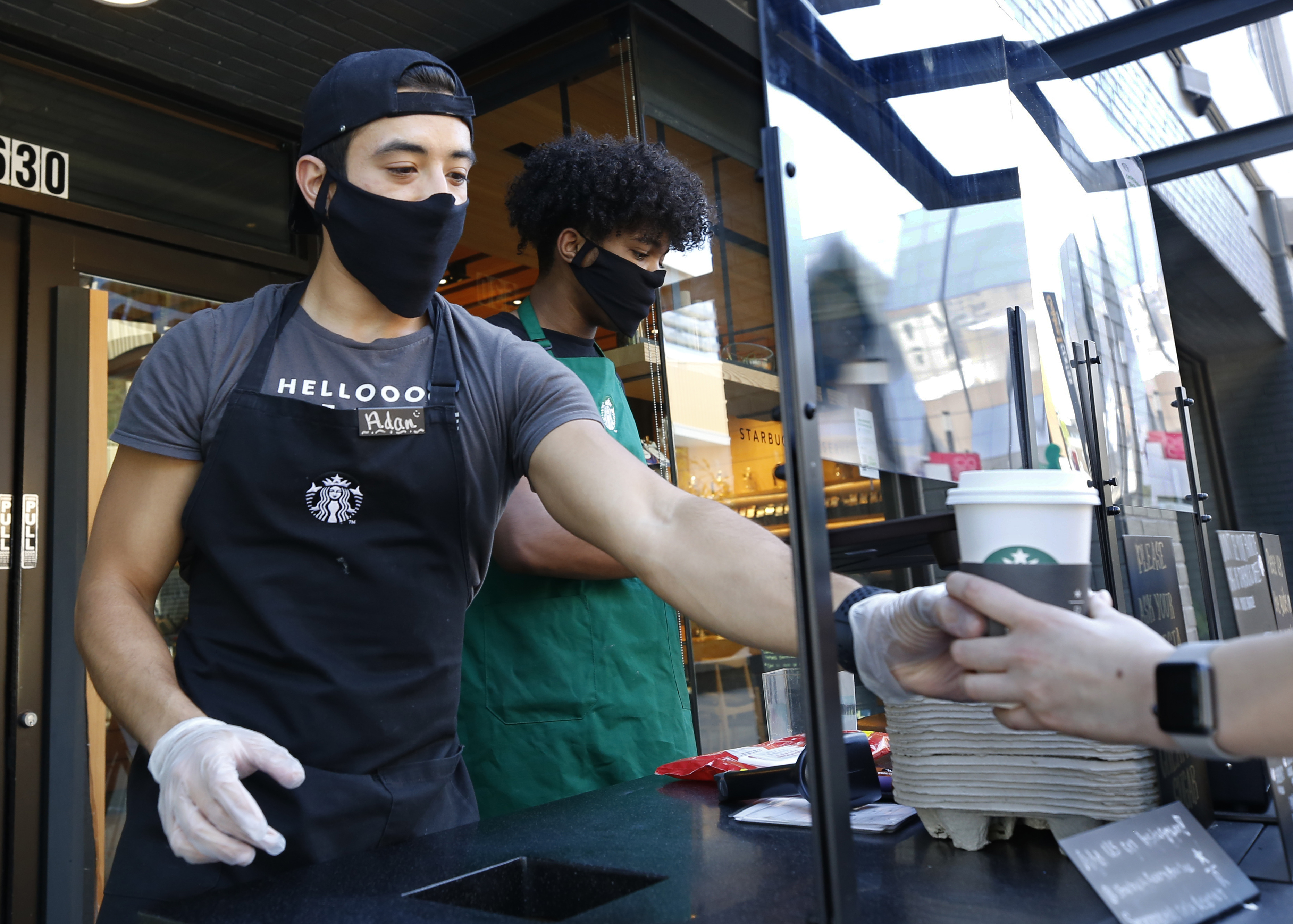
During a February analyst call, Starbucks CFO Rachel Ruggeri said that Starbucks' drive-through windows and its mobile orders together account for about 70 per cent of sales at US stores operated by the company.

So to achieve its zero-disposable-cups goal, Starbucks needs to figure out how to get reusables through a drive-thru, and make them available to customers who order ahead.

To that end, Starbucks has been testing different options at its innovation centre.

"We've got mock stores set up," Ms Landers said.

"We have different versions of the drive-through layout."

Customers can simply give their cups to baristas at the drive-thru window.

But Starbucks is exploring ways to make the process smoother.

One option is to allow customers to drop off their cups at an earlier point in the drive-thru lane so that the drink is ready in a personal cup once they swing around to the window, Ms Landers said.

Another is for baristas to pre-make drinks when customers place their orders, and pour them into personal tumblers at the window or when they arrive at a store to pick up their order.

Starbucks is also testing out cup-washing stations in stores.

The team is trying "different things, over and over again," to figure out what might work, she said.

"We're right now in the middle of all of that work."

It's crucial for Starbucks' mobile order and drive-thru experiences to be seamless.

After just a few sluggish pickups, customers may take their business elsewhere.

But Starbucks also has to be careful not to put too much additional burden on employees, who already have to prepare complicated, customised orders at high speeds.

That's especially important now.

Workers across the country are considering unionisation, going against the wishes of the company's leadership.

A Starbucks, in Buffalo, New York, was the first to vote to unionise in December.

Employees at a handful of other stores have since made similar efforts and several Starbucks around the country are preparing for their own votes.

If the company's initiative leads to the end of paper and plastic cups at Starbucks, it will be quite an achievement.

"We know that even the most ardent of sustainability champion customers, they really don't change their behaviour all that easily," Landers said.

"Even though they really, really want to."
Ukraine strike destroys Russian helicopters

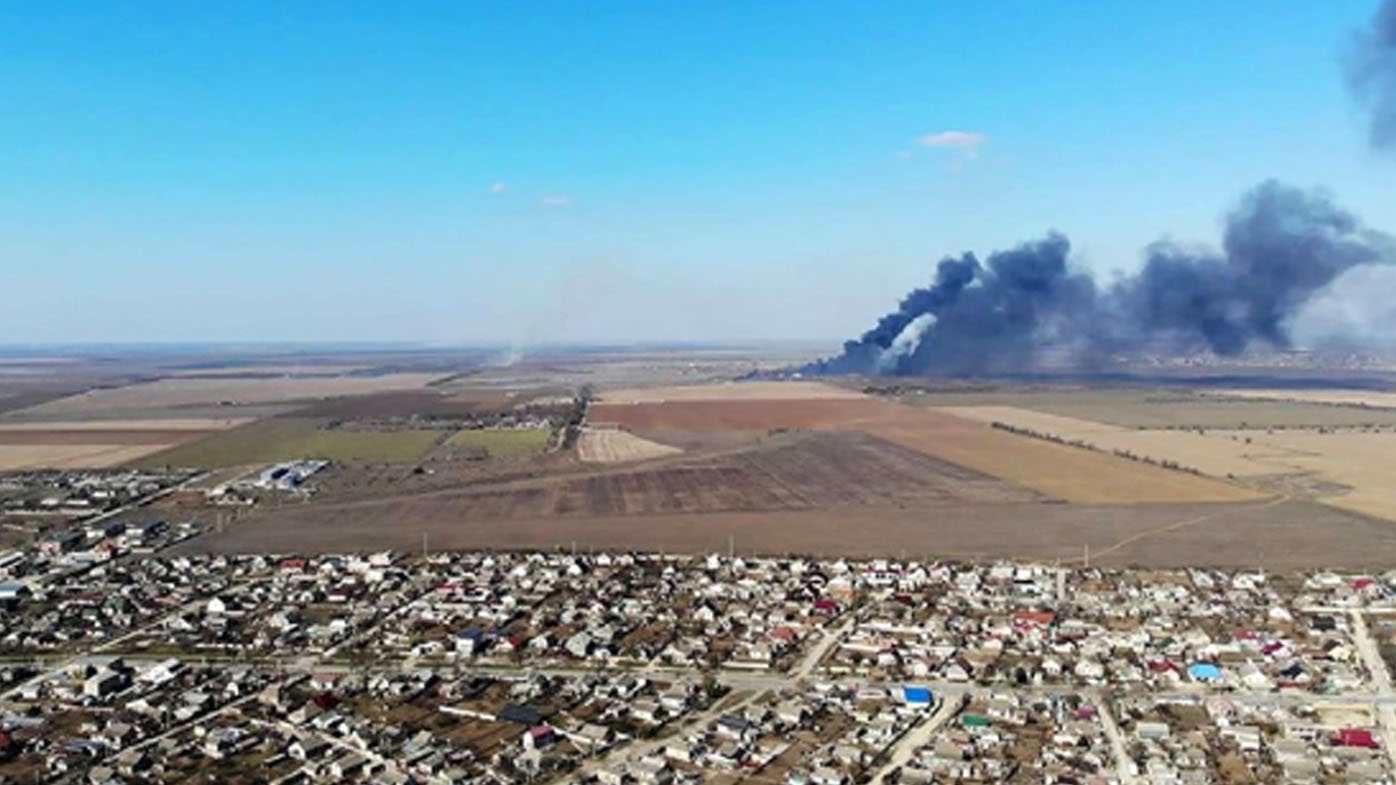
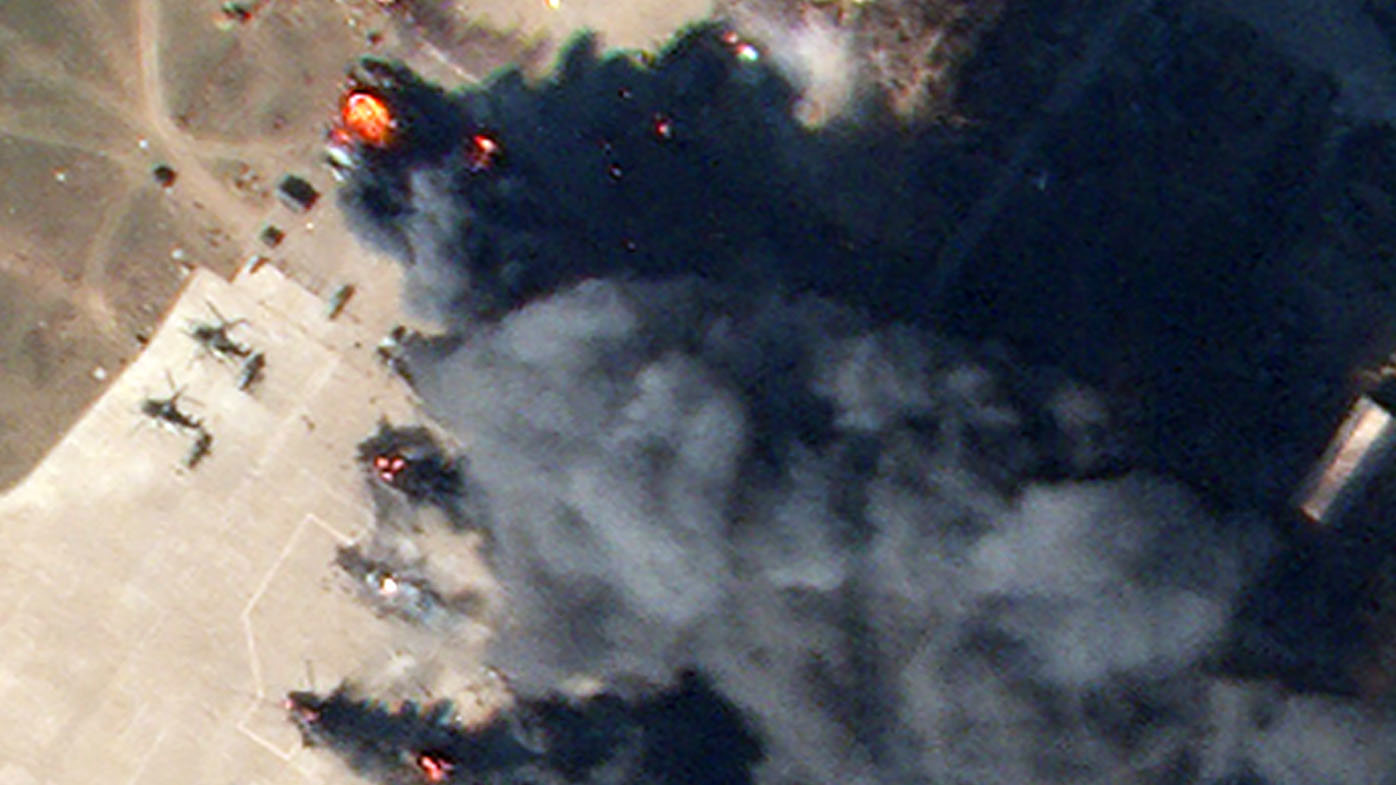
The Ukrainian military destroyed a number of Russian helicopters at the Kherson International Airport, newly released satellite images show.

A large black plume of smoke is seen rising from the airport in the satellite image from US-based Planet Labs, with helicopters on fire.

It's the most destructive known strike the Ukrainian military has conducted against Russian helicopters during the war, with at least three Russian helicopters seen on fire, or destroyed, at the airport.

READ MORE: Chechen leader's bizarre online banter with Elon Musk after Putin challenge

Military vehicles seen near the airport were also hit.

Another image, taken by a drone hovering above the nearby village of Komyshany, also shows the large plume of smoke rising from the airport.

CNN has geolocated and verified the authenticity of the image.

The military strike at the airport was picked up by NASA's Fire Information for Resource Management System (FIRMS), which tracks large fires around the world.

According to the sensory data collected by FIRMS, the attack occurred about 1.42pm yesterday (10.42pm AEST).

GALLERY: How Russia's invasion of Ukraine has unfolded

Assault on cities continue

The military strike came as Russian forces pounded Ukrainian cities and edged closer to the capital, Kyiv, in a relentless bombardment that keeps deepening the humanitarian crisis in this war, now in its third week.

Still, a narrow diplomatic channel remains open, with a Ukrainian official saying the talks with the Russians were difficult, but that there was room for compromise.

Russia is also circulating a proposed UN Security Council resolution proposing a cease fire to evacuate civilians and to create safe passage for humanitarian aid.

But Ukrainian President Volodymyr Zelenskyy said early today Russia's demands during negotiations are becoming "more realistic" after nearly three weeks of war.

He said more time was needed for the talks, which are being held by video conference.

"Efforts are still needed, patience is needed," he said in his nighttime video address to the nation.

"Any war ends with an agreement."

READ MORE: Putin is 'angry, frustrated and likely to escalate war'

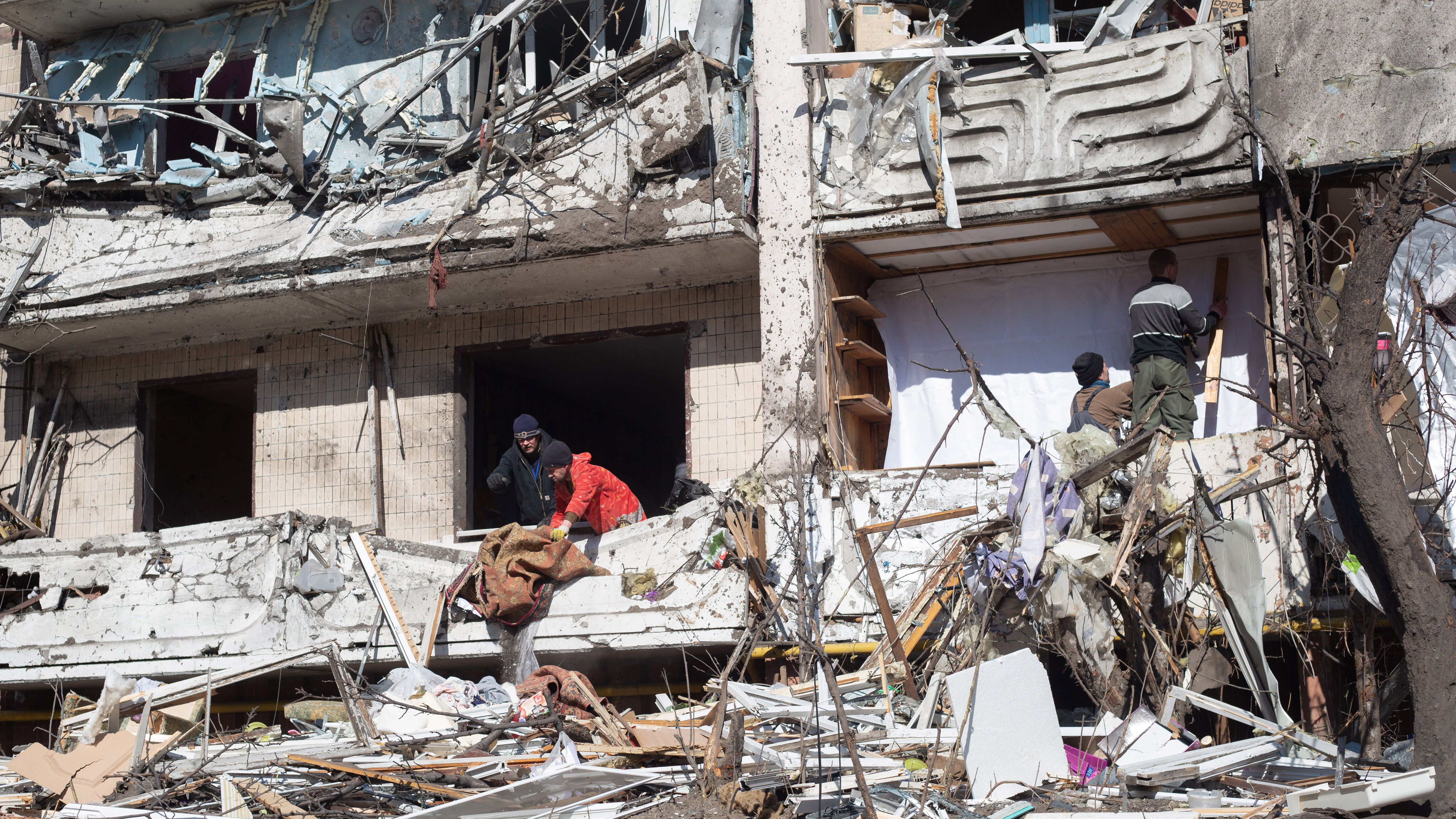
A view to the residential building in Mostytska Street which got hit by a rocket in Kyiv, Ukraine.

Biden set to pledge more military aid

US President Joe Biden is expected to announce an additional $1.1 billion in security assistance for Ukraine, a US official said.

That would bring the total pledged to $1.4 billion in the past week and $2.8 billion since the beginning of the Biden administration.

The new package will include antitank missiles, according to officials familiar with the plans.

But it will stop short of the no-fly zone or fighter jets Ukrainian Mr Zelenskyy has said are needed to sustain Ukraine's fight against Russia.

Mr Zelenskyy is to address the US Congress overnight.

Report of fourth Russian general killed

Ukraine said a fourth Russian general has been killed in the fighting.

Major-General Oleg Mityaev died yesterday during the storming of Mariupol, said Ukrainian Interior Ministry adviser Anton Gerashchenko, who published a photo on Telegram of what he said was the dead officer.

Mr Zelenskyy reported the death of another Russian general in his nighttime address but didn't name him.

General Mityaev, 46, commanded the 150th motorised rifle division and had fought in Syria.

There was no confirmation of the death from Russia.

– Reported with CNN, Associated Press

Joe Biden, Hillary Clinton banned from entering Russia by Kremlin

Russia has issued sanctions against a series of high-profile Americans, including Joe Biden and other administration figures.

The "stop list" would prevent them from entering Russia.

The list includes Mr Biden himself, Secretary of State Antony Blinken, Secretary of Defence Lloyd Austin and Chairman of the Joint Chiefs of Staff Mark Milley.

LIVE UPDATES: Murder charges laid over boarding house fire

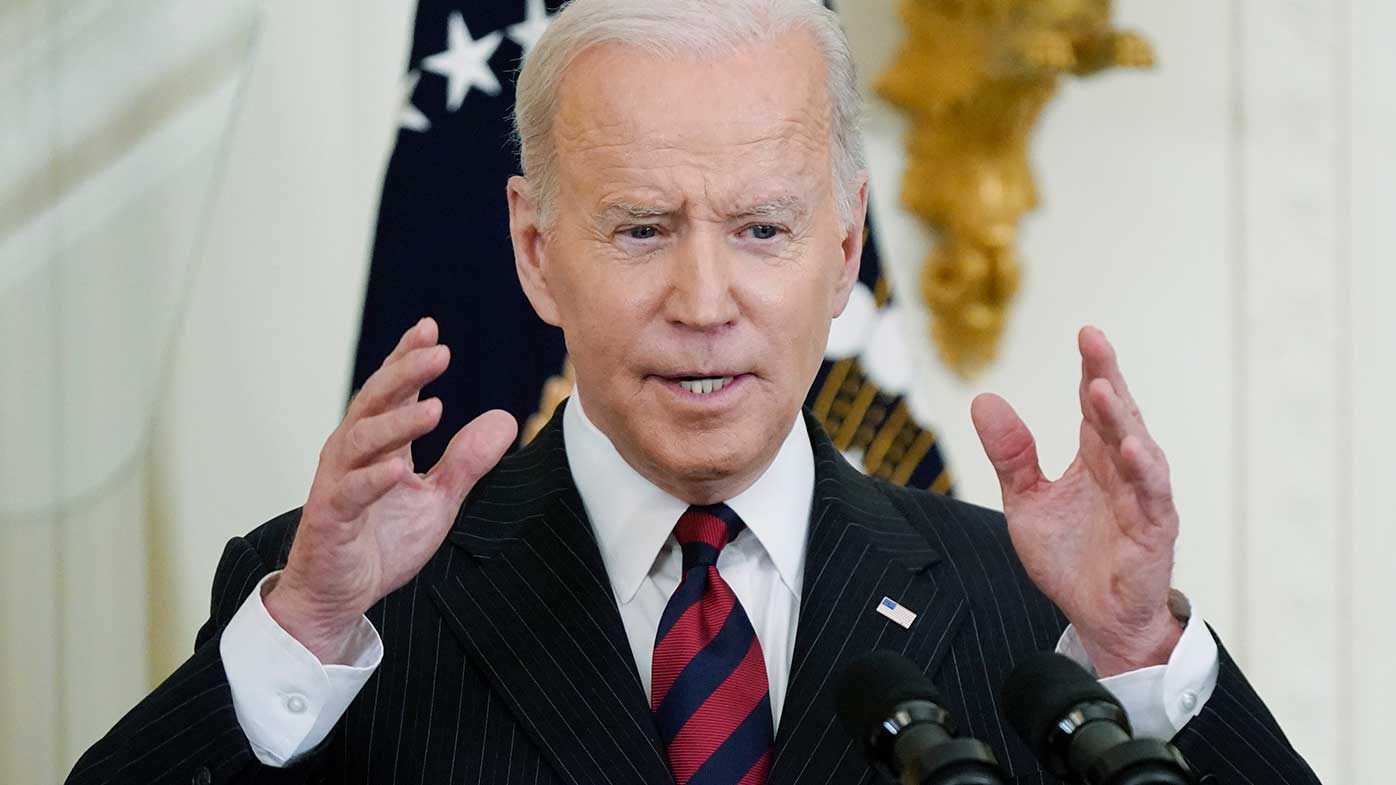
Joe Biden has been banned from entry to Russia.

Also on the list was White House press secretary Jen Psaki, who had a wry response to being included.

"It won't surprise any of you that none of us are planning tourist trips to Russia, none of us have bank accounts that we won't be able to access, so we will forge ahead," Ms Psaki said.

She also noted that the official sanctions did not list Mr Biden's name correctly.

READ MORE: China claims Australian spy plane flew in 'malicious' manner

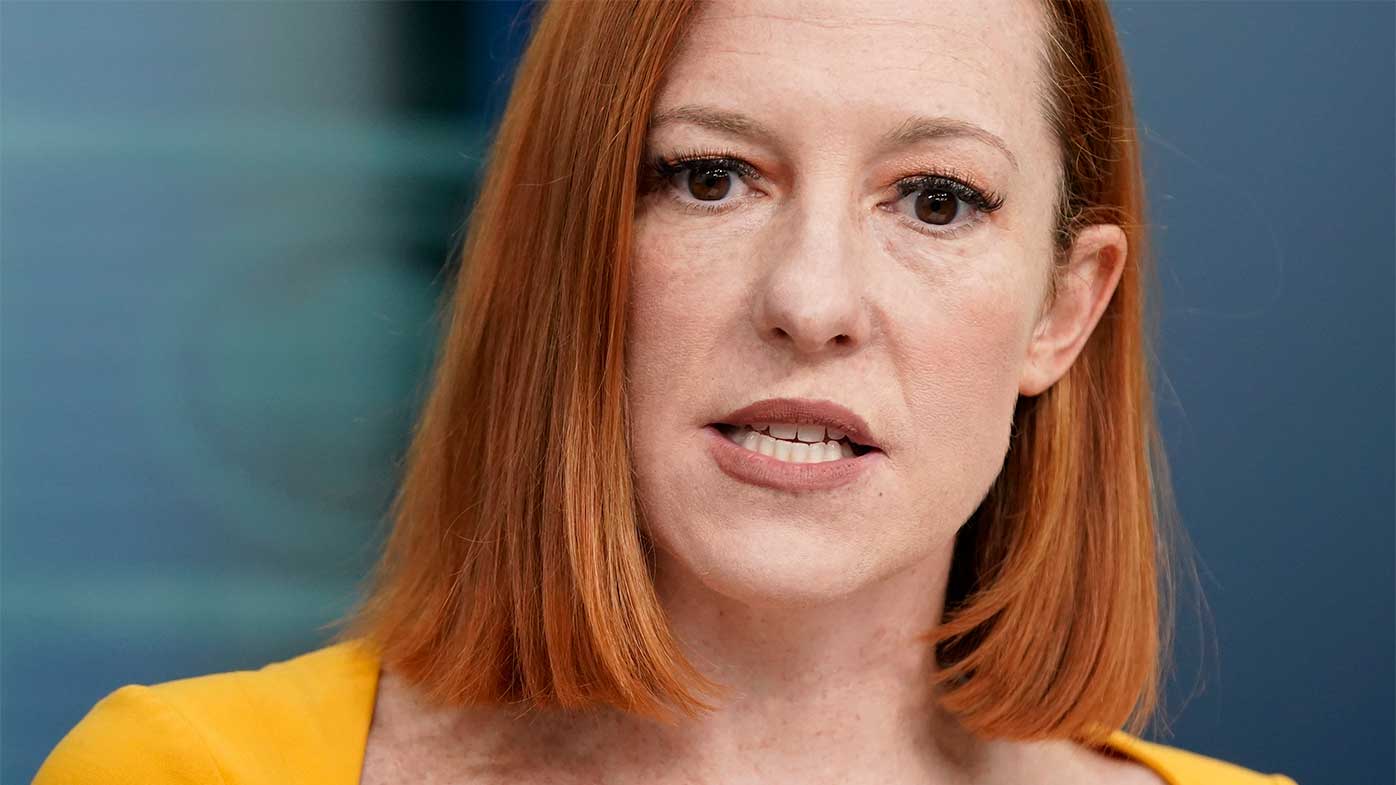
White House Press Secretary has been included on the list of those banned from Russia.

"President Biden is a 'Junior,'" she said.

"They may have sanctioned his dad, may he rest in peace."

Joseph R. Biden Sr died in 2002.

Two private citizens are also included on the sanctions list.

One of them, Mr Biden's son Hunter, served as a board member of a Ukrainian energy company.

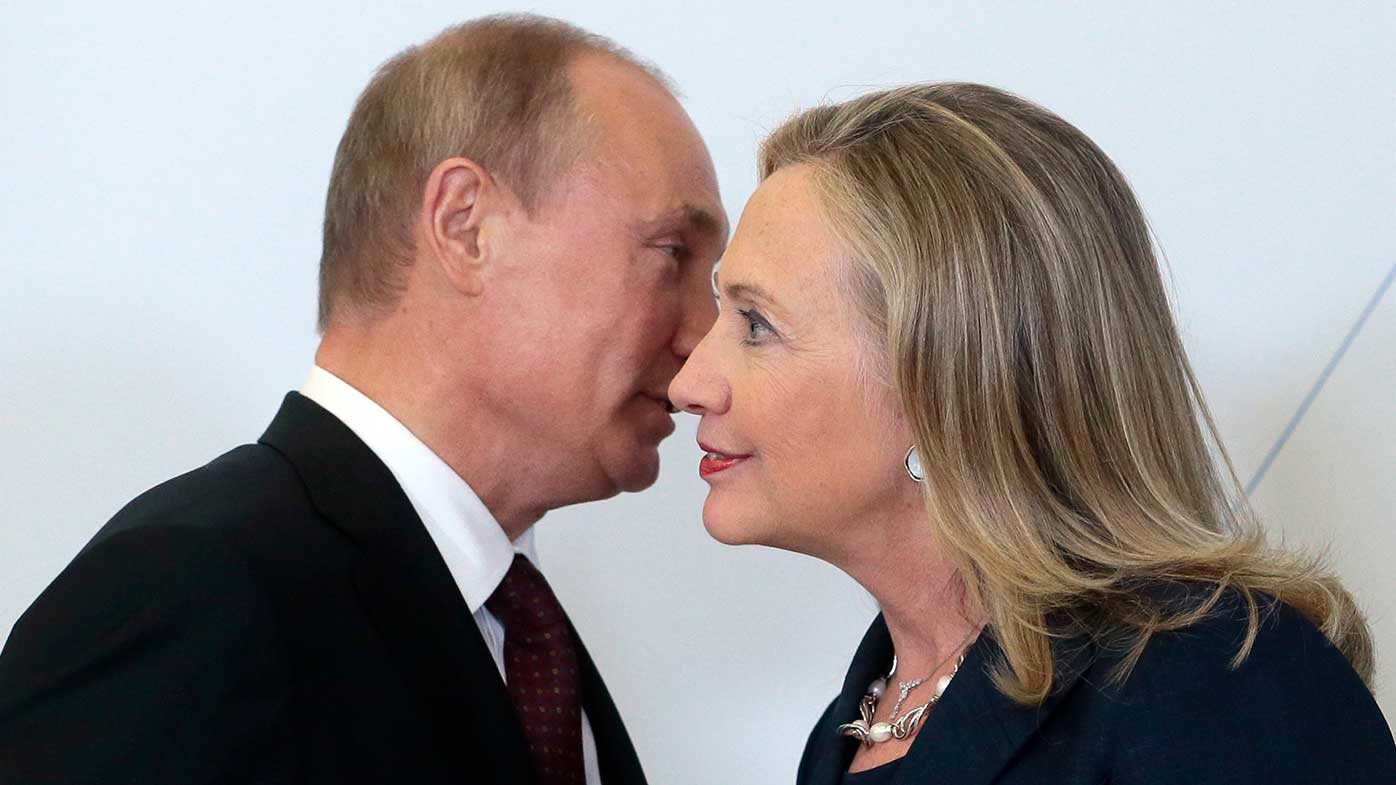
The second is Hillary Clinton, who was previously a sharp critic of the Kremlin during her time as Secretary of State.

READ MORE: Chechen leader's bizarre online banter with Elon Musk

Vladimir Putin meeting Hillary Clinton in 2012.

Her response to being sanctioned was characteristically droll.

"I want to thank the Russian Academy for this Lifetime Achievement Award," she tweeted.

READ MORE: Putin is 'angry, frustrated and likely to escalate war'

The full list of sanctioned Americans:

  • US President Joe Biden

  • Secretary of State Antony Blinken

  • Defence Secretary Lloyd Austin

  • Chairman of the Joint Chiefs of Staff General Mark Milley

  • National security adviser Jacob Sullivan

  • CIA Director William Burns

  • White House press secretary Jen Psaki

  • Daleep Singh, Mr Biden's deputy national security adviser for international economics

  • United States Agency for International Development Administrator Samantha Power

  • Mr Biden's son Hunter Biden

  • Former Secretary of State Hillary Clinton

  • Deputy Treasury Secretary Wally Adeyemo

  • Reta Jo Lewis, president and chairman of the board of directors of the Export-Import Bank

Also banned from entering Russia are Canadian Prime Minister Justin Trudeau, as well as Canada's Foreign Minister Mélanie Joly and Defence Minister Anita Anand.

What would a Russian bond default mean?

Ratings agencies say Russia is on the verge of defaulting on government bonds following its invasion of Ukraine, with billions of dollars owed to foreigners.

That prospect recalls memories of a 1998 default by Moscow that helped fuel financial disruption worldwide.

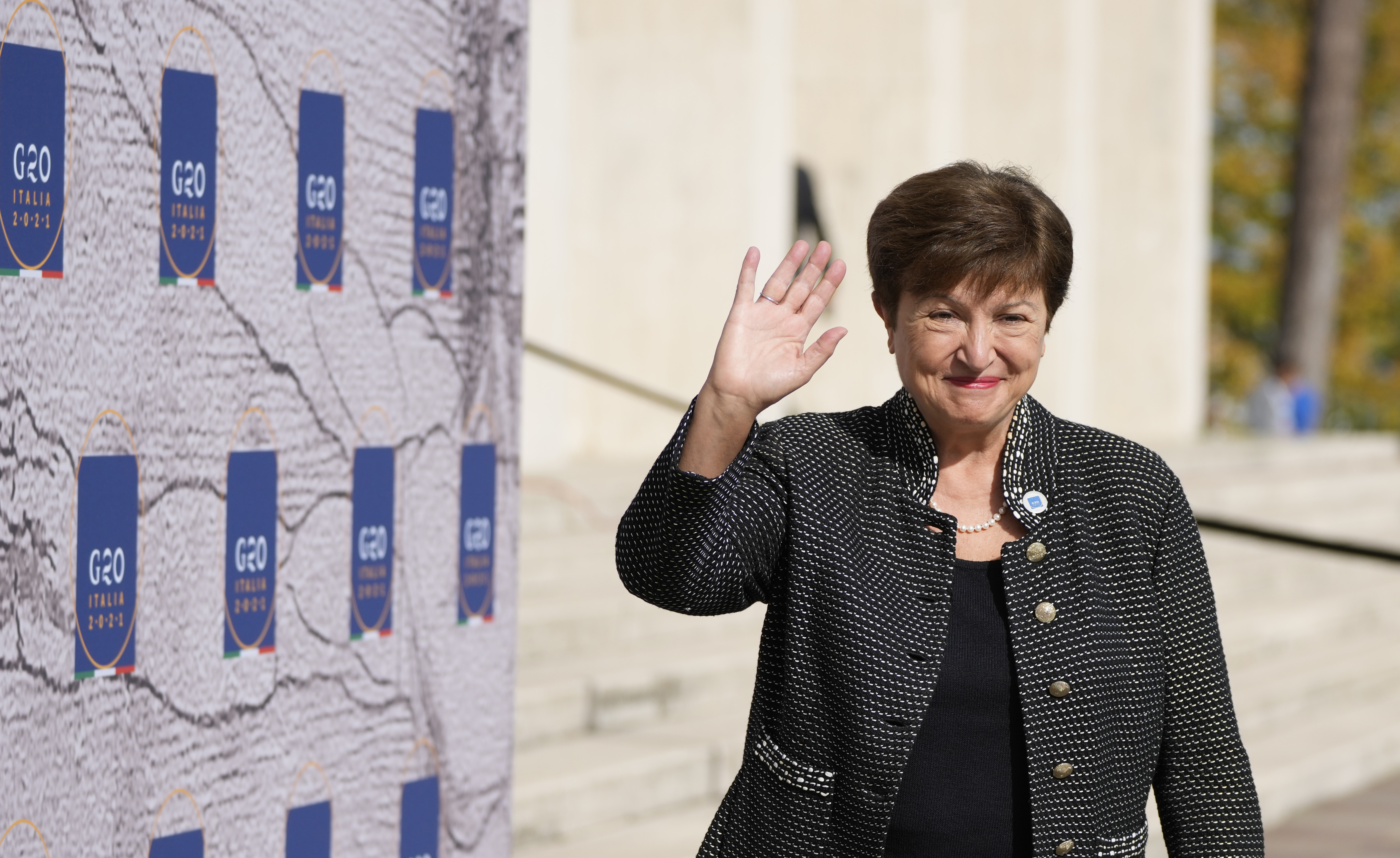
The possibility has become more than market speculation after the head of the International Monetary Fund, Kristalina Georgieva, conceded that a Russian default is no longer an "improbable event".

Here's a look at possible consequences from a Russian default.

READ MORE: Australia's most dominant illicit drug revealed

Why are people saying that Russia is likely to default?

Tomorrow, Russia faces an interest payment of US$117 million ($162.45 million) on two bonds denominated in dollars.

Western sanctions from the war in Ukraine have placed severe restrictions on banks and their financial transactions with Russia.

Finance Minister Anton Siluanov has said the government has issued instructions to pay the coupons in dollars, but added that if banks are unable to do that because of sanctions, the payment would be made in rubles.

There's a 30-day grace period before Russia would be officially in default.

So Russia has the money to pay but says it can't because of the sanctions that have restricted banks and frozen much of its foreign currency reserves.

Ratings agencies have downgraded Russia's credit rating to below investment grade, or "junk".

Fitch rates Russia "C," meaning in Fitch's view "a sovereign default is imminent".

READ MORE: Why the rain is here to stay

What does the fine print say?

Some of Russia's bonds allow payment in rubles under certain circumstances.

But these bonds don't.

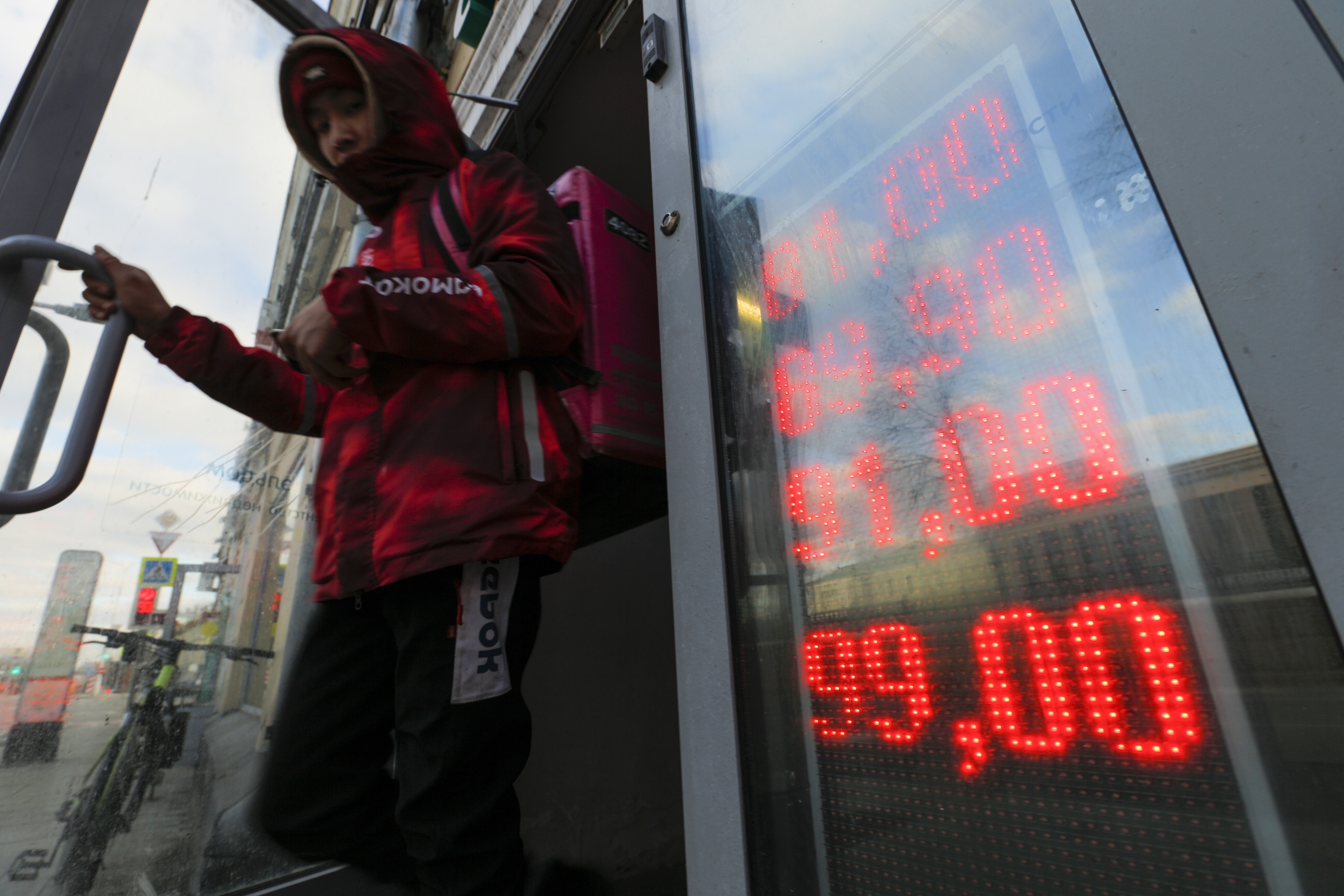
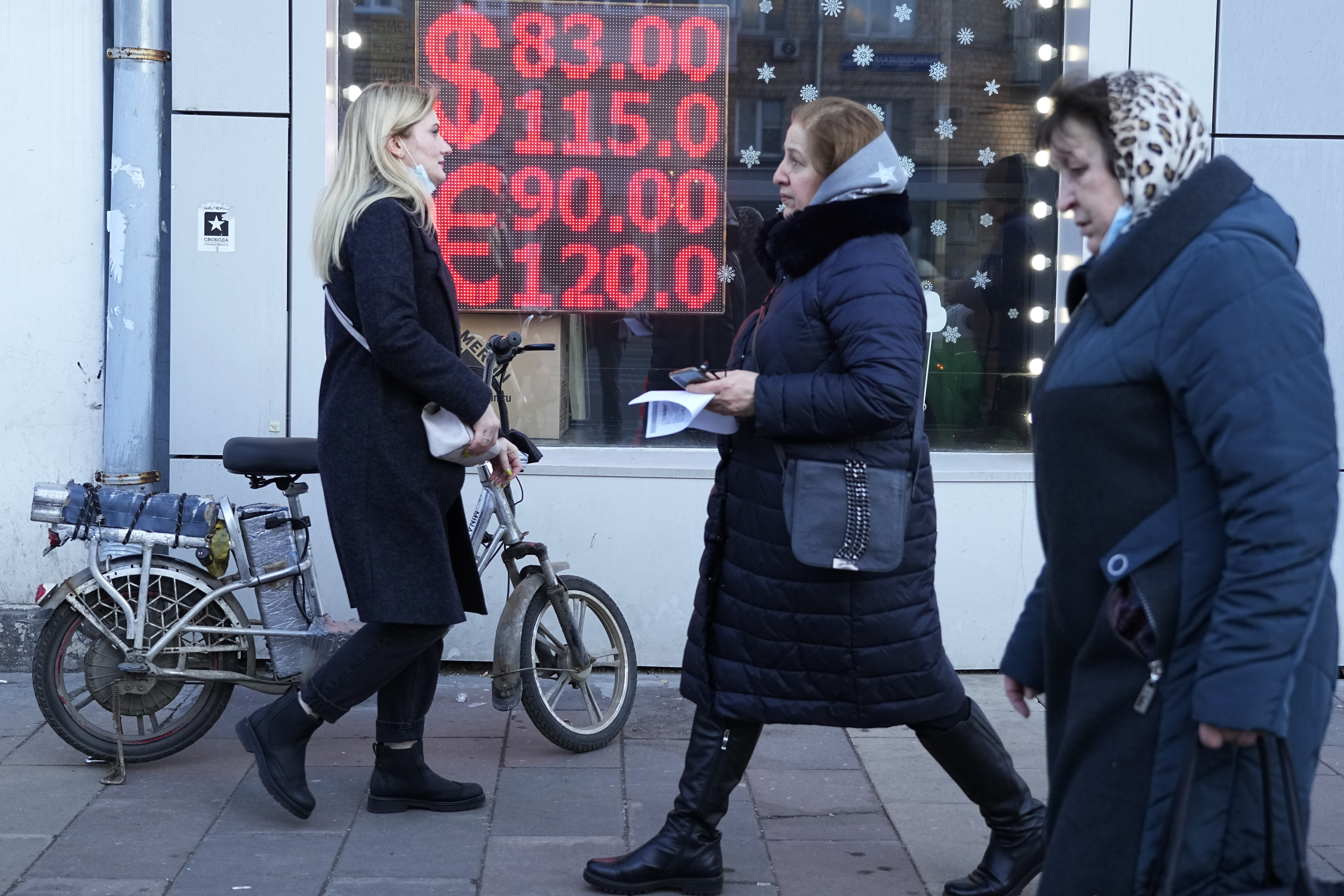
And indications are that the ruble amount would be determined by the current exchange rate, which has plunged, meaning investors would get a lot less money.

Even for bonds that allow ruble payments, things could be complicated.

"Rubles obviously aren't worthless, but they're depreciating rapidly," Clay Lowery, executive vice president at the International Institute of Finance association of financial institutions, said.

"My guess is, it could be a legal issue: are these extraordinary circumstances or were they brought on by the Russian government itself because the Russian government invaded Ukraine?

"That could be fought out in court."

Ratings agency Moody's says that "all else being equal," payment in rubles on bonds that don't permit it would be "a default under our definition".

"However, we would need to understand the facts and circumstances of particular transactions before making a default determination," it said.

READ MORE: Footage shows large eastern brown snake trying to get into Queensland family home

How much does Russia owe?

Russia as a whole has about US$491 billion ($681 billion) in foreign debts, with US$80 billion ($111 billion) due in the next 12 months, according to Algebris Investments.

Of that, US$20.5 billion ($28.46 billion) is in dollar-denominated bonds held by non-residents.

How do you know if a country is in default?

Ratings agencies can lower the rating to default, or a court can decide the issue.

Bondholders who have credit default swaps – derivatives that act like insurance policies against default – can ask a "determinations committee" of financial firm representatives to decide whether a failure to pay should trigger a payout, which still isn't a formal declaration of default.

It can be complex.

"There will be a lot of lawyers involved," the IIF's Mr Lowery said.

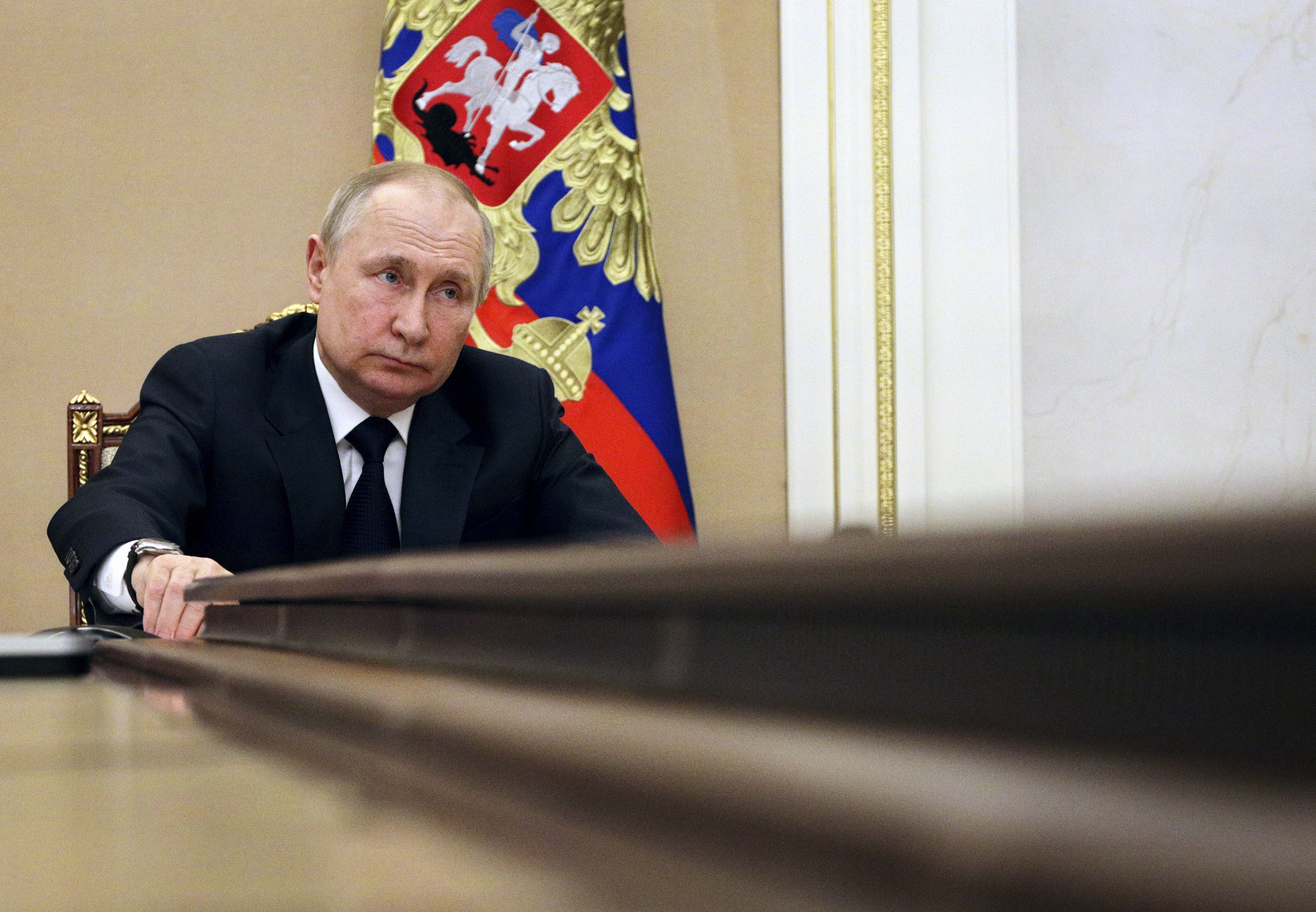
Russian President Vladimir Putin chairs a meeting with members of the government via teleconference in Moscow as conflict continues in Ukraine.

What would be the impact of a Russia default?

Investment analysts are cautiously reckoning that a Russia default would not have the kind of impact on global financial markets and institutions that the 1998 default did.

Back then, Russia's default on ruble bonds came on top of a financial crisis in Asia.

The US government had to step in and get banks to bail out Long-Term Capital Management, a large US hedge fund whose collapse, it was feared, could have threatened the stability of the wider financial and banking system.

This time, however, "it's hard to say ahead of time 100 per cent, because every sovereign default is different and the global effects would only be seen once it has happened," Daniel Lenz, head of euro rates strategy at DK Bank in Frankfurt, Germany, said.

"That said, a Russian default would no longer be any great surprise for the market as a whole.

"If there were going to be big shock waves, you would see that already.

"That doesn't mean that there won't be significant problems in smaller sectors."

Impact outside Russia could be lessened because foreign investors and companies have reduced or avoided dealings there since an earlier round of sanctions imposed in 2014 by the US and the European Union in response to Russia's unrecognised annexation of Ukraine's Crimea Peninsula.

IMF head Ms Georgieva said while the war has devastating consequences in terms of human suffering, and has wide-ranging economic impact in terms of higher energy and food prices, a default by itself would be "definitely not systemically relevant" in terms of risks for banks around the world.

Holders of the bonds – for instance, funds that invest in emerging market bonds – could take serious losses.

Moody's current rating implies that creditors would experience losses of 35 per cent to 65 per cent on their investment if there's a default.

What happens when a country defaults?

Often investors and the defaulting government will negotiate a settlement in which bondholders are given new bonds that are worth less but that at least give them some partial compensation.

It's hard, however, to see how that could be the case now with the war going on and Western sanctions barring many dealings with Russia, its banks and companies.

In some cases, creditors can sue.

In this case, Russian bonds are believed to come with clauses that permit a majority of creditors to agree to a settlement and then force that settlement on the minority, forestalling lawsuits.

Again, it's unclear how that would work when many law firms are leery of dealing with Russia.

Once a country defaults, it can be cut off from bond-market borrowing until the default is sorted out and investors regain confidence in the government's ability and willingness to pay.

Russia's government can still borrow rubles at home, where it mostly relies on Russian banks to buy its bonds.

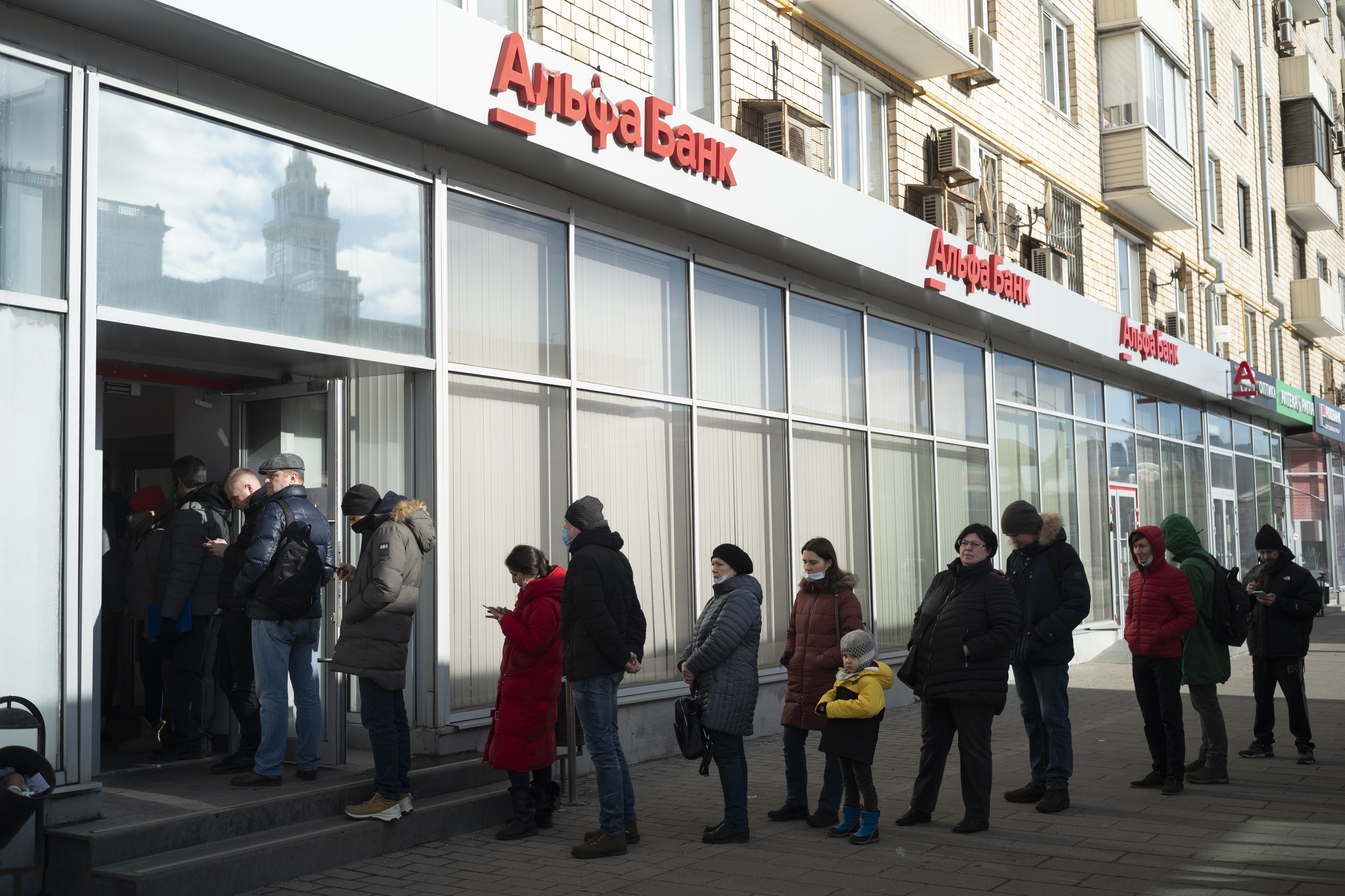
Russia is already suffering severe economic impact from the sanctions, which have sent the ruble plunging and disrupted trade and financial ties with the rest of the world.

So the default would be one more symptom of Moscow's wider political and financial isolation as a result of its invasion of Ukraine.