The man who died at a rural property in Nelson this week was a seasonal worker.A 56-year-old man was found deceased at Eden’s Road Fruit orchard in Hope at 7.30am on Wednesday.Police say he is a New Zealander but not from the…
Tag Archives: oceania
Man with gang links jailed for aggravated robbery at Christchurch court sentencing
Caleb Kara claims he had gone to an address with three men to “move furniture”. The police called it aggravated robbery.That was part of the enigma that emerged at the Christchurch District Court sentencing of the 35-year-old, a…
Political poll: Ardern, Labour's plunge to Luxon, National – world reacts
The world is still talking about Prime Minister Jacinda Ardern – but the narrative has begun to shift after a critical poll showed her popularity has dropped.Ardern has been a frequent feature in international news pages over recent…
Clover Park new homes 'suspicious' fire: Fuel allegedly found at destroyed construction site
Spilled fuel has been discovered among the wreckage of a set of newly built homes in South Auckland that erupted in flames under suspicious circumstances, the Herald understands. Sources have told the Herald gasoline was found on…
'Every dollar counts': Scott Cam's plea ahead of flood appeal
If there's one thing you can count on The Block host Scott Cam knowing, it's how to rebuild.
And when he saw the scenes of devastation emerging from the disastrous flood crisis in Queensland and New South Wales, his reaction was telling.
"I thought, how are they ever going to get back to normal, how are they going to rebuild?" he said.

"I thought, this is an impossible task."
But he knows well enough how community spirit and hard effort can change what's impossible.
And so Cam will join a host of his TV colleagues across three networks and an assembly of music stars tomorrow night for the Australia Unites: Red Cross Flood Appeal fundraising telethon, presented jointly by Nine, Seven Network, and Network 10 from 7.30pm AEDT.
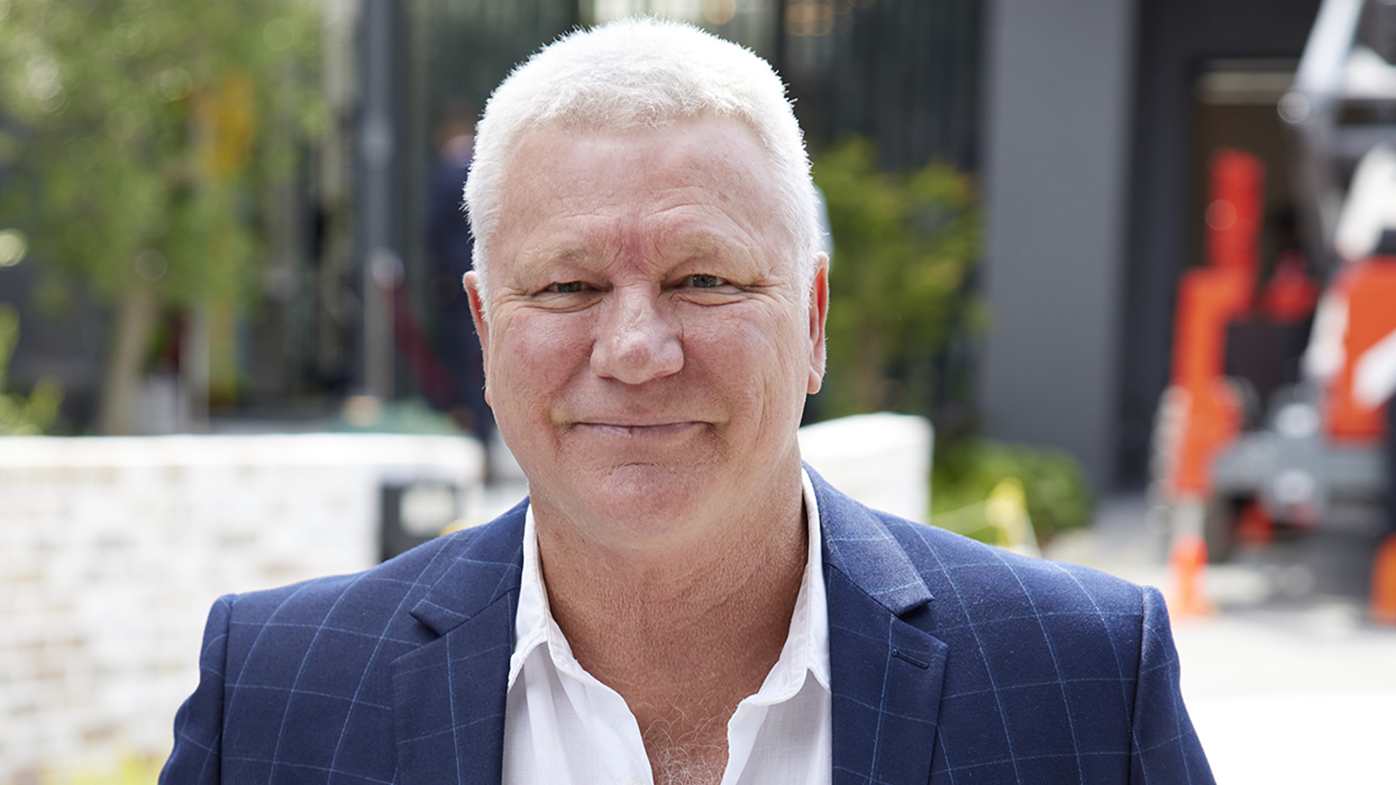
"I was caught up in the bushfires a couple summers back, I know what it's like," Cam said.
"Anything you can do to get involved in that – this is a very important night."
He expects "millions and millions" of dollars to be raised, with Australians digging deep to help out.
And crucially, 100 per cent of the funds raised during the telethon will go to people affected by the floods.
READ MORE: Non-invasive skin cancer treatment trialled on Sydney woman

Cam will be joined by Sylvia Jeffreys, Andy Lee and Peter Overton – along with Seven Network's Natalie Barr, David Koch, Sonia Kruger and Mark Ferguson; and Network 10's Carrie Bickmore, Dr Chris Brown, Amanda Keller and Osher Günsberg.
Generations of artists will also come together to help raise crucial funds.
John Williamson, Tones and I, Baker Boy, Delta Goodrem, Missy Higgins, Hunters and Collectors, Jessica Mauboy, the Living End and far more have contributed their time and talents to the event.
Cam said he was unsurprised by the star quality of the line-up, saying it mirrored what was happening on the ground and in the affected communities, where neighbours were helping each other out and people were rushing to offer what they could.
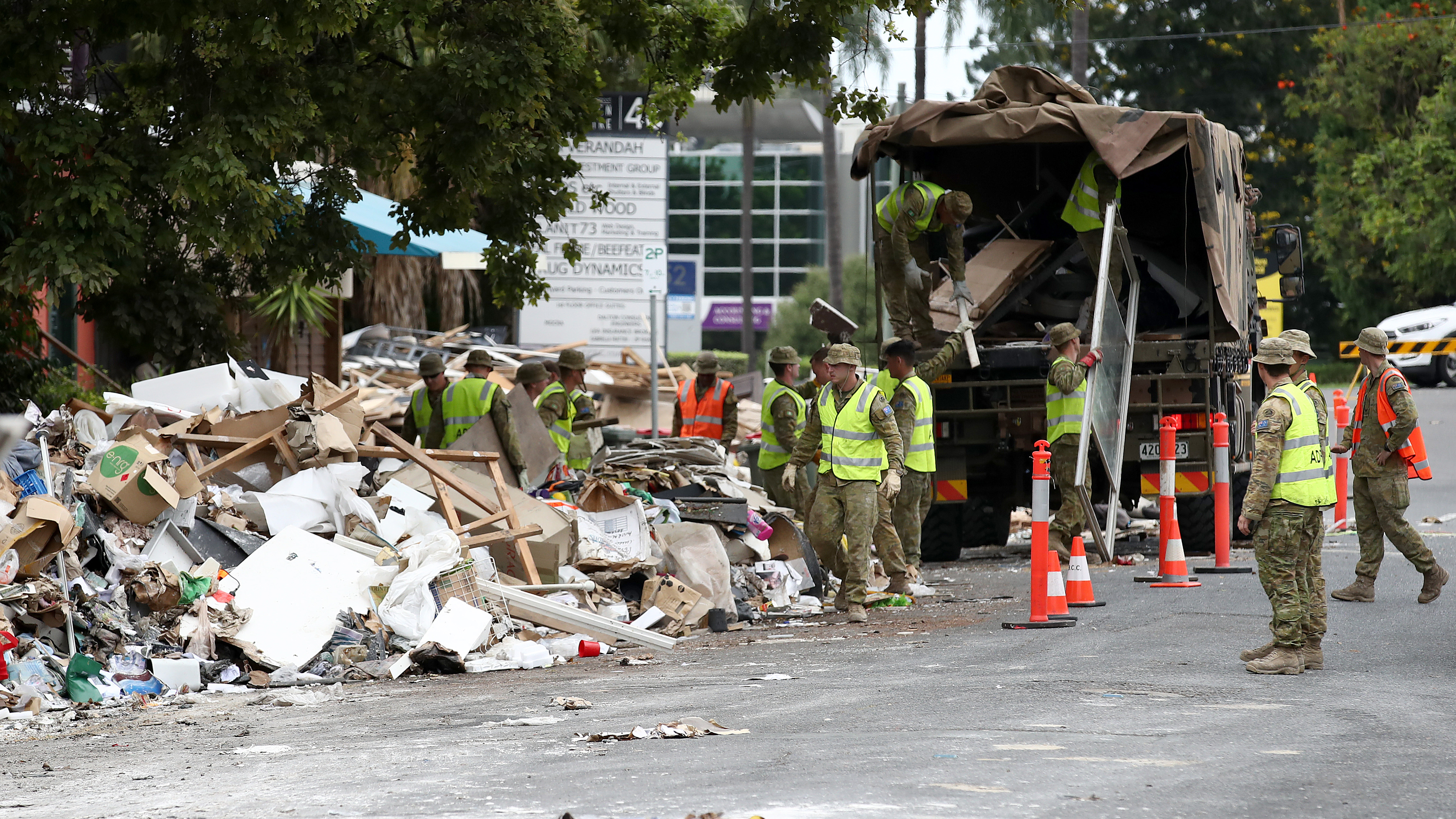
"I think Aussies do that all the time," he said.
"Look at all the tradesmen who've gone up to Lismore and those areas, who've gone up to help."
And looking at the heroism and Herculean efforts from those on the front lines was a reminder of what was important, Cam said.
"This is a small part of it," he said, referring to the telethon.
"We'll hopefully raise some much-needed money. But it's those people on the ground who are doing the important thing."
With that said though, he reminded people that no contribution was too small if they could afford to give it.
"Every dollar counts," he said.
"Imagine if everybody in Australia gave just $2 – you'd have $50 million."
And for many people caught up in them, the "unprecedented" floods were just the latest disaster in a couple of tough years.
"Those small businesses up there, they've been through two years of COVID, and now this," Cam said.
"I guess what I'd like to say is, we're with you."
Donations to the telethon will help Red Cross teams provide humanitarian support to people and communities smashed by the floods.
This will include enabling volunteers and staff to help with evacuation and relief centres and outreach services, and supporting people and communities to recover and build resilience to disasters
Red Cross will also provide financial assistance to help people and families affected by the unprecedented floods.
If you want to donate ahead of the telethon, you can contribute to Red Cross' existing flood appeal at redcross.org.au/floodsappeal or by calling 1800 733 276.
Australia Unites: Red Cross Flood Appeal will air live this Saturday, March 12, at 7.30pm AEDT on Channel 9 and 9Now, Channel 7 and 7Plus and Channel 10 and 10 Play.
'She was tough': Tributes flow for Senator after shock death
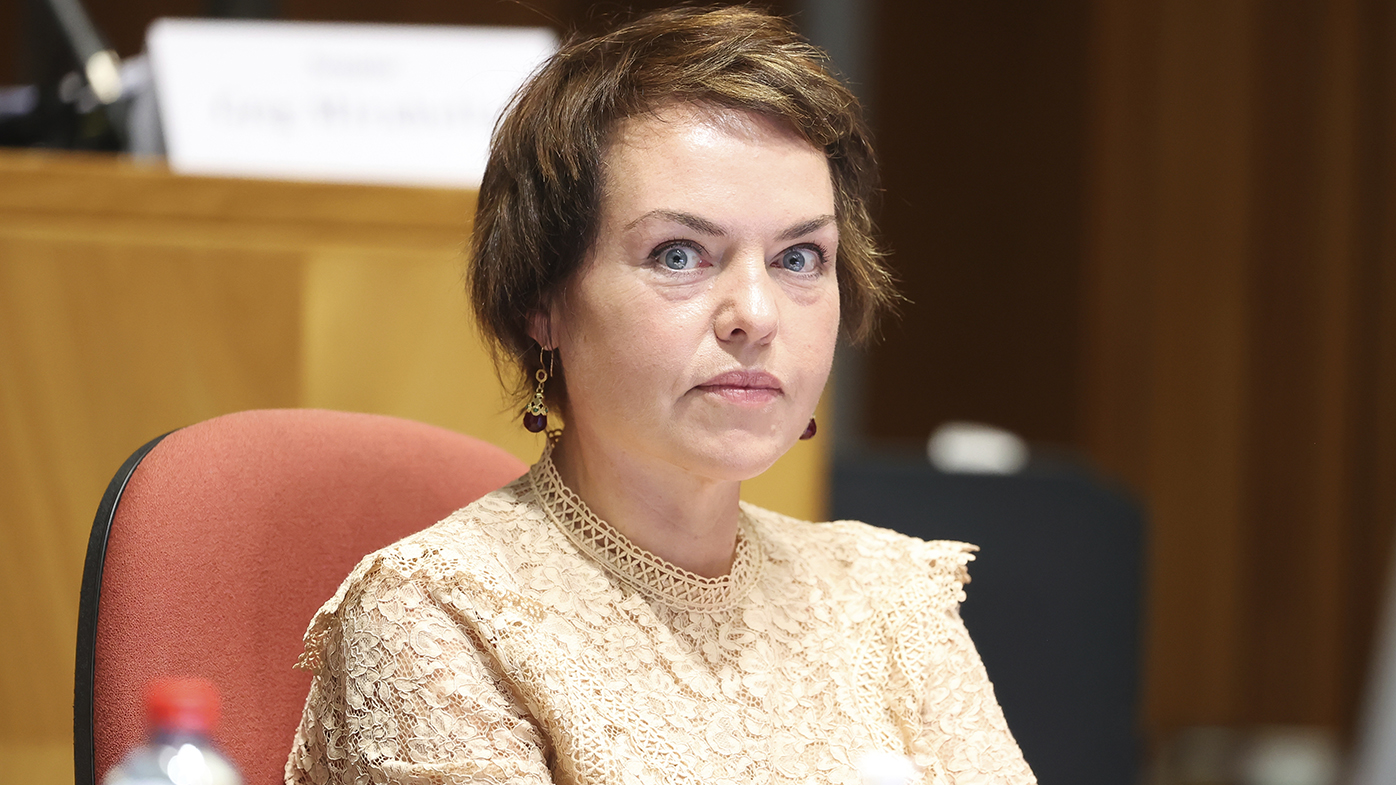
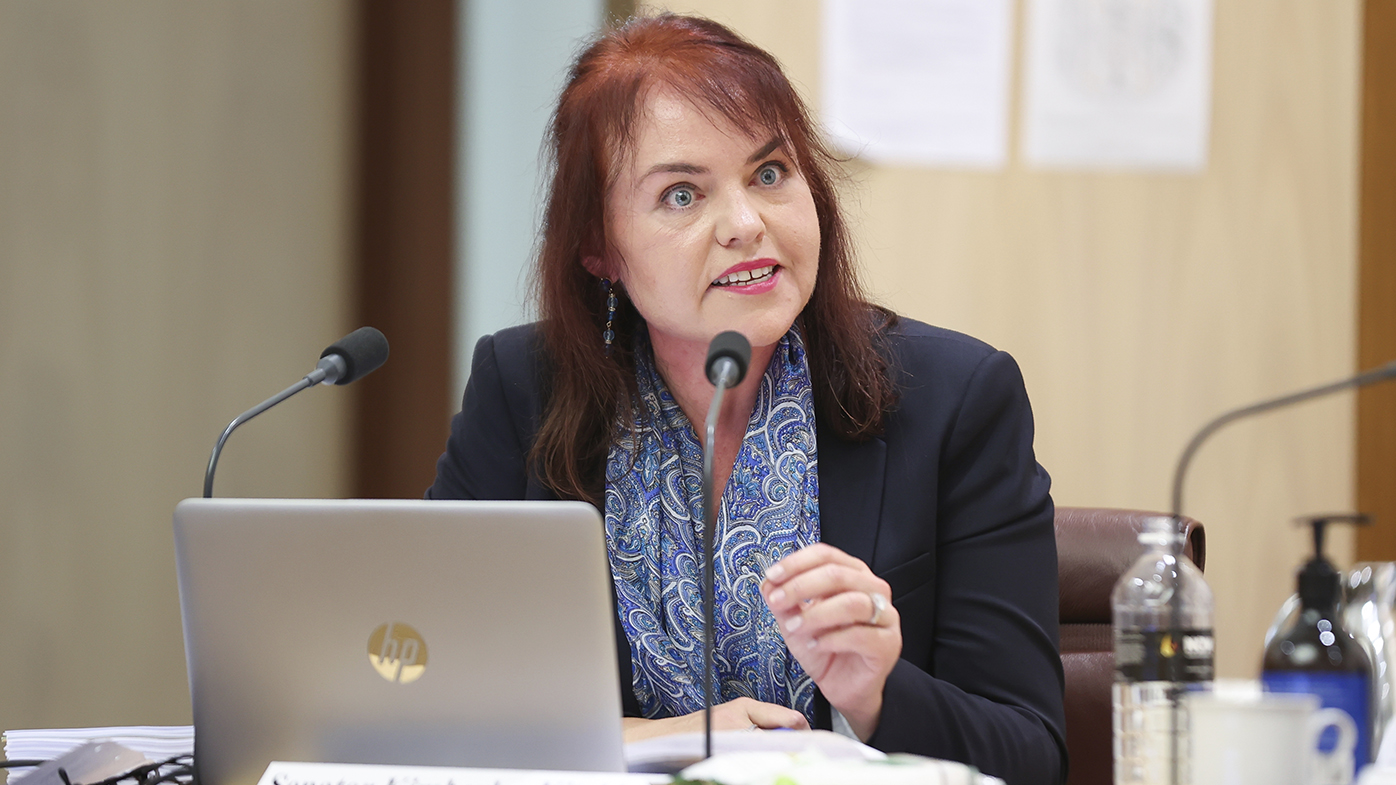
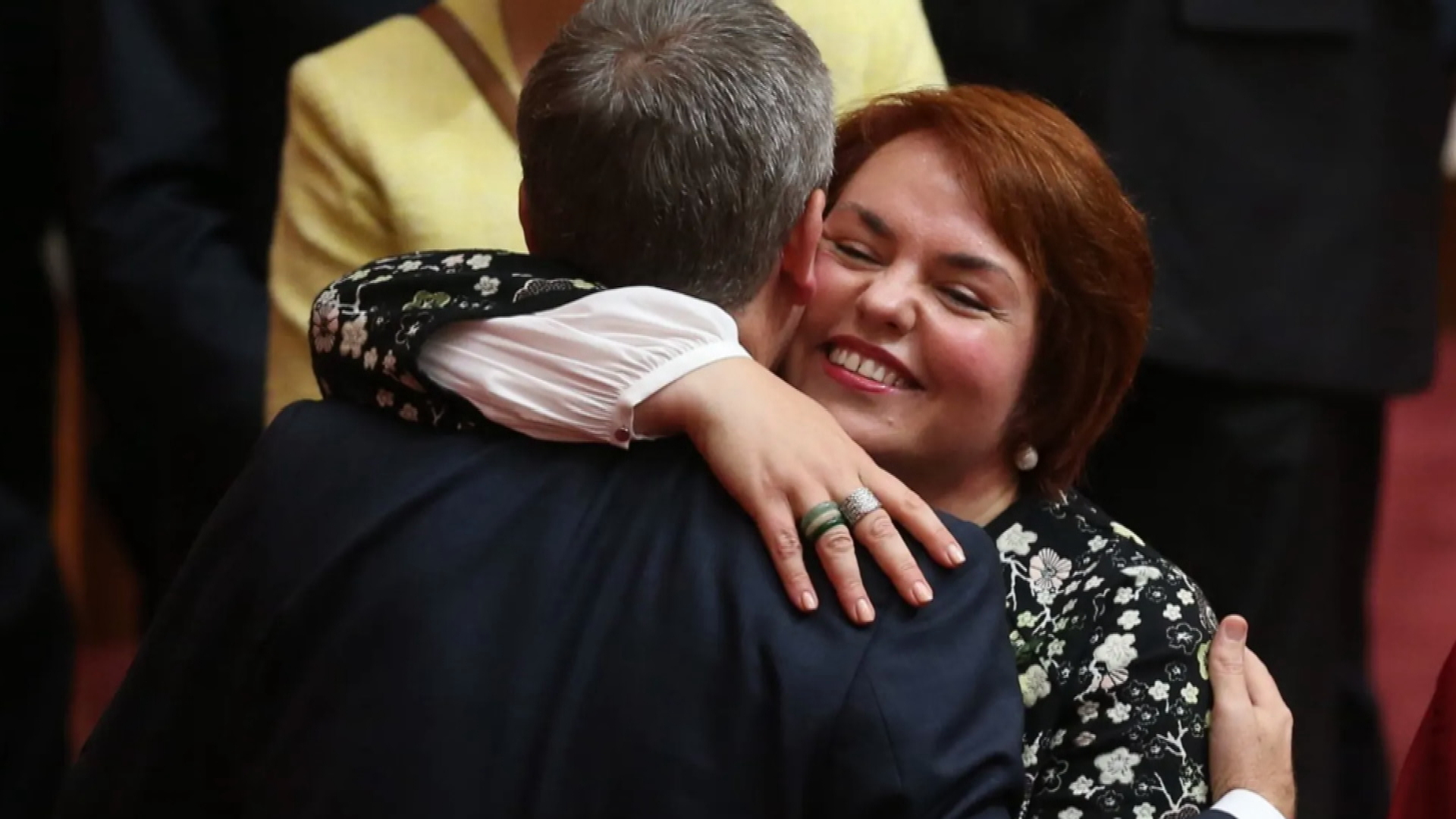
Victorian Labor Senator Kimberley Kitching has died suddenly aged 52.
Senator Kitching suffered a suspected heart attack in Melbourne yesterday, with shattered colleagues paying tribute to the "fierce" politician who served the Senate from 2016 after filling the seat vacated by Stephen Conroy's retirement.
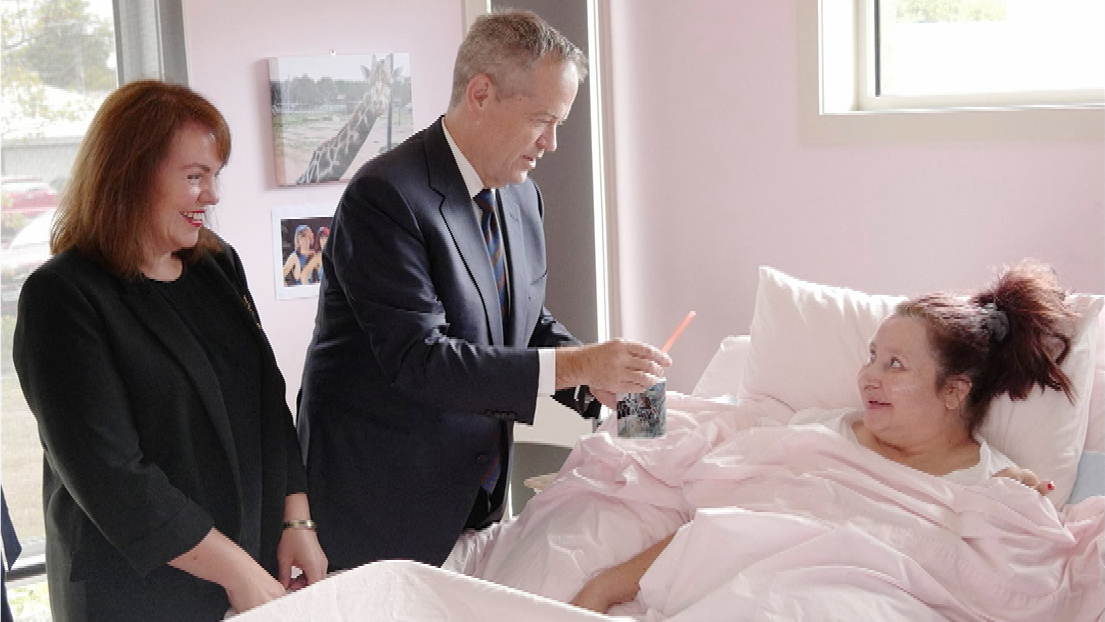
Close friend and former federal Labor leader Bill Shorten revealed he and his wife Chloe had waited with Senator Kitching's husband Andrew Landeryou for the undertaker to arrive after her death.
"I got a dreadful call from her husband saying she was gone," Mr Shorten told Today.
READ MORE: Shane Warne's body arrives home in Melbourne
"So we raced over to this street in Strathmore where she pulled up in the car, where she experienced a heart attack and we waited with her husband until the undertaker's car came, which was terrible.
"She was a fierce and warm person.
"You know politicians think something, but what annoys people is politicians don't actually say what they really think sometimes – she wasn't cut from that cloth."
Mr Shorten praised Senator Kitching's fierce advocacy for anti-corruption laws and her human rights work.
"There's an old saying, you know, who would you want in a fox hole with you when the bullets were flying?" Mr Shorten said.
"And everyone always wanted her in the fox hole. She was tough."
At the time of her death, the former lawyer was the chair of the Foreign Affairs, Defence and Trade References Committee.
Labor leader Anthony Albanese was among those to pay tribute last night.
"The Labor family is in shock tonight at the tragic news that our friend and colleague Senator Kimberley Kitching has died suddenly in Melbourne," Mr Albanese wrote on Twitter.
"My sincere condolences to her family.
"Kimberley will be missed by us all."
https://twitter.com/AlboMP/status/1501850965984817158
Mr Shorten had also shared a poignant tribute online to Senator Kitching.
"With a desolate heart I share the news that Kimberley Kitching has passed away," Mr Shorten wrote.
"Kimberley suffered a heart problem Thursday evening in Melbourne and passed soon after.
"Her passing is an immense loss to Labor and the nation.
"As well as her innumerable accolades she has been a wonderful friend to myself, my wife Chloe and our family.
"To know Kimberley was to be touched not just by her serene intellect but her incredible warmth and vivacity.
"As a Labor Senator she was relentlessly energetic and conscientious recently resulting in international recognition for her human rights work.
"Our hearts go out to her husband Andrew, her family and loved ones."
He included a passage from William Shakespeare's Macbeth.
https://twitter.com/billshortenmp/status/1501854113424117760
Liberal Senator Bridget McKenzie said Kitching was an "amazing Senator".
"You are seeing, from the tributes flowing in from all sides of politics, what a contribution she made," Senator McKenzie said.
"I always enjoyed when Labor and the Coalition were voting on the same side of the floor of the Senate, catching up with her.
"She was an intelligent, inspiring and fierce warrior for our country and will be sorely missed."
Deputy Labor leader Richard Marles said he had known Senator Kitching for more than 30 years.
"Words cannot express the sadness of this moment," he said.
"Kimberly knew what she stood for and she brought a clarity of thought to her role in the Senate that was rare, she was a fierce advocate for all that she believed in.
"The Labor Party, the Senate and the country have lost a unique power."
Prime Minister Scott Morrison also shared his condolences to Senator Kitching's loved ones.
"The death of Senator Kimberley Kitching, at just 52, is a deep and terrible shock," Mr Morrison said in a statement.
"Senator Kitching was a serious parliamentarian who had a deep interest in Australia's national security.
"She had a passion about Australia's national interest and argued for it.
"She demonstrated that her passion for her country was always greater than any partisan view.
"She clearly loved her country and it genuinely showed.
"I came to greatly respect the way Senator Kitching approached the issues.
"Senator Kitching was a practicing Catholic and we witnessed her authentic faith in the life of the Parliament.
"She followed her conscience and was fearless and I admired that.
"She was respected by those on both sides of the Parliament – she was a parliamentarian in the truest sense.
"Senator Kitching was deeply respected by the Coalition.
"To Senator Kitching's family I extend the sympathies of the Government."
Deputy Prime Minister Barnaby Joyce said he was "deeply, genuinely and so terribly upset to hear the tragic news about a dear person and dear friend".
Senator Kitching was born in Brisbane and moved to Melbourne in 1995.
Earlier yesterday, Senator Kitching had shared a message of support for those affected by flooding in Queensland and NSW.
"My thoughts are with those in New South Wales and Queensland who have lost their homes, businesses, loved ones," a post on Senator Kitching's Facebook account read.
"Having grown up in Queensland, I know the chaos floods can cause.
"The footage of community members, flood victims, SES volunteers and ADF personnel stepping up to contribute to the rescue and, in some places, the recovery from the floods, is poignant.
"It reminds me of the camaraderie that defines the Australian character."
Senator Kitching is survived by her husband Andrew.
IS confirms its leader was killed in Syria, names new chief
The Islamic State group has confirmed for the first time that its leader was killed in a US strike in north-western Syria last month and named his successor.
It was the first official comment from the militant group about its leader Abu Ibrahim al-Hashimi al-Qurayshi since US officials said he blew himself up along with members of his family as American forces raided his hideout in the northwestern Syrian town of Atmeh, near the border with Turkey, on February 3.
In an audio message released Thursday, IS spokesman Abu Omar al-Muhajer confirmed the death of the leader, as well as that of the group’s former spokesman, Abu Hamza al-Qurayshi, in the raid.
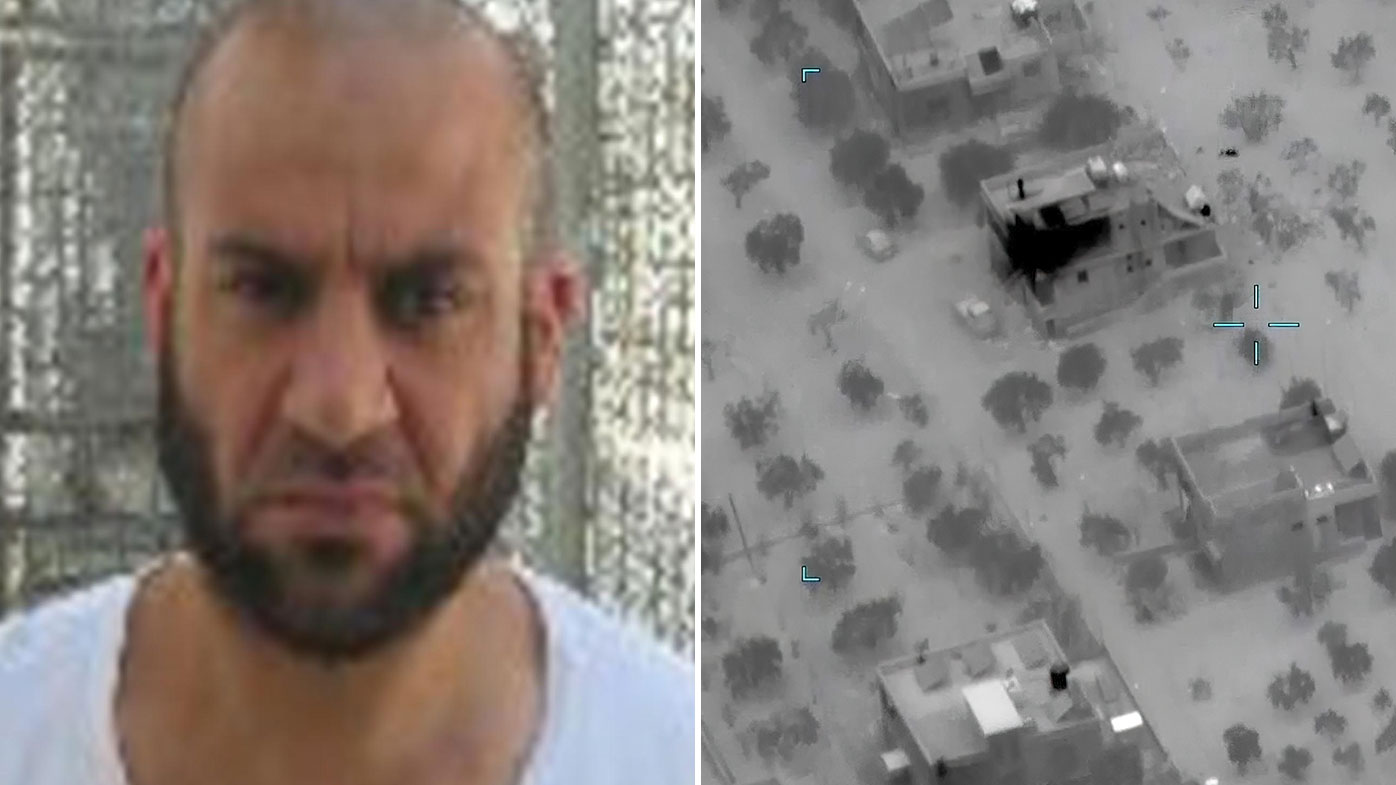
Al-Muhajer also said that IS has named a successor to the former leader, identifying him as Abu al-Hassan al-Hashimi al-Qurayshi and saying the late IS chief has chosen him as the next caliph.
There was no immediate information about the new leader and it wasn't known whether he is Iraqi like his two predecessors, both killed in rebel-held parts of Syria.
Last month's US strike was the second time in three years that the United States took out the top IS leader.
None of the al-Qurayshis are believed to be related. Al-Qurayshi is not their real name but comes from Quraish, the name of the tribe that Islam's Prophet Muhammad belonged to.
IS claims its leaders hail from this tribe and “al-Qurayshi" serves as part of an IS leader's nom de guerre.
“He has accepted the leadership,” al-Muhajer said of the new IS chief, without providing his real name.
In the US raid, about 50 US special operations forces landed in helicopters and attacked a house in a rebel-held corner of Syria, clashing for two hours with gunmen.
In all, 13 people were killed, including six children and four women. Residents described continuous gunfire and explosions that jolted Atmeh near the Turkish border, an area dotted with camps for internally displaced from Syria’s civil war.
At the height of its power, after declaring an Islamic caliphate in 2014, IS controlled a third of both Syria and Iraq and ruled over 8 million people.
Since their defeat in 2019, the militants have struggled to mount a resurgence, staging deadly attacks in both Syria and Iraq.
In January, IS launched a complex assault on a prison in northeast Syria holding at least 3000 IS detainees and setting off 10 days of clashes with US-backed Syrian Kurdish-led fighters.
The battles killed more than 120 Syrian Kurdish fighters and prison workers, along with 374 militants.
Concerns grow Russia may use chemical weapons
British Prime Minister Boris Johnson has echoed fears from US officials this week in predicting that Russia may use chemical weapons in Ukraine, saying that it's "straight out of their playbook".
"The stuff that you're hearing about chemical weapons, this is straight out of their playbook," Johnson said in an interview with British broadcaster Sky News.
"They start saying that there are chemical weapons that have been stored by their opponents or by the Americans. And so when they themselves deploy chemical weapons – as I fear they may – they have a sort of a maskirovka (Russian military deception) of a fake story ready to go," he added.
READ MORE: US VP Harris embraces call for war crimes probe of Russia
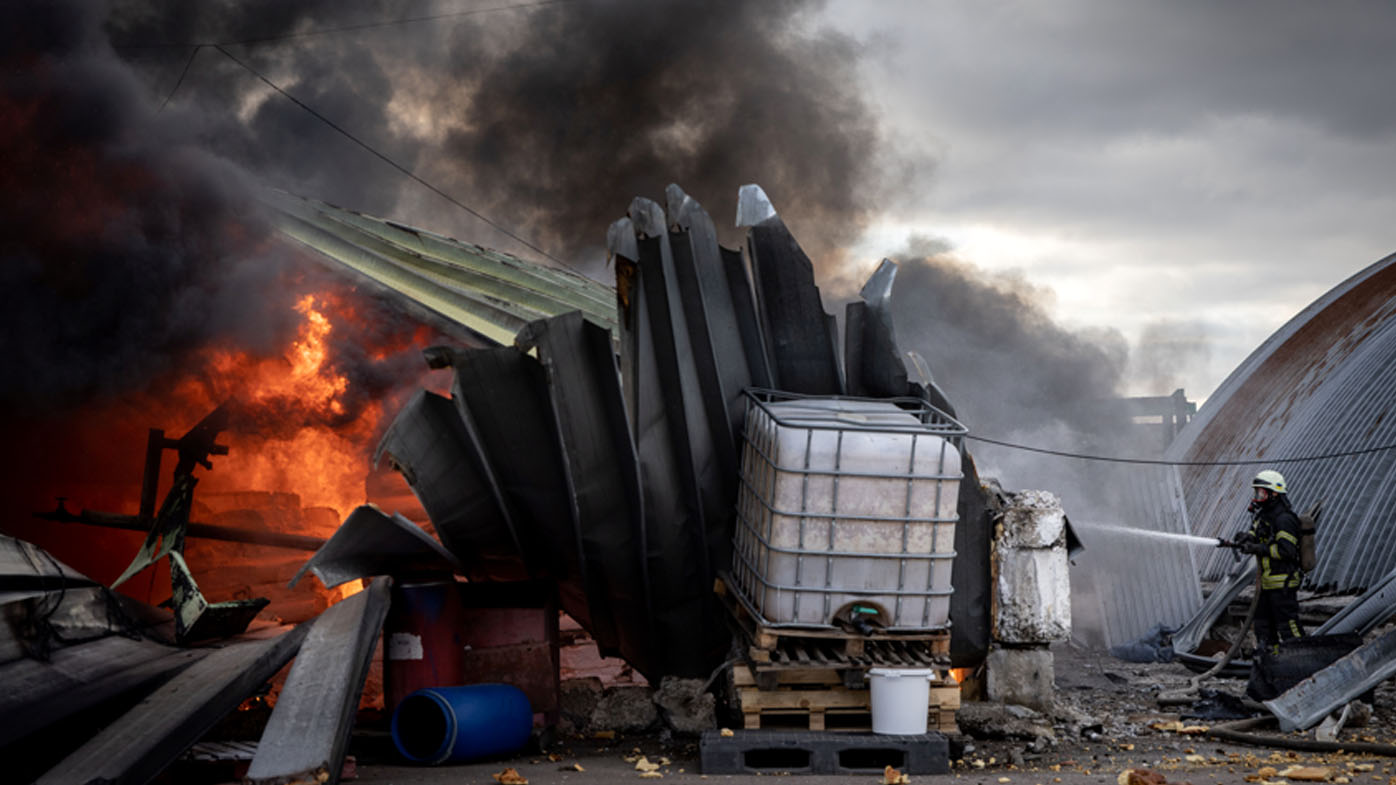
Johnson continued: "I just note that that is what they're already doing. It is a cynical, barbaric government, I'm afraid."
A Russian airstrike on a Mariupol maternity hospital that killed three people brought condemnation down on Moscow on Thursday, with Ukrainian and Western officials branding it a war crime, while the highest-level talks yet yielded no progress in stopping the fighting.
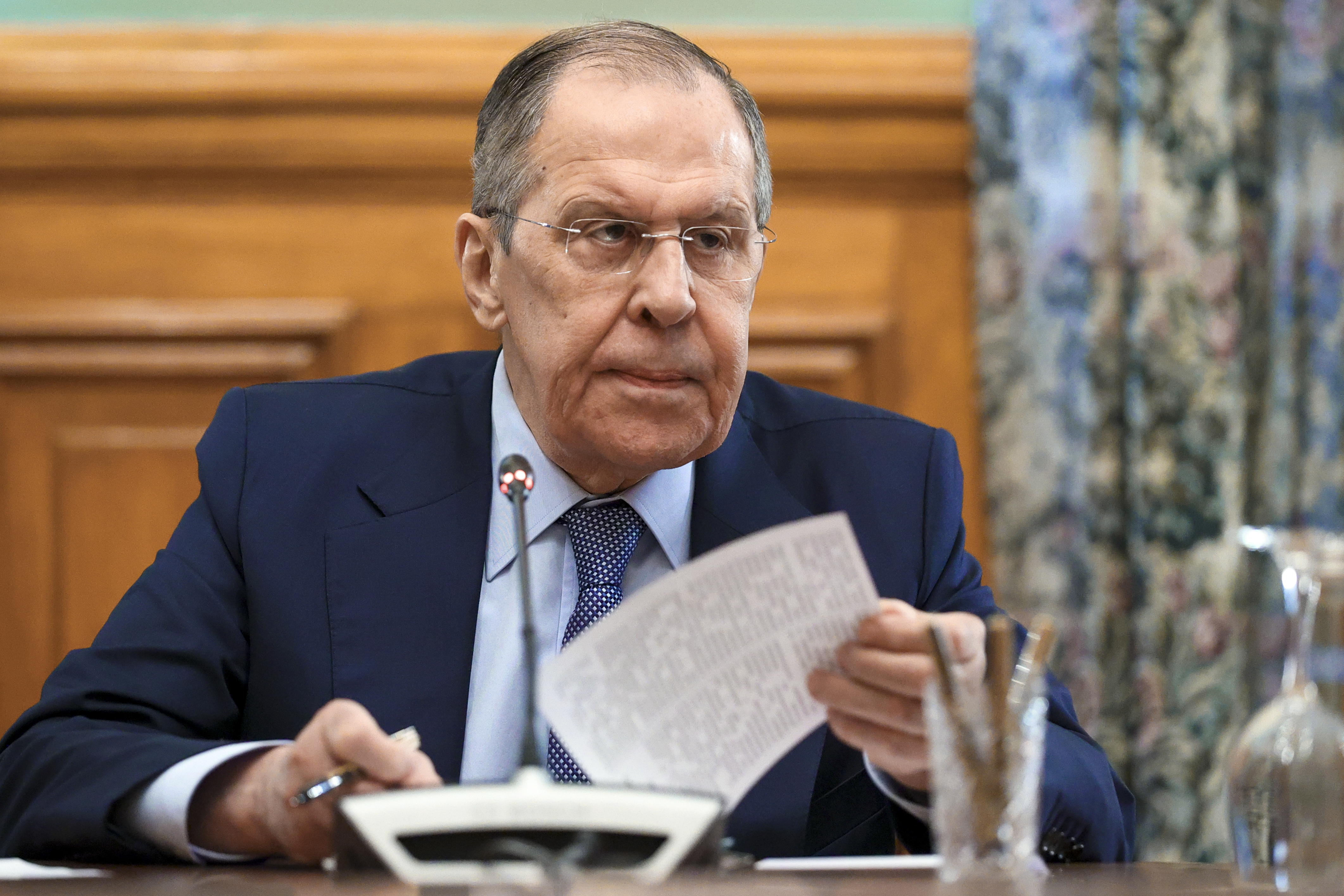
Russian Foreign Minister Sergei Lavrov, speaking after the talks held in Turkey, insisted that all patients had been evacuated before the air strike and that the hospital was being used by Ukrainian extremists.
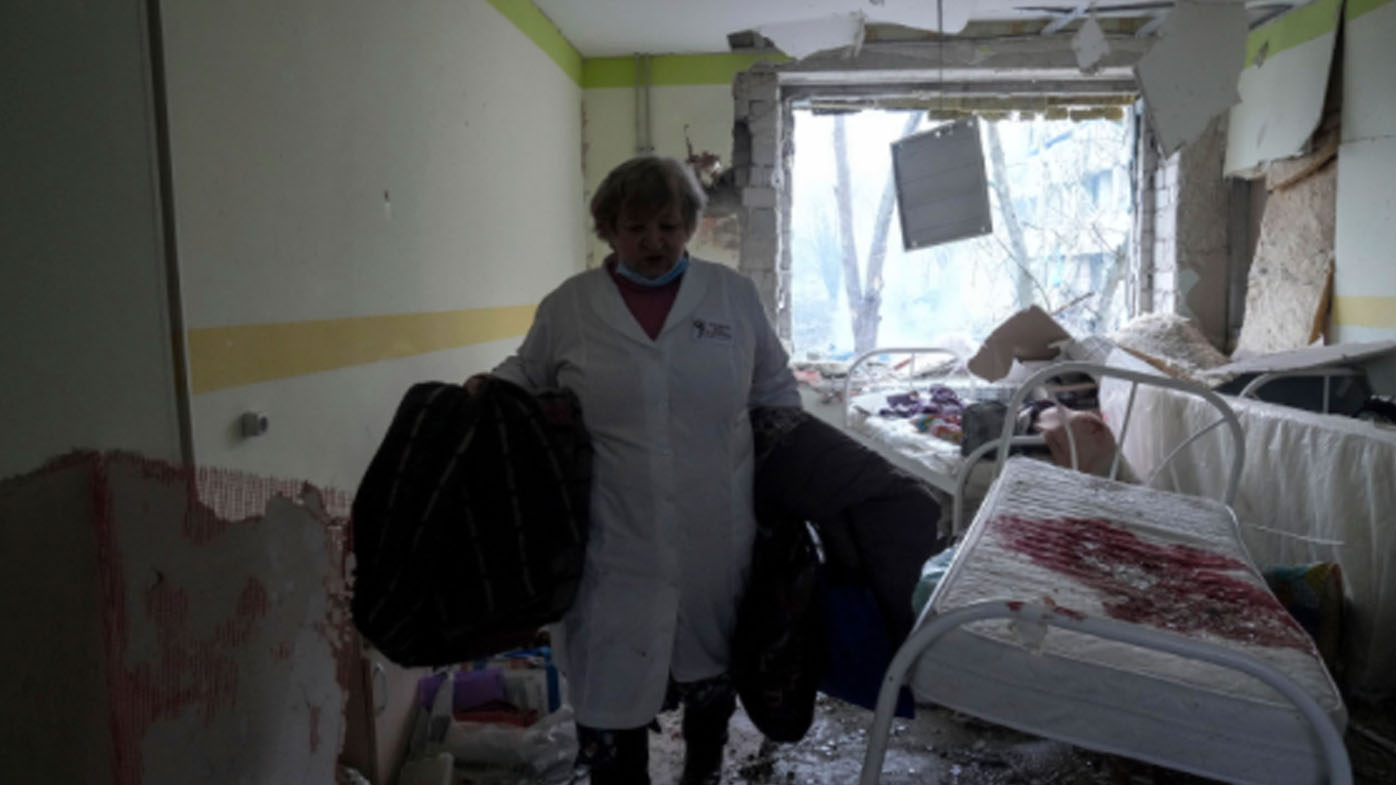
Ukrainian authorities said a child was among the dead in Wednesday's airstrike in the vital southern port of Mariupol. In addition to the dead, 17 people were wounded, including women waiting to give birth, doctors, and children buried in the rubble.
READ MORE: UK sanctions Russian billionaires, Roman Abramovich
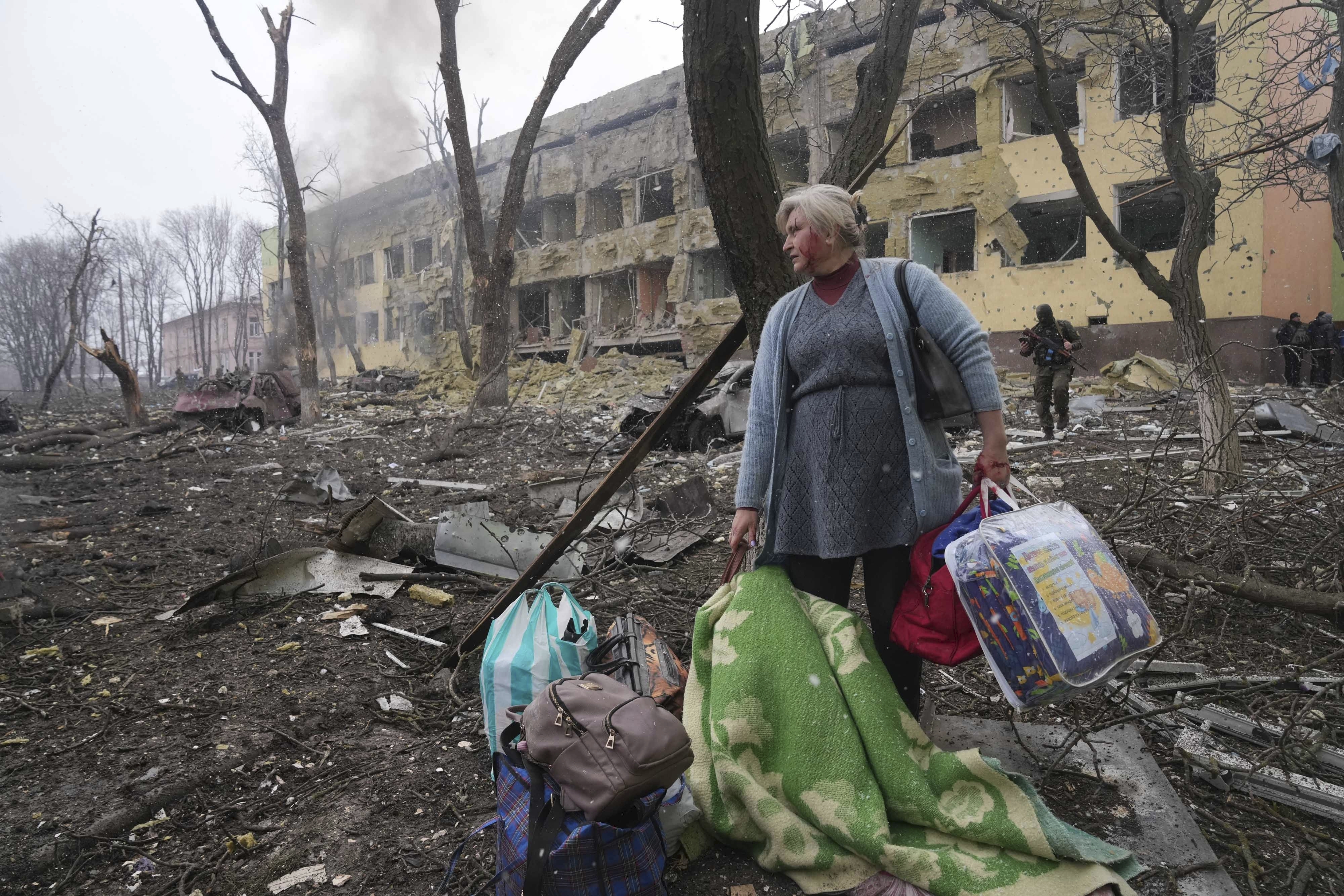
Images of pregnant women covered in dust and blood dominated news reports in many countries and brought a new wave of horror over the two-week-old war sparked by Russia's invasion, which has killed thousands of soldiers and civilians, shaken the foundations of European security and driven more than two million people from Ukraine.
Ukrainian President Volodymyr Zelenskyy told Russian leaders that the invasion will backfire on them as their economy is strangled. Western sanctions have already dealt a severe blow to the economy, causing the rubble to plunge, foreign businesses to flee and prices to rise sharply.
"You will definitely be prosecuted for complicity in war crimes," he said in a video address.
"And then, it will definitely happen, you will be hated by Russian citizens — everyone whom you have been deceiving constantly, daily, for many years in a row, when they feel the consequences of your lies in their wallets, in their shrinking possibilities, in the stolen future of Russian children."
Millions more have been displaced inside the country. Kyiv Mayor Vitali Klitschko said Thursday that about two million people — half the population of the capital's metropolitan area — have left the city, which has become virtually a fortress.
"Every street, every house … is being fortified," he said. "Even people who in their lives never intended to change their clothes, now they are in uniform with machine guns in their hands."
Bombs fell on two hospitals in a city west of Kyiv on Wednesday, its mayor said. The World Health Organisation said it has confirmed 18 attacks on medical facilities since the invasion began.
Western officials said Russian forces have made little progress on the ground in recent days. But they have intensified the bombardment of Mariupol and other cities, trapping hundreds of thousands of people, with food and water running short.
Temporary cease-fires to allow evacuations and humanitarian aid have repeatedly faltered, with Ukraine accusing Russia of continuing its bombardments. But Zelenskyy said 35,000 people managed to get out on Wednesday from several besieged towns, and more efforts were underway on Thursday in eastern and southern Ukraine — including Mariupol — as well as in the Kyiv suburbs.
The Mariupol city council posted a video showing buses driving down a highway. It said a convoy bringing food and medicine was on the way despite several days of thwarted efforts to reach the city.
"Everyone is working to get help to the people of Mariupol. And it will come," said Mayor Vadym Boychenko.
Images from the city, where hundreds have died and workers hurried to bury bodies in a mass grave, have drawn condemnation from around the world. Residents have resorted to breaking into stores for food and melting snow for water. The city has been without heat for days as nighttime temperatures fall below freezing and daytime ones hover just above it.
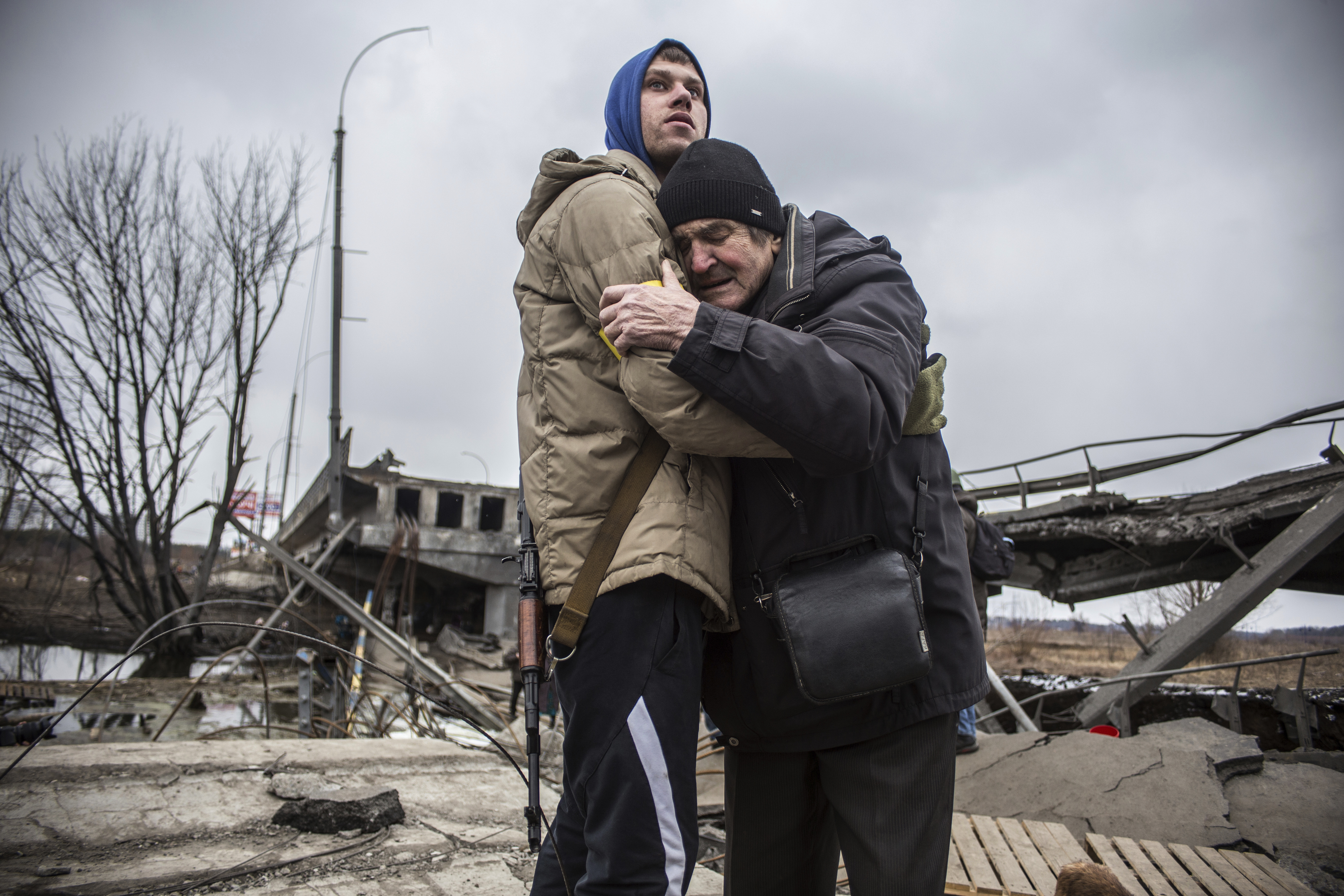
"The only thing (I want) is for this to be finished," Volodymyr Bykovskyi said as he stood by a freshly dug trench where bodies were being buried. "I don't know who's guilty, who's right, who started this. Damn them all, those people who started this!"
When the series of blasts hit the children's and maternity hospital in Mariupol, the ground shook more than a mile away. Explosions blew out windows and ripped away much of the front of one building. Police and soldiers rushed to the scene to evacuate victims, carrying a bleeding woman with a swollen belly on a stretcher past burning and mangled cars. Another woman wailed as she clutched her child.
Regional Ukrainian police official Volodymir Nikulin, standing in the ruins, called the attack "a war crime without any justification." Britain's Armed Forces minister, James Heappey, said that whether the hospital was hit by indiscriminate fire or deliberately targeted, "it is a war crime."
US Vice President Kamala Harris, on a visit to Ukraine's neighbour Poland, backed calls for an international war-crimes investigation into the invasion, saying, "The eyes of the world are on this war and what Russia has done in terms of this aggression and these atrocities."

Russian Foreign Minister Sergey Lavrov dismissed concerns about civilian casualties as "pathetic shrieks" from Russia's enemies. He claimed without providing evidence that the Mariupol hospital had been seized by far-right radical fighters who were using it as a base — despite the fact that photographs from the aftermath showed pregnant women and children at the site.
Several rounds of talks have not stopped the fighting, and a meeting in a Turkish Mediterranean resort between Lavrov and his Ukrainian counterpart, Dmytro Kuleba, failed to find much common ground.
In their highest-level talks since the war began, the two sides discussed a 24-hour cease-fire but did not make progress, Kuleba said.
He said Russia was still seeking "surrender from Ukraine."
READ MORE: The men behind Russia's war in Ukraine
"This is not what they are going to get," he said, adding that he was willing to continue the dialogue.
Lavrov said Russia was ready for more negotiations but showed no sign of softening Moscow's demands.
Russia has alleged that Western-looking, US-backed Ukraine poses a threat to its security. Western officials suspect Russian President Vladimir Putin wants to install a government friendly to Moscow in Kyiv as part of an effort to draw the former Soviet state back into its orbit.
Russia's military is struggling, facing heavier losses and stronger Ukrainian resistance than it apparently anticipated. But Putin's forces have used airpower to pummel key cities, often shelling populated areas.
In Kharkiv, Ukraine's second-largest city, 91-year-old Alevtina Shernina sat wrapped in a blanket, an electric heater at her feet, as cold air blew in through a damaged window.
She survived the brutal World War II siege of Leningrad, now St. Petersburg, and is now under siege again, her health too fragile for her to be moved.
Her daughter-in-law Natalia said she was angry that Shernina "began her life in Leningrad under the siege as a girl who was starving, who lived in cold and hunger, and she's ending her life" in similar circumstances.
"There were fascists there and there are fascists here who came and bombed our buildings and windows," she said.
World-first non-invasive skin cancer treatment trialled on Sydney woman
Australian skin cancer patients are the first to be enrolled in a global trial of a new painless non-invasive treatment.
The therapy called Rhenium-SCT uses a resin paste containing radioactive particles to kill non-melanoma skin cancers such as basal cell carcinoma.
South Coast Radiology on the Gold Coast is the first to offer the new treatment as part of a study recruiting 200 patients and involving sites in Sydney and Perth.
READ MORE: Shane Warne's body arrives in Australia on private jet
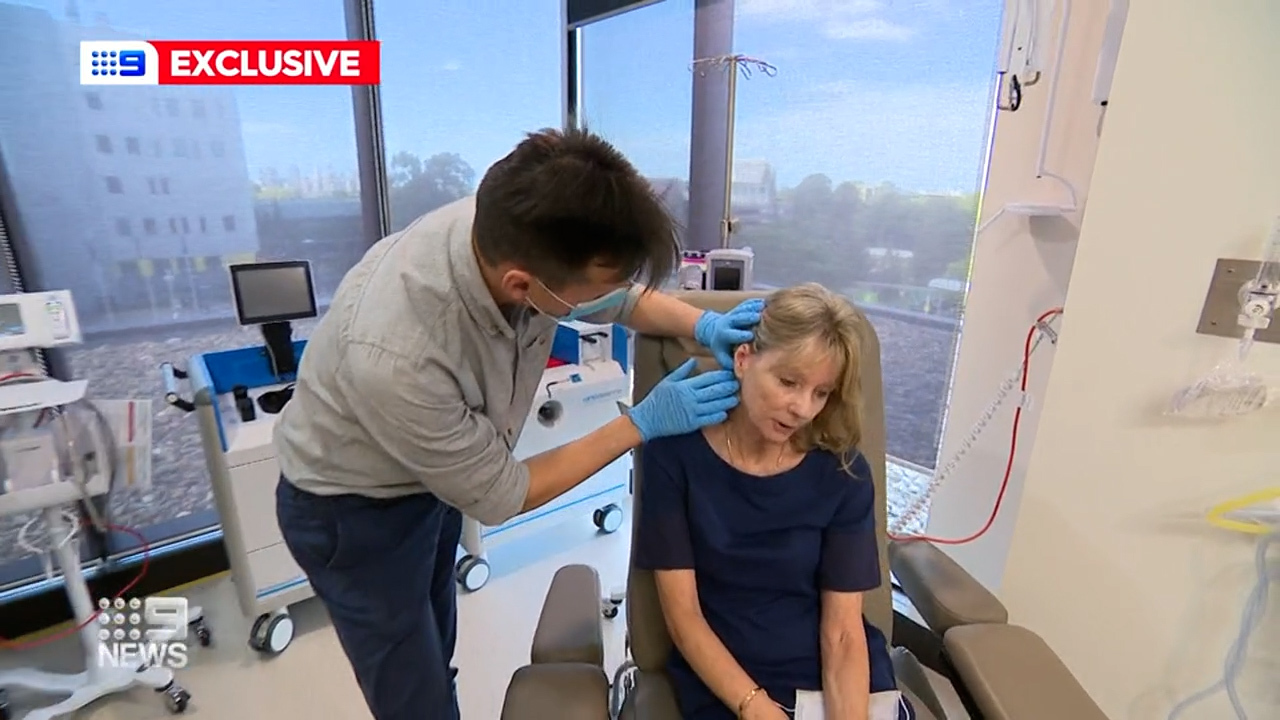
Small published studies overseas have shown the therapy to be effective and well-tolerated but more evidence is needed.
"The Rhenium-SCT has advantages in that it's a single treatment that is painless with a really good cosmetic outcome," said Dr Sam Vohra, OncoBeta Australia Medical Director.
GenesisCare's Radiation Oncologist Associate Professor Sid Baxi treated the first patients in the study.
"This is particularly useful for thin skin cancers, around three millimetres in-depth," he said.
"We're looking at an approximate 90 percent clearance rate."
He said about 500 patients around the world have already received the therapy with a follow-up of about two years.
READ MORE: Rental support announced for homeless NSW flood victims
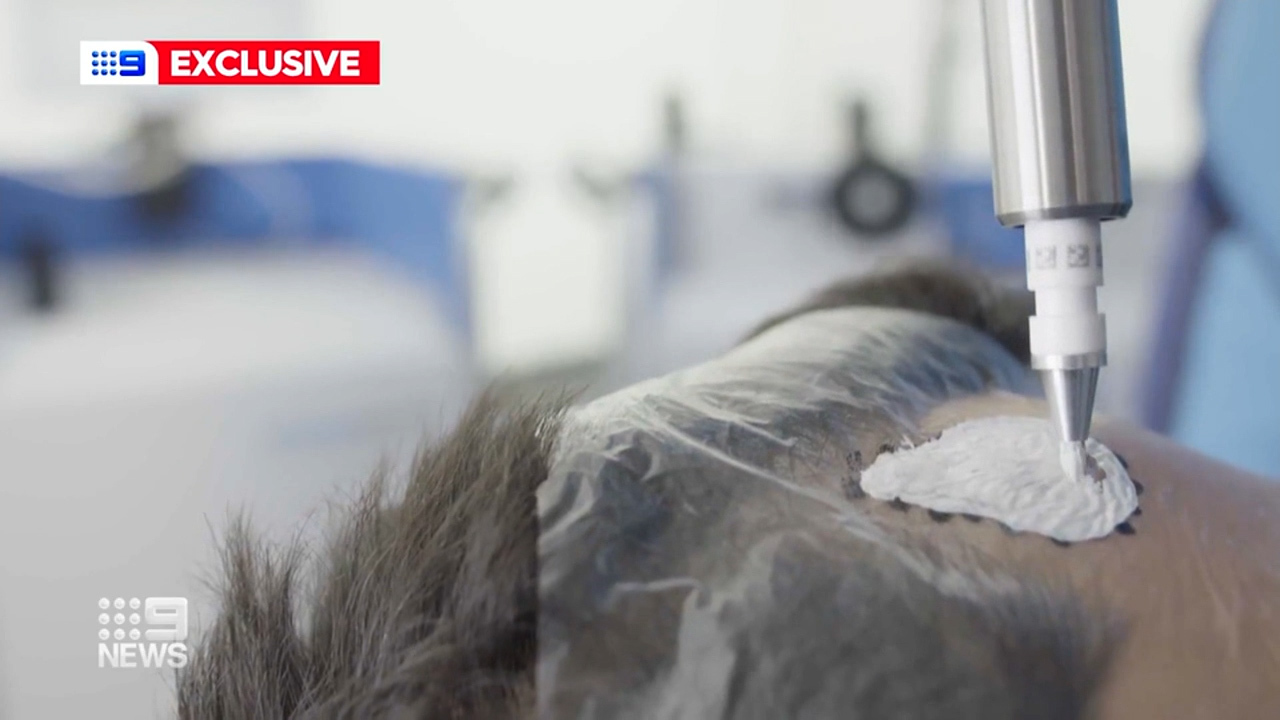
The latest trial will shed more light on its effectiveness, the side-effect profile and the patient's quality of life.
Jan McGrath travelled from Sydney to the Gold Coast after she jumped at the chance to take part.
"It just sounded amazing to be able to cure it without having to be cut, chopped and sewn," she said.
"It was really easy, it didn't hurt at all."
Jan wanted to avoid having a surgical graft after a basal cell carcinoma developed inside her ear.
READ MORE: Brave volunteers are neck deep saving animals
She has had about ten skin cancers removed in the past, including major surgery on her nose which took weeks to heal.
"It's invasive, painful and takes a long time to recover," she said.
The German-based innovators have partnered with the Australian Nuclear Science and Technology Organisation to manufacture and deliver the radioactive particles at Lucas Heights.
"Because Rhenium itself lasts such a short time, it only lasts for 17 hours so local manufacturing is very very important," said Ken Rikard-Bell, OncoBeta Australia Manager.
Two more men charged over Mejid Hamzy's alleged murder
Two more men have been charged over the alleged murder of Mejid Hamzy, who was gunned down outside his south-western Sydney home in October 2020.
Hamzy was the older brother of crime gang Brothers 4 Life founder and convicted killer Bassam Hamzy, who is currently jailed in Goulburn's supermax prison.
This afternoon two men, Bryce Williams, 34, and Christopher O'Brien, 30, were each charged with murder.
READ MORE: NSW COVID-19 cases could double within weeks
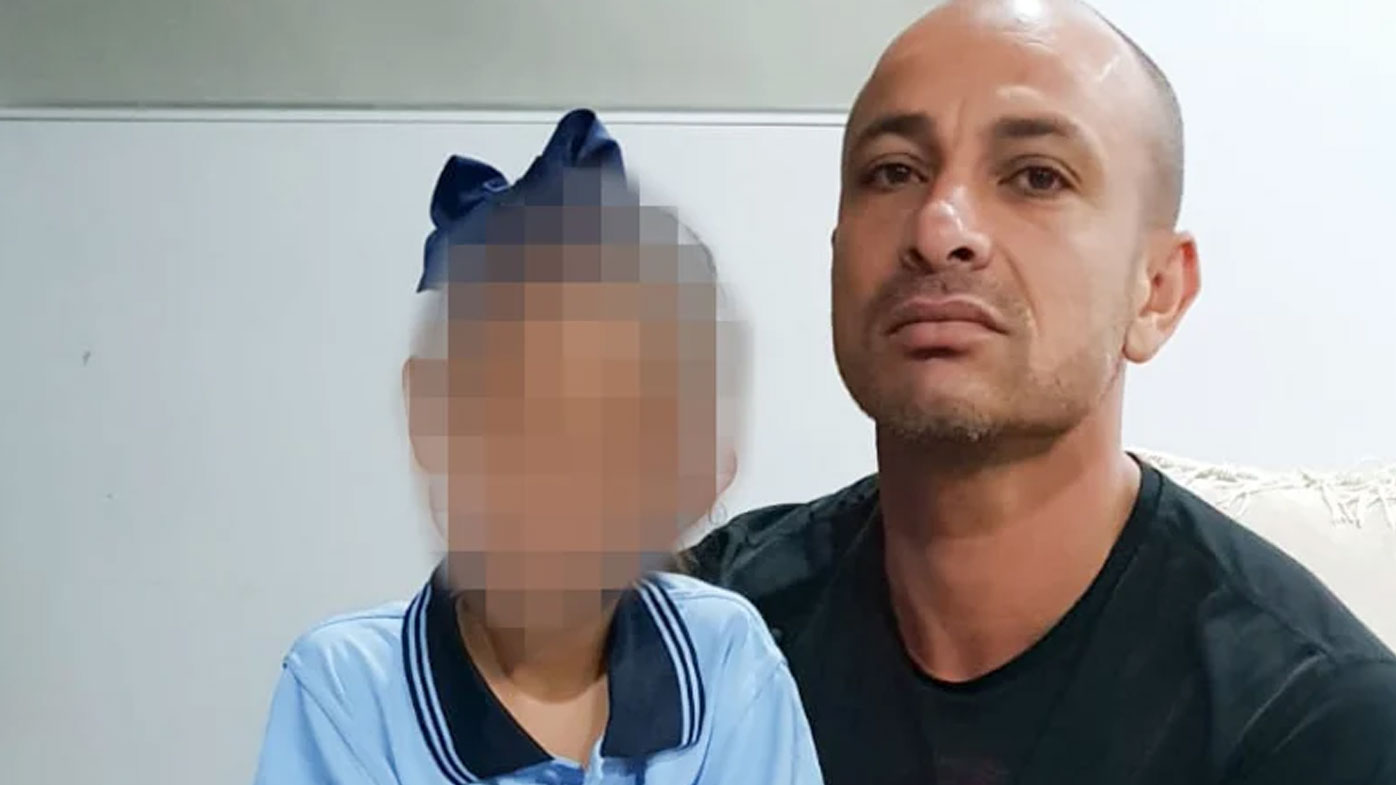
Police will allege in court both men shot Hamzy at Condell Park in 2020.
The pair were also charged with supplying a prohibited drug more than a large commercial quantity and participating in criminal group.
The charges come after police executed search warrants early this morning at a number of homes across Sydney's south-west in East Hills, Panania, Bankstown and Padstow.
Three people were arrested.
A third man, 28, from Bankstown was charged with supplying a prohibited drug more than a large commercial quantity, two counts of knowingly dealing with proceeds of crime and participating criminal group.
Police will allege in court the man supplied methylamphetamine on an ongoing basis between October last year and March.
All three men were refused bail to appear at Bankstown Local Court.
Hamzy's murder sparked a tit-for-tat gangland war between the Hamzy and Alameddine families which led to seven murders across Sydney.
However, today police revealed they would allege the execution was ordered by a high-ranking Comanchero bikie living overseas.
"(The killing) was sanctioned at the highest level of organised crime… the motivation for this murder relates to the theft of the large importation of narcotics that entered this country," Detective Superintendent Grant Taylor said.
Hamzy's mother Lola is also the mother of Bassam Hamzy and Ghassan Amoun, who was executed at Wentworthville in January.
"I am happy in a way, but I also lost in the end," she said after the arrests.
In July last year, police charged two other men – aged 38 and 44 – in relation to Hamzy's murder.
They both remain before the courts.
Police were called to Hamzy's home in Condell Park just after he was gunned down.
The 44-year-old was found with multiple gunshot wounds.
Despite the efforts of emergency services, he died at the scene.
Bassam Hamzy found out about his brother's death while watching the news in prison.