Test your brains with the Herald’s afternoon quiz. Be sure to check back on nzherald.co.nz for the morning quiz tomorrow. To challenge yourself with more quizzes, CLICK HERE.
Tag Archives: oceania
Covid 19 Omicron outbreak: Dire predicted heartland town death toll, fears of potential tangi cluster
Modelling says at least 14 people are predicted to die of Covid-19 once the virus takes hold in the North Island town of Wairoa. And local Wairoa officials fear the moment of widespread cases ripping through the town’s population…
Russian warship cursed from tiny Snake Island 'destroyed'
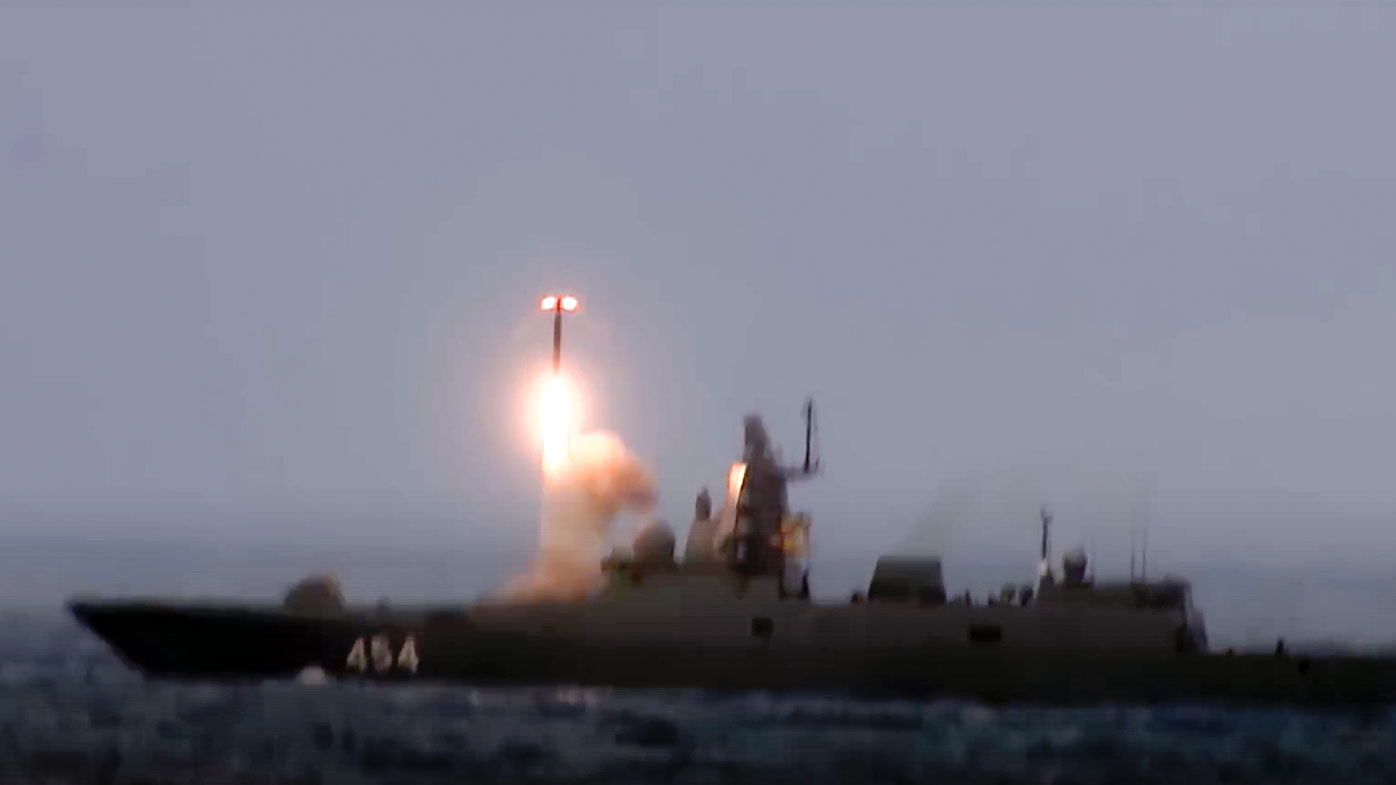
A Russian warship that famously attacked a small group of Ukrainian soldiers on Snake Island at the start of the invasion of Ukraine has reportedly been destroyed.
The Vasily Bykov, a large patrol corvette in the Russian navy, was hit during a firefight early on Tuesday, according to UK newspaper The Times.
"Ship was destroyed, it is confirmed," an anonymous Ukrainian military source told The Times.
READ MORE: McDonald's shuts down $2.75 billion worth of stores in Russia, Ukraine
READ MORE: How Kyiv locals plan to stop enormous Russian convoy
Ukraine's military has so far not officially confirmed the attack on the Vasily Bykov.
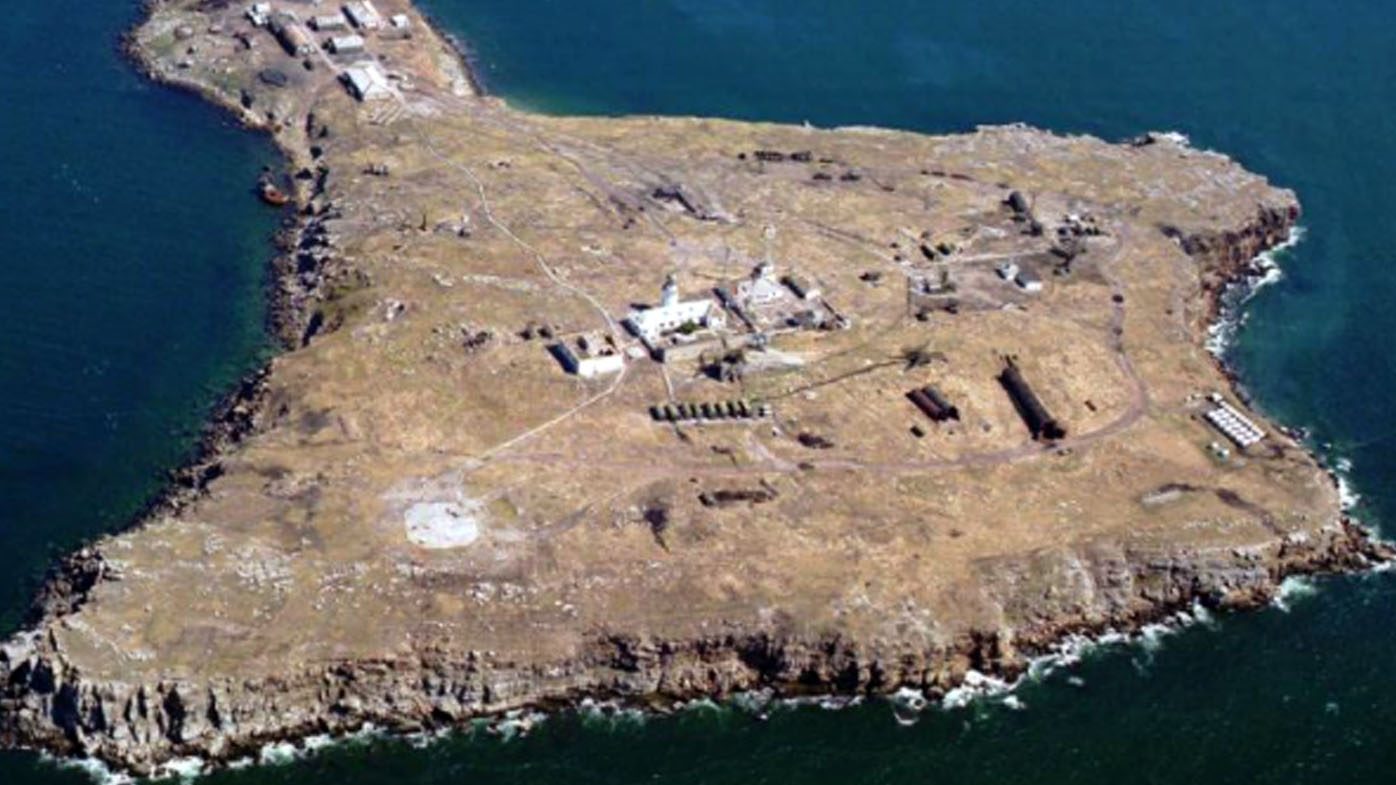
The Russian corvette drew widespread attention on the first day of the invasion when it shelled Ukrainian soldiers on Snake Island, a tiny island in the Black Sea.
According to a purported audio exchange before the Ukrainians were attacked, a Russian officer declared: "This is a military warship. This is a Russian military warship. I suggest you lay down your weapons and surrender to avoid bloodshed and needless casualties. Otherwise, you will be bombed."
A Ukrainian soldier responded: "Russian warship, go f— yourself."
Initially it was reported that all 13 soldiers on Snake Island died during the ensuing heavy Russian bombardment.
But several days later the Ukrainian Navy said all soldiers were actually "alive and well".
According to the navy, the soldiers on the island repelled two attacks by Russian forces but in the end surrendered "due to the lack of ammunition".
Shelling by the Russian navy completely destroyed the island's infrastructure, including lighthouses, towers and antennas, the statement said.
Snake Island sits about 48 kilometres off the southern tip of the Ukrainian mainland in the northwestern Black Sea, and about 250 kilometres west of Crimea, the Ukrainian territory Russia annexed in 2014.
Though only about 18 hectares in size, some analysts claim Snake Island is key to Ukraine's maritime territorial claims in the Black Sea.
READ MORE: Qantas boss tips airfares to jump if cost of oil soars
Big business exodus from Russia
There has been a mass flight of multinational companies from Russia in protest at its invasion of Ukraine. Here are some of them.
AUSLAN interpreter hit from above by bird
When politicians hold press conferences, they are often subject to a barrage from curious reporters.
But as Queensland Premier Annastacia Palaszczuk held a press conference in Brisbane today, it was the AUSLAN interpreter who found himself the target of an unwelcome bombardment.
As Deputy Premier Steven Miles was speaking, a presumably large bird made an unwelcome contribution to interpreter Mikey Webb's jacket.
LIVE UPDATES: 'Biblical' rain leaves devastation on NSW Northern Beaches
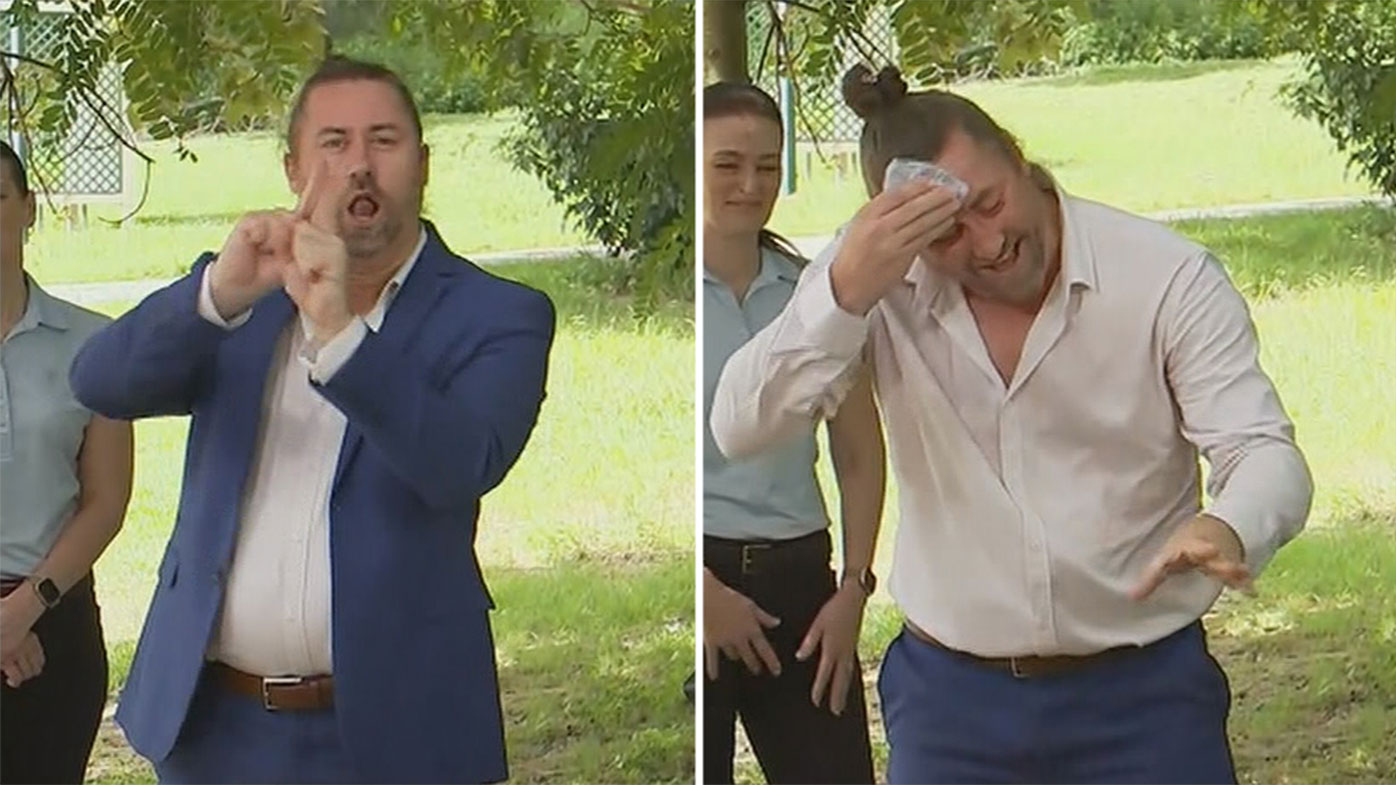
Mr Webb, who for years has been a silent but constant presence in official Queensland press conferences, uttered an audible but unpublishable one-work remark.
"Oh no," Ms Palaszczuk is heard saying.
"Has anyone got tissues?"
The consummate professional, Mr Webb ditched his jacket, wiped his forehead and got right back to work.
READ MORE: PM to declare national emergency
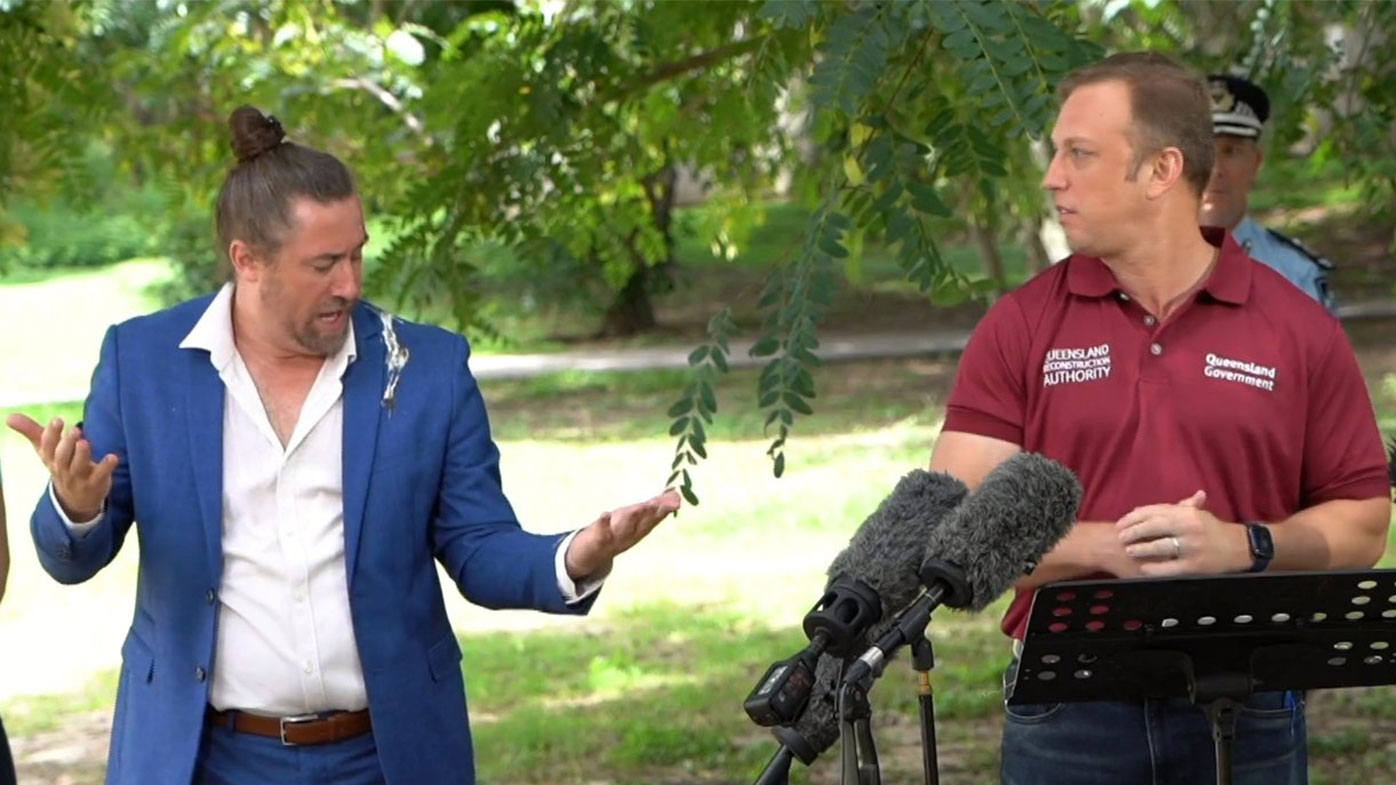
Ms Palaszczuk later identified the culprit as an owl.
"Nothing stops our fabulous Mikey," she wrote on Twitter.
"He stands by my side, he stands by Queensland's side."
https://twitter.com/AnnastaciaMP/status/1501360715344400384
Queensland Police later tweeted about the incident.
"Can confirm police have launched an investigation into this fly by hooting," the police posted on Twitter.
How war in Ukraine could speed up Aussie interest rate hikes
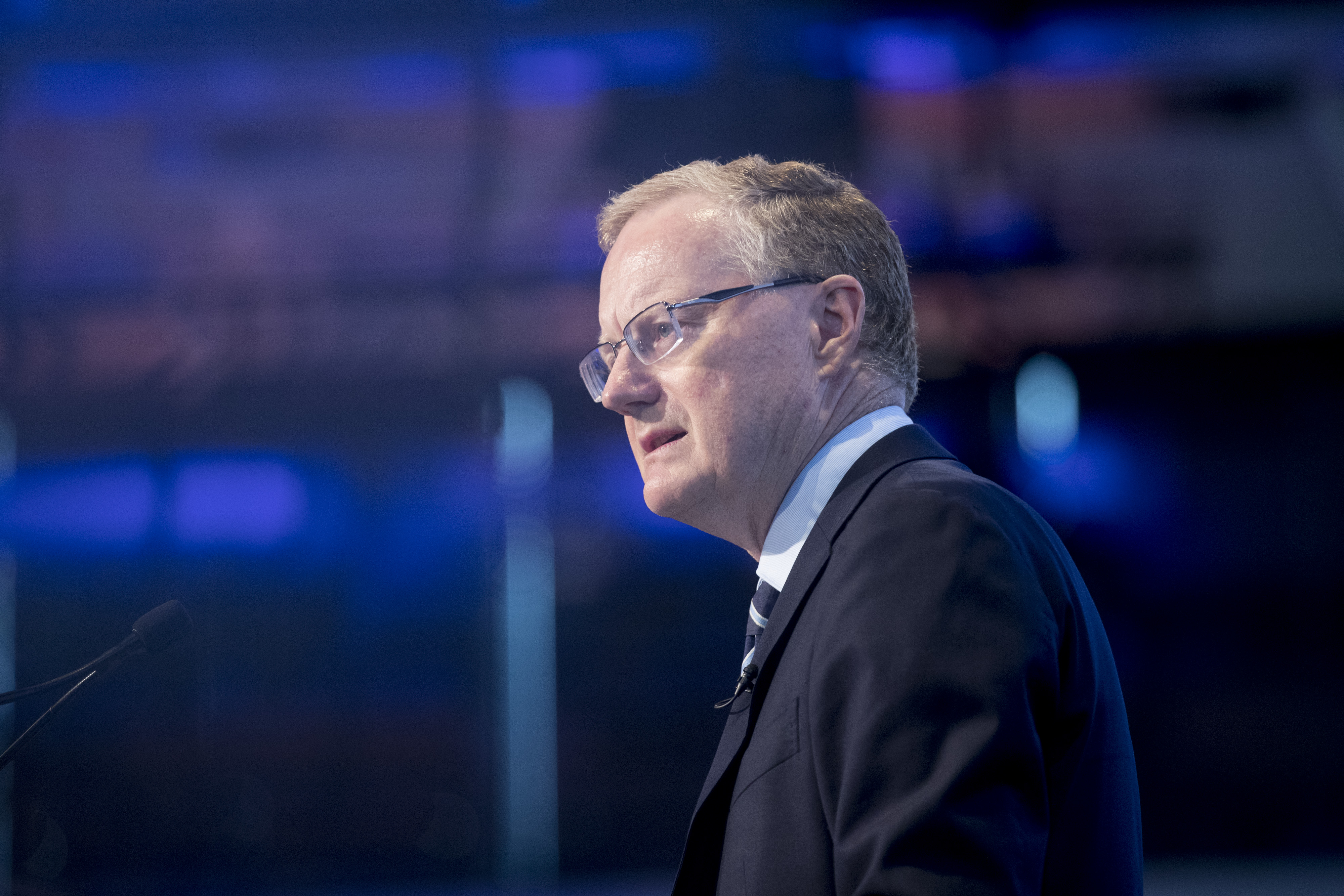
The head of Australia's central bank has said an interest rate hike in 2022 is now "plausible" as the complexities of war in the Ukraine threaten to increase inflation.
Speaking at the AFR Business Summit, Reserve Bank Governor Philip Lowe said the bank was toeing the line between lifting rates too early and jeopardising unemployment figures, or waiting too long and suffering a "supply shock".
"In this uncertain environment, and with the starting points for wages growth and underlying inflation in Australia, we can take the time to assess the incoming information and review how the uncertainties are resolved," Mr Lowe said on Wednesday.
"Given the outlook though, it is plausible that the cash rate will be increased later this year."
LIVE UPDATES: High winds warning in NSW, flood evacuation orders
Currently Australia's interest rates are sitting at the historically low level of 0.1 per cent.
Mr Lowe and the RBA have long maintained that they would wait for data that showed sustainable inflation between two and three per cent before lifting interest rates.
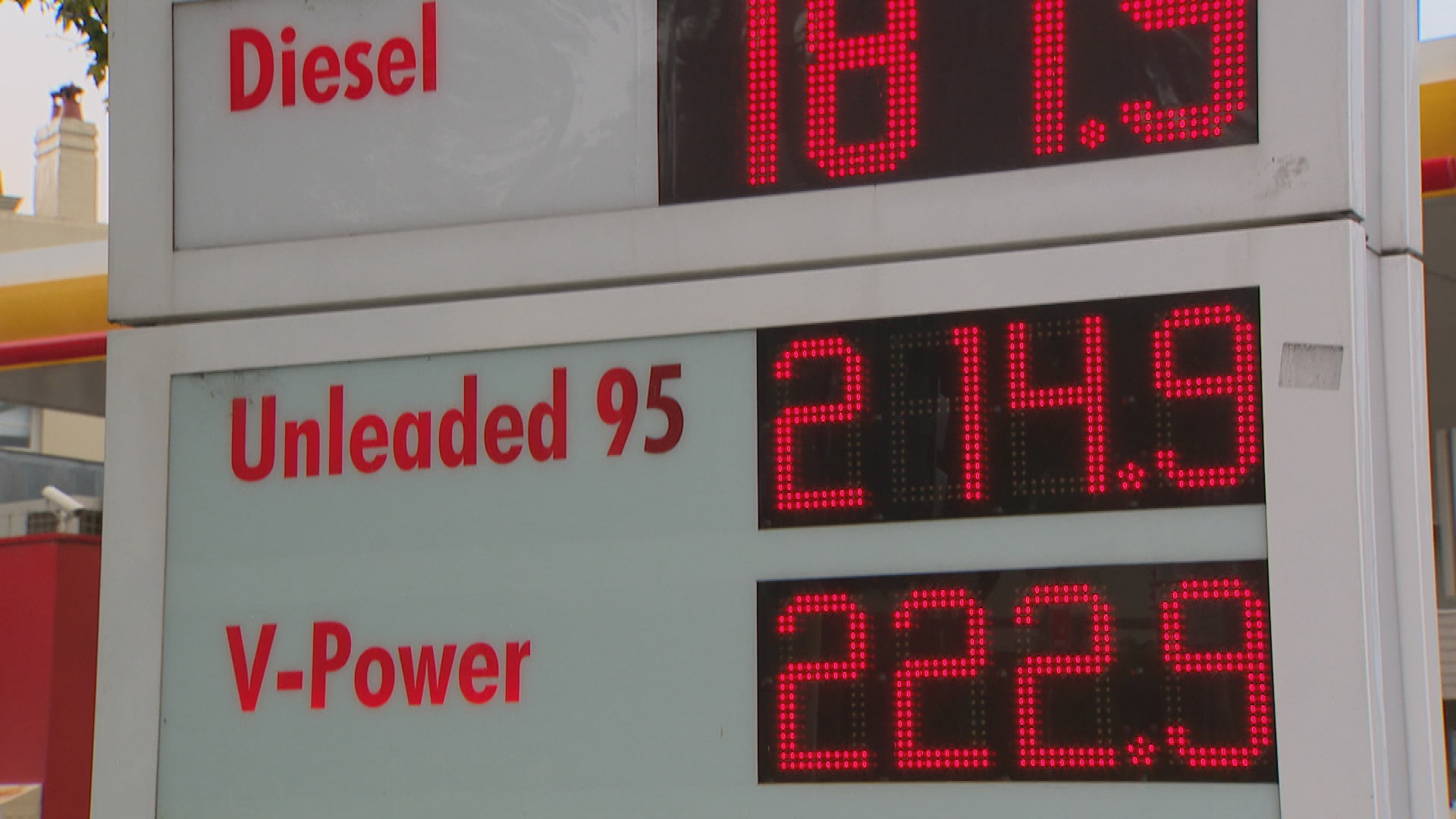
However the war in Ukraine and the potential for soaring fuel prices have added another dimension to the RBA's position that could "require a larger monetary policy response".
"I recognise that there is a risk to waiting too long, especially in a world with overlapping supply shocks and a high headline inflation rate," Mr Lowe said.
"But there is also a risk of moving too early. Australia has the opportunity to secure a lower rate of unemployment than has been the case for some decades.
"Moving too early could put this at risk."
READ MORE: McDonald's shuts down $2.75 billion worth of stores in Russia, Ukraine
The RBA Governor considered the implications of Australians dealing with an increased cost of living, such as changing jobs to secure a higher rate of pay.
"There is also the question of how wages respond to the current higher rates of headline inflation," Mr Lowe said.
"There is a risk if these higher inflation rates are sustained as a result of a sequence of negative supply shocks, that wages growth picks up more quickly than forecast as workers seek compensation for the higher inflation."
READ MORE: Apple launches new entry-level iPhone with 5G
The Governor reminded locals that by global standards, the Australian economy had rebounded strongly from the impacts of COVID-19 but the risks of the war in the Ukraine were yet to be fully realised.
"Against this generally positive outlook, the main sources of uncertainty are COVID-19, which is not yet behind us and the tragic war in Ukraine," Mr Lowe said.
"This war is first and foremost a catastrophic event in human terms, but it is also a new major risk to the global economy.
"It is difficult to know what the full implications are, but from today's viewpoint, the main economic effects stem largely from higher commodity prices."
Five big announcements Apple made today
As we get into the third month of the year, we are already looking back on major international tech events such as CES in Las Vegas and Mobile World Congress in Barcelona, not to mention the announcements we've already had from tech giant Samsung.
However, this morning Apple put its first stake in the ground with its "Peek Performance" virtual event.
Taking the form of a COVID-safe online video presentation which was timed to almost exactly an hour, Apple CEO Tim Cook and a range of his executive team took to the "stage" to talk through new products and feature announcements.
READ MORE: New 'budget' iPhone launched
Here are five key things Apple announced today.
$719 iPhone SE
The iPhone SE is the lesser-known member of the iPhone line-up, but it is beloved by owners because it keeps things simple yet offers no day to day compromises.
Featuring the "iconic" design first revealed in late 2014 on the iPhone 6, the iPhone SE is essentially the body of an iPhone 6 with the guts of an iPhone 13. Apple's latest A15 Bionic chip offers the performance any app will need to run, plus it's connecting to the 5G networks of Telstra, Optus and Vodafone where available.

Critically, it's cheap. At $719, it's by no means the cheapest or even best value smartphone on the market, but in terms of iPhones that's a low price.
In 2020, when the last iPhone SE was announced, it launched at $799, and more recently dropped to $679. For a brand new phone to come in at the $719 price point is a win for those looking to upgrade from older devices.
READ MORE: Apple launches new entry-level iPhone with 5G for $719 in Australia
A green iPhone 13
Yep, it's green. The "new" iPhone 13 is absolutely no different to the devices launched in September last year, but for its colour.

A green version of the iPhone 13 mini, iPhone 13, iPhone 13 Pro and iPhone 13 Pro Max sits alongside all existing models, and is priced the same as those already available.
It's a rather dark green, which on the Pro models is a little more washed out on the back due to the frosted glassy finish.
Ultra powerful new computer processor
That "Peek Performance" invitation is really the underlying theme of this morning's event.
Since the first iPhone in 2007, Apple has been designing and building their own processors — these are the brains of any device. Most people would be familiar with Intel processors in computers over many years.
However, Apple has now moved to design and build its own processors across all devices, mobile, tablet and computer.
This "Apple silicon" now comes in the A Series chips in their smartphones, and now the M1 series chips found in laptops, tablets and desktop computers.

Today, Apple announced a new version of the M1, the M1 Ultra, which is essentially two of the next most powerful M1 Max Chips fused together for ultimate perform
Apple is putting their stocks in this research and development team, building devices with these M1 chips which have performance capabilities far outweighing anything else on the market.
New Mac aimed at "studio" professionals
With Apple silicon being so powerful, the company also today announced a brand new product never seen before.
Called the Mac Studio, this device looks like a Mac mini but is much taller on the desk. It features either one of the two most powerful M1 processors and is aimed at pro-level users looking to do high-end graphics, design or editing work.
It's not for the home user, but rest assured those with the money will consider it.

It can be paired with a separate device, the Studio Display, which is a 27-inch monitor with an advanced webcam, 5K resolution and high-quality colour reproduction.
They aren't cheap though. The Mac Studio computer starts at $3099, and if you add all the bells and whistles, it tops out at $12,099, while the Studio display starts at $2499.
READ MORE: New tech and phones announced at Mobile World Congress
Friday night baseball
One from left field, or perhaps more of a home run, Apple CEO Tim Cook announced today Apple TV+ has the rights to Major League Baseball Friday night games.
This is the first sports rights Apple has obtained for their streaming service, and sets a fascinating precedent for such broadcast rights in America, where traditionally cable and network TV deals cover the range of major leagues across different nights of the week.
The rights also cover Australia, so Aussies can watch Friday night baseball on Apple TV+, and for a limited time will not require a subscription.
Why ADF troops were delayed in getting to NSW flood crisis
The Australian Defence Force has explained what has taken so long for troops to get on the ground in flood-affected areas.
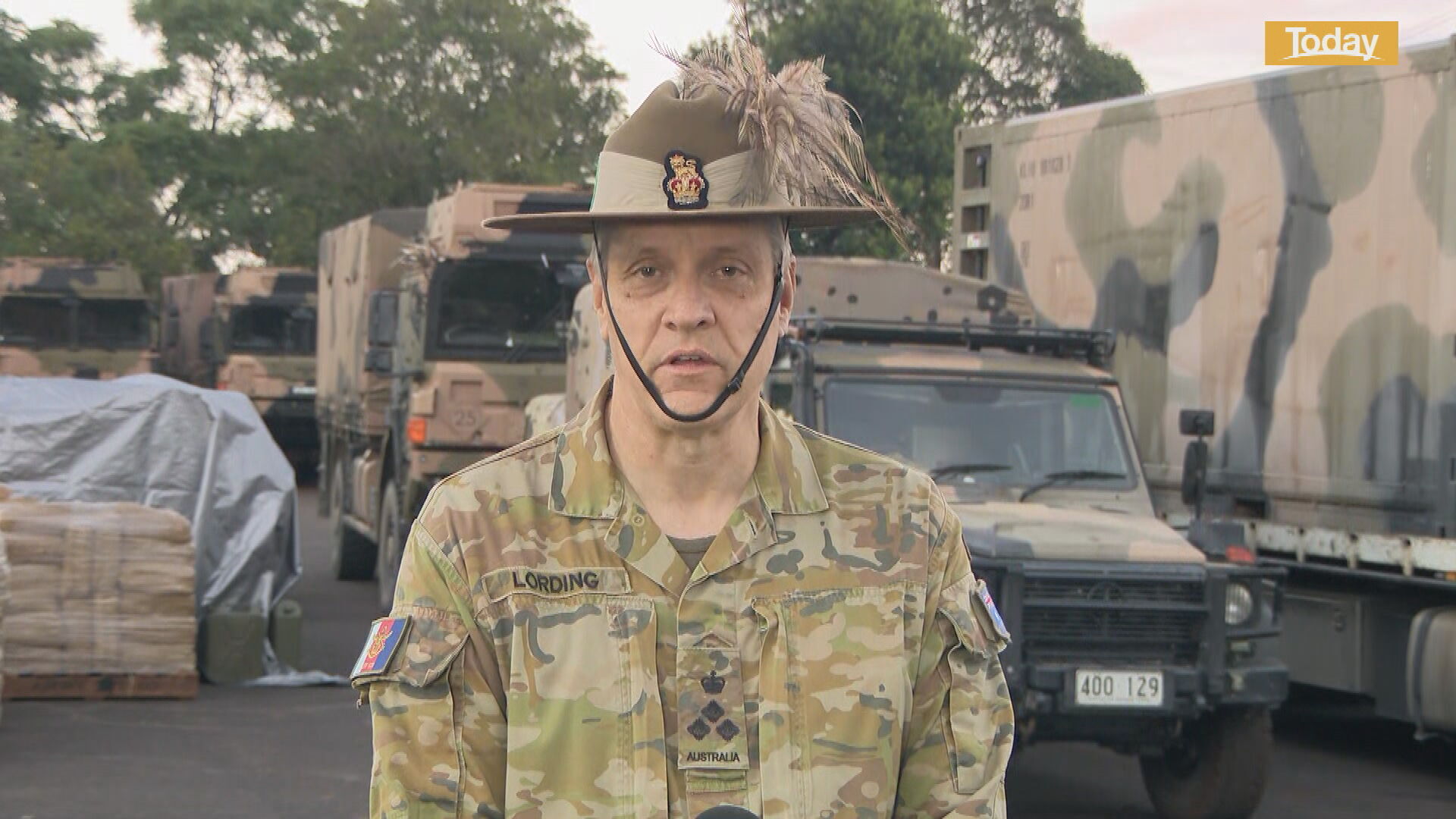
Brigadier Robert Lording told Today the ADF had issues getting officers to the more isolated locations impacted by floods in recent weeks and there was a need to ensure there were resources available for the number of troops being sent in.
LIVE UPDATES: NSW calls for 'every available ADF member' to help with flood crisis
SUBMIT YOUR WEATHER VIDEOS AND PICTURES TO 9NEWS HERE
"The roads, the capacity to physically get people into some of these isolated communities, physically it wasn't possible until Friday and Saturday, just three or four days ago," Brigadier Lording said.
"It's an enormous logistics challenge to be able to get that kind of support to people on the ground when they need it.
"I understand, they're feeling the pain of having gone through what is a very traumatic situation."
Brigadier Lording said the ADF also had to ensure officers had the resources needed to sustain such an operation, without taking from the communities on the ground.
READ MORE: Hawkesbury bracing for 1978-level flood disaster
"We need to have the conditions here on the ground to be able to sustain them and support them," he said.
"That was particularly important the first few days of the operation. We can't draw on the resources, the food, the petrol, the other supplies that are critical for the local communities, so we need to be able to step forward with logistics in place to help them."
Brigadier Lording said there are currently 1800 ADF officers on the ground in the NSW Northern Rivers and there will be 2500 there by the end of today.
READ MORE: Thunderstorms to sweep Queensland's battered south-east again
Ukrainian president invokes Churchill in defiant speech to British MPs
Ukrainian President Volodymyr Zelenskyy invoked British wartime leader Winston Churchill when he addressed the UK House of Commons via video overnight, saying Ukraine "will not give up" on battling Russia.
"I'm addressing you as a citizen, as a president of also a big country with a dream and big effort," Zelenskyy started his address by saying.
"The question for us now is to be or not to be — that is a Shakespearean question," he said. "I can give you a definitive answer. It's definitely yes — to be."
READ MORE: US and UK announce ban on Russian oil imports
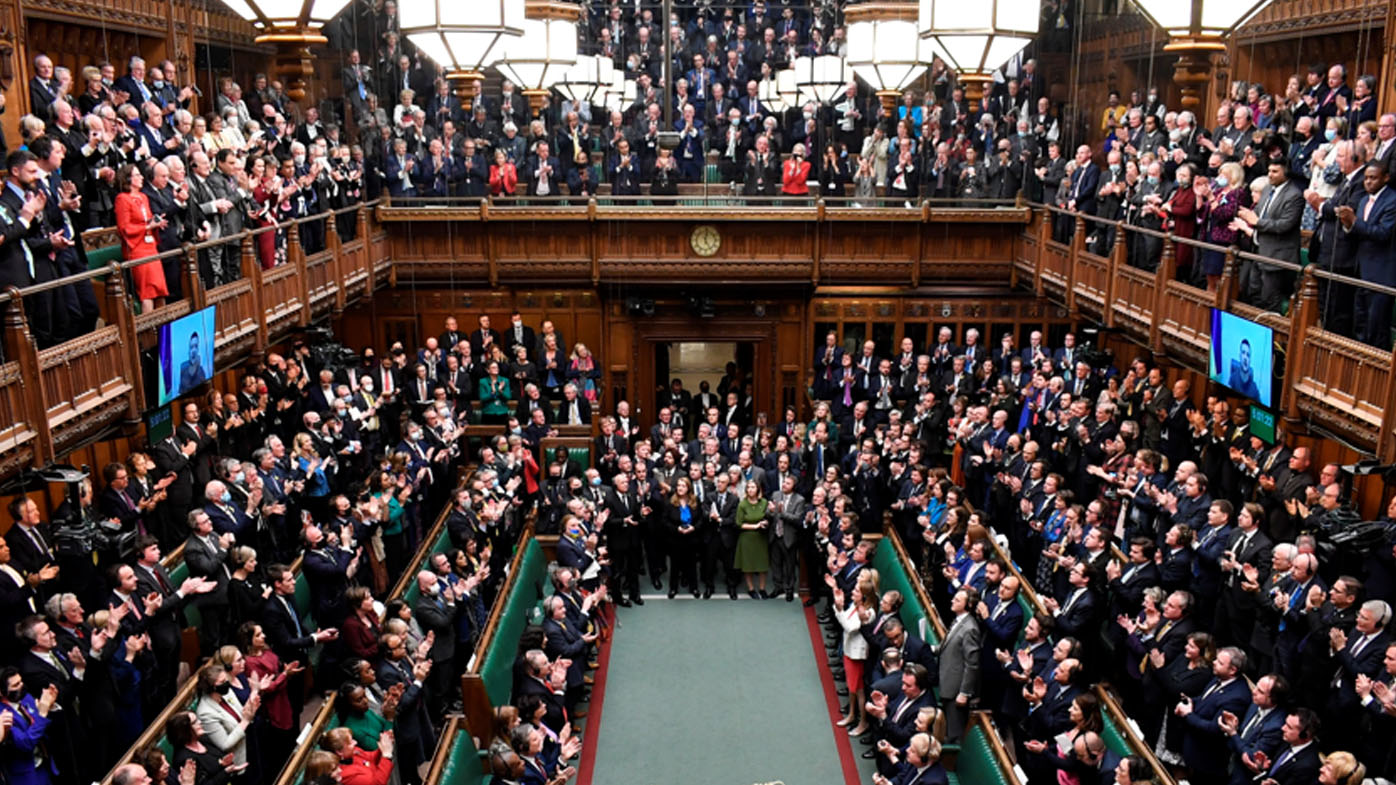
"We will not give up and we will not lose. We will fight until the end at sea, in the air. We will continue fighting for our land, whatever the cost," he added, in echoes of Churchill's speech during World War II.
His comments were translated by an interpreter.
Zelenskyy also expressed his gratitude to UK Prime Minister Boris Johnson, and asked the parliament to increase the pressure of sanctions against Russia and recognise it as a terrorist state. He asked the British MPs to ensure that the "Ukrainian skies are safe."
The Ukrainian president also used a portion of his remarks to describe how Russia's invasion has unfolded in the country.
"I would like to tell you about the 13 days of war. The war that we didn't start, and we didn't want it," he told the House of Commons.
"We do not want to lose what we have, what is ours, our country, Ukraine," Zelenskyy said, adding "just the same way as you once didn't want to lose your country … And you had to fight for Britain."
The House of Commons gave Zelenskyy a standing ovation at the end of his address.
READ MORE: Poland offers fighter jets to Ukraine under US deal
McDonald's closes Russian restaurants
Meanwhile, McDonald's is temporarily closing its locations in Russia.
"McDonald's has decided to temporarily close all our restaurants in Russia and pause all operations in the market," CEO Chris Kempczinski said in a statement on Tuesday.
There were 847 locations of McDonald's in Russia at the close of last year, according to an investor document.
Globally, most McDonald's locations are operated by franchise operators. But that's not the case in Russia, where 84 per cent of locations are operated by the company, according to the document.
People flee embattled Ukraine city
Buses carried civilians out of an embattled Ukrainian city on Tuesday along a safe corridor agreed to by the two warring sides, while a parallel effort to relieve the besieged port of Mariupol was thrown into jeopardy by reports of renewed Russian shelling.
Europe's worst refugee crisis since World War II grew even more severe, with UN officials reporting that 2 million people have now fled Ukraine.
Moscow's forces have besieged Ukrainian cities and cut off food, water, heat and medicine in a growing humanitarian crisis.
READ MORE: Shell says it will stop buying Russian oil, natural gas
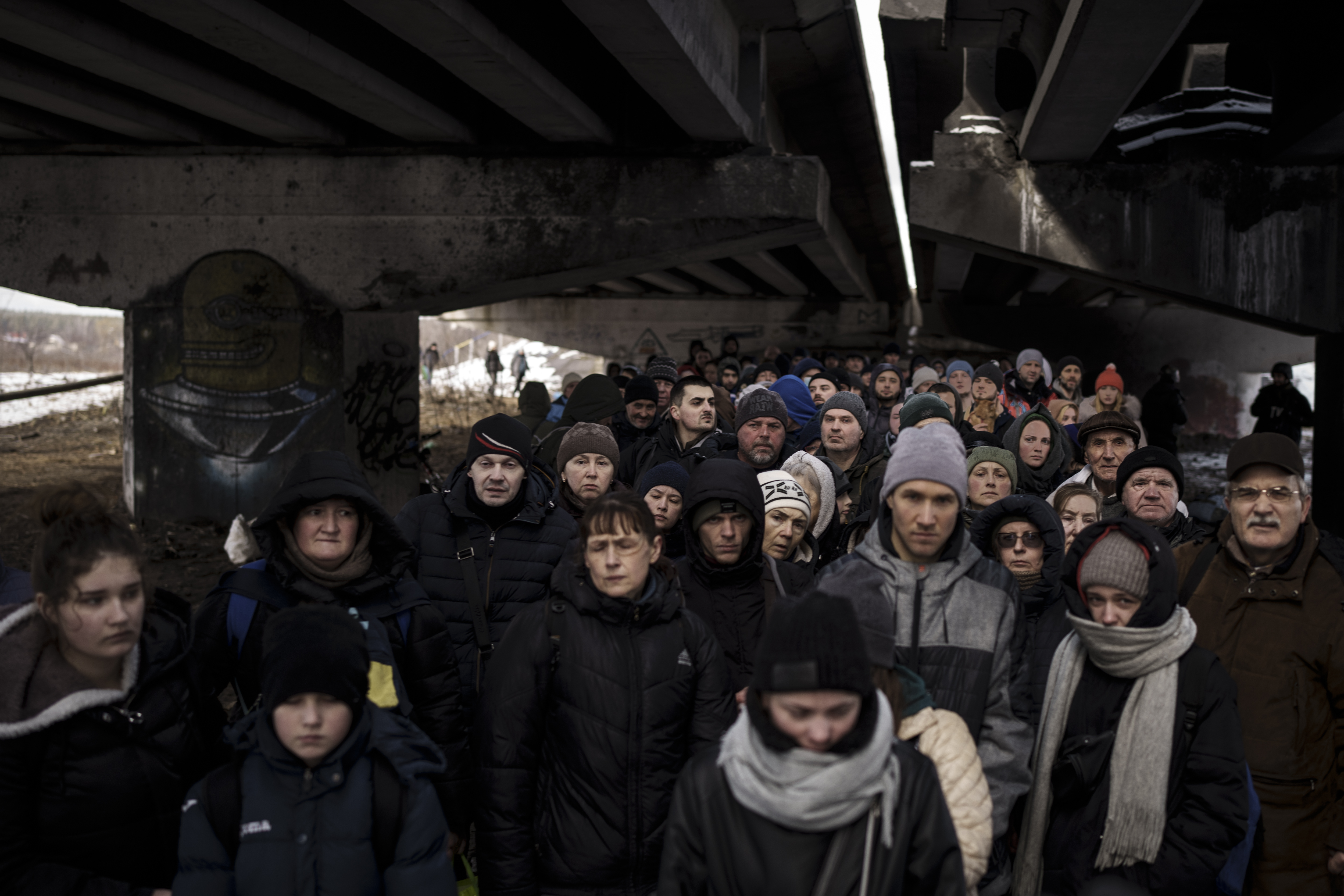
But for days, attempts to create corridors to safely evacuate civilians have stumbled amid continuing fighting and objections to the proposed routes.
On Tuesday, a convoy of buses packed with people fleeing the fighting moved along a snowy road from Sumy, a northeastern city of a quarter-million people, according to video from the Ukrainian communications agency. Ukrainian Deputy Prime Minister Iryna Vereshchuk said they were headed southwest to the Ukrainian city of Poltava, and included students from India and China.
Hours before the convoy reached Sumy, overnight strikes killed 21 people there, including two children, Ukrainian authorities said.
Meanwhile, buses emblazoned with red cross symbols carried water, medicine and food toward the encircled southern port of Mariupol, scene of some of the worst desperation. Vereshchuk said the vehicles would then ferry civilians out of the city of 430,000 people.
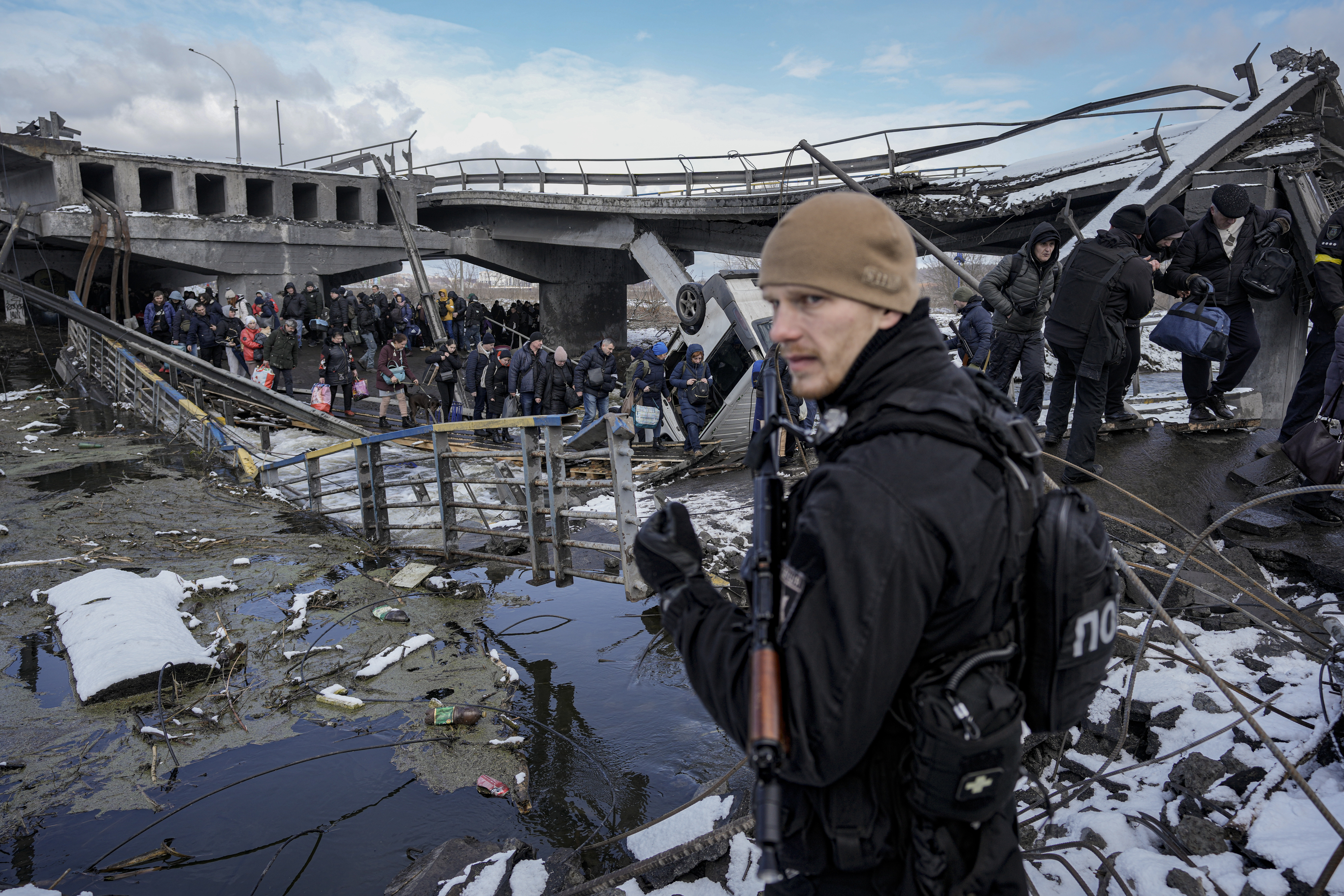
But soon after officials announced that buses were on their way, Ukrainian officials said they had learned of shelling on the escape route.
It was unclear whether the supply convoy made it to Mariupol. And it appeared unlikely that civilians would be able to board the buses to get out.
The deputy mayor of Mariupol cast doubt on the evacuations, telling the BBC that Russian forces continued to pound areas where people were trying to gather ahead of being taken out. He said some roads were blocked, others were mined.
"So we cannot establish sustainable cease-fire and safety route at the moment,″ Serhiy Orlov said. "So we still have … a city in blockade.''
The city is without water, heat, sanitary systems or phone service. Residents have been collecting water from streams or by melting snow. With the electricity out, many people are relying on their car radios for information, picking up news from stations broadcast from areas controlled by Russian or Russian-backed separatist forces.
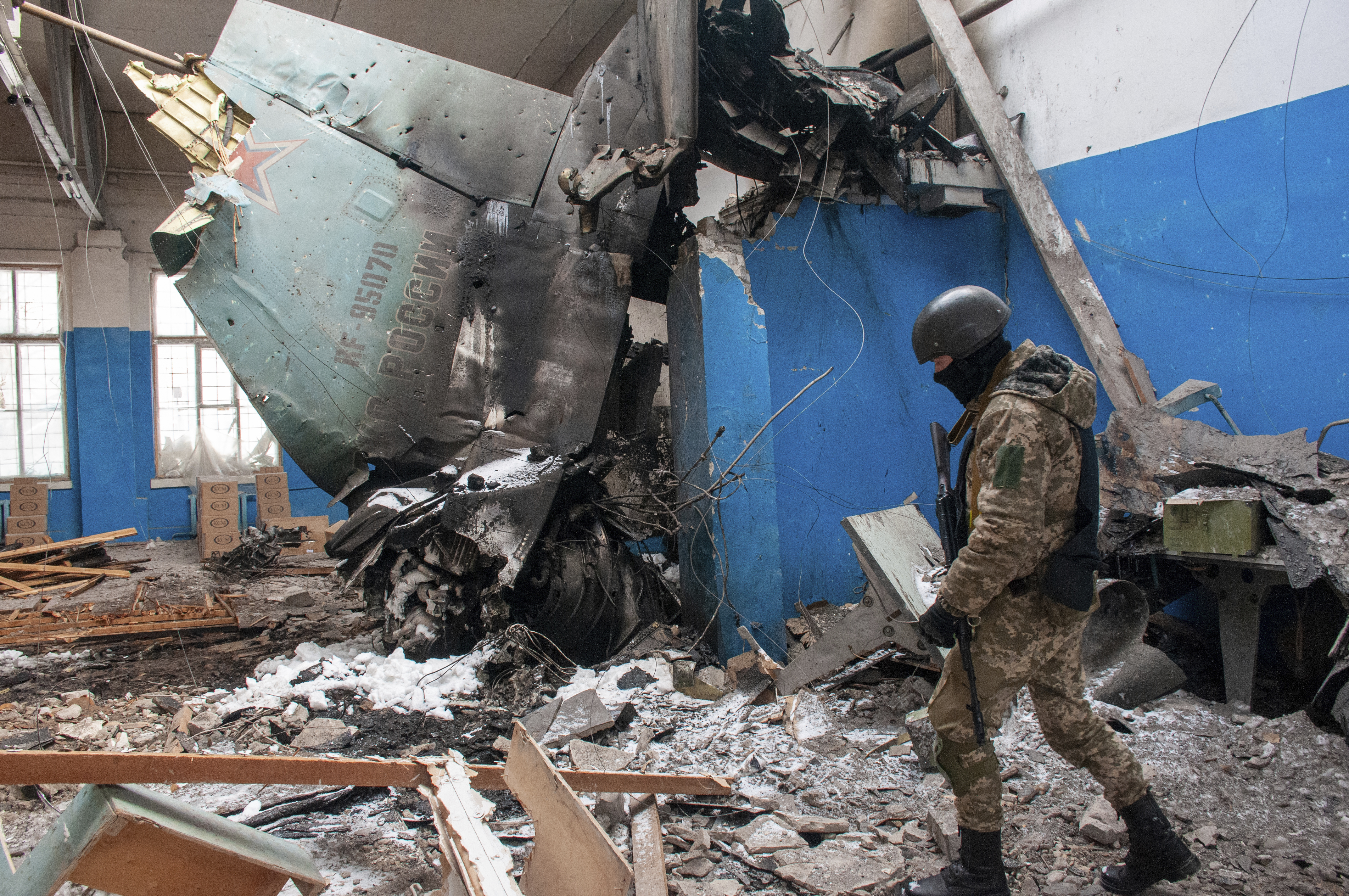
Looting has become widespread for food, clothes and even furniture, with locals referring to the practice as a "discount."
In a video address from an undisclosed location, Ukrainian President Volodymyr Zelenskyy said a child had died of dehydration in Mariupol, another sign of the city's desperation.
Nearly two weeks into the fighting, Russian forces have captured a swath of southern and coastal Ukraine but have seen their advances stopped in many areas — including around Kyiv, the capital — by nimble Ukrainian fighters targeting Moscow's armored columns.
Thousands of people are thought to have been killed, both civilians and soldiers, though the actual number remains unknown.
As the humanitarian disaster has unfolded, the fighting has caused global economic turmoil, with energy prices surging worldwide and stocks plummeting. The war threatens the food supply of millions around the globe who rely on crops farmed in the fertile Black Sea region.
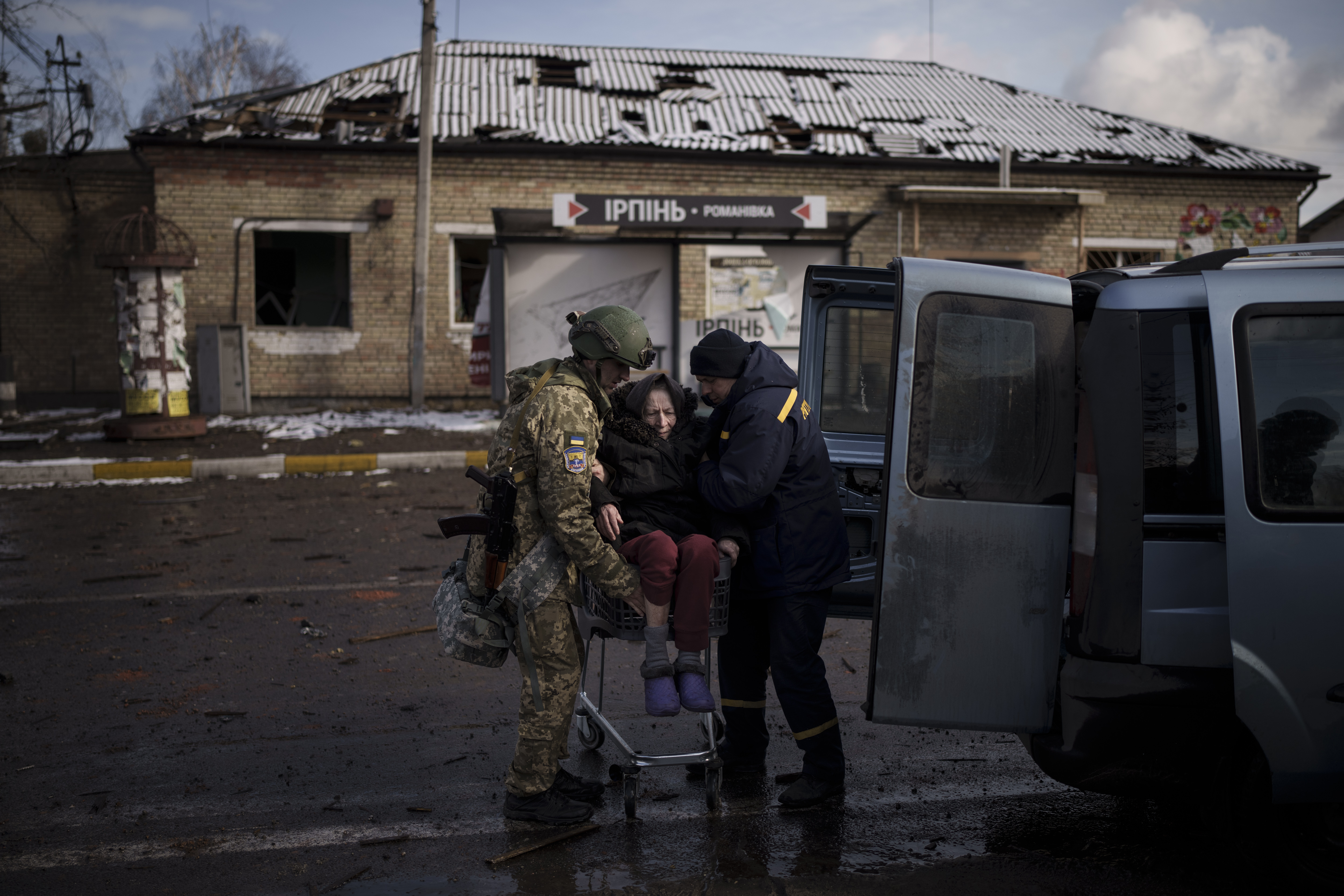
Western countries have rushed weapons to Ukraine and moved to slap Vladimir Putin's Russia with sanctions.
In a further effort to punish Russia, US President Joe Biden decided to ban Russian oil imports, according to a person familiar with the matter who spoke on the condition of anonymity to discuss the matter before an announcement. Also, Shell announced will stop buying oil and gas from Russia.
Ukraine's military said Ukrainian forces continued defence operations in the Mariupol suburbs. The military said "demoralised" Russian forces are engaging in looting, commandeering civilian buildings and setting up firing positions in populated areas. The claims could not be independently verified.
The battle for Mariupol is crucial because its capture could allow Moscow to establish a land corridor to Crimea, which Russia seized from Ukraine in 2014.
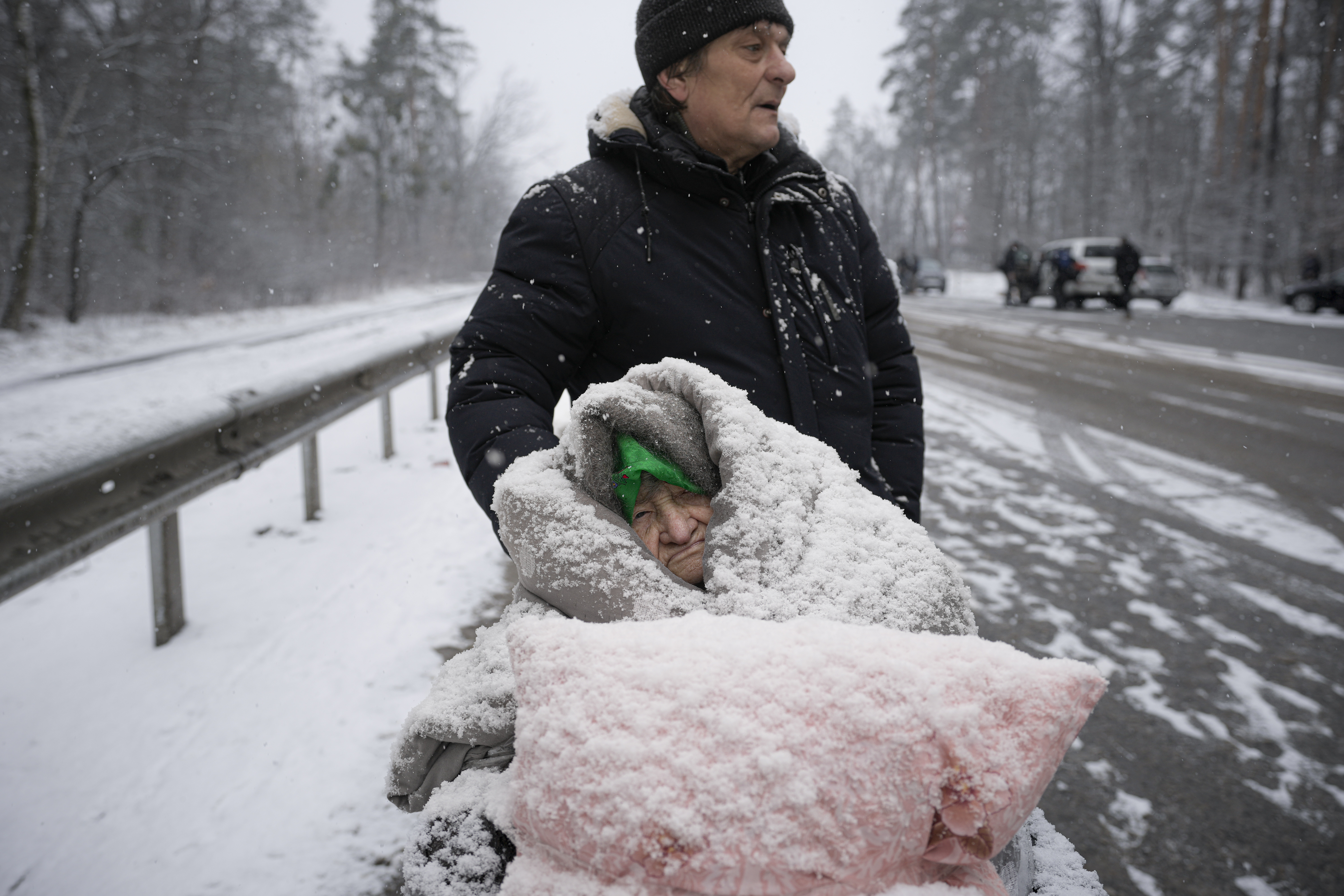
Oleksiy Kuleba, governor of the Kyiv region, said Ukraine was also making arrangements to get people out of the suburb of Irpin.
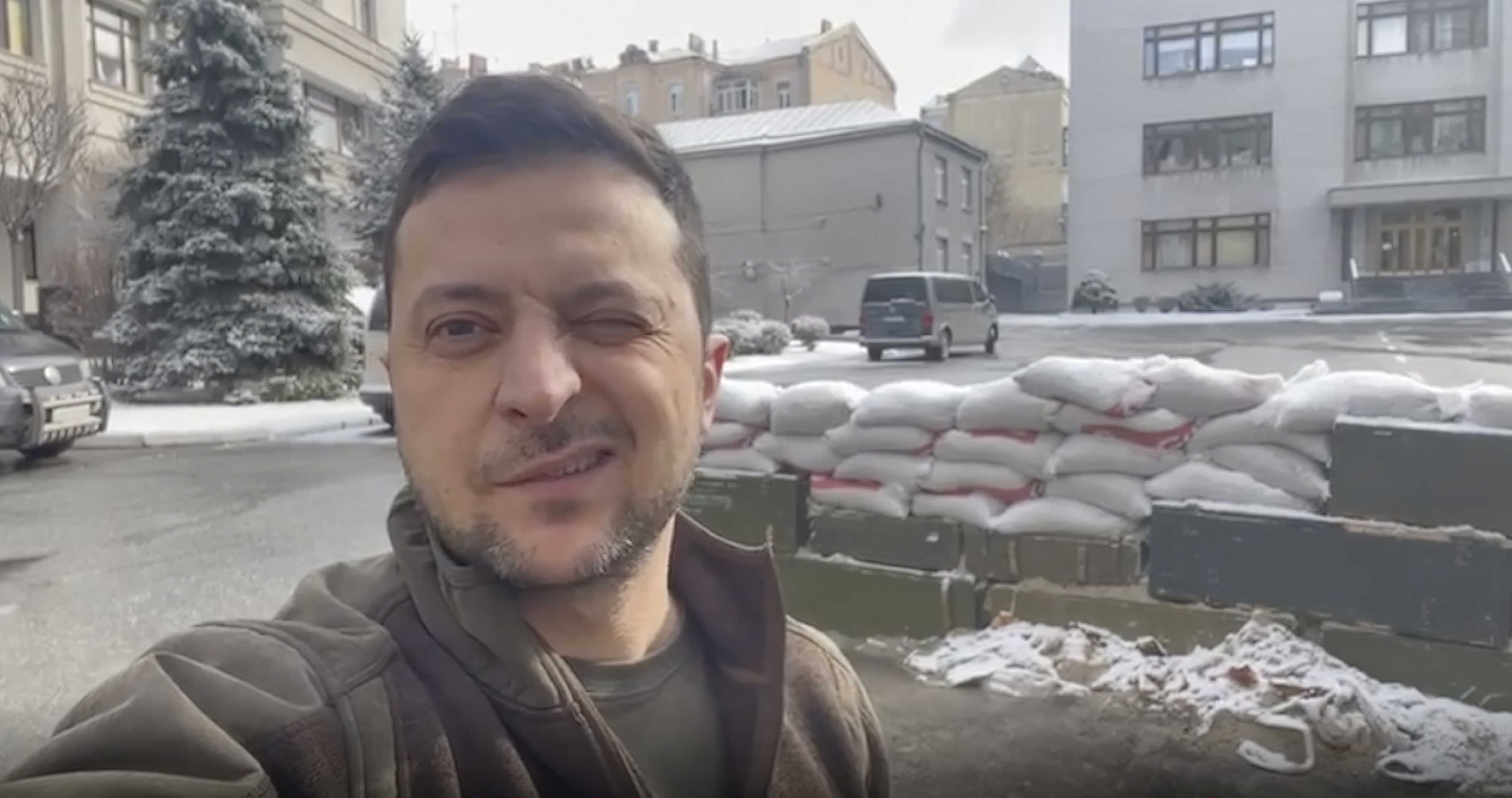
Late on Tuesday, Zelenskyy released a selfie video of himself standing near the presidential offices in Kyiv, with piles of sandbags, a snow-dusted fir tree and a few cars in the background.
It was the second video in 24 hours showing him near the country's seat of power, in an apparent bid to dispel any doubts over his whereabouts.
In a soft voice, he said: "Snow fell. It's that kind of springtime. You see, it's that kind of wartime, that kind of springtime. Harsh. But we will win."
Russia sets Ukraine key demands for end of fighting
Russia has set Ukraine a list of conditions it must meet to halt the fighting as a third round of peace talks between the two sides ended without a resolution overnight.
In order to stop the bloody conflict, the Kremlin says Ukraine must cease military action, agree to acknowledge Crimea as Russian territory and never to join NATO. Russia also demanded Ukraine recognise the separatist republics of Donetsk and Lugansk as independent states.
All these conditions have previously been rejected by the Ukrainian Government.
READ MORE: Russia snubs UN court hearings in case brought by Ukraine
Kremlin spokesman Denis Peskov said on Monday it was "not true" that Russia was demanding the capital Kyiv is handed over, Reuters reports.
He said: "We really are finishing the de-militarisation of Ukraine. We will finish it. But the main thing is that Ukraine ceases its military action. They should stop their military action and then no one will shoot."
Peskov said that Ukraine was aware of the conditions. "And they were told that all this can be stopped in a moment."
There was no immediate reaction from the Ukrainian side after the end of the peace talks in Belarus.
Kremlin evacuation plan slammed
While about 2000 Ukrainian civilians have been safely evacuated from Kyiv, there is concern how long a temporary ceasefire will continue.
Russia announced yet another limited cease-fire and the establishment of safe corridors to allow civilians to flee some besieged Ukrainian cities on Monday. But the evacuation routes led mostly to Russia and its ally Belarus, drawing withering criticism from Ukraine and others.
Ukrainian officials on Monday accused Moscow of resorting to "medieval siege" tactics in some places, and in one encircled city, Mariupol, there was no sign yet of an evacuation.
Russian forces continued to pummel some Ukrainian cities with rockets even after the new announcement of corridors and fierce fighting continued in some areas, indicating there would be no wider cessation of hostilities.
READ MORE: Russian attacks halt plans to evacuate Ukrainian civilians
Efforts to set up safe passages for civilians to leave besieged areas over the weekend fell apart. But the Russian Defence Ministry announced a new push on Monday, saying civilians would be allowed to leave the capital of Kyiv, the southern port city of Mariupol, and the cities of Kharkiv and Sumy.
The two sides also planned to meet for talks again Monday, even though hopes were dim that they would yield any breakthrough. Their foreign ministers are scheduled to meet in Turkey on Thursday, according to that country's top diplomat.
In Mariupol, where an estimated 200,000 people hoping to flee were becoming increasingly desperate, Red Cross officials waited to hear when a safe humanitarian corridor would be established. The city is short on water, food and power, and mobile phone networks are down. Shops have been looted as residents search for essential goods.
Police moved through the city advising people to remain in shelters until they heard official messages broadcast over loudspeakers to evacuate. Russia and Ukraine traded blame after a planned evacuation mostly failed over the weekend there.
READ MORE: Russian attacks halt plans to evacuate Ukrainian civilians
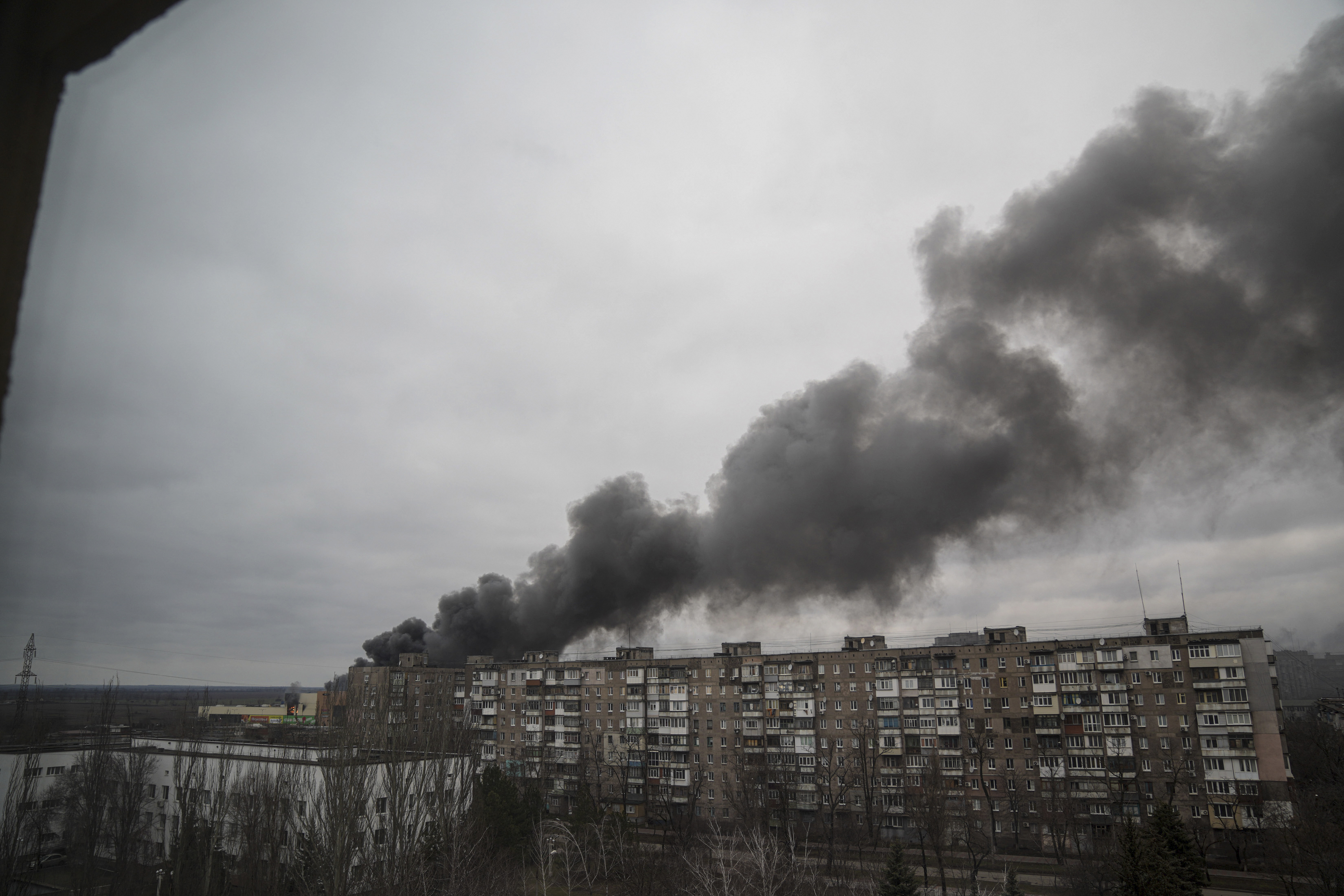
Shelling appeared to be mostly on the city's outskirts, but on Sunday, cars of people hoping to leave in an evacuation convoy were gathered in a central square when shells landed nearby. All fled immediately.
Even hospitals in Mariupol suffered shortages of antibiotics and painkillers, and doctors performed some emergency procedures without them.
The lack of phone networks has left anxious citizens approaching strangers to ask if they knew whether relatives living in other parts of the city and whether they were safe.
At the International Court of Justice, Ukraine pleaded for an order to halt Russia's invasion, saying Moscow is already committing widespread war crimes and "resorting to tactics reminiscent of medieval siege warfare." Russia snubbed Monday's hearings, leaving its seats in the Great Hall of Justice empty.
READ MORE: Netflix, TikTok block services in Russia to avoid crackdown
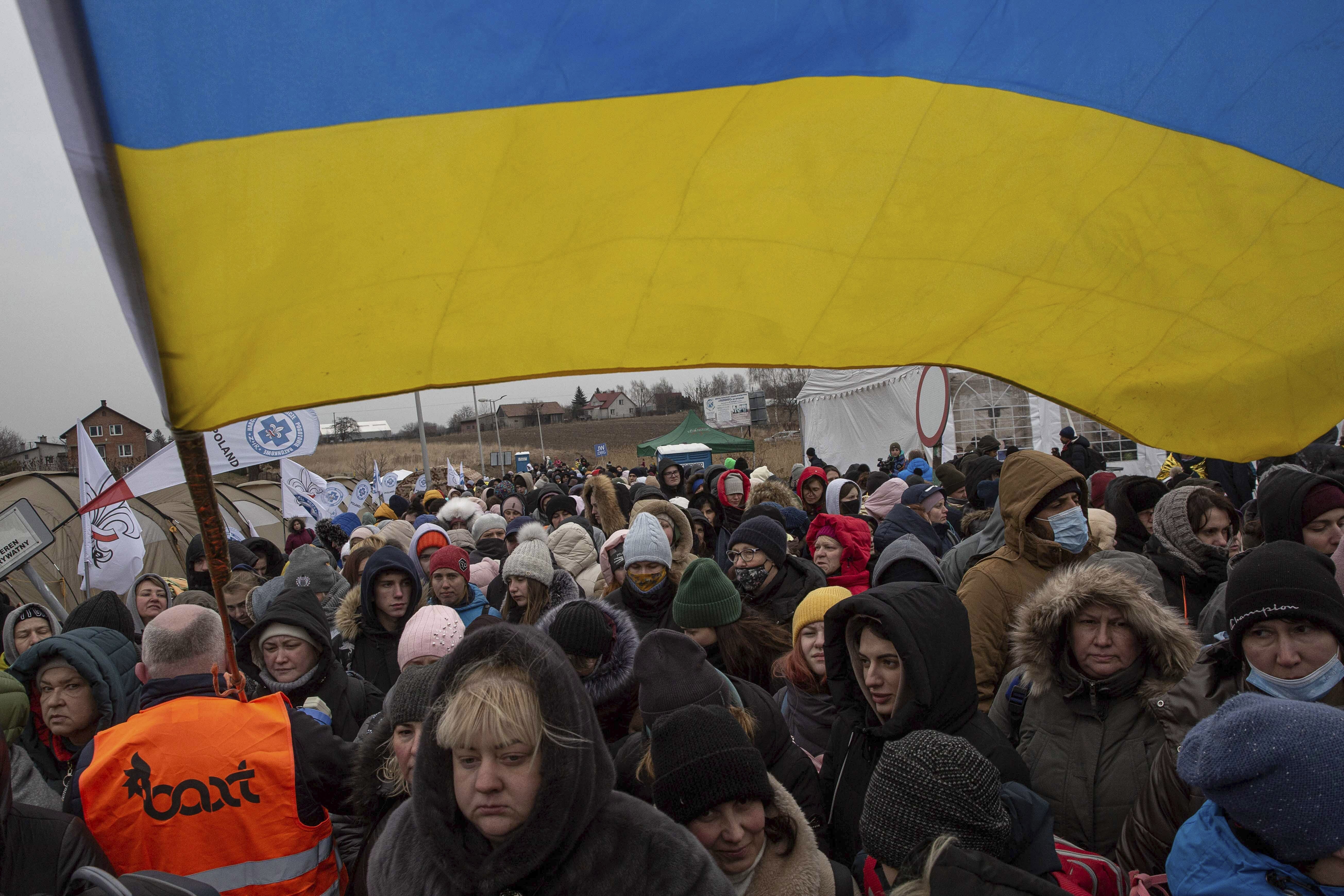
Well into the second week of war, Russia's plan to quickly overrun the country has been stymied by fierce resistance. Its troops have made significant advances in southern Ukraine and along the coast, but many of its efforts have become stalled, including an immense military convoy that has been almost motionless for days north of Kyiv.
The battle for Mariupol, in particular, is crucial because its capture could allow Moscow to establish a land corridor to Crimea, which Russia annexed from Ukraine in 2014 in a move that most other countries considered illegal.
The fighting has sent energy prices surging worldwide, stocks plummeting, and is threatening the food supply and livelihoods of people around the globe who rely on farmland in the Black Sea region.
READ MORE: The secret airfield being used to get weapons into Ukraine
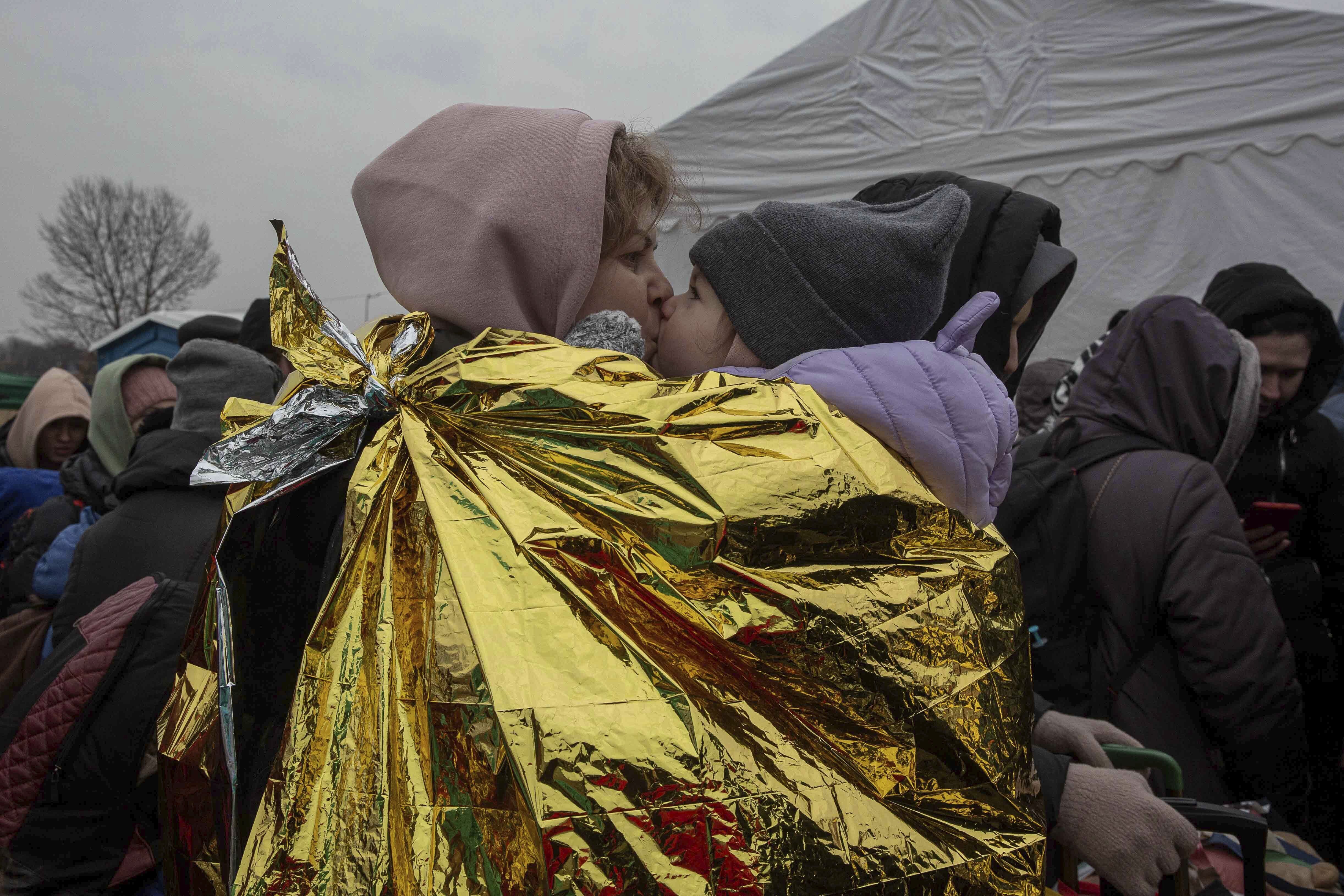
The death toll, meanwhile, remains unclear. The UN has confirmed a few hundred civilian deaths but also warned the number is a vast undercount. Police for the Kharkiv region said Monday that 209 people have died there alone, 133 of them civilians.
The Russian invasion has also sent 1.7 million people fleeing Ukraine, creating what the head of the UN refugee agency called "the fastest-growing refugee crisis in Europe since World War II."
In the latest cease-fire proposal, most of the evacuation routes were toward Russia or its ally Belarus, a move Ukrainian Deputy Prime Minister Irina Vereshchuk called "unacceptable" and French President Emmanuel Macron said was "hypocrisy". Belarus served as a launching ground for the invasion.
"I don't know many Ukrainians who want to seek refuge in Russia. That's hypocrisy," Macron said in an interview on French news broadcaster LCI.
"Humanitarian actors need to be able to intervene so we must get full cease-fires when they intervene," Macron said.
The issue won't be solved via "corridors which are being threatened right away (by Russia)," he added.
The Ukrainian government instead proposed eight routes allowing civilians to travel to western regions of Ukraine where there is no shelling.
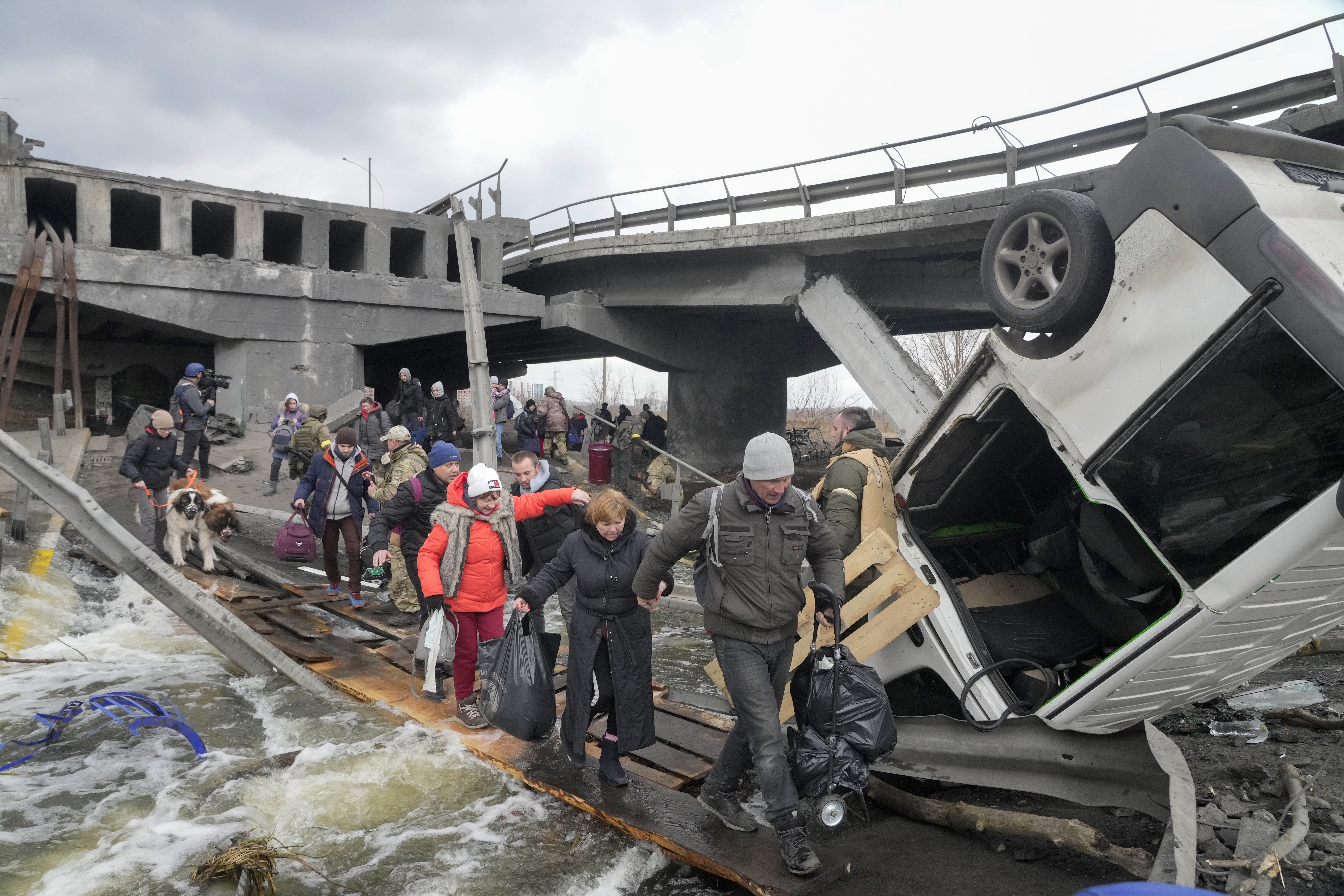
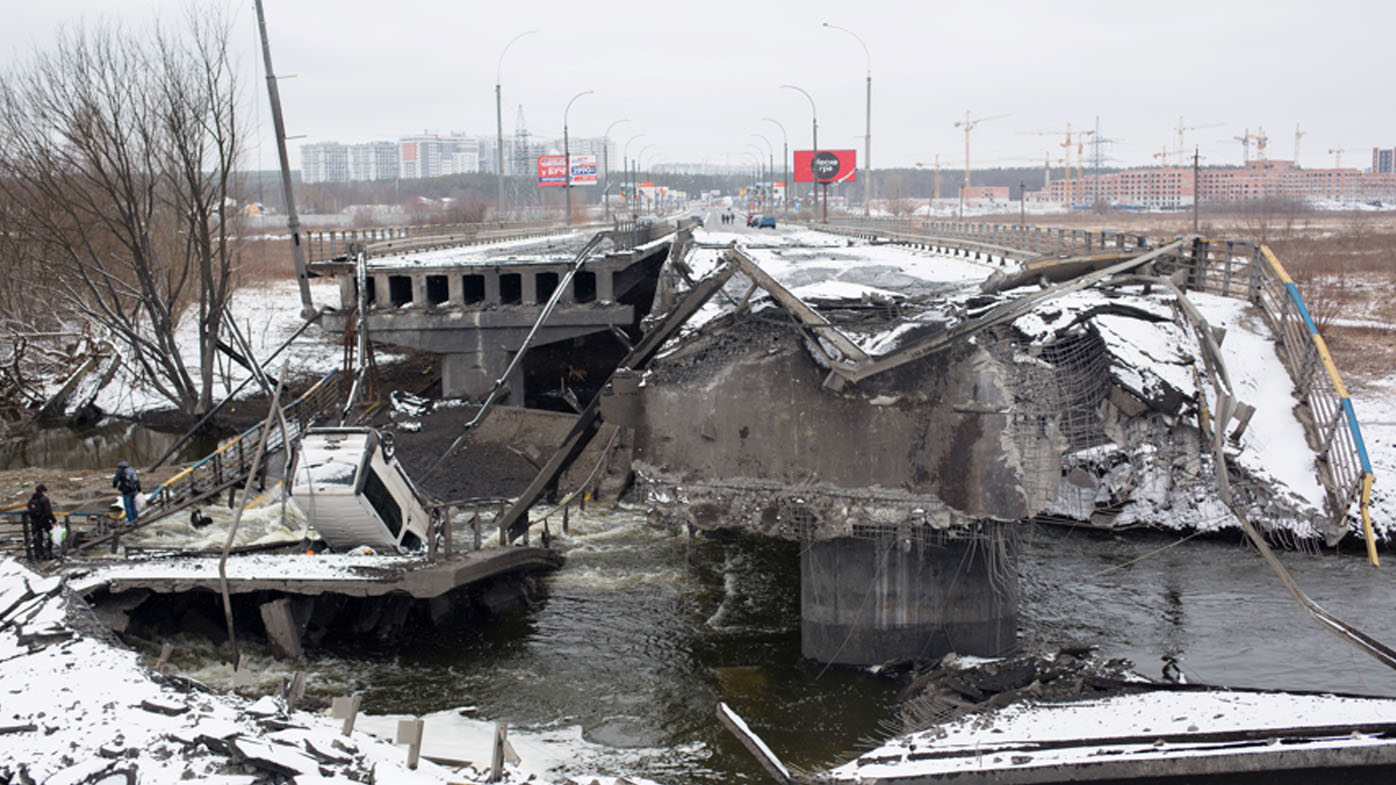
Meanwhile, Kyiv mayor Vitali Klitschko said in a Telegram video address that "fierce battles" continued Monday in the Kyiv region, notably around Bucha, Hostomel, Vorzel and Irpin — areas away from the humanitarian corridors — and were hitting civilians.
In the Irpin area, which has been cut off from electricity, water and heating for three days, witnesses Monday saw at least three tanks and that Russian soldiers were seizing houses and cars, while explosions could be heard.
Russian forces continued their offensive in Mykolaiv, opening fire on the city some 480km south of Kyiv, according to Ukraine's General Staff. Rescuers said they were putting out fires caused by rocket attacks in residential areas.
Emergency officials in the Kharkiv region said overnight shelling killed at least eight people and wrecked residential buildings, medical and education facilities and administrative buildings.
"Russia continues to carry out rocket, bomb and artillery strikes on the cities and settlements of Ukraine," the General Staff said, and repeated earlier Ukrainian accusations that Russia has targeted humanitarian corridors.
The statement also accused Russian forces of taking women and children hostage and placing weapons in residential areas of cities — though it did not elaborate or provide evidence.
The West has broadly backed Ukraine, offering aid and weapon shipments and slapping Russia with vast sanctions. But no NATO troops have been sent to Ukraine.
Ukrainian President Volodomyr Zelenskyy has criticised Western leaders for not responding with more force to Russia. He appealed again on Monday for a no-fly zone over Ukraine or warplanes.
"How do peaceful people in Kharkiv or Mykolaiv differ from (people in) Hamburg or Vienna?" Mr Zelenskyy asked.
NATO so far has ruled out policing a no-fly zone because of concerns such an action would lead to a far wider war.