A small plane appears to have slipped off the runway at Bankstown Airport. The pilot could be seen getting out of the aircraft to check it, before climbing back inside.
Tag Archives: oceania
Man dies from mosquito-borne virus Japanese encephalitis
A Victorian man has been found to have died from the mosquito-borne virus Japanese encephalitis (JEV), the Victorian Department of Health has revealed.
The announcement comes after Australia's acting chief medical officer declared a national alert about the spread of JEV in multiple states on Friday.
The Victorian man, who was from the state's north and was aged in his 60s, died on February 28, according to health authorities.
READ MORE: National alert declared amid fears of Japanese encephalitis virus spread
An autopsy has since revealed JEV was the case of his death, with investigations into how he contracted the virus now underway.
The man's death is the first JEV death in the state, while seven cases have been found in the state this year.
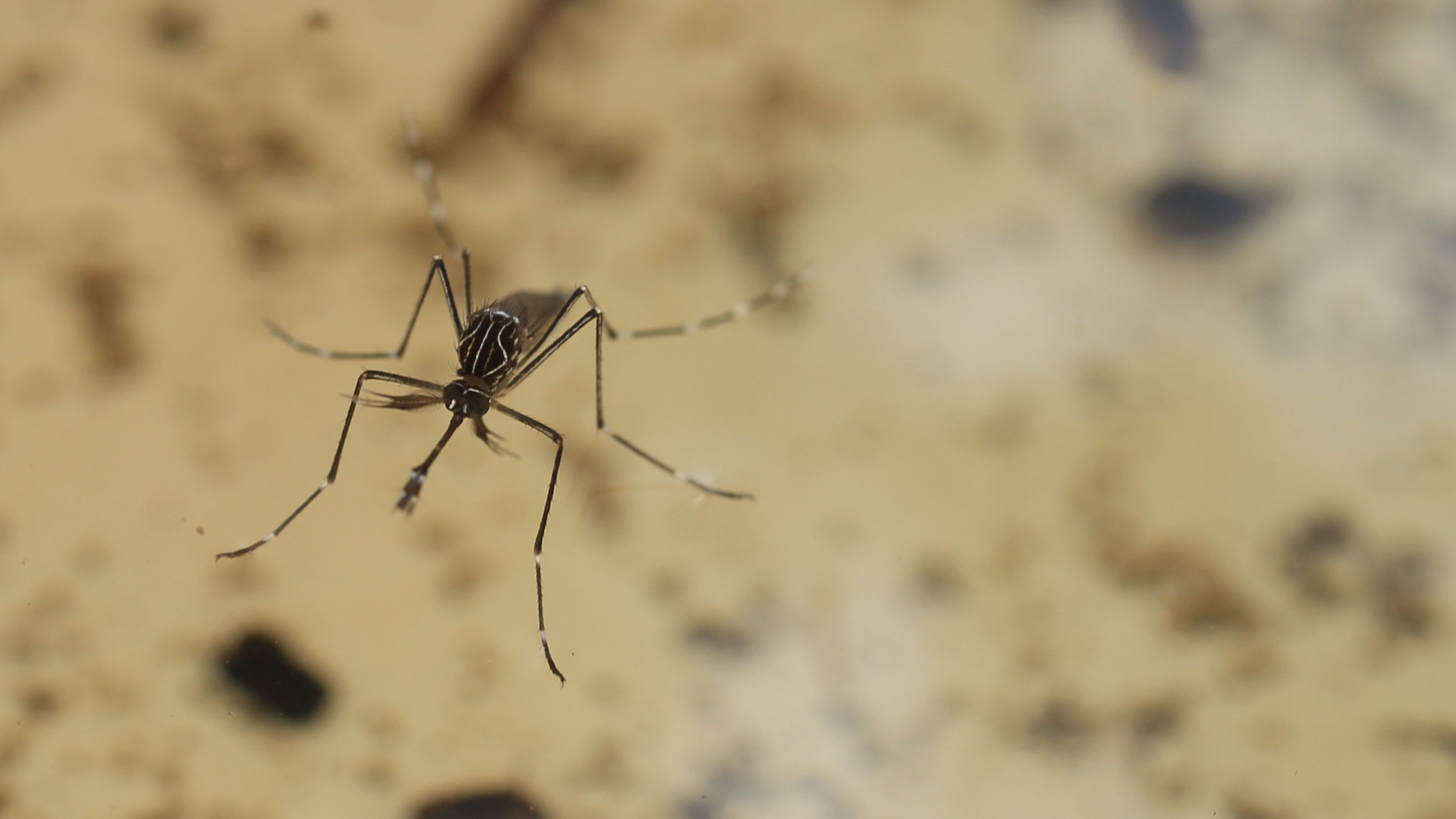
JEV is spread through the bite of an infected mosquito.
The virus also infects pigs and horses.
Most humans who contract the virus do not experience any symptoms, or mild symptoms like headaches or fever.
A person with severe disease may suffer inflammation of the brain, sudden onset of vomiting, high fever and chills, severe headaches, sensitivity to light, neck stiffness and nausea.
READ MORE: Two in hospital as mosquito-borne disease spreads in NSW
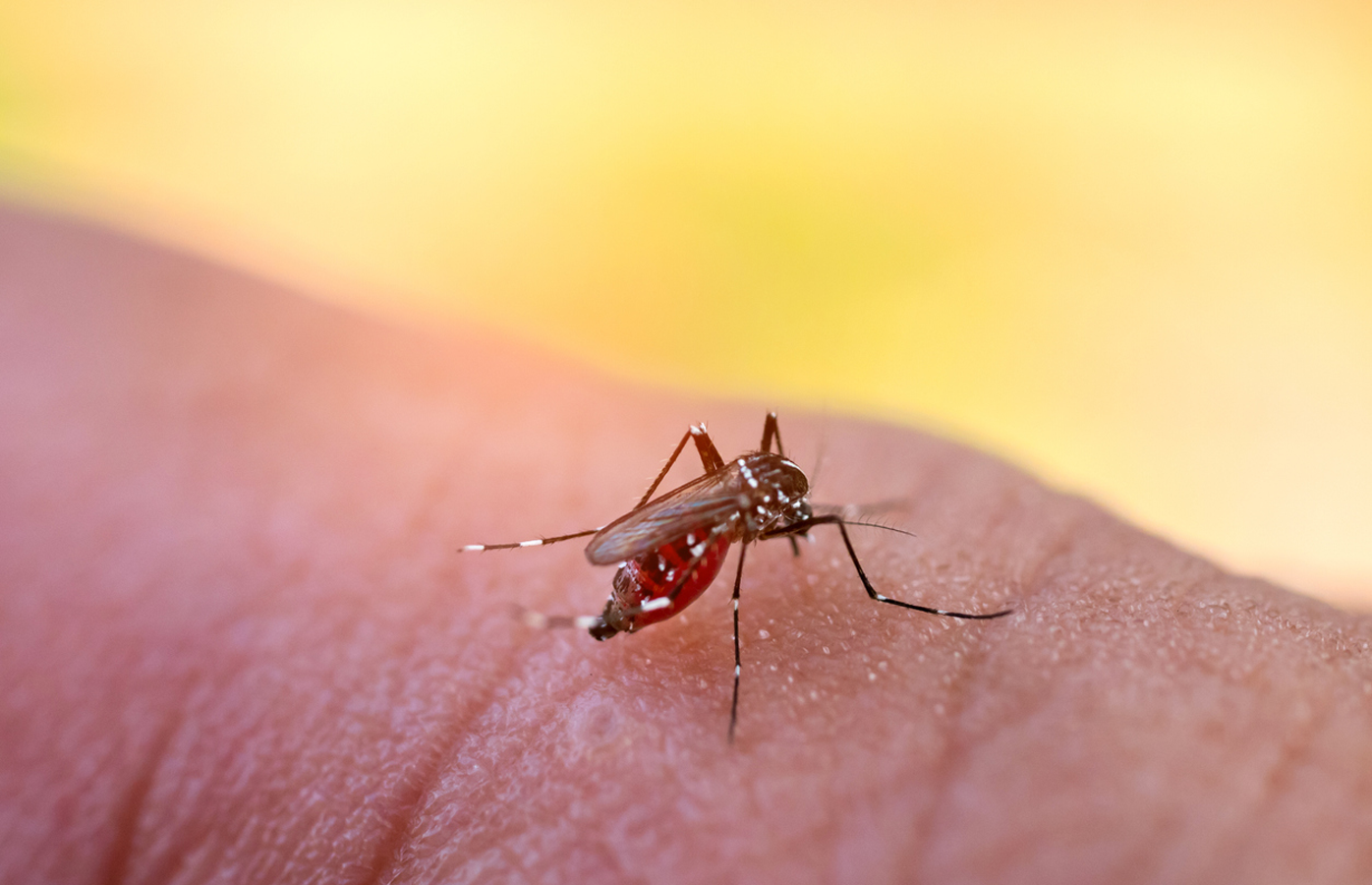
Japanese encephalitis cannot be spread from person to person.
The Department of Health is strongly advising people limit their exposure to mosquitoes and avoid mosquito habitats such as stagnant water.
The department has warned mosquito numbers are high in many parts of northern Victoria, and that people with increased exposure to mosquitoes may be at a higher risk of infection, particularly people working or living on pig farms, or working or spending time outdoors.
A Japanese encephalitis vaccine is available and is recommended for people who work with or around pigs.
Two New South Wales residents are seriously ill in hospital with the virus, while the virus has also been detected in Queensland.
Auckland women report being assaulted, threatened while exercising
Auckland women say they have been assaulted and threatened while exercising in recent weeks, prompting at least two police investigations.A woman was seriously assaulted at a Devonport park, another verbally threatened while walking…
Auckland mayoral candidate Leo Molloy creates online clock showing how much money the council is borrowing
Auckland mayoral candidate Leo Molloy has created an online clock he says allows Aucklanders to see money the council is “rapidly borrowing” on ratepayers’ behalf.On Tuesday evening, Molloy said the Auckland Council has become…
Man who sexually abused 15 boys in Northland and South Island jailed for six and a half years
A man was paid to support and educate vulnerable children but instead used his trusted position for evil, the High Court at Whangārei was told. Ryan Mark Burrows, 34, was jailed for six and a half years by Justice Christine…
PM Jacinda Ardern and National's Christopher Luxon cross swords on tax, inflation, cost of living
Prime Minister Jacinda Ardern and National Party leader Christopher Luxon have had a robust exchange in Parliament as Luxon tried to get Ardern to admit there was a cost-of-living “crisis” and Ardern claimed Luxon’s tax cuts remedy…
Two people die while waiting for ambulances in Adelaide
South Australia's ambulance service has apologised after two people died waiting for help on Monday.
Both cases were deemed emergencies, but it took paramedics longer to get there than it should have.
An internal review has been launched into both deaths, as the union calls for greater resources in the state's health sector.
READ MORE: Apprentice told 'you're female. We can't risk having a lawsuit'
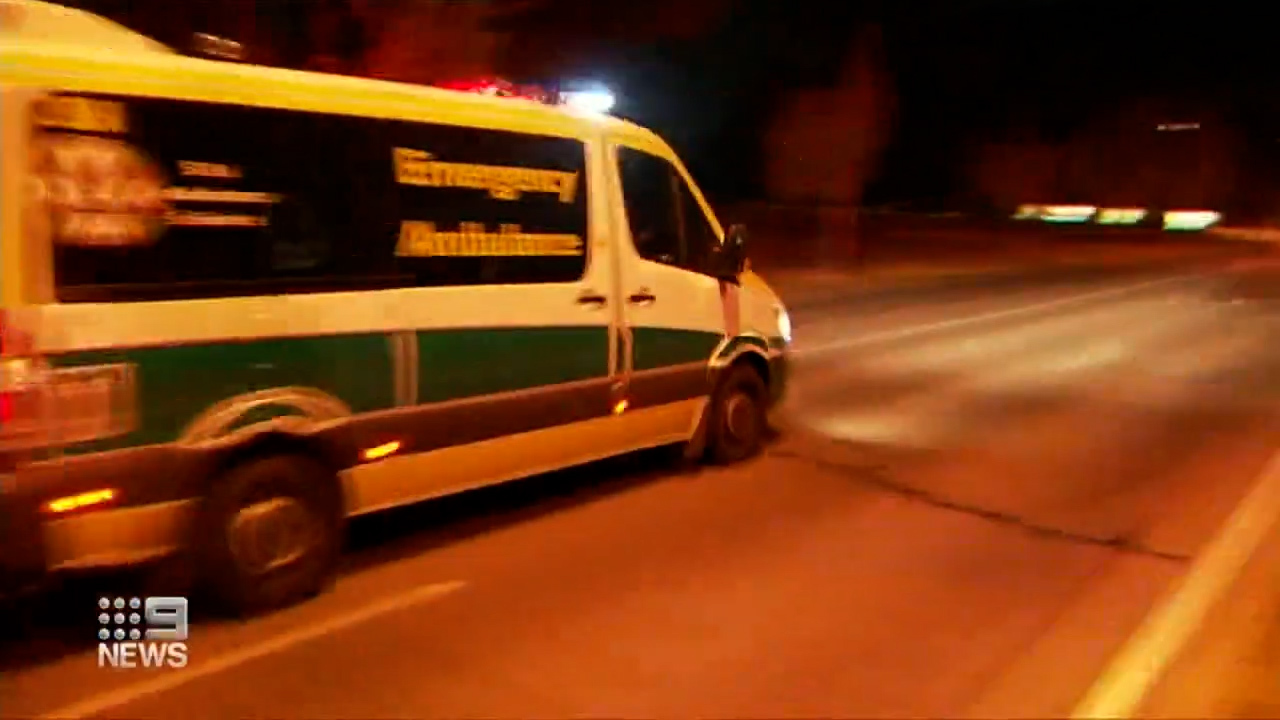
One of the calls was made to Triple Zero in the early hours of Monday morning.
A man in his 70s was having a heart attack but there was no ambulance to send for the first seven minutes.
He was deemed a priority one case and paramedics arrived in 14 minutes at his address in the Adelaide suburb of Modbury.
READ MORE: Russia sets Ukraine key demands for end of fighting
It should have been less than eight.
Ambulance Employees Association secretary Leah Watkins said the patient could not be revived.
Crews remained stretched during the day and there was ramping at Flinders Medical Centre yesterday afternoon.
Meanwhile, a man in his 80s was experiencing chest pains in the suburb of Torrensville just before 11pm last night.
A family member called and the man was triaged as a priority two case.
The ambulance service is required to respond to these cases within 16 minutes.
"About 20 minutes later the family member called back to say the patient had gone into cardiac arrest," Ms Watkins said.
Paramedics arrived after almost 35 minutes and the patient was unable to be revived.
READ MORE: Man dies after motorbike crash in Adelaide
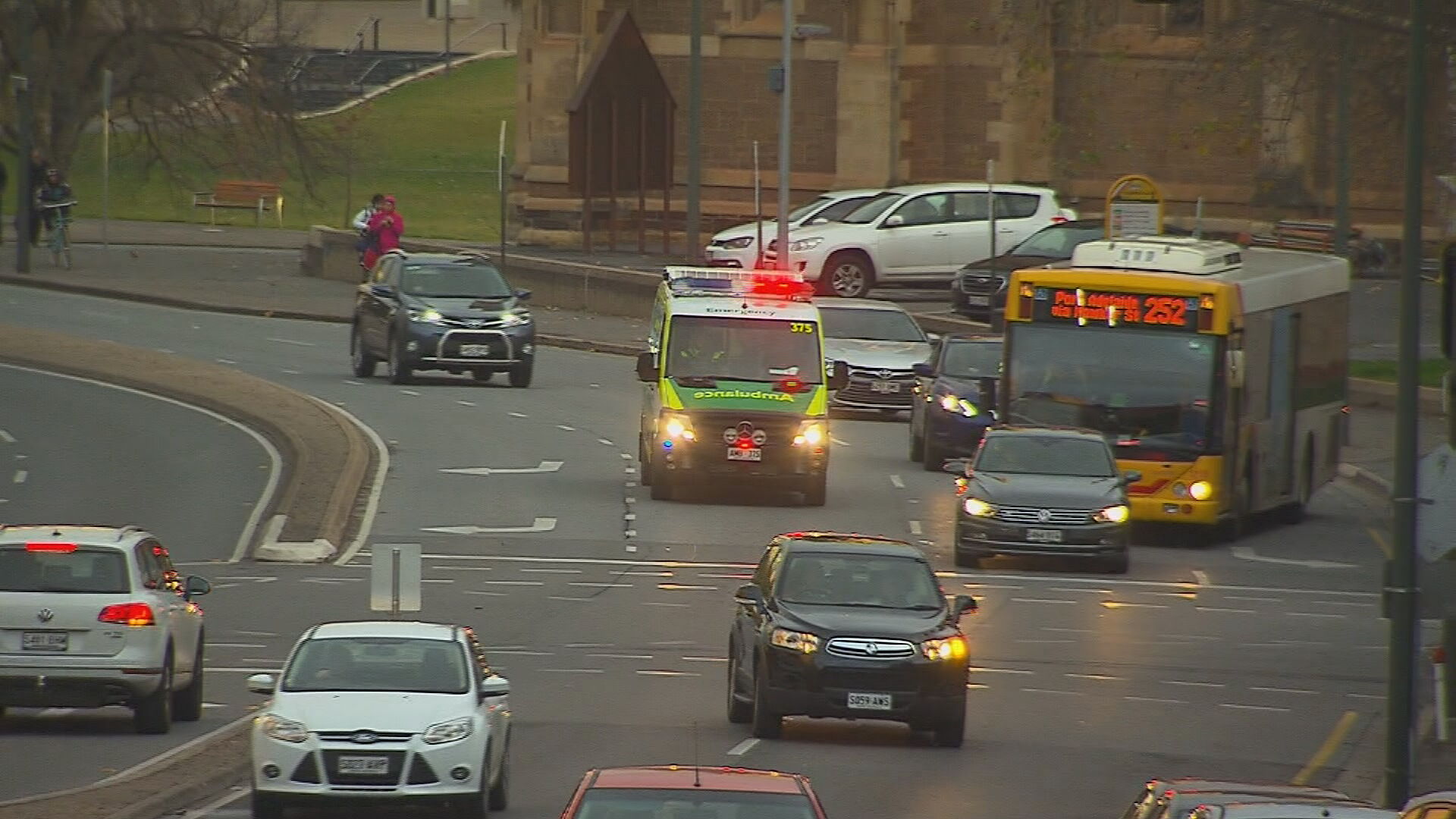
The SA Ambulance Service (SAAS) apologised to the loved ones of the two people who died.
"It's undoubtedly distressing for everyone involved when a patient outcome is not positive and when SAAS fails to meet community expectations," SAAS said.
The ambulance union said these cases show paramedics are at breaking point.
"We just need more ambulance resources, we need more capacity in our hospitals so our ambulances aren't tied up on the ramp," Ms Watkins said.
An internal review of each case has begun.
Three researchers receive first Māori Early Career Development in Cancer Research Awards
Three researchers are set to be awarded the inaugural Māori Early Career Development in Cancer Research Awards.The awards are the first offered in collaboration between Hei Āhuru Mōwai (Māori Cancer Research…
Hamilton cyclist inquest; Cyclists encouraged to 'take the lane' at roundabouts to keep safe
Cyclists are encouraged to move into the middle of the road at roundabouts and “take the lane” in a bid to keep themselves safe and visible to motorists, an inquest has heard.The second and final day of Coroner Louella Dunn’s inquest…
Kāinga Ora chief executive under fire over emails at odds with Housing Minister's comments
The chief executive of Kāinga Ora has been called out in the House of Parliament over emails appearing to defend running an ad with a Labour candidate in it, despite being admonished publicly by the minister responsible for the…