A structure next to the Wellington cenotaph on Parliament grounds was planned to be a shower, not a toilet, the man building it says.People protesting the Covid-19 vaccination mandates, and a slew of other causes and grievances,…
Tag Archives: oceania
Covid 19 Omicron outbreak: 1901 new community cases as surge continues
There are 1901 new Covid-19 cases in the community today as Omicron continues its surge – with active cases now in every DHB region of the country.The number is a slight drop on yesterday’s record 1929 community cases , according…
What could have sent hundreds of blackbirds crashing to their death in Mexico
A swarm of hundreds of birds plummeted to the ground outside your house. Carcasses lay strewed in the street, the birds killed from the impact.
That's the view a handful of people woke up to in Chihuahua, Mexico, on February 7.
Millions around the world got a front-row seat of the massacre when security camera footage was released of the event, but it left people with more questions than answers.
READ MORE: Biden says he's now convinced Putin has decided to invade Ukraine
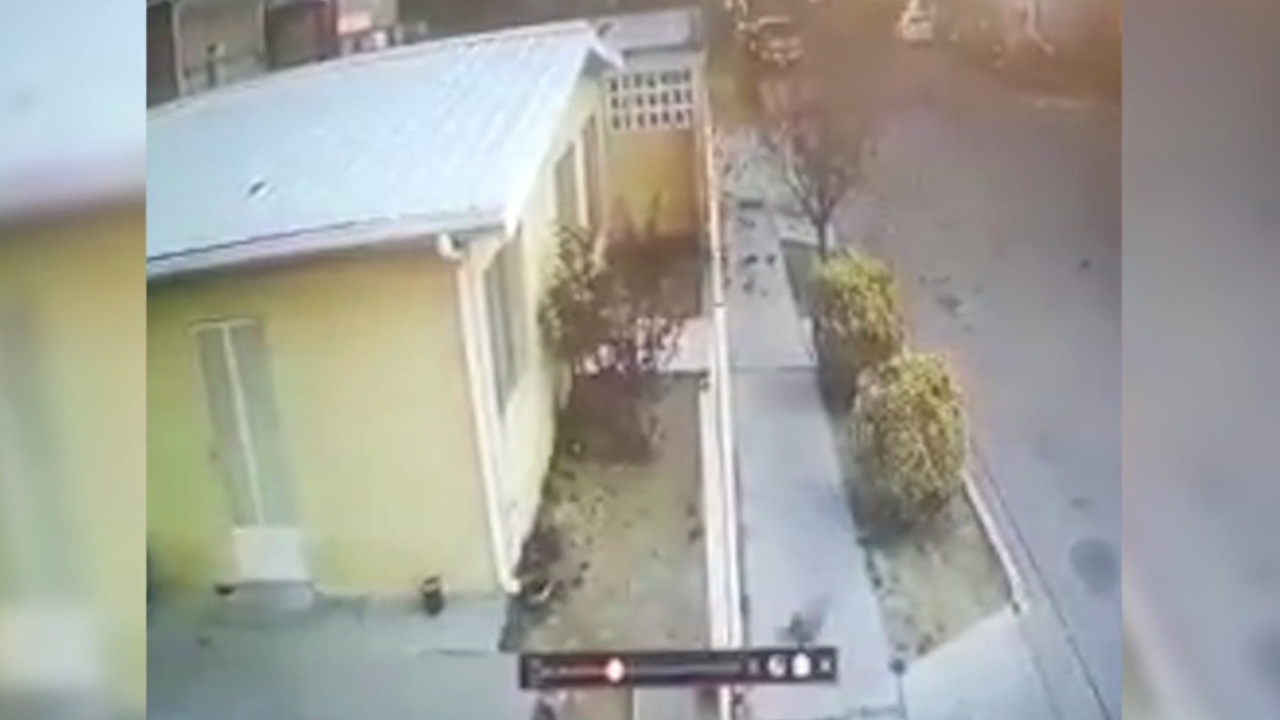
Why did the birds crash?
"The cause of this bizarre and troubling incident is honestly anybody's guess at this point," said Carlos Botero, assistant professor of biology at Washington University in St. Louis.
The footage didn't show the entire swarm of birds, but Botero hypothesised that they could have flown through a cloud of lethal chemicals. Autopsies of the dead bird specimens would need to be completed to determine if that was the case, he said.
READ MORE: At least nine dead as Storm Eunice bears down on northern Europe
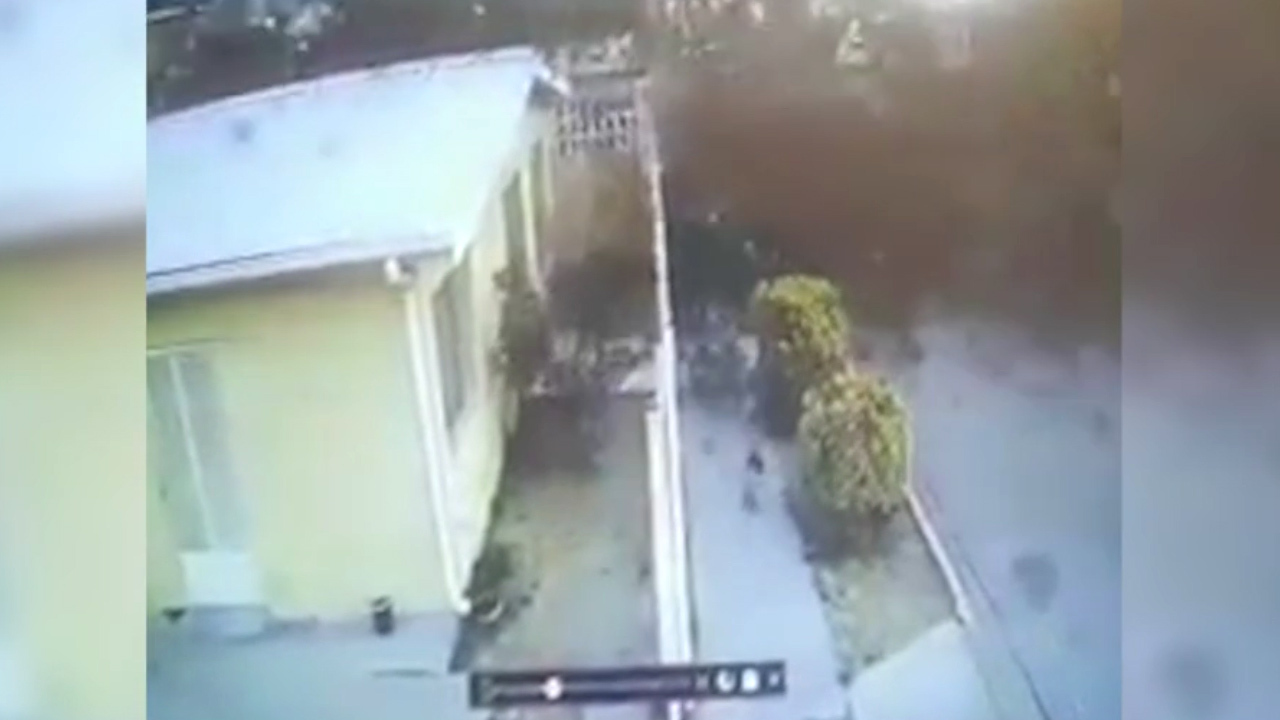
A predator could have also sent the birds frantically flying away, Mr Botero added.
Richard Broughton, an ornithologist at the UK Centre for Ecology & Hydrology, was almost certain the manoeuvre was to avoid a predator like a peregrine falcon.
"Blackbirds form tight flocks, called a 'murmuration,' that swirls in the sky to try and confuse the falcon so it cannot pick a target," Broughton said via email.
To combat this strategy, the falcon dives straight into the flock of birds to separate out a target, Mr Broughton explained. When this happens, the blackbirds try to avoid it.
In the video, viewers are likely seeing the birds try and escape a predator that attacked them from above, he said. The birds headed down, but some could not pull up fast enough, Mr Broughton added.
READ MORE: COVID-19 cases drop in both NSW and Victoria
Assuming the time stamp of 7.42 pm local time on the video is accurate, the birds were likely leaving their nocturnal roost nearby, said Andrew Farnsworth, senior research associate at The Cornell Lab of Ornithology in Ithaca, New York.
In addition to the predatory theory, Mr Farnsworth suggested that a loud noise startling the birds was another possibility. This has happened in the past with other species of birds, he said.
How common is this behaviour?
It's very rare for birds to crash into the ground, and it's not normal behaviour, Mr Botero said.
There are other occurrences of birds dying from abrupt crashing, Mr Farnsworth said.
In 1999, about 110 king eiders, a type of large sea duck, were found dead on Baffin Island in Canada. There weren't any obstacles in their way, so it's likely they crashed because of poor visibility, which could be attributed to the cataracts in their eyes, a study found.
In 1985 and 2003, dozens of geese were found dead in fields in southern Manitoba, Canada. Researchers initially thought they were poisoned, but the severe injuries the geese sustained hinted that they could have become disoriented on the moonless nights or been frightened by a thunderstorm.
What are these birds?
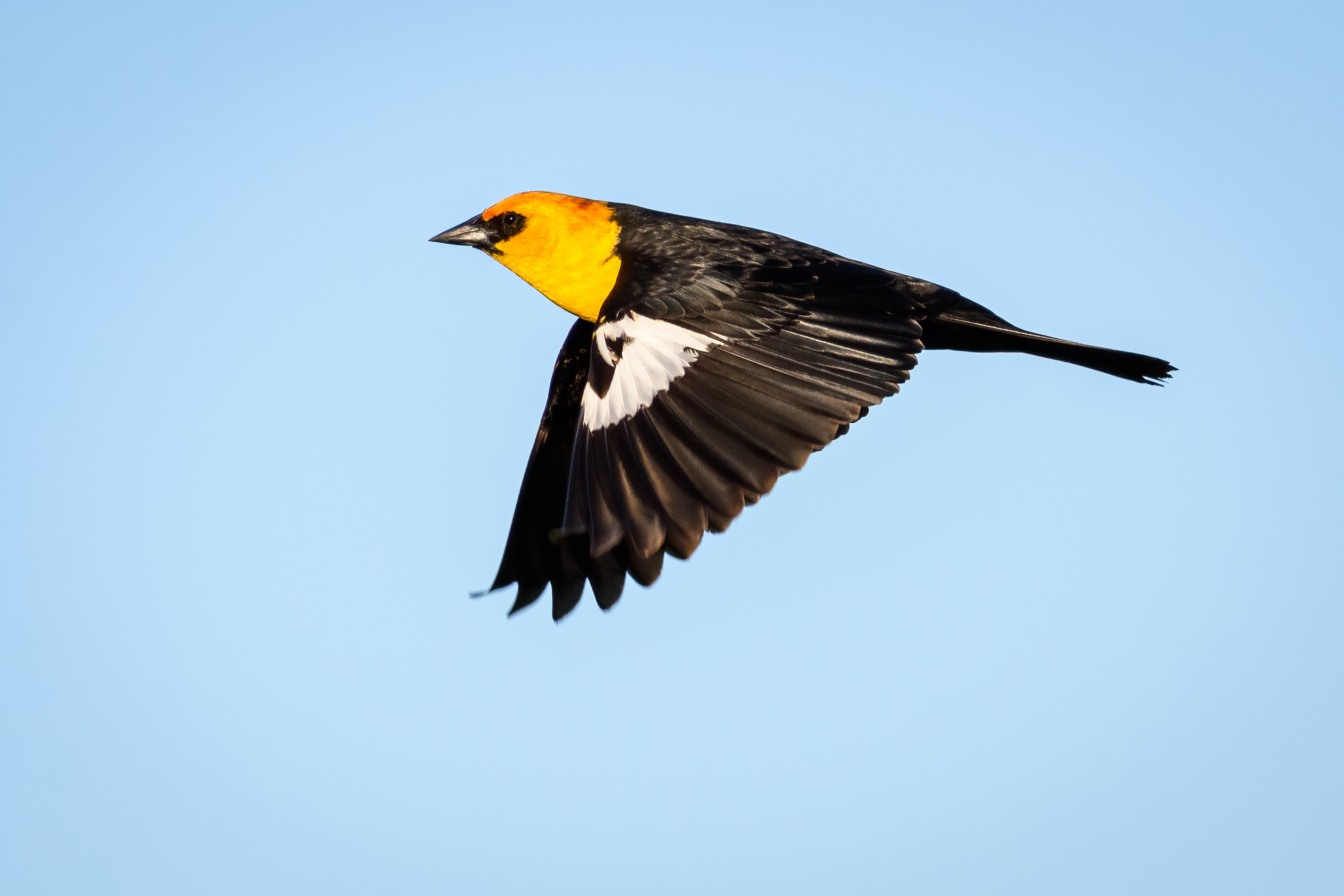
Experts identified the birds as yellow-headed blackbirds, migratory birds living in the western and prairie wetlands of North America. In the winter they form large flocks, which is what was caught on video.
The eBird, an online database of bird observations, at The Cornell Lab of Ornithology tracks these birds' migration pattern on a map as they fly south to Mexico for the winter then back to the United States and Canada for the summer.
At the time the footage was recorded, most the birds would have been in Mexico with a few scattered in the Southwestern United States.
Unsent text message, desperate phone calls detail California family's last moments
Family selfies, nature photos, an unanswered text and several calls that were never connected detail the final hours of a California couple and their child before they died on a hiking trail near Yosemite last August.
Jonathan Gerrish, Ellen Chung and their one-year-old daughter, Miju, died from hyperthermia, the condition of having a high body temperature, with possible dehydration due to environmental exposure.
After several months of investigating with the FBI, Mariposa County Sheriff's Office pulled data from Mr Gerrish's cell phone, allowing it to retrace the family's last steps.
READ MORE: Biden says he's now convinced Putin has decided to invade Ukraine

Authorities were able to pull a text message from Mr Gerrish's phone at 11:56 am asking for help. It was never received due to lack of cell service in the area.
"Can you help us," the text read. "On savage lundy trail heading back to Hites cove trail. No water or ver (over) heating with baby."
About 13 minutes following the unsuccessful text, Mr Gerrish's phone showed that he tried calling multiple numbers, not including 911, but again, due to lack of service, the calls never connected, authorities said.
The first call was made at 12.09 pm following four subsequent calls at 12.35 pm within one minute of each other.
READ MORE: COVID-19 cases drop in both NSW and Victoria
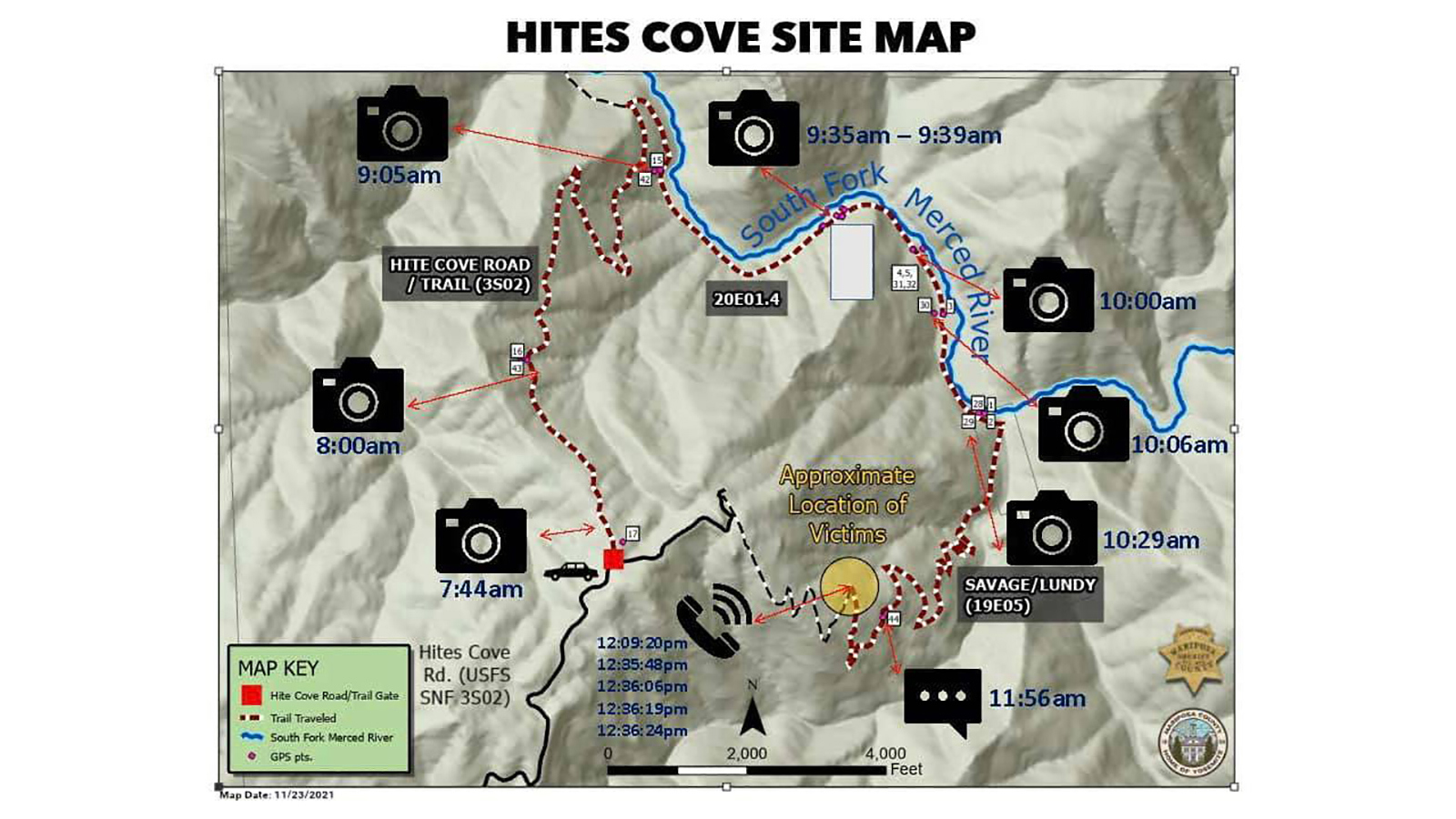
In addition to texts and phone calls, authorities chronicled almost 16 photos from Mr Gerrish's camera roll.
The first photo was a picture taken just a few metres from the trail head around 7:44 the morning of the family's hike, followed by 16 other photos including family selfies, photos of the river and creek, and concluding with a screen shot of their location from a trail app at 12:25 pm.
The family set out on a hike on Sunday, August 15, after Mr Gerrish, a frequent hiker, plotted the route for the Hite Cove hike, about 12 kilometres from Yosemite National Park, the night before, according to the sheriff's office.
Around 7.45 am, a witness walking in the area saw the family truck heading in the direction of the Hite Cove Trail Head, authorities said. At 8am, the witness saw the truck parked at the trailhead and no family around.
READ MORE: At least nine dead as Storm Eunice bears down on northern Europe

The approximate temperature was around 23C, at elevation 1180 metres.
The family was reported missing the following day, after the family babysitter arrived for her normal shift but was unable to locate Mr Gerrish, Ms Chung or their daughter, authorities said.
On August 17, search-and-rescue teams found the family dead about 2.5 kilometres from their car on the Savage Lundy Trail. An empty 2.5-litre water pack was with them.
At the Savage Lundy Trail intersection, the elevation is approximately 548 metres, and the temperature throughout the trail ranged between 41.6C and 42.7C, cooling slightly in the evening.
That section of the trail is a south/southeast facing slope, so it's exposed to constant sunlight.
The family dog, Oski, was also with them and authorities believe it suffered from heat-related issues, too.
"The cell phone data results were the last thing both the family and detectives were waiting on," Sheriff Jeremy Briese wrote in a Facebook post.
"The extracted information confirms our initial findings."
Jack Tame: End Covid anti vaccine mandate protests at Parliament slowly, without violence
OPINION: I couldn’t believe it!I finished up on my Saturday radio show, last week. Cycled home. Made some lunch. Refreshed the New Zealand Herald, and whaddaya know? It was like Trevor Mallard had been listening to us all morning….
Biden says he's now convinced Putin has decided to invade Ukraine
US President Joe Biden said he is now convinced Russian President Vladimir Putin has made the decision to invade Ukraine.
"As of this moment, I am convinced he's made the decision, we have reason to believe that," Mr Biden said when asked if Putin had made the decision to invade Ukraine.
Russian misinformation is building up to a false justification for Mr Putin to make that move, Mr Biden said, accusing Russia of ceasefire violations in the "rapidly escalating crisis".
READ MORE: Ukrainian rebels evacuate civilians to Russia amid crisis

"Over the last few days, we've seen reports of a major uptick in violations of the ceasefire by Russian-backed fighters attempting to provoke Ukraine in the Donbas," Mr Biden said, pointing to multiple examples of disinformation that he said have been spread by Russian state media, including a "phony" claim of genocide in the Donbas region.
Mr Biden said the claims by the Russians simply don't make sense.
"It defies basic logic to believe the Ukrainians would choose this moment — with well over 150,000 troops arranged on its borders — to escalate a year-long conflict," he said.
READ MORE: At least nine dead as Storm Eunice bears down on northern Europe

Earlier on Friday his White House announced it was blaming Russia for a massive cyberattack on Ukraine earlier in the week.
"We believe that the Russian government is responsible for wide-scale cyberattacks on Ukrainian banks this week. We have technical information that links the Russian Main Intelligence Directorate, or GRU, as known GRU infrastructure was seen transmitting high volumes of communication to Ukraine based IP addresses and domains," said Anne Neuberger, deputy national security advisor for cyber and emerging technology.
The attribution for the attack was unusually fast for the US government, and Ms Neuberger noted that Russia has previously benefited from US delays in attributing Russian hacking operations.
READ MORE: 'Genocide' claims could be used as pretext for Russian invasion, US warns

"Russia likes to move in the shadows and counts on a long process of attribution so it can continue its malicious behaviour against Ukraine in cyberspace, including pre-positioning for its potential invasion," Ms Neuberger told reporters in the White House briefing room.
Mr Biden last spoke about the crisis on Thursday as he departed the White House for a trip to Ohio, when he said there is "every indication" a Russian invasion of Ukraine "will happen in the next several days," and the threat of an attack is "very high".
"It's very high because they have not moved any of their troops out. They have moved more troops in, number one. Number two, we have reason to believe they are engaged in a false flag operation to have an excuse to go in. Every indication we have is they are prepared to go into Ukraine, attack Ukraine," he said.
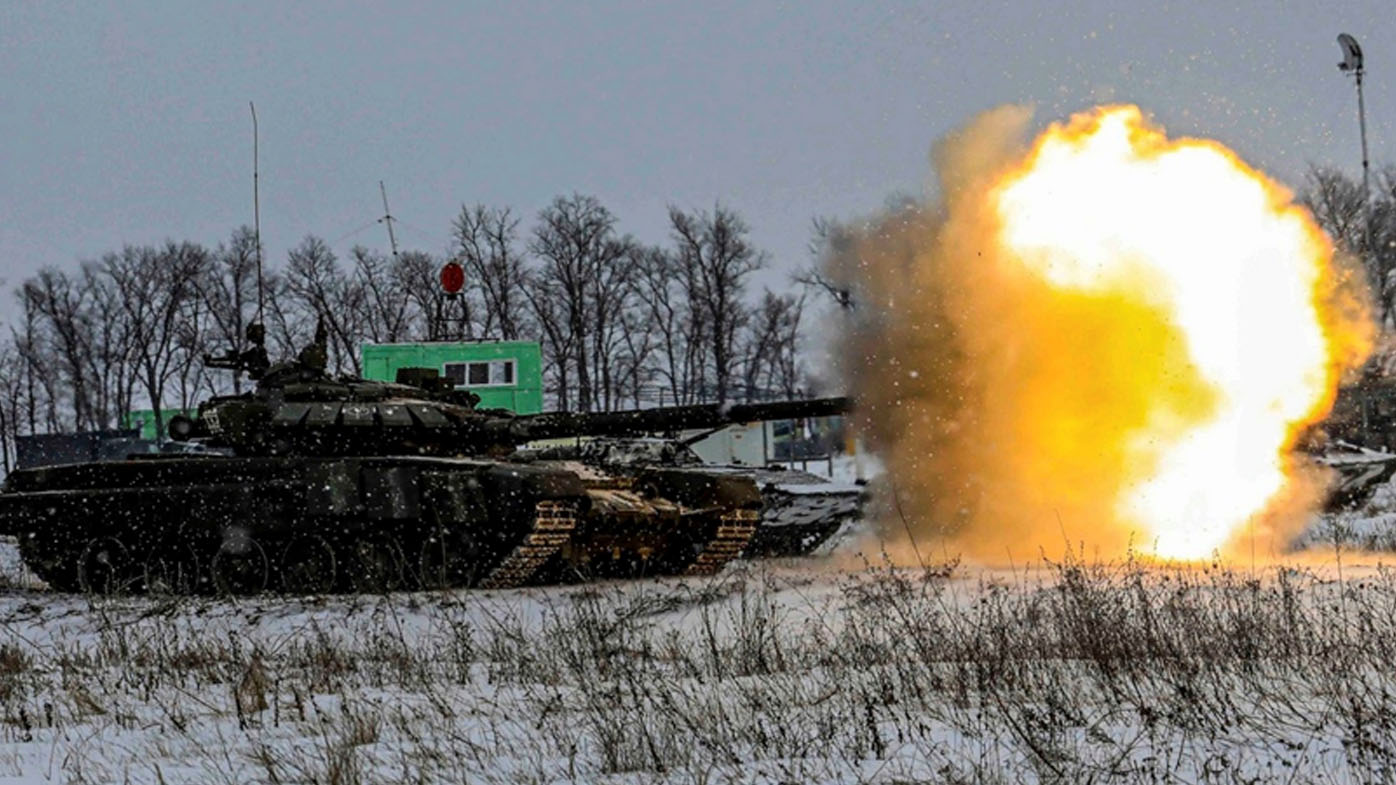
The Friday remarks come amid escalating tensions as US Ambassador to the Organisation for Security and Cooperation in Europe Michael Carpenter warned earlier Friday that the US has assessed a significant Russian military buildup near Ukraine just in the last two weeks.
"Russia probably has massed between 169,000-190,000 personnel in and near Ukraine as compared with about 100,000 on January 30," he said in a statement at the OSCE meeting. That includes Russian troops on the borders of Ukraine as well as the Russian-led forces in eastern Ukraine, which have not been included in previous US assessments of Russia's strength in the area.
Shortly before his remarks, Mr Biden was set to speak with allies in North America and Europe. The phone call was to be held with the leaders of Canada, France, Germany, Italy, Poland, Romania, the United Kingdom, the European Union and NATO to discuss the ongoing crisis.
The President on Friday called in to a meeting Vice President Kamala Harris was holding with members of Congress, who are all attending the Munich Security Conference in Germany, according to a person in the room, and reiterated the work the US and allies have been doing to try to prevent a Russian invasion of Ukraine. He also updated the members on the situation at Ukraine's borders.
Mr Biden has predicted a Russian invasion of Ukraine before but has previously couched his forecast by saying Mr Putin hadn't made up his mind, and he has repeatedly pressed for further diplomatic efforts to avoid a military conflict. He was more definitive on Thursday, a day after US officials said 7,000 more Russian troops have arrived near Ukraine, contradicting earlier Russian claims of a pull-back.
Pressed on whether he believes an attack will happen — and when — Biden said: "Yes. My sense is it will happen in the next several days."
Learner motorbike rider detected speeding at more than 70km/h above the limit
A learner motorbike rider in Tasmania clocked speeding more than 70km/h above the limit has had his license disqualified.
Northern Road Safety Task Force detected the unregistered black Yamaha travelling at 157km/h in a 110km/h zone around 10am on the Midland Highway near Perth yesterday.
The learner rider, restricted to a maximum speed of 80km/h, was travelling at 77km/h above the limit.
READ MORE: Record-breaking winds batter UK

The 26-year-old man from Warrane will be disqualified for at least four months and has been issued with an infringement notice for travelling at 45km/h or more above the limit, which attracts a penalty of $994.75 and six demerit points, plus a further mandatory four-month disqualification period.
In Tasmania speeding is "one of 'fatal five' contributors" to serious and fatal crashes.
READ MORE: Passengers trapped on burning ferry in Greece
"It's concerning that some road users continue to drive at such high speeds on our roads," Sergeant Benjamin Kromkamp said.
"Dangerous behaviour such as this not only puts the rider at risk, but other road users also. On this occasion, the rider was travelling at almost twice the applicable speed limit and being a learner rider is relatively inexperienced.
"Police would like to remind all road users to obey all speed limits and slow down on our roads."
Covid 19 Omicron: Aucklanders told they may wait 5 days for their test results
Aucklanders are being warned they could wait up to five days to get their Covid test results back, sparking concern at how long people will need to isolate even if they don’t have the virus.Health teams say the delays are due to…
At least nine dead as Storm Eunice bears down on northern Europe
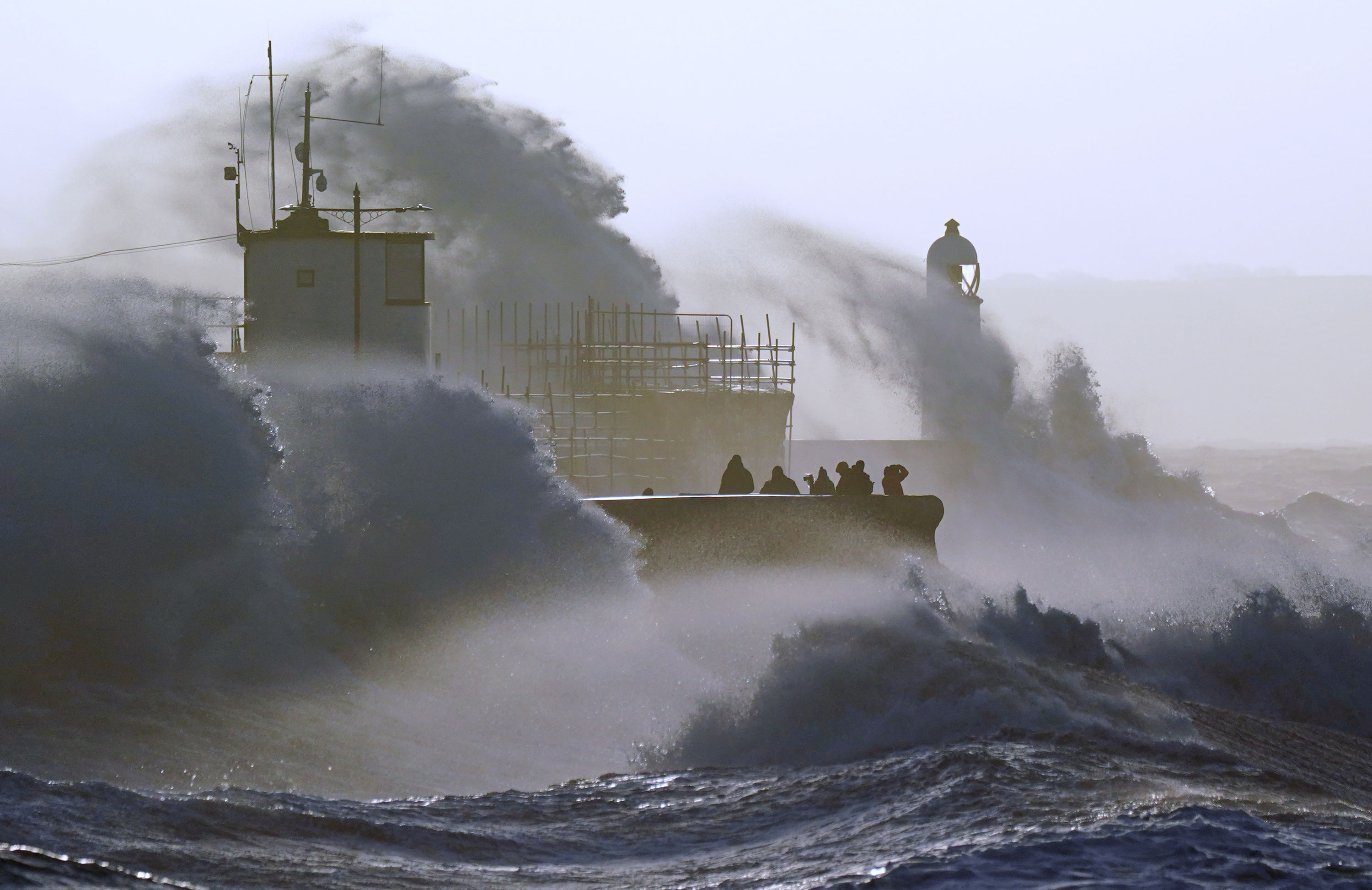
The second major storm in three days has smashed through northern Europe on Friday, killing at least nine people as high winds felled trees, cancelled train services and ripped sections off the roof of London's O2 Arena.
The UK weather service said a gust provisionally measured at 196km thought to be the strongest ever in England was recorded on the Isle of Wight as Storm Eunice swept across the country's south.
The weather system, known as Storm Zeynep in Germany, is now pushing into the European mainland, prompting high wind warnings in Belgium, the Netherlands, Denmark and Germany.
READ MORE: Hundreds of homes impacted by mass power outage across parts of Perth
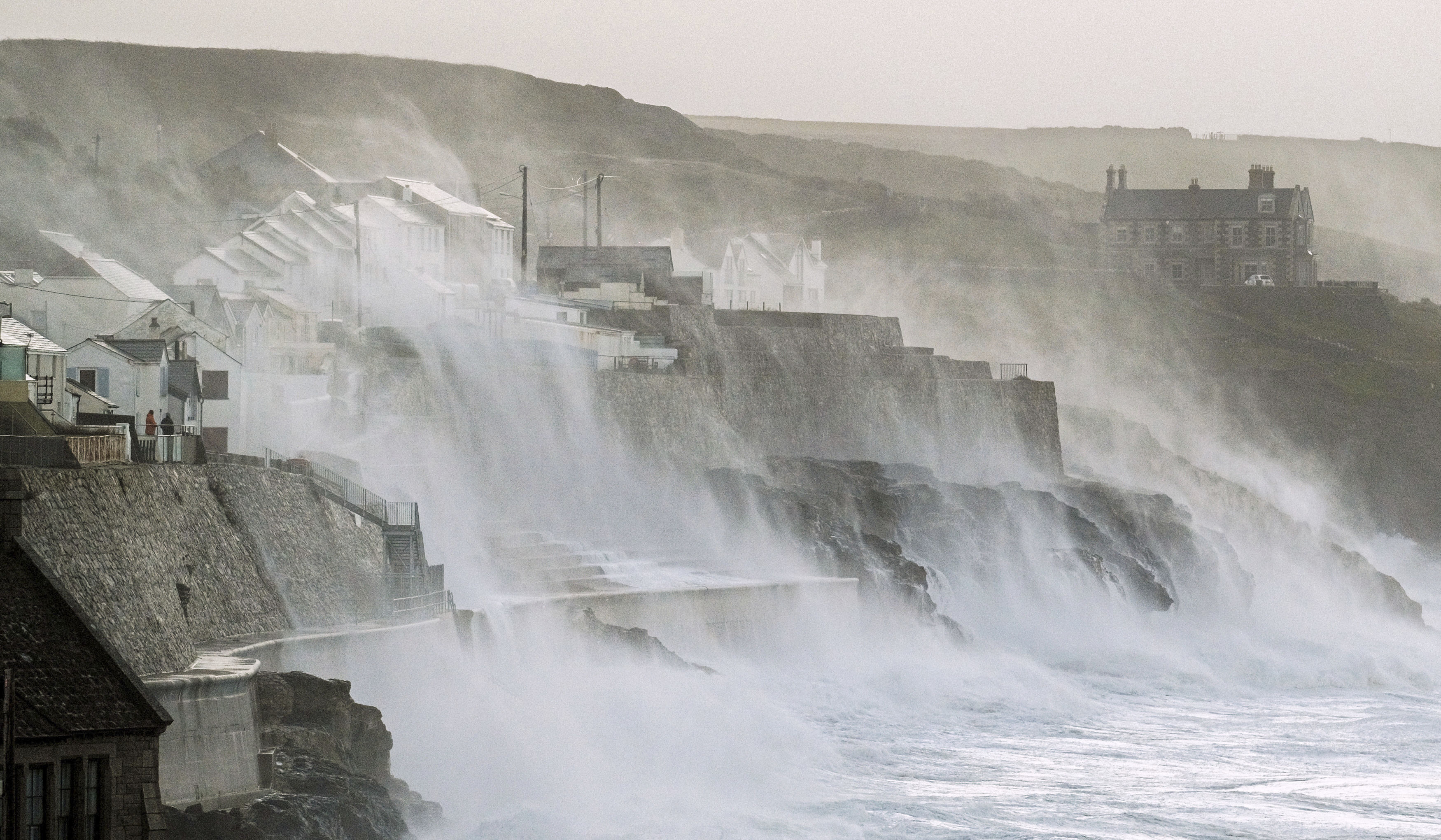
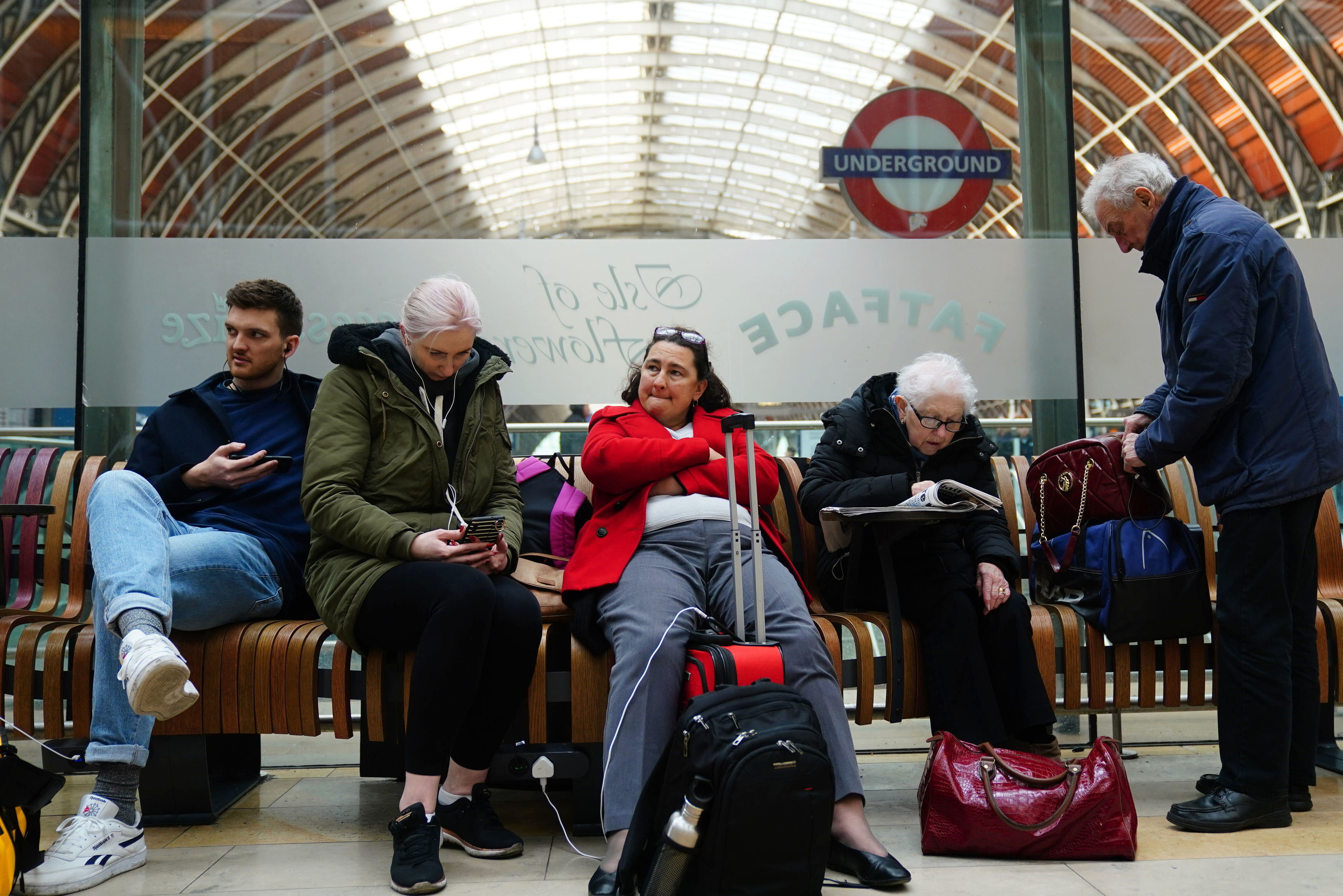
The storm caused mayhem with travel in Britain, shutting the English Channel port of Dover, closing bridges linking England and Wales and halting most trains in and out of London.
At least three people died in Britain, including a man in southern England killed when a car hit a tree, another man whose windshield was struck by debris in northwest England and a woman in her 30s who died in London when a tree fell on a car, police said.
In the Netherlands, firefighters said three people were killed by falling trees in and around Amsterdam, and a fourth died in the northern province of Groningen after driving his car into a fallen tree.
In neighbouring Belgium an elderly man died when high winds pushed him into a canal in Ypres.
In County Wexford, Ireland, a local government worker was killed as he responded to the scene of a fallen tree, the local council said.
Eunice is the second named storm to hit Europe this week, with the first storm killing at least five people in Germany and Poland.
Peter Inness, a meteorologist at the University of Reading in England, attributed the storms to an unusually strong jet stream over the eastern Atlantic Ocean, with winds close to 321km at high altitudes.
https://twitter.com/metoffice/status/1494658112569098243?ref_src=twsrc%5Etfw
"A strong jet stream like this can act like a production line for storms, generating a new storm every day or two," Mr Inness said.
"There have been many occasions in the recent past when two or more damaging storms have passed across the UK and other parts of Europe in the space of a few days."
The forecast led British authorities to take the unusual step of issuing "red'' weather warnings — indicating a danger to life — for parts of southern England, including London, and Wales that lasted through early afternoon. A lower level amber warning for gusts up to 128 kph, covers the whole of England from 5 am to 9 pm
UK hit with gale-force winds
A CNN reporter witnessed a rooftop flying off a home in the southwestern London area of Surbiton. The roof crushed a car parked on the street.
The O2 Arena in London, formerly known as the Millennium Dome, also suffered damage due to high winds, with parts of the roof being ripped to shreds.

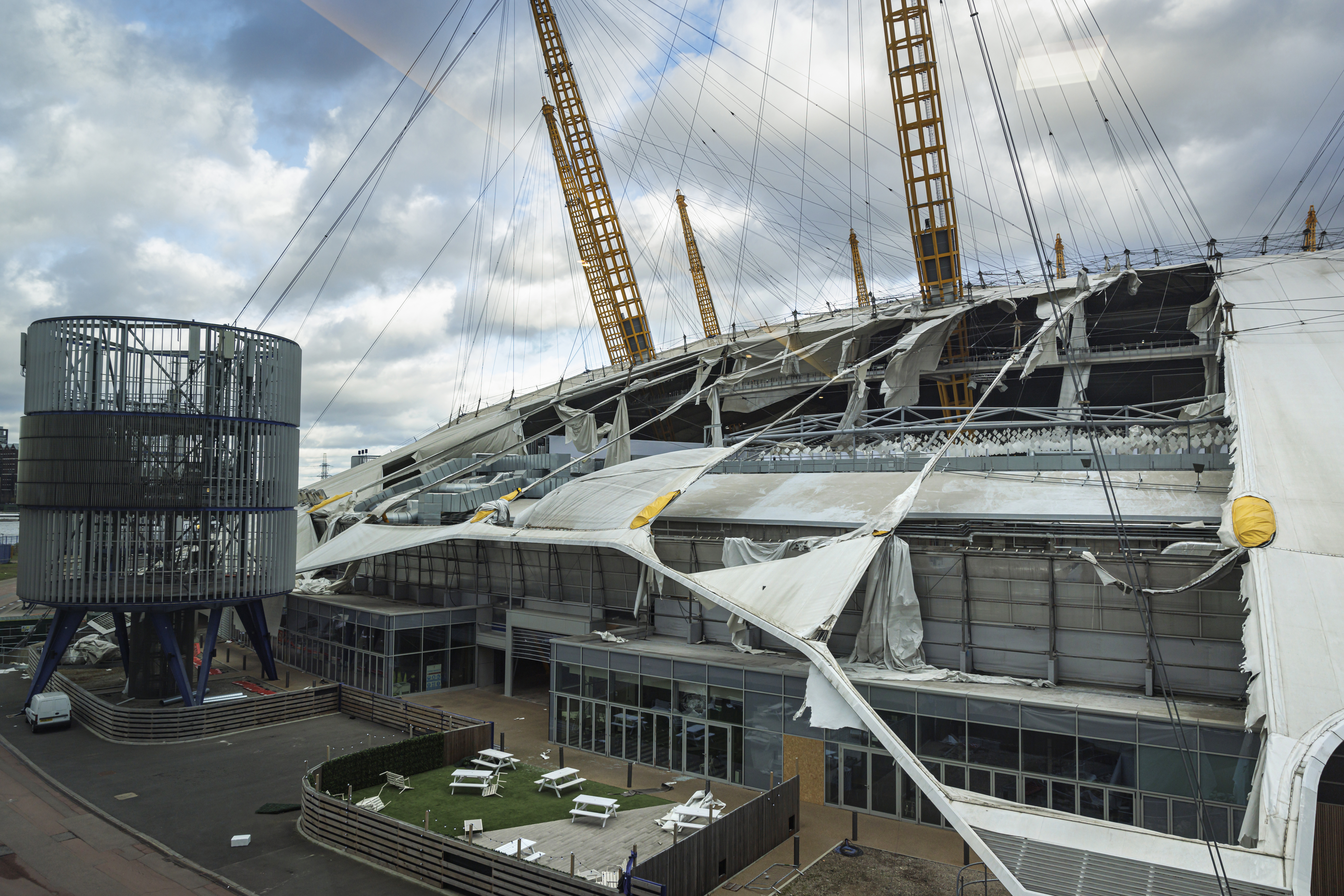
London Fire Brigade said that there were no reports of any injuries as around 1000 people were evacuated from the building, which hosts major events including concerts and features restaurants, bars, shops and a cinema.
However, the London Fire Brigade has declared Storm Eunice a "major incident" due to the high volume of calls.
https://twitter.com/LondonFire/status/1494692458076286988?ref_src=twsrc%5Etfw
A number of tourist attractions in England, including the London Eye, Legoland and Warwick Castle, closed ahead of the storm, as did the Royal Parks.
"I urge all Londoners to stay at home, do not take risks, and do not travel unless it is absolutely essential,″ Mayor Sadiq Khan said.
Social media video showed a building housing lifeboats with part of its rooftop blown off at Sennen beach in the country of Cornwall, where strong winds were pushing waves above a seawall.
Police in Cornwall and neighbouring Devon said they had received high volumes of calls about flying debris, collapsed roofs and fallen trees.
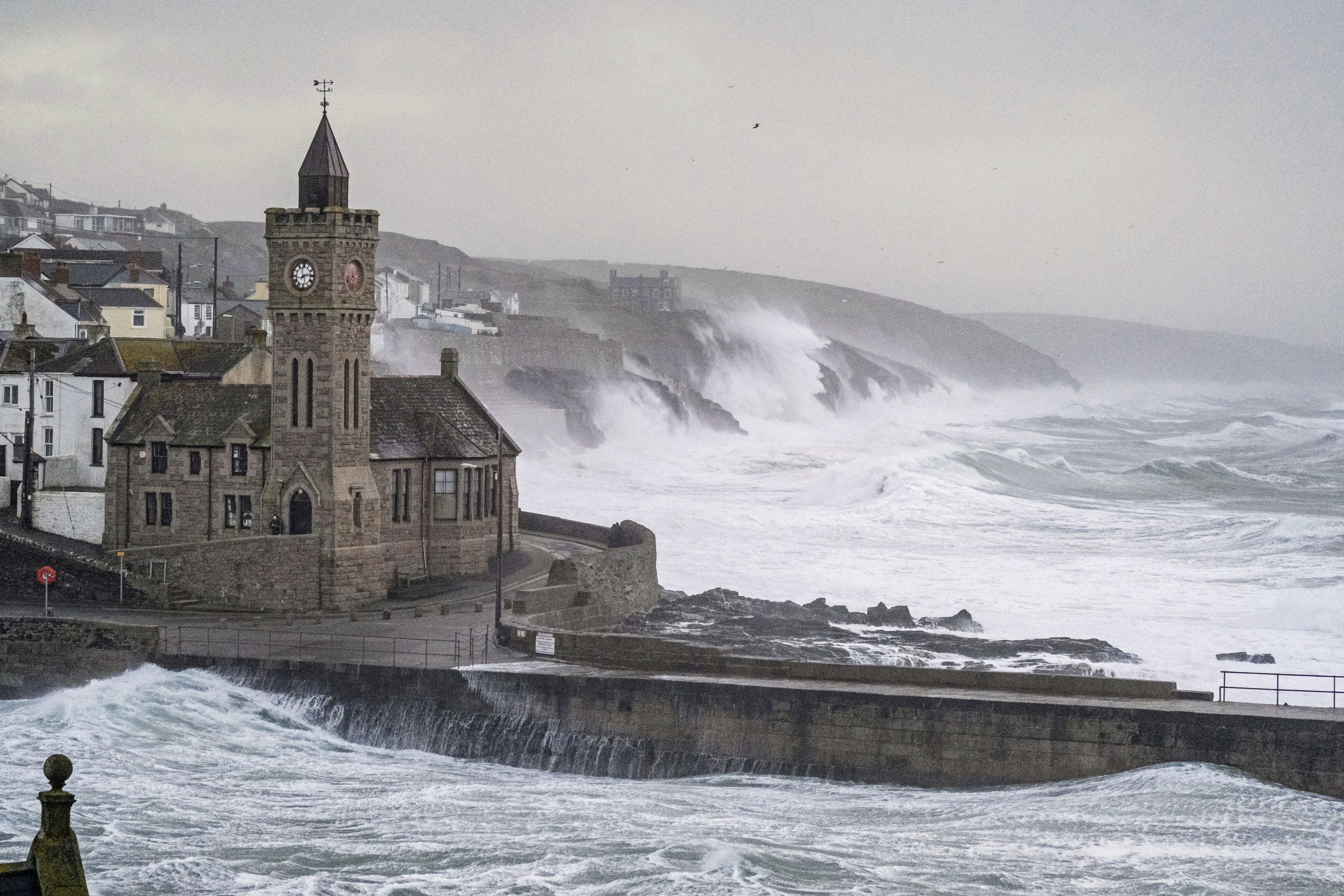
Residents also posted images on social media of collapsed fences and trees in roads.
As dozens of flights were cancelled across London's major airports, more than 200,000 people tuned in to watch a live stream on YouTube of planes landing at London's Heathrow.
The aircraft were seen battling strong gusts as they came into land, some of them wobbling mid-air, others skidding from side to side once they hit the runway.
The video, on the Big Jet TV channel, was accompanied by comical commentary by presenter Jerry Dyer, who kept viewers entertained by offering words of encouragement to the pilots, at one point saying: "Come on mate, you can do it!"
British Airways said it was grounding a number of planes and expected "significant disruption," but that most flights would go ahead as planned.
"Safety is our number one priority, and we're cancelling a number of flights," British Airways said in a statement.
The airline said it was looking at deploying larger aircraft where possible to better withstand the weather.
https://twitter.com/British_Airways/status/1494611480611856389?ref_src=twsrc%5Etfw
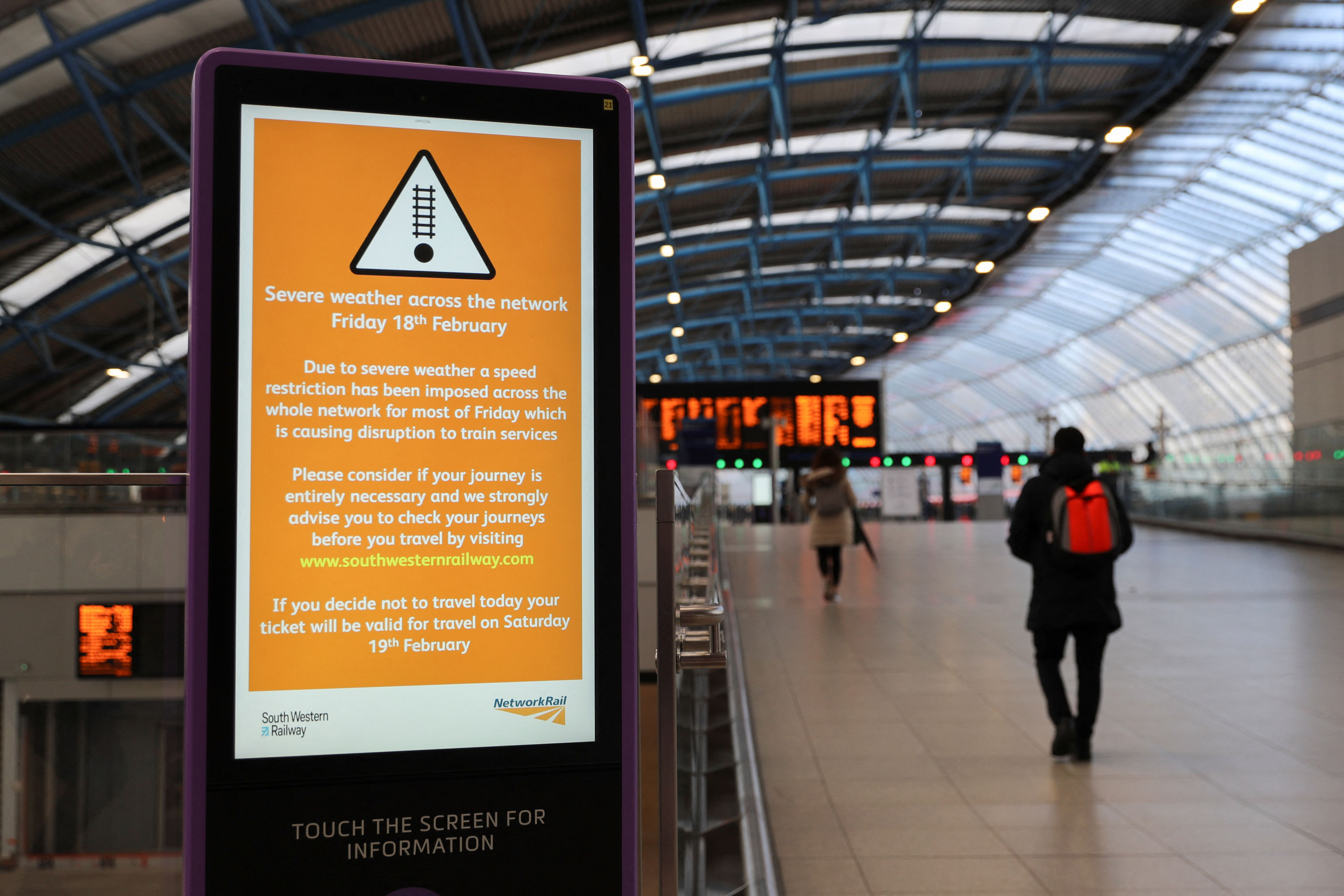
Rail companies have urged customers to reconsider their plans, with blanket speed restrictions in place for most lines across the country.
In a statement Friday, Network Rail warned of high winds blowing trees and other debris onto railway lines, which then block trains and cause delays and cancellations.
Authorities are expecting gusts to cause travel delays, power cuts and possible mobile phone coverage outages throughout Friday.
https://twitter.com/Se_Railway/status/1494694333504794627?ref_src=twsrc%5Etfw
The UK government is set to hold a meeting of its COBRA emergency committee to discuss the storm.
The Army is on "high readiness stand-by" to respond if needed, Home Office Minister Damian Hinds told Sky News.
Sting jet warning
Meteorologists have also raised the possibility of a sting jet, the weather phenomenon which made the 1987 Great Storm so destructive and deadly. Eighteen people were killed in that storm and 15 million trees were blown down in winds that topped 161km/hr.
A sting jet is a very narrow and concentrated blast of powerful, upper-level winds that can form inside powerful weather systems. It descends to the the Earth's surface and can last a few hours, potentially causing damage to life and property, according to CNN meteorologist Derek Van Dam.
"The 'sting' refers to the cloud formation it creates, which resembles a scorpion's stinger," he said.
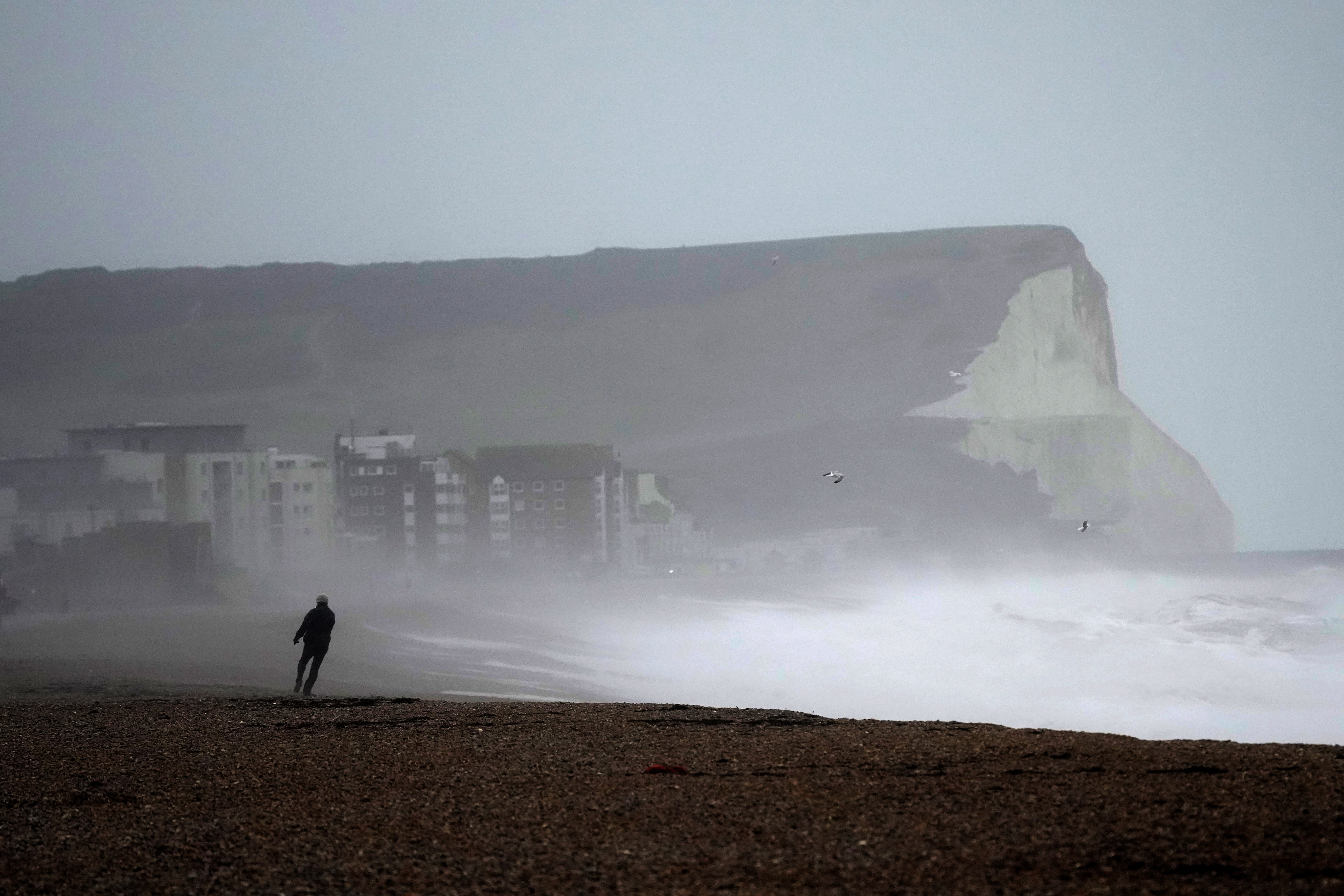
Hannah Cloke, professor of Hydrology at Britain's University of Reading, urged people to stay home where possible.
She said people should not to take the red alert "lightly," as the winds were likely to uproot trees and roof tiles.
"If you're hit by one of those you will be seriously hurt or killed. Wind that strong will sweep people and vehicles off streets, and topple electricity lines," she said.
The Environment Agency has issued 10 severe flood warnings, another indicator of life-threatening weather conditions.
"After the impacts from Storm Dudley for many on Wednesday, Storm Eunice will bring damaging gusts in what could be one of the most impactful storms to affect southern and central parts of the UK for a few years," said Paul Gundersen, the Met Office's chief meteorologist.
"The red warning areas indicate a significant danger to life as extremely strong winds provide the potential for damage to structures and flying debris."
Two Australian states on alert for possible 'severe storms'
Both Queensland and New South Wales are being warned to brace for more storms, which could potentially be severe, according to the Bureau of Meteorology (BoM).
In the warning, BoM explained a surface trough is responsible for the wet weather.
The system extends from eastern NSW into southern Queensland.
READ MORE: Record-breaking winds batter UK
https://twitter.com/BOM_au/status/1494549692327333895
"(It) will trigger further showers and storms … this weekend," the BoM wrote.
"Severe storms are possible this weekend across both states."
It comes after Sydney was hit with a wild storm on Thursday.
Thousands of lightning pulses lit up the skies, as the city was battered with heavy rain and hail in some parts.
READ MORE: Passengers trapped on burning ferry in Greece
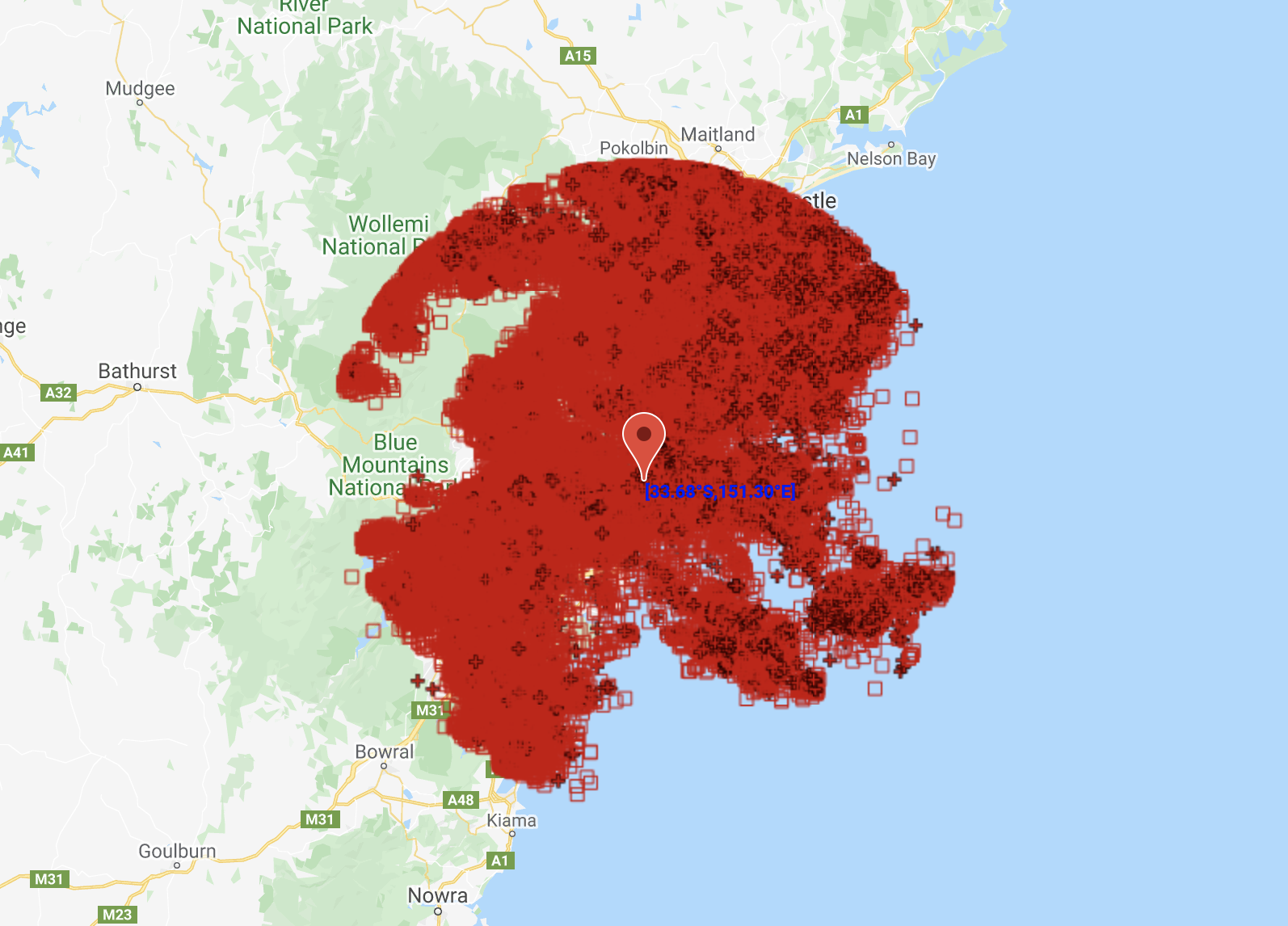
"Close to 150,000 lightning strikes were detected between Newcastle and Wollongong on Thursday night," Weatherzone wrote, also warning of more storms to come.
Here's what the weather is doing around the nation's capitals today.
Brisbane
A rainy day will be felt in Brisbane as the mercury climbs to a maximum of 30C.
BoM has forecast a medium chance of showers, most likely in the late morning and afternoon.
There's also a chance of a thunderstorm.
Sydney
Similar conditions will be felt in the Harbour City as the temperature climbs to 26C.
There's a medium chance of showers in the morning.
Melbourne
Conditions will be bright and sunny in Melbourne after morning cloud cover clears.
The city will experience a low of 13C and a maximum of 24C.
Canberra
Temperatures will range between 11C and 24C in the nation's capital.
It will be a partly cloudy day.
Hobart
It will be mostly sunny in Hobart with temperatures ranging between 11C and 25C.
Adelaide
Residents in Adelaide will experience a high of 26C and a mostly sunny day today.
A low of 13C is forecast.
Darwin
Darwin will reach a high of 33C with the BoM forecasting a high chance of showers, most likely this afternoon and evening.
There's also a chance of a thunderstorm this afternoon and evening.
Perth
Perth will today be our hottest capital with temperatures reaching a maximum of 37C. It will be mostly sunny.