Tag Archives: oceania

Police 'not far off' making arrests after two young men stabbed to death

Police have described the stabbing death of a 16-year-old Melbourne boy as a "very vicious assault".

Investigators said an "incident" occurred at a party in Coburg on Saturday night, which later led to the assault and death of Declan Cutler.

The 16-year-old left the party with friends following the incident, but they were chased by a dark sedan with a number of men inside.

LIVE UPDATES: Sixth diagnosis of mosquito-borne disease confirmed in NSW

The vehicle chased the group along Horton Street, near Elizabeth Street, in Reservoir.

But Mr Cutler got separated from his friends, where the offenders then attacked him in a brutal assault about 2.30am on Sunday, Detective Superintendent Paul O'Halloran said.

"It was a very vicious assault," he said.

"(Officers reviewing footage) were quite shocked by the brutality which involved a number of stabbings to the victims and also kicks and punches."

Neighbours said they overheard yelling coming up the street, before rushing to try and help the teen, who died on a nature strip.

Mr Cutler's family remains heartbroken over his death.

READ MORE: Victoria trials first paid sick leave for casual workers

"No teenager deserves this, let alone my godson," one relative said.

"It's just shocking, it's horrible for us as a family."

Detective Superintendent O'Halloran said the assault was a targeted attack.

In a separate incident, a man who attended a function at Watermark in Docklands was also later stabbed to death.

Police said about 10 people were involved in the assault, which occurred after a dispute erupted at the venue.

Two men from Western Australia, aged 26 and 23, left the venue and walked towards their car on Bourke Street, near Harbour Esplanade, when they were violently attacked about 3.20am on Sunday.

"Knives were produced, both were stabbed and sadly the older male did pass away and his brother is in hospital in a serious, but stable condition," Detective Superintendent O'Halloran said.

No arrests have been made for either attack, but Detective Superintendent O'Halloran said police were "not too far off" finding the offenders.

The stabbings are not linked and had no connection to Melbourne's Moomba Festival.

Witnesses, people with CCTV/dashcam footage or anyone with information is urged to contact Crime Stoppers on 1800 333 000.

Drivers facing long wait for potholes to be fixed

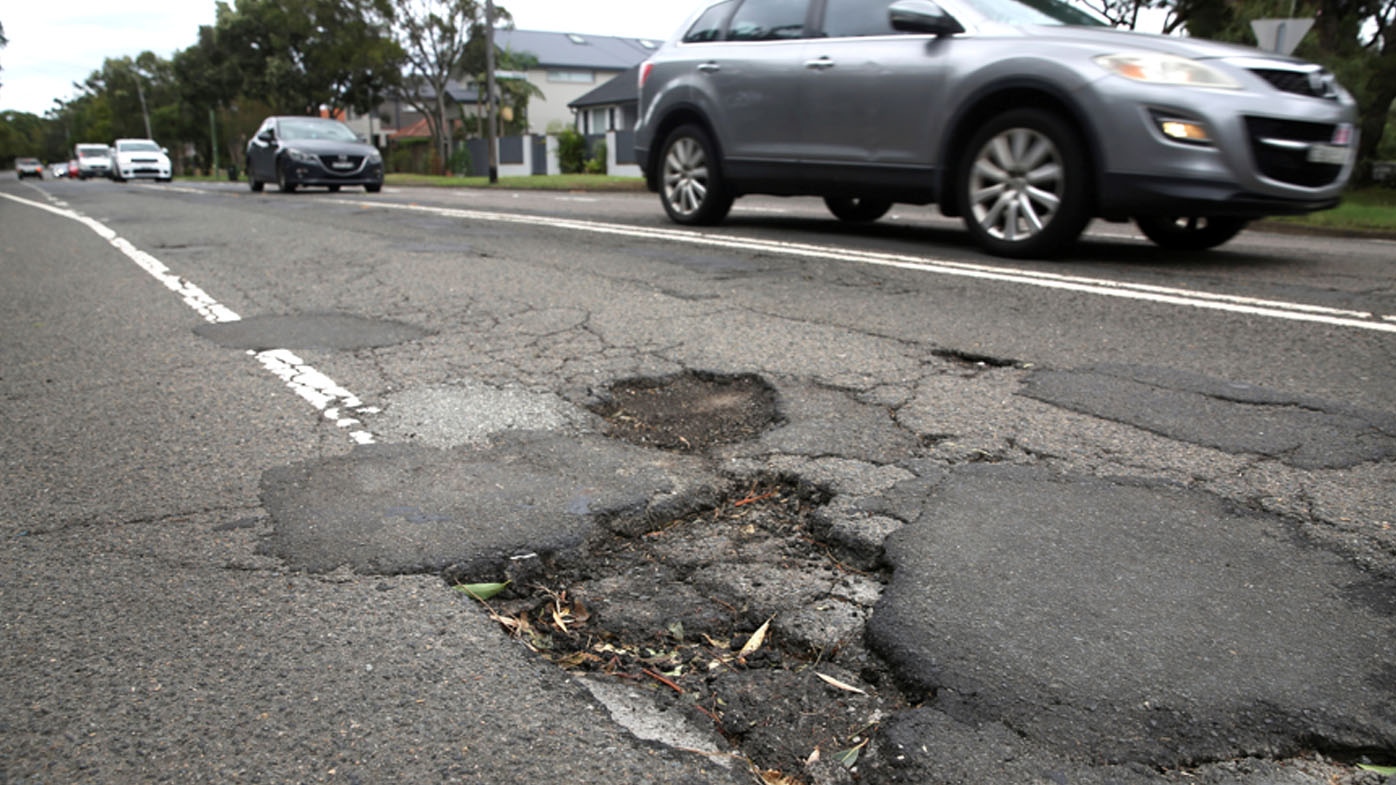
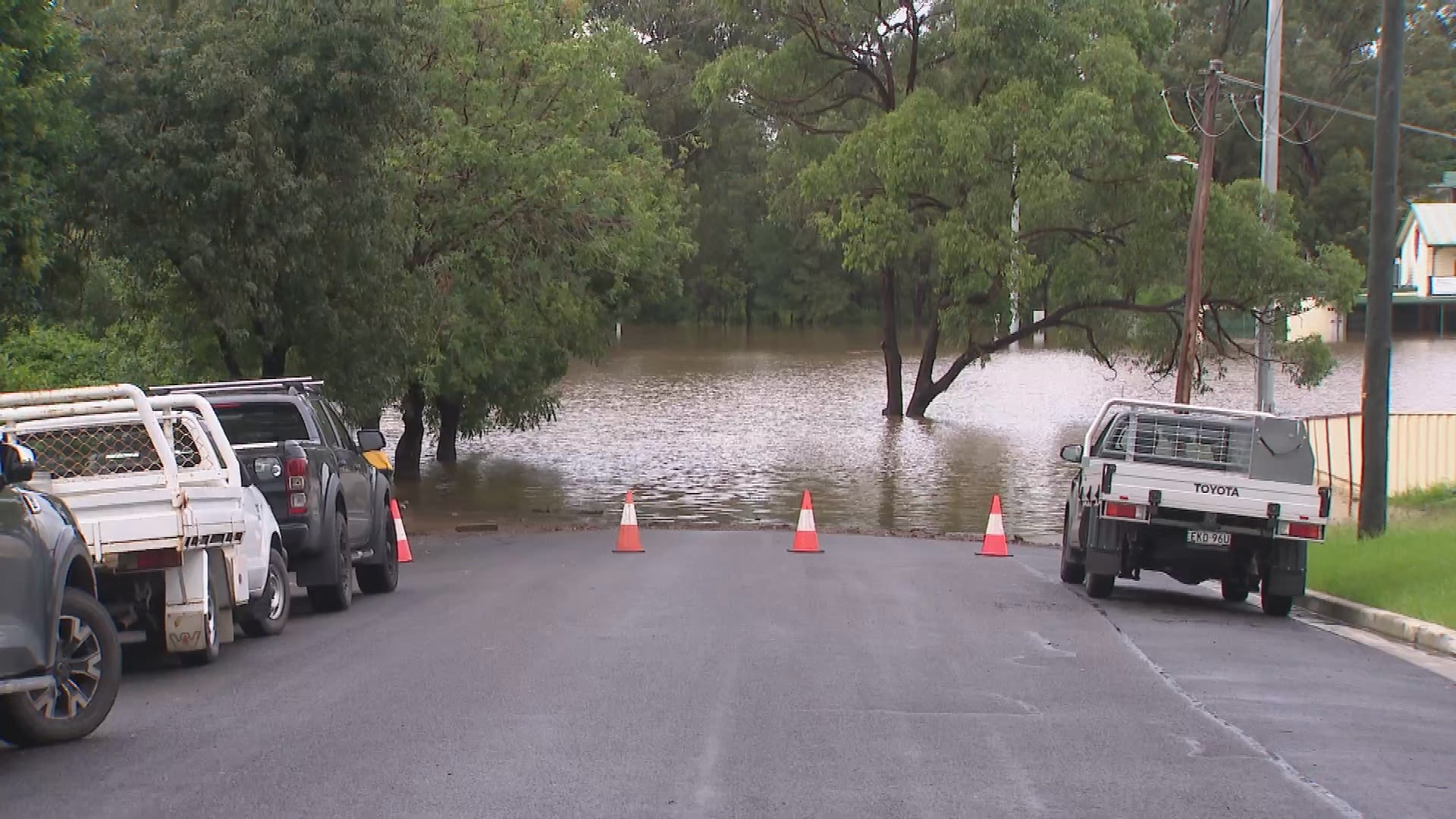
Motorists across flood-ravaged New South Wales and Queensland are struggling to avoid potholes and cracked bitumen after the recent downpour damaged road networks.

The NRMA is today warning commuters in Sydney and Brisbane as well as flood-hit regional areas to be patient as the repair operation is likely to last weeks or even months.

It said some members are claiming thousands of dollars for damage caused to their vehicles by potholes.

LIVE: Flights to Bali resume today; NSW flood response in spotlight

Burst and flat tyres, damaged suspension and steering systems are among the most common complaints.

NRMA spokesman Peter Khoury told nine.com.au that roads in flood-hit parts of the country had received an "intense and sustained" downpour last week.

"Many roads have been repaired after heavy rain at the start of this year. Then when this latest downpour came, they reopened again," Mr Khoury said.

Road repair crews needed a long period of dry weather to mend damaged surfaces.

NRMA data showed on Monday March 7, when the downpour worsened, the organisation received 81,000 calls, the highest number of calls in four years.

Requests for NRMA towing services jumped by more than 300 per cent from the same day last year, with a third of that figure related to tyre damage.

NSW councils are responsible for maintaining 90 per cent of the state's road network, while Queensland councils oversee 80 per cent of that state's roads.

READ MORE: Probe into Sydney bus filmed driving through floods up to windscreen

Sydney floods

Local Government NSW president, Darriea Turley, said it was "hard to determine" the full cost of repairs that councils faced because damage continued to be reported.

"It is crucial that councils receive sufficient funding and support from government to not only rebuild our roads, but also rebuild to withstand future disasters," Ms Turley said.

The Queensland Reconstruction Authority said 22 local government areas would receive financial aid to restore damaged essential public infrastructures such as roads and bridges.

Mr Khoury said councils are already struggling with the flood cleanup and called for the Commonwealth government to repeat last year's $1 billion funding for road repairs in the upcoming federal budget.

Potholes can be reported to Transport for NSW on 131 700 or to the Queensland Government on 13 19 40.

The graphs that show how Russian invasion has rocked world markets

Russian tanks and missiles hitting Ukraine are also rocking key global commodity markets around the world.

Hefty price surges in oil quickly rippled through to petrol pumps across Australia with the kind of prices motorists hadn't seen for 15 years.

The cost of wheat has also jumped, meaning Australians will likely pay more for a loaf of bread with potentially far more dire consequences in poorer regions of the world.

LIVE UPDATES: Russian invasion in Ukraine draws close to NATO borders
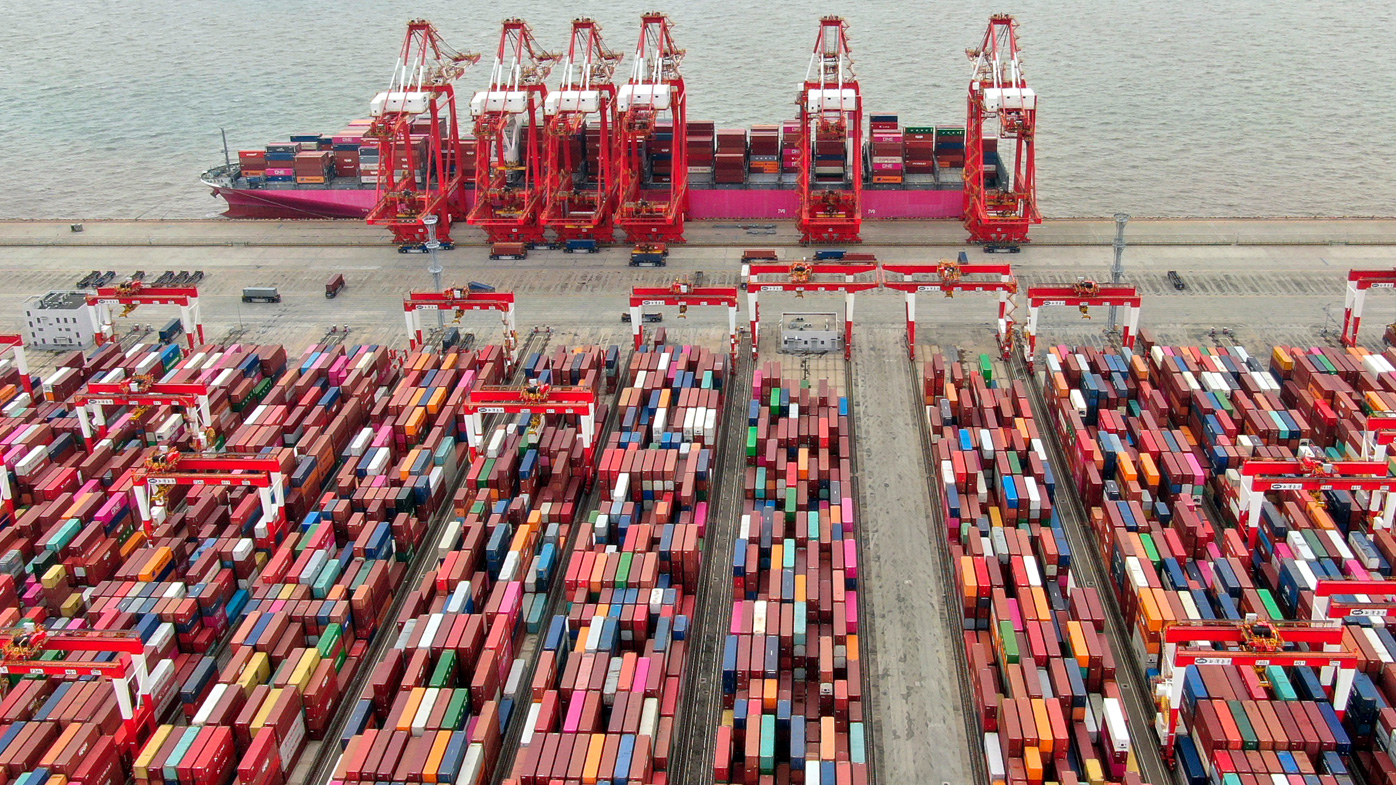
Global supply chain disruptions have continued to affect the global economy.

READ MORE: Australia's cruise ban on brink of finally lifting

Since the invasion began on February 24, transporting many core goods around the world has become far more costly and complex because of the multi-faceted sanctions imposed on Russia.

Backlogs in global supply chains, already stretched because of the COVID-19 pandemic, have only lengthened.

Commonwealth Bank's commodities analyst Vivek Dhar said no companies even want to insure container ships on the Black Sea right now, because of the fighting in nearby Ukraine.

"These factors are all causing price spikes and massive issues in blocking supply chains," he said.

And unfortunately, Mr Dhar said, these price shocks will be around for some time, especially as no-one knows how the Russia-Ukraine conflict will end, or when.

Oil

The rising price of oil has widespread implications.

As transport costs go up, those hikes bleed into all goods being carried around the world, stretching some business models to breaking point and leaving consumers facing higher prices.

"The more that sanctions get ratcheted up, the more oil and petrol prices will lift," Mr Dhar said.

Even before the conflict, global oil stockpiles were sitting at seven-year lows.

READ MORE: The Stinger missile worked against the Russians in Afghanistan in the 1980s, but will it in Ukraine?
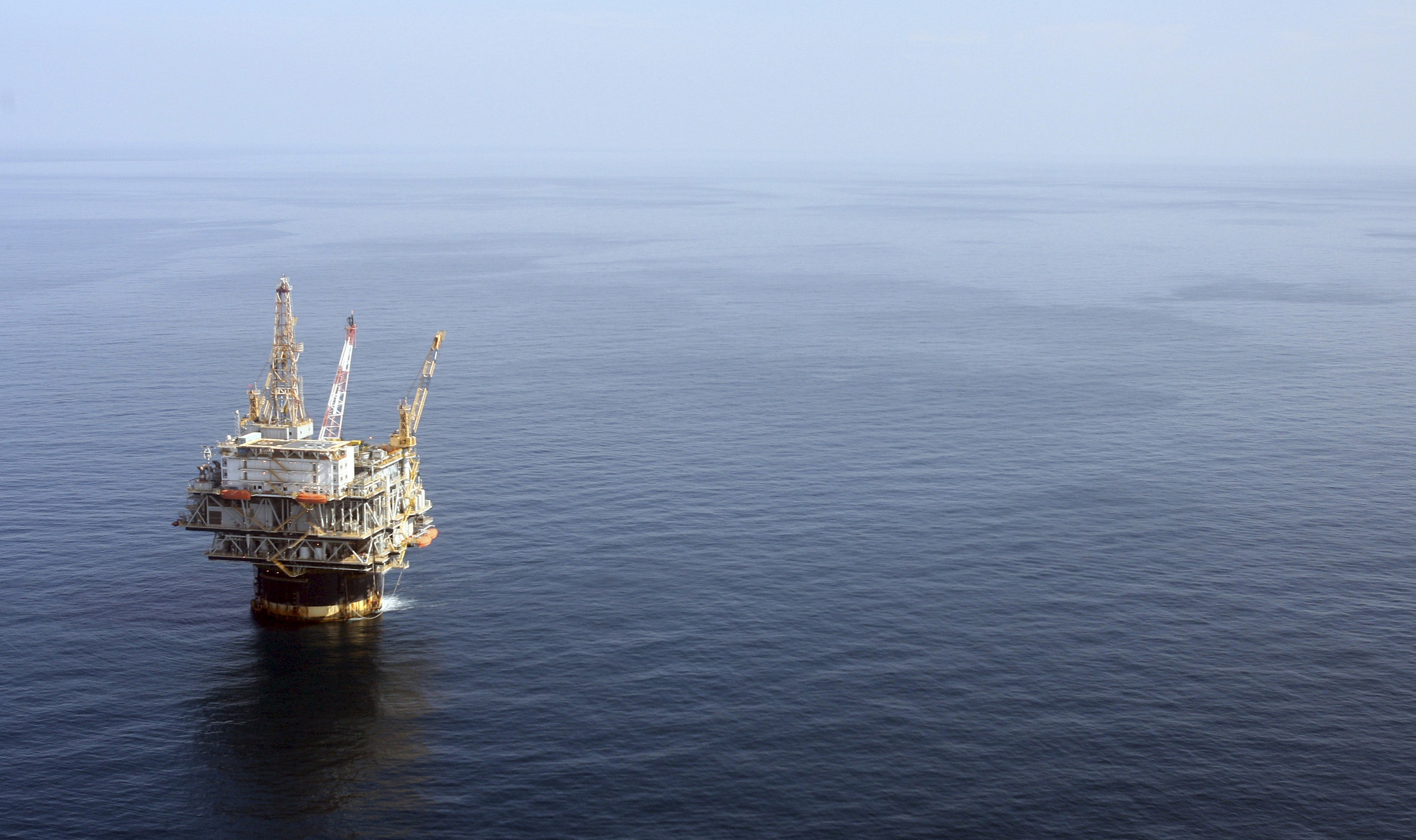
The Chevron Genesis Oil Rig Platform is seen in the Gulf of Mexico near New Orleans.

"The market was already very much not ready for a supply shock," Mr Dhar said, while explaining that "how this conflict ends matters greatly" to where the price of oil eventually begin to settle.

"There is a real argument that we could be in a period where there's a steep shift higher in energy prices because (the West) don't let Russia participate in global markets for commodities for some time.

"And that's something that markets really have to get their head around right now."

Wheat

With Russia and Ukraine accounting for nearly one-third of all global wheat exports, any conflict was always going to pinch.

There are fears of a wider food crisis, especially with China recently signalling it could now hold back some of its rice exports.

"It means prices are going to be higher," Mr Dhar said.
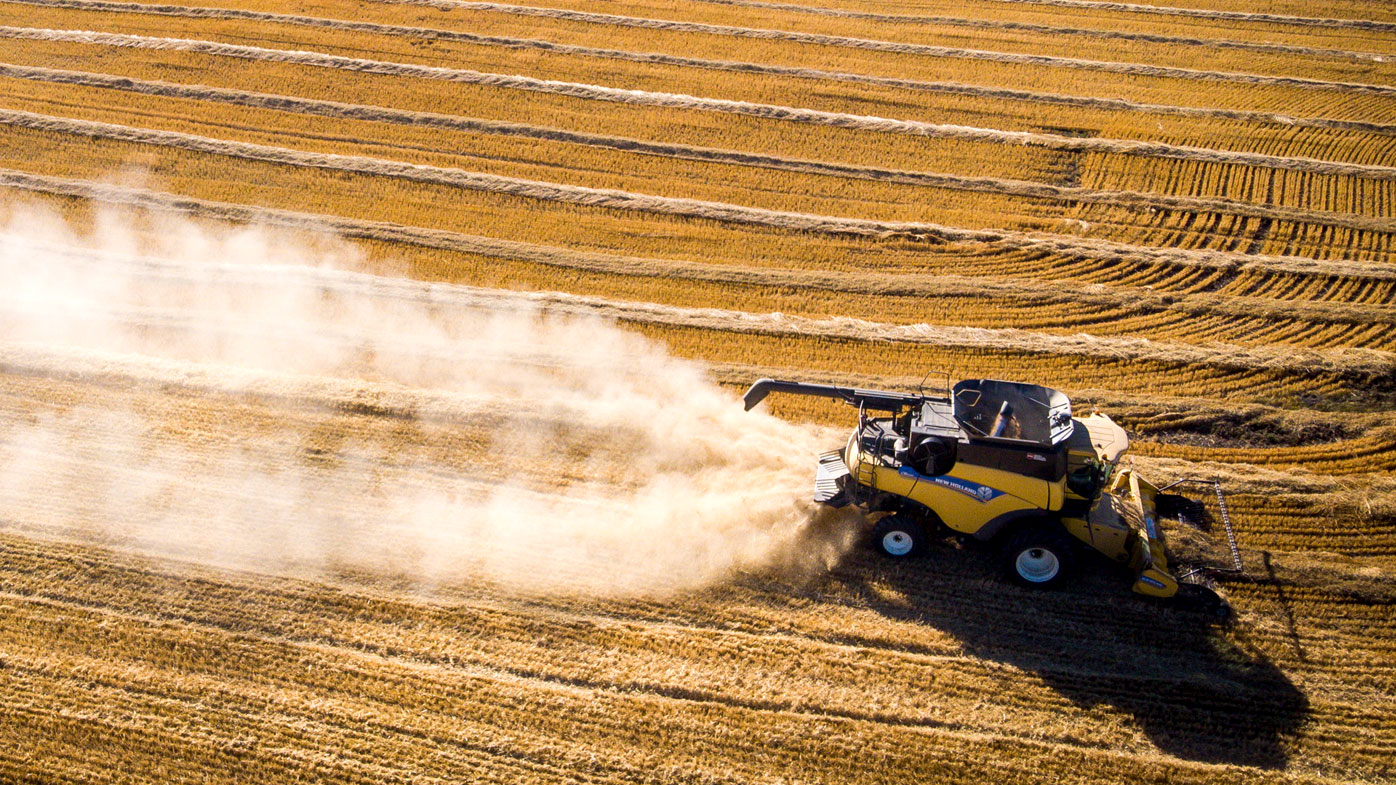
Russian wheat farmers will have their exports cut, because of sanctions.

"And, as with the other commodities, it's very difficult to see that recovering quickly."

Supply line bottle necks will complicate attempts from the world's other big wheat producers who plan to try and fill that void, he said, but that's assuming other nations even want to send vast consignments of wheat offshore during an uncertain global squeeze.

"This premium is likely to last for a while," Mr Dhar said.

Coal

Russia is a major player in the coal export market and prices have more than doubled since the invasion.

The country exports about 10 per cent of the global coking coal trade and around 15 to 20 per cent of global thermal coal exports.
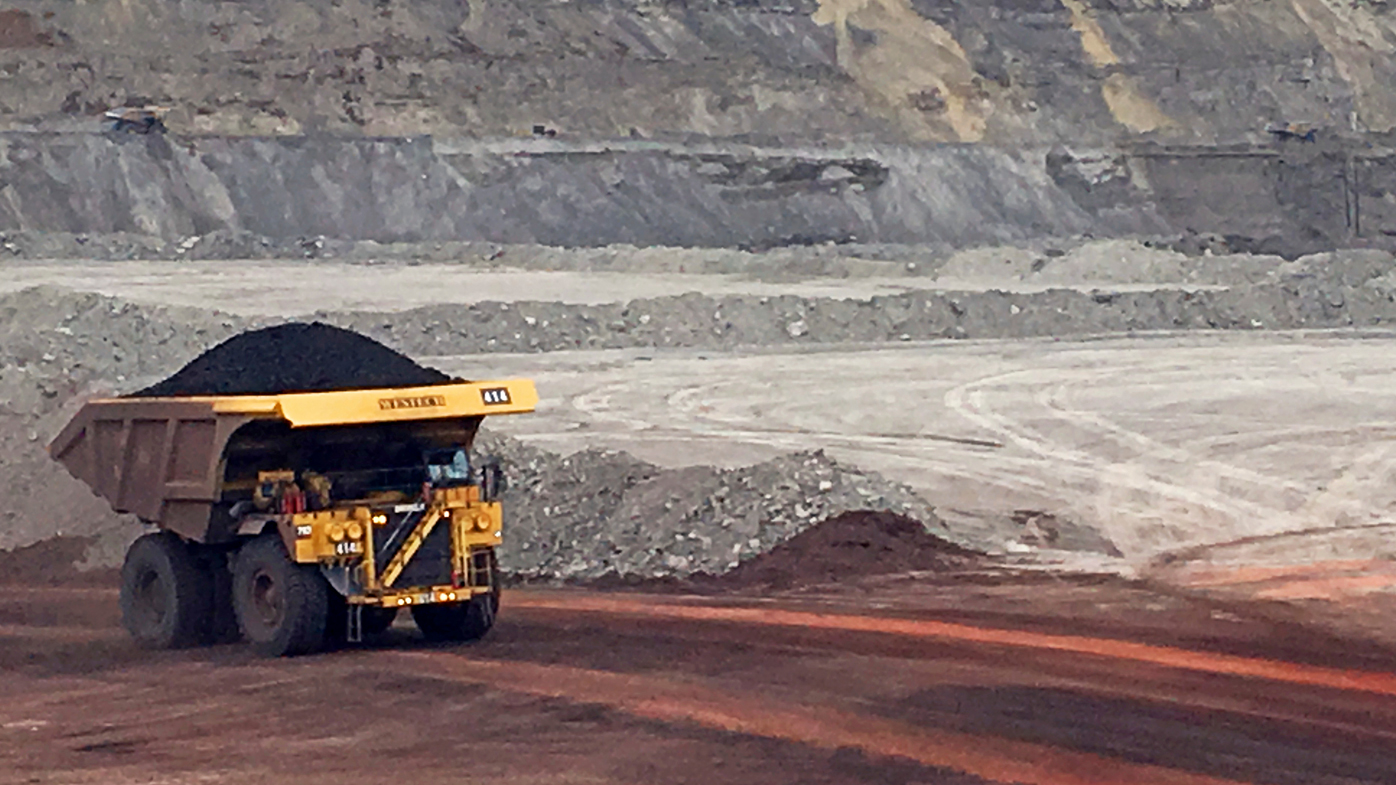
A dump truck hauls coal at an unspecified mine.

Mr Dhar said Russia are "very big players" and replacing their tonnage has been "very challenging".

Both coal markets were already struggling for supply at the start of the year, he said.

Gold

A favourite for investors during times of war and uncertainty, gold prices have steadily risen since Russian boots hit Ukrainian soil.

Briefly bursting through the US $2000 mark, gold is currently trading at prices not seen since the start of the COVID-19 pandemic and in the aftermath of the Global Financial Crisis.

"It is certainly riding the wave of a safe haven demand," Mr Dhar said.

A diplomatic solution will see the price of gold cool, Mr Dhar said, but that could be complicated by wider US inflation expectations.

If energy prices and inflation stay higher for longer, gold will continue to trade at higher prices.

"And that is something that may be the case in coming months."

Bitcoin and cryptos

After initially reacting with a jump, Bitcoin has tracked down and settled back between US $35,000 – $45,000, trading at almost half of the record highs it reached last November.

Ethereum, the second most popular cryptocurrency, was largely unaffected by the invasion of Ukraine, and is trading at just over $2500. It, too, has shed value since the end of last year.

Nickel

Last week the London Metal Exchange suspended trading of nickel after prices doubled in a matter of hours, with Mr Dhar describing the market movement as an "explosion".

The suspension remained in place on Friday, and it remains unclear if the temporary ban will be lifted this week.

Russia is the world's third biggest supplier of nickel, and the ramifications will be felt off-market in the real world.

Nickel is a key component in lithium-ion batteries used in electric vehicles and also stainless steel.

Words: Mark Saunokonoko

Interactive graphics: Tara Blancato