A man’s death from anaphylactic shock could have been prevented by better communication processes around allergies, and health authorities have been asked to apologise to his family. The man was treated for an injury while on holiday…
Tag Archives: oceania
Colin Craig says ex-Conservative Party board member John Stringer defamed him as trial begins
In the months after his unsuccessful bid for Parliament in 2014, then-Conservative Party leader Colin Craig’s political career was on the verge of imploding due to allegations of sexual harassment by his former press secretary. It…
The tax claiming 20 per cent of every litre of petrol
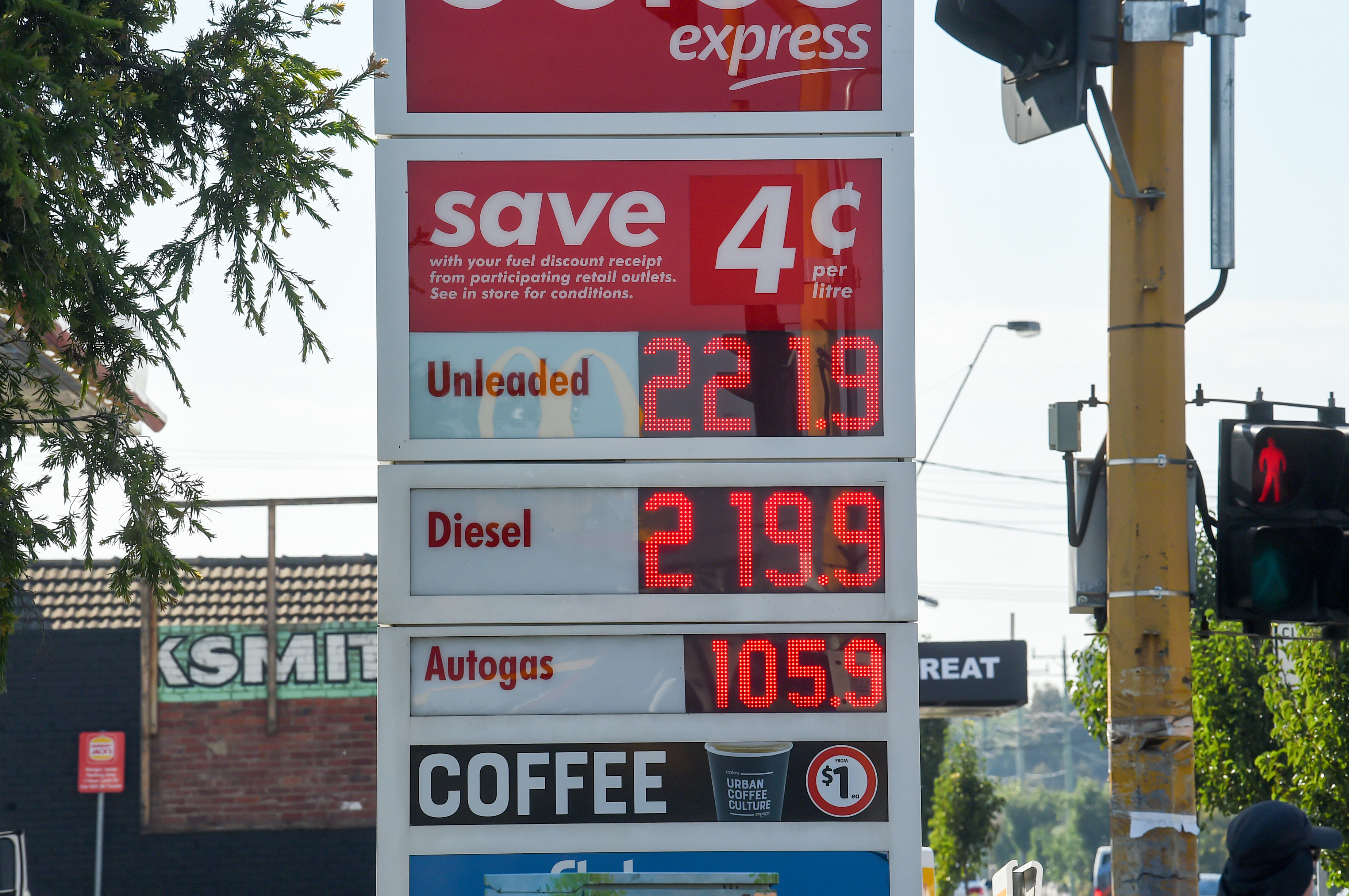
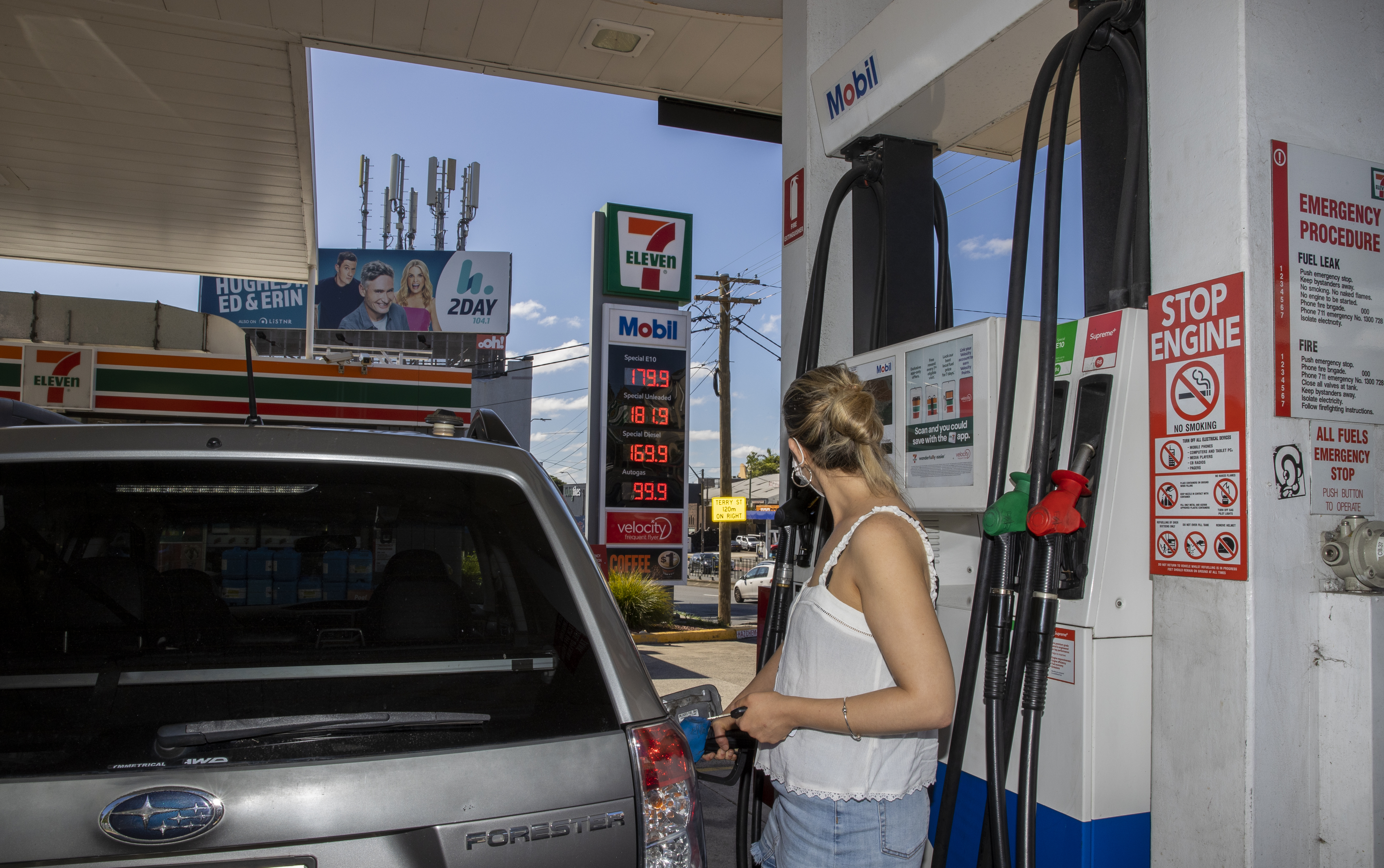
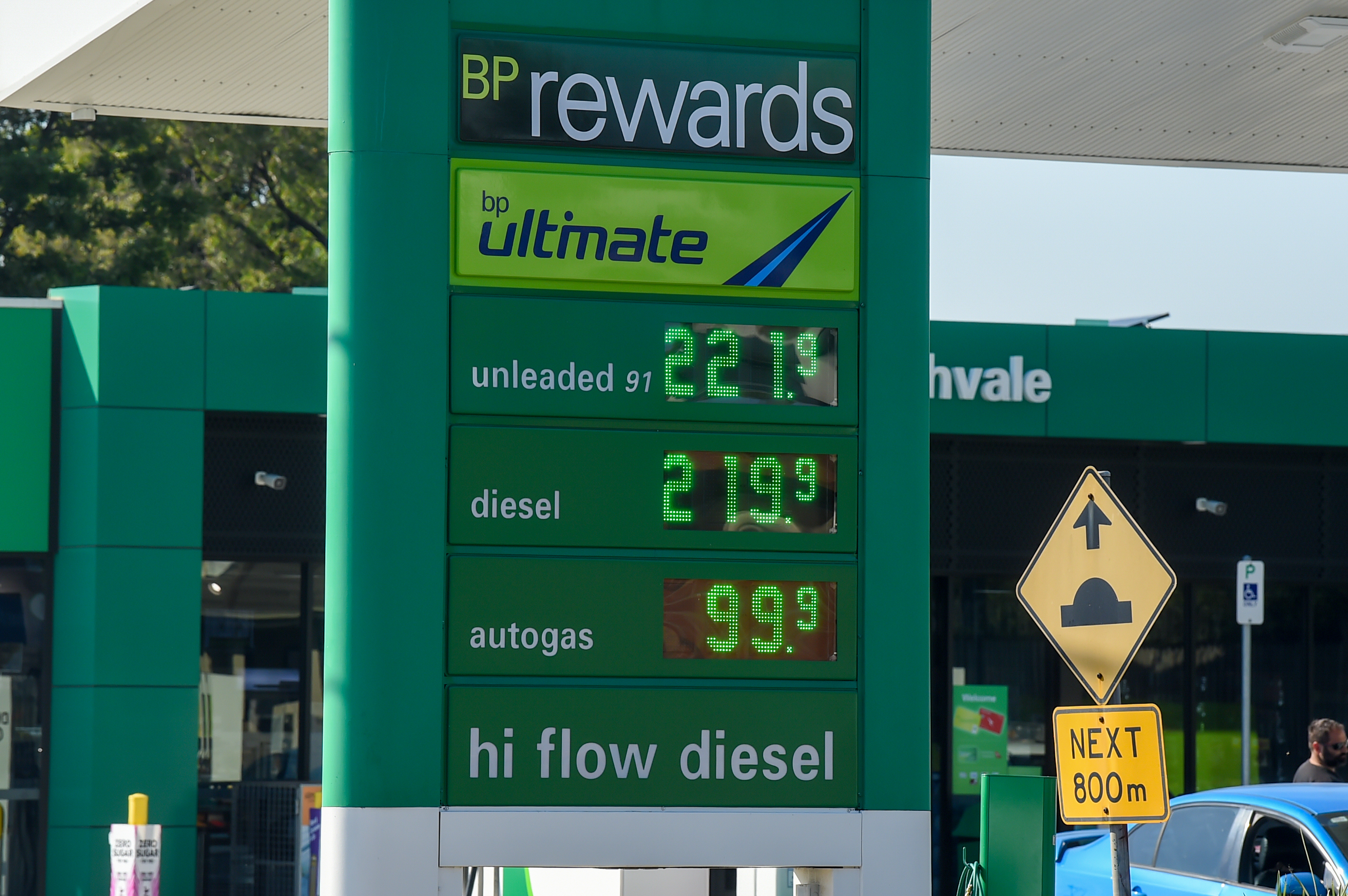
Australian household budgets are groaning under the weight of record-high petrol prices, prompting many to seek answers from the Federal Government.
As the price of regular unleaded fuel exceeds $2 a litre, some have called for the government to slash its fuel excise, the primary tax placed on the sale of every drop of petrol.
But will this really bring down petrol prices? And how does the fuel excise actually work?
LIVE UPDATES: Russian invasion in Ukraine draws close to NATO borders
Let's start from the beginning. What is the fuel excise?
Put simply, the fuel excise is a tax placed on every litre of petrol sold in Australia.
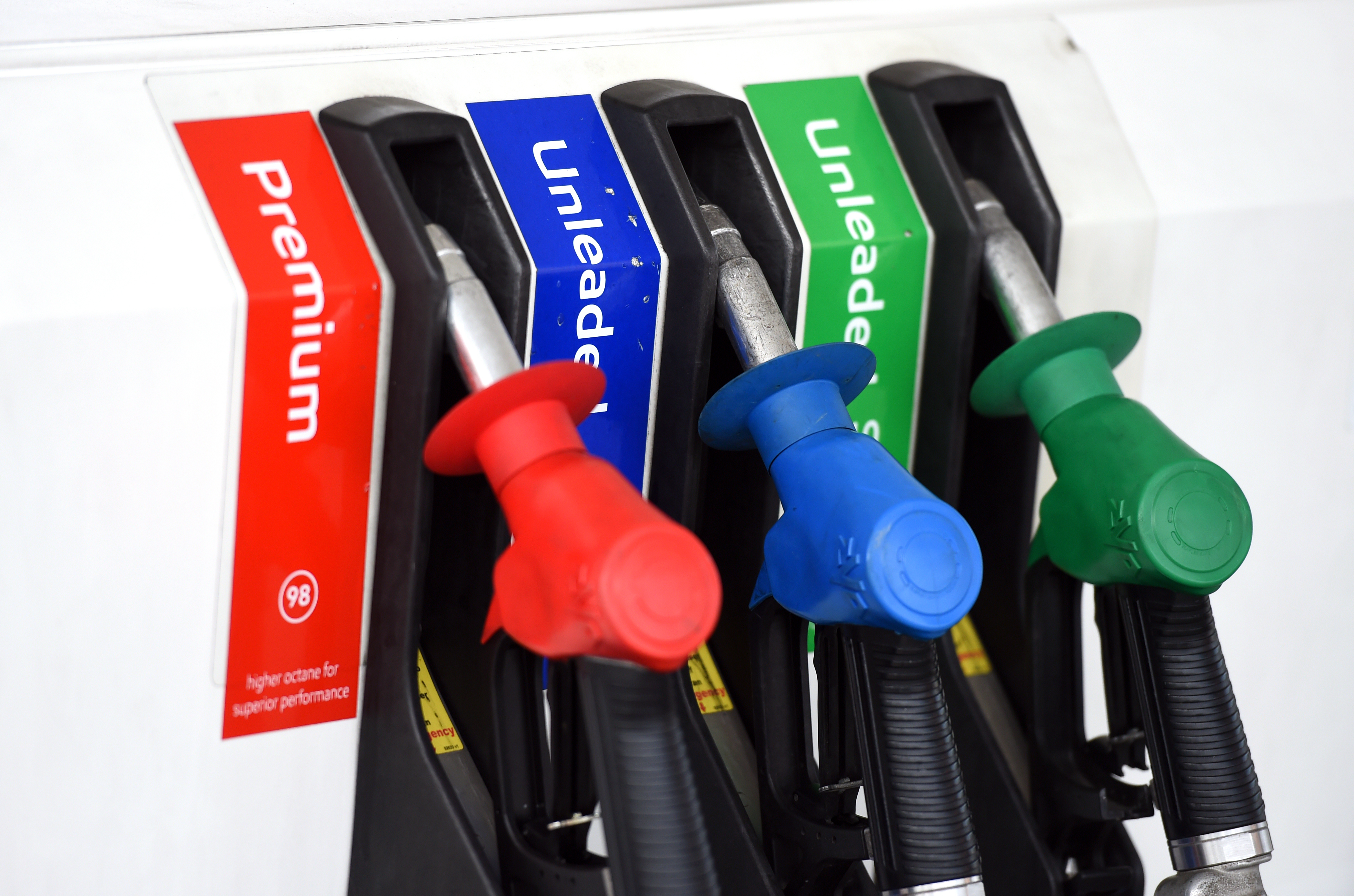
It doesn't matter where you buy your petrol – or even if you're buying unleaded 91 or unleaded 98 premium – the fuel excise is the same.
As of February 2022, the fuel excise is set at 44.2 cents per litre.
READ MORE: Albanese opens up in revealing 60 Minutes interview
Wow that sounds like a lot. So how much fuel excise am I paying on a tank of petrol?
Let's use whole numbers to make things easier – obviously the amount of petrol a car can carry depends on a number of variables.
If petrol is selling for $2 a litre, 44.2 cents of that is the tax of the fuel excise.
If you were to fill up a 100-litre tank – costing you $200 – you'd be paying $44.20 in fuel excise.
With petrol sitting at $2 a litre, it's a little over 20 per cent of your fill up price that you're paying in fuel excise.
Just a side note: while fewer cars are running on liquefied petroleum gas (LPG) these days, LPG's fuel excise is taxed at just 14.5 cents per litre.
READ MORE: War has brought the world to the brink of a food crisis
Is that the only tax we pay on a litre of fuel?
No.
GST – or the Goods and Services Tax – is also applied to fuel at the standard rate of 10 per cent no matter what the per-litre price is.
When you combine the fuel excise and GST, 30 to 40 per cent of every litre of fuel is spent on taxes.
If taxes make up left of half of the price of petrol, then where does the rest of the price come from?
Business costs and profit margins.
Petrol retailers are not government-funded organisations – they too need to be a profit-making exercise.
Retailers need to factor in the wholesale price of fuel, which they buy as well as business costs such as (but not limited to) storing fuel, transporting it around the country, running stations, paying wages and paying rent at stations.
EXPLAINED: Why is the price of petrol so high?
What does the government spend the fuel excise on?
The fuel excise is collected by the Federal Government. It is spent on constructing and maintaining roads in Australia.
By buying fuel, Australian motorists are essentially topping up the Federal budget used to build and maintain roads infrastructure.
Vehicle registration fees and driver's licence fees are collected by state and territory governments.
Should the Federal government scrap the fuel excise altogether to make petrol cheaper?
The NRMA doesn't think so.
"The excise is there to raise money to pay for roads, to provide the financial support to state governments and councils so that they can maintain a safe and world-class road network," said NRMA spokesperson Peter Khoury.
"We can either have funding for roads – or we can cut the excise. We can't have both."
Mr Khoury said while motorists desperately needed sustained relief from high petrol prices, it was the price of oil that needed to fall to bring meaningful change to household budgets.
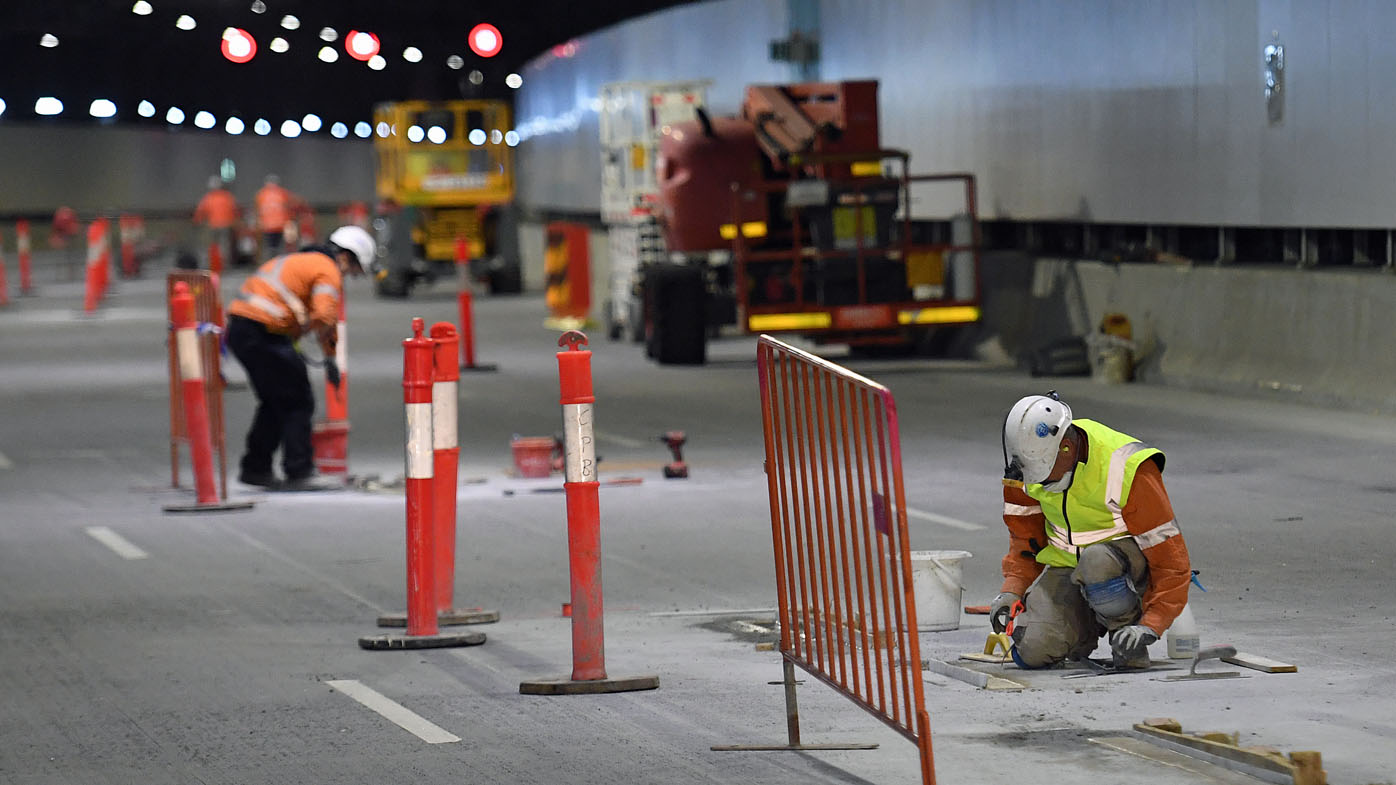
If the tax isn't to blame, then what's causing these high petrol prices?
Fundamentally, the price of a barrel of oil is causing fuel prices to rise.
What's causing oil prices to rise?
Well, that's a barrel of very different coloured fish. The price of oil is all about supply and demand – the more people want it, the more expensive it becomes.
If there's not enough oil to go around, well that will make it more expensive too.
Russia has invaded Ukraine and major oil companies such as BP and Shell have pulled out of the country. This is reducing the supply.
But the oil market was already tight. As the CEO of Australian energy advisor firm EnergyQuest Graeme Bethune explains, the world's COVID rebound was already placing extraordinary demand on oil producers.
"The oil market was very tight even before the invasion. COVID smashed oil consumption, oil prices and investment in supply in 2020. There is also a growing global consensus about the need to reach net zero by 2050 and therefore that peak oil demand is imminent and there is no need for further exploration," Mr Bethune said.
"That has all discouraged investment in supply. Since 2020 oil demand has roared back with the post-COVID recovery but even OPEC is unable to achieve its production targets. That has all put pressure on prices.
"Then, on top of that there is all the uncertainty created from the Ukraine situation and the Russian invasion."
The information provided on this website is general in nature only and does not constitute personal financial advice. The information has been prepared without taking into account your personal objectives, financial situation or needs. Before acting on any information on this website you should consider the appropriateness of the information having regard to your objectives, financial situation and needs.
Political Roundup: Time for a 'save public broadcasting' campaign
There was a fair amount of enthusiasm and optimism several years ago when the Government announced a restructure designed to boost public broadcasting. Many hoped it might result in a BBC-like, non-commercial public media organisation…
Teens partied in Mt Roskill community centre car park before gunshots heard, neighbours say
Neighbours of a Mt Roskill community centre said they cowered in their homes as the sound of gunshots rang out in darkness after a large teenage gathering in the car park.Police are investigating after six people were injured on…
Southern DHB encourages people to get up to date with MMR vaccinations
By RNZ The Southern District Health Board is encouraging people to ensure they are up to date with their measles, mumps and rubella (MMR) vaccinations to reduce the risk of a measles outbreak.In 2019, there were more than 2000…
Australia's cruise ban on brink of lifting
Australia's ban on cruise ships is set to lift in weeks, finally breathing life into a multi-billion-dollar industry left high and dry for two years.
The Federal Government is expected to this week confirm the ban will end on April 17, at which point management of the cruise liners and passengers will be handed over to state governments.
NSW Premier Dominic Perrottet is keen to get the giant white ships sailing back into into Sydney Harbour, with the virus-enforced hiatus estimated to have cost Australia's cruise industry 18,000 jobs and $5 billion in lost revenue.
READ MORE: The world's biggest cruise ship is making its debut
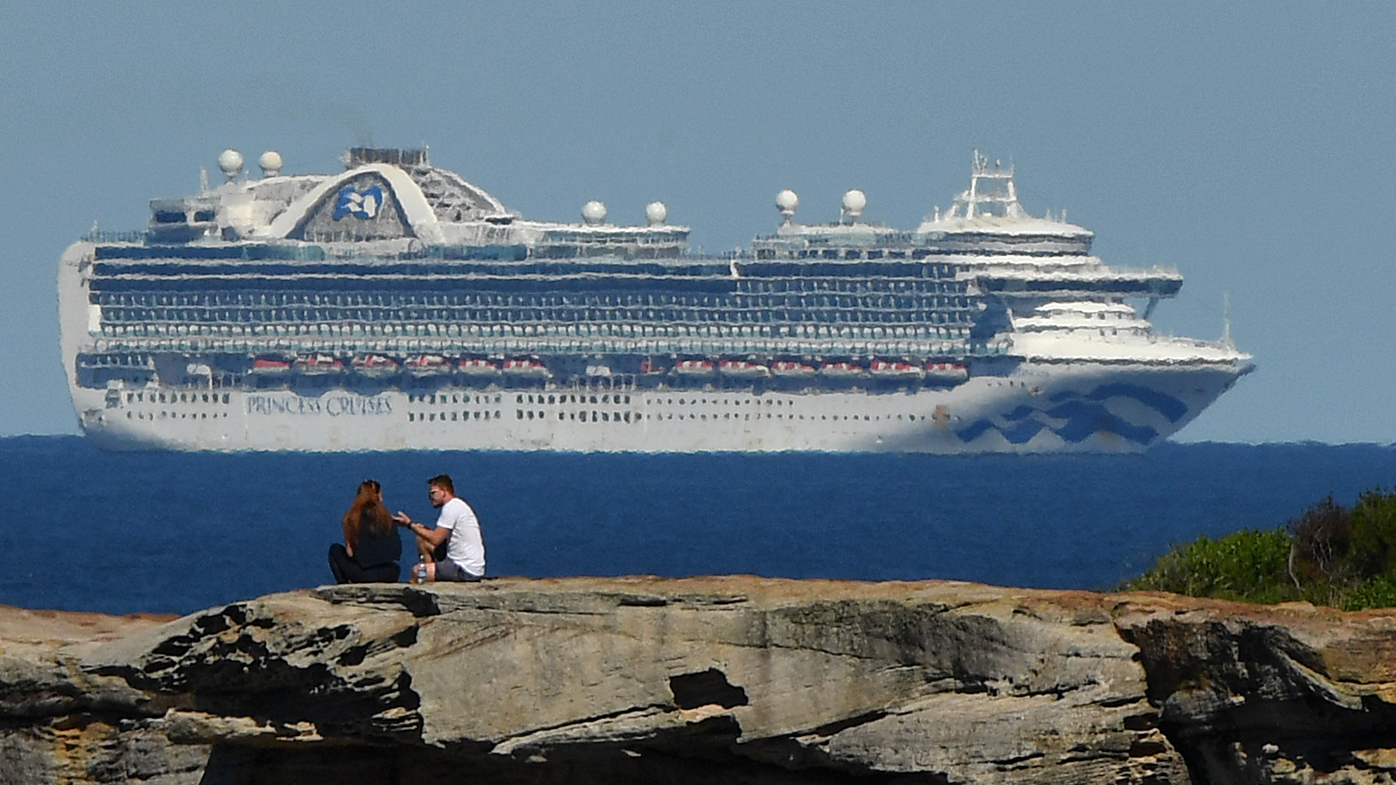
"It has made no sense to me that we can have a situation right now where people can fly overseas, jump on a cruise and come home, but we can't go cruising from our own country," Mr Perrottet said.
State and territory governments are now in planning to get health protocols ready to support a safe return to cruising.
Federal Tourism Minister Dan Tehan said an official announcement confirming the lifting of the ban could be made this week.
"The Minister's comments are very encouraging and the industry now has greater confidence that we could see a green light soon," Australasia's Cruise Lines International Association (CLIA) chief Joel Katz told 9news.com.au in a statement.
"CLIA and cruise lines are having more detailed discussions with the states around the specific health protocols that will need to be in place.
"There's still work to be done, but all indications are that we're on track for a revival in Australia over coming months."
Once the ban is lifted, it will take some time for global cruise ship companies to send their giant vessels back down into Australia and to reach pre-pandemic activity and booking levels.
READ MORE: No tourists from China leaves $12b black hole in tourism sector
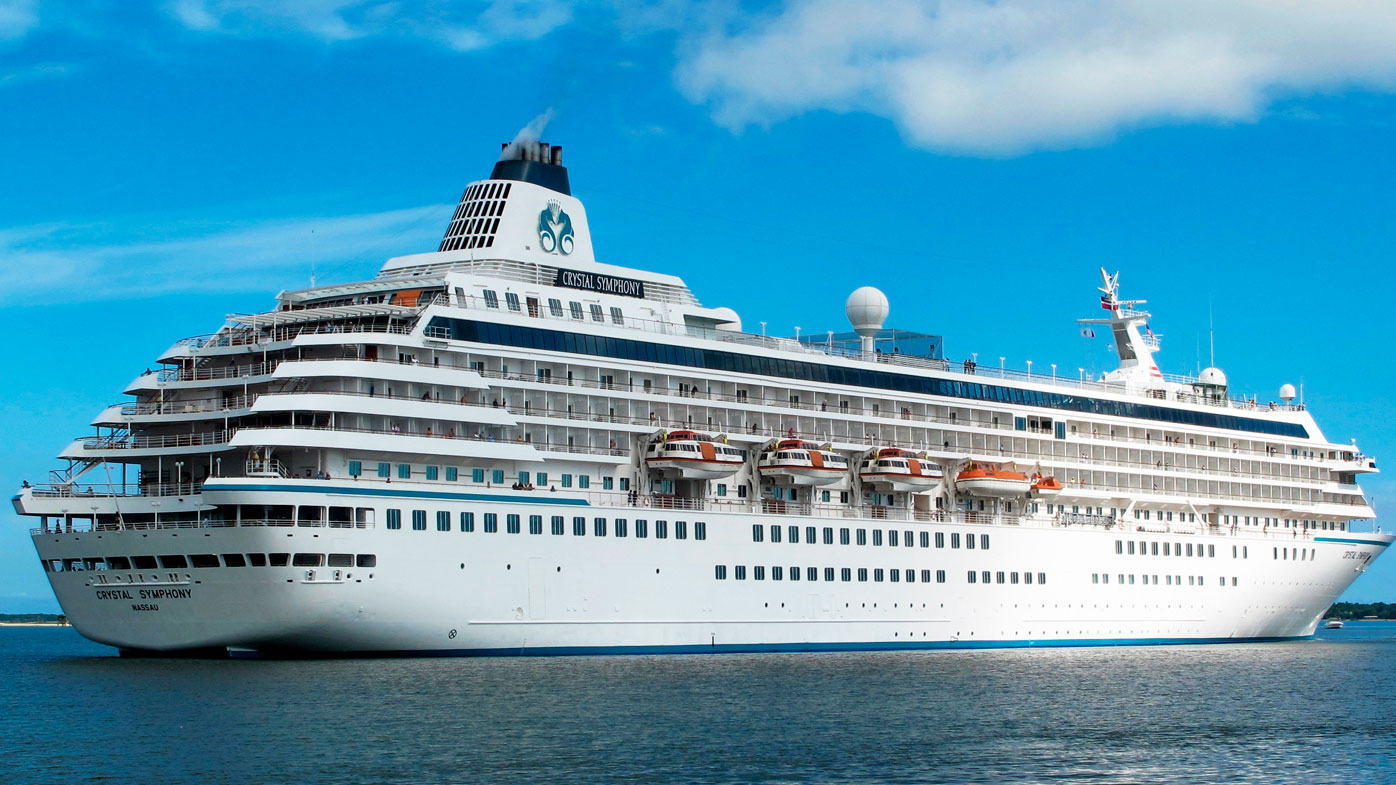
Two years ago the Ruby Princess famously docked in Sydney, bringing COVID-19 to Australia's doorstep.
More than 900 passengers on the ship eventually caught coronavirus, which led to 28 deaths.
The handling of the ship's docking triggered a NSW Police investigation and a government inquiry.
'Thrilled and nervous': Flights to Bali return after two-year absence
Hundreds of holiday-goers have packed into the first all-but-sold-out flight from Australia to Bali in more than two years.
Direct trips to the holiday hotspot have re-opened after the Indonesian government relaxed its COVID-19 restrictions.
Fully vaccinated arrivals will no longer have to quarantine on arrival, once again rendering Bali a viable vacation destination.
LIVE UPDATES: Anger over NSW flood crisis response revelations
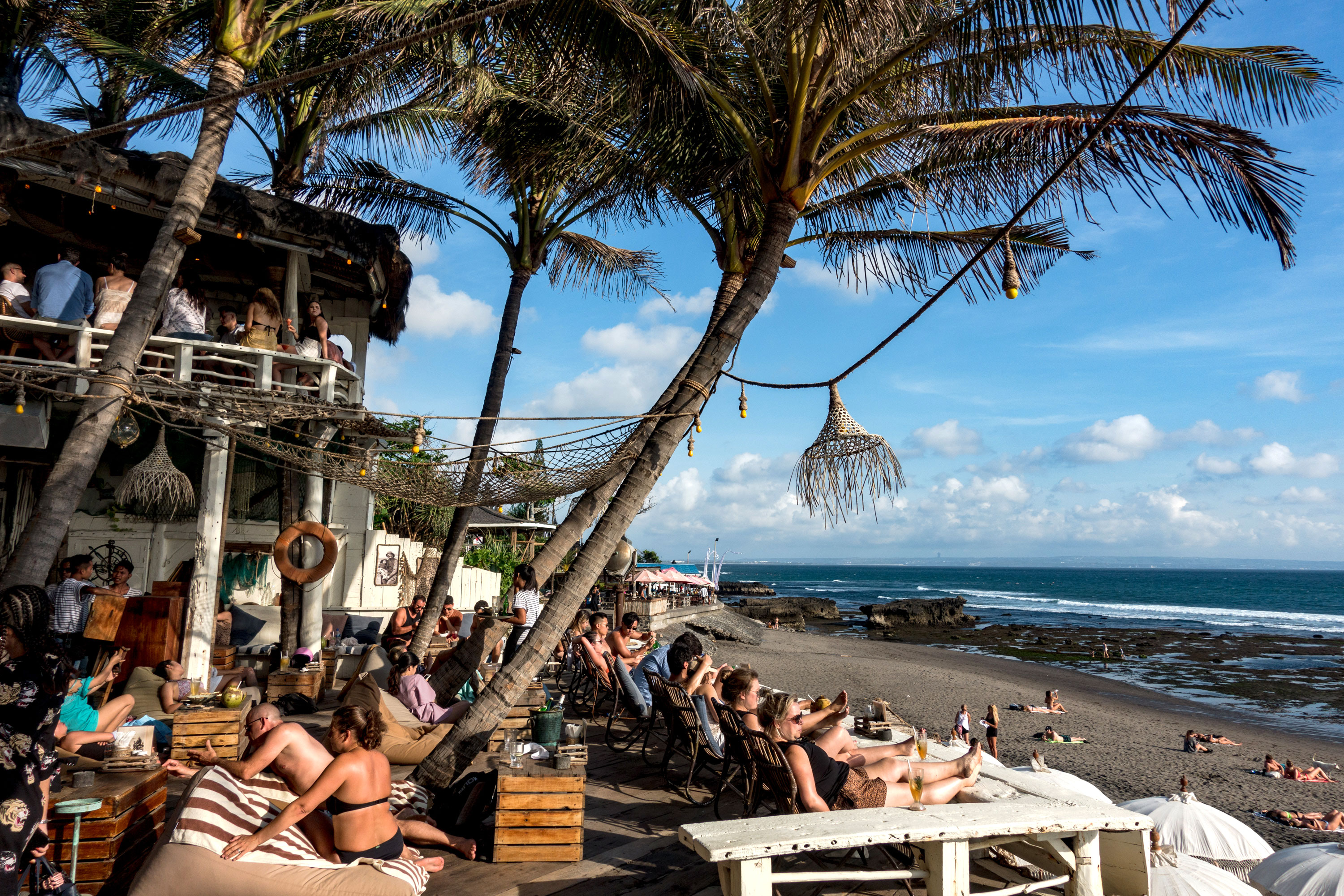
More than 300 people are booked in for the first Jetstar flight out of Melbourne.
Jetstar CEO Gareth Evans said the re-opening of direct flights to Bali signalled the return of "international leisure travel".
"Bali is our biggest and our most important route," he told Today.
Jetstar will initially offer three flights between Melbourne and Bali every week, but the number will grow.
60 MINUTES: Donald Trump is 'jealous' of Vladimir Putin
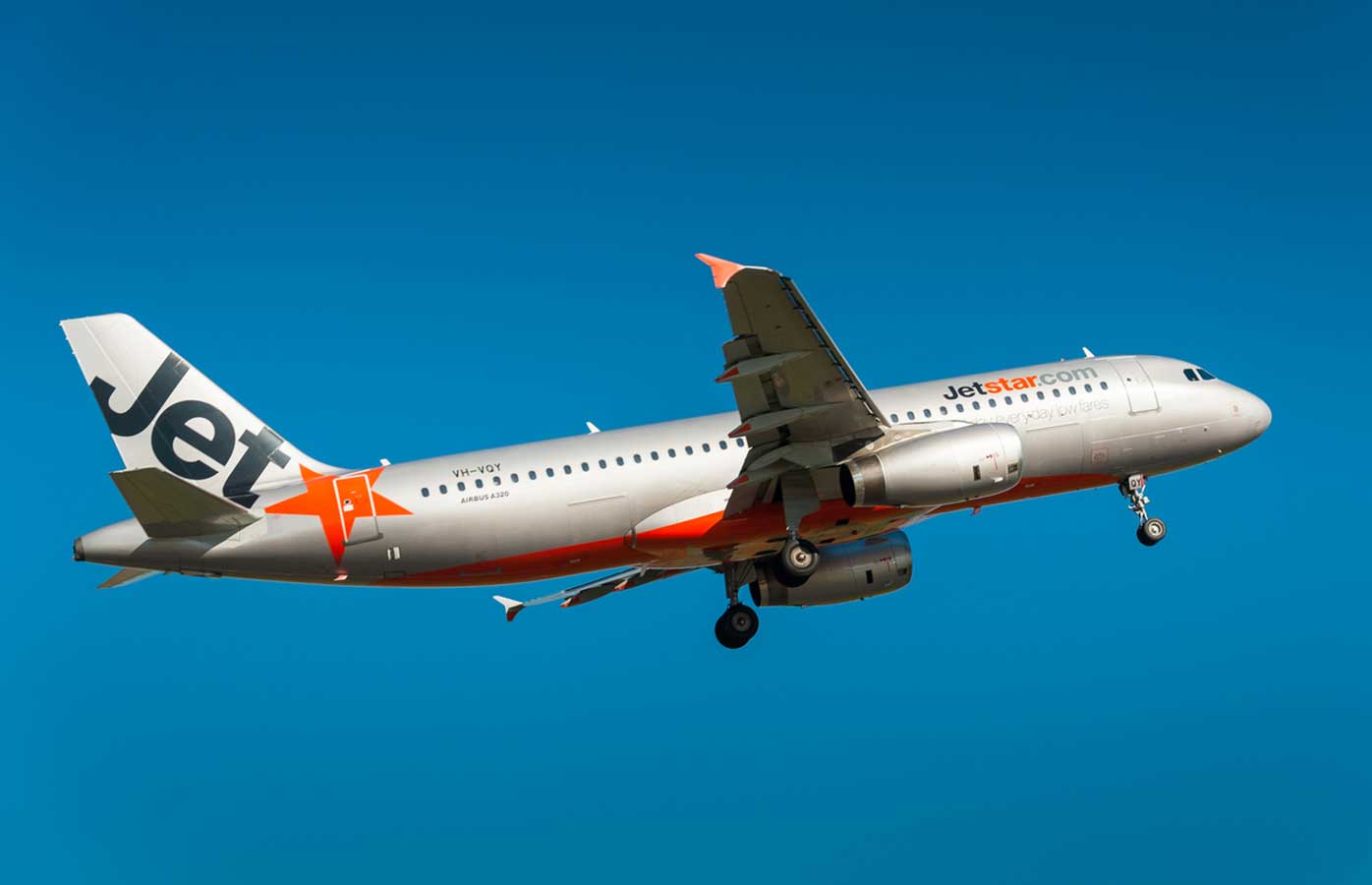
Flights from Sydney and Perth to Bali will begin at the start of April, while Queensland-Bali flights will open in May.
Flights to Vietnam and Japan are also on the cards for April.
"Then a little later on, places like Korea too," Mr Evans said.
"We are continuing to look for other opportunities to fly to new destinations. It feels like we are coming out of the tunnel and people are definitely starting to fly, and fly internationally."
Mr Evans admitted high fuel prices would see the aviation industry look to "recoup" some of the extra cost.
"Overall I think that airlines will have to put prices up to recoup some of the fuel costs," he said.
He also detailed the COVID-19 testing regimen Bali visitors would need.
Travellers will need to undergo a PCR test 48 hours before their departure time, and another one on arrival.
Mr Evans said that would all be organised at the airport.
But per Indonesian government requirements, visitors will also need to take a PCR test on day three of their stay.
They will also need to bring their vaccine certificates.
People who test positive for COVID-19 while overseas will have "flexible" options to move their travel bookings, Mr Evans said.
"You do have to have travel insurance as well to fly to certain countries like Indonesia, and we recommend that people take out travel insurance wherever they are going overseas," he said.
Visit the government's Smart Traveller website for more information.
NSW SES addresses claims army flood offers were rejected
The New South Wales State Emergency Service has addressed claims they twice "rejected" offers of help from the army in the lead-up to the state's flooding crisis.
Speaking to Today, Commissioner Carlene York said the SES were in talks with the ADF when the weather suddenly changed, putting Lismore in the firing line.
It's reported on the afternoon of Friday, February 25, the first defence offer was made, and rejected by the SES.
Ms York said she wasn't aware of any such call but admitted the call for assistance may have come through a local SES base.
READ MORE: Victoria braces for storms as rains return to Sydney
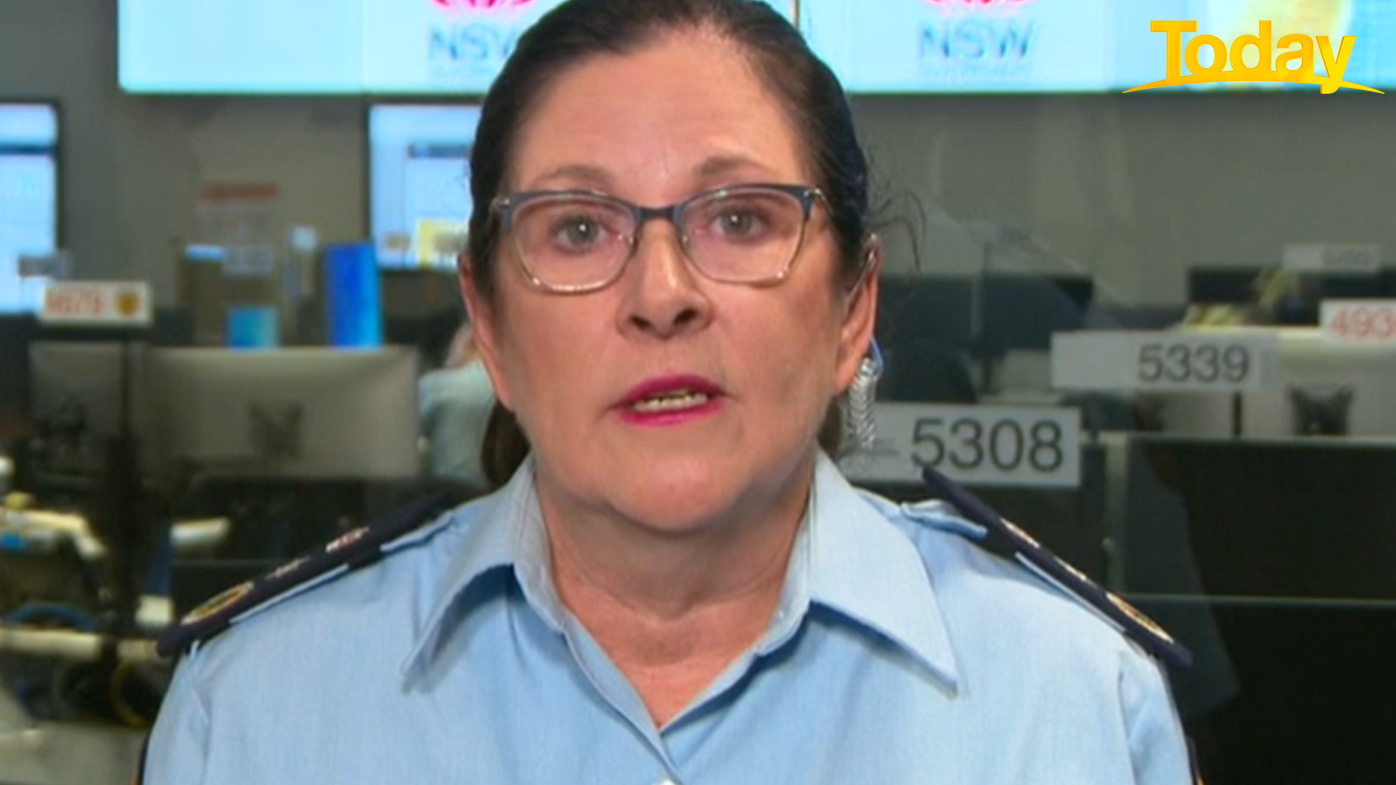
"There's been a suggestion we had a phone call from the ADF, I'm unaware of that," Ms York said.
"I'm not saying we rejected calls from the ADF. We were speaking to them and getting the helicopters pre-positioned.
"The local bases might have call someone, they might have rung into the operations centre, I'm not denying a call was made.
"We did not at that stage think we were beyond our capacity and we needed them to come in."
Ms York said the SES was stretched and following the advice of the Bureau of Meteorology (BoM) as the east coast low bore down on the state.
READ MORE: Major bridge finally re-opens after NSW flood crisis
"The weather came on much faster than we expected, we were door knocking and issuing orders on the night of the 27th expecting with the forecast it would come in the late afternoon of the 28th," she said.
"We look at the weather forecast for 25 February the bureau specifically said there were no heavy thunderstorms forecast for the north-east of the state.
READ MORE: NSW Premier commits $25m to mental health support for flood victims
"We had flood rescues in the Central Coast and we were looking at severe weather down on the south coast.
"Hindsight comes, that this storm has come through in a range of areas across the whole State of NSW, across the whole east coast.
"We've been stretched. We've made sure we have pre- positioned and bought the ADF when in when we needed them it was obvious they were needed."
NSW Health Minister Brad Hazzard said a thorough review would highlight any mistakes or oversight.
"I think that trying to cast blame is not actually helpful," Mr Hazzard said on Today.
"There will be a review and that will indicate whether there are further learnings that will happen in the future for any other similar situations."
How flood crisis unfolded in northern NSW
Six people died in the the worst flood the region has ever seen, leaving thousands still without power, running water or flushing toilets.
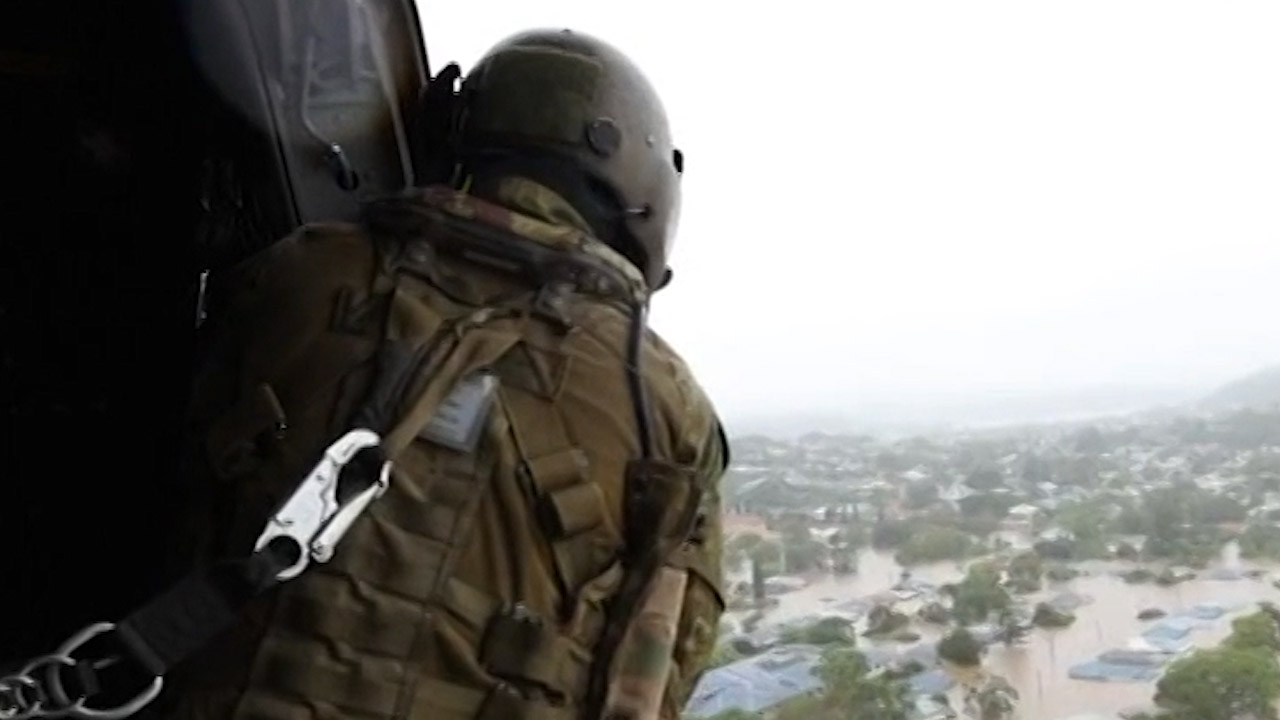
When an army Chinook flew into Lismore on Monday, February 28, the crew found a city already under water.
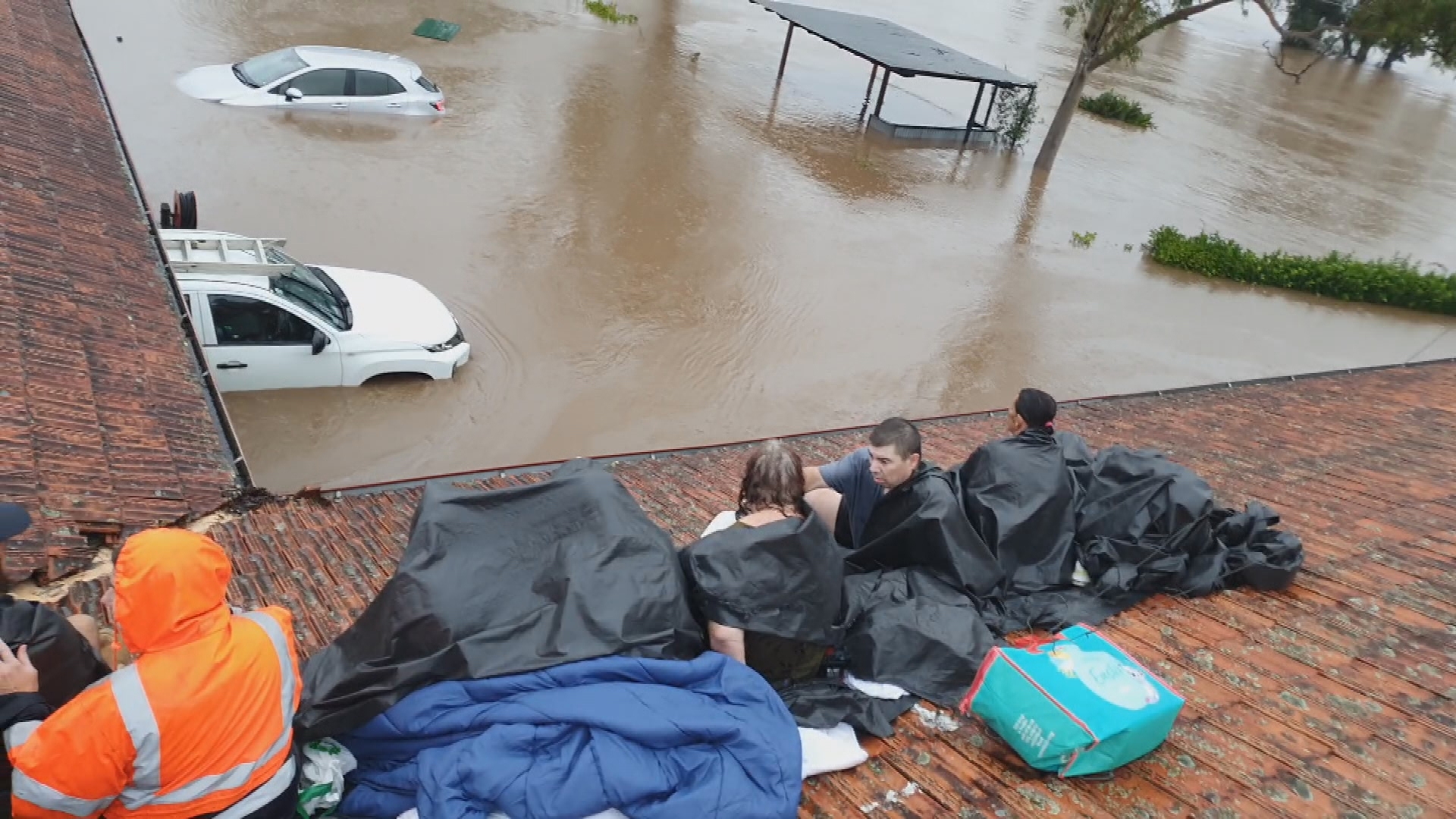
On the ground, local reservists, like Lieutenant Ben Fischer had already been tasked to help.
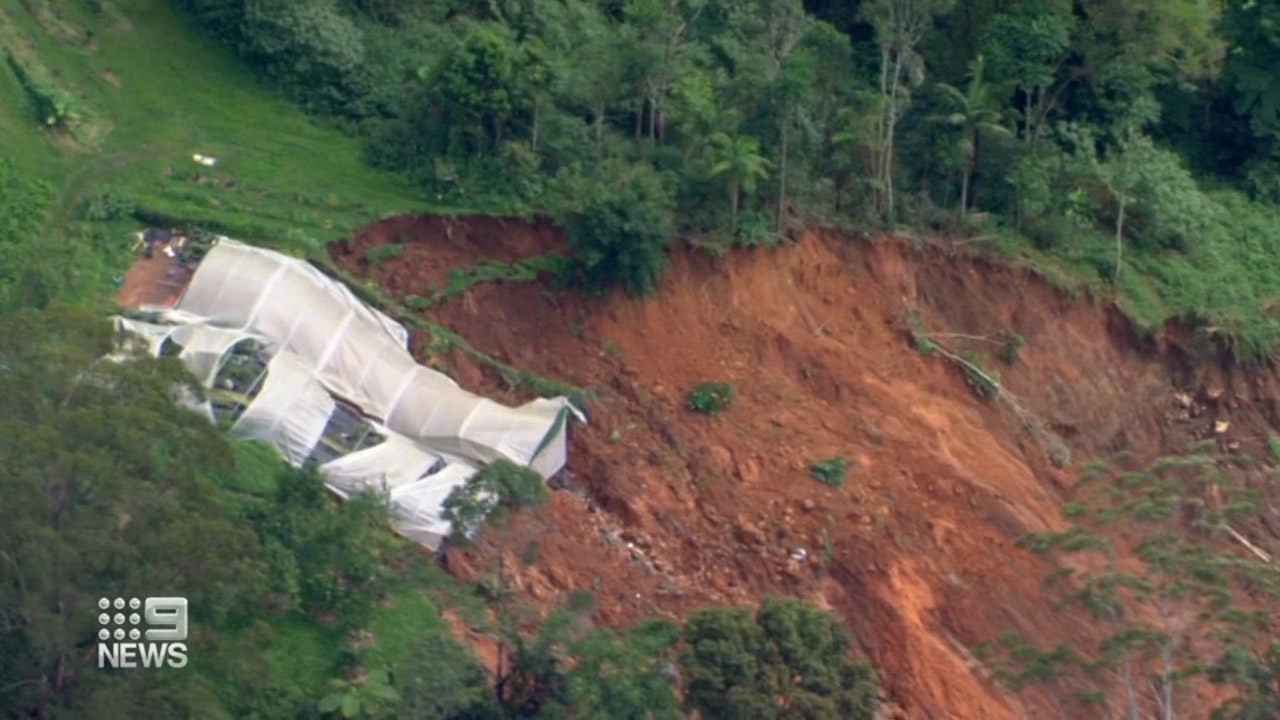
Back-up finally arrived by Tuesday and a Taipan helicopter collected Lieutenant Fischer's team for a delicate operation at Upper Main Arm near Mullumbimby, which was cut off.
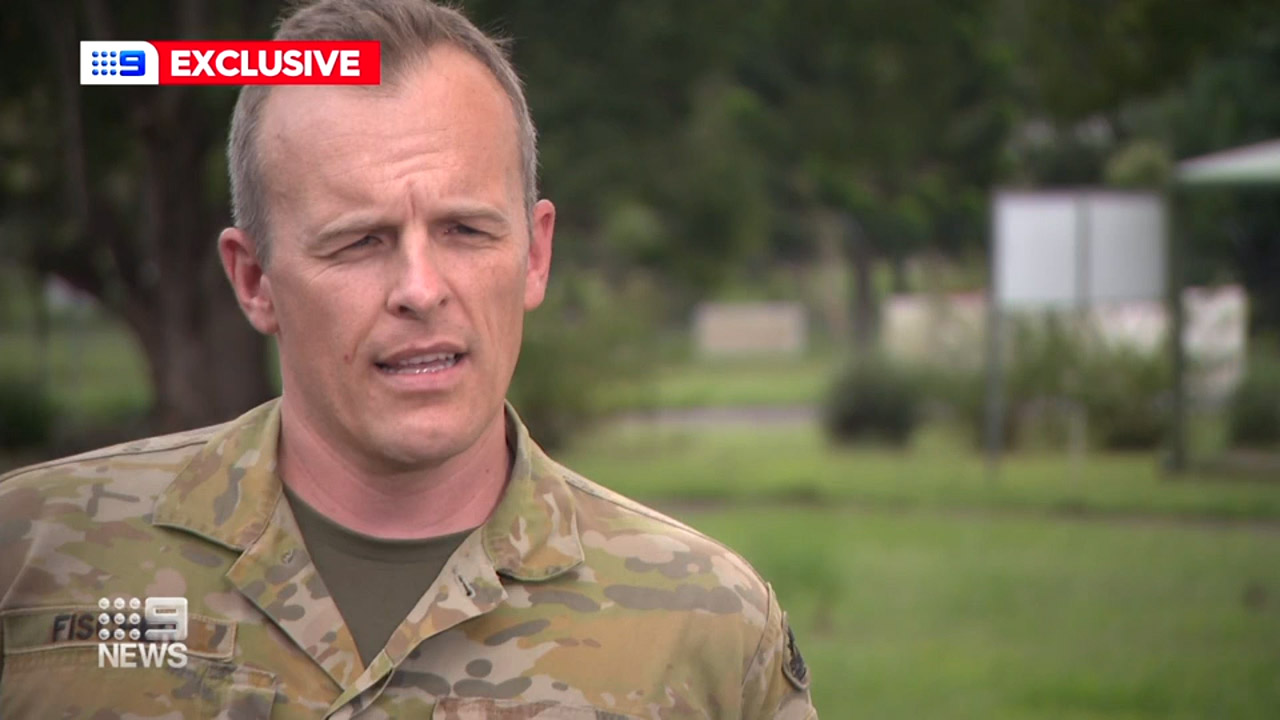
They found two people who had been buried by a landslide in their house "for a long time," he said.
"(We) got rid of the trees and debris and looked to leverage some of the house that was on the victim," he said.
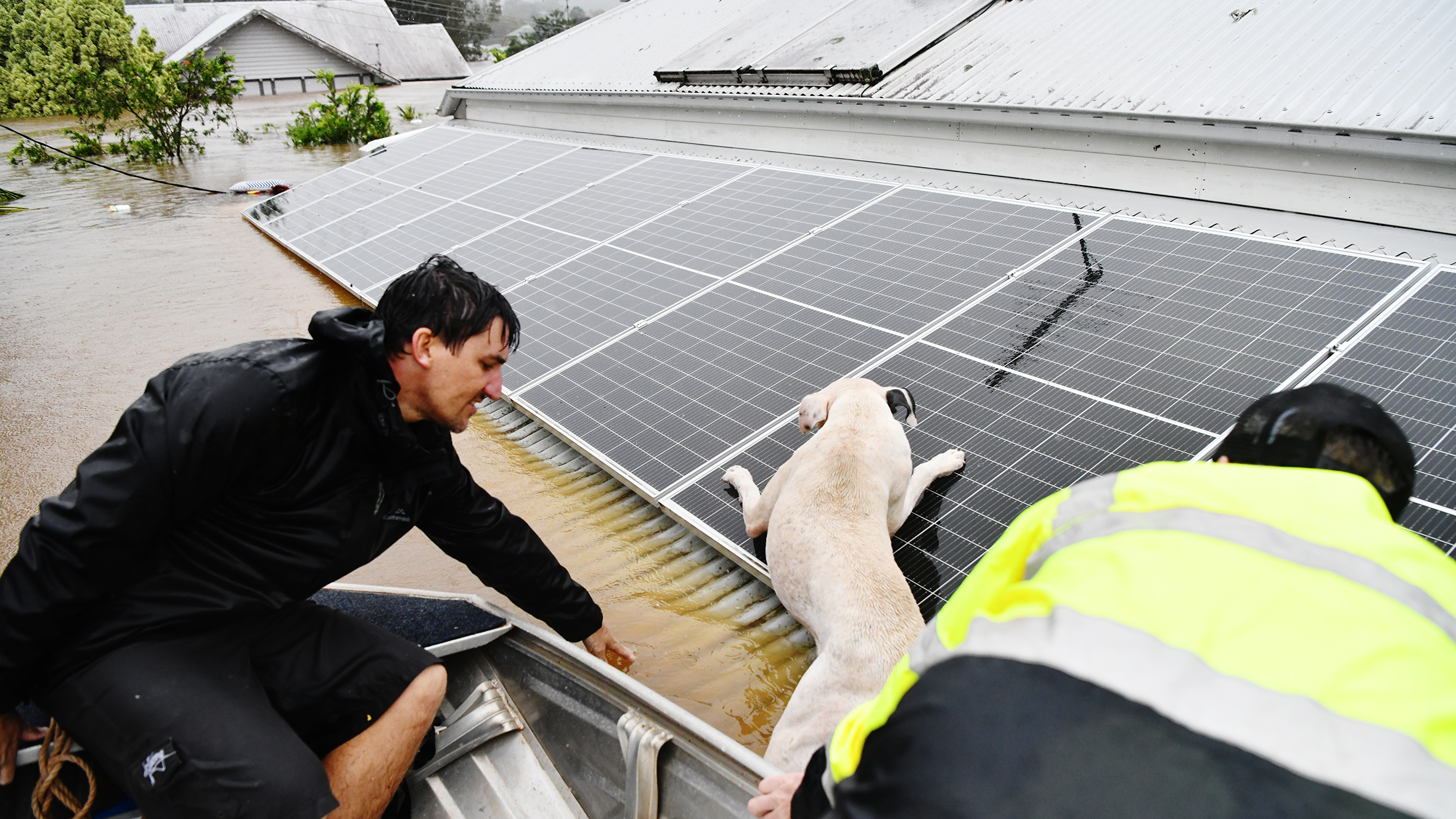
While the heroics on the ground were unquestionable, allegations an early Defence Force offer of a full scale surge wasn't accepted is now under the microscope.
READ MORE: Probe into bus filmed driving through floods up to windscreen
The first defence offer for assistance was allegedly made — and turned down by the SES — on Friday, February 25
That night, the Commonwealth activated its disaster response plan for the east coast.
A second call was put into the SES, and help was again allegedly rejected.
Over the weekend, troops surged in South East Queensland, as Brisbane was inundated by floods.
READ MORE: PM rejects criticism he was 'too slow' to act in crisis events
But it wasn't until mid-afternoon on the Monday that NSW called for ADF aerial support, and the Army flew in.
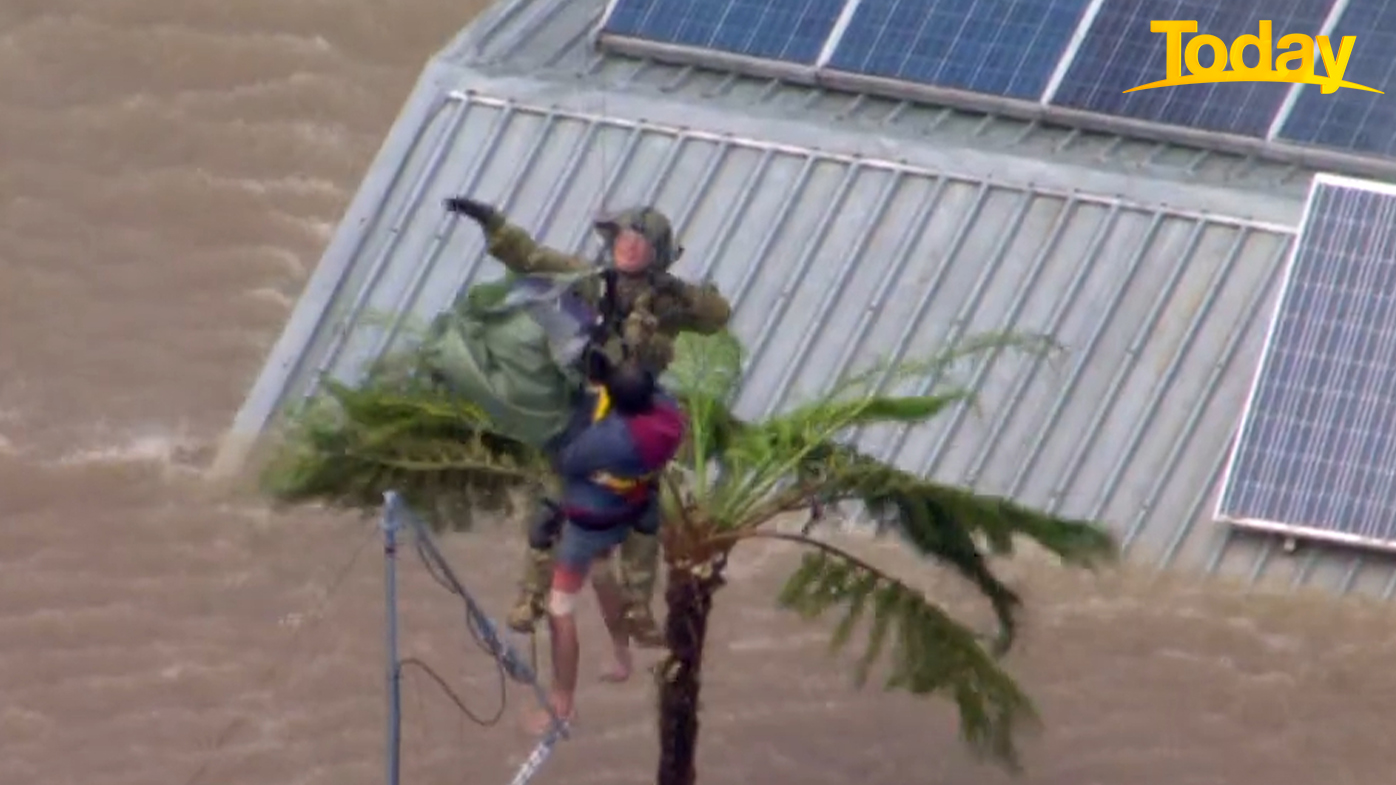
By then residents had already spent hours stranded on rooftops in the rain, as waters rose.
The SES was inundated, and it was a civilian armada who sprung into action, performing 4000 rescues.
READ MORE: Aussies dip deep to raise over $25 million for flood victims
Premier Dominic Perrottet added: "We get all the information and make an assessment on what went well and what can be done better."
Lismore mayor Steve Kreig said local knowledge on the ground needs to be used.
Meanwhile the town's sewage treatment plant has been decimated.
It will take up to four months and $30 million to fix.
Victoria braces for storms as rains return to Sydney
Victoria is bracing for a round of thunderstorms this afternoon, while rain is expected to return to Sydney as the clean up continues from the devastating floods.
The potential wet weather comes after several days of sunny, clear skies in the New South Wales capital. The Bureau of Meteorology (BoM) said up to two millimetres of rain could fall on Sydney today.
But it was another state that bore of the brunt of extreme weather last night; Victoria's skyline lit up as a severe thunderstorm rolled through Melbourne's south-east.
READ MORE: Dozens killed in Ukraine as war draws closer to NATO's front line
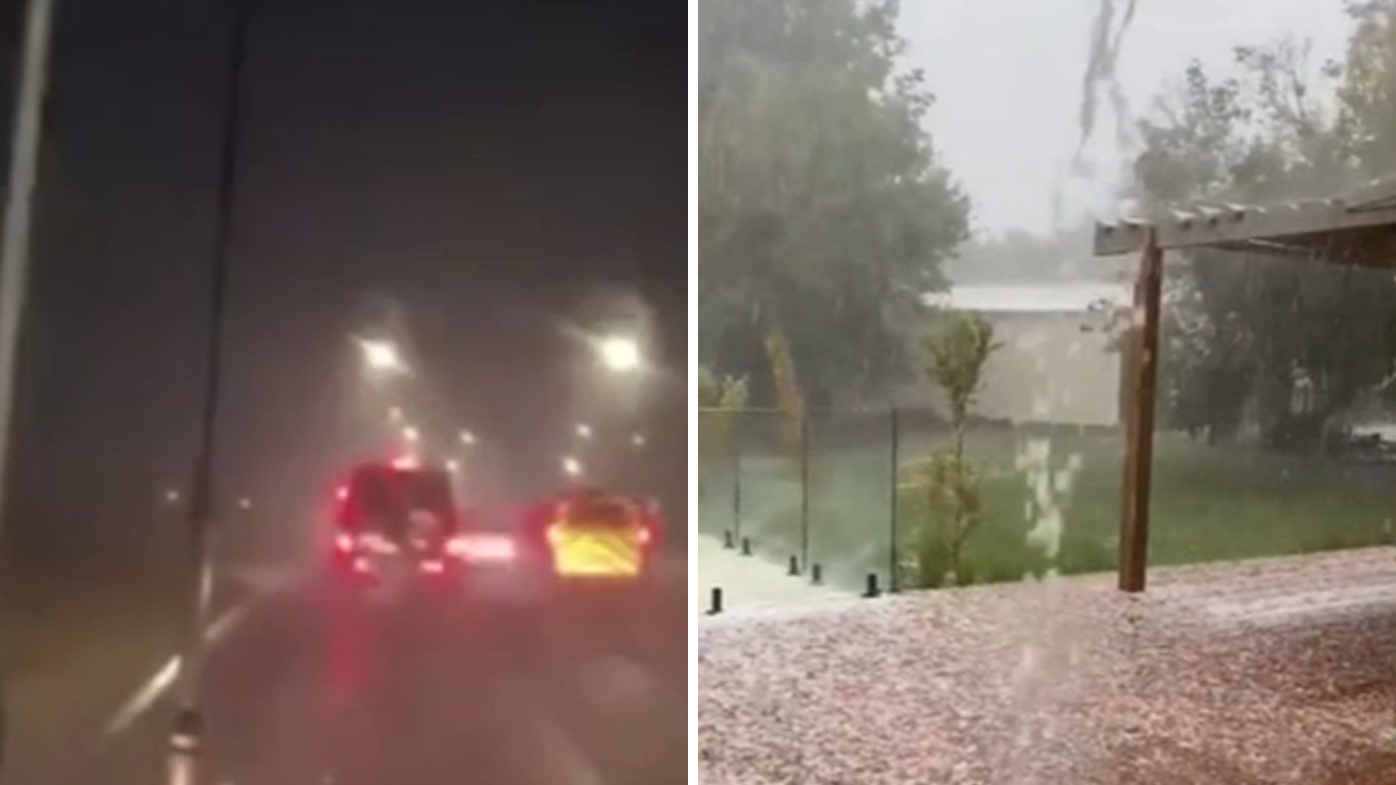
Pulses of lightning were seen over Cranbourne and Frankston, while hail smashed parts of Drouin in the east.
There are more showers and thunderstorms forecast for Melbourne's northern suburbs this afternoon.
A humid and unstable airmass is triggering the thunderstorm activity, the BoM said.
The BoM had also issued a severe storm warning over south-eastern Victoria overnight, but that has since been downgraded.
READ MORE: Offers for army to help in Lismore, NSW floods were rejected twice
https://twitter.com/BOM_Vic/status/1502874496906280969
"The immediate threat of severe thunderstorms has passed, but the situation will continue to be monitored and further warnings will be issued if necessary," BoM said.
Meanwhile WA is battling another extreme as two bushfires rage.
One is burning east of Bunbury and the other in the Hawke National Park was burning at emergency levels last night.
Both blazes have since been downgraded to a Watch and Act due to cooler weather.
"There is a possible threat to lives and homes as a fire is approaching in the area and conditions are changing," the Department of Fire and Emergency Services wrote on Facebook.
READ MORE: Albanese opens up in revealing 60 Minutes interview
Flood clean-up continues across NSW, Queensland
Windsor Bridge and Wilberforce Road along the Hawkesbury River are set to reopen in Sydney's west under a reduced speed limit today.
The crossings were completely submerged as an east coast low lashed NSW.
READ MORE: Probe into bus filmed driving through floods up to windscreen in Sydney
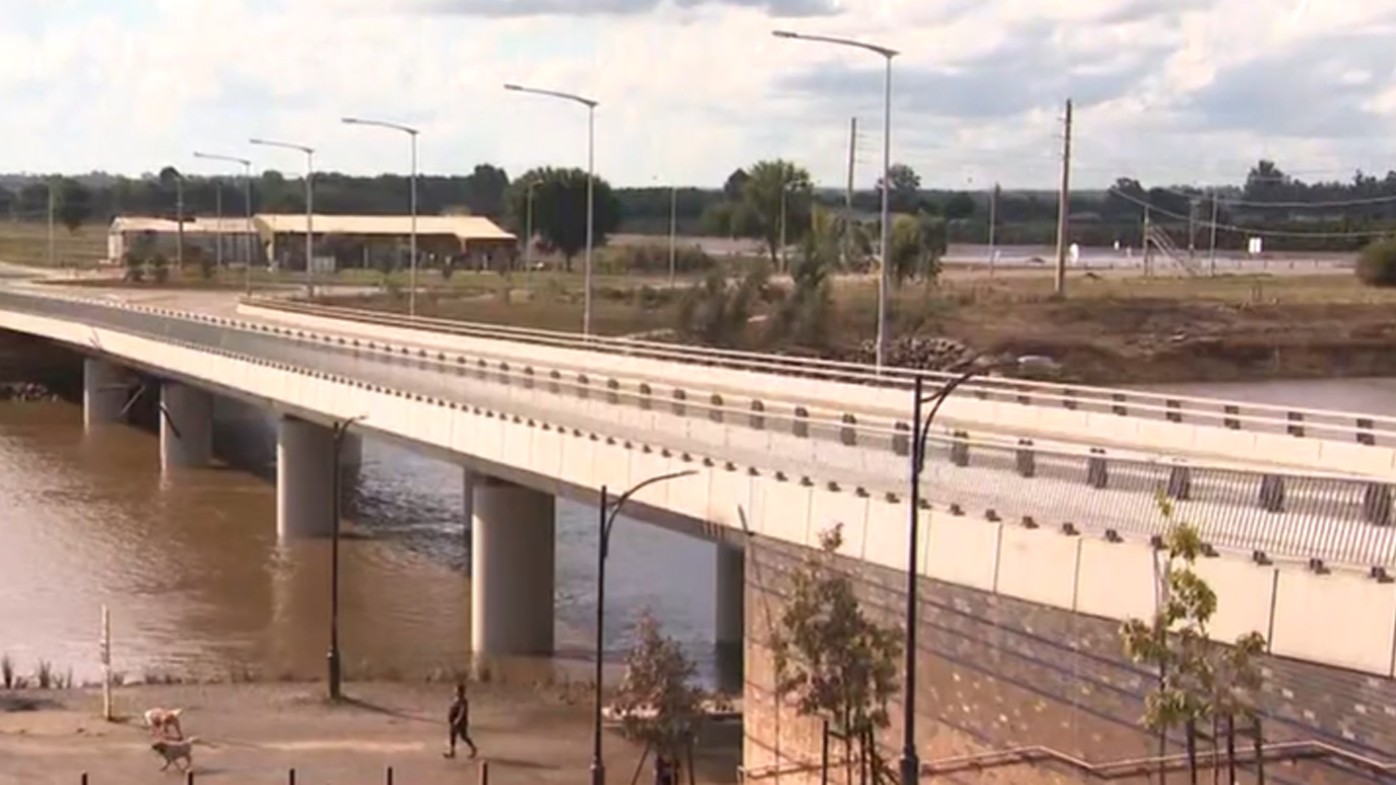
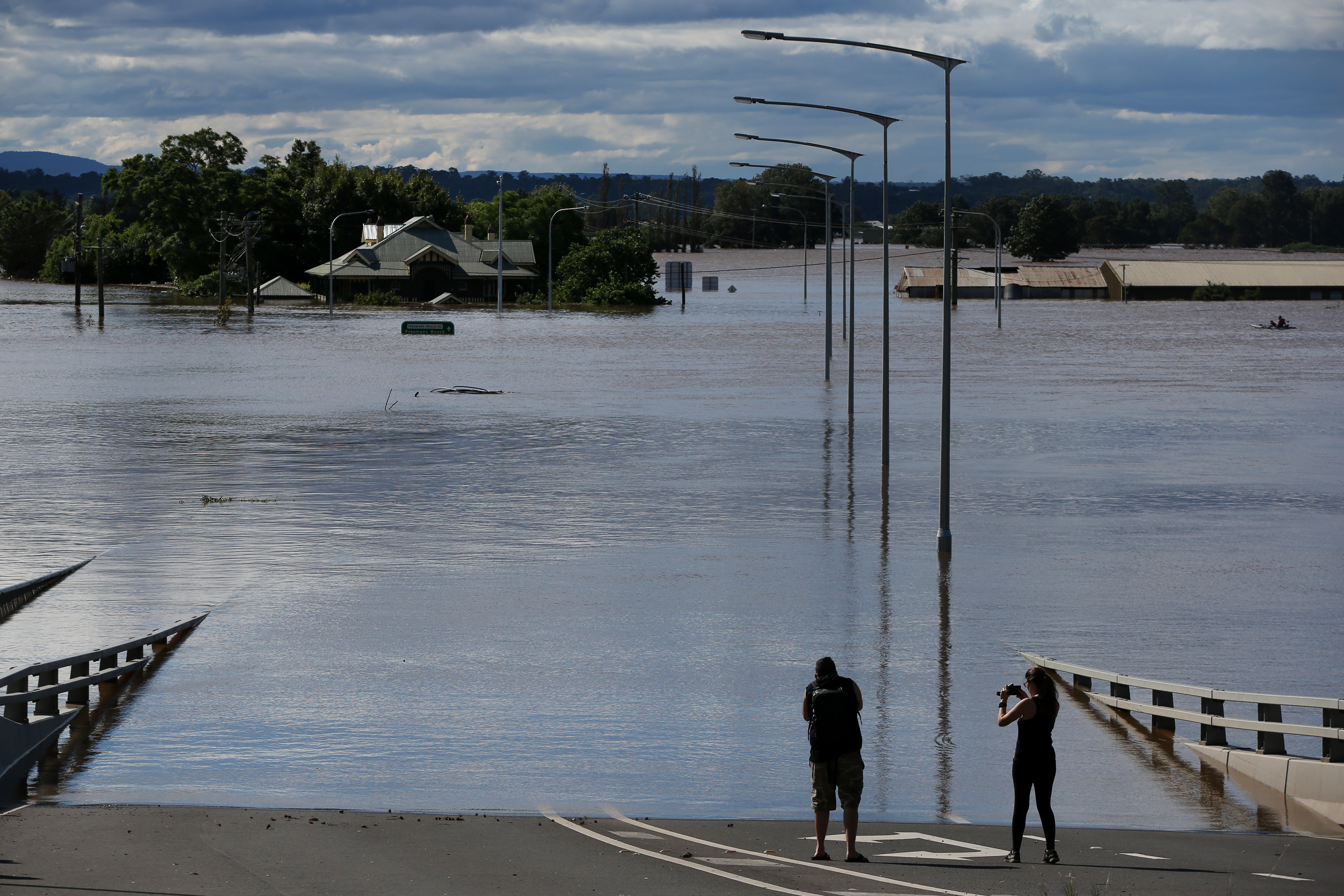
While the rain has eased the wet weather is still causing chaos.
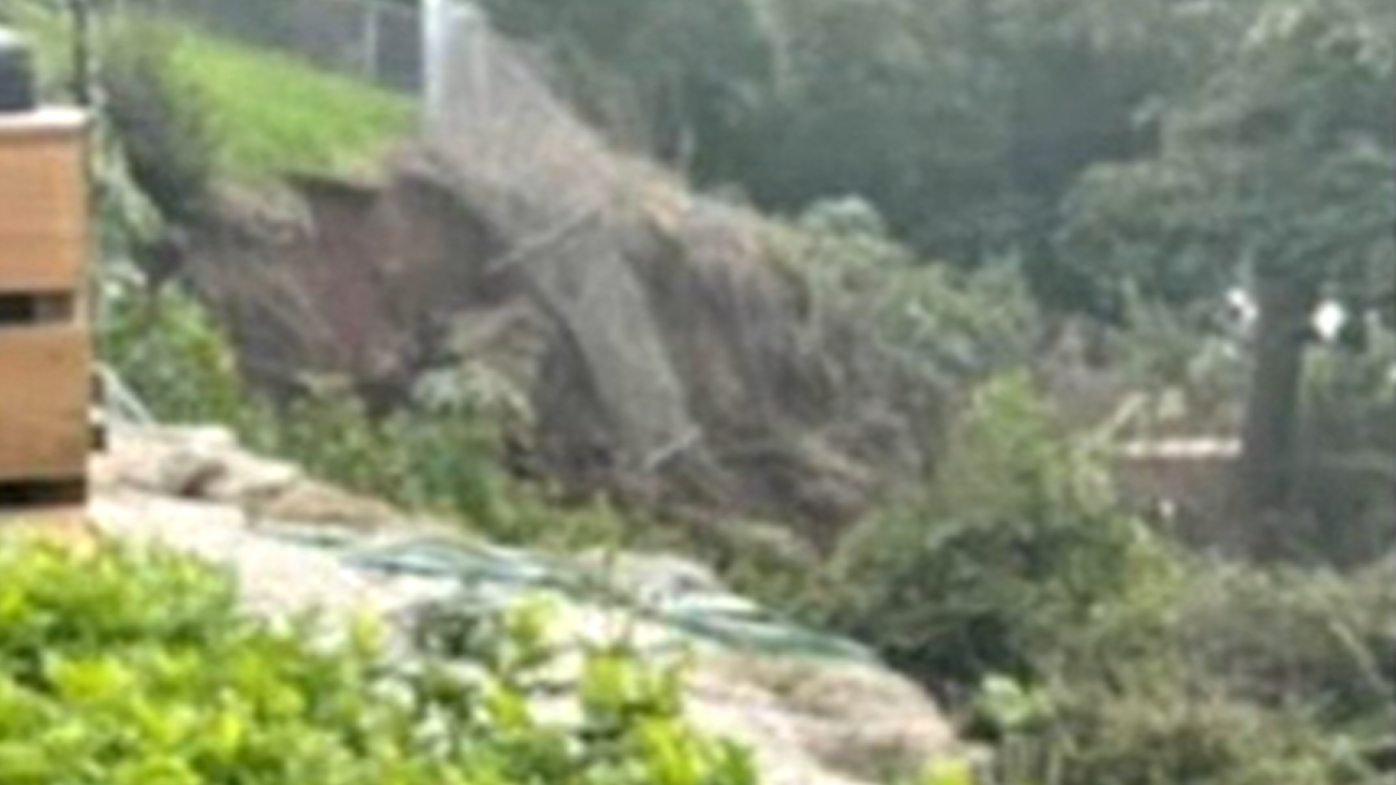
A family home backing onto the Nepean River suffered a landslip yesterday as waterlogged ground gave way.
Meanwhile, in Queensland water users are still being told it is still not safe to enter the Brisbane River.
Authorities say there is 160 large objects yet to be removed from the river.
The process could take weeks. To date, 1100 tonnes of material from yachts, jet skis and debris has already been pulled up.
Read on to find out what the weather is doing around the nation's capitals.
Brisbane
The mercury will climb to 28C in Brisbane.
There's a medium chance of light showers in the late morning and afternoon. Light winds becoming south-easterly 15 to 25 km/h in the middle of the day then tending southerly 15 to 20 km/h in the late evening.
Sydney
Up to two millimetres of rain could fall in Sydney today with the BoM forecasting a medium (50 per cent) chance of showers, most likely during the morning and afternoon.
A maximum temperature of 25C has been forecast.
Melbourne
It will be a humid day in Melbourne, with a top of 27C.
The BoM has forecast a medium chance of showers during this afternoon and early evening, and the chance of a thunderstorm during this afternoon and early evening.
Canberra
The nation's capital will reach a high of 25C. It will be partly cloudy with the slight chance of a shower.
Hobart
A wet day is instore for the island state's capital. The BoM has forecast a very high chance of showers.
A maximum of 18C will be felt.
Adelaide
It will be partly cloudy in Adelaide today, with the mercury reaching 33C.
There's a medium chance of showers about the northern suburbs, and a slight chance elsewhere.
The BoM has also forecast a chance of a thunderstorm about the northern suburbs during this afternoon and evening.
Darwin
Wet weather will also be felt in tropical Darwin. There's a high chance of showers, most likely in the late afternoon and evening.
As well as a chance of a thunderstorm, with gusty winds in the late afternoon and evening.
Temperatures will range between a low of 25C and a high of 34C.
Perth
Perth will see a partly cloudy 29C day. Light winds will become west to south-westerly 15 to 25 km/h in the early afternoon then become light in the late evening.