A person is in critical condition after being found unresponsive in the water at the Parnell Baths this afternoon. “CPR was performed and the person has been transported to hospital in a critical condition,” the police spokeswoman…
Tag Archives: oceania
Taranaki man strangles pregnant woman, causes placental bleed during ordeal
A self-described protector twice strangled a woman pregnant with his child, lifting her from the ground by her neck during an incident that saw her suffer a placental bleed. Stanley Sole, 46, and the woman were not in a relationship…
New Zealand Symphony Orchestra to play special concerts designed for Covid restrictions
The New Zealand Symphony Orchestra (NZSO) will play live to audiences this week in a series of concerts designed for an audience of up to 100 people.The seven special free concerts will take place at the Public Trust Hall on Lambton…
Pet bunny rescued from blazing house fire in Sydney's west
A pet bunny has been rescued from a large house fire in Sydney's west.
The blaze took hold of the single level home in Luzon Avenue, Lethbridge Park, about 2.45pm yesterday and quickly spread to the roof.
The family, two adults and five children, managed to make it to safety but were forced to leave their beloved animals behind.
READ MORE: White House warns Ukraine invasion could start 'at any time'
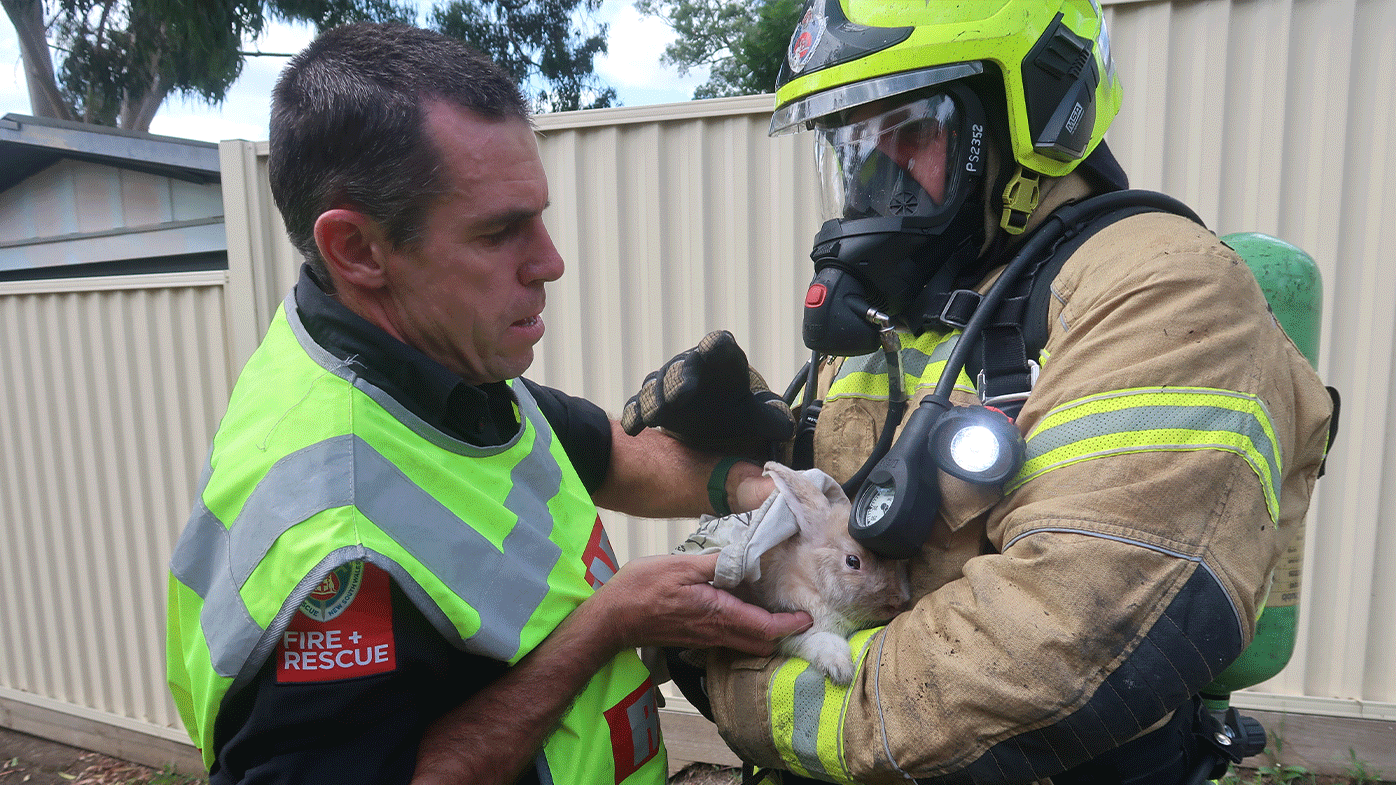
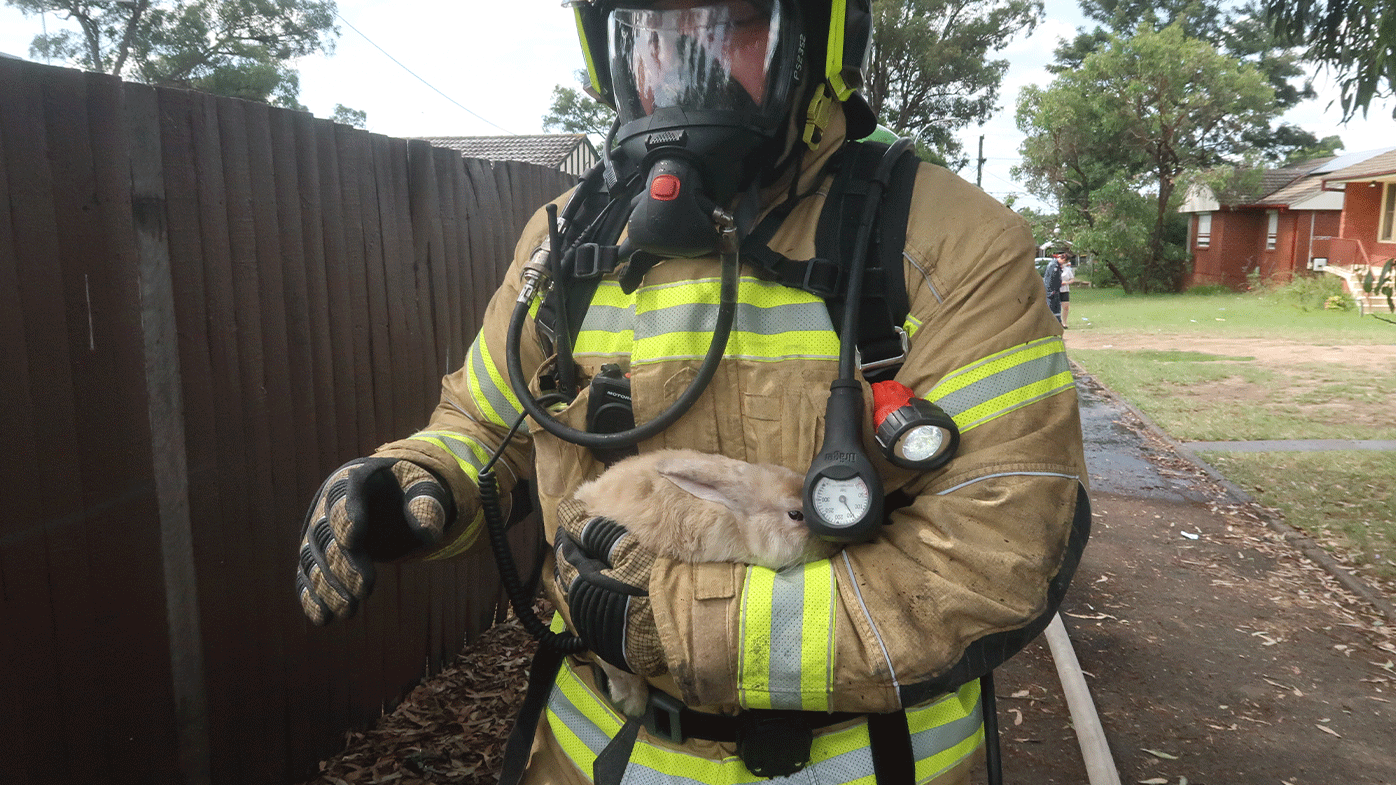
Fire and Rescue NSW (FRNSW) crews entered the blazing home and managed to save the family's pets, including Melly the rabbit.
Melly was found terrified and hiding under a pile of clothes in a bedroom.
The little bunny was cradled by firefighters who made their way out of the burning home.
READ MORE: Domestic violence shelter details leaked in NSW breach

The family was "ecstatic" Melly was rescued unharmed.
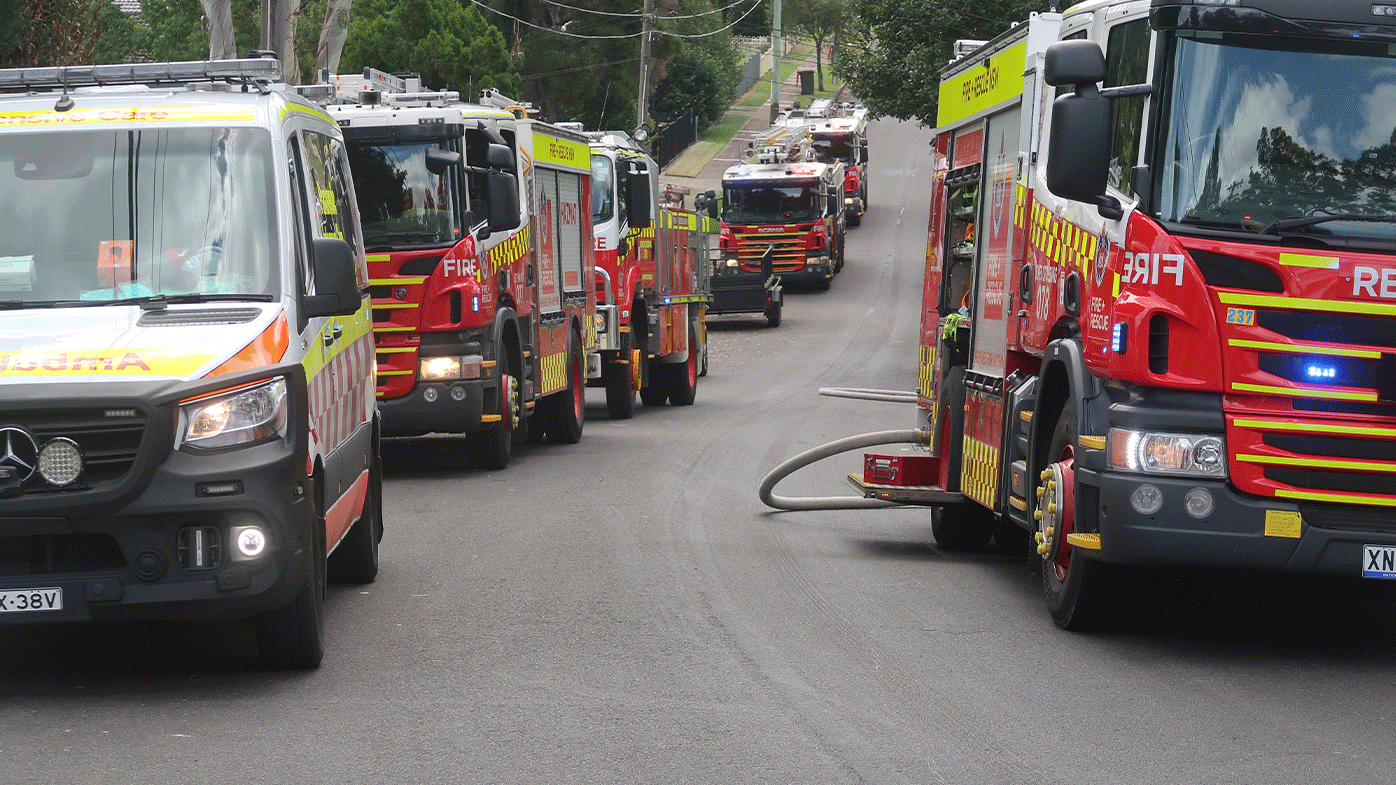
Eight fire trucks from across Sydney's west fought the blaze.
The fire damaged 75 per cent of the home.
READ MORE: Erratic driver tries to mow down four e-scooter riders
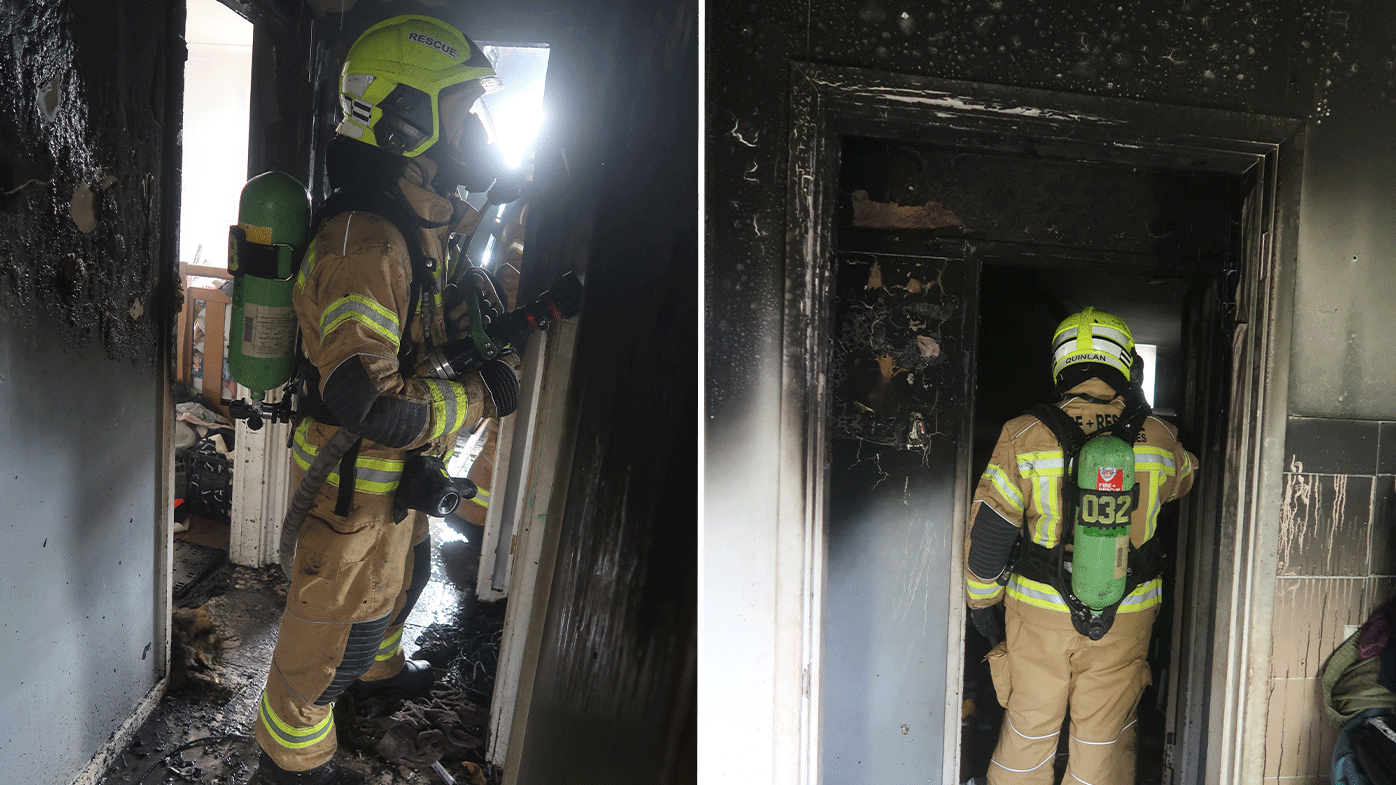
The cause of the fire is still being determined.
"This is a timely reminder that calling Triple Zero for a fire emergency can be the difference between life and death, or a building or other property being saved or destroyed," FRNSW Superintendent Scott Dodson said.
Rocket set to slam into moon wrongly blamed on Elon Musk
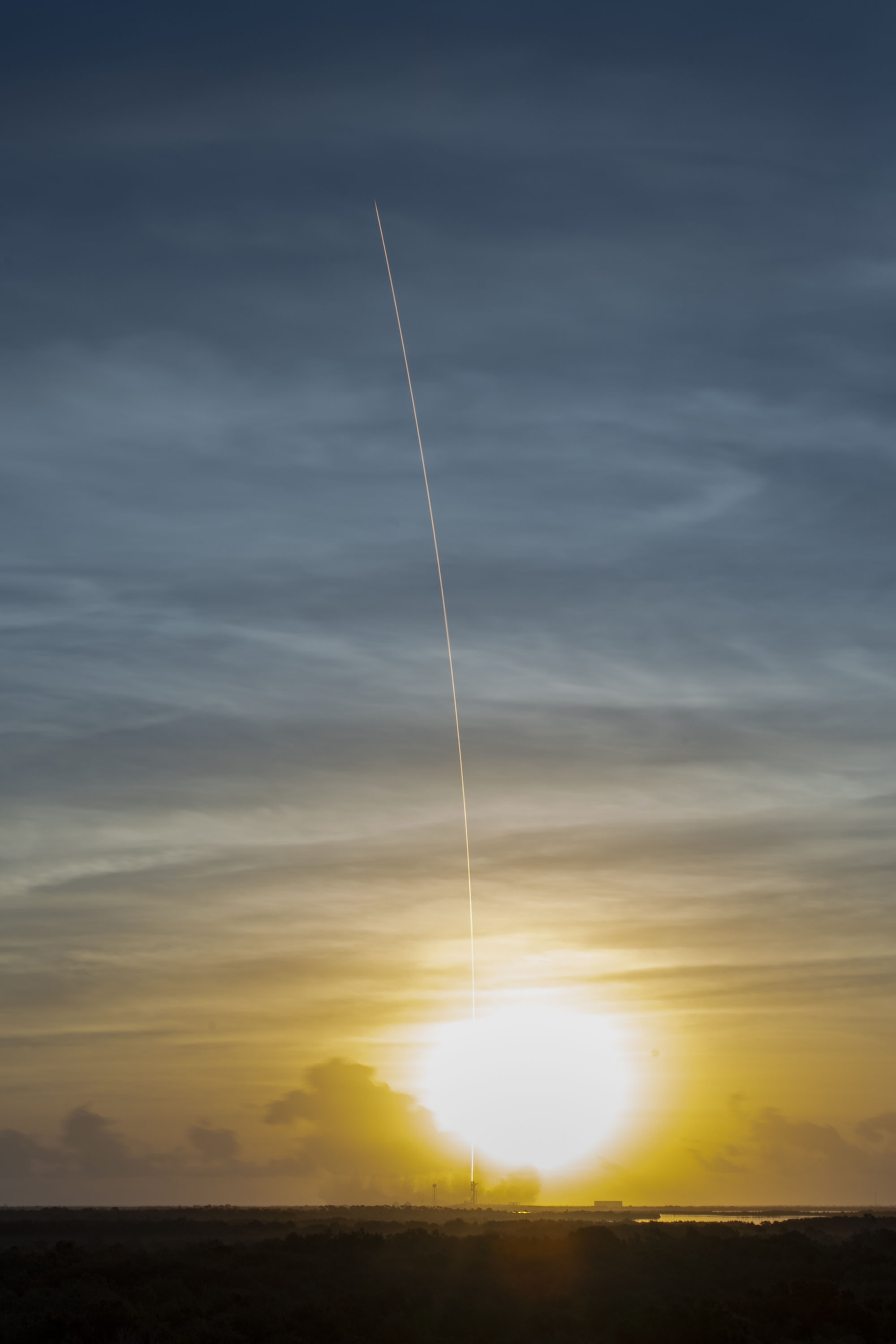
A rogue rocket expected to collide with the moon on March 4 was wrongly identified as a SpaceX Falcon rocket stage and, instead, is likely from a past Chinese lunar mission, according to NASA.
The object now on target to hit the moon was first made public by Bill Gray, an independent researcher focused on orbital dynamics and the developer of astronomical software.
He identified it in 2015 as the second stage of a SpaceX Falcon rocket, launched by Elon Musk's company, which was used to launch the US Deep Space Climate Observatory, or DSCOVR.
READ MORE: Astronomers see dead planet crashing into star for first time
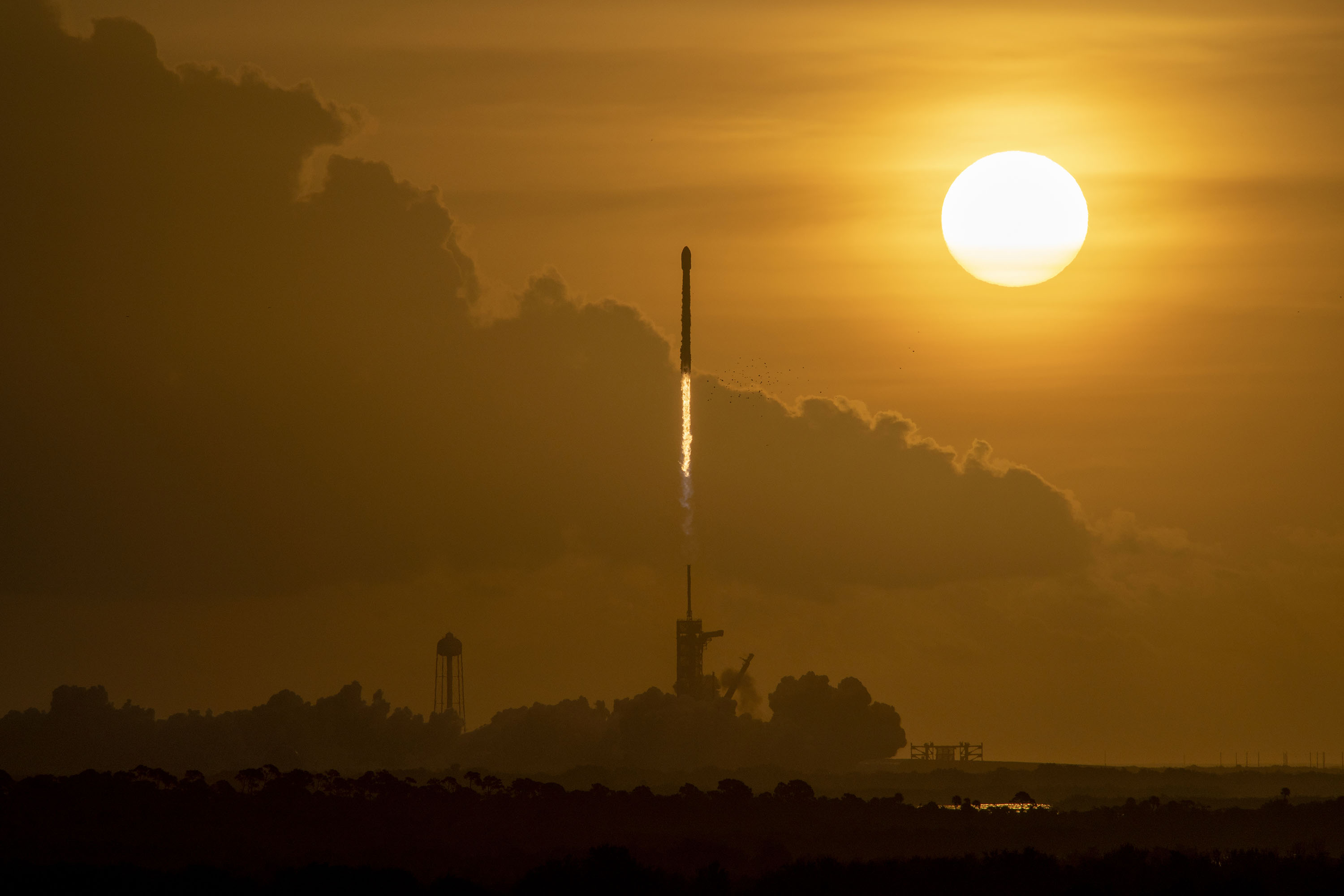
The object, initially called WE0913A by asteroid spotters, had gone past the moon two days after DSCOVR's launch, he said.
"I and others came to accept the identification with the second stage as correct. The object had about the brightness we would expect, and had showed up at the expected time and moving in a reasonable orbit," Mr Gray said on his website.
His assessment was widely accepted by other space experts and NASA, which said it was monitoring the rocket's trajectory.
READ MORE: Megacomet 137km wide officially the largest ever seen
A new identification
Over the weekend, however, Mr Gray said he had gotten the object's origins wrong after communicating with Jon Giorgini of NASA's Jet Propulsion Laboratory, which doesn't track space junk but does keep careful track of a lot of active spacecraft, including DSCOVR.
"Jon pointed out that JPL's Horizons system showed that the DSCOVR spacecraft's trajectory did not go particularly close to the moon.
"It would be a little strange if the second stage went right past the moon, while DSCOVR was in another part of the sky. There's always some separation, but this was suspiciously large," Mr Gray said.
"Analysis led by NASA's Jet Propulsion Laboratory's Centre for Near-Earth Object Studies indicates the object expected to impact the far side of the Moon March 4 is likely the Chinese Chang'e 5-T1 booster launched in 2014," according to a NASA statement.
"It is not a SpaceX Falcon 9 second stage from a mission in 2015 as previously reported. This update results from analysis of the object's orbits in the 2016 – 2017 timeframe."
Mr Gray said he subsequently reviewed his data and has now landed on a different explanation: He said the object was the third stage of the Chinese Long March 3C rocket used to launch its lunar orbiter in 2014.
The rocket stage is expected to hit the moon at 7:26 am ET on March 4.
However, the impact will be on the far side of the moon and not visible from Earth.
The rocket will likely disintegrate on impact and create a crater about 10 to 20 metres across.
Jarryd Hayne released from prison after sexual assault convictions quashed
Former NRL player Jarryd Hayne has been released from jail after his sexual assault convictions were quashed yesterday.
A magistrate at Sydney's Downing Centre released him on $20,000 bail this morning and ordered him to pay within seven days but said he can be released before this is done.
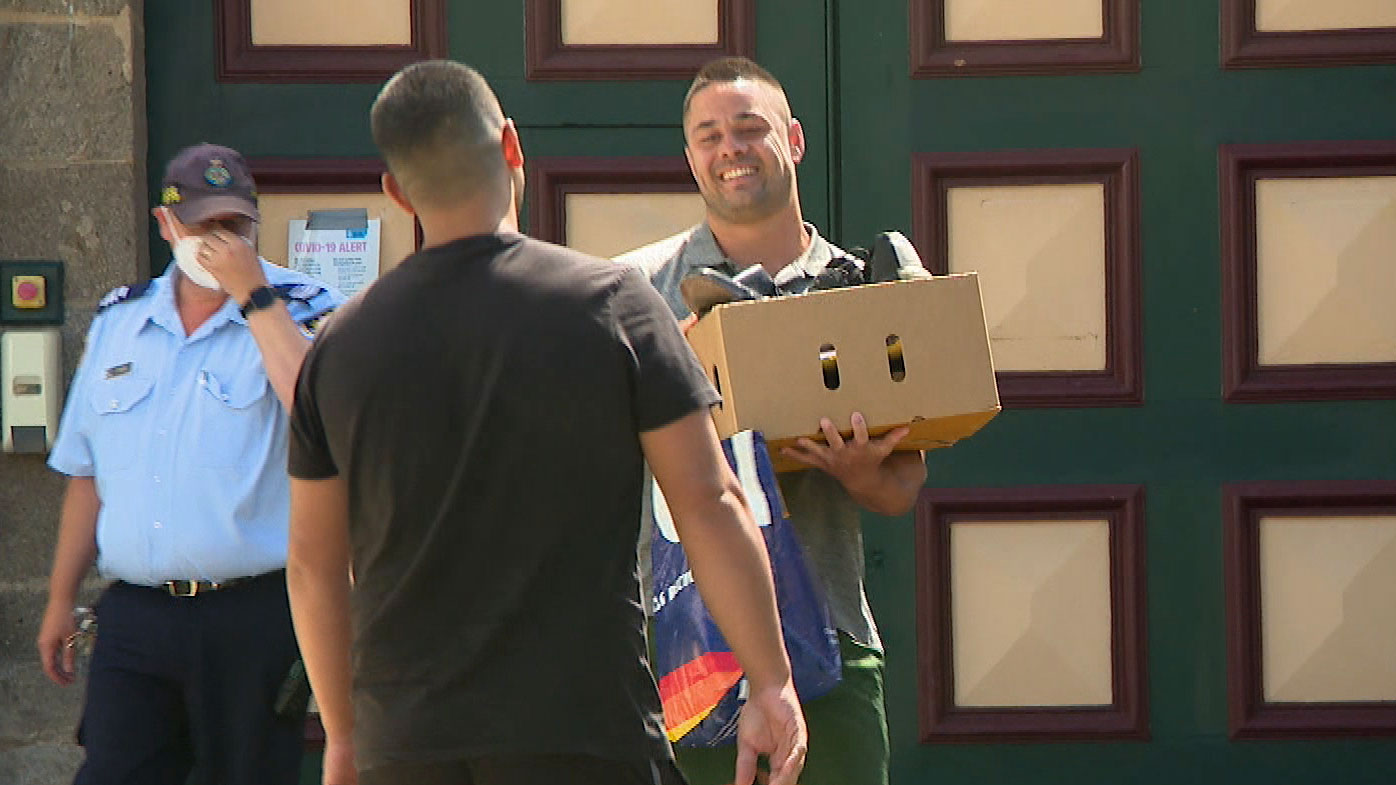
This afternoon he walked out of Cooma Correctional Centre, on his 34th birthday.
READ MORE: Jarryd Hayne has sexual assault convictions quashed, retrial ordered
He is now subject to 15 strict bail requirements, including living with his wife, reporting to police three times a week and not associating with any witness or the alleged victim.
He is banned from the entire local government area of Newcastle, cannot have his passport back or go within 500 metres of an international port such as an airport.
Hayne was found guilty in March last year of two counts of sexual intercourse without consent after meeting up with a 26-year-old Newcastle woman on the NRL grand final night in September 2018.
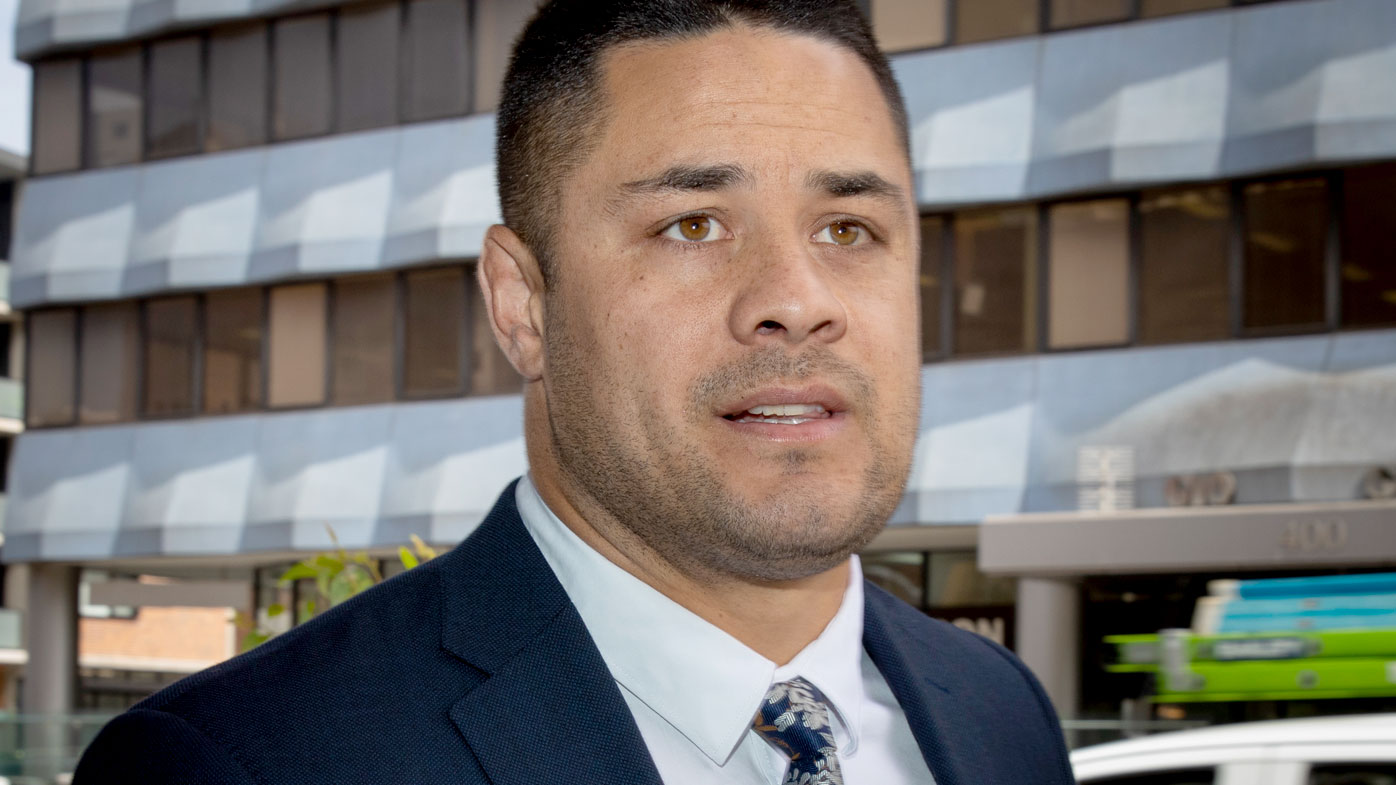
In May, he was jailed for a maximum of five years and nine months.
However, a three-judge panel at the Court of Criminal Appeal upheld an argument the player's second rape trial was flawed and overturned the conviction.
He has been ordered to face a retrial.
It will now be up to the Director of Public Prosecutions as to whether that goes ahead.
Hayne had served nine months of the original sentence.
The appeals court found Hayne did not receive a fair trial after his lawyers claimed the directions given to the jury were flawed.
Man in court charged with murdering Taranaki woman, granted name suppression
A 48-year-old man has appeared in court charged with murdering a Taranaki woman known to him.The woman, also 48, was found dead in her New Plymouth home on Monday afternoon. The man, who according to court documents is employed…
Mental health patient's high risk of violence known before he killed
The danger a mental health patient who suffered paranoid delusions posed to the community was well known before he killed a father of two, a coronial inquest has heard.David Charles Gilchrist who had a long history of psychotic…
MBIE prosecution: Hamilton man, company to fight charges of underpaying workers
A Hamilton company director and his company will fight an MBIE prosecution involving alleged underpaying of staff.Dinsdale man Gaurav Batra, 40, and his company GSK Company Ltd, face seven charges each laid by the Ministry of Business,…
Record-breaking rogue wave recorded off coast of Canada
A rogue wave measuring 17.6 metres tall was recorded off the coast of Canada's Vancouver Island, breaking the record for proportionality at three times the size of surrounding waves.
"Only a few rogue waves in high sea states have been observed directly, and nothing of this magnitude. The probability of such an event occurring is one in 1300 years," said Johannes Gemmrich, one of the lead researchers on rogue waves at the University of Victoria.
The wave made a splash in the scientific community for being proportionally the most extreme rogue wave ever recorded. Although it occurred in November 2020, the study confirming it was just released February 2 of this year.
READ MORE: Domestic violence shelter details leaked in NSW breach
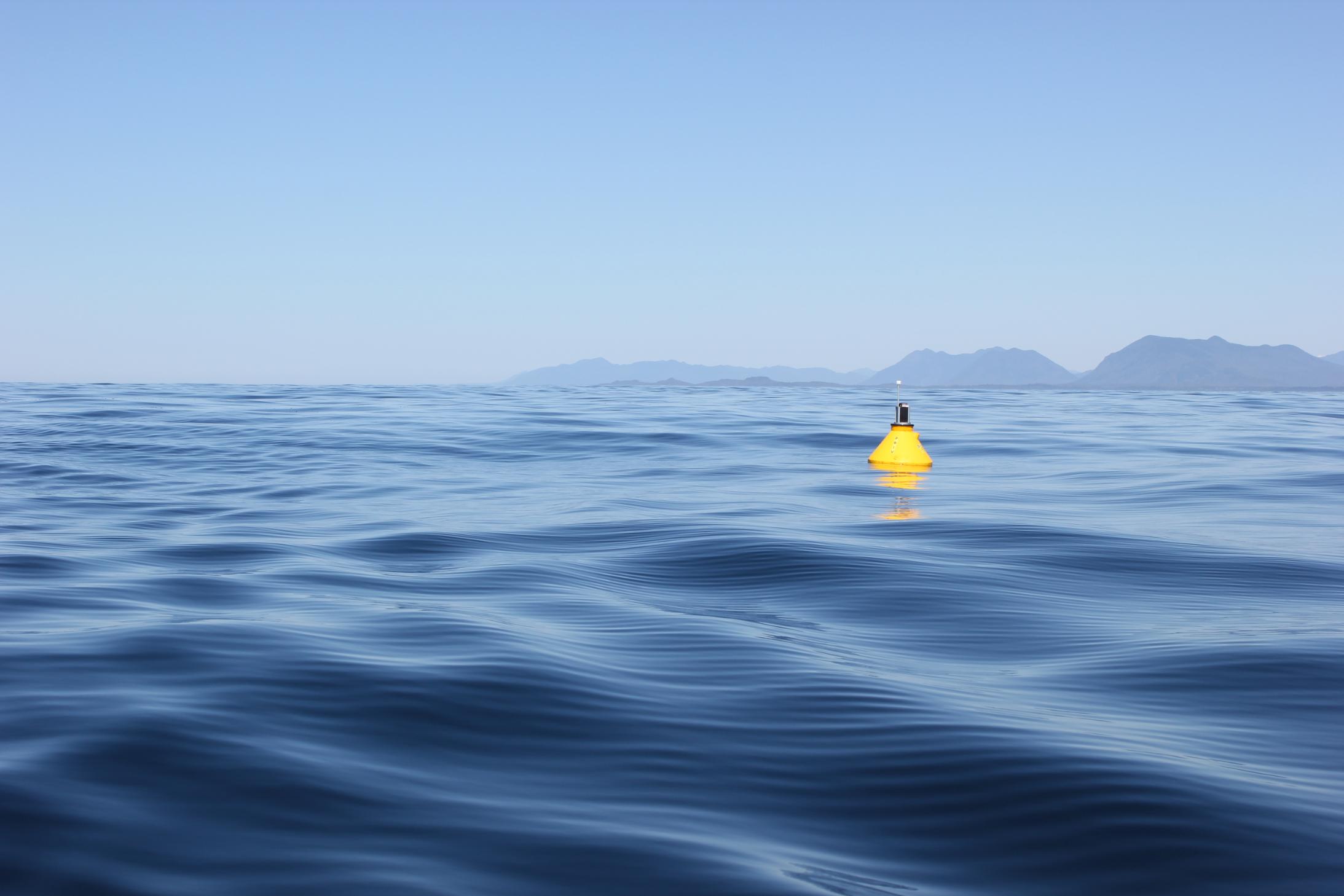
A rogue wave is exactly how it sounds: unexpected and terrifying.
"They look like a large four-storey lump sticking out of the water with a large peak and big troughs before it," Scott Beatty, CEO of MarineLabs, the company operating the buoy which measured the wave, told CNN.
In the past few decades, what was once known as marine folklore has now been accepted as real by scientists.
"Rogues, called 'extreme storm waves' by scientists, are those waves which are greater than twice the size of surrounding waves, are very unpredictable, and often come unexpectedly from directions other than prevailing wind and waves," The National Oceanic and Atmospheric Association (NOAA) explained.
In simplified terms, "A rogue wave is actually just a wave that is large compared to the surrounding wave field," Mr Gemmrich clarified.
Overall size doesn't matter, but the comparison in size to other waves does.
READ MORE: White House warns Ukraine invasion could start 'at any time'
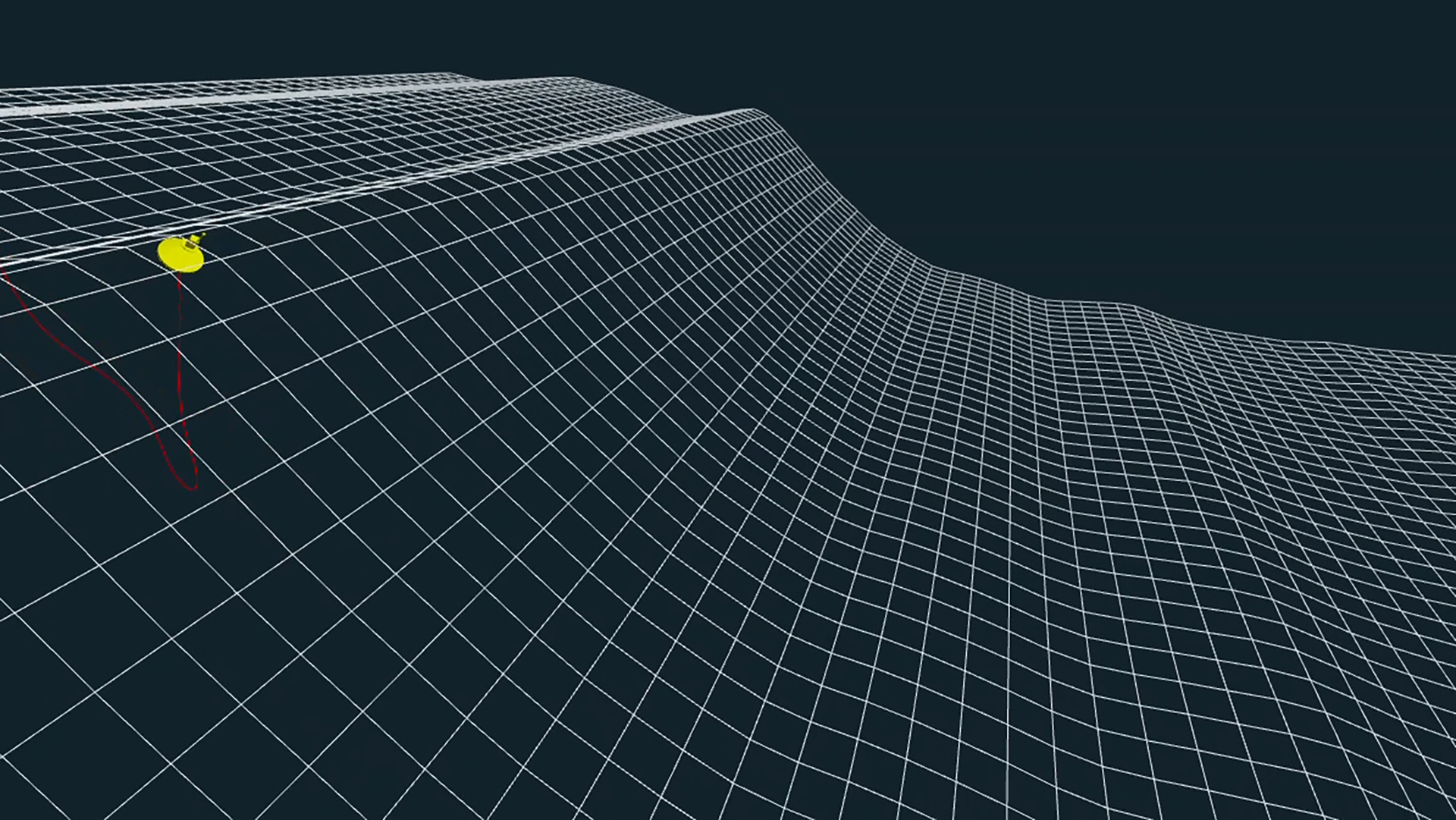
Thus, while a wave achieving a four-storey height equivalent is impressive, its magnitude being three times that of its surrounding waves is what landed it in the record books.
The first rogue wave recorded, known as "The Draupner Wave," was measured in 1995 off the coast of Norway at 25.6 metres with surrounding waves of approximately 12 metres, making the original rogue wave about twice the size of those around it.
The record-breaking rogue wave recorded in November 2020 measured at almost 17.6 metres in comparison to surrounding waves of around 6 metres, blowing the original proportions out of the water.
Recording these 'killer waves' is no easy feat
The rogue wave in the study was measured via a MarineLabs buoy approximately 7 kilometres off of the coast of Ucluelet, British Columbia.
"We're a real-time intelligence company, and we provide real-time updates on what is going on along the coastline, including wind, waves, and other data," Mr Beatty explained.
The company produced a video simulation of the buoy around the time the rogue wave came through, showing the swell in comparison to the smaller surrounding waves.
The problem lies in how to continuously track rogue waves once identified by a sensor.
"Most observations are at a single buoy, a single location, and so the wave passes through, and we know at this moment it was this high, but we don't know how long. That is the big science question," Mr Gemmrich noted.
One thing is known for sure: Rogue waves are not afraid to rock the boat.
Such waves can pose a significant threat to marine operations as well as the public due to their immense power and lack of predictability, Mr Beatty stressed.
"They are unexpected, so the vessel operator has little warning. If it is high enough that it can cause some damage to the vessel, the operator has no time to change course or react to it," Mr Gemmrich added.
One common misconception Mr Gemmrich wanted to emphasise is rogue waves are not to be mistaken for tsunamis. Although both are known for being large waves, the way they come about is completely different.
"Rogue waves are generated by wind, so they are just a rare occurrence of wind generated waves. Whereas a tsunami is generated most commonly by an earthquake, underwater earthquake, or as we've seen recently a volcano eruption," Mr Gemmrich stated.
Coastal communities everywhere are vulnerable to rogue waves. According to Mr Gemmrich, anywhere exposed to water could experience a rogue wave, though places with strong currents may be more likely to see them.
As for Vancouver Island, there was no reported damage from the rogue wave, as it occurred too far offshore. However, they can present onshore danger if they originate closer to the coast.
To ensure better safety in the future, the scientific community is pushing for better research and forecasting to help prevent any damage to maritime operations or the public.
Jennie Lyons at NOAA pointed out there are specialised distinctions for rogue waves.
A "sneaker wave" typically describes a rogue wave condition along the beach because it sneaks up on you. Rogue waves out over open water much larger than those around it, are often called "freak" waves. And rogue waves large enough to damage a ship or cause a ship to roll more than normal are called "killer waves," because if they are severe enough, the damage could capsize a ship, potentially killing people.
MarineLabs has a system of 26 buoys placed strategically in the oceans surrounding North America with hopes to more than double their number by the end of 2022.
"We are aiming to improve safety and decision-making for marine operations and coastal communities through widespread measurement of the world's coastlines," Mr Beatty stated.