Tag Archives: oceania

Alleged wildlife smuggler had snakes, lizards, 'hidden in clothes'

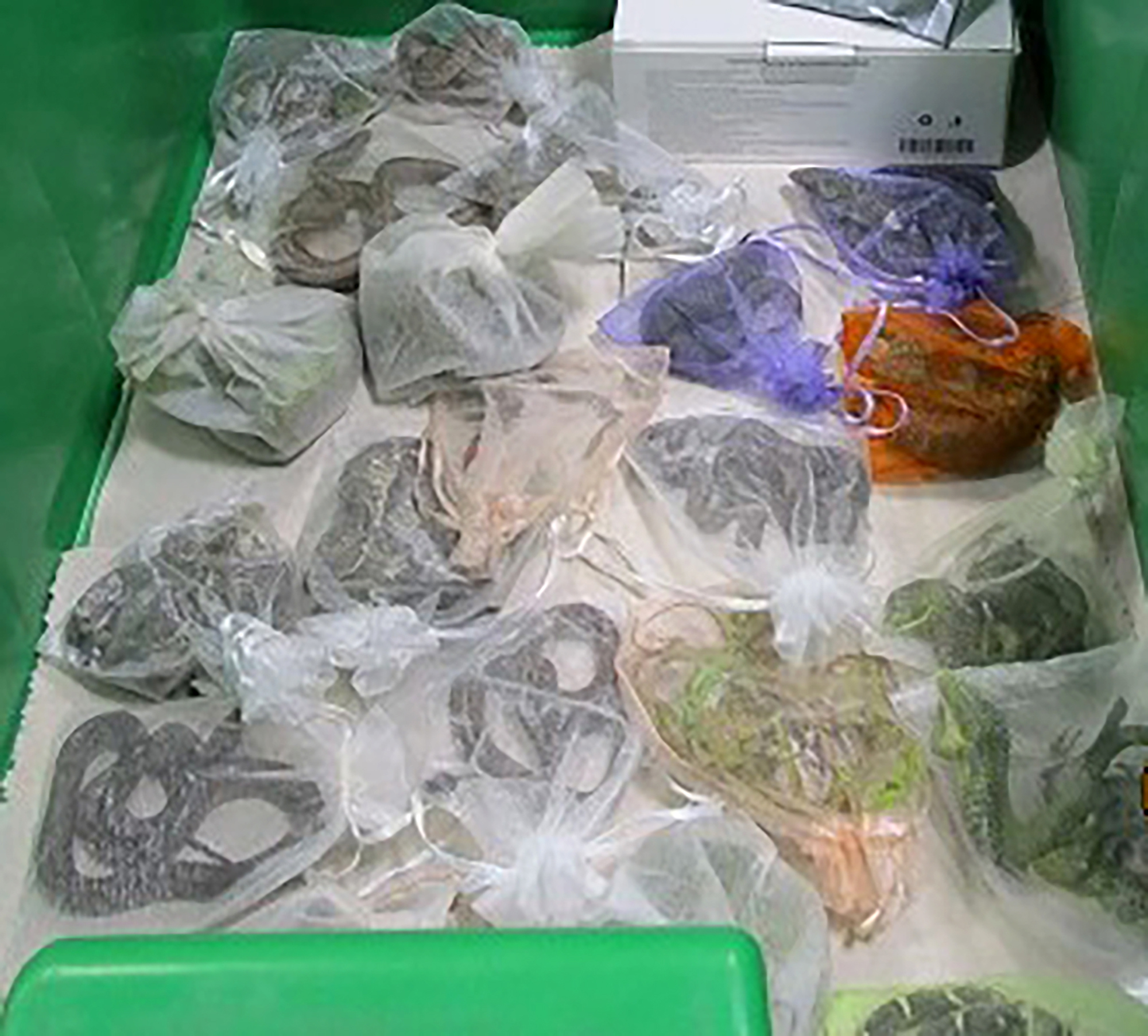
A man who tried to slither past US border agents in California had 52 lizards and snakes hidden in his clothing, authorities have alleged.

The man was driving a truck when he arrived at the San Ysidro border crossing with Mexico on February 25 and was pulled out for additional inspection, US Customs and Border Protection said in a statement.

Agents found 52 live reptiles tied up in small bags "which were concealed in the man's jacket, pants pockets, and groin area," the statement said.

LIVE UPDATES: Climate change blamed for flooding

Nine snakes and 43 horned lizards were seized. Some of the species are considered endangered, authorities said.

"Smugglers will try every possible way to try and get their product, or in this case live reptiles, across the border," said Sidney Aki, Customs and Border Protection director of field operations in San Diego.

"In this occasion, the smuggler attempted to deceive CBP officers in order to bring these animals into the US, without taking care for the health and safety of the animals."

The man, a 30-year-old US citizen, was arrested.

Deadly spiders invading flood victims' homes

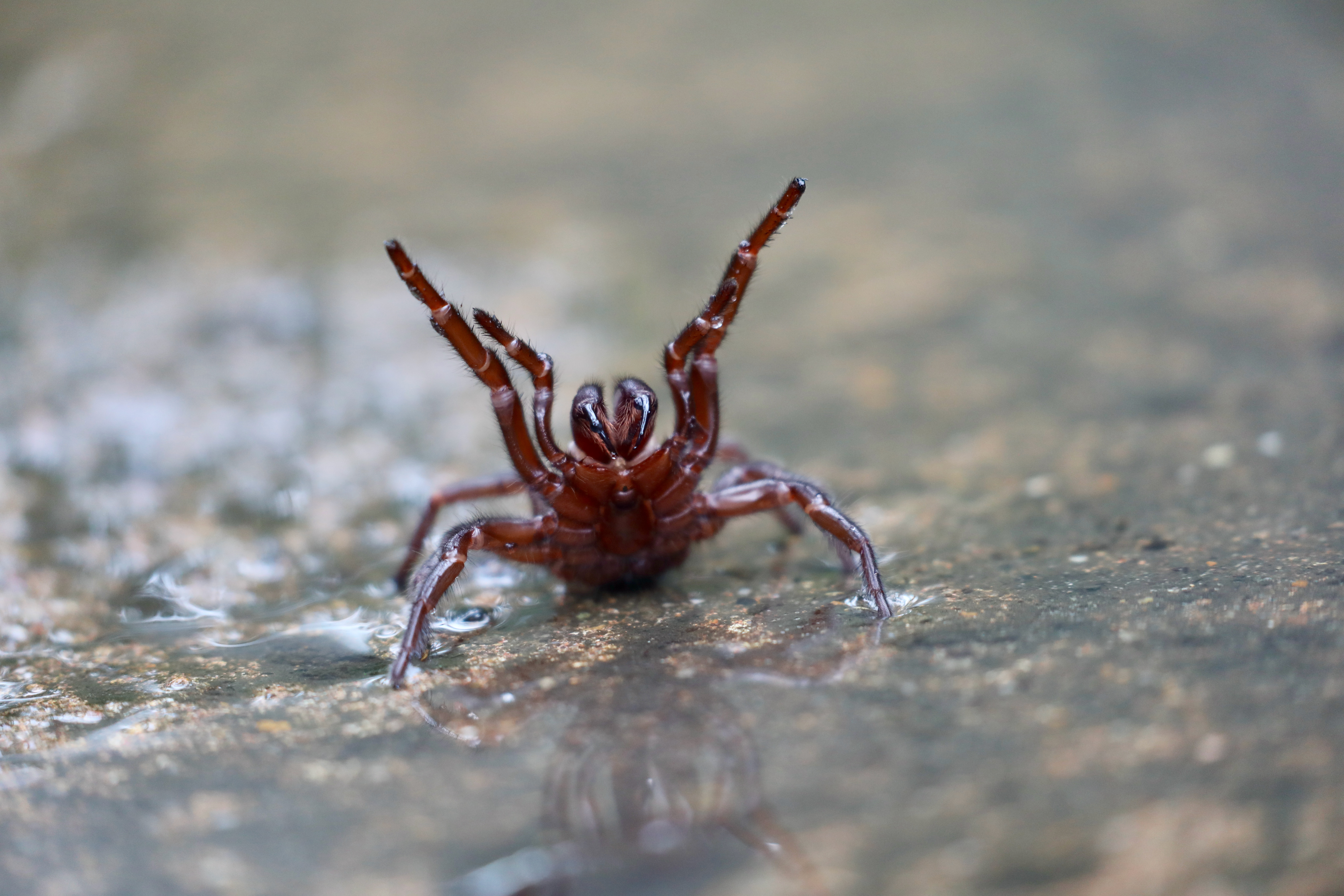
Residents in flood-hit areas of New South Wales and Queensland are warned to be on the look out for deadly funnel-web spiders in their homes.

The spiders, which are ground-dwelling creatures, could seek shelter from floodwaters inside residences.

The Australian Reptile Park has reported an increase in sightings during the floods, along with a surge in funnel-web numbers donated to their antivenom program.

LIVE UPDATES: Dutton pushes 'deterrent effect' during global tensions

In particular, more spiders than usual have been handed in from Hornsby and Mona Vale in Sydney, Wyoming on the Central Coast, and New Lambton in Newcastle.

"We're receiving more and more reports of funnel-webs being found in homes as they seek refuge from the water and we're urging the public to be on the lookout and know what to do if you find one in your home," head reptile and spider keeper Jake Meney said.

"An increase of funnel-web activity in homes means there's a higher risk of getting bitten and needing antivenom."

READ MORE: Tip-off alerts police to 35-year-old mystery

The ARP is the only supplier of funnel-web venom that is made into antivenom for bites and relies on donations to keep the program going.

They've asked for any collected spiders to be brought to the park or a participating drop off locations.

While funnel-web spider bites are potentially deadly to humans, there has not been a single death since the park's program began in the early 1980s.

How to identify a funnel-web spider

Funnel-web spiders live in the moist forest regions of the east coast and highlands of Australia from Tasmania to north Queensland, according to the Australian Museum.

They are also found in the drier open forests of the Western Slopes of the Great Dividing Range and South Australia's Gulf ranges.

The Sydney funnel-web spider, the species likely responsible for the 13 deaths attributed to bites, is found from Newcastle to Nowra and west as far as Lithgow

They typically measure one to five centimetres in body length.

Sydney funnel-web spider (Getty)

Males are more lightly built than females.

Body colour can vary from black to brown but the hard carapace covering the front part of the body is always glossy.

Funnel-webs prefer to live in more cluttered outdoor areas, such as in dense shrubberies or bushland, rather than lawns.

Their burrows – from which the spider derives its moniker – are lined with webs and silken "tripwires" radiate out from the mouth, allowing the spider to detect and ambush prey.

If you have caught a funnel-web spider, details of the ARP's drop-off locations can be found here.

First aid advice for treating funnel-web spider bites can be found here.

READ MORE: Confirmed deaths raise fears of spread of Japanese encephalitis

NZ caveman reunites with father after 25 years

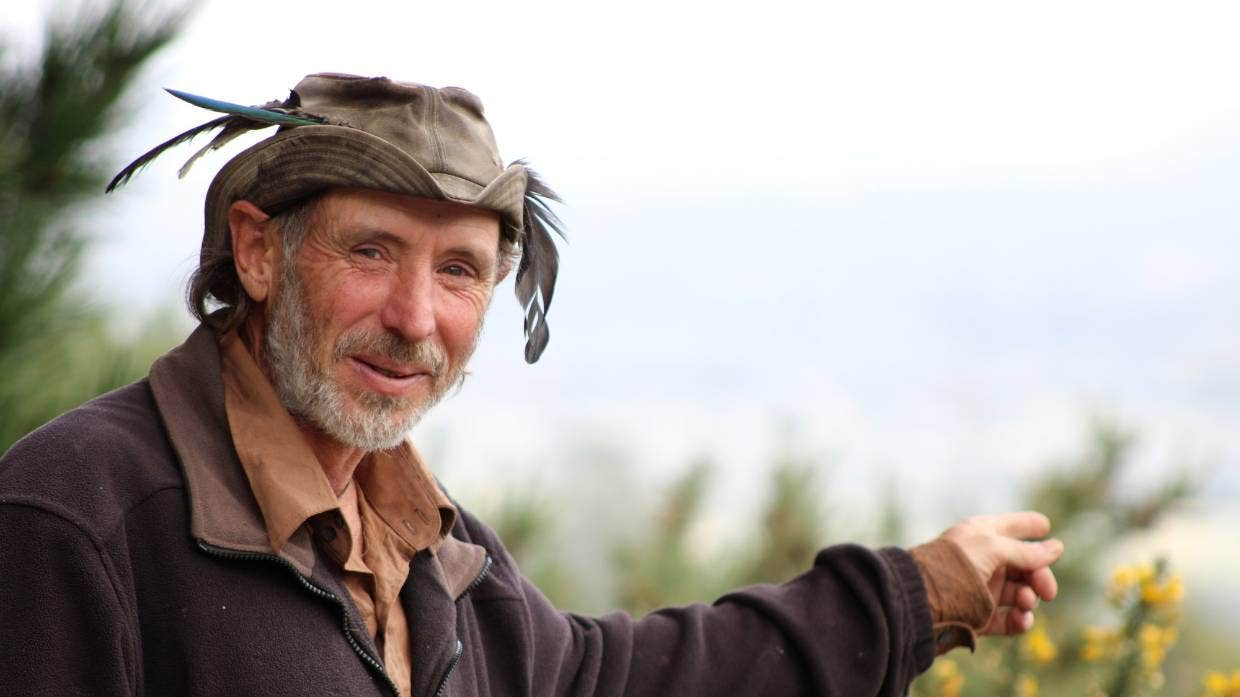
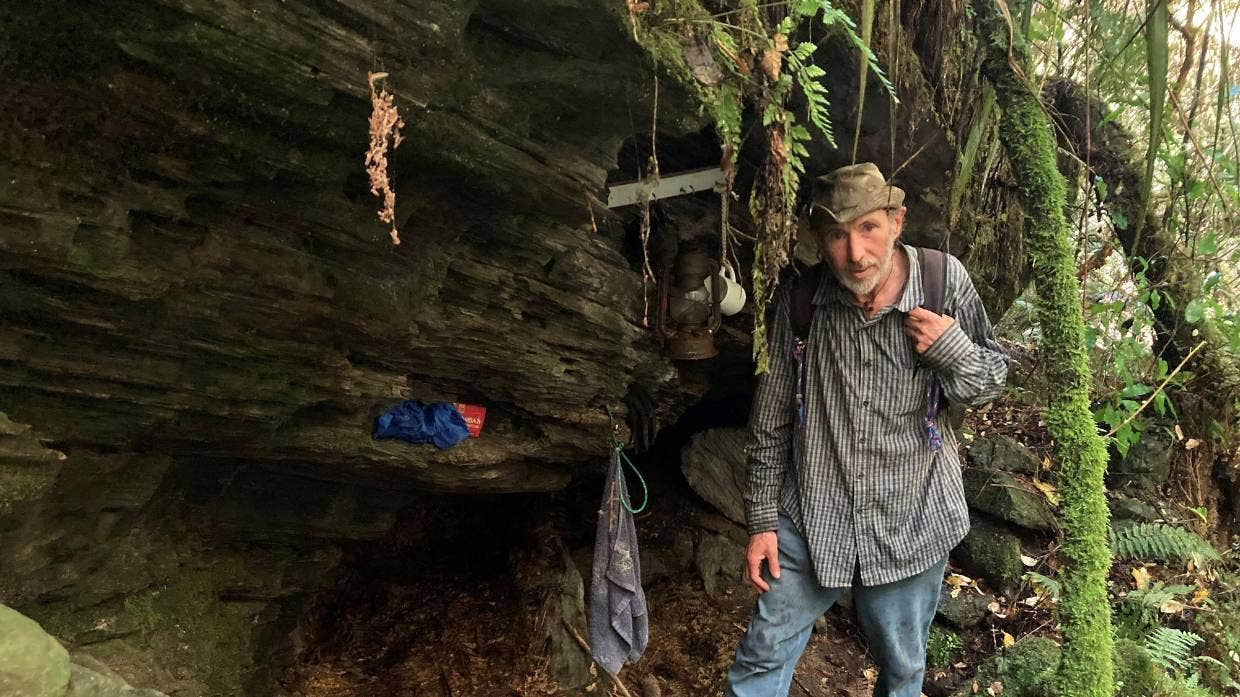
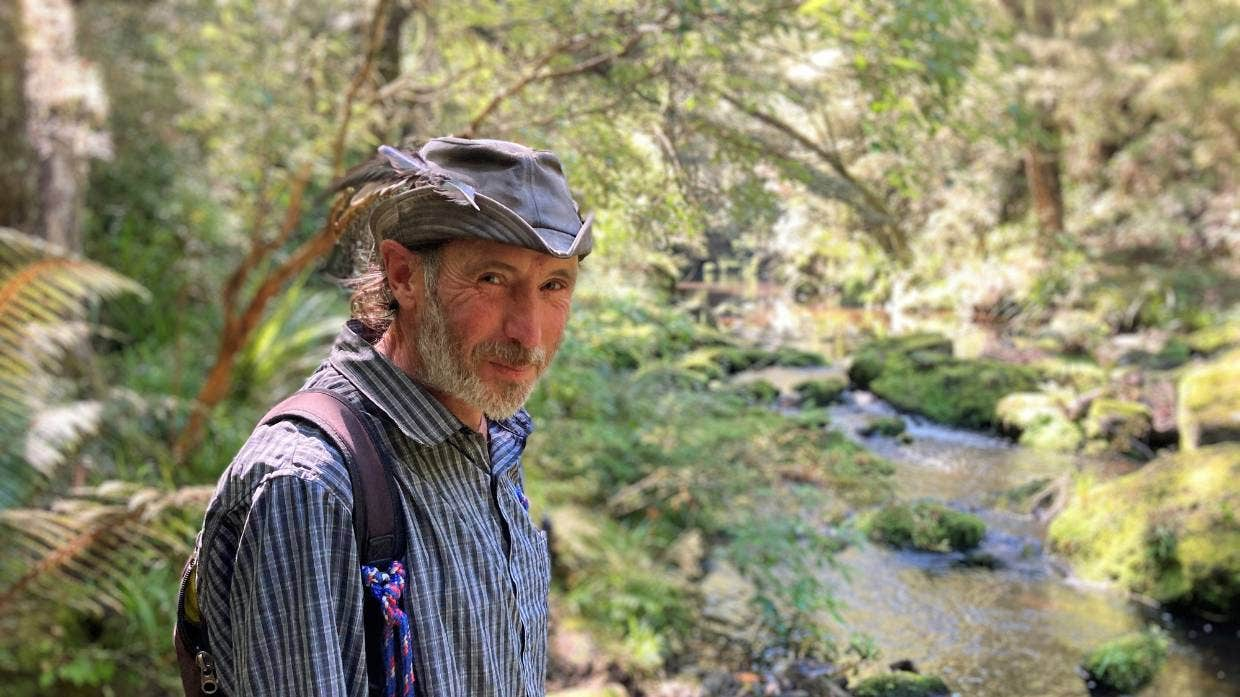
A man known as 'Little John' who has lived in a cave in Otago, on New Zealand's South Island, for the past decade has seen his father for the first time in 25 years.

Last month, Stuff reported the story of Little John, who lives in a cave near the township of Outram.

The story of the 57-year-old's lifestyle, which included him performing dentistry on himself and not collecting any benefit to survive, was also read by members of his estranged family, including his Australia-based sister.

LIVE UPDATES: Dutton pushes 'deterrent effect' during global tensions

"It feels like a weight has been lifted, no longer fearing the worst and wondering where he was," she said.

It also led to his Dunedin-based father contacting a local foodbank to track him down.

Longtime supporter Michelle Kerr, of the Mosgiel Community Foodbank, said it was "a huge step for him".

Little John said he knew his father's address, but had not visited his home since he returned south to live.

After not seeing each other for 25 years, father and son were reunited on Wednesday.

Little John's father, who Stuff has agreed not to name, said it was a great experience.

The pair spent time together, shared a meal, and Little John was able to talk to his sister in Australia.

His father also told him his mother died in 2019.

The pair planned to catch up again, he said.

Little John said there were no ''major dust-ups'' between family members, but their separation came after the death of his brother which ''was just so hard on the family''.

After the collapse of a relationship and battle with addictions, Little John moved to the cave to dry out.

And there he stayed for much of the past decade.

It was in that cave, several kilometres from the nearest human structure, where he found peace with God, he said.

''I have been closer with my fellow Christians than I could ever be with my own family.''

READ MORE: Tip-off alerts Victoria Police to 35-year-old missing person mystery

Little John said life had been ''really good'' since his story was published.

It had helped break down some barriers with local residents, including some previously reticent motorists who now picked him up when he was hitchhiking.

A few weeks ago four young people went looking for him but initially failed to find his cave which was located off the beaten track.

''I heard someone yelling out 'Little John', and I replied 'G'day'.''

Local children were also fascinated with his story, but Little John advised them there were better life choices for them.

And while he had offers from aspiring 'cave women', there were ''not as many" as he would have liked.

He plans to spend the cold Otago months in the cave because he liked the winters there, he said.

READ MORE: Russia accused of 'atrocity' in alleged bombing of maternity ward

''For me it's natural, and natural is healthy.''

Nor did he plan to claim the unemployment benefit, or eventually the pension.

The problem with claiming a benefit was that it would give him access to his addictions, he said.

''Booze and smokes … they have always been a problem, always will be.''

Now he smoked and drank at a much lower level ''basically because I can't afford it''.

''For me, it was a really big step, go off the dole and close your bank account.

''This was a really powerful step to take … giving up on the Government support.''

He previously told Stuff he relied on about $500 a year from doing odd jobs and utilised the local food bank for supplies.

''I live in a cave because it is free … and nobody bugs me there.''

This story originally appeared on Stuff and has been reproduced with permission.

Dozens buried in mass grave as Russians bombard Ukraine city

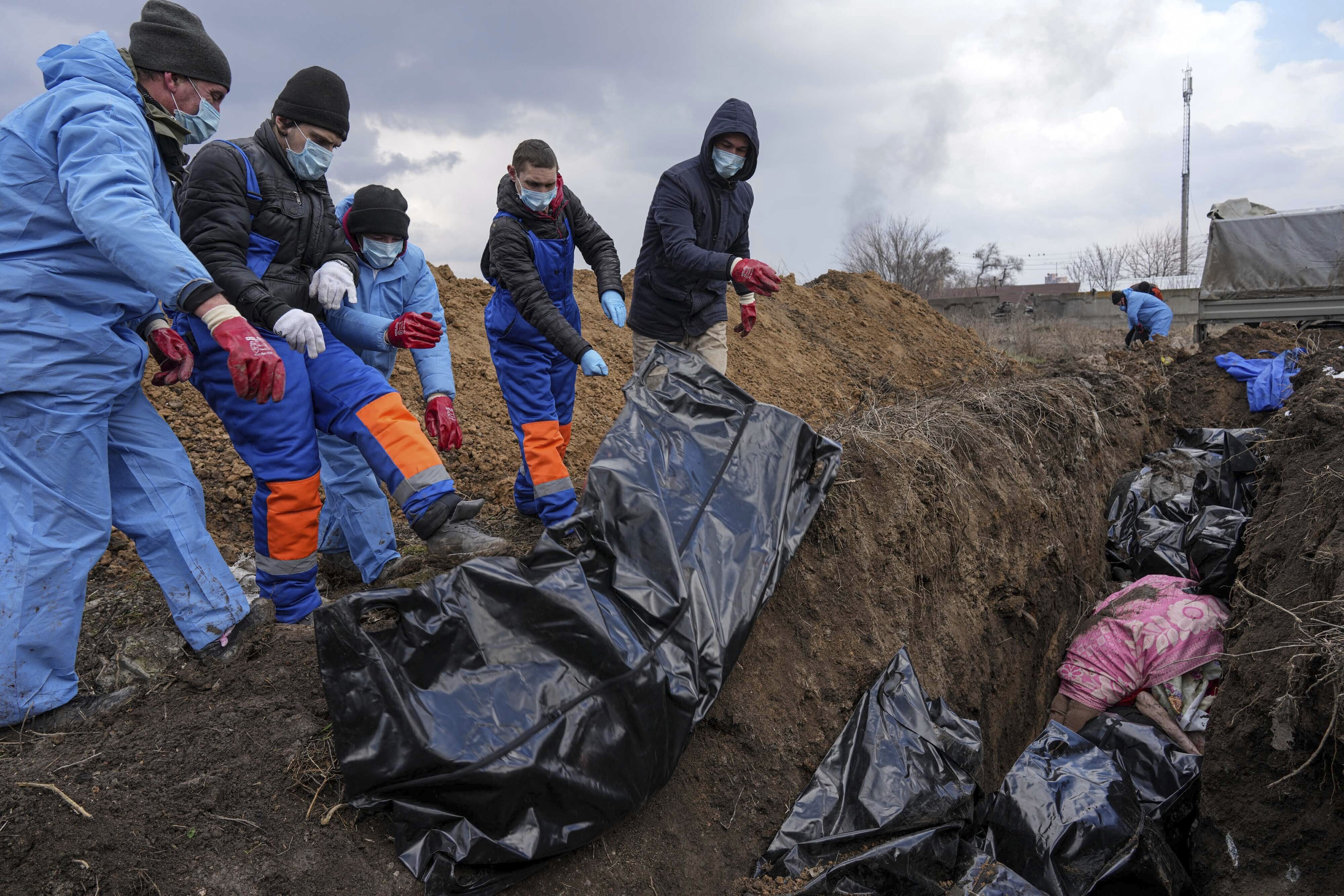
Under steady Russian bombardment, workers in Ukraine's besieged southern port city of Mariupol are hastily and unceremoniously burying scores of dead Ukrainian civilians and soldiers in a mass grave.

With morgues overflowing and more corpses uncollected in homes, city officials decided they could not wait to hold individual burials.

A deep trench about 25 metres long dug in an old cemetery in the heart of the city is filling up with bodies collected by municipal social service workers from morgues and private homes.

LIVE UPDATES: Missiles plan for Ukraine to combat 'murderous' air strikes

Some are brought wrapped in carpets or plastic bags. Forty came Tuesday, and another 30 so far Wednesday (local time, Thursday morning AEDT). They include civilian victims of shelling on the city and soldiers, as well as civilians who died of disease or natural causes.

Other city workers are also bringing bodies so the numbers being buried are quickly rising and the total in the long grave is now unclear.

Workers quickly make the sign of the cross after pushing the bodies into the common grave. No family members or other mourners are present to say their goodbyes.

READ MORE: Russia accused of 'atrocity' after children's hospital hit

Aftermath of Mariupol Hospital after an attack, in Mariupol, Ukraine, Wednesday March 9, 2022.

The work is carried out efficiently, and unceremoniously, as a result of the ever-present danger. Shells landed in the cemetery itself Tuesday, interrupting the burials and damaging a wall.

The city plans to close this grave Thursday, if the bombardments stop long enough to allow workers to do so.

READ MORE: Pentagon rejects Poland offer to give Ukraine warplanes

At the gates of the cemetery, a woman asked if her mother is among those buried in the trench. She said she had left her body three days before outside the morgue, with a paper label stating her name attached. Her mother was buried there, the workers told the woman, who declined to give her name.

Man dies following world-first transplant

The first person to receive a heart transplant from a pig has died, two months after the groundbreaking experiment, the Maryland hospital that performed the surgery announced Wednesday.

David Bennett, 57, died Tuesday at the University of Maryland Medical Centre.

Doctors didn't give an exact cause of death, saying only that his condition had begun deteriorating several days earlier.

READ MORE: One vaccine could end COVID-19 and common cold – but doesn't exist

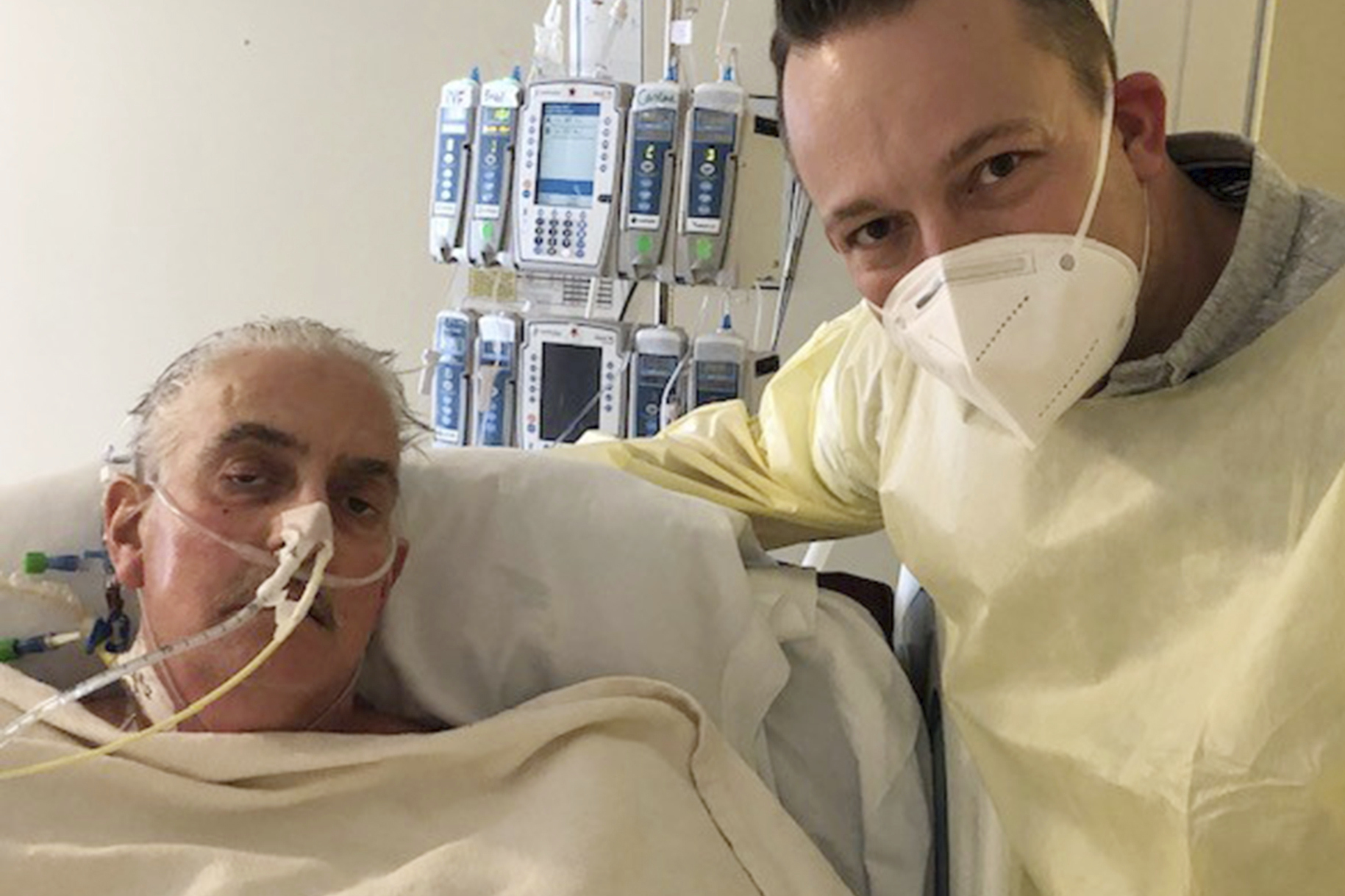
David Bennett Jr. (right) stands next to his father's hospital bed in Baltimore on January 12, 2022, five days after doctors transplanted a pig heart into Bennett Sr., in a last-ditch effort to save his life.

Bennett's son praised the hospital for offering the last-ditch experiment, saying the family hoped it would help further efforts to end the organ shortage.

"We are grateful for every innovative moment, every crazy dream, every sleepless night that went into this historic effort," David Bennett Jr. said in a statement released by the University of Maryland School of Medicine. "We hope this story can be the beginning of hope and not the end."

Doctors for decades have sought to one day use animal organs for life-saving transplants.

Bennett, a handyman from Hagerstown, Maryland, was a candidate for this newest attempt only because he otherwise faced certain death — ineligible for a human heart transplant, bedridden and on life support, and out of other options.

David Bennett with his family

After the January 7 operation, Bennett's son told The Associated Press his father knew there was no guarantee it would work.

READ MORE: First ever pig-to-human heart transplant performed by US doctors

Prior attempts at such transplants — or xenotransplantation — have failed largely because patients' bodies rapidly rejected the animal organ.

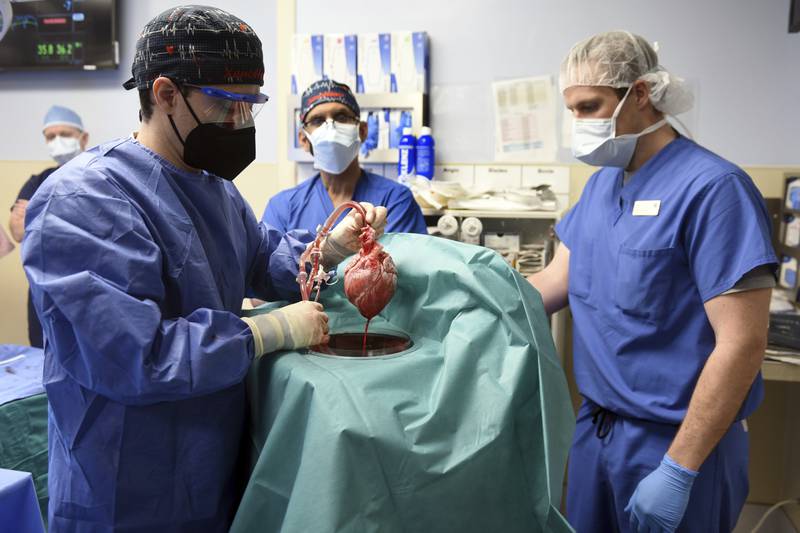
This time, the Maryland surgeons used a heart from a gene-edited pig: Scientists had modified the animal to remove pig genes that trigger the hyper-fast rejection and add human genes to help the body accept the organ.

At first the pig heart was functioning, and the Maryland hospital issued periodic updates that Bennett seemed to be slowly recovering. Last month, the hospital released video of him watching the Super Bowl from his hospital bed while working with his physical therapist.

Members of the surgical team show the pig heart for transplant.

Bennett survived significantly longer with the gene-edited pig heart than one of the last milestones in xenotransplantation — when Baby Fae, a dying California infant, lived 21 days with a baboon's heart in 1984.

"We are devastated by the loss of Mr. Bennett. He proved to be a brave and noble patient who fought all the way to the end," Dr. Bartley Griffith, who performed the surgery at the Baltimore hospital, said in a statement.

The need for another source of organs is huge. More than 41,000 transplants were performed in the US last year, a record — including about 3,800 heart transplants. But more than 106,000 people remain on the national waiting list, thousands die every year before getting an organ and thousands more never even get added to the list, considered too much of a long shot.

The Food and Drug Administration had allowed the dramatic Maryland experiment under "compassionate use" rules for emergency situations. Bennett's doctors said he had heart failure and an irregular heartbeat, plus a history of not complying with medical instructions. He was deemed ineligible for a human heart transplant that requires strict use of immune-suppressing medicines, or the remaining alternative, an implanted heart pump.

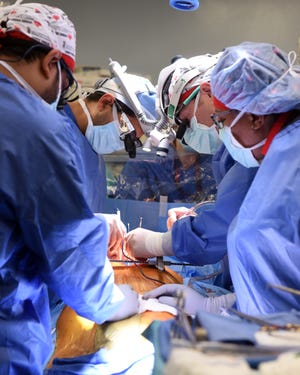
The surgical team from the University of Maryland School of Medicine work as they successfully perform the pig heart transplant.

Doctors didn't reveal the exact cause of Bennett's death. Rejection, infection and other complications are risks for transplant recipients.

But from Bennett's experience, "we have gained invaluable insights learning that the genetically modified pig heart can function well within the human body while the immune system is adequately suppressed," said Dr. Muhammad Mohiuddin, scientific director of the Maryland university's animal-to-human transplant program.

One next question is whether scientists have learned enough from Bennett's experience and some other recent experiments with gene-edited pig organs to persuade the FDA to allow a clinical trial — possibly with an organ such as a kidney that isn't immediately fatal if it fails.

Twice last fall, surgeons at New York University got permission from the families of deceased individuals to temporarily attach a gene-edited pig kidney to blood vessels outside the body and watch them work before ending life support.

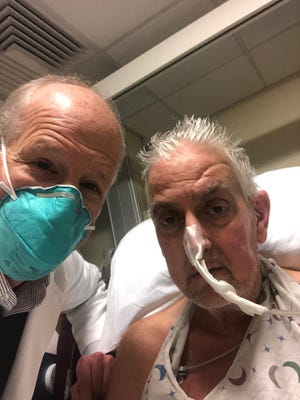
Dave Bennett (right) received a pig heart in a world first. Here he is pictured with lead surgeon Bartley Griffin.

And surgeons at the University of Alabama at Birmingham went a step further, transplanting a pair of gene-edited pig kidneys into a brain-dead man in a step-by-step rehearsal for an operation they hope to try in living patients possibly later this year.

Pigs have long been used in human medicine, including pig skin grafts and implantation of pig heart valves. But transplanting entire organs is much more complex than using highly processed tissue.

The gene-edited pigs used in these experiments were provided by Revivicor, a subsidiary of United Therapeutics, one of several biotech companies in the running to develop suitable pig organs for potential human transplant.

Antarctic explorer Shackleton's ship found after a century

Scientists say they have found the sunken wreck of polar explorer Ernest Shackleton's ship Endurance, more than a century after it was lost to the Antarctic ice.

The Falklands Maritime Heritage Trust says the vessel lies 3,000 metres below the surface of the Weddell Sea, about 6.4 kilometres south of the location recorded in 1915 by its captain, Frank Worsley.

An expedition set off from South Africa last month to search for the ship, which was crushed by ice and sank in November 1915.

READ MORE: Russia's KFC, Pizza Hut and Starbucks outlets to close
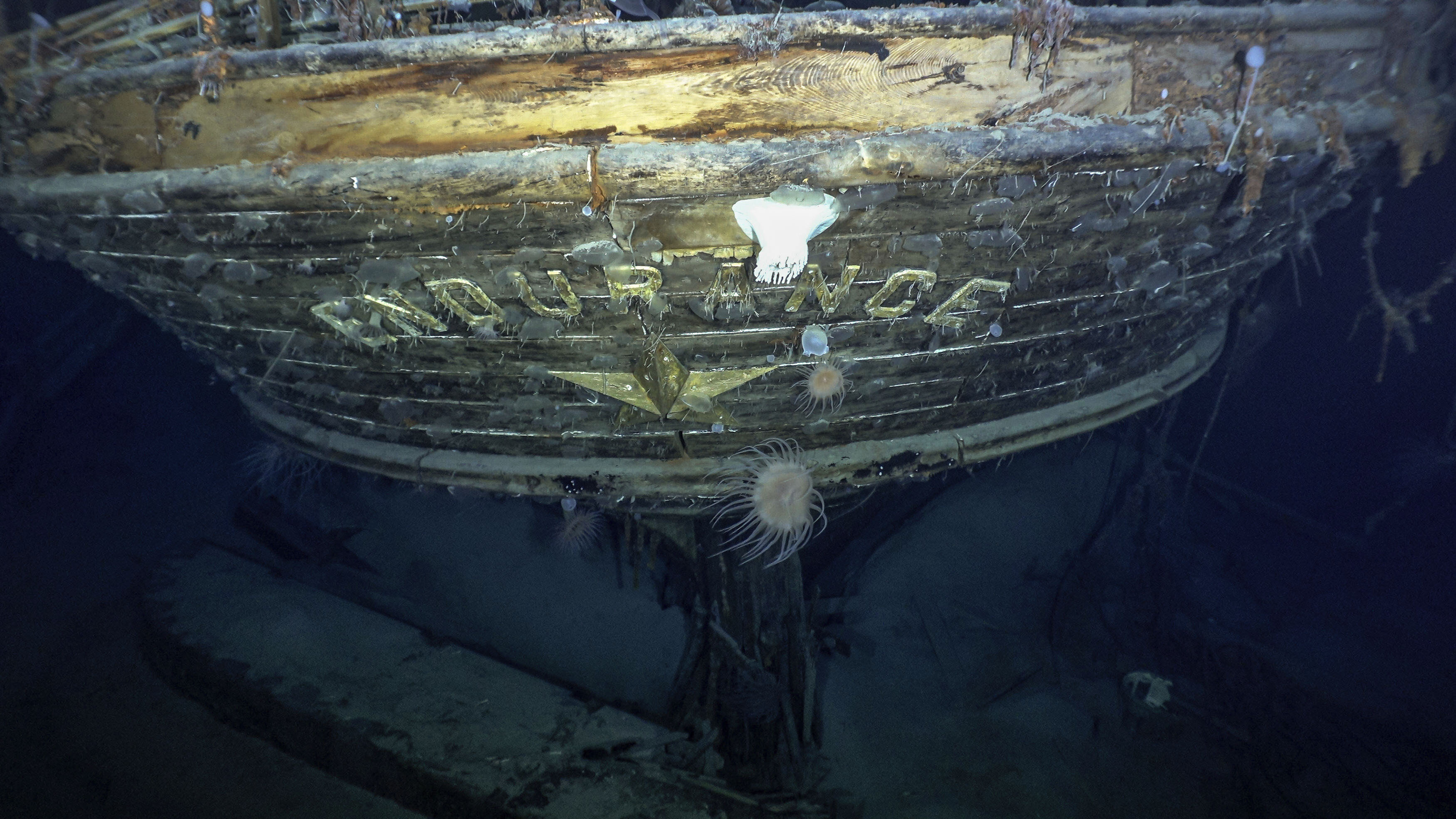
 Sir Ernest Shackleton's ship which has not been seen since it was crushed by the ice and sank in the Weddell Sea in 1915.

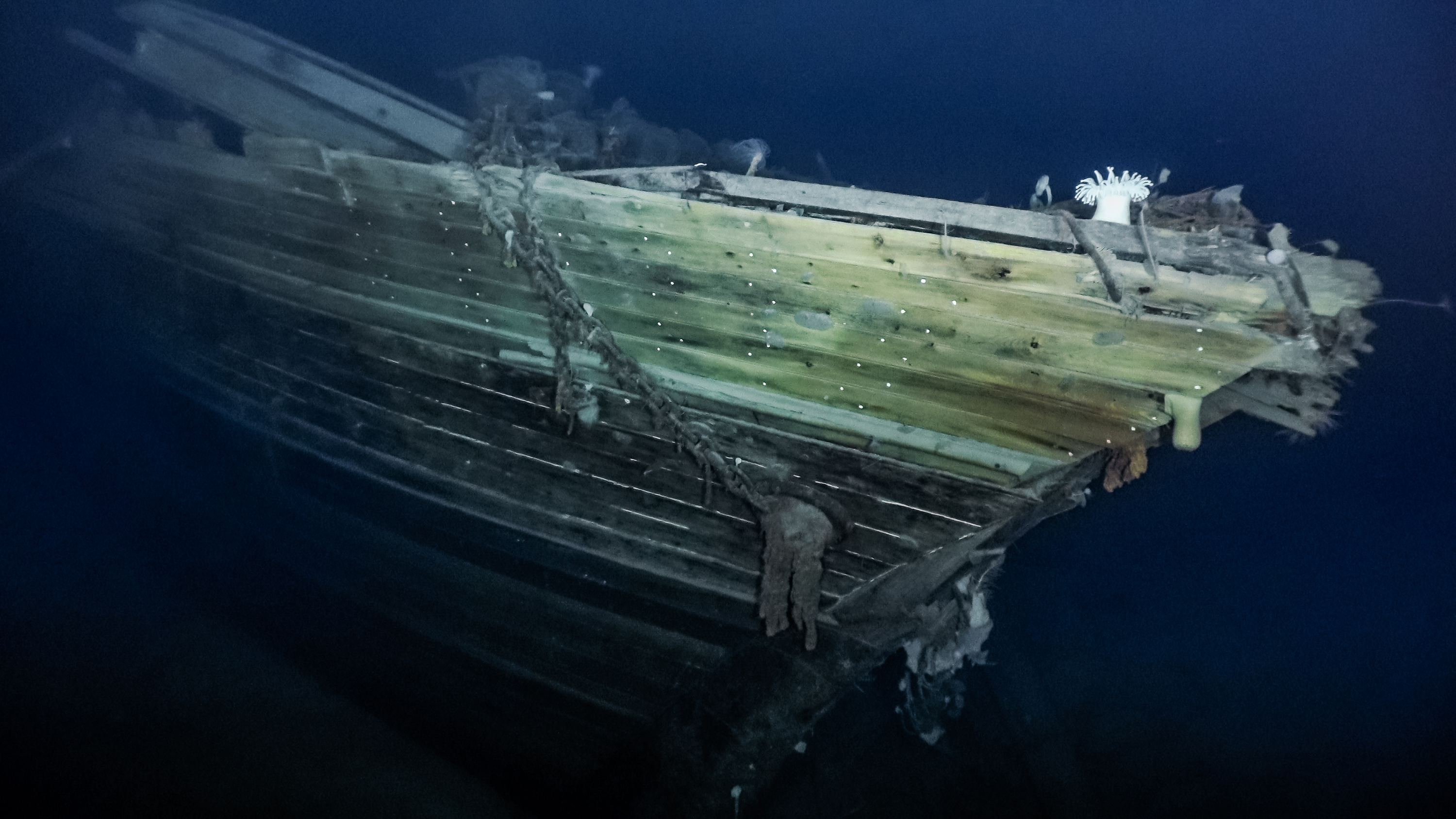
Mensun Bound, director of exploration for the Endurance22 expedition, said footage revealed the ship to be in remarkably good condition.

"This is by far the finest wooden shipwreck I have ever seen," he said. "It is upright, well proud (clear) of the seabed, intact, and in a brilliant state of preservation. You can even see 'Endurance' arced across the stern, directly below the taffrail."

Shackleton's 1914-16 attempt to become the first person to cross Antarctica via the South Pole failed — he never set foot on the continent.

But his successful bid to reach help at a remote South Atlantic whaling station and rescue his men is considered a heroic feat of endurance. All the men survived and were rescued many months later.
Shipwreck Endurance Found

The expedition to find the ship comes 100 years after Shackleton's death in 1922.

British historian and broadcaster Dan Snow, who accompanied the expedition, tweeted that Endurance was found on Saturday, "100 years to the day since Shackleton was buried."

He said the wreck had been filmed, but wouldn't be touched.
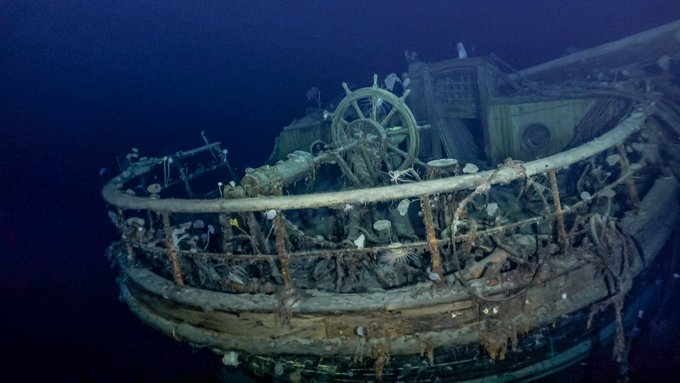
Sharing more photos and videos from behind the scenes of the discovery on social media, Snow said the wreck was "in an astonishing state of preservation"

"Nothing was touched on the wreck," he said.

"Nothing retrieved. It was surveyed using the latest tools and its position confirmed. It is protected by the Antarctic Treaty. Nor did we wish to tamper with it."

Sharing more photos and videos from behind the scenes of the discovery on social media, Snow said the wreck was "in an astonishing state of preservation".

"The Antarctic seabed does not have any wood eating micro organisms, the water has the clarity of distilled water," he wrote.

"We were able to film the wreck in super high definition. The results are magical"

Who was Shackleton?

Irish-British explorer Shackleton had a long-time obsession with the South Pole and set off on a total of four expeditions toward the White Continent.

Endurance departed from the UK in 1914 and reached Antarctica's McMurdo Sound the following year on a journey called the the Imperial Trans-Antarctic Expedition.
Shipwreck

However, due to the extreme conditions, the ship got stuck amid thick, impenetrable ice in the Weddell Sea. The 28 men on board, including Shackleton himself, abandoned the Endurance and set up rudimentary camp facilities on board ice floes that were floating northward.

Eventually, the team made it to the uninhabited Elephant Island, then some — including Shackleton — volunteered to get in a lifeboat and head toward South Georgia Island, finally crossing it on foot to reach Stromness whaling station, which was then manned by the Norwegians, and organise a rescue of the men left behind on Elephant Island.

Endurance22

Although the expedition was a failure, the team's survival and eventual rescue months later, without any loss of life, was seen as a triumph of their tenacity and the incredible leadership skills of Shackleton.

Following another expedition later in his life, Shackleton died on South Georgia Island in 1922, at the age of 47, and is buried there.

How was Endurance found?

After being abandoned, Endurance eventually sank into the Weddell Sea, where she has been ever since.

Its resting place is about four miles south of where Captain Frank Worsley, a New Zealander who helmed the ship, had believed it to be.

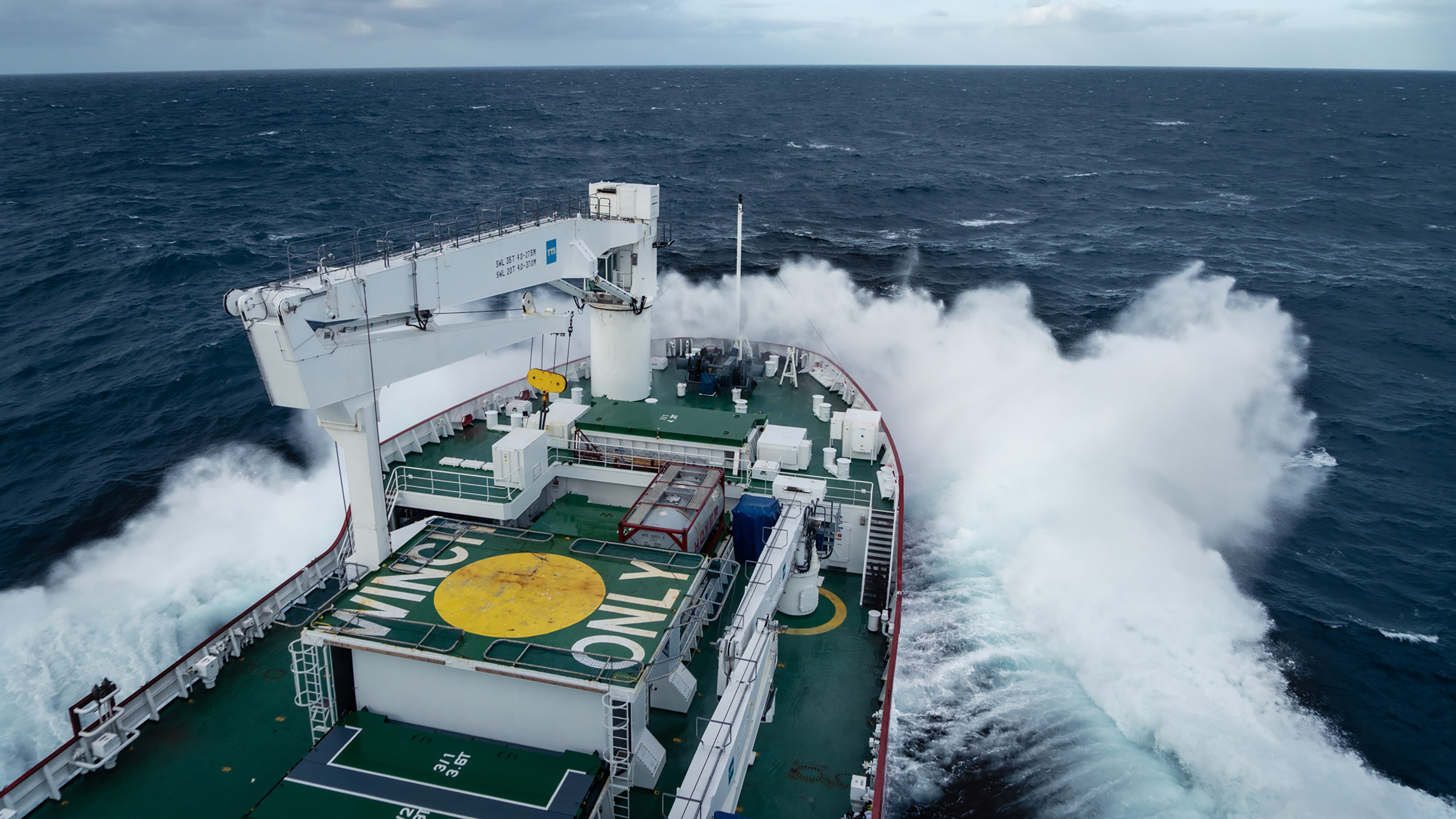
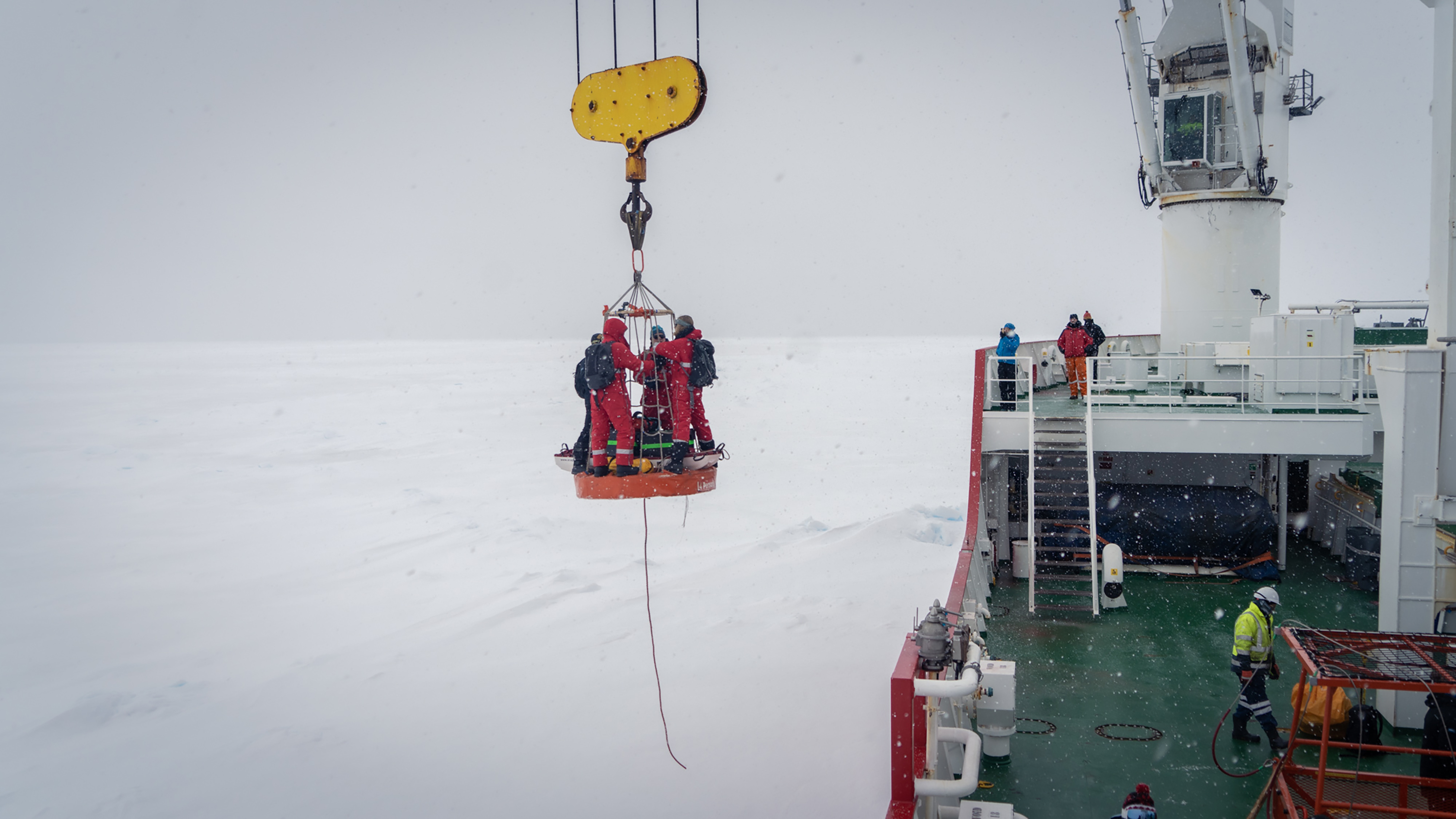
The discovery team departed from Cape Town on the South African polar research and logistics vessel, S.A. Agulhas II. Fittingly, they dubbed their ship — and mission — Endurance22.
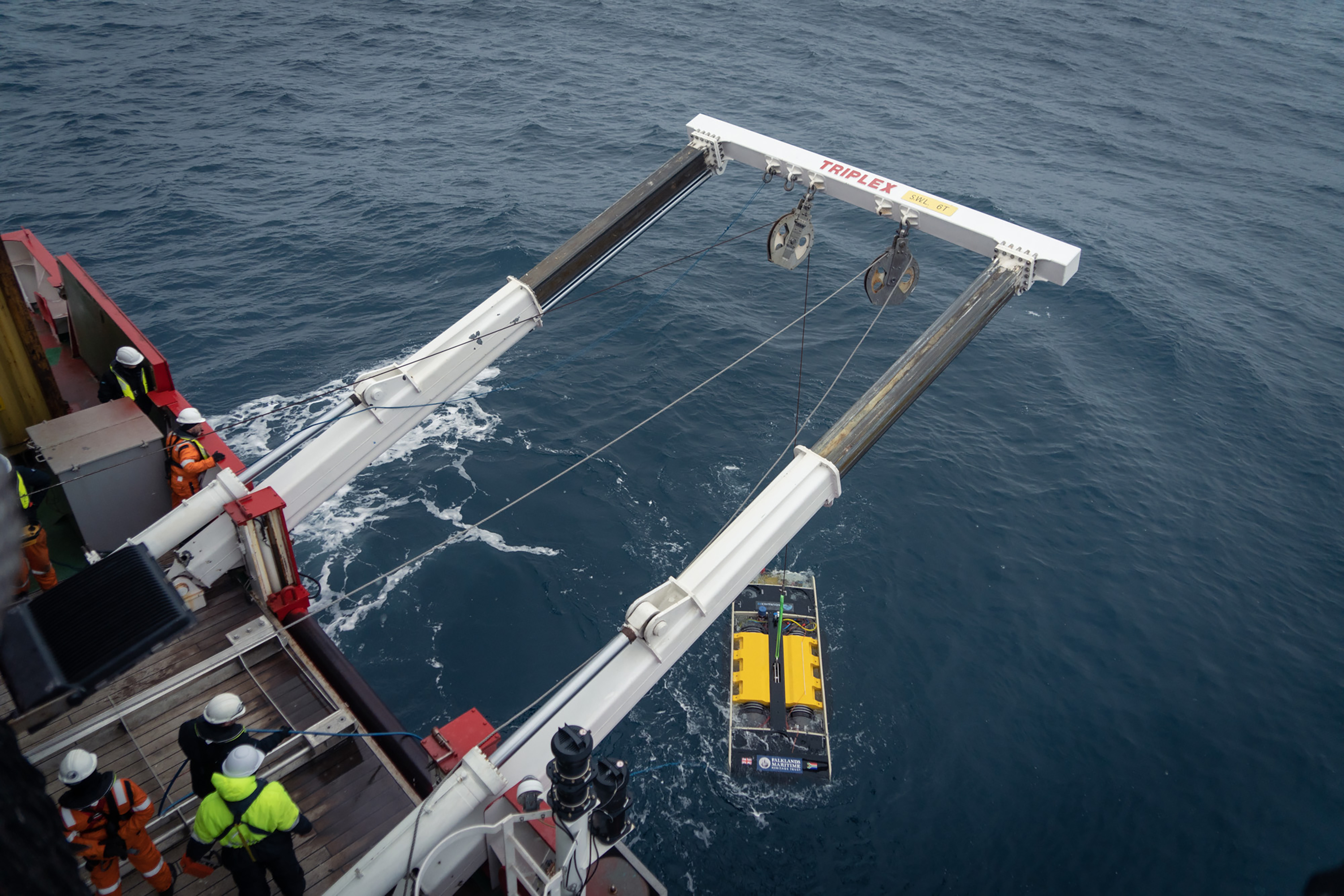
Shipwreck Endurance FoundEndurance22 Crew

On board were a mixed group including scientists, historians and filmmakers who were capturing footage for an upcoming National Geographic documentary about the journey to locate Endurance.

Once they were close to where they believed the shipwreck was, explorers used Sabertooth hybrid underwater search vehicles made by Saab to locate her.

What happens next?

As per the guidelines of the Antarctic Treaty — which was signed by 12 countries in 1959 and is the closest thing to a constitution for the southernmost continent — Endurance will not be moved or taken apart.

Instead, she will remain where she is and be studied, mapped and photographed there.

Endurance22

While Shackleton's name and biography are still famous around the world, the Endurance22 mission is as focused on the future as the past.

Dr. John Shears, the expedition leader, said, "We have also conducted an unprecedented educational outreach program, with live broadcasting from on board, allowing new generations from around the world to engage with Endurance22 and become inspired by the amazing stories of polar exploration, and what human beings can achieve and the obstacles they can overcome when they work together."