Test your brains with the Herald’s afternoon quiz. Be sure to check back on nzherald.co.nz for the morning quiz tomorrow. To challenge yourself with more quizzes, CLICK HERE.
Tag Archives: oceania
Woman pleads not guilty to having sex with teenage boy
A woman plans to tell a jury she didn’t have sex with a teenage boy who was half her age. The woman, who can’t be identified, has pleaded not guilty to five charges of sexual connection with a young person and two of performing…
Religious discrimination bill delayed, unlikely to be voted on before election
It's looking increasingly unlikely the Federal Government will fulfil an election promise to legislate a religious discrimination bill before Australia next heads to the polls, after the draft laws were sensationally dropped from the Senate's agenda.
The bill passed the House of Representatives in the early hours of this morning, following a marathon overnight debate.
At one stage, five Liberal backbenchers crossed the floor to vote with Labor and the crossbench on a change to the law designed to protect students being expelled because of their sexuality or gender identity.
READ MORE: Labor MP hails high-heel-wearing son's bravery in powerful religious discrimination bill speech
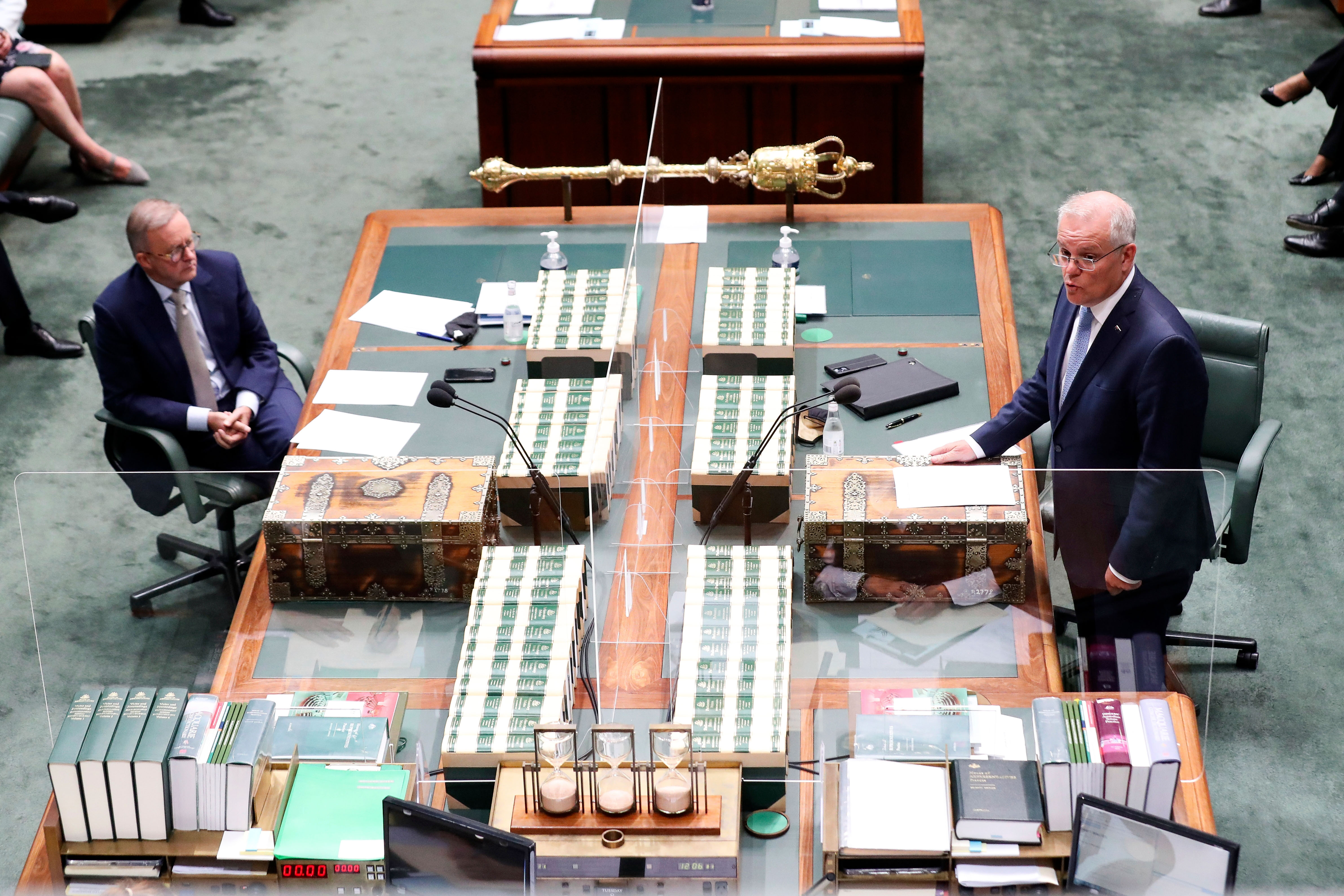
The Opposition Leader touted it as a win this morning, but said the battle wasn't over, vowing to push for further changes in the Senate.
"It's not our job to sit back, see bad legislation just carried, not participate, not trying to improve it, and then just complain about it from the sideline," Anthony Albanese told reporters.
However, just hours later, Labor and the government voted to scrap the legislation from today's agenda, with the Coalition saying it has legal advice suggesting the amendments would have unintended consequences.
https://twitter.com/ElizaEdNews/status/1491585730497622018
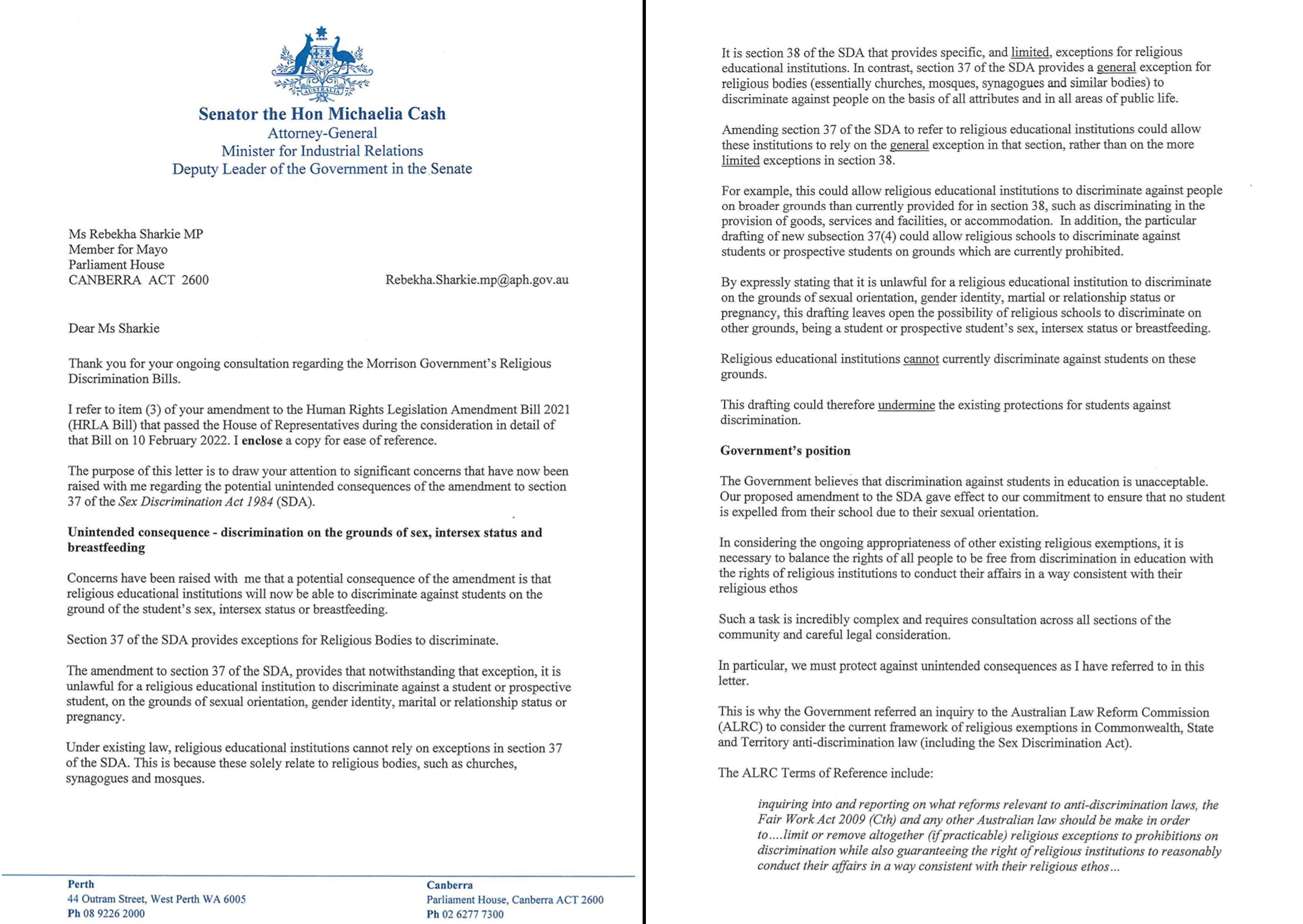
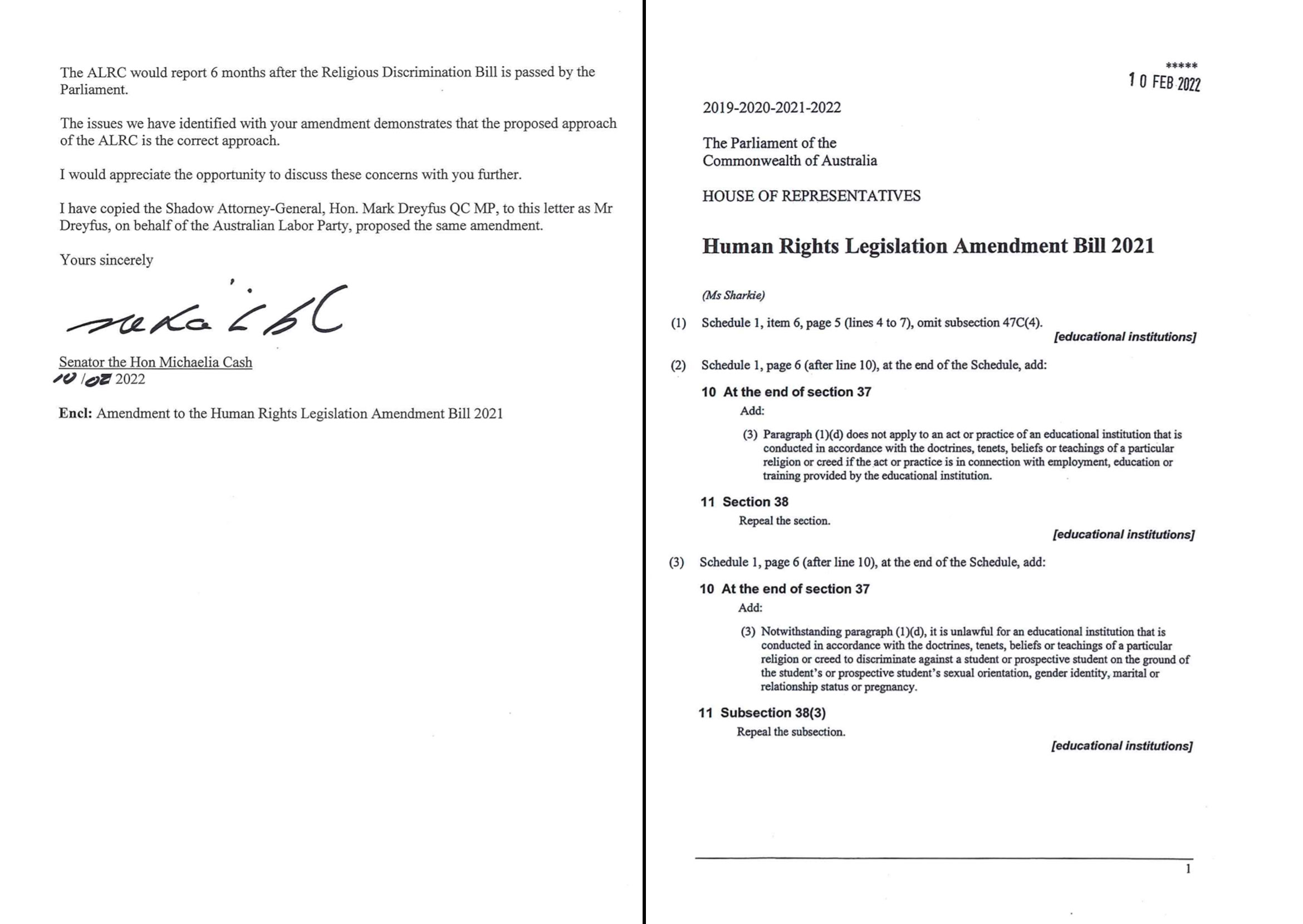
With only two more Senate sitting days before the election is due, the chances of the bill becoming law are fading.
The Prime Minister promised to enshrine protections for people of faith before the last election, but Assistant Attorney-General Amanda Stoker insisted if it doesn't happen, it's not a broken promise.
"I don't think we could be marked down in circumstances where we've really moved heaven and earth to make it happen," she said.
MPs debate bill in overnight sitting of Lower House
The central issue in the overnight sitting was over the bill not protecting transgender children from being expelled from religious schools.
The backbenchers crossing the floor meant the amendment passed 65 to 57.
This led to the government voting against its own bill, but it lost and the legislation was sent to the Senate.
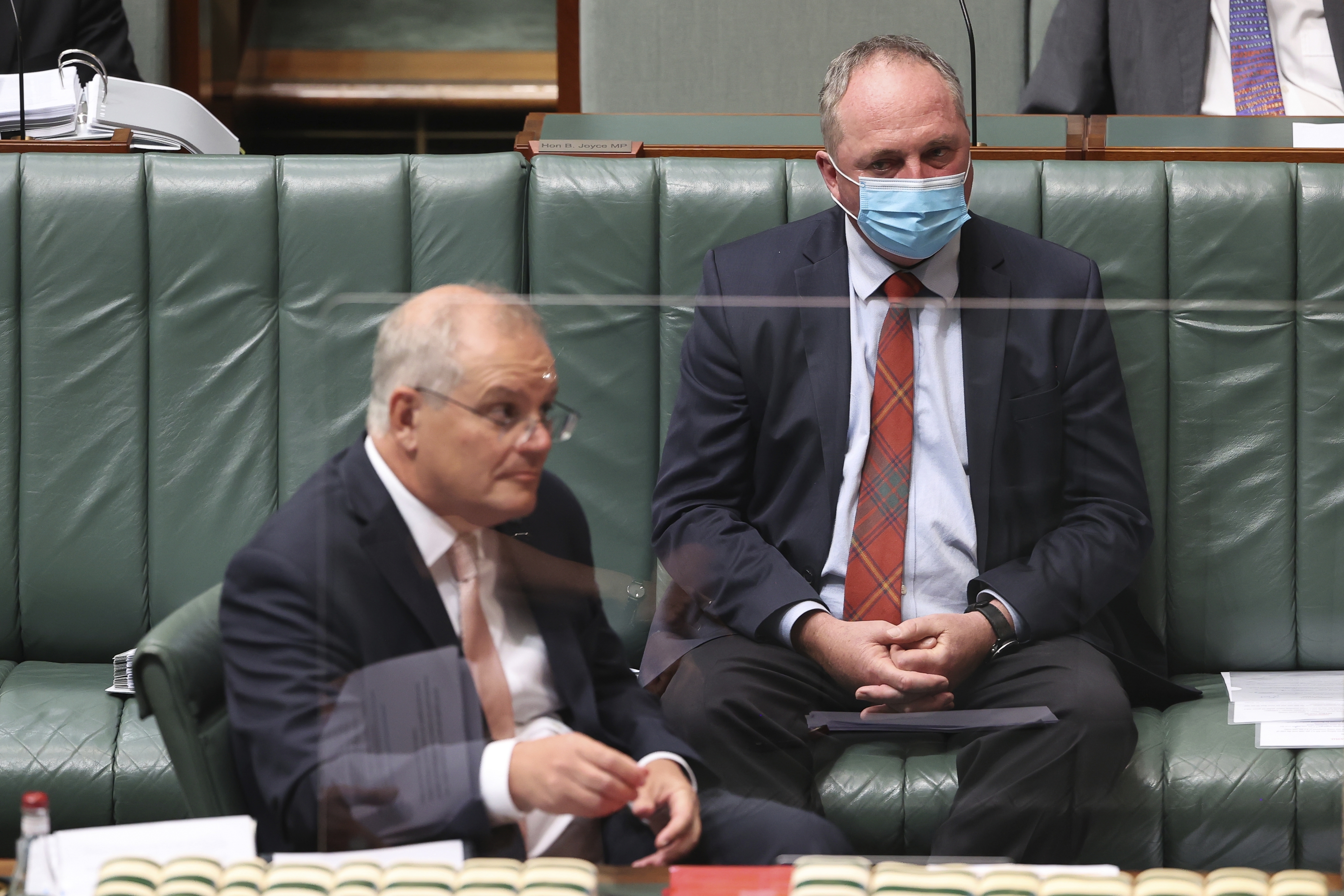
Tasmanian Senator Jacqui Lambie signalled the bill could face further hurdles in the Upper House if and when it is eventually dealt with.
"I will not be voting for it," she told Today.
"We have a gold-plated legislation that we have in Tasmania.
"It works very, very well and I remind the Liberal and Labor parties that your people down there, your state people voted to put that in."
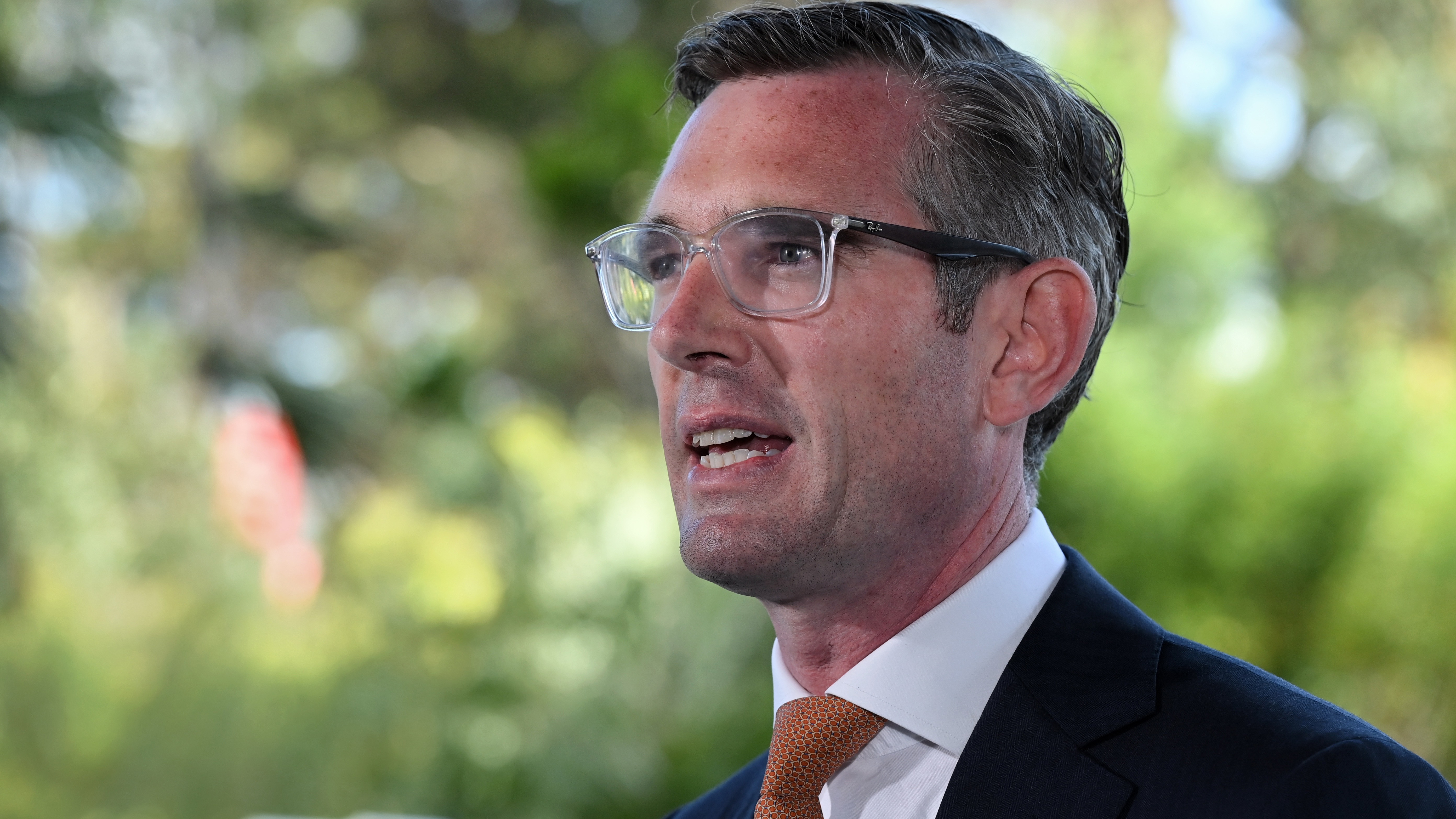
NSW Premier Dominic Perrottet has also criticised the bill.
"I've said from the outset when I was previously the Treasurer, when this bill was introduced, that I don't believe it's necessary to have this legislation," he said.
"We haven't needed it for over 100 years and I think in many ways it might create more problems than it's trying to solve."
READ MORE: Spy boss warns foreign 'puppeteer' tried to meddle in Australian election
But he said it was ultimately a matter for the federal government.
The legislation does already include protections against expulsion for gay school students.
Prime Minister Scott Morrison secured majority Coalition support for it earlier in the week, though several MPs voiced their opposition.
Labor MP Stephen Jones also delivered a personal and moving speech that spoke against it.
In it, Mr Jones mourned his gay nephew, who took his own life recently, and hailed the bravery of his gender non-conforming son.
"He has more courage than any other boy of his age that I've ever, ever met," Mr Jones said.
The Religious Discrimination Act would seek to make it illegal to discriminate against someone based on their religious beliefs, with changes to the Sex Discrimination Act to prohibit expelling students for being gay.
Labor has said it supports religious freedom, but that extra protections need to be in place.
Federal Attorney-General Michaelia Cash has argued an exemption for trans students would create problems for religious single-sex schools.
New report claims Earth's inner core made up of quirky substance
The Earth's inner core is composed of a peculiar substance, somewhere between liquid and solid, a new study by scientists in China suggests.
Just what lies at our planet's deepest depths has been a mystery since the inner core was discovered in 1936.
For decades, scientists believed the Earth's core consists of a liquid outer core covering a solid inner core.
READ MORE: Giant donut-shaped machine could make near-limitless clean power
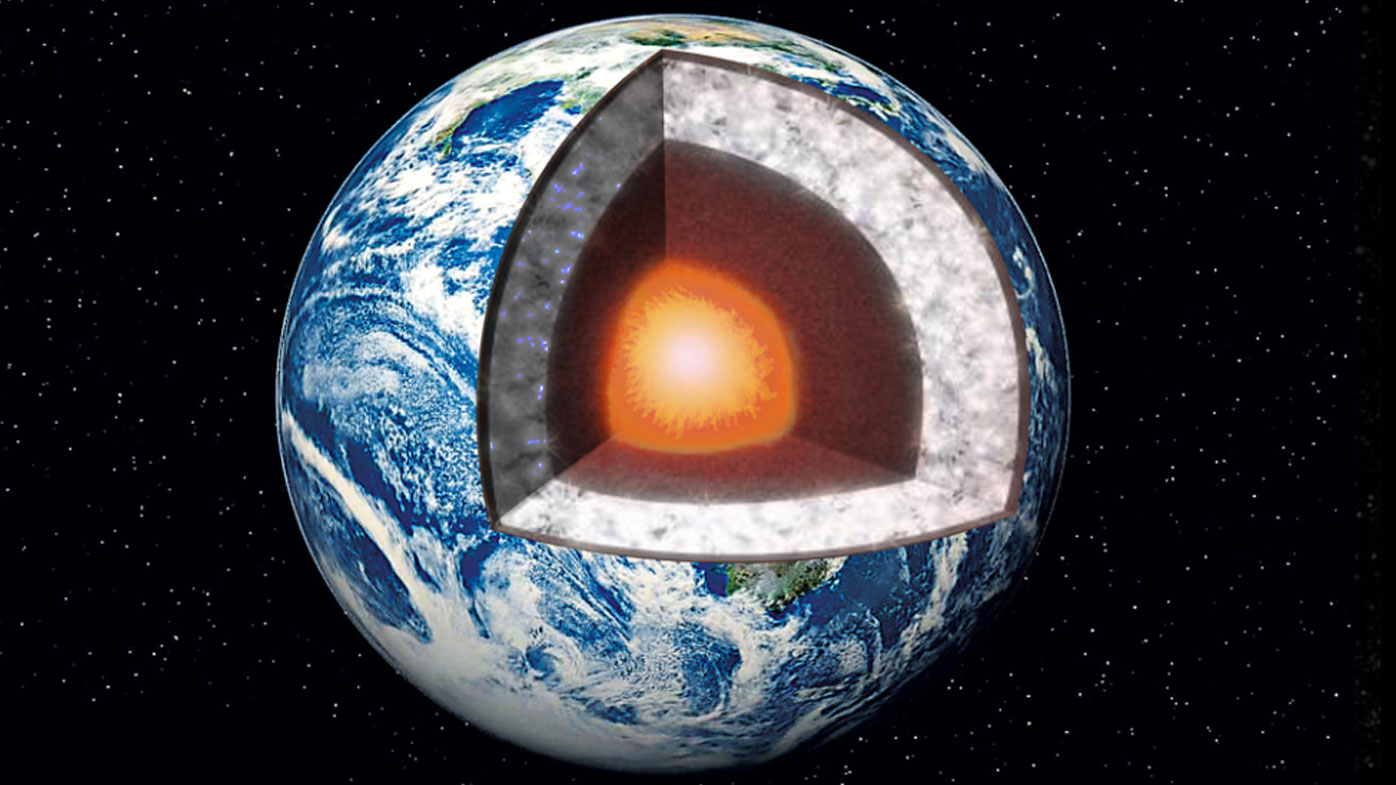
While physicists have identified the inner core is rich in iron, they don't know exactly which other elements are there, and in what amounts.
But a study by the Institute of Geochemistry of the Chinese Academy of Sciences (IGCAS) points to a quirky substance in the inner core.
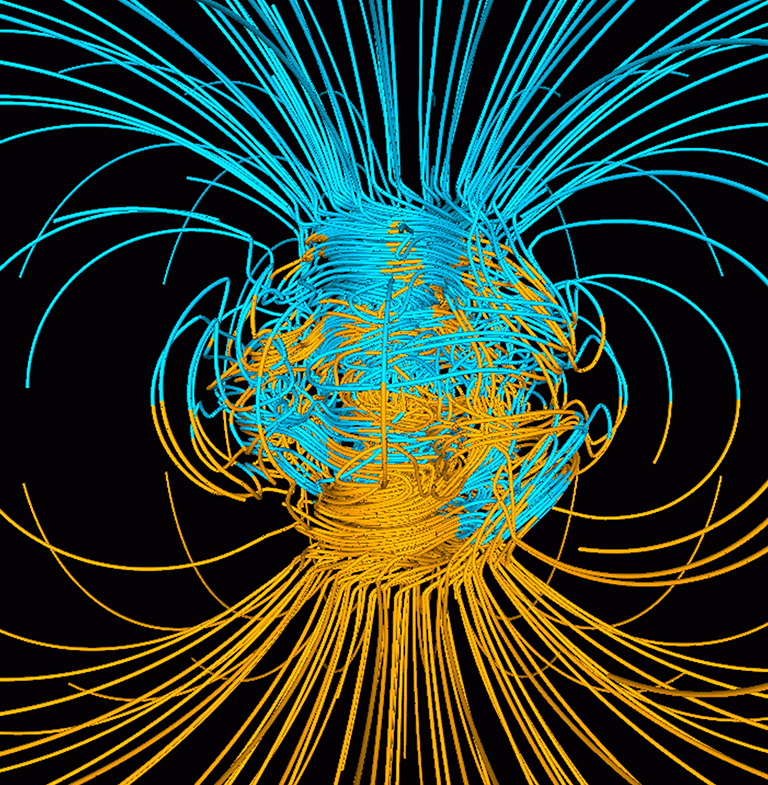
The intense heat or pressure at Earth's deepest point trigger superionic matter, a substance somewhere between liquid and solid, the research said.
Under superionic conditions, the liquid-like light elements are highly diffusive, while iron atoms remain largely stable.
The Chinese researchers used a computer simulation to show how the lighter elements moved about Earth's inner core while the iron stayed in place.
READ MORE: Tesla on autopilot crashes into police patrol car
Scientists believe superionic water ice may be a major component of giant icy planets, such as Uranus and Neptune.
The research is published in the journal Nature today.
The Earth's core continues to yield new discoveries and stir debate among physicists.
Its age is estimated to be anywhere from 1 billion to 4.5 billion years.
Cave points to startling new evidence on early humans
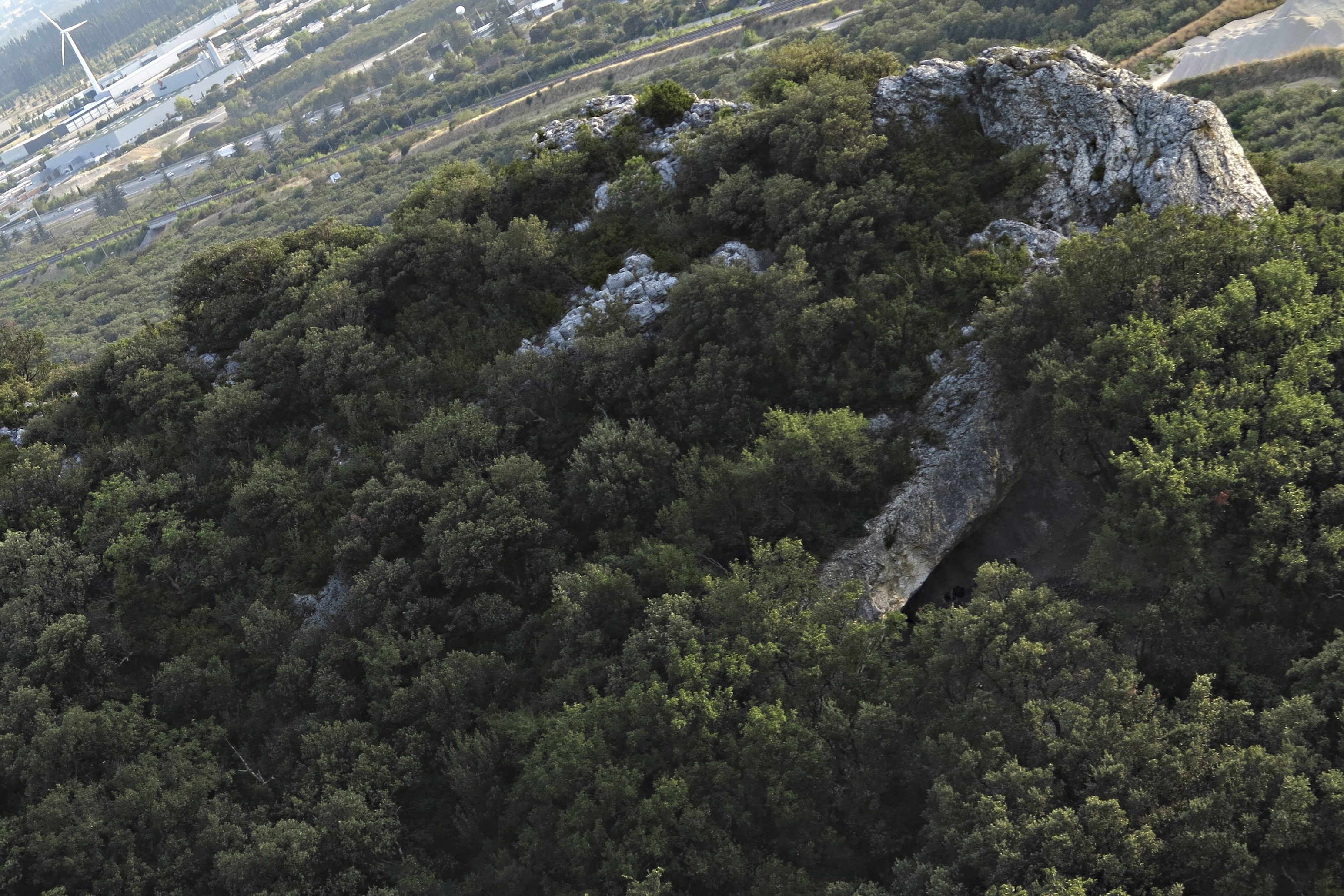
Perched about 100 metres up the slopes of the Prealps in southern France, a humble rock shelter looks out over the Rhône River Valley.
It’s a strategic point on the landscape, as here the Rhône flows through a narrows between two mountain ranges.
For millennia, inhabitants of the rock shelter would have had commanding views of herds of animals migrating between the Mediterranean region and the plains of northern Europe, today replaced by TGV trains and up to 180,000 vehicles per day on one of the busiest highways on the continent.
LIVE UPDATES: 'Not much sympathy for the unvaxxed', top doc says
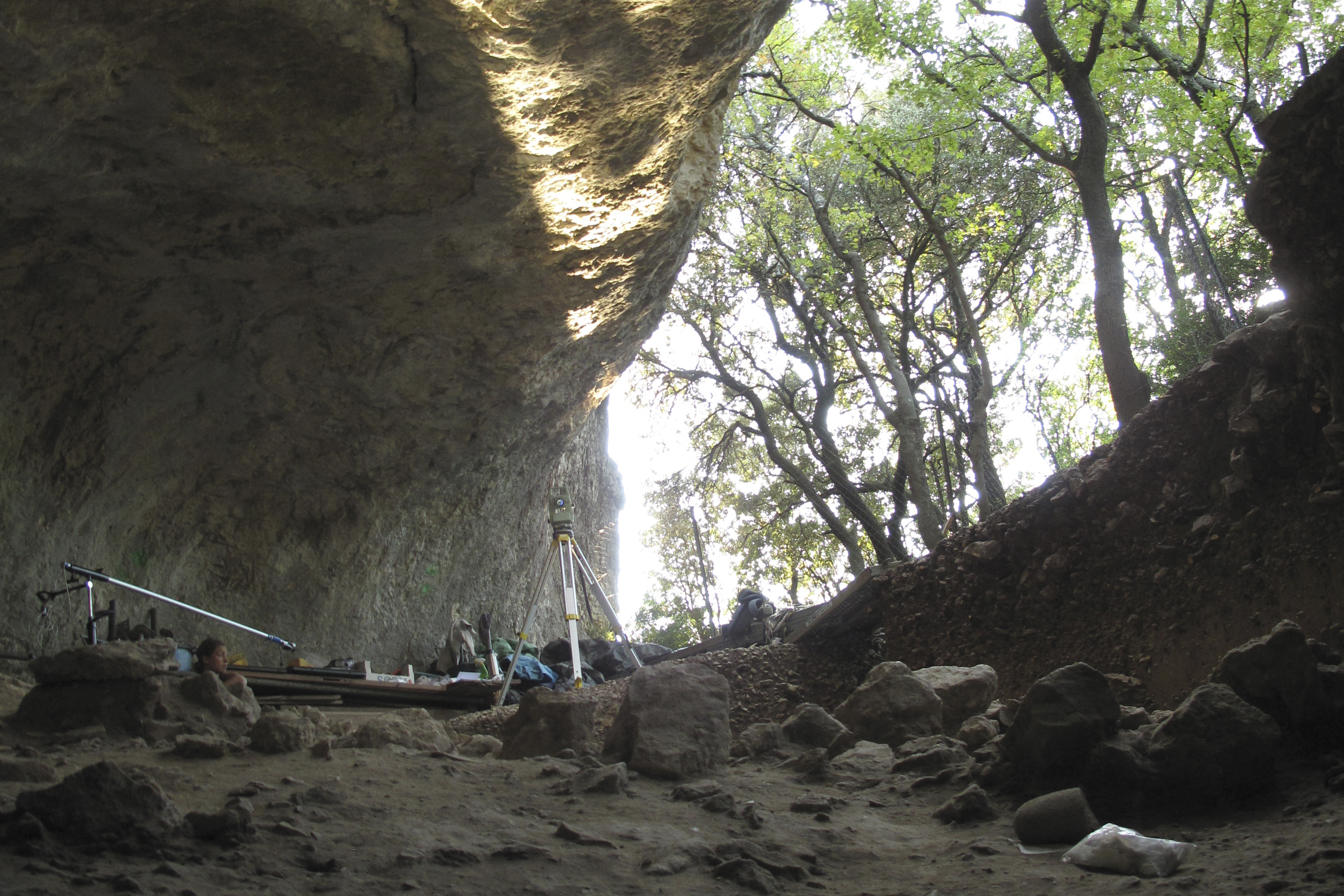
The site, recognised in the 1960s and named Grotte Mandrin after French folk hero Louis Mandrin, has been a valued location for over 100,000 years.
The stone artifacts and animal bones left behind by ancient hunter-gatherers from the Paleolithic period were quickly covered by the glacial dust that blew from the north on the famous mistral winds, keeping the remains well preserved.
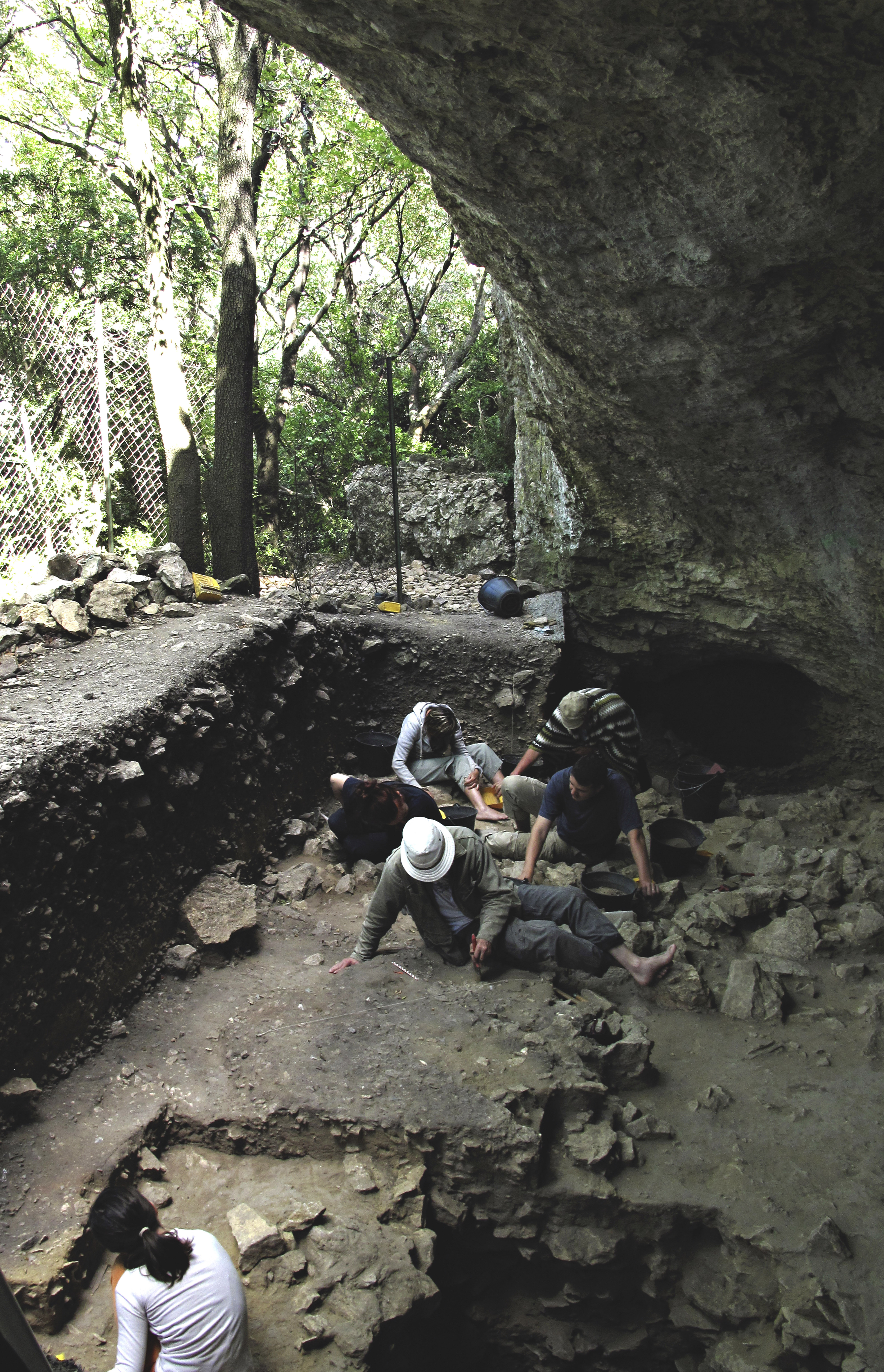
Since 1990, our research team has been carefully investigating the uppermost three metres of sediment on the cave floor.
Based on artifacts and tooth fossils, we believe that Mandrin rewrites the consensus story about when modern humans first made their way to Europe.
Human origins researchers have generally agreed that between 300,000 and 40,000 years ago, Neanderthals and their ancestors occupied Europe.
From time to time during that period, they had contact with modern humans in the Levant and parts of Asia.
Then around 48,000 to 45,000 years ago, modern humans – essentially us – expanded throughout the rest of the world, and Neanderthals and all other archaic humans disappeared.
In the journal Science Advances, we describe our discovery of evidence that modern humans lived 54,000 years ago at Mandrin.
That’s some 10 millennia earlier than our species was previously thought to be in Europe and over 1700km from the next-oldest known site, in Bulgaria.
And fascinatingly, Neanderthals appear to have used the cave both before and after the modern human occupation.
READ MORE: Tesla on auto pilot hits patrol car
Clues from tiny stone points and a tooth
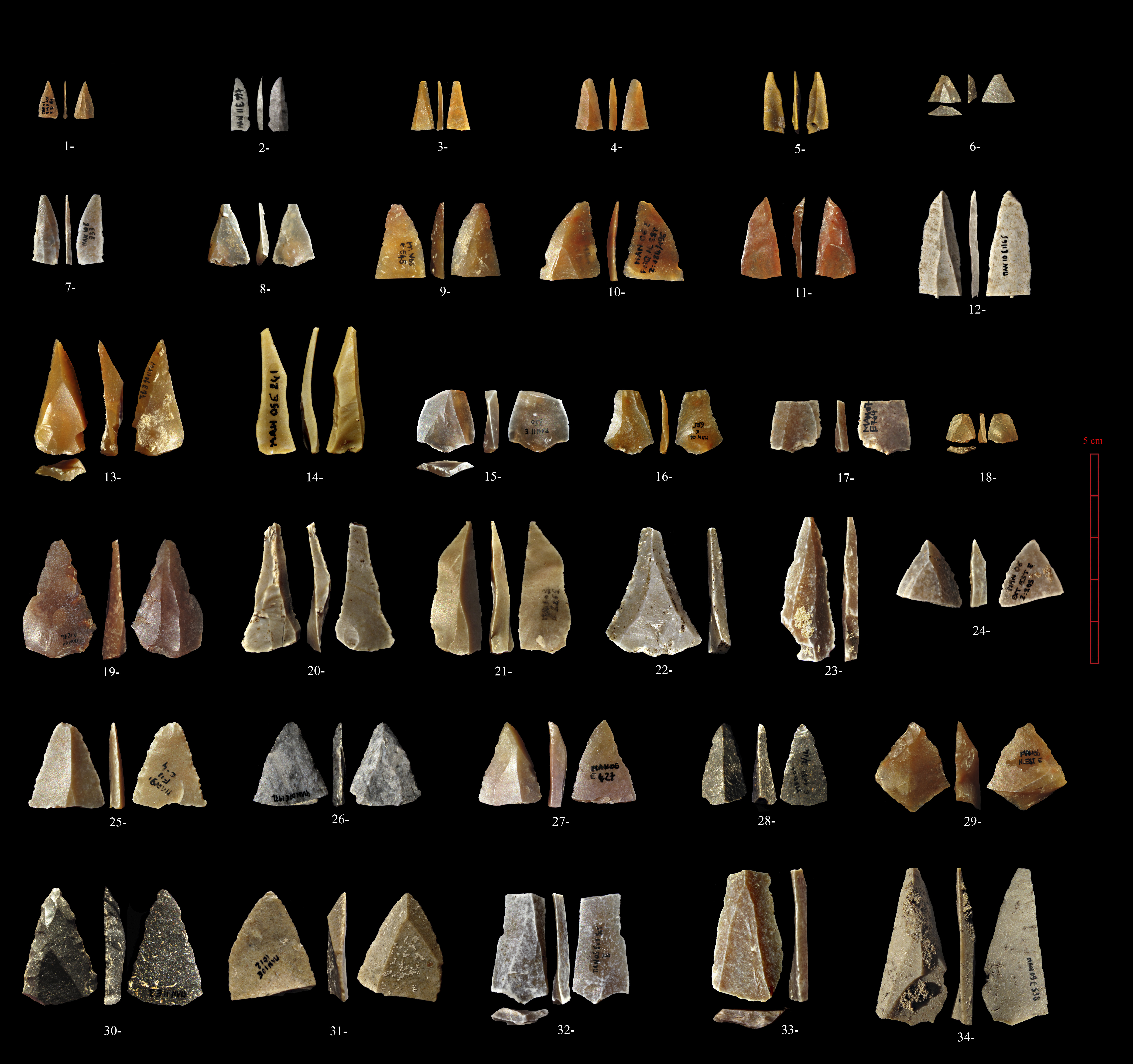
The first curious finding to emerge during the initial decade of Grotte Mandrin excavations were 1500 tiny triangular stone points identified in what we labelled Layer E. Some less than 1cm in length, these points resemble arrowheads.
They have no technological precursors or successors in the 11 surrounding archaeological layers of Neanderthal artifacts in the cave.
Who made them?
A handful of other sites in the middle Rhône Valley also contain these tiny points.
But those sites were excavated long ago with pickaxes, making it hard to tell whether the points showed up abruptly or gradually over time, perhaps with Neanderthals having developed the methods to make them.
In 2004, one of us, Ludovic Slimak, named this distinctive tradition “Neronian” after the nearby site where such tiny points were first excavated.
Without more local sites for comparison, two of us, Laure Metz and Slimak, looked to a region where modern humans were definitely living by 54,000 years ago: the Eastern Mediterranean.
In particular, the site of Ksar Akil near Beirut preserves what may be the longest and richest Paleolithic record in all Eurasia.
Our analyses of the stone artifacts from Ksar Akil show a similarly aged sediment layer with tiny points of the same size and made in the same technical traditions as those of Mandrin.
This similarity strongly suggested that the Neronian artifacts were made not by Neanderthals, but rather by a group of modern human explorers who entered the region much earlier than we had expected.
READ MORE: Religious discrimination bill passes Lower House after all-night debate
The final piece of the puzzle came in 2018, when one of us, Clément Zanolli, analyzed the nine hominin teeth we’d found throughout the different layers during excavation.
Through painstaking analyses using CT scans and comparisons with hundreds of other fossils, we were able to determine that the Mandrin E tooth, a single baby tooth from a child between two and six years of age, came from an early modern human and cannot be from a Neanderthal.
Based on the stone point technologies and their contexts in other sites, along with this fossil evidence, we conclude that the makers of the Neronian points in Grotte Mandrin were modern humans.
Reading campfire soot layers like tree rings
But the discoveries from Mandrin don’t stop there.
Throughout the site’s layers there are fragments of the shelter walls and roof that have fallen off and been buried with the fossils and artifacts.
When Neanderthals and modern humans made fires in the site, the smoke would leave a layer of soot on those surfaces.
Then the following season a thin layer of calcium carbonate called speleothem would cover it over.
This cycle was repeated over and over.
We first discovered these sooted vault fragments in 2006, and the team recovered thousands, year after year, in every archaeological layer of Mandrin.
A decade of work by team member Ségolène Vandevelde has shown that these patterns can be read like tree rings to tell us with what frequency and duration the groups visited the site, demonstrating that human groups came to Mandrin some 500 times over 80,000 years.
READ MORE: Donut-shaped machine proves near-limitless clean power is possible
Ms Vandevelde was then able to determine how much time separated the last Neanderthal fire from the first modern human fire in the cave, showing that it was only a maximum of a year between Neanderthals using Grotte Mandrin and modern humans moving in.
After the modern humans occupied Mandrin annually for some 40 years, one or two generations, they disappeared just as quickly and mysteriously as they had appeared. Neanderthals then regularly reoccupied Mandrin over the following 12,000 years.
Multiple human species sharing the landscape
How did these modern humans arrive so early in Western Europe?
Archaeological evidence from Australia shows that modern humans reached that continent by as early as 65,000 years ago.
Of course they would have needed a boat to cross the open ocean to get there. It therefore isn’t a stretch to assume that people in the Mediterranean had access to boat technologies 54,000 years ago and used them to explore along the coastlines of this contained sea.
We know from the source locations of the flint used to make the artifacts in Grotte Mandrin that both Neanderthals and modern humans roamed widely, about 100km in all directions around the site.
How did the modern humans learn about all these stone resources over such a large, varied landscape in such a short time?
Did they have relationships with the Neanderthals, who could have exchanged information or acted as guides? Was this a moment when the two groups interbred?
Our ongoing work at Mandrin will shed light on these and other questions about our earliest ancestors in Europe.
Written by Ludovic Slimak, Université Toulouse; Jean Jaurès, Clément Zanolli, Université de Bordeaux; Jason E. Lewis, Stony Brook University (The State University of New York); and Laure Metz, University of Connecticut
This article originally appeared on The Conversation.
State hit with two weather 'extremes' as one part floods, another burns
As parts of south-west Western Australia burns the north has been warned to brace for flash flooding.
The Bureau of Meteorology (BoM) said monsoon storms "fired up" again over the Pilbara last night bringing the risk of destructive winds and heavy rain.
Posting an image to Twitter they indicated regions that were hit with lightning strikes.
READ MORE: Religious discrimination bill passes Lower House after all-night debate
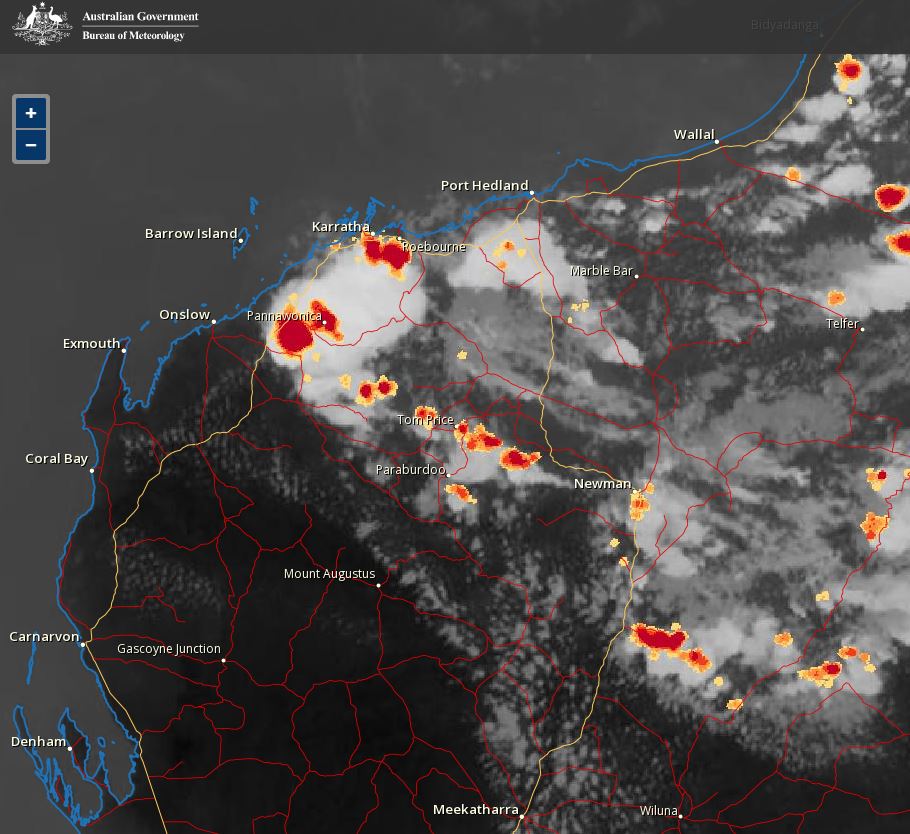
The Department of Fire and Emergency Services (DFES) warned residents in the mining town of Tom Price to prepare for flash flooding.
"Water will be fast flowing and levels will rise quickly," it wrote yesterday.
"Watch for changes in water levels so you are ready if you need to evacuate.
"Never walk, swim or play in floodwaters as they are dangerous."
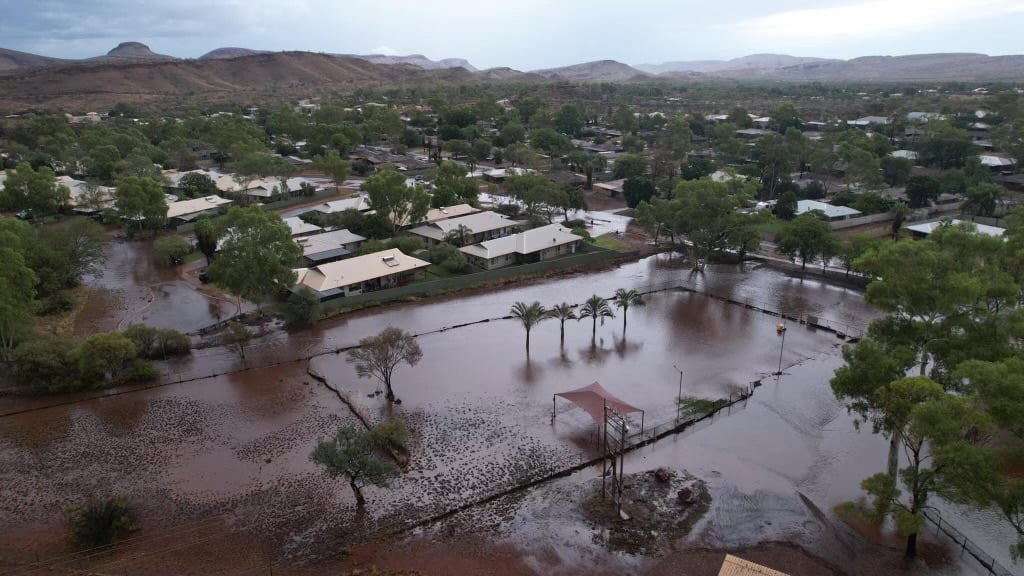
The BoM said storms will shift southwards "over coming days".
It comes as the south west continues its battle against multiple bushfires.
Temperatures in the state are expected to top 38C in Perth, hampering firefighting efforts.
The BoM have issued a fire warning for the region.
"A hot to very hot and dry airmass with moderate North to North East winds and fresh and gusty afternoon coastal seabreezes will result in severe fire danger over the Central West, Gascoyne Coast, Goldfields, Lower West Inland, Ninghan and Jilbadgie fire weather districts on Thursday," it wrote.
A total fire ban has been declared for 16 local government areas, stretching from the Midwest Gascoyne Region, to metropolitan Perth and the south west.
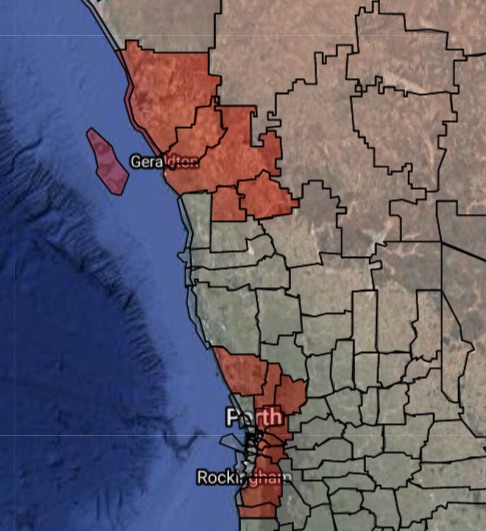
Two fires in Denmark and Bridgetown have together burned through more than 4700 hectares of land, destroying homes and businesses.
The DFES have called the current weather extremes some of the worst in the state's history.
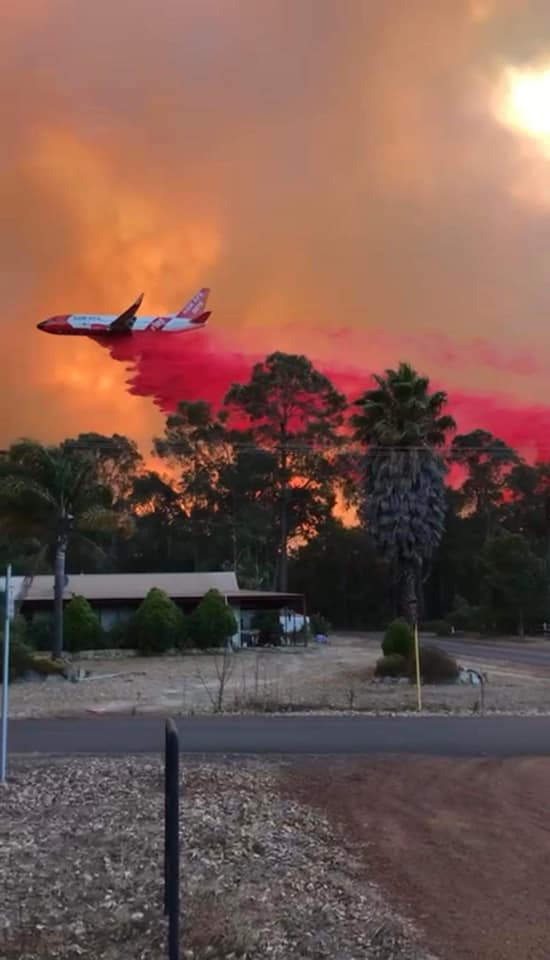
"In the past week we have experienced some of the worst WA has to offer in the form of extreme conditions and natural hazards across our vast and varied terrain," it said.
"There's plenty of summer still to come, with increased temperatures and thunderstorms on the way from tomorrow."
Let's take a look at the weather conditions across the nation's capitals today.
Brisbane
It will be a sunny, clear day in Brisbane with temperatures climbing to a maximum of 32C.
Sydney
Similar conditions will be experienced in Sydney as the mercury climbs to 32C.
The BoM said there's a medium chance of showers this evening, and the chance of a thunderstorm late this afternoon and evening.
Melbourne
Melbourne will experience a maximum temperature of 23C today.
It will be cloudy with the chance of drizzle in the morning, mainly about the nearby hills.
Canberra
A chilly morning of 13C will be felt before the temperature climbs to 29C.
A sunny morning will give way to possible showers during this afternoon and evening.
Hobart
Hobart will experience a low of 15C today and a maximum of 23C.
It will be a partly cloudy day with a slight chance of an afternoon and evening shower forecast.
Adelaide
A maximum temperature of 26C is forecast for the South Australian capital.
It will be partly cloudy.
Winds will tend southerly 15 to 25 km/h, tending south to southwesterly 25 to 35 km/h in the early afternoon then tending south to southeasterly in the evening.
Darwin
The mercury will climb to 32C in Darwin, which has a high chance of showers forecast. These will become less likely this evening.
There's also a chance of a thunderstorm.
Perth
The mercury will reach a sweltering 38C in Perth today.
It will be "very hot and sunny".
Nasal spray COVID-19 vaccine a 'game-changer'
A team of Australian scientists is researching whether the COVID-19 vaccine could be delivered via a nasal spray instead of injection.
The nasal spray technology, called NanoCelle, does not require a doctor or refrigeration before it is administered.
If successful it would ease demand being placed on GPs and pharmacists amid the vaccine rollout.
READ MORE: Can you get long COVID-19 after an Omicron infection?

Medlab Clinical obtained a New South Wales Government grant for developing a proof-of-concept NanoCelle Nasal RNA vaccine in January. They will work in partnership with the University of NSW and Macquarie University.
Medlab CEO Dr Sean Hall said the potential vaccine is a "game-changer" and hopes it can be used for COVID-19 potential epidemics in future.
LIVE UPDATES: Tourism operator 'nearly in tears' over possible vaccine mandate

"The ability to prove the efficacious delivery of vaccines without the 'jab' is a serious game-changer to modern medicine," he said.
"We are thrilled to be part of this and welcome the potential commercial opportunities ahead."
Patented by the company in 43 nations, NanoCelle is a sub-micron delivery platform leveraged to improve therapeutics.
READ MORE: Therapeutic Goods Administration approves AstraZeneca for booster shots
Nation-wide 93.8 per cent of people aged 16 and over have had their second dose, while 9,371,322 people over the age of 16 have received more than two doses.
Daring mission to rescue climber from 'The Candlestick'
A daring rescue mission unfolded in Tasmania as crews were called to rescue an injured climber from a popular cliff face.
Tasmania Police said the climber, a man in his 30s, fell from "The Candlestick", a sheer sea cliff in Fortescue Bay near Port Arthur yesterday.
He fell ten metres and sustained a leg injury.
READ MORE: Australia Day body denies Tame's 'threatening' call claim
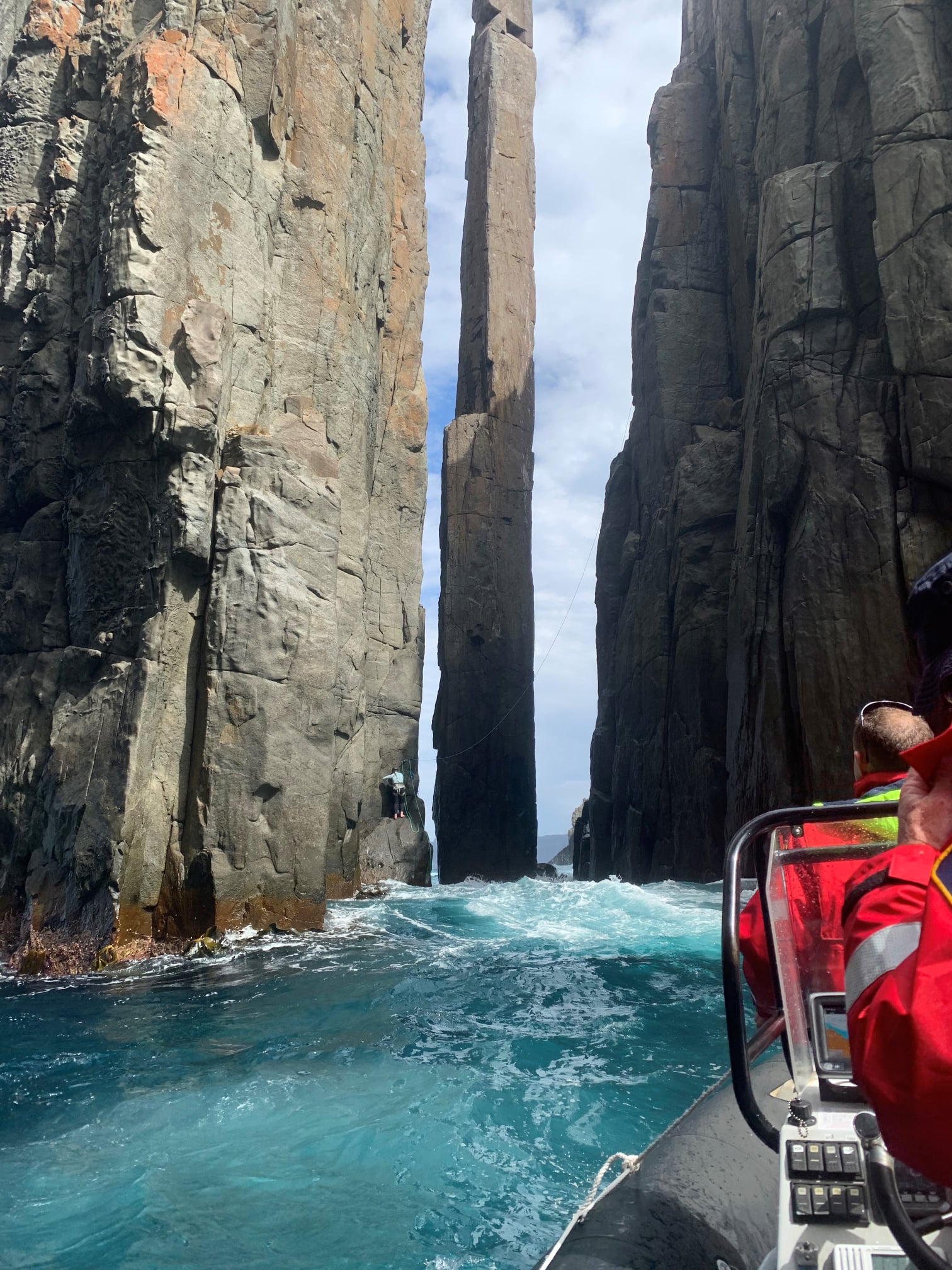
Crew from Westpac Rescue Helicopter Tasmania flew to the scene and winched the climber to safety around noon.
He was then flown to the Royal Hobart Hospital.
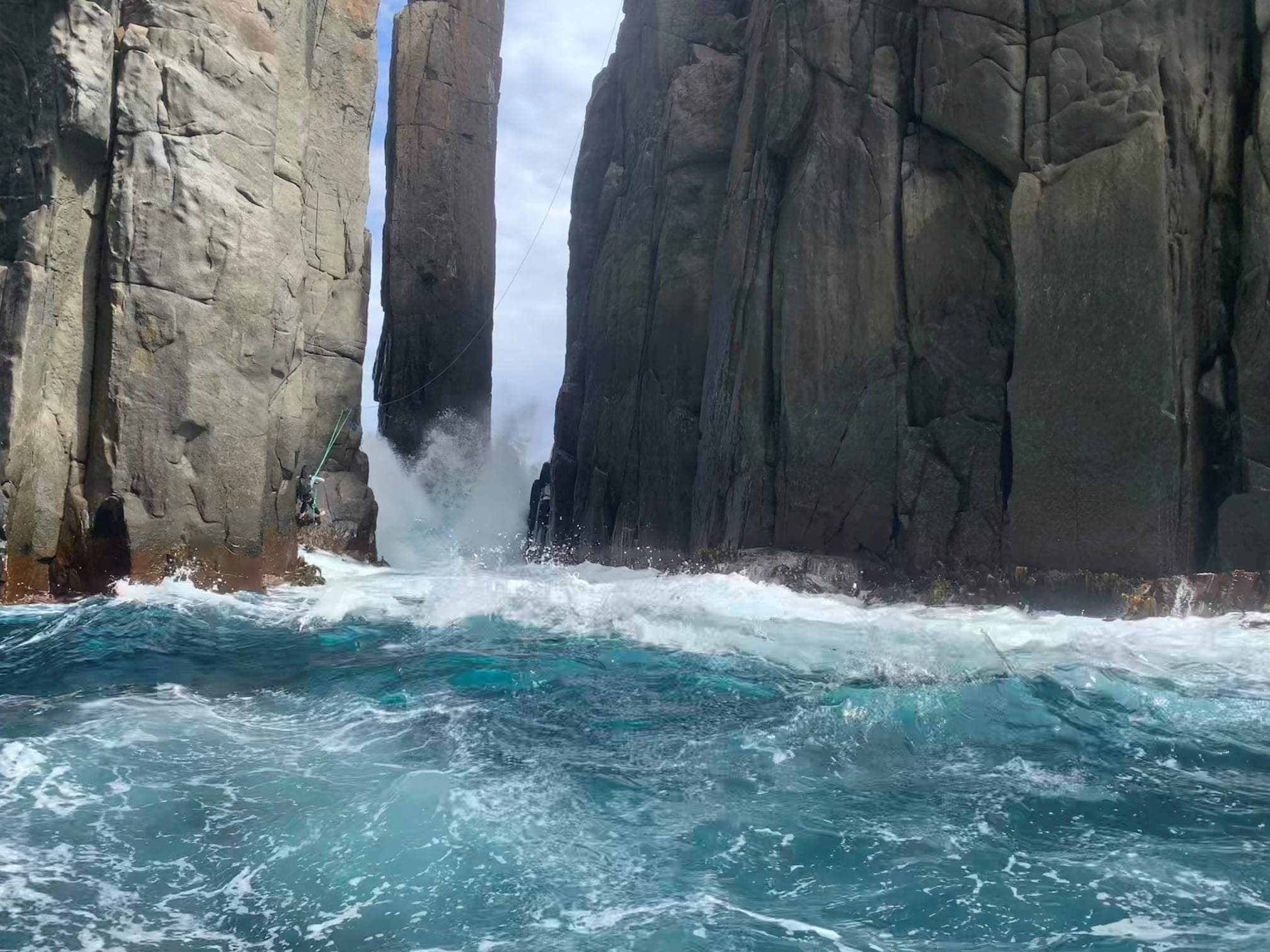
The climber's female companion was uninjured.
She was extracted from the site by a police boat after she rappelled down the rock.
High levels of arsenic, toxic fumes detected in fire-ravaged WA town
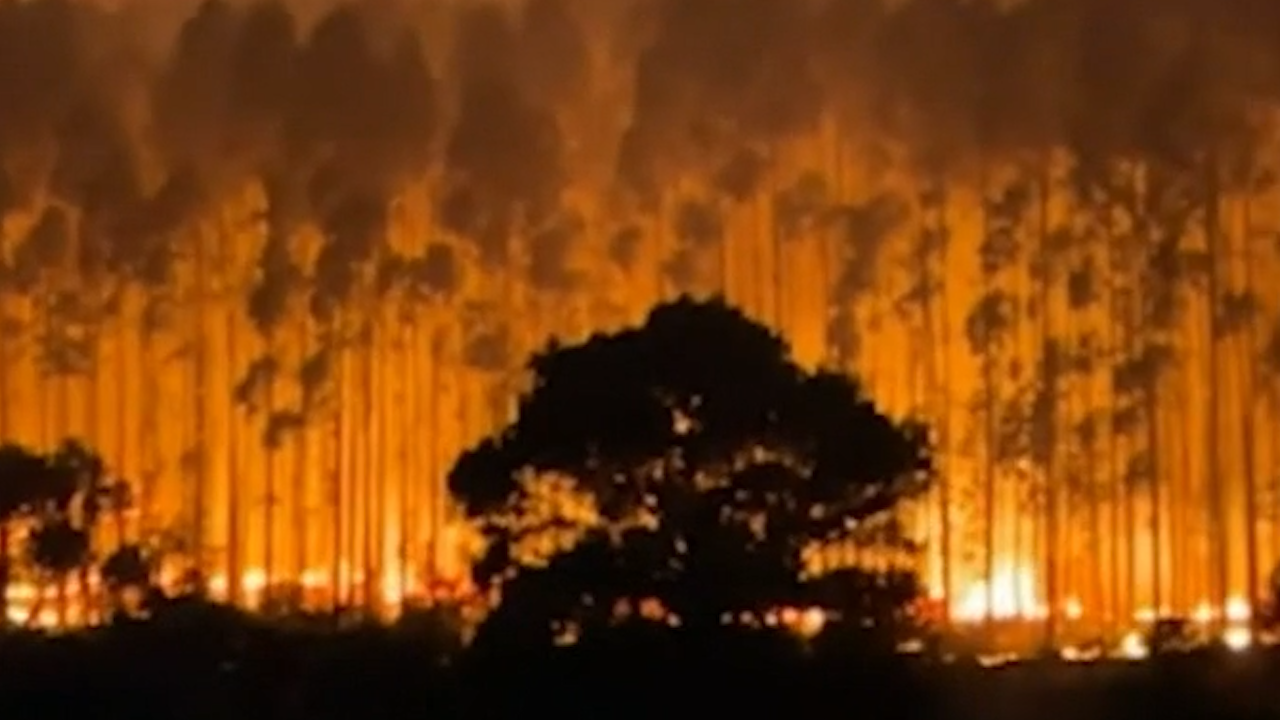
High levels of arsenic and other toxins have been detected in fire-affected Western Australian towns after a timber treatment plan went up in flames on Saturday.
Residents of Hester and Bridgetown, almost three hours' drive south of Perth, were called to a community meeting this afternoon and advised they could not return to their homes.
"Well I'm concerned, my wife and I, we're both 74 years old," resident Jim Anderson said.
"Arsenic lands out of a cloud, it might be 10 times stronger there than it is there."
READ MORE: Sydney plumbers find $44m drug stash while fixing toilet
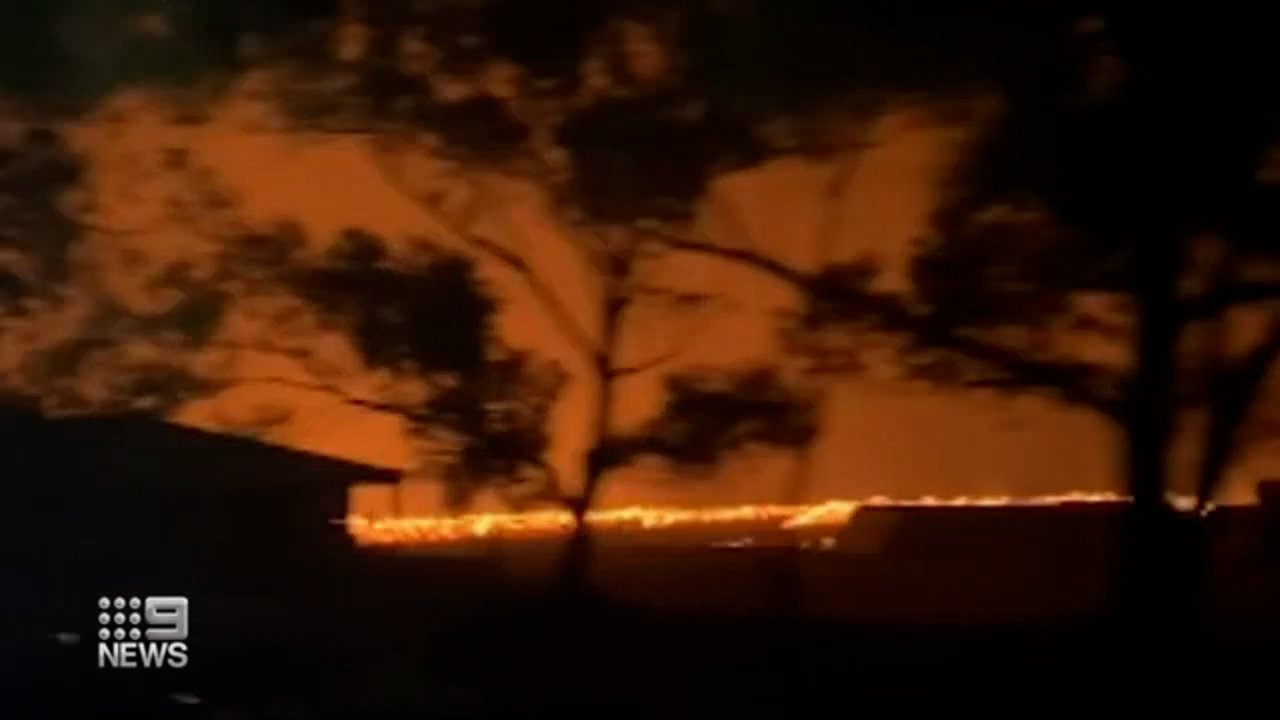
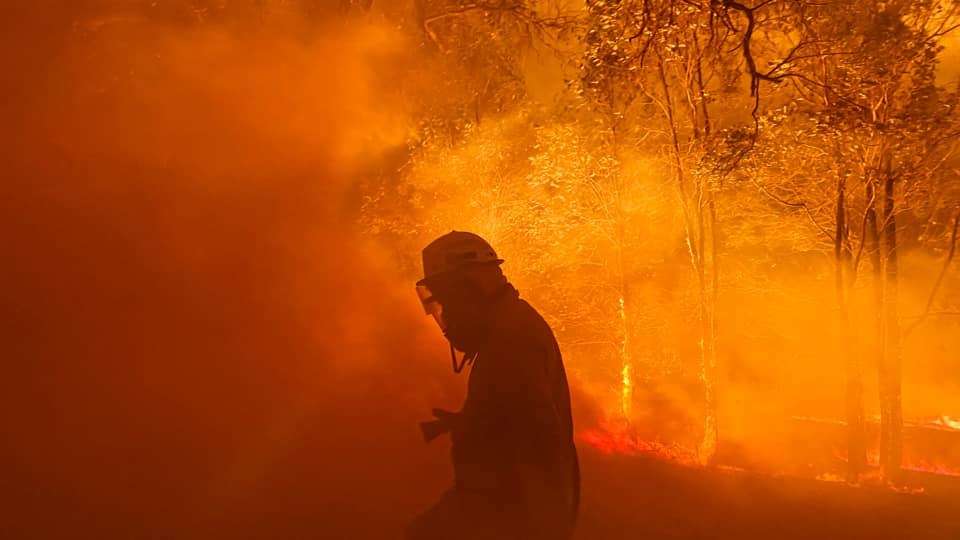
More than 600 tonnes of treated timber burned, causing copper chrome arsenate, a timber preservative, to spew from the facility.
Up to 28 homes were contaminated.
Residents have been offered masks and cleaning equipment while professional hazardous material workers are remove toxic piles of ash and dust.
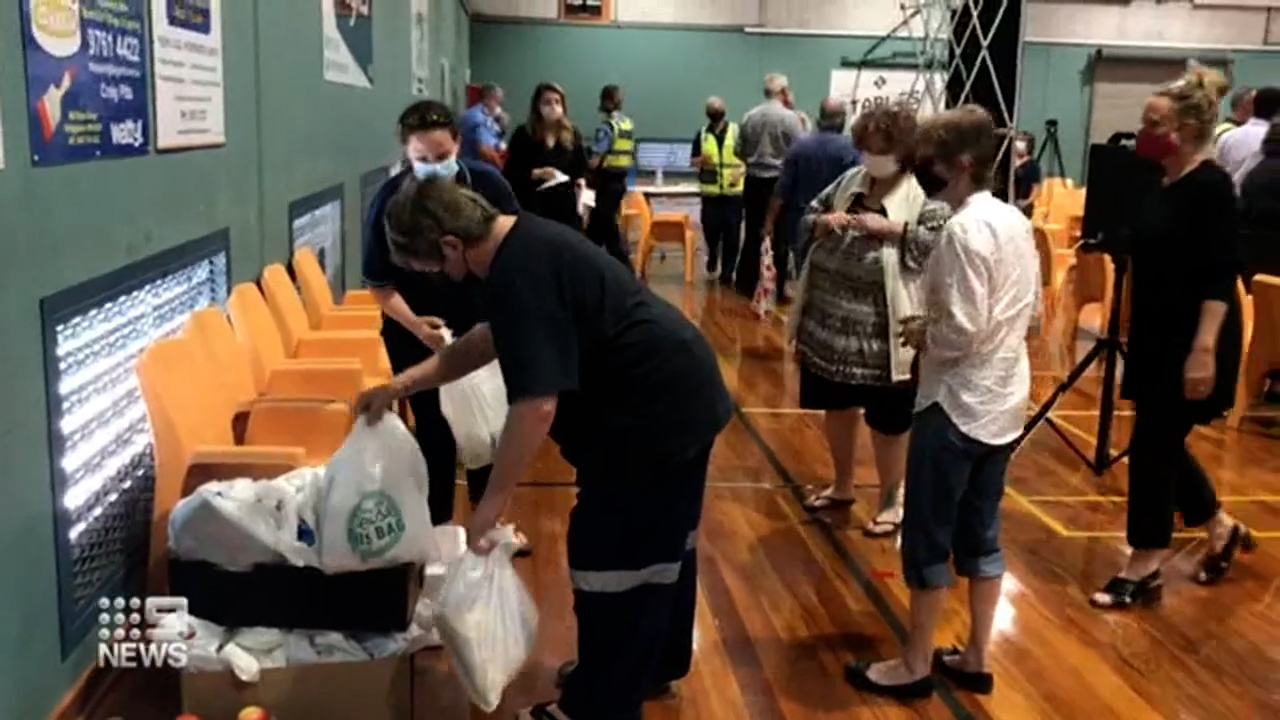
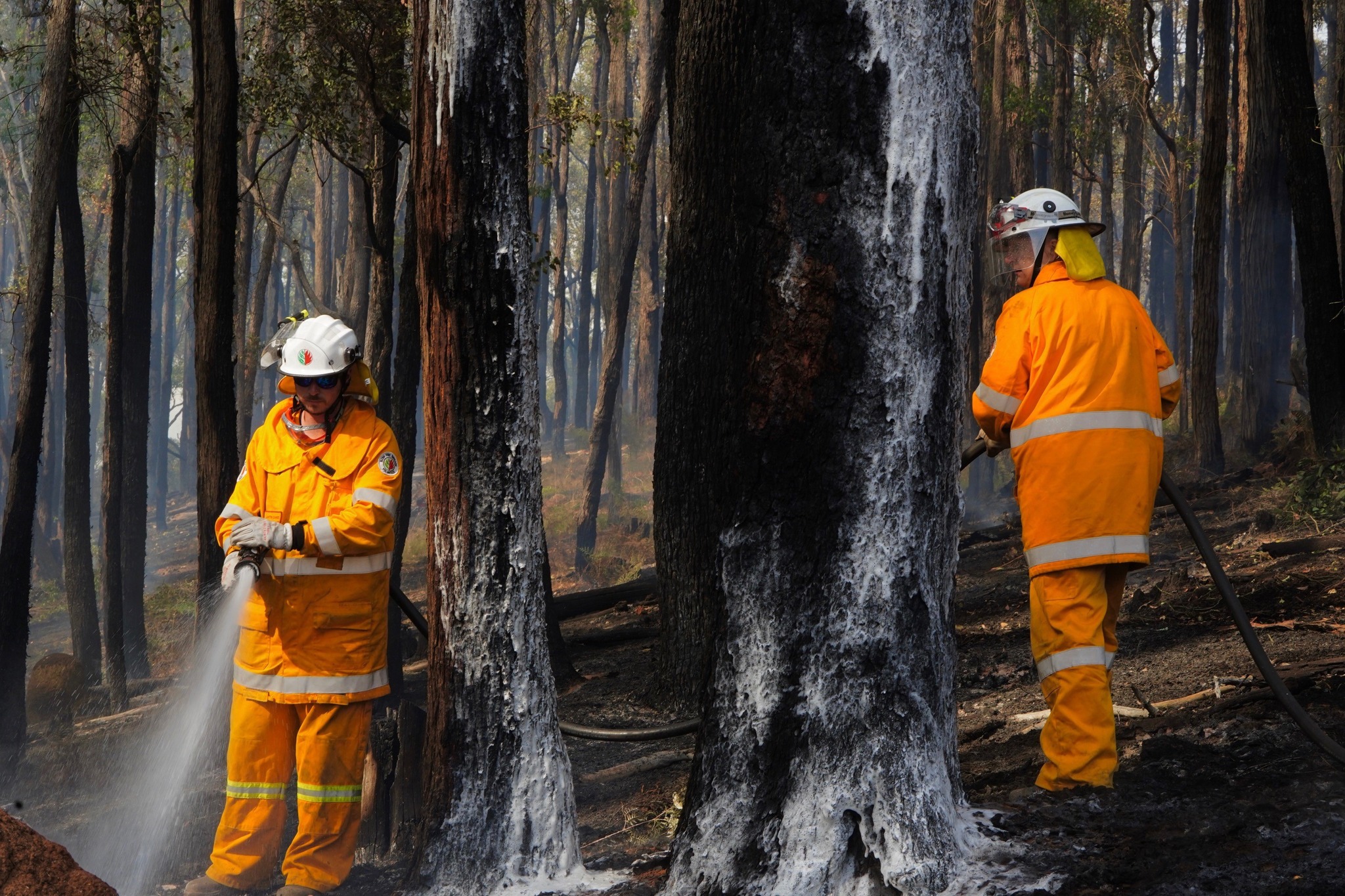
Danny Moscon from DFES said emergency workers were operating as quickly as possible to reduce risks in the area.
"They use a product pretty much like Bondcrete, so that'll fix it and stabilise the product," he said.
"They put a colour in it for the ash and if there's any asbestos on site they'll put a different colour in that."
READ MORE: Cold front to slam into south-eastern Australia
One Australian university report titled Treated Timber, Ticking Timebomb said copper chrome arsenate, even at low levels was poisonous to humans.
It suggested if burnt the ash must be removed or buried, due to the smoke containing "high levels of arsine gas and dioxins."
Professor Yuben Moodley from the University of Western Australia's Institute for Respiratory Health said inhalation of the chemicals posed a significant risk.
"Continuous exposure can cause cancer down the track, yes they are carcinogens," he said.
"I think it's a danger all round, children are obviously more vulnerable."
READ MORE: How Tasmanian tiger's closest relative could help resurrect species
Government agencies at today's community meeting advised cleaning and washing homes to reduce the risks of contamination.
All water tanks must be drained safely and fruit from trees discarded.
Many residents are calling for the timber plant to be permanently abolished.
Resident Rebecca Stucken said she has considered moving from the town.
"What's going to happen when it's a really windy day and it kind of gets all blown around again is probably my biggest concern," she said.
"I don't want to move but I don't know."
Cyclone Dovi: New Zealand to cop heavy rain, strong winds from remnants of tropical weather system
More wet weather is on the cards for New Zealand, with a tropical cyclone set to hit the Pacific later this week – including impacting on this country.MetService say there is a tropical depression to the north of New Caledonia.”This…