Tag Archives: oceania

Ukraine wants special tribunal to judge Putin

The Ukrainian government and a former British prime minister are pushing for a special criminal tribunal to prosecute Russian President Vladimir Putin and his allies over the invasion of Ukraine.

Former Prime Minister Gordon Brown said the call for a body to investigate the "crime of aggression" was based on the tribunals that prosecuted senior Nazis after World War II.

The Netherlands-based International Criminal Court is already investigating allegations that Russia has committed war crimes in Ukraine. But while it can investigate genocide, crimes against humanity and war crimes, Russia has not signed up to a separate ICC statute under which nations pledge not to commit "crimes of aggression."

LIVE UPDATES: Putin calls on countries to normalise relations with Moscow

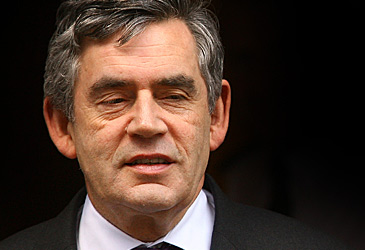
Gordon Brown (Getty)

Brown said that "this act of aggression by Russia … cannot go uninvestigated, unprosecuted and unpunished."

"Putin must not be able to escape justice," he said.

Ukrainian Foreign Minister Dmytro Kuleba welcomed the call for a tribunal, which is backed by legal experts and academics from around the world.

READ MORE: Fire out after Russian 'projectile' hits Europe's biggest nuclear plant

"We are fighting against an enemy who is much stronger than us. But international law is on our side," Kuleba told a meeting in London by video link from Ukraine.

Earlier, the UN's top human rights body has voted overwhelmingly to appoint a three-person panel of experts to monitor human rights in Ukraine, where Russian forces are invading.

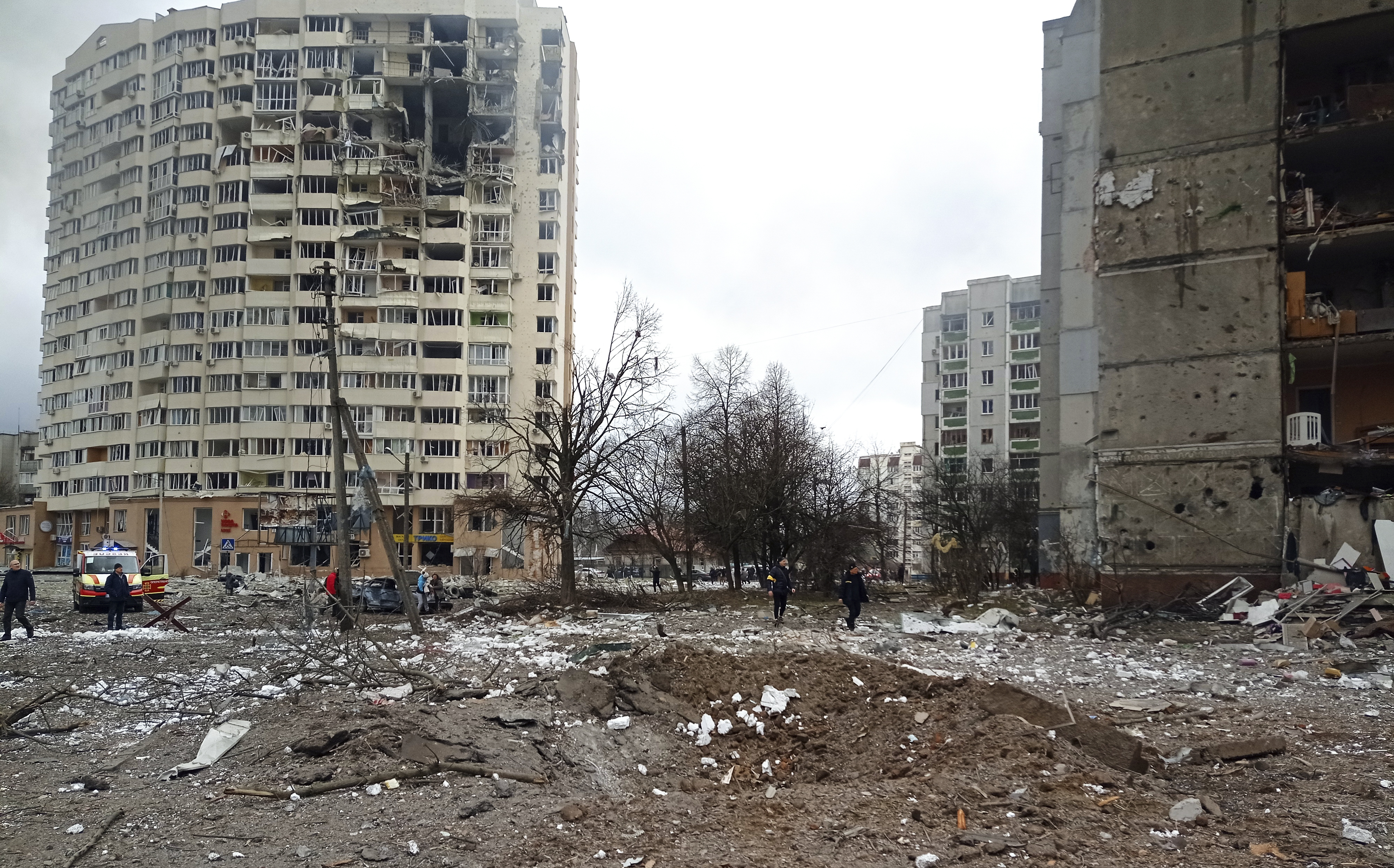
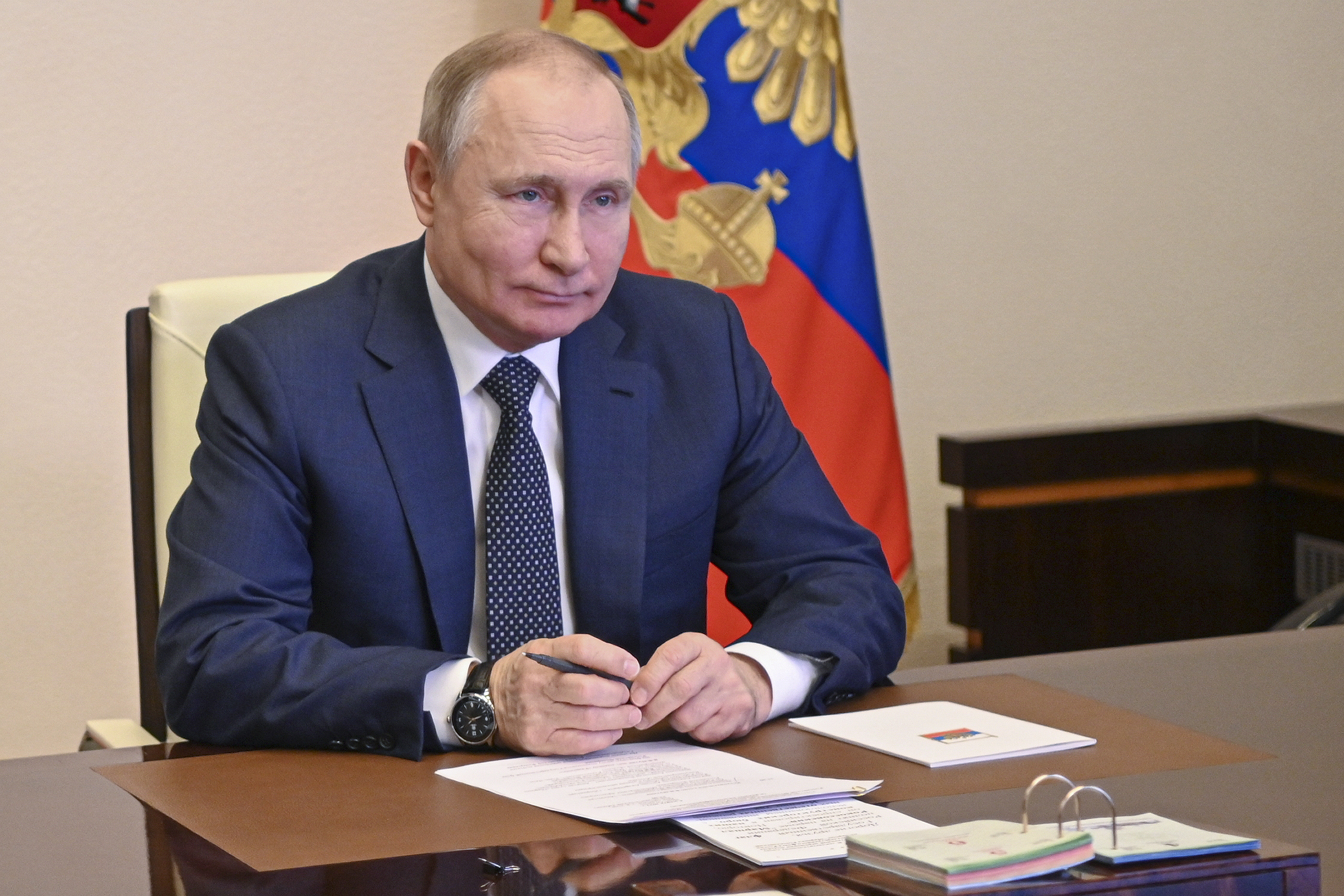
Russian President Vladimir Putin takes part in the launch of a new ferry via a conference call at the Novo-Ogaryovo residence outside Moscow Moscow, Russia, Friday, March 4, 2022. A view damaged city centre after Russian air raid in Chernigiv, Ukraine, Thursday, March 3, 2022.

The Human Rights Council voted 32-2, with 13 abstentions, to pass a resolution that was presented by many Western countries and others who have spoken out against Moscow's attack on its neighbour.

Only Russia and Eritrea opposed the resolution, with China abstaining.

The vote Friday was the culmination of an urgent debate called by Ukraine, during which most council members lambasted Russia.

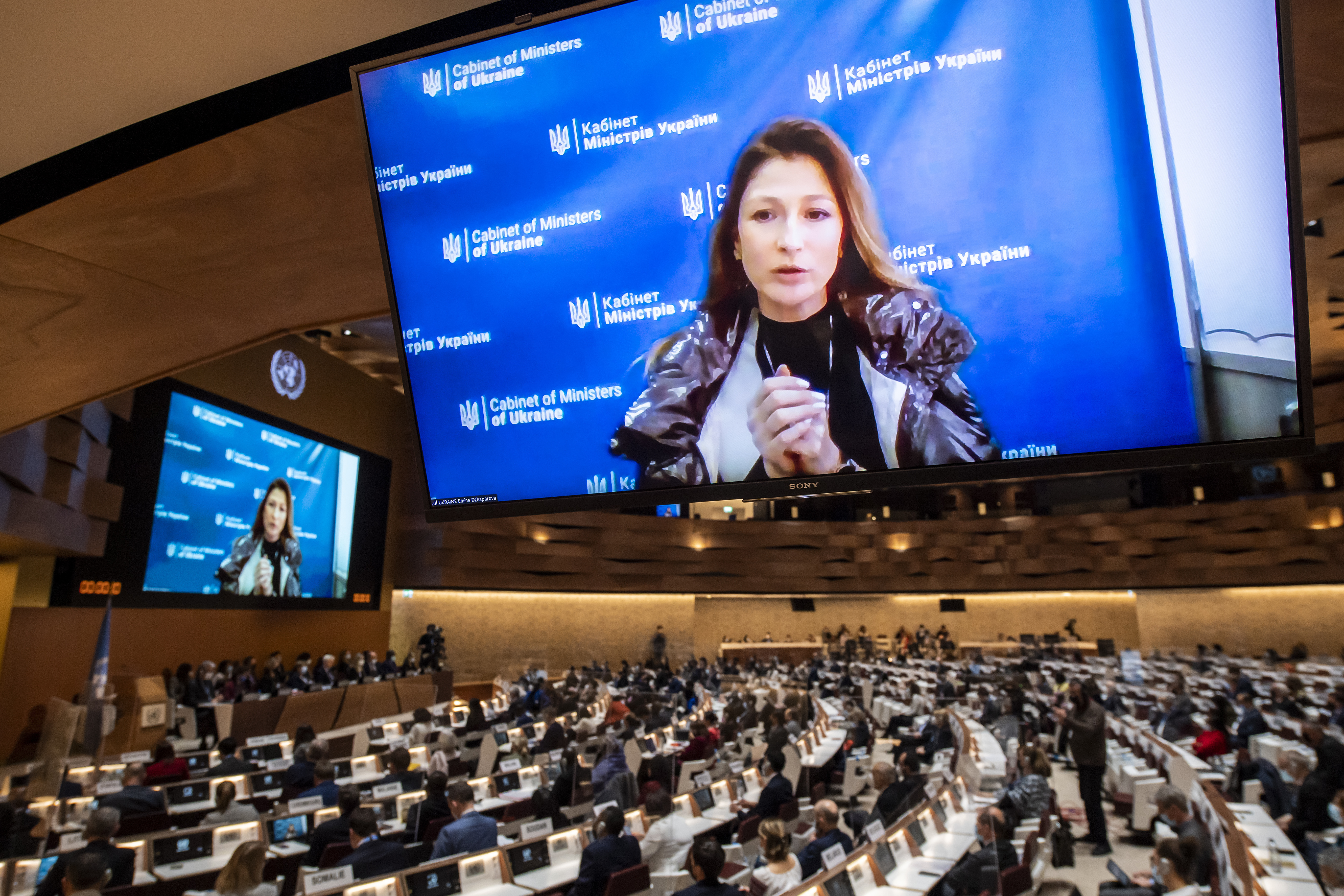
Ukraine's deputy Foreign Minister Emine Aiiarovna Dzhaparova is seen on a TV monitor speech, during the 49th session of the UN Human Rights Council about the Urgent Debate on the "situation of human rights in Ukraine stemming from the Russian aggression" at the European headquarters of the United Nations in Geneva, Switzerland, Thursday, March 3, 2022.   https://twitter.com/UN_HRC/status/1499696876601462789?ref_src=twsrc%5Etfw

Many Western envoys sported blue or yellow ties, scarves, jackets or ribbons on their lapels, in a reference to the colours of the Ukrainian flag. Far-flung countries such as Gambia and Malaysia spoke out against the invasion.

The result testified to growing international isolation of Russia: On Monday, five countries — including China — had voted against Ukraine's effort to convene the urgent debate.

Ukraine's ambassador Yevheniia Filipenko, her eyes red with emotion, told delegates after the vote: "I thank all those who voted for the right course."

SA woman wins $4.8 million on accidental extra lotto ticket

Most people who buy a lotto ticket dream their entry will be the lucky winner.

But a South Australian woman needed an incredible extra slice of luck to go her way.

The woman from Port Adelaide had bought two standard game tickets for Thursday night's Set for Life draw from the Plympton Newsagency and was mistakenly given a third, which turned out to have the winning numbers.

READ MORE: Mosque bombed in north-west Pakistan, at least 30 killed

The Port Adelaide winner has been a regular customer at the Plympton newsagency.

The woman will now receive $20,000 a month for the next 20 years, which will come to a total of $4.8 million.

"So happy as well yeah. Very happy, and also very, very excited," owner of the Plympton Newsagency Holly He told 9News.

Plympton Newsagency employee Ashley Qui said she's still in shock.

"We got a division one winner in the shop and I still can't believe it," Ms Qui said.

"I talked with the winner, and she tells us how happy she was and how she can change her life."

READ MORE: Russian attack on nuclear plant labelled 'catastrophic' by top Ukrainian official in Australia

The woman will now receive $20,000 a month for the next 20 years, which will come to a total of $4.8 million.

The winner has been a regular customer at the newsagency and she returned to share a little of her winnings with the owners.

Ally Ramsamy from The Lott — the lotteries manager in most of Australia — said she has spoken with the winner, who has begun planning how she'll spend her money.

"She said she wanted to share it with her family, her friends and then donate to the charities that really mean something to her," Ms Ramsamy said.

How dangerous was Russia's nuclear plant strike?

Europe's largest nuclear power plant was hit by Russian shelling early Friday, sparking a fire and raising fears of a disaster that could affect all of central Europe for decades, like the 1986 Chernobyl meltdown.

Concerns faded after Ukrainian authorities announced that the fire had been extinguished, and while there was damage to the reactor compartment, the safety of the unit was not affected.

But even though the Zaporizhzhia nuclear plant is of a different design than Chernobyl and is protected from fire, nuclear safety experts and the International Atomic Energy Agency warn that waging war in and around such facilities presents extreme risks.

LIVE UPDATES: Russia captures biggest nuclear power plant in Ukraine
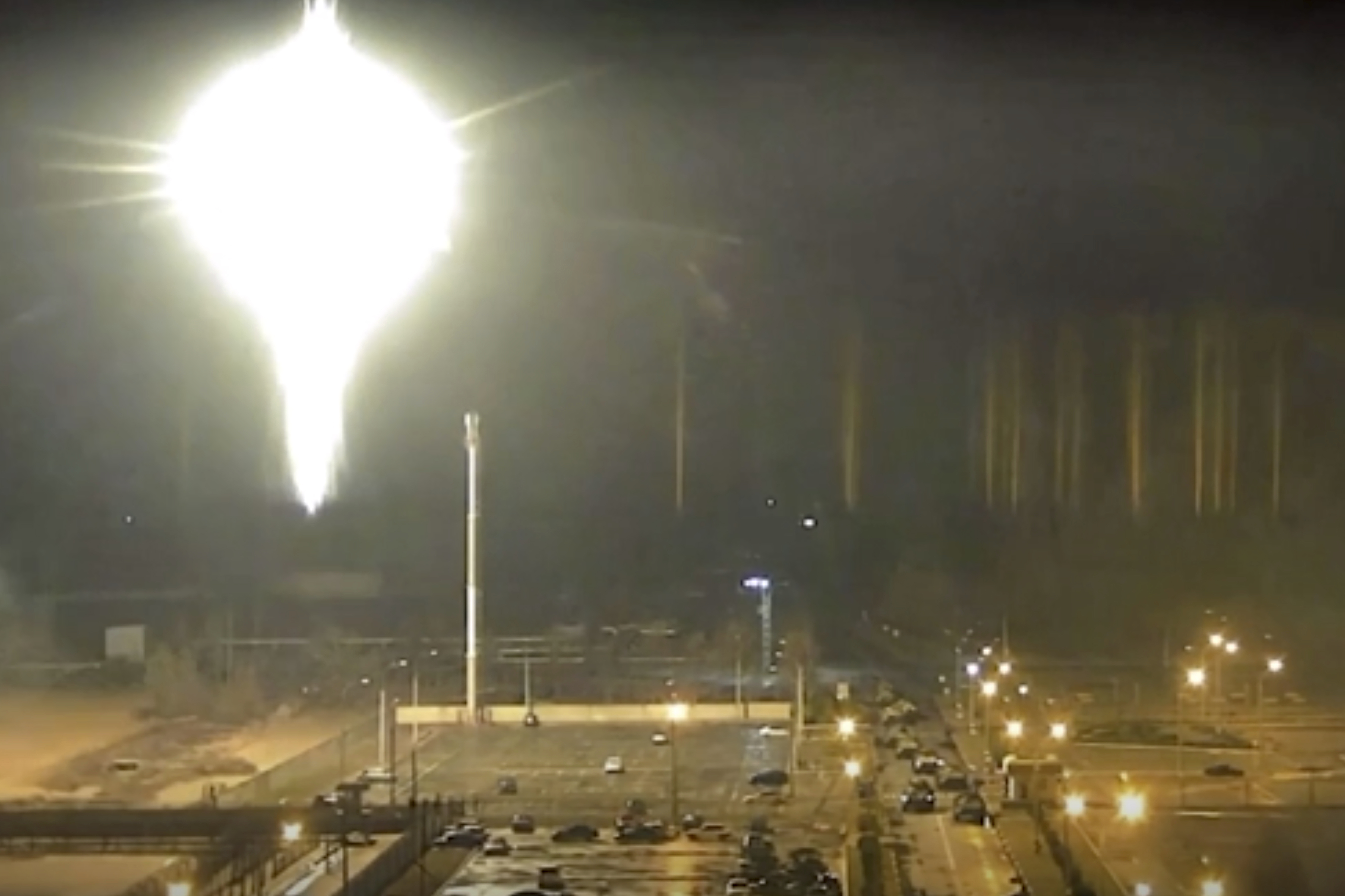
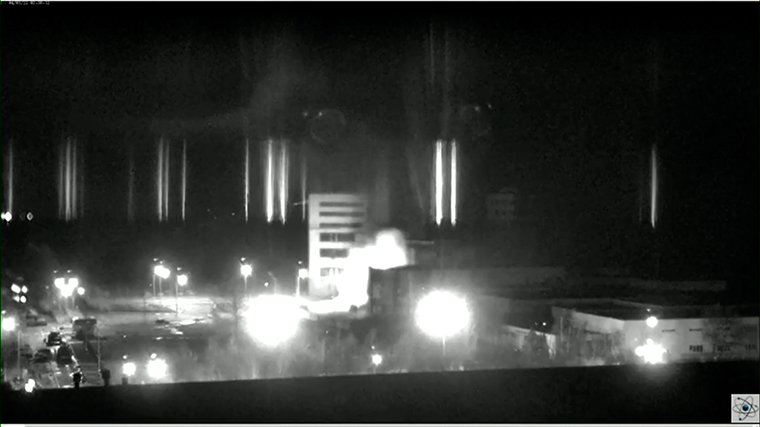
This image made from a video released by Zaporizhzhia nuclear power plant shows bright flaring object landing in grounds of the nuclear plant in Enerhodar, Ukraine Friday, March 4, 2022.

One major concern, raised by Ukraine's state nuclear regulator, is that if fighting interrupts power supply to the nuclear plant, it would be forced to use less-reliable diesel generators to provide emergency power to operating cooling systems.

A failure of those systems could lead to a disaster similar to that of Japan's Fukushima plant, when a massive earthquake and tsunami in 2011 destroyed cooling systems, triggering meltdowns in three reactors.

READ MORE: Russian attack on Ukrainian nuclear plant 'catastrophic', top official says

The consequence of that, said Ukrainian President Volodymyr Zelenskyy, would be widespread and dire.

"If there is an explosion, that's the end for everyone. The end for Europe. The evacuation of Europe," he said in an emotional speech in the middle of the night, calling on nations to pressure Russia's leadership to end the fighting near the plant.

"Only urgent action by Europe can stop the Russian troops. Do not allow the death of Europe from a catastrophe at a nuclear power station."

WHAT HAPPENED?

After taking the strategic port city of Kherson, Russian forces moved into the territory near Zaporizhzhia and attacked the nearby city of Enerhodar to open a route to the plant late Thursday.

It was not immediately clear how the power plant was hit, but Enerhodar Mayor Dmytro Orlov said a Russian military column had been seen heading toward the nuclear facility and that loud shots were heard in the city.
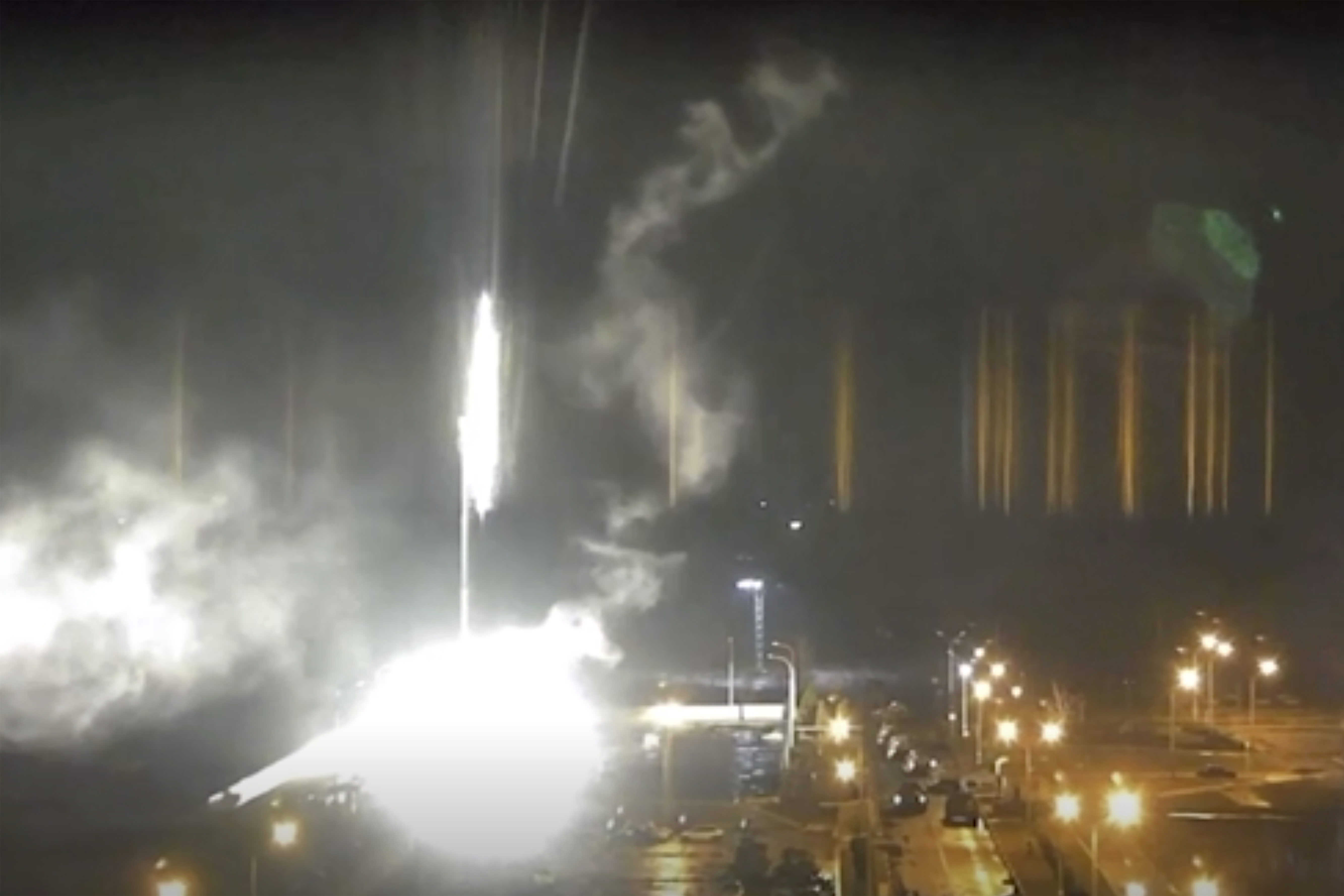
This image made from a video released by Zaporizhzhia nuclear power plant shows bright flaring object landing in grounds of the nuclear plant in Enerhodar, Ukraine Friday, March 4, 2022.

Later Friday, Ukrainian authorities said Russia had taken over the nuclear plant.

Plant spokesman Andriy Tuz told Ukrainian television that early Friday morning, shells fell directly on the facility and set fire to one of its six reactors.

Initially, firefighters were not able to get near the flames because they were being shot at, Tuz said.

After speaking with Ukrainian authorities on Friday, Rafael Grossi, the director general of the IAEA, the UN's nuclear watchdog, said a building next to the reactors was hit and not a reactor itself.

"All of the safety systems of the six reactors at the plant were not affected at all and there has been no release of radioactive material," he said.

"However, as you can imagine, the operator and the regulator have been telling us that the situation naturally continues to be extremely tense and challenging."

Earlier this week, Grossi already had warned that the IAEA was "gravely concerned" with Russian forces conducting military operations so close nearby.

"It is of critical importance that the armed conflict and activities on the ground around Zaporizhzhia nuclear power plant and any other of Ukraine's nuclear facilities in no way interrupts or endangers the facilities or the people working at and around them," he said.

WHAT COULD HAVE HAPPENED?

The reactor that was hit was offline, but still contains highly radioactive nuclear fuel. Four of the other six reactors have now been taken offline, leaving only one in operation.

The reactors at the plant have thick concrete containment domes, which would have protected them from external fire from tanks and artillery, said Jon Wolfsthal, who served during the Obama administration as the senior director for arms control and nonproliferation at the National Security Council.

At the same time, a fire at a nuclear power plant is never a good thing, he said.

"We don't want our nuclear power plants to come under assault, to be on fire, and to not have first responders be able to access them," he said.
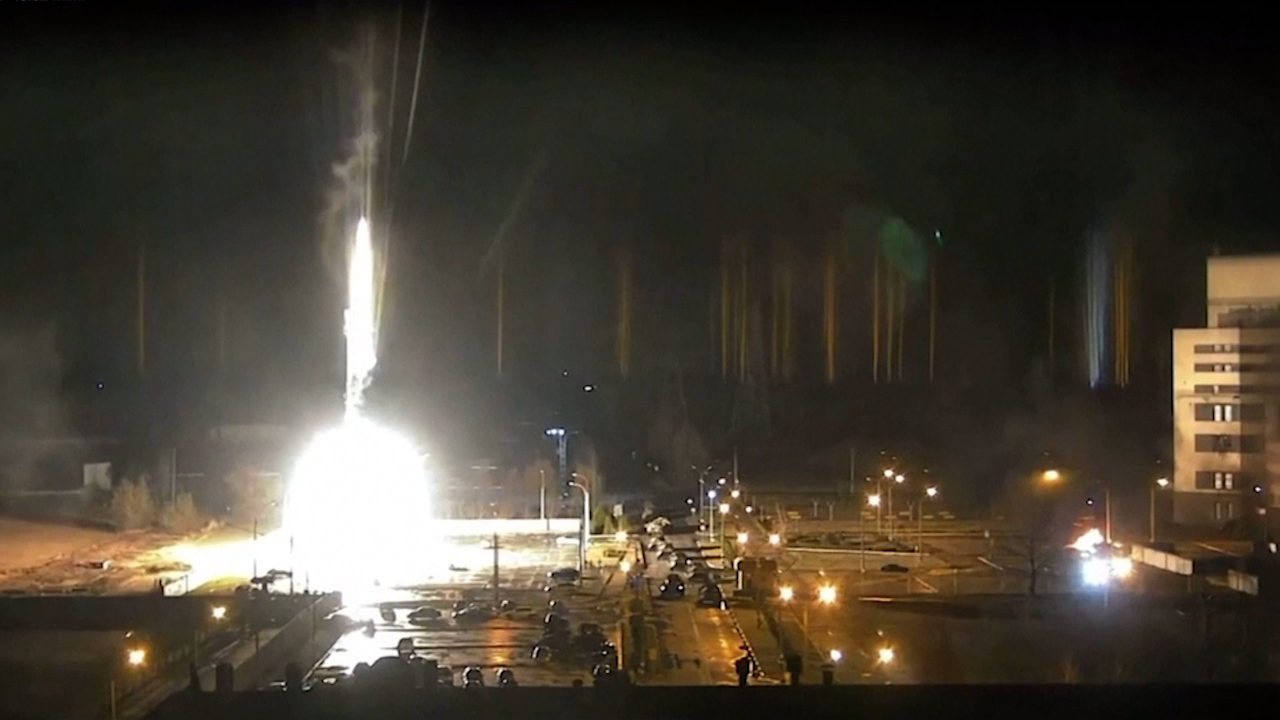
Russian troops are shelling Europe's largest nuclear power station in Ukraine.

Another danger at nuclear facilities are the pools where spent fuel rods are kept to be cooled, which are more vulnerable to shelling and which could cause the release of radioactive material.

Perhaps the biggest issue, however, is the plant's power supply, said Najmedin Meshkati, an engineering professor at the University of Southern California who has studied both the Chernobyl and Fukushima disasters, raising a concern also voiced by Wolfsthal and others.

The loss of off-site power could force the plant to rely on emergency diesel generators, which are highly unreliable and could fail or run out of fuel, causing a station blackout that would stop the water circulation needed to cool the spent fuel pool, he said.

"That is my big — biggest concern," he said.

David Fletcher, a University of Sydney professor in its School of Chemical and Biomolecular Engineering, who previously worked at UK Atomic Energy, noted that even shutting down the reactors would not help if the cooling system failed in such a way.

"The real concern is not a catastrophic explosion as happened at Chernobyl but damage to the cooling system which is required even when the reactor is shut down," he said in a statement.

"It was this type of damage that led to the Fukushima accident."

WHAT CONCERNS REMAIN?

Ukraine is heavily reliant on nuclear energy, with 15 reactors at four stations that provide about half the country's electricity.

In the wake of the attack on Zaporizhzhia, US President Joe Biden, British Prime Minister Boris Johnson and others called for an immediate end to the fighting there.
Following a conversation with Ukrainian Prime Minister Denys Shmyhal, IAEA Director Grossi appealed to all parties to "refrain from actions" that could put Ukraine's nuclear power plants in danger.

Shmyhal called on western nations to close the skies over the country's nuclear plants.

"It is a question of the security of the whole world!" he said in a statement.

Ukraine is also home to the former Chernobyl nuclear plant, where radioactivity is still leaking, which was taken by Russian forces in the opening of the invasion after a fierce battle with the Ukrainian national guards protecting the decommissioned facility.

In an appeal to the IAEA for help earlier this week, Ukrainian officials said that Chernobyl staff have been held by the Russian military without rotation and are exhausted.

Grossi earlier this week appealed to Russia to let the Chernobyl staff "do their job safely and effectively."

During fighting on the weekend, Russian fire also hit a radioactive waste disposal facility in Kyiv and a similar facility in Kharkiv.

Both contained low-level waste such as those produced through medical use, and no radioactive release has been reported, but Grossi said the incidents should serve as a warning.

"The two incidents highlight the risk that facilities with radioactive material may suffer damage during the armed conflict, with potentially severe consequences," he said.

James Acton, the co-director of the Nuclear Policy Program at the Carnegie Endowment for International Peace, said the simple key to keeping the facilities safe was to immediately end any military operations around them.
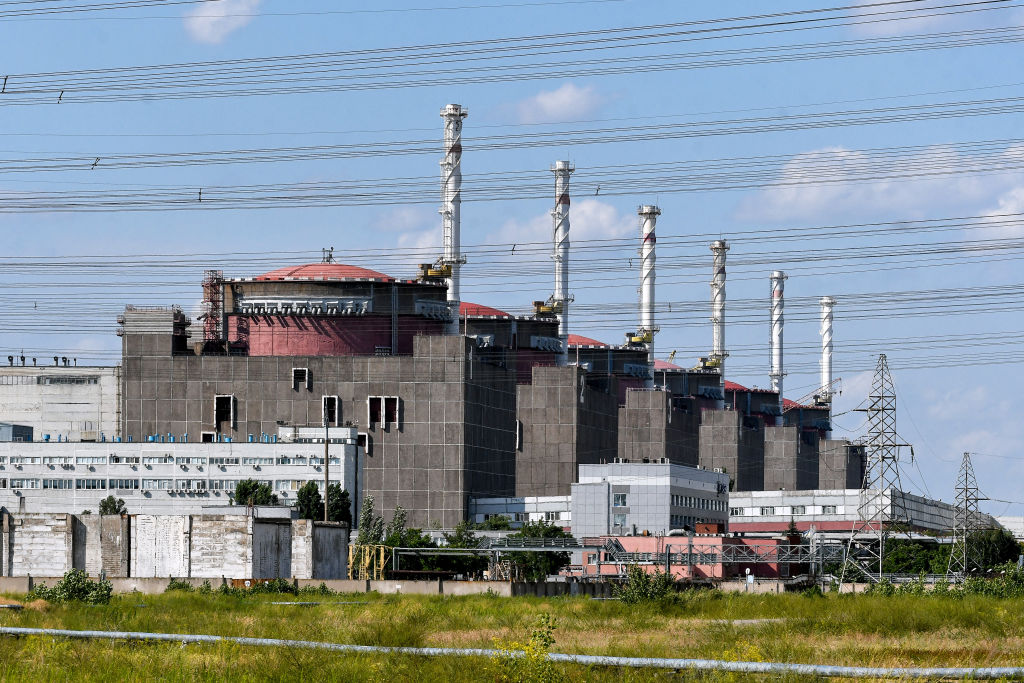
The Zaporizhzhia Nuclear Power Plant.

"Under normal circumstances, the likelihood of a reactor losing power and of the emergency diesel generators being damaged and of not being repaired adequately quickly is very, very small," Acton said.

"But in a war, all of these different failures that would have to happen for a reactor to become damaged and meltdown — the likelihood of all of those happening becomes much more likely than it does in peacetime."

Mitsuru Fukuda, a professor at Nihon University in Tokyo and expert on crisis management and security, said the Zaporizhzhia attack raises broader questions for all countries.

"Many of us did not expect a respected country's military would take such an outrageous step," he said.

"Now that (Russian President Vladimir) Putin has done it, not only Ukraine but the international community, including Japan, should reevaluate the risk of having nuclear plants as potential wartime targets."
Russian attack on Ukrainian nuclear plant 'catastrophic', top official says

An attack on the largest nuclear power plant in Europe has been labelled "catastrophic" by Ukraine's Charge d'Affaires in Australia.

"The consequences of such massive explosion, especially taking into account that there are five more nuclear reactors standing nearby that very reactor that is under fire, and Russian tanks continue to shell, would be catastrophic for the entire European civilisation," Volodymyr Shalkivskyi exclusively told 9News hours after first reports of the incident.

According to Ukrainian officials, the fire broke out at 2.30am, local time (11.30am AEDT), following shelling by Russian troops.

READ MORE: Fire at nuclear plant put out after Russian attack

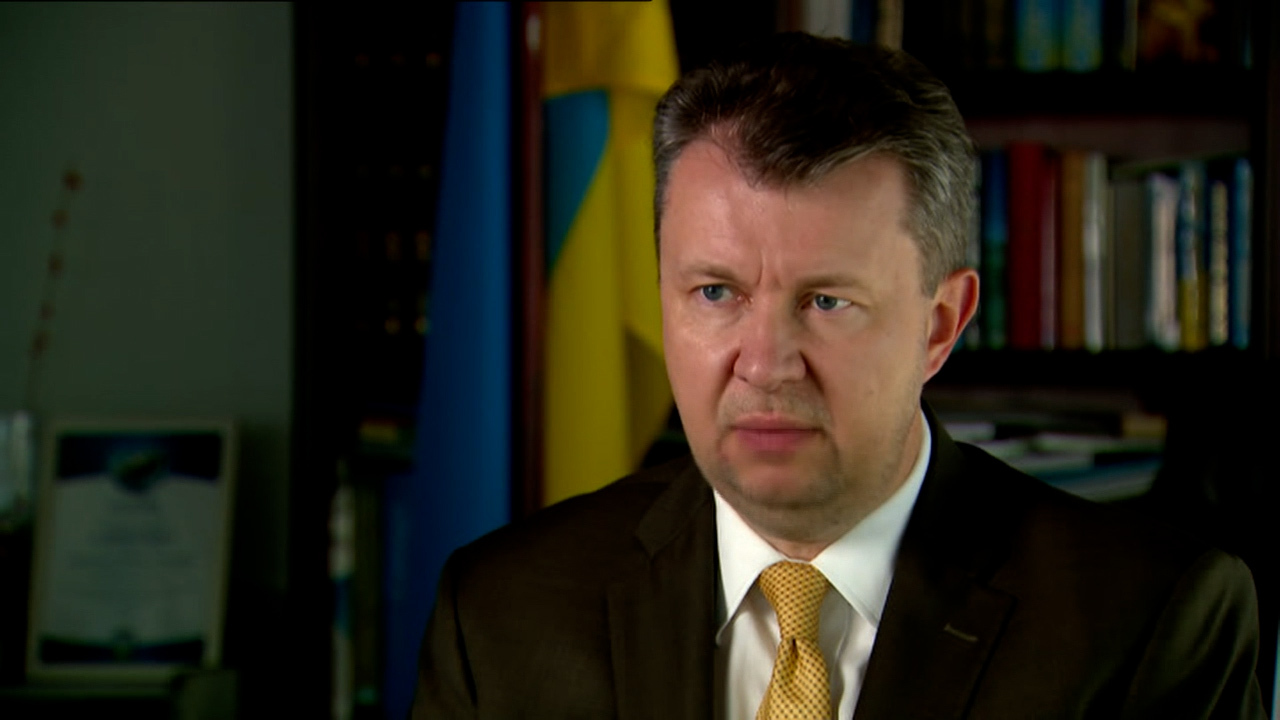
Ukraine's Charge d'Affaires in Australia, Volodymyr Shalkivskyi.

Ukraine's foreign minister Dmytro Kuleba confirmed the reports on Twitter.

"(The) Russian army is firing from all sides upon Zaporizhzhia nuclear power plant," he tweeted.

"Fire has already broke out. If it blows up, it will be 10 times larger than Chernobyl. Russians must immediately cease the fire, allow firefighters, establish a security zone!"

Mr Shalkivskyi echoed the foreign minister's fears.

"I can remind that Chernobyl, that happened in 1986 near Kyiv, was just one reactor – in the Zaporizhzhia, we have six nuclear reactors," he said.

READ MORE: Is stuck convoy in Ukraine a setback for Russia?

Russian troops are shelling Europe's largest nuclear power station in Ukraine.

Mr Shalkivskyi said due to continued shelling by Russian troops, firefighters were unable to reach the plant.

"This is the first time in world history that one country deliberately is trying to attack and create a nuclear accident on the territory of another country," he said.

"Of course, it's of very grave concern, very serious concern for the entirety of Europe.

"This is just a clear example of how far Mr Putin himself can go in order to achieve his goals.

"They have to change their tactics and now we witness he is threatening with destruction over entire territory of Ukraine in order to succeed in his position, in his plan to show the world how powerful he is.

"Under such circumstances, it leaves us really small room for negotiations.

"Kremlin would like to destroy, to kill us. How can we reach an agreement under such circumstances?"

https://twitter.com/rachbaxter9/status/1499606555775627268

Mr Shalkivskyi said Ukrainian President Volodymyr Zelenskyy has spoken with US President Joe Biden and UK Prime Minister Boris Johnson about the unfolding situation, as the country calls on its Western allies for urgent help.

"He also spoke to the head of the (International) Atomic Energy Agency," Mr Shalkivskyi said.

"We have personnel, energy specialists in place.

"Some of them are actually wounded and we do not have possibility to send emergencies to that place because the active shelling continues.

"We call for help to the international community to intervene."

Ukrainian authorities said the fire was extinguished at 3.20pm (AEDT).

Russia takes control of largest nuclear power plant in Europe after fire

Russia has taken control of the Zaporizhzhia nuclear power plant hours after a fire broke out at the facility following Russian shelling.

According to Reuters, local Ukrainian authorities said on social media that "operational personnel are monitoring the condition of power units".

Earlier, the fire that threatened potential disaster at Ukraine's — and Europe's — largest nuclear power plant following an attack by Russian troops was extinguished.

LIVE UPDATES: Pentagon official praises Ukraine forces

Several dozen firefighters worked to put out the blaze, which started in a training building outside the main reactor complex of the Zaporizhzhia nuclear power plant, Ukraine's State Emergency Services said in a statement.

"There are no dead or injured," the statement added.

The blaze was extinguished at 3.20pm (6.20am local time), about an hour after the agency confirmed firefighters were on the scene.

Background radiation levels were normal and fighting had temporarily ceased, authorities said earlier.

In a Facebook post earlier, Ukrainian President Volodymyr Zelenskyy accused Russia of intentionally firing at the power plant.

"Russian tanks are shooting at the atomic blocks equipped with thermal imagers. They know what they are shooting at. They've been preparing for this (attack)," Mr Zelenskyy said in the post, adding "our guys are keeping the atomic power station secure".

The very fact Russia launched an attack at the plant is itself an extremely dangerous act and could cause a potential catastrophe, he said, accusing the invading forces of engaging in "nuclear terror".

"No country besides Russia has ever fired upon an atomic power plant's reactors. The first time, the first time in history," he said, urging European leaders to "wake up now" and stop Russian forces "before this becomes a nuclear disaster".

He also said he feared an explosion that would be "the end for everyone. The end for Europe. The evacuation of Europe."

READ MORE: France warns 'worst yet to come' in Ukraine conflict

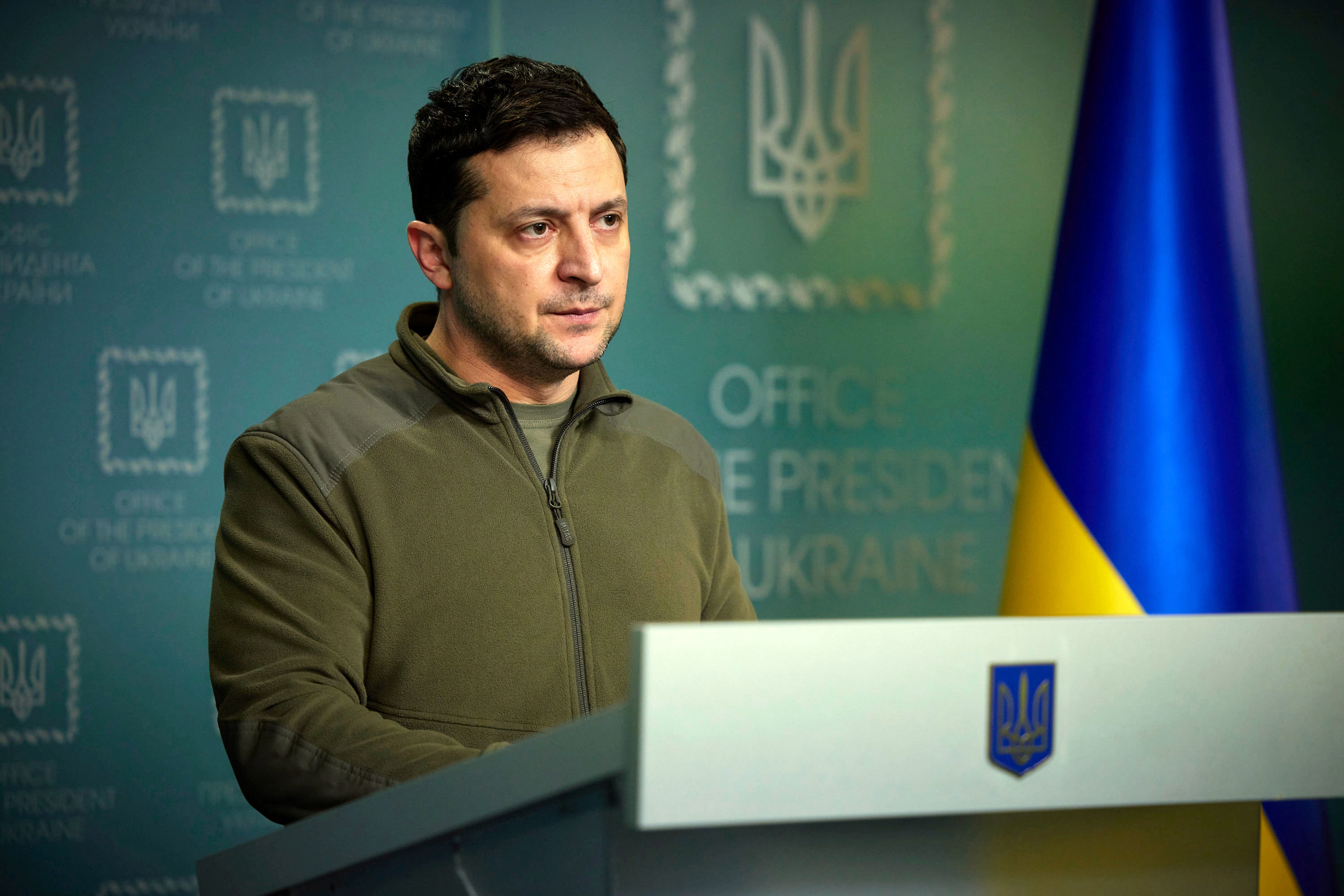
Ukrainian President Volodymyr Zelenskyy

"Only urgent action by Europe can stop the Russian troops," he said.

"Do not allow the death of Europe from a catastrophe at a nuclear power station."

The assault on the station triggered a phone call between US President Joe Biden and Mr Zelenskyy, and the US Department of Energy activated its nuclear incident response team as a precaution.

The attack on the eastern city of Enerhodar and its Zaporizhzhia nuclear plant unfolded as the invasion entered its second week and another round of talks between the two sides yielded a tentative agreement to set up safe corridors to evacuate citizens and deliver humanitarian aid.

Nuclear plant spokesman Andriy Tuz told Ukrainian television that shells were falling directly on the facility and had set fire to one of its six reactors.

That reactor is under renovation and not operating, but there is nuclear fuel inside, he said.

Ukrainian Foreign Minister Dmytro Kuleba tweeted a plea to the Russians to stop the assault and allow fire teams inside.

READ MORE: Is stuck convoy in Ukraine a setback for Russia?

"We demand that they stop the heavy weapons fire," Mr Tuz said in a video statement.

"There is a real threat of nuclear danger in the biggest atomic energy station in Europe."

The assault renewed fears that the invasion could damage one of Ukraine's 15 nuclear reactors and trigger another emergency like the 1986 Chernobyl accident, the world's worst nuclear disaster.

US Energy Secretary Jennifer Granholm tweeted the Zaporizhzhia plant's reactors were protected by robust containment structures and were being safely shut down.

Most experts have seen saw nothing to indicate an impending disaster.

The International Atomic Energy Agency said the fire had not affected essential equipment and that Ukraine's nuclear regulator reported no change in radiation levels.

The American Nuclear Society concurred, saying that the latest radiation levels remained within natural background levels.

"The real threat to Ukrainian lives continues to be the violent invasion and bombing of their country," the group said in a statement.

READ MORE: Ukrainians urged to wage 'guerilla war' as Russian forces advance

Jon Wolfsthal, who served during the Obama administration as the senior director for arms control and nonproliferation at the National Security Council, said the plant's reactors have thick concrete containment domes that should protect them from tank and artillery fire.

But he too was concerned about a potential loss of power at the plant, which could imperil its ability to keep the nuclear fuel cool.

The mayor of Enerhodar said earlier that Ukrainian forces were battling Russian troops on the city's outskirts.

Video showed flames and black smoke rising above the city of more than 50,000, with people streaming past wrecked cars, just a day after the UN atomic watchdog agency expressed grave concern that the fighting could cause accidental damage to Ukraine's 15 nuclear reactors.

Prior to the shelling, the Ukrainian state atomic energy company reported that a Russian military column was heading toward the nuclear plant.

Loud shots and rocket fire were heard at the site.

READ MORE: White House announces new sanctions on Russian oligarchs

"Many young men in athletic clothes and armed with Kalashnikovs have come into the city. They are breaking down doors and trying to get into the apartments of local residents," the statement from Energoatom said.

Later, a live-streamed security camera linked from the homepage of the Zaporizhzhia plant showed what appeared to be armoured vehicles rolling into the facility's parking lot and shining spotlights on the building where the camera was mounted.

Then there were what appeared to be muzzle flashes from vehicles, followed by nearly simultaneous explosions in surrounding buildings.

Smoke rose into the frame and drifted away.

Oil prices touch highest level since the GFC

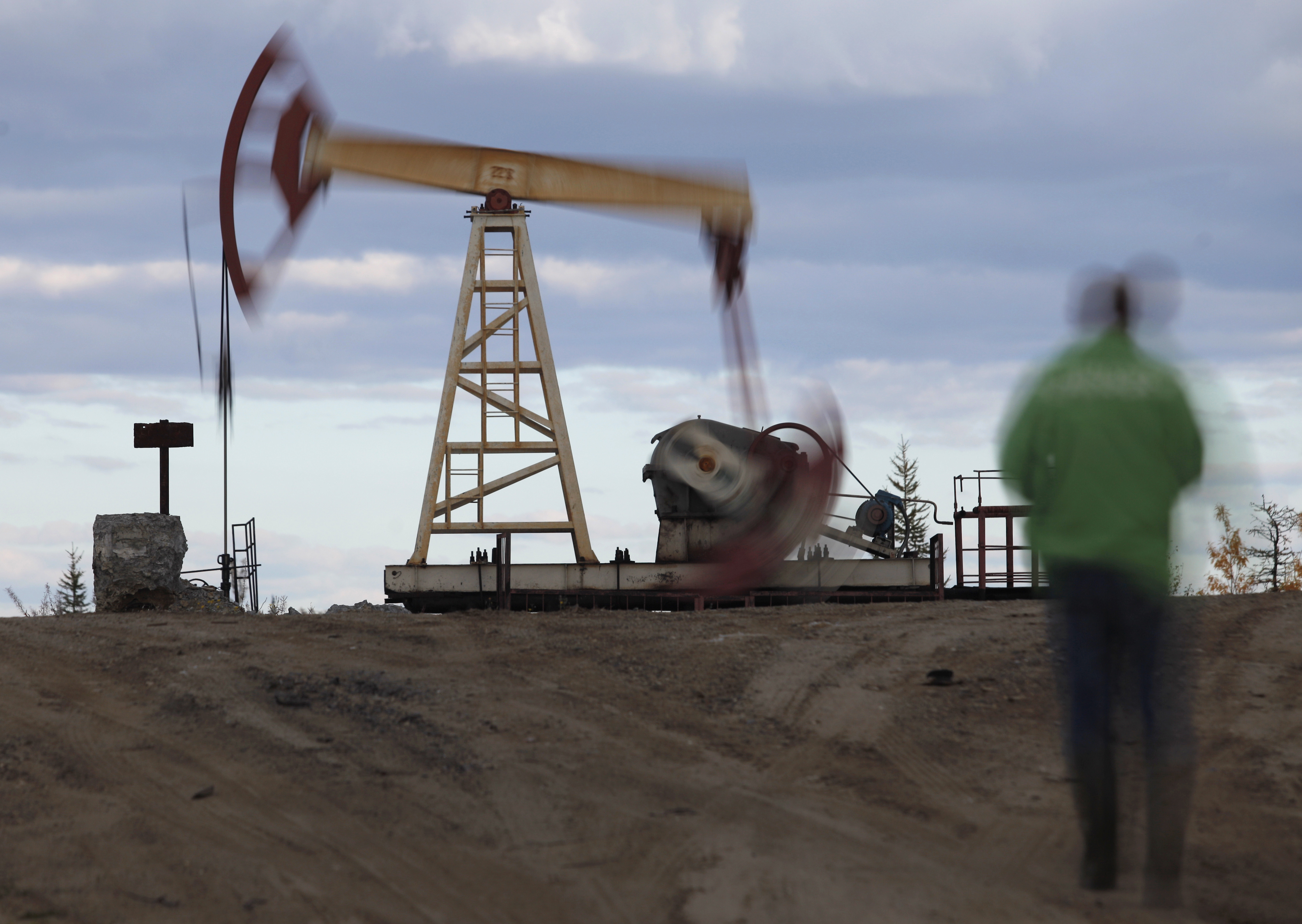
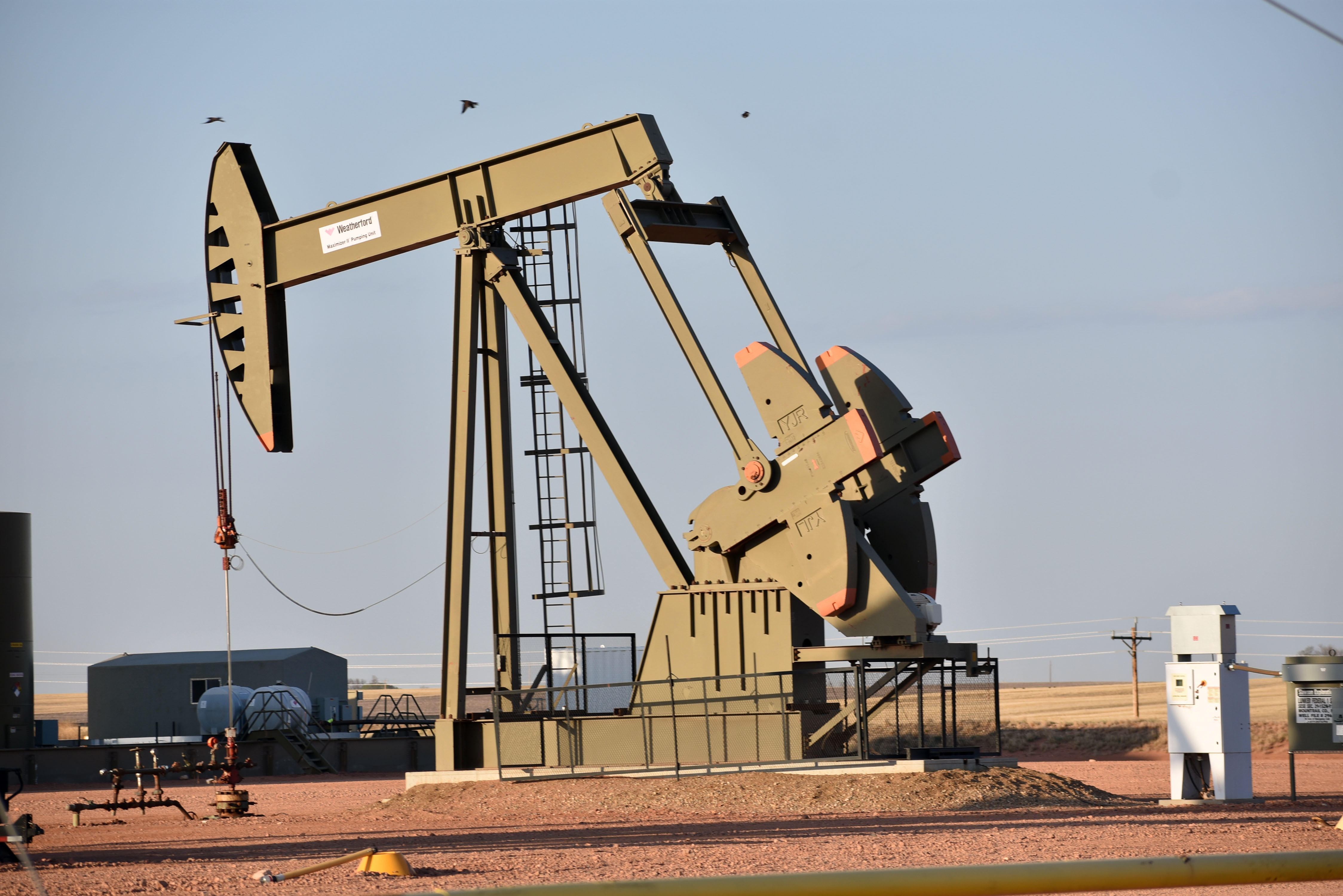
Oil prices have briefly spiked to their highest level in nearly 14 years, as concerns about disruptions to Russian supplies continue.

US crude jumped as much as 5.4 per cent to US$116.57 ($158.73) a barrel early Thursday — the highest trade since September 22, 2008. A week earlier Lehman Brothers collapsed.

The spike was fleeting. By late morning, crude had turned slightly negative. In recent trading, oil was little changed at US$110.75 ($150.80) a barrel.

LIVE UPDATES: Putin claims invasion 'going to plan'

Despite the pullback from the intraday highs, oil remains up by 20 per cent since just before Russia invaded Ukraine last week.

Brent, the world benchmark, flirted with US$120 ($163.40) a barrel Thursday morning, hitting an intraday high of US$119.84 ($163.18), the highest since May 2012.

Russia was the number two oil producer in the world last year, and the invasion of Ukraine has triggered fears about supply disruptions.

Although Western officials have not directly imposed sanctions on Russia's oil-and-gas supplies, industry analysts say there has been a de facto ban on Russia's oil due to concerns about running afoul of sanctions.

LIVE UPDATES: More storms barrelling towards Queensland

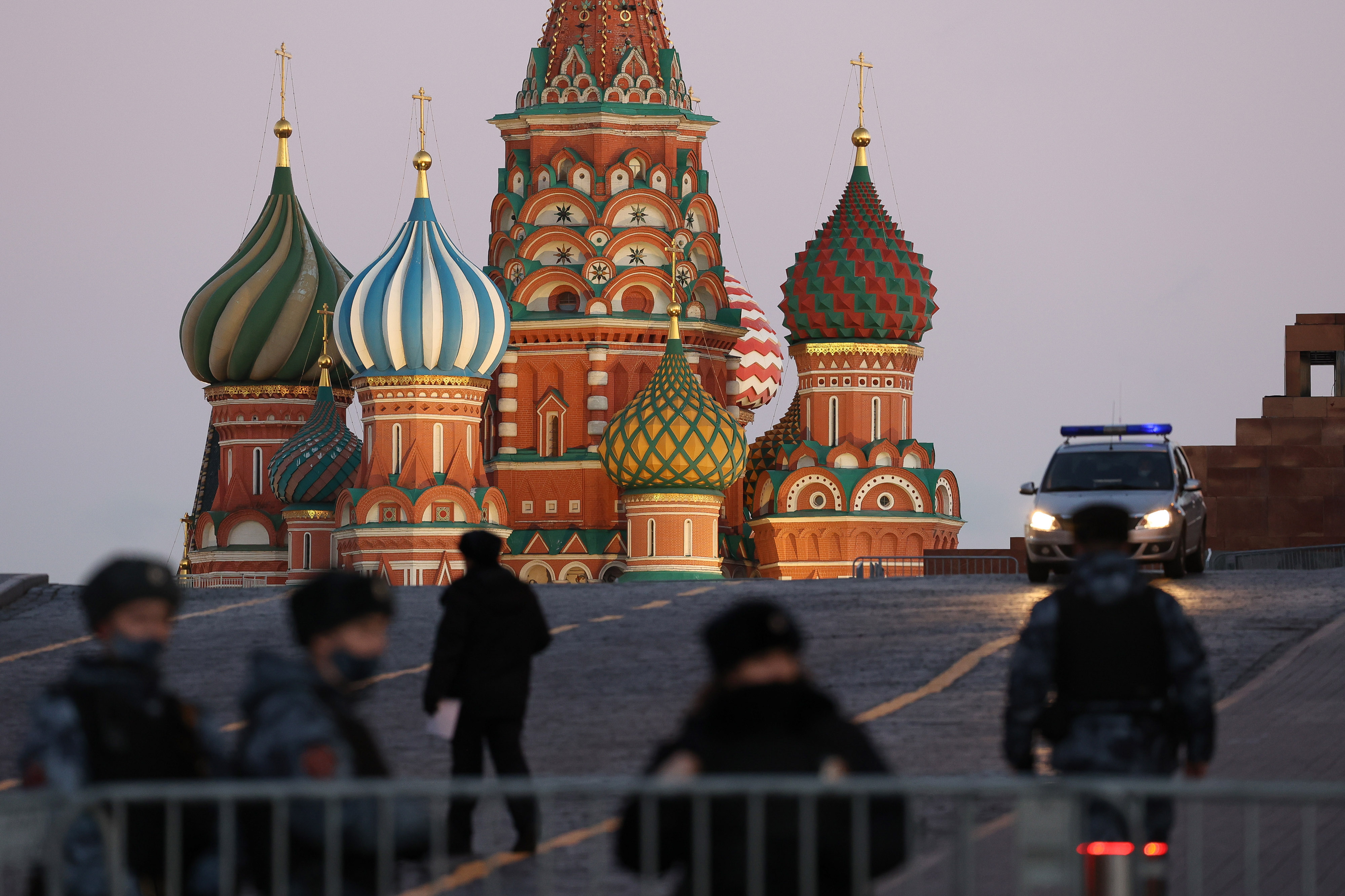
The Moscow Stock Exchange.

Pelosi adds voice to chorus of calls to ban Russian oil imports into the US

Amid the escalating war in Ukraine, US House Speaker Nancy Pelosi said Thursday she supports banning Russian oil imports to the country, a hefty nod that could strengthen President Joe Biden's hand as global allies seek to isolate Russian President Vladimir Putin's regime.

Biden has been reluctant to curb Russian oil shipments to the US or slap on energy sanctions in ways that would reduce supply as gas prices at the pump are already climbing for Americans.

But Pelosi's support gives fresh currency for an idea in Congress already backed by wide swathes of Republicans and an increasing number of Democrats.

READ MORE: France warns 'worst yet to come' in Ukraine conflict

The White House has said all tools remain on the table.

"I'm all for that," Pelosi said about ending Russian oil in the US.

"Ban it."

Finding common ground to counter Russian aggression toward Ukraine through energy policy would be a breakthrough for the divided Congress, which has shown remarkable resolve in unifying US support for Ukrainians but has struggled over concrete steps that would help the Western-style democracy battle the Russian invasion.

A Russian oil ban could draw momentary alliance of lawmakers on the left and right — Democrats fighting climate change who want to lessen the US reliance on fossil fuels; Republicans who want to boost US energy production at home; and the great majority of lawmakers of both parties who want to stop Russian President Vladimir Putin's war.

READ MORE: How you can help with the flood crisis in Queensland and NSW

Republicans have been pushing for the Russian oil ban, joined by some Democrats eager to punish Mr Putin.

"What if we crush the oil and gas sector of the Russian economy?" said Republican Senator Lindsey Graham.

"That would be a lethal combination for the Russian economy."

Additional reporting by The Associated Press

Teen charged with looting, threatening woman as flood-affected properties targeted

Several more people have been charged in a police crackdown on looting, as offenders target vulnerable flood-affected homes.

A 15-year-old boy is one of the latest to be charged with looting offences, after allegedly stealing from cars in a flooded carpark in Brisbane's West End around 6pm yesterday.

Police allege the teen was confronted by a member of the public while attempting to steal from a car.

READ MORE: Tenth Queensland flood death, storms halt clean-up

The East Brisbane teen allegedly threatened a woman with a tool before police came to arrest him.

The woman was uninjured, while the teen was charged with two counts of stealing by looting in a natural disaster and one count of threatening violence.

He will appear in Brisbane's Children's Court.

Hours later, police intercepted a man and a woman, both 26, who had allegedly raided several properties in the suburb of Oxley.

Police video shows vehicle inspections revealing allegedly stolen house decor like potted plants and other assorted items.

Police Commissioner Katarina Carroll said seven people had been charged with looting offences since March 1.

She said those caught looting are subject to double the prison time as those sentenced for stealing offences and could face up to 10 years in jail.

"It is considered a lot more serious because those people are in a vulnerable condition because of this disaster," Ms Carroll said.

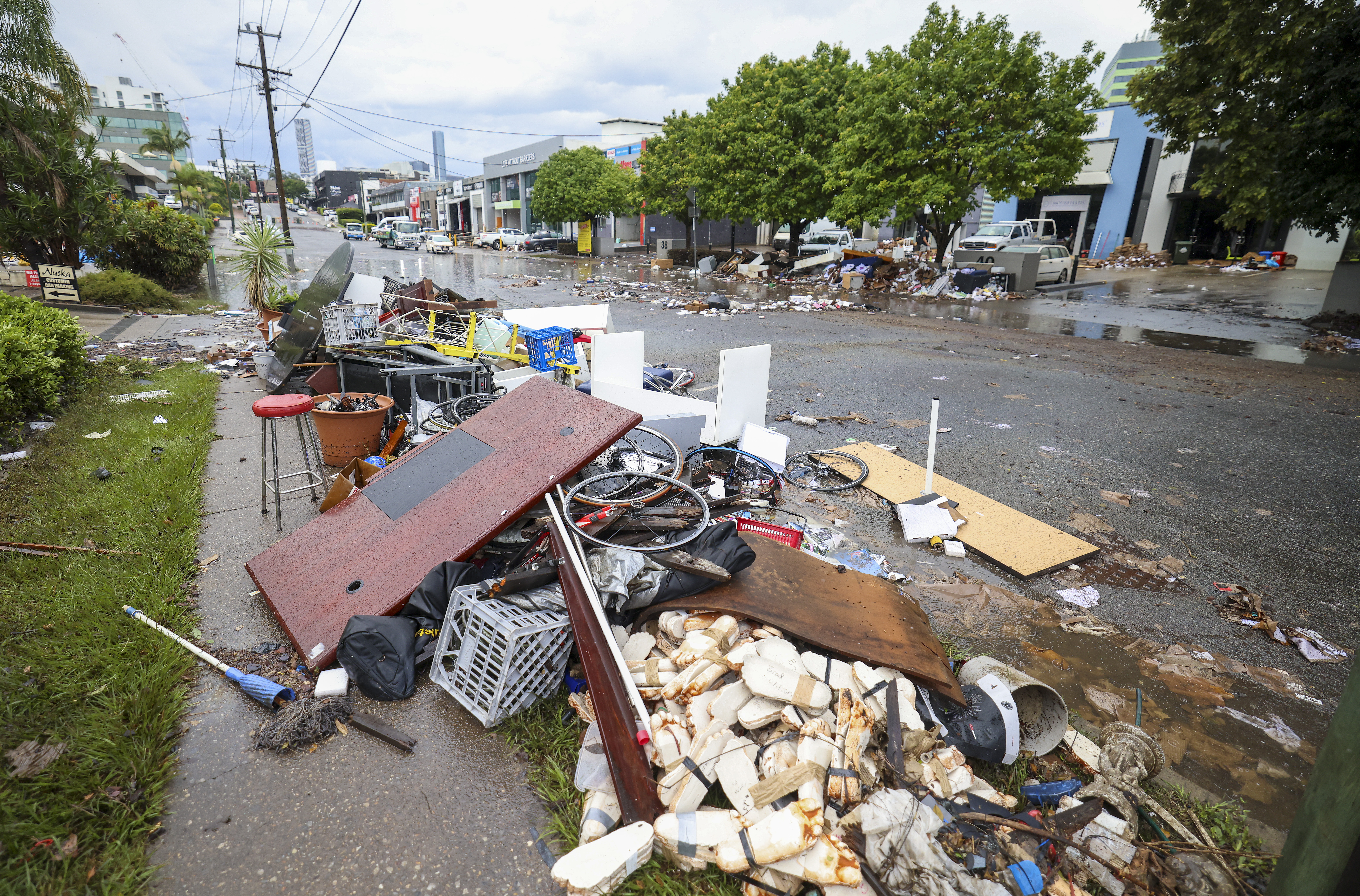
Acting Superintendent Paul Austin said police had received reports people were also picking through furniture and personal items left to dry on street curbs.

"Officers will take a zero-tolerance approach when it comes to looting and ask members of the public to continue to contact Policelink on 131 444 if they witness suspicious behaviour or believes they may be victim to looting," Superintendent Austin said.

"This is a timely reminder to all members of the public that often these are treasured possessions that flood victims are having to sift through.

"Please show compassion and consider asking permission from owners before assuming items left out in front of houses are rubbish."

READ MORE: France warns 'worst yet to come' in Ukraine conflict

Flooding in Goodna Ipswich

Yesterday, police confirmed looters had raided four schools in the town of Ipswich, west of Brisbane.

Acting Queensland Police State Disaster Coordinator Shane Chelepy said over 100 officers were working around the clock to protect residents.

"They are terrible reports," he said.

"Again overnight, we have had a couple more reports of people out, attempting to loot people's properties that have been absolutely devastated by these events, and we have seen that throughout.

"We are using helicopters, Water Police, general duties police and we are out actively patrolling through those suburbs and we are taking a zero tolerance approach to this disgusting behaviour and we have arrested a number of people."

READ MORE: How you can help with the flood crisis in Queensland and NSW

Fifth flood death confirmed in northern NSW, more storms to come

A fifth person has died in the devastating floods in northern NSW.

The body of a man, believed to be in his 40s, was discovered at Byrril Creek Road near Terragon, south of Murwillumbah, this afternoon.

The man is yet to be formally identified and a report will be prepared for the coroner.

READ MORE: More storms coming for Sydney after respite

More wild weather forecast for weekend

Showers are easing in NSW today but the respite from wild weather will be brief.

The Bureau of Meteorology (BoM) warned more thunderstorms forecast for the weekend.

"Widespread showers and thunderstorms activity developing across eastern NSW, from the Mid North Coast all the way down to the Victorian border and extending inland Sunday and Monday," BoM senior meteorologist Dean Narramore said.

"That is not good news for us here in eastern NSW and for much of the state."

The fresh round of wet weather is expected to lead to further flash flooding as the ground is already saturated.

"Whilst showers and rainfall have eased today and tomorrow, we still have numerous major and moderate flood warnings current," Mr Narramore said.

"The next weather system moving in to bring another round of rain and thunderstorms particularly on Sunday and Monday."

https://twitter.com/BOM_NSW/status/1499541777476632576

NSW SES Commissioner Carlene York said there were 700 calls for assistance yesterday, in addition to 13 flood rescues.

"We're planning for this weather in the next couple of days down on the South Coast as well," Ms York said.

"I call on those community residents to be aware of their flood risk … keep up-to-date with any warnings or information that we put out."

https://twitter.com/NSWRFS/status/1499524493554765833

She said based on the BoM forecast, "we're not past the danger period yet".

Now the rain has eased up in parts of the state, the long clean-up begins.

An "army of yellow" SES volunteers are preparing to help with recovery operations right across the NSW North Coast.